Jo Ractliffe: Nadir

The South African photographer publishes her first comprehensive book of works made over 35 years
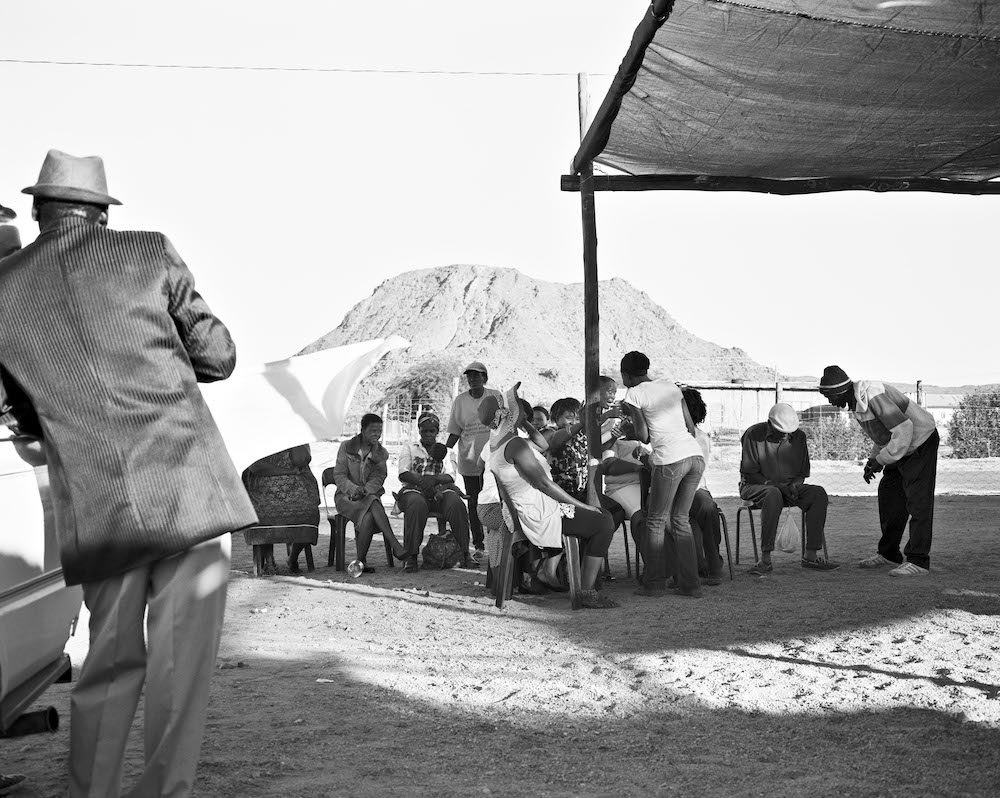
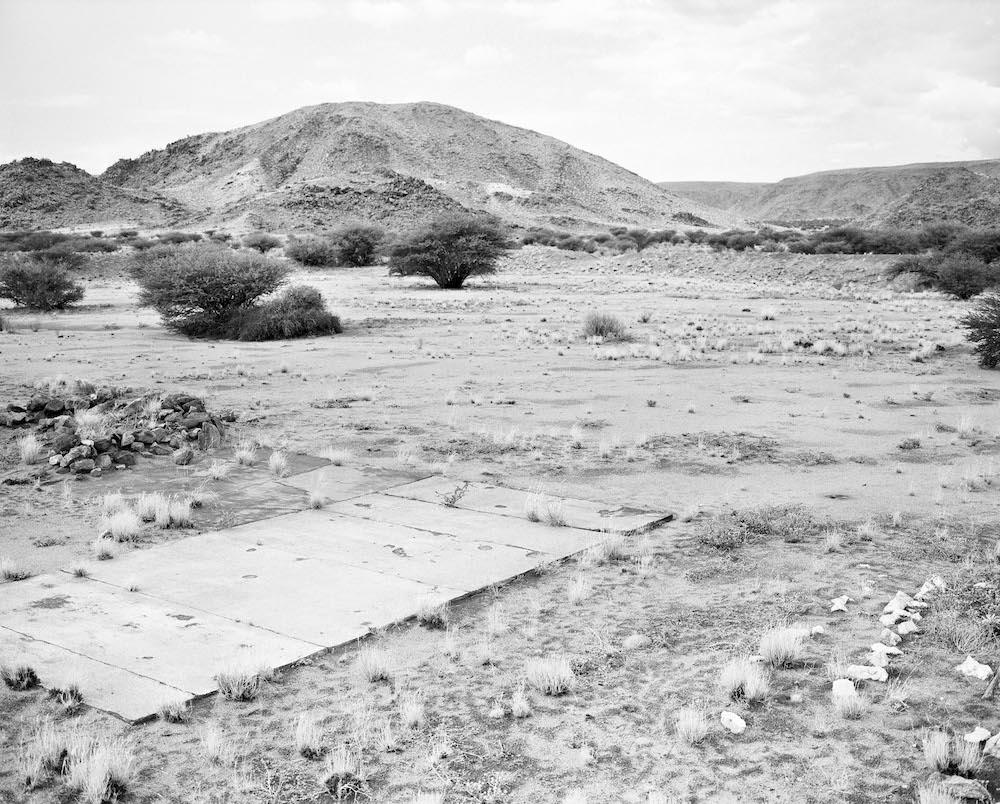
Photographs: 1980s to now by Jo Ractliffe published by Steidl. The Borderlands (2015)

From 1948 until the early 90s, apartheid took hold of South Africa and South West Africa (now known as Namibia). Politically dominated by the nation’s minority white population, the first apartheid law was the Prohibition of Mixed Marriages Act (1949); followed by the Immorality Amendment Act and the Population Registration Act of 1950. Between 1960 and 1983, over three million Black Africans were removed from their homes and into segregated neighbourhoods, while the government announced that those who had been relocated would lose their South African citizenship, and moved into ten designated territories known as ‘bantustans’.

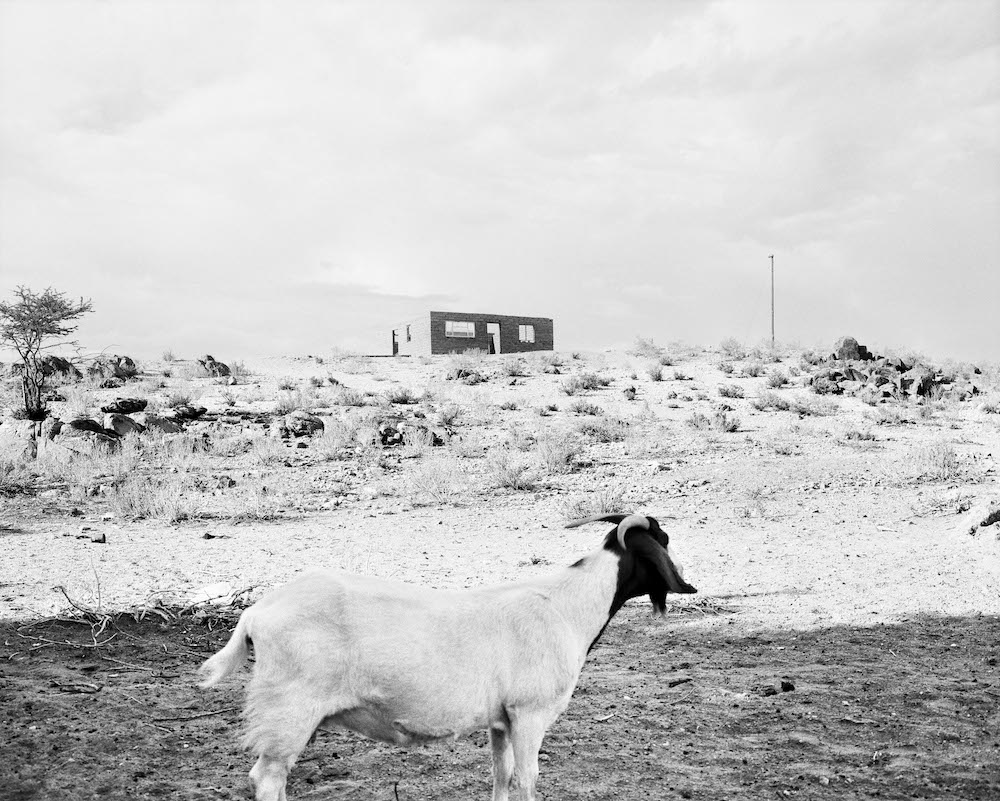
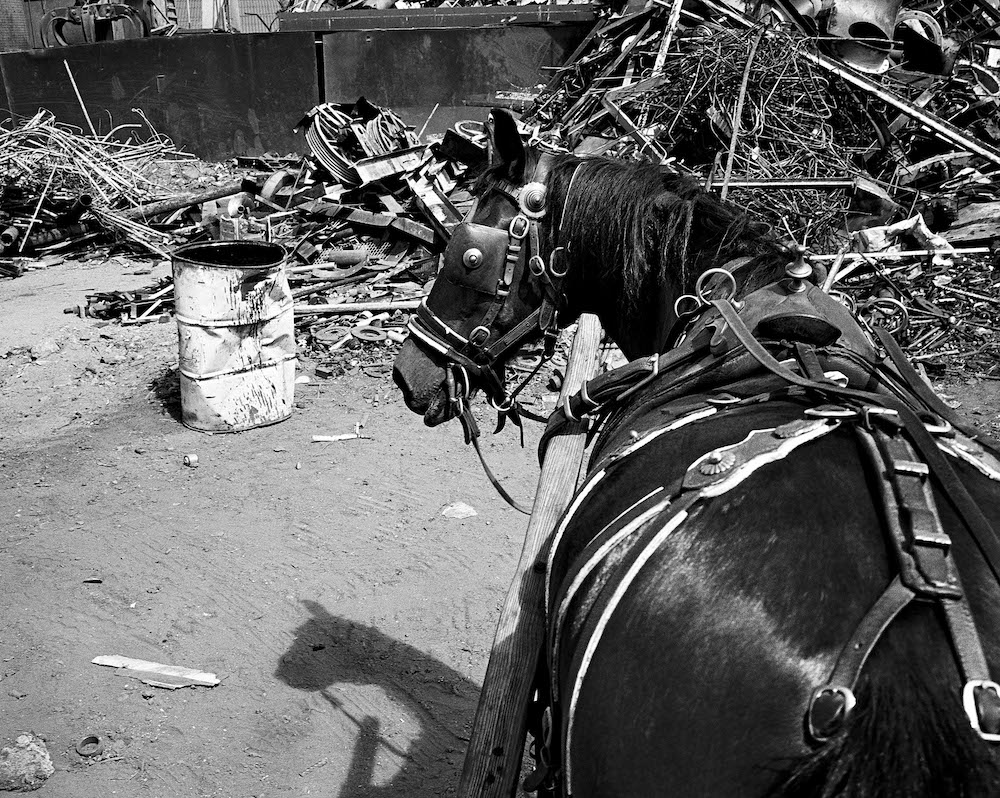
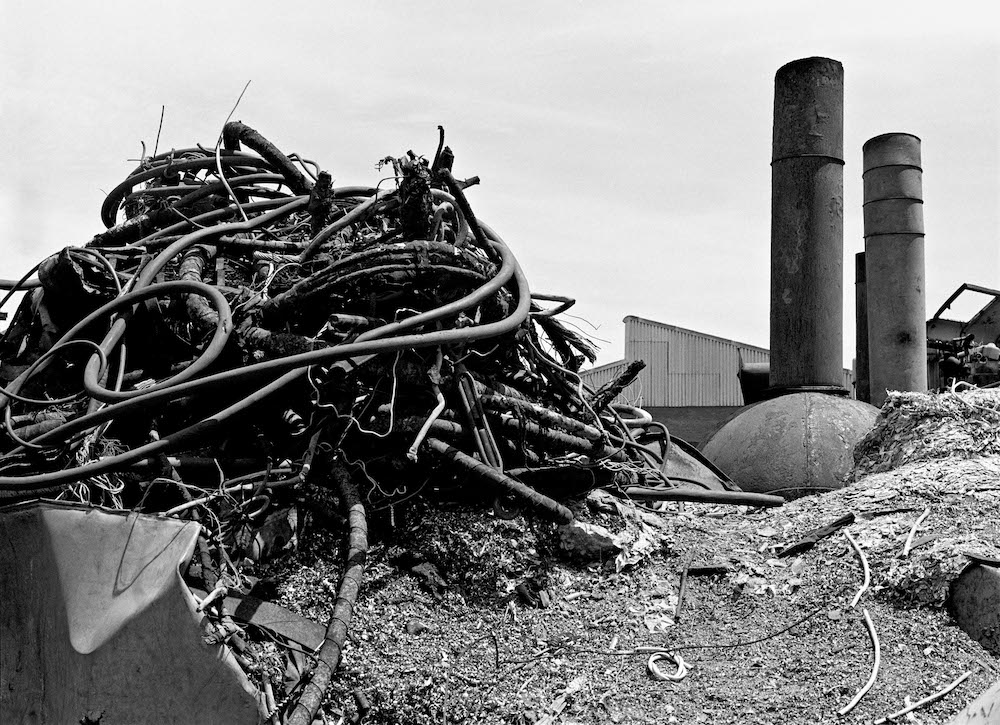
Sparking outrage and backlash against the institutionalised racial segregation of apartheid, this resulted in resistance and the rise of social movements across the globe – some of the biggest of the 20th century. Notable documentary photographers of that time would pull their lens onto the uprising and division prevailing across the country, like David Goldblatt who documented South Africa’s people and landscapes, and Ernest Cole, one of the country’s first Black photojournalists. Jo Ractliffe, a South African photographer born in Cape Town, first raised her camera in the mid-80s during the midst of the anti-apartheid movement. But rather than documenting its brutality, she turned an unusual lens onto the metaphorical, shooting landscapes and somewhat allegorical placements of figures, things, animals and nature; capturing the borderlands of her home town; the aftermath of civil war in Angola; addressing themes of conflict and displacement in far from the typical documentary manner.

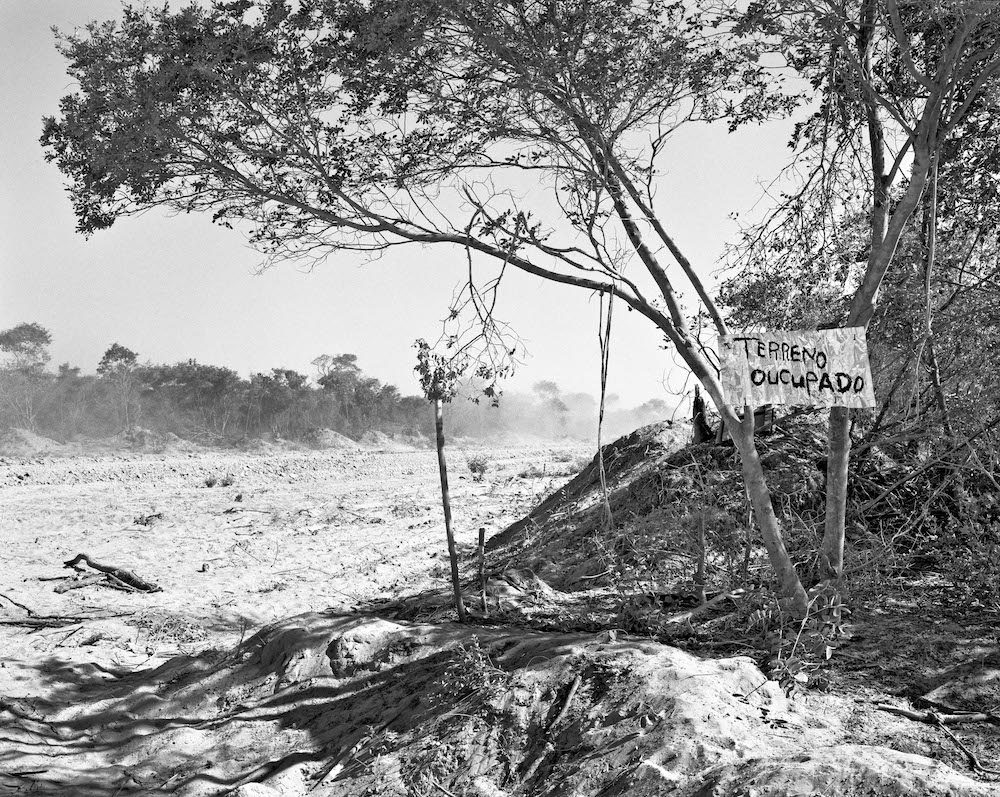
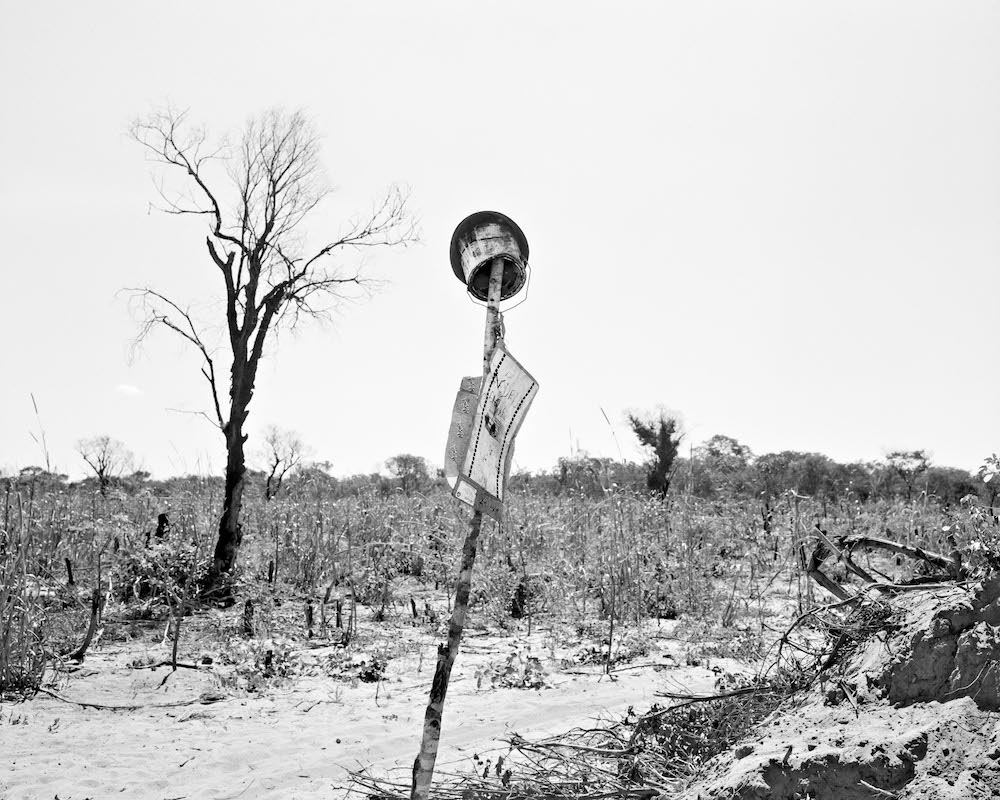
Jo’s earlier series include Crossroads (1986) and Vissershok (1988), both of which were crafted in her hometown, shortly followed by Nadir (1986-1988) that compiles a collection of photomontages in a land where seemingly aggressive stray dogs have replaced humankind. A move to Johannesburg in the 1990s led to reShooting Diana (1990-1995), which captures the moments of ordinary life. While in 2007, she documented the war in Angola and published three books on the after-effects of the war on the South African landscape: Terreno Ocupado (2008), As Terras do Fit do Mundo (2010) and The Borderlands (2015). These are all but a few examples of the 35 years spent as a photographer, and now her life’s creations have been formed into a comprehensive tome titled Photographs: 1980s to now, co-published with the Walther Collection and Steidl and featuring text by Emmanuel Iduma, Matthew Witkovsky and a conversation with Artur Walther. 

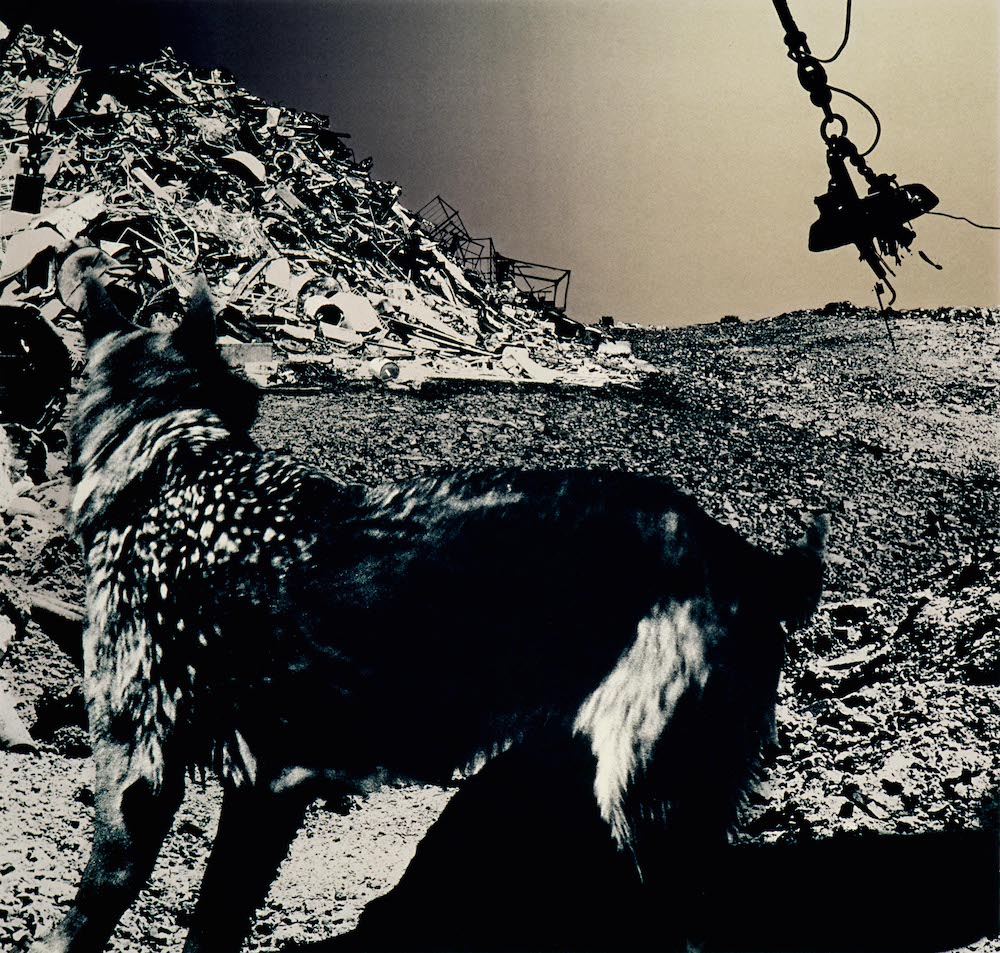
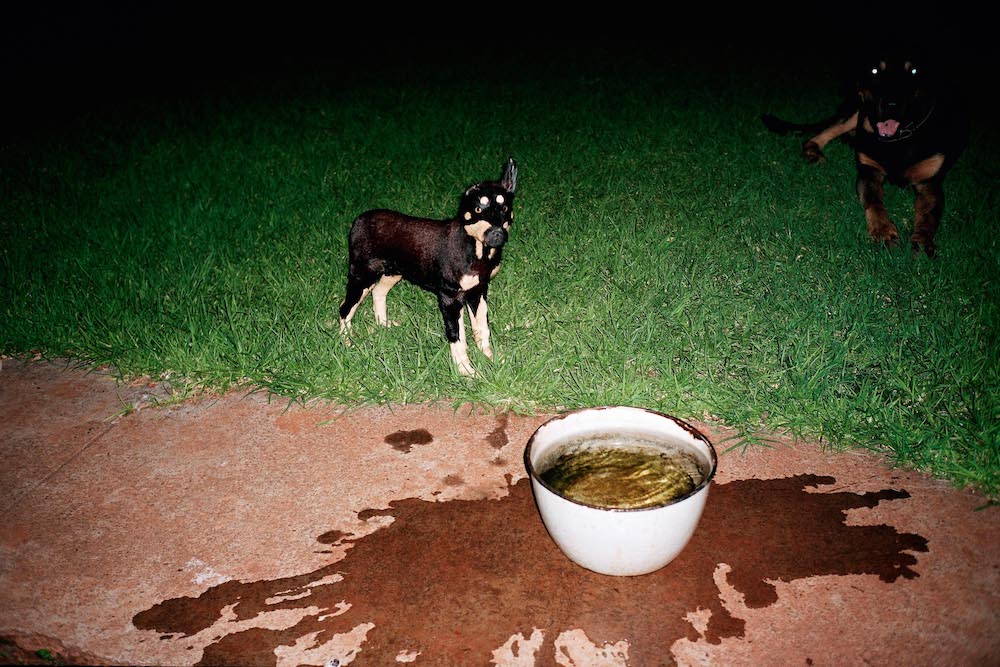
In this publication, you’ll find a mix of prose, impactful imagery and in-depth, personal cadences written by Jo that detail the reasoning behind her credited works. Like Nadir – a series shot in 1988 that, now more than ever, conveys a sense of dystopia in the formidable aftermath of the apartheid government. The stray dogs are luminescent and the backgrounds are dark and bare, alluding to the hostile control of the police as they roam the bleak, supernatural landscapes. And even the name, Nadir, denotes a feeling of despair, defined as the lowest or most unsuccessful point in a situation. It’s a powerful series to say the least, and one that echoes with history and politics.

Below, Jo shares an excerpt from the book that explains more about the series Nadir (1986 – 1988).
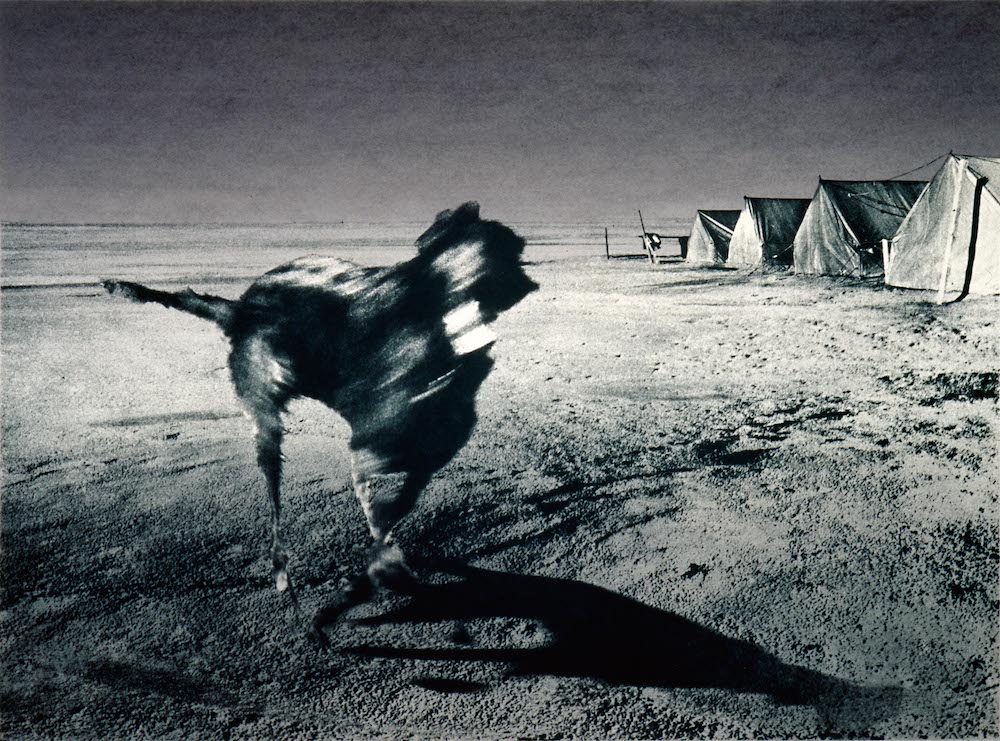
Photographs: 1980s to now by Jo Ractliffe published by Steidl. Nadir (1986-1988)

Come down with a thump on the out side of the fents and slyding down the slippy bank in to the ditch which I come up out of it soakit and sopping and there wer that black leader waiting for me with his yeller eyes. 

Jus stanning there in the rain and waiting for me. 

Dint see no other dogs jus only him. Looking at me and wagging his tail slow. Then he ternt and gone off easy looking back over his shoulder like he wantit me to foller so I follert. I ben waiting for it so long when the time come I jus done it. 

» Russell Hoban, Riddley Walker, 198à


Nadir began as an experiment in montage. I was disappointed with my photographs; they seemed somewhat apart, detached from the events that surrounded them. I wanted my work to register with what was happening in South Africa. Especially in that moment, in what felt like ‘a world gone mad’, I wanted to make work that, more than simply an image, conveyed an experience of the world. 

Initially, my intentions were quite straightforward: I needed to retain a degree of photographic mimesis, but I also wanted to destabilise the veracity of the photograph and insert something of the unreality of my own experience. I started to reconfigure my photographs, taking structures and objects from one set of images and incorporating them into another. My ‘empty’ landscapes became like stages as the various constituents found their place and the narrative developed. As I became more technically proficient, I began assembling entirely fictitious spaces made up of fragments of ground, texture, sky and clouds, all with conflicting light sources and distorted scale relationships – things impossible in ‘reality’ but plausible nonetheless. This also influenced how I approached things photographically, my seeing often directed more towards the needs of my montages than the photograph as an end in itself. 

Making these screen-printed photographic lithographs involved printing my negatives through an enlarger onto line film, using a sheet of sandblasted glass as a halftone screen. Various elements were cut and pasted to make up the composite image, which was exposed onto a lithographic plate and printed on cotton paper. Colour and tone were built up by screen- printing layers of transparent ink and finally the image was varnished to produce a surface quality similar to photographic paper. 

In the beginning I didn’t think about dogs, although funnily enough they were always around, getting themselves into my pictures. I then began to seek them out. I photographed domestic dogs at play, went to animal shelters and followed feral dogs roaming the streets. I attended police-dog training sessions, had the trainers set their dogs on me so I could photograph up close. One day in 1986, when photographing in Crossroads, my eyes met those of a white dog slinking around a pile of discarded boxes and rubbish. Soon after that encounter, I came across Ryszard Kapuściński’s book Another Day of Life (1976), about the events leading up to Angola’s independence and subsequent civil war. I was very struck by that book, the ways it resonated with what was happening in South Africa – in particular, a passage about the dogs in Luanda, abandoned when the Portuguese fled. And when I read Russell Hoban’s Riddley Walker, the journey of the dogs in Nadir started unfolding. 

Jo Ractliffe’a Photographs: 1980s to now is available here.
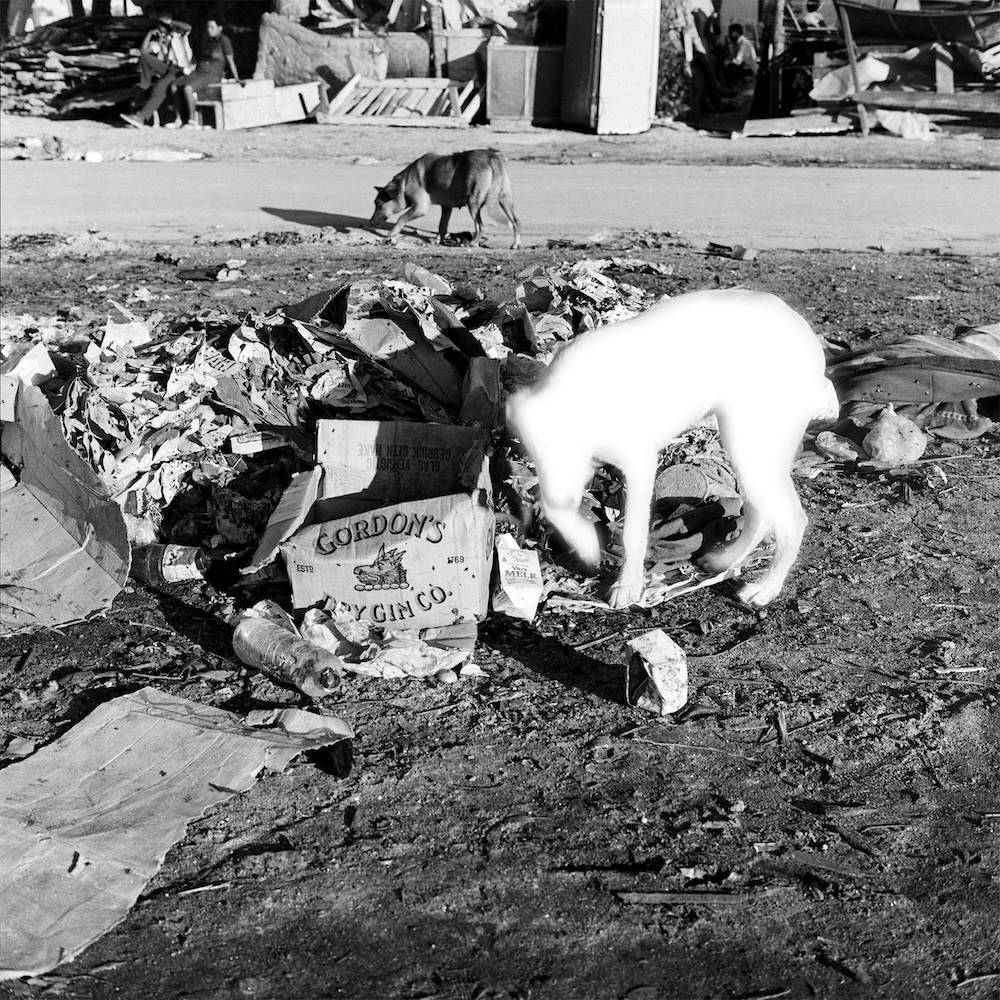
Photographs: 1980s to now by Jo Ractliffe published by Steidl. Nadir (1986-1988)
Photographs: 1980s to now by Jo Ractliffe published by Steidl. As Terras do Fit do Mundo (2010)
Photographs: 1980s to now by Jo Ractliffe published by Steidl. The Borderlands (2015)
Photographs: 1980s to now by Jo Ractliffe published by Steidl. Everything is Everything (2017)
Photographs: 1980s to now by Jo Ractliffe published by Steidl

The city and all it holds

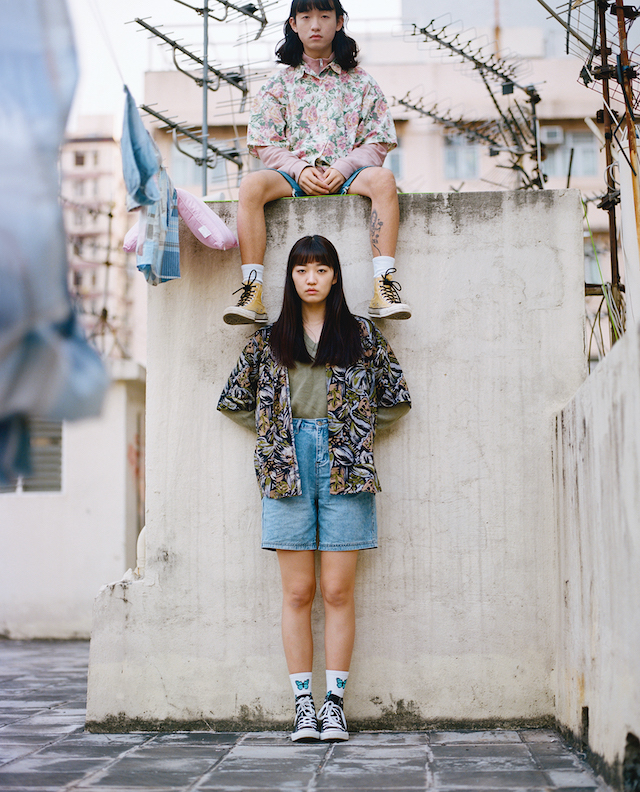
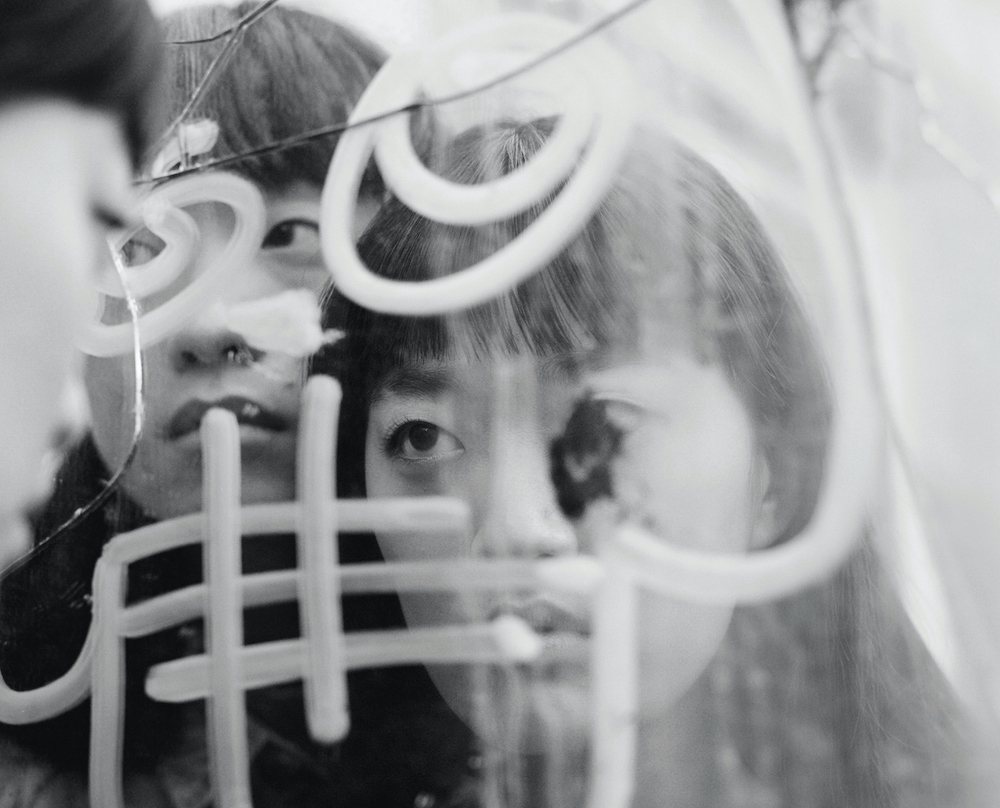
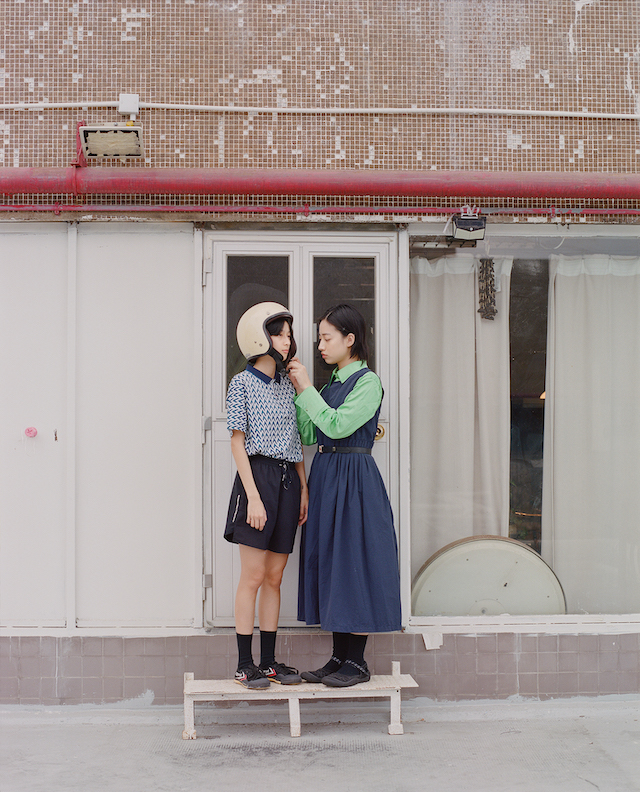
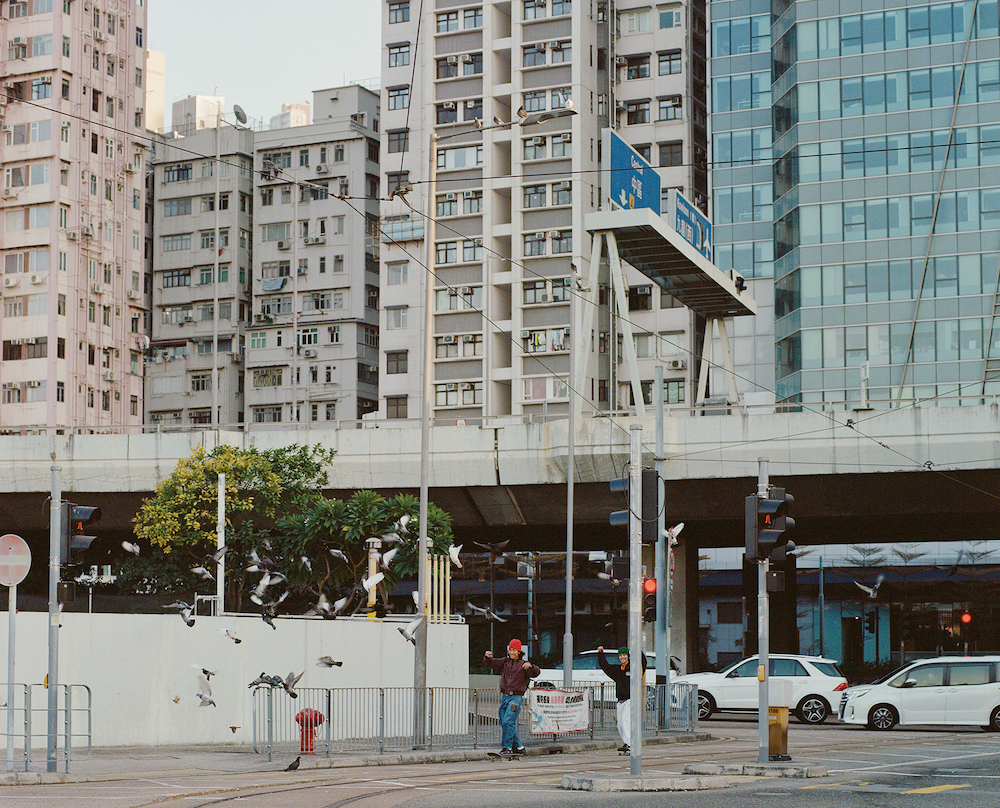
Hong Kong-based photographer Roni Ahn remedially lenses adolescence and uncertainty during a difficult year in the city

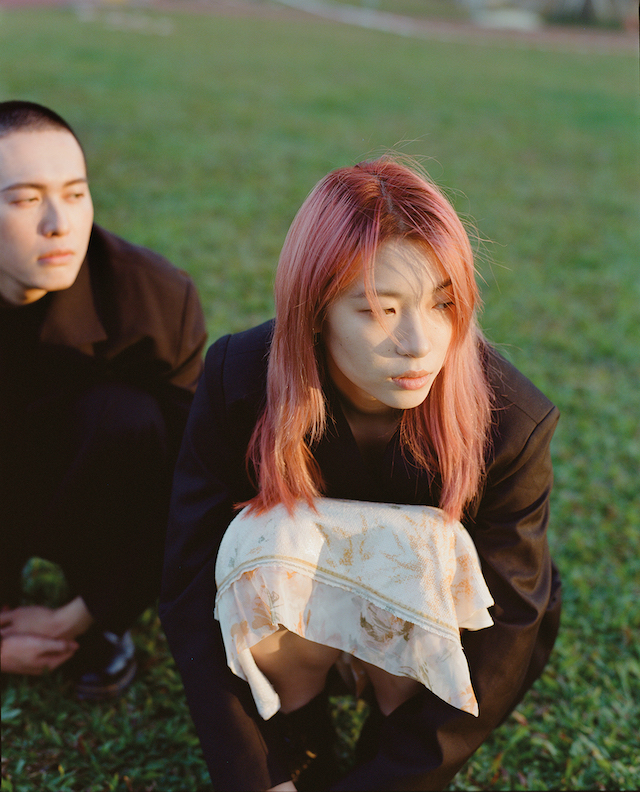
Cherry and Zac

It’s an undeniable fact that the youth of today have been hard hit by the pandemic. Mental health, education and job prospects have all waned, with repercussions heightened in isolation and from a lack of support throughout the year. Even returning back to schools and seemingly normal life has proven to be tricky for most – with 67% of UK youths who responded to a Young Minds survey believing that the pandemic will have a long-term negative effect on their mental health. Clearly, there’s much to be done in the way of bettering the lives and minds of the younger generation, and the effects are being felt worldwide.

To alleviate some of the year’s trembles, Roni Ahn, a photographer based between London and Hong Kong, turned towards her medium as a remedial outlet. Originally from Korea, Roni moved to Hong Kong at the age of nine before flying the nest to university in the UK. And just moments before the first waves of the pandemic were felt, she’d flown back to Hong Kong to reapply for her UK visa, which “happened to be when the pandemic blew up in Europe, in March 2020,” she tells me of the experience. “So I decided to stay here until things settled down, but ended up staying a lot longer than planned.” Filled with doubt about what may happen in the future, let alone the present, Roni found this point in time to be difficult – and rightfully so, particularly as she didn’t know how long she could extend her visa for. 

Although, it wasn’t just the pandemic that ensued anxieties; Roni felt like she didn’t have much of a creative place in Hong Kong as she did in the UK. “There are a lot of brand shootings and less room for creative freedom,” she explains. And with the recent political events unfolding – such as the protests led by the city’s youth – this naturally added to the political uncertainty in the area.

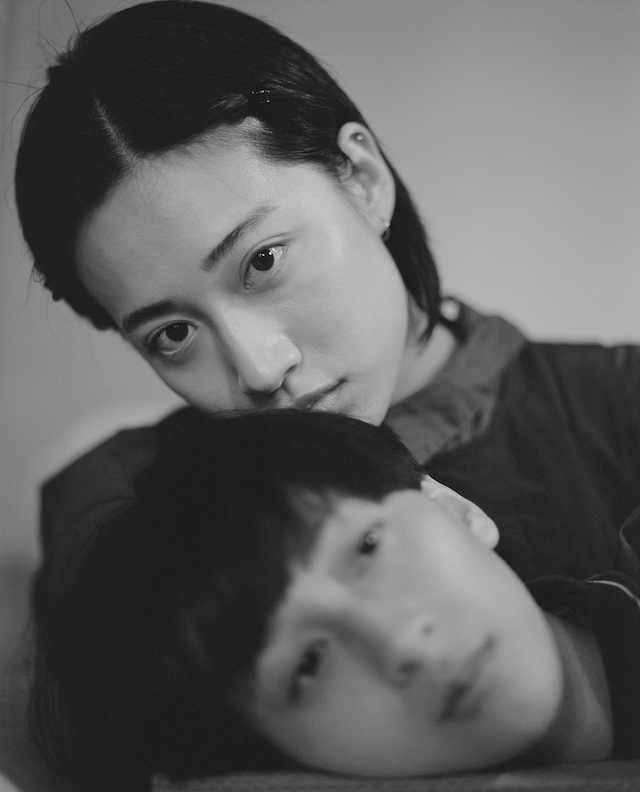
Kitman and Kuku

Roni’s camera is therefore her antidote, employed to build on her own personal project that turned out to be unambiguously close to home. Titled The city and all it holds, the documentary-in-style series has now reached completion and compiles various images shot between the months spent back at home in Hong Kong. The imagery, as a result, is both powerful and soft, capturing the moments of idleness and the unknown as her subjects roam the familiar landscape around them. “Working on my personal project gave me a sense of purpose and excitement in doing something that was solely for myself,” she adds. “Whilst I was taking photos of other people, the project reads like a journal of my time here.”

Indeed, it’s important to think of this work as a time capsule. When the lockdowns arose in Hong Kong, and meetings of more than two people in public were banned, Roni started to cogitate about the people she holds close. “When you’re forced to limit social interaction, you begin to narrow down on those that are more important to you – who is your support system?” Addressing this contemplation through imagery, Roni wanted to translate these thoughts into a series and thus formulated her findings into The city and all it holds; the title alluding to a shrunken world, and a place where she can look at things a little differently.

Fat, Kwan and Ruby

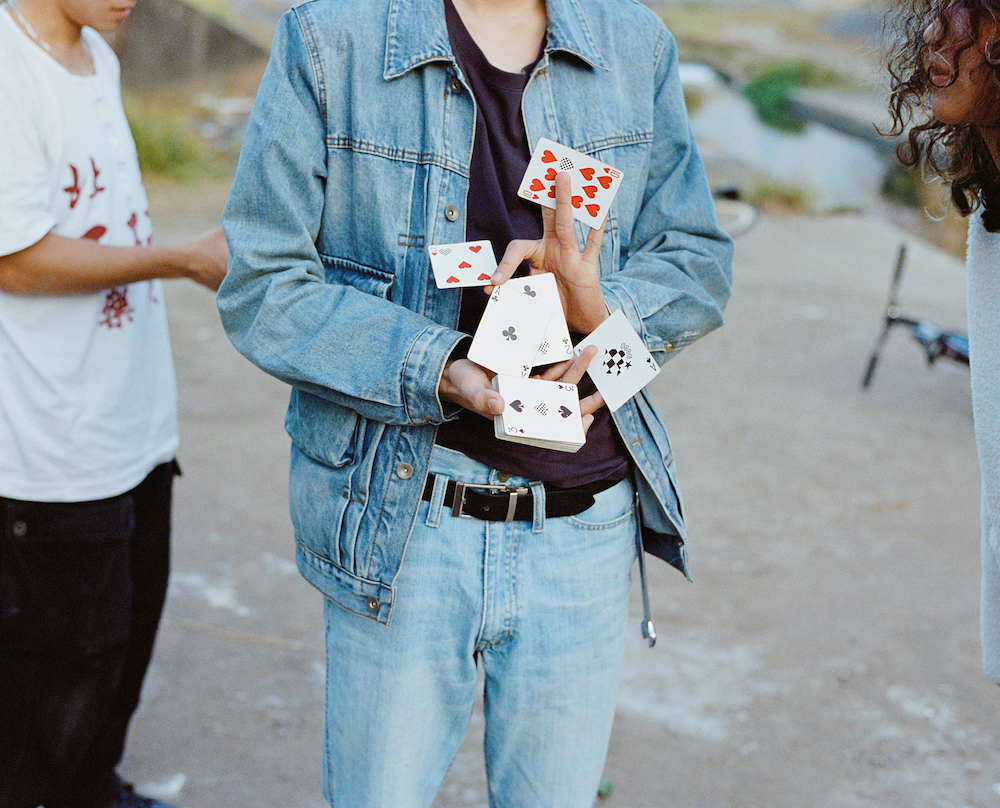
Most of her subjects, then, are those she’d met on set or through friends, but oftentimes they are cast on Instagram. A usual meeting would take place momentarily, getting acquainted with the her friends, lovers and family on the day of shooting, “which actually ended up being some of my favourite shoots,” she notes, specifically pointing to the ones with an “environment that feels authentic to them.” This has been achieved through the artful curation of clothes or location, meshed into a pictorial representation of the person in front of the camera, as well as the places that they are particularly font of, “whether it’s where they grew up, where they spent the most time in or has a special meaning to them.”

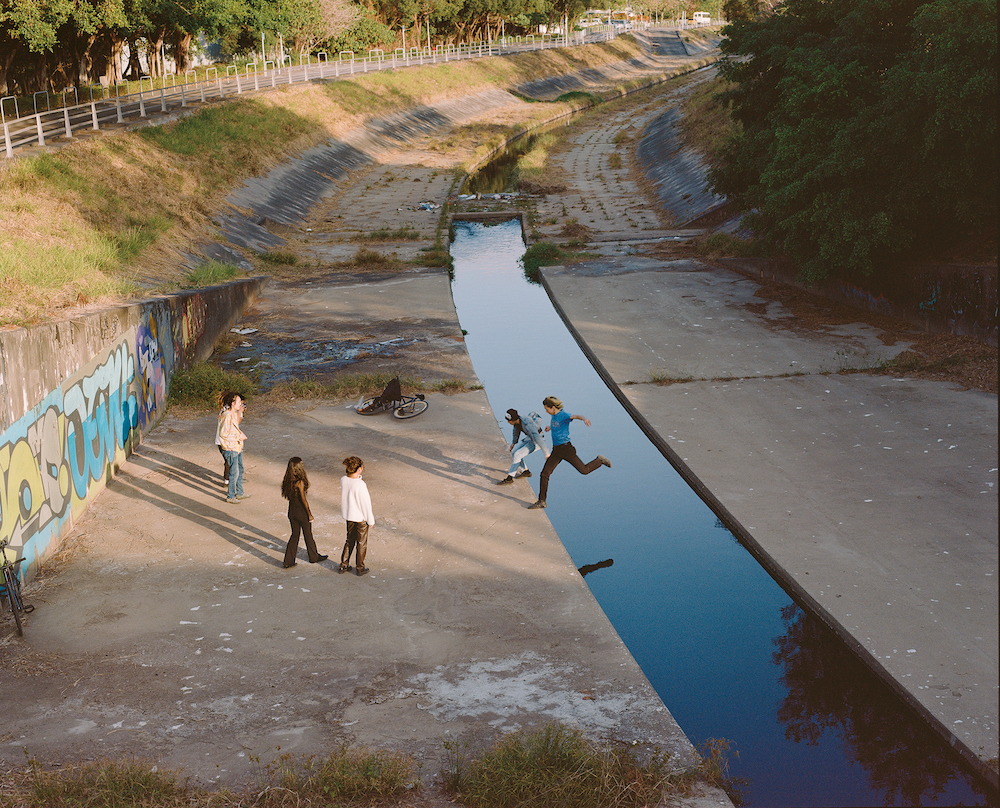
Setting the precedent is one of Roni’s favoured images of a group of friends – Sam, Blake, Ruby, Shui, Fat and Kwan – jumping across the waterway in the outskirts of the city. There’s an irradiating light flushing through the evening as the sun begins to fall behind the trees; the subjects appear joyous, as part of the group awaits as the others jump across the water. It denotes rebellion, freedom and strength – that nothing can come in the way of the younger generation fulfilling their youthful duties together. “I was shooting them from above a bridge and I was on my last two frames of a film roll,” says Roni. “I wasn’t expecting them to jump across, but they just started running and jumping back and forth, and I managed to catch the moment. I think the photo encapsulates the true spirit of the boys.”

Sam, Blake, Ruby, Shui, Fat and Kwan

Now that this series is out in the world, Roni has realised a shift in her role as a photographer. The city and all it holds has been the gateway for this recognition, where Roni now considers herself as a narrator who’s retelling the stories of her subjects. “I feel more accountable to tell these stories as accurately and authentically as possible,” she says, cementing the work as somewhat journalistic. But most of all, she’s telling the stories of adolescence – a universal experience felt by all. And once you observe the goings on within her pictures, it will most likely bring back a memory, feeling or relationship from your own past, too. “With all my work, I want to make people think. My favourite thing about photography is that it can be interpreted differently by everyone who views the work. What I am personally trying to tell with the pictures (often clouded by my personal experiences and memories) becomes irrelevant.”

Photography by Roni Ahn.

Kayla and Fa
Kayla and Fa
Kitman and Kuku
Lok and Enoch
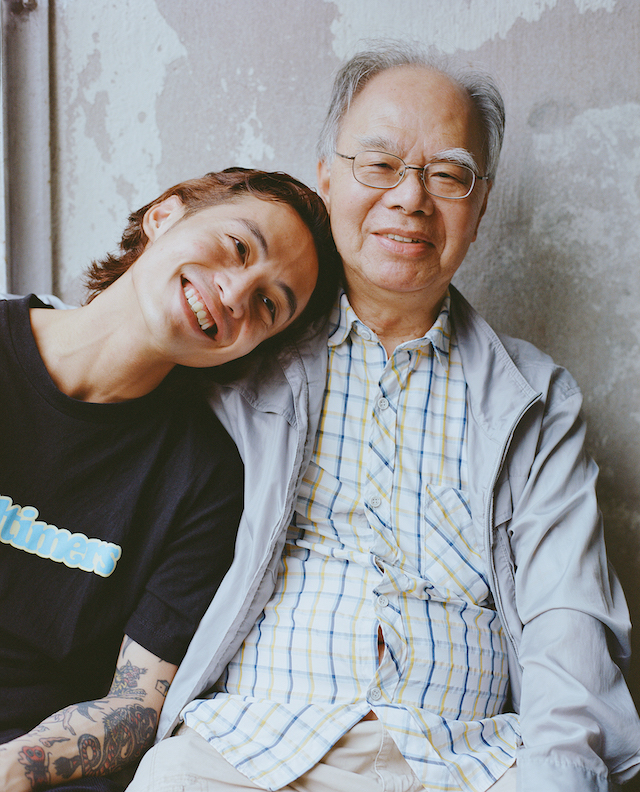
Lok and Grandfather

Fingerprint

Jim Goldberg publishes unseen polaroids from his seminal body of work, Raised by Wolves – a documentation of marginalised youths in LA and San Fransisco

© Jim Goldberg, Untitled Polaroid from Raised By Wolves

Many will be familiar with the work of Jim Goldberg. An American artist, photographer and member of Magnum photos, Jim has spent a healthy career documenting class and power – lensing those neglected from mainstream society. He’s a storyteller of truth and fiction, and his pictures have long been cemented in the photography canon for his collaging of narratives, experiences and histories. Shown through a characteristic mix of text and image, this distinctive output has now been extended into a new publication titled Fingerprint, published by Stanley/Barker and depicting a series of unseen polaroids taken throughout the 80s and 90s.

Jim’s photographic voyage first began with Rich and Poor (1985), a juxtaposition of San Francisco’s wealthy and impecunious. Capturing the class divide in the West Coast and shot between 1977 and 1985, the work instantly gained notability in the art world. Jim’s second book, Raised by Wolves (1985), reached similar acclaim – if not more so – for its frank documentation of marginalised youth in California. Shortly followed was Nursing Home (1986), a portrait of the harsh realities with growing old; Coming and Going (1996-Present), capturing birth and death in the USA; Open See (2003-2009), a project addressing the experiences of migration, immigration and trafficking; plus The Last Son (2016), the more reflective and biographical; then Ruby Every Fall (2016), Candy (2013-2017), Darrell & Patricia (2018) and Gene (2018).

© Jim Goldberg, Untitled Polaroid from Raised By Wolves

Raised by Wolves, however, is considered to be his most seminal; a mixed-media composite of photography, texts, films and objects narrating the lives of runaway street kids as they navigate addiction, abuse and violence. Shot over a 10-year period between LA and San Fransisco, the pictures occupy the precarious and fragile space between documentary and fiction, highlighted through Jim’s ardent camera sensibility and the inclusion of his subjects’ written word. In an interview with Magnum, for example, Jim wrote that it’s a “work of fiction that’s completely true”. An apt and contradictory phrasing, the work sees honest storytelling about real-life people merge with the subjects’ very own sagas – like Dave, who refers to his mother as a ‘junkie slut’, and father a ‘biker from Hell’. “His parents lived in Texas. They were devout Christians. They weren’t junkie sluts,” continues Jim in the interview.

Comparatively, the captions allude to the more realistic side of this feathery dance, striking the audience with the harsh realities of those in front of the lens. “Runaway from Florida who stole her Daddy’s credit card. 14 year-old girl who says she is pregnant with triplets,” writes one of his pictures, a monochromatic portrait of a girl picking at a box of Cheerios, shot in Hollywood in 1991. “Napoleon plays chicken, hanging over the wire guardrail of the Hollywood freeway,” writes another for the image Hollywood Freeway #1, depicting a disorientating photo of a man leaning over the wires, cars out of site, and taken in 1989. The latter is accompanied by text stating how the subject doesn’t remember why he ran away in the first place, “walking around for hours and hours and not being able to stop. Freezing all the time – exhausted, dazed.” 

© Jim Goldberg, Untitled Polaroid from Raised By Wolves

Fingerprint, in this case, is an offshoot of such. An anthology of previously unseen polaroids, the images were taken during the making of Raised by Wolves. “Since the 80s, polaroids have been an integral part of my work,” Jim tells me. “They have been a way to give back images immediately to my subjects, as small gifts of our interactions.” As well as offering an instant, physical snippet of that particular moment, the polaroids also serve a more methodological purpose. They’re Jim’s drafts; his tool for mapping out what would later become the images seen Raised by Wolves.

In signature scribbling fashion, Jim’s polaroids present the scriptures of his subjects, decoding information about their identities, challenges and resilience. One image writes, “Fucked a movie star today for $100”, while another says, “Going to Texas to save my life. Change my ways. Too bad I have to leave S. F. to do it. You all just wish you looked this good!” Jim adds:“The whole point is that everything is written is by the kids themselves.” Coupled with chromatic depictions of the teens, most, if not all, have a certain strength in their demeanour as they pose for the camera; arms placed to the head and one to the hip; a rose held to the face; or a defiant stare into the lens. It’s a personal expulsion of their lives.

Having spent 10 years getting to know his subjects, naturally he was going to build up a stack of personal stories. Which begs the question; without the texts, would the images alone have such pertinence on what’s undeniably a politically charged and important subject matter? In short, the pictures – and polaroids – are both forthright in their documentation of poverty and youth, but the straight and oftentimes explicit words add an extra layer to the image’s impact. The combination of both succeeds in telling a story of class division, and even though these pictures were taken decades back, the struggles and suffering can still be felt today. As Jim conclusively states: “It makes me wonder if we have learned anything about supporting at risk youth.”

Jim Goldberg’s Fingerprint is available to purchase at Stanley/Barker

Photography by Jim Goldberg

© Jim Goldberg, Untitled Polaroid from Raised By Wolves

The Ravine, the Virgin, & the Spring

Juan Brenner documents the oddities and geography of his hometown in Guatemala City

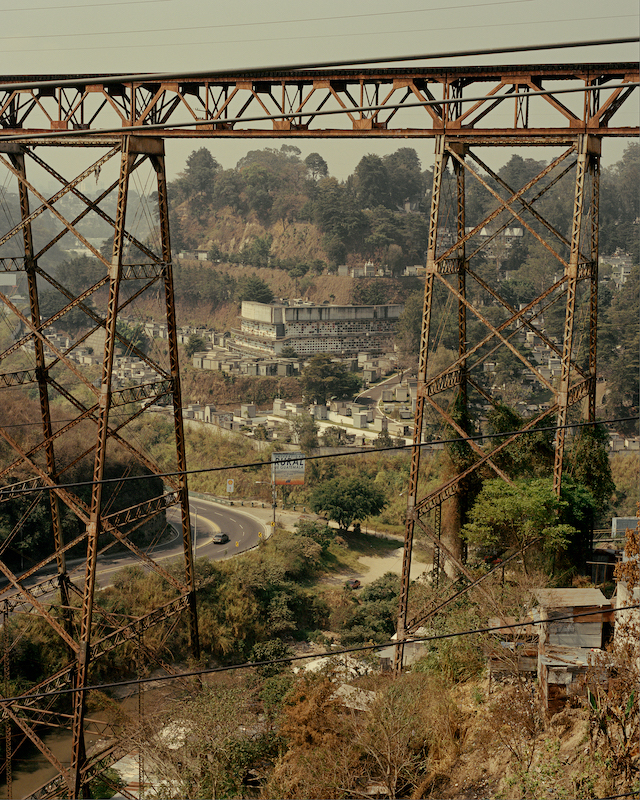
Guatemala is a mountainous country with vast and hilly valleys, where sand dunes and deserts make up all but a small fraction of its landscape. It’s also home to 30 volcanoes, three of which still remain active. But it’s not just the eruptions that have continued to cause concern. Alongside years of war and colonisation, Guatemala endured a catastrophic earthquake; one that shook the city and left the majority of its structures in ruin.  

Within Juan Brenner’s book The Ravine, the Virgin, & the Spring, he seeks to capture this voluptuous and shattered geography of his hometown, Guatemala City. An ode of some form, the book, published by Pomegranate Press, arrives as his latest instalment of work in the Central American country – following his debut publication Tonatiuh, and Genesis, a series lensing the highland’s younger generation.

Guatemala is a location that Juan could spend days talking about, let alone photographing. “But being pragmatic,” he says, “I could say Guatemala City is the result of bad planning and beautiful weather.” In the early 1700s, for example, the city was designed to house 100,000 people and its horses. Socio-political decline meant that the planners decided to insert the city into a small valley, surrounded by ravines and mountains. So instead of your typical stream or waterway, there was a growing population in its banks. “Now, there are almost three million people here, so it’s pretty hectic. Our internal conflict really made our urban development stagnated and if you add a massive earthquake that destroyed more than half of our infrastructure to that mix… ”

“… It’s beautiful though,” Juan continues. “The old part of the city has amazing neoclassic architecture (some of it is really run down), beautiful churches (Catholic presence is essential in our landscape) and probably the best weather in the world (Guatemala is called ‘the land of eternal spring’). It’s odd and dangerous; gorgeous and inspiring.”

Born and raised in the municipality, Juan is a photographer who hails from a “very typical middle-class Central American family,” he tells us. He began making images during his teenage years in the 90s, snapping his friends and those he’d be intrigued by on the street. Although, he had a strong inkling that his style wasn’t quite going to make the cut in the Guatemalan photography scene, which provoked him to pack his bags for New York to work as a fashion assistant. Almost 12 years later, Juan was a fully-fledged fashion photographer and, as events go, life got a little hectic: “the whole NY thing kind of got the best of me; I had to change my lifestyle and decided to come back to Guatemala for a while, then I decided to stay for the sake of my rehab process and also kind of abandoned the idea of photography. I took a seven year hiatus from shooting personal projects, and I started shooting again three years ago.”

Even though Juan came into his medium almost by accident, it’s something that he relies on wholeheartedly. Or, as he puts it, it’s given him a “second chance”. He adds: “I’m trying to stay away from whatever makes me feel comfortable and just exploring new ways of capturing images.” Plus, having been away from the city for some time, his comeback was almost like an awakening: “I intentionally kept away from my territory and my upbringing in order to blend in the international market, but it was about time to come back and experience my reality.”

As such, The Ravine, the Virgin, & the Spring is more than just your typical documentation of sorts. It’s characteristically sun-drenched, littered with unexpected and discrete occurrences – the type that the untrained eye would usually miss. And what at first might be perceived as a typical marriage of street photography paired with artful landscapes, is in fact Juan’s own personal meanderings through a place that he knows too well, and one that he documented for months with his large analogue camera at hand. The project was also created as a means of comfort; he’s made himself a “bubble”, or a safe space, in which he feels “numb” to the oddities and realities around him.

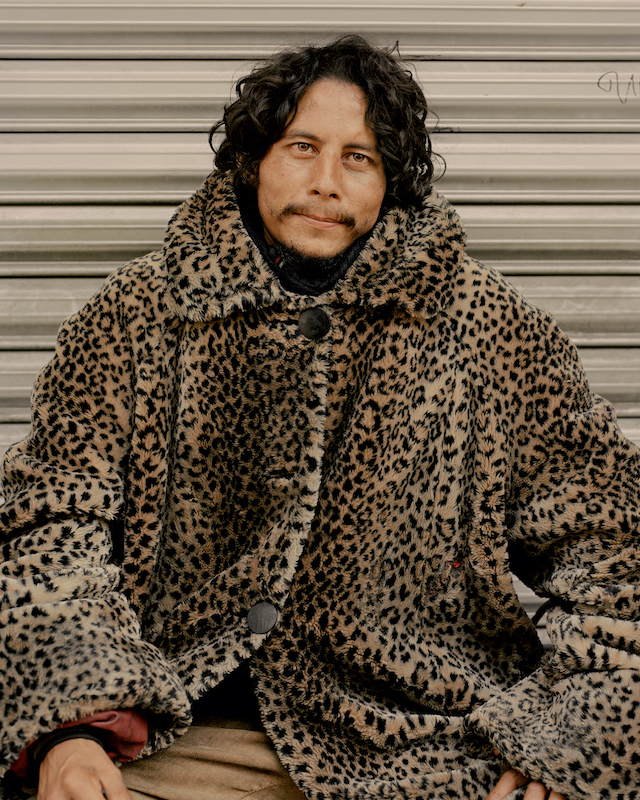
Shot between the seams of the hilltops and its architecture, you’ll notice the daily goings on with the city’s inhabitants. This includes a “dude” sporting a leopard coat, a man that regularly strolls this historical part of the city. “He is really mellow but evidently in trouble, both physically and mentally; I feel really connected with him, and I see myself in that portrait. He’s also so stylish!” 

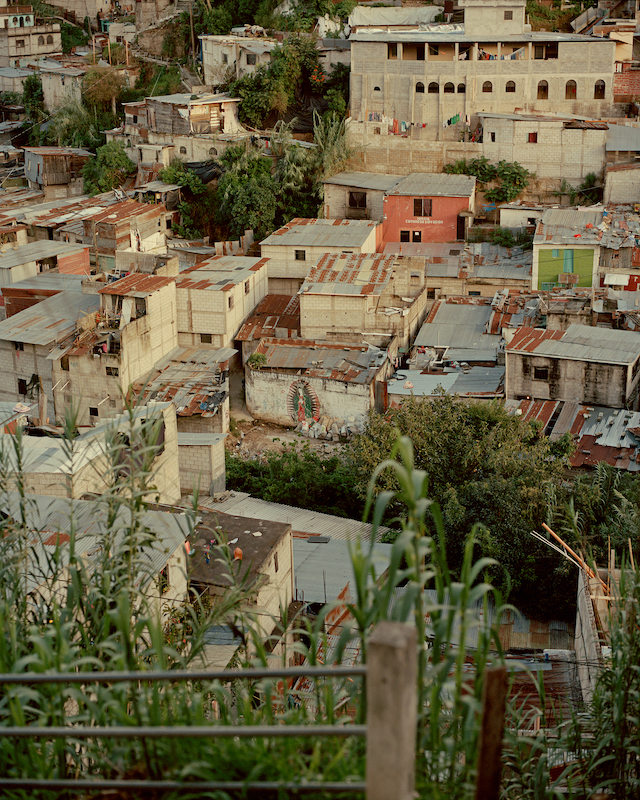
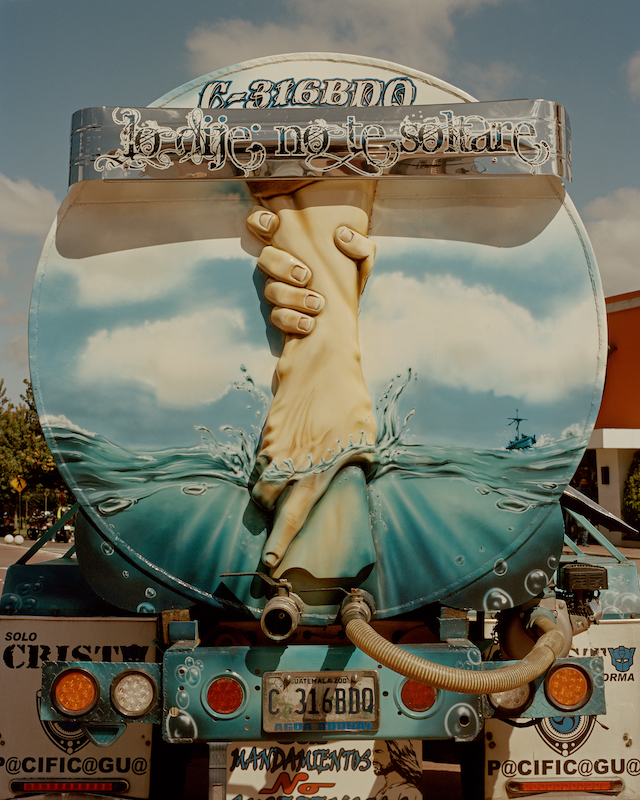
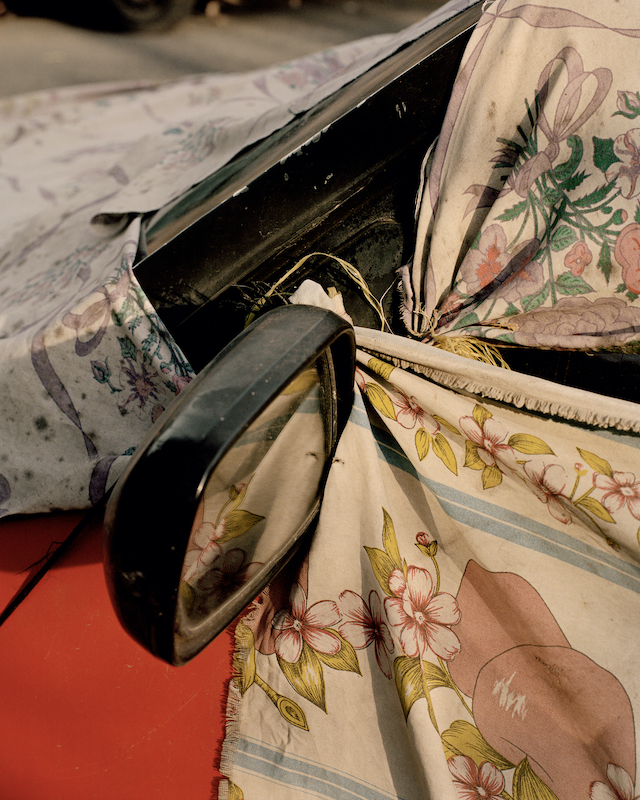
A further shot presents a piece of fabric tied to a vehicle’s rearview mirror, which visually paints a narrative of how the photographer views the city. “We’re not super rich and we don’t shine, but somehow we improvise to make everything work. We might not be the prettiest but we function; it is an extremely fragile rhythm but we have it down.” Elsewhere, there’s a photo of the slum, featuring the virgin mural. “The small valley where the city is built is called ‘The Valley of the Virgin’, so it’s a magical and perfect metaphor for our reality.”

Since Juan returned to the city, it’s safe to say he’s experienced a fresh start. He’s also now represented by Rocket Science, and enlists a medley of projects in the pipeline. And let’s not forget an additional upcoming book set to release at the end of the year, a project that’s connected to Tonatiuh – looking at the conquest and invasion of his home country, plus “the terrible repercussions of the colonial process in the Americas.” 

Yet despite all of this, Juan’s reasons for leaving in the first place still remain closely in tact, and he’ll always be battling against the barriers laid in front of him in terms of artistic freedom and expression. “It’s complex,” he explains, “on the one hand I’m doing everything for me. I’m trying to execute ideas that make me a better person and ground me, but on the other hand I want people to see where I come from and my view; my work is not 100% welcomed in Guatemala, the topics and that ‘numbness’ I mentioned before keep most of the people away from my work, especially the ‘elite’. My work is definitely more appealing to American and European audiences and I’m aware of that. I feel comfortable with what I have to say and conscious of the responsibility it carries.”

Sister Sister

For 15 years, Dutch photographer Liv Liberg has been documenting the growth and fashions of her sister, Britt

We can all remember the days spent rummaging through our parents’ wardrobes, grinning and smirking as we’d pick out the most colourful (and likely most expensive) items to prance around the muddy garden in. The familial grounds would become our stage, as we’d proceed to strut in shoes too big and dresses too puffy. It was a glimpse into what a life might be in adulthood.

For Dutch photographer Liv Liberg, she was 10 years old when she started dressing up her six-year-old sister Britt in their mother’s clothes – documenting her as she posed around the house. But little did she know that this lighthearted pastime would become a 15-year-long project, and one that would eventually form a new book titled Sister Sister, now published by Art Paper Editions and designed by Jurgen Maelfeyt. 

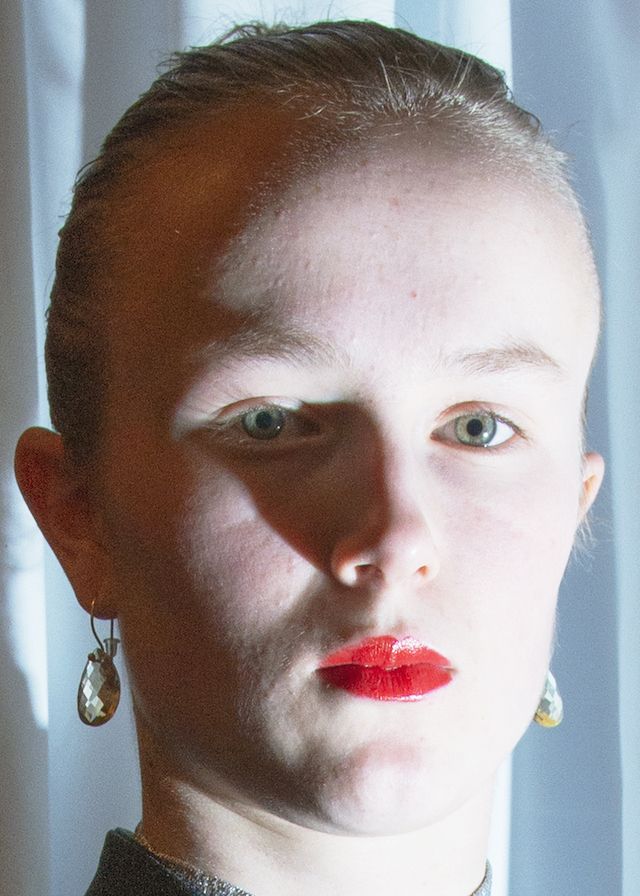
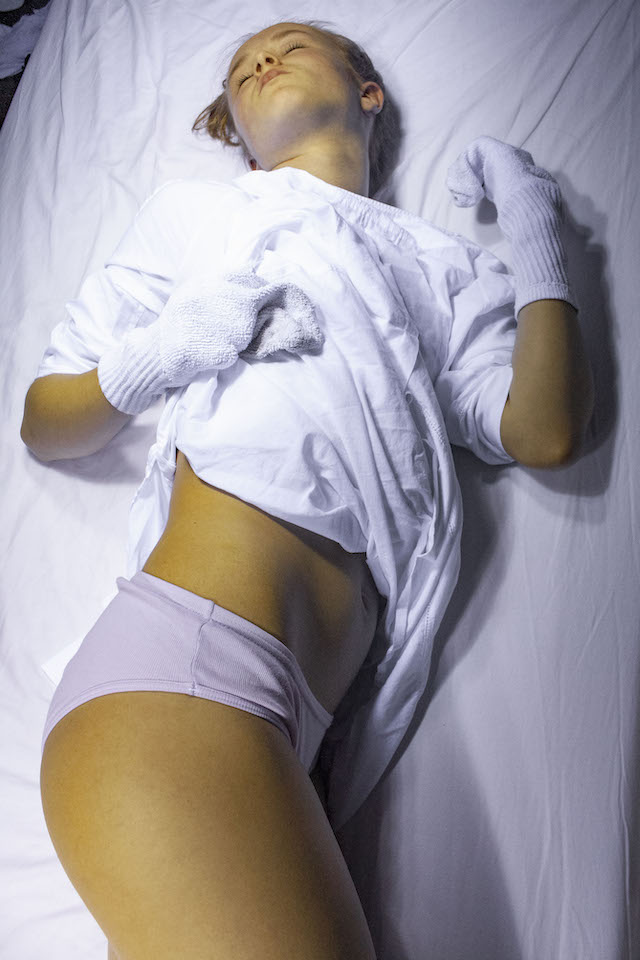
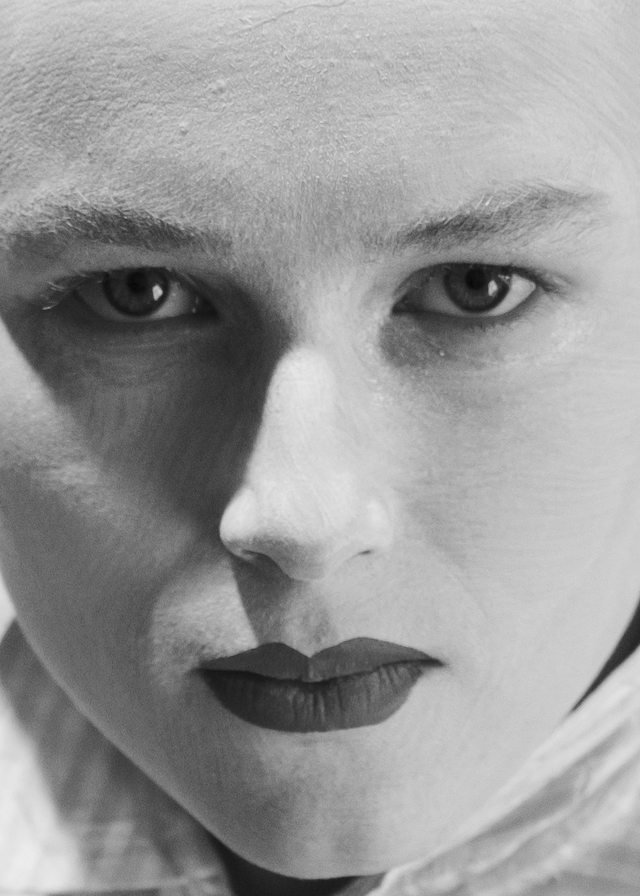
Within its pages, you’re met with a mix of stern portraiture and sweeping model-ish glances, paired with artful postures, nudes and a plethora of vintage fashion from the likes of Yamamoto, Commes des Garçons and Kenzo. Their parents had an entire room dedicated to clothing and, naturally, the sisters couldn’t resist diving in and using the pieces for their photoshoots. “They inspired us and they made my sister look like a fancy woman,” Liv tells us. “We were always trying to imitate fashion shoots that we used to see in magazines. The red lipstick, the pearls, the clothes; they are all my mother’s influence. This is just something that we found beautiful and still do.” Below, we chat to the Amsterdam-based photographer about sisterhood, fashion and how it feels to finally publish this archive of a young girl reaching womanhood.

Let’s begin by hearing about your first introduction to photography. 

I come from a very artistic family and have always been surrounded by art, music and fashion. This has obviously influenced my move into photography; I started photographing my sister and my friends when I was about 10 or 11, and we would take bags with my parents’ designer clothes and go into the forest to take pictures. This continued through school and I went on to study photography after that. Photography has always felt like a very natural thing to do; I would dress up my friends and family, ask them to pose and perform for me, and I would take photos and direct them. This never changed, and it is what I still do to this day – just more serious. 

Why focus on your sister as a subject?

Photographing my sister is something that I have done since I was young, and it continued (with some breaks) for about 15 years to this day. It started off as play but grew into something more serious. When I was a bit lost with my work after I graduated, I came upon my old archive of images of my sister; I started photographing her again and started working with the images in the archive. I felt that there was something strong and true to tell about myself, as well as my sister and our connection. Because I was already photographing her for years, the question of why was already clear long before I started the project for the book. In this moment, it just felt right to bring it out into the world.

What was it like to see your sister grow and evolve through the lens?

It’s funny, because some people tell me that in the book – even though it is not presented chronologically – you can’t really see that my sister is getting older (or younger). She has many faces but seems ageless as well. 

We grew up together, loving and fighting like I’m sure many sisters do. She is younger in some images and now she is older, as am I. Of course nudity came into play when we were both growing into young women, something we also very naturally played with. Although, it is striking to see how well my sister moves and is totally in tune with me when we are shooting; we just know each other so well. She used to be a dancer and is now a fashion designer, and she is very aware of how her body moves and how I like to direct it, and this really inspires me. So I think we are both changing constantly and in a way we are looking at each other from the opposite direction. 

How do you hope your audience will respond to this work?

I really hope that people feel a connection to it; may it be because they have a similar connection with a sibling, or they can feel this truly crazy family relationship. I hope the book and mass of images will overwhelm people, that they will want to know more about this mysterious girl that someone is so often looking at. I want to share work that is very close and personal to me, and can actually only be shown by me (and my sister). It’s created with love and is a bit of an obsession, so I hope that this is something that people will feel. 

And how has your sister reacted?

As it is for me, seeing the work is nothing new because we have worked together for so long. Seeing all the images together as a final result in the book, however, is quite strange for her I believe. Everyone else can see it now too; all of our friends, everyone around us, the whole world. I think she likes it though and she is proud, and we will continue to make images together, forever I hope, because it is truly a special collaboration. I want to try and give her as much appreciation for this as I can, and I also think that other people will see the special and giving part she plays in this project. It’s probably strange and fun for her at the same time. 

Liv Liberg’s new book Sister Sister is available to purchase at Art Paper Editions.

Growing Spaces

Chris Hoare’s new book documents the rise in allotment-goers over lockdown

Tara gets stuck into gardening at St Paul’s Community Garden, with the help of her three daughters, Ashti, Arianne and Astera © Chris Hoare

The allotment garden is a place of tranquility, a blissful haven away from the home and hum of city life. Not only does this designated plot of land give its gardener access to a sustainable source of food – in turn contributing to pollination, biodiversity, local climate and soil fertility – it’s also a place of community. It brings people together and has thus been a lifeline for many over the course of the pandemic.

A year after the first lockdown was imposed, more and more are we yearning to be amongst nature. This has given way to an increased demand for allotments, turning the humble allocated space into a highly sought after commodity. It’s an interesting (although expected) transformation, considering how the allotment first made appearances during the Second World War, after the “Dig for Victory” agriculture campaign came into play and encouraged Britain to grow their own produce. And what was then a historically working class necessity soon evolved into a hobbyist pastime, with recent years breaking down these stereotypes and reaching a crescendo amongst the younger population. 
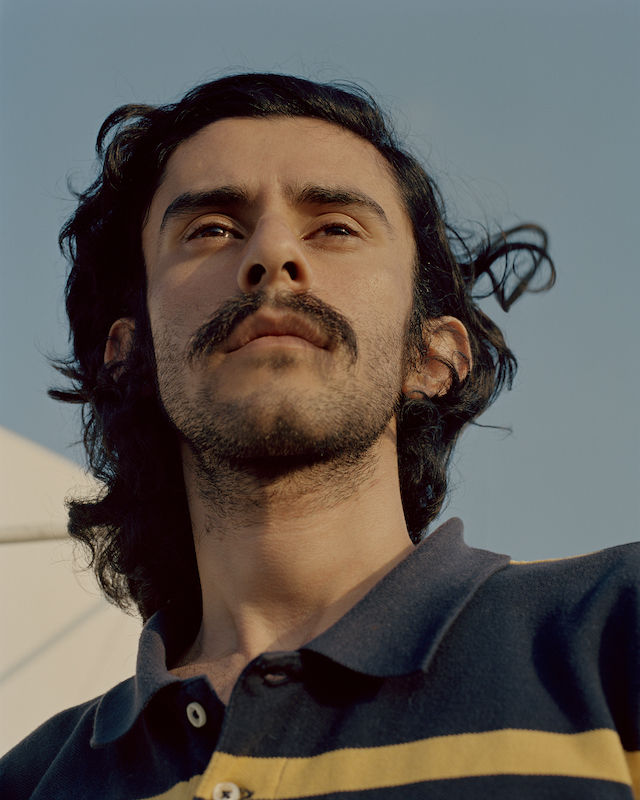
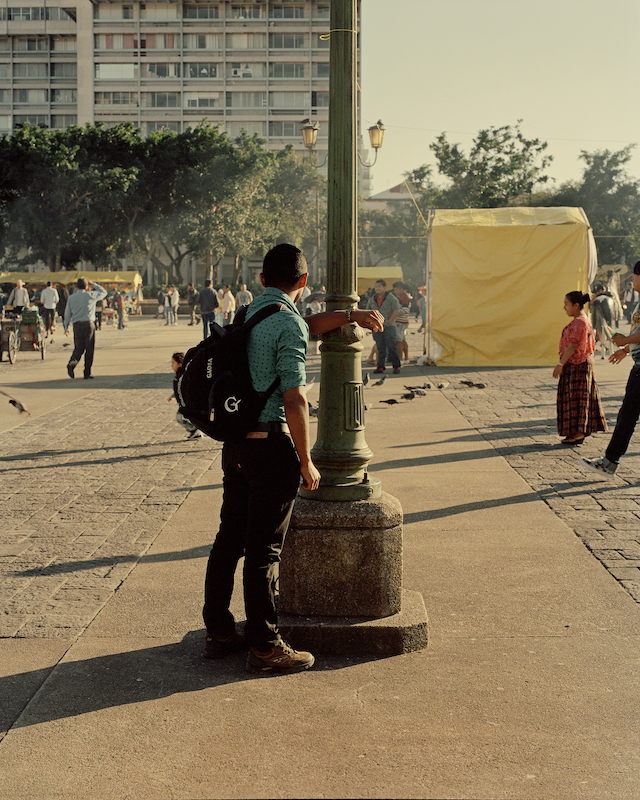
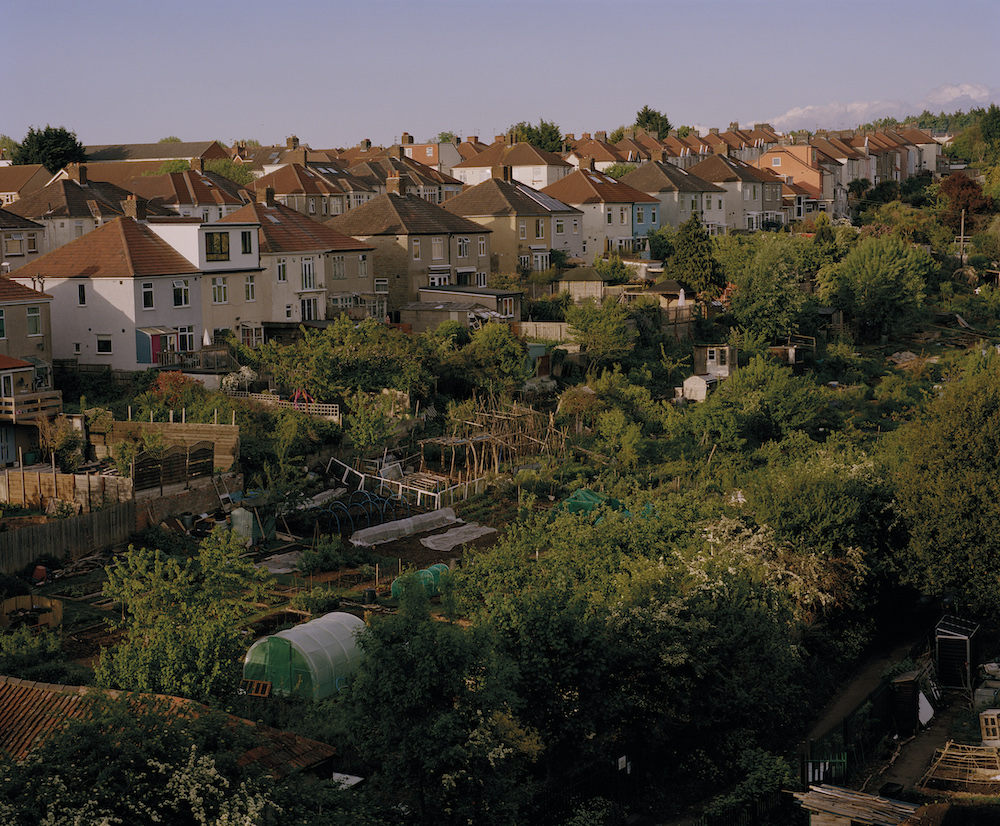
View over Royate Hill Allotments, taken in June © Chris Hoare

Although an estimated number of 300,000 allotments can be found around the UK, these supplies are in fact dwindling. A paper, published by Imperial College London researchers at the Centre for Environmental Policy, states there’s now thousands – 30,000 to be exact – of hopeful gardeners remaining on waiting lists, with a four to five year delay in receiving a plot of land. What’s more is that numerous London sites have closed in recent times, resulting in a thinning supply and cuts to the size of existing units. 

Chris Hoare, a Bristol-based photographer, assesses this increment in his new body of work and book, Growing Spaces, published by RRB PhotobooksA documentation of allotment-goers in the southwestern city, the project was commissioned by Bristol Photo Festival for its expansive exhibition set to launch this summer. “It felt important to be documenting this urge that society was having for the outdoors at such a historic moment,” he tells us. 

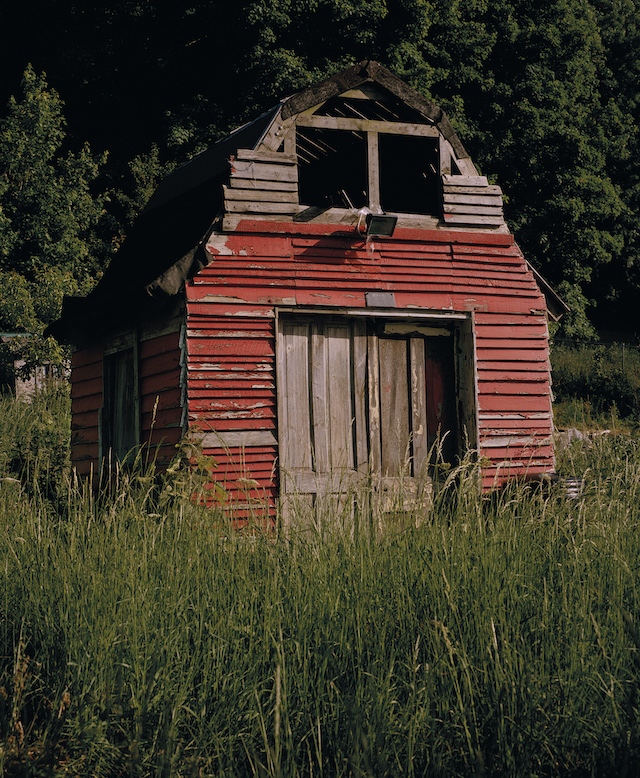
Abandoned shed, Bedminster © Chris Hoare

Having spent his childhood years on the edge of Bristol, Chris went on to study a BA in Photography at Falmouth University before returning to his hometown for an MA in Bristol UWE. Surprisingly, Chris’ relationship with allotments was next to nothing prior to the making of this series. Besides nurturing some “mildly successful” tomato plants in previous times, he simply wasn’t aware of this flourishing community of growers. “For the most part, they are private spaces even though everyone has a statutory right to one,” he adds. “It’s this ‘right’ that any one can own one that interested me as I made the work. I feel like they hold a special place in British society and it’s easy to overlook their significance.”

“At a time when land ownership is so unattainable for so many and urban areas become more tightly congested, they signify a little piece of paradise,” he continues. “The growing itself is only one part of the rich experience that many have when owning an allotment; it’s an important one of course, but there is so much more going on and a genuine sense of community in these spaces, which is a rare thing in this day and age.”

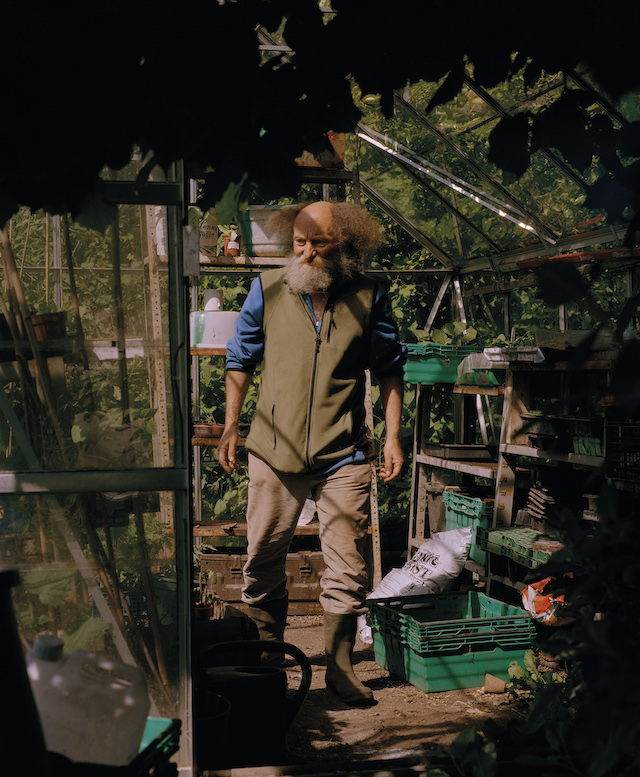
Mike Feingold in his greenhouse early May. Mikeis well known within the Bristol growing community, particularly because of the role he has played in promoting the philosophy of Permaculture. Alongside this he is the rep of an allotment site with an orchard containing 50 different varieties of apple, Royate Hill © Chris Hoare

Growing Spaces, in this case, lenses those who find solace in these divided and grassy perimeters. Amongst the tonal shots of flowers and crops, there’s a sense of ease and calm that protrudes throughout his photographs. Many of Chris’ subjects are those that he met fleetingly, while others he’d revisit time and time again, sometimes spending hours with each encounter. The only tricky part of it all was getting beyond the locked gates of the sites, which inadvertently maintains the assumption that allotments are indeed a privatised sphere only available for the selected few.

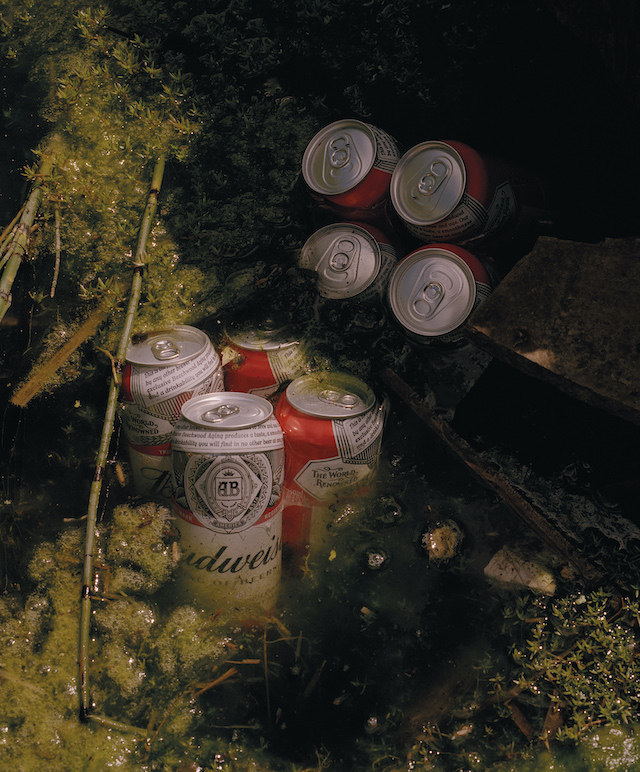
Chris continues to reminisce of one allotment in particular, owned by a couple who later became good friends of his. The first meeting occurred during a blissful Saturday in May, and he’d decided to venture to this “oasis in the city” – “it’s an easy place to spend time, hours drift away as afternoon quickly turns into evening, usually ending with a fire or BBQ,” he says. Having visited this plot more than the others, Chris sums up the memory with an image of Budweiser cans floating in an earthy pond, giving a new meaning as to what the allotment can provide for its gardeners. 

A pack of Budweiser keeps cool in a pond on a hot Saturday afternoon in late spring, Ashley Vale © Chris Hoare

Despite the uncertain future of the UK’s green spaces, there’s been a great resurgence in those visiting and using their allotments. But for now, this increase in demand currently outweighs availability. “I can’t see this changing for some time,” he reflects, “particularly given how this past year has altered our thinking around the importance of green spaces, thinking local and growing your own and the need for outdoor community activities.” So what will come of the humble allotment, and how will these plots affect our lands? Time can only tell, but rest assured that this is a positive moment for sustainable food cultivation.

Growing Spaces by Chris Hoare is published by RRB Photobooks and will be exhibited at Royal Fort Gardens, Bristol this summer as part of Bristol Photo Festival

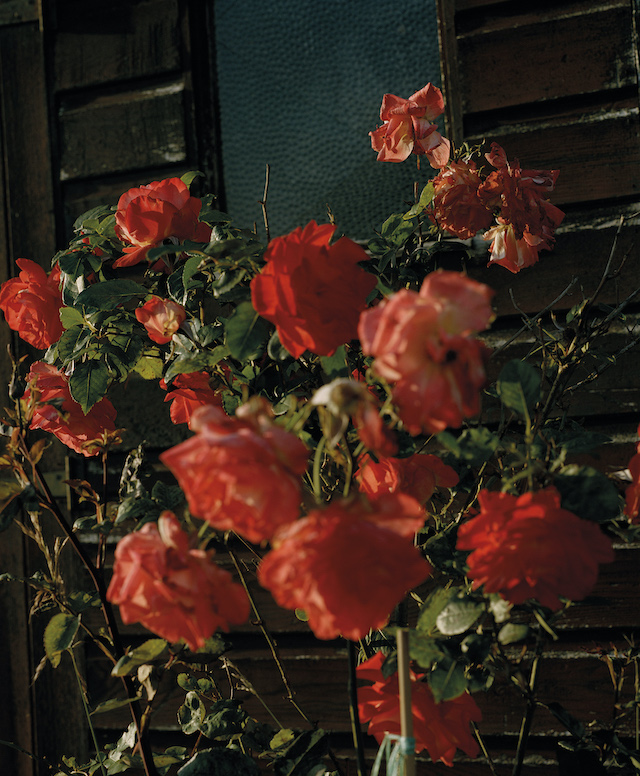
Sunset roses, Speedwell © Chris Hoare
Lexi shield’s her eyes during the apple pressing at the Totterdown Community Orchard © Chris Hoare
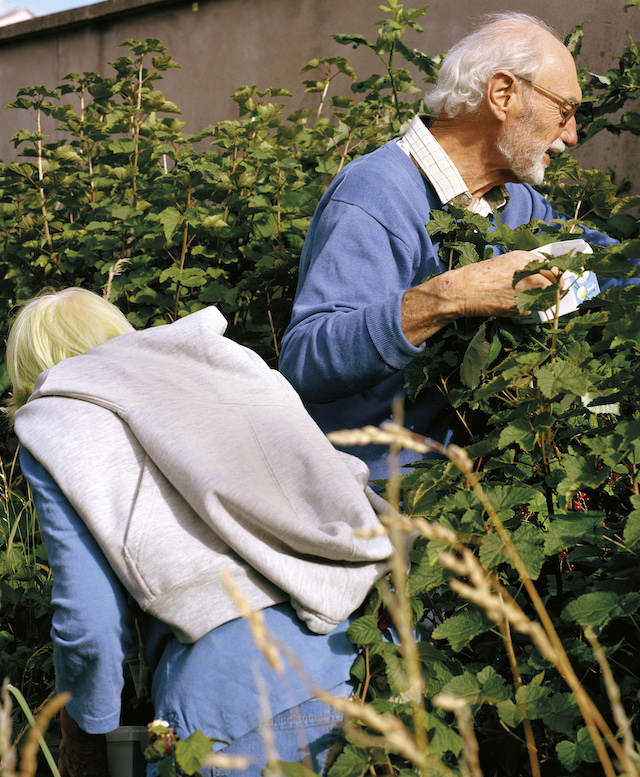
Members of Patchwork Community Gardening Group picking raspberries during a meet up, Bedminster © Chris Hoare
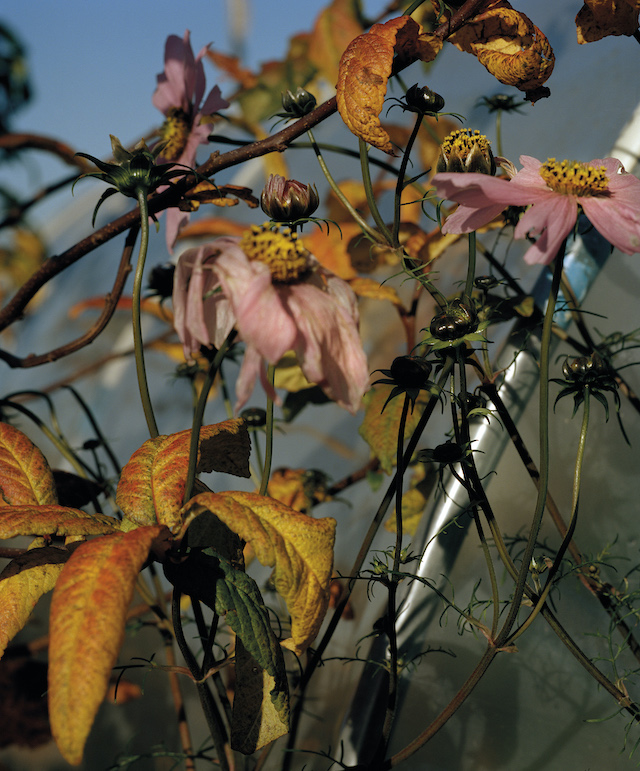
Late flowers collide with autumn leaves, Thingwell Park © Chris Hoare
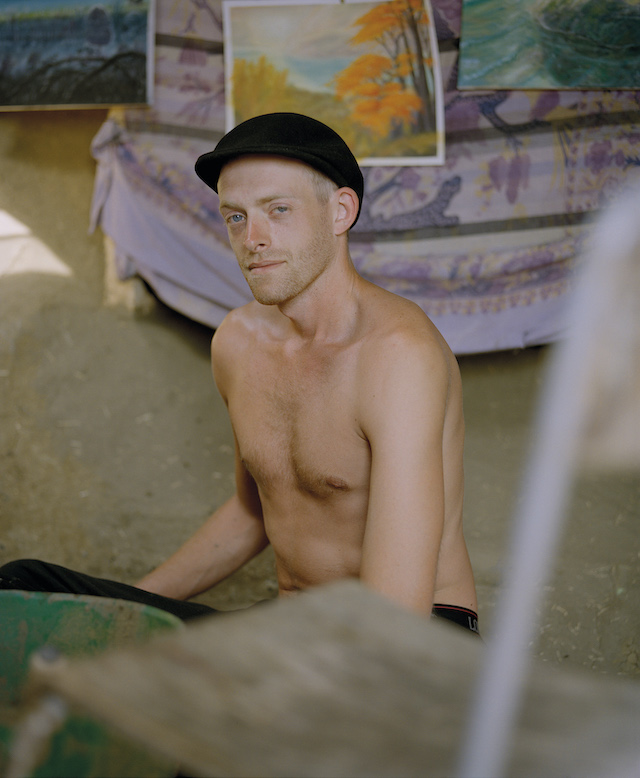
Joe has utilised the space on his allotment to create a shed which doubles up as an art studio. Alongside tending to his own allotment, he is also regularly on hand to help some of the elderly allotment plot holders, particularly throughout lockdown © Chris Hoare
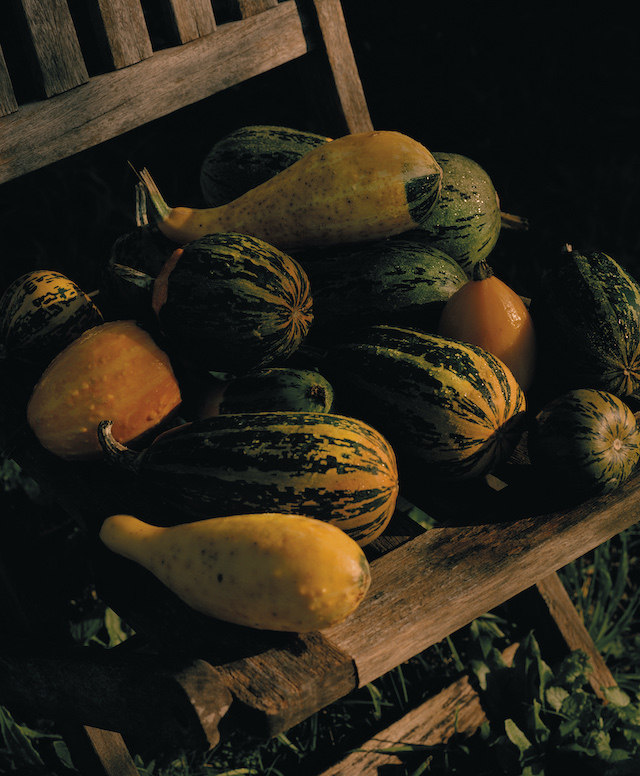
Winter squashes, Thingwell Park © Chris Hoare
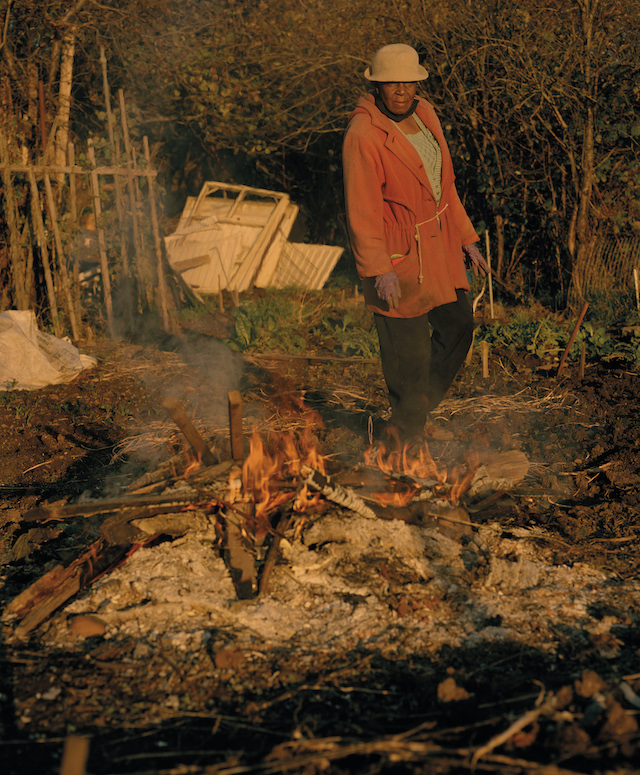
Tina throws the last of the wood onto the flames, before leaving the allotment on Bonfire Night, Thingwell Park © Chris Hoare

Driver Radio: Jamaica

Two twins, Don and Ron Brodie, explore their Jamaican heritage through a four-part docuseries

Don Brodie: Driver Radio Studio

There’s nothing more enchanting than the relationship between two twins; their comparable mannerisms, ability to bounce off one another and communicate with a blank stare or a gentle glance. Don and Ron Brodie, two twins based in New York, find their similarities in more than just their looks and matching quirks: they creatively work together, too. 

Having nurtured interests in film and visual arts from a young age, they both attended Howard University in Washington DC. Ron leaned into the emerging film program and later pursued videography, shifting towards freelance as an independent filmmaker and commercial director. He’s now repped by production company 1stAveMachine and enjoys “every day and every project”, he says. Don, on the other hand, found his niche in photography. After a short hiatus travelling the world, he continued his studies at Parsons The New School for Design before working for distinguished figures such as Nathaniel Goldberg, Steven Klein, Lachlan Bailey and Benjamin Lennox, among others. 

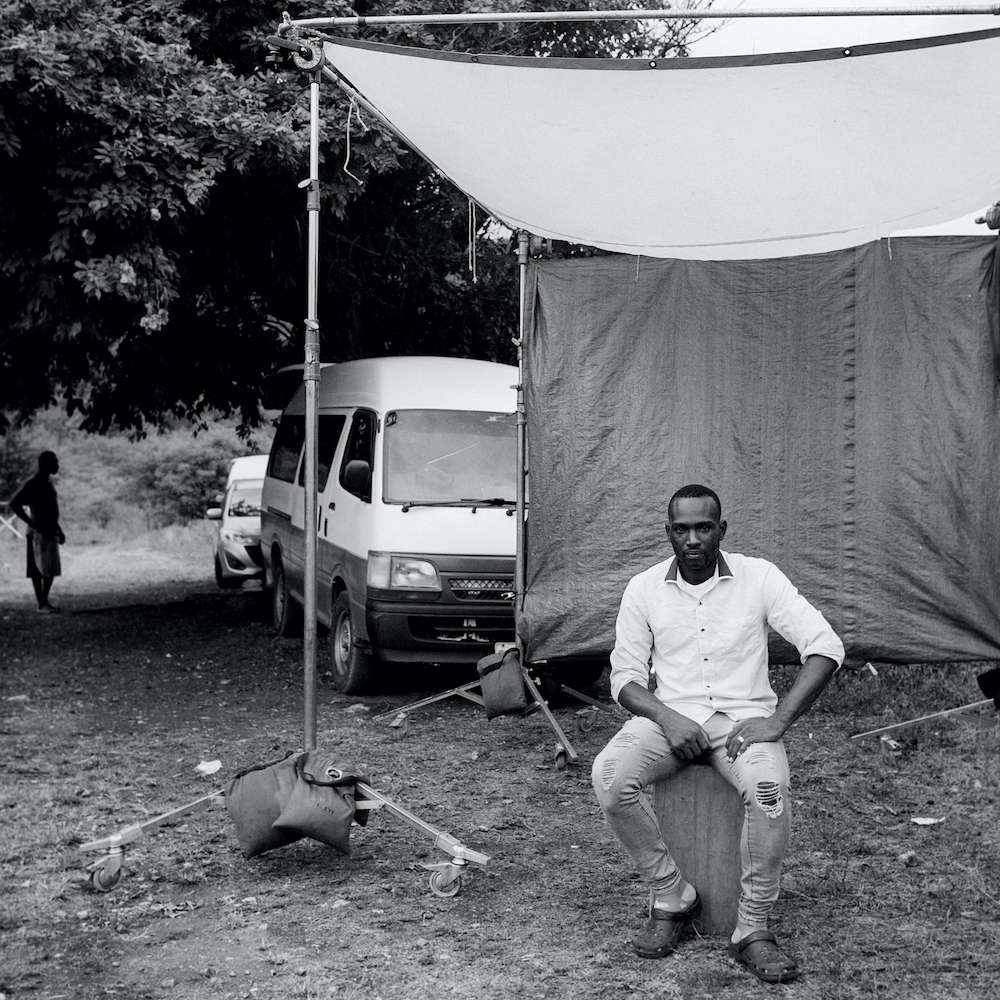
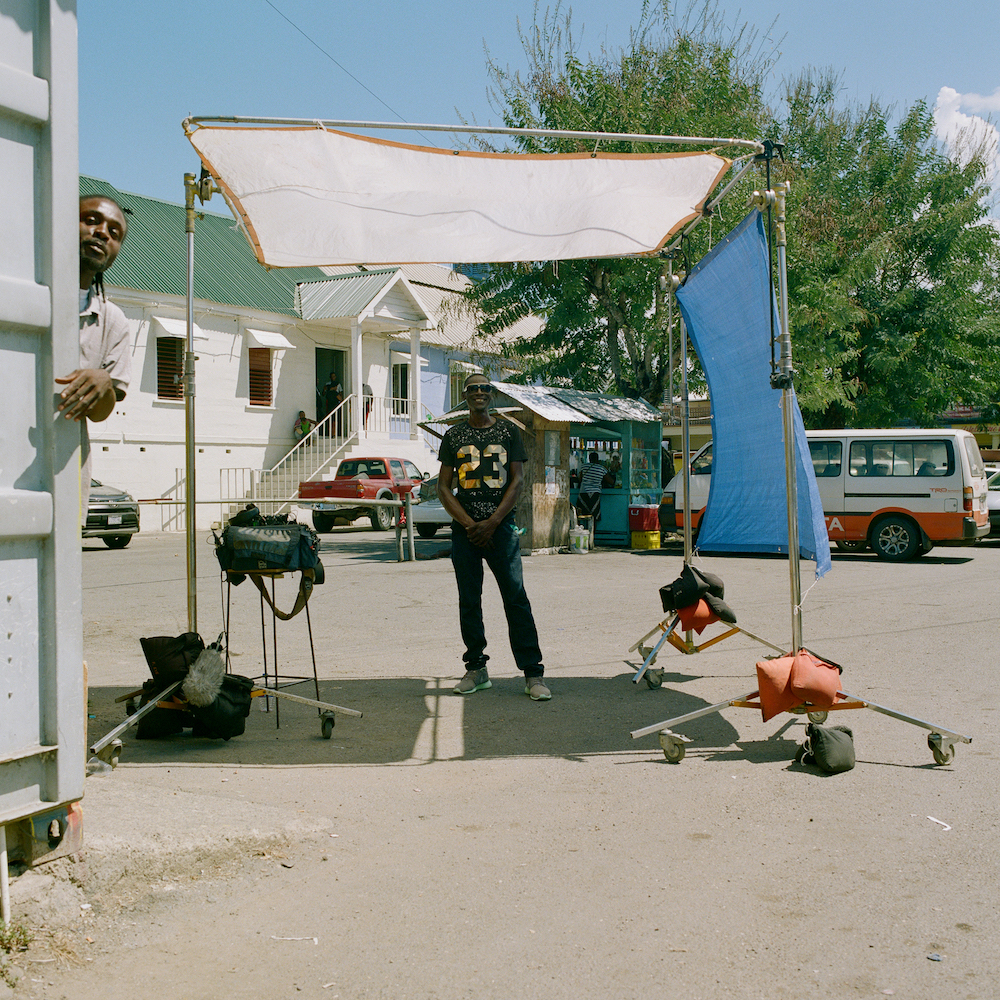
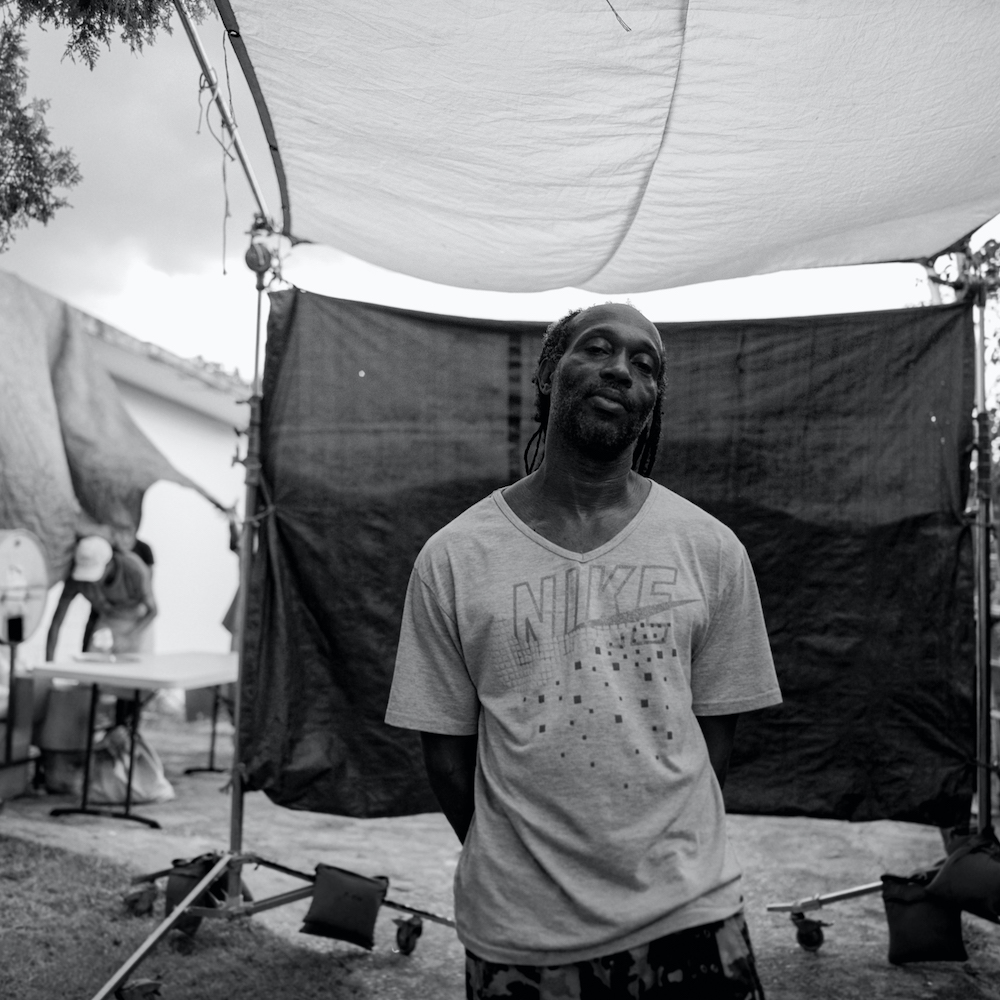
In most recent times, not only have they deciphered their own production and brand, called Fun With Ron or Don (FWRD) – a collaboration formed to work with like-minded creatives and on projects about culture and heritage – they’ve also just completed their first docuseries, Driver Radio: Jamaica. An exploration into their Jamaican heritage, the four-part series chronicles the brothers’ adventures across the island, exploring the culture and people through the lens of taxi drivers. Below, we chat to the brothers to hear more about this three-year-long project and what it’s really like to work with your twin.


What’s your relationship like, have you worked together before? 

Ron: Over the years, we’ve partnered on different projects. Most notably with a small collective I used to manage, called Project Fathom. We would produce music videos and commercial projects collaboratively with three other colleagues. Don was often our ‘photographer of choice,’ and I would commonly produce projects that incorporated both stills and motion. Over the last few years, we’ve partnered to curate galleries, host debates, screenings, parties and even produce strange art installations. We’ve even gone as far as to pitch each other to our respective circles if a need for our crafts would be useful. 

Don: In my experience, being a twin in a related field has always required me to be ready to pitch to different people with the same amount of enthusiasm. I really take pride in knowing what my brother has been up to. It still feels like working with my idol when we get the chance to work on projects together, which can create a lot of passion and energy. I wouldn’t say we have our own language when we are teamed up. However, there is a non-verbal and very verbal communication that happens – whether it’s unexplained laughter, hands-on intense focus in silence, or Jamaican pride. It’s easy to tell beyond our appearance that we are cut from the same cloth. 

R: Agreed, our pairing is an art form unto itself! 


How did the idea for Driver Radio: Jamaica first come about, what sparked it?

D: For me, this project was a personal adventure in creating something culturally authentic, for which I had creative conceptual influence and control. I started this project shortly after my graduation from Parsons, and at that time, I was working at the studio solely as a photographic study. The project did not have a clear direction or timeline, although it did encompass any and everything around a loose concept: taxi drivers! 

Growing up, we saw friends in Jamaica take on driving as a way to join the tourism industry. They were tending to cars (some on blocks), under the hood, tinting the windows or wiring sound systems. We had the experience of seeing their hobbies and interests in cars develop to careers and independent businesses. 

We also learned so much about life in Jamaica through the storytelling and adventurous excursions. After a few family trips where I was taking pictures, Ron joined in and we discussed creating an independent documentary film and how this project could evolve, and its deeper meaning. We wanted to provide a window to an experience we were having while growing up uniquely different from our American peers. 

Don Brodie: Driver Radio Studio

R: As curious kids visiting Jamaica, Don and I took up an interest in a group of guys who by day worked with our aunt at Sangster International Airport in Montego Bay, and by night turned vehicle sound systems, paint, decal style and expressions to hit popular strips and parties. Growing up, we became friends as we frequently visited the island, and they often transported us to and from various family functions. When we were old enough, we’d hit the road with them, and every ride became an adventure. The experiences we had and the places we’d go provided us a broader understanding of Jamaica. As we got older, we became interested in observing other drivers in different communities and discovered the tremendous value in unfiltered culture across the island. 

It’s been about six years now since Don proposed interest in documenting these adventures. Over time, we became interested in speaking with a variety of drivers to discover more about our own heritage. We were a little lost in encapsulating this concept within a two-hour feature; the docuseries result is from my approach as a filmmaker to incrementally sharing these stories. 


What types of adventures did you have while making this series?

D: My biggest adventure was to Gut River and I still remember the excited expression on Ron’s face upon arrival – the same “kid-in-candy” reaction I had the first time I found it. The beautiful oasis was miles deep on a broken, overgrown road that had no signs of paradise. I had to direct our whole crew back as it was such an uncommon location for Jamaicans from the city. I remember the first day I was taken, my driver jumped out to look for a crocodile in the bushes – he was a mad man! That experience was not in the series but it is totally one I will treasure forever.

Don Brodie: Driver Radio Studio

R: Visiting our grandfather’s grave in Mandeville was very moving. We had visited as children, but returning as adults and reflecting on all we have and to appreciate our Jamaican heritage was quite profound. There was a saddened sense that we had never met him in person, but an overwhelming level of accomplishment and pride that only a flash rainstorm could restore.

It was by chance that we got an exclusive with Orville Hall at the Dancehall Hostile. The phone call came late in the afternoon off schedule and after an already late night in Kingston. He only had availability because another film crew did not show up, so we jumped on the opportunity; and as the series demonstrates, it was more than worth it!

We also ran into Beenie Man, of whom many locals say haunts the dancehall because he is at every party. His talent and love of music and culture is energising at any hour!


How do you hope your audience will respond to the work? 

D: The series has made it beyond friends and family; it feels like a good part of Jamaica is hip to it (as perceived from being in the States). People from around the world have reached out and said that it was the first time they had ever seen a story about real country living – it’s not just about the beautiful beaches and party one may seek when traveling to paradise for an escape. For the tourist, it is an opportunity to see the country and not just an island. It starts the conversation of more to explore. It also provides insight into a human condition that is relatable and foreign. 

For the nationalists, I hope it provides a feeling of being seen as more dynamic than pop culture portrays. There are a lot of impressions out there, especially about daily life in Jamaica. Hopefully this provides another or an additional perspective to the beautiful tapestry of our culture. 

R: I hope the series can serve as a conversation starter surrounding what it means to be first-generation, while encouraging others to go back to explore their own heritage. Both Don and I feel as though we are a part of a broader middle culture that is not quite domestic but still not quite a foreigner – which holds a lot in common with any other first-gen person from Trinidad, or Brazil, or Germany or even Korea. Hopefully, Driver Radio could exist all over, and the concepts “FWRD” or moving ahead with no limitations or looking back, can be embraced around the world. 

The full series can be viewed on Independent Lens

The Vision of Dries Van Noten

An intimate documentary directed by Reiner Holzemer follows a year in the life of the Belgian designer as he reveals the creative process behind four collections

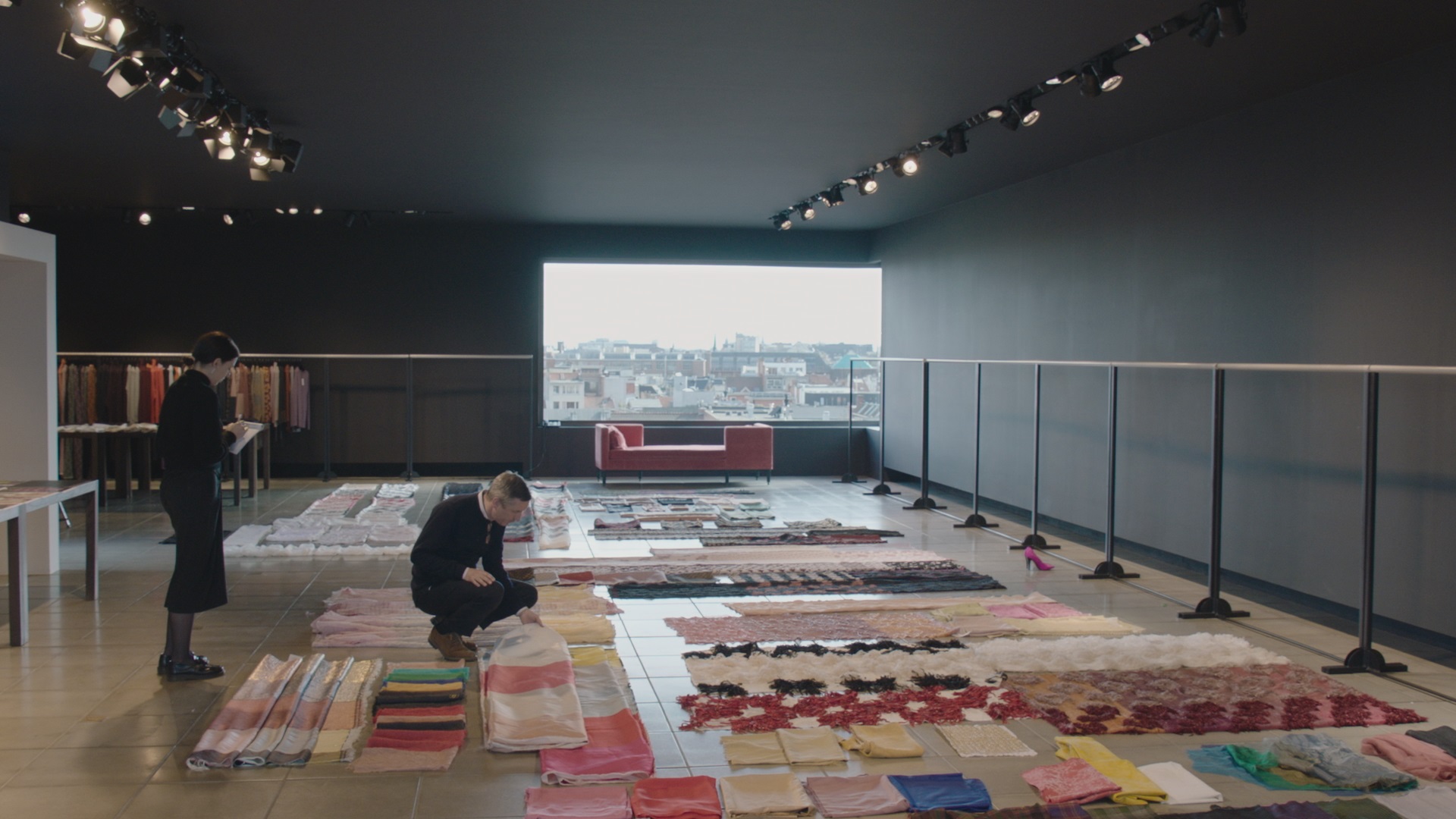
Dries Van Noten selecting fabrics in his studio in Antwerp

Dries Van Noten is one of the most unassuming figures in fashion. In an industry which otherwise moves at an impossible pace, he is a thinking, feeling designer, and for more than 25 years, he has remained independent in the face of fashion’s runaway globalisation. 

Despite his relatively low profile, Van Noten is a veteran designer and celebrated his 100th show in March this year. A master of print, pattern and texture, he emerged from Antwerp’s Royal Academy of Fine Arts in the early ‘80s as part of a group of designers including Walter van Beirendonck and Ann Demeulemeester, often referred to collectively as the Antwerp Six. Since launching his namesake label in 1986, he has become widely respected as a designer who has forged his own path.

In a new documentary directed by Reiner Holzemer – whose past films include portraits of artists and photographers such as David Lynch and Juergen Teller – the Belgian designer gives rare access to his home and work life. Over the course of a year, Dries documents the makings of four collections, from his studio in Antwerp to backstage at his fashion shows in Paris. In doing so, it offers a glimpse into the world of “one of fashion’s most cerebral designers”, as The New York Times has described him.

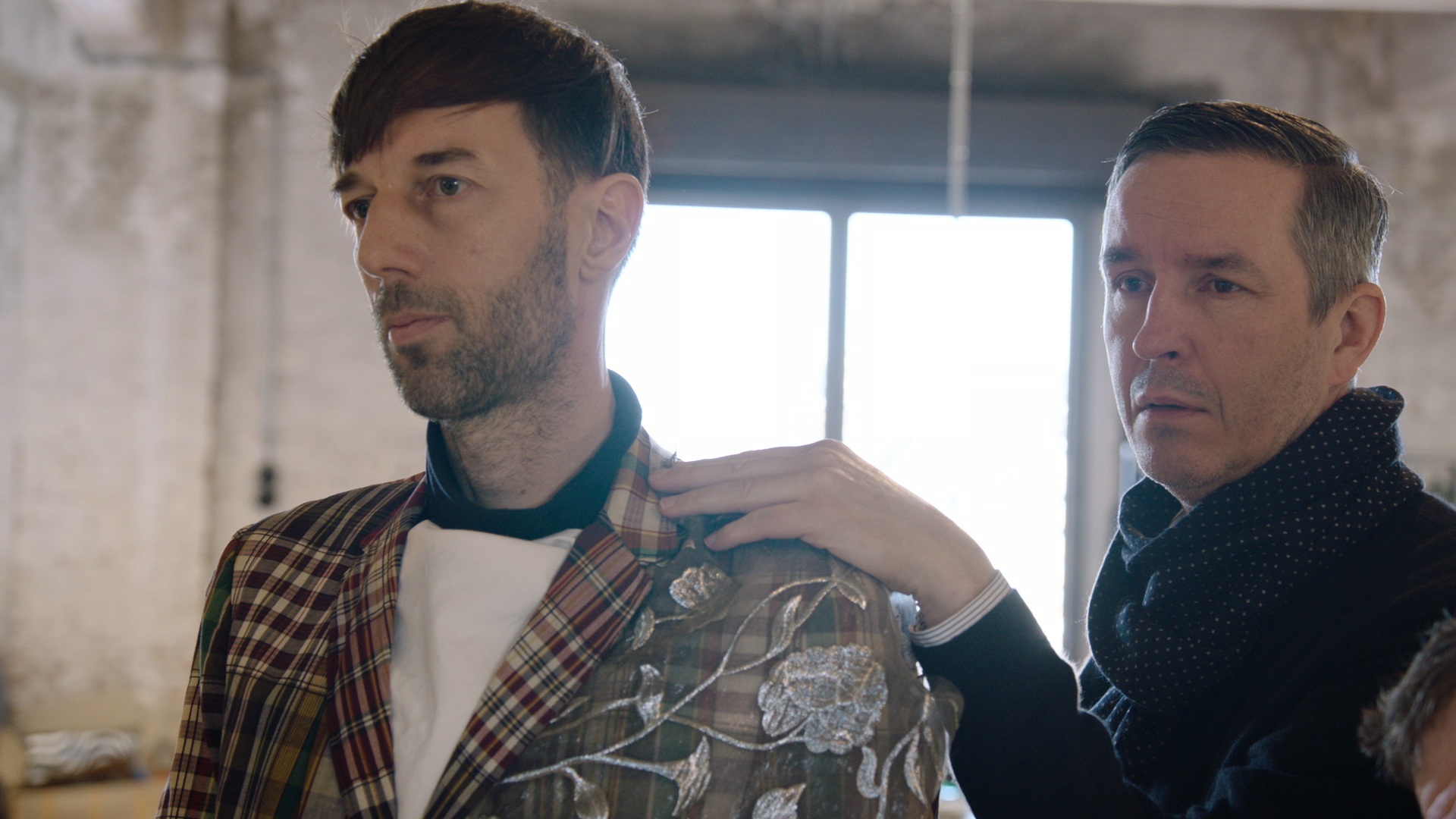
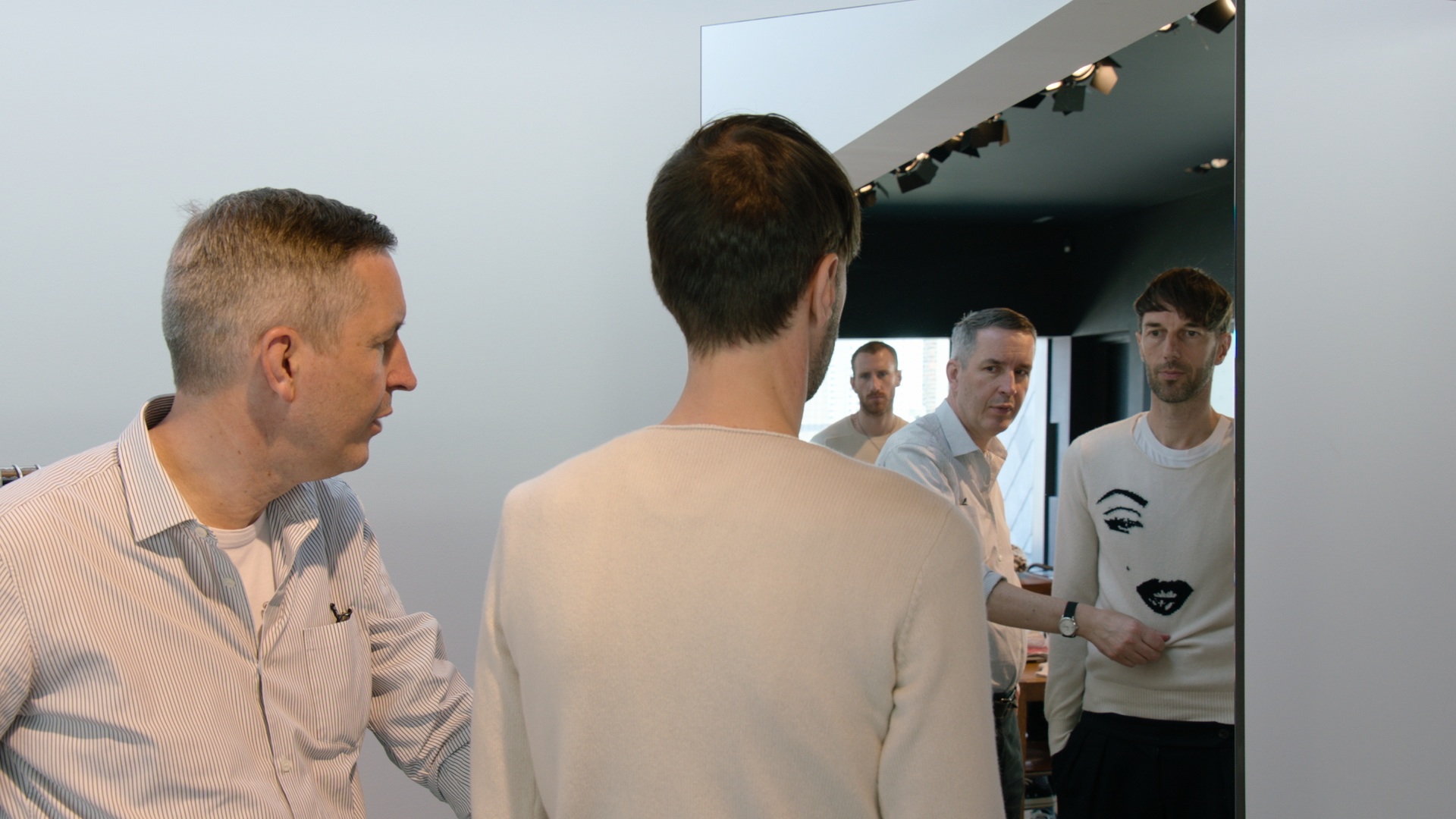
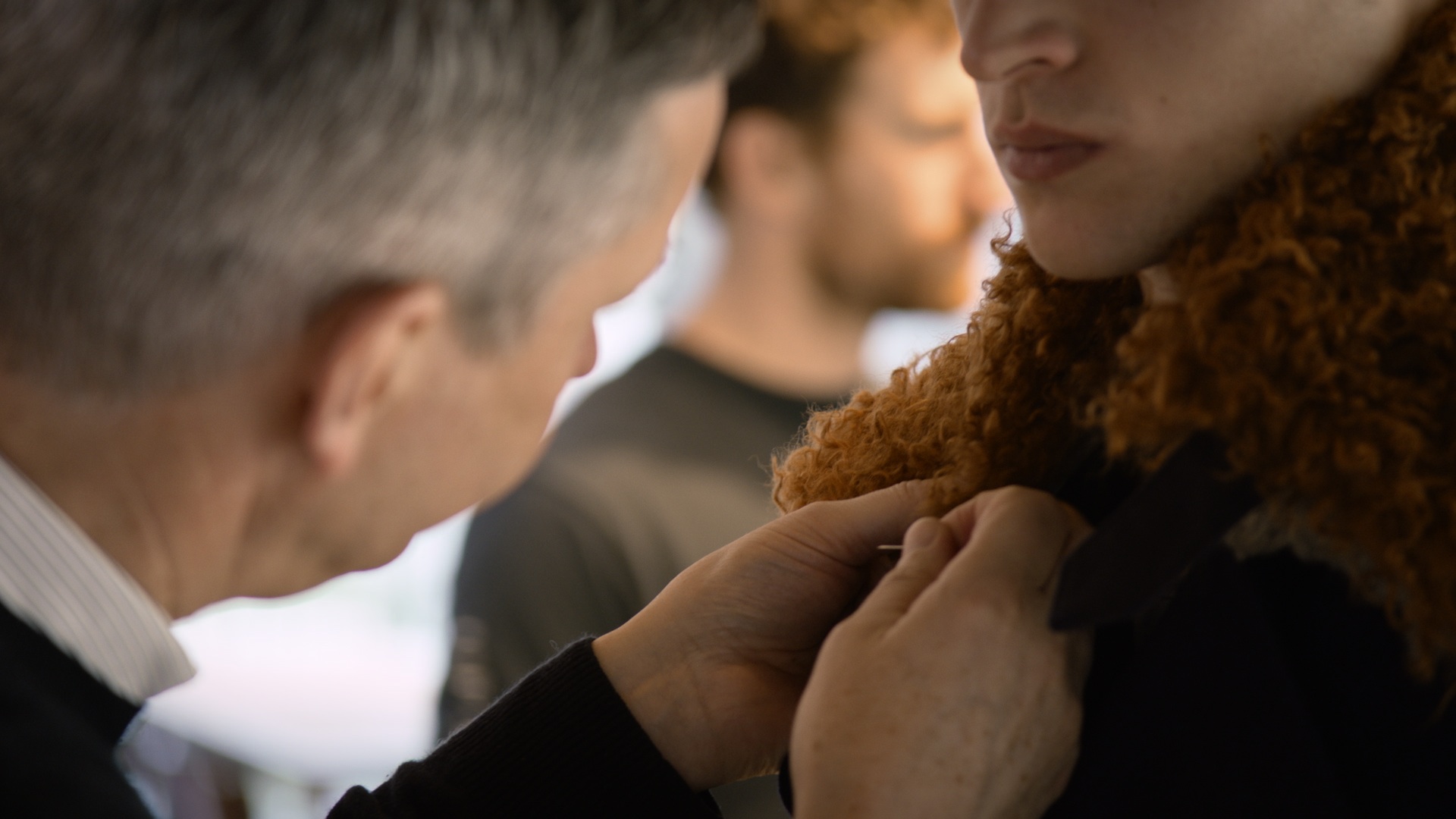
Dries Van Noten with Jürgen Sailer, head of men’s design in his studio in Antwerp

Holzemer, himself a relative newcomer to the inner workings of the fashion industry, met Van Noten while filming his 2011 documentary on Juergen Teller. Immediately taken with the designer’s intuitive approach, it took the German filmmaker three years to convince a camera-shy Van Noten to be the subject of his next film. While the designer had outright turned down the proposals of other directors, Holzemer was spurred on by the fact that he never said no. Twice a year, they would meet at Van Noten’s shows and each time, Holzemer would ask again.

“I think what encouraged him, or interested him in my work, was that I was not coming from the fashion world,” Holzemer explains. “I wasn’t a fashion filmmaker and he saw some of my films as portraits of artists, and I think he liked that approach.” After this prolonged game of cat and mouse, Van Noten agreed to open up his work and home to Holzemer and a small crew.

Dries Van Noten with Jürgen Sailer, head of men’s design in his studio in Antwerp

Holzemer’s genuine affection for Van Noten comes across in conversation and his respect for designer is more than apparent in his portrayal. Fashion documentaries often capitalise on moments of drama and the frenzy of the eleventh hour, but Holzemer cites examples such as The September Issue and Dior and I as precisely the type of fashion film he wasn’t looking to make. With Dries, he insists he wasn’t interested in playing up to the same stereotypes; the appeal was the person, not the industry. 

An important aspect of the film is its depiction of Van Noten’s life in Antwerp, where he continues to live with his long-term partner, Patrick Vangeluwe, and his dog, Harry. The choice not to live in Paris, where his collections are shown, is a considered one. “There’s less distraction and he can really concentrate on his work,” says Holzemer. “It’s important for him to live his own rhythm, to live in his own world. And that’s why he’s always creating something new and unexpected.”

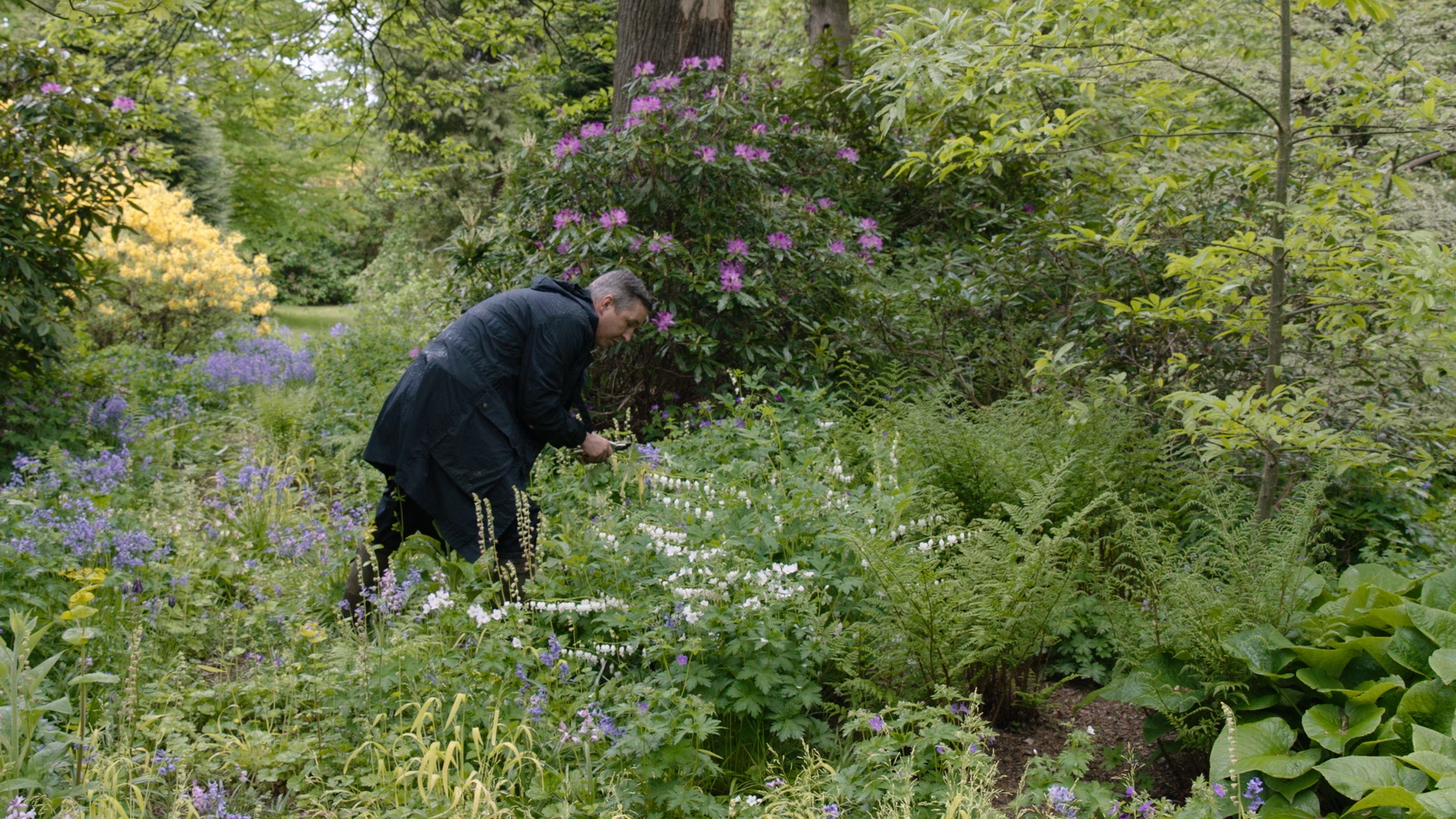
Dries Van Noten in his garden in Lier, picking flowers for the house

In Dries, Van Noten touches on what he calls the “rat race” of fashion. Speaking of the immense pressure placed on designers today, many of whom are tasked with producing a growing number of mid-season collections, Holzemer says, “In a way he’s an exception and in the same way he’s typical, I think.” Yet, while contemporaries might produce in excess of eight collections a year, Van Noten has refused to compromise the quality of his ideas.

“When he designs something, when it’s too beautiful, he adds something distracting or something ugly to make it more interesting, and that’s an ongoing process all the time,” Holzemer explains of his process. “I found that Dries doesn’t draw. He works like a sculptor, working with the fabrics on a live model, more a less. That was very hard for him to show – how he works – because he was always a little bit afraid of showing something that was not perfect, and might even look a little banal in the eye of the audience.”

As seen through the eyes of Holzemer, the designer’s high-profile admirers, and Van Noten himself, what comes together is a portrait of a man who strives to bring the same artfulness to all areas of his life. “Do you think people like Dries are disappearing in the world today?” Holzemer asks Iris Apfel as the documentary draws to a close. “Not disappearing, darling – they’ve disappeared,” she says. “He’s a treasure and has to be treated as such.”

Dries Van Noten working on a collar for the Men’s Winter 2016 collection

Dries, directed by Reiner Holzemer, is out now on DVD 

The Story of Slow TV

How filming a seven-hour train journey launched the Slow TV movement and became a Norwegian broadcasting phenomenon

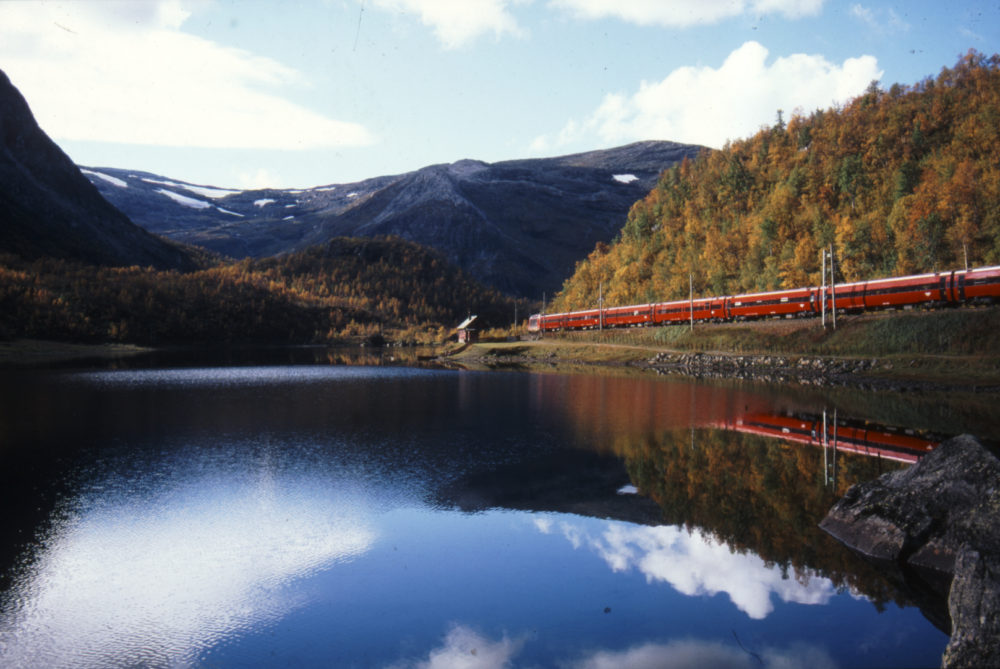
Bergensbanen – minutt for minutt / photograph by Rolf Sørensen

During an ordinary lunchtime in 2009, a colleague of mine came up with the idea for a radio programme to mark the day of the German invasion of Norway in 1940 – a programme that would go through the whole night, reporting from the right place, the exact times and so on. It was a good idea, but couldn’t be made as it was only a few days before the anniversary of the invasion. But we kept sitting there having lunch, seeing which stories we could tell over a long time. It was the centenary of the Bergen Railway, and that was the suggestion that stuck. 

It’s a very slow train and takes seven and a half hours. One of us suggested filming the whole thing and putting it on TV, and we all laughed. It could have been one of those ideas that you have after a few drinks and forget about the next day, but it kept coming back to us. We called our commissioning editors and said that we wanted to make a documentary that would be ‘minute by minute’, and they didn’t know what we meant. They laughed with us when they understood.  


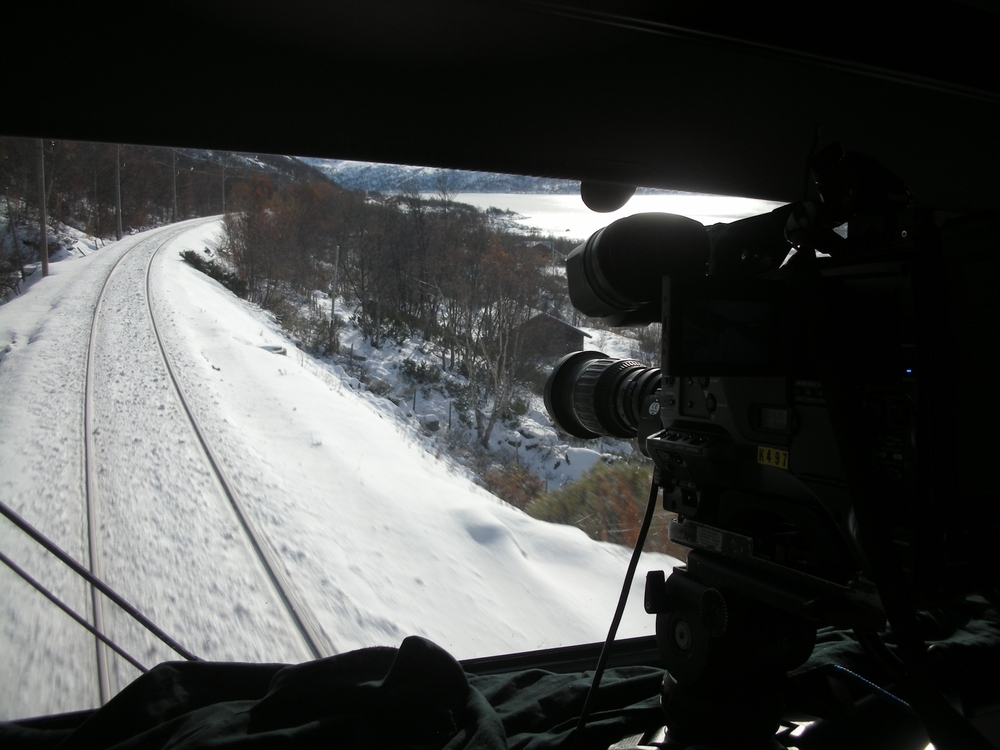
The original railway programme was a four-camera production. We occasionally talked to the passengers, and we had a presenter and a lot of archive footage, but otherwise it was just the train. It’s telling a story, but a story that’s happening without us, as TV-makers, colouring it in any sense.

The key thing is the unbroken timeline, which means that everything is there – the boring parts as well as the interesting parts. This means that you, as the viewer, have to decide for yourself which bits are interesting. That’s why people find different stories in the programme, and why people watch Slow TV in different ways; some just lean back and have it as a nice picture on the wall, like a big window in the living room, and other people sit on the edge of their seats, genuinely curious.

Bergensbanen – minutt for minutt © NRK

When we did the next project – the coastal ship – we filmed live over five and a half days, and had the advantage of people talking about something that is happening in real-time. The live element has become a very important part of Slow TV. I think it’s important for the viewer, as a kind of contract, that this is happening right now, that no one has taken anything away. It’s also important for the viewer to know that something could happen. It most probably won’t, but it could, just as in life. That’s why you carry on watching.   

Despite some perceptions, this is not watching paint dry. At the heart of all the stories that we’ve made is a story worth telling. Maybe a story connected to Norwegian culture, or a journey, or a subject that many Norwegians can relate to. When you find that story and tell it in a fascinating way, then you have the power to help show people what’s important and what’s not. By broadcasting a crazy programme on prime-time television, you’re telling the audience this is something worth watching. If you choose the right subject, and you’re brave, then people will respond. 

Interview by Caolan Blaney