Ewen Spencer: While You Were Sleeping

The eponymous British photographer’s new book provides a nostalgic snapshot of 90s club culture
Ewen Spencer: While You Were Sleeping

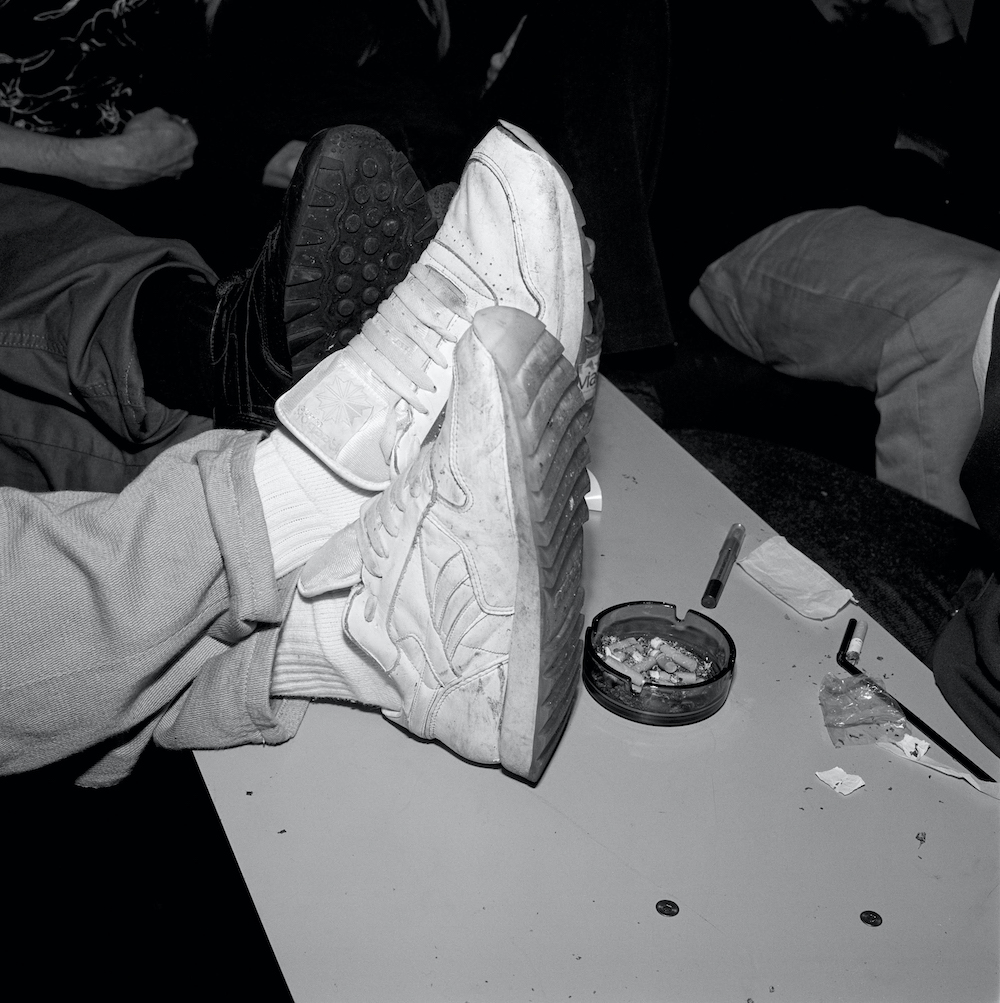
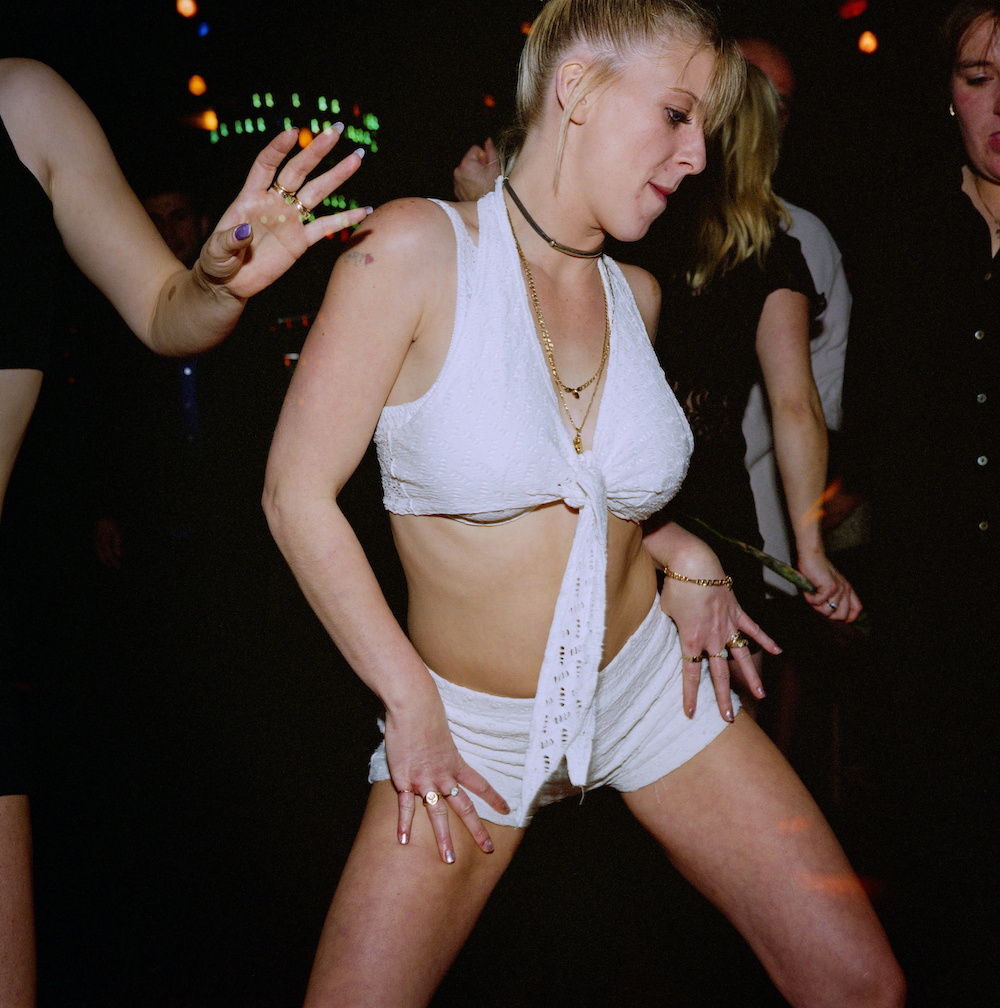
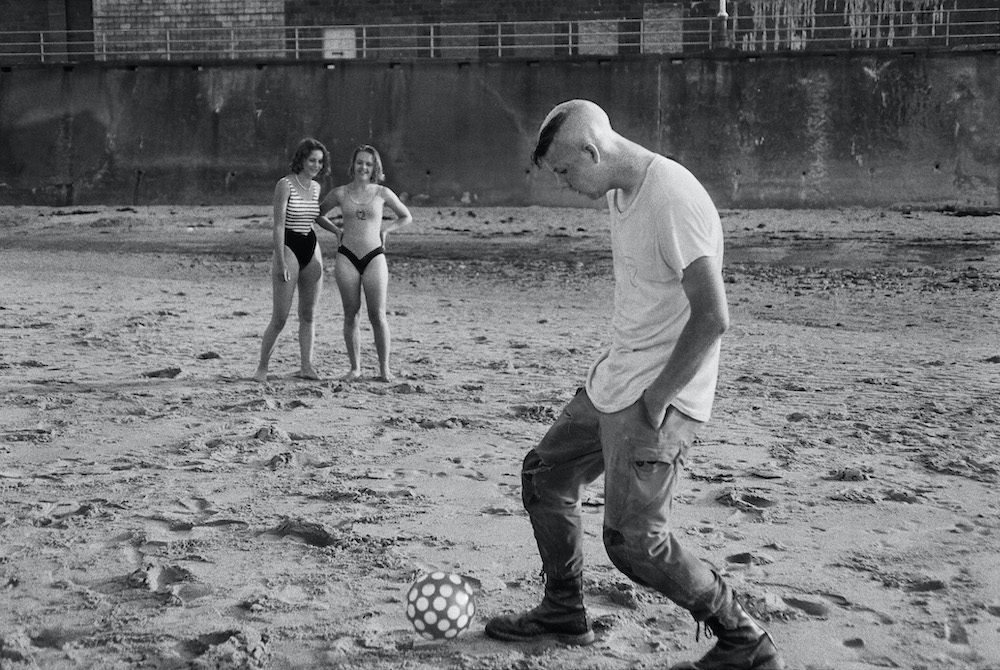
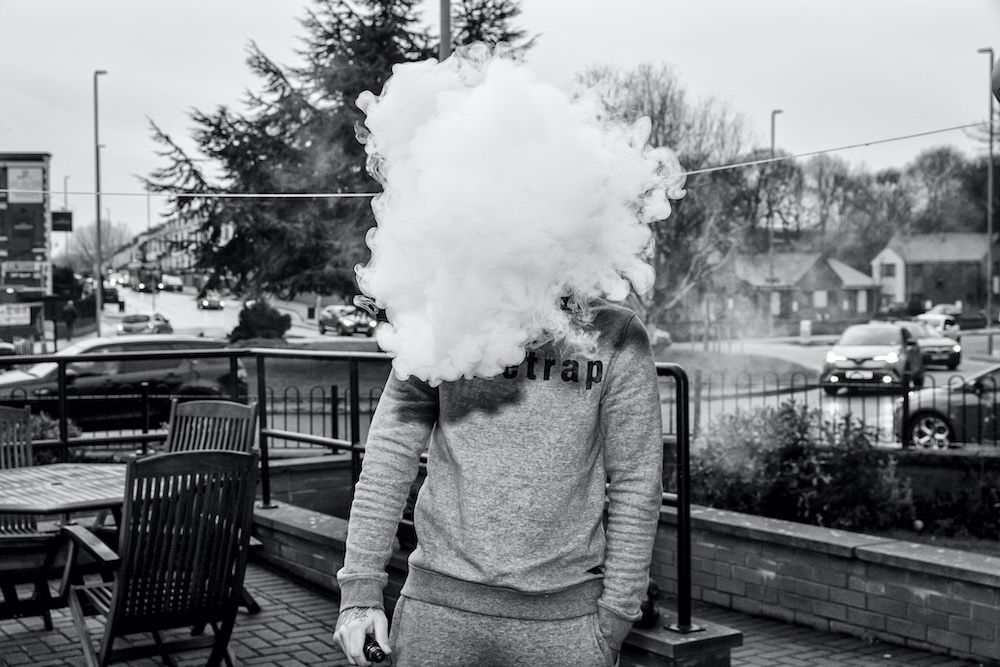
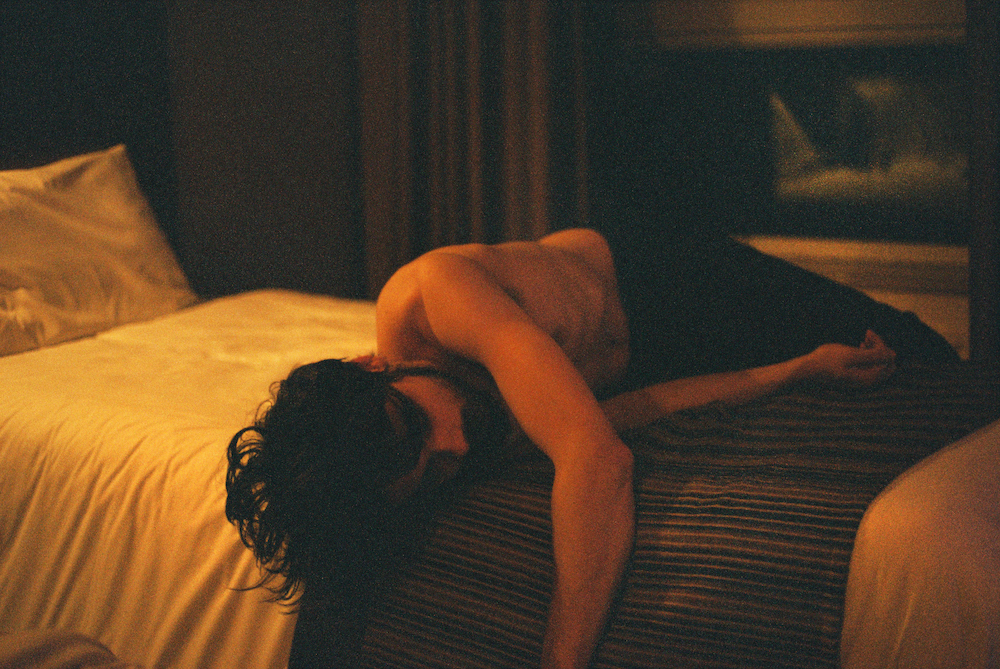
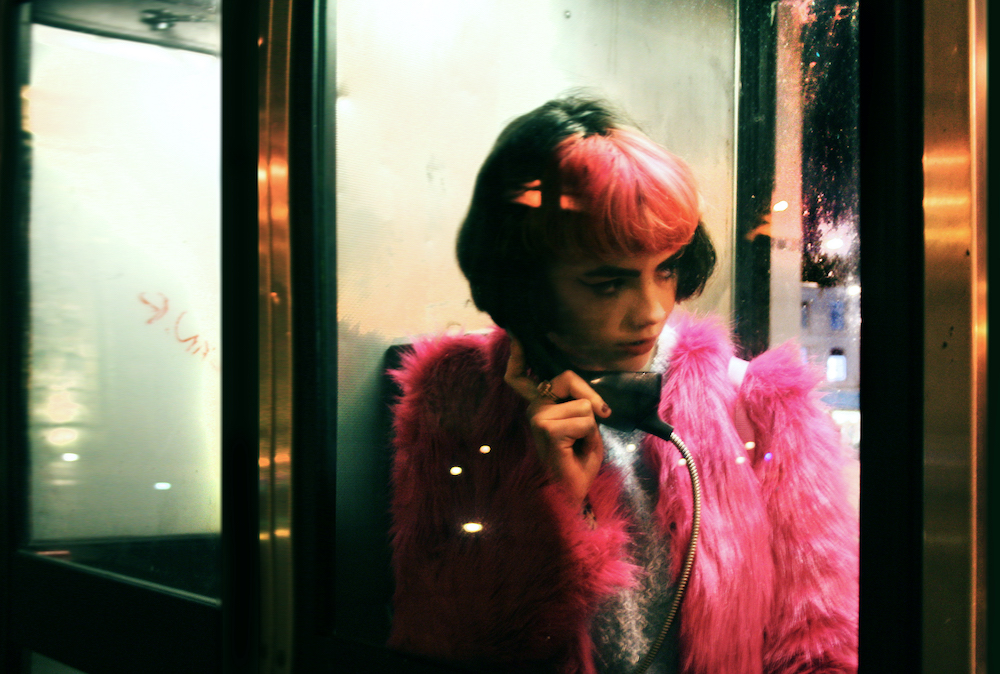
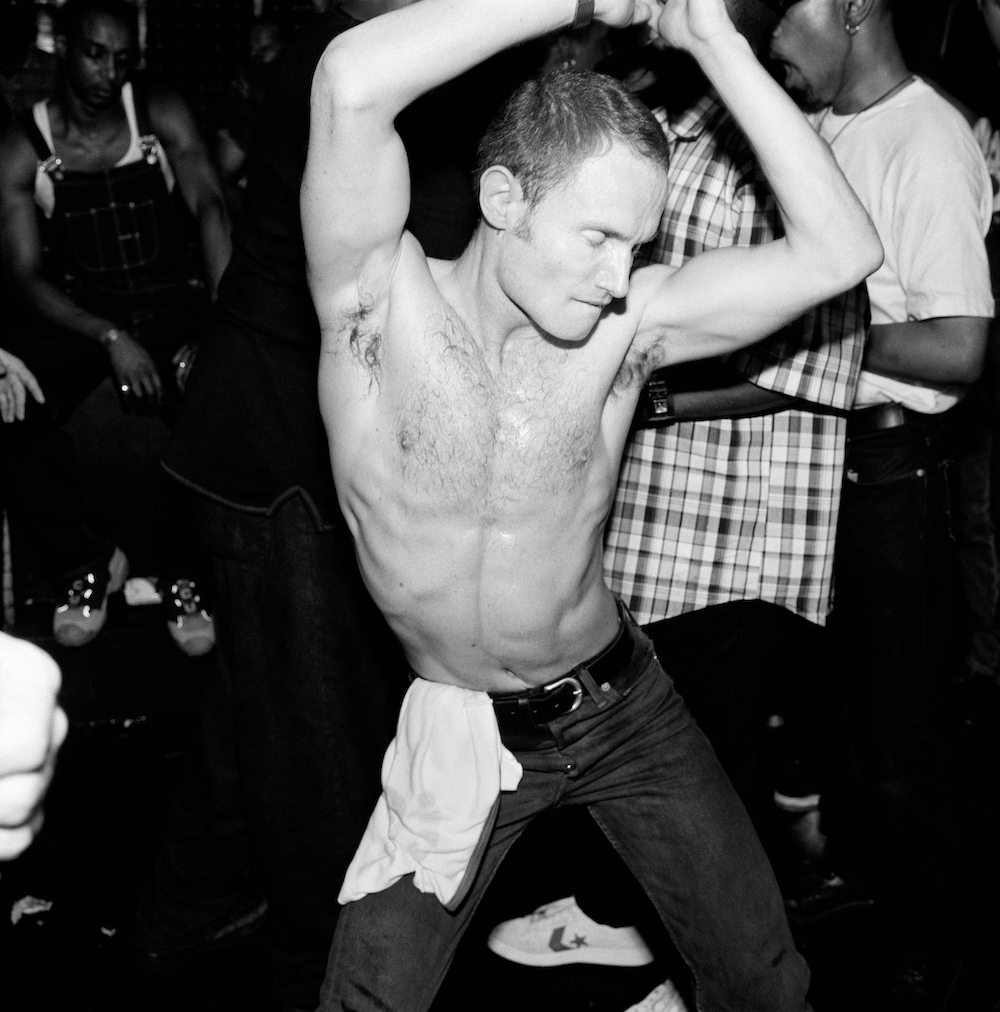
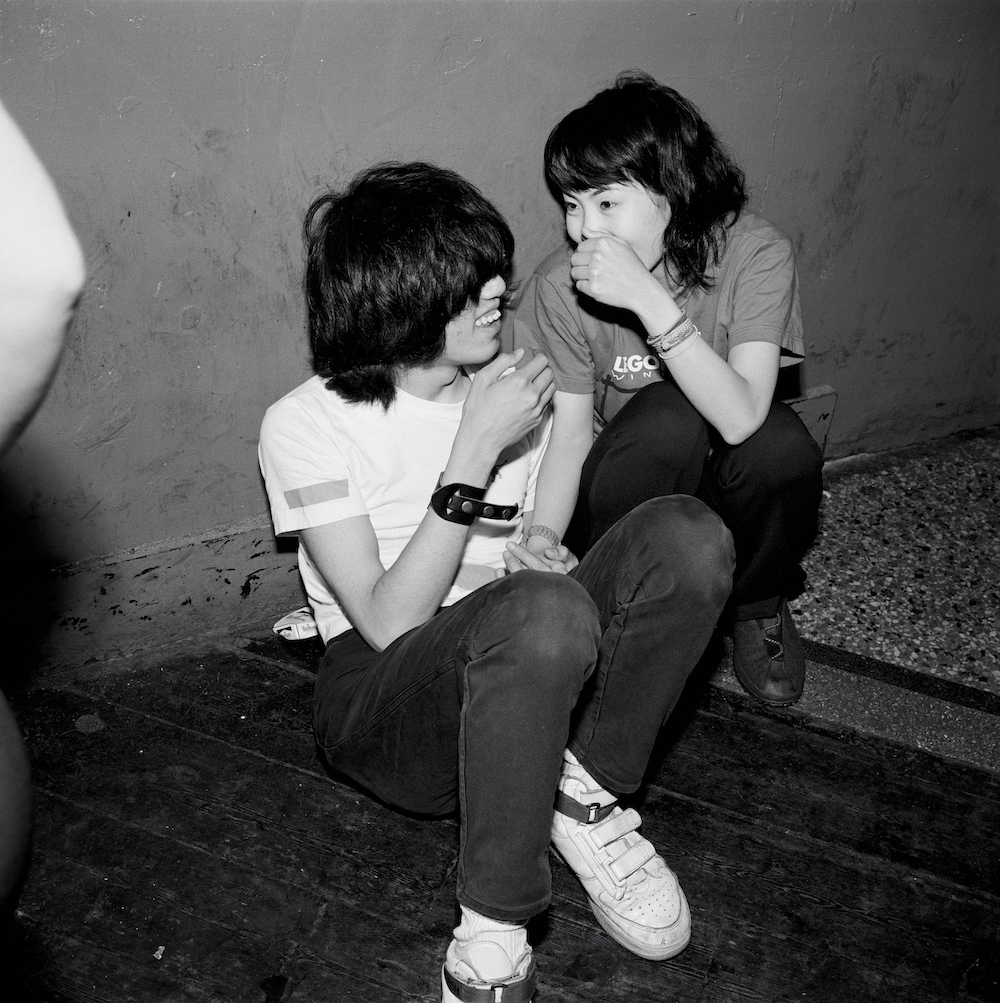
Conjure up an image of a club goer – the type who sways, dances, gropes, kisses and sleeps without a care in the world – and it will most likely be one of Ewen Spencer’s. Synonymous with exposing the antics of British nightlife, the photographer and filmmaker has carved a reputable name for his work documenting (and revealing) youth, fashion, music and subculture, particularly that which depicts a time when smoking in clubs was allowed and people were a lot less tied to their phones. In fact, phones weren’t really a thing back then. Could anything be more nostalgic?

While studying at Brighton School of Art in the 90s, Ewen began photographing topics in tune with society – snapping people having a 20-minute break at a service station on the M4, for example. This is where his interest in subcultures arose and, having attended Northern Soul all-nighters at the time, he decided to start bringing his camera in tow. It was the perfect subject matter. Then, upon graduating in 1997, Ewen took his imagery to Shoreditch-based Sleazenation magazine and launched his career capturing nightclub moments for the publication. He proceeded to document the UK’s garage and grime scenes and worked with NME, The Face, Dazed, Nike, Apple among others – he also took the inner liner photographs for The Streets’ album Original Pirate Material, and has released a handful of books including Open Mic, UKG, Open Mic Vol.2 and Young Love.

A flourishing career so far, it seems only right for the photographer to look back at his archive. Doing just that in his new publication titled While You Were Sleeping, these very pictures – featuring those previously unseen – are an enjoyable reminder of a bygone era, a time when clubbing and clubbers were oblivious to the photographer’s lens. Will nightlife and club photography ever be the same again? Below, Ewen tells me about these prolific pictures. 
Ewen Spencer: While You Were Sleeping

What inspired you to start photographing nightlife, and why make this book now?

I began making pictures around youth scenes out of my own interests. I was involved in the northern soul scene and the many off-shoots from that: modern soul, rare groove, house and garage throughout the late 80s and 90s. I just began to apply what I’d been researching and testing out while studying photography in those places that I loved. It blossomed into a visual language that made sense to me and discussed a myriad of social and perhaps political concerns and considerations at a time, when that was still conceivable in a club or around a dance floor.

Who caught your eye back then?

If you have an interest in people I think you probably gravitate towards interesting characters. In the late 90s, I was going into spaces that would hold no more than 200 people in some instances – in a basement in Brixton, let’s say. I’d look for characters interacting together, begin working around them and at times integrate myself with them to the extent where we’d have a drink and become friendly. I might stay with these people for a while and then work around the room; I might stay a couple of hours and shoot 10 rolls of film, and then move onto the next place. Unless it was a bigger club, or somewhere I was particularly interested in hearing a DJ or a particular sound, I’d stay and work all night and maybe know a few people in there. Sonic Mook Experiment was a place where I knew folks who were working in fashion, music and art. I photographed Jerry Dammers, DJ-ing here for Sleazenation in 1998.
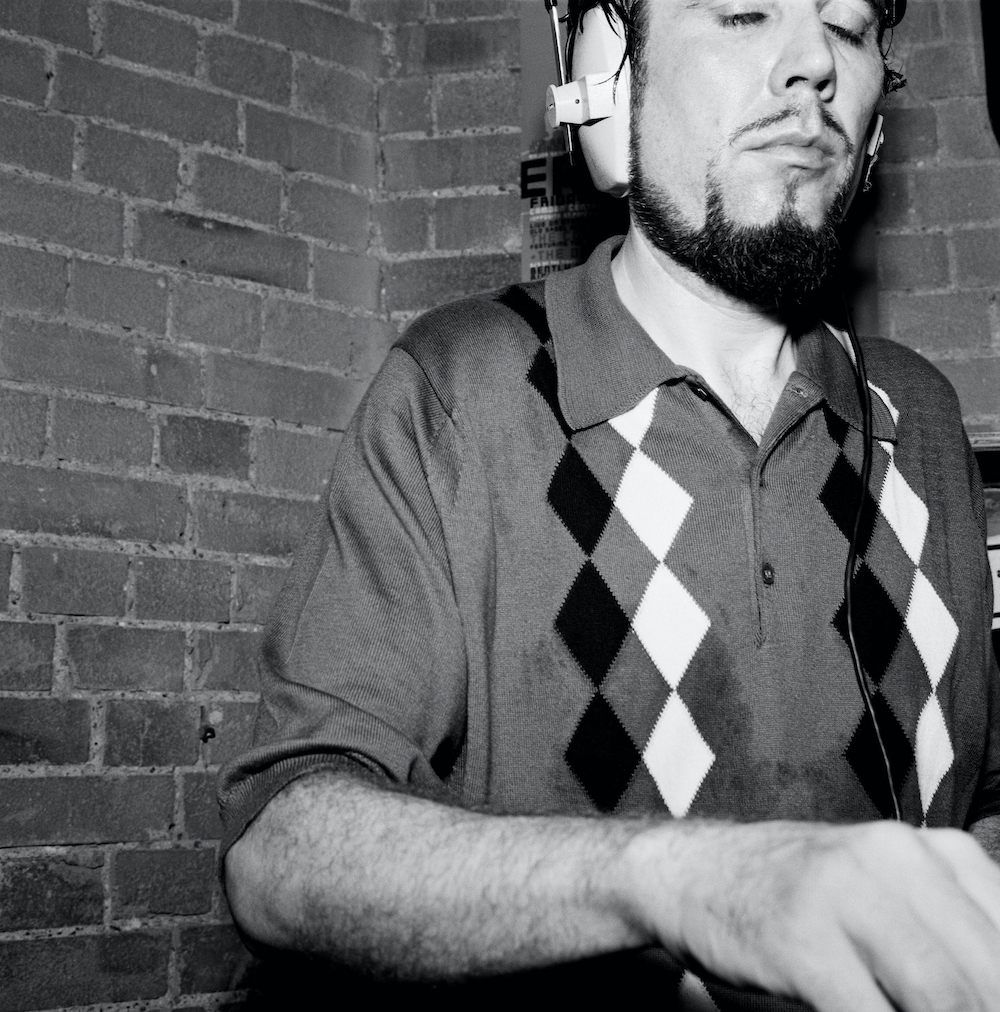
Ewen Spencer: While You Were Sleeping

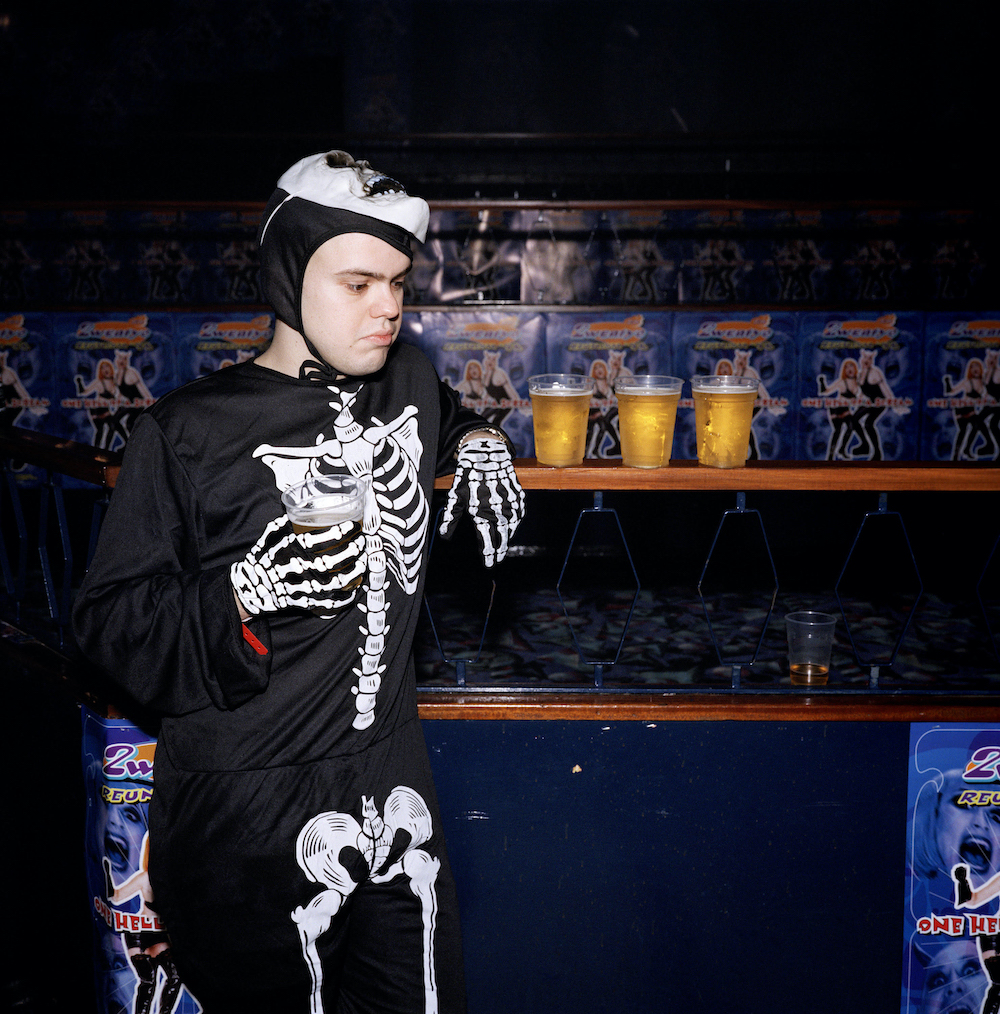
The photos are an incredible record of the past, where smoking in clubs was legal, people wouldn’t be glued to their phones; everyone seems less aware of themselves. How does it feel looking back on a time like this through your imagery? And has your process changed now that people are more self-conscious?

I think it all depends on where you go. I was at Guttering last weekend in Bermondsey and the folks were really up for the evening, dancing hard, mixing it up with one another. I love to see it; there were some real faces in there. 

I’m always surprised by kids approaching me who know my pictures and are maybe more sussed to the dynamic, and that is in someway making the act of shooting around scenes a little more performative, in that the consent seems quite immediate. I had a few acknowledgments of satisfaction from people I’d photographed and a few kids came up and shared their pictures they’d been working on… Photography is obviously far more accessible and democratic now. However I’m not encouraging people to come and show me your pictures at parties, thanks x

Ewen Spencer’s While You Were Sleeping is published by Damiani at £40
Ewen Spencer: While You Were Sleeping

Ewen Spencer: While You Were Sleeping

Ewen Spencer: While You Were Sleeping

The Day After Tomorrow

Eric Asamoah intimately documents the journeys of young men transitioning into adulthood 

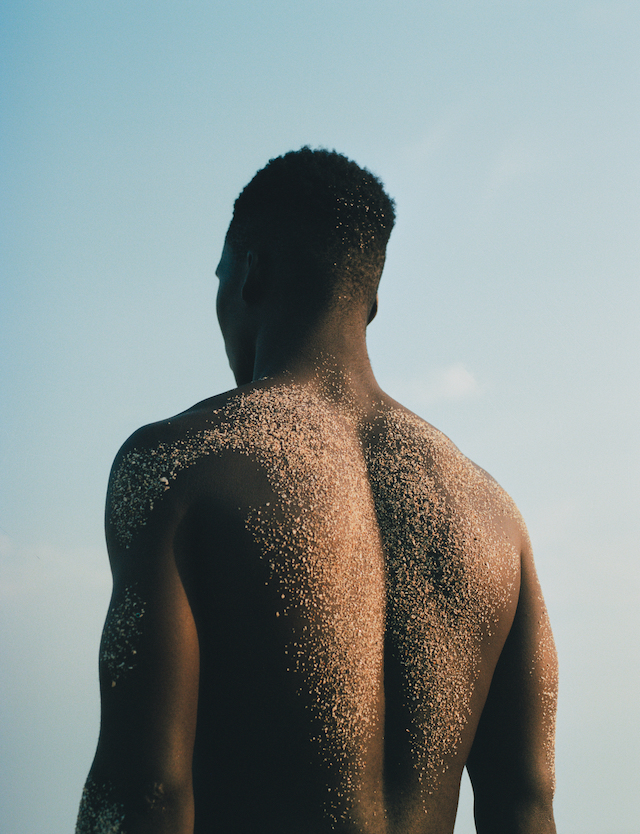
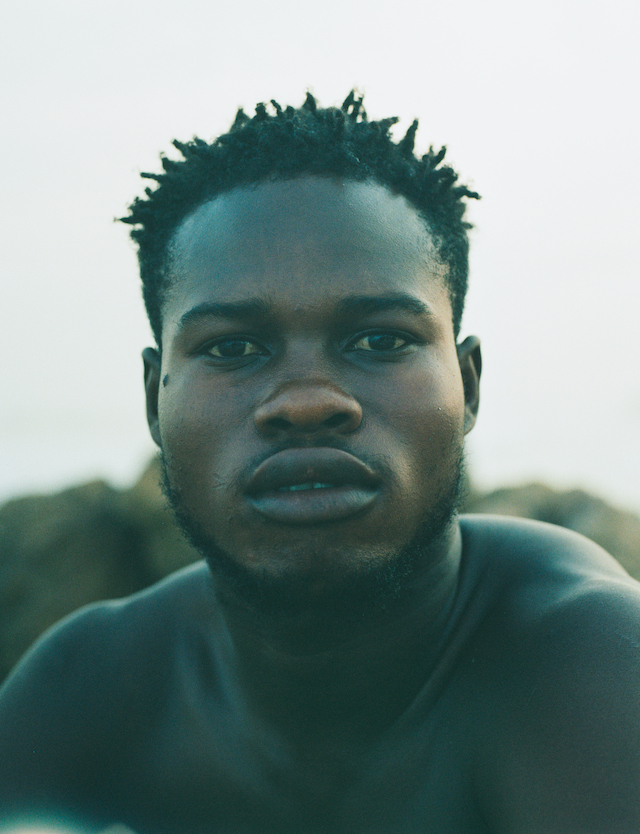
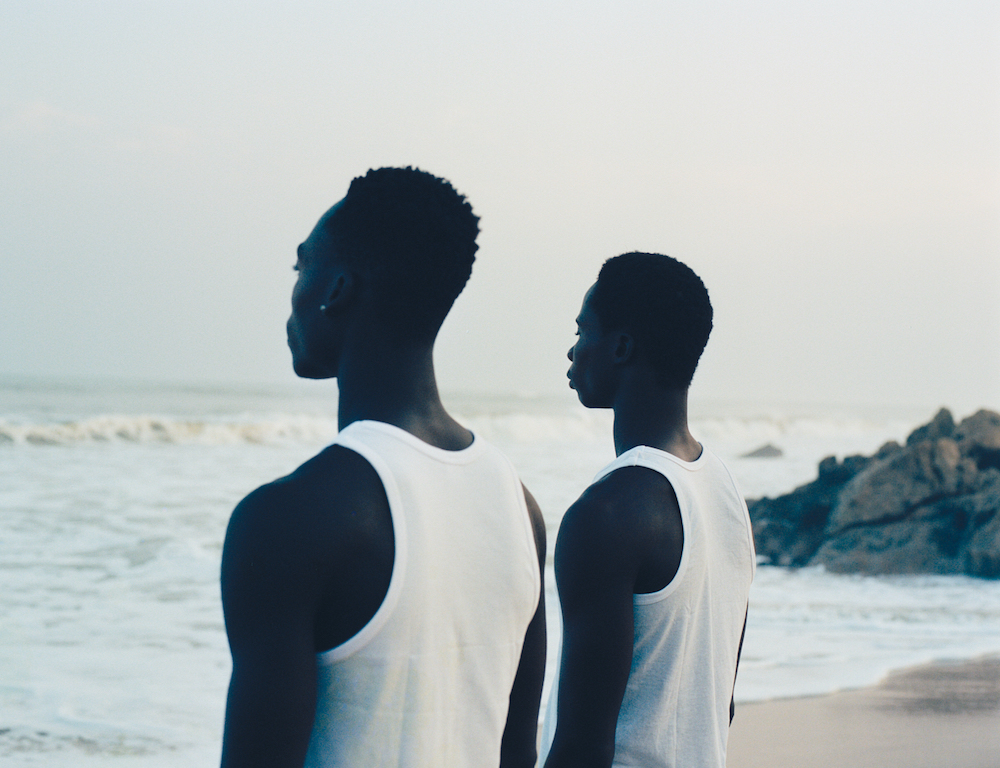
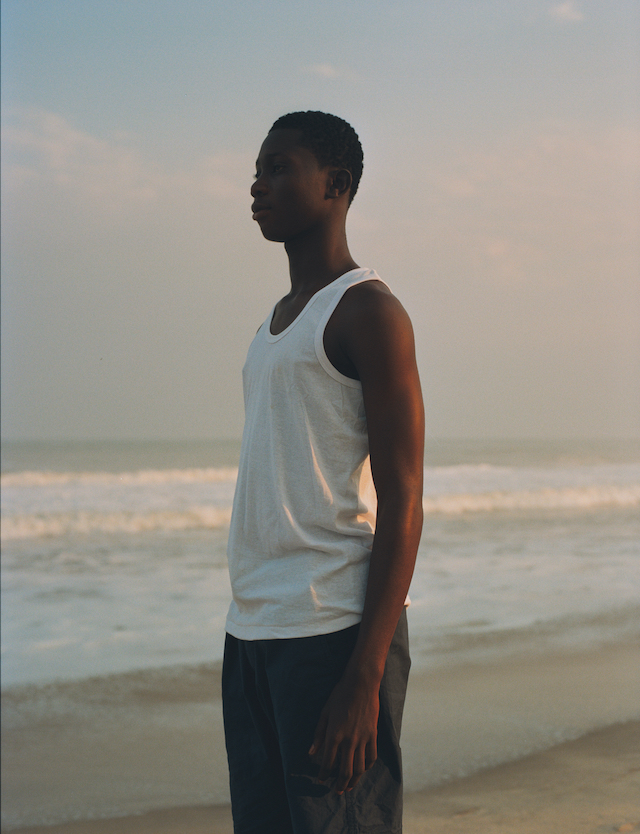
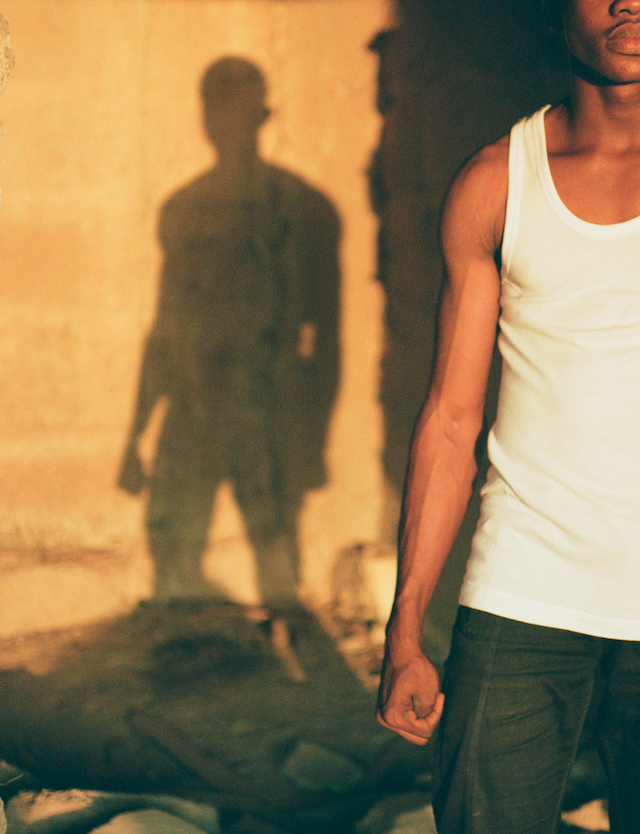
It’s hard to predict what will happen in the next hour, let alone the next day or two. But the ability to find peace in the unpredictable – to be comfortable with the unknown – is something of an achievement in life. This is a concept that Ghanaian and Austria-based photographer Eric Asamoah explores through his practice and debut monograph, aptly titled The Day After Tomorrow and published by Verlag für moderne Kunst (VfmK). An aesthetically luminous and intimate depiction of growth, the book centres itself on the journeys of young men as they transition from boyhood into adulthood. 

“As my surroundings and I evolve and get older, I often think about the concept of time and what it does to us, how the past is still present today and will also have an influence on tomorrow,” Eric tells me. “Starting a new journey can be exciting, but stepping up to something you don’t know, and leaving the past behind can be frightening for some people – young men and women who are in the coming-of-age journey are included. Once you understand the journey, you begin to operate differently as a person and start to question your surroundings, past beliefs, dreams and yourself. You begin to seek the truth, be vulnerable and honest about yourself and slowly find your true colours. This is a beautiful and complex process to appreciate and to enjoy it will not always be rosy and peachy, but at the end of the day, you’ll find peace during the process – if not today, if not tomorrow, then eventually the day after tomorrow.” This is precisely how his monograph came to fruition; he strives to tell the stories and thoughts of his peers, conceived through relatable imagery and a universally felt tale of growing up.

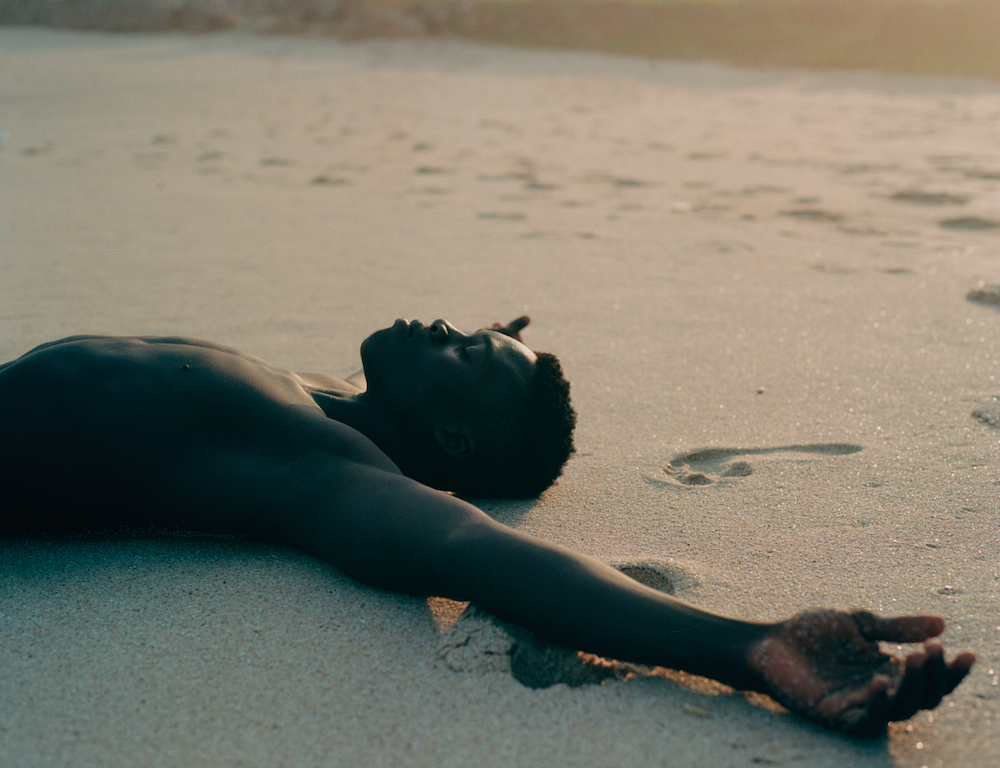
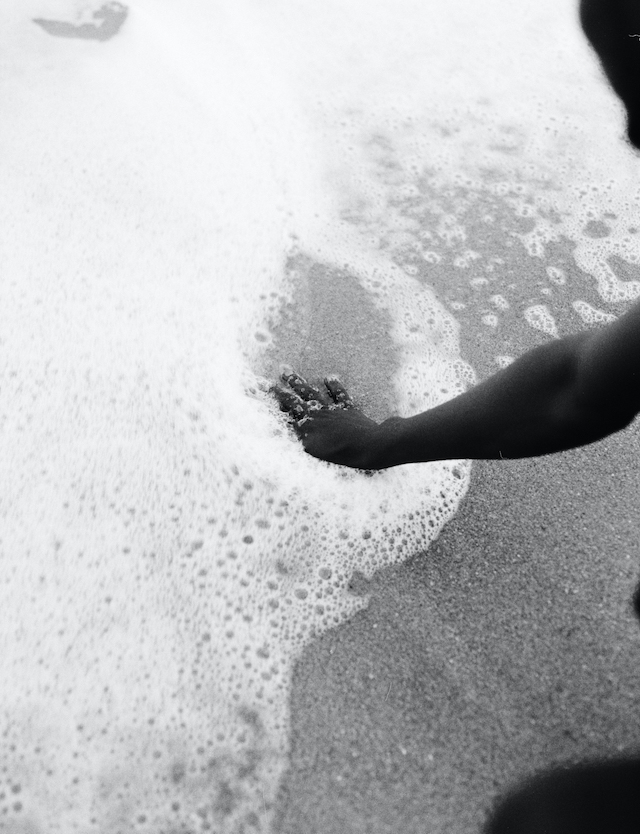
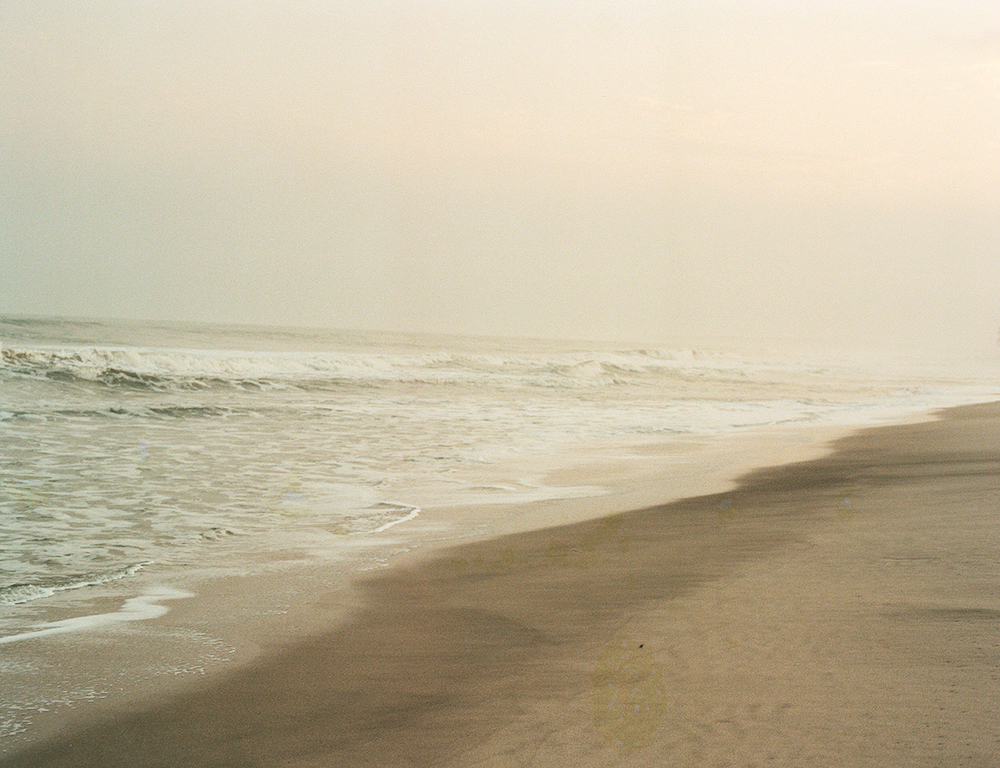
The pictures found in The Day After Tomorrow are poised and quiet. But despite this softly composed demeanour on the outside, there’s comparatively much to be learnt and felt in the imagery. In a photo titled Ocean’s breath – an early one from the series – Eric captures his subject after they’d discussed the strength of the waves that day. Personifying the ocean to be an element of force and change, the subject laughed and said: “The ocean is taking deep breaths, I can feel it!”. The ocean and its expanding and remedial qualities feature heavily throughout the series. In Open World, for instance, Eric expresses his own fascination for the water. “I can watch the sea for hours and be amazed by its gentle yet powerful nature. Looking into the horizon, I wonder how wide the sea is; ‘what’s on the other side’ I ask myself, similar to when I question the future.”

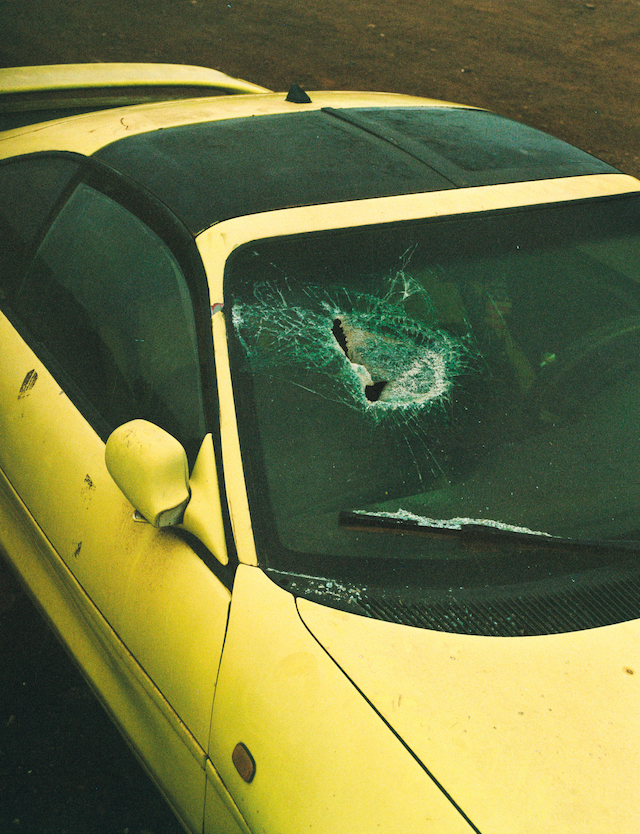
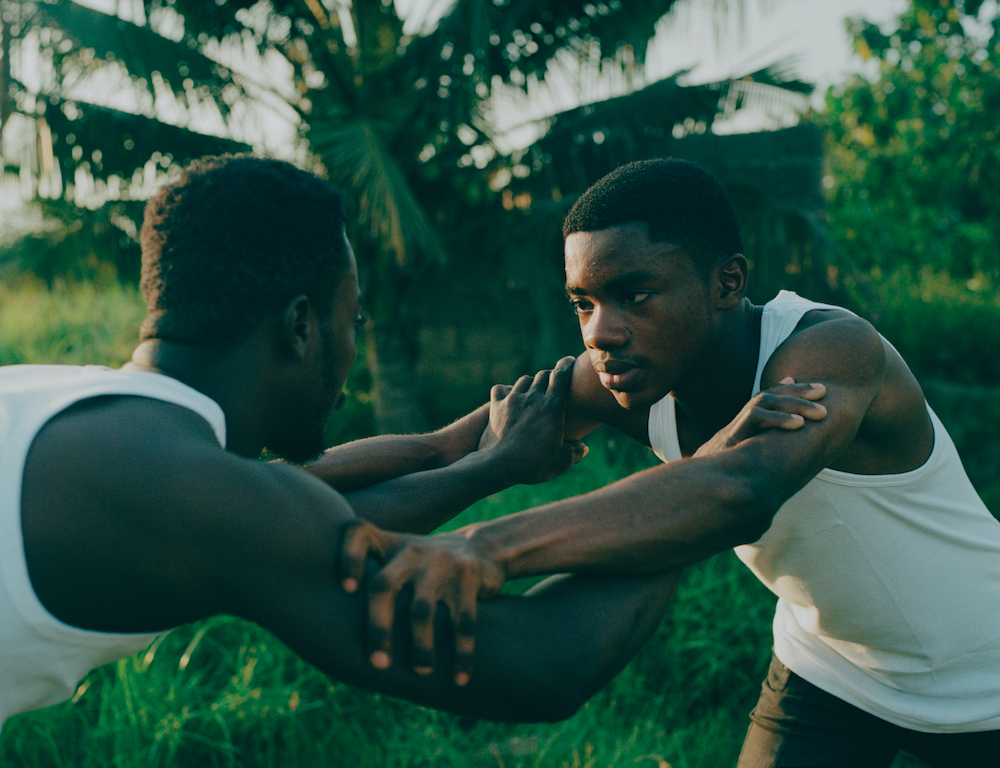
In another image named Tough boy, Eric looks inwards as he reflects on his own upbringing. “Back then as a kid, my brother was the only person I ever challenged or competed with,” he recalls. “He was older, bigger and stronger than me, but apart from being respectfully humbled each time, it taught me the value of being consistent in standing up for yourself, especially in tough situations.” Another, titled Yellow sports car, reflects on a memorable moment of Eric’s while he was driving around Kumasi and passing a car next to KFC. He dreamed about a yellow spots car a night beforehand, so he had the urge to pull over. “The vehicle reminds me of unfulfilled desires that are no longer in your interest, something that was valuable before but has since lost its value due to the passage of time.” This raises many questions about the attachment we hold to objects and the memories exuded from them; over time, we begin to realise the worth of the things around us and wash away those that no longer serve a purpose. It’s a cleansing process. 

Yellow sports car, 2021

Photography also serves a different kind of objective. It allows us to document, assess and learn from the past, making way for new beginnings and codes of thought – both for the image-maker and the viewer. In Layover, this becomes evident as Eric reveals the picture’s remedial qualities. “Every time I look at this photo, I remember the energy in the air which was serene, carefree and soothing. Be still for a few seconds, let go of all you know and be grateful for the current moment, which will lead you to understand that you can be anywhere in the world, but the only place you can find true contentment is within.”

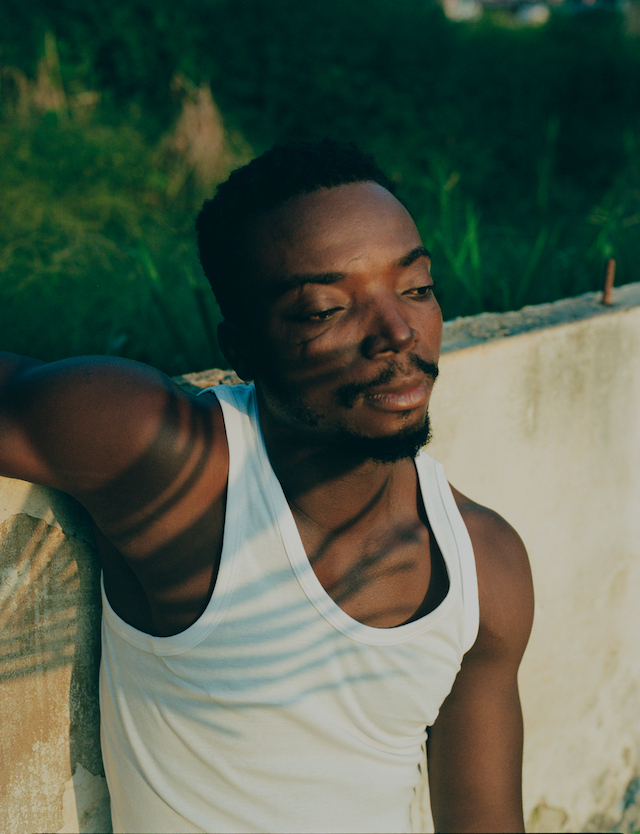
Eric presents his subjects as anonymous beings, choosing to keep them unnamed throughout the series. By doing so, the pictures become a “utopian ambiance” – a moment of catharsis for Eric. “All the young Black men in the images were a reflection of myself, the inner self that seeks truth and contentment,” he shares. “I hope that individuals from all walks of life an also see a bit of themselves and reflect on their own truth, contentment and journey in life.”

Layover, 2021

Ocean’s breath, 2021

Open world, 2021

Tough boy, 2021


Youth Rising in the UK 1981-2021

An exhibition at Side Gallery compiles nine photographers who have been documenting youth in the UK over 40 years

Precious from the series ‘Lost Summer ’(2020) © Alys Tomlinson/HackelBury Fine Art

What does youth mean today? A period of maturity and coming of age, it’s a complex phase of a person’s life let alone a complex question to answer. But one thing we do know is that it’s never been more vital to provide a platform for young people, offering a space in which they can be seen and heard. 

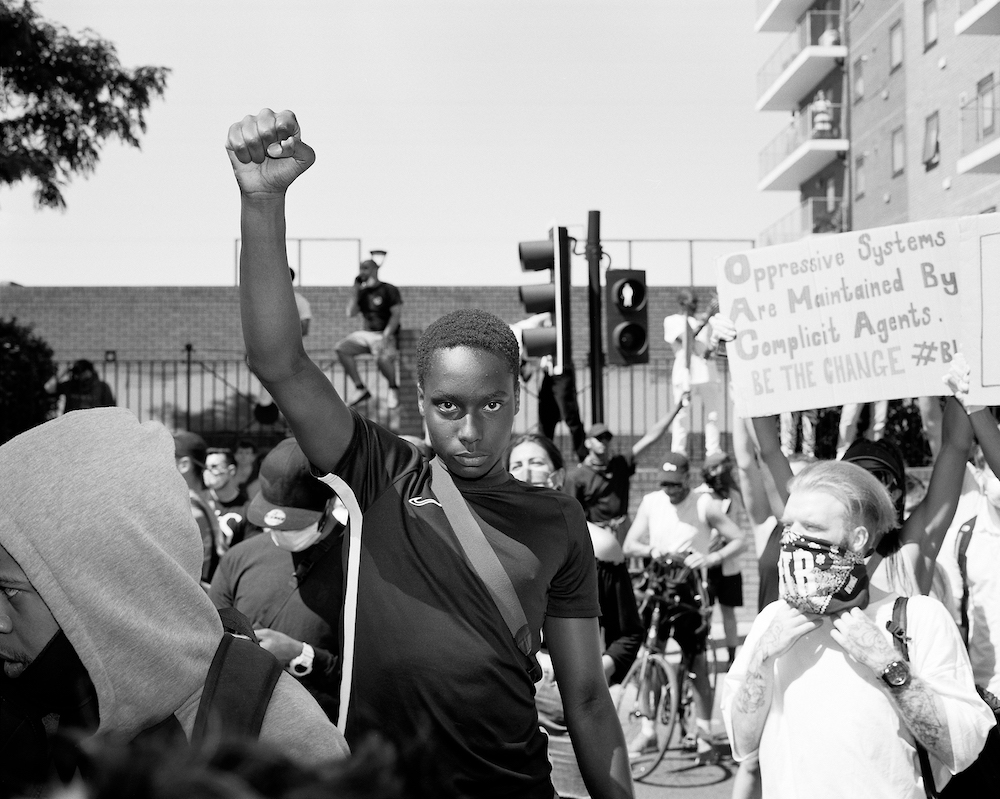
This is especially prevalent after the roll-out of the past year or so – with the gruelling events across the globe causing strain on the younger generation in all aspects of daily life and, more importantly, their adolescence. From the Covid-19 pandemic to the rise of anti-racism movements and fight for gender equality, the world has been continuously tilted as it’s had to deal with ongoing challenges. But in light of it all, there’s been a ray of hope. Not just with the way in which today’s youth have risen up to such tremulous issues – take protests and the rise of the Black Lives Matter moment across the UK as examples – but also in the way they express their passion to make our world a better place. 

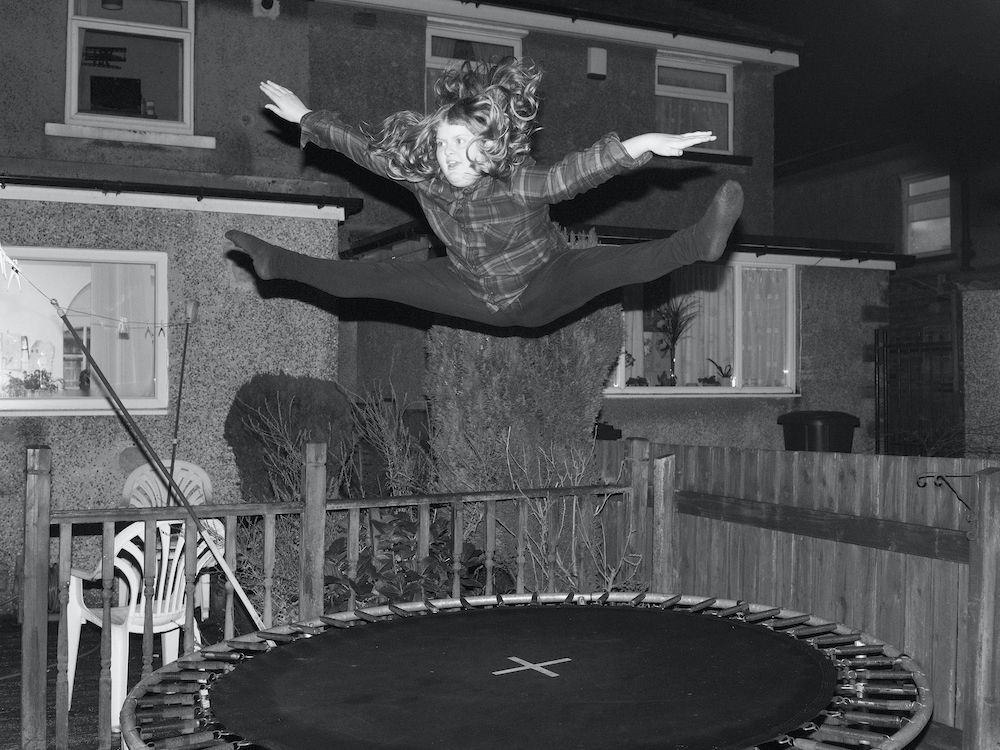
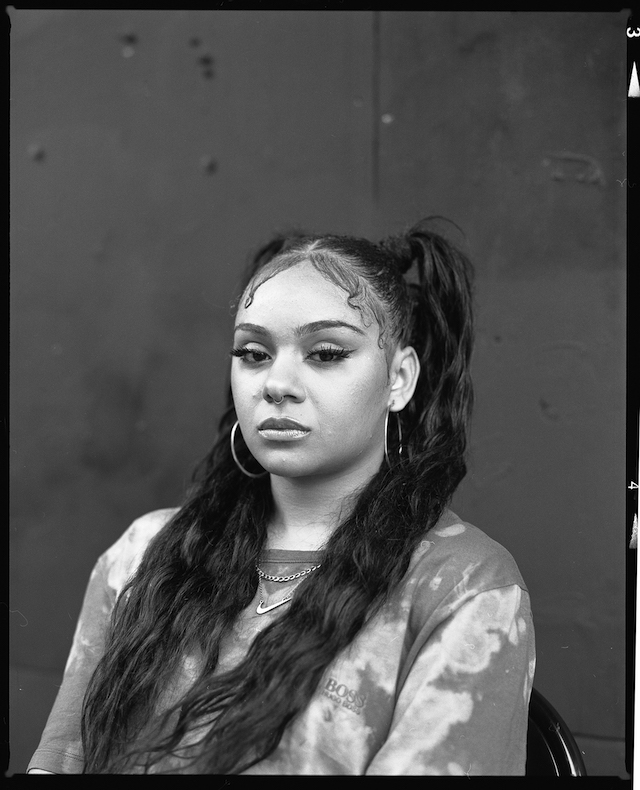
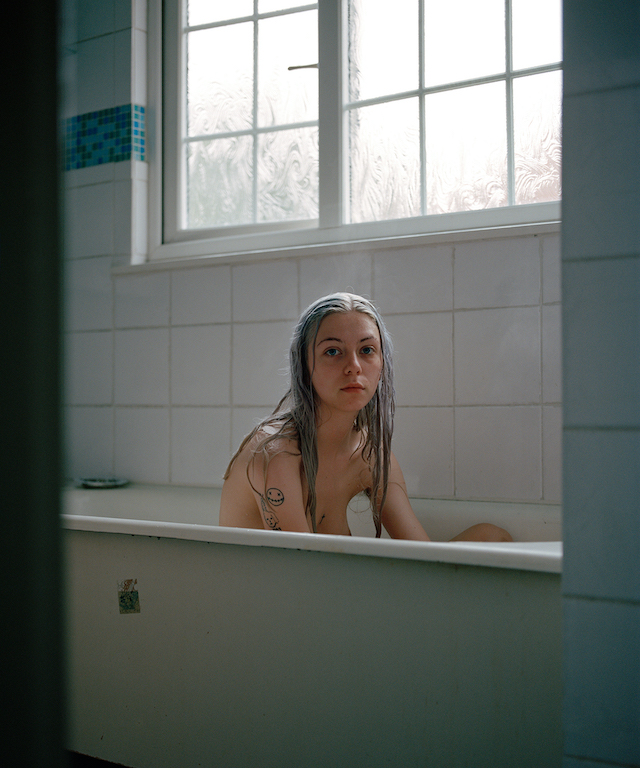
Youth Rising in the UK 1981-2021 is a new exhibition at Side Gallery that aims to address these topics, more specifically in the manner of which photography has documented young people in the UK across 40 years. The comprehensive and accumulative show includes works from Chris Killip and Sirkka-Liisa Konttinen – both of which are acclaimed for their documentations of working-class communities in England – alongside Alys Tomlinson, Maryam Wahid, Sadie Catt, Tom Sussex, Christopher Nunn, Paul Alexander Knox and Vanessa Winship. But, instead of offering answers to the question and relevance of youth today, this exhibition aims to bring a dose of hope, providing a “platform for purposeful conversations about the needs and visions of young people as society regroups, retunes and rebuilds in the aftermath of Covid-19,” explains Liz Hingley, the curator of the exhibition. Tied in with an accompanying film programme and season of events, Youth Rising presents an extensive foray into the values and qualities of young people today, and how they aren’t all that different to those that came before.

As seen through the lens of a cluster of nine noteworthy photographers, I chat to Liz about the show and to hear more about what it means to be in adolescence today.

From the series ‘Writing in the Sand’ © Sirkka-Liisa Konttinen, courtesy AmberSide / L.
Parker Stephenson Photographs, NY

What was the process like while curating the show; why focus on these photographers specifically?

Youth Rising brings together rarely seen works by Chris Killip and Sirkka-Liisa Konttinen made in the 80’s, alongside recent work by Alys Tomlinson, Maryam Wahid, Sadie Catt, Tom Sussex, Christopher Nunn, Paul Alexander Knox and Vanessa Winship. These nine photographers tenderly document the awkward, surprising and passionate journey into adulthood, that resonates across generations but is at once unique to each.

The show came together rapidly in response to the happenings of 2020. Side Gallery had planned an exhibition before the gallery closed, featuring depictions of young people held within the extensive AmberSide documentary photography collection. However, I felt an urgent need to reshape the reopening exhibition to reflect on the unique and historic experiences of young people in the UK during the last two years. The projects featured in the show intimately explore themes of grief, illness, play, rural and urban life, migration, love, education, homelessness, ritual and race. They are works which withhold judgment and give meaning to this moment and beyond.

In addition, the images selected through open call and displayed in the ground floor gallery were created between 2019 and 2021 by photographers from the University of the West of England, Bristol, and the University of Sunderland. The photographs portray the complexities of life during the Covid-19 pandemic as the students used their cameras to share their views and emotions. This opportunity is also significant for those whose final year exhibitions were cancelled. 

Side Gallery has brought light to critical and often overlooked stories from around the world for over fifty years, through exhibitions of acclaimed documentary photographers.  I hope that this exhibition will contribute and be remembered within this history.

‘Young, Married and Migrated, my mother and me’ (2018) © Maryam Wahid

Talk me through a prominent piece in the exhibition – what permanence does it have in relation to youth today, as well as at the time of shooting?

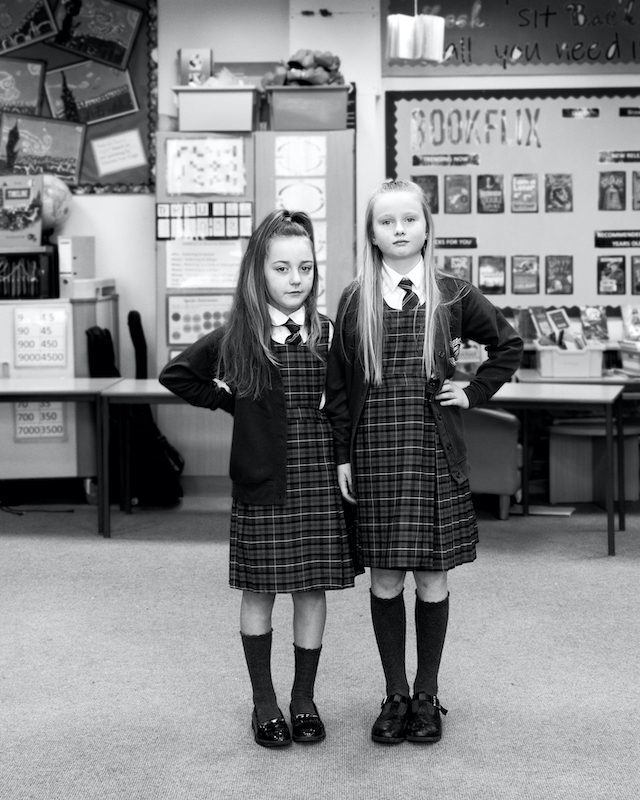
I will speak about the portrait of Precious by Alys Tomlinson from her series Lost Summer and the photograph of two classmates by Vanessa Winship. These photographs resonate with timeless curiosity and wonder, as well as reflect on a generation that has been hit disproportionately by the biggest educational disruption in modern history. 

These recently made works capture two key stages of graduation – from child to teen and teen to adult. Winship’s photograph, taken in Cumbria this year, depict friends in their uniform, progressing on from Primary school. There is an earnest restlessness in the way their growing bodies on the cusp of puberty stand together. In the background Winship has highlighted a classroom presentation on books and reading, which is particular in this time of digital communication. The images are part of Winship’s ongoing heartfelt portrayal of young people and education. The portraits are accompanied by handwritten notes about the sitters’ wishes for the future; for themselves, their families and the world.

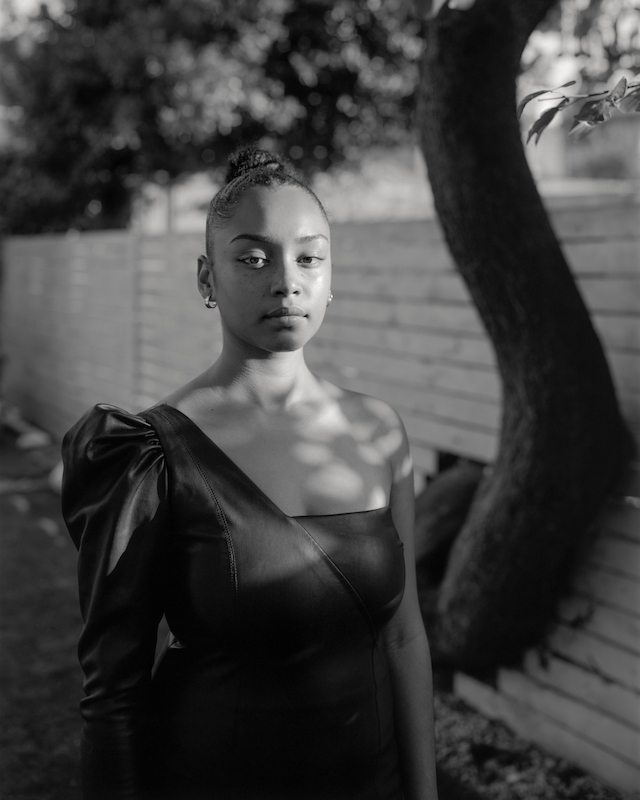
Tomlinson’s portraits of school-leavers in their prom outfits were photographed in June 2020 to represent ‘The Lost Summer’ for those unable to sit school exams nor formally mark the significant step of leaving school. Precious, like all of the sitters in the series is framed by nature and beside her dress there is little sign of the period in which the portrait was made. Tomlinson works with a traditional large format camera, which brings a sense of ritual to her engagements. The slow methodical process enriches the portrait with an introspection that is particularly poignant in the period of uncertainty in-between lockdowns.

‘Niamh’ (2018) © Christopher Nunn

Why is photography an apt tool in representing and shaping the image of youth across the timeframe of 40 years?

It is nothing new to say that photographs are a critical platform through which young people can be seen, heard and remembered. Documentary photography is immediate, accessible and at its best it can suspend the tension of a moment across decades.

The last forty years are especially significant to reflect on as they capture the rise of our networked world and the ability to represent ourselves in the digital sphere. When the earlier photographs in the exhibition were made in the 1980’s, few people had cameras or portable phones. Today the increasing visibility of us all to ourselves and to others encourages us to judge while cautioning us not to. Spaces which invite us to look more critically at how we want to be portrayed and understood in this time of mass image circulation are vital.

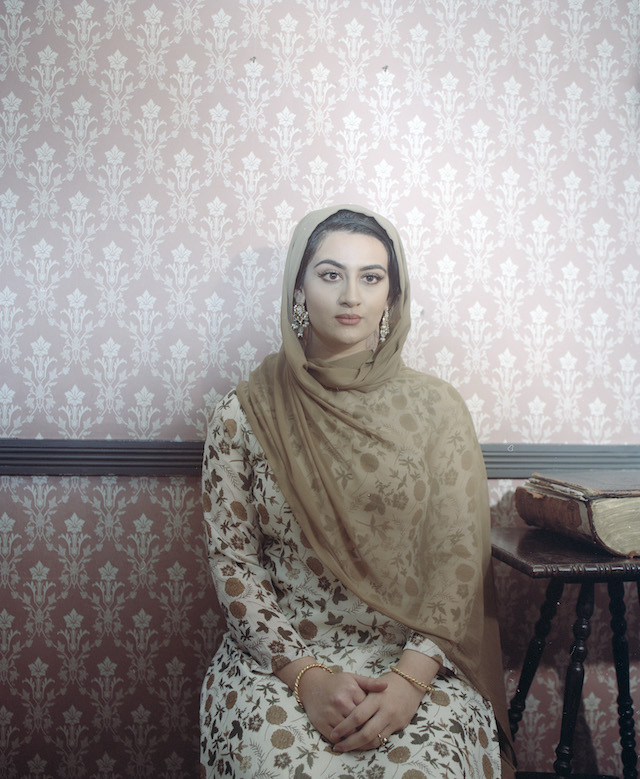
The works in the exhibition weave between decades so as to spark conversations and questions on the then and the now. Maryam Wahid’s personal and performative project Young Married and Migrated, my mother and me offers insight into British-Pakistani identity across generations and geography. Reflecting on her mother’s experience, Wahid has created a series of self-portraits in her mother’s clothes around the city of Birmingham where her parents settled and still live today. The archival imagery of her eighteen-year-old mother arriving in Birmingham in the 1980s portrays a very different world to that of the young men from Skinningrove captured by Killip in the same period.

Of Quiet Birds by Sadie Catt spans a period of 20-years and captures the maturing of a child’s grief at the death of her mother and her sister. Catt observed and photographed the rise to fame of her close friend, Alice, as the lead singer of PussyLiquor punk rock group, the reshaping of Alice’s family relationships, her explosive creativity and the love that grows from grief.

The brilliance of photography is that it offers more than the photographer can see, and far beyond the intention of the moment it was made.

Youth Rising in the UK 1981-2021 is on view at Side Gallery, Newcastle upon Tyne, from 17 July – 3 October 2021

Olivia, from the series ‘Solidarity’(2021) © Tom Sussex
‘Mrs Hartely’s class five, Yarlside Primary’ (2019) © Vanessa Winship
Jack from the series‘Lost Summer ‘2020) © Alys Tomlinson/HackelBury Fine Art
Alice from the series ‘Of Quiet Birds’ (2018) © Sadie Catt
‘South Shields Emmaus companion, Michael’ (2019) © Paul Alexander Knox Commissioned by AmberSide and the Virgin Money Foundation
US EMBASSY from the series ‘Solidarity’ (May 2020) © Tom Sussex

The city and all it holds

Hong Kong-based photographer Roni Ahn remedially lenses adolescence and uncertainty during a difficult year in the city

Cherry and Zac

It’s an undeniable fact that the youth of today have been hard hit by the pandemic. Mental health, education and job prospects have all waned, with repercussions heightened in isolation and from a lack of support throughout the year. Even returning back to schools and seemingly normal life has proven to be tricky for most – with 67% of UK youths who responded to a Young Minds survey believing that the pandemic will have a long-term negative effect on their mental health. Clearly, there’s much to be done in the way of bettering the lives and minds of the younger generation, and the effects are being felt worldwide.

To alleviate some of the year’s trembles, Roni Ahn, a photographer based between London and Hong Kong, turned towards her medium as a remedial outlet. Originally from Korea, Roni moved to Hong Kong at the age of nine before flying the nest to university in the UK. And just moments before the first waves of the pandemic were felt, she’d flown back to Hong Kong to reapply for her UK visa, which “happened to be when the pandemic blew up in Europe, in March 2020,” she tells me of the experience. “So I decided to stay here until things settled down, but ended up staying a lot longer than planned.” Filled with doubt about what may happen in the future, let alone the present, Roni found this point in time to be difficult – and rightfully so, particularly as she didn’t know how long she could extend her visa for. 

Although, it wasn’t just the pandemic that ensued anxieties; Roni felt like she didn’t have much of a creative place in Hong Kong as she did in the UK. “There are a lot of brand shootings and less room for creative freedom,” she explains. And with the recent political events unfolding – such as the protests led by the city’s youth – this naturally added to the political uncertainty in the area.

Kitman and Kuku

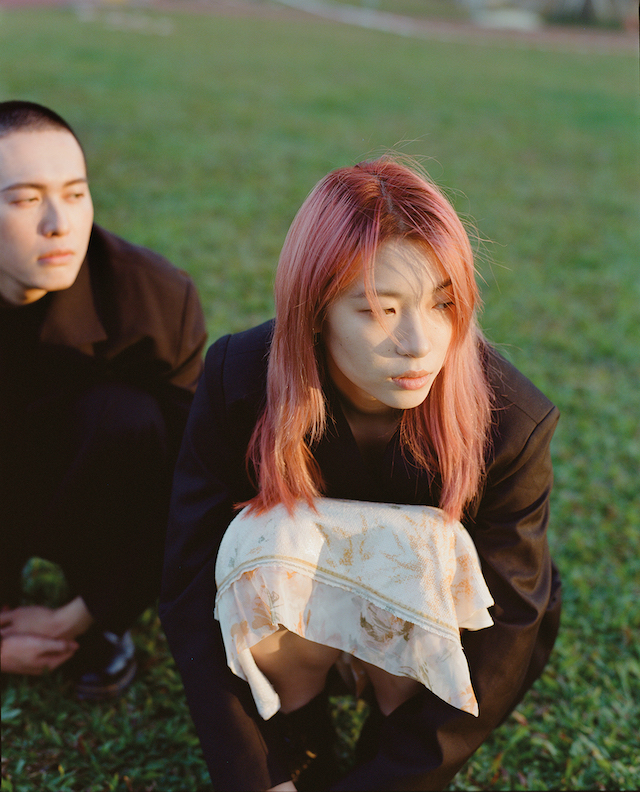
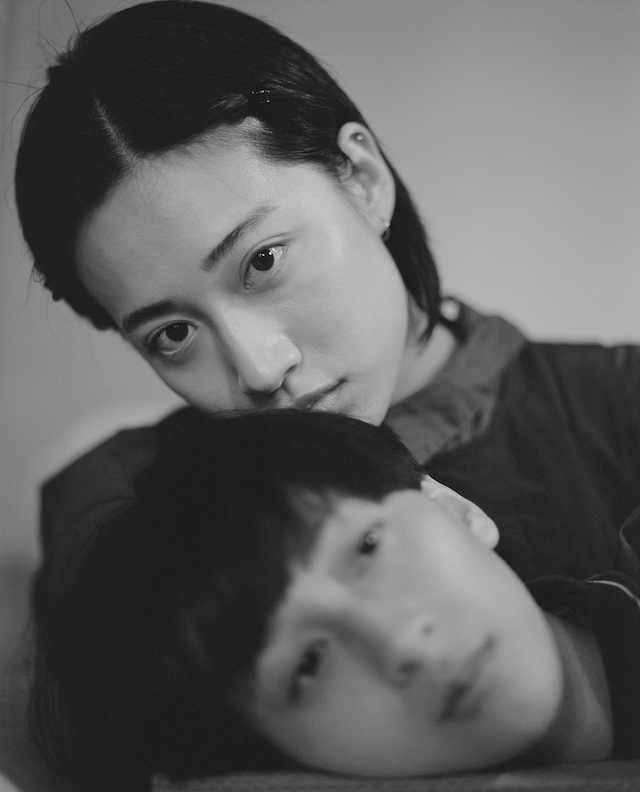
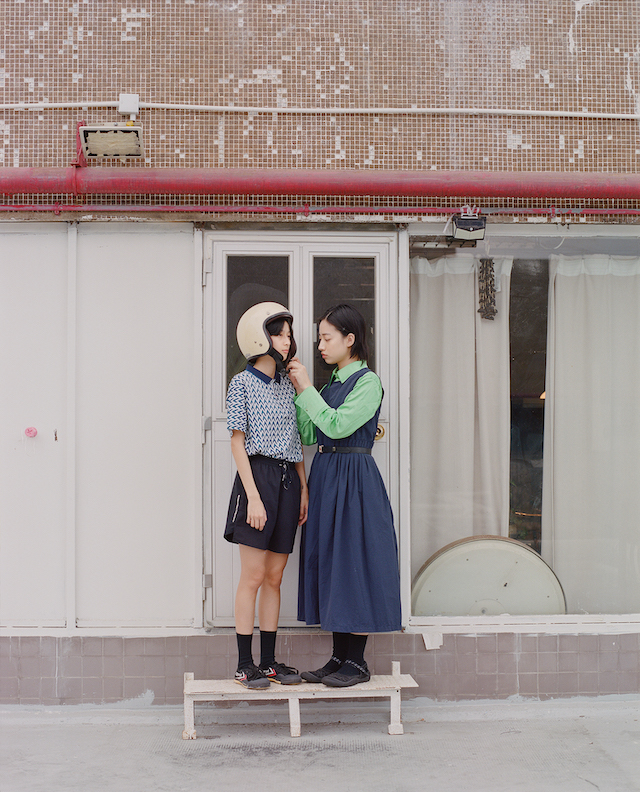
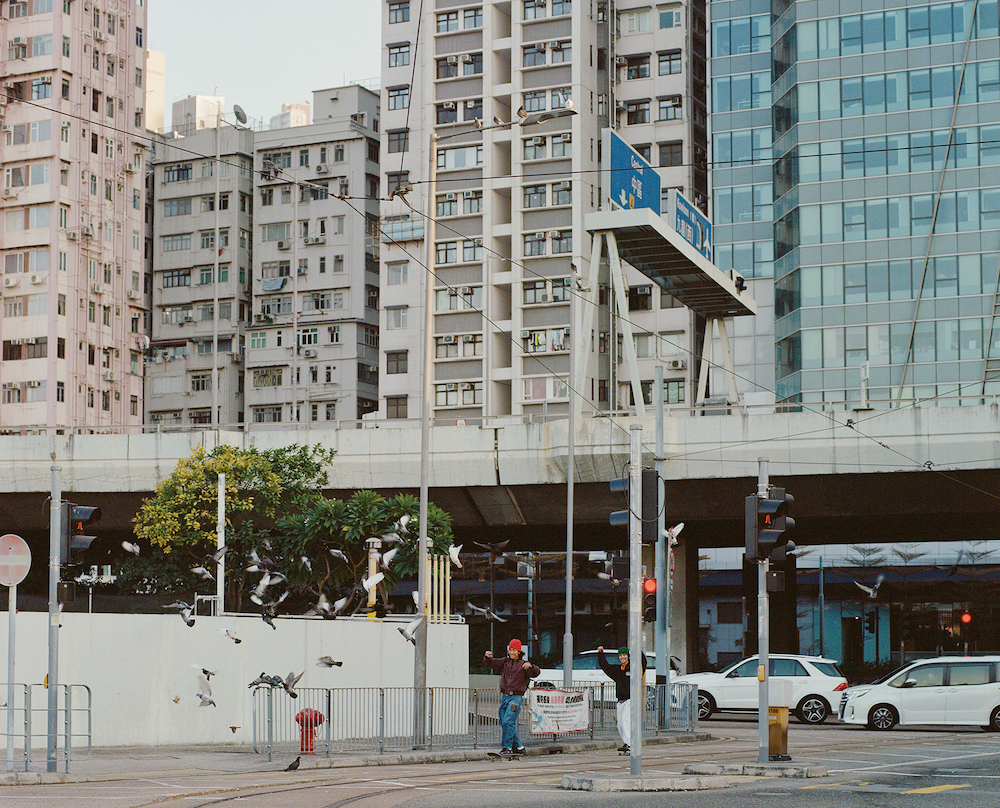
Roni’s camera is therefore her antidote, employed to build on her own personal project that turned out to be unambiguously close to home. Titled The city and all it holds, the documentary-in-style series has now reached completion and compiles various images shot between the months spent back at home in Hong Kong. The imagery, as a result, is both powerful and soft, capturing the moments of idleness and the unknown as her subjects roam the familiar landscape around them. “Working on my personal project gave me a sense of purpose and excitement in doing something that was solely for myself,” she adds. “Whilst I was taking photos of other people, the project reads like a journal of my time here.”

Indeed, it’s important to think of this work as a time capsule. When the lockdowns arose in Hong Kong, and meetings of more than two people in public were banned, Roni started to cogitate about the people she holds close. “When you’re forced to limit social interaction, you begin to narrow down on those that are more important to you – who is your support system?” Addressing this contemplation through imagery, Roni wanted to translate these thoughts into a series and thus formulated her findings into The city and all it holds; the title alluding to a shrunken world, and a place where she can look at things a little differently.

Fat, Kwan and Ruby

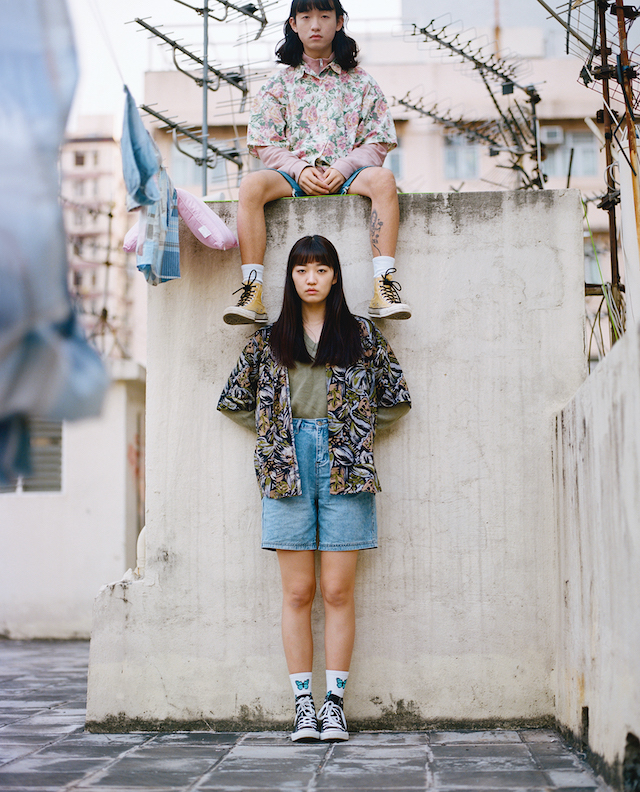
Most of her subjects, then, are those she’d met on set or through friends, but oftentimes they are cast on Instagram. A usual meeting would take place momentarily, getting acquainted with the her friends, lovers and family on the day of shooting, “which actually ended up being some of my favourite shoots,” she notes, specifically pointing to the ones with an “environment that feels authentic to them.” This has been achieved through the artful curation of clothes or location, meshed into a pictorial representation of the person in front of the camera, as well as the places that they are particularly font of, “whether it’s where they grew up, where they spent the most time in or has a special meaning to them.”

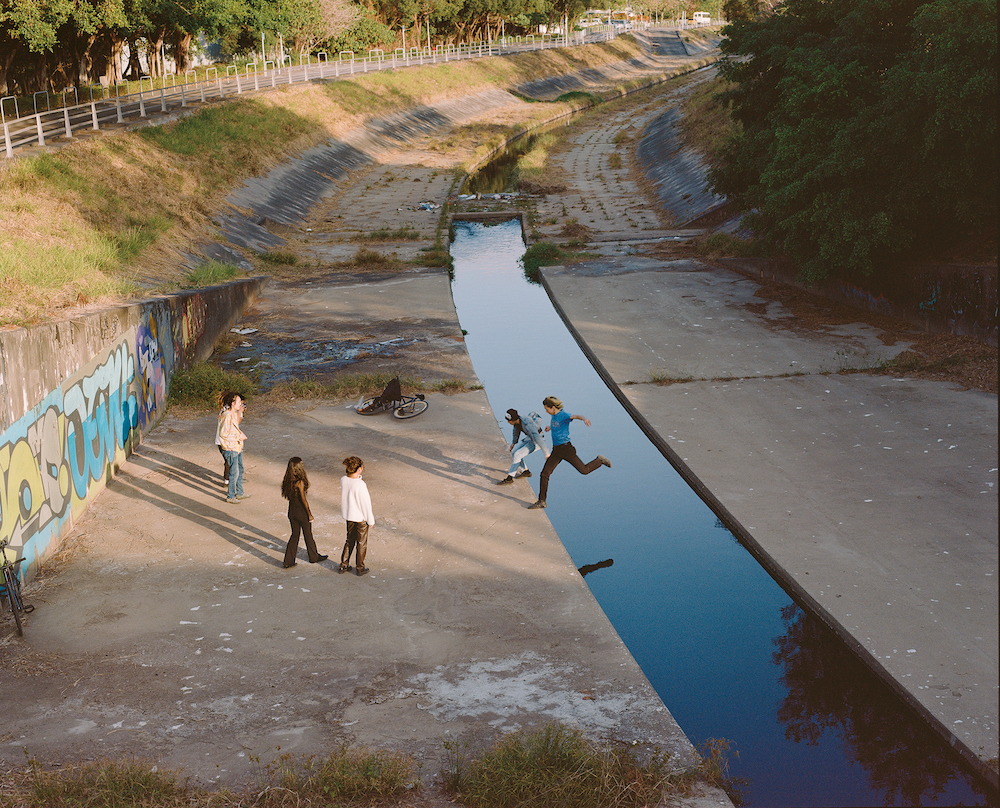
Setting the precedent is one of Roni’s favoured images of a group of friends – Sam, Blake, Ruby, Shui, Fat and Kwan – jumping across the waterway in the outskirts of the city. There’s an irradiating light flushing through the evening as the sun begins to fall behind the trees; the subjects appear joyous, as part of the group awaits as the others jump across the water. It denotes rebellion, freedom and strength – that nothing can come in the way of the younger generation fulfilling their youthful duties together. “I was shooting them from above a bridge and I was on my last two frames of a film roll,” says Roni. “I wasn’t expecting them to jump across, but they just started running and jumping back and forth, and I managed to catch the moment. I think the photo encapsulates the true spirit of the boys.”

Sam, Blake, Ruby, Shui, Fat and Kwan

Now that this series is out in the world, Roni has realised a shift in her role as a photographer. The city and all it holds has been the gateway for this recognition, where Roni now considers herself as a narrator who’s retelling the stories of her subjects. “I feel more accountable to tell these stories as accurately and authentically as possible,” she says, cementing the work as somewhat journalistic. But most of all, she’s telling the stories of adolescence – a universal experience felt by all. And once you observe the goings on within her pictures, it will most likely bring back a memory, feeling or relationship from your own past, too. “With all my work, I want to make people think. My favourite thing about photography is that it can be interpreted differently by everyone who views the work. What I am personally trying to tell with the pictures (often clouded by my personal experiences and memories) becomes irrelevant.”

Photography by Roni Ahn.

Kayla and Fa
Kayla and Fa
Kitman and Kuku
Lok and Enoch
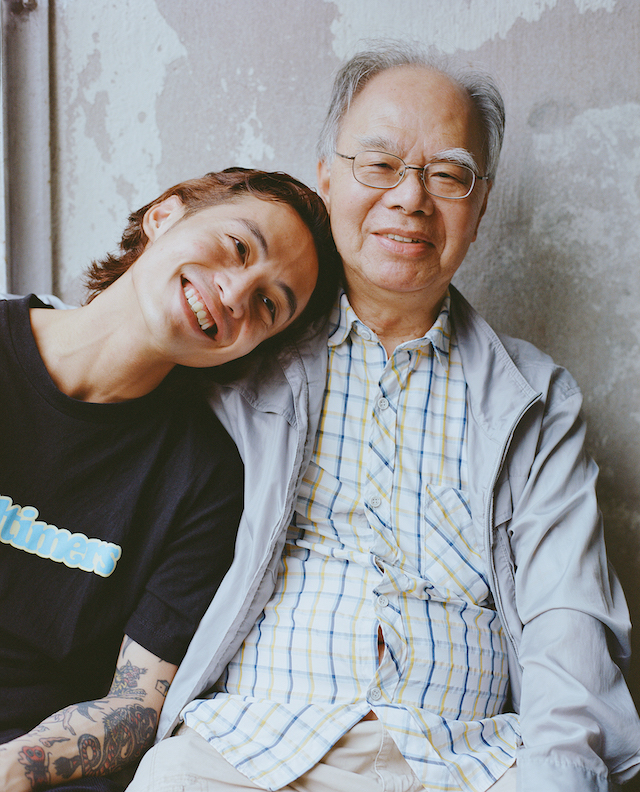
Lok and Grandfather

Fingerprint

Jim Goldberg publishes unseen polaroids from his seminal body of work, Raised by Wolves – a documentation of marginalised youths in LA and San Fransisco

© Jim Goldberg, Untitled Polaroid from Raised By Wolves

Many will be familiar with the work of Jim Goldberg. An American artist, photographer and member of Magnum photos, Jim has spent a healthy career documenting class and power – lensing those neglected from mainstream society. He’s a storyteller of truth and fiction, and his pictures have long been cemented in the photography canon for his collaging of narratives, experiences and histories. Shown through a characteristic mix of text and image, this distinctive output has now been extended into a new publication titled Fingerprint, published by Stanley/Barker and depicting a series of unseen polaroids taken throughout the 80s and 90s.

Jim’s photographic voyage first began with Rich and Poor (1985), a juxtaposition of San Francisco’s wealthy and impecunious. Capturing the class divide in the West Coast and shot between 1977 and 1985, the work instantly gained notability in the art world. Jim’s second book, Raised by Wolves (1985), reached similar acclaim – if not more so – for its frank documentation of marginalised youth in California. Shortly followed was Nursing Home (1986), a portrait of the harsh realities with growing old; Coming and Going (1996-Present), capturing birth and death in the USA; Open See (2003-2009), a project addressing the experiences of migration, immigration and trafficking; plus The Last Son (2016), the more reflective and biographical; then Ruby Every Fall (2016), Candy (2013-2017), Darrell & Patricia (2018) and Gene (2018).

© Jim Goldberg, Untitled Polaroid from Raised By Wolves

Raised by Wolves, however, is considered to be his most seminal; a mixed-media composite of photography, texts, films and objects narrating the lives of runaway street kids as they navigate addiction, abuse and violence. Shot over a 10-year period between LA and San Fransisco, the pictures occupy the precarious and fragile space between documentary and fiction, highlighted through Jim’s ardent camera sensibility and the inclusion of his subjects’ written word. In an interview with Magnum, for example, Jim wrote that it’s a “work of fiction that’s completely true”. An apt and contradictory phrasing, the work sees honest storytelling about real-life people merge with the subjects’ very own sagas – like Dave, who refers to his mother as a ‘junkie slut’, and father a ‘biker from Hell’. “His parents lived in Texas. They were devout Christians. They weren’t junkie sluts,” continues Jim in the interview.

Comparatively, the captions allude to the more realistic side of this feathery dance, striking the audience with the harsh realities of those in front of the lens. “Runaway from Florida who stole her Daddy’s credit card. 14 year-old girl who says she is pregnant with triplets,” writes one of his pictures, a monochromatic portrait of a girl picking at a box of Cheerios, shot in Hollywood in 1991. “Napoleon plays chicken, hanging over the wire guardrail of the Hollywood freeway,” writes another for the image Hollywood Freeway #1, depicting a disorientating photo of a man leaning over the wires, cars out of site, and taken in 1989. The latter is accompanied by text stating how the subject doesn’t remember why he ran away in the first place, “walking around for hours and hours and not being able to stop. Freezing all the time – exhausted, dazed.” 

© Jim Goldberg, Untitled Polaroid from Raised By Wolves

Fingerprint, in this case, is an offshoot of such. An anthology of previously unseen polaroids, the images were taken during the making of Raised by Wolves. “Since the 80s, polaroids have been an integral part of my work,” Jim tells me. “They have been a way to give back images immediately to my subjects, as small gifts of our interactions.” As well as offering an instant, physical snippet of that particular moment, the polaroids also serve a more methodological purpose. They’re Jim’s drafts; his tool for mapping out what would later become the images seen Raised by Wolves.

In signature scribbling fashion, Jim’s polaroids present the scriptures of his subjects, decoding information about their identities, challenges and resilience. One image writes, “Fucked a movie star today for $100”, while another says, “Going to Texas to save my life. Change my ways. Too bad I have to leave S. F. to do it. You all just wish you looked this good!” Jim adds:“The whole point is that everything is written is by the kids themselves.” Coupled with chromatic depictions of the teens, most, if not all, have a certain strength in their demeanour as they pose for the camera; arms placed to the head and one to the hip; a rose held to the face; or a defiant stare into the lens. It’s a personal expulsion of their lives.

Having spent 10 years getting to know his subjects, naturally he was going to build up a stack of personal stories. Which begs the question; without the texts, would the images alone have such pertinence on what’s undeniably a politically charged and important subject matter? In short, the pictures – and polaroids – are both forthright in their documentation of poverty and youth, but the straight and oftentimes explicit words add an extra layer to the image’s impact. The combination of both succeeds in telling a story of class division, and even though these pictures were taken decades back, the struggles and suffering can still be felt today. As Jim conclusively states: “It makes me wonder if we have learned anything about supporting at risk youth.”

Jim Goldberg’s Fingerprint is available to purchase at Stanley/Barker

Photography by Jim Goldberg

© Jim Goldberg, Untitled Polaroid from Raised By Wolves

Stoned in Melanchol

Derry-based photographer Megan Doherty captures youth, freedom and restlessness in a new publication from Sentanta Books

Not only is Derry one of the oldest inhabited places in Ireland, it’s also home to the most intact city walls across Europe – a mile long stretch of brick serving as a protective canopy for the buildings within, running alongside the bank of the River Foyle. The Northern Ireland city is renowned for its architecture, with some of its earliest references dating back to the sixth century; a date so far that it’s hard to place it geographically, culturally and politically. A key moment of its more modern past, however, was the Siege of Derry that took place between 1688-89. Over 105 days, the Protestant citizens of Derry experienced and withstood bombardment, disease and starvation, causing half of the city’s inhabitants to die. Political unrest still continues to this day, but there’s much more to Derry than its history.

Megan Doherty is a photographer born and raised in Derry, a location in which she still resides. She grew up amongst the banalities of small-town life, often restlessly roaming the familiar roads with her friends in seek of something new; adventures, thrill and excitement. Having always been infatuated with the arts – and later ensuing photography in her teens as a means of telling stories – she started documenting her friends as much as possible, narrating the tales of their youth and the activities they’d uphold. This very inquisition is now formed into a new publication titled Stoned in Melanchol, published by Sentanta Books. “The work was borne from a longing for a world beyond the monotony of small-town life,” she tells me. “At the time I was creating the series, I was feeling trapped, unfulfilled, and seeking escape from reality by any means necessary.” 

Turning towards photography for remedial purposes, Megan found utter comfort in her camera for its ability to transcend reality. “I sought solace in mediums that could distract from the sense of emptiness I had been experiencing. I allowed myself to get lost in films that gave me a glimpse into the possibilities outside of what I knew, however it also allowed me to observe just how captivating mundanity could be if viewed through a new perspective.” This inspired Megan to shift her focus inwards, capturing the everyday moments of her friends at parties, walking the city’s streets or moments at home. 

“It was during this very gradual realisation that I turned the camera on my own world. It felt like myself, and those who surrounded me, were all feeling this sense of emptiness to an extent, whether we were aware of it or not. We came together during a daunting period where we were leaving our teenage years and entering young adulthood – the future was uncertain, and we had no concrete plan.”

Post-adolescence is universally tricky, not just for the physical changes but also in terms the expectations laid in front of you. It’s decision making time, a phase to figure out who you want to be, or where you want to direct the rest of your future years. The expectations are massive, and those feeling trapped or unable to make sense of it all can easily end up in a state of languish or displacement. So, in order to combat this, Megan started living vicariously through her photography. “However, what began as staged scenarios, quickly became a documentation of our lives and the relationships we shared. We were navigating this uncertain period together, exploring our identity, celebrating what each of us had to offer, and taking comfort in the bond we were creating. We took solace in the unity of the universe we’d been building for ourselves. We were alone, together. Blurring the line between fantasy and reality.”

In the first instances of making the series, Megan would stage her compositions with care and credulity, in turn producing a compilation of low-lit and heavily contrasted pictures shot entirely in her hometown. With a clear vision in tow, the photographer would arrange the postures and placements of her friends, her “second family”, as she’d pinpoint the particular moment that was previously formed in her mind. The project evolved, however, as many works-in-progress do, and soon she began to capture their time together with spontaneity; instead representing her friends how she perceived them with her very own eyes. 

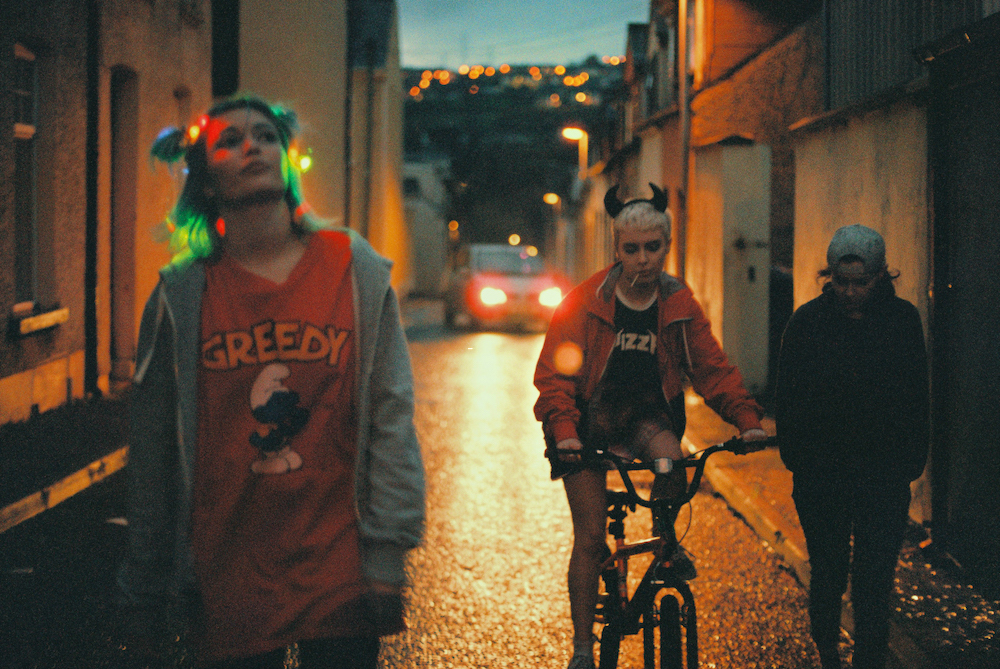
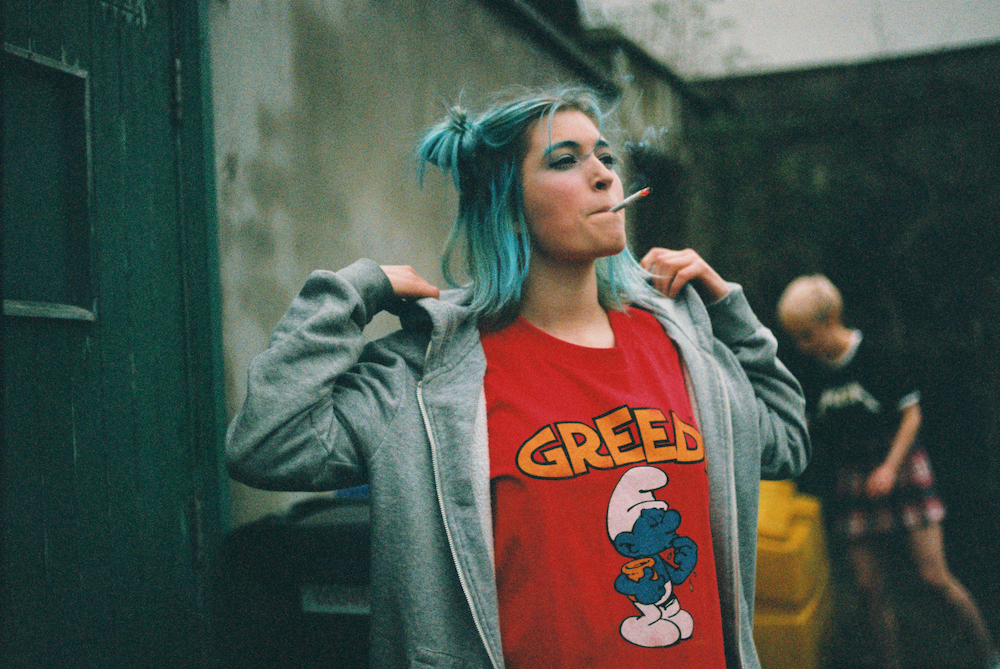
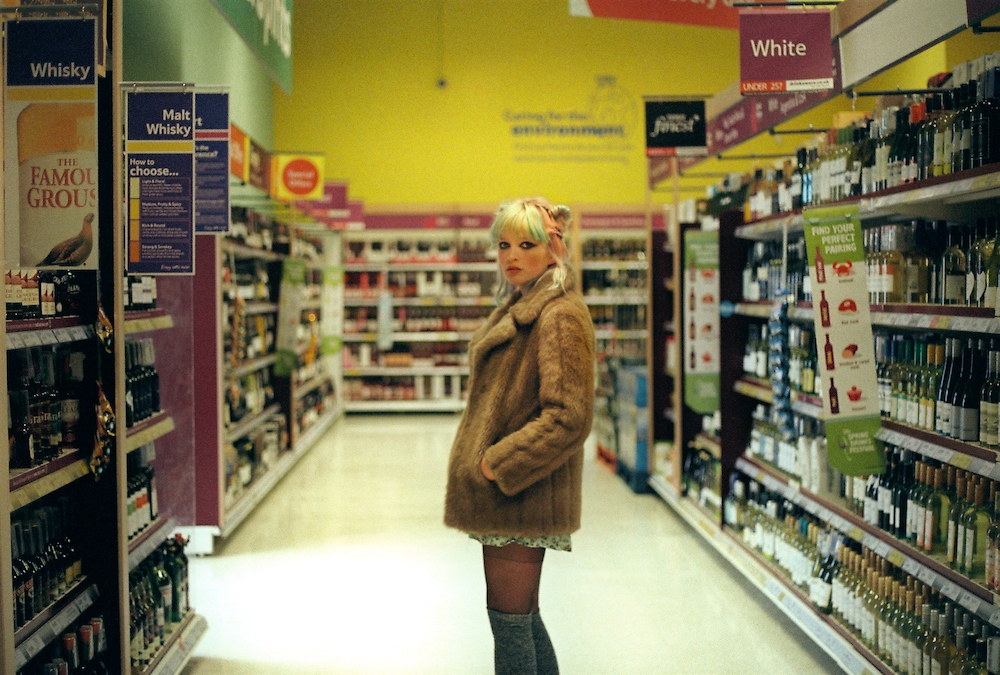
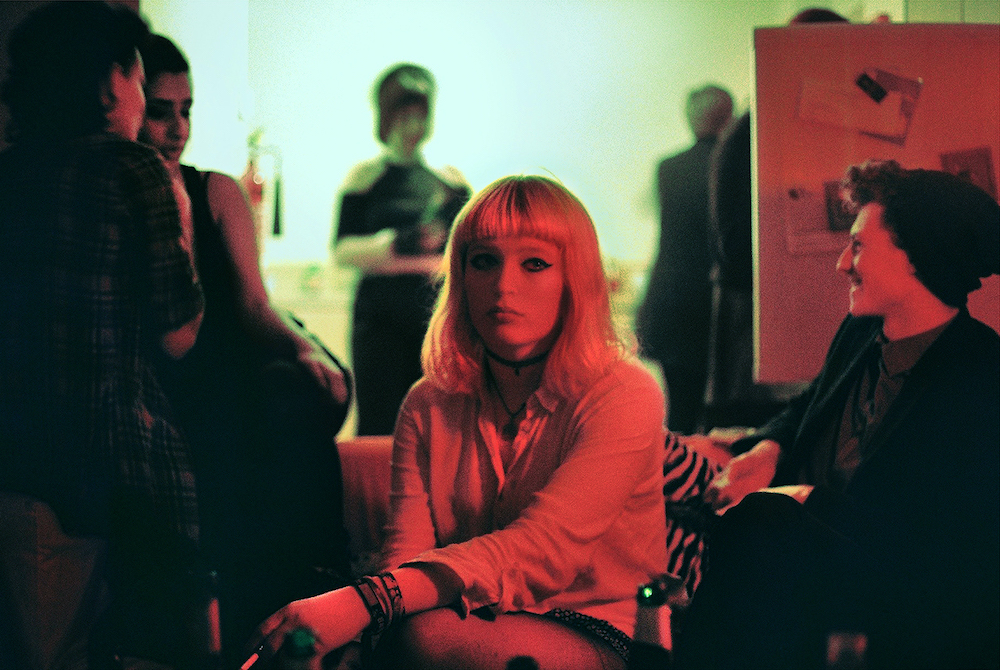
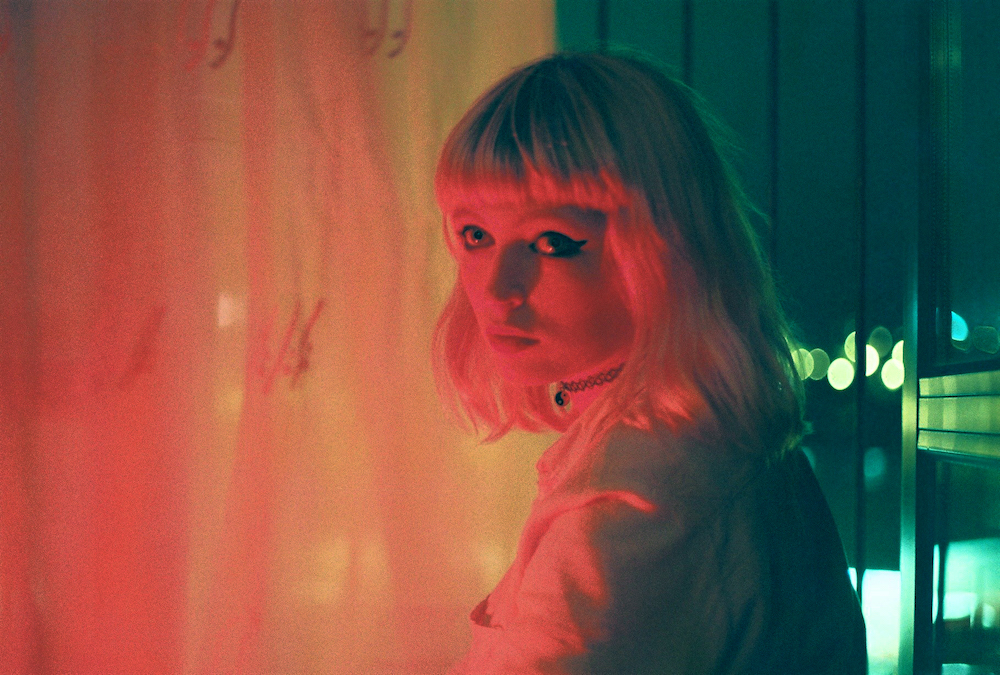
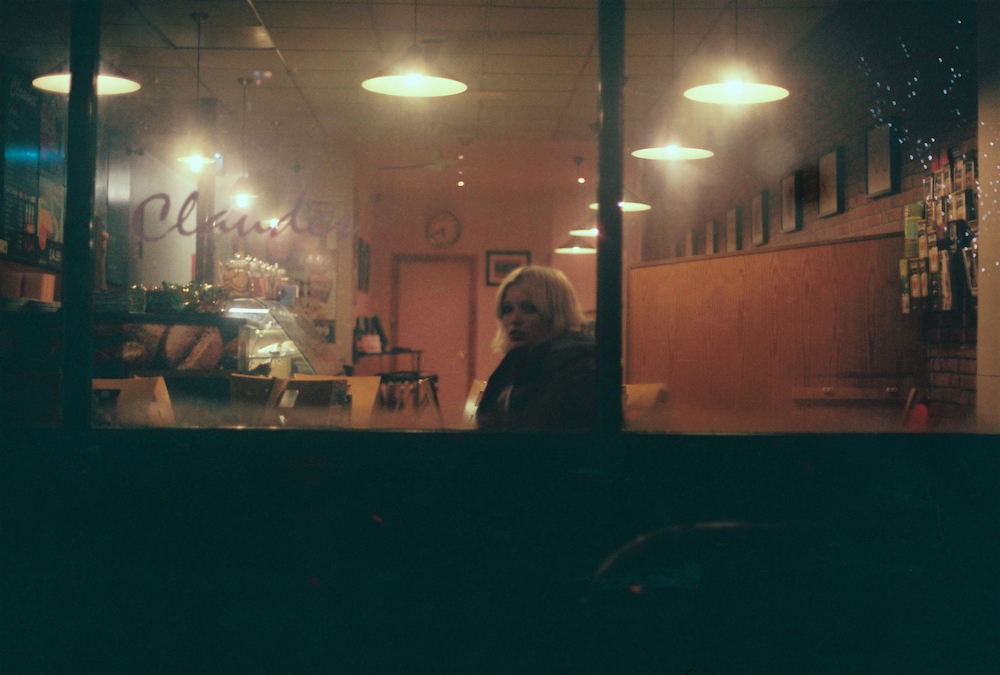
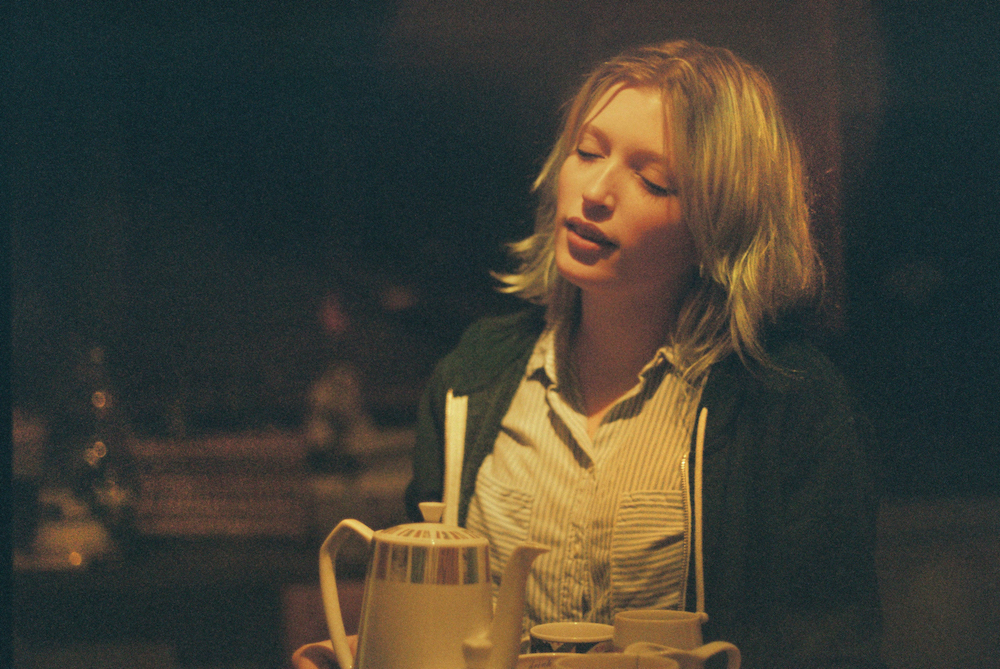
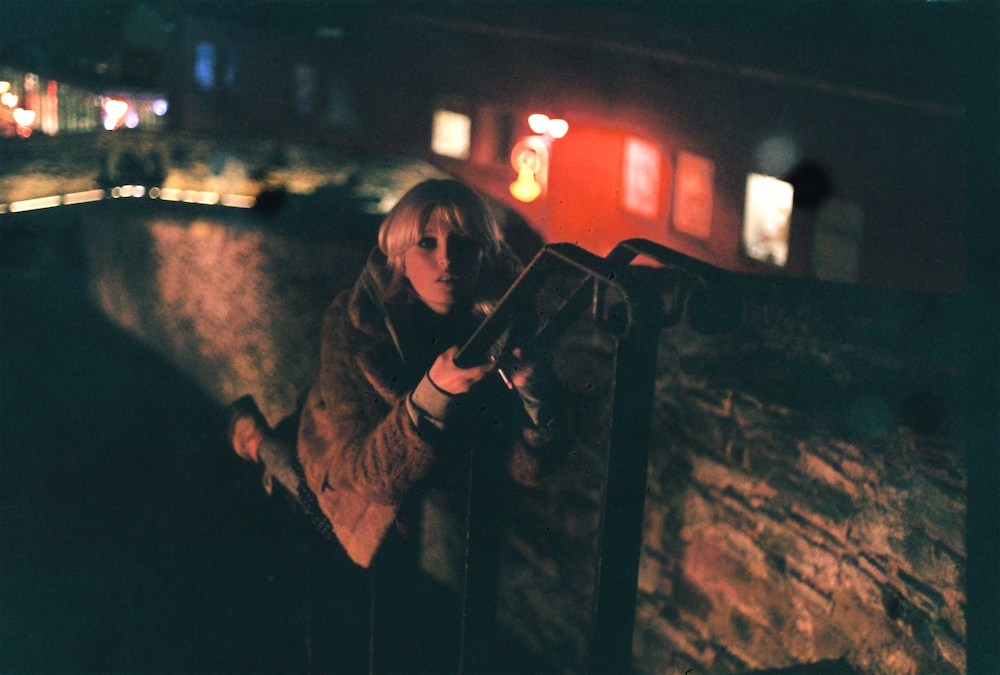
Meander through the works and you’ll be struck by the consistently rich tones of deep reds, blues and yellows, hazy in their presentation and working in synchronicity with the youthful undercurrent of her subjects. Blue hair, graphic t-shirts, experimental fashion and makeup; bike rides, parties, drinking and smoking; the motifs are both recognisable and transportive, pulling the viewer back into a time of their own younger years. Even with the title, you’re thrown into a pensive state with its playful connotations of euphoria and melancholy. “One thing that sticks with me is photographing the image Stoned in Melanchol , which I then named the series after,” says Megan. “I had set up this house party scene and I wanted my friend Teàrlach as the character in the forefront. I held my camera up to take the photo, and just before I hit the shutter, a tear started rolling down their face. It isn’t visible in the photograph, but knowing it exists makes that image so much more meaningful to me.”

Within the publication, your presumptions of small-town life are completely tossed to the side. Megan has created her own world through her imagery, that being a world that celebrates youth freedom and, naturally, wanting more. In equal measure, the work shows the distinct and individual sprit of the city itself. “In many ways, a lot of issues still exist within this small town, particularly in relation to mental health, and, inevitably, Derry will automatically be associated with its deeply political history by outsiders. That said, while I feel it’s important to acknowledge its history and on-going issues, so much positive change has come about in recent years, and it’s worth noting that there is an amazing creative scene bubbling here that will only gain more recognition with time — one that I’m proud to be a part of. All in all, it’s a unique city, for sure.”

Megan’s Stoned in Melanchol is available to purchase here at Sentanta Books.