Cycling Japan: Tour De Nippon

Papersky magazine founder Lucas Badtke-Berkow speaks with Conor Mahon about his Japan-based cycling club that places local culture at its centre
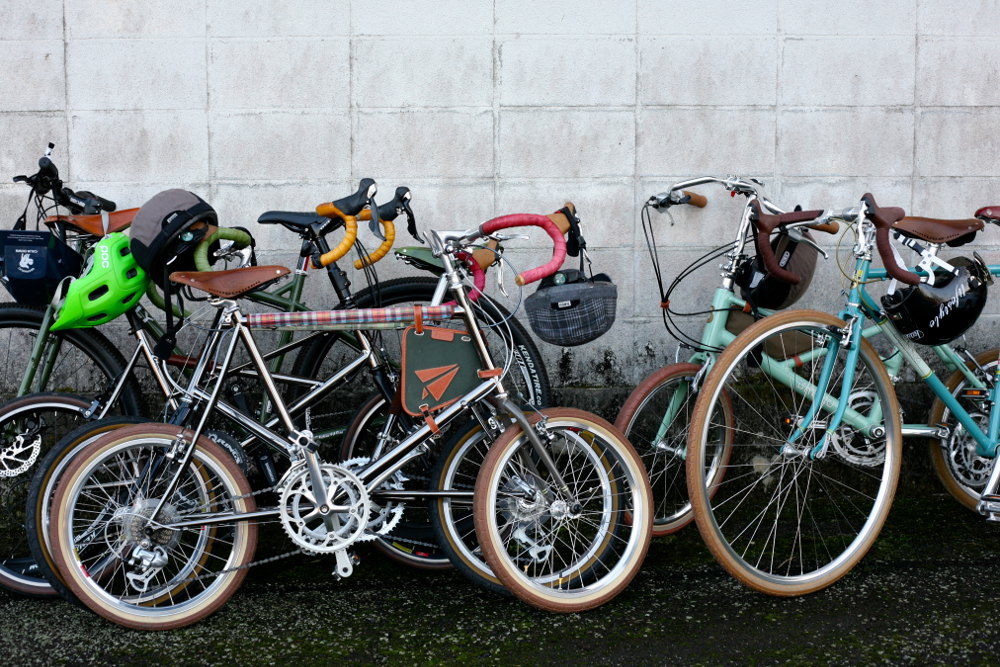
Bikes are parked against a wall while Tour de Nippon riders take a well-earned rest

JAPAN WEEK: Lucas Badtke-Berkow came to Japan from the United States in 1993 and three years later he established Knee High Media Japan with his wife, Kaori Berkow. The publishing house was started in order to create a string of innovative print titles including children’s magazine Mammoth, MetroMin (the first free subway paper in Tokyo) and Papersky – a magazine celebrating travel and culture in Japan.
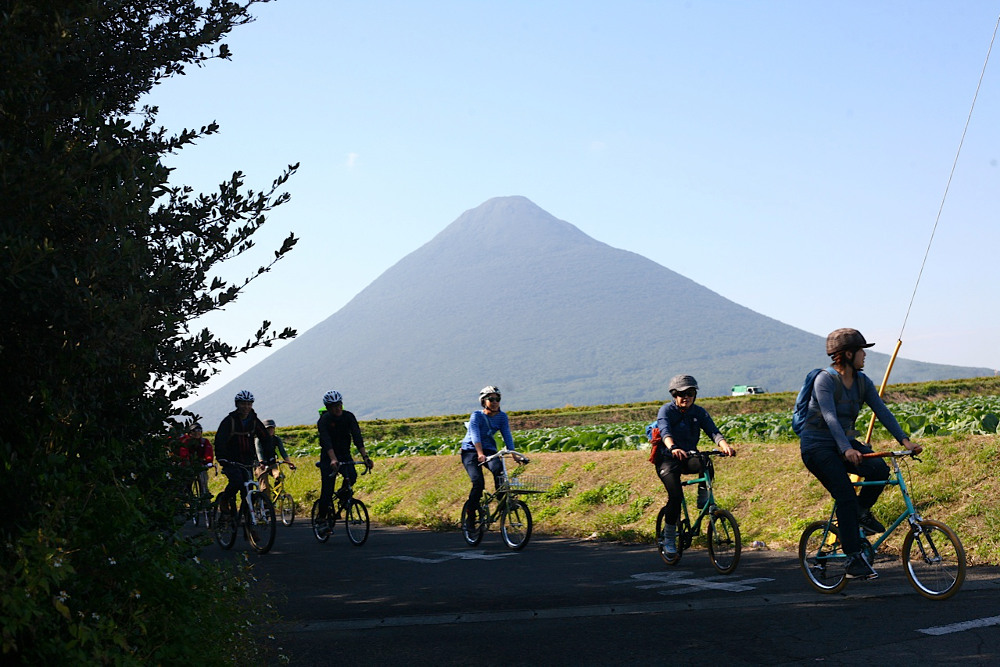
The tour passes through Kagoshima Prefecture in the southwestern tip of Kyushu island

Papersky has built a unique interaction with its readership by hosting a series of activity-based clubs, one of the most popular being the Tour De Nippon – a series of cycle tours through rural Japan, which celebrate the local traditions, cuisine and industries that make up the many prefectures of the island nation. Here, Conor Mahon speaks with Badtke-Berkow to discuss Tour de Nippon, the bicycles you find in Japan and his love for the countryside.
What was your first experience of cycling in Japan?

My first bicycle ride in Japan was on a Mamachari. In Japanese ‘Mama’ means ‘mom’ and ‘chari’ means bicycle – they are ridden by everybody and are very cheap. The easy-to-use low frame, big wheels and capacity to carry loads of groceries or kids are the reason for their popularity. I see them as the bicycle version of a ’70’s Chevy.

Why did you start Tour de Nippon?

I started it as a way to create a ‘real’ community around our magazine, Papersky. I wanted to expand and to create something more than a travel magazine printed on paper. These tours offer a media where the readers can not only enjoy the content but also experience a ‘true’ version of Japan, one that I have come to love. Participants on our tours see this reality through the local people, places and foods that make Japan unique.
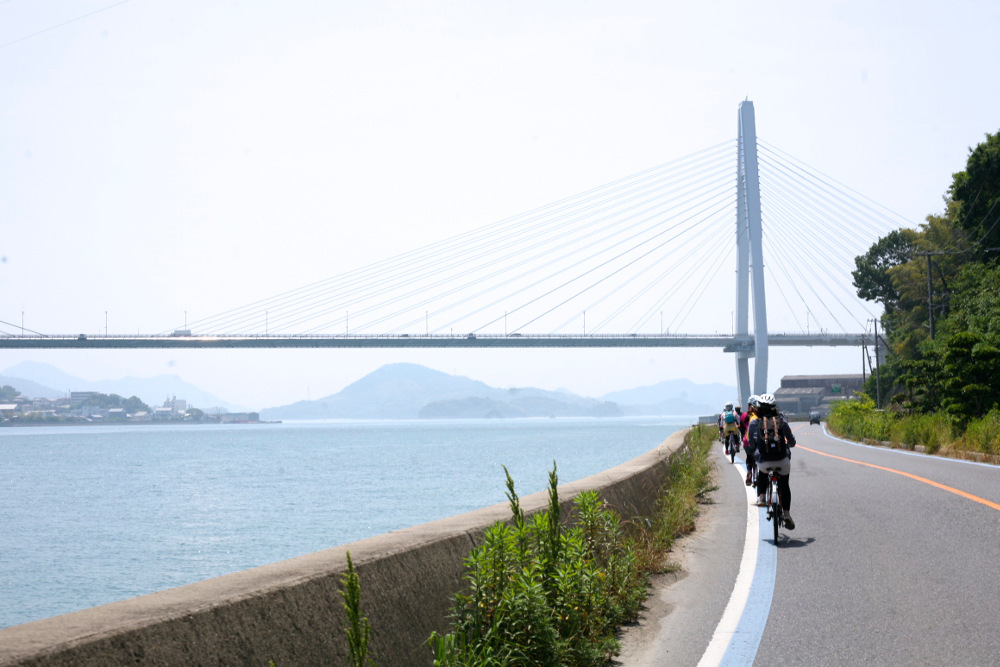
Tour de Nippon in Onomichi city

What benefits are there to seeing Japan by bike as opposed to train or tour bus?

I believe bicycles are the perfect way to travel. A bike will allow you to cover a large area in a single day and yet the place won’t fly past in a blur. You feel great after knowing that all the ground you covered was achieved by using your own energy. You get to feel the ‘air’ of these regions when you pass by small villages and towns as people cry out ‘Konichiwa’.

How would you describe the cycling culture in Japan? Are you experiencing a boom as we are here in the UK?

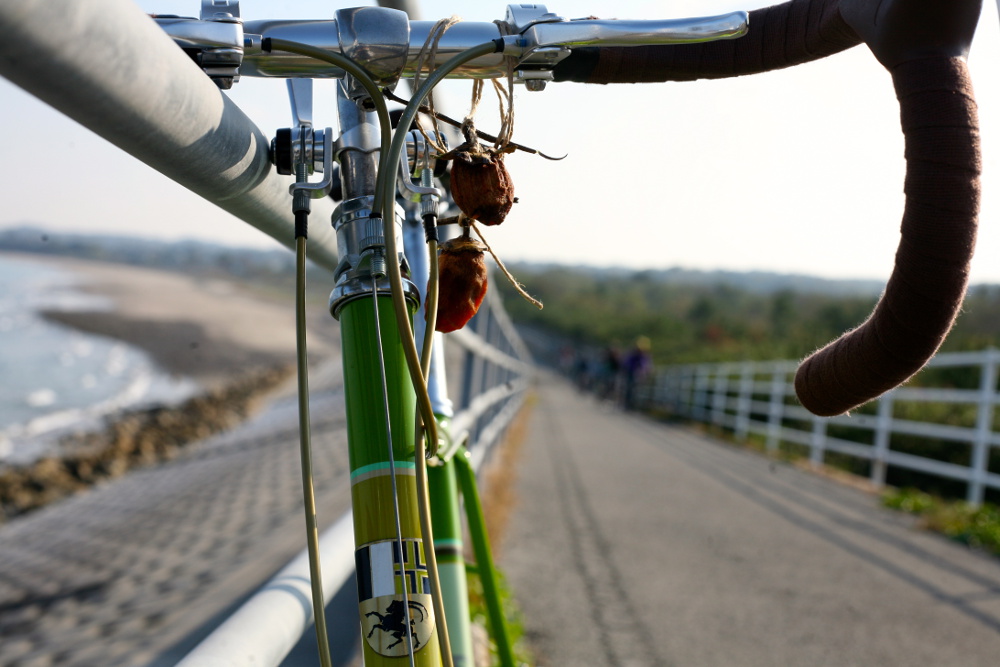
Yes, people here love their bicycles! We have all the popular road, mountain and cross bikes that you find in the UK, plus we have Keirin bicycles (track/fixed gear) and of course the beloved Mamacharis. For the Tour de Nippon we use mini velos, which are extremely fun to ride and spectacular to look at. The bicycles we use are easy to take on trains and planes but fast enough to easily cover the 40–50 km we cover on our routes.
How do Japan’s prefectures differ in terms of a cycling experience?

There are 47 different prefectures and each has its own local culture, vocabulary, food, customs, festivals and nature. Since the Edo period (1603–1868), each area has taken great pride in their local identity. If you just see Tokyo, it’s easy to miss the diverse local culture that remains in rural Japan. One important role that the Tour de Nippon tours plays, is to offer a window into these local cultures.

As far as natural terrain goes, some prefectures are extremely mountainous and cool, even in the summer. Some offer small seaside towns with stunning beaches and beautiful views of the coast, while others have sand dunes and active volcanoes, as well as tropical forests and quiet inland sea areas, which are mostly found in southern Japan.

“Japan continues to carry on customs dating back hundreds of years and we want to share that knowledge with our riders”
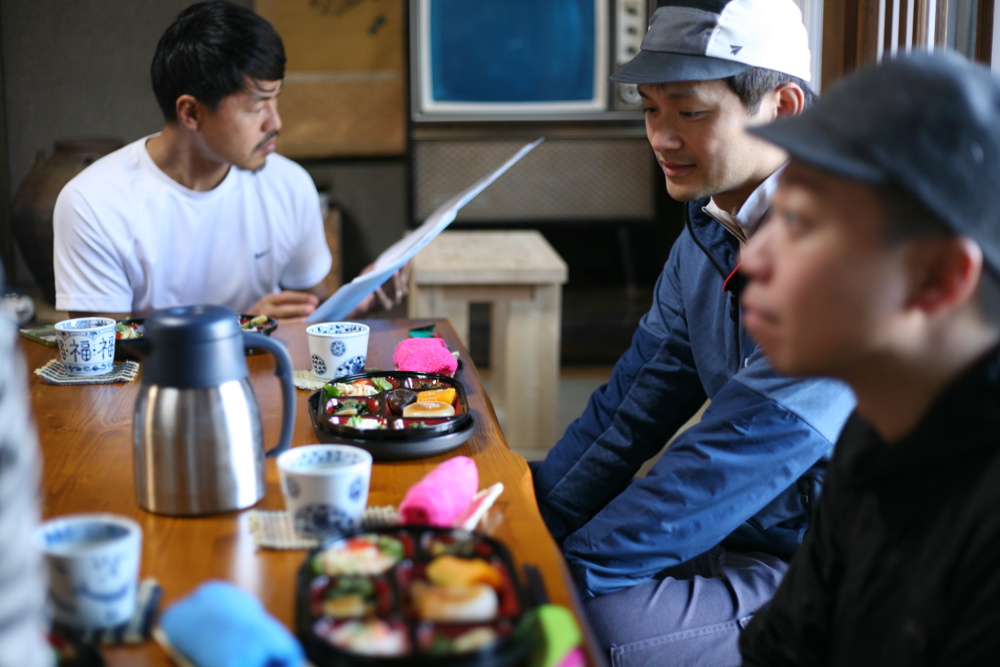
Members of the group sit down for a traditional lunch made of local cuisine during the tour

What’s the most challenging climb you’ve encountered on a tour and what route would you recommend for the seasoned cyclist?

Our tours in general are not too physically demanding. We spend an entire day taking in the cultures of different regions, so the tours are far from hardcore riding – you won’t see very much spandex.

We do try to offer a few steep hills during each ride, just to leave an impression. Many of the best climbs take us through mountains, the panoramic views are well worth the effort. Experienced cyclists appreciate that our tours offer a unique take on Japan and travel, but an element of physical challenge at the same time.
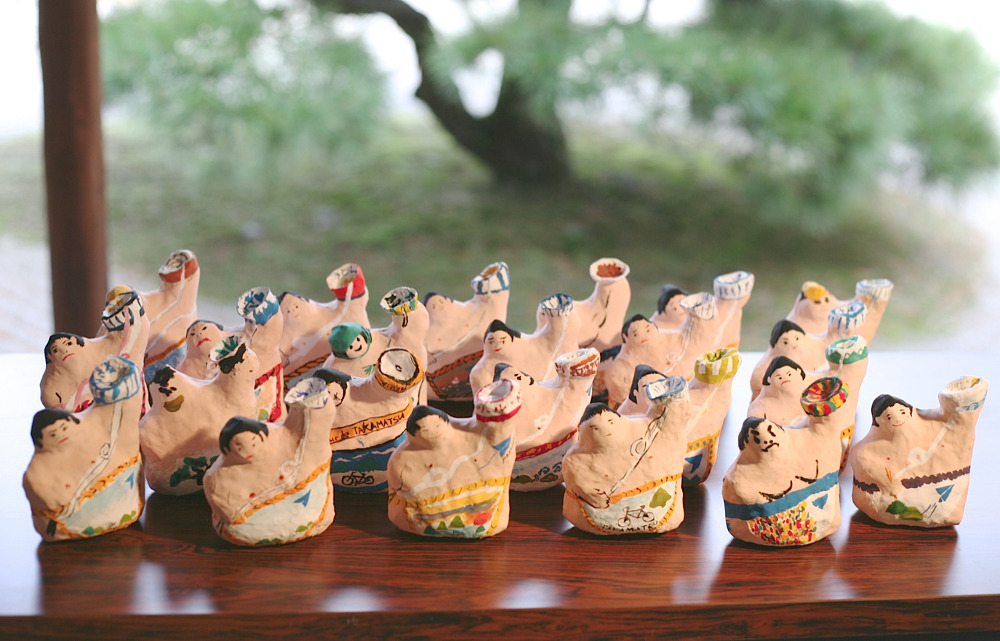
Sumo wrestler ornaments made by the group during a visit to Takamatsu

Your trips often include visits to sample local industry and meet craftspeople. Why do you feel this is an important aspect of Tour de Nippon?

Yes, we frequently visit local sake makers, breweries, farmers, artisans, potters, wood workers, and so on. Japan continues to carry on customs dating back hundreds of years and we want to share that knowledge with our riders. It’s extremely important for people to experience the beauty and history of these local industries first-hand. If our members are inspired to return or invest, then hopefully this will help these cultures to continue well into the future.

papersky.jp/tour-de-nippon-english

Click here to see videos of the Tour de Nippon
Photography KaO Nakanaka

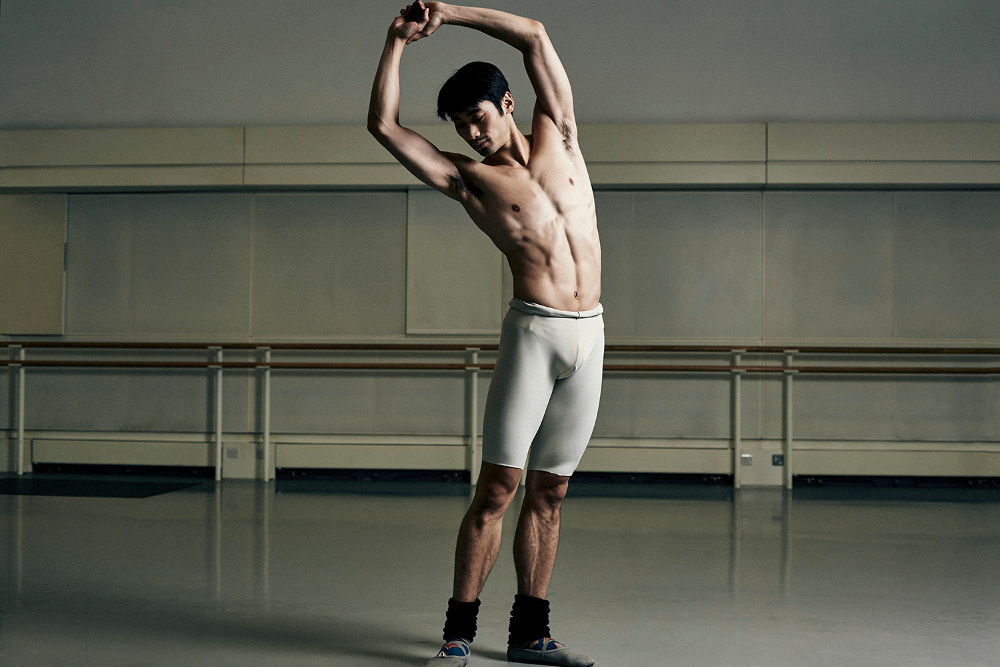
Ryoichi and The Royal Ballet

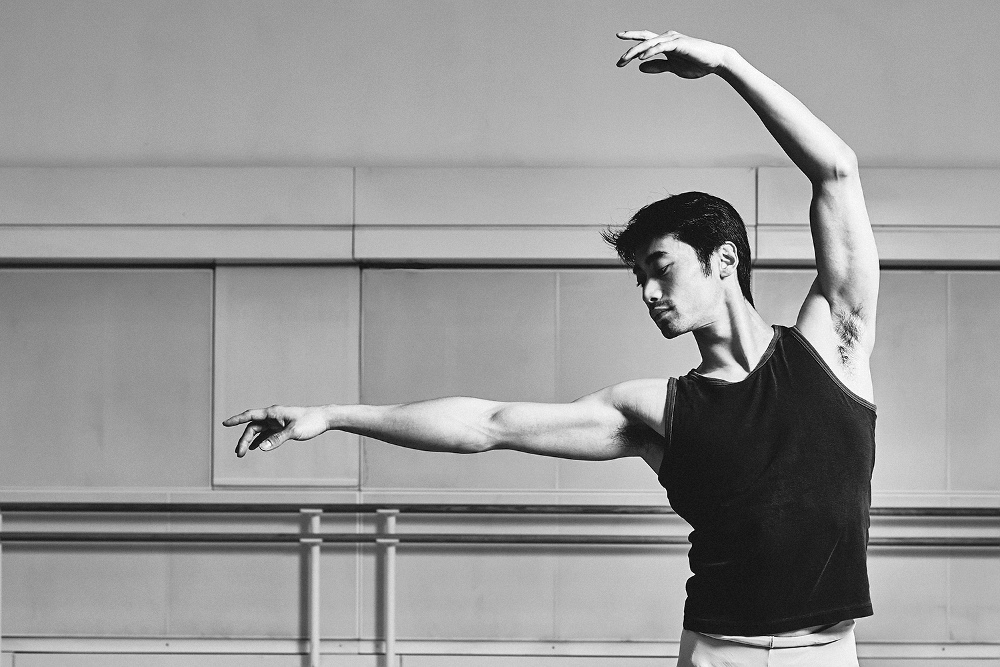
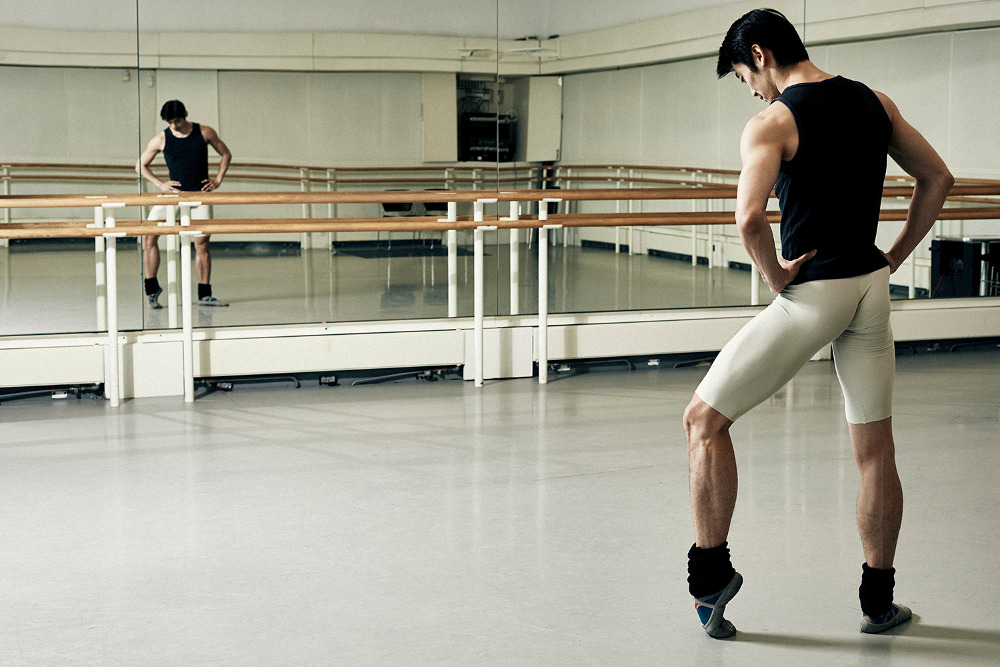
Japanese dancer Ryoichi Hirano talks to Ray Murphy about his ballet career and changing perceptions in his homeland

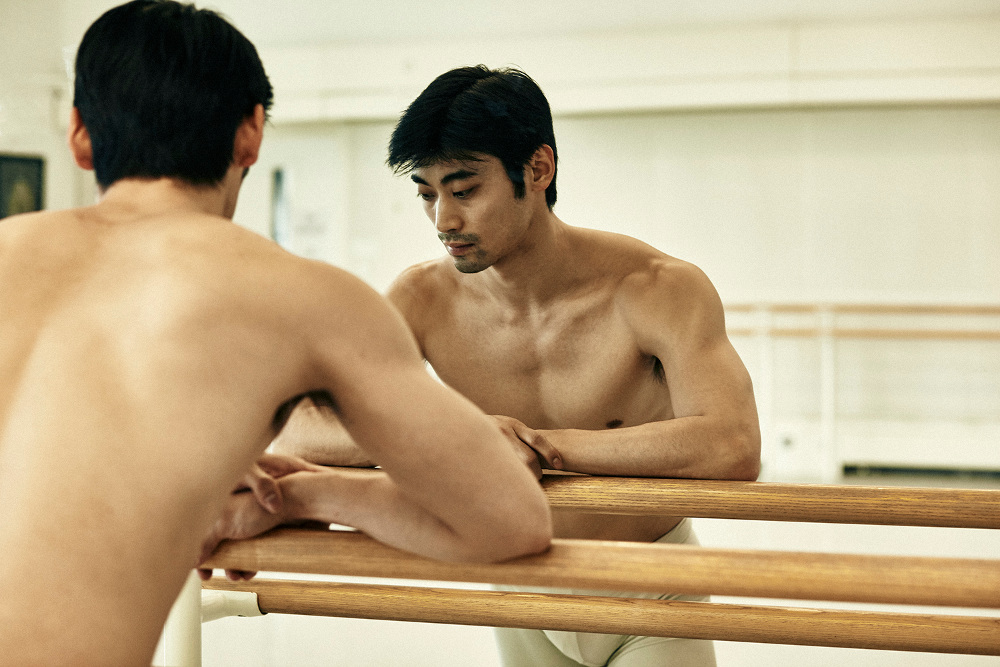
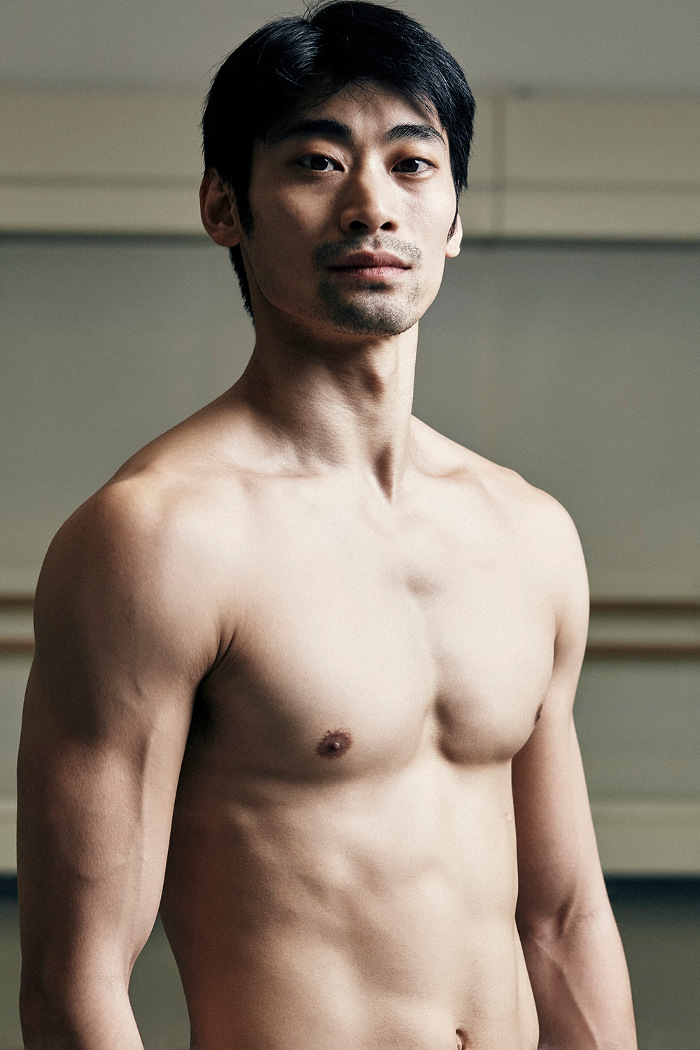
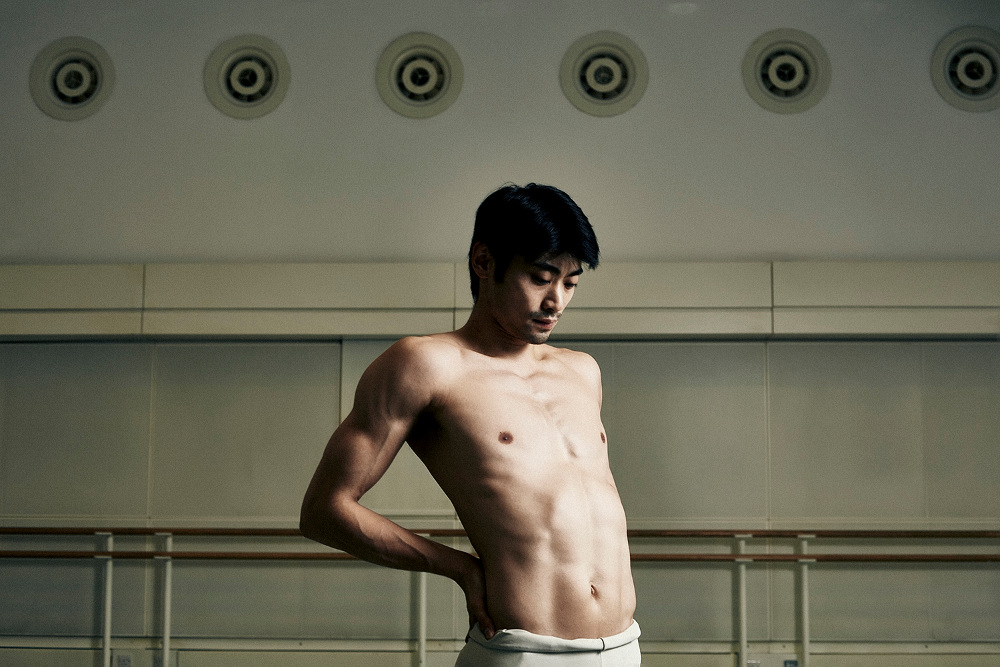
JAPAN WEEK: “When The Royal Ballet arrive in Japan they’re treated like The Beatles,” I’m told by a member of staff at London’s Royal Opera House, as I’m led through to the rehearsal rooms via a series of long, winding corridors. I’m here to meet Ryoichi Hirano, one of Japan’s foremost male dancers and a first soloist at The Royal Ballet.

Born in Osaka, Hirano trained at his parents’ dance school alongside his older brother, Keiichi, now a first soloist in The National Ballet of Canada. “The school was right next to my home, so when I was young my mum always took me to the ballet studio,” he says. “It was just my brother and I most of the time. Some came for one or two years but then quit – we were the only two who kept going.”

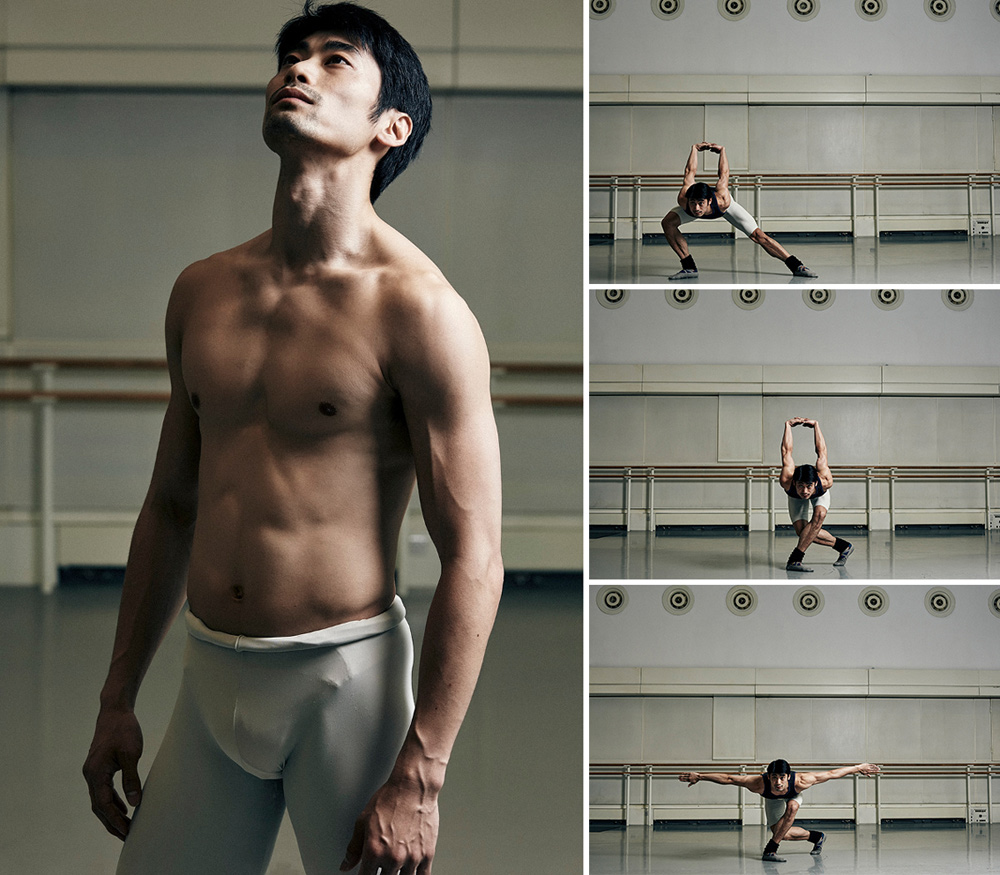
Ballet Ryo colour pose

Ballet was considered to be an unusual pastime for young boys in Japan, Hirano suggests, but this didn’t seem to discourage him from pursuing it beyond childhood. “Back then it was a bit of an odd thing for a boy to do ballet, but for myself it wasn’t really. I didn’t feel uncomfortable, I thought it was normal,” he tells me. “In Japan a ballerina is not a job title, it’s a hobby. People who are in ballet companies still struggle because they can’t earn enough to live on, they have to have second jobs.”

After a string of competition wins in Japan, Hirano headed to Switzerland in 2001 to enter the prestigious Prix de Lausanne – one the world’s top competitions for budding ballet dancers – several years after his brother. “I thought that if I wanted to do ballet somewhere outside of Japan then I’d have to go there to try out.” He went on to win the gold medal, which paved the way for his entry into The Royal Ballet the following year. Since then, Hirano has glided through the ranks to become first soloist.

Ryo-sequence

Keiichi has been a key influence throughout Hirano’s career, so he was saddened to learn of his sibling’s intention to retire in summer 2015 after suffering a career-ending injury. “It was a big shock. Keiichi was always the one I looked up to, as a person and as a ballet dancer,” Hirano says. “I went to see him dance for the last time over Easter. It’s really sad that he is stopping.”

Ballet Ryo side pose

When quizzed about other dancers that inspired him, I had half-expected Hirano to wax lyrical about two of his fellow countrymen who rose to prominence in the West during the 1990s: Tokyo-born Gen Horiuchi, a principal dancer in The New York City Ballet, and Tetsuya Kumakawa, who danced with The Royal Ballet before leaving in 1998 to form his own company.

Instead, Hirano informed me that his “ultimate hero” is Jonathan Cope: the legendary British dancer who today acts as a tutor (or répétiteur) at The Royal Ballet. “He is really stunning. Everything he does is very elegant,” Hirano enthuses. “We have to speak with our bodies and his body movement is so poetic.”

Hirano has now entered into a similar realm of stardom, at least in the eyes of his admirers back home. “When we go to Japan it’s a massive thing for ballet fans because they don’t get the opportunity to see a big company that often,” he said. “In a way we are treated like rock stars.”

He hopes to use this newfound influence and respect to reshape perceptions of ballet (and male ballet dancers) in Japan, as well as the livelihood of those trying to follow in his footsteps. “I want them to be able to say ‘I’m a ballet dancer, that’s my job’ and for the government to regard them as ballet dancers, not as someone without a job,” he explains. “I want them to have a regular income and to have a union, because dancers can’t be made to rehearse every day without rules. But, I don’t think these things will happen for a long, long time.”

The two brothers’ achievements have already encouraged more boys to join the Setsuko Hirano Ballet School back in Osaka. “They want to be successful ballet dancers too so they come to my old ballet school, which is nice” he says. “It certainly keeps my parents happy.”

Photography Aldo Filiberto

Photo essay: 1972 – The Nakagin Tower Complex

US-based artist Noritaka Minami presents images from his three-year photographic investigation into Tokyo’s Nakagin capsule tower

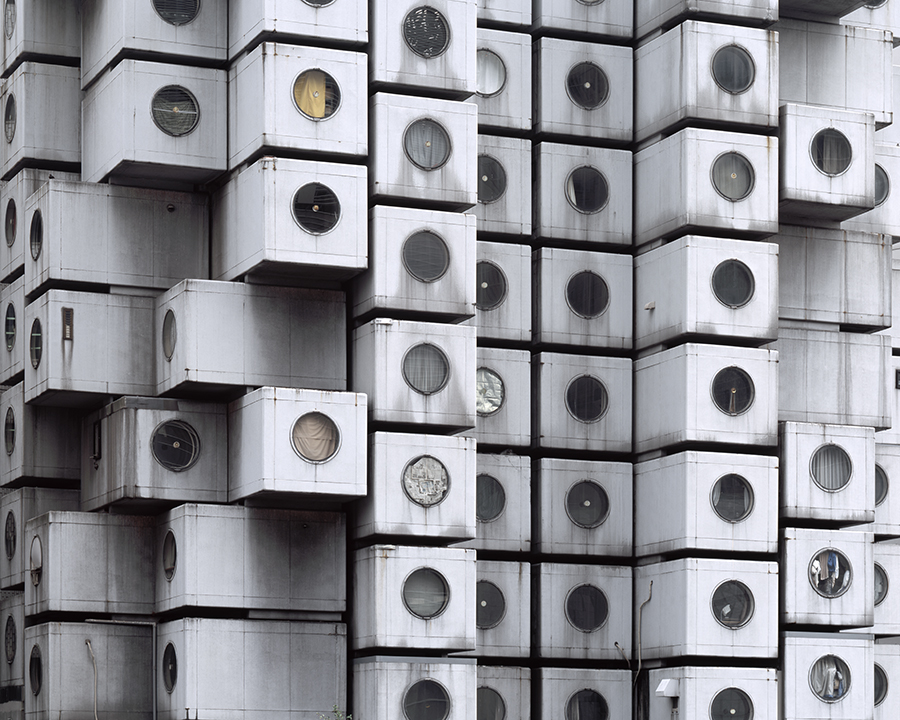
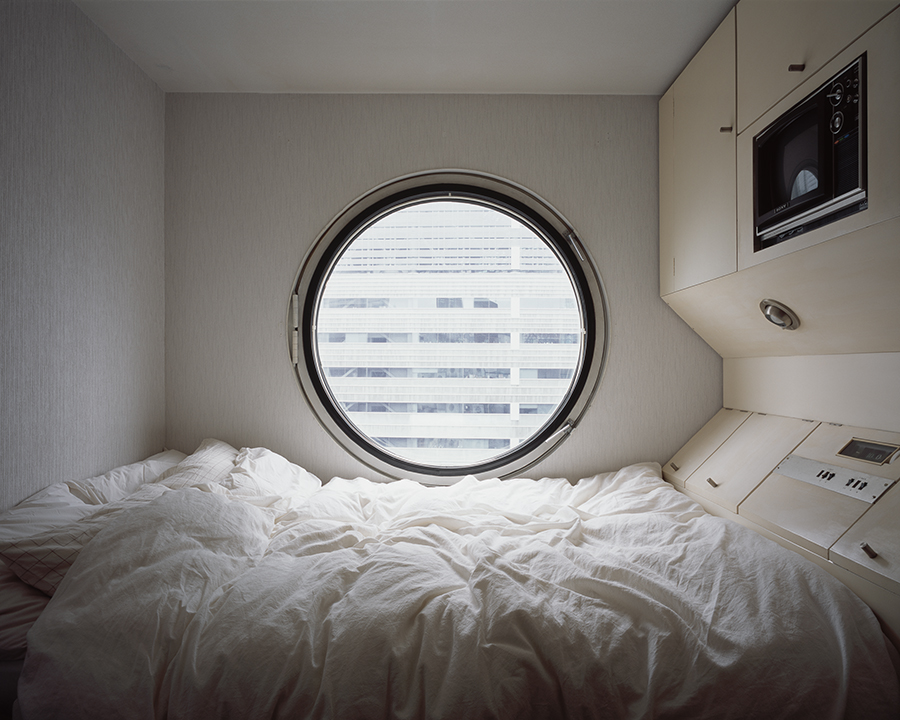
The Nakagin Capsule Tower, a striking relic of the metabolist architectural project of 1970s Japan

JAPAN WEEK: The Shinbasi district of Minato, Tokyo, is a bustling commercial centre that once housed the terminus of Japan’s first railway, which was completed in 1872. It has since grown into a profit hub, boasting high-rise towers and corporate headquarters for the likes of Fujitsu and Air Nippon. As can be expected in a city of over 13m people, the value of real estate in this corner of Tokyo is sky high.

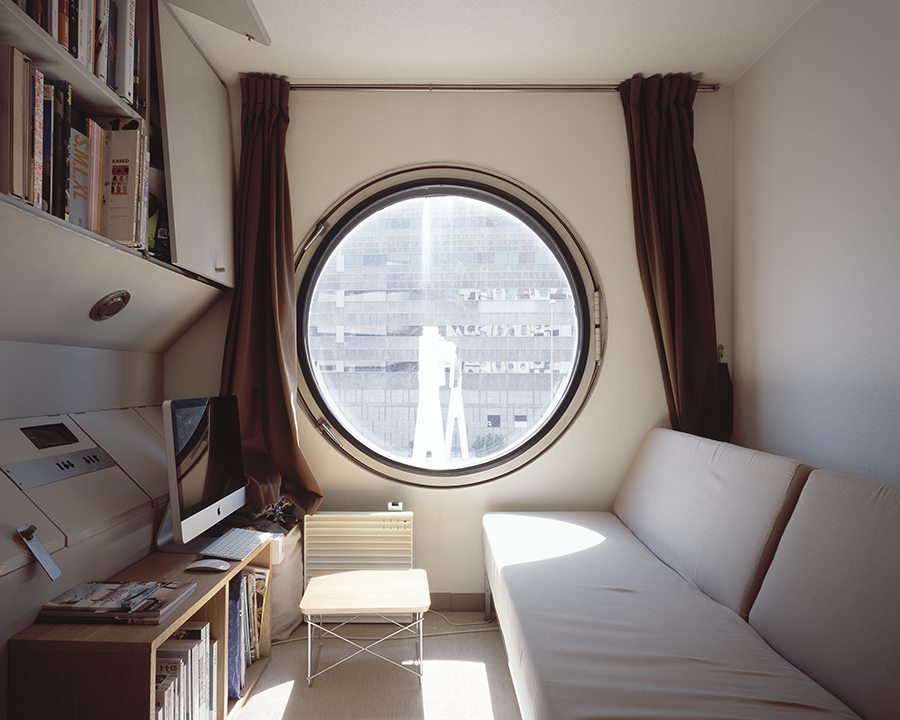
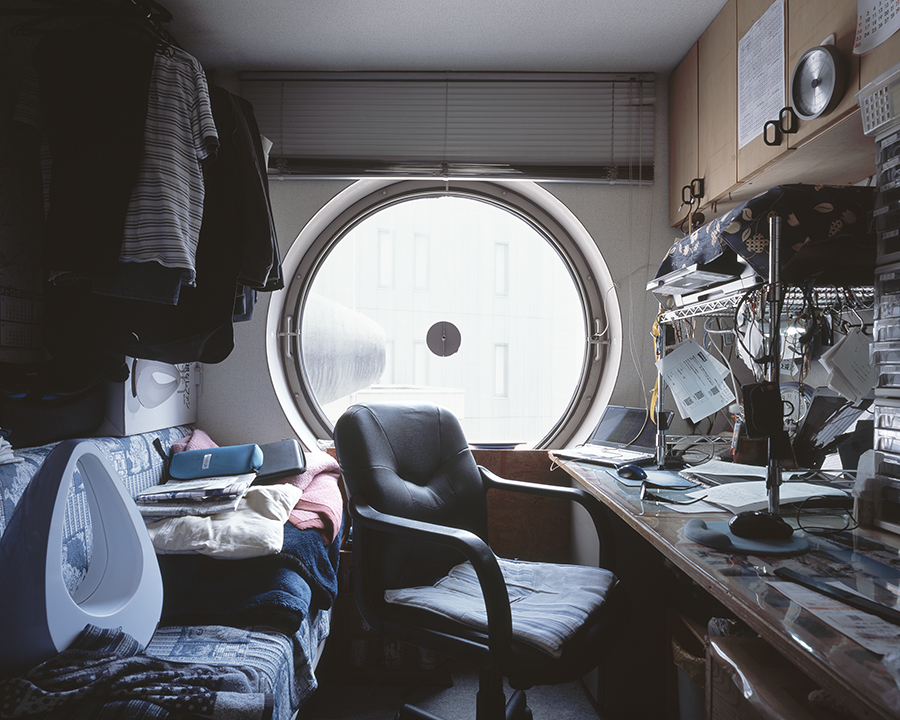
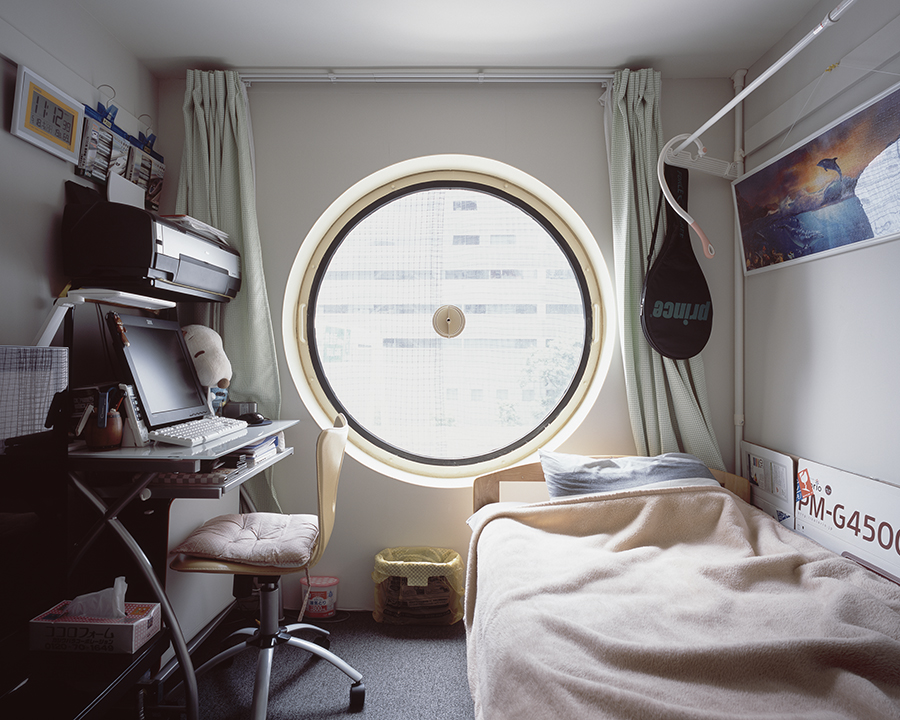
The Nakagin Capsule Tower stands as a bold and futuristic oddity amongst the contemporary skyscrapers that make up Shinbasi. Completed in 1972, the tower was one of the few realisations of the architectural movement known as Metabolism, which arose in post-war Japan. The building, consisting of 140 removable apartments attached to a central hub, was designed by the late Japanese architect Kisho Kurokawa as a proposed revolution in urban living.

Kurokawa’s metabolist vision was to mass-produce modular capsules that could be replaced over time, allowing for flexibility and the efficient use of living space in an environment where space was a commodity. The tower was the only structure of its kind and no capsule was ever replaced. The iconic building now faces the threat of demolition to make way for a more conventional apartment complex, but fans of Nakagin’s aesthetic and history have fought back with a crowdfunding effort to preserve it.

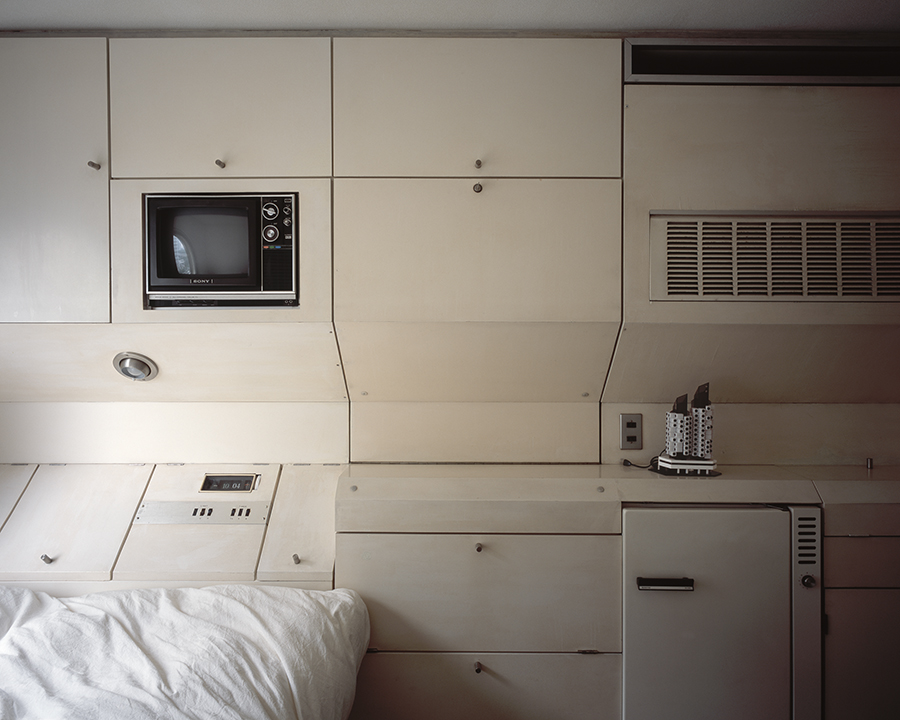
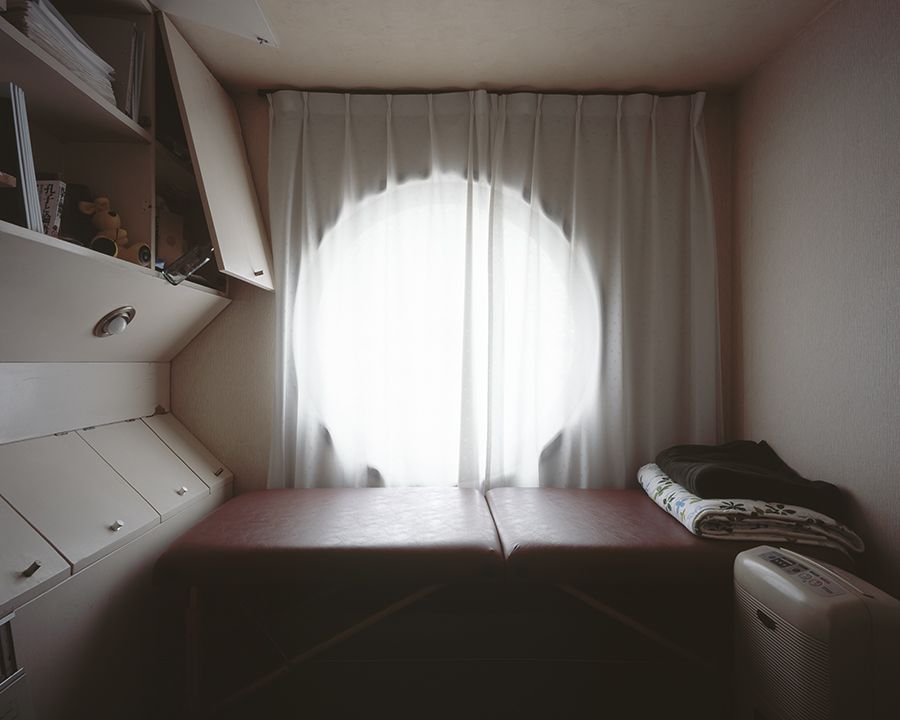
Today, many of the capsules are not inhabited, while others have been converted into studios and creative spaces. To document this change, artist and Harvard University tutor Noritaka Minami embarked on a long-term photographic study of the building, employing a standardised approach to capture the state of these capsules. His photographic project aims to show just how uniform (and in some cases, how deteriorated) the boxes have become since they were built.

Capsule B1004 II
Capsule B1004 II
Capsule B1004 II
Capsule B1004 II

Above: B1004 II – this is a capsule that retains most of the original 1972 interior. Many units have removed the original features of a capsule in order to expand on space 

Capsule A504 II
Capsule A504 II
Capsule A504 II
Capsule A504 II

A504 II – this is a capsule rented by an architect and is used as a full time residency. 

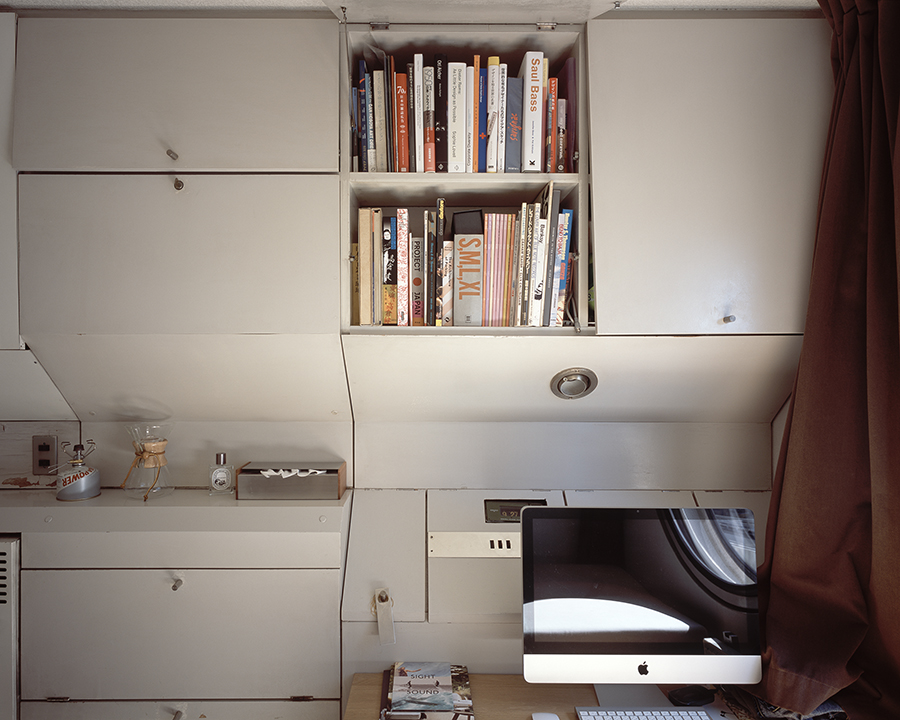
Capsule A703 II
Capsule A703 II

A703 II – in this unit, the original bed has been removed along with the television and table. An I-phone is connected to the original Sony stereo system. 

Capsule B702
Capsule B702

B702 – an example of a capsule that is used both as an office and a living space. The resident utilises almost every space available inside the unit.

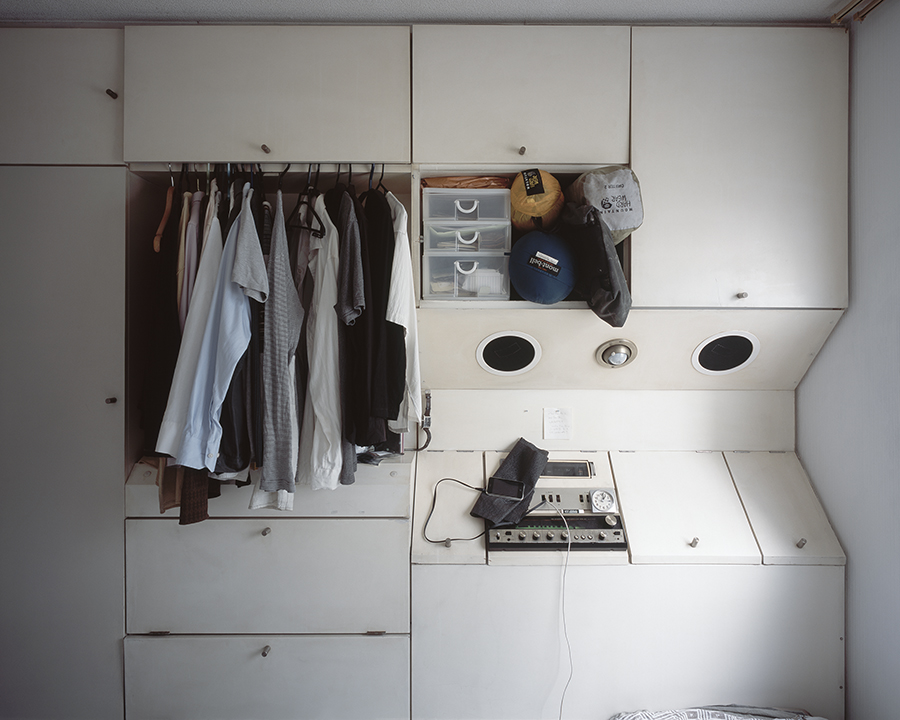
Capsule B503
Capsule B503

B503 – this capsule is used as a full-time residence. The portable clothing rack installed above the bed is one of many adjustments made to make use of all available space.

Capsule A1203

A1203 – the curtain in this pod is drawn over the porthole window to diffuse the sunlight, and create the effect of being inside a giant, soft box.


Visit noritakaminami.com for more info on the 1972 project

Soundtrack: Kazuki Kuraishi (The Fourness)

Japanese designer Kazuki Kuraishi talks to David Hellqvist about hearing The Stone Roses’ eponymous album, and the impact Ian Brown has had on his life

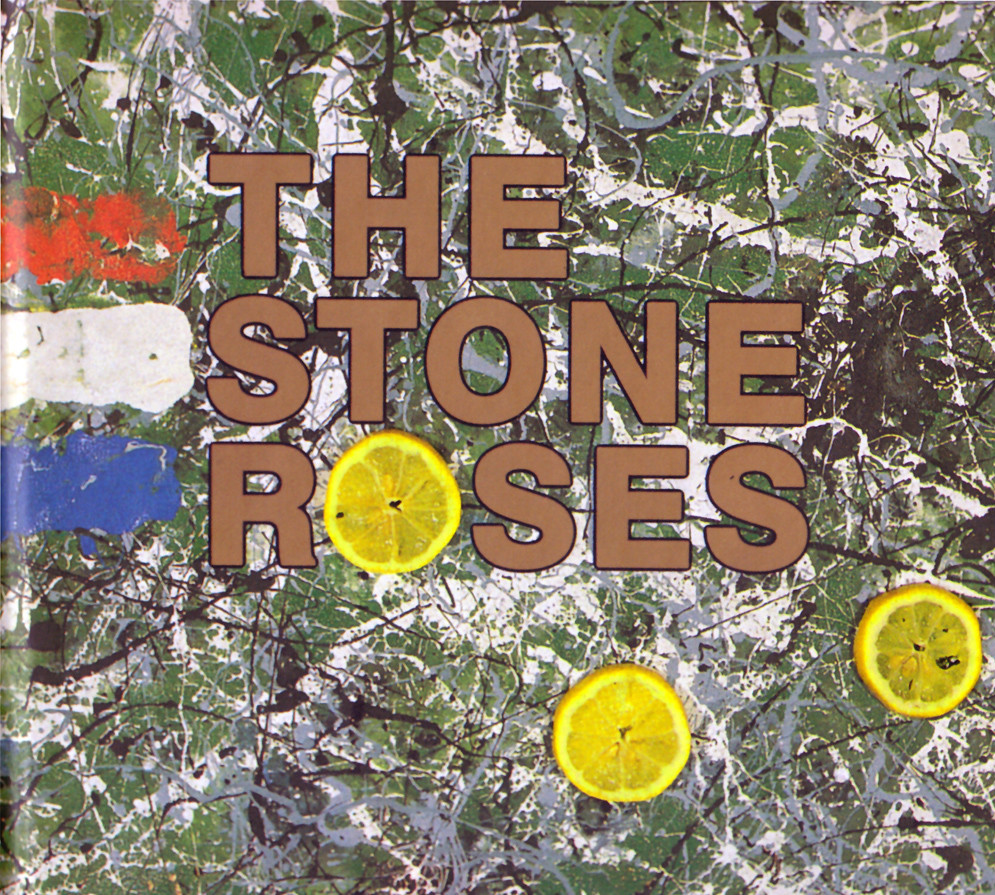
The Stone Roses album, Silvertone records, 1989

JAPAN WEEK: If I could only choose one record, this would be definitely be the one. Perhaps both now and forever.

I first encountered the album when I was in high school. My favourite Japanese band was using some samples from a band called The Stone Roses and thought I’d check out the original version, so I listened to Elephant Stone. Afterwards, I bought The Stone Roses album and immediately fell in love. The more I listened the more I liked and go into it; I still play the album regularly to this day, which is rare.

From The Stone Roses, I started to get into Hacienda music and discovered many more UK bands. At that time, it was very difficult to get hold of UK indie bands in Japan. As I remember, it was even difficult to buy Oasis anywhere in Tokyo – it took me quite a few visits to shops in order to find them.

There was a TV programme called Beat UK where they showed British band’s music videos – I recorded and edited so many of them. I would also watch the music videos and wonder what the musicians were wearing. I wanted their t-shirts and would start searching for the clothes that they wore… Music and fashion are tied into one, and that’s how I become interested in fashion.

Time passed and I started working for A Bathing Ape where a miracle happened. When James Lavelle from Mo’ Wax visited Japan, for whatever reason, Ian Brown tagged along. One day, A Bathing Ape creator Nigo asked me to come to his office and there I met James and Ian. I was beyond shock, I remember I lost all my senses. Nigo knew that I loved The Stone Roses so he introduced me to James and there and then and I started to get to know Ian. I still have the letters that Ian and I exchanged; I used to send him what I’d made, and he’d send me CDs…

Some time later, when Ian came to Japan for the Fuji Rock Festival, he introduced me to Gary Aspden from adidas (read Gary Aspden’s Soundtrack for Port) and that’s how I started to work for adidas. Come to think of it, there is a pathway from the point where I began to like The Stone Roses, and got to know Ian Brown, which led me to where I am today.

When The Stone Roses reunited, Ian, John Squire, Mani, Reni and I all had dinner, which was one of the most epic moments of my life. Ian had come to Japan earlier than the others and we hung out with him for few days. When Mani arrived at the hotel, the atmosphere changed all of a sudden. It was mystic and everything surrounding them had a bright spirit. What I felt about the band was that, although Ian alone has a strong impact, when Ian, John, Mani and Reni are together the power multiplies and exhilarates. Their live performance felt as though there was magic in the air; I experienced something new, these things can still happen.

I think The Stone Roses is an album with a message about trying to change the world. Their sound changed me during this period of time. It affected my life positively, because when I discovered this album I felt I wanted to make changes – it led to where I am and what I do right now.

Kazuki Kuraishi’s new clothing label The Fourness launched in early 2015

Sake: the ‘rice wine’ renaissance

Sake connoisseur Rie Yoshitake speaks to Betty Wood about the renaissance that has occurred around the cherished rice drink over the past ten years

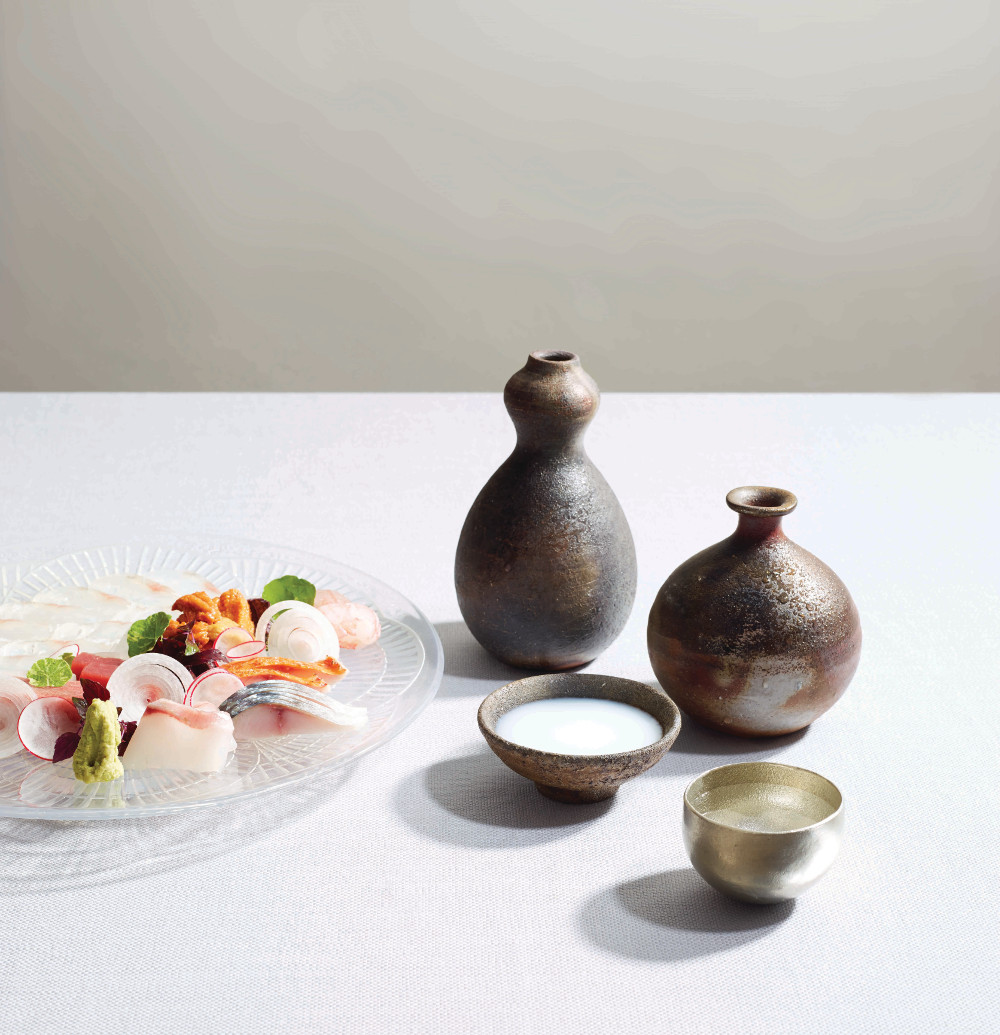
Omakase Sashimi prepared by Chef Yoshinori Ishii of Umu, with line-caught Cornish ikejime, streaked gurnard usuzukuri, stone bass, red mullet, mackerel, Icelandic sea urchin and toro. Plate: René Lalique ‘Coquille’ from 1910 Sakes: Bijofu Schwa (sparkling) Kamoizumi Nigori (cloudy/nigori) Kamoshibito Kuheiji Junmai Daiginjo 50 (regular)

JAPAN WEEK: “In the past, it was true that sake was bad,” Sake Samurai ambassador Rie Yoshitake says. Known for its poor quality and potent hangovers, sake developed a bad rep, especially in Japan where it was deemed unfashionable – a blue-collar drink for the old. But like gin and craft brewing, sake has undergone a renaissance in the last 10 years and is now enjoying international favour as it moves into a new, premium market.

“Sake making is 80 per cent dependent on craftsmanship” Rie explains, “and 20 per cent on the quality of rice harvest. It’s the opposite of wine, which is all about the grapes. Sakes we’re drinking now are new products” Rie says, “sparkling sakes, aperitifs, low alcohol, cloudy (unrefined) sake called nigori. “Normal sake does not last, it is to be drunk fresh,” in keeping with the mentality of Zenism prevalent in Japanese culture: “Enjoy the moment, don’t think about the future.” Unless, that is, it’s new ‘vintage’ sake, matured for up to 20 years.

Innovations in rice polishing – traditionally done by hand, and mechanised in the 80s – has led to the creations of these ‘ginjo’ premium sake categories. “The more premium, the more polished” Rie explains. Polishing removes the husk of the rice grain, containing proteins and fats. In doing so, it’s given sake something its never possessed before – fragrance. “It’s revolutionary that sake now has to be drunk cold, so you can enjoy the aroma. It’s fruity, almost like pineapple, lychee and melon – like a wine.”

With washoku – Japanese cuisine – increasingly popular, there’s increasing demand for premium sakes. Umu restaurant in Mayfair has the largest selection of sakes in the UK, with more than 177 on their menu and their own sake sommelier. “Sake is very versatile; it can go very well with meat, rich flavoured food and fish, just like wine.”

Sake’s also become an international affair with The International Wine Challenge opening a sake category. In 2014, it had 700 entries from Japan, Norway, Canada, the US and Holland. “Eight years ago, I though sake should only be made in Japan by the Japanese, but now it’s time for a new world sake” says Rie.

We’ll drink to that.

Photography Victoria Ling

Special thanks: Rie Yoshitake of Sake Samurai Association, Chef Yoshinori Ishii; Ryosuke Mashio of Umu Restaurant, Mayfair