Questions of Taste: Kurt Zdesar (Bouillabaisse)

Inspired by low-key coastal dining from around the world, restaurateur Kurt Zdesar’s latest venture, Bouillabaisse, is a paean to all things piscine

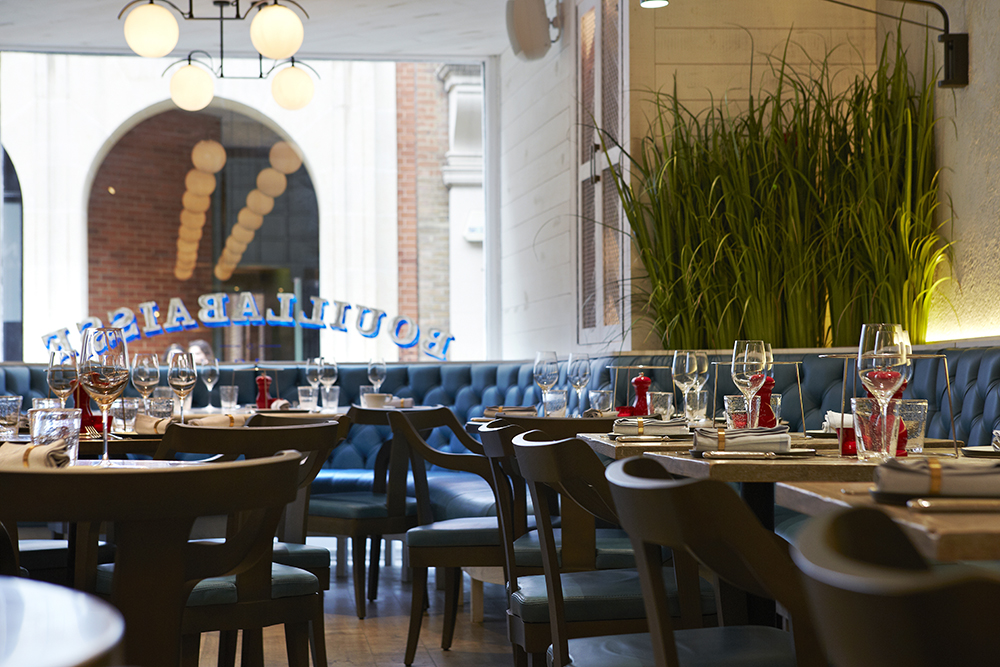
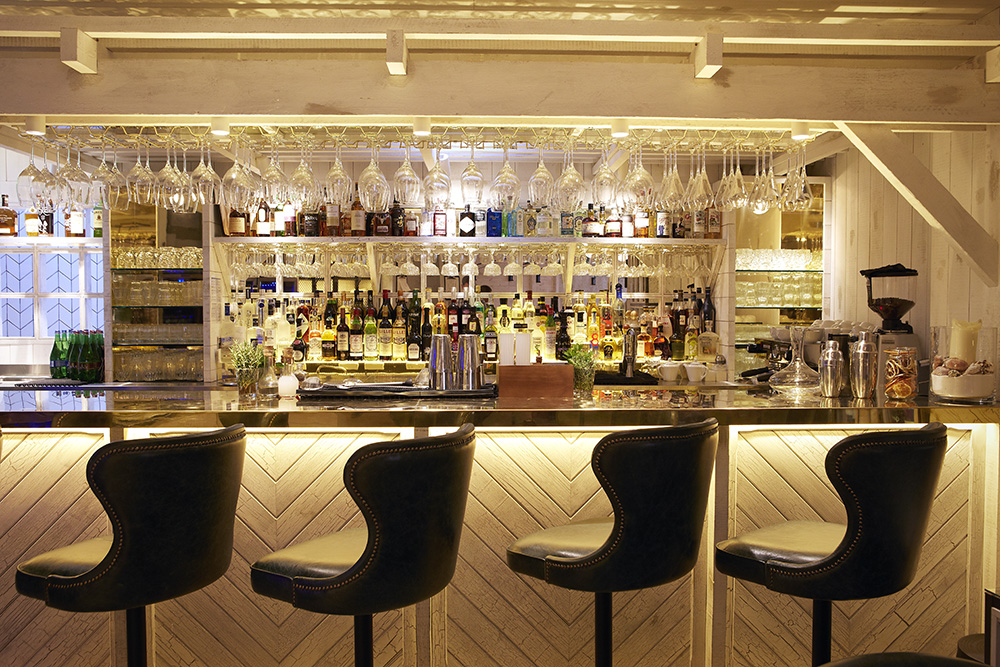
Bouillabaisse Restaurant 6

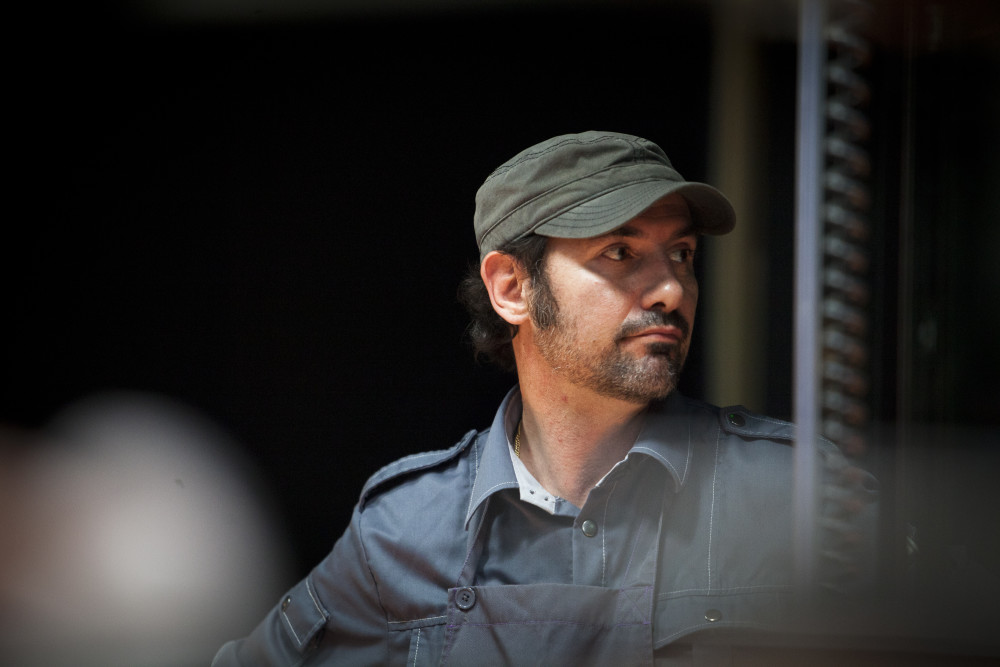
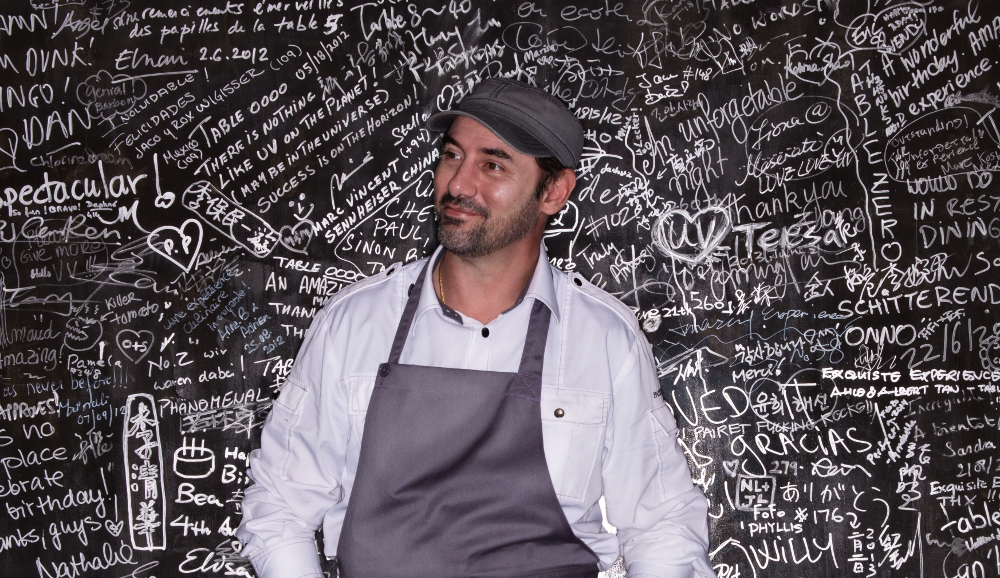
Kurt Zdesar is a difficult man to pin down. These days, Zdesar is running numerous restaurants worldwide, splitting his time between Europe and the Middle East; the last time we were scheduled to meet he had to make a last minute business trip to Dubai.

The celebrated restaurateur moved to the UK from Australia when he was 14, working his way up from McDonald’s to establishing the first European outpost of Nobu in London, earning a Michelin star within a year of opening – the UK’s first for Asian cuisine.

When I did catch some time with Zdesar, we met at Chotto Matte, his Nikkei (Japanese/Peruvian fusion) restaurant in London, and discussed the difficulties of operating in the British capital, the role of the modern restauranteur and his latest project: Mayfair fish restaurant, Bouillabaisse.

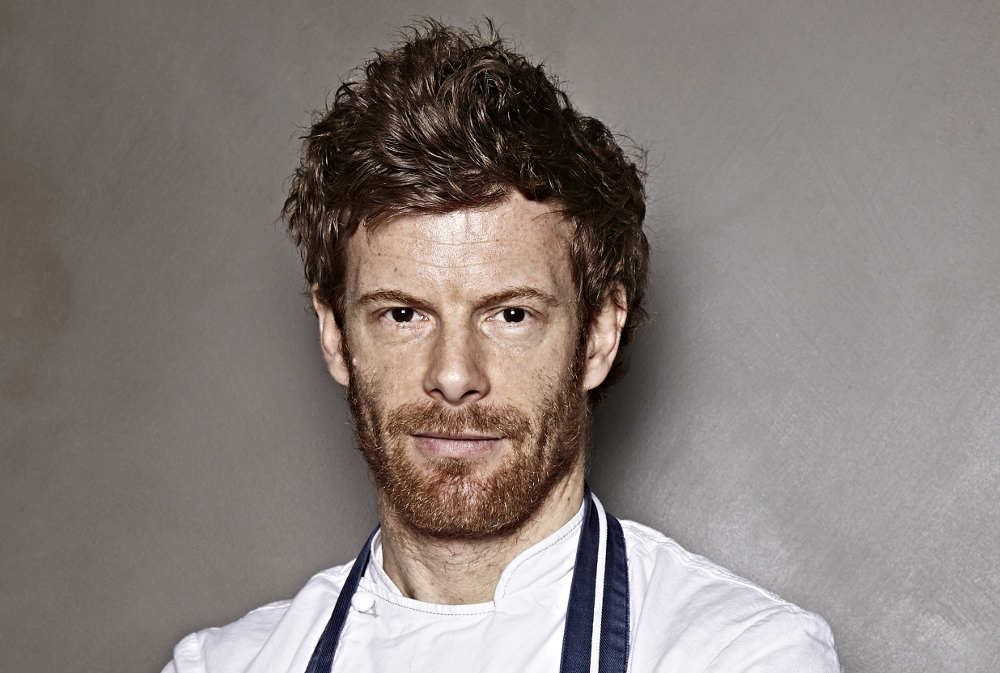
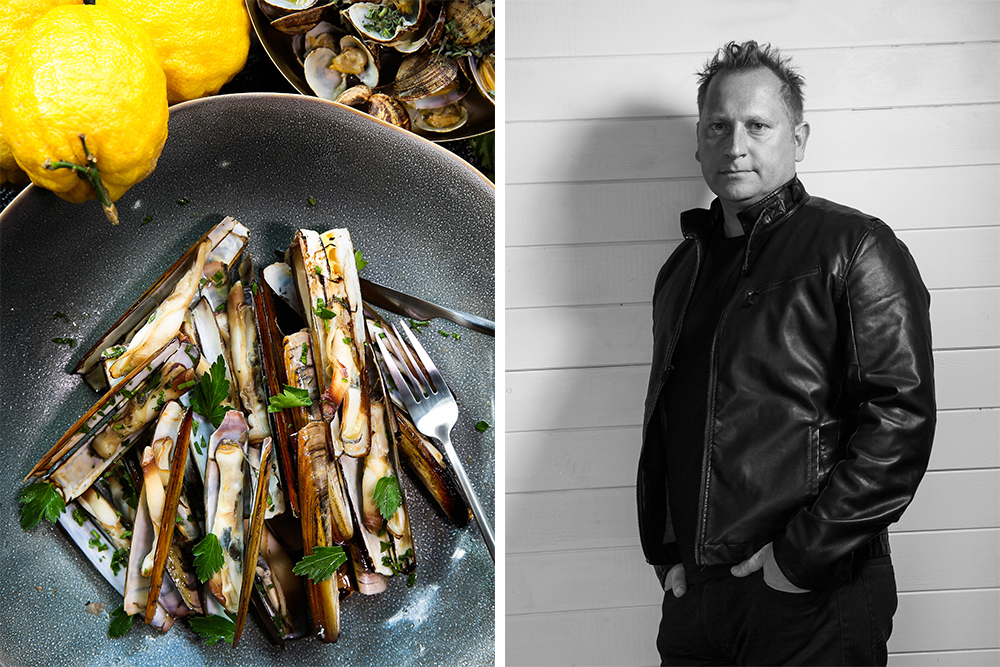
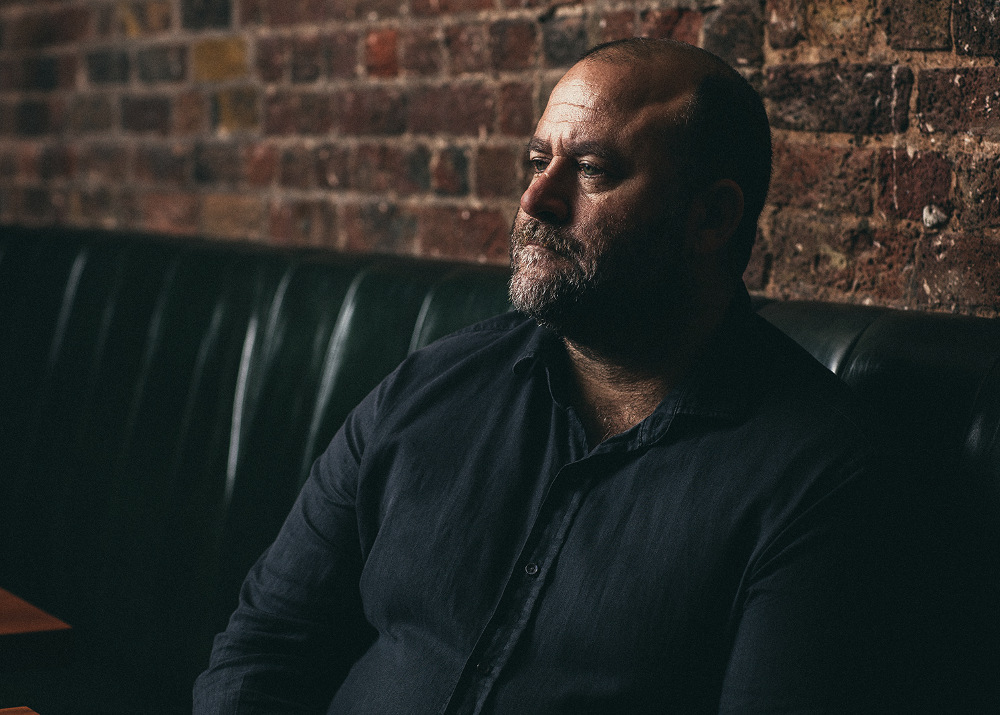
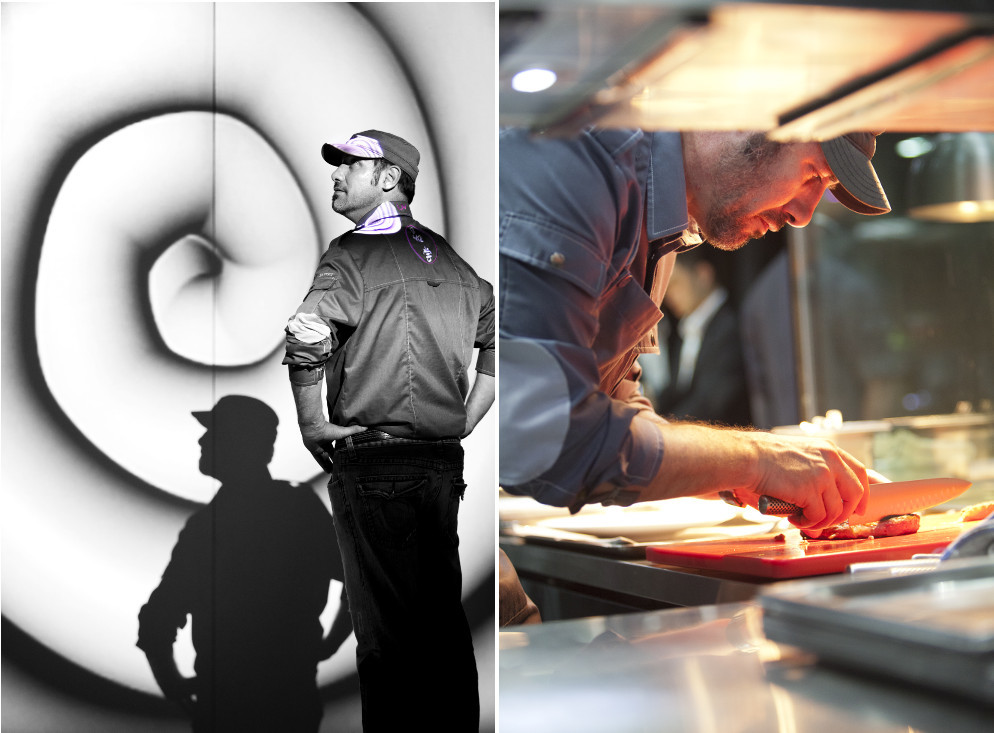
Kurt composite 1

How did you come to be a restaurateur? Is it something you always wanted to do?

If I look back it was always on the cards and I didn’t know it. I’ve always loved different types of cuisine. When I was younger, I used to pick which friend I would see on the weekend depending on whether their mother was a good cook or not. Then, as I got older, I imagined marrying a Chinese or Italian woman because of the food they would have cooked.

I’ve always been entrepreneurial. At first I was a chef, but then I saw the waiters getting their tips every night, so I went out on the floor and was walking around with wadges of cash. I was motivated mostly by money in a business I loved, and I got to eat well. Then I became management and I ate even better.

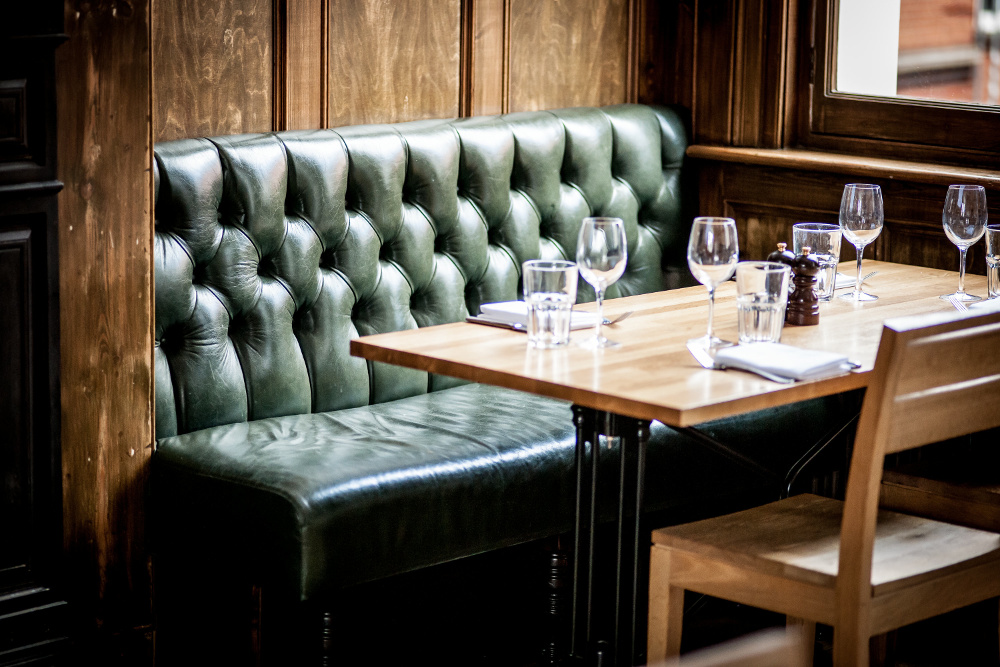
Bouillabaisse Private Dining Room

Could you explain the role of a restaurateur? What skills you need?

As a restaurateur I come up with the concept, I provide the vision. When I first design the menu, there’s an image bank that I will start to draw from; if you look at my phone, it’s all food from years of eating in restaurants around the world. What I can’t do, however, is describe flavour, so I have to work closely with a really talented chef and bring them on a journey with me, which is what I did in the case of Bouillabaisse.

You also need an attention to detail… everything speaks. If we use a black napkin or a silver tray or crystal glasses, it all sets a perception of what you’re about the experience. Then there’s a service standard. When a customer comes in. are we topping up the glass or not touching the bottle? Is the waiter saying ‘yes sir, no sir’? It’s about understanding these differences and knowing they can make a big impact.

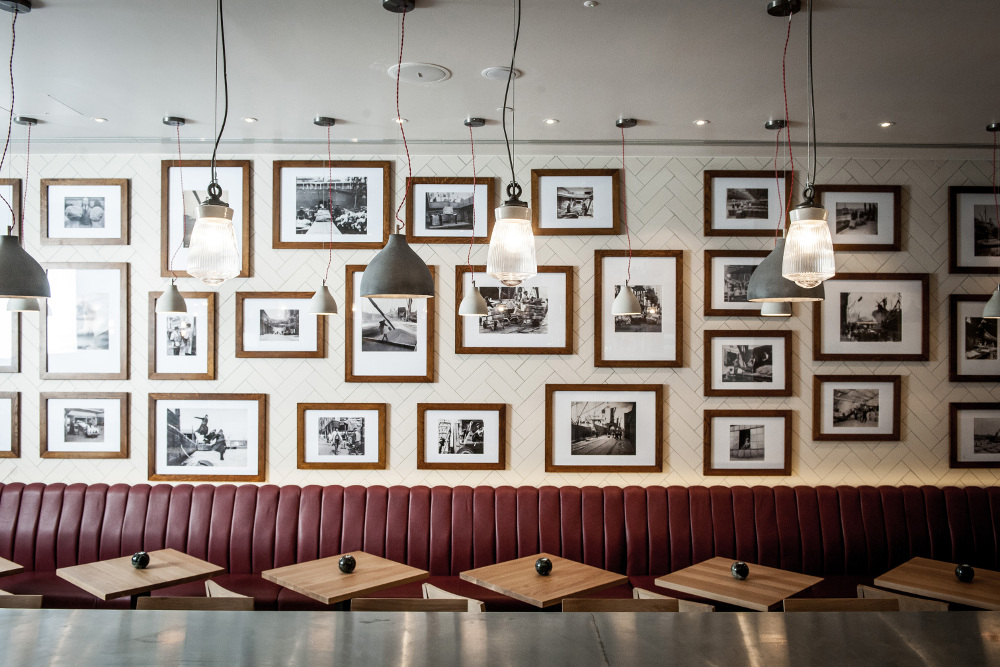
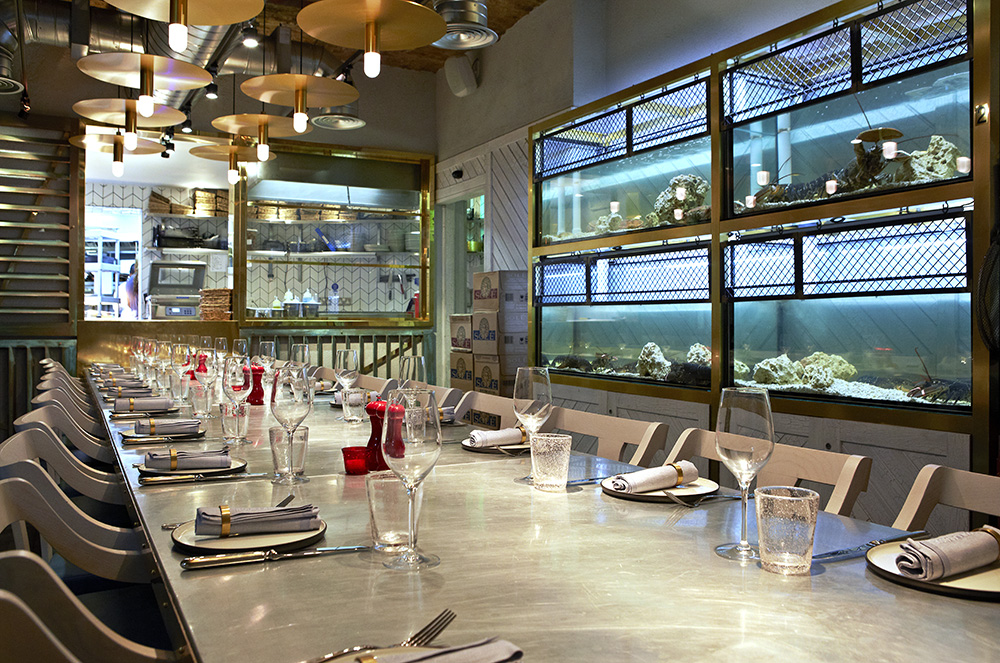
Bouillabaisse Market Catch Table

What was the idea behind Bouillabaisse?

It’s more a passion project rather than anything else. I’ve always been passionate about seafood. At the same time there’s so much controversy surrounding meat, and fish is becoming ever more present in our diets.

Were there any specific influences with Bouillabaisse?

A lot of what Bouillabaisse is, is inspired by these romantic experiences of eating in fish restaurants around the globe. One of my favourite restaurants is in Mykonos, for example. They have no electricity, no reservations. They open at 1pm but you queue from 12pm. It’s rustic – wooden pillars with vine leaves over the top, cats coming to you for scraps, communal seating – and the food is so good, it’s pure and honest. I was like, ‘why can’t I get this in the UK?’

I’ve had these great experiences around the world and I wanted to bring them to Mayfair, where everything is slightly formal, put on these big trays of fish and encourage everyone to relax and dig in.

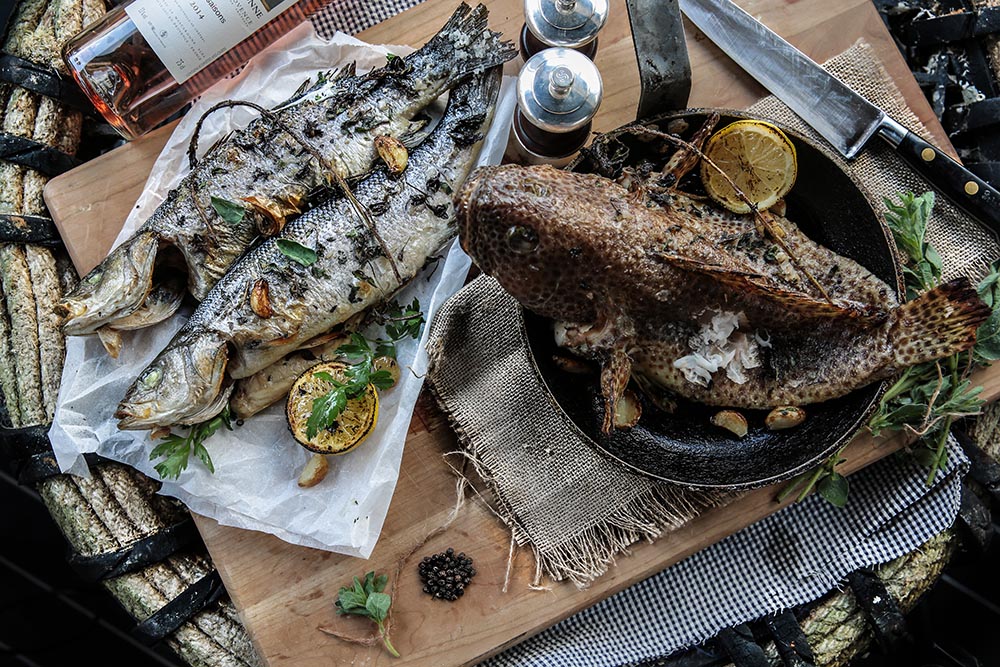
Bouillabaisse 029

How do you source the fish?

It’s a tough job, actually. When I was in Antigua there was this place I went to so frequently because everything was so fresh. The fishermen came off the boat, struggling with these ice boxes because they were full of fish, and it went straight up on the blackboard. The fish I ate I couldn’t have had fresher. That was the biggest key: how to get it fresh.

With Bouillabaisse, we had to go and meet the fishermen. Not knowing where the fish came from made it hard for us to ensure that what we were giving our customer was the best we could find, that it was the most sustainable and that we could get it in the restaurant the same day as it was caught.

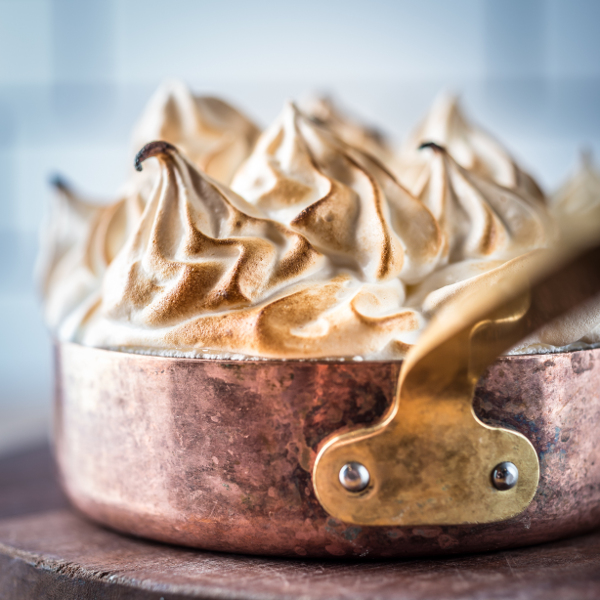
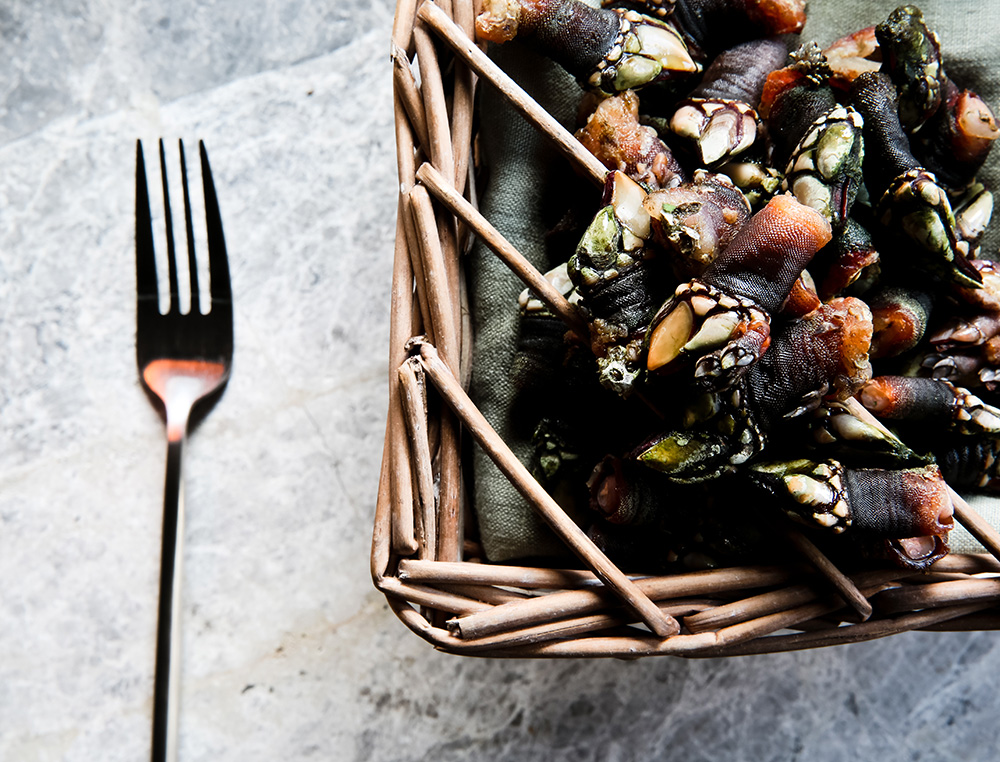
Bouillabaisse Percebes (3)

What trends are you observing in London’s restaurant scene today?

I’m seeing more and more single-concept restaurants. If I had one product and 10 chefs producing it, I could probably feed as many people as we feed today with a team of 45 chefs because they have to handle such a massive menu, with all these ingredients.

How do you, not running single concept restaurants, balance the quality of the food you put on with the reality of what you can afford?

You have to find that balance, but we simply have to create the best product we can because the customer is getting more and more discerning. Everyone’s getting more informed. On TV you’ve got chefs on every channel – a morning kitchen, a Saturday kitchen, etc. – and everyone’s a chef. We eat out more than we ever have and fewer people are cooking at home (although on average, kitchens are getting bigger). There is a demand for good food and we have to meet that demand.

Photography courtesy of Bouillabaisse

Questions of Taste: Richard Turner (Hawksmoor)

Restaurateur and Hawksmoor executive chef Richard Turner discusses his passion for ethical butchery, what he learned from Fergus Henderson, and his new London restaurant Blacklock

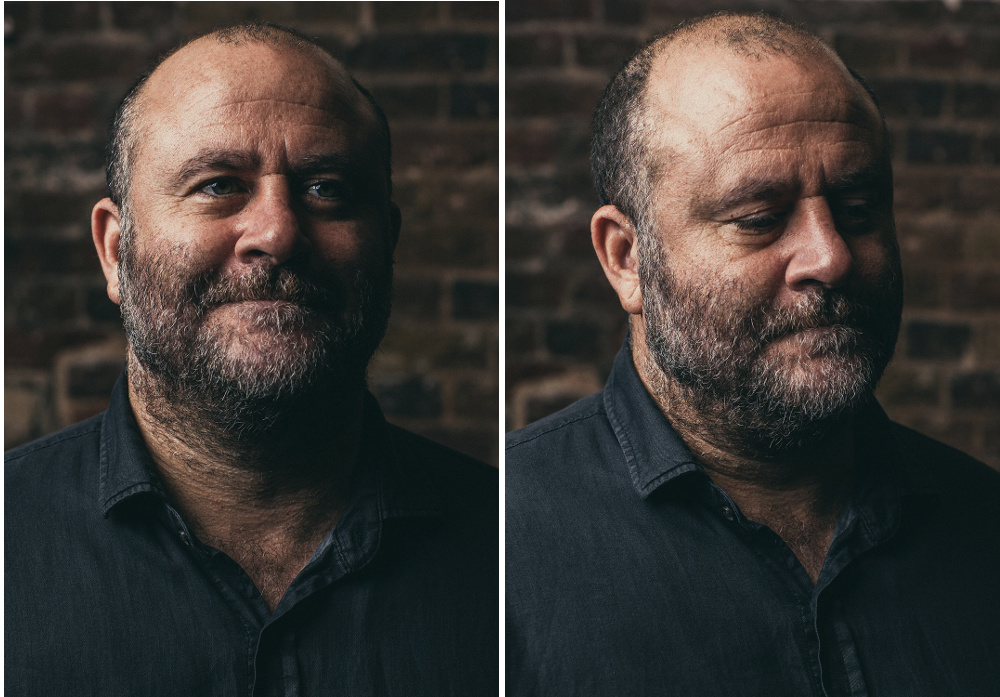
Richard Turner at Hawksmoor, Spitalfields

Richard Turner is a chef with an all-encompassing passion: meat. But, unlike many flesh-obsessed chefs, it’s not just about the cooking.

Turner’s first fascination is followed closely by a second – where this meat comes from – which begins to become apparent as you learn of his commitment to ethical farming, and his plan to fight for the return of independent butchers over the monopolies of the supermarkets.

After leaving the British Army, Turner chose to enter the culinary world and worked under Michelin-starred chefs including Michel Roux Jr. and Marco Pierre White. Rather than following the fine dining path after his training, he struck out on his own, opting for a simpler approach, with small menus and dishes dictated by whatever produce was freshest at the time.

This simple, understated approach to cooking stayed with Turner as he helped to develop the popular steakhouse chain Hawksmoor; it has also become the main philosophy behind his new endeavour, Blacklock, which can be found behind an easily missed side-street door near the thriving heart of Soho. Not content with his successes in the traditional restaurant business, Turner also went on to found his own butchers, Turner & George, and a food festival called Meatopia, described as ‘a call to arms for all you judicious lovers of meat’.

Here, PORT talks to Turner about his route into cheffing, his interest in butchery and what he’s learned from Fergus Henderson and Marco Pierre White.

Inside Hawksmoor's Spitalfields kitchen
Inside Hawksmoor’s Spitalfields kitchen

When did you first start cooking?

I didn’t start cooking until after I left the army. I joined the army at 16, and was there until my mid-20s. I started cooking at Le Gavroche, asked them for a job, got turned down several times, and kept on asking before they eventually let me in the kitchen.

How did the army influence your discovery of cooking?

You travel a lot so on your time off, R&R, you get to taste different countries’ foods. I served in Hong Kong, I served in the Middle East, I served in America, so I saw a lot of different styles of food.

Some of your mentors included Michel Roux Jr. and Marco Pierre White. How long were you working under them, and what did you learn that’s stuck with you?

Michel Roux Jr. was just one year and Marco was about five years. It was pretty much about respecting ingredients, hard work, efficiency and keeping organised… but mostly hard work.

With Marco, I started at Harveys in Wandsworth, which received two Michelin stars. It was very complicated food at the time, and it was reckoned to be the best food in the country. Later on, I worked for him at the restaurant Marco Pierre White in Knightsbridge at Hyde Park Hotel – we got three Michelin stars there. That was the pinnacle of Marco’s achievements, I think; I was part of the team that won those. That was not such complex food but it was done to a very, very high standard… every day was bang on the money.

richard turner double portrait

When did you first break out on your own?

I started eating in St. Johns, London – Fergus Henderson’s restaurant (Read Fergus Henderson’s exclusive recipe for PORT here). I had a bit of an epiphany where I realised I wasn’t really a fan of eating fine dining or three-Michelin star food. What I really wanted to eat was more like the food that Fergus cooked. So I bought my own pub in Islington and started cooking proper English pub food.

How did that develop into the offering you have on at Hawksmoor and now at Blacklock?

I gained a name for meat while I had my pub, The Albion, and I had this idea that I wanted to do a steakhouse. When it came round to me looking for a site, I realised that Hawksmoor had already started to do a lot of the stuff that I wanted to do: produce-led, English, simple food. So I got in contact with the owners and asked if I could throw my lot in and they said yes, which was very good of them. Then I started working at Hawksmoor in Commercial Street and now we have six sites.

Somewhere along the line, I started getting interested in other things – I started Pitt Cue Co., I started Blacklock, started my own butcher, Turner & George, and my festival, Meatopia. Next year we move the festival to New York. I’m looking in various other places like Brazil and Australia and Spain as well, so it’s all there to be done in the next few years.

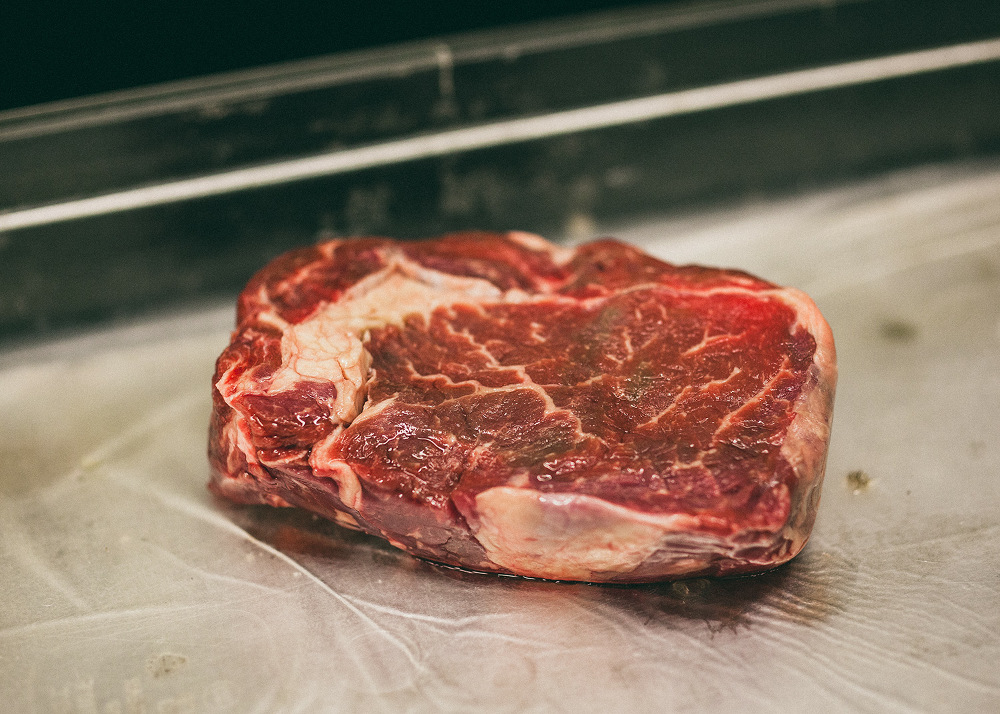
steak

What is the message behind Meatopia?

Ethical farming and ethical butchery. Not intensive farming and not mass farming of animals. It’s the antithesis of everything that supermarkets stand for. We believe in rare breeds being looked after, farmed properly, slaughtered humanely, and we believe in good quality meat.

How does your butcher Turner & George work? Does it supply a lot of the food to your restaurants?

We supply some of the food to some of our restaurants. We try not to get too heavily reliant on Turner & George because they each have a varied supply chain. We also use a lot of Ginger Pig up in Yorkshire.

As long as they’re good butchers, I’m happy to work with any of them – I’m not precious about that sort of thing. There aren’t that many good butchers to go around, that’s the thing.

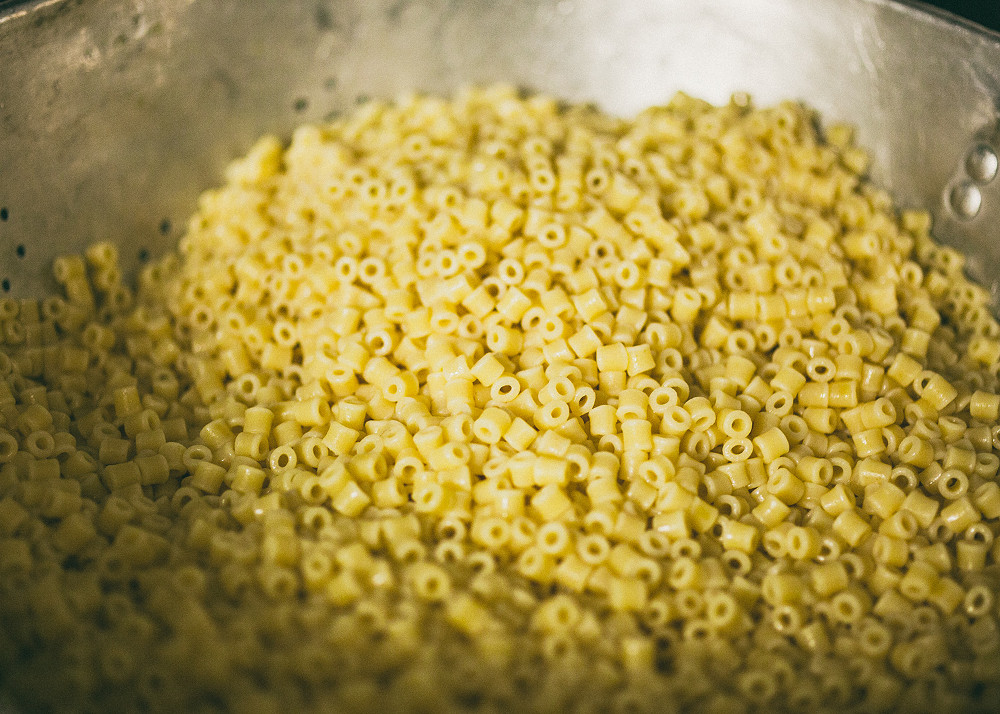
macaroni

How do you go about creating your cookbooks?

It’s almost impossible to make a cookbook stand out, you’ve got to be quite lucky. I tend to write about what I believe in and what I’m passionate about, and if people get on board with that then all the better.

A lot of work goes into it and it’s very collaborative, it’s not about one person. I try to surround myself with good people and I work well with people who believe in the same thing I do.

How is your new venture, Blacklock, different from Hawksmoor?

It’s less reliant on steak. It’s a much simpler offering, but still charcoal grilled meat served on garlic trenchers – we call them the plates. There’s lots of chops. Simple starters. One dessert. Cocktails and wine by the glass.

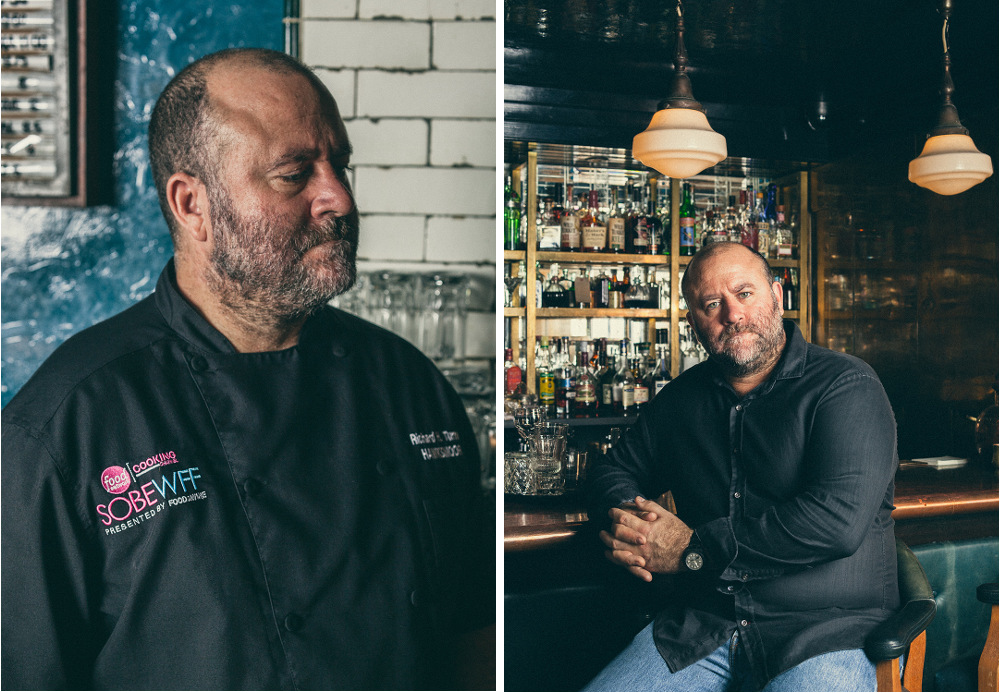
richard turner double 2

What’s next for you?

I’m doing international Meatopias. I’m also looking at a television series and writing a book about beef – farming, cookbook, butchery… It’s a whole thing. All about beef.

Richard’s latest book, Hog: Proper pork recipes from the snout to the squeak, is published by Mitchell Beazley (with photography by Paul Winch-Furness). www.octopusbooks.co.uk

Photography Aldo Filiberto

Questions of taste: Paul Pairet

French chef Paul Pairet chats to PORT about the importance of execution, using multi-sensory technology to surround his food and cooking for more than 300 people at the Palace of Versailles

paul pairet look

Paul Pairet and his restaurants are impossible to classify, and this, it seems, is exactly what he wants. An illustrious career has taken him from his native France to Hong Kong, Sydney, Jakarta, and Istanbul, where he has transformed restaurants with his uniquely global style of cooking.

Today, Pairet has settled in Shanghai, where he has opened two very different restaurants: the modern French eatery, Mr and Mrs Bund in 2009, and in 2012, he cut the ribbon on Ultraviolet – a restaurant foucssed on immersive dining and his avant-garde values.

In Ultraviolet, Pairet – a former science student – uses ‘multi-sensory technology’ to accompany a 20-dish menu for a maximum of 10 diners per sitting. The idea is to create an atmosphere that unites taste with ‘psycho-taste’ – a phrase defined by the French chef as ‘the expectation and the memory, the before and after, the mind over the palate’. One dish in particular exemplifies this, says Pairet, is Cocotte Lodine, steamed lobster, and seawater-lime fizz.

Here, PORT speaks to Pairet about his formative years as a chef, the lessons he teaches now, and his recent collaboration with cognac brand Martell, which saw him apply the immersive ethos behind Ultraviolet and apply it them to a spectacular event at the Palace of Versailles.

portrait paul pairet pics

Where does your love of food come from?

If I tried to identify the starting point, I would date it to when I was nine years old. I would date it back to a time when I received a very important book. It was called Les Bonnes Recettes de Grand-Mère Donald, which roughly translates into English as The Recipe Book of the Grandmother of Donald Duck. It was a present. It showed me the first bit of potential I had to read, write and reproduce recipes. If it had been another book, I would have probably done something else.

Was there a key turning point during your early years as a chef when you decided on the cuisine you wanted to create?

An interesting point would have been my first cooking lesson with a fantastic French teacher called Jean-Pierre Poulain. He put three glasses of water in front of us: in the first glass there was a whole carrot; in the second glass was cut into slices; and in the third glass there was a shaved carrot.

In the first glass the water was crystal clear, in the second glass the water was light orange, and in the third glass the water was deeply orange. Just through those three little demonstrations he was trying to explain to us the importance of the different cuts when it comes to the diffusion between solid and liquid. I thought it was a very interesting approach. Rather than just trying to train us in learning recipe after recipe, we were learning by trying to understand principles.

paul pairet wall final edit

Why is the idea of immersive dining, like that offered at Ultraviolet, so important to you?

The most important thing behind Ultraviolet is that you are going to go through about 20 courses. To cook at my best there, we have 25 persons servicing 10 guests. You visit and you are going to go through a precise sequence that we have decided upon.

What this means is that we can serve each dish at its peak. We also try to push the relevance of a dish to the images we project on the walls surrounding the guests. The consequence of this is that you can master part of the atmosphere, which means it then becomes an immersive experience.

How did you take the principles behind Ultraviolet and apply them to Martell cognac’s 300th anniversary dinner at the Palace of Versailles?

What was very new for us at Versailles was the necessity to produce between 320 and 360 plates at the same time, send them out to diners altogether, and serve them inside the dining hall in just four minutes despite the 200m distance between the head of the kitchen and the last guests seat. Over six courses we tailored the story around Martell and its history.

Ultraviolet is the ultimate version of what we did at Versailles. The precision is extreme, the tempo is very important, and of course, 20 or more courses can get you a little bit deeper inside the different mood we try to create.

But Versailles was extremely fun and rewarding. Ultimately, that’s the way it should end, right? It’s very important, the end. The execution is the only thing that counts. It’s not about being creative: you can be creative every morning. Creativity is just judging the capacity to execute the idea.

Paul Pairet is the founder and chef de cuisine of restaurants Ultraviolet and Mr & Mrs Bund, both located in Shanghai

Piquet by Allan Pickett

British chef Allan Pickett discusses his new Anglo-French restaurant Piquet, which opens following a summer-long residency at London’s Sanderson Hotel

Allan Pickett at The Restaurant at Sanderson London

The finishing touches are currently being made to a brand new restaurant in Fitzrovia, by the very chef that will oversee the menu: Allan Pickett. The location, the interior and even the crockery of Pickett’s new eatery, Piquet, were carefully chosen by him to reflect the menu’s ethos – classic French food with a British approach to modern dining, and an emphasis on fresh British produce. The restaurant’s name cutely encapsulates this approach too… Piquet is a play on Pickett’s surname that acknowledges his central role in the venture, but simultaneously references the simple French cuisine that Allan is so passionate about.

“I love the confits and rillettes that take a long time to produce,” says Pickett enthusiastically, when I speak to him ahead of the restaurant’s launch. “A lovely pot of rillettes with some sourdough toast and homemade cornichons and pickled onions – that’s it for me, I’m in heaven.”

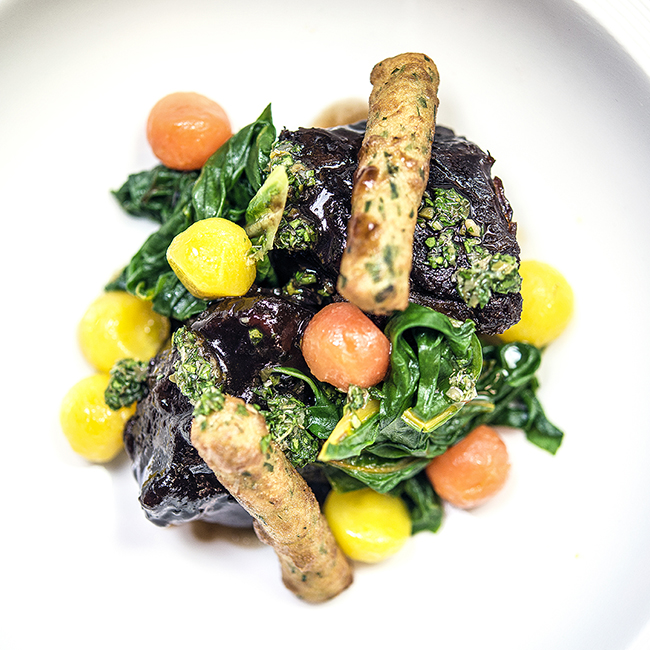
Slow braised daube of beef, olives, herb dumplings, Hermitage braising juices

In addition to being instrumental in the restaurant’s design – right down to the re-varnished and re-upholstered reclaimed chairs inside – Pickett will be overseeing the day-to-day running of the cookery. “Some of the guys in the kitchen have never seen a whole lamb, so it’s a fantastic opportunity to really showcase British produce,” Pickett explains. “We can even break it down in front of customers if they want to see some butchery.” Such is the commitment to fresh produce that he plans to cook fish that has been caught earlier that day.

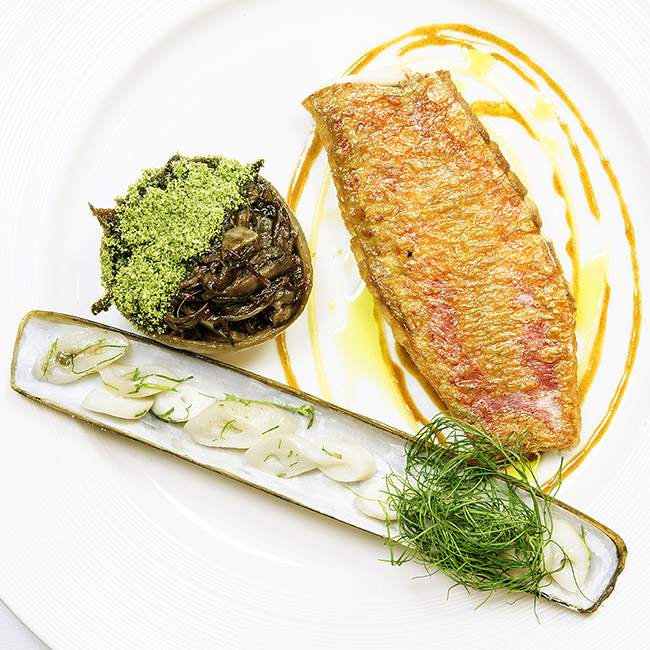
Seared red mullet, oxtail and onion farcie, saffron rouille sauce

Pickett developed a love for French cuisine when he trained with Albert Roux, whose restaurant Le Gavroche was the first in the UK to be awarded three Michelin stars. Since then, Pickett has been head chef of D&D London’s Plateau and Orrery in Canary Wharf, and in summer 2015 he took up residency at The Restaurant at Sanderson, near to Piquet’s location, where he served up dishes including poached cod cheeks and guinea fowl in roast chicken gravy.

The chef’s impressive career has not prepared him for the pressures of running a business, however; Pickett believes the project would not have been possible without his business partner, Andre Blais. “It was always a dream of mine to have my own restaurant, but it’s important to have someone who knows what they’re doing,” he explains. “Someone who can deal with the financial issues… That’s where a lot of chefs fall down.”

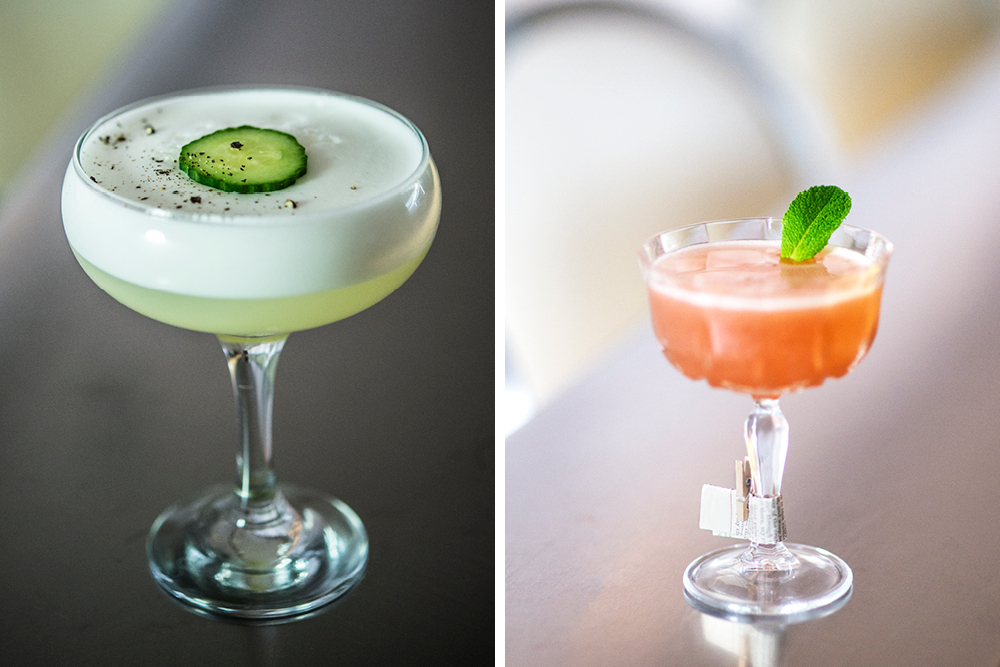
Cocktails by Allan Pickett at The Restaurant at Sanderson

Pickett is committed to ensuring a certain level of honesty in his menu, which, if not a sign of business acumen, belies a keen sense of what consumers really want from a restaurant these days. “There’s so many great cookery programmes and you can buy great food from the supermarkets now,” he says. “If people are going out for a treat, then you have to be honest with what you’re charging.”

This uncomplicated approach, where the passion for food is central to everything, may well become the defining feature of Piquet. “All we’re looking to do at the restaurant is just cook proper food without any airs and graces,” Pickett says. “It’s the chance of a lifetime for a little chef like me.”


Piquet opens on 23 Sep 2015.

Ikejime: The fish and chip revolution

Yoshinori Ishii, head chef at Mayfair-based Japanese restaurant Umu, tells Conor Mahon why he’s bringing a ‘fish and chip revolution’ to the UK

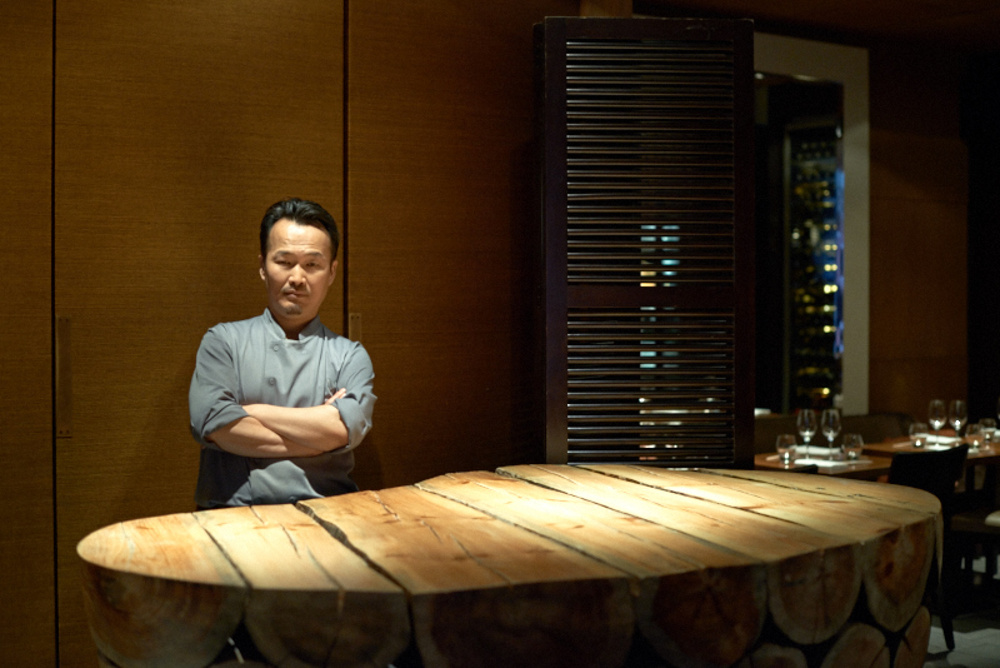
Yoshinori Ishii in Umu, Mayfair, London

In August 1999, Yoshinori Ishii left Kyoto, the former capital of Japan, and boarded a plane heading to Switzerland. Ishiisan was leaving a position as executive chef at Kitcho, one of Japan’s most famous restaurants, where he had spent the last nine years after graduating from Osaka’s TSUJI Culinary Institute. When Ishii landed in Geneva he landed as the official chef at the Japanese embassy to the United Nations, bringing with him fishing rods, kitchen knives and a holistic approach to Kaiseki – the Japanese equivalent to haute cuisine.

_DSC0841

During Ishii’s time at Kitcho, he slowly worked his way up to the position of executive chef. “Each year I did the same thing every day, slowly learning how to prepare food with great respect,” Ishii tells me over the phone. “During my first year, I would travel to the local farms in the morning to select the day’s vegetables. These farms grow traditional vegetables that you find only in Kyoto and have been there for thousands of years.” Basic duties soon flourished and began to interest Ishii outside of work hours. “Whenever I had extra time, I would go and stay at these farms and help,” he recalls with pride. “At the Higuchi organic farm in Kyoto, I learned that in truth, all food is connected.”

Today, Ishii acts as executive chef at Umu – a Kyoto-style restaurant in London’s affluent Mayfair neighbourhood – but during the five years Ishii has spent in London, he has also been organising an Ikejime revolution. If successful, Ishii’s movement will drastically change how we treat fish in the UK, from line-caught seabass prepared in Michelin starred-restaurants, right down to the newspaper-wrapped cod sold throughout the nation.

_DSC0847

A diverse range of activities have fed into Ishii’s unorthodox approach to food. It’s an approach that has seen him go beyond his station to cultivate mountain land owned by Kitcho, select flowers for dinner services and arrange the “cultural assets” of the restaurant’s interior. The results of this unique professional approach can be seen today in the atmosphere Ishii has helped create at Umu. Entering the dining room, guests will encounter the hundreds of pieces of pottery used throughout the Kaiseki service, each handcrafted by the head chef himself. Accompanying these ceramics are daily floral arrangements, picked and curated by Ishii.

When I ask why he chose to pursue a career in fine dining he speaks frankly, explaining that it is a combination of passion and practicality. “I love using my hands. As a child I would use whatever was closest to hand. I loved drawing, pottery and calligraphy… these were hobbies but my main love was fishing,” says Ishii. “Obviously when I caught a fish I’d need to cook it, so at the end of high school I realised that as a chef I could combine all of my passions.” When I ask if he considers his profession to be an art form, his response is quick and assured. “Yes, exactly that,” he says. “It’s all interpretation… you’re deciding by your fingers as opposed to your eyes.”

_DSC0862

It’s 24 years since he became a chef, but Ishii still remains grounded about his craft. “After a year you can do this job, but after a decade you are ten times better,” he says. “Even this morning I was learning; I received a beautiful wild sea trout which had spent its life climbing rivers to spawn, so I presumed the meat would be tough and require quite thin slicing.” He pauses then goes on to add: “Then I tasted the fish and it melted in my mouth. I haven’t prepared the trout, but later on I’m thinking of slicing it thickly because of this fatty quality and I’ve never done that for this type of fish before.”

It seems that everything about Ishii’s character and background merges to affect his cooking. At the epicentre of his method is a passion for good quality fish. “When travelling overseas I will pack my fishing rods in my bags before my kitchen knives,” he tells me proudly. “When I was in Geneva as chef to the Japanese ambassador, I would travel to Lake Geneva and speak with the local fishermen, fish with them and source the meals at the embassy depending on their catches.” After leaving Geneva, he worked for several years in New York before becoming the Omakase chef at Morimoto Restaurant. “I would use a lot of the local ingredients such as live fluke, live blackfish and other fish imported from Tokyo’s Tsukiji Market,” he explains. “The fishmongers couldn’t provide me with good fish, but I could fillet live fish the proper way for amazing quality and taste.”

_DSC0899

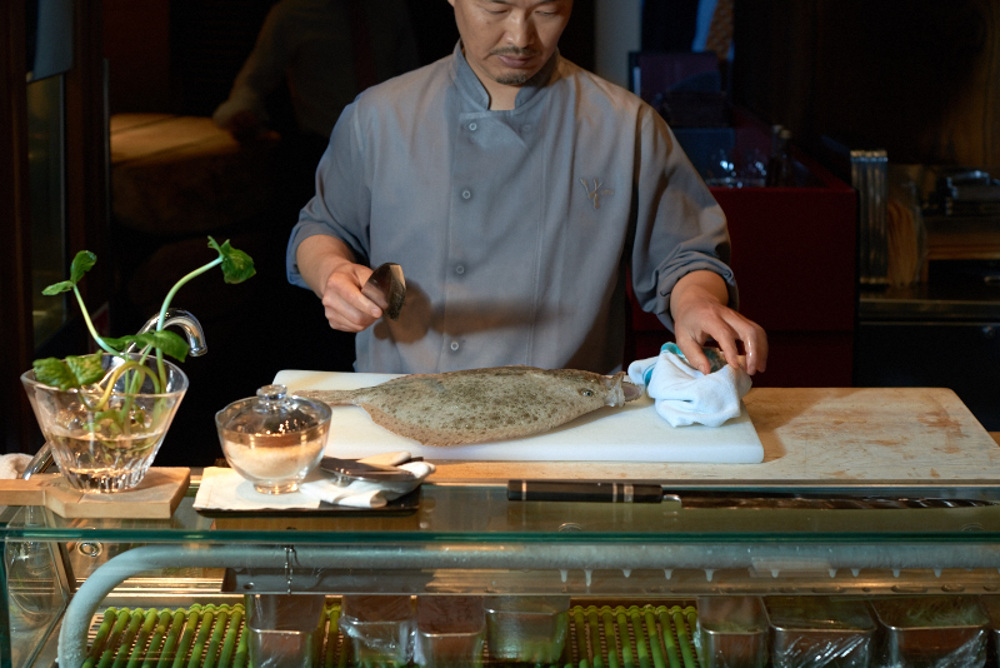
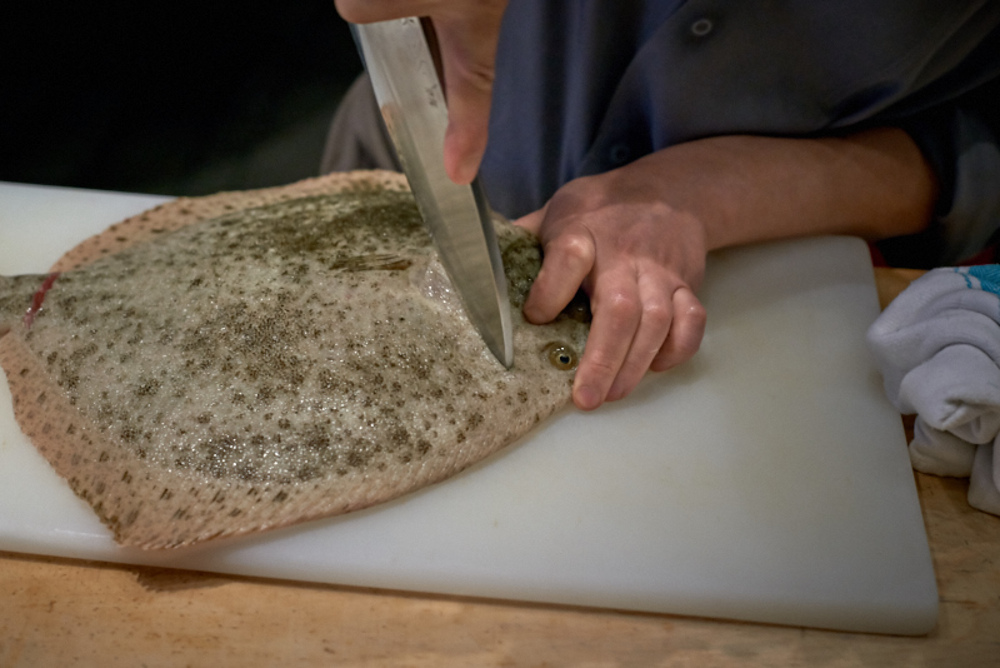
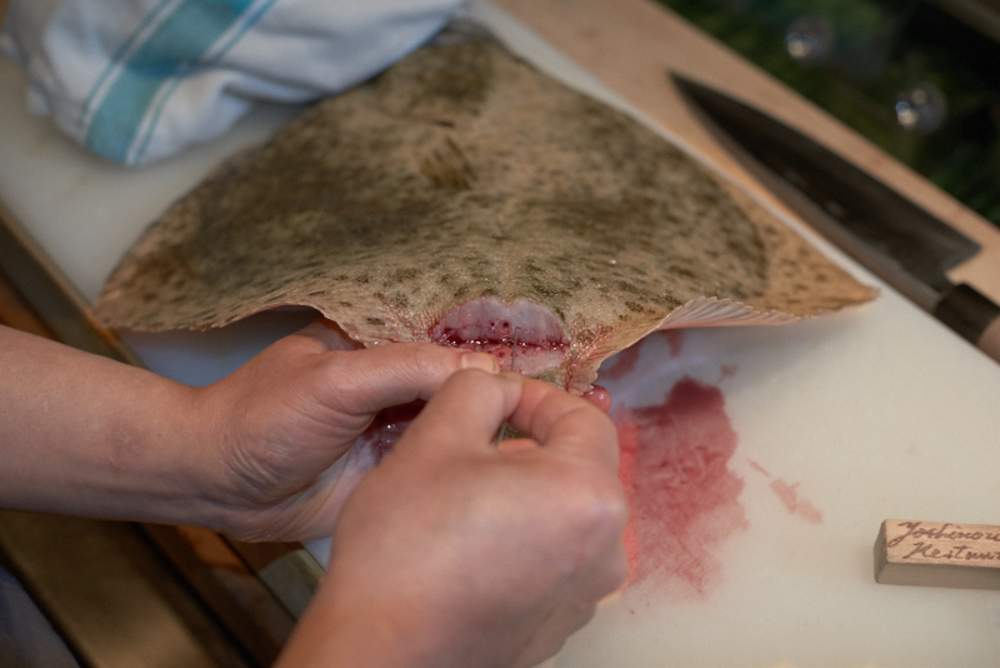
After arriving in London to work at Umu, Ishii was less than impressed by the fish on offer. “There are a lot of boats in the UK who will catch a fish and put it into a container out on the deck, then they pour ice onto the catch. Having taken such a long time to die, the fish experience great amounts of stress. Adrenalin means more oxidisation of the meat and this will ruin the taste and texture,” he explains. “In Japan, good fishermen will kill immediately after taking a fish from the sea, they will also remove all the blood.” What Ishii really wanted to see was fish prepared using a technique called Ikejime. “For Ikejime, the fisherman puts a knife into the neck and tail of a fish then feeds a wire into the spine breaking the nervous system,” he says while demonstrating. “This way, the the brain cannot send a message to the meat and the freshness stays much longer.”

Refusing to accept the standard of fish that was offered by his suppliers, Ishii began to patiently climb the rungs of London’s fish markets: “I kept on complaining to sellers, yet no one could bring me the right type of fish.” He went to Billingsgate, the famous London fish market where “there were some good and some bad fish dotted around the stalls”, but “they couldn’t pick out what they considered to be the superior fish on display” so he decided to take his hunt outside of London and down to England’s southwest coast.

“I focused on Cornwall because it’s a long peninsula,” he tells me. “In Japan I would take the same approach, that’s where the best fish are.” Upon leaving the capital, Ishii’s efforts began to pay off: “I met a fishmonger in St. Ives who maintained a Cornish tradition of carefully handling fish, and so I started to buy from them.” Just like the farms he spent time on back in Kyoto, Ishii became involved with the inner-workings of the Cornwall business he was supporting. “I began to visit their premises and teach their fishermen Ikejime,” he says. “I asked them to use this preparation method for the fish that they supplied us at the restaurant.”

_DSC0915

It wasn’t long before Ishii realised that a single Ikejime supplier would not be enough for his needs; as his knowledge of the UK fishing industry grew, so did his aspirations to alter it. In order to do so, he began to contact every Cornish fisherman he could reach. “I made it my project to share this Japanese technique with English fishermen,” he says. “I went to Cornwall to teach those who were interested.” He named the project ‘the fish and chip revolution’, as his ambitions involve the eventual use of Ikejime at all levels of the fishing industry.

The Ikejime uprising is still in its early stages. Ishii travels to the coast to teach on the boats in person and also talks at both conventions and kitchens to spread the message among those at the forefront of fine cuisine. “It’s a long trip to Cornwall from London and if there’s a rough sea then staying upright on the boat is a challenge… let alone teaching,” he says. “But it’s great to see the local fishermen using different techniques to those I have seen in Japan. I learn so much from them.”

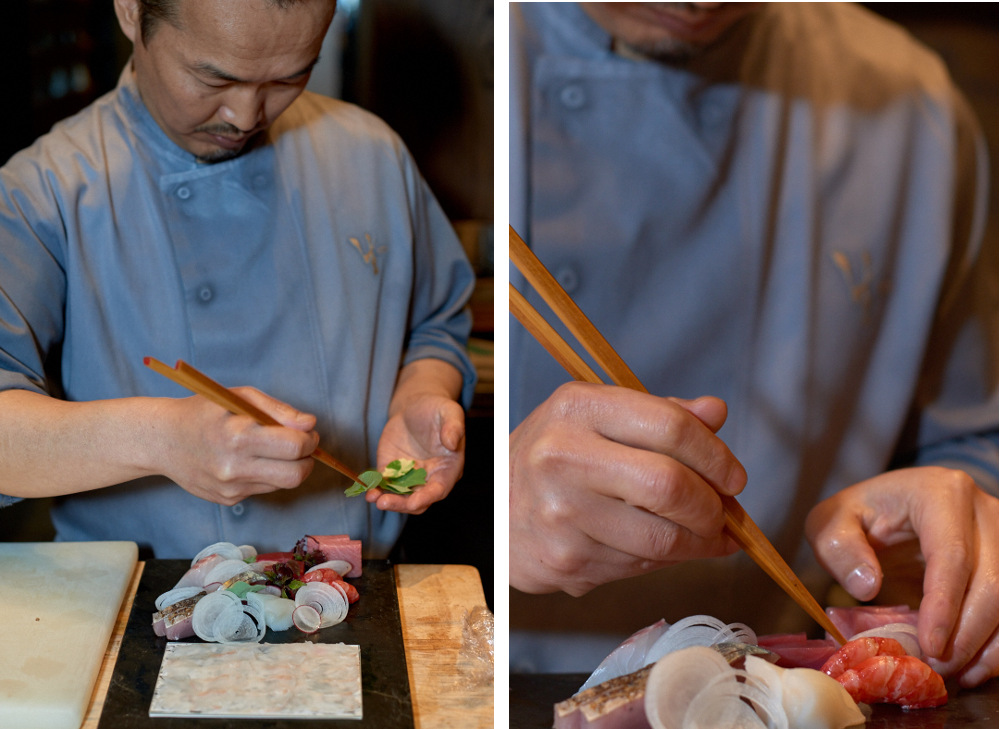
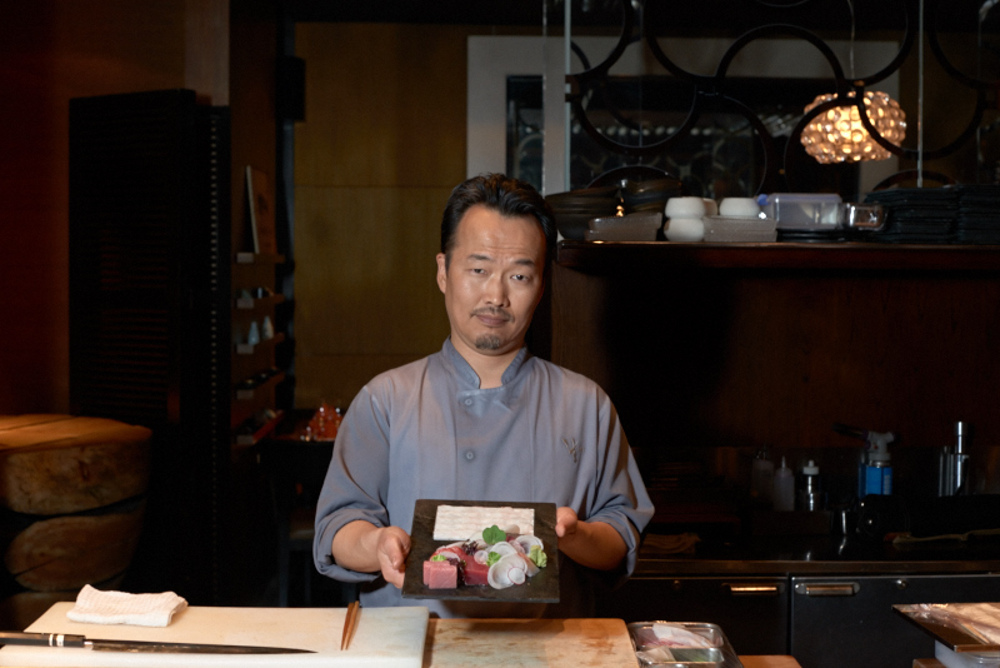
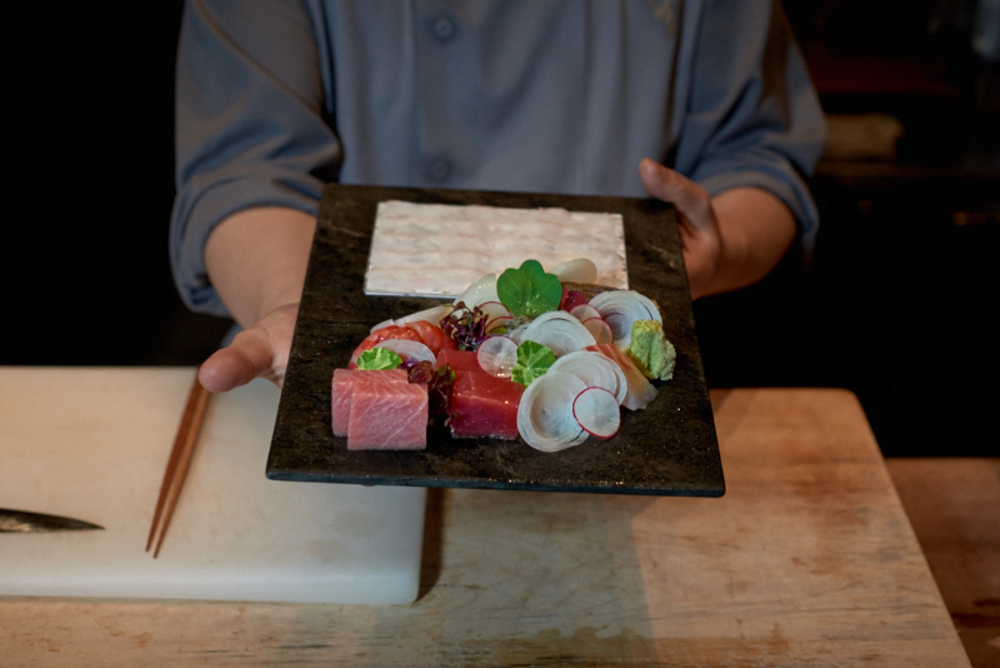
Assorted Cornish and Portuguese Ikejime fish sashimi plate

Ishii’s Ikejime revolution has presented him with highs and lows, and many chefs have been resistant at first to adopting his new techniques. “For some chefs, they will see our fish as damaged because of the cuts in the tail and neck. But for a year I have explained Ikejime to chefs and said to all of them, ‘if you want this quality then we can share’.” Throughout this campaign, Ishii has only bought his fish from certain types of fishermen and is wary of asking people to change how they earn a living. “I only focus on daily fishing, not the big commercial fishermen because I know that whole story,” he adds. “I know it’s how they earn their livelihood and I can’t ask them to change.”

The task that Ishii has set himself and the Cornish fishing industry is a large one, but I hope that with his years of experience, his determination and a lot of patience, this passionate and energetic chef will succeed in changing the flavour of fish in this country for the better.

Photography Jan Klos

Ollie Dabbous: impress with less

Britain’s ‘most wanted chef’ Ollie Dabbous on the importance of exercising self-restraint in the kitchen

Photo by Joakim Blockstrom
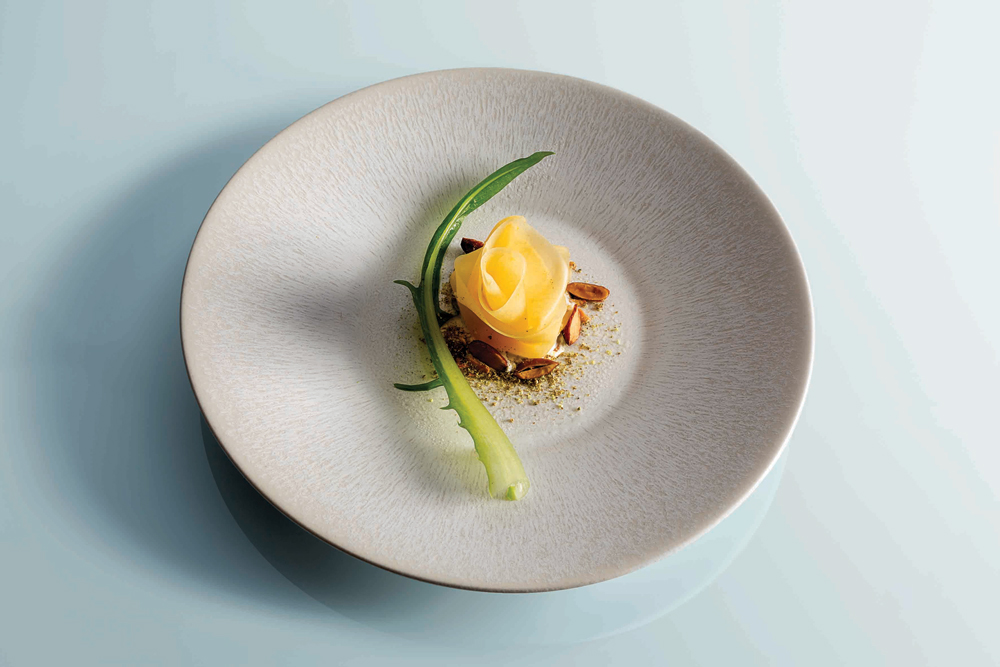
Shavings of Tokyo turnip, marinated in manuka honey and lemon, served with flavoured mayonnaise toasted almonds and meadowsweet – photo by Joakim Blockstrom

Confidence and restraint are the hallmarks of a truly unforgettable dish.

What are you going to cook for dinner? How do you decide? What’s in the fridge? What if you could cook anything… anything at all. Seriously, what would you cook? But it’s not for you; it’s for your guests. They’re paying. You don’t know them. And they need to enjoy it and want to come back: because if they don’t, you will go bankrupt very quickly. Welcome to my world. That said, I find it a pleasure, and furthermore I chose this role. The sense of freedom of expression is more compelling than the pressure of the consequences of getting things wrong.

The ultimate goal is to create a dish that I consider a beguiling combination of simplicity and complexity. The appearance of effortlessness hides a painstaking thought process and intense attention to detail. I don’t serve what the customer thinks they want; otherwise the food would never exceed expectations. I want to give them something they didn’t know existed, or something they didn’t know could taste so good: something greater than they imagined or expected.

To me, the role of the chef is to highlight the very best ingredients in the most honest and concise manner. Some top chefs talk of challenging people’s preconceptions or evoking certain emotions through their culinary approach. It is their prerogative to do so in their own restaurants, but that subjugates the role of the ingredient to that of a tool. Would they feel the same way if they had to grow the vegetables, catch the fish, or rear then slaughter the animals themselves?

Essentially, the point of cooking is to make food taste better – to make it as good as it possibly can, in the most organic way. Sometimes this takes a great deal of work but occasionally it takes very little. Simple perfectly executed food will always surpass complicated technical plates. Raw ingredients, at their peak, have a magnificence that needs just a light touch and sensibility to transform them into something both nourishing and delicious. That very magnificence is lost through over-processing, refinement or gimmicks. Presentation is important, but it is ultimately the gift-wrapping. It is taste you remember. Taste comes first, even before concept. Why make something different or new if it is no better than what has preceded it?

When creating a dish, I first look to what is in season, what is at its very peak. This could be the violet-like fragrance of a wild strawberry, the carnal sensation of tender red meat with a charred crust, or the incredible sweetness of baby peas in the pod. Then I try to showcase those qualities in the most culinary economical way. The fewer distractions the better, this ascetic approach offers clarity of flavour and intention. The focal point will always be a single item: the fish, the meat, the fruit or vegetable. There is a whole back-story of labour and love that goes into star ingredients, from the farmer, the fisherman, to the forager and the butcher. This can unfortunately be forgotten through the ease that we, as chefs and customers, can pick up the telephone to place an order; it is these ingredients that merit all the attention, not the chef. It is then just a case of looking at what compliments them, and how this simple accompaniment, preparation or counterpoint can elevate the dish into something more than the sum of its parts.

When creating the recipe, I start with a blank page. Every dish is its own entity, and shouldn’t be derivative of something else. That said, the finished first attempt of a dish may be very different to how I imagined it to be. It may take several attempts before this evolves into something I am truly proud to serve: something I will charge people to eat and hang my reputation upon. The perfect plate of food, however, doesn’t exist. Furthermore, everybody’s palette is different and it is impossible to please everyone all the time. It is necessary to accept that and simply cook what intuitively feels right. Knowing when to stop adding elements is also crucially important, and this isn’t something that all young chefs have mastered. The youthful desire to impress and stand out in an overcrowded culinary media can outmuscle the inherent sense of restraint that comes through maturity. A good dish can be defined by its simplicity and a sense of ‘rightness’; a poor dish screams at you for attention but says absolutely nothing. It may look pretty, but it will be instantly forgettable, nothing more than future washing-up.

The dish pictured here is an example of my restrained approach. The season for the Tokyo turnip is just a few months in early spring. This small window of availability makes them all the more precious. They are small, nutty, sweet and juicy, much milder and less bitter than the basic variety of turnip, and best eaten raw. In this dish, they are shaved into sheets and marinated in a light dressing made from manuka honey and lemon, then rolled into a floral shape. It is served with a mayonnaise flavoured with virgin rapeseed oil and a scatter of toasted almonds and meadowsweet – a wild English flower with a camomile-like taste.

The dish is simultaneously elegant, clean, fragrant and moreish; the length of the turnip sheets creates a velvety mouth-feel, but the dressing, crisp textures and single bitter puntarelle leaf stop the dish from becoming too cloying. There are only a few elements involved and nothing is superfluous. The dish showcases the turnip, and just how delicious such a humble vegetable can be when respectfully handled. This, to me, encapsulates good cooking.

Ollie is head chef at Dabbous, 39 Whitfield Street, London

This article appears in Port issue 16 – out now

The Butcher’s Hanging Room: Hill & Szrok

Port takes a trip to Hill & Szrok, a butcher-shop-cum-restaurant based in East London’s Broadway Market
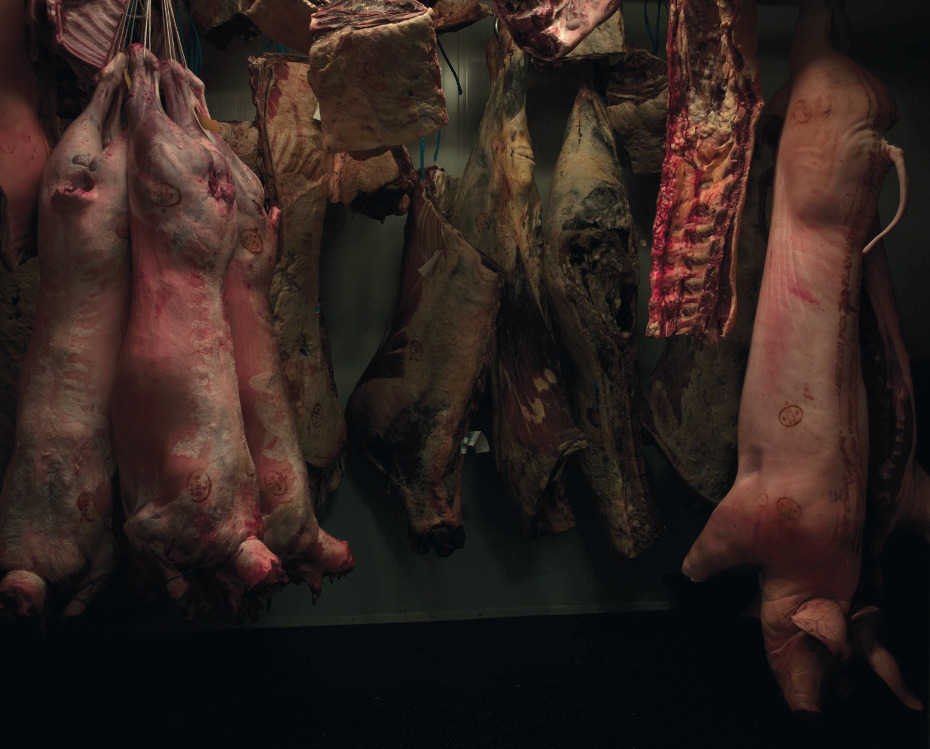
The Butcher’s Hanging Room: Hill & Szrok
In the foreground on the right is a pig and in the foreground on the left are three whole lambs. Just set near the pig is a ‘roasting’. This consists of the fore rib, which is the first five bones from the bottom (rib-eye steaks and côte de bœuf), the wing rib (sirloin steaks), the sirloin (sirloin, T-bone and fillet steaks) and finally the rump. In the background, directly in the middle, there is a forequarter of beef. The main cuts you get from this are the fore rib, chuck, brisket, chuck tender, feather blade, leg of mutton cut, shin, short ribs and clod.

To the left of the forequarter in the background there are some more hanging roastings. To the right of the forequarter you have two hindquarters of beef. The main cuts you get from the hindquarter are: leg of beef, silverside, topside, top rump, rump, fillet and sirloin. Marrowbone comes from both the forequarter and hindquarter.

Hill & Szrok, 60 Broadway Market, London.

Mark Greenaway’s Burns Night Supper

Edinburgh-based chef Mark Greenaway shares his culinary ode to Scottish poet Robert BurnsMark Greenaway Burns Supper

Every year on January 25th, Scots around the world celebrate Burns Night – an evening dedicated to 18th century poet Robert Burns, who is remembered as Scotland’s most important cultural icon.

Burns’ frank and conversational verse is thought to have directly influenced some of England’s greatest Romantic poets, including Wordsworth, Coleridge and Shelley, and led to his countrymen affectionately calling him ‘Scotland’s favourite son’.

While the chalkboards of British pubs would have you believe Burns Night is largely about raising a few drams of Scotch, there’s a culinary side to the event that shouldn’t be overlooked. With this in mind, we travelled north to meet Edinburgh-based chef Mark Greenaway in his newly-opened private dining room, which was created in collaboration with Scotch whisky distillery The Balvenie. There, Greenaway told us more about the traditions behind Burns Night and shared his modern interpretation of a Burns Night supper.

“Burns Night would normally involve a lot of dancing, a lot of whisky, and haggis as a main course,” Greenaway explained. “Traditionally, the haggis would be piped into the dining room by a bagpiper and carried by the chef. The piper would then say the famous Robert Burns poem Selkirk Grace, which is an address to the haggis. The chef then stabs the haggis – as that’s how the poem ends – before sharing the meat around the room. That’s the Burns Night I know.”

Greenaway’s fondness for creating eight-course degustations from Scottish-sourced ingredients has earned his restaurant three AA Rosettes for Outstanding Cuisine, as well as a number of other industry awards. “All our ingredients are locally sourced. It’s something that we’re really passionate about,” Greenaway enthused. “The general public now demands more of restaurants. They say ‘we want local and we want sustainable… we want to know where the food has come from’. It’s no longer good enough to serve food that could be from anywhere.”

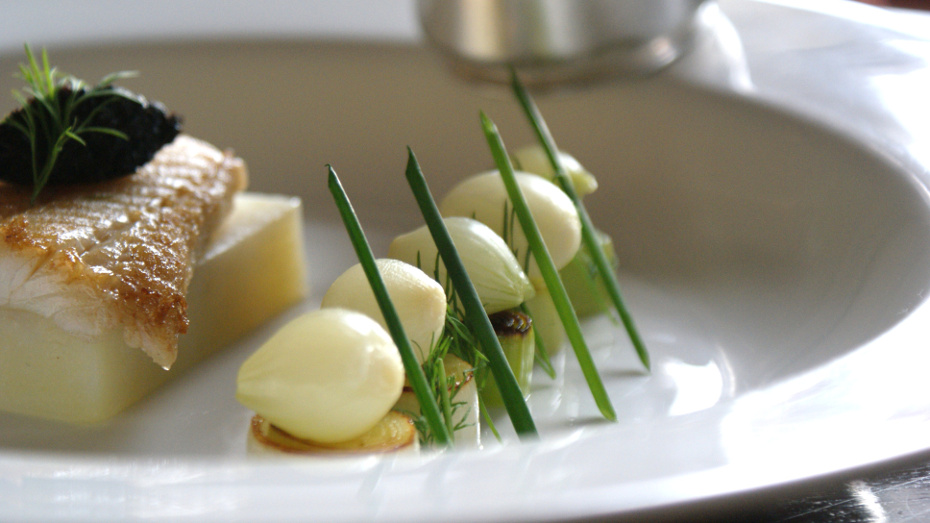
For his own version of Burns Night supper, Greenaway has reimagined Cullen Skink – a thick traditional Scottish soup, which originates from a village on Scotland’s north-east coast. “When it comes to Scottish cooking, it doesn’t get more traditional than Cullen Skink,” he explained. “This soup is stuffed full of comforting ingredients like smoked fish, milk and potatoes. It’s the perfect Burns Night dish as it can warm you up even on the darkest of January days.”

In order to update this Burns Night staple, Greenaway rethought the main elements of the recipe and added a caviar garnish. “The simple ingredients mean that all elements can be rearranged and cooked in different ways to put a modern twist on this classic,” he said. “In my modern version, I cook all of the ingredients separately. I also make a wee traditional soup that guests can pour over the dish. It brings together the best of old and new.”

Some hae meat an
canna eat,
And some wad eat that want it;
But we hae meat, and we can eat,
And sae let the Lord be thankit”

– The Selkirk Grace by Robert Burns

Mark Greenaway Burns Supper
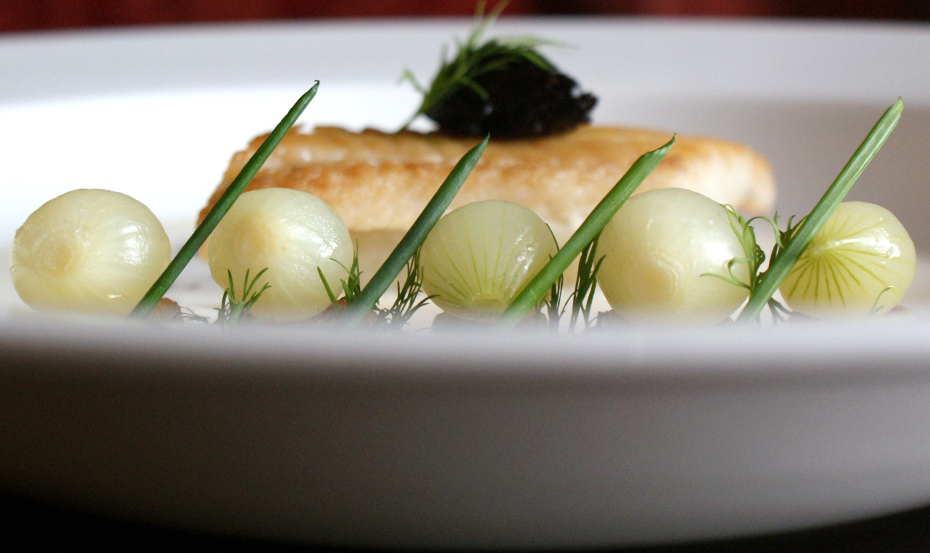
Mark Greenaway’s Cullen Skink
Modern Cullen Skink Recipe

Ingredients (serves four)
2 litres of full-fat milk
4 fillets of smoked haddock (de-boned)
2 leeks
20 pearl onions, peeled
2 large Maris piper potatoes (peeled)
Dill to garnish
Chives to garnish
2 dessert spoons of caviar (optional)[/one_half]Method
1. Cut four large diamond shapes from the haddock fillets and set aside, chop remaining haddock into small pieces
2. Cut four large rectangle shapes from the potatoes (big enough to sit the diamond of haddock on)
3. Cut the rest of the potatoes into a small dice
4. Slice the white of the leek into 20 rounds and set aside, dice the remainder of the leek and set aside
5. Blanch the peeled pearl onions in a little salted water until just cooked, keep warm
6. Blanch the large rectangles of potato in boiling salted water until just cooked, keep warm
7. Put the milk, diced leeks, chopped haddock and small diced potatoes in a heavy based pan and simmer for about 10 minutes. Once tender and cooked, blend until smooth and keep warm
8. Meanwhile place a teaspoon of olive oil in a non-stick pan and cook haddock diamonds on nicest looking side first until cooked halfway through. Add leek rounds to pan and cook until the fish is completely cooked and leeks have nicely coloured
9. Check the milk mixture for seasoning and season to taste
10. Assemble and garnish on deep plates, as per photo. Serve the soup mixture separately and let your guests pour it themselves

Serve with a small quenelle of caviar on top of the haddock

Preparation time: 20 minutes / Cooking time: 40 minutes

Words Ray Murphy