The Vantage of Vintage

Jason Jules & photographer Will Milligan profile nine designers on the creative potential of vintage clothing
Finding good vintage is getting harder and harder. In part this is due to the fact that an increasing number of people are turning away from fast fashion, realising the simple fact that oftentimes old clothes are much better made. It also comes from the desire to have something unique and individual, a limited edition piece by virtue of the fact that it miraculously managed to survive the ravages of time.

As a result of this growing popularity, vintage sellers, fashion designers and wardrobe researchers are now finding themselves competing for pieces with members of the public in places they once regarded as predominantly ‘insiders only’ – places like Clignancourt in Paris, The Rose Bowl in Los Angeles, Portobello Market in London and War & Peace in Tonbridge. These are the places where, if you get there early enough you’ll find yourself rubbing shoulders with a legion of fashion designers all vying for ‘the best stuff’ which is usually gone, so they say in the trade, by midday. Here you’ll come across designers and vintage buyers from heritage brands alongside fast fashion brands all searching for inspiration pieces and detail features. Anything from the shape of a shirt collar to a button fastening, from to the way a coat drapes on the body, to a colour combination ora textile…you name it, vintage pieces can be a wealth of surprises and useful information in the hands of the right designer.

But that doesn’t mean to say that vintage clothing is immune to general trends. Whereas once all eyes were focused on finding mint condition Big E Levis’ denim or WW2 Deck Jackets or work-worn French farmers jackets, with the increasing interest in more tailored menswear, the hunt for vintage pieces like a good Turnbull and Asser shirt, Ralph Lauren blazer, Gieves and Hawkes suit or a Drakes tie, has become a more common pursuit.

In this environment, it’s the people selling the vintage clothing who are the real stars, not the designers. The sellers are the ones with the gems, they’re the ones with the eye and they’re the ones you have to negotiate with on price. And if you’re a regular, they’re also the ones who’ll pick something specifically with you in mind while on their travels or put together a rail of vintage pieces for you to look at before anyone else gets to see them. These experts in the past have developed a way of seeing into the future too, as a really good vintage dealer will also develop a keen awareness of emerging trends, in part because they’ve been in the game so long but also because they know what fashion designers are asking for and buying with regards to looks for forthcoming collections. It’s what you might call the vantage of vintage.

The creative magic of course lies in being able to take a vintage piece, mine it for inspiration and produce something with your own signature and style through out or simply to wear it in a way that makes it your own, even if it were made decades before you were born.
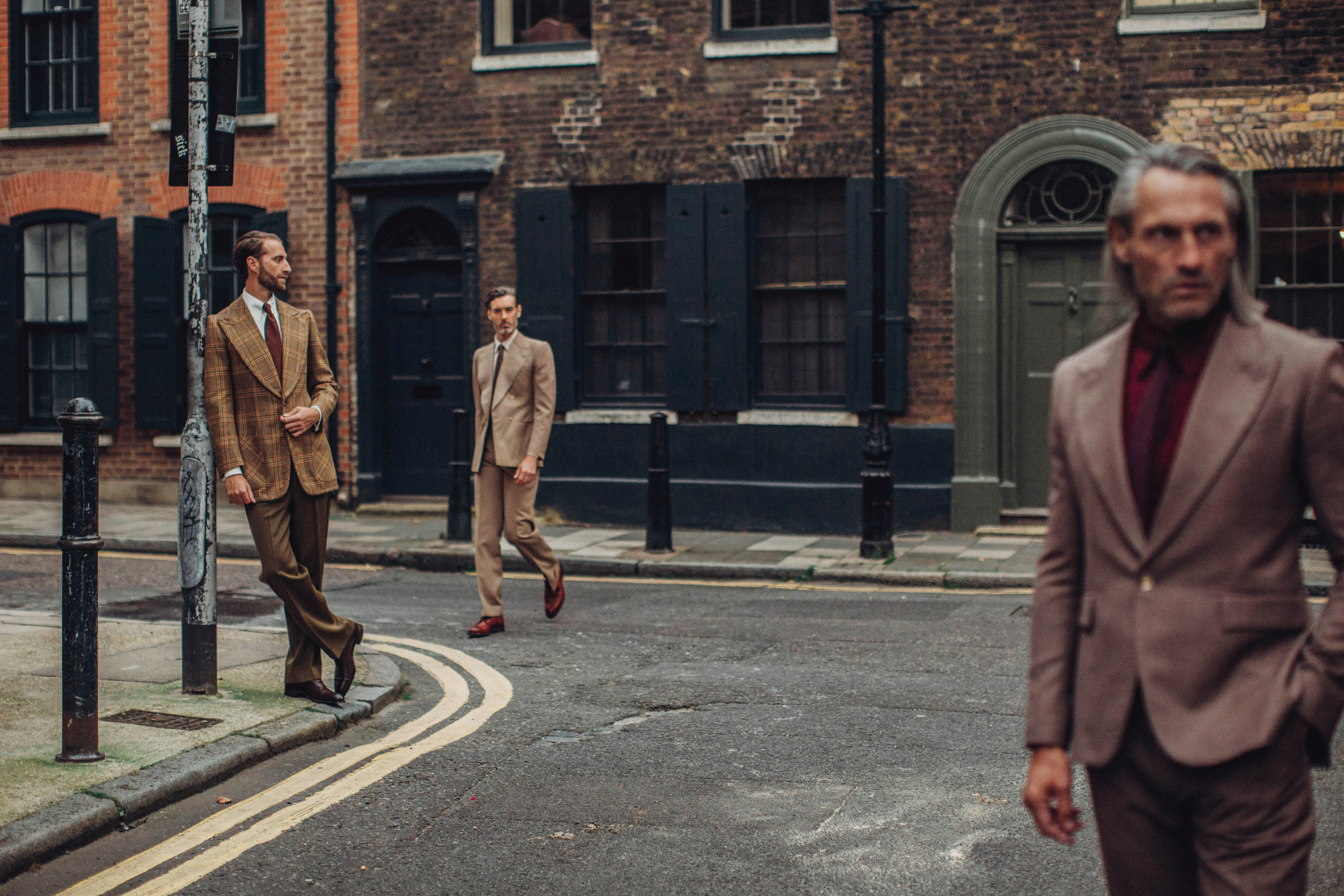
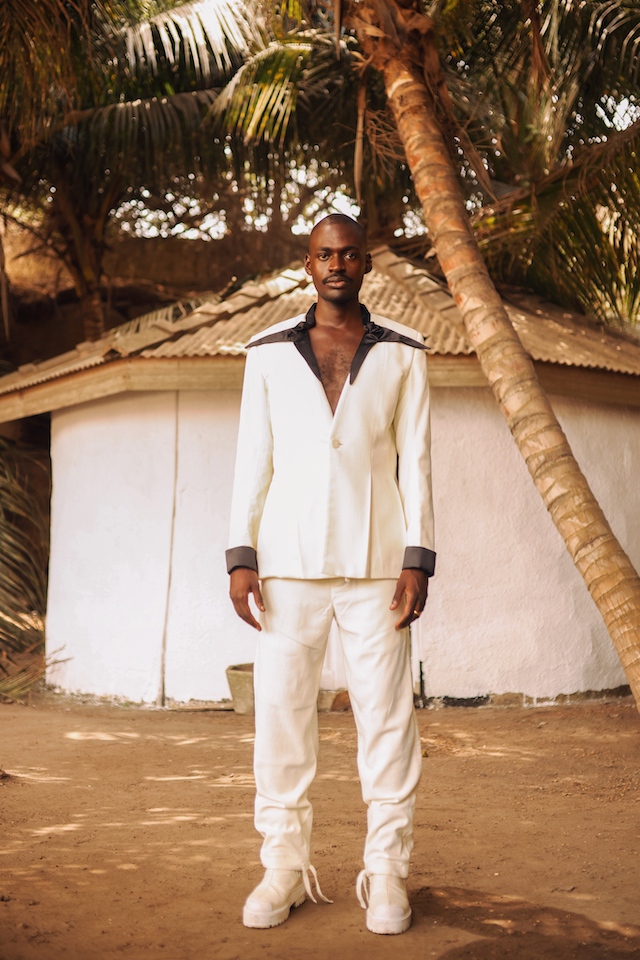
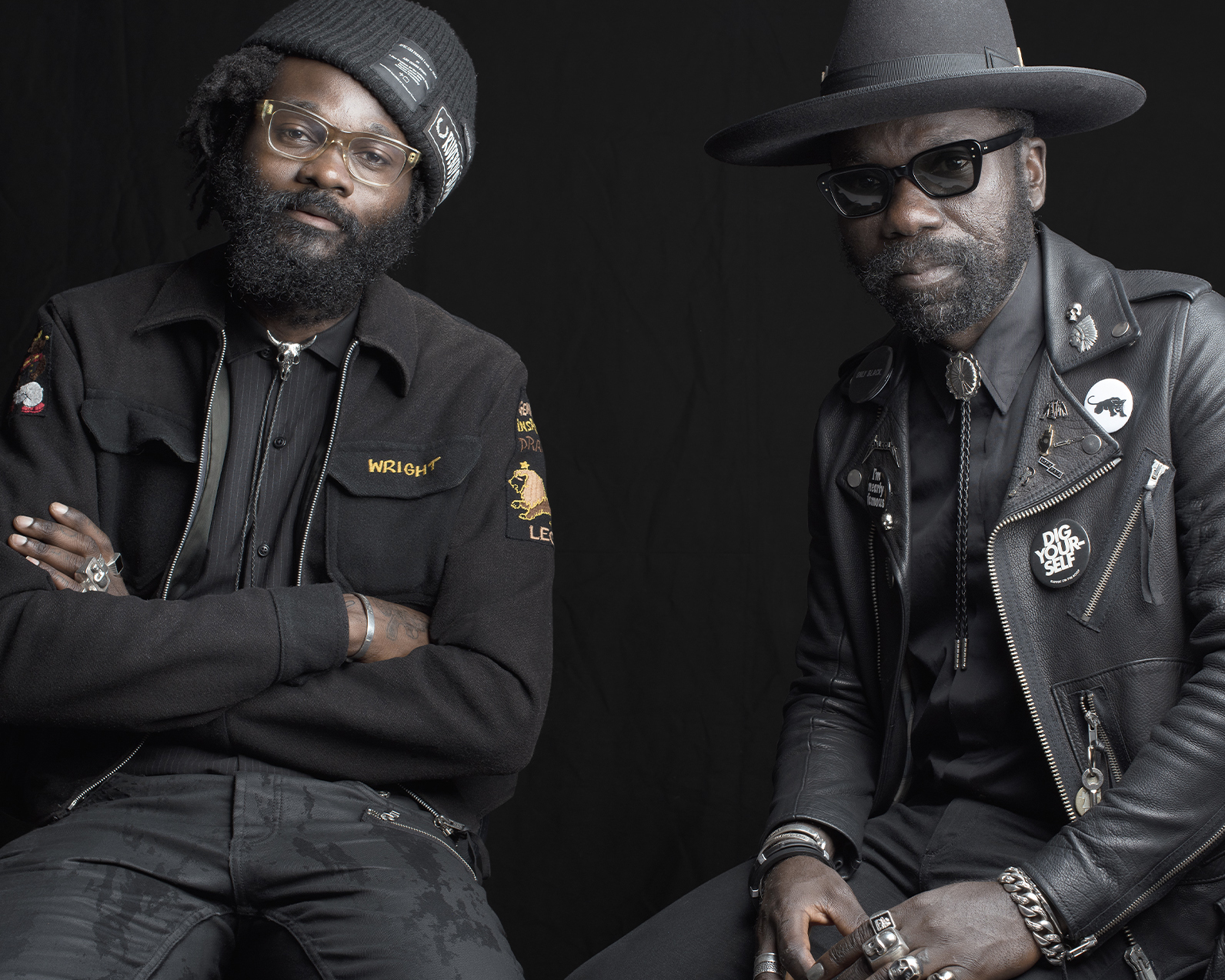
We shot these nine designers and creatives in Shoreditch Studios. Local to most of them, it’s also surrounded by a multitude of vintage stores and flea markets alongside a plethora of independent labels and menswear brands. Besides having an amazing sense of style, these designers and creatives all have one major thing in common – an elevated appreciation of vintage.

On a certain level their love of vintage is about the detailing – those novel and long forgotten features that can only be found by delving into the past. But, it also comes from the awareness that great vintage pieces evoke an energy and a romance capable of informing the creation of something totally unrelated and new.

Each designer wears a vintage piece which, not only incredibly stylish, has also proven to be a personal source of inspiration them.
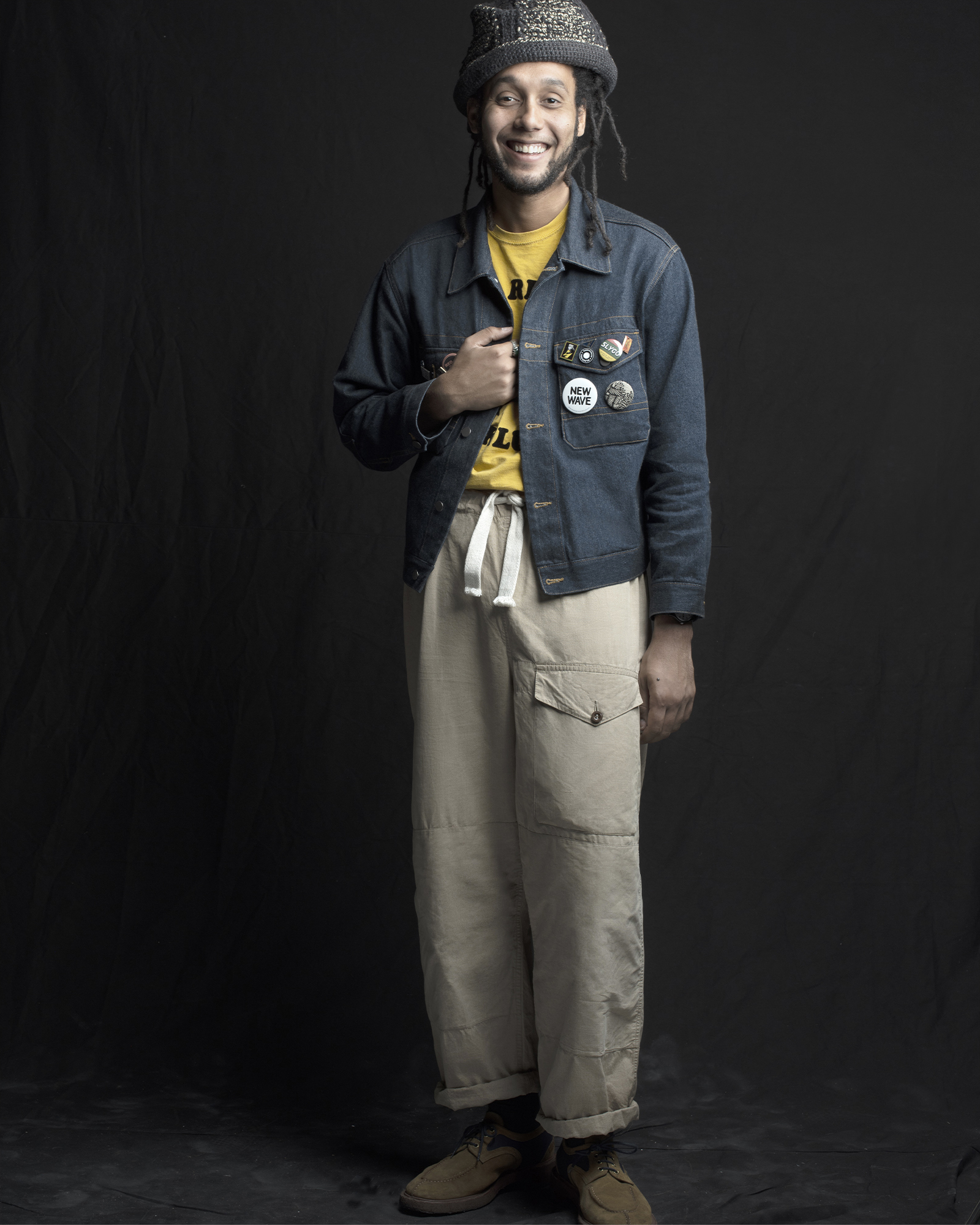
Name: Nicholas Daley 

Occupation: designer, fashion designer

Vintage Piece: 1948 British Army Desert SAS Cargo Pants. I reinterpreted these for my pull-cord trouser silhouette which has been in my collection line for the last few seasons. Its’ wide shape and easy fit has been a great style to add. 

Quote: I always keep in mind when creating my own collections, how can I make garments more sustainable and last just as long as the vintage pieces in my archive. 
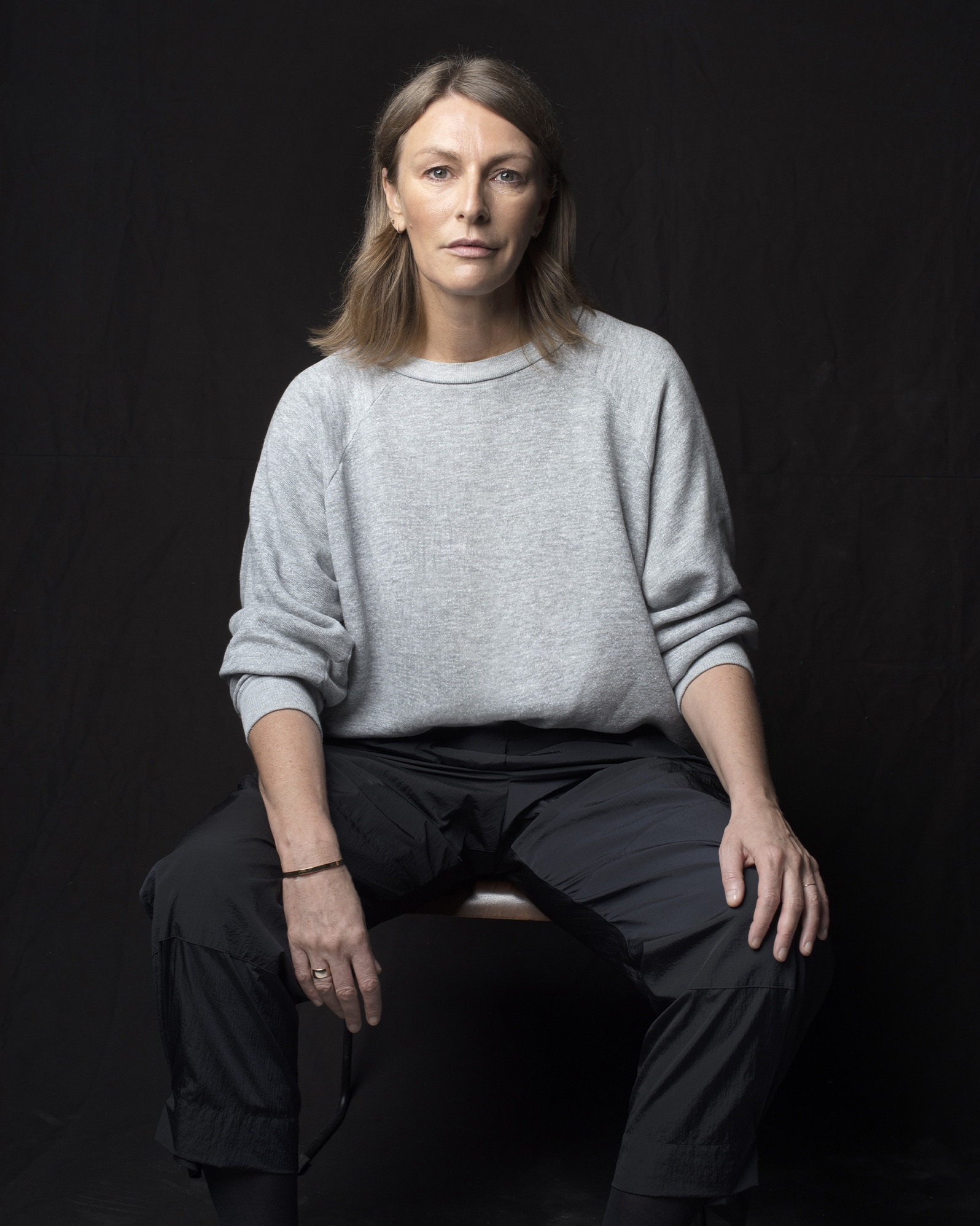
Name: Nick Wakeman 

Occupation: Founder & Creative Director of Studio Nicholson

Vintage Piece: – 70’s marl sweatshirt by Sears. 

Quote:  I bought this sweatshirt around 8 years ago from my friend Joey Grana who has a beautiful vintage store on Melrose Ave. in LA. We made a plated merino / cotton knitted sweatshirt for our Winter 19 collection with the same feeling as this piece.

Name: Shaka Maidoh (L)

Occupation: Art Comes First, Design, and Production 

Vintage Piece: Vietnam US military jacket. 

Quote: I bought this piece at the Rose Bowl in LA about 6 months ago. Found it last year but it was very costly – this year the price had come down slightly – I was lucky to see it again. I’m sure the fit and design will inspire something in our next collection.

/

Name: Sam Lambert (R)

Occupation: Art Comes First, Creative Director

Vintage Piece: The eyewear resulted from me wandering Portobello Market every Friday checking every single stands. I think it’s from the 60s British made.

Quote: Quality lasts longer – this has always been my main point of inspiration…. I’ve often said our kids won’t have any vintage from our generation coz of fast fashion.
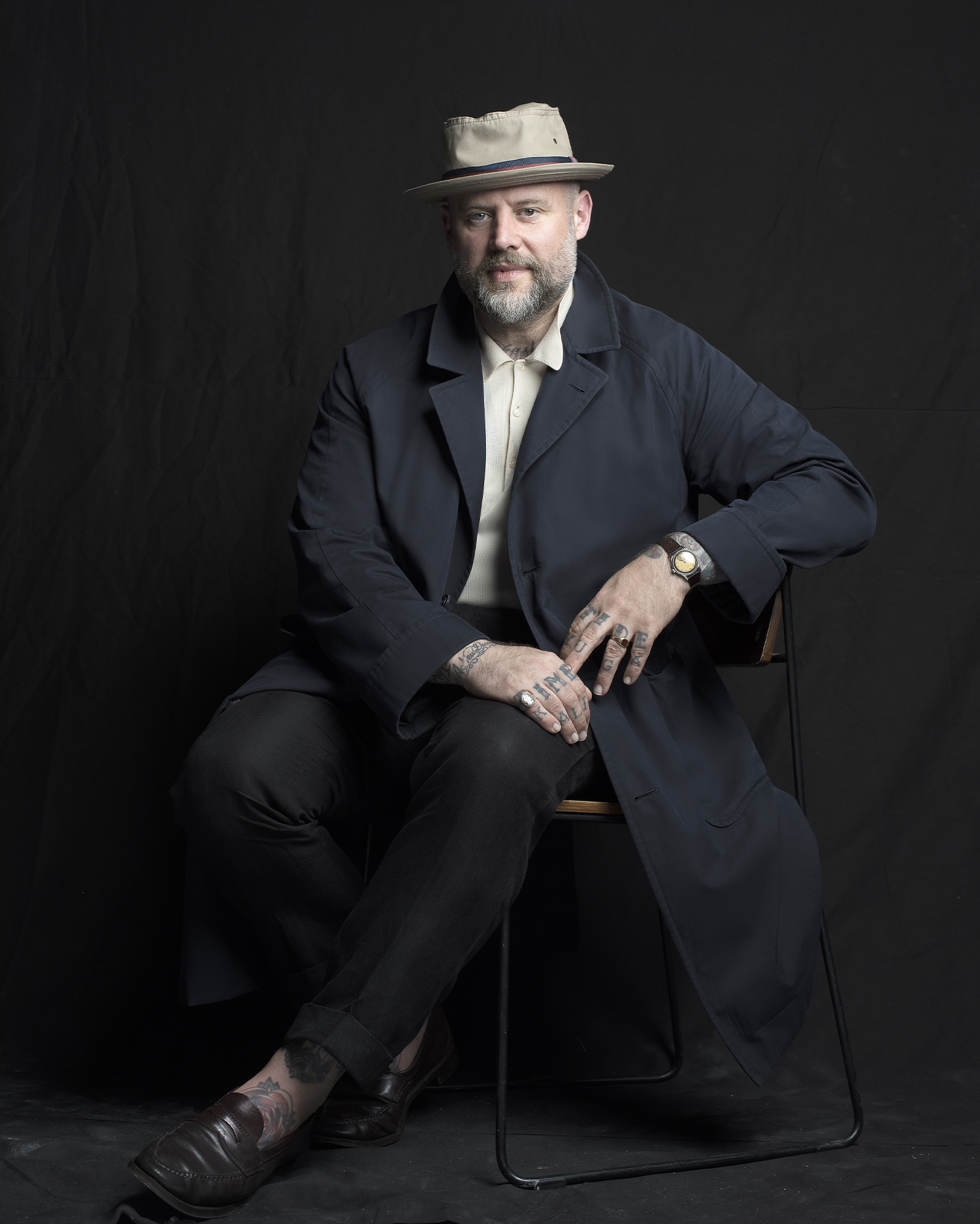
Name: Tony Sylvester

Occupation: Writer, sales associate, musician. 

Vintage Piece: My watch is from the early 40s. It’s an old Tissot Aquasport. It was a gift from a friend of mine, Axel Jansson, who’s a vintage watch dealer of some repute. It was a barn find and had been sitting in a dresser on a Swedish farm for decades building up this killer mustard yellow patina.

Quote: I think my interest in vintage doesn’t come from any allusions to living in the past but from an appreciating of well-made items – pieces that were designed with longevity in mind. 
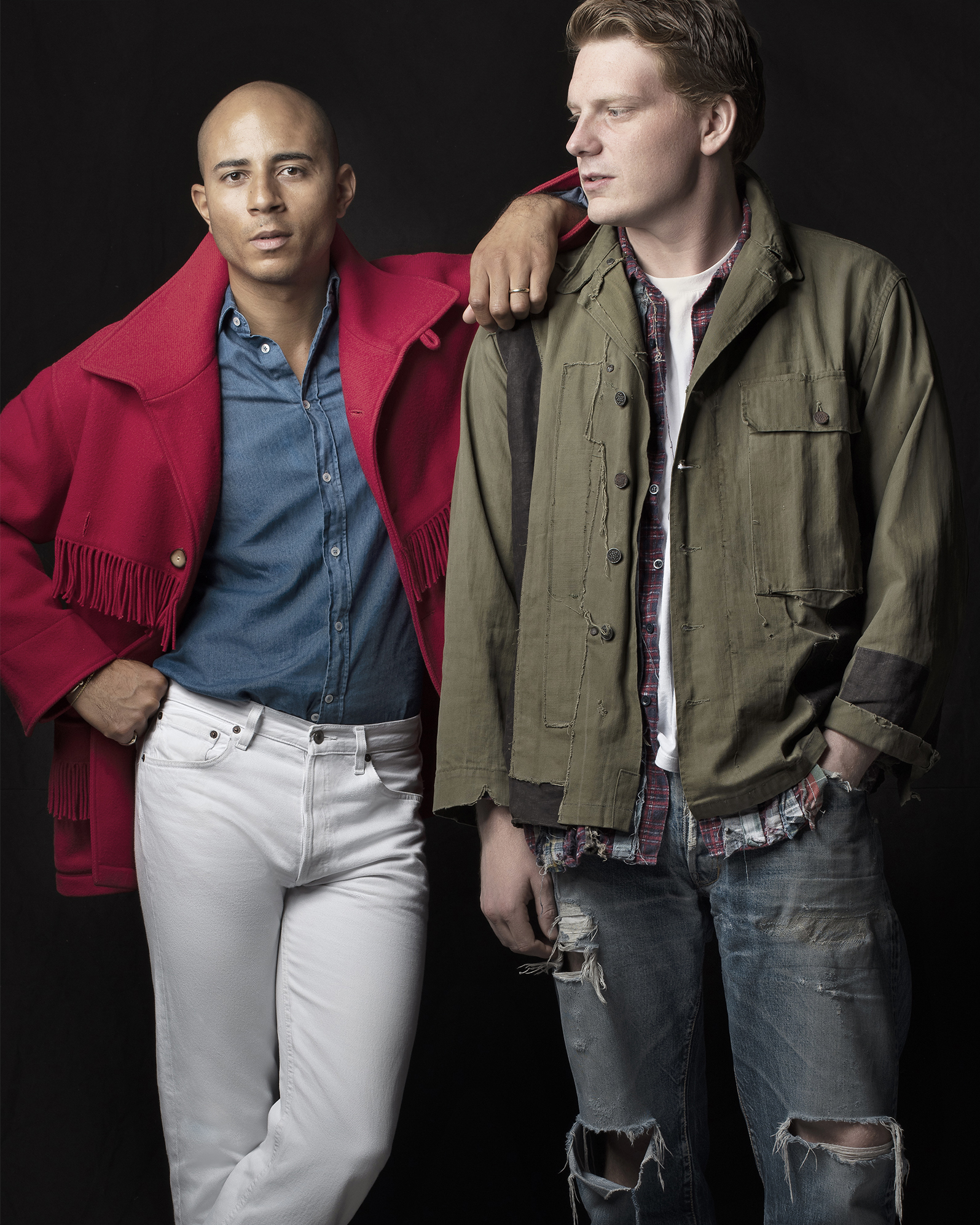
Name: Nicholas Walter (L)

Occupation:  Designer & creative consultant and co-founder of Horatio Footwear 

Vintage Piece: Red tasselled jacket, by Ralph Lauren’s 90’s brand RL ‘Country’

Quote: Great vintage pieces can really make you think about who you’re designing for and also realise that sometimes you just got to make it for yourself.

/

Name:  Billy Pendergast (R)

Occupation: Co-founder and designer at Horatio Footwear

Vintage Piece: The jacket is by Proposition. It’s a reconstructed WW2 Marines jacket.

Quote: Vintage is always on the radar of what we do. Whether it is how we picture our footwear as part of outfits with clothing or old shapes and lasts we find, it’s constantly being thought of.
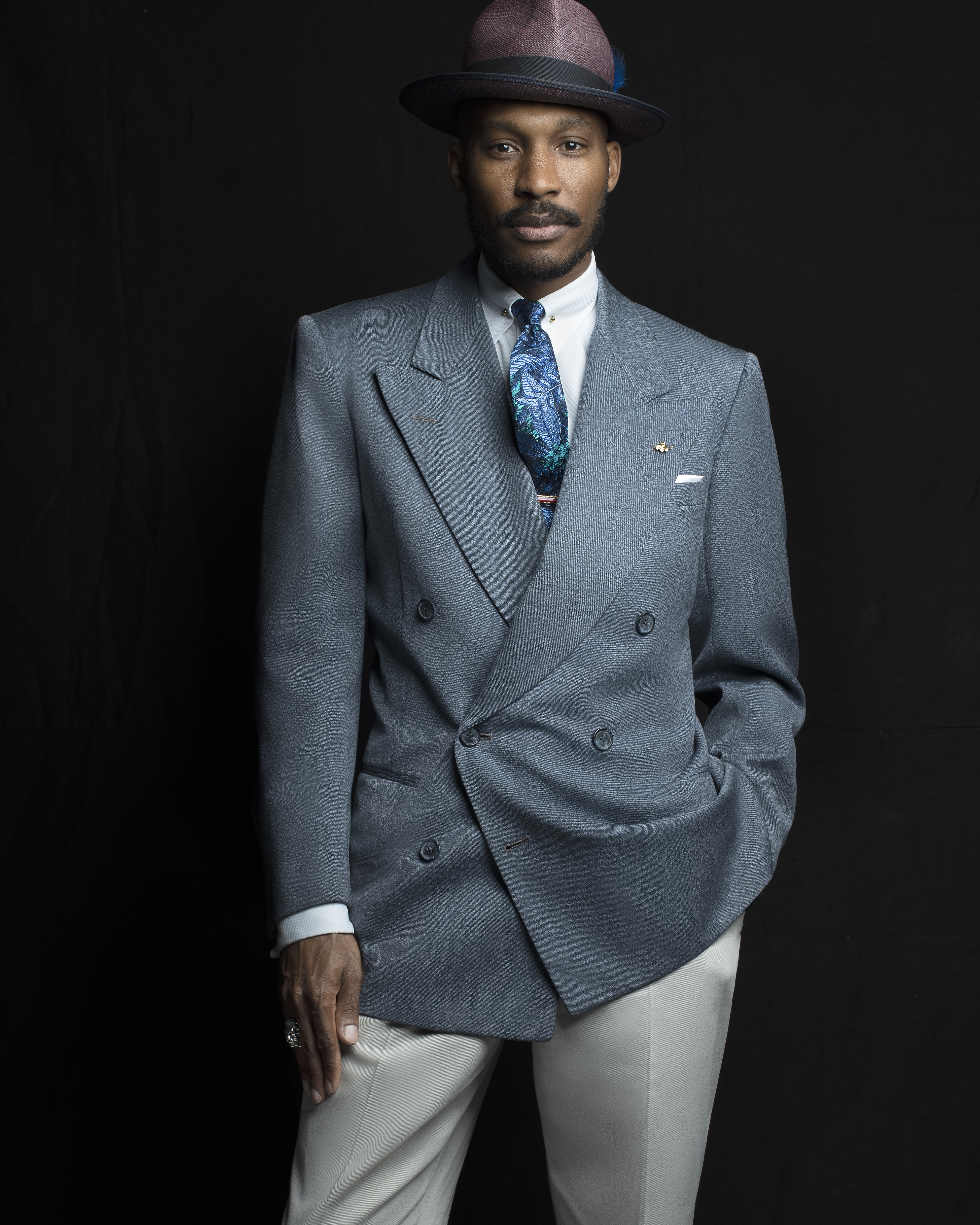
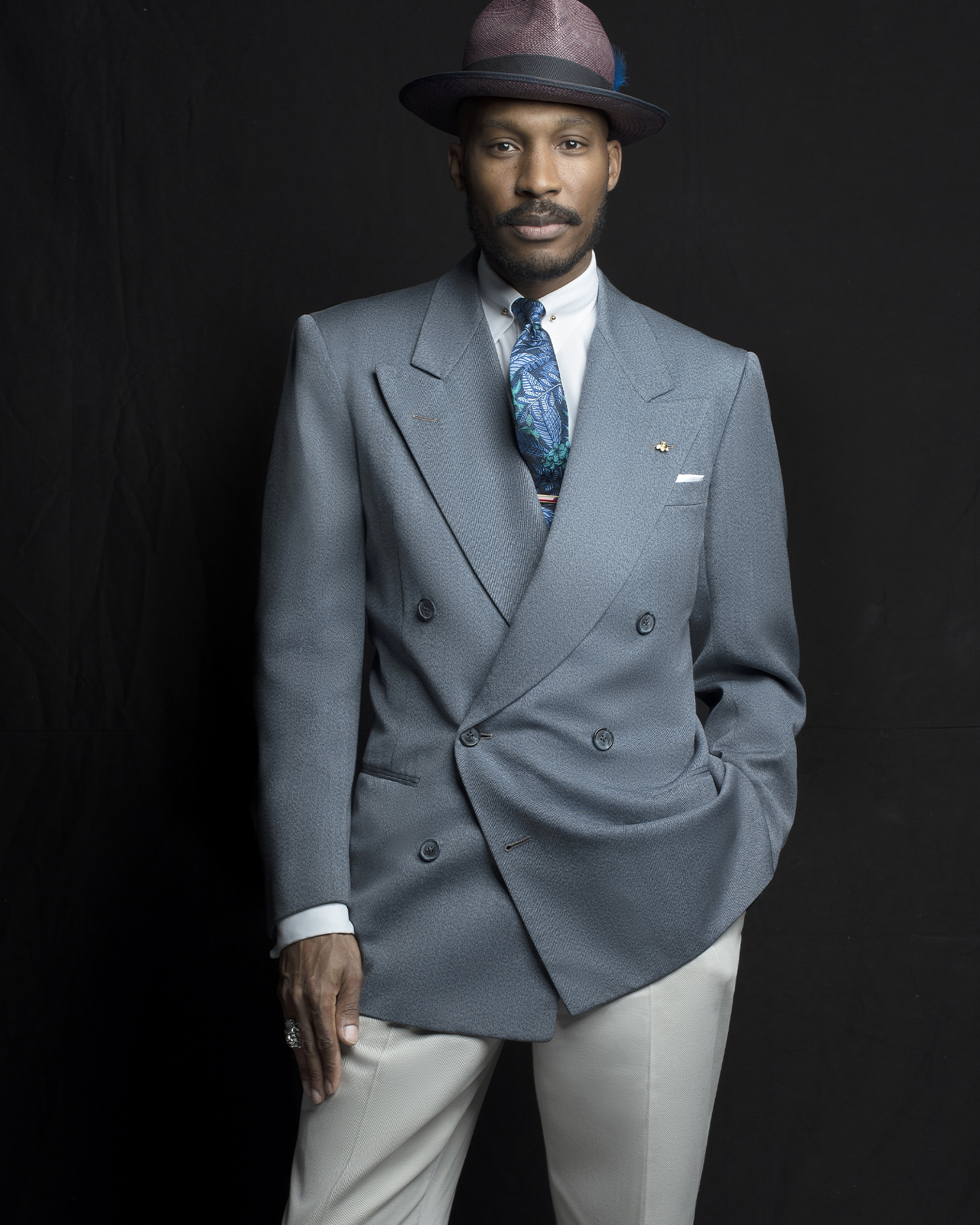
Name: Shaun Gordon

Occupation: Menswear Consultant, founder, designer & tie-maker for Shaun Gordon Ties

Vintage Piece: 1940s double-breasted jacket 

Quote: The craftsmanship of the past produced high quality pieces because the customers expected this. Hence vintage pieces are still with us today. This is the same attitude we have towards all our products at Shaun Gordon.
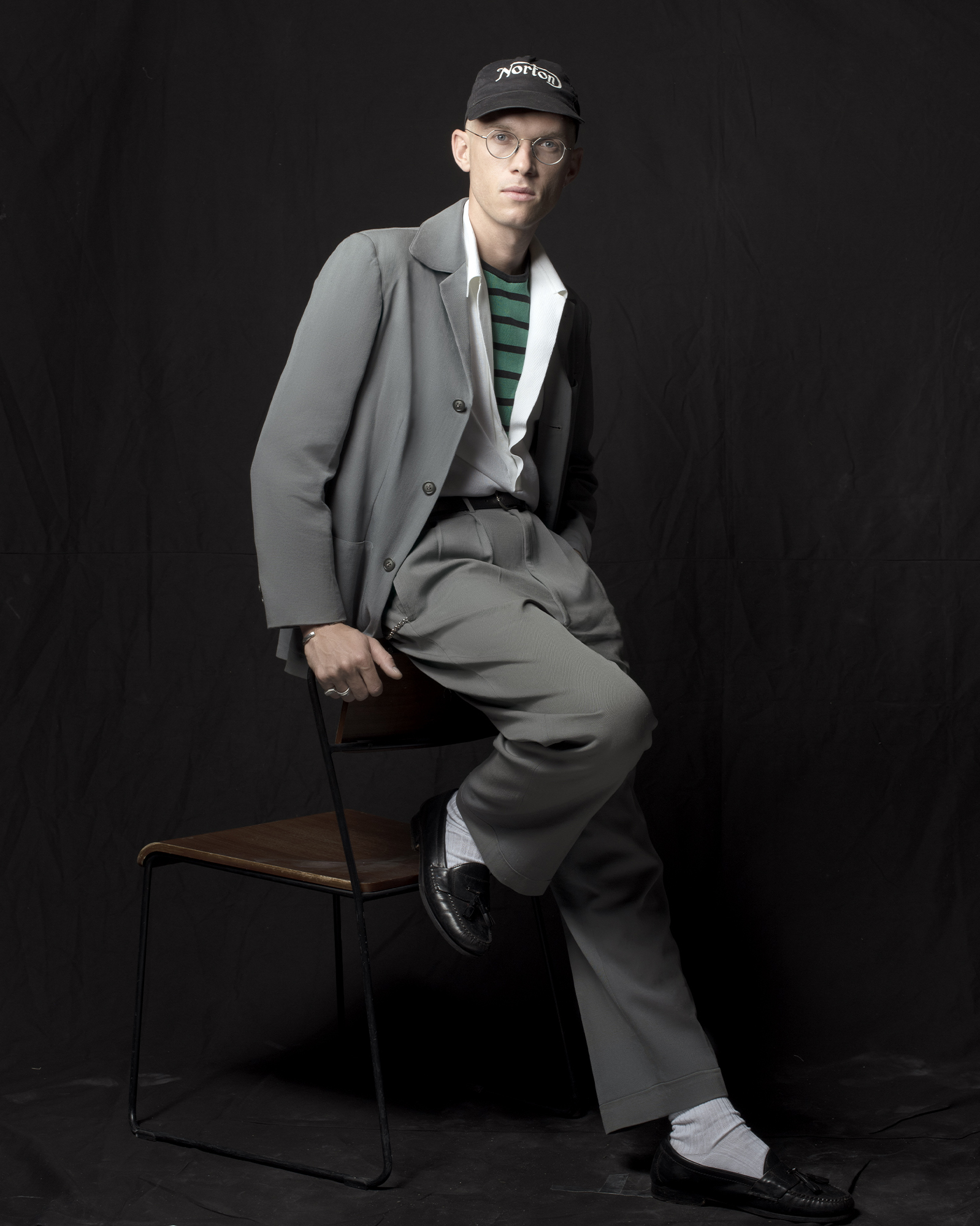
Name: Scott Fraser Simpson

Occupation: Designer for Scott Fraser Collection

Vintage Piece: mid 1950s suit, knit shirt from the late 1960s

Quote: The details and functionality of vintage is there for a purpose, in most cases there is no value engineering, cutting corners or lack of thought in these clothes. The cut, the drape of the fabric, the technical weave of the knit – all of these elements help me to design and make clothes ready for today but with a strong respect and foundation in the past. 

Text & creative direction Jason Jules

Photography Will Milligan

Shot at Shoreditch Studios, Shoreditch

Production consultant, Monique Kawecki, Ala Champ Fest

Special thanks to Issa Kunda

Garçon Style

In a foreword to the new book Garçon Style by award-winning photographer Jonathan Daniel Pryce, Sir Paul Smith explains why photography and fashion have always gone hand in hand for him 

Photography has always been a part of my life. My dad was an amateur photographer who developed his own photographs in a darkroom in our attic. My first camera was a Kodak Retinette. Back then, you had to look through a viewfinder and locate the image. I would save up money to buy a 36-exposure roll of film, shoot it and hope to get something good. I never knew what the result was until I got it back from the developer. It taught me how to look and see. Today, there are many who look but don’t actually see.

I am inspired by shape, shadow and texture. When taking a walk, my focus is less on the clothes that people wear and more on the bigger picture. On the street, I see shapes and angles, size and dimension, rough and smooth. When I first saw Jonathan’s photography, what really interested me was his lateral thinking. The world is there to be photographed if you want it, it’s just about having the eye to spot it. Jonathan captures the context of a location, from architectural details to the vastness of the sky. A stone staircase becomes something curious. Texture against texture, pattern against pattern.

I’ve been designing clothes for what feels like a very long time. I opened my first shop in 1970, when there wasn’t much men’s fashion around. Men were quite nervous about wearing fashionable clothes. Luckily, things have changed. At Paul Smith we have always focused on designing something ‘classic with a twist’. There’s always some kind of surprise. I’m not one for making radical or revolutionary design changes. It’s only slightly bigger – slightly smaller – slightly longer – slightly shorter.

That’s the challenge. It nudges forward, season on season, and men personalise with subtlety. I enjoy the challenge of the ‘nudge’. I like that Jonathan finds characters within each city, the men who put their own unique stamp on a look. His focus isn’t on the perfect way of dressing or obvious trends and statements, it’s about personality.

I still get excited when I spot someone on the street wearing one of my designs – it gives me goose bumps. I love it most when people are able to make it their own, adding their own twist. One of the most exciting things is when we have a sale on and I see a student from Central Saint Martins coming in to get a deal. An art student from somewhere like Japan can come in and buy one item to pair with their dad’s old kimono and the styling becomes genius. For me, the most interesting part of street style is documenting the way someone chooses to wear an item, rather than the design of the garments themselves.  

This excerpt is taken from Garçon Style, published by Laurence King

Photography Jonathan Daniel Pryce

A Point of VIU

As VIU open up their first London store, creative director Fabrice Aeberhard explains what it means to be Swiss and how geography has an aesthetic impact on the brand’s acetate and titanium frames    

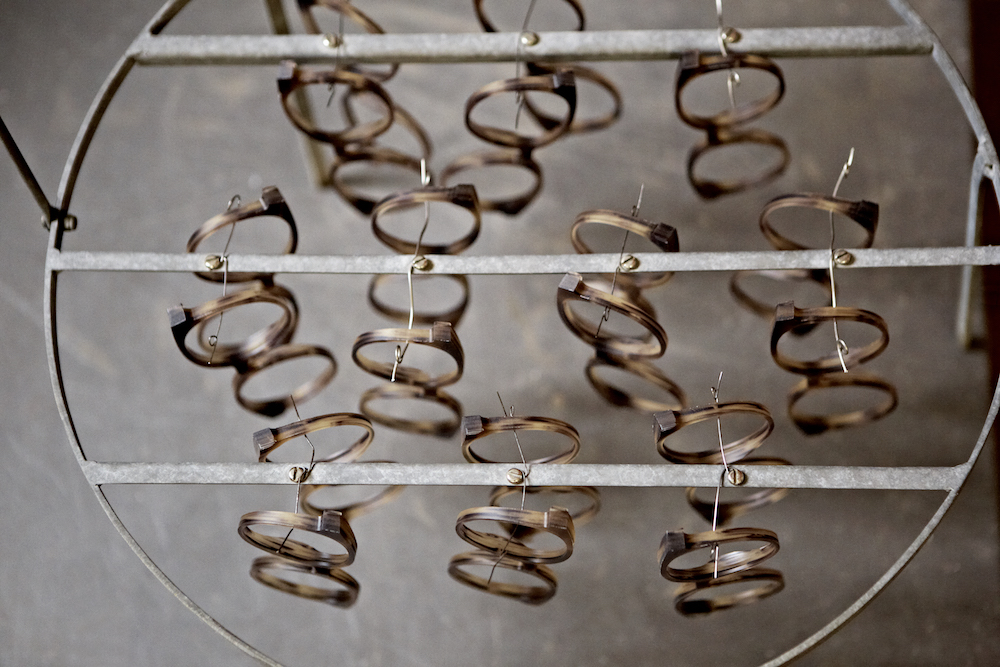
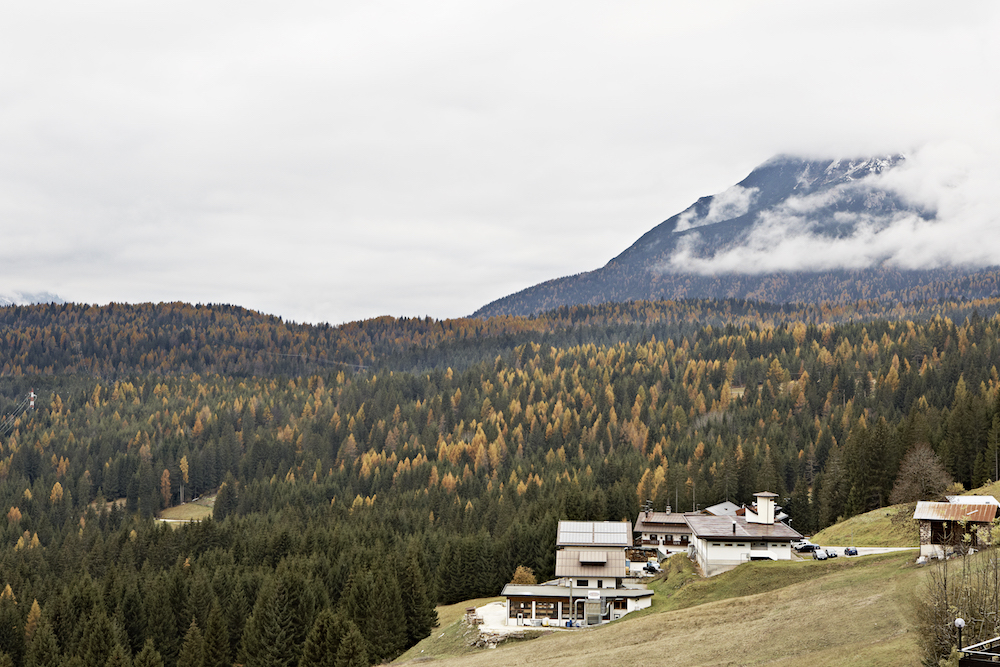
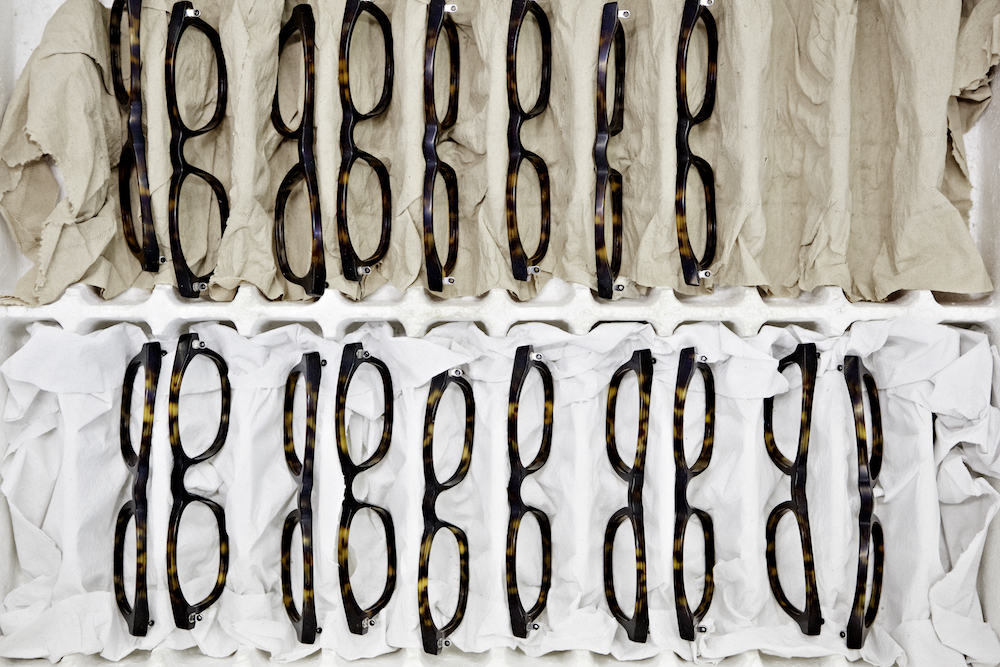
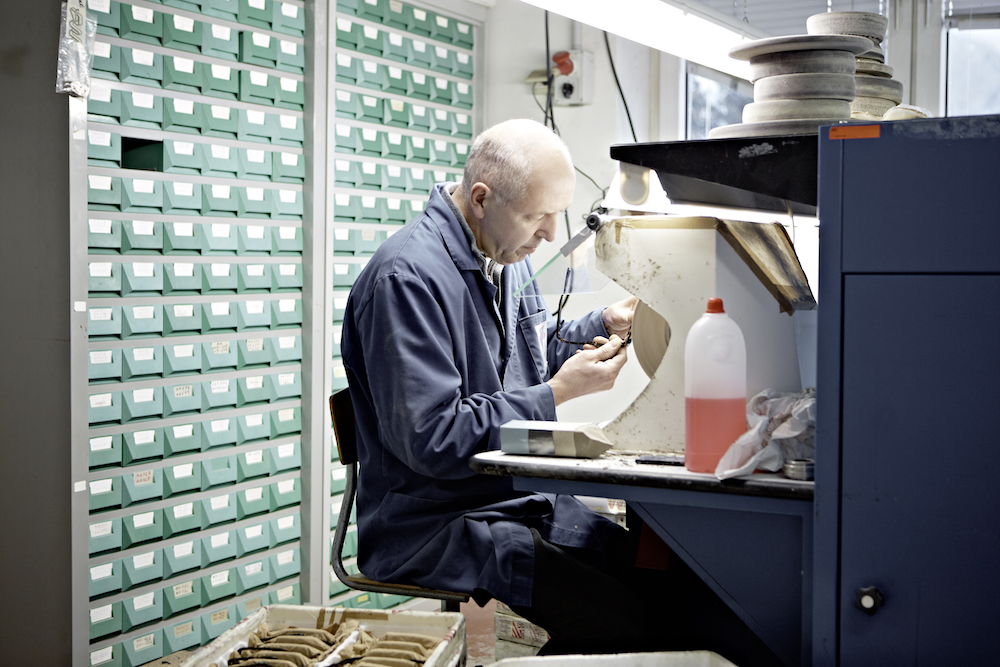
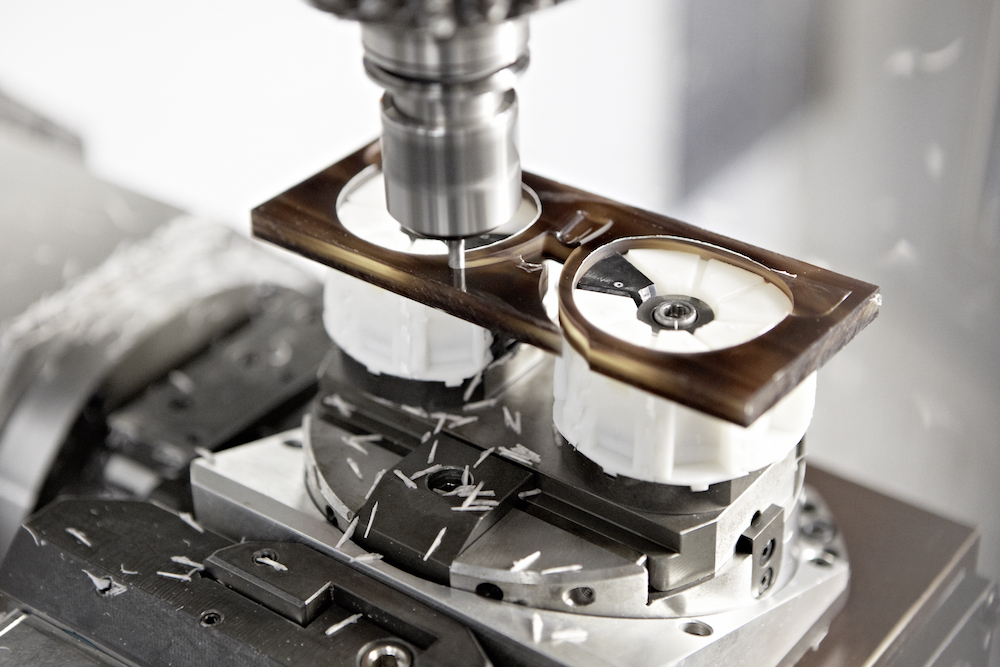
Somewhere in the Dolomites, Northern Italy’s majestic mountain ridge, there’s a family owned factory producing hand-made acetate frames. I can’t tell you exactly where we are: the name of the village is secret, not for public consumption. That makes sense: eyewear production is like anything else, you don’t give out your sources. This area of Italy is home to countless factories, producing spectacles for both large fashion conglomerates but also smaller niche and independent brands, like VIU.

The Dolomites have 20 peaks that are 3,000 metres or higher. It’s perfect for seasonal adventure activities, like skiing in the winter and hiking in the summer. But eyewear production, that’s an all year around job for the 13 people working in this factory. Touring the space you get a feel for the challenges of scaling hand-crafted quality into a sizeable business. Zurich-based VIU seems to have nailed it: though only founded in 2012 they have over 50 stores – including a new London location opening up this week in Soho.

VIU makes their acetate frames here. The titanium ones are produced in Japan. In fashion, those two countries are the very best for manufacturing in, and the same goes for eyewear. Add to that the perceived minimal design and efficient quality that comes with a Swiss passport, and VIU ticks a lot of boxes. There’s an old school classicism to the brand, at least its backbone offering, that cements VIU as a wardrobe staple, the kind of pieces you can wear wherever and whenever.

Creative director Fabrice Aeberhard’s vision is clear-cut: the classic designs are a foundation to stand on while experimenting with more directional looks going forward. Based on innovative techniques and raw materials such as acetate, titanium and stainless steel, VIU has managed to navigate a market that is often dominated by large global luxury brands and high street opticians by finding the right balance in terms of both design and price points. VIU isn’t cheap, but it’s certainly not expensive considering you get frames designed in Switzerland and made in Italy or Japan. Ahead of the store opening, Aeberhard explains why making frames is as much about making people feel comfortable as making them look good.

Why did you get into the eyewear business? What do you find fascinating about frames?

If you look at the everyday products we use, what is more extreme than something that sits in the middle of your face all the time? You need to get it right, or people will look strange and not feel right. It’s quite the responsibility!

Yeah, there’s a lot of trust put into you because not only is it an aesthetic thing, there’s a medical side to it, it really has to work … people depend on their frames for survival. Or at least I do, as I’m severely short-sighted

Me too! But I’m always trying not to give the full potential to my eyes because I want them to have to work a bit. So, I wear my frames maybe a third of the time that I should. I don’t have strong correction in my eyes. I need them for when I’m driving or watching TV. But for moments like this it’s OK that it’s not 100% focused … I like not seeing everything super sharp because sometimes when you walk around it’s quite sad how dirty everything is. 

I’ve heard it from a few people actually, that they like living in a sort of fuzzy world… 

Yeah, life becomes a mix of colours, like a Jackson Pollock artwork.

Yeah exactly. Well, when you put it like that it’s quite nice. Life is like one constant artwork

I think frames have something very magical about them. You can either emphasise a character, making them stronger, making a man more male or women more female.

You say that but if you look at the VIU offering it’s a very classic type of eyewear?

That is the beginning. When we built VIU, I always said our first three collections should be contemporary classics. Just because if you start with an edgy collection it’s very hard to survive. But if you start with something that has more of a classic character, the foundation becomes more stable. That was my logical approach to building a base that we can actually make a business out of. We can build stores, we can build a strong machine and then we can start to create character and edge lines. So this is what we have been doing for three years, based on Italian classical art and languages and the natural approach of things.

When you design frames it seems to be very much in the twilight zone between fashion and product design. Would you ever want to work with clothing? 

What is very interesting about clothing is that it’s basically about reinventing yourself every season, which is sick, but in a certain way there really is the need to actually reinvent everything.

There aren’t that many Swiss fashion brands around, at least comparatively. How do people perceive Switzerland and, as a consequence, your brand?

Switzerland is seen as a humble place; it’s very simple, structured and it’s focused on the essential question of what defines something. To be Swiss also means to be very secure, always projecting five years ahead. And obviously that mindset has an impact on how we run our company.

It’s also a very fortunate country from a geographic point of view – you can borrow the pragmatism of your northern German neighbours but also the flare of the Latin countries

Yes, geographically, the surface that we are covering is very small, the longest distance measured in a line is around 400km. But in this very compact world you have so many cultures clashing together; we have a French part, an Italian, German and Austrian part that are all quite big, but also a Latin background that is still part of our culture. But once again, it just shows, you know that Switzerland cares about the future.

You know, if you look at politics, it is also our way of thinking of the future, as being neutral, as being negative but also a very positive side, we would never be too strong in one direction, so it means that when we move on it is quite secure and the population decides on the big topics. We do not have one guy at the top that is just shouting around, deciding on the direction of things. We have the “Bundesrat”. We have seven Presidents, and one is always elected for one year as being the one ahead but he is not the one deciding, he is more like the leader of all seven for one year. And the departments are exchanging every year. This is also part of our system, that you cannot create a system that is corrupt. So with politics as with everything else, we are quite slow in changing, but that can also be a good thing. 

As a brand, where do you position yourself? Your price point is not cheap but it’s not too expensive either; it’s affordable I suppose?

I would say the most important thing for us is talking about prices being fair. It’s not about being expensive or being cheap, it’s a lot more than that. It’s about being fair and conscious, and explaining to people what they are paying for.

Is there a frame, that you would say sums up the brand?

Our titanium frames are very strong and it was also one of those moments where other brands saw us in a very specific way, because what we achieved in titanium was competing with the very best ones, like Dita and Thom Browne. So having that approach, that quality and that sense of lifestyle, but interpreted in quite a classical way of building and expression of the frame, that’s a good way to describe VIU.

Photography Sandra Kennel

VIU, 5 Upper James Street, London W1F 9DG

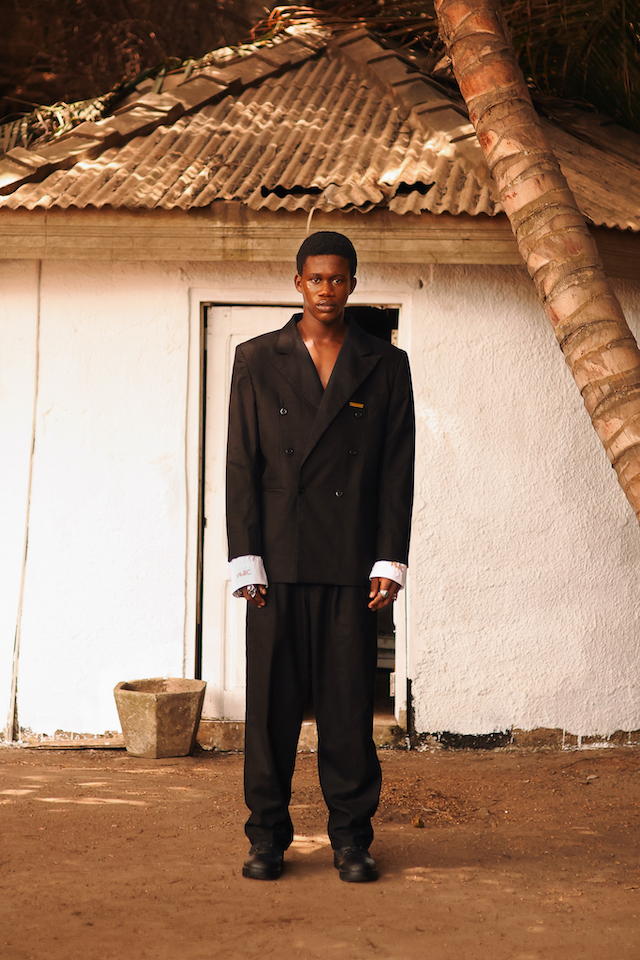
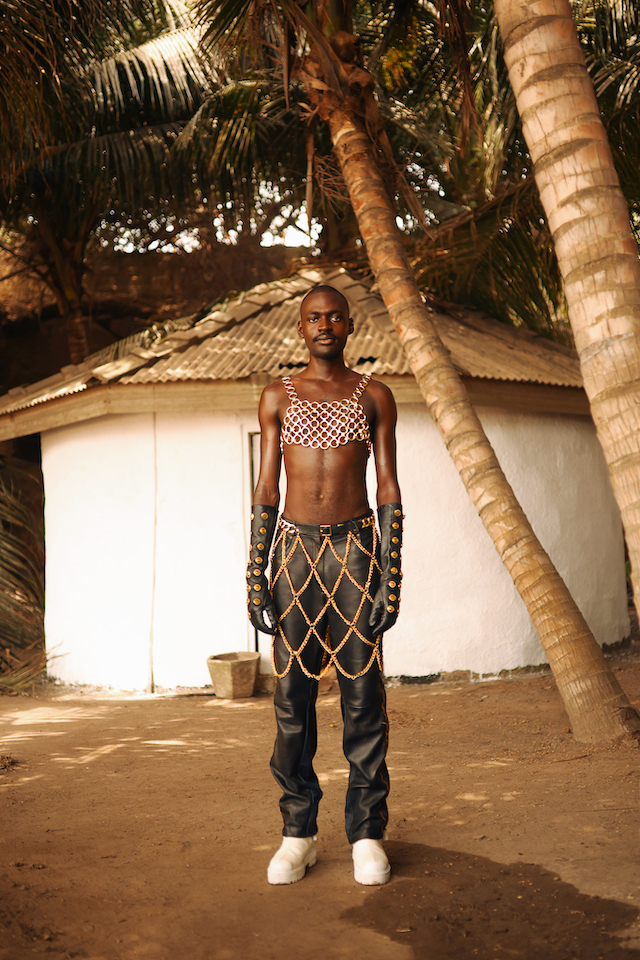
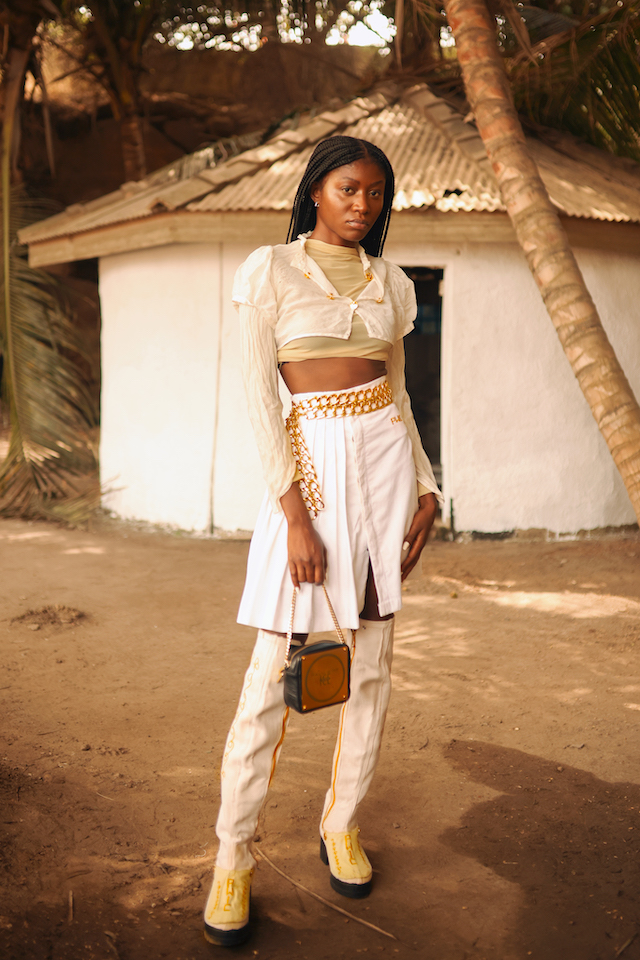
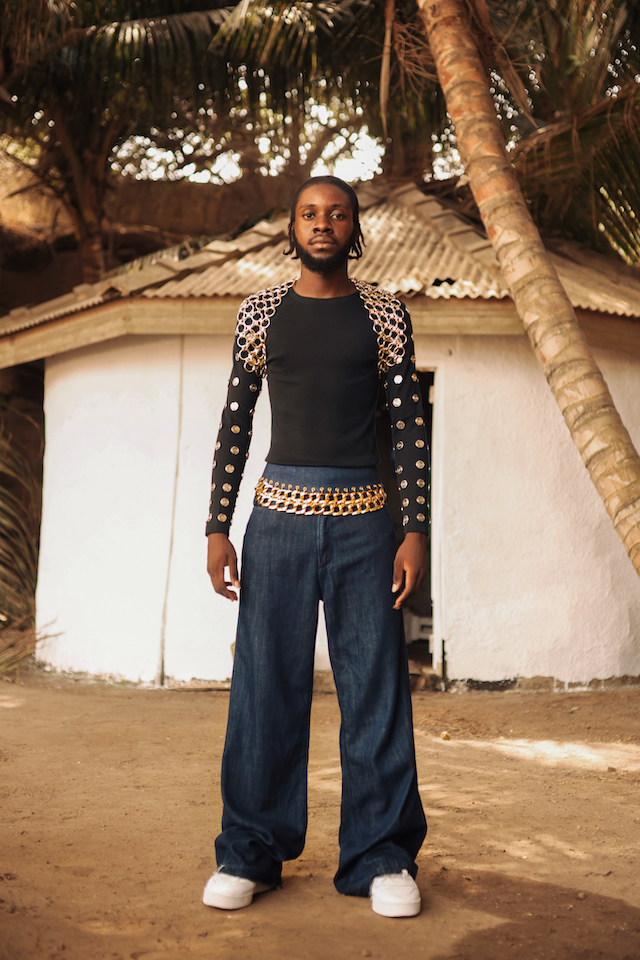
Thrifting in Accra

Creative director, designer and stylist Kusi Kubi discusses reworked garments and his Ghanaian label, PALMWINE IceCREAM

Accra is home to the biggest secondhand clothing market in the world. Twice weekly, Ghana’s capital becomes enlivened with those in search for hidden gems in its infamous Kantamanto Market – where over 30,000 traders gather to sell all sorts of thrifted treasures from food to spare parts for cars, and most notably, secondhand fashion imported from across seas in Europe. It’s a mammoth industry and one that sees locals revelling in the early hours to discover various ephemera and fashions, collecting and reviving what was once tossed and thrown. Kusi Kubi, a creative director based in Accra, is one of those collectors. 

Kusi hails from Osu, a neighbourhood in central Accra, and previously studied business at University of Westminster. It wasn’t long until he decided to flee the corporate world of banking and software development for a new career in fashion – “I just never thought it was a career path to focus on,” he tells me.

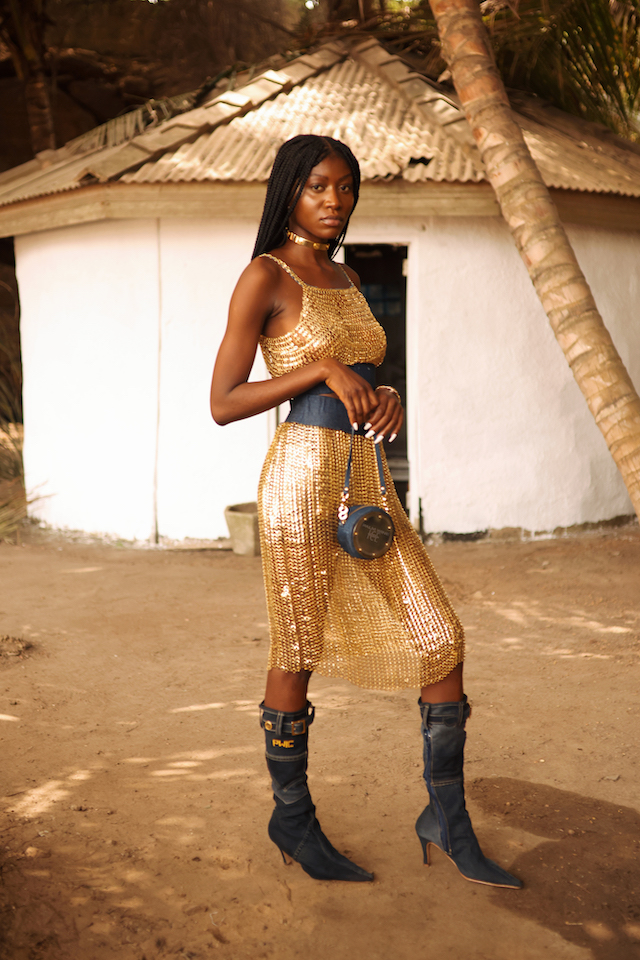
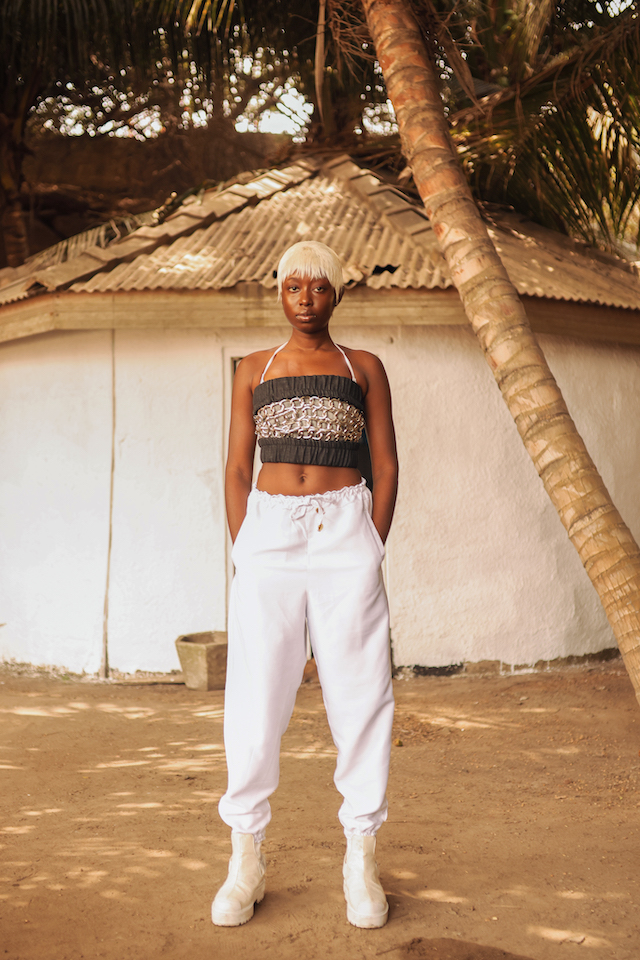
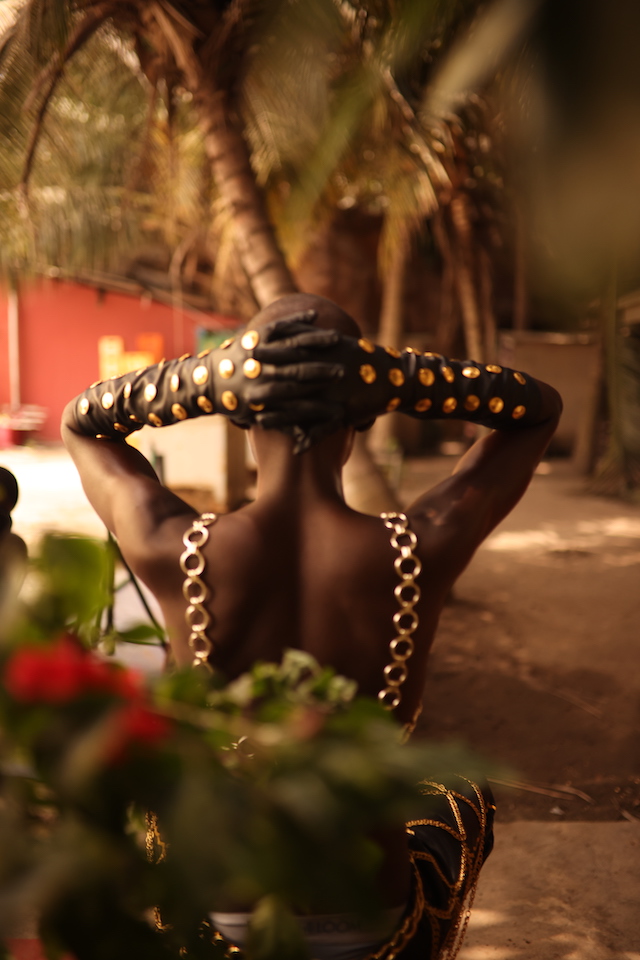
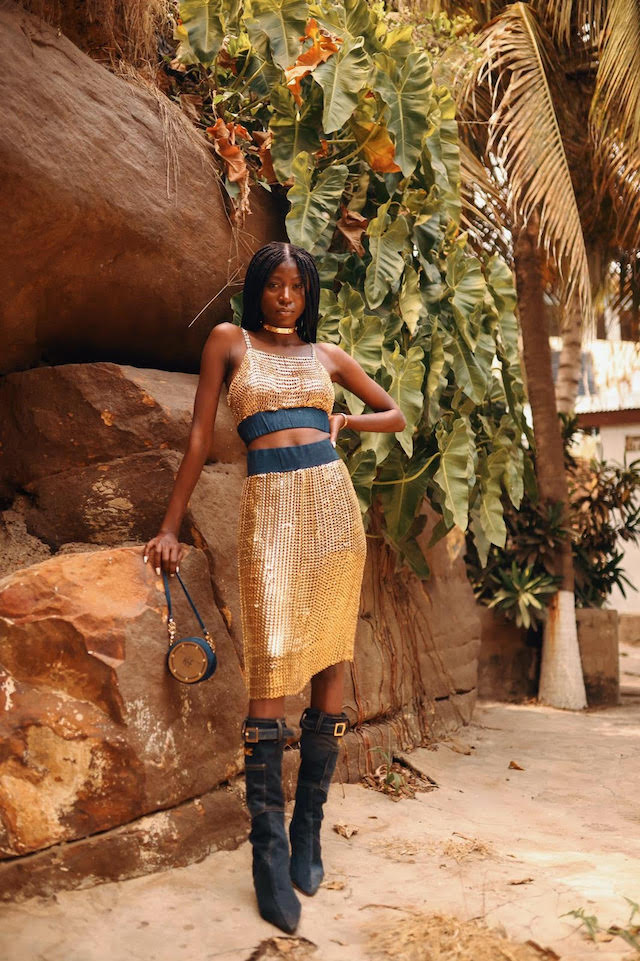
Now, Kusi runs PALMWINE IceCream, a Ghanaian fashion label that utilises a mix of reworked fabrics and materials, most of which is sourced from the market. In its second season, the latest collection is replete with neutral shapes and forms, sprinkles of shimmering gold fabrics, earthy tones, denims and metallic chain accessories. Indeed for the bold and daring, its these exact cut-out designs and striking ensembles that break down all preconceptions of what can be achieved under the name of sustainable fashion. Here, I chat to the creative about his empowering and ethical business, where he sources his garments, and what’s in store for the future of Accra’s fashion market.

What’s PALMWINE IceCREAM all about, and who do you see wearing the clothes?

I wanted to create a name that resembles the look, taste and feel of a tropical climate. PALMWINE IceCREAM is a blend of tastes and feelings, which are not necessarily meant to be combined, but once brought together exude a sense that is new and unfamiliar. PWIC stands for all the things that we are told or made to believe should not co-exist with one another. 

Almost every item in the collection is genderless. The brand is welcoming to anyone who feels a connection to our creative output. It definitely requires some element of confidence, but confidence is very subjective and we have garments which cater for all.

Where do you source your materials?

The denims and leathers from this collection are reworked. This season, there’s also a lot of linen and sheers harking back to the tropical West African origins of the brand. The jewellery and accessories are sourced from Italy, while the denims and leathers hail from Accra, by way of Europe – Kantamanto Market, West Africa’s biggest secondhand market. The denims are restored using non-chemical methods and customised by hand in the PWIC studios to add the signature visual sensibility to each piece. The production team behind the collection is all-Ghanaian and the pieces are finished in Accra, Ghana.

How important is sustainability to your work?

PALMWINE IceCREAM is built on a foundation of sustainability. Though not all garments are reworked, the denims, leathers and buttons are examples of the items reworked throughout the collection. It’s essential for me as a creative director to understand the direction the world is heading into, and to also understand the value of creating garments which really speak for itself. 

With Accra having one of West Africa’s biggest thrift markets, I can’t help but notice how many leftover garments are received on a weekly basis. It’s important for me to play my part somehow to reduce further mass consumption. Our Aim at PWIC is not to saturate the market but produce clothing for people who believe in what we do and stand for.

What items can be found at Kantamanto Market?

You can find anything from Rick Owens to Topshop; I think that’s what makes the market special. Twice a week they receive new arrivals from all over the world. The trick is to get there early to ensure you get the special goodies before everyone arrives. The selection process can be intense but finding that one archive piece can be rewarding. The market is divided into sections: denim, leather, vest, shirts and dungarees etc. A whole day can be spent there easily.

Where do you see the future of fashion heading, specifically in the context of Accra?

We’ve seen some fashion houses merge seasons into one as a way of reducing waste or improving their sustainability league. I believe consumption will reduce but not drastically. There will be a need for quality over quantity, and most people will lean towards brands which have some sort of sustainability approach to their designs. 

The future of fashion in Accra is developing at a good pace, there are a few startup labels, like PWIC, thriving to make an impression within the creative world. However, there’s also the need for our art ministers to believe and invest into the young creative minds here, because there’s too much talent out here waiting to explode.

Photographer: @kofmotivation
Creative and styling: @kusikubi
Grooming: @giselle_makeup using Pat McGrath
Style Assistant: @shineorgocrazyy
Photo Assistant: @_thedotse
Producer: @instabryte @luduproductions_
Prod Assistant: @zongostudios

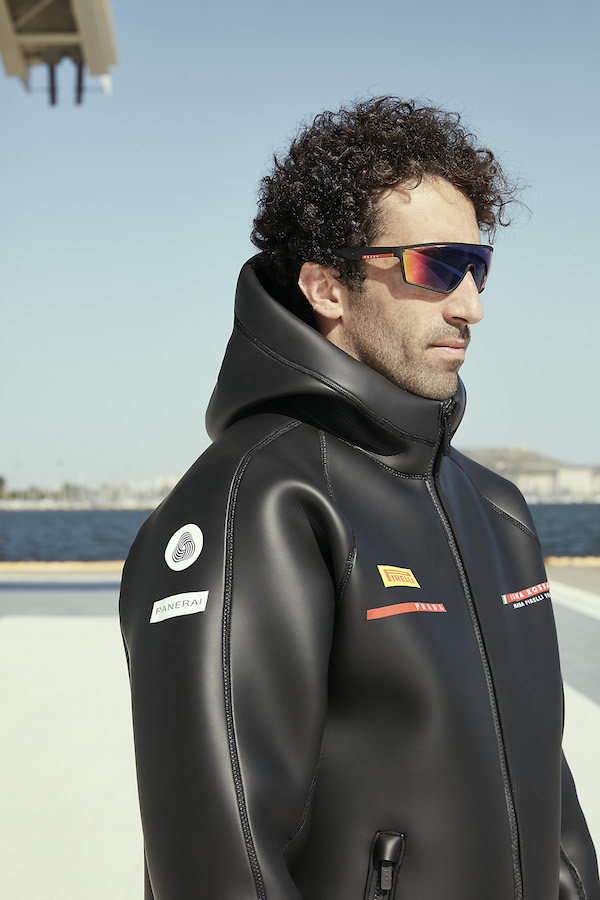
Prada x Woolmark

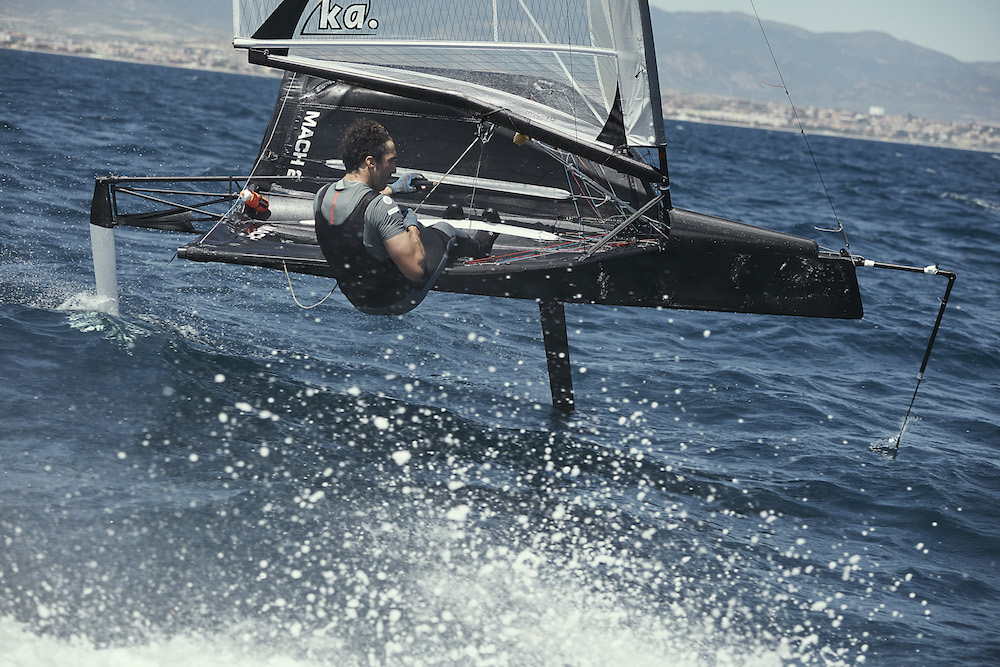
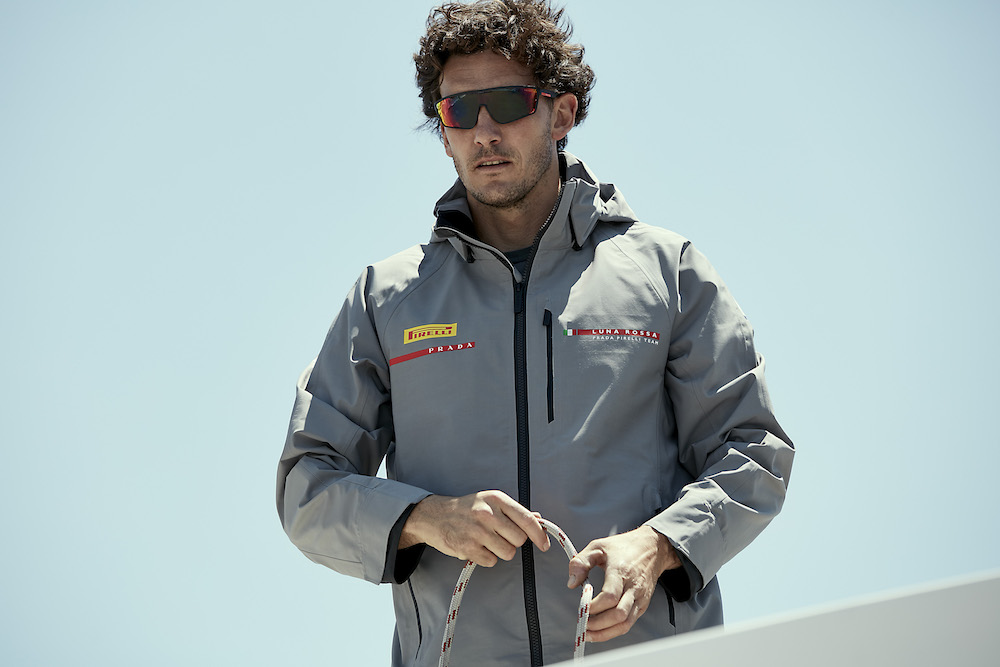
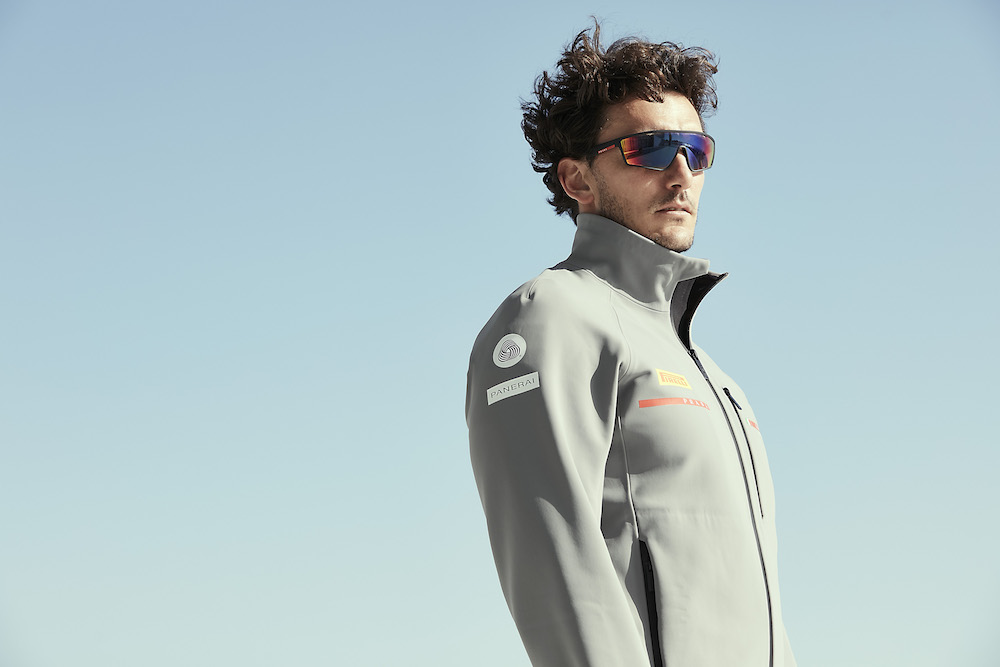
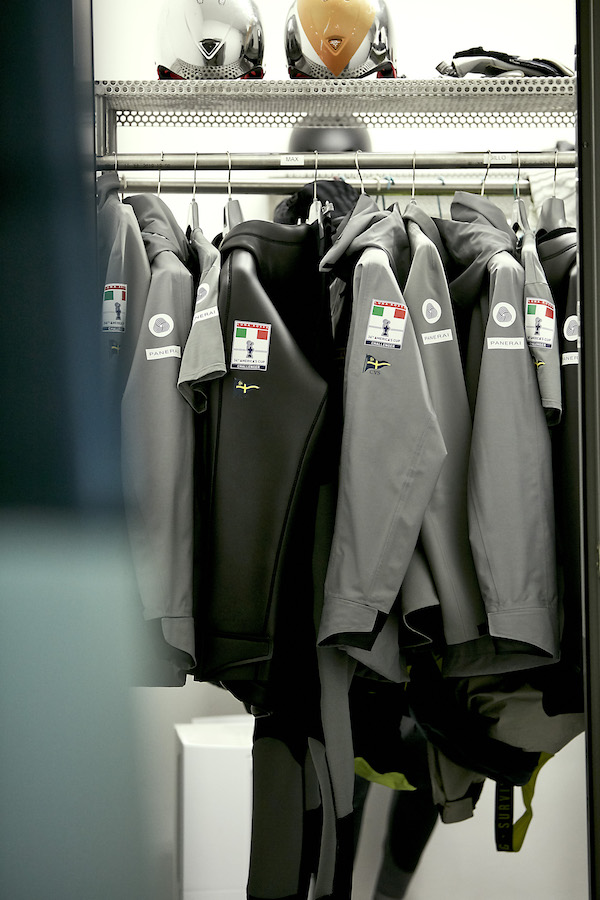
Prada partners with The Woolmark Company to create innovative merino wool uniforms for its Luna Rossa sailing team

Wool is the world’s oldest fibre, used by humans since the Stone Age. Today we find ourselves in a different age – the Anthropocene – a geological era in which human activity has become an overwhelmingly dominant influence on its environment. Solutions to stem environmental decline above and below water are becoming more pressing with each passing day, and versatile materials such as wool may help to counterbalance this impact. 100% natural, renewable and biodegradable, it remains the most reused, recycled apparel fibre in the world. Its sustainability credentials, however, are only part of the reason why Prada has partnered with The Woolmark Company to create its new, merino wool sailing uniforms for the 36th America’s Cup. The main reason it’s enjoying a renaissance in performance sports, is that it performs.   

Originally used in football kits circa 1960, merino wool draws moisture away from the body, maintaining a more regulated temperature. For extreme sports like sailing, with wildly varying temperatures, this is key for the Prada Luna Rossa skipper, Massimiliano Max Sirena: “Our physical activity is very demanding in terms of clothing: the garments we wear must be as isothermic, elastic, breathable and water resistant as possible. Well, I discovered on my own skin that Merino wool is all this.” The Woolmark Company – a subsidiary of Australian Wool Innovation, a not-for-profit enterprise working on behalf of 60,000 Australian woolgrowers – will research, develop and support the team during training, sailing and offshore activities ahead of the main race in 2021. Featuring innovative soft shell jackets, polo shirts, blousons, wetsuits and base-layers, a commercial capsule is scheduled to be released at a later date.

Following the announcement at Pitti Uomo, Florence, Port talked to Stuart McCullough – managing director of The Woolmark Company – about wool’s performance credentials, tackling marine pollution and why Australia’s sheep are peerless.

Why do you think wool is making a return to performance sports?

Wool is the original performance fibre. However, as synthetics came along, people somewhat forgot about wool in this way. Interestingly, no other fibre – natural or man-made – can match all of wool’s inherent benefits and both consumers and brands are realising this. In addition, wool’s eco-credentials are also becoming more widely recognised. Increased competition in the activewear market also means a growing number of brands are looking to innovate with natural performance fibres, such as Australian Merino wool. This move not only allows for a point of difference, but also fulfils the demand for an environmentally-aware consumer.

What are the main benefits and properties of merino wool for a sport like sailing?

Sailing, like any other demanding sport, requires apparel made from a technical fibre which can withstand high-levels of physical activity and also natural elements. Wool fibres are naturally breathable. They can absorb large quantities of moisture vapour and allow it to evaporate, making wool garments feel less clingy and more comfortable than garments made from other fibres. In contrast to synthetics, wool is an active fibre that reacts to changes in the body’s temperature. It maintains a drier microclimate next to skin, keeping you warm and dry – a major plus when out on the seas. Wool reduces the rate of skin cooling and the severity of post-exercise chill, which can range from uncomfortable to dangerous. Research shows when you stop exercising in very cold conditions, you can experience three times more chilling in synthetic garments than when wearing wool garments. This is due to wool fibre retaining – and only slowly releasing – moisture from within its structure, helping to maintain a higher skin temperature and less rapid cooling.

How will you be working with Prada in terms of research and development?

As the official technical partner, we’ve worked alongside their product development team to create the official uniforms, to be worn by all sailors and crew throughout the America’s Cup campaign. We have researched existing wool fabrics that are satisfying the technical requests of the team and co-ordinating the supply under Luna Rossa tech team briefing – working together with suppliers for finding new solutions and fabric innovations.

What role does sustainability have in the partnership and project?

There are a number of factors which play into this. Being 100% natural, renewable and biodegradable, Australian Merino wool is the responsible choice for conscious consumers. Biodegradability is particularly key for this project, with wool fibres degrading in both land and marine environments. When wool fibres biodegrade in land environments, they actually release valuable nutrients back into the earth. By degrading in marine environments, wool offers a lot less impact compared to the devastation caused by microplastics. As the most prestigious ocean race in the world, The America’s Cup can help raise the importance of ocean health and this partnership can help with that dialogue.

What responsibility does the fashion and textile industry have to issues like marine pollution?

It’s no secret that there’s a pretty dark underbelly to the global fashion and textile industry, with many reports saying it’s the second most polluting industry in the world. It’s for this reason the industry has a major responsibility to issues such as marine pollution. As much as 35% of microplastics in the marine environment are fibres from synthetic clothing, an amount that continues to increase. There needs to be more education – for both consumers and brands – about what impact certain fibres have on marine health. This also includes education about recycled fibres, such as recycled polyester and nylon.

Why is Australian wool a superior material?

Australian Merino wool is widely regarded as the finest and softest, perfectly suited to next-to-skin apparel. It was in Australia that the Merino sheep developed even finer fibre as early farmers succeeded in producing the first authentic Australian Merino wool. Raised on sustainable grassland terrain, these sheep are well-suited to grazing a variety of natural pastures. For generations, the farmers who produce this wool have shown how the Australian rural landscape can be managed effectively while protecting the natural environment, supporting rural communities, and meeting the needs of increasingly environmentally-aware customers.

Do you have any other similar sportswear projects in the pipeline?

We’ve recently worked alongside sportswear brands Nagnata, APL and P.E Nation to release technical wool-rich collections. For all three brands, it was the first time they had worked with Merino wool. Sportswear will continue to play a pivotal role for us over the coming years.

Sister Sister

For 15 years, Dutch photographer Liv Liberg has been documenting the growth and fashions of her sister, Britt

We can all remember the days spent rummaging through our parents’ wardrobes, grinning and smirking as we’d pick out the most colourful (and likely most expensive) items to prance around the muddy garden in. The familial grounds would become our stage, as we’d proceed to strut in shoes too big and dresses too puffy. It was a glimpse into what a life might be in adulthood.

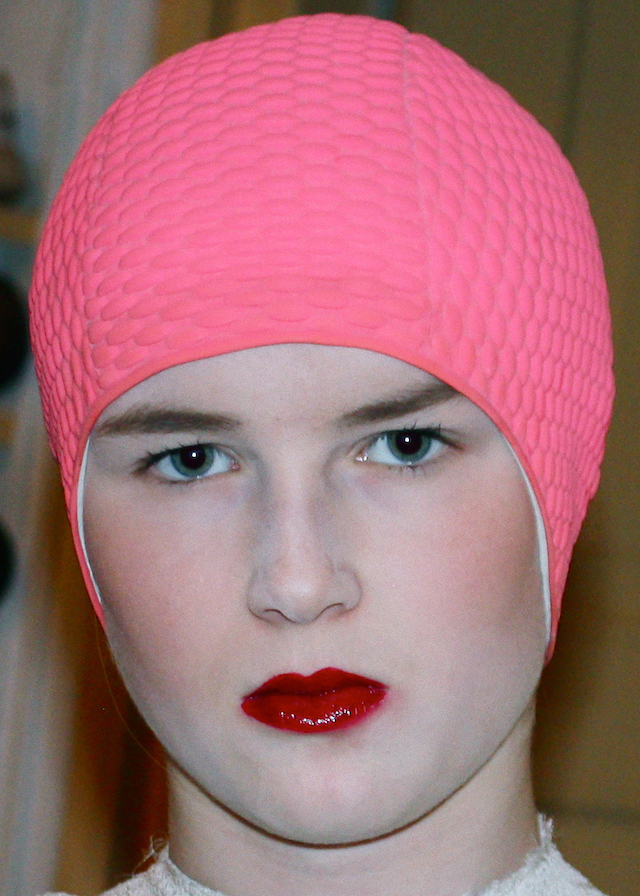
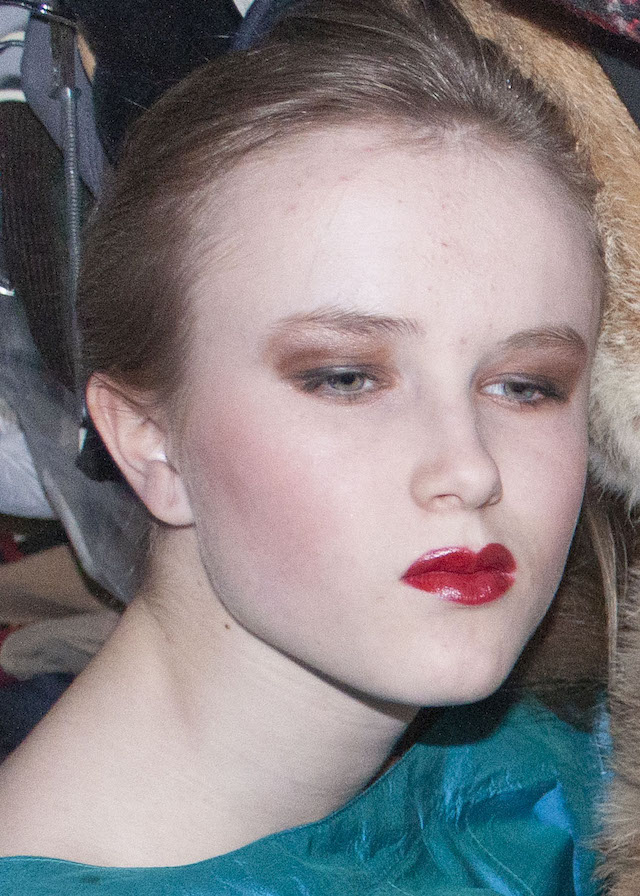
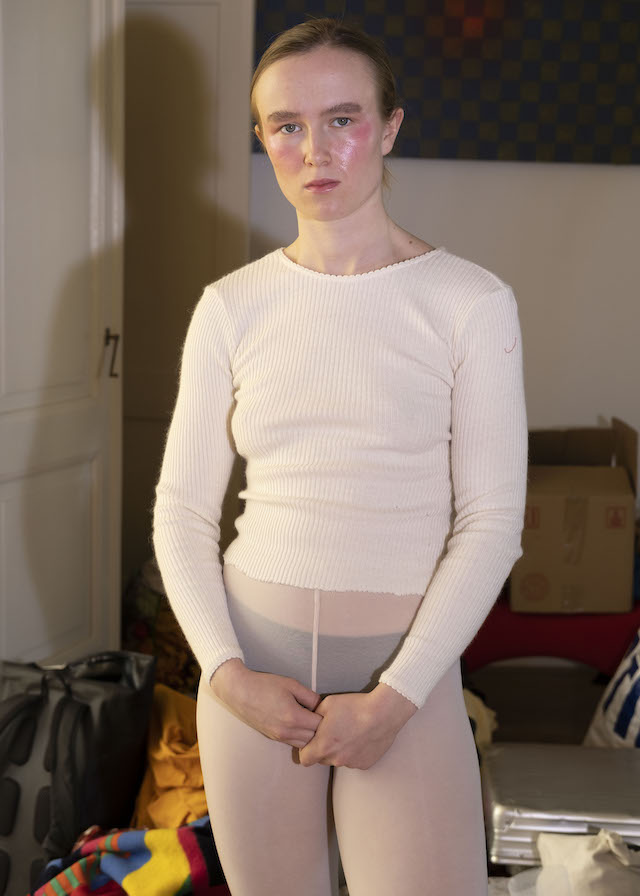
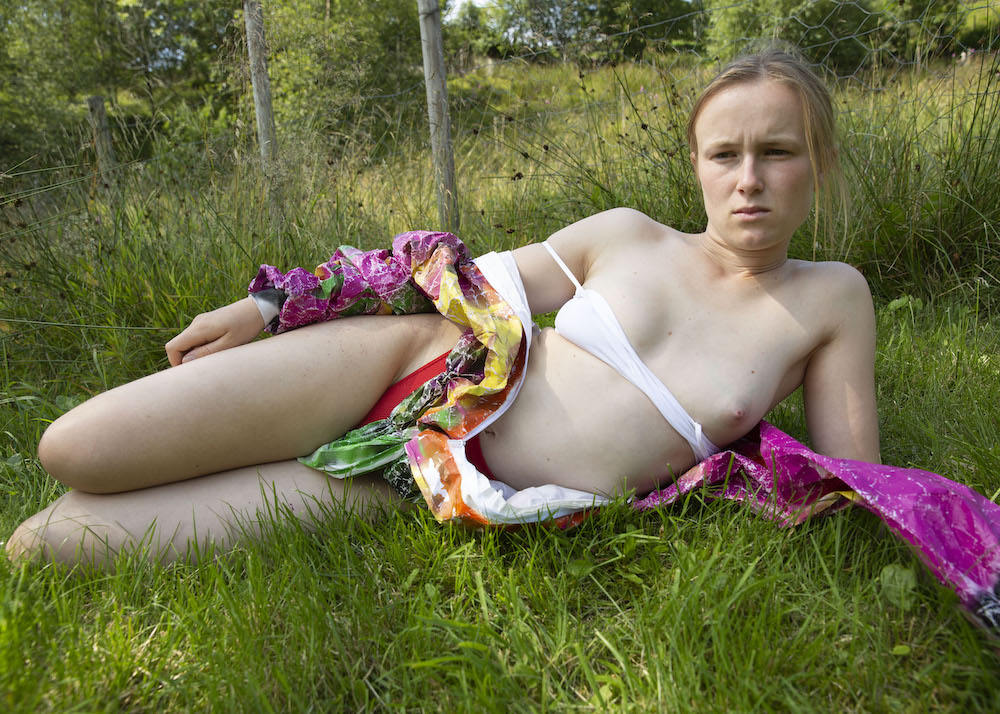
For Dutch photographer Liv Liberg, she was 10 years old when she started dressing up her six-year-old sister Britt in their mother’s clothes – documenting her as she posed around the house. But little did she know that this lighthearted pastime would become a 15-year-long project, and one that would eventually form a new book titled Sister Sister, now published by Art Paper Editions and designed by Jurgen Maelfeyt. 

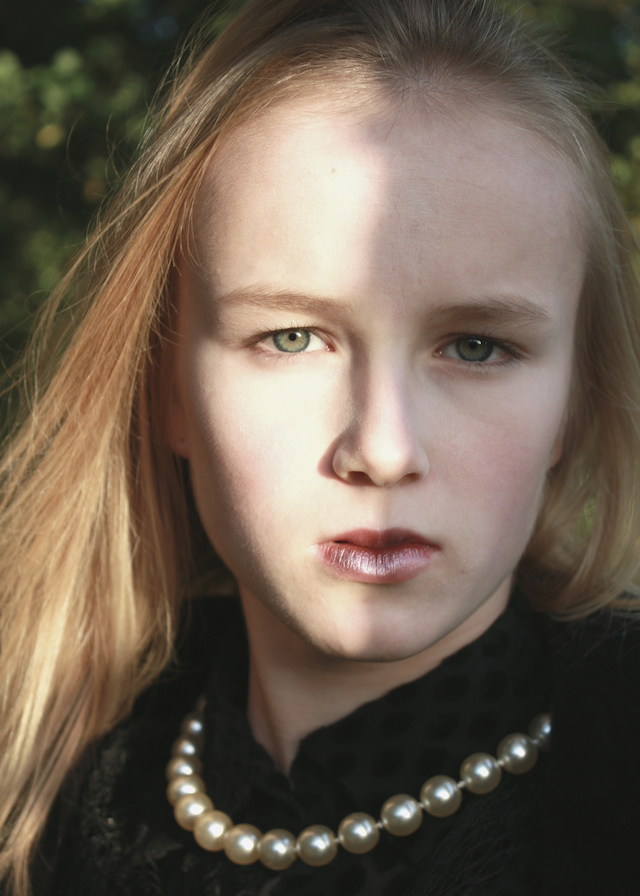
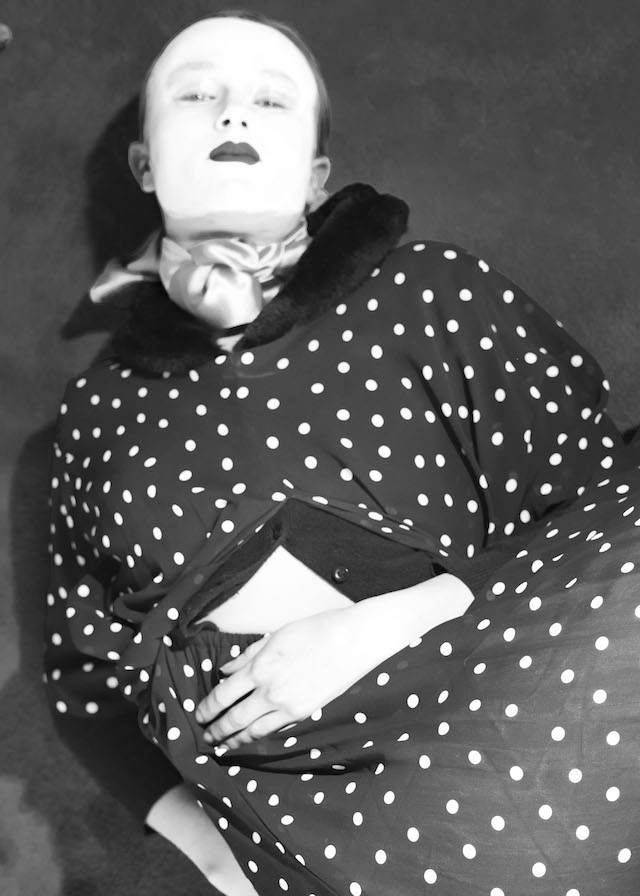
Within its pages, you’re met with a mix of stern portraiture and sweeping model-ish glances, paired with artful postures, nudes and a plethora of vintage fashion from the likes of Yamamoto, Commes des Garçons and Kenzo. Their parents had an entire room dedicated to clothing and, naturally, the sisters couldn’t resist diving in and using the pieces for their photoshoots. “They inspired us and they made my sister look like a fancy woman,” Liv tells us. “We were always trying to imitate fashion shoots that we used to see in magazines. The red lipstick, the pearls, the clothes; they are all my mother’s influence. This is just something that we found beautiful and still do.” Below, we chat to the Amsterdam-based photographer about sisterhood, fashion and how it feels to finally publish this archive of a young girl reaching womanhood.

Let’s begin by hearing about your first introduction to photography. 

I come from a very artistic family and have always been surrounded by art, music and fashion. This has obviously influenced my move into photography; I started photographing my sister and my friends when I was about 10 or 11, and we would take bags with my parents’ designer clothes and go into the forest to take pictures. This continued through school and I went on to study photography after that. Photography has always felt like a very natural thing to do; I would dress up my friends and family, ask them to pose and perform for me, and I would take photos and direct them. This never changed, and it is what I still do to this day – just more serious. 

Why focus on your sister as a subject?

Photographing my sister is something that I have done since I was young, and it continued (with some breaks) for about 15 years to this day. It started off as play but grew into something more serious. When I was a bit lost with my work after I graduated, I came upon my old archive of images of my sister; I started photographing her again and started working with the images in the archive. I felt that there was something strong and true to tell about myself, as well as my sister and our connection. Because I was already photographing her for years, the question of why was already clear long before I started the project for the book. In this moment, it just felt right to bring it out into the world.

What was it like to see your sister grow and evolve through the lens?

It’s funny, because some people tell me that in the book – even though it is not presented chronologically – you can’t really see that my sister is getting older (or younger). She has many faces but seems ageless as well. 

We grew up together, loving and fighting like I’m sure many sisters do. She is younger in some images and now she is older, as am I. Of course nudity came into play when we were both growing into young women, something we also very naturally played with. Although, it is striking to see how well my sister moves and is totally in tune with me when we are shooting; we just know each other so well. She used to be a dancer and is now a fashion designer, and she is very aware of how her body moves and how I like to direct it, and this really inspires me. So I think we are both changing constantly and in a way we are looking at each other from the opposite direction. 

How do you hope your audience will respond to this work?

I really hope that people feel a connection to it; may it be because they have a similar connection with a sibling, or they can feel this truly crazy family relationship. I hope the book and mass of images will overwhelm people, that they will want to know more about this mysterious girl that someone is so often looking at. I want to share work that is very close and personal to me, and can actually only be shown by me (and my sister). It’s created with love and is a bit of an obsession, so I hope that this is something that people will feel. 

And how has your sister reacted?

As it is for me, seeing the work is nothing new because we have worked together for so long. Seeing all the images together as a final result in the book, however, is quite strange for her I believe. Everyone else can see it now too; all of our friends, everyone around us, the whole world. I think she likes it though and she is proud, and we will continue to make images together, forever I hope, because it is truly a special collaboration. I want to try and give her as much appreciation for this as I can, and I also think that other people will see the special and giving part she plays in this project. It’s probably strange and fun for her at the same time. 

Liv Liberg’s new book Sister Sister is available to purchase at Art Paper Editions.

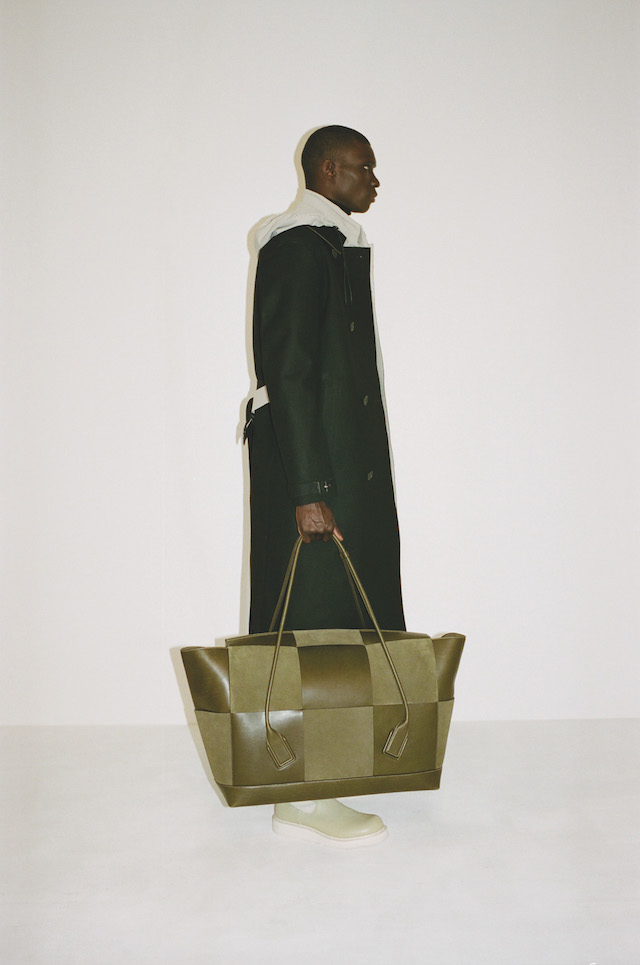
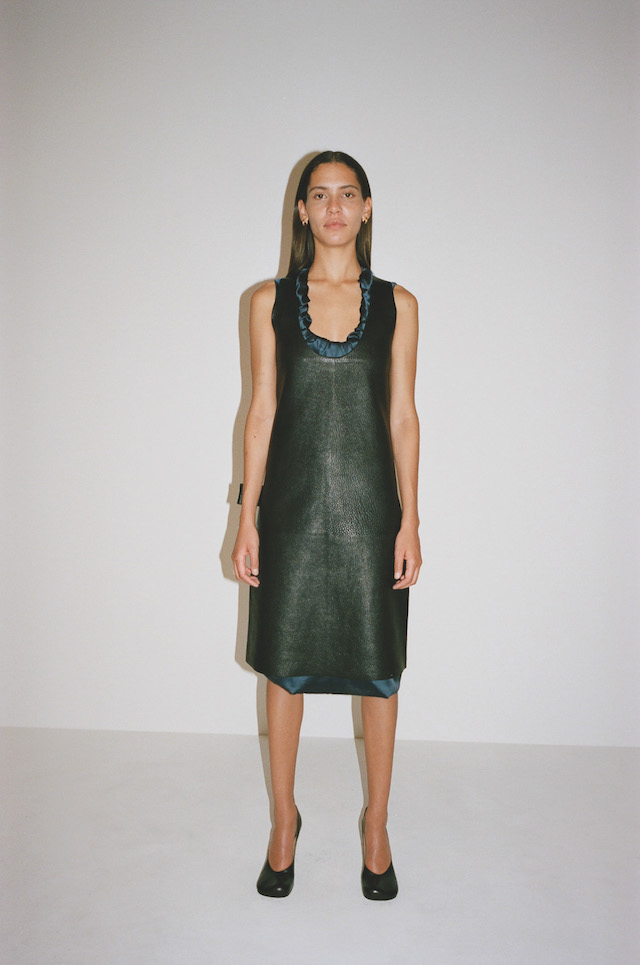
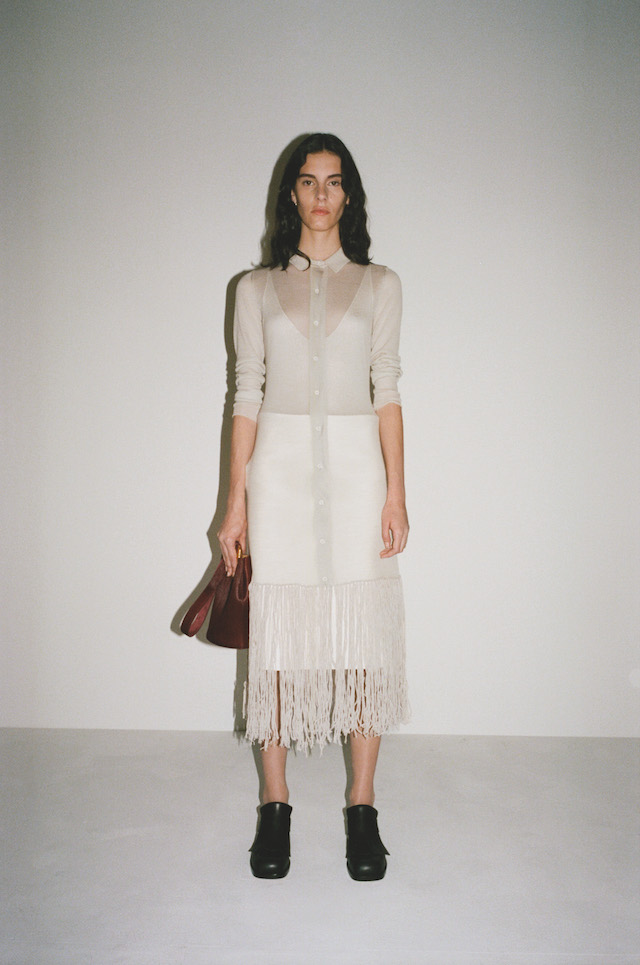
Bottega Veneta Pre Fall 2019

Port examines the bold new collection from Bottega Veneta’s new creative director, Daniel Lee

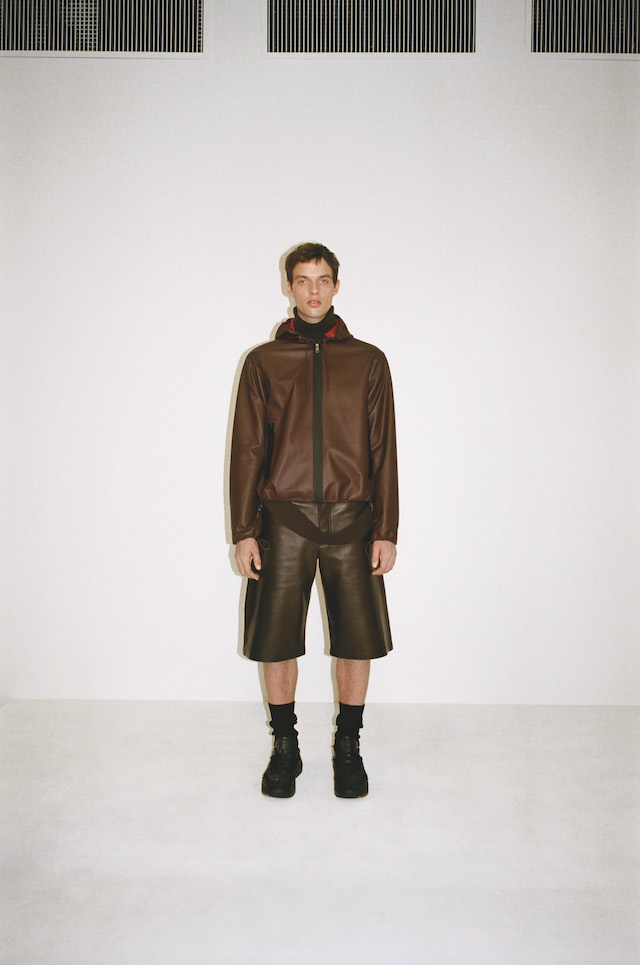
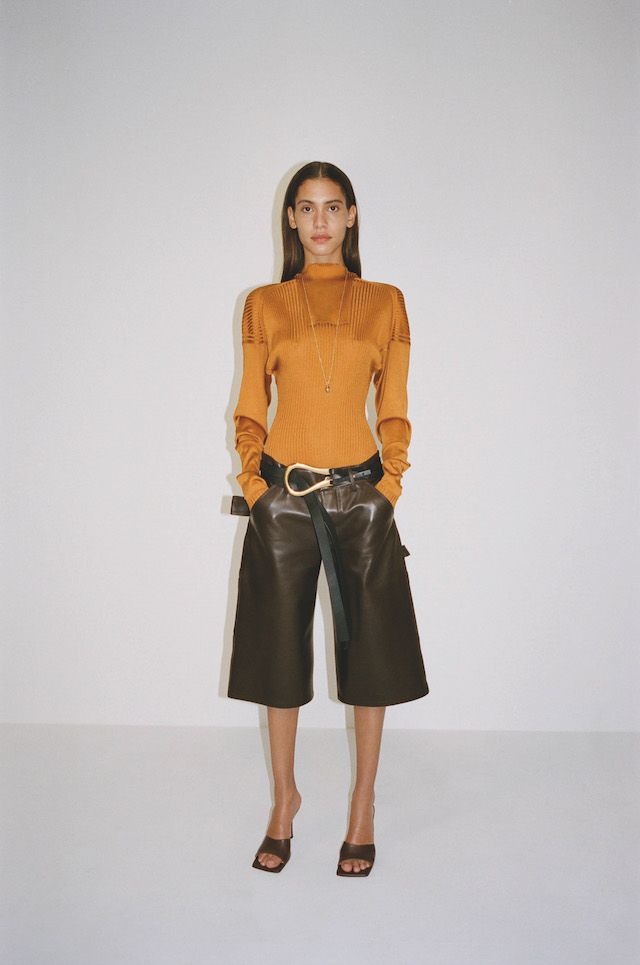
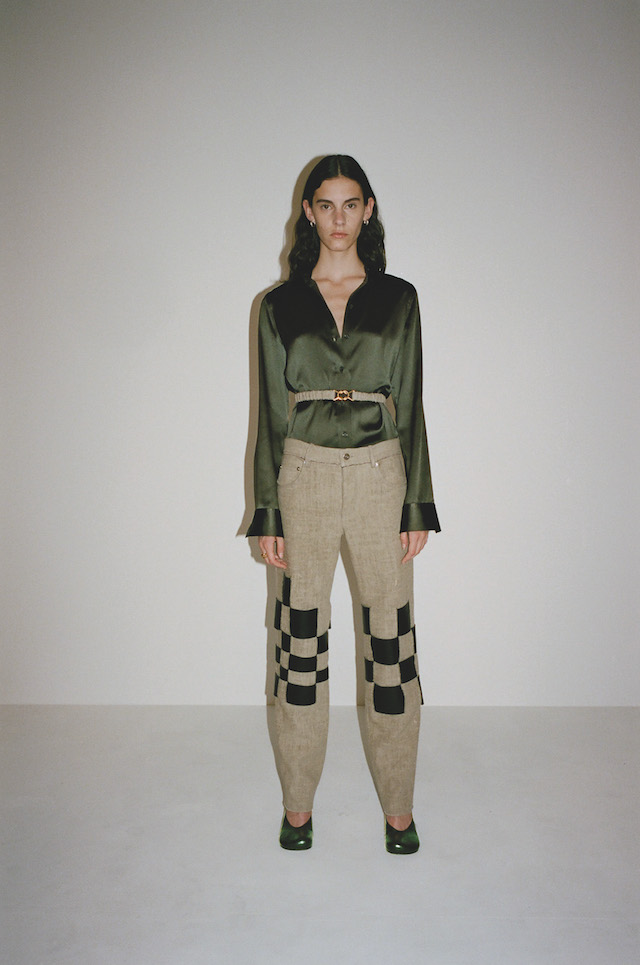
When German designer Tomas Maier stepped down as creative director of Bottega Veneta after seventeen years of service, many wondered who could fill the void his departure left. Enter Daniel Lee, the 32 year old British designer relatively unknown outside the industry, but who has made a bold, confident statement with his first collection. Pre fall 2019 heralds a fresh, modernist perspective and understated aesthetic, acting as the first glimpse of a new era. 

Graduating from Central Saint Martins in 2011, Lee was most recently director of ready-to-wear at Céline under Phoebe Philo, and previously worked for Maison Margiela, Balenciaga and Donna Karan. Elegant, soft and generous, the collection lays out the foundations of his future direction and establishes signature shapes and silhouettes using textiles like leather, silk, and wool. The harmony between the men’s and women’s clothing is a conscious decision, both playing with looser proportions and sharing a sensuality that Lee honed whilst working at Céline. The iconic intrecciato weave has now become magnified with giant criss-crossing leather panels on pants and bags. Rich natural colours like cordovan, espresso, amber and oxblood compliment and contrast with the brands recognisable chalk and Milanese black.

For Lee, “maintaining the ingrained codes of Bottega Veneta, craftsmanship, quality and sophistication,” was fundamental to the collection, adding that he “looks forward to evolving what has gone before.”. By staying true to the fashion house’s natural materials and Italian heritage, whilst at the same time offering progressive change, Lee has demonstrated that the luxury label is ready for a reset. How this manifests itself exactly will be illustrated at the AW19 show in February, 2019.  

bottegaveneta.com

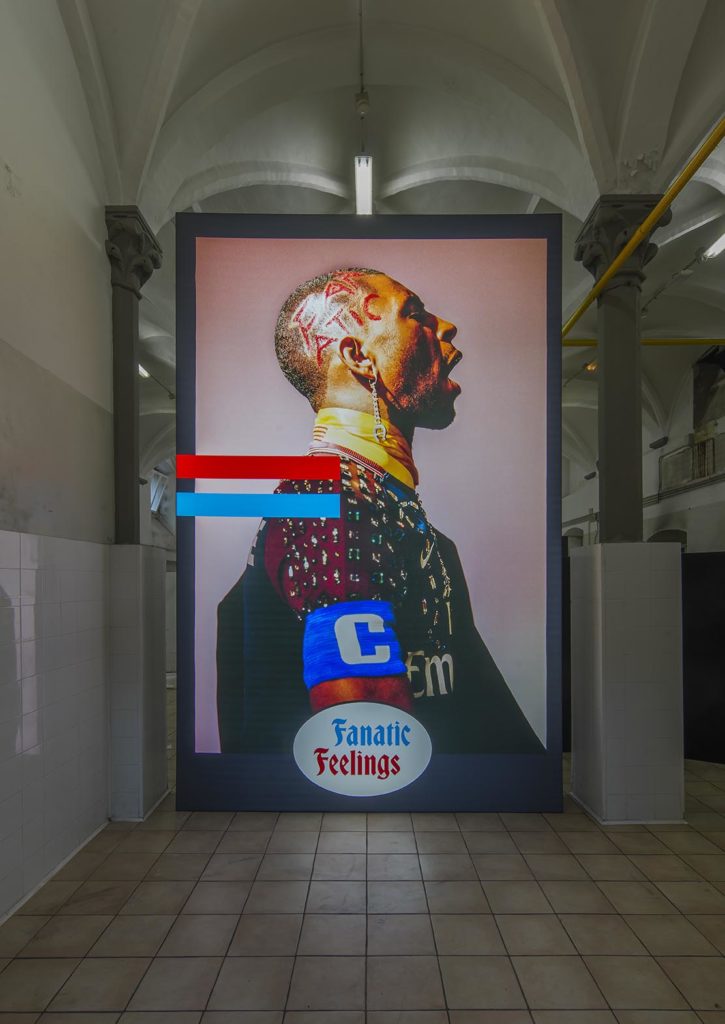
Fanatic Feelings: Fashion plays Football

Thea Hawlin uncovers the intimate connection between fashion and football

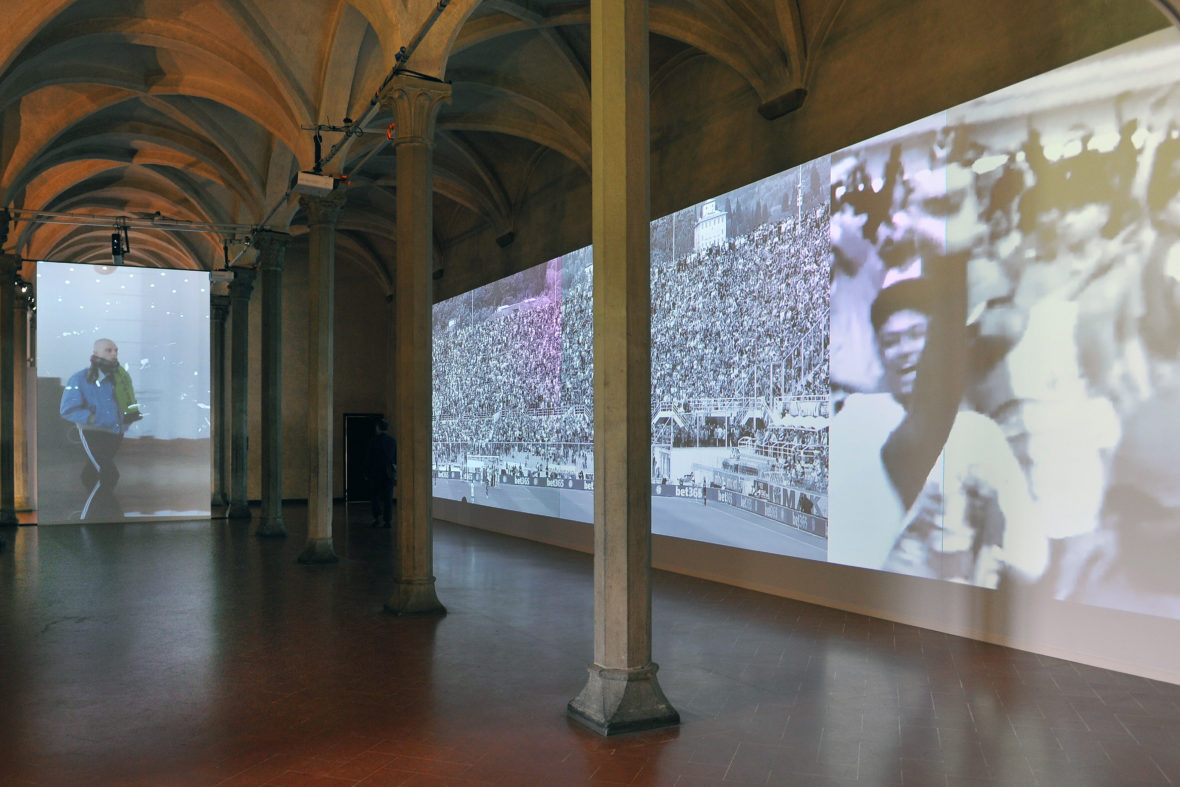
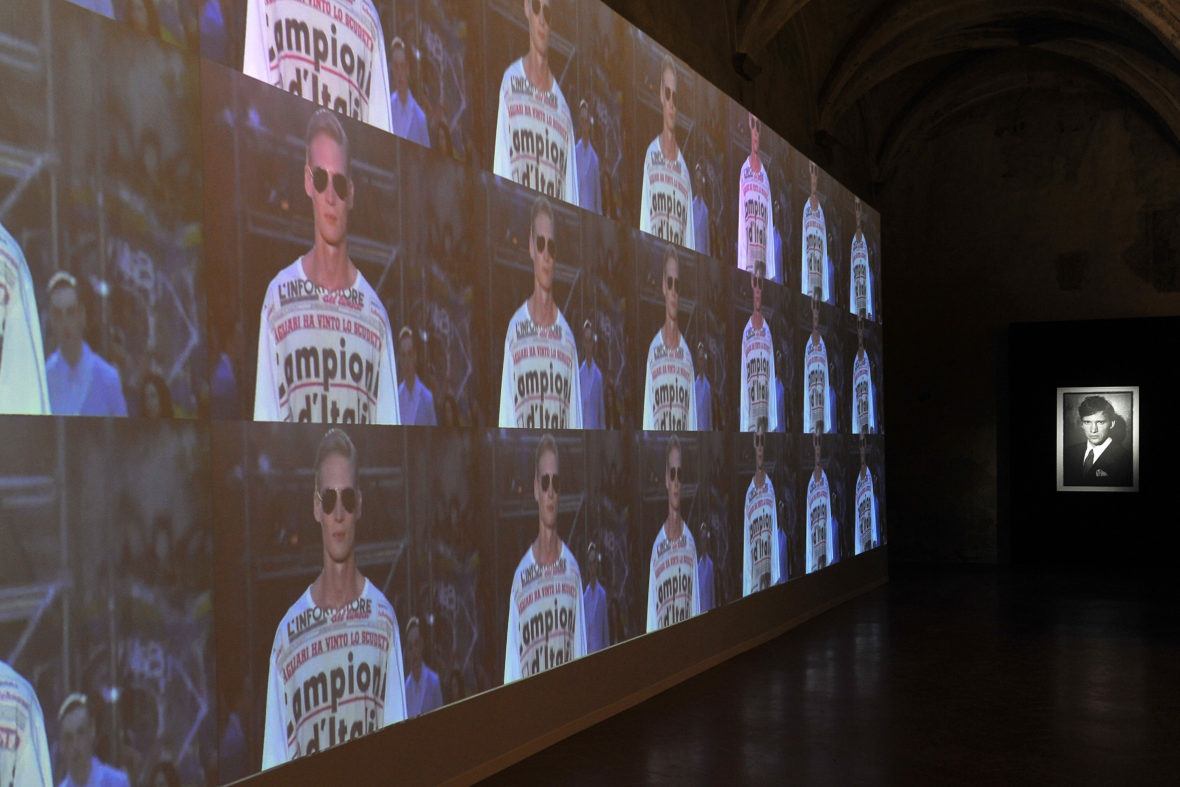
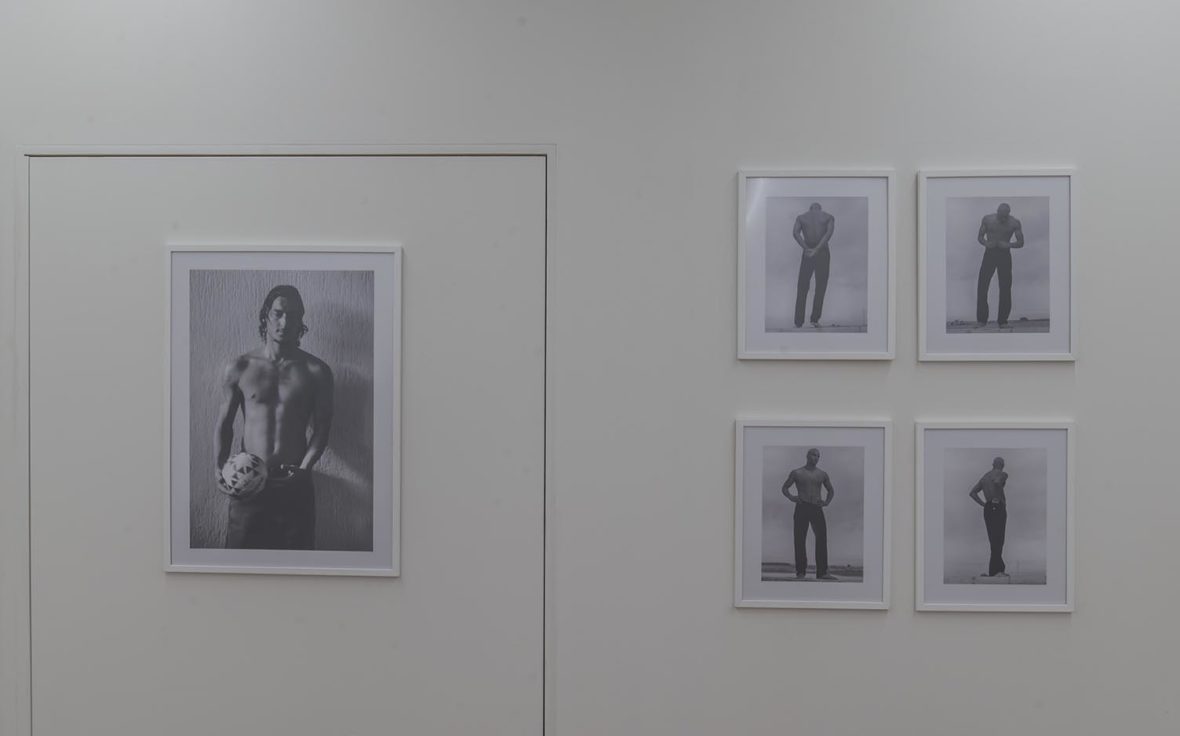
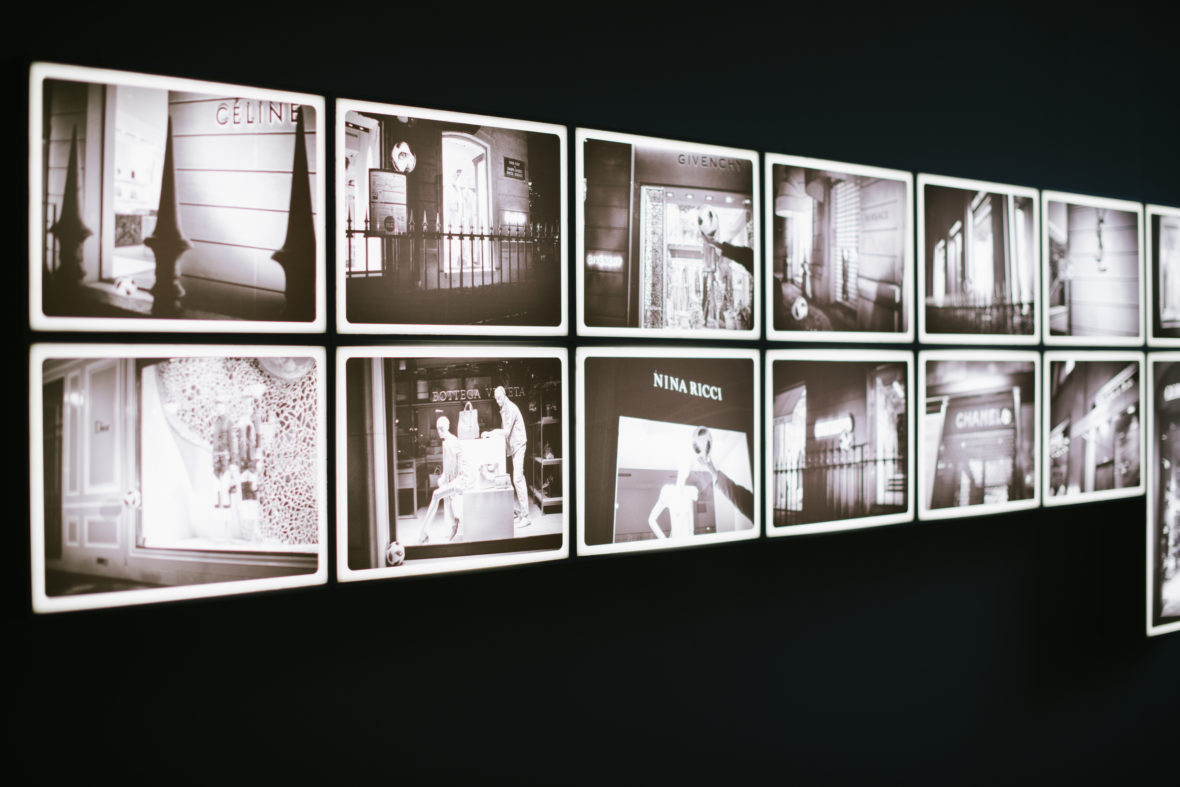
Oscar Wilde famously declared that football was the sport of gentlemen played by barbarians. Barbarians or not, players and supporters have always had a keen sense of style, influencing trends on and off the pitch. In Florence earlier this year, Pitti Uomo saw the opening of an exhibition, curated by critic Francesco Bonami and Markus Ebner, the founding editor of German magazines Achtung Mode and Sepp, that explores the links between the beautiful game and the clothing that makes it possible.

Under ancient vaulted ceilings, Fanatic Feelings greets its audience with the triumphant roar of stadium crowds, blasted from speakers to ricochet off the cool stone walls. Colours dance in projected super-sized video footage around the main hall – deep red, bright white, vivid blue, neon yellow. It’s a captivating spectacle, the strange movements of the crowds: the swaying arms, coordinated clapping, open chanting mouths, each team demarcated by their own signs, colours and traditions.

There is a sense of unity in these scenes, not merely in the teams but among the crowds that support them. To watch these fans move so seamlessly together is to see the power of fashion in action. We witness the symbolism of colour in all its fragmented forms: hats, jerseys, scarves and shoes coalesce in a vortex of cheers and cries; a literal tie, binding players and supporters.

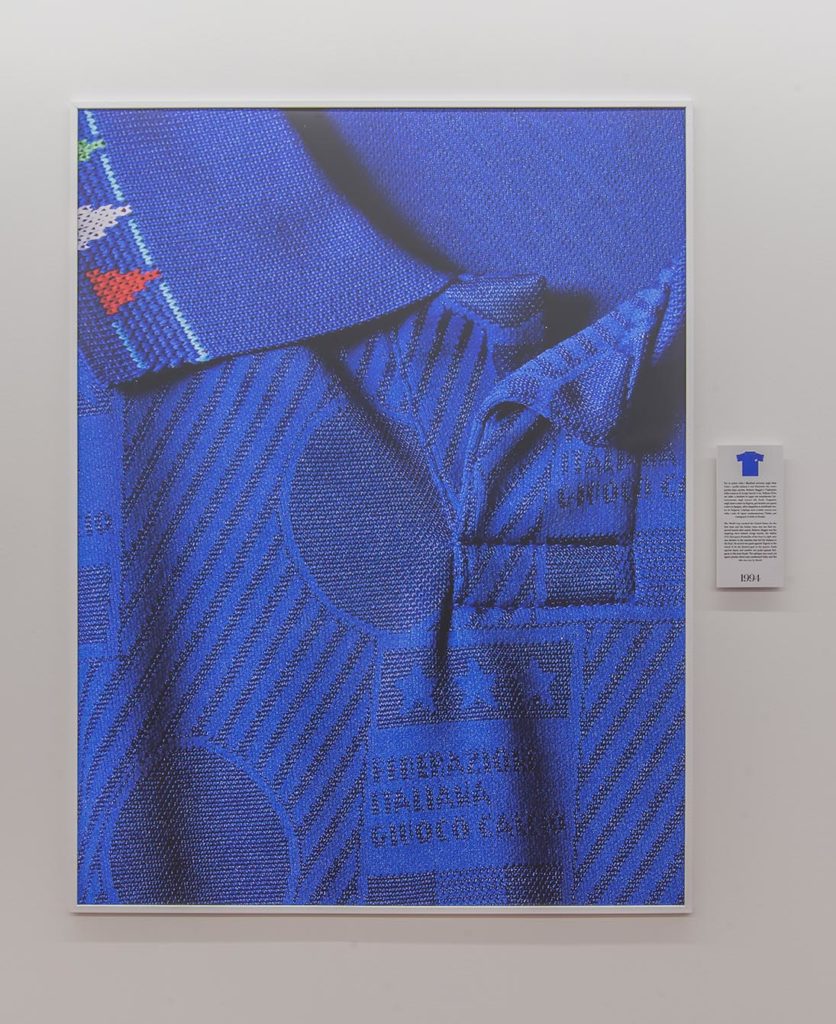
“Playing with no fans is like dancing without music,” said Eduardo Galeano, football’s ‘pre-eminent man of letters’; it matters how this music plays itself out, how it presents itself. The football jersey has a history of great cultural significance and a beautiful subsection of the exhibition, entitled Azzurra and curated by the Italian magazine Undici, looks at the changing design of the national Italian team’s iconic blue jersey. In a country where one of the most popular newspapers is the Gazzetta dello Sport (which in Italy is practically shorthand for Football), the fact that a magazine such as Undici can survive (along with Tuttosport, Corriere dello Sport, to name a few) at a time when print media is famously struggling, speaks volumes for the significance of the game in Italy.

Azzurra reveals there’s power in the smallest of details. Take the way that in 1936, when Italy won the Olympic Football Tournament in Berlin, the team wore jerseys emblazoned with the Fascist logo, alongside the Savoy coat of arms. After the defeat of Fascism and the end of WWII, the jersey instead bore a tricolour badge – the country’s identity stripped back and renewed, representing much more than simple unstitching of fabric.

Emilia Cavanna, the mother of legendary striker Silvio Piola, embroidered her son’s jersey to commemorate Italy’s match against Austria in 1935, which saw Piola score both goals against Italy’s rivals in Vienna. Thanks to his mother, Piola carried that memory from his debut match as part of the national team with him throughout his career, clothing himself not merely in a piece of apparel, but in his own history. 

Details like this make clear how fashion and football share an “immediacy” and an “emotional element”, as Bonami says, that deserves rigorous interrogation. One only has to think of Annibale Frossi, a player made famous not only for his skill on the pitch, but for his penchant for wearing glasses while playing – an aesthetic decision, that, though charged with necessity, also provided him with a sartorial identity.

In the age of athleisure, with sportswear a prominent part of how we dress, and athletes heralded as style icons, it’s little wonder that designers now create team uniforms and present collections inspired by the game. Today footballers habitually take front row seats at fashion shows and star as models in advertising campaigns.

The exhibition traces these icons, from George Best in his striped shirt to Beckham in a burgundy beanie. Paparazzi snapshots sit next to editorials and advertisements – an embellished Neymar at a Balmain show in Paris next to Keisuke Honda in Tokyo, decked out in a yellow blazer, floral trousers and tasseled moccasins (a uniform that presents a marked distance from the simplicity of shorts and jersey) – exemplifying, again and again, how fashion attempts, successfully and unsuccessfully, to harness football’s energy from all corners: sport, players, fandom.  
“The deeper affinity between football and fashion is this,” declares Luke Leitch, the fashion writer, his words loudly printed in bold red type on the wall: “Both are entirely artificial constructs: games into which their respective supporters pour their emotional and financial investment every season, before that season ends and we start all over again.” 

These cycles reveal the enduring appeal that such spectacles and rituals share. It’s hard to forget the impact of a great game, just as it’s hard to forget the impact of great fashion; despite the impermanence and disposability of each season’s designs, the legacy endures. Fanatic feelings, as this exhibition demonstrates, are not easily forgotten. 

FANATIC FEELINGS – Fashion Plays Football was held at Complesso di Santa Maria Novella, Florence from 13th June to 22nd July 2018.