The Unsung Horns: Dick Cuthell

Horn player and record producer, Dick Cuthell, discusses the instruments that have influenced his life in music 

When I was a kid, I was left some money in a will by some old ladies from church and bought a trumpet but, eventually, I thought: ‘I’m fed up of this trumpet. It’s too sharp, too brash’, so I got rid of it. I couldn’t afford the trumpet that I really wanted, but then I fell in love with a flugelhorn, a beautiful French one, and I didn’t bother with the trumpet anymore.

Eventually, it got trashed when I was touring with The Specials in Japan and the crowd rushed the stage. People let off fire extinguishers and we were choking, coughing our guts up. Afterwards, I remember the stage manager taking me backstage where my horn was lying in pieces under a blanket like a dead body. In 1970 musicians started asking me for more of a bright brass sound [on their records]; I went out and bought this Vincent Bach Stradivarius cornet. I’ve played this on lots and lots of stuff: Eurythmics, Madness and The Specials – this is ‘Ghost Town’, right here.

This cornet sounds totally different; it has got character to it, with it being old. It’s not really perfect, like the intonation is with new instruments, so you know, it might sound a bit wonky here and there. But that’s the instrument.

Dick Cuthell is a British horn player and record producer who has worked with The Specials, Bob Marley and Rico Rodriguez. This article is taken from PORT issue 19, out now

Photography Michael Bodiam
Set Design Imogen Frost

Secret City: Gilles Peterson on Havana

Following the release of his ‘Havana Cultura: Anthology’ album, the dj, broadcaster and world music aficionado shares his favourite places to spend time in Cuba’s capital

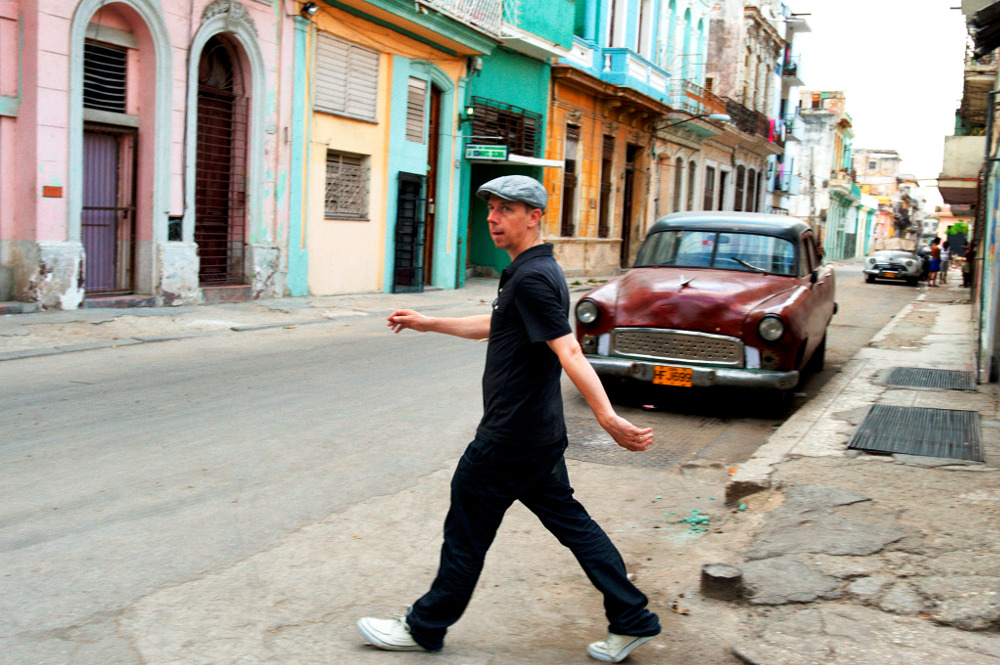
Gilles Peterson in Havana – Photo by Youri Lenquette

EGREM Studio cafe

I discovered this place inadvertently because we were recording in the studio upstairs, and I like it because it isn’t too touristy. The studio itself is where all the legends have recorded, and that’s why I recorded our first album there and returned to do the Daymé Arocena album there last summer. The space downstairs is nothing to look at, really, but they do fantastic rumba sessions there. It’s definitely worth going to check out the music, and the good thing is that it all kicks off there in the early evening – you don’t have to be there at 1 am to get the best of it.

Raices Profundas rehearsal space

This is the most magic place in Havana for me. It’s not open to the public as it’s a rehearsal space for the rumba dance troupe Raices Profundas, but for me it captures everything about the culture, music and dance of Cuba. I actually featured this place in a documentary series I made called Creative Class, and it’s an old theatre that’s falling to pieces, slightly off the beaten track near the centre of town. It’s like the Cuban version of going to the Opera House. If you’re heading that way, see if you can put your head around and you’ll see how vast and glorious it is inside.

Seriosha Record Shop

People always want to know about record shops, but, unfortunately, in Havana there aren’t really any apart from Seriosha. In all honesty, it’s not a record shop per se, more of a bric-a-brac shop selling everything from sewing machines to to car parts, and it’s right at the back of a little market. Because new turntable needles don’t come into the country every month, many of the records aren’t in great condition, but this place has all the gems – especially electronic fusion records from that sweet spot in the ’80s. As a tip: for good quality Cuban records in London, I go to Cosmos Records on Hackney Road.

Miramar Hotel

One of the reasons I’ve been staying at the Miramar Hotel is because it is very close to the studio I’ve been working in. I guess you could say it’s in the ‘posh end’ of Havana where all the embassies are, and when I stay there I always do a run from the Miramar to the old town and back. You’ve got to get up quite early so you get back before it gets too hot, but  I really recommend it because it takes you all the way through from the outskirts of the city centre to the Malecón, which is like Havana’s Promenade des Anglais. You can go via Revolution Square on the way back and I’m always discovering new corners of the city. It’s a great way to see Cuba.

Berthold Brecht Cultural Centre

It’s a formality that I go here every time I visit Havana, and I suppose that’s because it’s the club where Roberto Carcassés’ band Interactivo have residency. Roberto is the son of Bobby Carcassés, who is a legendary Cuban jazz pianist of the ’70s and ’80s, and he’s got a great approach to music. He’s very interested in trying things out and incorporating new styles like rumba, hip-hop and rap. The crowd is a lot younger, and it’s a really interesting insight into modern Cuban jazz. It’s really worth going to see them there.

Santy Pescador

People are always talking about eating in Cuba.  When I was first there, the food was really disappointing because, of course, the ingredients weren’t coming into the country. I would come back home having put on weight from only eating fried chicken and drinking rum, so I was keen to find new places when I next returned. This place is a little obscure: a Japanese restaurant,  believe it or not. It’s in the west of Havana close to the Marina Hemingway. It’s quite a while out of the centre, but it’s nice because the restaurant backs onto a river with lots of little fishing boats, and you can sit outside on a balcony overlooking it. The chef here is totally Cuban. He obviously must have travelled to Japan at some point– but the food is wild, it blew me away.

Gilles Peterson’s ‘Havana Cultura: Anthology 2009-2017’ album is out now and features some of Cuba’s newest musical talent. The record was created in partnership with Havana Cultura, a project by Havana Club rum.

Soundtrack: Soweto Kinch

We travel to Drambuie’s ‘Brass and Crimson’ session at Edinburgh Jazz Festival to meet saxophonist and MC Soweto Kinch, who reveals the tracks that influenced him while growing up in the West Midlands

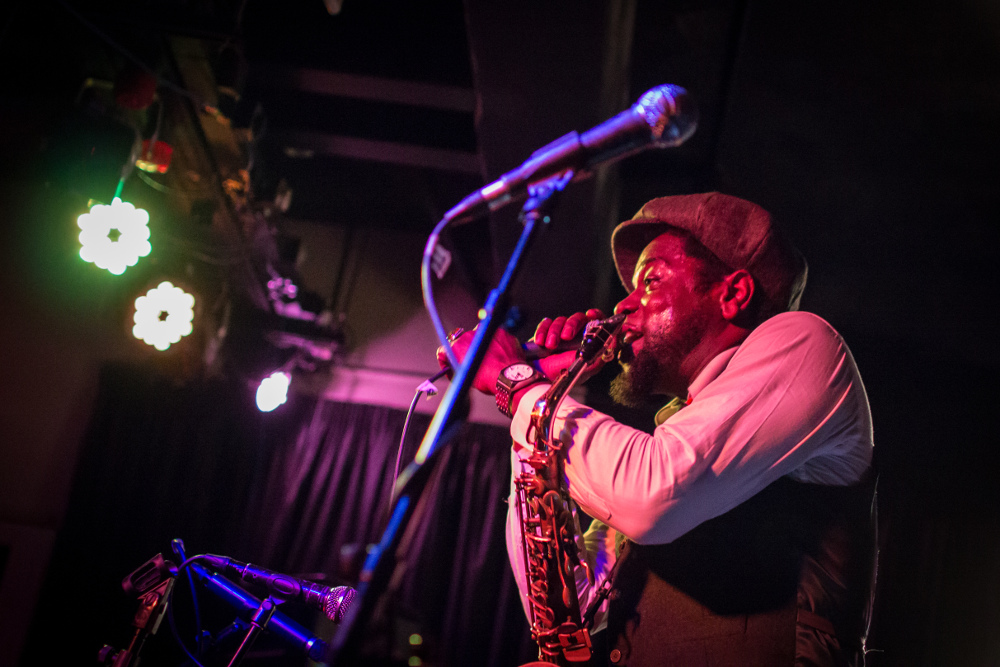
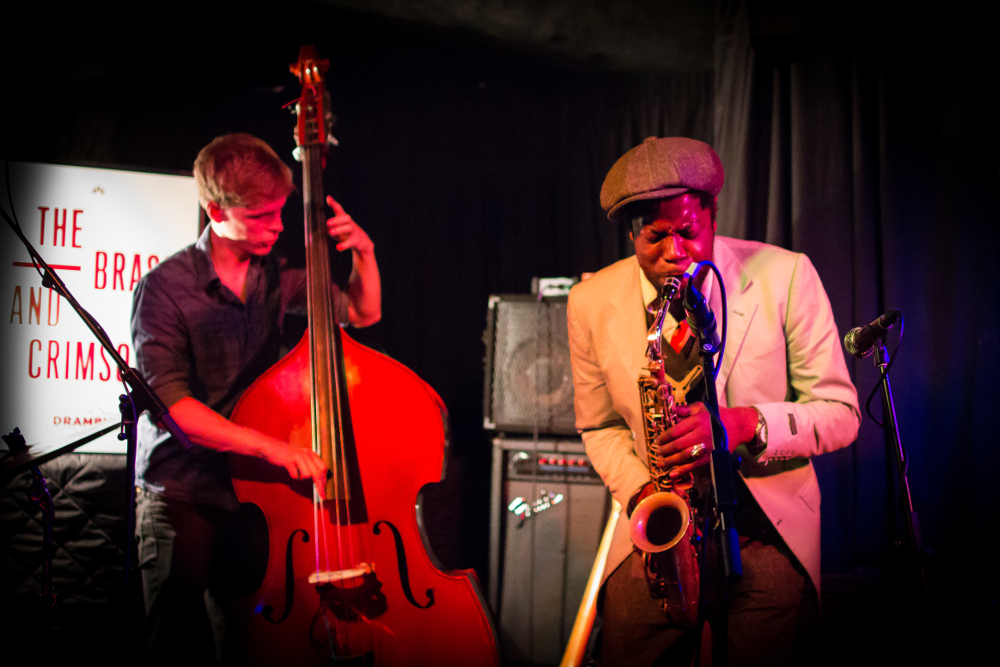
Soweto Kinch performs at Drambuie's Brass and Crimson sessions, as part of Edinburgh Jazz Festival 2016
Soweto Kinch performs at Drambuie’s Brass and Crimson sessions, as part of Edinburgh Jazz Festival 2016

I can’t tell you one song alone that got me into music – it was always a combination. But I’d say with jazz, one of the first songs I learned to play was ‘St Thomas’ by Sonny Rollins from his Saxaphone Colossus record. It was around the point where I got the jazz bug; it was important for me.

I’d say hip-hop wise, maybe something by Das EFX. I remember it was ’94, or perhaps ’93 when I first heard their rhyming come through. All I wanted to do was emulate their multisyllabic style of hip-hop. I’ve been involved with both artforms from the same time, which is nearly 25 years ago now…ever since I started recording albums, I started combining hip-hop and jazz. And since 2001, I’ve been driving towards a more personal melding of the two forms.

I grew up in Birmingham, UK, and moved here when I was nine years old. Artistically and culturally, I really cut my teeth there and  started to love everything I’m doing now; it’s a diverse and vibrant music scene here.

There’s really two Birminghams for me, which is probably the same in lots of cities: there’s the mainstream culture that you can see when you walk down Broad Street, the high street, the club culture, all the fancy shopping, etc. ; and then there’s this other hidden network of interesting communities that have retained some of their immigrant culture and blended it with Birmingham. You’ve got the city’s Conservatoire, with music students and lots of jamming in the city centre, and then you’ve got pockets of reggae culture in Handsworth, as well as Punjabi culture. It’s an exciting place to be creative.

Soweto Kinch 2

There’s lots of times when hip-hop and jazz overlap – they’re not the same form of music, but they definitely have a common origin. At the time I was getting into jazz, the hip-hop artists were sampling a lot of great jazz records, like Low End Theory, the second album from A Tribe Called Quest, which featured Ron Carter.

I’ve always seen the connection between the two art forms, and endeavoured to make myself the most authentic MC I can be as well as the most authentic jazz musician.

The next Drambuie Brass and Crimson session is on 10 Aug in Bristol. Soweto Kinch’s free festival ‘The Fly Over’ will take place in Birmingham, UK on 20 August 2016.

Soundtrack: Michael Kiwanuka

British soul musician Michael Kiwanuka on the risk-taking Funkadelic record that inspired his new album

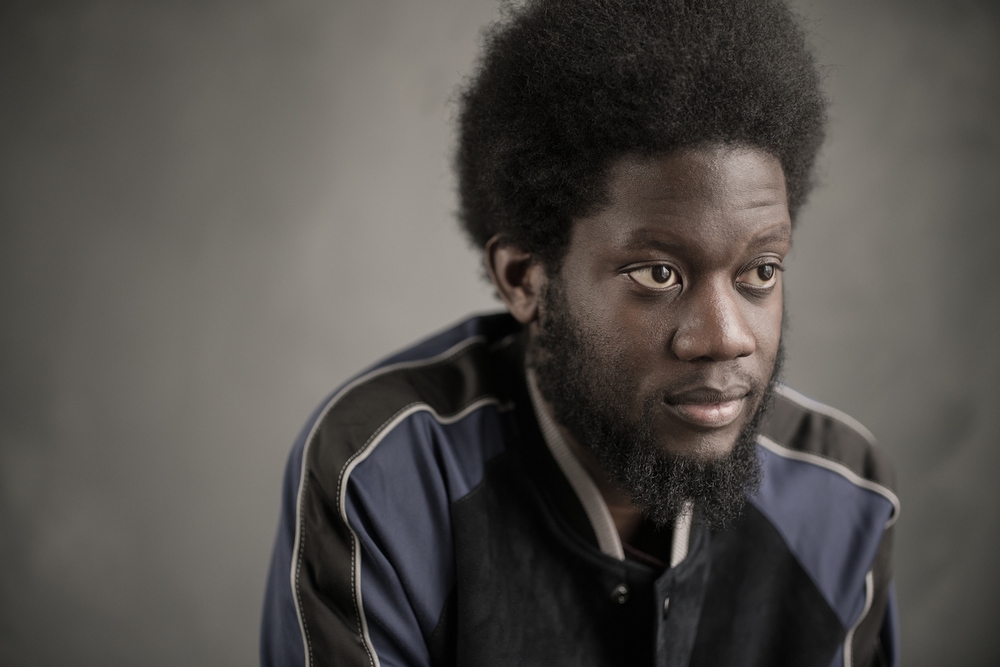
MichaelKiwanuka_colour

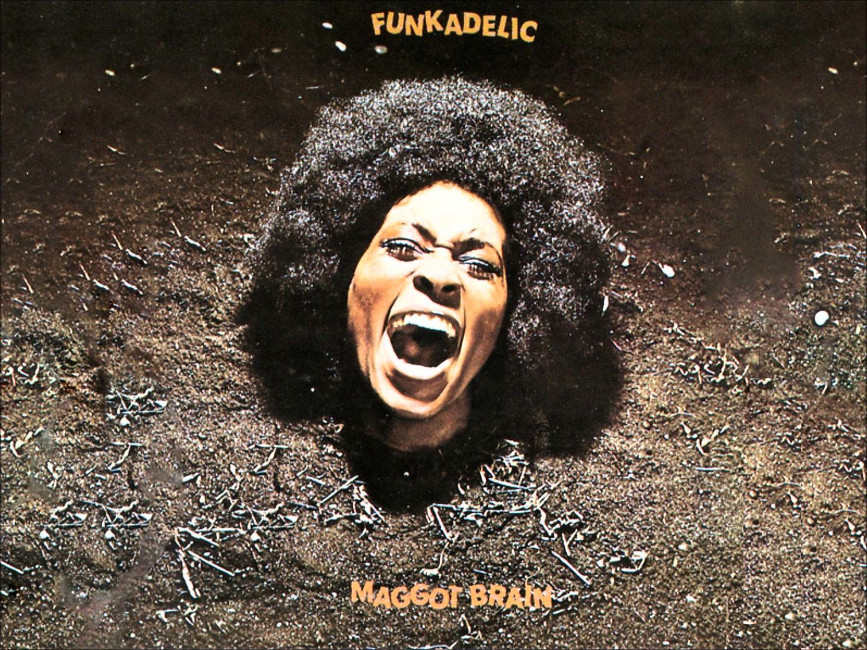
A record that really influenced me creatively for my new album Love & Hate was Maggot Brain by Funkadelic. I knew I wanted to do more of a soul album than a ‘folky’ album, so I was listening to a lot of bands and artists that weren’t straightforward. Funkadelic were a kind of psychedelic-soul-rock band – they had their own sound and it didn’t really fit into any boxes. I remember re-listening to Maggot Brain around the time I was recording Love & Hate and being influenced by just how adventurous and courageous they were with the length of their songs, their lyrics, and the sound of the record, so I thought ‘that’s the way I should be adventurous with my own music’.

The first track on the album, which is the title track, is a 10-minute opener; on Love & Hate I have a 10-minute opener. I realised that it can be a good thing for songs to be just instrumental or to have long sections without lyrics or vocals. Listening to that happen on Maggot Brain was something that really spoke to me and inspired me to be that bold.

funkadelic maggot brain feature
© Funkadelic, Maggot Brain, Westbound Records

Funkadelic’s guitar player, Eddie Hazel, was hugely influential for me as I learned how to put my love of guitar into my own music. The emotion in Eddie’s guitar playing is insane… I’ve realised that you can get the same emotion that you get via lyrics into a conventional song through just guitar playing, so I tried to get the same phase guitar sounds as him. He also successfully managed to bring rock ‘n’roll into soul – that’s something that has really influenced me.

Overall, it’s the experimentation, the adventure, the emotion, the childishness, and the psychedelia, that’s so great about Maggot Brain. All of that really helped me find another sound and get to another place in my own music, so I pretty much owe that progression to Funkadelic.

Michael Kiwunaka’s album Love and Hate out on Polydor Records 15 July 2016

Soundtrack: Barney Ales (Motown)

Ex-Motown president Barney Ales remembers the making of Marvin Gaye’s seminal 1971 album What’s Going On

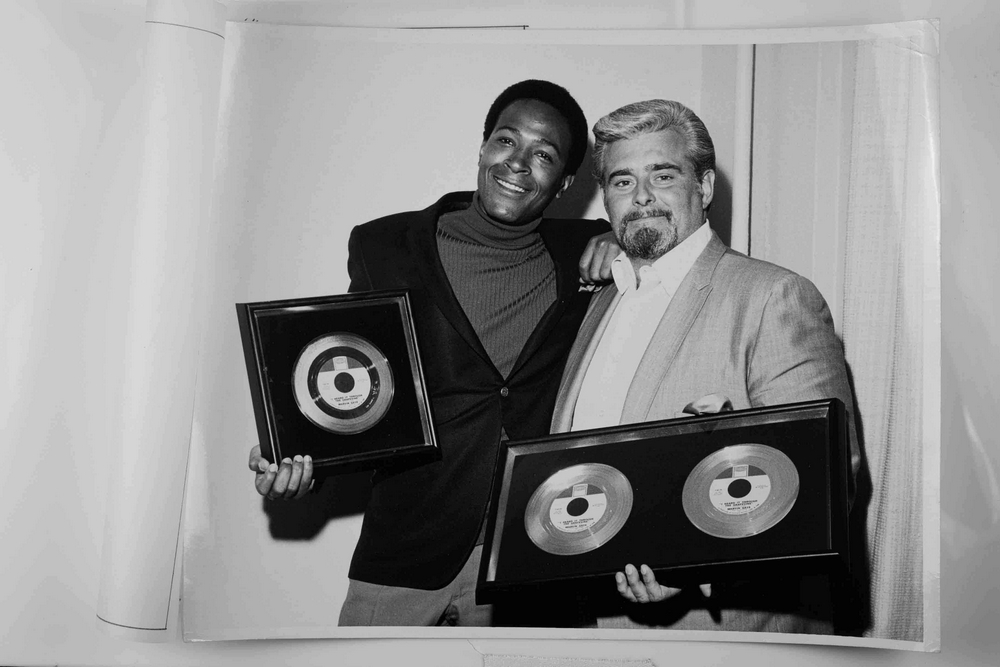
Marvin Gaye’s music moved me from the day I joined Motown Records in 1961. So did the man. He lacked confidence then, but not talent. In those days, he wanted to be Nat “King” Cole. I remember watching him at Bimbo’s, a nightclub in San Francisco, all fitted out in a white tuxedo, singing ballads. The audience didn’t really want another Nat Cole, and I think the gig contributed to Marvin’s lifelong stage fright.

His subsequent success in the 1960s gave Marvin confidence. Whats Going On was his masterpiece, although it didn’t come easily. I was Motown’s general manager by 1970, and we needed new music from him. But Marvin worked at his own pace, reshaping and remixing the song which eventually was the album’s title track. On first hearing, we weren’t sure. Motown wasn’t known for protest songs. It certainly wasn’t the Marvin of ‘I Heard It Through the Grapevine’.

I remember a meeting with Berry Gordy in Los Angeles, and he was complaining about Marvin being up in the mountains, talking to God, not finishing his album. By the start of ’71, we had nothing new, so I got together with our quality control head, Billie Jean Brown, and we decided to release ‘What’s Going On’ as a single. That’s all we had.

I was in Detroit when Berry called and said, “How could you release that record? It’s the worst I’ve ever heard.” But it exploded – we couldn’t keep up with the orders. Marvin had captured the mood of the time. When he delivered the album and we shipped it in May, the same thing happened. It went Top 10 in the pop charts in five weeks, which in those days was amazing.

If you listen to the party voices at the beginning of ‘What’s Going On’, you’ll hear a couple of football players from the Detroit Lions. We all used to love the Lions and I had season tickets. Marvin had become buddies with some of them; he wanted to be on the team. That was never going to happen, but I remember a few of us playing football at a Motown summer picnic. Phil Jones and I were the linebackers to stop Marvin, but as big as we were, we couldn’t. The next day, Phil and I had to fly to Europe, and we were all beaten up and bruised. That was Marvin – tough, stubborn, determined. A lion in his own way.

Motown: The Sound of Young America by Adam White with Barney Ales is published by Thames & Hudson, £39.95

This article is taken from PORT issue 18. Click here to buy single copies or to subscribe.

Soundtrack: Morcheeba (Ross Godfrey)

Morcheeba founder member and multi-instrumentalist Ross Godfrey reveals how Jimi Hendrix’s ‘Electric Ladyland’ helped shape his career

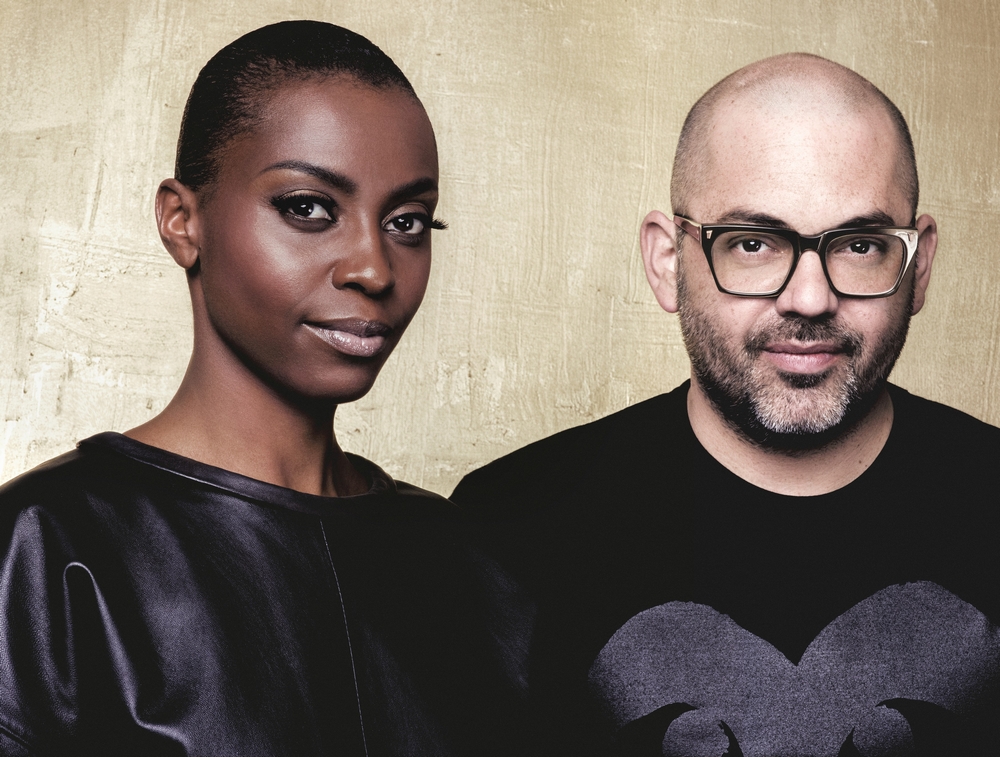
Morcheeba members Skye Edwards (left) and Ross Godfrey (right)

My dad had a great record collection and by the time I was 12 years old I was already working my way through it. On weekend visits, I ‘liberated’ the records I really wanted to take home… I was a bit slow getting to the Jimi Hendrix albums as I had traumatic memories of my dad, who, one night, scared the life out of me by blasting a terribly recorded live tune called Woke Up This Morning and Found Myself Dead at crazy volumes and drunkenly yelled “You’ll get it one day!”

He was right, but it wasn’t until I started playing the guitar myself that I began to appreciate what the hell that noise was all about. Plus the cover art made Jimi look like a demented drug-addled weirdo, which I found a bit intimidating at that age.

I had started to play basic rock ‘n’ roll stuff on the guitar and I was really getting into Chuck Berry when I stumbled across a recording of Hendrix playing Johnny B. Goode live at Berkley. It was like discovering alien life on another planet; it freaked me out! As soon as I could, I permanently ‘borrowed’ Are You Experienced, Axis: Bold as Love and Electric Ladyland from my dad. I rushed home and listened to them in the order they were recorded. From the first creeping feedback intro of Foxy Lady, I knew my world had changed.

By the time I got to the self-produced Electric Ladyland I was floored. It was less constrained and much deeper and heavier. The cover, featuring a bunch of naked ladies, was interesting for me at that age too… There was so much going on in the music: delta blues, free jazz, The Impressions-type soul, rock, pop and spaced-out freeform psychedelia. The album stayed as my favourite throughout my teens and the first time I listened to it on acid was when I truly understood the power of it.

Quite simply, 1983 (A Merman I Should Turn to Be) is the best piece of recorded music ever. It pretty much fills up a whole side of the vinyl and takes you on a journey under the sea and through Jimi’s imagination. I love the shorter pop hits too: Crosstown Traffic and its funny, fuzzy breakbeat funk; All Along The Watchtower, which is probably the best cover version ever; and of course Voodoo Child (Slight Return), which is Jimi doing his thing – being the best electric guitar player there ever was.

Electric Ladyland has had the biggest influence on me as a guitar player, producer and songwriter, and will stay with me as my companion through life until the day I die. It still sounds fresh and I don’t think anybody will ever make a better record.

Skye & Ross will be playing Love Supreme on July 2 2016. Their new album, ‘Skye & Ross’, will be released September 2nd 2016.

Soundtrack: Jeremy Gara (Arcade Fire)

Drummer for Canadian indie rock band Arcade Fire, Jeremy Gara, picks The Cure’s Disintergration as his essential Soundtrack

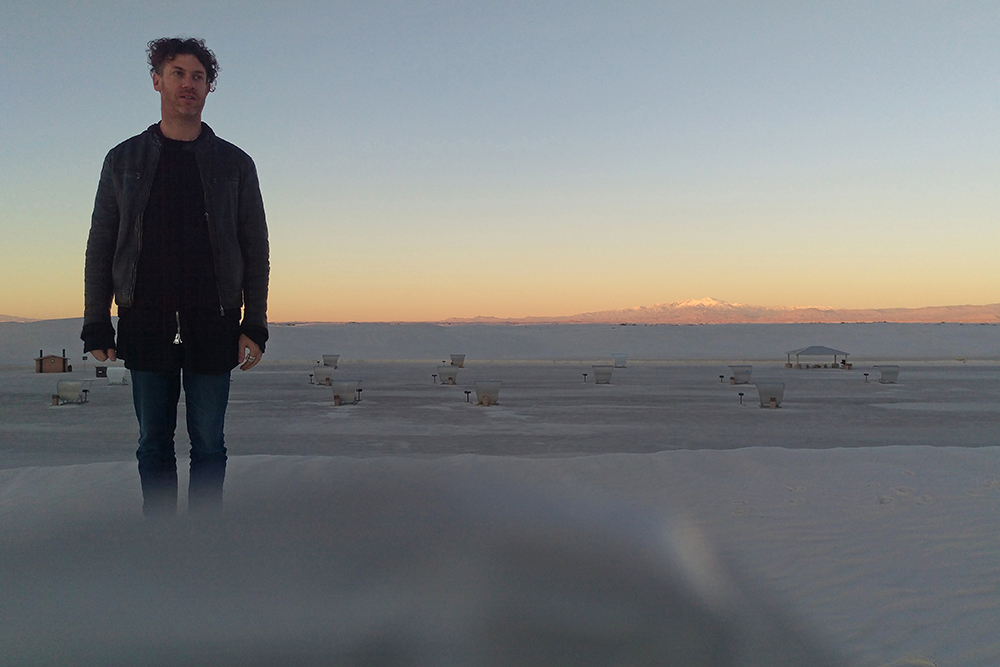
Jeremy Gara – Photo by Jen Brown

I bought Disintegration on cassette after my cousin took me to my first concert for my 11th birthday. After the show I bought a parking-lot bootleg t-shirt emblazoned with ‘The Cure – The Prayer Tour – 1989’ with the money my parents had sent me out with.

Even at that age I chose to listen to it in doses, picking the right moments to experience it when I could really get lost in it. It changed me. I’m pretty sure I started to grow up because of it. It was mysterious and beautiful and I didn’t know where it came from – it wasn’t on the radio, I didn’t see it on the ‘top hits’ tv shows. That album whetted my appetite; it was the first record to make me actively explore other music.

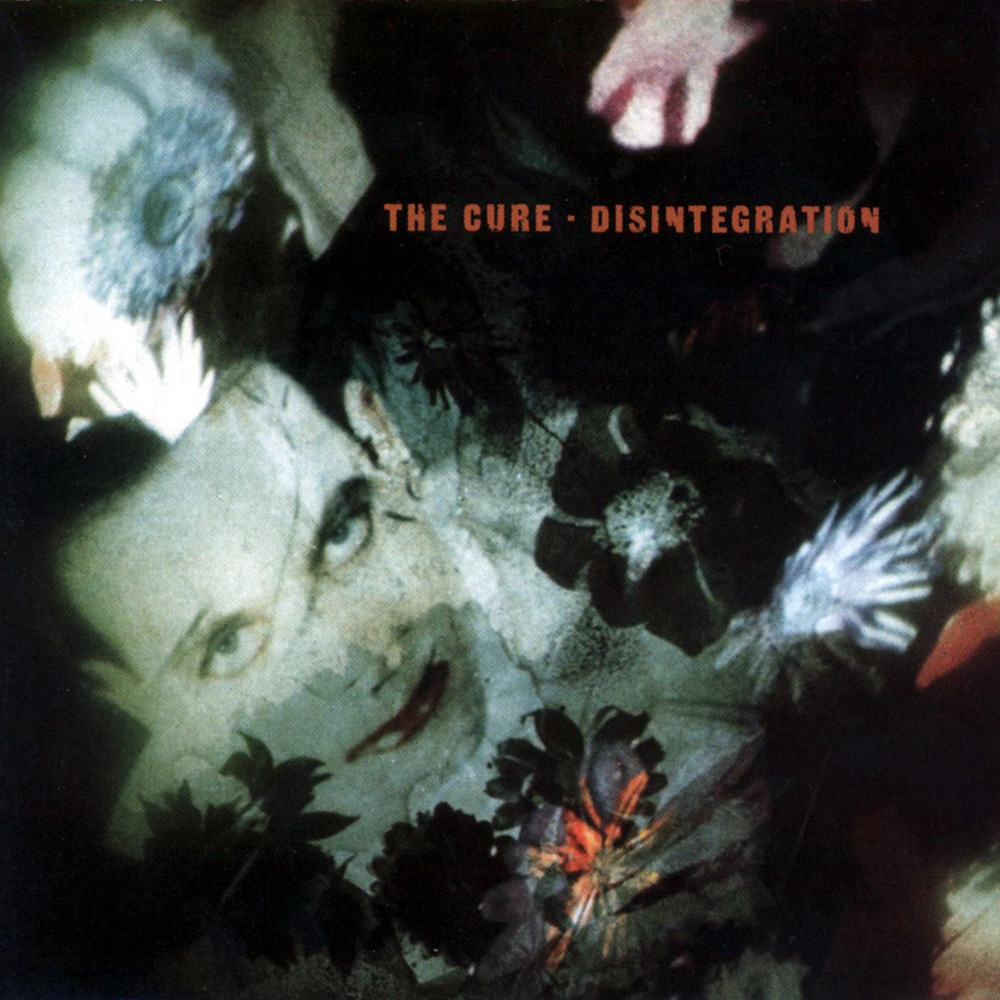
The Cure, Disintegration – image courtesy of Elektra Records

Disintegration didn’t inspire me to play music, exactly. I heard it many years before I even considered playing at all. It’s not a record I jammed along with as a teenager, like Rush or Nirvana albums. But I’ve always known every note, every lyric, every sound and layer of it.

As happens with most musicians, it has become harder for me to enjoy a lot of music. My ears immediately tear songs apart to their elements and hear the construction, their patterns – but I still lose myself in Disintegration. It’s always emotional and it still sounds unique. I can’t think of many albums that are simultaneously warm and cold, massive and yet, at their core, simple. It sounds charged: it has depth.

I was driving recently with a friend who’d never heard it in its entirety. I still fell right into it, immersed – maybe as much as she was, hearing it for the first time. I’ve lived with Disintegration for the better part of my life and I honestly can’t imagine living without it.

Jeremy Gara’s first solo album, Limn, will be released on 11 March via NRCSS Industry

Soundtrack: Jeff Wootton (Gorillaz)

Gorillaz guitarist Jeff Wootton picks three albums that steered his own music, from a classic Manchester sound to an album that doubled as a work of art

joy division unknown pleasures
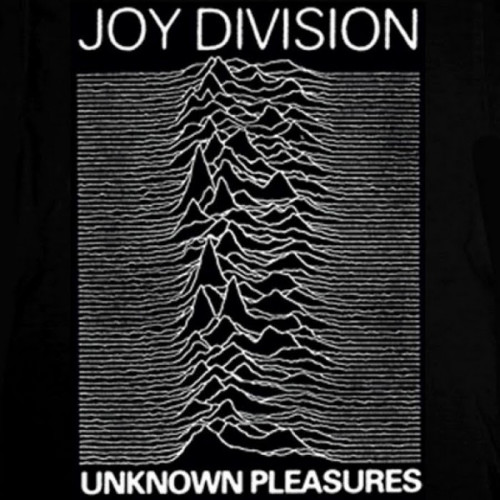
Joy Division, Unknown Pleasures, courtesy of Factory Records


Joy Division – Unknown Pleasures

Peter Saville is my favourite cover designer, Martin Hannett is one of my favourite producers, and Factory is one of my favourite labels. This record has it all for me. The band didn’t release any singles from Unknown Pleasures and the album didn’t even chart, but it’s now perceived as a classic and pioneering record, which, to me, says a lot of about the music industry today.

I was born in Salford, Greater Manchester. Growing up in Manchester gives you a fantastic foundation to feed your head with records. Joy Division were one of the bands I got turned onto early, but there’s no desire to go back and be nostalgic here. This album was searching for sounds of the future and that was down to Martin Hannett’s pursuit of recording bottle smashes, guitar amps in lifts and delay units. It’s a ‘Northern Goth-Punk’ record and singer Ian Curtis’ lyrics make it romantic and raw. Sometimes rolling into Manchester on a train back from London and seeing all the factories and industrial buildings, I put this record on in my headphones. It really captures the sound of that industrial image of Manchester. To me, Martin Hannett created that sound.

jimi hendrix edit
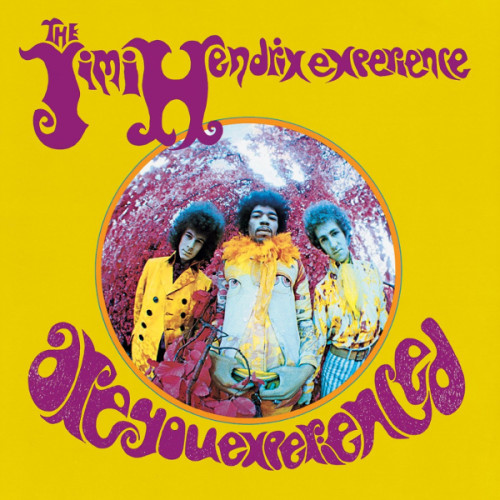
Jimi Hendrix, Are You Experienced, courtesy of Track Record

Jimi Hendrix – Are You Experienced

To go off-topic for one second – I once read a quote from an interview with Rick Rubin about rappers who grew up wanting to create records from outer space, not about the projects or housing estates where they grew up.

“Kurtis Blow, who was from Harlem and really around gangsters – he didn’t want to be a gangster. He wanted to look above it and wear leather boots and be more like a rock star,” Blow said. “Grandmaster Flash and the Furious Five were really inner-city, hard life guys, and they wanted to be from outer space.”

That really resonated with me. I was searching for a record from outer space and I found it in this one. This is a very innovative record. Jimi is sometimes overlooked as songwriter in favour of his guitar playing, but to me being a great guitarist is part of that. His lyrics are abstract at times and I really found a sense of writing lyrics from listening to him.

I was lucky enough to sit down with Eddie Krame, the engineer, and listen to the multi-tracks from this record. It really was amazing. The production still stands up today. I think a lot of producers are stuck in the same ways record to record – this is a record I always go back to if I find myself stuck. Oh yeah, and it was also released on May 12 – my birthday. The greatest guitar album of all time; The world needs more records from outer space.

andy warhol
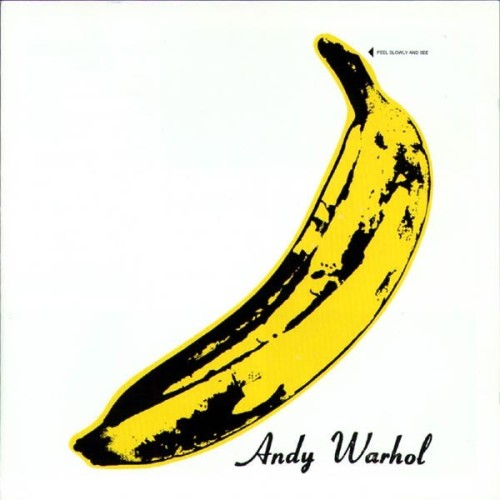
The Velvet Underground and Nico, courtesy of Verve Records

The Velvet Underground and Nico – The Velvet Underground

This raw, punk-noir, art masterpiece came to me from a teacher in school. Andy Warhol brought the art and femininity with Nico, and Lou Reed could write about drug addiction in the form of a pop song. John Cale taught me the art of drone, and guitarist Sterling Morrison and drummer Maureen Tucker gave the above the foundation it needed to work.

Art is an important part of music to me, and Warhol & Co. taught me you could mix the two. This was something I tried with my album with artist Damien Hirst. That was another album recorded for cheap and one that didn’t sell at the time but was a masterpiece in my eyes.

Jeff Wootton’s first solo album The Way is Light is out February 26th

Bob Dylan: Rolling Thunder


Publisher Guy White examines the work of one of Bob Dylan’s most trusted photographers, Ken Regan

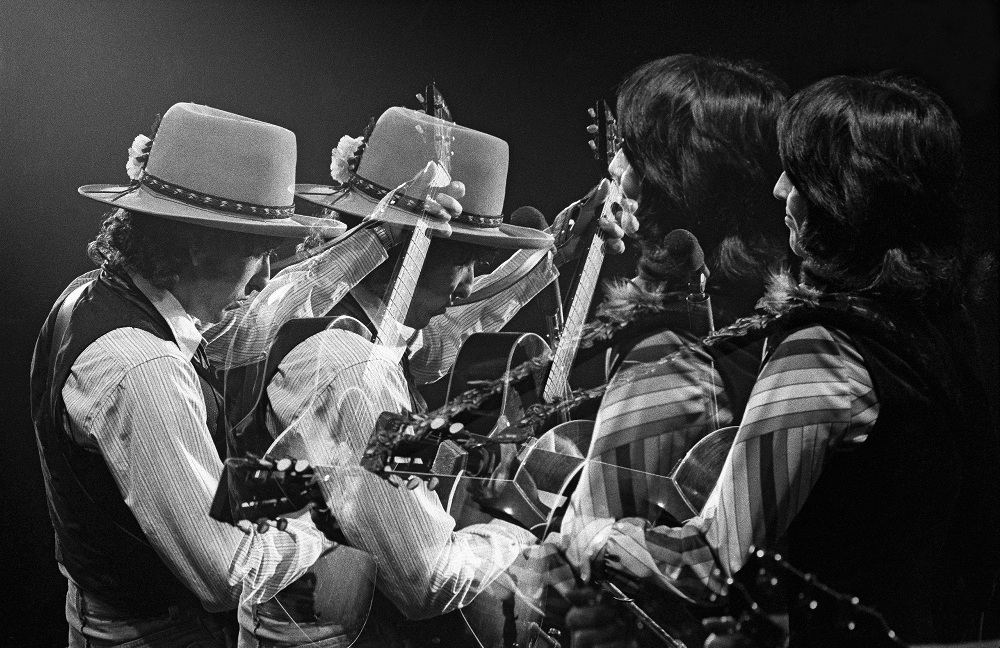
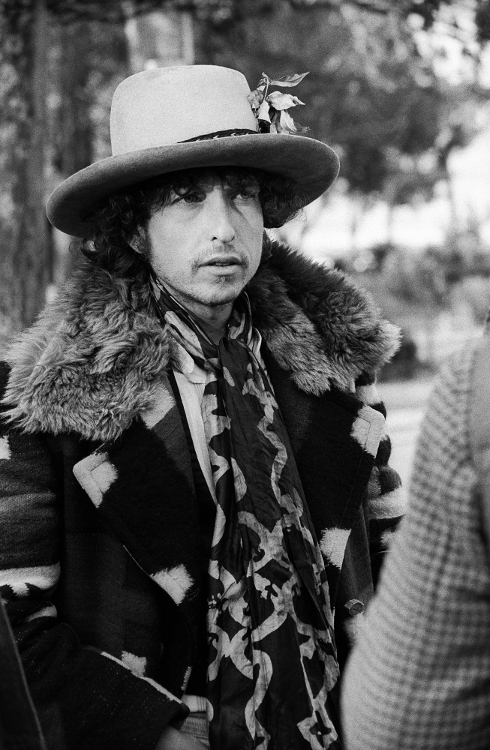
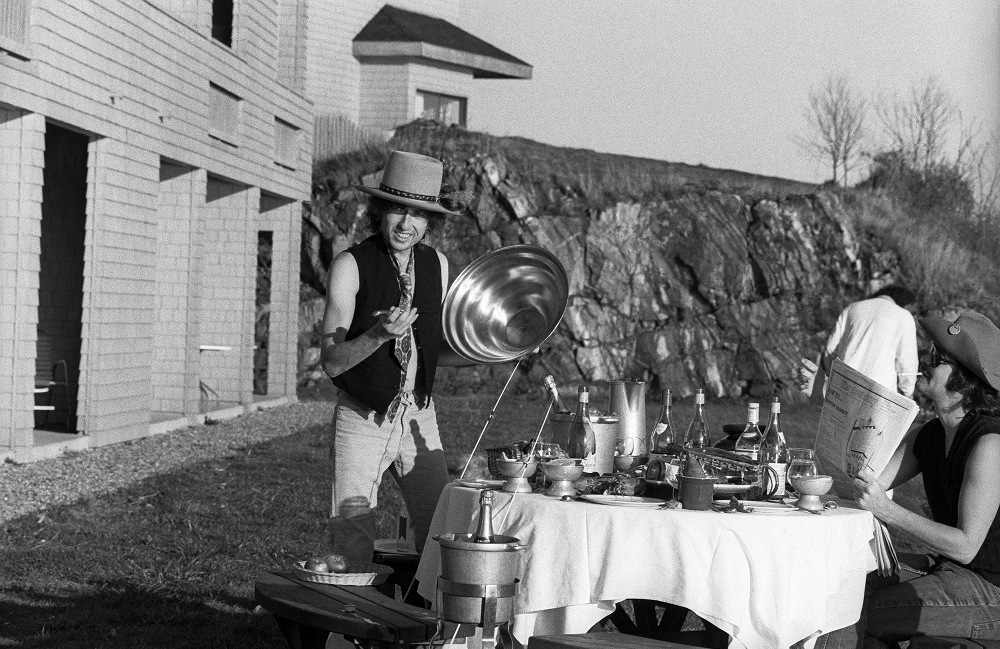
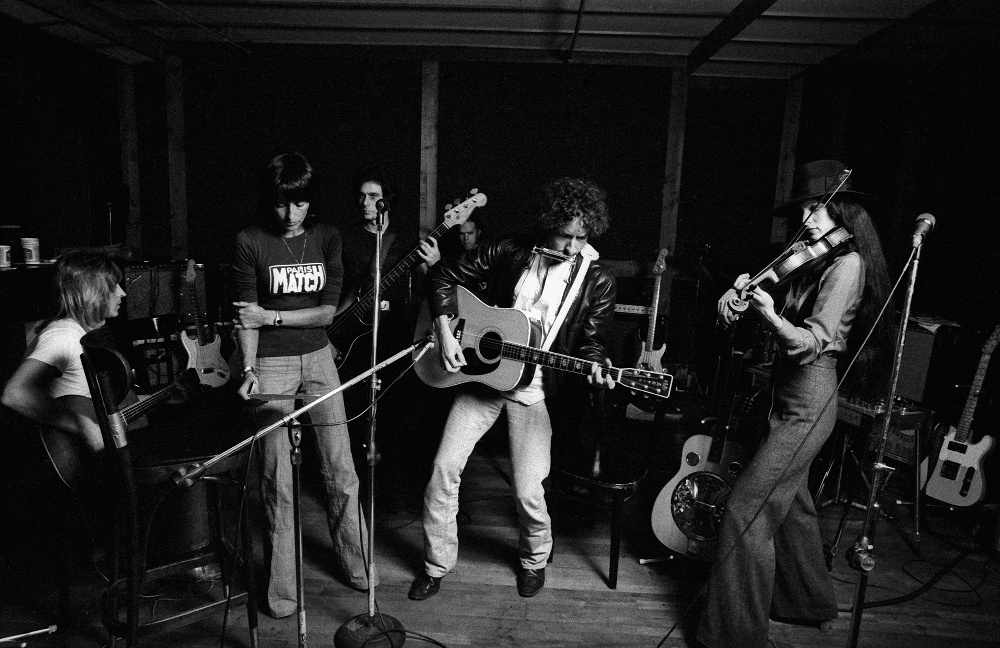
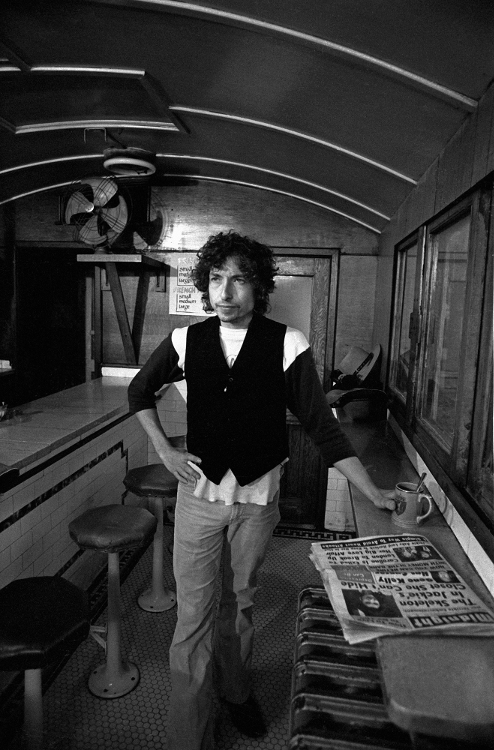
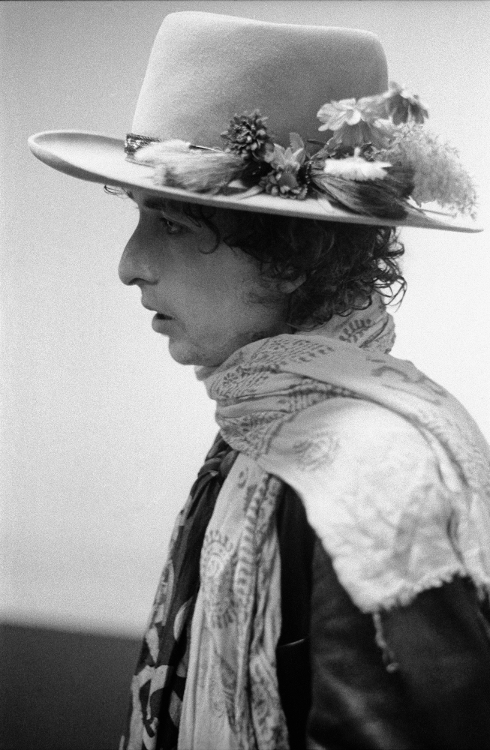
Bob Dylan’s Rolling Thunder Revue tour took place from the autumn of 1975 to the summer of 1976, and, as well as becoming iconic in its own right, this time on the road resulted in some of most revealing photographs of the legendary singer-songwriter. As Ken Regan, the late photographer behind the images, once said: “Bob had given me free rein to shoot it all – onstage, offstage, dressing rooms, parties, trailer, whatever was going on.”

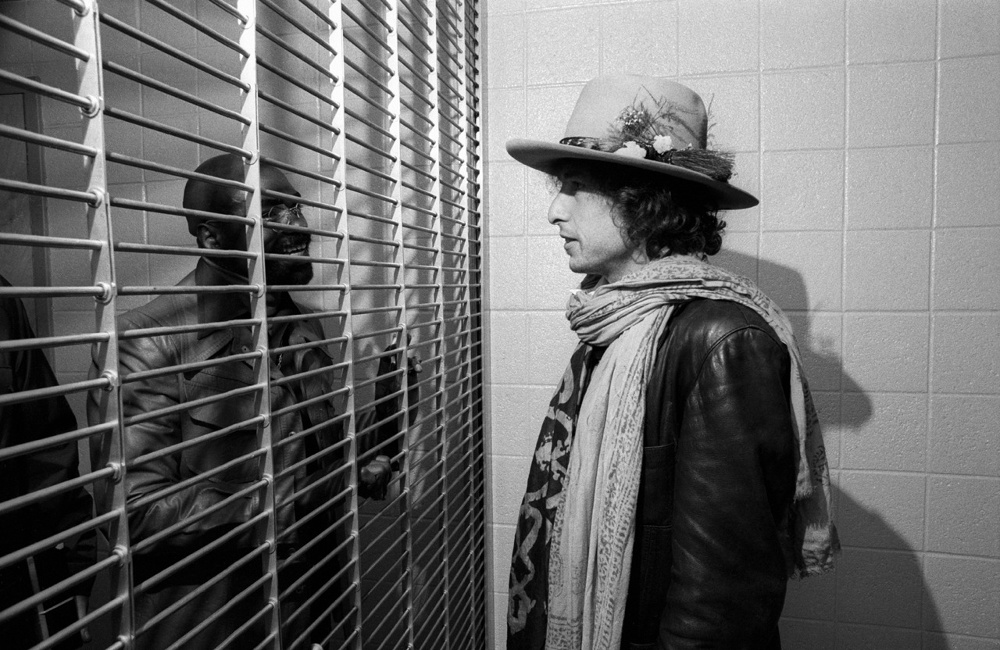
The tour came at a time both politically and artistically charged in Dylan’s career. He had just completed his 17th album, Desire, which included the song Hurricane: a powerful response to the wrongful murder conviction of boxer Rubin Carter. In the fall of 1975, at the end of the tour’s first leg, Dylan would perform the song at Trenton State Prison where Carter was incarcerated, joined onstage by Allen Ginsberg.

© Estate of Ken Regan/Ormond Yard Press
Bob Dylan visits Rubin Carter © Estate of Ken Regan/Ormond Yard Press

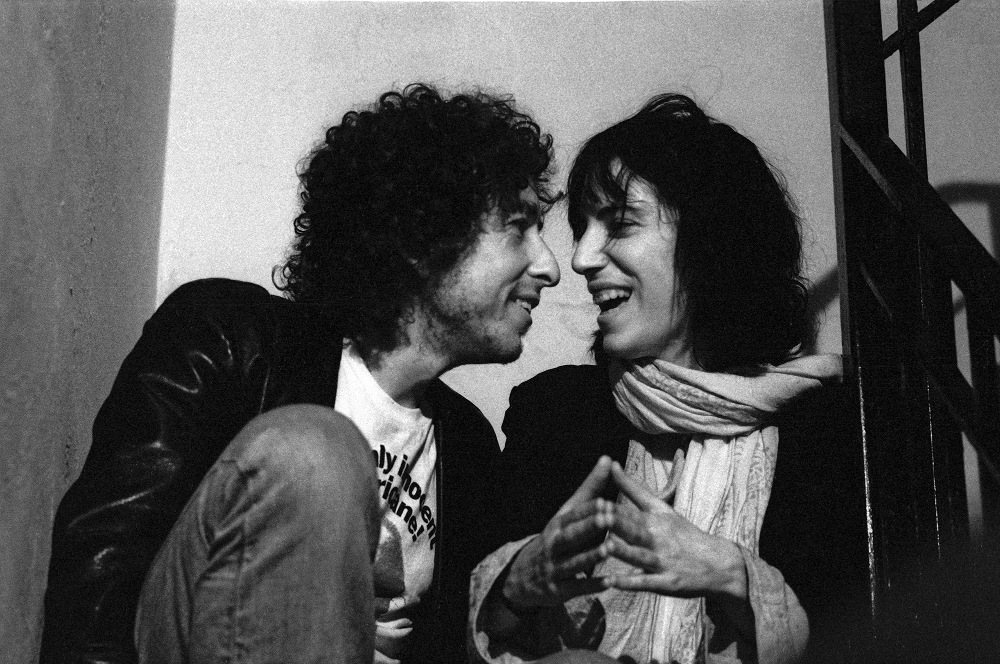
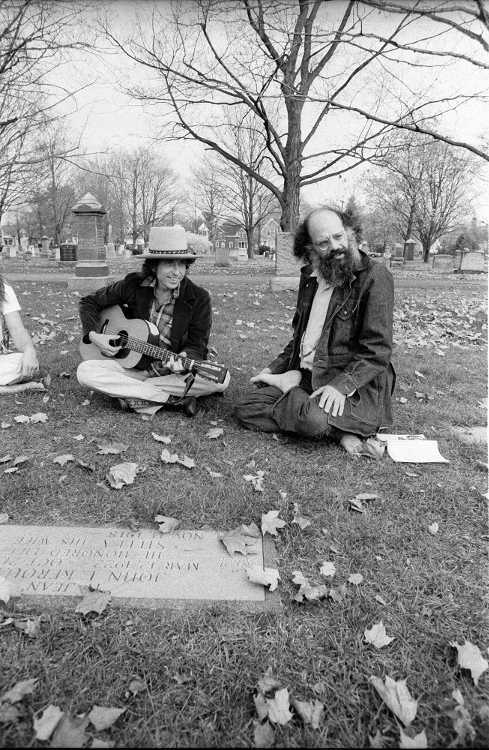
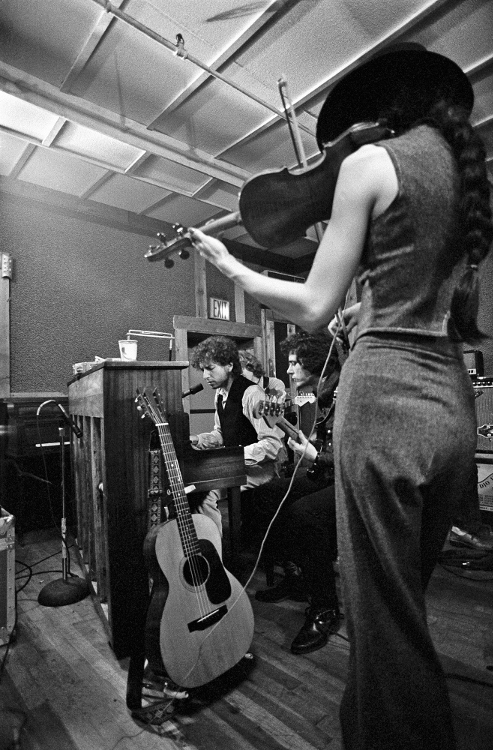
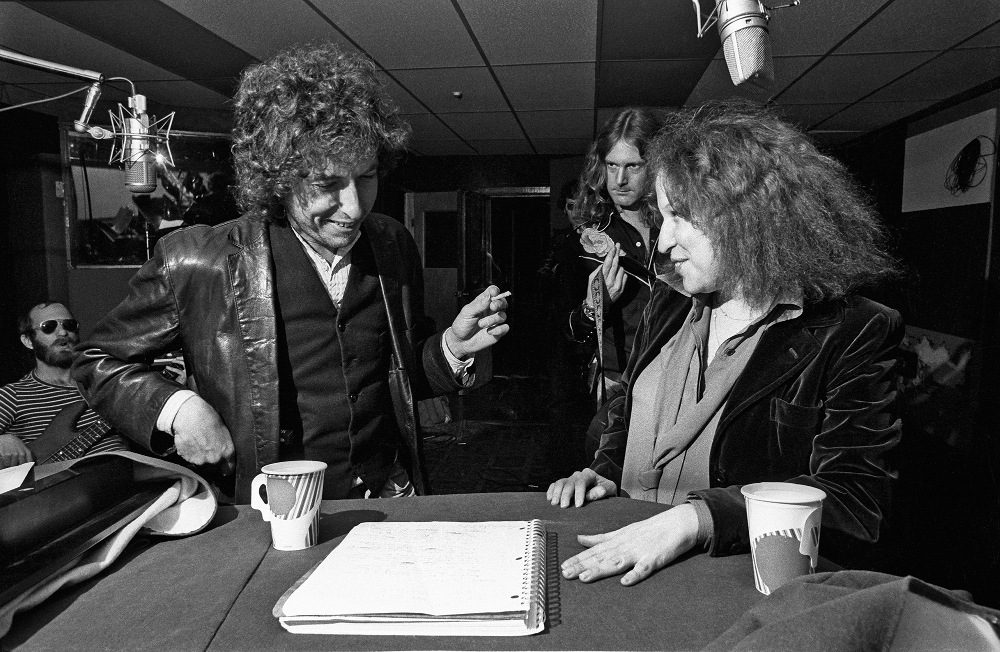
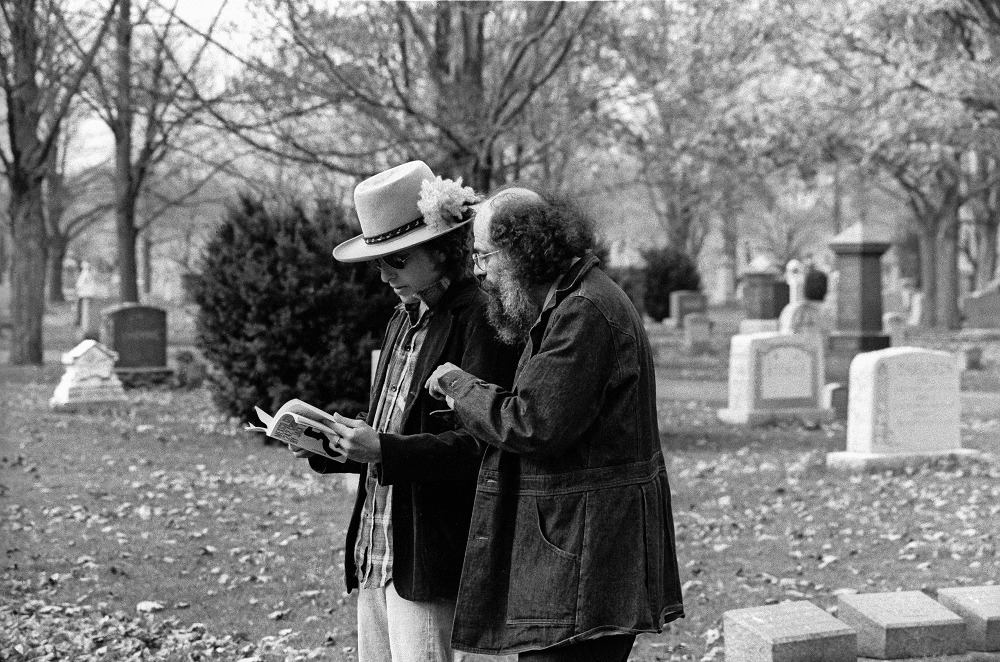
Dylan attracted the icons of his generation; musicians, writers, and filmmakers were welcomed to drop in along the way of Rolling Thunder Revue. Some stopped by for a conversation, while others ended up staying for the whole tour. Photographer Regan was on-hand to shoot not only the performances, but the moments in between: Dylan and Patti Smith finding a moment to talk on the stairs; Ginsberg, cross-legged and barefoot, with Dylan on guitar, smiling at the camera behind Kerouac’s grave; and the tail-end of a joke shared while he recorded in the studio with Bette Midler.

Ken Regan’s photos of the tour are engaging because he was engaged – a part of the joke, the party and the specific moment in music history. The book of his collected photos provides a view from all different vantage points, from backstage as well as a member – like the rest of us – of the watching crowd.

Below, Guy White, editor at Ormand Yard Press, talks about his relationship with Regan, and explains why his photographs of Rolling Thunder Revue still feel so immediate, 40 years on.

Allen Ginsberg and Bob Dylan

“I first met Ken Regan in 2004, shortly after we set up our photography gallery, Snap.

“In one of our early meetings, Ken shared with me a relatively small selection (probably no more than 200 images in total) of images from his Rolling Thunder sessions, and I was struck immediately by them. Not just by how much quality material there was, but also how little had been published in photography books over the years.

“Ken’s relationship with Dylan was based on mutual trust; Ken was the soul of discretion. In a meeting before the tour had started, Bob Dylan explained that his wife and children were going to be on the Rolling Thunder tour at various times, and, although Ken could photograph them, he would not be able to release those pictures. They shook hands, and Ken never betrayed that trust. Ken never talked in-depth about his time on the tour – probably for good reason – because he wanted his photographs to do the talking.

“Ken is the only one of what I would classify as the ‘major Bob Dylan photographers’ (Daniel Kramer, Barry Feinstein, Jerry Schatzberg and a couple of others are with him) who had not published his own book of Dylan photographs.

“When I set up our publishing arm, Ormond Yard Press in 2011, I had a plan for the first 10 titles, and right up there was this book. I was delighted that Ken’s family agreed to us publishing Rolling Thunder: Photographs by Ken Regan.

“Why now? Well, the tour happened 40 years ago, so it seemed as good a time as any to publish it. We certainly didn’t want to wait until 50 years had gone by… It’s a beautiful book in a staggering large format – my only regret is that Ken passed away in 2012 and will not get the chance to see it.

Guy White is publisher of Ormand Yard Press and the director of Snap galleries. Rolling Thunder: Photographs by Ken Regan is available to pre-order now

Flashback: New York Disco by Bill Bernstein


US photographer Bill Bernstein writes exclusively for PORT about capturing the offbeat venues and colourful characters of New York’s disco scene in the 1970s

I never danced, took drugs, drank or had any other dalliances during my months of photographing the NYC disco scene in the ’70s for my project, DISCO. Not that I don’t do those things, but for this particular period, even with those temptations all around me, I stayed focussed and true to my art form: photography. Although I was never really swayed by the music – I was much more of a rock ‘n’ roller, although I did like some of it – I was fascinated by the people and imagery all around me.

I decided to try to hit as many clubs as I could in ’79. Of course Studio 54, Xenon, Paradise Garage, but also 2001 Odyssey out in Bay Ridge Brooklyn – home of “Saturday Night Fever” where the “craze” all began. I remember this club being in the middle of nowhere in Brooklyn. A small building with a tacky movie poster from the film hanging between the restroom doors. Cutout figures of John Travolta Scotch-taped to the mirrored walls. And that illuminated dance floor… I spoke with the manager of the club for a while and he complained that he had never been paid his location fee for the movie, but nonetheless, it brought in traffic from all over the world.

One of my favourite places was GG’s Barnum Room in mid-town Manhattan. It was a transgender male and female haven, and the only club with an acrobatic show above the dance floor. And of course, Paradise Garage, the downtown club with the world’s best Dj, Larry Levan. I loved how Larry worked the crowd. He played whatever he thought would keep the momentum going. He loved Pat Benatar’s ‘Love is a Battlefield’ and would play it over and over again. He didn’t care. He just did his own thing, and that’s what made him, and the club so great.

Disco: The Bill Bernstein Photographs was published on 16 November 2015 by Reel Art Press. RRP £40 ($60)

The book’s release will coincide with an exhibition running 3 December 2015 – 24 January 2016 at Serena Morton Gallery, 343-345 Ladbroke Grove, London W10 6HA