Samba City: The Blocos of Rio

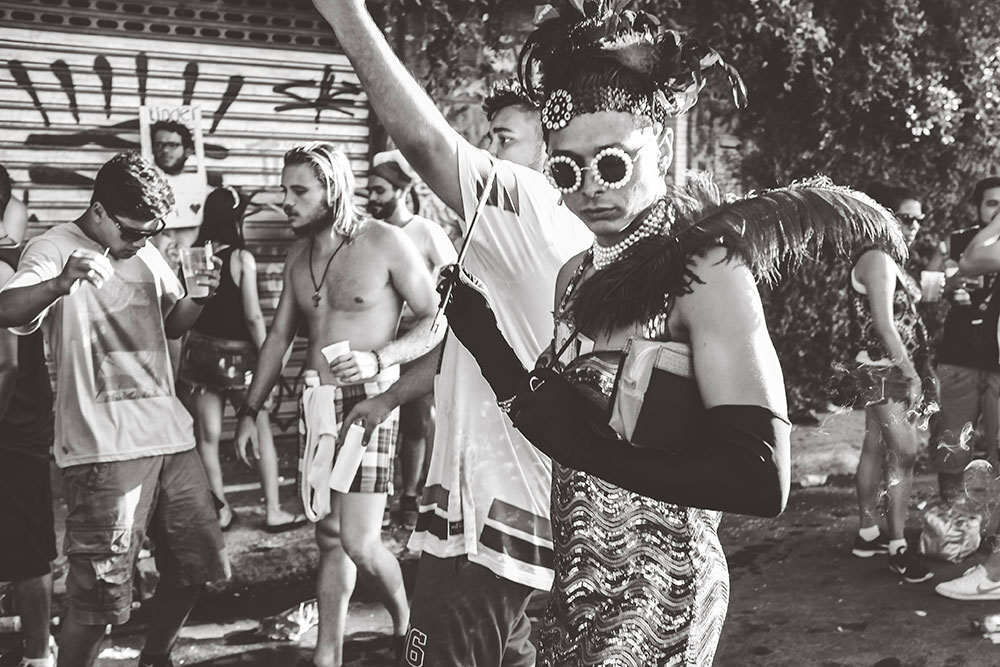
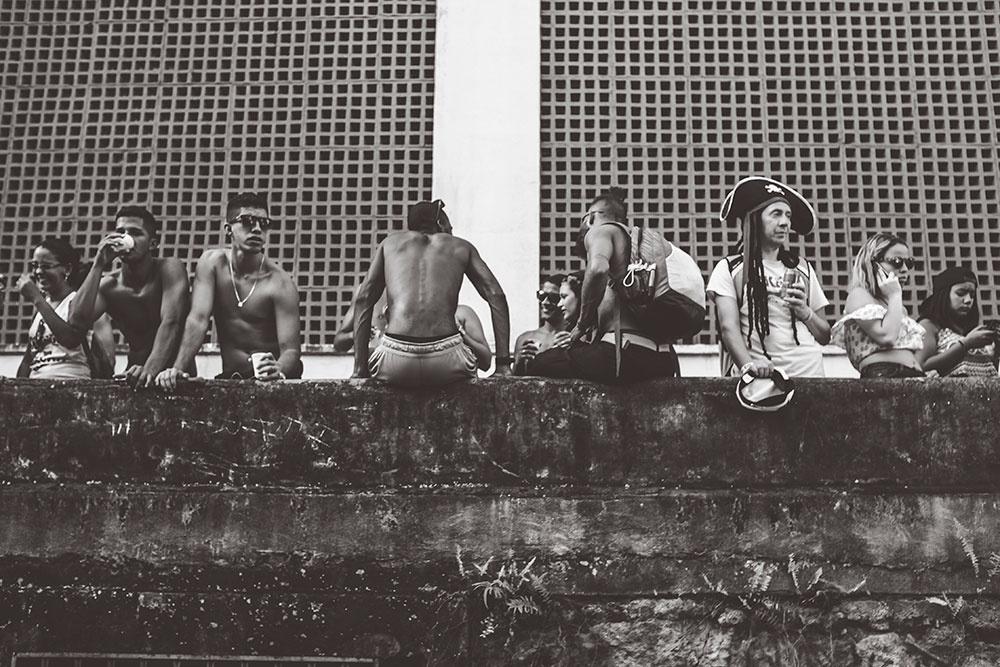
  As Brazil gears up to celebrate Carnival, photographer Fran Petersson recalls hitting the streets of Rio de Janeiro to discover the city’s notorious street parties Famed for its annual televised Sambadrome parade, the heart of Rio de Janeiro’s carnival success lies with the ‘Bloco’ – the legendary parties that flood the city’s streets. In 2017, there will be 462 officially recognised Blocos taking place in the city, attracting nearly 5 million attendees. Open to all and following a set route for a duration of a few hours, the biggest blocos draw crowds of up to one million people. Those held in the once crumbling neighbourhoods of Lapa and Santa Teresa are the latest locations to lure in Rio’s thrill-seeking tourists. Inland from the popular seaside attractions of Ipanema and Copacabana, the historic Santa Teresa district  is one of the oldest in the city, dating back to the construction of a convent of the same name in 1750. Despite it’s cultural significance, Lapa was, for many years, known for its insalubrious characters and seedy nightlife. That was until 1990, when Chilean artist Jorge Selarón began his now iconic tiled staircase artwork outside his house: the catalyst perhaps to one of the most drastic urban transformations to have ever taken place in Rio. Street art now cheers many of the fractured walls, and tourists flock for selfies on the colourful steps, taking shade under the radiant aqueduct arches Lapa takes its name from, helping local businesses to flourish.

A man reclines by the roadside in Santa Teresa

A combination of this creative regeneration along with cheap rents for ballroom-scaled real estate, and a series of elevated walkways thronging the main street level have unexpectedly created the perfect destination for Rio’s young and beautiful fans to live out their carnival dreams in the balmy sunshine of new bohemia. Offering a completely different kind of experience from the beach party crowds, Lapa and Santa Teresa’s Blocos draw in the artistically minded to it’s samba-spiked celebrations, and has quickly become the place to be seen and stay during carnival season. The winding streets of Santa Teresa are filled with free spirited, iconoclastic creatures who have been drawn from all over Brazil, mingling happily to the sounds of street corner drummers, laughing samba first-timers, and excited chatter. Being an old pro at throwing a party, when the fun is done, Rio’s cheerful and unanimously good looking clean-up crews sweep up behind the masses. Every trace of the foot stamping soiree that minutes before caroused through its cobbled streets vanishses, leaving Bohemia to wake up from yet another great party in peace.

Photography Fran Petersson

Interviewed by Drew Whittam

Lifting the Lid on Trump

Author and staff writer at The New Yorker, Mark Singer, considers the reality of national life and death under President Trump

Illustration – Louise Pomeroy

To try to understand how and why one of America’s two major political parties managed to nominate a presidential candidate so self-absorbed, defiantly ignorant, intellectually vapid, impulsively combative, compulsively mendacious and recklessly erratic as to jeopardise the United States’ strategic international alliances, national security and standing as a rational guardian of the world order, begin with the inanity of our electoral protocols. Our national anthem brightly declares us “the land of the free and the home of the brave.” Politically, though, we are the land of the easily amused and the home of the readily fooled.

The 2016 campaign got underway the afternoon of January 20, 2013. Earlier that day, President Barack Obama had taken the oath of office marking the inauguration of his second – and final – term. Officially, this meant four more years to command the armed forces, steer the world’s largest national economy through its recovery from the most dire crisis since the Great Depression, and fulfil the duties and responsibilities designated by the Constitution. The Republican Party leadership, however, was having none of it. Throughout Obama’s first term, the opposition had embraced a content-free agenda of resolute obstructionism, a strategy still in effect. Obama would be the lamest of lame ducks. Other than the ceremonial formalities, they vowed, his presidency was kaput. In this regard, they were enabled by a political punditocracy that had already turned its attention to the next election. Focus conscientiously upon the arduous work of governance? For the possibility of transcending partisan differences for the common good? For the redress of stark social and economic inequalities? Please! Only the horse race, it seemed, mattered.

When, in June 2015, Donald Trump formally declared his candidacy, he had already spent four decades clamouring for public attention. New Yorkers knew him as a rough-edged rich kid from the outer boroughs – son of a developer who amassed a fortune building rental housing in middle-class Queens – who had crossed the river into Manhattan and ingeniously succeeded, as no one previously had dared, at branding real estate. Depending upon one’s perspective, Donald was either a self-parodying parvenu or an aspirational figure. He developed residential high-rises plastered with the ‘TRUMP’ moniker, then diversified in Atlantic City, where he built casino hotels slathered with blinding ornamentation, the goal being to titillate suckers with the fantasy that a Trump-like life was a lifelike life – to distract from the fact that he had lured them inside to pick their pockets. The odds favouring the house notwithstanding, the casinos would in time fail, a saga of serial bankruptcies (six!) that would correlate with Trump’s nastiest habits, his cruel pleasure in stiffing creditors and his hair-trigger litigiousness.

His personal life was no tidier. During the first of his three marriages, he had committed blatant adultery (along the way snookering the New York Post, a tabloid, into publishing a headline with a putative quote from his mistress and future second-ex-wife: “BEST SEX I’VE EVER HAD”). Equally promiscuous had been the bankers credulous enough to lend Trump billions. No longer creditworthy, he possessed only one remaining exploitable resource – his brand. Going forward, moneyed partners would assume all the risks and, in exchange for having his name on their buildings, Trump would earn back-end equity when a project succeeded. Such details were hidden from a public for whom the Trump illusion survived. For more than a decade preceding his candidacy, Trump’s day job had been reality television star. No longer – and perhaps not ever – an actual billionaire, he now impersonated one on TV. Trump’s role on ‘The Apprentice’ and ‘The Celebrity Apprentice’ constituted his political capital, an asset he would leverage to seduce millions of voters suspended in their own collective fog of make-believe. 

America’s first-ever reality TV presidential campaign began infamously, of course, with Trump’s slander of Mexicans as rapists and drug smugglers. Islamophobia followed. The bigotry extended his four-year run as the nation’s birther-in-chief, promoter of the racist lie that Obama had been born not in Hawaii but in Kenya, rendering his presidency illegitimate. Birtherism – stirred with economic populism, fear and nativism – begat Trumpism, a brew concocted by a narcissist, drunk on his metamorphosis into demagogue. 

Eventually, 16 other horses joined the race, among them senators, governors, former senators and governors, one in-way-over-his-head retired neurosurgeon, and one erstwhile corporate chief executive. The latter two, in particular, hoped to trade upon their outsider status with an electorate disgusted by the political status quo and especially by Washington. Any of the contenders seemed as likely to prevail as Trump, whose candidacy for far too long was treated by the press, the public and the Republican establishment as a relatively harmless novelty. Trump win the nomination? Get outa here. The general election? – beyond ludicrous. 

Cable news doted upon Trump because, regardless of one’s politics, he provided entertainment, which meant bigger ratings, which meant bigger revenue. The digital and print media, while perhaps less cynical, knew that Trump delivered good copy. Still, subject him to labour-intensive investigation? We’re busy.

By the time the first primary votes were cast, in early February, his candidacy was seven-and-a-half months old. The monster had long since risen from the laboratory table and run amok. There had been 13 debates and ‘candidate forums’, and Trump had dominated virtually all of them – bullying, interrupting, taunting and lying about his opponents. One by one, short of votes, short of money, they gave up. Each retreat seemed inevitable and each seemed to embolden him. When challenged, he attacked the moderators. During campaign rallies, he incited his supporters to spew venom at the hapless journalists assigned to cover him.

Throughout, Trump’s sordid history – racial discrimination against would-be tenants; dealings with organised crime; employment of undocumented immigrants; deeply ingrained misogyny; unconscionable fleecing of desperate enrollees in his fraudulent get-rich-quick real-estate seminars; refusal to pay contractors whose businesses then failed – hid in plain sight, accessible with a few keystrokes, thanks to years of exertions by superb journalists (Wayne Barrett, David Cay Johnston, Timothy O’Brien, Tom Robbins et al.).

With laudable exceptions – Politifact.com (a project of the Tampa Bay Times), Fact Checker (ditto, Washington Post), Factcheck.org (Annenberg Public Policy Center) – not until Trump had clinched the nomination did most news organisations subject him to the scrutiny they could have and should have from the get-go.

By the time of the first debate (of three) with Hillary Clinton, the election was six weeks away and the race was perilously close. Arrogant as ever, Trump showed up unprepared. Clinton did decidedly the opposite. Not long into the proceedings, Trump was reduced to petulant defensiveness. At the end, both his feet were perforated with multiple bullet holes – a historically awful performance.

How awful? One of his most pugnacious partisans, Rudy Giuliani, a former mayor of New York City, showed up in the spin room to cry foul. The debate moderator, an equable, self-restrained network anchorman, had had the temerity to correct one of Trump’s more flagrant lies by citing widely documented data. “If I were Donald Trump,” Giuliani said, “I wouldn’t participate in another debate unless I was promised that the journalist would act like a journalist and not an incorrect, ignorant fact-checker.” Goddam facts!

Twenty years ago, while preparing a profile of Trump for the New Yorker, I spent a great deal of time with him across several months. Early on, I decided not to take personally the transparent distortions that constantly burbled from his lips – or, if you will, his reflexive lying – telling myself, ‘That’s just the way the man talks.’ Trump said many things that I found baffling, such as when he described the apartments he sold as belonging to three categories: “luxury, super luxury and super-super luxury.” This taxonomy led to my conclusion that he “had aspired to and achieved the ultimate luxury, an existence unmolested by the rumbling of a soul.”

Naturally, Trump hated what I wrote and my reward was his undying enmity. But I knew that my verdict was accurate, evidence of which the electorate has now been exposed to for more than a year. Still, I am resisting presumptuous optimism. This is a matter of national life or death. Trump, soulless or not, might yet be the next occupant of the White House. Should that come to pass, dear Lord, please save ours.

Mark Singer has been a staff writer at The New Yorker since 1974.  He is also the author of Trump & Me, published by Penguin Books.

This article is taken from PORT issue 19, out now.


Eytys: A Genius

Max Schiller, co-founder and creative director of footwear label Eytys, explains why the late Keith Haring is a constant source of inspiration

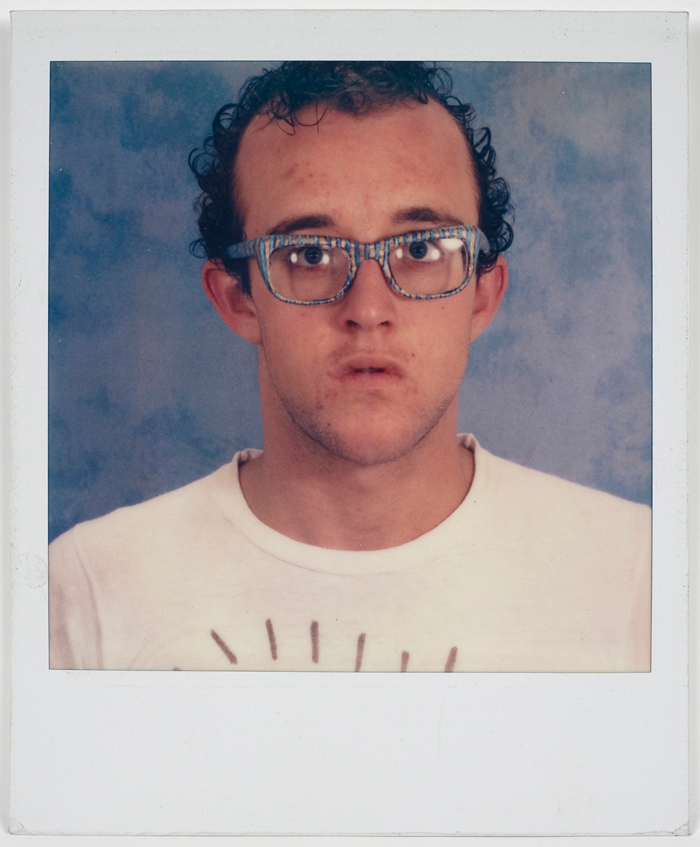
Courtesy of the Keith Haring Foundation

From scribbling his iconic motifs in the subways of New York, Keith Haring quickly became one of the most recognised and influential artists-cum-activists of the 20th century. To this day, his legacy continues to inspire and help millions of people from across world, in particular, Max Schiller, co-founder and creative director of minimalist Scandinavian label Eytys.

As a homage to the late artist, Schiller and his Stockholm brand have collaborated with with Ukrainian artist Sasha Kurmaz to create a Haring-inspired shoe. Here, Schiller tells us about one of his heroes.

“Most kids worship one or two big idols when growing up. When I was 11, the girls in my class were obsessed with Backstreet Boys or Peter Andre, while the boys idolised hockey superstar like Wanye Gretzky or Peter Forsberg. I tried to fit in by pretending to be a hockey fan, however, being a chubby kid with glasses and bleached hair, often seen wearing pink trousers, I usually failed at my charade; my biggest idols weren’t boy bands or sport stars.

“I’ve always worshipped Keith Haring. While other children collected hockey cards or had their rooms wallpapered with pictures of pop stars, mine was covered in Haring posters and merchandise. At school, I held lectures about Haring’s legacy and grabbed every chance I could get to scribble his figures on test papers and in notebooks.

“To my teachers’ dismay, my favourite motif was ‘Debbie Dick’: the phallic cartoon character Keith Haring created during the AIDS epidemic, to promote safe sex.

“Looking back, I suppose this might’ve been a bit odd, but Keith Haring is still one of my biggest inspirations. I have had many different sources of inspiration since those days, but Haring’s ability to communicate his political views and values through humorous and powerful art has had a huge impact on me.

“Haring’s way of reacting against racial inequality, LGBT rights, environmental degradation and other political issues, has subconsciously affected the way I sometimes choose to be political in my work with Eytys. During the Ukrainian turmoil, we collaborated with Kiev-based artist Sasha Kurmaz to create Keith Haring-inspired prints with graffiti slogans from the revolution. The artwork featured everything from anti-Putin curses to pro-LGBT rights messages, as well as one or two penises… I hope Mr Haring would have been proud.”

eytys.com

Ways of Seeing: Edward Holcroft

In the first of our Ways of Seeing film series featuring six influential creatives, Edward Holcroft tells PORT what motivates him to be an actor

Edward Holcroft shot to prominence with appearances in Matthew Vaughn’s Kingsman: The Secret Service, and in critically acclaimed British TV series Wolf Hall, and London Spy where he co-starred alongside Ben Whishaw. He has shared the stage with Mark Rylance and Dominic West and later this year he’s set to appear in The Sense of an Ending, the big-screen adaptation of Julian Barnes’ Booker Prize-winning novel. Here, as the first instalment in PORT‘s Ways of Seeing series, where six creatives give an insight into their practice and reflect on the impact of eyewear in their daily lives, Holcroft, wearing the Ray-Ban Clubround opticals, discusses what motivates him as an actor.

Edward wears Clubround opticals RAY-BAN at DAVID CLULOW, Washed horse hide bomber jacket and crew-neck cotton sweatshirt PRESIDENT’S, T-Shirt SUNSPEL, Brut Knut dry selvage jeans NUDIE JEANS

Film Credits

Director Dean G Moore
Producer Anthony Le Breton
Director of Photography Chris Ferguson
Editor Tom Sweetland
Creative Direction Black Sheep Studios
Styling Alex Petsetakis
Styling Assistant Amii Mcintosh
Grooming Liz Daxauer at Caren using Tom Ford Grooming
Port Production Director Nick Rainsford

Dunhill x PORT issue 18 launch dinner


Fergus Henderson, Tom Cullen, Jamie Campbell Bower and more, attend an intimate dinner at Dunhill’s Mayfair townhouse to celebrate the launch of PORT‘s 18th issue

Our 18th issue is an important milestone for PORT as it marks five years of the magazine and is our biggest edition yet. So it seems only fair that such a birthday commands an equally special celebration.

To coincide with the issue’s ‘family’ theme, we brought together some of the key people that have supported PORT over the years for an intimate dinner. The evening was hosted by Dunhill at its historic London Bourdon House in Mayfair– a fitting partnership, given that it’s where we launched the first issue of PORT with the influential British brand back in spring 2011.

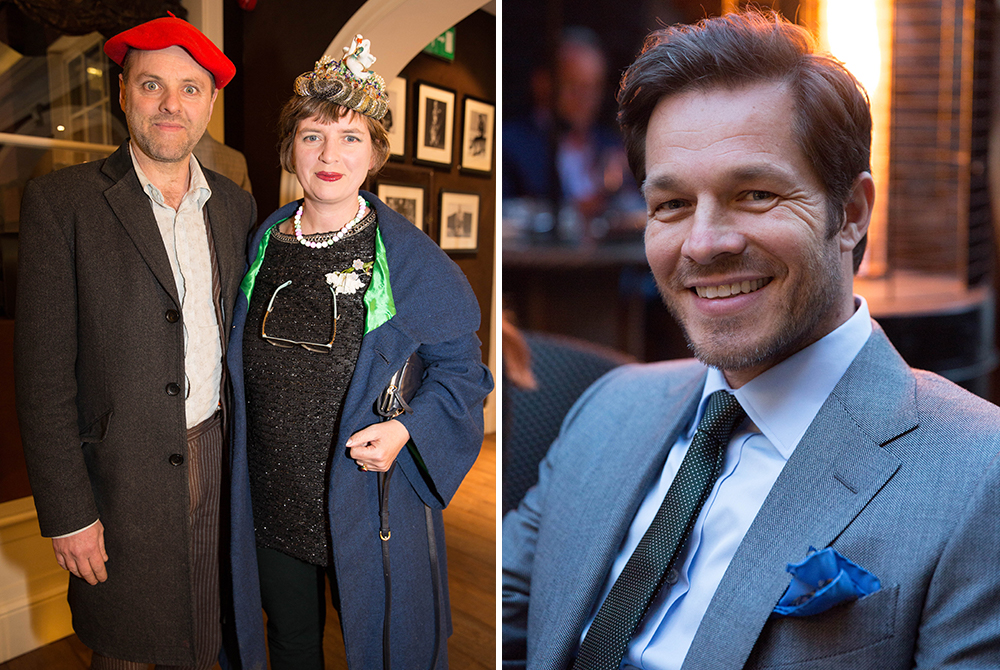
Guests in attendance included models Jamie Campbell Bower and Paul Sculfor, who arrived in sharp Dunhill tailoring, as well as celebrated chef and PORT food editor Fergus Henderson and YBA artist Gavin Turk, all of whom toasted the new issue with a champagne reception provided by G.H. Mumm,

Our SS16 family issue is out now and features two cover stars at the top of their creative fields: the venerated author Will Self, who takes on the ultimate subject (himself) and the Pritzker Prize-winning Japanese architect, Tadao Ando, who gives us rare access to his Osaka studio. To find out more about the new issue, or to purchase a copy, click here.

Thanks to all those that attended and to our readers. Here’s to five more years of PORT.

Photography Iona Wolff

Sherpa: Life And Death On Everest

Filmmaker Jennifer Peedom discusses her BAFTA-nominated documentary Sherpa, which follows the aftermath of one of the greatest disasters in Everest’s history

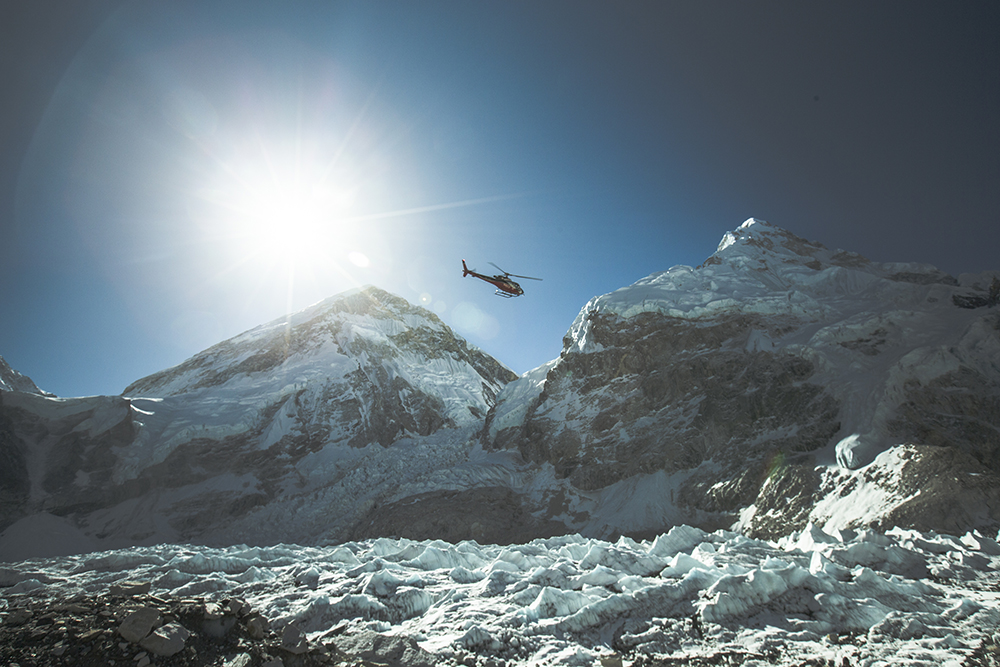
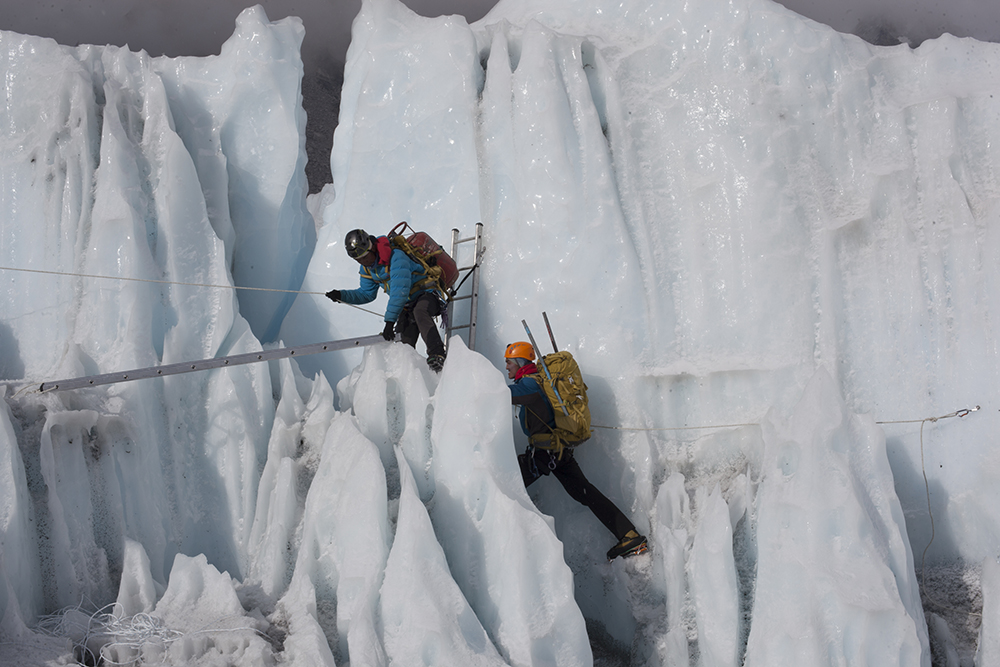
In April 2014, Mount Everest bore witness to the second worst human tragedy in its history: 16 guides from Nepal’s Sherpa community lost their lives in an avalanche while scaling the world’s highest mountain. Sadder still, the Sherpa guides were climbing Everest’s notoriously treacherous Khumbu Icefall to prepare a route for scores of foreign climbers, who had paid huge amounts to fulfil their lifelong ambitions of reaching the summit. The number of deaths since 1922 is astonishing. 

Australian filmmaker Jennifer Peedom was on Everest at the time of the disaster, and captured the trauma that followed. It was an event which shook the mountaineering community the world over, and caused Nepal’s Sherpa guides to take the unprecedented move of striking for the rest of the climbing season.

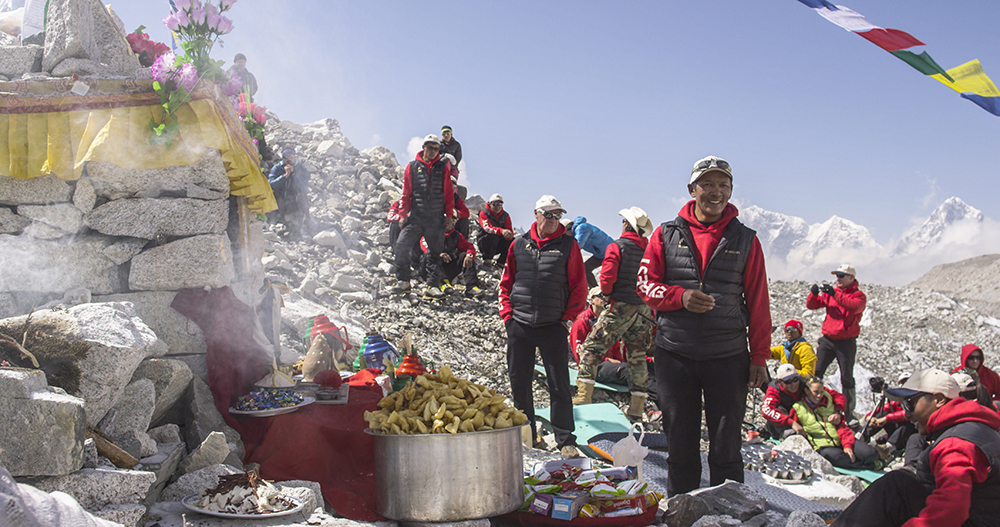
Peedom had initially set out to document the fraying relationships and tensions between Western climbers and the Sherpa, which had threatened to boil over in 2013, when a European mountaineer launched a barrage of expletives at a Sherpa guide, sparking off a fight at Base Camp, 5364m above sea level. Instead, Peedom found herself at the centre of a monumental disaster, caught between grieving Sherpas, indifferent Nepalese government officials and self-interested Western climbers. 

The result is Peedom’s new BAFTA-nominated documentary, Sherpa – a stark and beautifully shot account of life on Everest for Sherpas, as well as the travellers and tour operators who populate the relatively luxurious tents surrounding Base Camp. Here, Peedom talks to PORT about life after the disaster, filming at altitude and what drives the Sherpa people to continue risking their lives on Everest for the benefit of others.

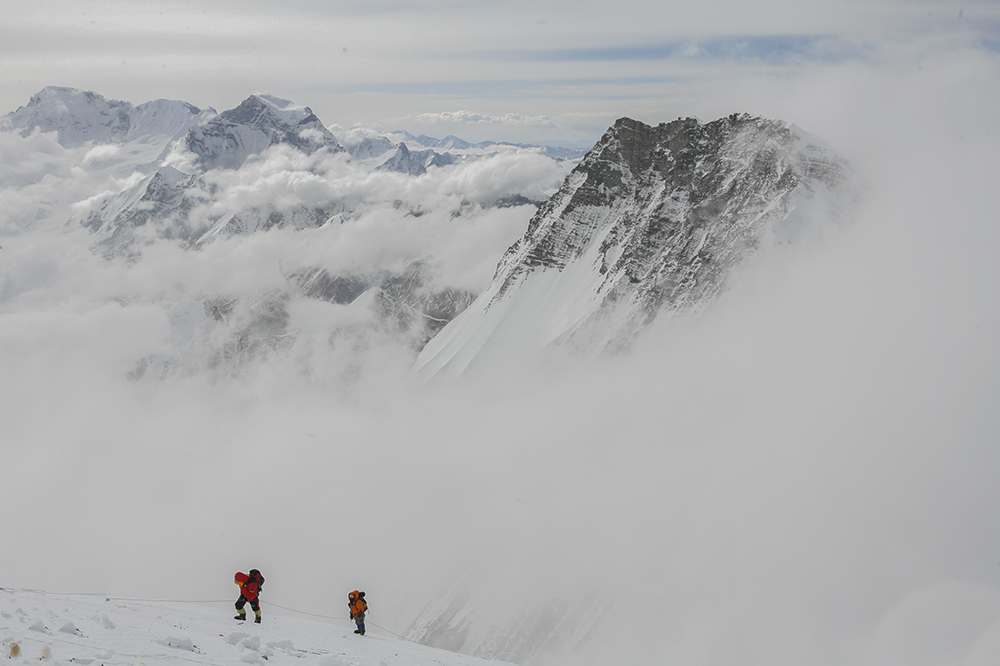
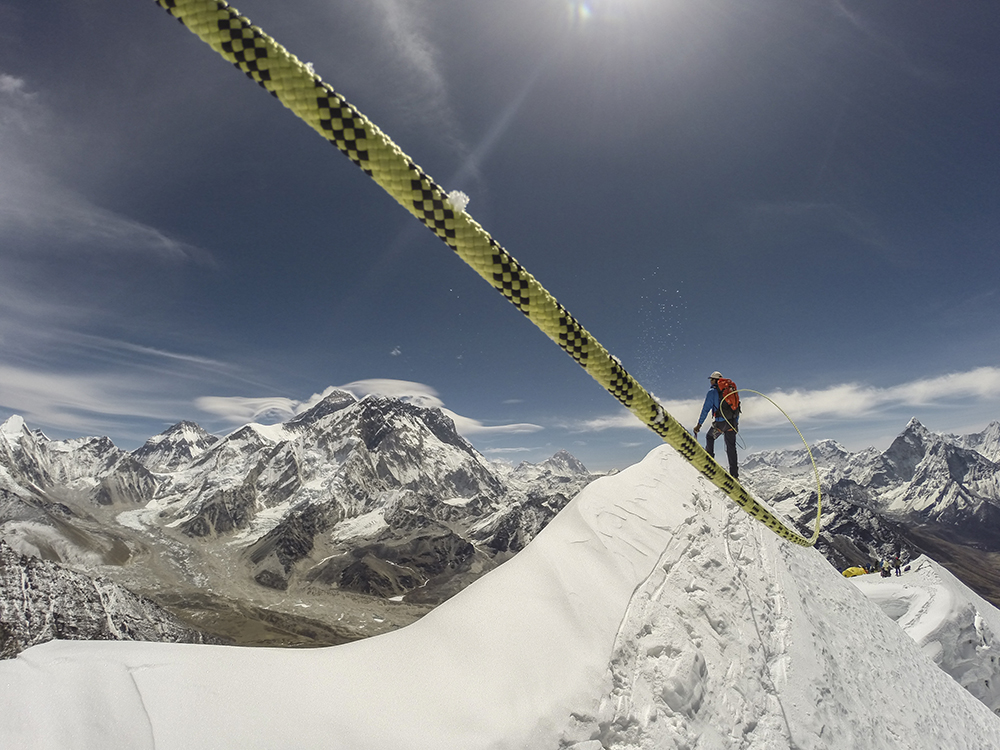
Sherpas training in Khumbu Icefall

You initially set out to explore the lesser-known side of the Sherpa-Western climber relationship. Why was this and what had you hoped to discover?

In my 20s and early 30s, I had spent a lot of time working as a climbing camera operator and ‘high altitude’ director. I’d worked three Himalayan expeditions and all with the same Sherpa team at the heart of the film. The change I witnessed over that time, and the intervening years was really interesting. For the Sherpas, expeditions brought prosperity, and with it, education. During that time, the internet also came to the Khumbu Valley. With access to information, they started to notice that they were being left on the cutting-room floor of the films, and their heroic pursuits – saving foreign climbers from certain death – being conveniently erased from foreigners’ accounts of their expedition. Initially, they would laugh this off, but I started to notice that, particularly for the younger Sherpas, many of whom had received training overseas, it started to bother them.

When a fight broke out between foreigners and Sherpas in 2013, I felt that it was an indication that this tension had reached a tipping point. I felt they had reached a stage where they realised they wanted more acknowledgement and respect for the dangerous job they were doing, getting foreigners to the top of Everest and back down safely.

I thought the best way to observe this was to follow an Everest expedition from the Sherpa point of view. Given my relationship with the Himalayan Experience (HIMEX) Sherpa team, it was an obvious choice to follow that particular expedition.

You happened to be there while a great tragedy hit the Sherpa community. How did that change the narrative of the film and your relationship with the Sherpa community?

When the avalanche struck, it wasn’t immediately apparent how this would change the narrative of the film, but I immediately knew that this was an event that would put the cat among the pigeons. This was something that we had to continue to shoot.

I knew that whatever happened, whether the season would be cancelled or not, was now the main story. It was an event that was going to go right to the heart of the issue that the film explored, which, in the end, could all be boiled down to respect.

I was already embedded closely with the HIMEX Sherpa team and the Sherpa community at Khumjung Village, and had made some relationships with other Sherpa leaders on the mountain, but the events forced me to expand that reach. The Sherpas I knew helped us gain access to the broader Sherpa community at Base Camp. I’d spent my days traipsing up and down the glacier at Base Camp, talking to and interviewing as many Sherpas as possible. But after a while the word spread and some started to come to our camp to be interviewed and share their feelings. By the end of the season, I’d have Sherpas pushing people out of the way so I could get a better camera position to film the various meetings that were going on at Base Camp. It felt like they knew what I was doing and wanted their story to get out there.

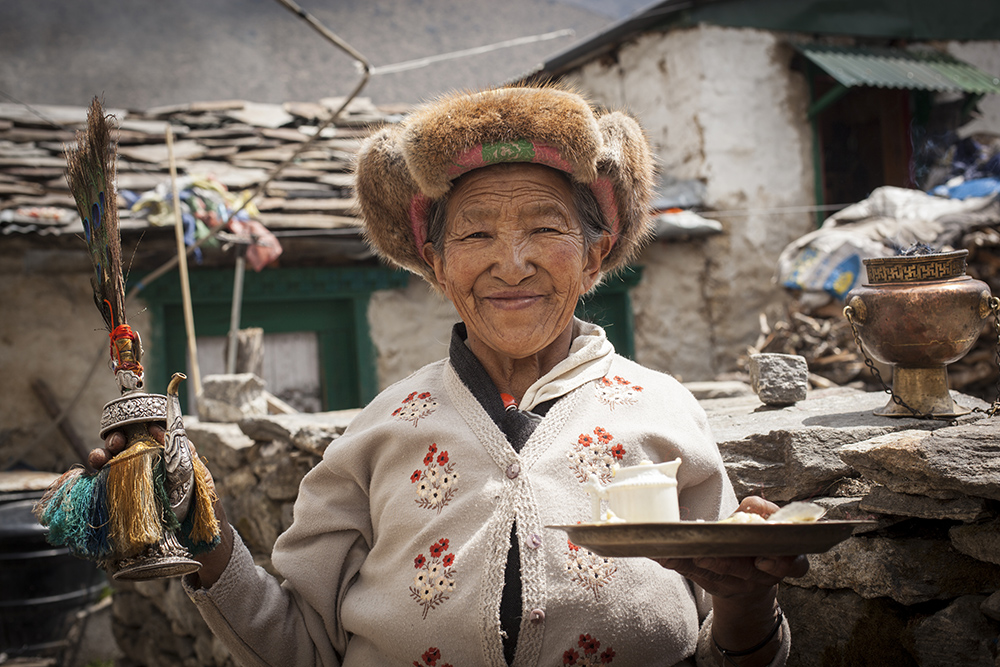
Phurba Tashi
Phurba Tashi

How did this event affect the Sherpa community’s morale and attitude towards tourism?

It was a tough blow for the Sherpa community. They are Buddhist people and very superstitious about events like this. I can’t speak for them, but what I gauged is that they felt as if the mountain was angry. And when foreign operators and climbers then pushed for expeditions to continue, they felt disrespected. They also felt very angry towards the Nepalese government for their lack of support, and for the paltry compensation that was being offered to the victims families (the equivalent of US $400), where most of these guys could have earnt up to US $5,000 for the season.

What do you think drives Sherpas to continue working after such a disaster?

Sadly, it’s money. There really aren’t any other jobs available that come close to earning the same amount of money. The alternative is to move to the cities (as many already do). Like any of us, they just want to feed their families and educate their kids.

What were the biggest physical and technical challenges you faced filming Sherpa?

Altitude always presents the biggest physical challenges, as it makes any physical activity more arduous. Certain people adapt better to the altitude than others, so some of the crew were more able to work than others. Once you get sick at altitude, it can take a long time to get better, so we had a couple of crew members who were struck by illness. It is also a real motivation-sapper, so you need to really steel yourself to get moving each day.

The technical challenges are largely related to power for downloading cards and charging batteries. The cold is also a drain on batteries and computer equipment. Our laptops all had to be packed away each night by the data wrangler, given hot water bottles and put in sleeping bags! We didn’t have enough power (or time) for me to watch rushes during the shoot, so I really had no idea what we were getting until we got back to the edit suite.

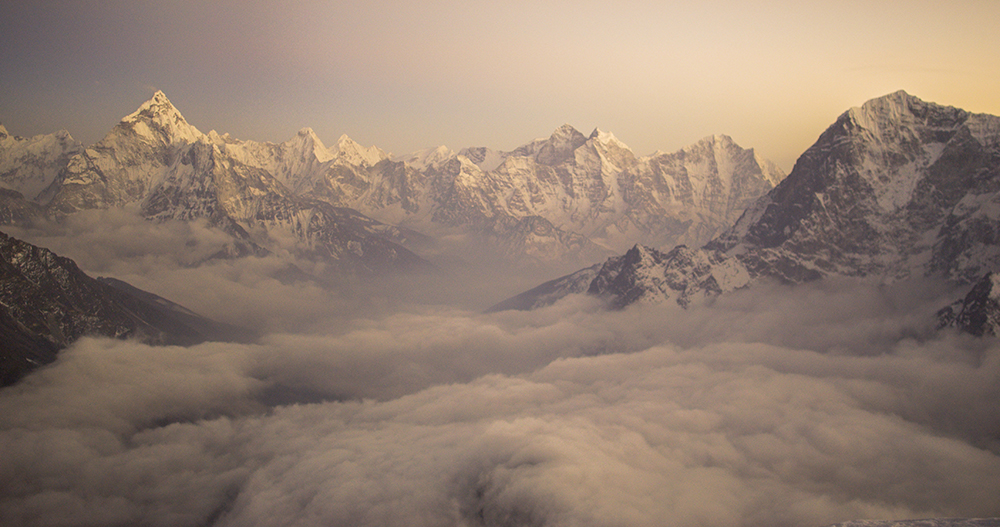
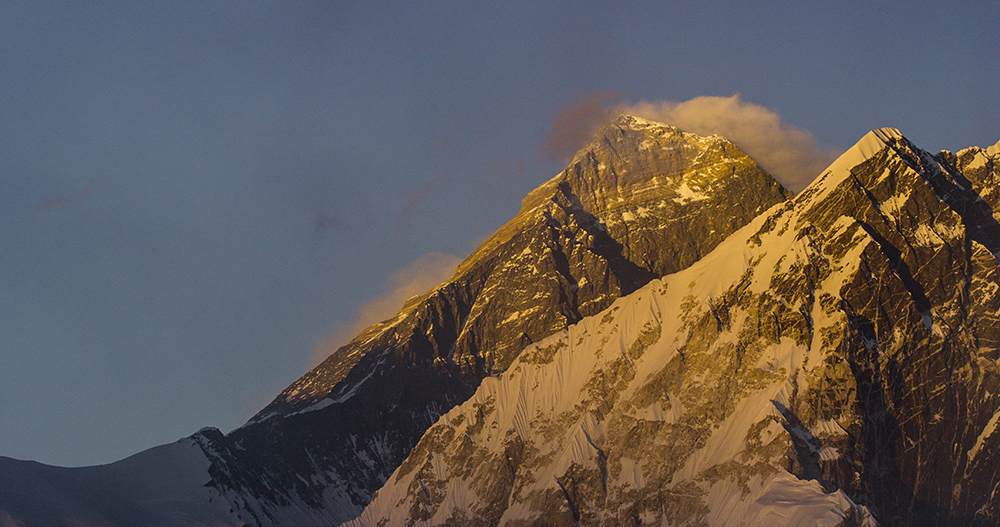
Mount Everest
Mount Everest

How did you physically prepare for the film?

Having been at altitude a number of times before, I know how my body responds. Best training for me is just running, which I do with my dog, and running up and down steep stairs.

What, if any, Western attitudes or preconceptions about Sherpas are you hoping to challenge with this documentary?

I would hope that people would leave the film, understanding that Sherpas are an ethnic group, not just people who carry bags up a hill. I guess I’d also like to think that if people were considering climbing Everest, they’d have a deeper understanding of what they are asking other people to do, and risk, on their behalf.

What was your approach to cinematography?

It was really important to me that this film look different to other Everest films (and I’d worked on a couple). I wanted the camera to really observe the mountains and the natural environment in a different way. That helped imbue it with the spiritualism that the Sherpas feel for their environment. For them, their surrounding landscape is a very important part of their spiritual beliefs.

I also know how hard it is to achieve a beautiful look in such a difficult environment, so I handpicked a really experienced team of guys, including the amazing climber, and cinematographer Renan Ozturk. For Renan, the mountains are his natural habitat and he has spent a lot of time in Nepal over many years. This meant that he was able to operate almost as normal in those conditions. He really shared the vision of the film too, so it meant we could be in different places (as became necessary with this film) and he’d be able to self-direct.

Given that the geography of the area is eye-catching, how did you ensure that the story focused on the Sherpa people without focussing too much on ‘the mountain’?

Finding that balance really came down to the edit. We were spoilt for choice with the visuals, but we also had such amazing access to our Sherpa characters, particularly Phurba Tashi Sherpa and his family. They really welcomed us into their village and their homes and trusted us.

What do you think the future has in store for the relationship between Sherpas and Western climbers?

Only time will tell I guess, but cancelling the season after the avalanche was a big deal. It really showed that the mountain can’t be climbed without Sherpa support.

I think it made the Sherpas realise that they have more power than they previously knew. But the Sherpas need foreign climbers to come, so they can earn an income, so I hope it leads to a more co-operative, mutually respectful relationship in the end.

SHERPA is nominated for Best Documentary BAFTA and will broadcast globally on Discovery Channel in 2016 sherpafilm.com

Life inside The Wolfpack

EXCLUSIVE STORY for PORT ISSUE 17

Mukunda Angulo gives PORT a firsthand account of life at home for him and his six siblings, now stars of Crystal Moselle’s documentary The Wolfpack.

WOLFPACK for online

Movies saved Mukunda Angulo’s life, as well as the lives of his five brothers and one sister. The stars of the recent documentary The Wolfpack, the family was kept shuttered in a housing project apartment on the Lower East Side of Manhattan by Mukunda’s father, a Peruvian man named Oscar. Their father would only let them leave the four-room apartment a few times a year; one year, the children didn’t leave at all.

Their only escape were the 5,000 Hollywood films that their father gave them, which they eventually began to remake on their own, creating costumes and props from whatever they could scavenge, playing every part themselves. They turned their prison into a soundstage for recreations of classic films like The Dark Knight, Goodfellas and Taxi Driver. The fictional world they created is contained in the resulting videos they shot on a home camera, as well as the artefacts they laboriously handcrafted.

Inspired by the heroes of his favourite films, Mukunda eventually rebelled against his father and began leaving the house on his own. Soon, the other brothers joined him, and the gang made expeditions into Manhattan, where they engaged with a world they had previously only experienced through a screen. They had never so much as seen a newspaper.

WOLFPACK for online2

On one trip, they met Crystal Moselle, a young documentarian, and started a conversation about movies. Moselle, who was drawn by the group’s 70s-style outfits and predilection for sunglasses (which earned them their titular nickname), befriended the group. Shot over four years, the resulting documentary is revelatory, plumbing the pain of the family’s enforced solitude as well as what it means to be creative.

The Wolfpack boys’ movie recreations are at turns hilarious and moving, a beautiful outlet for their frustrations. Like Henry Darger’s collages, the movies are intricately detailed works of art by outsider artists who are nevertheless fluent in the culture and society that surrounds them. Making films led the brothers out into the world, where they now have production assistant jobs, girlfriends and even a new apartment.

WOLFPACK for online3

Great art is often made in the face of overwhelming odds. In their isolation, Mukunda lead The Wolfpack to create something utterly new, without precedent or parallel. As he says, he has indeed constructed “a whole world” from cardboard and tape. Movies as a medium of escapism means more to The Wolfpack boys than just about anyone.

Below, Mukunda, a charismatic 20-year-old with the world suddenly in front of him, tells PORT more about his family’s process and The Wolfpack’s bright future in the film industry.

* * *

The earliest memory I have is making a drum set for Ringo Starr of The Beatles, for Magical Mystery Tour. In the movie, I’m playing drums with pens. I have little cymbals. I made that entire drum set.

A lot of the films we watched when we were growing up were picked by our dad, but as we grew up we started asking for more films to be bought. Instead of watching what was on TV we would demand the unabridged cinematic version. We would ask for any films we read about or looked up in encyclopaedias. We want Patton, we want Platoon, we want JFK, we want The Doors.

WOLFPACK for online4

Our entire film reenactment process works by us all watching a film and, if we love it, we start coming together as a group and go: “Who should we play?” “Which characters do we fit?” When all our characters are confirmed and discussed then we start to write everything out. We write out the entire script by hand. We love doing it by hand; it feels more organic, instead of typing it out.

All the props and costumes are made out of cereal box cardboard, paper, scotch tape – some duct tape as well – and paper bags. Leather Face’s mask is made out of a paper bag but his hair is made out of paper coloured black. When you have nothing else to do you look around for resources. We’d look around the place, put bits and pieces together, see what we could make of it.

We act as though this is the first thing we’ve ever made, to keep it as detailed as possible, as fresh as possible. We go: “We’ve already made that, let’s try to up the level this time. Instead of making a grave, let’s make a grave with leaves on it. Let’s try and make a burned-up grave or a grave that we can break in half and then put back together.”

WOLFPACK for online5
WOLFPACK for online6

My Batman costumes are one of the number one priorities. One of the costumes took over three years to make. It’s sweaty as hell, but when you see how it looks on film you can’t help but smile and think, ‘I did a good job. Three years paid off.’ A lot of times I remade props and costumes for reenactments, but other times I’d just make stuff because I was bored, or I would have an image in my head and I wanted to see what it looks like, what it feels like to hold.

Bhagavan has always been a performer of some kind; it’s all about acting out your creativity. Govinda has always been someone with a specific vision; he sort of has a producer thing in him. Narayana has always been into the Earth; one of his most powerful influences is the environment. Glenn and Eddie always loved holding guitars and playing the roles of musicians. I’m more into creating a whole world and everything in it. It’s like a conductor conducting musical instruments.

WOLFPACK for online7

I believe movies helped us gain a structured plan for our lives. Whenever we’d go out on our own we’d have no idea where we were, no idea what we wanted to do for the day, so we would use references from movies: get a slice of pizza, go to a movie, go to the park.

New York is a city where it’s like 50 different worlds all rolled into one: you have Chinatown, you have Little Italy, you have Soho. In Brooklyn, there are little alleyways you never knew existed until you walk through them and then you don’t know where they are again. I’m really inspired by New York City. The more worlds there are in New York, the more stories there are in there. To have one big city with all those stories is very cinematic, I have to say.

WOLFPACK for online8
WOLFPACK for online9

You break the ice by asking someone what their favourite movie is. Crystal was one of the people who loved movies for what they actually are. It’s hard to find that type of person around, especially in New York. Sometimes when you’re hanging in the Soho area or Upper West Side, or Union Square, no one really cares that much for why they love their favourite film. They just love it for the commercial idea, or an idea the media created, not for what the movie actually represents.

WOLFPACK for online10

The documentary has opened a lot more doors for us in the filmmaking world. We’re starting our own production company, Wolfpack Pictures, where we can collaborate with other companies, other artists. We can come up with our own projects, such as music videos, feature films, short films, performance or dancing pieces. We shot a narrative original short film with Vice.

The more art you put in this giant art form project, the more you feel like it’s yours. It’s not other people doing everything for you. I believe an artist should stay true to their vision and true to themselves.

See this article in print as well as 240 pages of great content in the latest issue of PORT, out now. Buy or subscribe here.

Photography: Stefan Ruiz
Words: Mukunda Angulo and Kyle Chayka
Special thanks: Field Projects