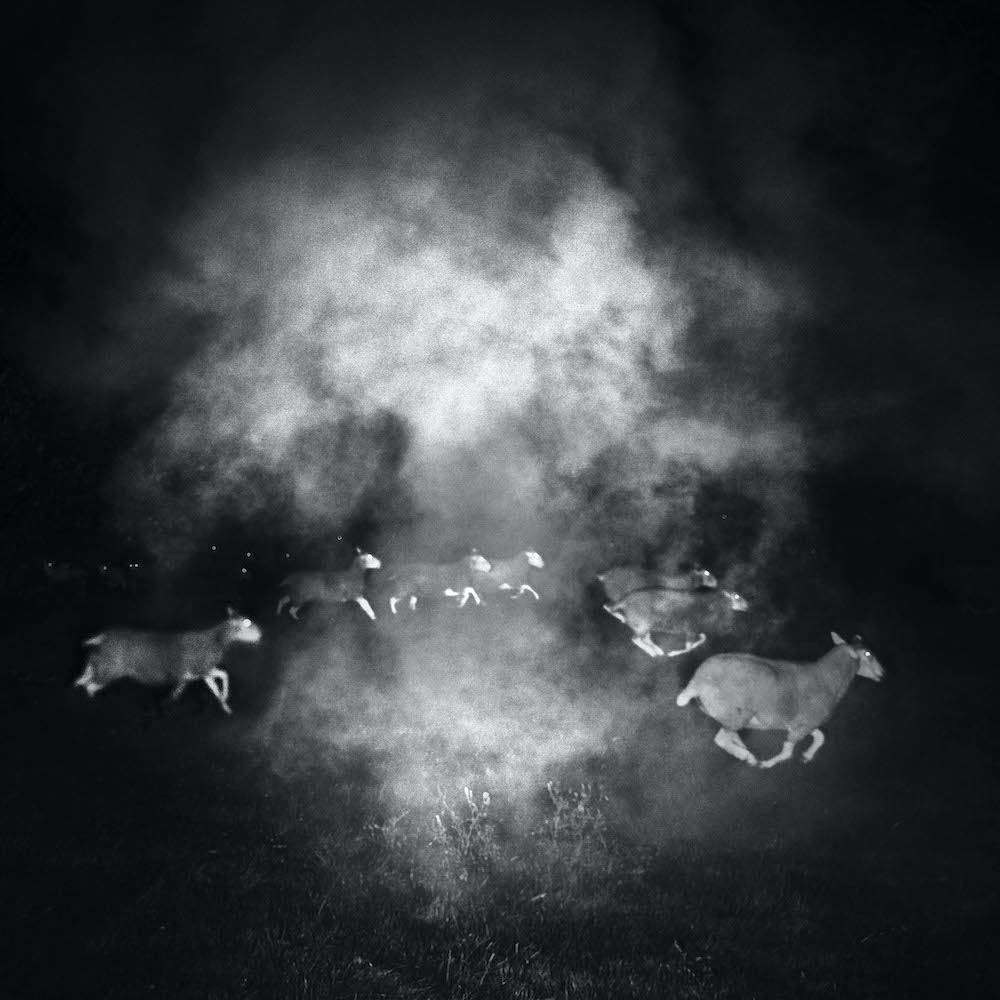
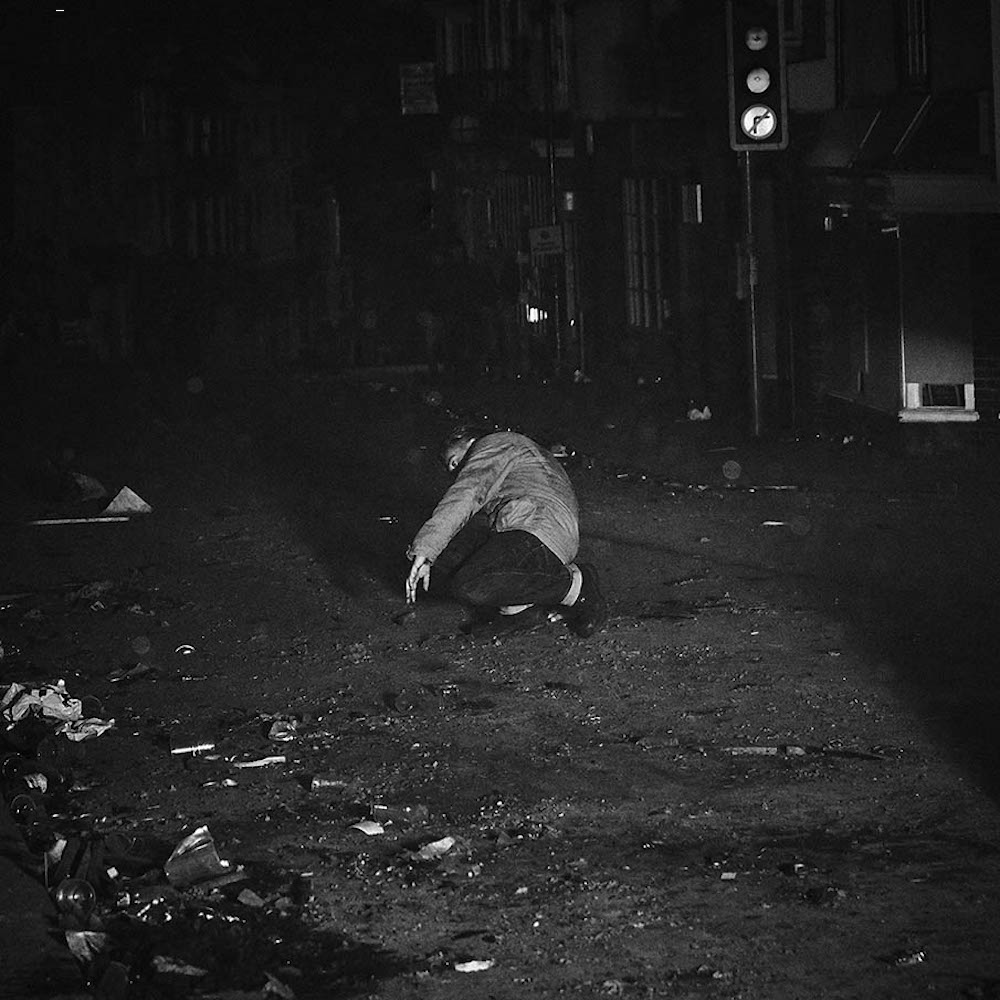
Ewen Spencer: While You Were Sleeping

The eponymous British photographer’s new book provides a nostalgic snapshot of 90s club culture
Ewen Spencer: While You Were Sleeping

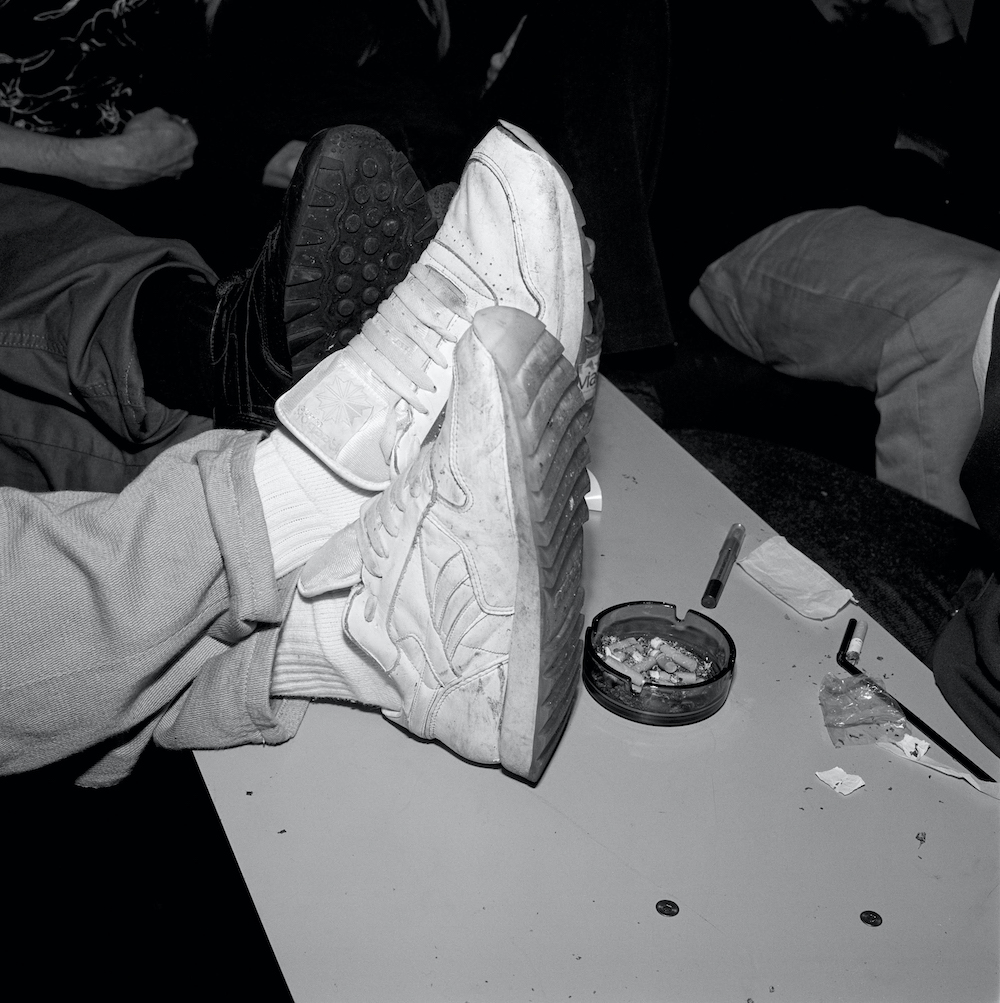
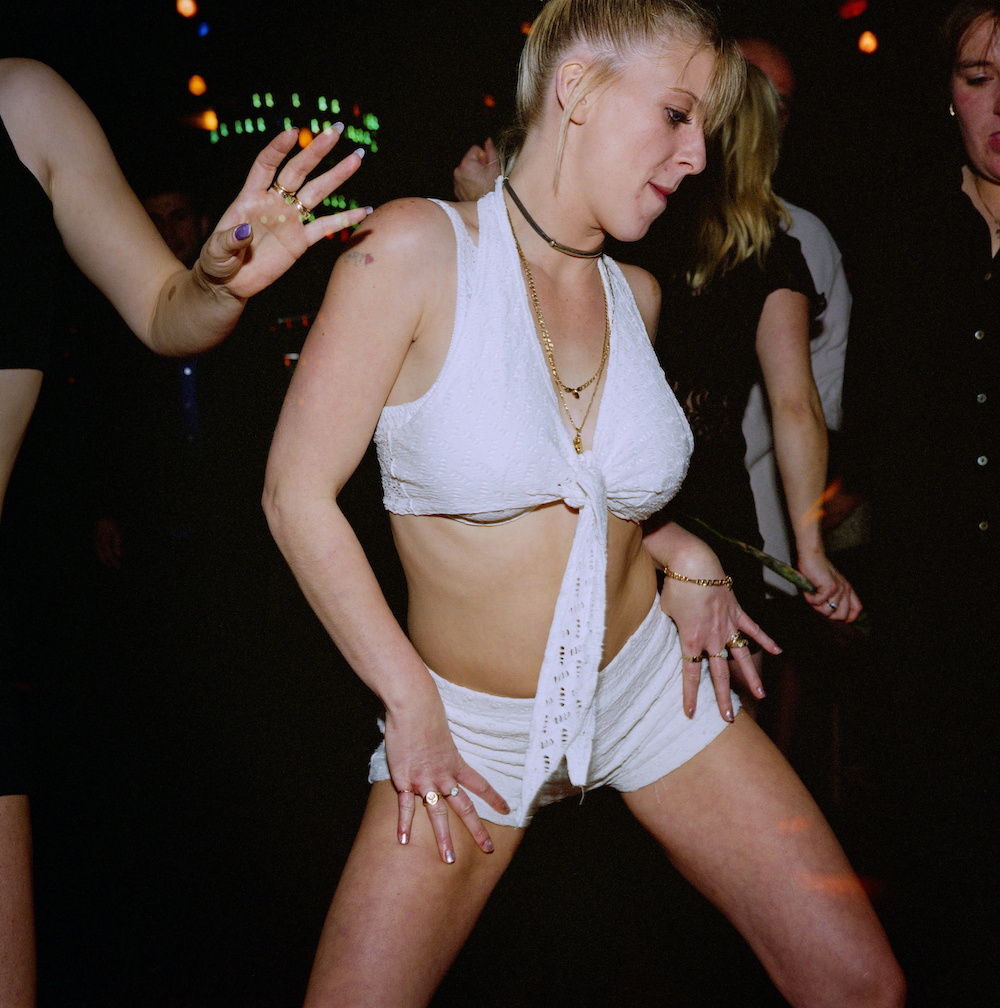
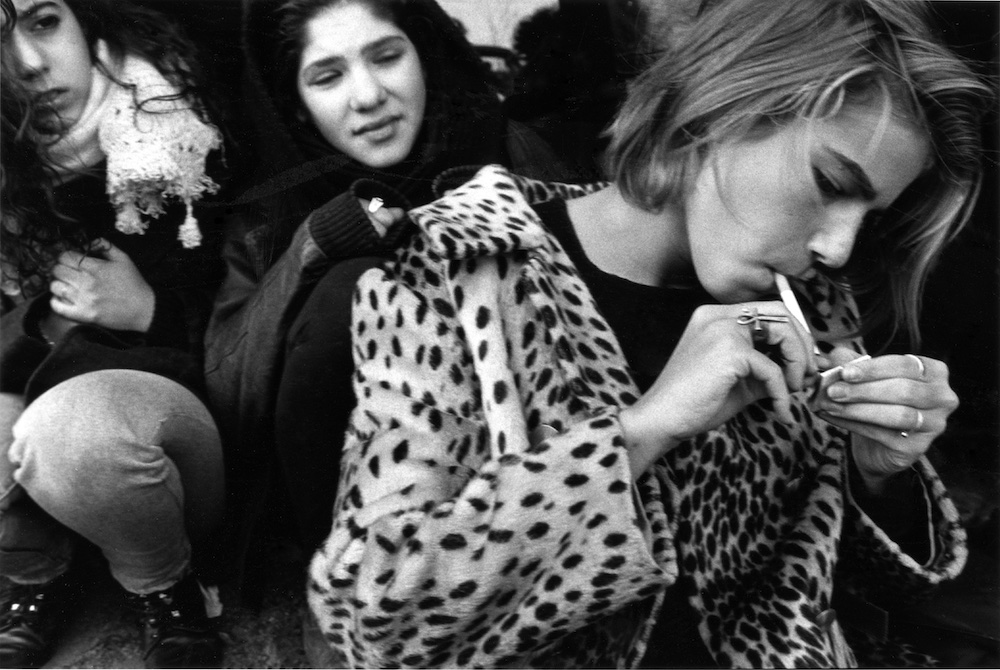
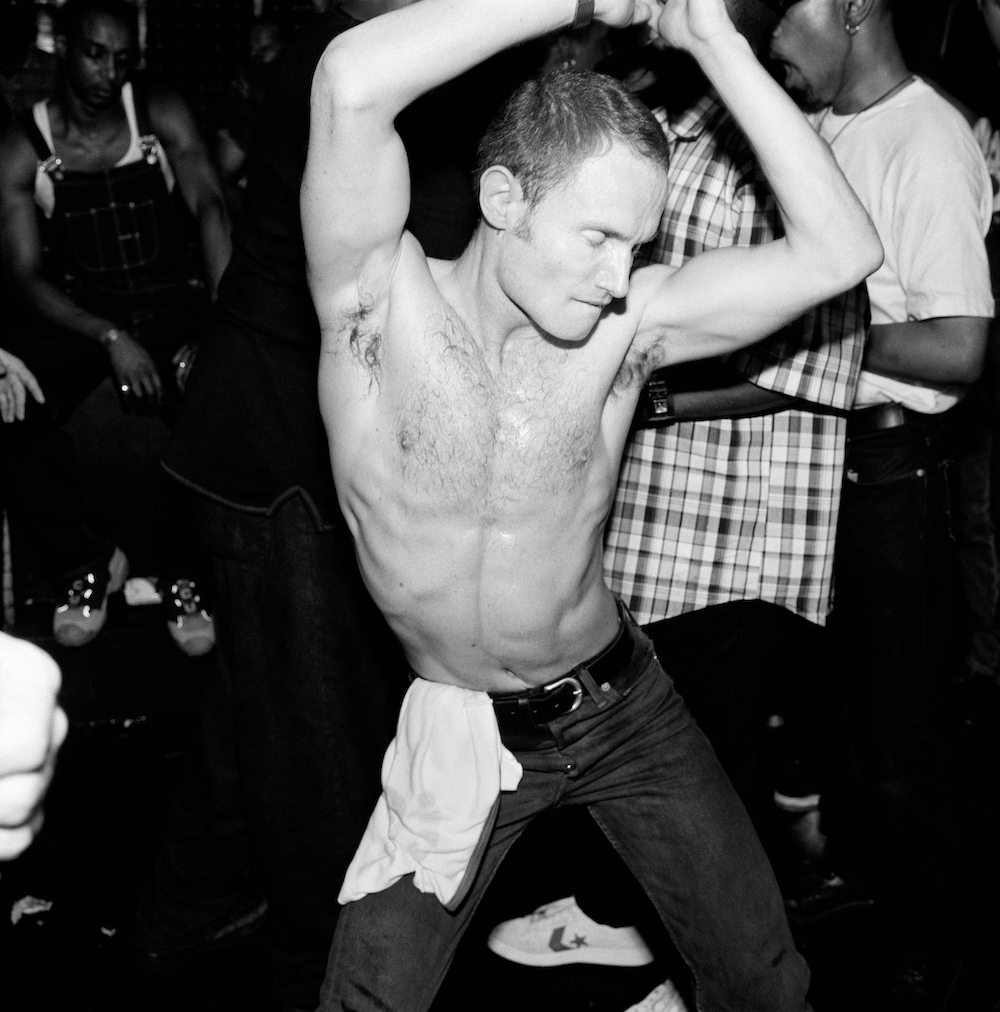
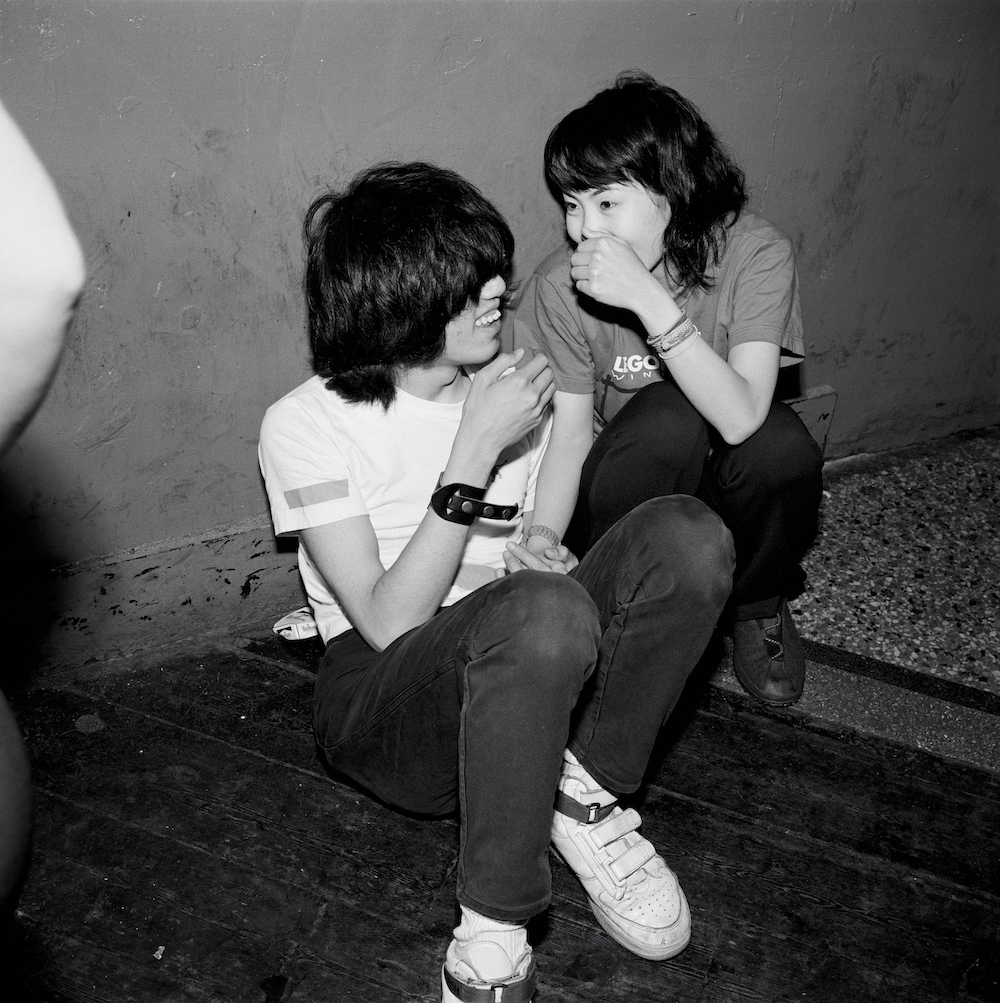
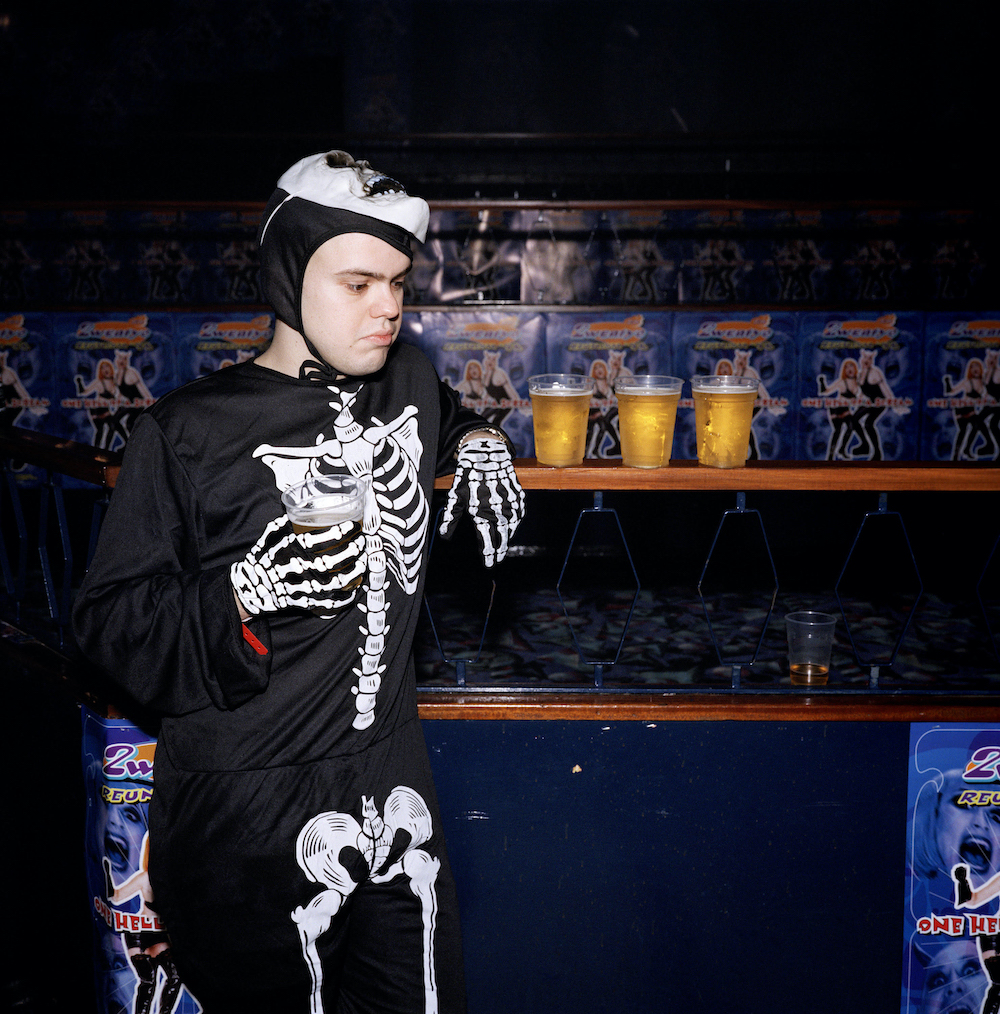
Conjure up an image of a club goer – the type who sways, dances, gropes, kisses and sleeps without a care in the world – and it will most likely be one of Ewen Spencer’s. Synonymous with exposing the antics of British nightlife, the photographer and filmmaker has carved a reputable name for his work documenting (and revealing) youth, fashion, music and subculture, particularly that which depicts a time when smoking in clubs was allowed and people were a lot less tied to their phones. In fact, phones weren’t really a thing back then. Could anything be more nostalgic?

While studying at Brighton School of Art in the 90s, Ewen began photographing topics in tune with society – snapping people having a 20-minute break at a service station on the M4, for example. This is where his interest in subcultures arose and, having attended Northern Soul all-nighters at the time, he decided to start bringing his camera in tow. It was the perfect subject matter. Then, upon graduating in 1997, Ewen took his imagery to Shoreditch-based Sleazenation magazine and launched his career capturing nightclub moments for the publication. He proceeded to document the UK’s garage and grime scenes and worked with NME, The Face, Dazed, Nike, Apple among others – he also took the inner liner photographs for The Streets’ album Original Pirate Material, and has released a handful of books including Open Mic, UKG, Open Mic Vol.2 and Young Love.

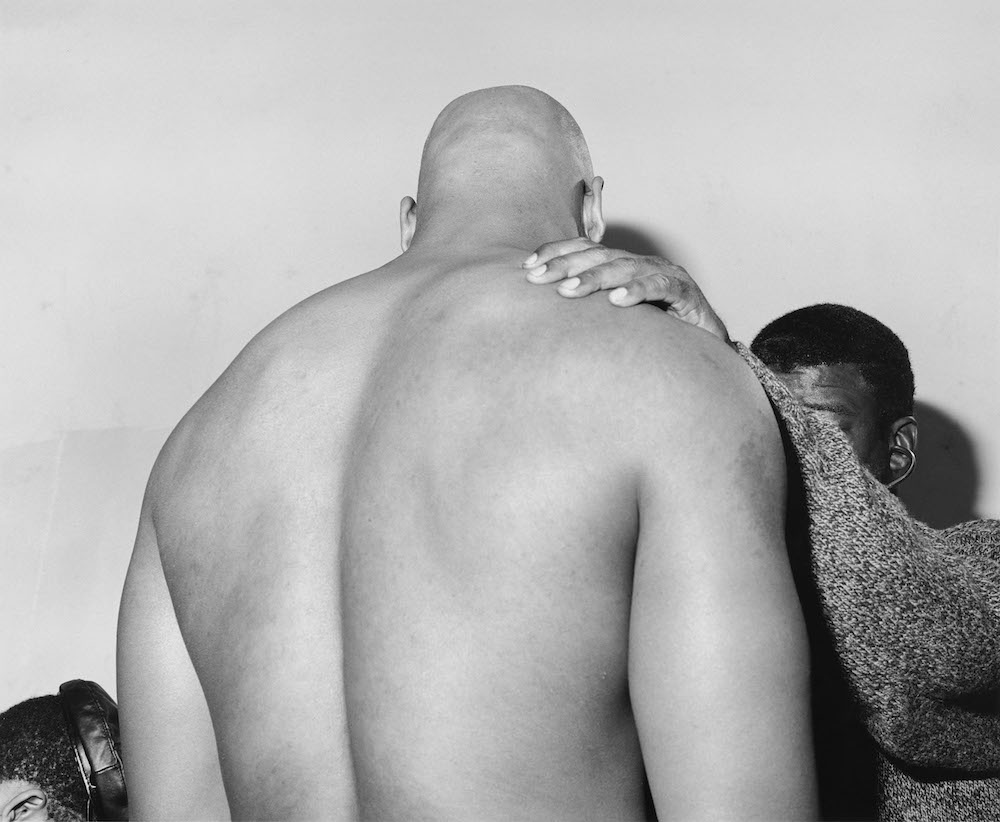
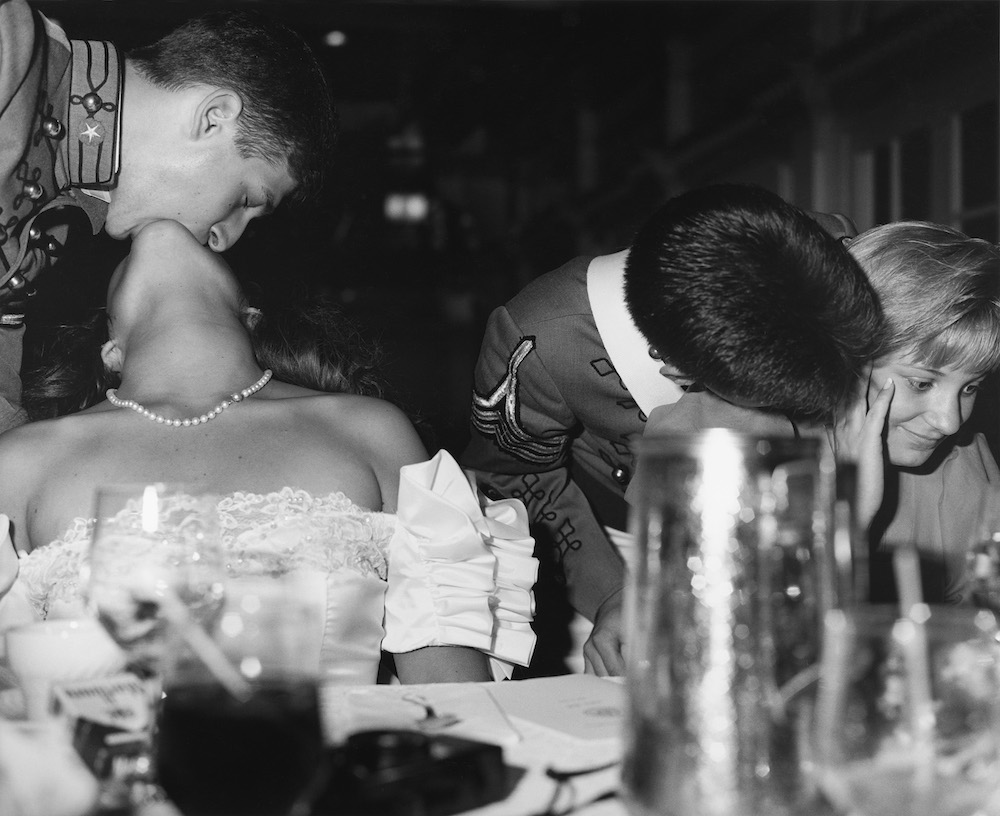
A flourishing career so far, it seems only right for the photographer to look back at his archive. Doing just that in his new publication titled While You Were Sleeping, these very pictures – featuring those previously unseen – are an enjoyable reminder of a bygone era, a time when clubbing and clubbers were oblivious to the photographer’s lens. Will nightlife and club photography ever be the same again? Below, Ewen tells me about these prolific pictures. 
Ewen Spencer: While You Were Sleeping

What inspired you to start photographing nightlife, and why make this book now?

I began making pictures around youth scenes out of my own interests. I was involved in the northern soul scene and the many off-shoots from that: modern soul, rare groove, house and garage throughout the late 80s and 90s. I just began to apply what I’d been researching and testing out while studying photography in those places that I loved. It blossomed into a visual language that made sense to me and discussed a myriad of social and perhaps political concerns and considerations at a time, when that was still conceivable in a club or around a dance floor.

Who caught your eye back then?

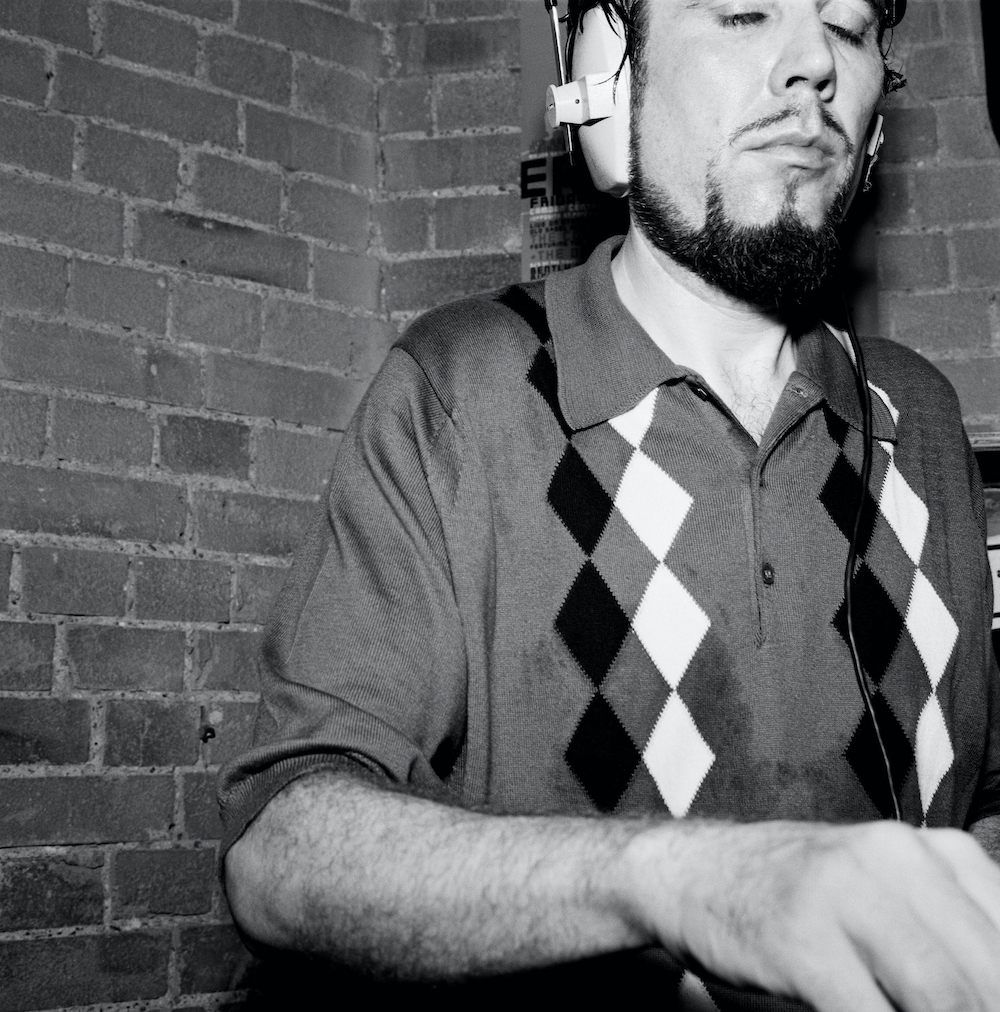
If you have an interest in people I think you probably gravitate towards interesting characters. In the late 90s, I was going into spaces that would hold no more than 200 people in some instances – in a basement in Brixton, let’s say. I’d look for characters interacting together, begin working around them and at times integrate myself with them to the extent where we’d have a drink and become friendly. I might stay with these people for a while and then work around the room; I might stay a couple of hours and shoot 10 rolls of film, and then move onto the next place. Unless it was a bigger club, or somewhere I was particularly interested in hearing a DJ or a particular sound, I’d stay and work all night and maybe know a few people in there. Sonic Mook Experiment was a place where I knew folks who were working in fashion, music and art. I photographed Jerry Dammers, DJ-ing here for Sleazenation in 1998.
Ewen Spencer: While You Were Sleeping

The photos are an incredible record of the past, where smoking in clubs was legal, people wouldn’t be glued to their phones; everyone seems less aware of themselves. How does it feel looking back on a time like this through your imagery? And has your process changed now that people are more self-conscious?

I think it all depends on where you go. I was at Guttering last weekend in Bermondsey and the folks were really up for the evening, dancing hard, mixing it up with one another. I love to see it; there were some real faces in there. 

I’m always surprised by kids approaching me who know my pictures and are maybe more sussed to the dynamic, and that is in someway making the act of shooting around scenes a little more performative, in that the consent seems quite immediate. I had a few acknowledgments of satisfaction from people I’d photographed and a few kids came up and shared their pictures they’d been working on… Photography is obviously far more accessible and democratic now. However I’m not encouraging people to come and show me your pictures at parties, thanks x

Ewen Spencer’s While You Were Sleeping is published by Damiani at £40
Ewen Spencer: While You Were Sleeping

Ewen Spencer: While You Were Sleeping

Ewen Spencer: While You Were Sleeping

Restraint and Desire

Ken Graves and Eva Lipman’s lifelong creative partnership highlighted in a publication from TBW Books

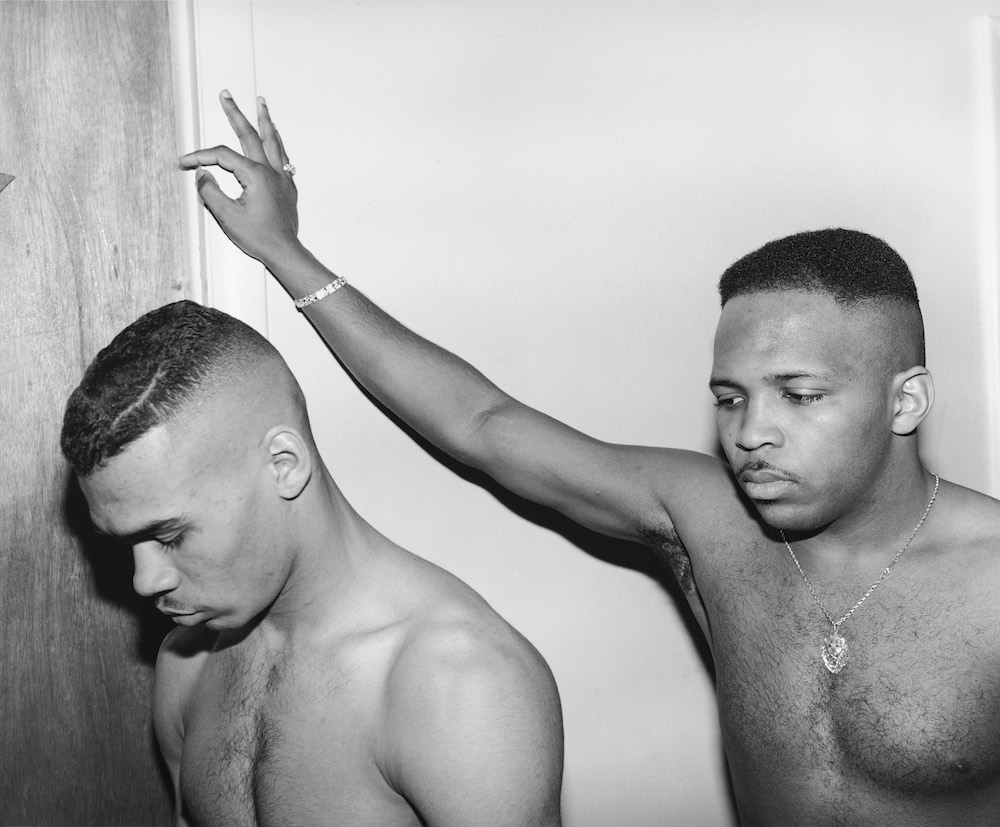
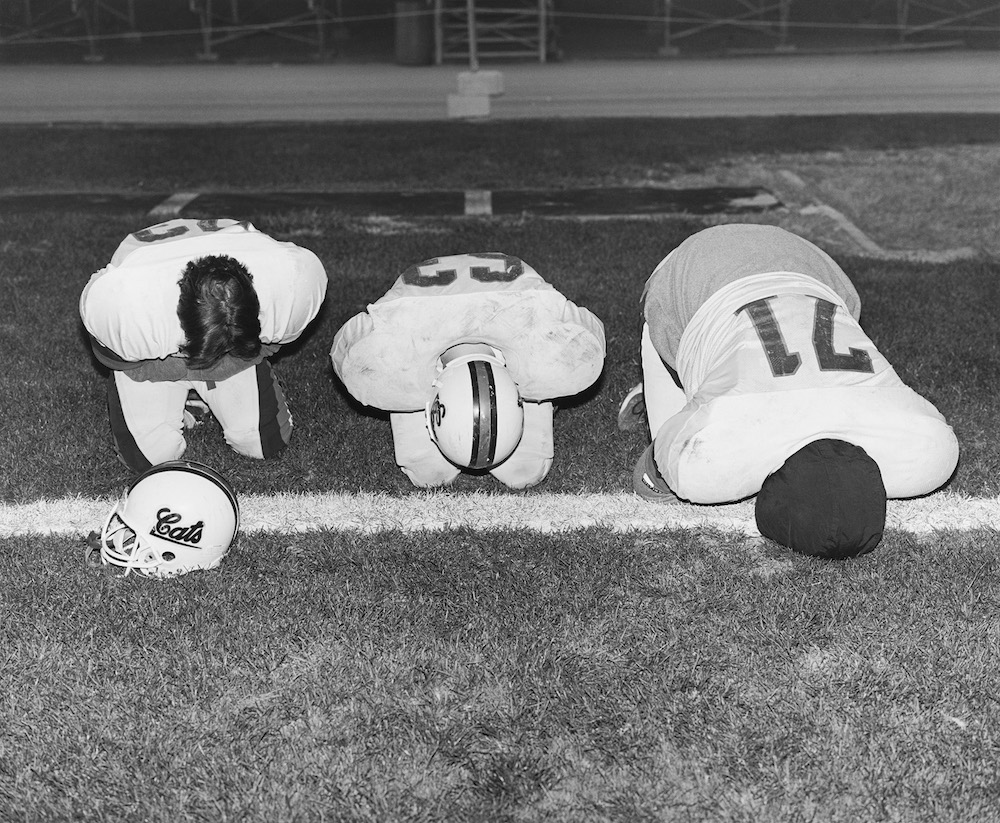
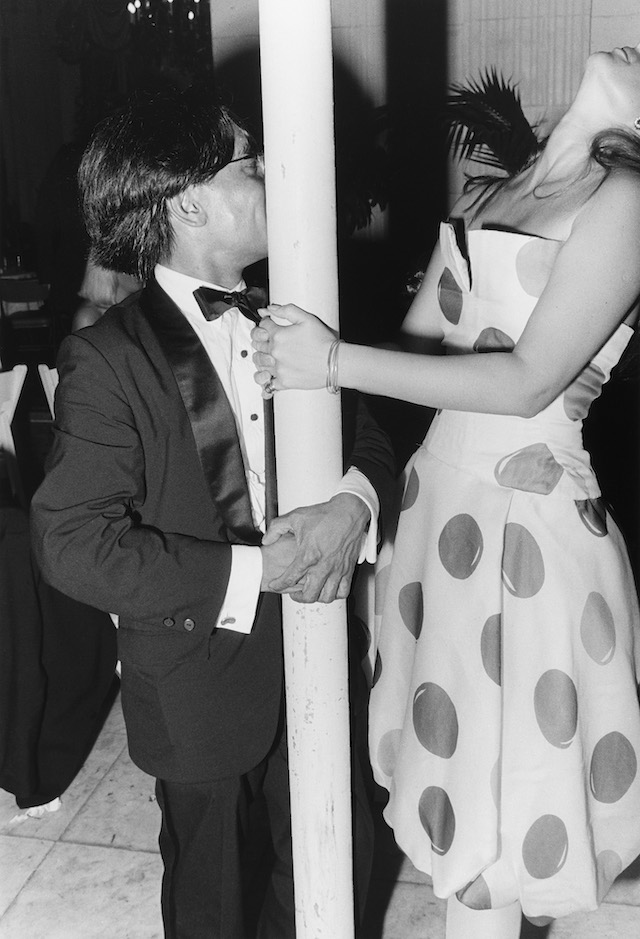
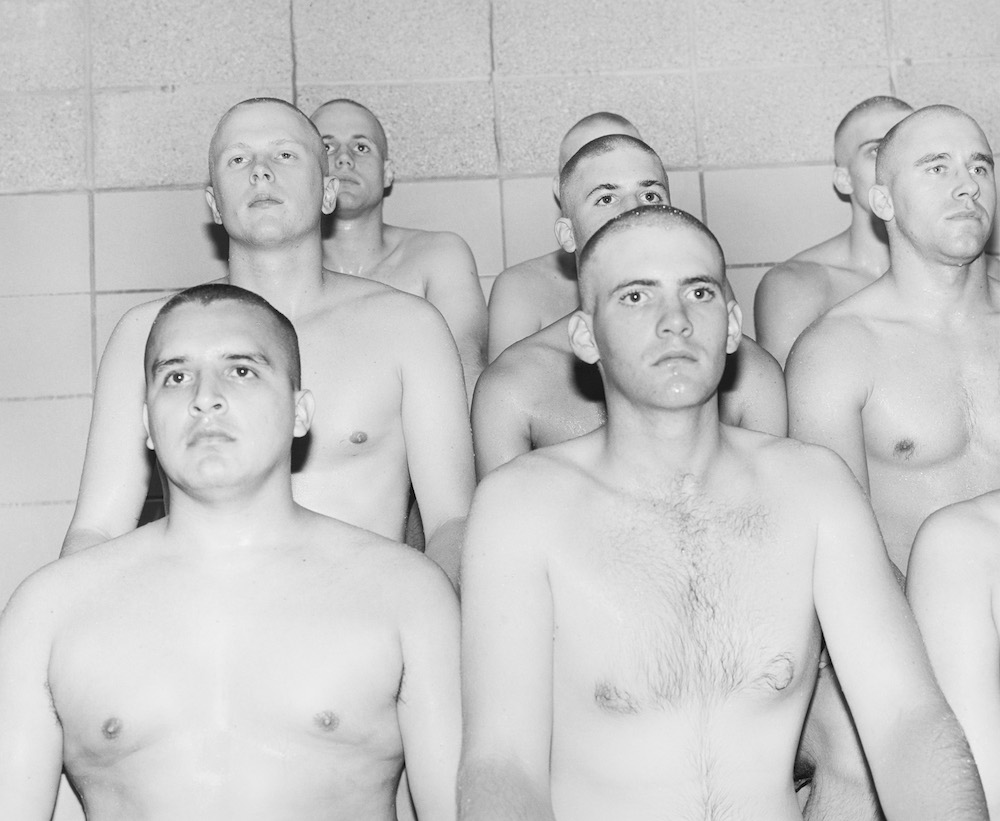
The first thing to notice in Restraint and Desire, Ken Graves and Eva Lipman’s collaborative publication, is its duality. Not only for the representation of kinship – a partnership between husband and wife – but it also induces a visual mirroring. With black and white imagery often presented on the right hand sided of the book, you’ll see pairings of subjects gestating, touching or moving in the dynamic and heavily contrasted stye of the photography. It would be strange to see a character on their own.

To witness two spouses collaborating together is not an uncommon occurrence in the art world; think Marina Abramović and Ulay, who produced work together for 12 years in total; Simone de Beauvoir and Jean-Paul Sartre; Frida Kahlo and Diego Rivero to name just a small handful of examples. But in this specific union, there’s something so effortlessly harmonic in the way they have composed their imagery. In fact, it’s hard to determine who did what; the work appears like a single entity, which is a stark contrast to the distinctive narratives found in synergies like this.

Over the decades and until Ken’s passing, the pair have worked in alliance with one another, defining this merging of two minds – a melting pot of shared goals and ideals. The result of which is a survey of the rituals found in typical American culture, things like the awkward celebration of school dances, the cheer of football games and boxing matches; the archetype of American society. By shining their lens on these topics, the couple were able to douse it with their own sensibility, in turn highlighting the complexities of human nature and how these rites of passage can often go overlooked in the every day. Ken and Eva, however, were never oblivious to the subtle intricacies of humankind and, instead, sought a career in documenting these moments. 

But it wasn’t just the world around them that went on to inspire their work. It was also their relationship, which tended to reveal itself in their work together – the sexual tensions, dynamics and complexities that comes with sharing a life with someone. The resulting work illustrates feelings of tenderness, intimacy, lust, generosity, connection and communication; the elements that define what it is to really love someone. And equally, they also represent the more negative associations of love where boredom, fear and tiredness might rise to the surface.

“These pictures were made in collaboration with my partner in life and work, Ken Graves,” writes Eva in the book. ”I will forever be grateful to him for his love and generosity, his unfailing optimism, and for sharing with me his strange and unique worldview. I miss him everyday.

Restraint and Desire, then, is like an archival memory box of their relationship together. So even though Eva is no longer able to physically touch her husband, nor are they featured in the work themselves, these posing bodies are somewhat of an apt reminder – a visual cue that she can refer back to whenever she needs. As Eva says, “our work reflected back to us, like a mirror, the intensities and power dynamics of our shared life together”. Love, and this partnership in particular, will never fade, and this book is fine example of its enduring presence.

Restraint and Desire is published by TBW Books and available here.

The Day After Tomorrow

Eric Asamoah intimately documents the journeys of young men transitioning into adulthood 

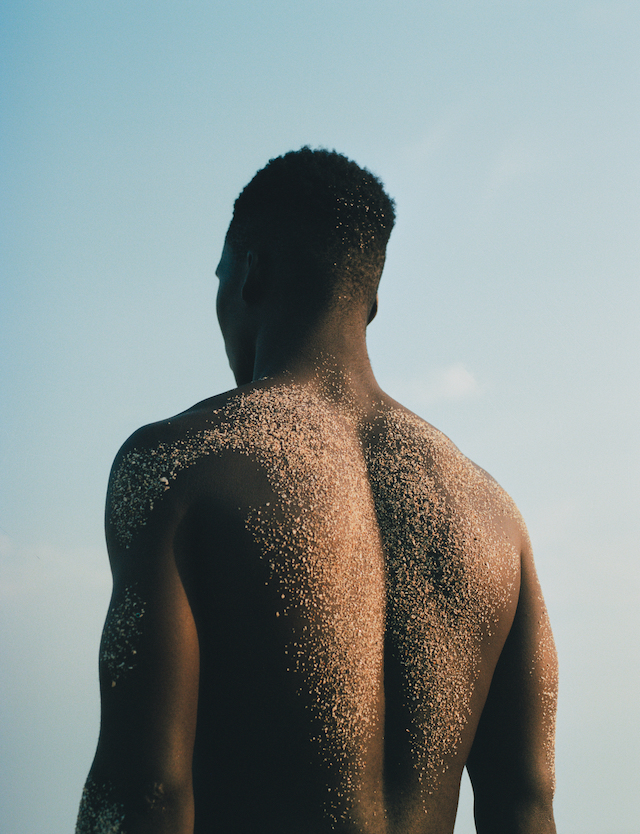
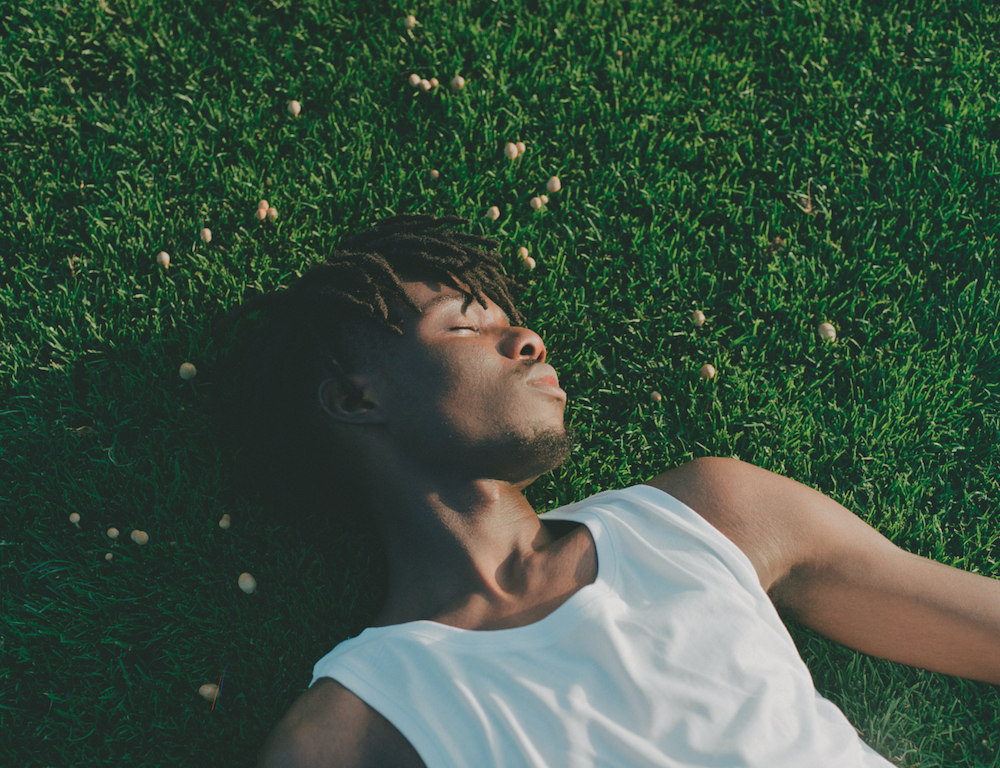
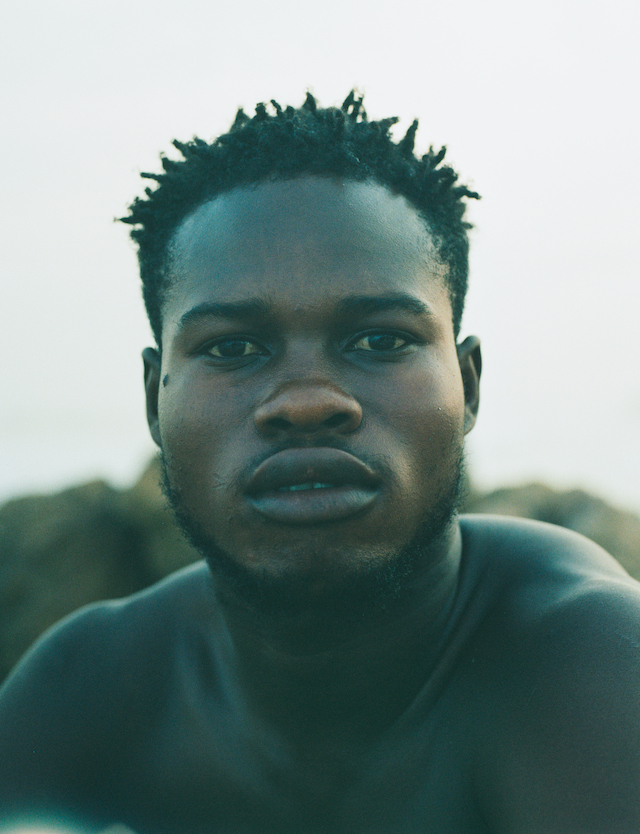
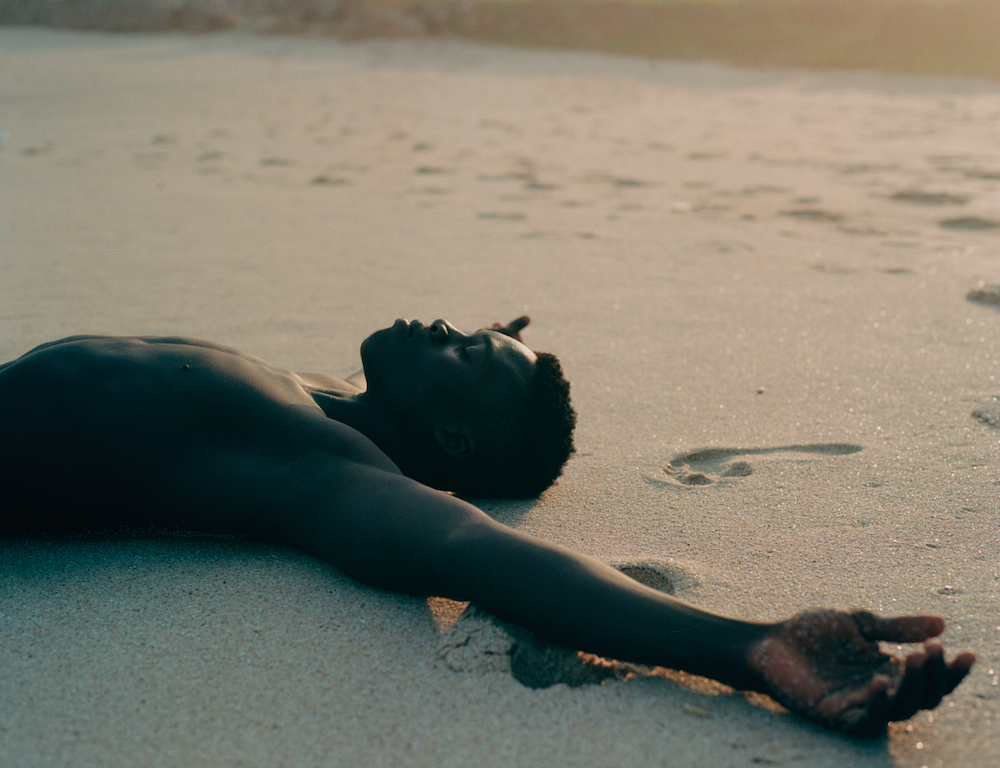
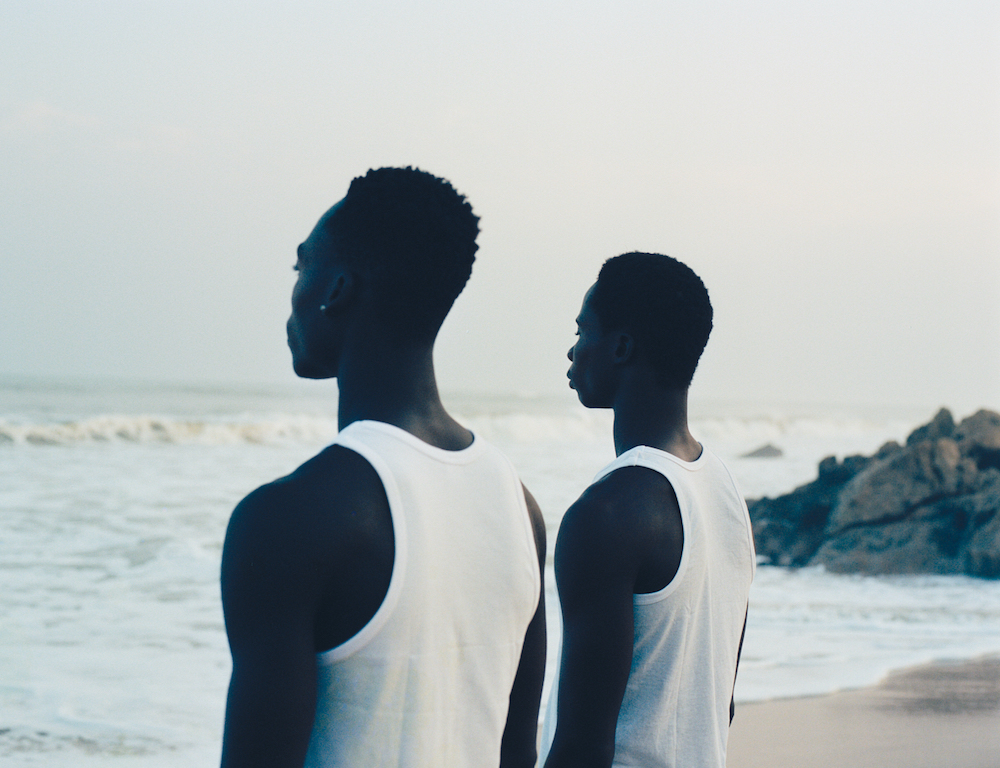
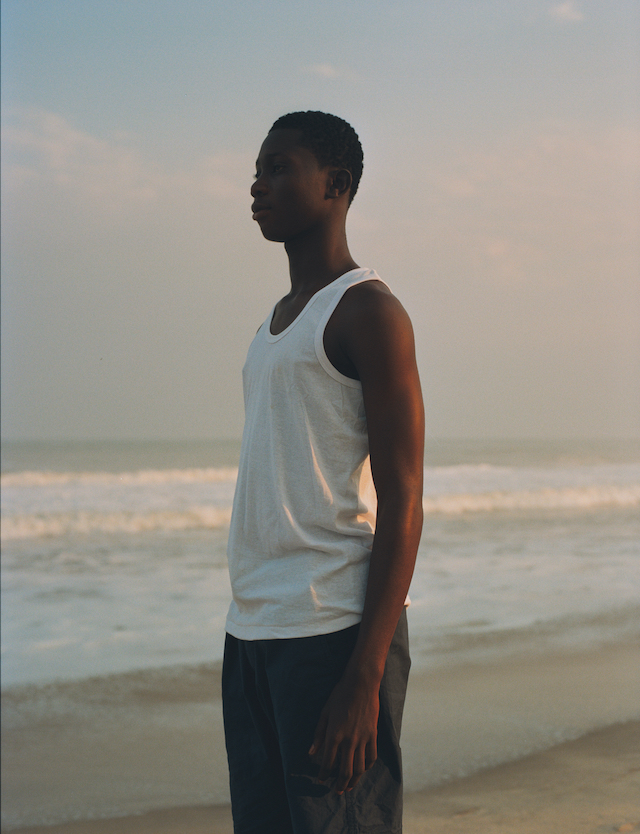
It’s hard to predict what will happen in the next hour, let alone the next day or two. But the ability to find peace in the unpredictable – to be comfortable with the unknown – is something of an achievement in life. This is a concept that Ghanaian and Austria-based photographer Eric Asamoah explores through his practice and debut monograph, aptly titled The Day After Tomorrow and published by Verlag für moderne Kunst (VfmK). An aesthetically luminous and intimate depiction of growth, the book centres itself on the journeys of young men as they transition from boyhood into adulthood. 

“As my surroundings and I evolve and get older, I often think about the concept of time and what it does to us, how the past is still present today and will also have an influence on tomorrow,” Eric tells me. “Starting a new journey can be exciting, but stepping up to something you don’t know, and leaving the past behind can be frightening for some people – young men and women who are in the coming-of-age journey are included. Once you understand the journey, you begin to operate differently as a person and start to question your surroundings, past beliefs, dreams and yourself. You begin to seek the truth, be vulnerable and honest about yourself and slowly find your true colours. This is a beautiful and complex process to appreciate and to enjoy it will not always be rosy and peachy, but at the end of the day, you’ll find peace during the process – if not today, if not tomorrow, then eventually the day after tomorrow.” This is precisely how his monograph came to fruition; he strives to tell the stories and thoughts of his peers, conceived through relatable imagery and a universally felt tale of growing up.

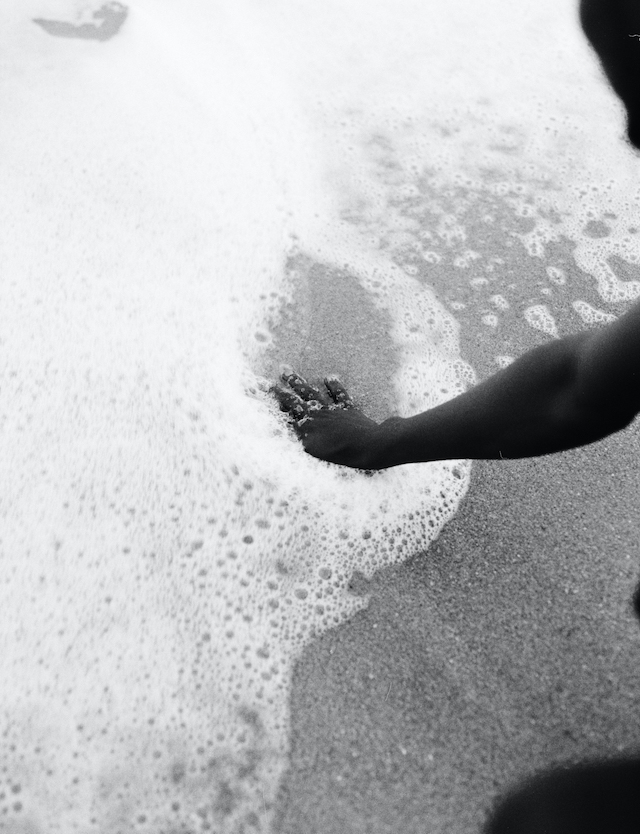
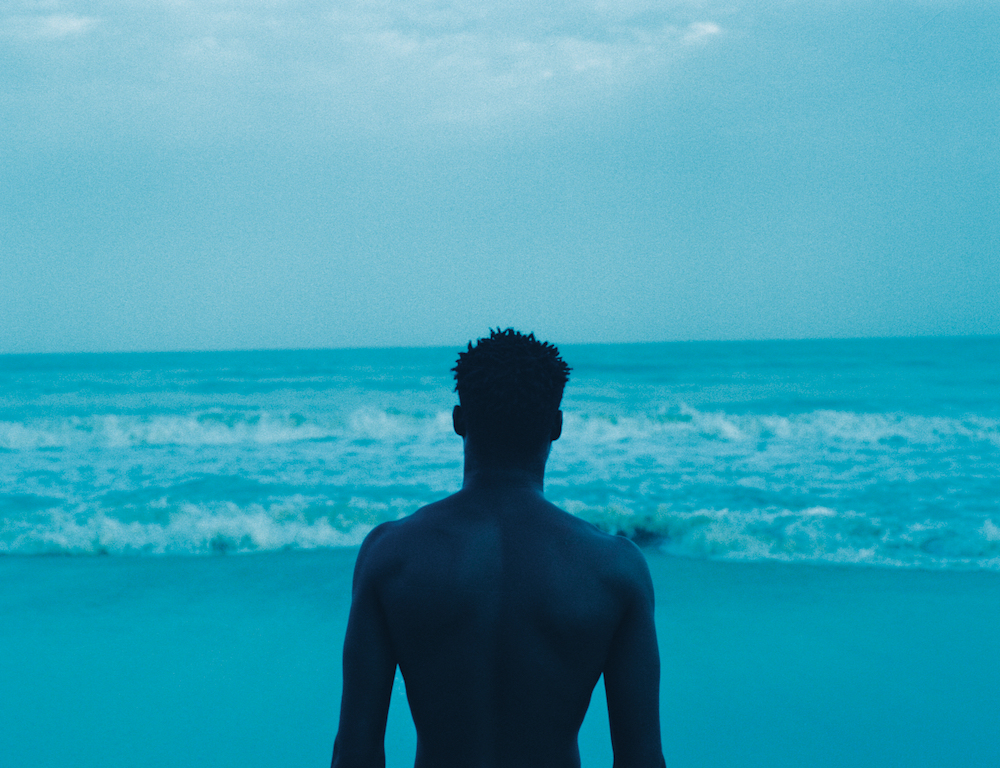
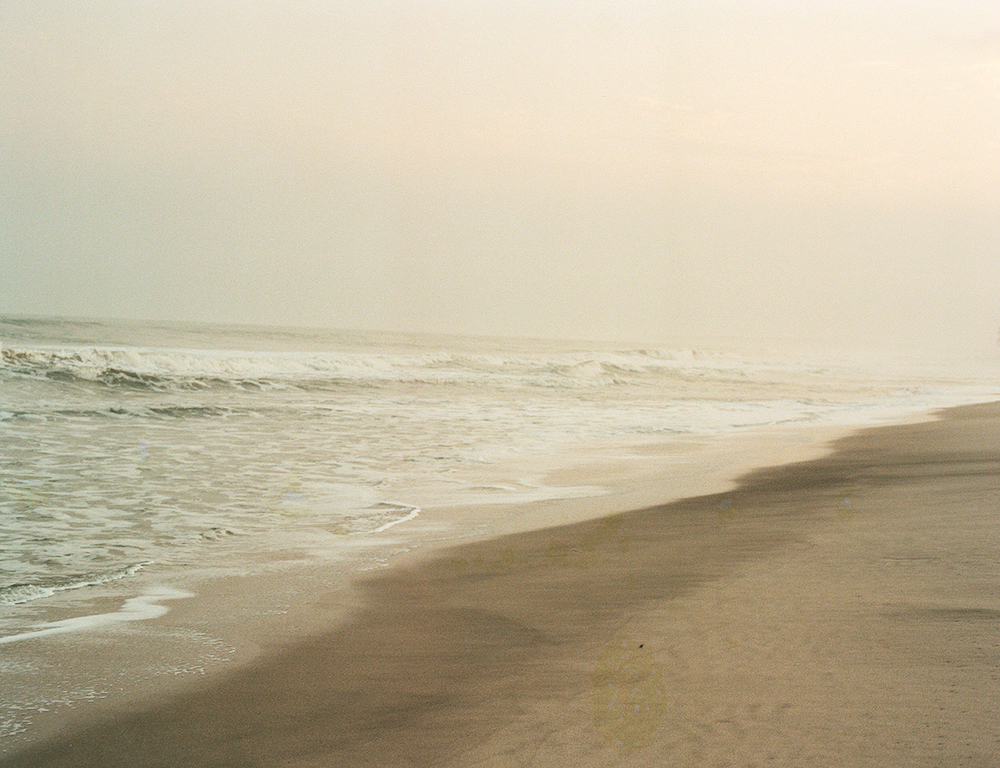
The pictures found in The Day After Tomorrow are poised and quiet. But despite this softly composed demeanour on the outside, there’s comparatively much to be learnt and felt in the imagery. In a photo titled Ocean’s breath – an early one from the series – Eric captures his subject after they’d discussed the strength of the waves that day. Personifying the ocean to be an element of force and change, the subject laughed and said: “The ocean is taking deep breaths, I can feel it!”. The ocean and its expanding and remedial qualities feature heavily throughout the series. In Open World, for instance, Eric expresses his own fascination for the water. “I can watch the sea for hours and be amazed by its gentle yet powerful nature. Looking into the horizon, I wonder how wide the sea is; ‘what’s on the other side’ I ask myself, similar to when I question the future.”

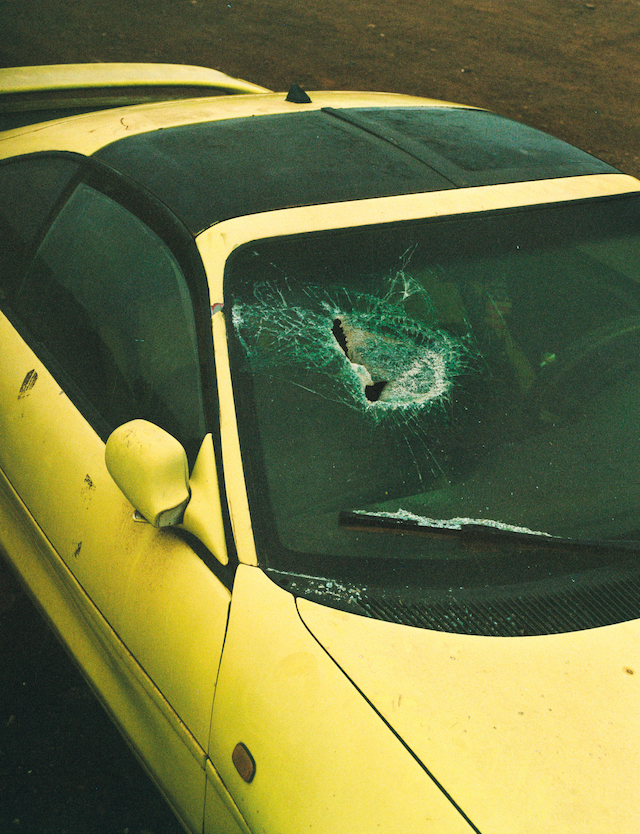
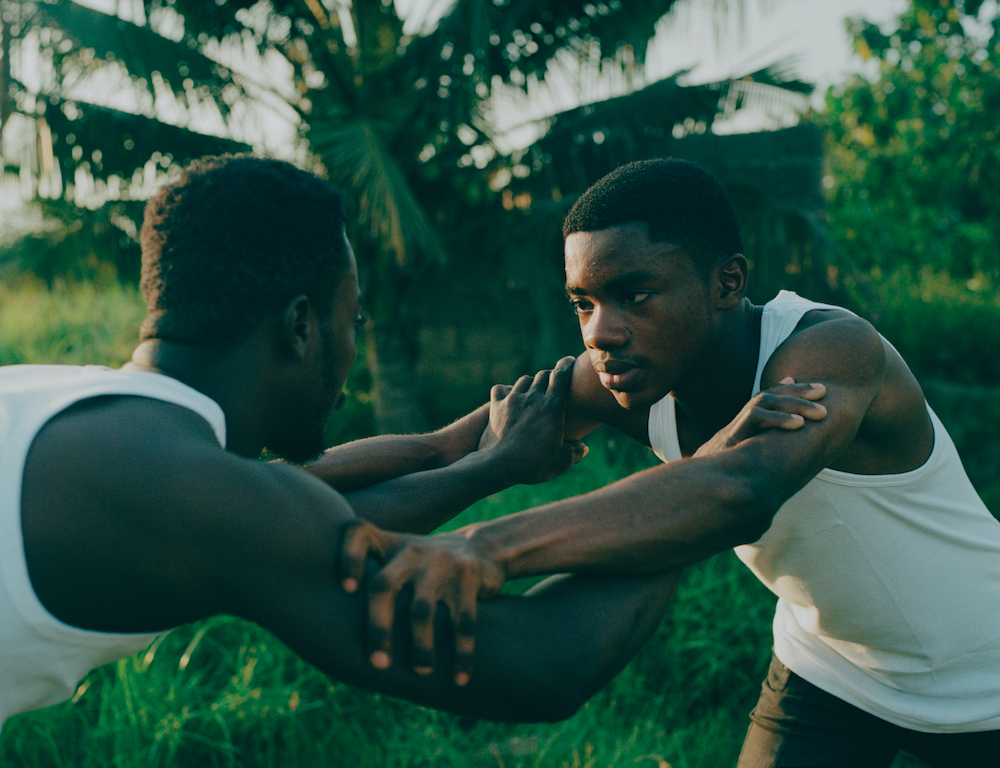
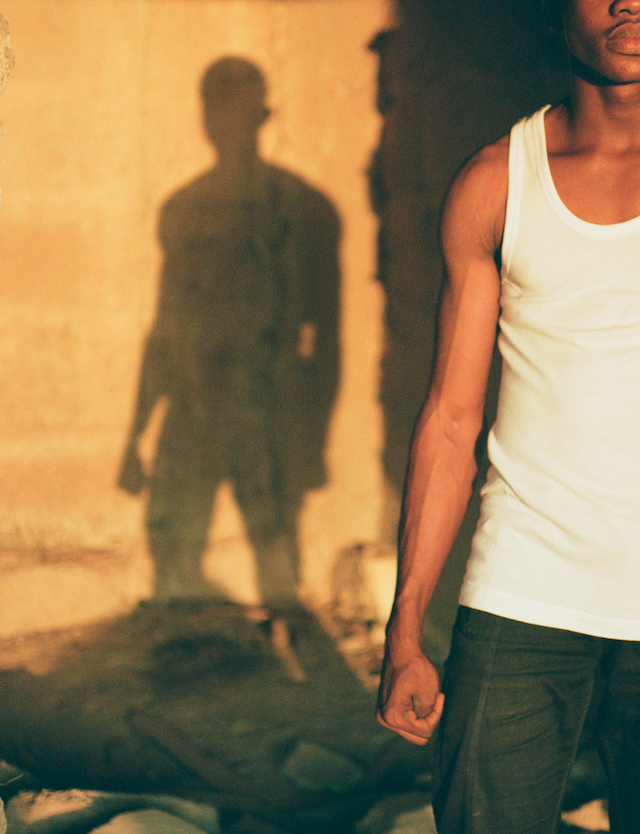
In another image named Tough boy, Eric looks inwards as he reflects on his own upbringing. “Back then as a kid, my brother was the only person I ever challenged or competed with,” he recalls. “He was older, bigger and stronger than me, but apart from being respectfully humbled each time, it taught me the value of being consistent in standing up for yourself, especially in tough situations.” Another, titled Yellow sports car, reflects on a memorable moment of Eric’s while he was driving around Kumasi and passing a car next to KFC. He dreamed about a yellow spots car a night beforehand, so he had the urge to pull over. “The vehicle reminds me of unfulfilled desires that are no longer in your interest, something that was valuable before but has since lost its value due to the passage of time.” This raises many questions about the attachment we hold to objects and the memories exuded from them; over time, we begin to realise the worth of the things around us and wash away those that no longer serve a purpose. It’s a cleansing process. 

Yellow sports car, 2021

Photography also serves a different kind of objective. It allows us to document, assess and learn from the past, making way for new beginnings and codes of thought – both for the image-maker and the viewer. In Layover, this becomes evident as Eric reveals the picture’s remedial qualities. “Every time I look at this photo, I remember the energy in the air which was serene, carefree and soothing. Be still for a few seconds, let go of all you know and be grateful for the current moment, which will lead you to understand that you can be anywhere in the world, but the only place you can find true contentment is within.”

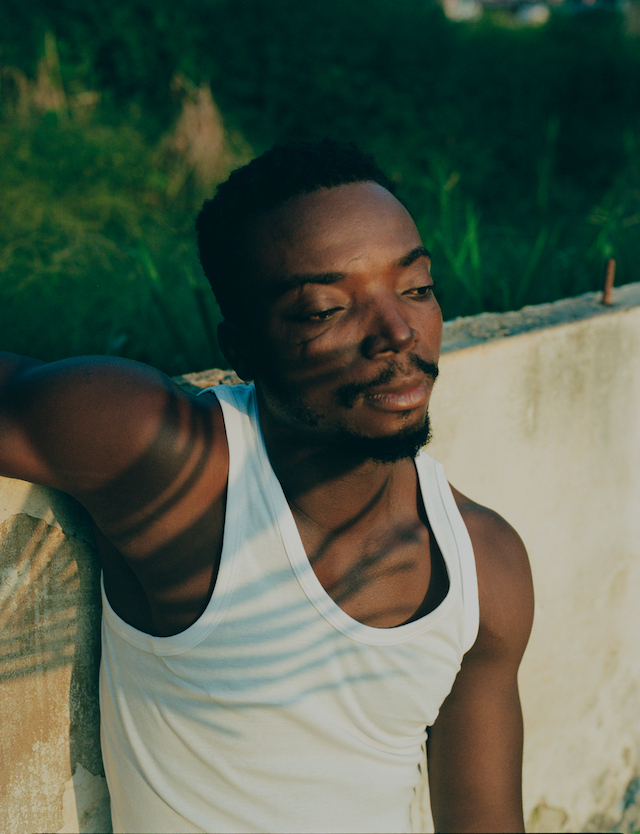
Eric presents his subjects as anonymous beings, choosing to keep them unnamed throughout the series. By doing so, the pictures become a “utopian ambiance” – a moment of catharsis for Eric. “All the young Black men in the images were a reflection of myself, the inner self that seeks truth and contentment,” he shares. “I hope that individuals from all walks of life an also see a bit of themselves and reflect on their own truth, contentment and journey in life.”

Layover, 2021

Ocean’s breath, 2021

Open world, 2021

Tough boy, 2021


My Hijab Has a Voice

Jodie Bateman’s empowering series raises awareness of the difficulties Muslims face in the West

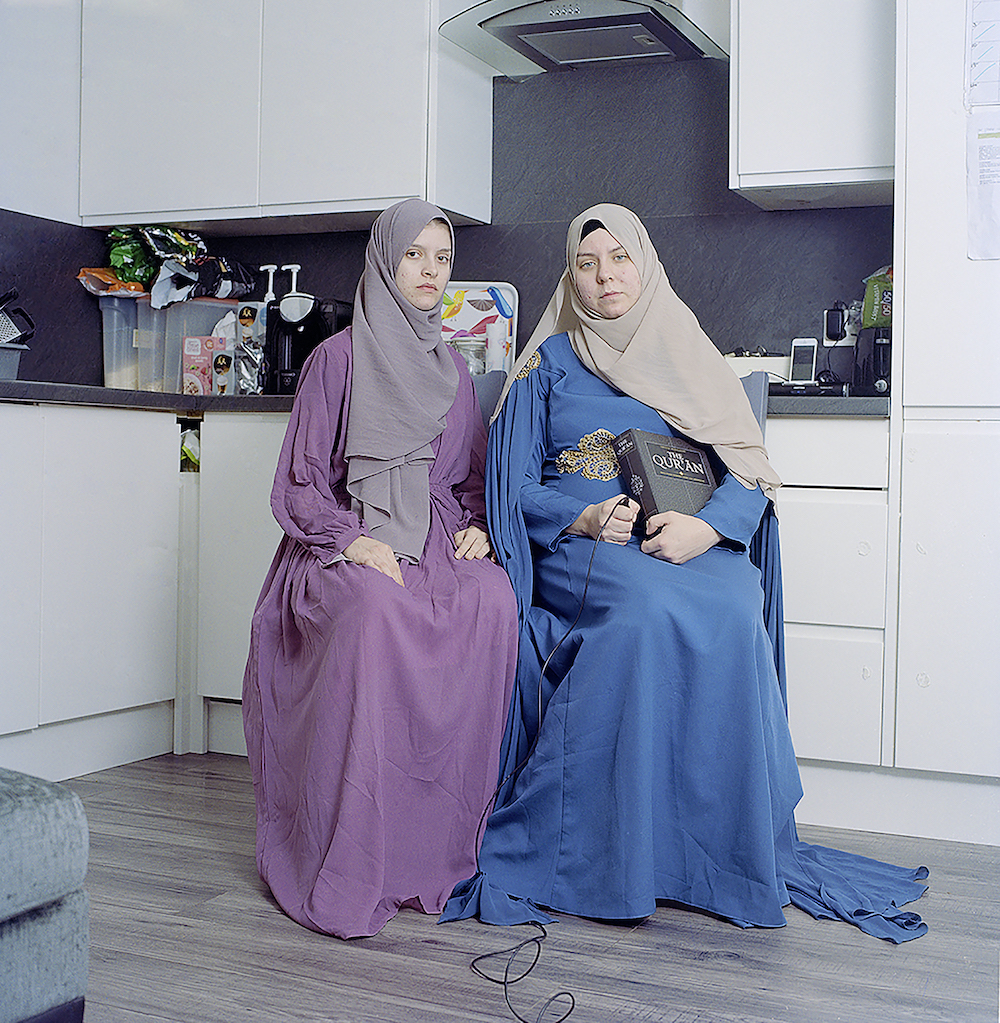
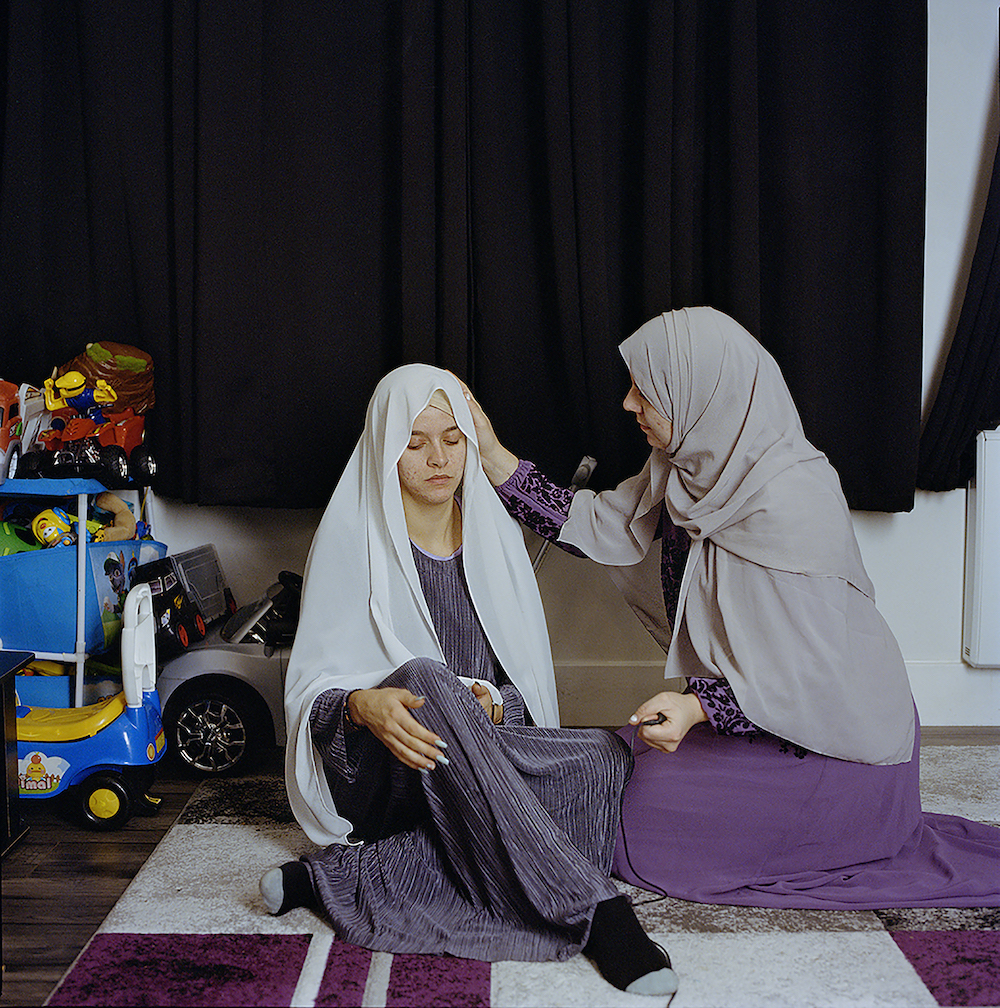
Jodie Bateman, a photographer who grew up in Earlsfield, London, converted to Islam in December 2017. During this period of her life, Jodie began questioning the stereotypes often pinned with being Muslim and living in Western society. Deciding to record these experiences with her lens, Jodie commenced work on My Hijab Has a Voice: Revisited – an authentic and autobiographical series that both challenges and empowers her subjects. Within the project, she takes predominantly self-portraiture with the odd portrait tossed in for good measure, placing herself and younger sister in the frame as they replicate historical paintings, those that often objectify women. The work is captivating, poised and provoking for the ways in which it demands attention from the viewer; she hopes to share a new perspective, to realign the stigma and to raise awareness of the difficulties Muslims face in the West. Below, I chat to Jodie about her journey into photography, her experiences with converting to Islam and what she strives to achieve through her imagery.

First, it would be great to hear about your journey into photography, what inspired you to pick up a camera?

I first fell in love with photography when I discovered my mum’s boxes of photographs as a little girl. She used to have loads of photographs printed from the little disposal cameras; she always had so many of them and I was always mesmerised by the photograph as a document or object. I remember holding it, looking into its information and then, when I got my first camera phone as a young girl – I think I was around 13 – I started shooting made up shoots with my sisters. That’s how it started. I knew from then on that I loved photography and taking pictures, so I decided to study it at college and so on.

What stories are you hoping to share in your work?

So far, it’s been a personal story about my journey and experiences, especially around the hijab and converting to Islam. Through my work, I’m trying to put a different narrative out there. I hope to take this further in the future and share other Muslim women’s experiences with the hijab too; I just want people to see it from our actual point of view and direct from our voices.

Can you tell me more about your personal experience with converting to Islam, and how this impacted your photography?

It changed my whole style. I found myself, and I realised the stories I wanted to tell and the issues I felt were important to me had changed. It’s had a huge impact on how I feel and how I am able to use photography. It’s such a powerful tool to be able to tell stories and raise awareness of issues, and being able to have your own unique voice with it.  

What’s it like photographing your family, are they happy to be involved? How do you want to represent them in your imagery?

It’s easy because I am so comfortable around them, so I can really just be myself and be free in directing my project how I want to. I’ve never actually gone out of my comfort zone and not shot my family, but they are happy; they’re used to it and they like to take part and support my work In any way.

I guess it depends but, for my project, my little sister is like my muse. I have also done documentary photography with my family, representing them as they are at home as well as our relationships and bonds with each other.

Can you pick out a couple of favourite shots and talk me through them? 

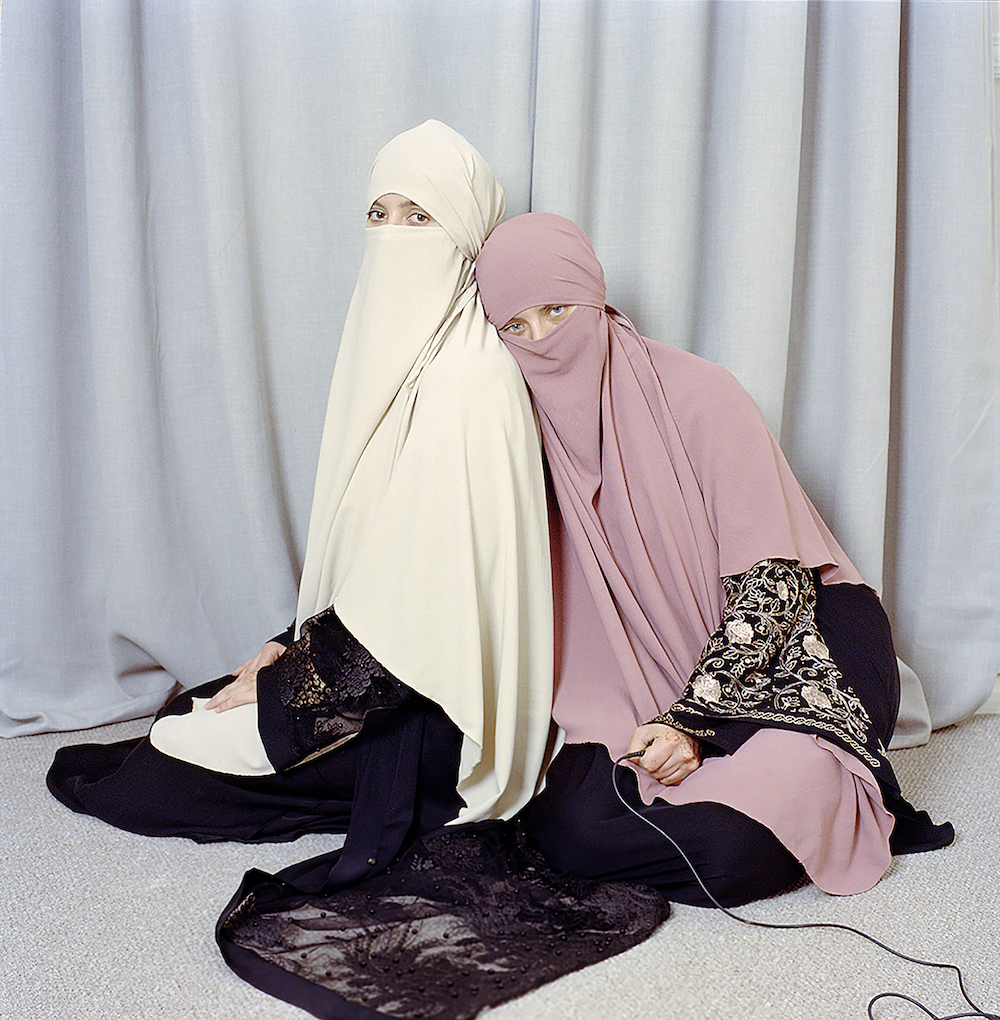
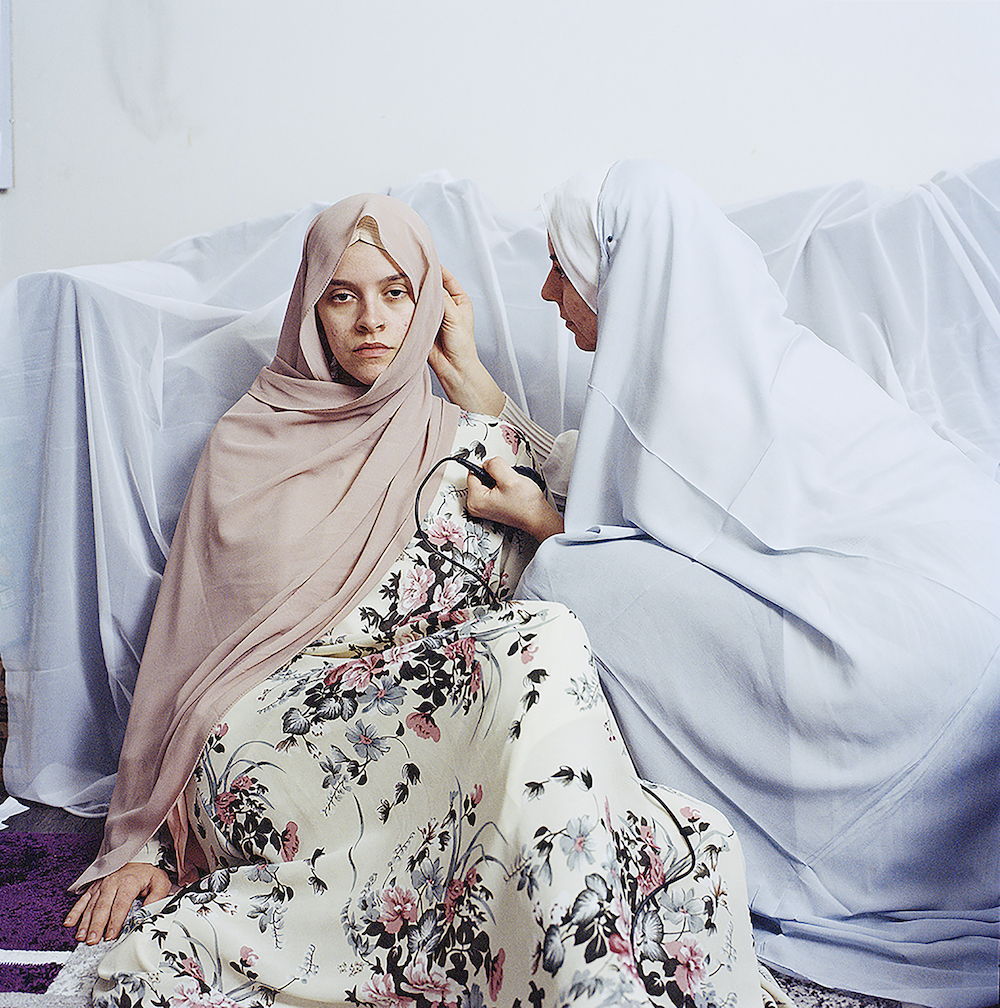
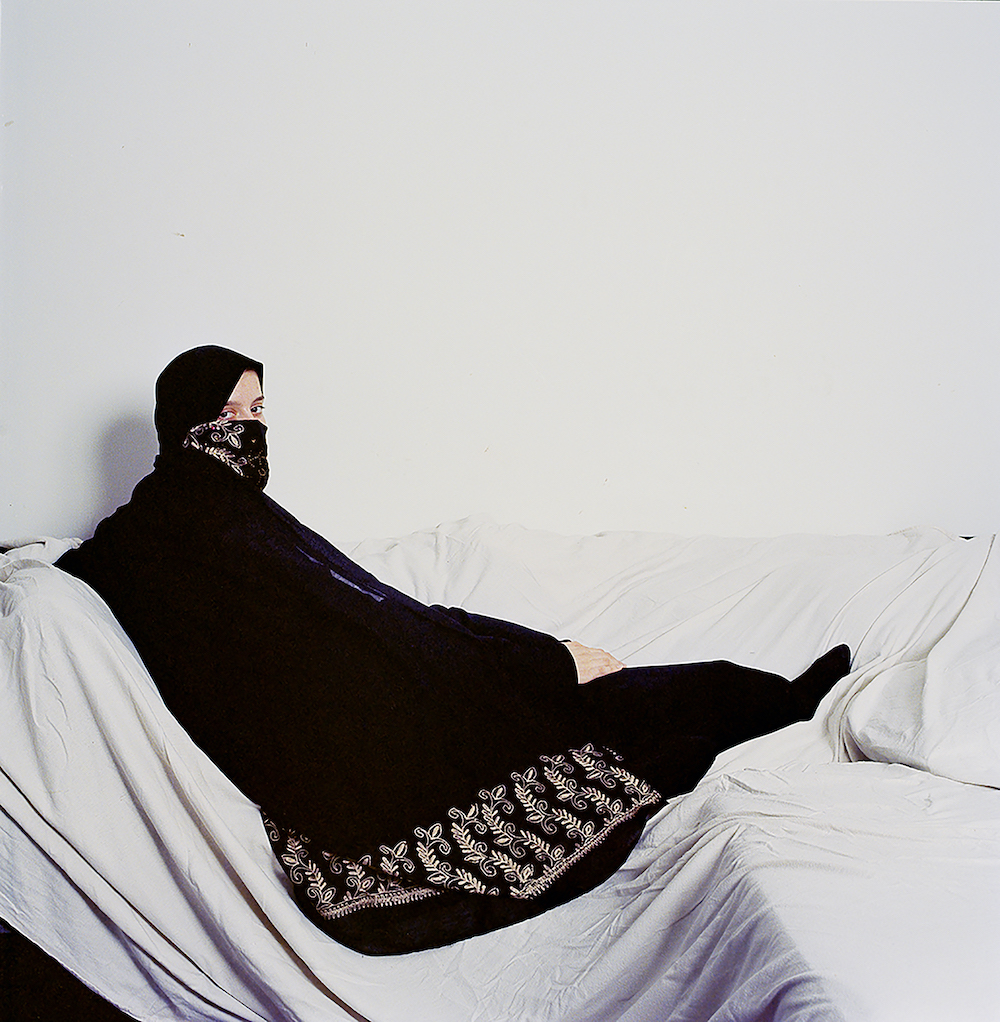
This image is my favourite image from my recent project My Hijab Has A Voice: Revisited. It’s inspired by the painting La Grande Odalisque; it was known for being unnatural in how the nude woman is painted, and in my image she is posed in a similar manner but fully veiled. It may seem unnatural, as paintings and the objectification of women started as being fully nude only for the purpose of pleasing the male viewer – so it’s about reclaiming our bodies. Being fully veiled mimics these types of paintings whilst also showing the beauty in being veiled; our bodies concealed from eyes seeing us in this objectified way.

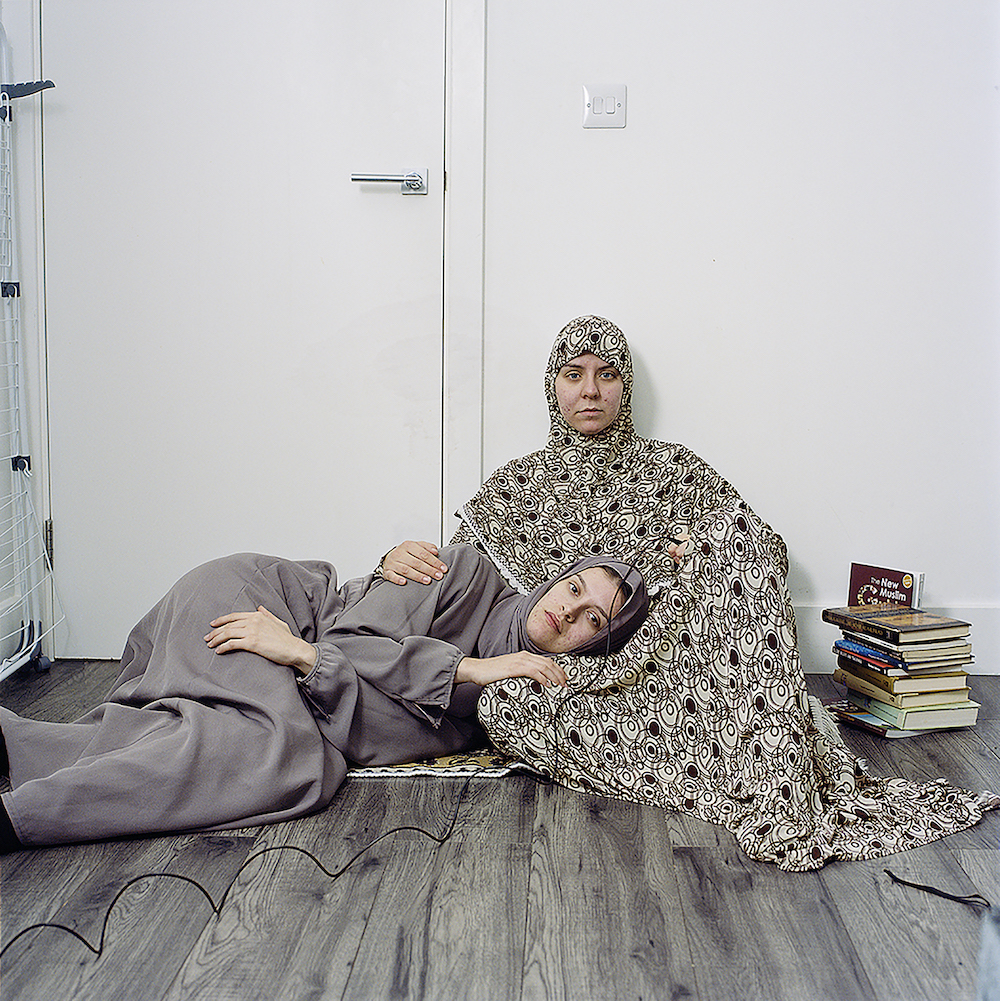
In this second image from my project My Hijab Has A Voice: Revisited, myself and my sister are fully covered. She is laying on my lap and we are connecting; it’s not sexual, it’s supportive and there are books which convey the message that, as a woman, I am educated. I always get asked if I converted for a man or if I was brainwashed, as if a women cant make an educated decision to be a certain way. it also mimics paintings, as usually they leave bits of information around like mirrors and brushes to convey this vain message that women are in competition and compete against each other.

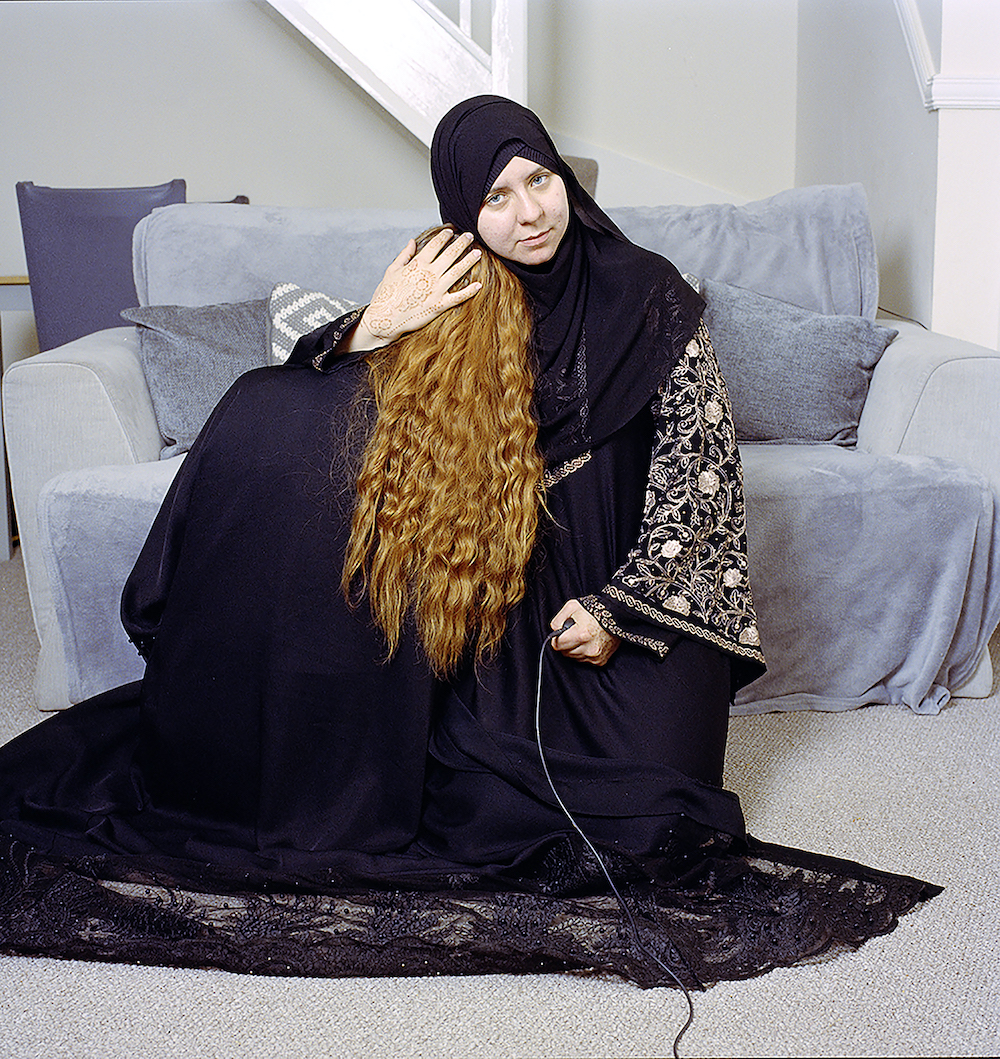
The last image is another favourite of mine again from my project My Hijab Has A Voice: Revisited. I am holding her head, her hair is out and we are both covered wearing black. This image concept is based around the idea that all women suffer from being told what to wear; whether we are being forced to cover or being forced to uncover, we are constantly being managed by men. This image is like a symbol of support from women to women, no matter what race or religion or how we dress. We should stick by each other and not against each other.

What are the key takeaways for your audience?

I hope it’s a positive reaction and that they are interested in listening. My message is that, as a woman, I can be educated enough to make my own decisions. I don’t need to be influenced by a man, that Islam is not what the media portrays and if people take time to listen to Muslim women especially, they can learn a lot and see a more meaningful side to our stories.


London 82

Traverse back to London in the early 80s, as seen through the eyes of photographer Sunil Gupta

The last time I indulged in the work of Sunil Gupta was during his major retrospective at The Photographers Gallery in London last year, during which he presented his politically charged – and narrative heavy – portraits and street shots on topics such as family, race, migration and sexuality. Sunil, who’s an Indian-born Canadian photographer based in London, has become widely acclaimed for his image-making, particularly his documentary work in New York and the lensing of injustices suffered by gay men globally. He tells stories through a merging of honest portraiture, candid street photography and the more intentionally staged, which in turn raises awareness of gay rights plus the struggles and complexities that the LGBTQIA+ community has experienced over time. It was in this very retrospective that I began to understand Sunil’s career-long goal and subject matter: he’s a visual storyteller, an activist and political voice of a generation.

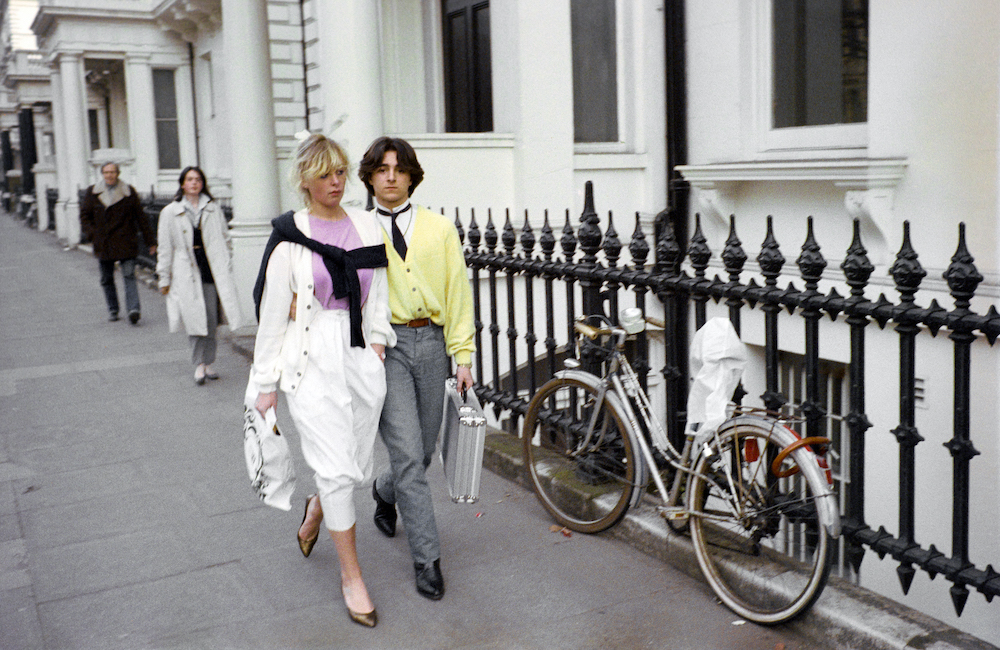
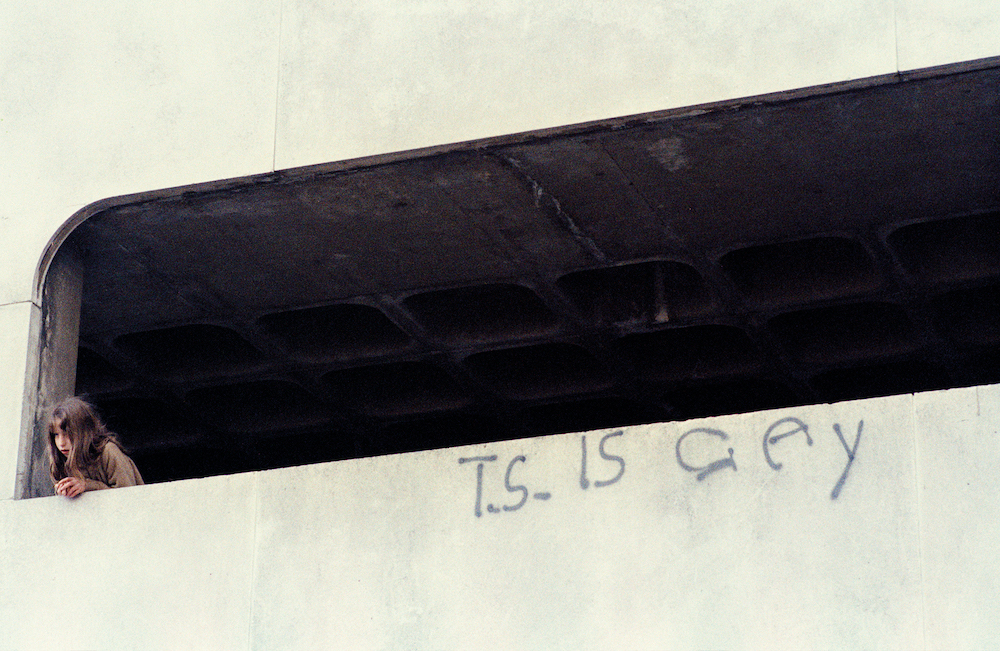
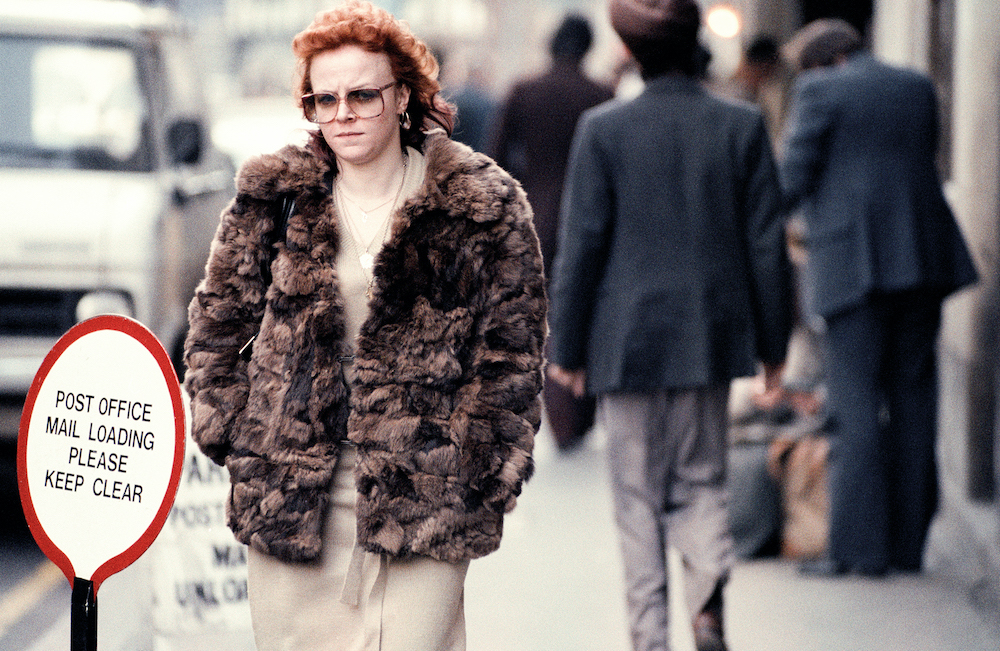
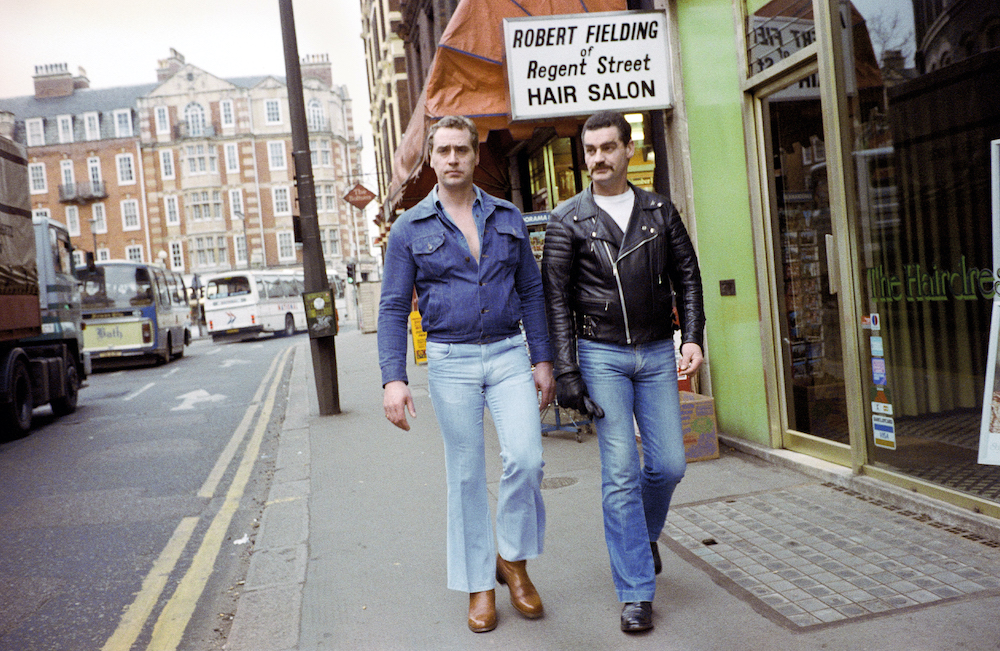
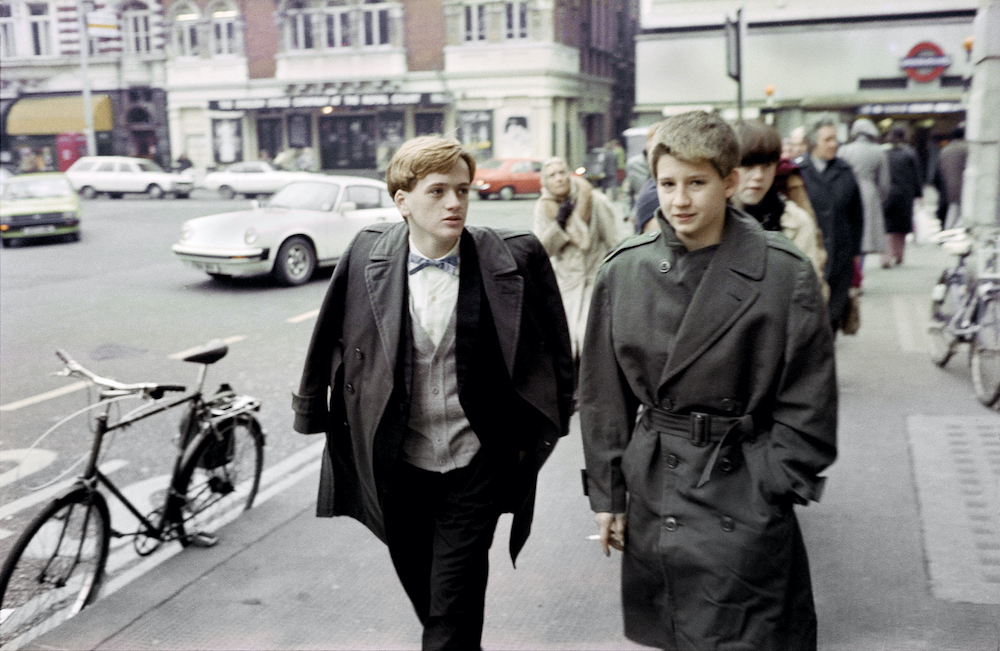
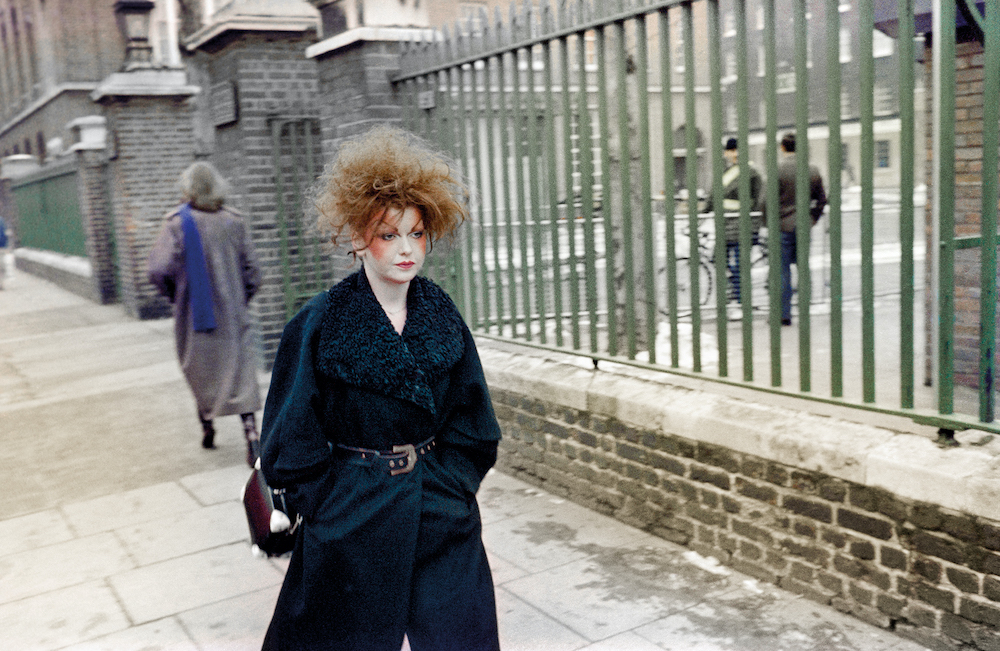
And now, I’m given the opportunity to observe the photographer’s work once again, this time composed as a new book from Stanley/Barker and entitled London 82. The publication marks the moment in which Sunil began experimenting with colour, a time when he enrolled at the Royal College of Art in London and started playing around with the processing facilities. With an aim of capturing gay life around the UK’s capital during the early 80s, what first commenced as an inquest into an exclusively gay subject matter soon evolved into a wider exploration of life in the city – encompassing all sorts of characters from gay men, the elderly, migrants and people of colour. Here, Sunil tells me more about this momentous collection, the types of people he sought to photograph and what life was like as a gay man when he arrived in London.

Can you describe what London was like in 1982?

I had come to London as a young gay man at the end of the 1970s from New York with an interest in photography. It felt like a cold and unfriendly place for gays. Also, there was hardly any photography scene worth mentioning at the time. And of course it was so much shabbier than it is nowadays but then so was New York City. London felt depressed, cold, dark and lonely. It was also a place where I acquired a race problem by being South Asian. There were counter cultures like punk, the left, and of course the emerging gay disco scene but most of that was closed off to non-whites. It was the time when I felt very alienated.

What inspired you to pick up a camera in the first instance and start shooting this body of work?

I was in art school and I was learning to make work by project. In between the projects, however, I would do street photography as a way of exercising my camera skills and also of discovering a new city. I had the experience of shooting a specific street, Christopher Street, in New York as the centre of gay public life. However, I could not find anything similar over here, so in the end I settled on a route between where I lived in Fulham, my classes in South Kensington and my outings to the West End. Being in college allowed for some experimentation with colour negatives as equipment and processing were available for free.

What sort of person caught your eye while out shooting?

All kinds of people caught my attention when I was out shooting; gay men, of course, Black and Asian people, various OAPs who appeared randomly amongst the better off in West London. I wasn’t really trying to make any kind of sociological commentary, just some juxtapositions and formal arrangements that caught my eye. Of course all the backgrounds were very much part of the scene.

Can you share some anecdotes from working on this project?

I’m trying to remember if there had been any encounters with people whilst shooting these pictures. Mostly there weren’t, as people really did not want to be spoken to. In that sense, it was very different to my earlier experience of New York. I had to rein myself in and not appear too aggressive whilst I was photographing, as I had to learn to approach people directly and instigate encounters with my camera. People in London didn’t seem to like that very much. One of the things that really struck me was the extremes of wealth and poverty on display amongst the people on the streets. 

How does it feel looking back on this body of work, and how does it compare to the West End today – particularly in terms of queer culture?

What I didn’t realise was that, in a way, I had had a very sheltered life in those few years centred on my very privileged life as a photo student at the RCA in South Kensington. I hadn’t seen these pictures again until very recently when they got scanned. I’m amazed at the kind of naïveté they have from my point of view, since I’m giving everything equal weight; most of my projects were heavily weighted towards some critical stance or the other. London also seems curiously white and the Asians seem to be newly arrived. Contrary to now, when that is certainly not the case, as the West End has become much more diverse. And although London never developed a Christopher Street, it does have a small, touristy version around old Compton Street – a version that was palatable enough to be shown as advertising on airlines promo videos where the city is diverse and tolerant, despite having an appalling record number of arrests of gay for cruising in the 70s.

What can the audience learn from London 82?

I hope the audience can see that, in 1982, London was much less brash and more economically mixed in the centre. People had their own styles of dressing and that seemed to be fine. The streets seemed messy and lived in but that seemed fine as well. Gay men had become clones and were beginning to emerge from the fearfulness of the 1970s. I suppose the key takeaway is that it’s the moment that Thatcher swept into power with her mantra that society does not matter, only individuals do, and that it was every man for himself. That was going to define the 1980s.

What’s next for you, any upcoming plans or projects?

There are several projects online; a new commission is underway that is being organised by Studio Voltaire and the Imperial Health Trust. I’m researching the experiences of long-term users of the HIV OPD at St Mary’s as well as people who have recently had gender reassignment surgery at Charing Cross Hospital. An edited version of this new work will hopefully be on display at those hospitals by the end of February 2022. I am continuing to work with my archives, the next publication will be a text-based one. I am gathering all of my writing on photography over the last 40 years into one publication that will be launched by Aperture in the autumn of 2022. My retrospective exhibition that was at The Photographers Gallery earlier this year is opening at the Ryerson Image Centre in Toronto and will run from January to April 2022.
Town of C

In the rural lands of the Rocky Mountains, Richard Rothman exposes the unsettling truth of American culture and its reliance on the environment

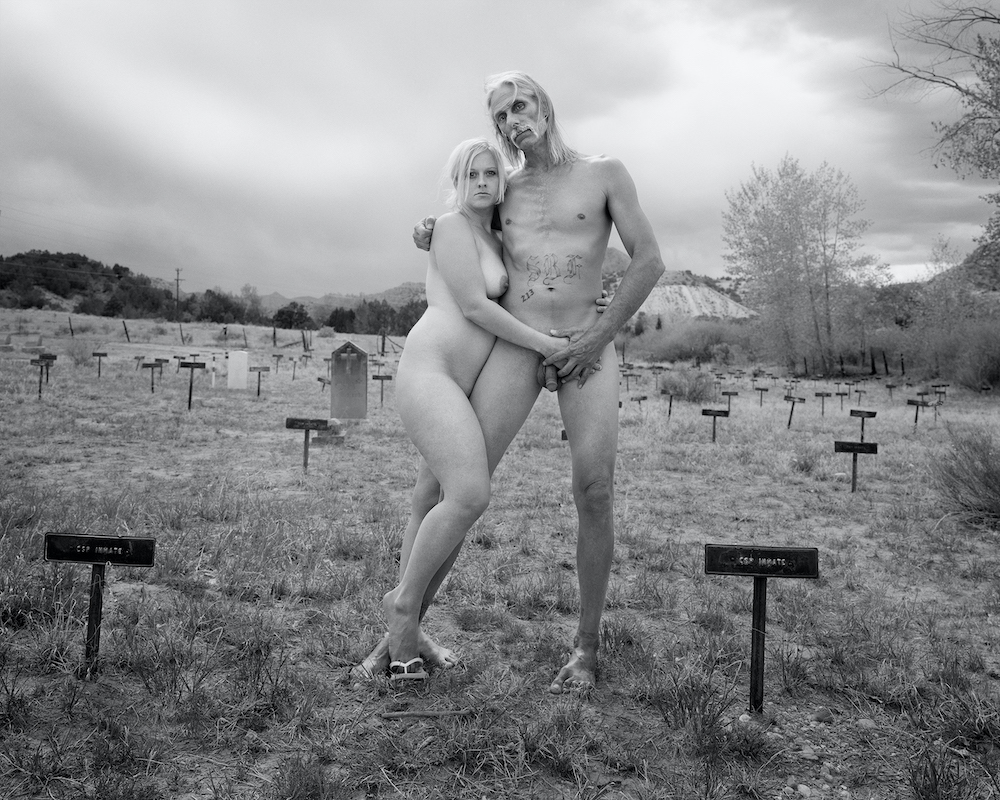
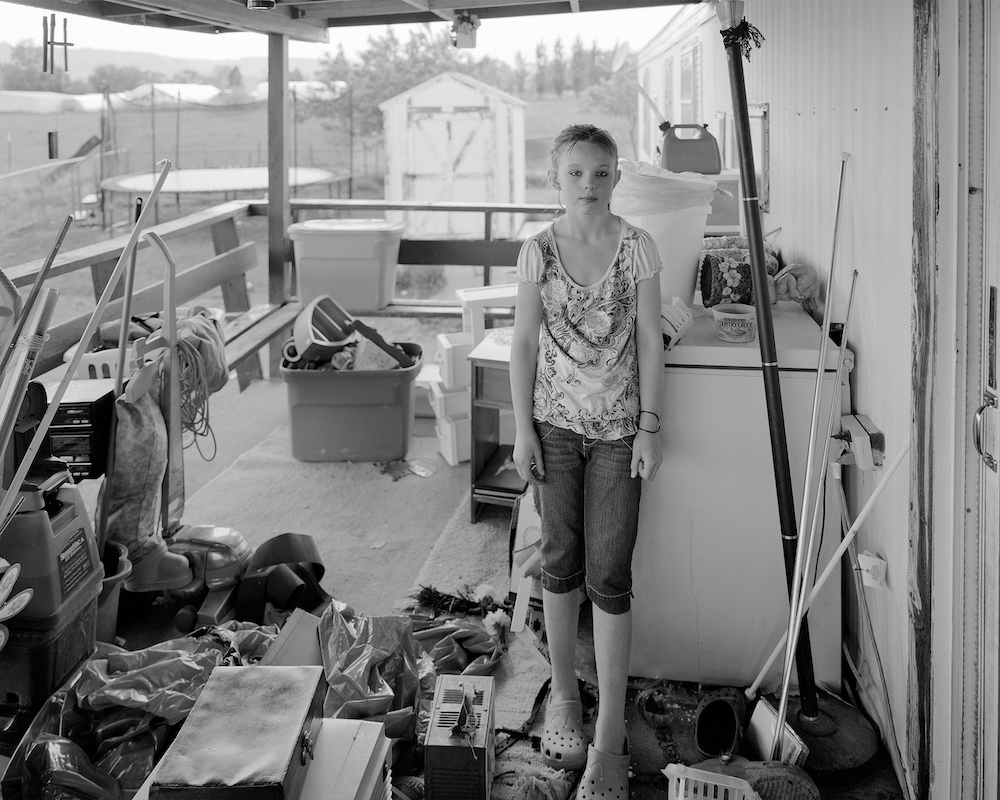
On the introductory page of Richard Rothman’s Town of C, a book published by Stanley/Barker, a naked couple pose starkly in front of the camera. The image, shot in a tonal shade of monochrome, depicts the pair in an embrace, standing amongst a prison cemetery located in the rural lands of Colorado – the part that’s allocated to the state penitentiary for inmate burials. This is unusual for a prison to be located in the middle of a town, but this one in particular was first a territorial prison (meaning medium security) that housed 25 prisoners, which was then formed into its own prison around 1874. The couple, more so on the woman’s side, instigated the idea to pose nude upon meeting with Richard, and this inadvertently set up what the photographer now goes on to describe as a metaphor “tied up with a bow” – that which hints to the biblical, spiritual and the natural.

“I met the woman in this photograph when she was a child,” says Richard, stating how the couple now live particularly close to the cemetery. “The man in the picture is the father of three of her five children, two of whom feature in another picture, in the doorway of a rehab house. He had a long association with LA gangs before moving out to Colorado. Anyway, she persuaded her partner to pose nude with her for me. As soon as I set up for this picture it began to rain, so I was in a hurry and it hadn’t occurred to me that this was going to be an Adam and Eve picture. Months later, on a visit to the Morgan Library, I came upon a postcard of the Dürer etching depicting The Fall of Man, and the expulsion from the garden. It had been an unconscious connection, because I grew up with that story and that particular image, which I was fascinated by, and I realised, much later, that it was a fitting opening to the narrative of the book that unfolds, that it spoke to the current environmental situation, and that it is an enduring, eloquent myth about the universal experience of loss of innocence.”

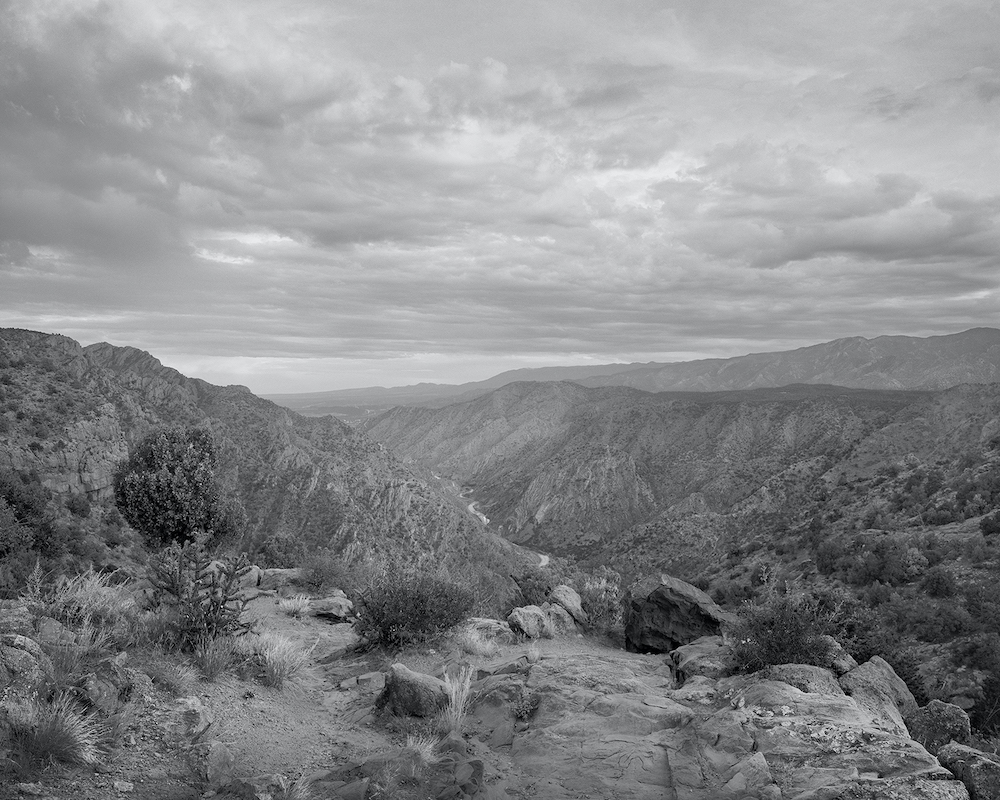
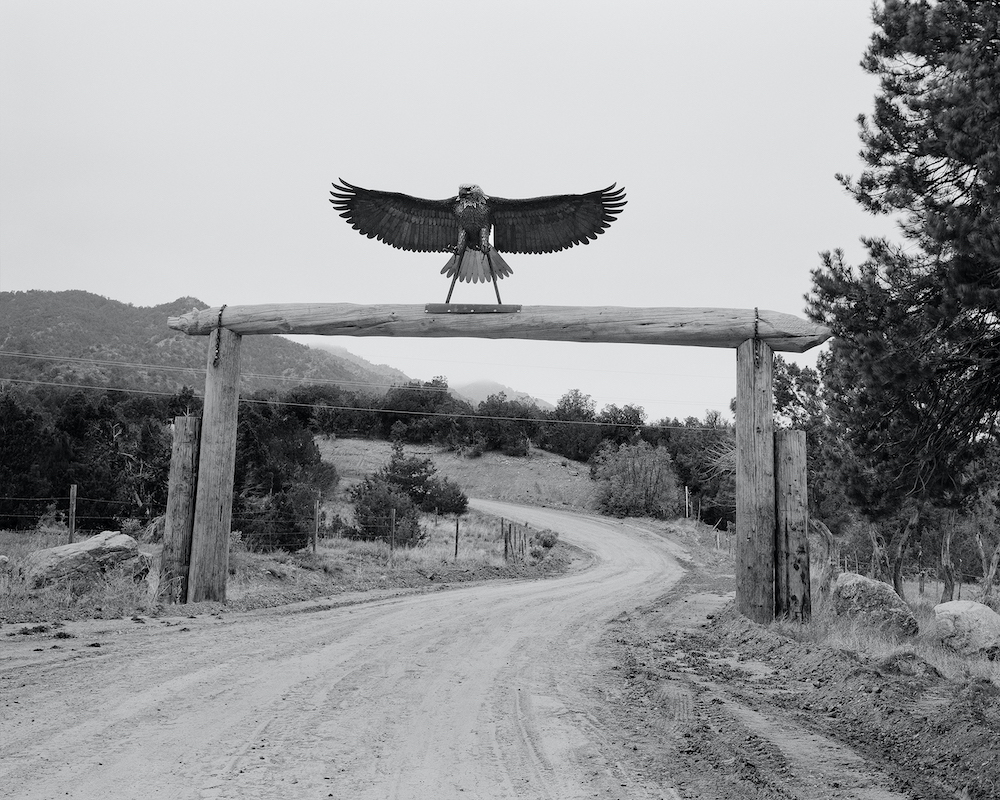
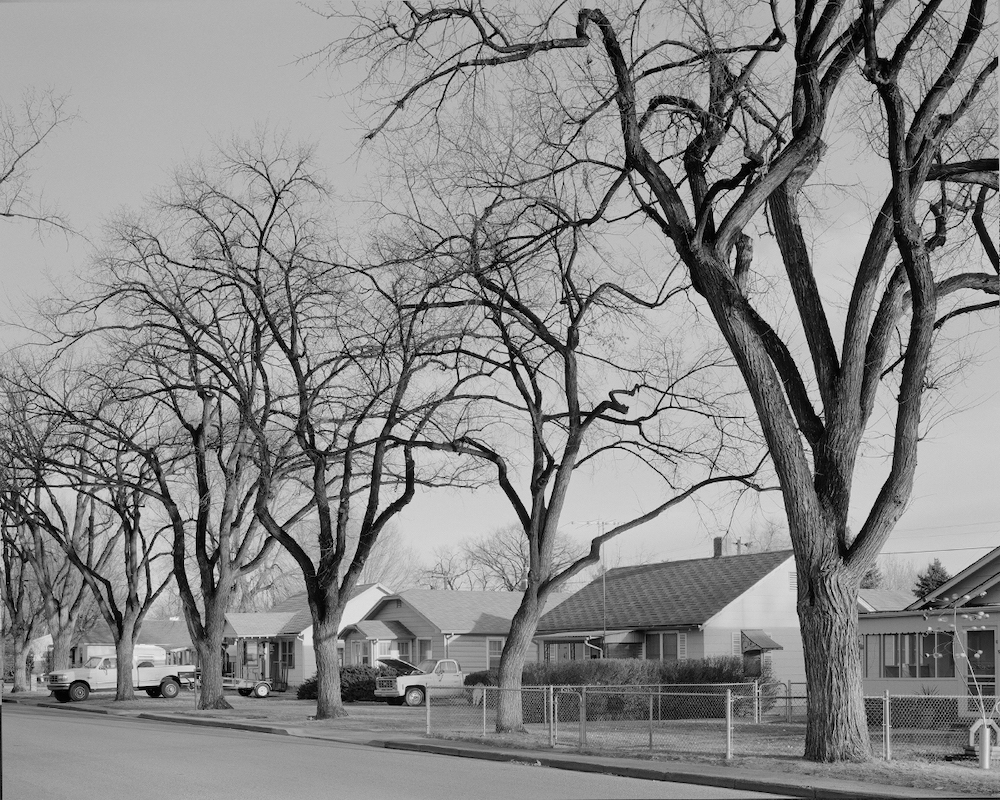
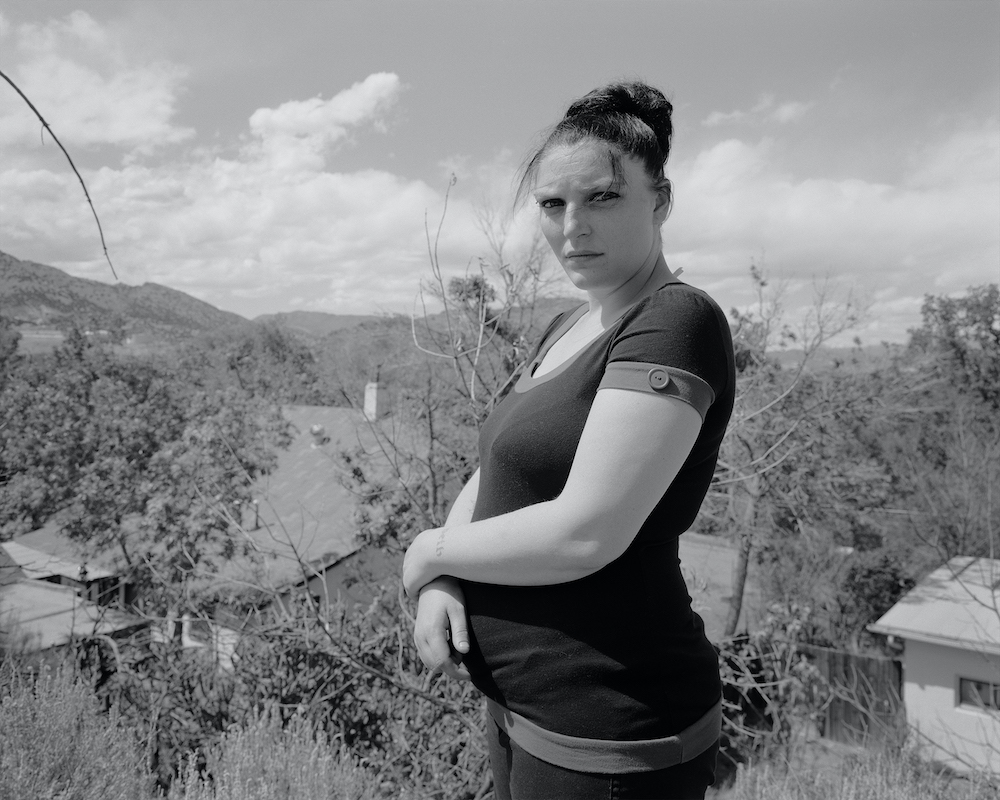
In this part of the world, more specifically the Front Range of the Southern Rocky Mountains, the landscape reigns supreme. The summits tower over the valleys, stretching around 300 miles from Colorado to southern Wyoming. Hikers and mountaineers are drawn to its vast populous of treks, climbs and views, where peaks exceed 4,000 metres and wrap around a variety of rivers. In contrast with this almost inimitable backdrop, there are also vast cities and towns resting on the banks and outer edges of the ranges. This includes the small rural town that Richard photographically paints through the pages of Town of C, one that remains unnamed. “I wanted to tell the biggest story I could, starting with a portrait of a small town, reflecting on the national culture at large and moving out to the mystery – the world beyond our planet – that we’ve all come from,” he adds. And it’s through the very town, its people, its architecture, roads and undeveloped lands, that Richard aims to shed light on the relationship between these two beings: the human and the environment.
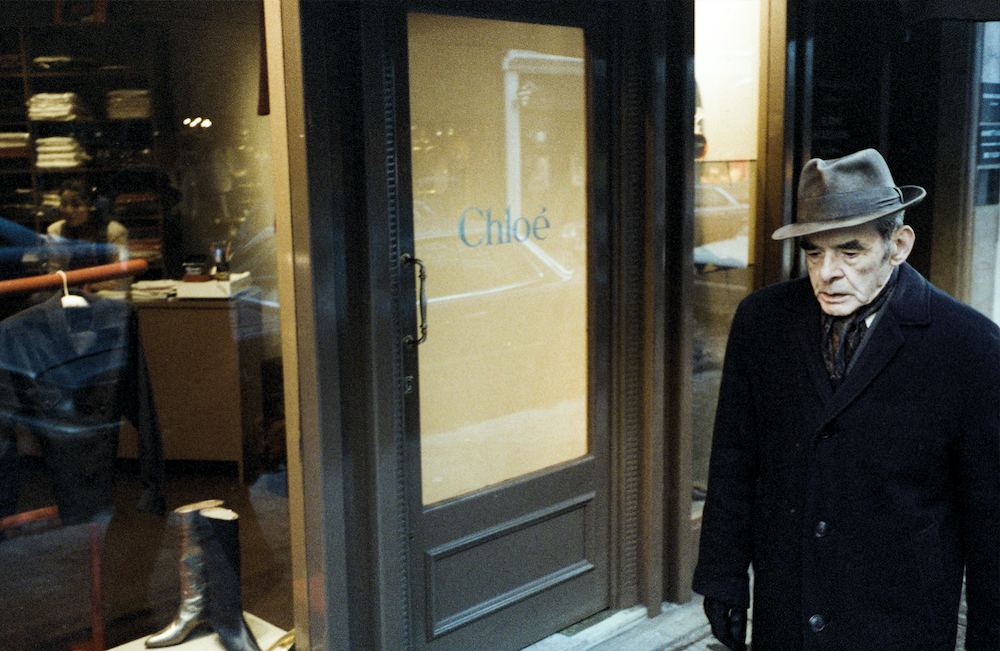
A shy away from the typical American road trip conceived through the work of photography greats like Robert Frank and Walker Evans, Town of C does things a little differently. Instead, Richard looks at the archetypal town and, more specifically, a settlement that he’s visited regularly over the years, revealing the societal and economic complexities of the place through considered compositions and adequate time spent in each location. “Almost everything about the way we live in America, and so much of the world now, is obviously unsustainable and drastically out of tune with the environment we inherited,” he explains. 

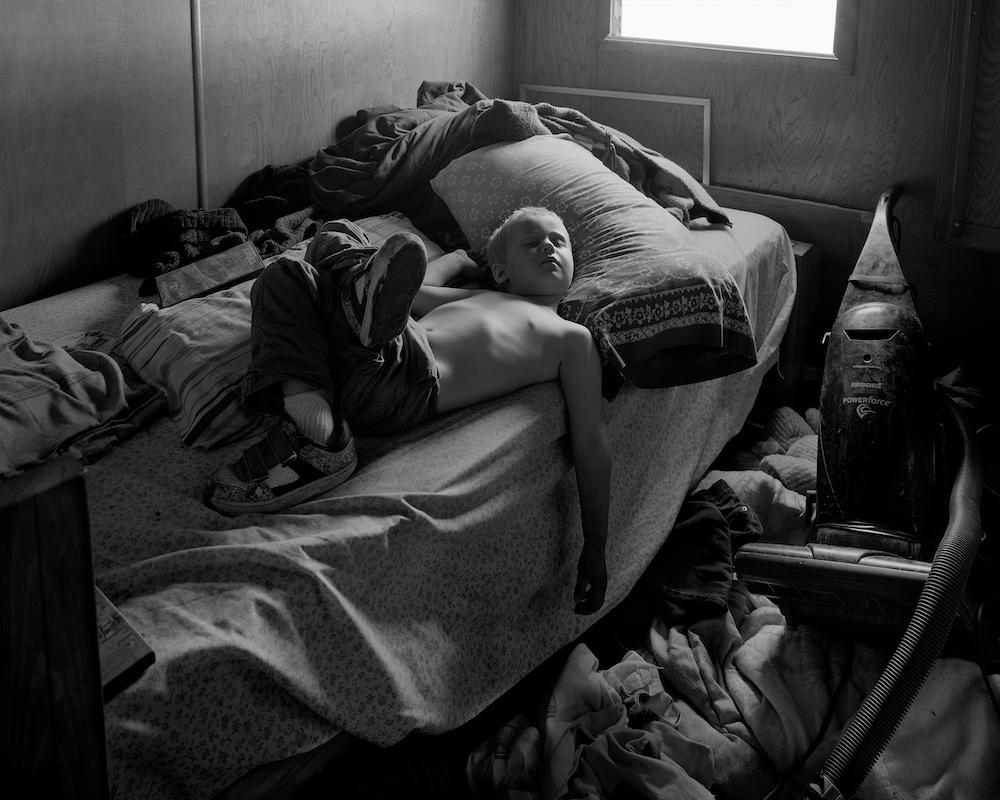
“When I began work on the project, climate change wasn’t as widely understood. Today, you have to be wilfully ignorant not to be aware of it. I think there are people who are there because they appreciate its beauty, and I think there are many more for whom life is so challenging they don’t have the luxury to enjoy the beauty around them. So many of us are forced to look down at our shoes and live month-to-month, just taking one step at a time to survive. Americans in general aren’t encouraged to appreciate beautiful land. We don’t teach aesthetics to children in most schools, and it gets in the way of businesses that want to exploit natural resources for profit. Our relationship to nature is deeply troubled and ill considered.”

There are multiple layers hidden throughout Town of C, the most notable being the portrayal of nature’s fragility. Humankind’s reliance on the environment is massive, and in this book, we see this brought to the fore through the energy of the river that runs through Colorado and the Rocky Mountains – the lifeline to all that settle upon the water’s edge. Then, as we meander through the remaining parts of the book, this consuming visual narrative expels themes of the American dream and how, especially in the American small town, these ideologies and dreams of endless natural resources are dwindling. What does the future hold for these lands?

As the book comes to a close, I’m reminded again of the first image of the naked couple and its explicit synergy between place and person. For Richard, this single picture resonates with him for its rich symbolism, as well as its relationship to the Grant Wood painting called American Gothic – “of the stone-faced man and his ill-at-ease-partner, pitchfork in hand, all business and no joy,” he says. “I felt the graveyard picture had a potential iconic quality. The myths of American small town steely resilience and self-sufficiency have collided here with the relentless forces of contemporary socio-economics, and the finite nature of land and resources. The little metal places in the picture serve as gravestones, all of them identified with the initials CSP, which stands for Colorado State Penitentiary. The prison used to make the license plates for Colorado vehicles. The grave markers were made in the same workshop by prisoners for their fellow inmates. They represent people whose families couldn’t afford, or didn’t care enough, to place actual stones on their burial plots, and I couldn’t help but think that said something revealing about their lives, and perhaps why they ended up there in the first place.”

All photography courtesy of Richard Rothman

Town of C is published by Stanley/Barker

Robin Friend: Apiary

The photographer publishes his second tome with Loose Joints, this time documenting the democracy and resistance of bonfire night in Lewes


© Robin Friend 2021 courtesy Loose Joints

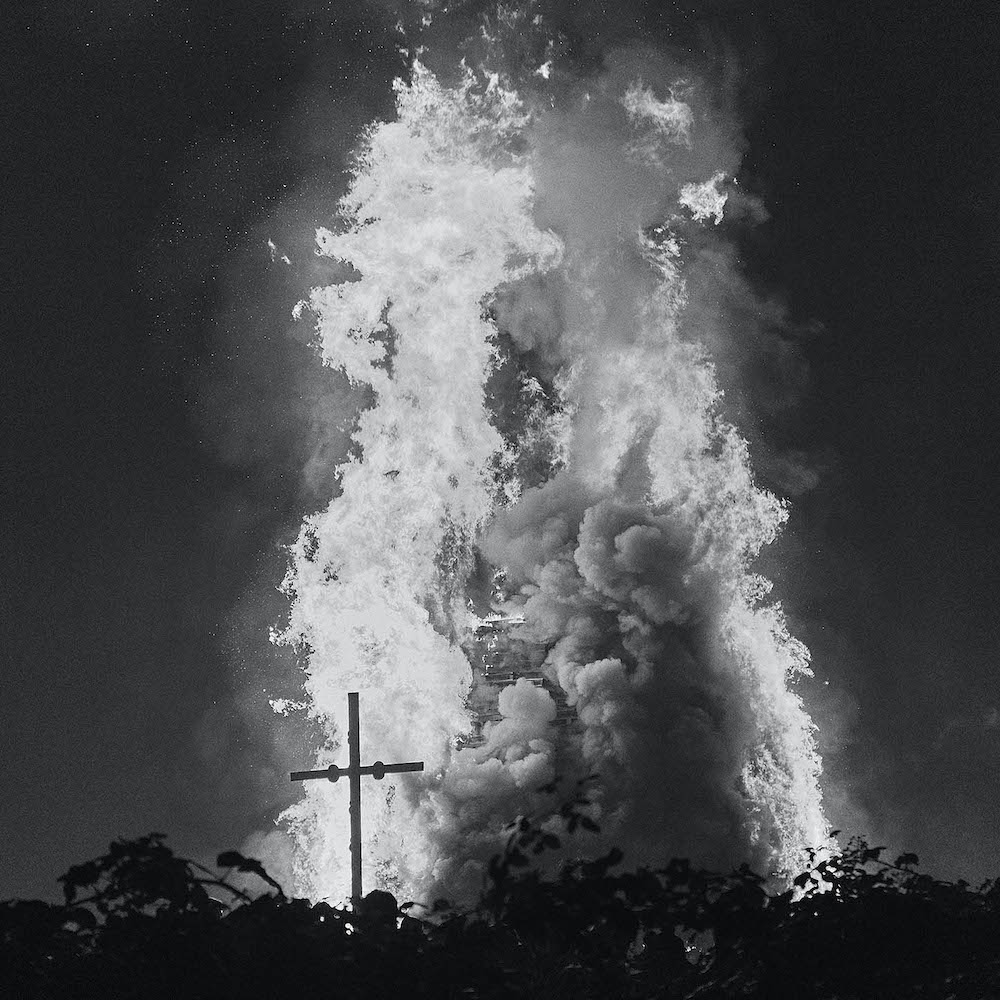
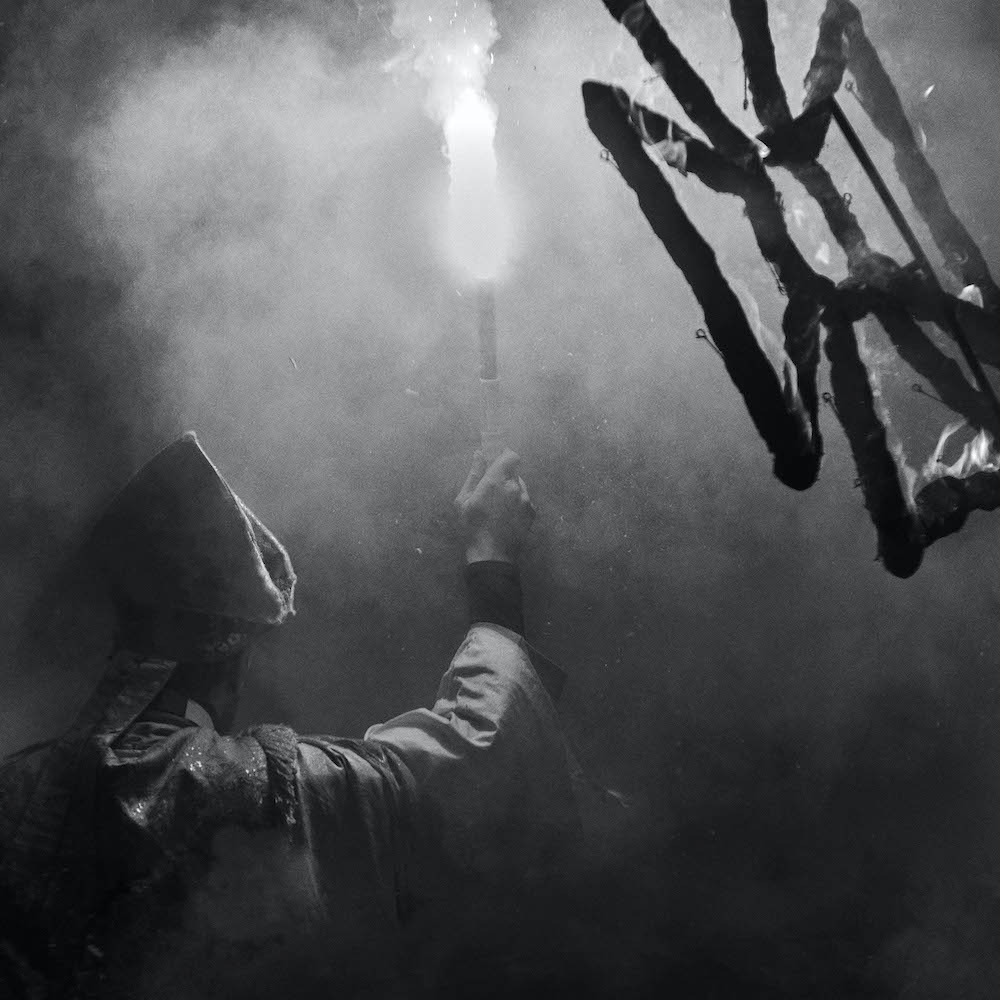
Remember remember the 5 of November; the annual night that commemorates the failed Gunpowder Plot of 1605 set by 13 men including Guy Fawkes. Predominantly located in Britain, the event sees bonfires and fireworks for one night across the country – one of its most famous and largest being in Lewes, where crowds in the thousands flock to the country town of East Sussex to burn effigies, march and revel in the burning blaze of the fires. 

Robin Friend, a photographer who moved to the town a year ago after 15 years in London, has a long and “tangled relationship” with bonfire night in Lewes. He was born in London, and moved to Melbourne, Australia, at the age of one and a half. Age eight, he moved back to Lewes, returned to Australia, and came back to Lewes once again at the age of 14. “That’s my main memory of my first bonfire night,” he tells me. “It was completely nuts.” 

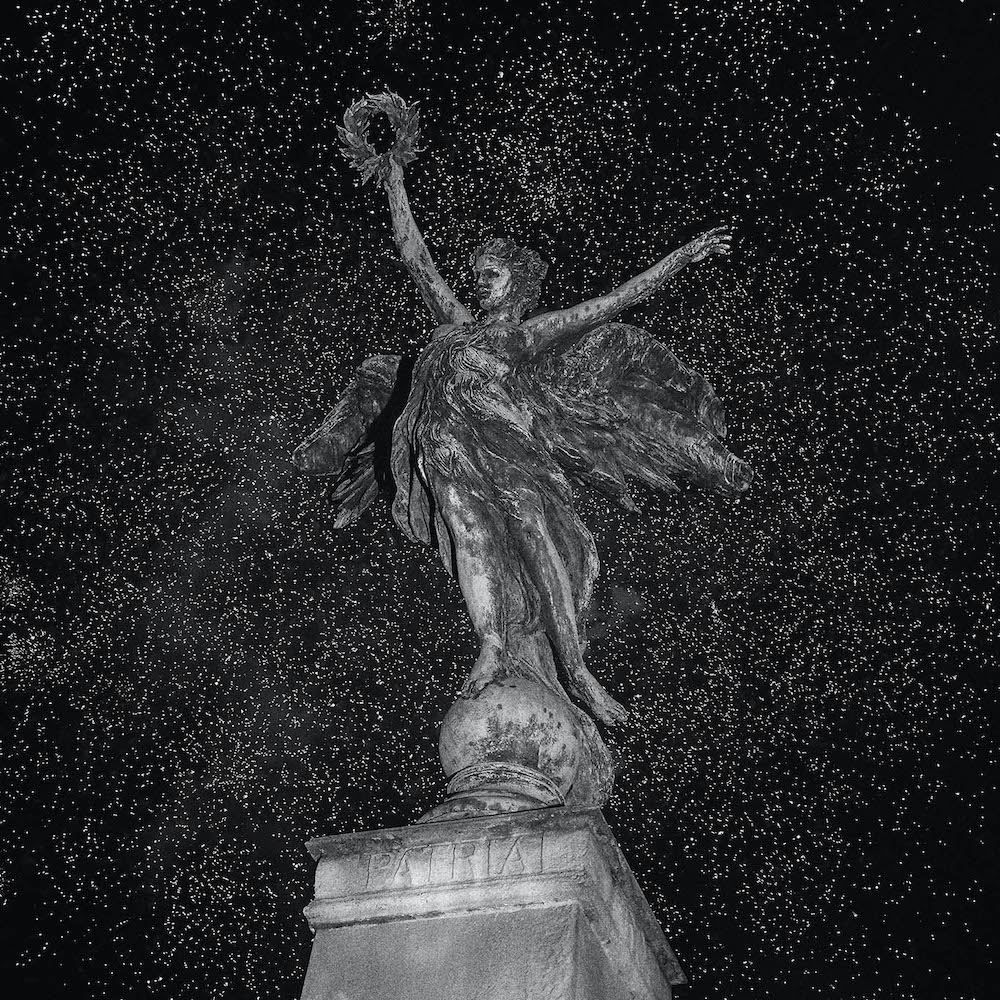
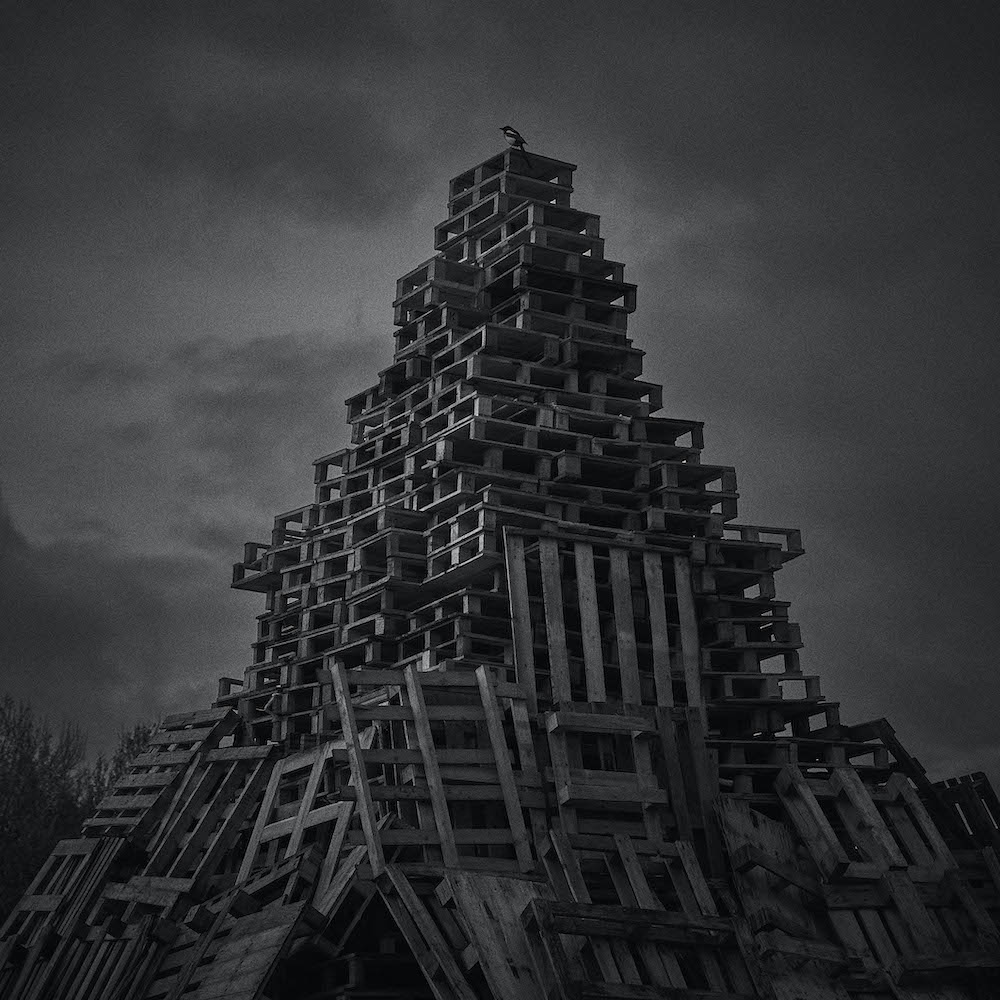
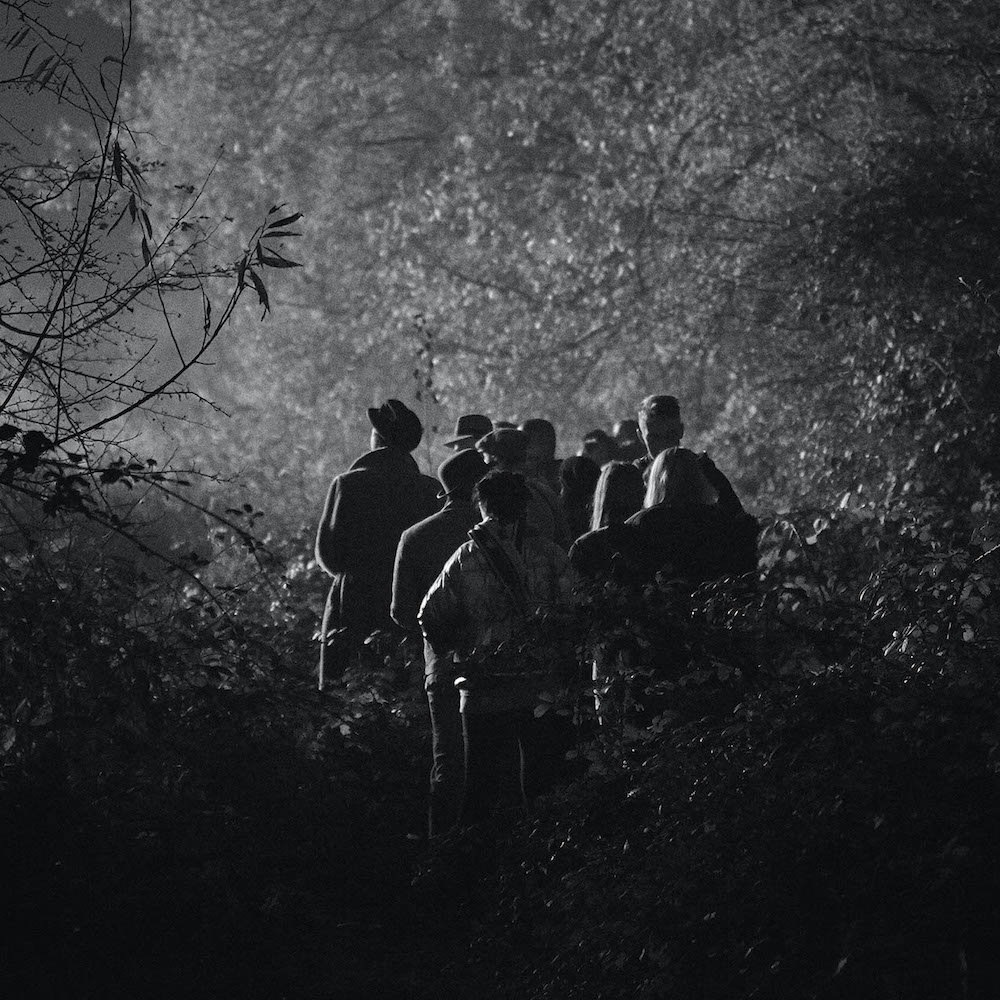
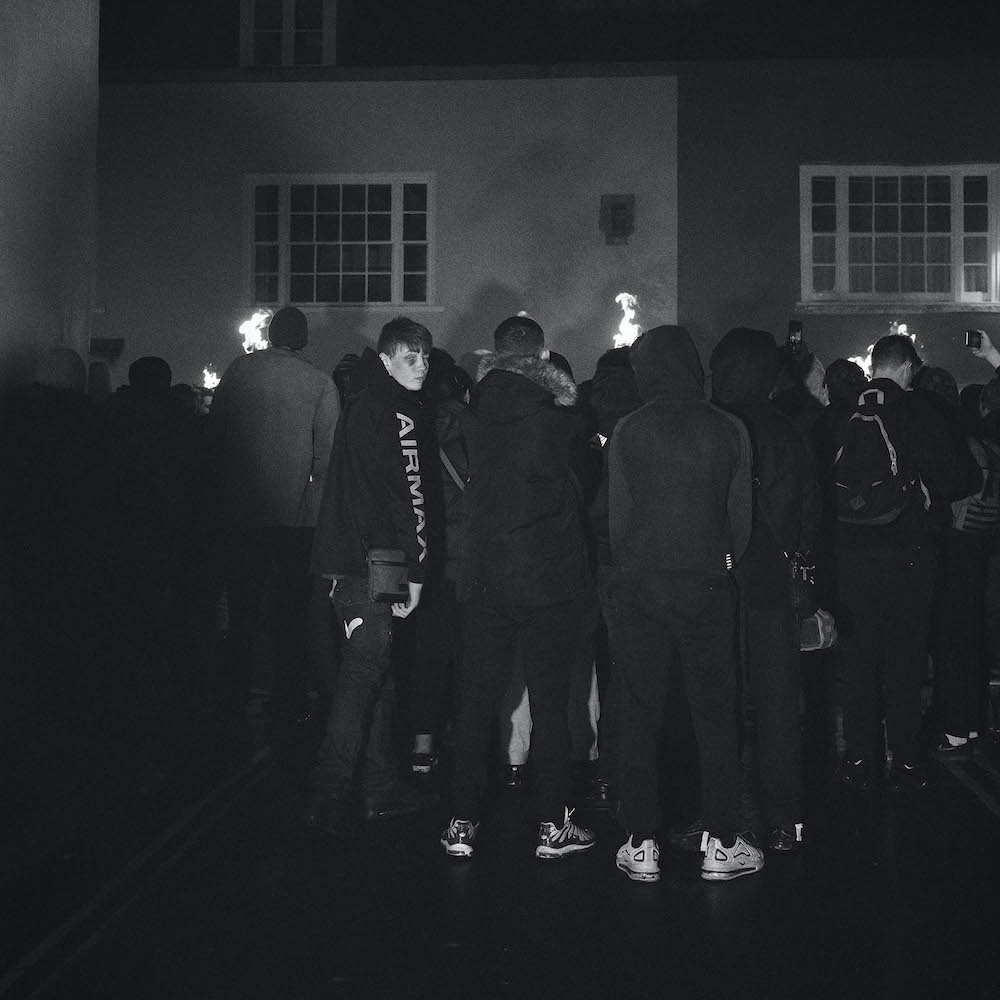
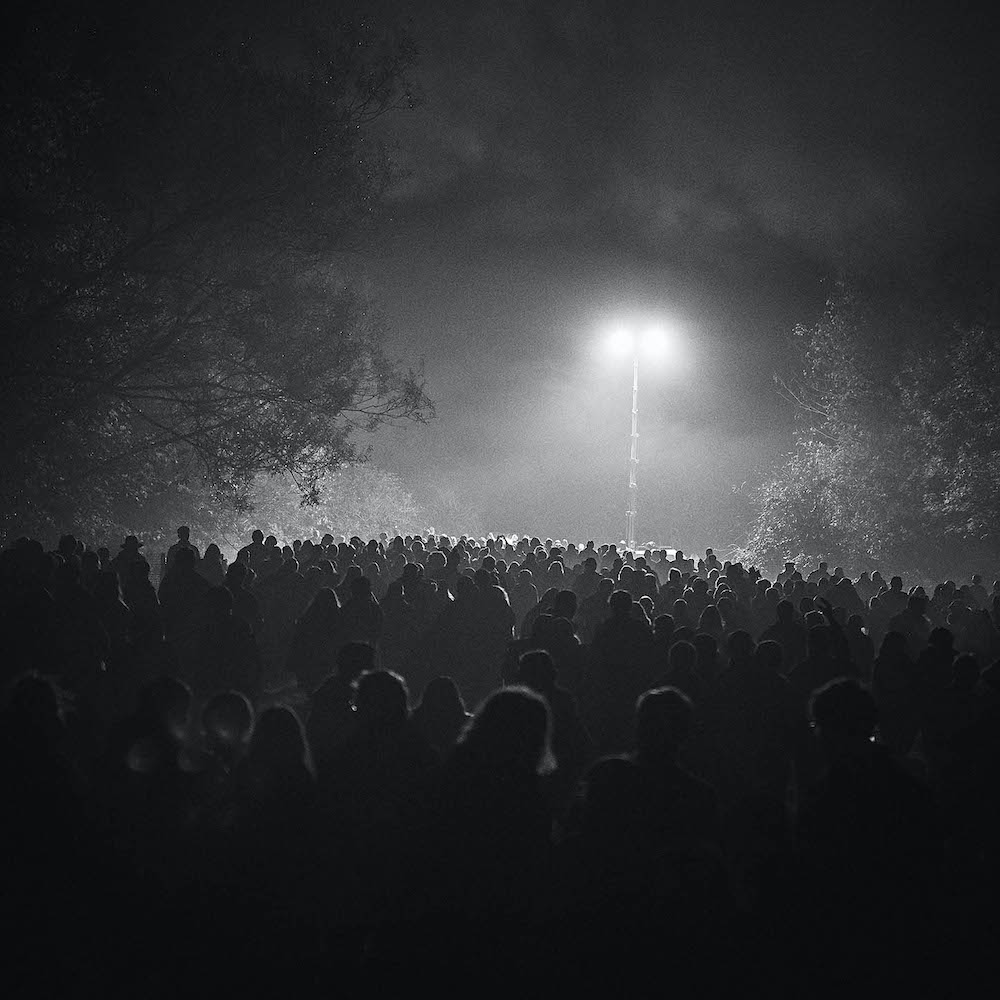
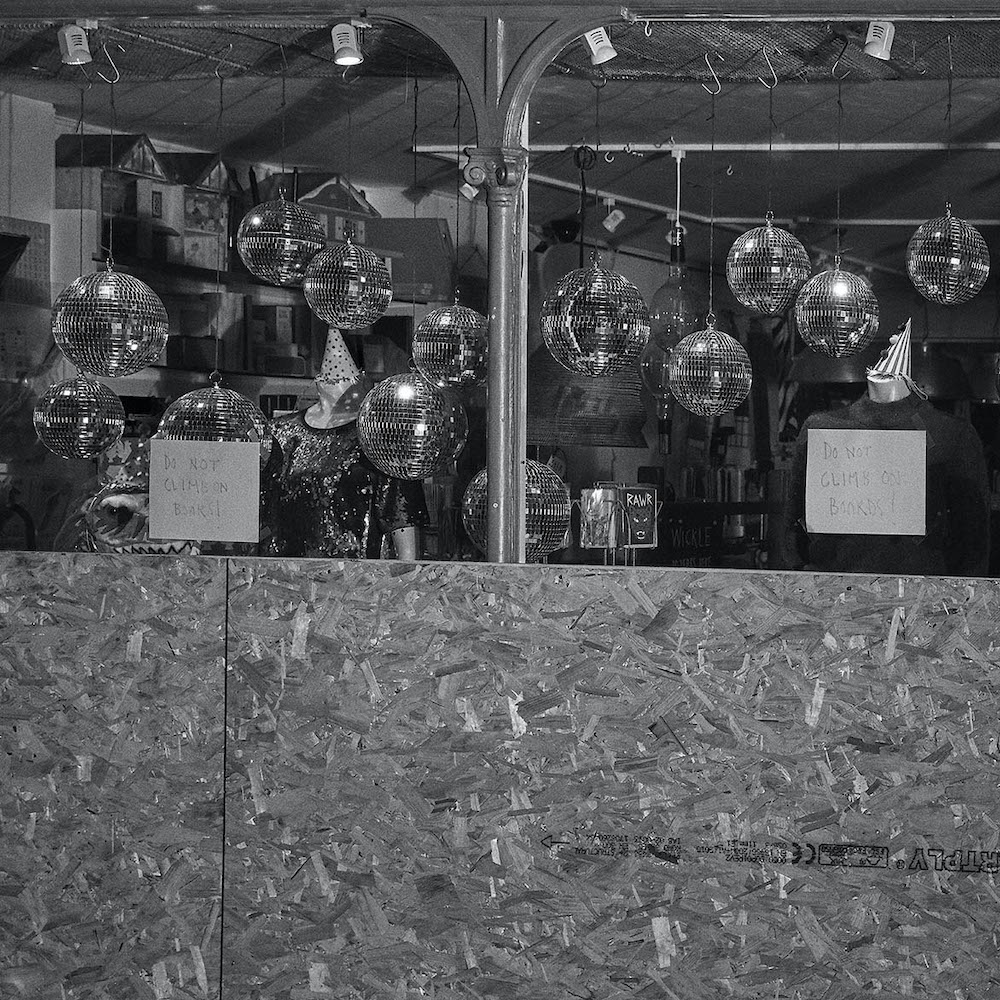
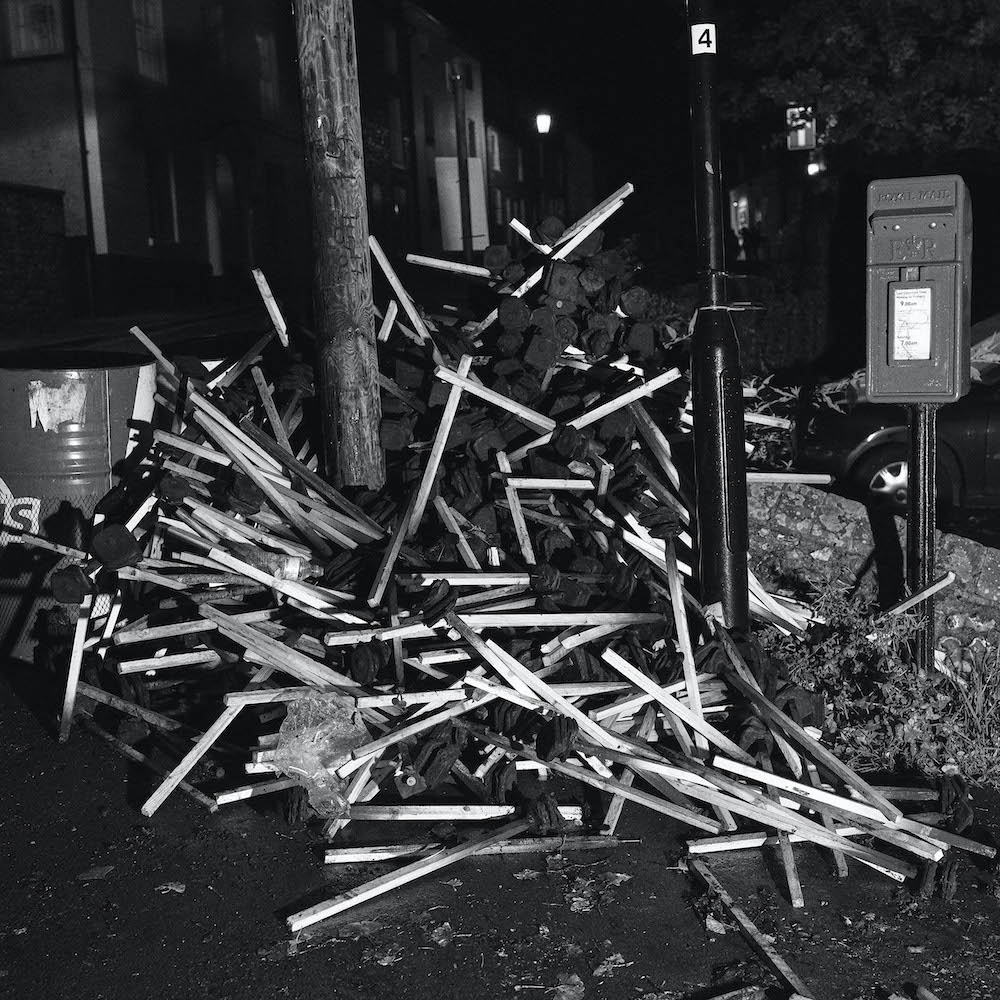
Now, Robin has published his second photo book with Loose Joints, entitled ApiaryThe stark and abstract monochromatic tome depicts the annual celebration of Guy Fawkes Night in all its fiery glory – only everything is abnormally set in unicolour. Shot over eight years, it’s his second publication to date proceeding Bastard Countryside, his debut book that marked Robin’s visual inquest into the rituals and traditions of the British landscape. Apiary is equally as didactic, this time spotlighting the British festivities of Guy Fawkes Night in an artful blend of cropped portraits, crowds and spellbinding embers as they launch into the sky. However, the book isn’t really about bonfire night at all. Below, I chat to Robin to uncover the real meaning behind Apiary.

© Robin Friend 2021 courtesy Loose Joints

What’s the atmosphere like at the Lewes bonfire night, can you tell me more about your first experiences there?

I was an angry 14-year-old Australian boy that had just left his mates and moved to this new country – well it felt new, even though I was born here. I had just befriended this group of guys from school and we went around the town, getting up to high jinks and just being 14 year-old-kids. A few of my friends would march and the rest of us would just go off and drink, smoke or do some light drugs, and there’d be scraps. It was very much like the Outsiders

I went to uni in London when I was 18 and lived there for 15 years, I would occasionally come back to Lewes and just experience it at different stages in my life. But it’s always been a night that marks chapters; getting older, a bit wiser, becoming more professional and bringing my partner Seren down. Her first experience of bonfire night was quite funny, she started bleeding on her leg and shouting, ‘I’m bleeding’, and no one really cared because that’s just part of the atmosphere of the night. You don’t get taken very seriously. 

© Robin Friend 2021 courtesy Loose Joints

Do you think that the politics or the meaning behind it has in some ways been diluted over the years?

Each year societies will burn effigies of various politicians. I remember the Tony Blair effigy quite clearly and the Bush effigy that was burned in the 2000s around Afghanistan being invaded – I remember going out to London, and there was around a million people marching against the war. Then lo and behold, they go against the populace and it’s an illegal war. It was a way of venting that anger at this decision that had been taken against the people; it’s always had that element of protest, a night to let out some angst and have your views heard and shout, to be frustrated with the establishment.

It has so many layers of history, that it has become quite distorted and confused. The evening’s obviously about Guy Fawkes and the gunpowder plot, but there’s so many layers to the Lewes celebration; there were 17 martyrs that were burned in the town, and a big part of their memory is wrapped up in the evening.

© Robin Friend 2021 courtesy Loose Joints

I love how abstract you’ve made the evening look, why did you decide to only shoot in black and white?

I think everyone’s seen colour pictures of bonfire night in the papers, and it’s almost ingrained; people know what that image is. I was trying to tell a story that wasn’t necessarily about bonfire night, it was more a platform for me to talk about other ideas that I’ve been mulling over the last five to 10 years. And as soon as you strip away colour, it becomes much more about the mood and about the subject rather than the surface of the piece. 

I also like the way black and white makes people think of history. It sounds quite simplistic, but when you look at a black and white photograph, on the whole, you think of the past much more than a colour photograph. Black and white often nods to the past. It’s important that those layers of history are present, and that’s why I tried to tap into different generations in the pictures, particularly the adolescent youth. I’ve included a couple of group pictures of kids at that age, because that’s when I first became associated with the evening.

© Robin Friend 2021 courtesy Loose Joints

What do you hope your audience will take away from the new book? Is there a specific narrative behind it other than the bonfire, for example?

It’s not really about bonfire night. For me, it’s about the fragility of power, democracy and thinking about all the things that have happened in the last five or six years with the protests in Hong Kong, the far right and populism in Europe, Brexit, Trump, the March in Washington; all these things have highlighted how we always take democracy for granted. We think it’s always going to be a solid foundation to exist in and – maybe because I’m getting old, I’m pessimistic and I’ve got children – but I think now I’ve just shifted the way I think about these things. Actually, I care more. The blinkers are on.

As your second book, would you say that there’s a connection between the first – Bastard Countryside – in terms of politics and Britishness?

There’s some crossovers, definitely. Bastard Countryside was almost like looking into the future, it’s quite dystopian. My work is always about the periphery, and in Apiary, the six societies would have marched through the town, peeled off and gone to these bonfires. In many ways that’s where the title Apiary came from; like bee hives and swarms going towards these colonies. Bastard Countryside was about this anxious nature, our relationship with the natural world, how that’s breaking down and how we’ve almost become divorced and completely separate from it. We’re creating new hybrid sites or even hybrid nature’s, if you like, where these two things splat into each other and create these new forms that are both beautiful and ugly at the same time. And I think some of the pictures in Apiary definitely do that as well. But I guess this time we are much more present and people heavy, whereas I think there’s only two shots with people in Bastard Countryside. Apiary is almost like the prequel to Bastard Countryside; it’s like the explosion before we wipe ourselves out. I see it almost coming before Bastard Countryside in the storytelling.

© Robin Friend 2021 courtesy Loose Joints

© Robin Friend 2021 courtesy Loose Joints

© Robin Friend 2021 courtesy Loose Joints

© Robin Friend 2021 courtesy Loose Joints

© Robin Friend 2021 courtesy Loose Joints

© Robin Friend 2021 courtesy Loose Joints

Between Girls

Karen Marshall’s new book presents a three-decade-long friendship among a group of New York City girls

Jen, Blake and Rachel (1985-1986) © Karen Marshall from ‘Between Girls’

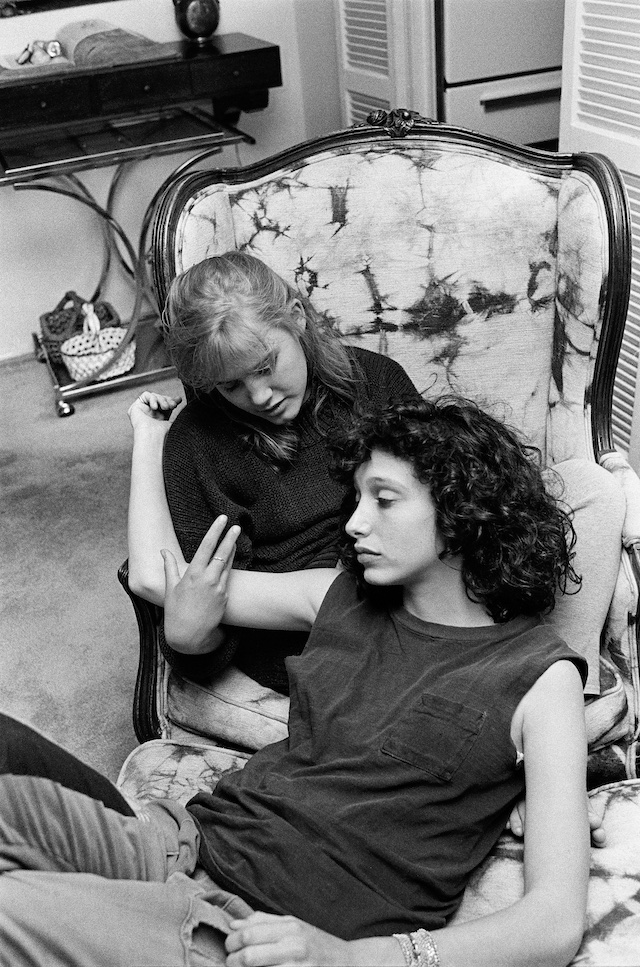
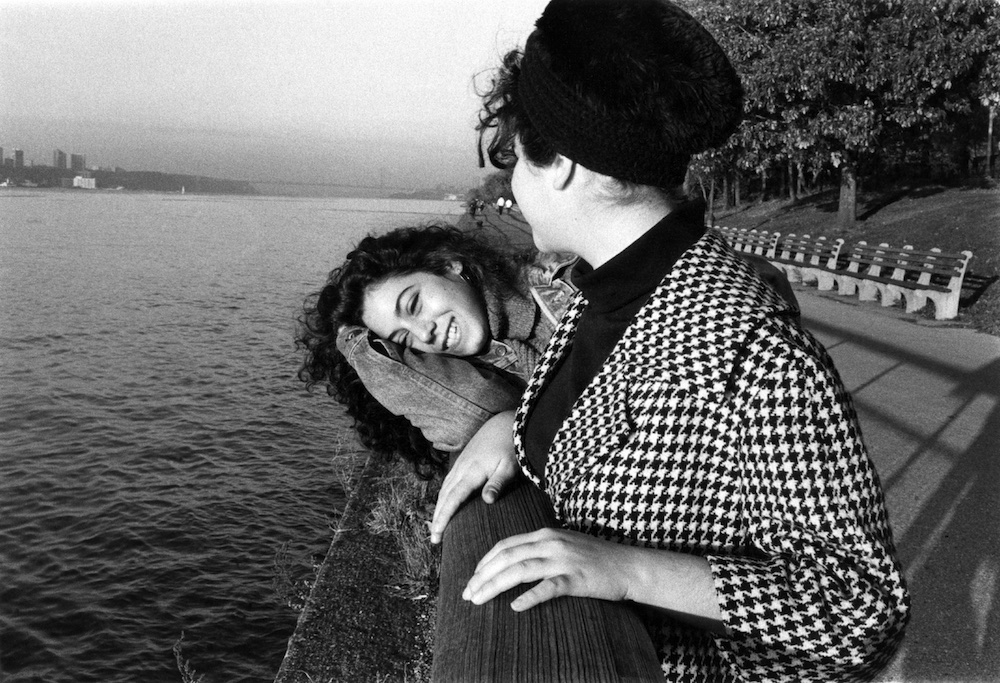
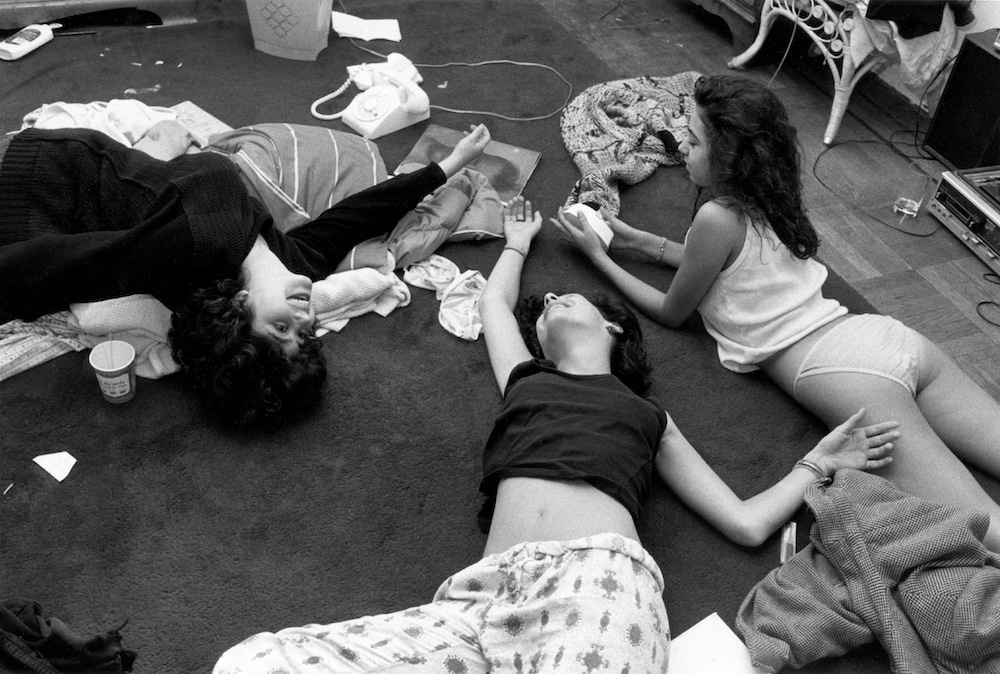
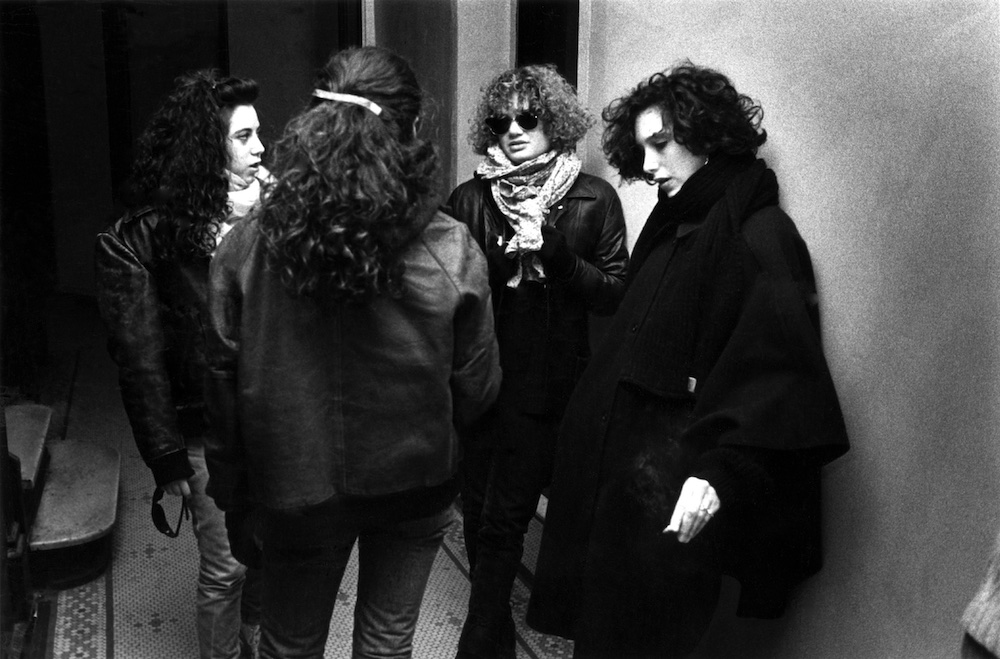
Girlhood is a period of poignance. Bodily changes, new relationships, the quest to discover oneself; these formative years are that of definition, refinement and readying for the years to come. In Karen Marshall’s new book, Between Girls, which is now published by Kehrer Verlag, she presents the coming-of-age tale between a group of New York City teenagers. Capturing their lives, relationships and journey into womanhood, the project first kicked off in 1985 and continued for the remaining 30 years. Karen, with a 35mm black and white camera in tow, would observe the girls as they passage through the world, experiencing the good – utmost joy and playfulness – and the bad, like the death of one of their friends, Molly Brover. Here, Karen tells me more about this pivotal series, the ritual of friendships, belonging and the importance of friendship.

Jen and Leslie, September 1986 © Karen Marshall from ‘Between Girls’

Let’s begin by hearing about yourself – where you’re from, your career path to date etc.

I was born in NYC and raised in the suburbs just on the other side of the Hudson River. I have been serious about photography since I was 13 years old. I consider myself a documentary photographer and tend to work on long-term projects over many years. A couple of decades ago, I found that I loved teaching and mentoring emerging photographers. I have been on the faculty at the International Center of Photography for many years; I am chair of the one year programme in Documentary Practice and Visual Journalism at ICP where students come from all over the globe to learn visual storytelling.

When and how did you meet this group of teenagers? What were they like?

I met them in the fall of 1985 when I decided that I wanted to photograph teenage girls coming of age. A friend of mine suggested I contact Molly Brover. He knew her family and had babysat for her when she was younger. The connection I had with Molly and her friends was immediate. They were social and articulate girls with large personalities.

Jen and Molly 1985 © Karen Marshall from ‘Between Girls’

The project looks at themes of girlhood and friendship; are these topics close to your heart?

I am very interested in how people get along with one another, how we form our identity and become a community. I like to tell long-form visual stories about people, places, society; the psychological lives of my subjects within the social landscape. At the time, I also felt that there was a lack of visual stories about women coming of age.

Can you pick out a couple of favourite anecdotes from the project?

There are special things about every time I photographed them. The first day, though, is the most pivotal. I knew right away that I had found the story and the girls I was looking for, and they would allow me to be a fly on the wall and capture their girl world. I shot three rolls of film that afternoon, and I knew when I processed the film that I had a story that seemed special.

Molly, Leslie and Jen © Karen Marshall from ‘Between Girls’

You’ve spoken of the sad moment that Molly passed away during the making of the project, which sounds devastating. Did the project change or evolve in any way after this?

After Molly died, it was hard for the girls to be with each other because it was so painful. Then they graduated from high school and moved on in their lives. As they grew older, it was me that brought them together and created the dialogue between them. My role as photographer was no longer simply hanging out in their lives and photographing, but rather making those gatherings happen.

Shot over 30 years, what did you learn about your subjects over time?

When I first started photographing them, I was very much thinking about the importance of these sorts of relationships in anyones life and the notion of emblematic relationships. Following the women and growing older myself, I realised my initial premise was right. The women also understand how important this time was in their lives and the importance of these emblematic relationships.

Jen, Blake, Piper and Leslie © Karen Marshall from ‘Between Girls’

And what did you learn about Upper West Side girl world?

Growing up in 1980s New York as latchkey children only cemented a certain sort of self reliance in them. They were mature and responsible in many ways. Their strong independent mothers also provided them with the freedom to be themselves. The city was edgy in those years but affordable and creative; these girls were able to enjoy very large social circles amongst themselves and take advantage of everything the city had to offer them.

How do you hope your audience will respond to the work?

This work is a meditation on the importance of friendships made at a particular time in one’s life. My hope is that aspects of its universality will resonate with many. I hope that it encourages the viewer to savour important relationships, and also openly mourn the loss of friends and important times in one’s life.  

Blake, 1994 © Karen Marshall from ‘Between Girls’

What else are you working on?

Obviously I have worked on many other projects, both long and short over a three decade time period, so there have been many other things going on simultaneously. Over the past couple of years, I have been scanning medium format work I did in the late 70s and early 80s that are environmental portraits of America. The work seems more relevant now than it did so many years ago. I have also been photographing infrastructure in America. It is medium format colour work that is completely about people and society, and yet rarely depicts people in the frame.

Blake with her mother, Jen and friends, 1997 © Karen Marshall from ‘Between Girls’

Molly © Karen Marshall from ‘Between Girls’

Piper, Leslie, Jonah, Jen and Alex © Karen Marshall from ‘Between Girls’

Prom pictures,1987 © Karen Marshall from ‘Between Girls’


Karen Marshall’s Between Girls is published by Kehrer Verlag

Notes from Lockdown: William Bunce

In a content series curated by Rose Forde, contributors from issue 26 reflect on the new normal. Here, photographer William Bunce expands on the therapeutic nature of paint stripping

Contrary to what I see other artists doing on social media, I’ve taken a more relaxed approach to lockdown and indeed to making work.

The forced constraints of ‘Isolation’ themed work are somewhat limiting, so I have so far avoided making any work on the theme.

Instead I have been using the time and fantastic weather to start the mammoth task which I have been avoiding and would otherwise have paid a labourer to do: the stripping back of 25 years of paint and rust on the exterior of my canal boat. So I have been chipping away with an assortment of hammers – who knew there was a hammer specifically for ‘chipping’? There’s one for grinding, with various abrasive discs, from twisted wire brush attachments, to ‘flapper’ sanding discs. I’ve discovered a new tool – a ‘scabbler’ which has been literally eating up the old paint.

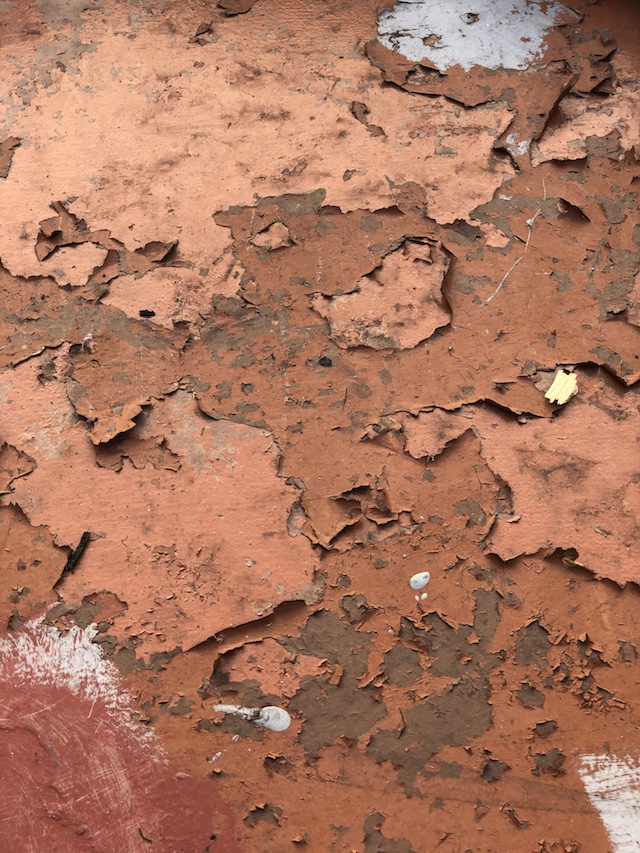
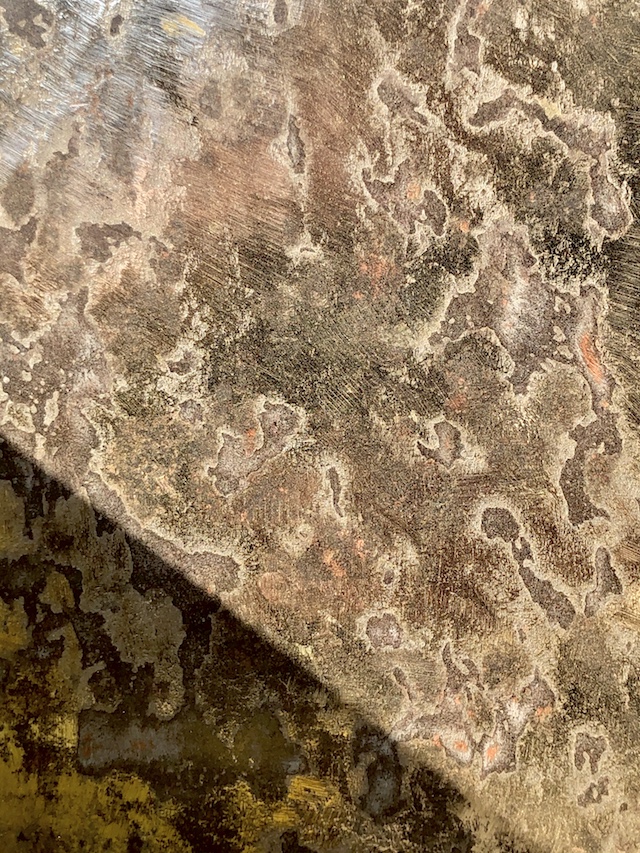
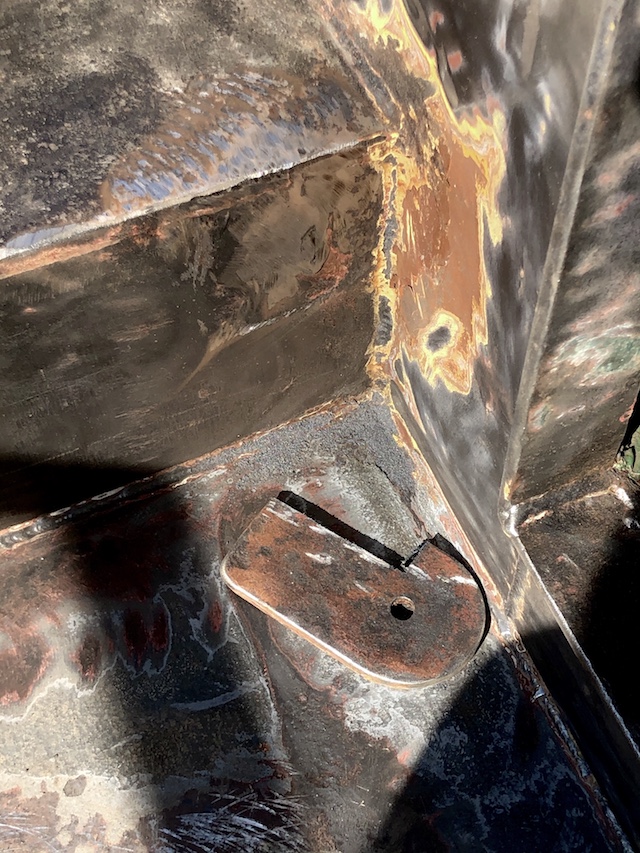
One thing that I keep noticing when grinding through the layers of paint, is the amazing patterns that are created when deeper layers are exposed, also the textures that are created while working. The finish is quite fleeting as I’m taking everything back to bare metal before applying an advanced epoxy paint system, so I have been documenting these surfaces as I go.

I think they make quite interesting texture studies, and although they don’t exactly take the same approach as my usual image making, I do quite like the effect.
There is a strong sense of community along the towpath, and as much as it can be stressful to enjoy being outside while maintaining social distancing, it does feel quite lucky to be able to be outside in the sunshine.

It has been a pleasure working on the latest issue, and I hope everyone enjoys the images as much as we enjoyed making them

williambunce.com

Transbrasil

Rafael Medina documents queer trans life in Rio through his intimate photography 

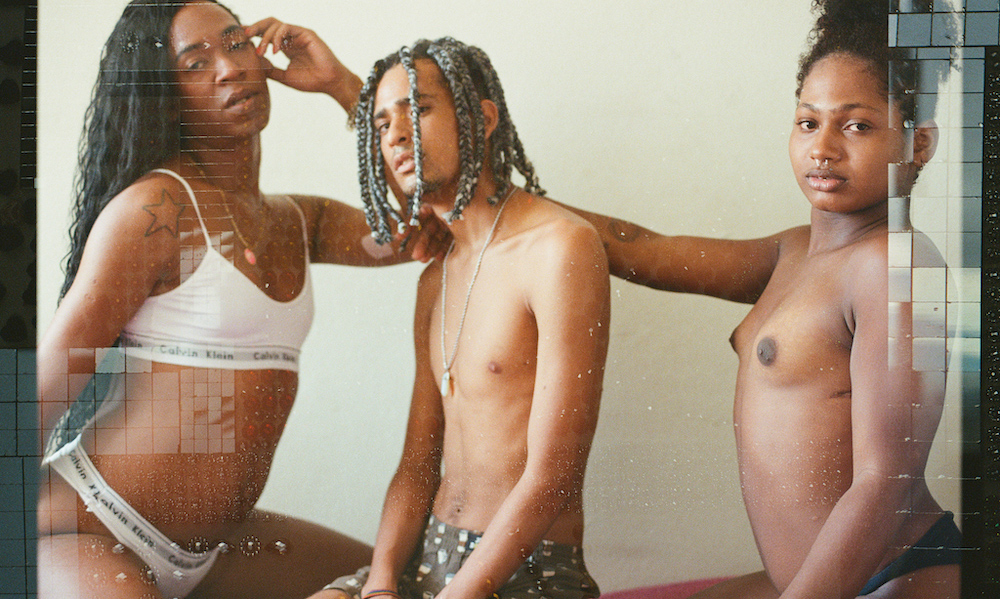
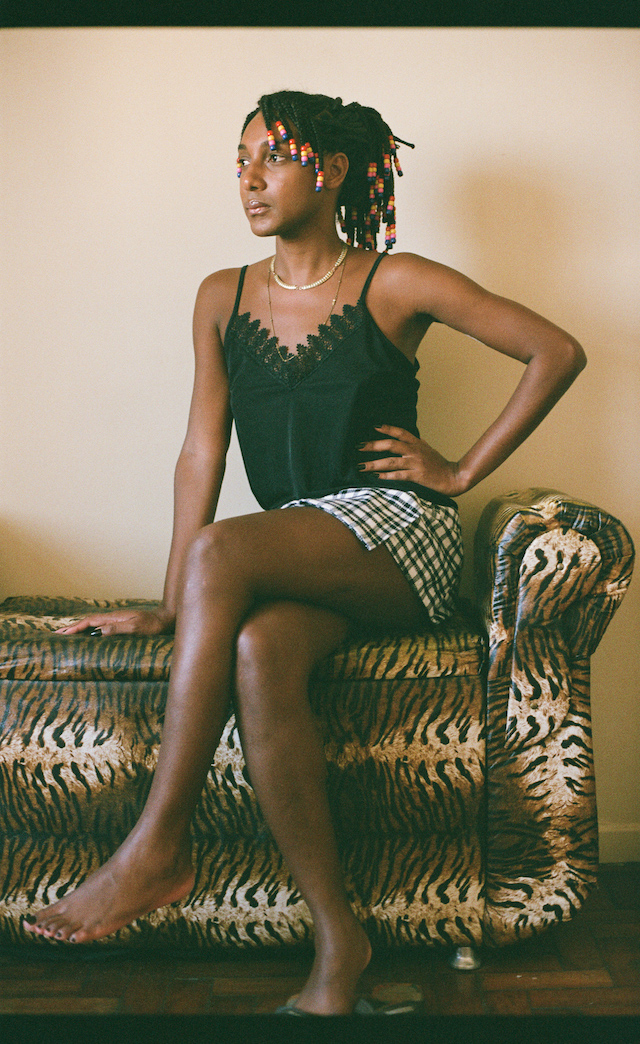
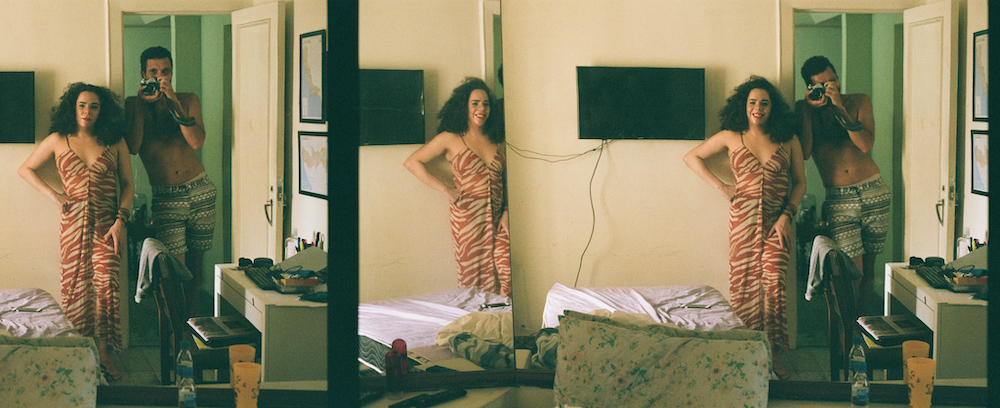
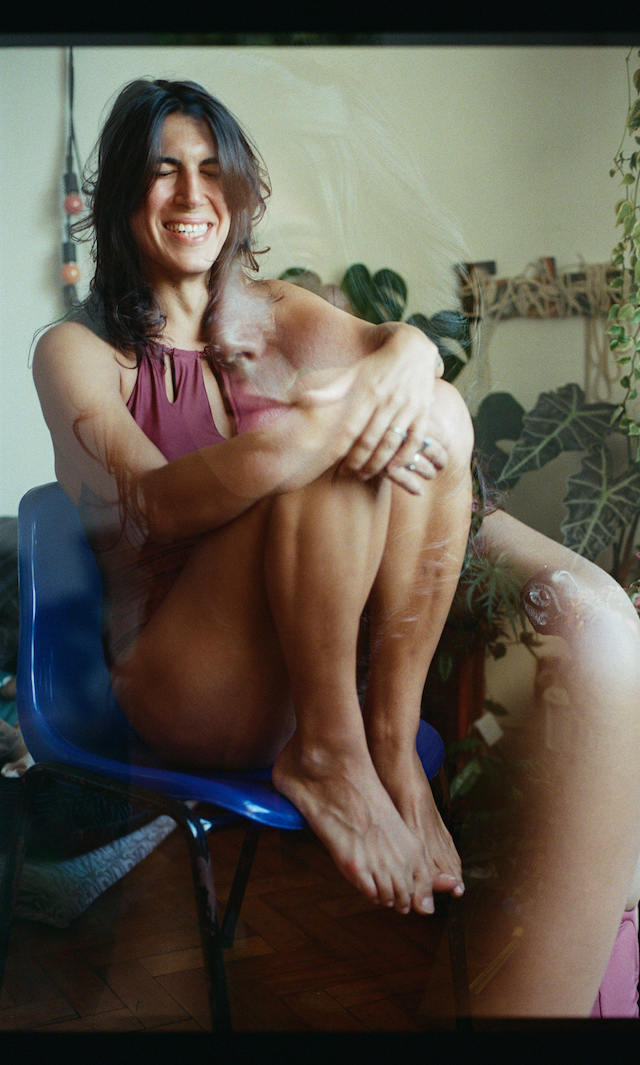
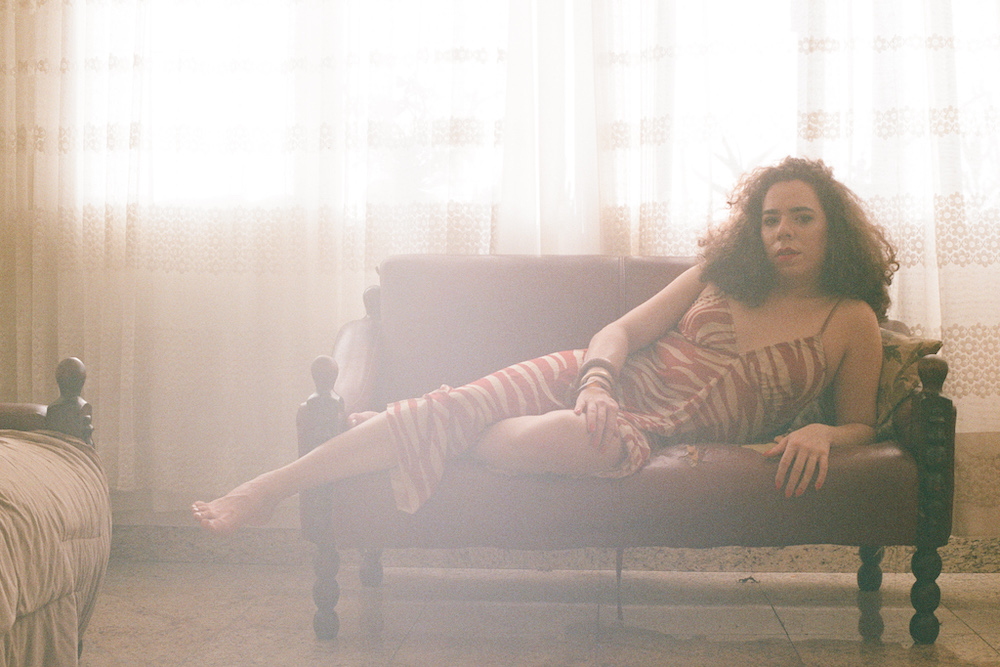
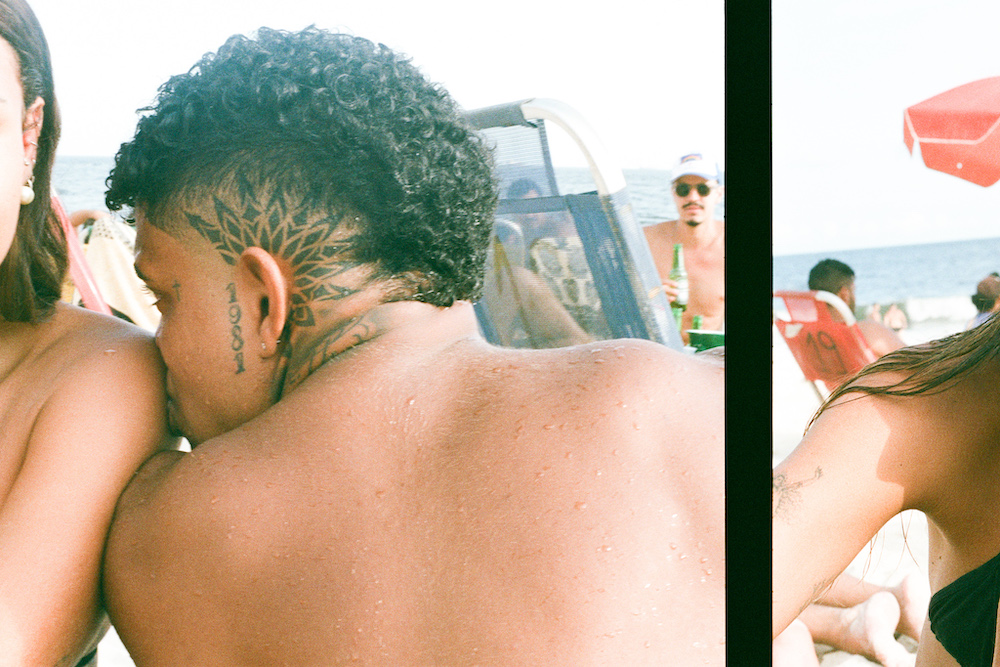
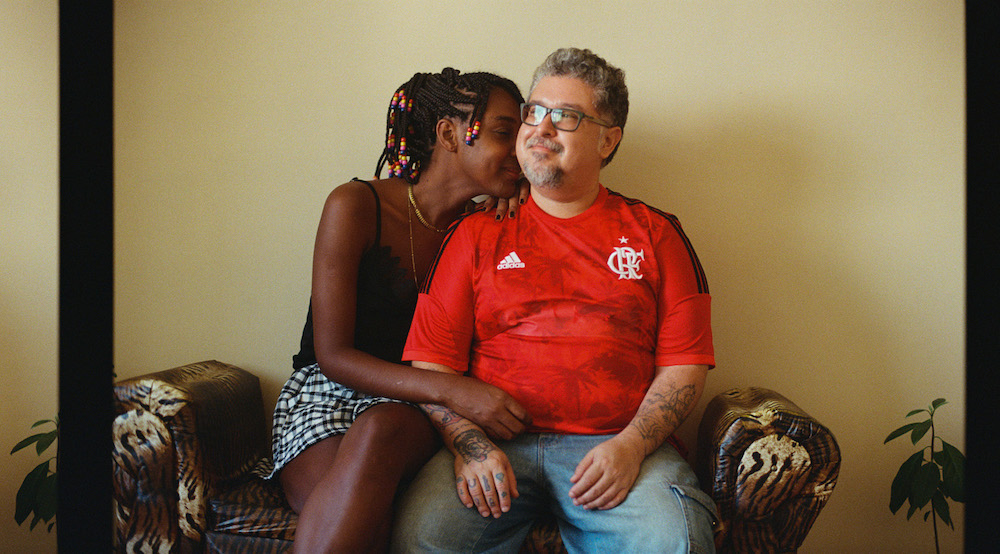
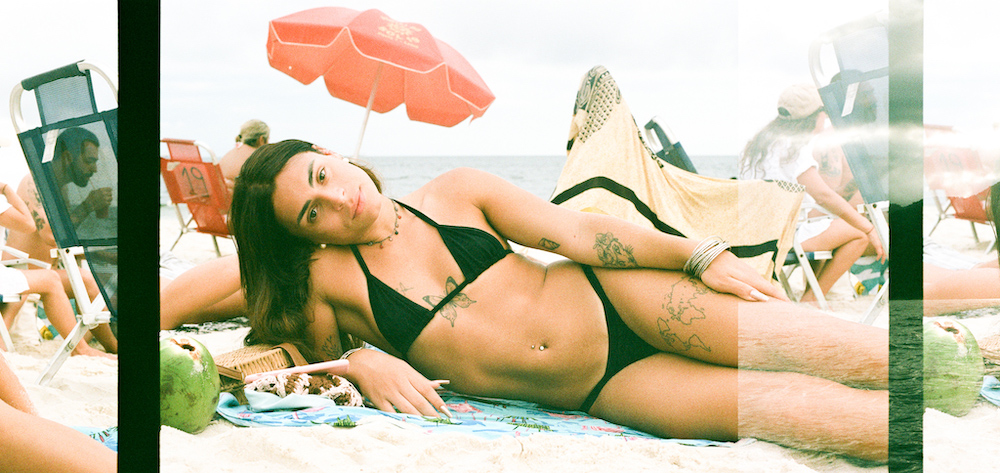
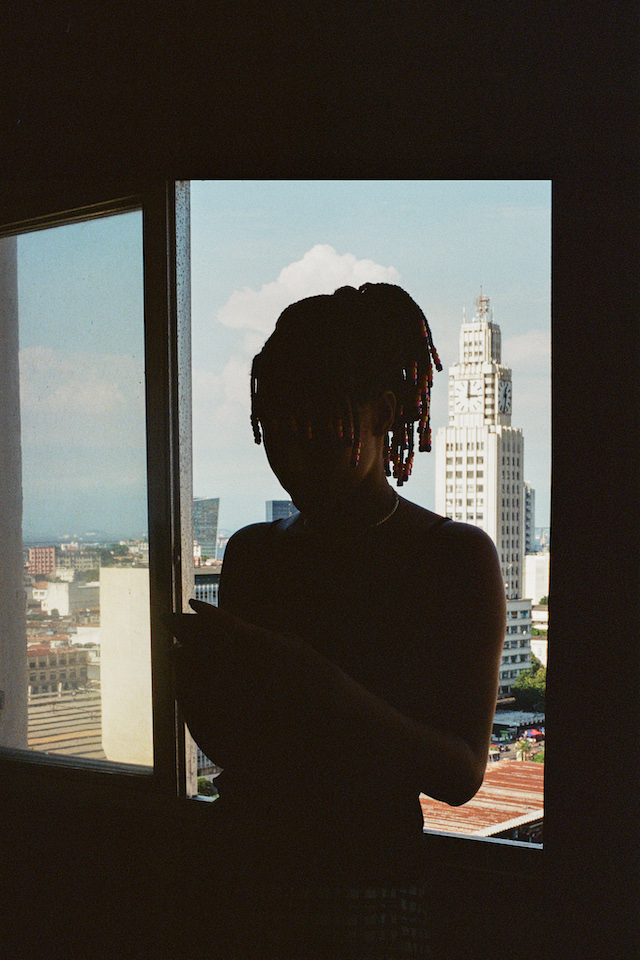
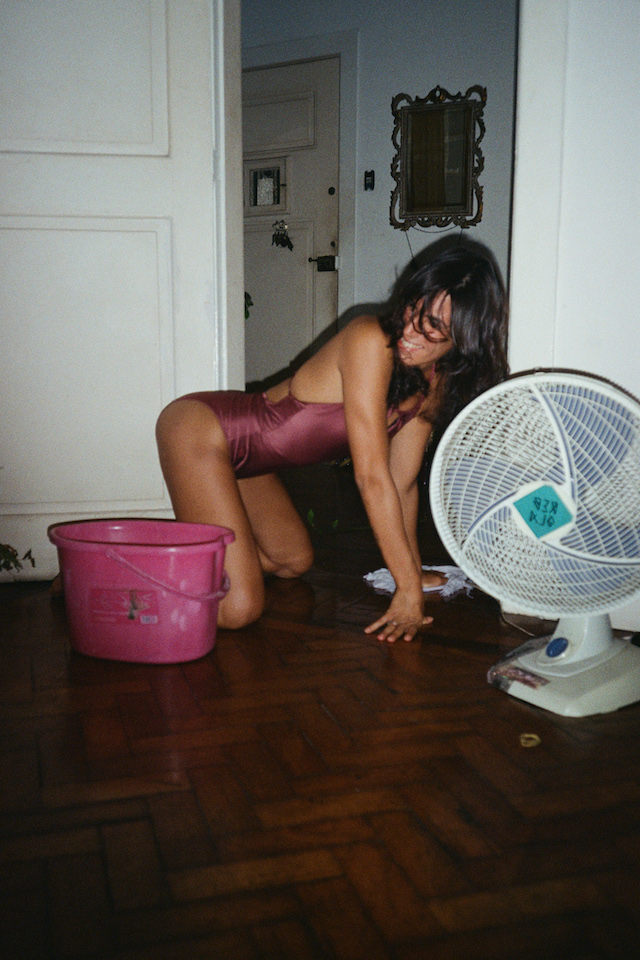
After four years away from his hometown of Rio de Janeiro, Rafael Medina finally returned from Berlin in November last year. Upon doing so, he noticed how many of those in his friendship circle have started to open up about being transgender. As such, Rafael decided to embark on a photographic project documenting his five close friends – Naomi, Ellie, Caterina, Galba and Williane – as they go about their daily life in the city. Far from your typical foray into life as a queer trans woman living in Rio de Janeiro, the series, entitled Transbrasil, is intimate and nostalgic; it’s a touching window into the relationship, closeness and acceptance between friends. A time capsule of sorts, the project also takes a vital stance against homophobia, censorship and violence that’s continues to be inflicted on the trans community today.

There’s much to be unearthed throughout Rafael’s empowering imagery, and the work has been exhibited as part of an exhibition programme run by queerANarchive, which recently closed Club Kocka Gallery in Split, Croatia. His other works, in equal measure, have had similar impact; Skin Deep, for example, is a visual record of sexuality and the body of gay men above the age of 60. And back in Brazil, he was also the founder and creative director of the online magazine and sex party FLSH. Here, Rafael talks me through his reasons for starting work on Transbrasil and what his hopes are for the future.

What first drew you towards photography?

I’ve been interested in photography since the beginning of the 2000s. It was a naive start. At that time, the first digital cameras were released and I bought a simple Kodak. I ended up getting obsessed with it, as I used to bring the camera every time I went clubbing. I had just come out of the closet. It was the beginning of my young adult gay life. I was fascinated by the characters and the aesthetic I saw in the clubs. I guess that’s when I started to get interested in photography. 

What inspires you?

What inspires me… I think I get inspired whenever I have a problem. Something that personally bothers me or somehow calls my attention. An issue I want to understand or to dig deeper into. It can be a feeling or some idea that I want to share visually through photography.

When and why did you start work on this project, what stories are you hoping to share?

Transbrasil started with my will to portray the actual state of things in the Rio de Janeiro’s queer life through my personal relationships. Last November, I had the chance to visit my country for the first time after four years since I’ve been away. During those four years, something came to my attention. There was an expressive amount of people, from my circle of friends and acquaintances, who used to present themselves as cis men and, now, are opening up about their transgenderness. So I thought it would be an interesting approach and a good way to define a new moment in the queer life in town, if I photographed some of those people.

Can you tell me more about your subjects – your friends – and what they’re like? Why did you decide to photograph them, and how did you want to portray them?

Well… what should I say? My friends are amazing! Catarina, Ellie, Galba, Naomi and Williane all have bold personalities and I admire them for that. But it’s also interesting that each one of them has a unique path on how they come to perform their gender.

The choice of portraying my own personal circle of affections, instead of already known characters, has to do with the visual point of view I want to offer as a photographer. I understand that I have a privileged and intimate point of view over my friends, that I will hardly ever have with people I’m not close with. It’s about this feeling of being comfortable around them. In my work in general I’m interested in showing this inside subjective point of view of situations.

The style of the series gives off a textural and almost archaic feel to the imagery. What are your reasons for shooting this way? Tell me more about your aesthetic decisions.

Style-wise, I’ve been working with analogue photography since 2016. I’m interested in the materiality of the final result and how the grain plays a role in the image. And also the experimental possibilities that analogue can give me. Lately, I’ve been experimenting with multiple exposures; I’m interested in how an image can contain several layers of time, and also how to give space for unexpected new images to appear within those layers.

This series represents a very emotional moment for me. Coming back to Brazil brought back a lot of memories from the past, not only from my relationship with those five friends, but also my general past life- m y childhood and young memories. I wanted to imprint that general nostalgic feeling I had, of memories related to affections. Therefore, during the exhibition, I had part of the photos shown on two vintage photo albums, in order to connect with the viewer’s own nostalgia and affections. 

Are you hopeful about the representation and acceptance of trans people, particularly in Brazil? And in what ways can art and photography help?

As we Brazilians used to say, “Brazil is not for beginners”. That joke is, indeed, grounded in some truth. You have to understand that Brazil is a place full of contradictions. We have an extremely violent history. We were the last country in the world to end with slavery. We are still the country with the highest rates of trans people killed every year in the world. There is a big unhealed wound in our society towards Black people. So, of course, trans Black women are a group that is very fragile in this system. Especially now with a president and his supporters who are openly transphobic, homophobic and racist, who only does not do anything to support minorities, but do an active effort to attack the few progresses we have achieved over the past decade. 

Nevertheless, I felt that the Black and queer community are more organised than ever before, and they end up managing to set the discussion on society. There is definitely more visibility towards those subjects. Nowadays, you can see in a women’s TV show a Black trans artist, like Linn da Quebrada, or a performance of a drag singer, like Gloria Groove, on a Sunday variety TV show. But, the everyday reality of queer, and specially trans people in the Brazil, is still very tough. It’s harder for them to find jobs, to have opportunities and to be respected in society’s everyday life.

How do you hope your audience will respond to your work?

Well, there is no other way to answer this question as I hope they respond very well! But seriously, I know that I’m not changing the world with one photography series and I also understand that in this specific matter of transgender issues, it’s our fellow trans people who have to take the lead on the discussion and how they want to be perceived. I just wish that the audience will understand we should not only have representation of trans and queer people but also that they are able to be part of the everyday life and that includes having more opportunities. How many of us cis people have close friends that are trans? How many of us have trans people as work colleagues? We, as allies, should be thinking about it! 

What’s next for you?

I just had a solo show with Transbrasil in Split last August. That was an invitation by the Queer Anarchive, a Croatian LGBTQIA+ institution. My plan now is to bring the exhibition to other places. I want to show it here in Berlin and also in other cities in Europe. And hopefully, if I’m lucky enough, I will also manage to bring it to Brazil.

I’m also planning to edit a photo book about my experience visiting my country. Transbrasil will be a chapter of what is going to be a bigger project centred on this feeling of ‘vertigo’.  

All photography courtesy of Rafael Medina