In Good Company

A new book by Liz Johnson Artur opens up three decades of sketchbooks, revealing the messy, tactile process behind her celebrated Black Balloon Archive, and reminding us that photography, at heart, is about the people we keep close

Liz Johnson Artur, I Will Keep You in Good Company (SPBH Editions / MACK, 2025). Courtesy of the artist, SPBH Editions, and MACK

It’s early September in south London, and sunlight pours through the windows of Liz Johnson Artur’s flat. On the other end of the Zoom call, she tilts her head, her eyes catching the light, a friendly smile flickering across her face. Behind her, shelves overflow with books, prints and works in progress. Loose images are pinned to the walls, while fragments of paper and materials are stacked like cairns. This is equal parts home, studio and living archive. A scaffolding for a practice that has kept herself – and those she photographs – in good company.

Johnson Artur is best known for documenting the intimacy in public life, whether that’s churches or club nights, street corners or carnival crowds. Her photographs are tender and alive, and have formed what she calls the Black Balloon Archive, a three-decade-long practice of collecting moments across the African diaspora. Now, with I Will Keep You in Good Company, a new publication from MACK’s imprint SPBH Editions, she turns inward, opening the covers of more than 20 workbooks she has kept since the early 1990s. Part diary, part scrapbook, these volumes show where her photographic language was formed and how it’s constantly being remade. “I have never separated my work from my life,” she tells me, her voice steady but reflective. “To start the journey that I’m still on, I had to involve myself. It’s me who wanted these pictures – me who wanted to meet people.”

Liz Johnson Artur, I Will Keep You in Good Company (SPBH Editions / MACK, 2025). Courtesy of the artist, SPBH Editions, and MACK

Born in 1964 in Bulgaria to a Russian mother and a Ghanaian father, Johnson Artur grew up moving between Eastern Europe and Germany. Writing had once been her outlet – “I could put thoughts down, but I didn’t feel like it was the tool to express what I wanted to say.” When she moved to London in 1991 to study at the Royal College of Art, language, she says, felt limiting. “I suddenly realised I wasn’t in a place where my English was up to scratch, and it moved me into this place where I had to talk with pictures.”

Photography became her voice, and what began as a personal impulse soon developed into the Black Balloon Archive, an ongoing project that traverses locations from south London to Russia, Ghana, Jamaica, New York and the Caribbean. The name is taken from a 1970 song by Syl Johnson, who describes a black balloon dancing in the sky that’s difficult to catch but impossible to ignore – an apt metaphor for Johnson Artur’s practice, that is attentive to what others might miss. “I go out and I am bound, no matter where I am, to catch a black balloon,” she says.

Liz Johnson Artur, I Will Keep You in Good Company (SPBH Editions / MACK, 2025). Courtesy of the artist, SPBH Editions, and MACK

I Will Keep You in Good Company is made from the bulging, timeworn sketchbooks that have accompanied her practice from the start. They are, as she puts it, “a space where I can do whatever I want without anyone else looking”. They mix her own photography with magazine cuttings, notes, fabric scraps and flyers, which are annotated, ripped, smudged and punctured with holes, staples and dots. The visual conversations of a restless, curious – and before now, very private – mind.

For years she had them in a box, untouched. It was only when Bruno Ceschel, publishing director at SPBH Editions, suggested making a book that she revisited them. “There is a certain privacy about them, as they weren’t made for the public,” she admits. And yet, she also reframes that privacy as a gift: “It was a good reason to go back. And I think that’s a privilege of keeping a record – that you can go back and see where you were.”

Liz Johnson Artur, I Will Keep You in Good Company (SPBH Editions / MACK, 2025). Courtesy of the artist, SPBH Editions, and MACK

On the cover, there’s a portrait of a woman with her eyes closed, overlaid with a dotted surface that makes the image feel both familiar and shielded, as if memory itself has been imprinted. The picture only came to light when a negative was digitally reversed during the book’s design process – an image Johnson Artur had made decades earlier but had never seen as a photograph until recently. Inside, the first page shows a taped-in snapshot of Johnson Artur holding her camera; its edges frayed, the word ‘book’ faintly typed above. From there, vibrant, joyful scenes of gatherings and community unfurl. “You open the book and you see people, you see life, you see all these things that I’ve been part of,” she says. 

Amongst them is a photograph at Notting Hill Carnival in 1995, the audience pressed tight around the stage. Instead of naming the faces she photographed, Johnson Artur scrawled ‘Foxy Brown’ and ‘Case’ across the page – the performers the crowd was looking at. “I was mesmerised by the audience, wedged in between,” she recalls. “I put these names there because that’s what they were looking at. I was looking at them, but they were looking at the stars.” In another image, a Madonna-like woman painted white, whom she often passed on the streets of Camberwell, reappeared suddenly behind her at a festival. “It felt like a present,” Johnson Artur says. “I took the picture, and it was the last time I saw her.” Elsewhere, there’s a friend’s father in Moscow in the late 1980s, and a rare photograph of her with her own father, whom she never properly met. Each is folded into the archive as a moment of acknowledgment. “It’s nice to be recognised and seen,” she reflects.

Liz Johnson Artur, I Will Keep You in Good Company (SPBH Editions / MACK, 2025). Courtesy of the artist, SPBH Editions, and MACK

By the final spreads, the tone shifts. Made while living in Brighton during the pandemic, these closing images are monochromatic, negative prints of the sea and fields that read like a subtle wave goodbye. “It’s dark, but not in a heavy way,” she notes. Those pictures were a response to a world where people were absent from the street – “ghostless”, she says – and the camera turned from people and communities to landscapes and silence. The back cover carries a handwritten injunction: “take what is close at hand to reach what lies most distant.” Addressed to both her mother and her daughter, Anna, it threads her family directly into the fabric of the archive.

Crucially, the book resists chronology. “I didn’t time the book. I didn’t say, ‘Oh, this is the beginning and this is the end.’ In a way it’s reflecting how I work with my archive, because I don’t put down dates and places. For me, the proof is that I remember the moment.” Readers are invited to jump in anywhere, to linger on a page or skip 10 pages ahead.

The pace is intentional. Where her exhibitions have often staged the Black Balloon Archive in public – If You Know the Beginning, The End Is No Trouble (South London Gallery, 2019), Dusha (Brooklyn Museum, 2019), Get Up, Stand Up Now (Somerset House, 2019) and You Know I Am No Good (Biennale of Sydney, 2020) – the book offers a different register of time and intimacy. In the gallery, her archive becomes architectural and immersive: in If You Know the Beginning, she suspended images on four bamboo cane structures, integrating photographs printed on paper, fabric, tracing paper and cardboard, creating semi-transparent layers to walk between and behind. In Dusha, she layered sketchbooks, video, sound and photographs so the viewer sees faces and their movements behind them. The installations extend the workbooks into three dimensions, while the book, by contrast, invites you to leaf through those same gestures in private, to pause and linger.

Liz Johnson Artur, I Will Keep You in Good Company (SPBH Editions / MACK, 2025). Courtesy of the artist, SPBH Editions, and MACK

That slowness, and a refusal of the speed at which most images circulate online today, is central to I Will Keep You in Good Company. “We reduce ourselves to swiping and having friendships on the screen. That’s not the way human bodies, human minds, are created. You can only have empathy and value when you have some kind of eye contact. You need to see other human beings, you need to feel them – otherwise you start demonising,” she adds. “I hope that my book encourages people to mess about.”

For Johnson Artur, the archive is something that will only keep growing. “My archive has a lot of chapters, things that I’ve gone through,” she says. Those chapters extend beyond the people she photographs, to the music, books and fabrics she surrounds herself with. Her practice is less about fixing moments in time than about staying attentive to encounters, materials and the company she keeps. Even the room behind her testifies to this: books, records, clipped prints and experiments acting as companions that keep her practice in motion – an extension of the archive itself.

“When I take a picture, I’m part of it – I don’t just take, I also have to give,” she says. “A lot of the time, people gave me something I couldn’t give back, and that’s where the title comes from. Someone once asked me: ‘What are you going to do with these pictures?’ and I said, ‘I keep them’. Because in a way, you create an accumulation of people, their presence. And when you are in good company, you appreciate those around you – that’s what these photographs represent for me.”

Liz Johnson Artur’s I Will Keep You in Good Company is published by SPBH Editions and Mack and available here

This article is taken from Port issue 37. To continue reading, buy the issue or subscribe here

Liz Johnson Artur, I Will Keep You in Good Company (SPBH Editions / MACK, 2025). Courtesy of the artist, SPBH Editions, and MACK


Liz Johnson Artur, I Will Keep You in Good Company (SPBH Editions / MACK, 2025). Courtesy of the artist, SPBH Editions, and MACK


In Practice: Vivek Vadoliya

In Practice is a new series of conversations with artists and photographers, spotlighting what creatives are making and why – from personal histories to creative roadblocks, and the stories shaping their output today. In this first edition, photographer and director Vivek Vadoliya discusses identity, intimacy and inheritance in his most personal work to date

Vivek Vadoliya: & When the Seeds Fell

There are many reasons why a person might be drawn towards the medium of photography. It’s a powerful tool for documenting the world around you – to find meaning in this crazy world, to understand it better, and to showcase the variety of people and communities that live in it. For Vivek Vadoliya, a British Asian photographer and director based between London, New York and Mumbai, he picked up his camera as a way of reflecting his identity, a means of spotlighting the stories that are often untold. “Mainstream narratives often flatten or misrepresent people – especially people of colour or those from marginalised communities,” he says. “I’m interested in nuance, and showing people with complexity and care.”

Whether it’s a series on young Muslim women in Bradford, a project exploring brotherhood in the South Asian diaspora, or turning the camera inwards on his own family, Vadoliya moves with intention and has developed a visual language that’s rooted in softness and strength. His deliciously tonal imagery, oozing with colour and texture, has the ability to both reflect the warmth and vibrancy of India – “the sensory overload you experience walking through Indian streets”, as he puts it – as well as the narratives of those who are often overlooked in British society. You can almost feel the worn foam, the dust or wind in the air – but the images are also sharp in what they reveal. Identity as something constantly negotiated; masculinity in flux; home as an emotional, migratory space.

Vadoliya’s creative journey didn’t begin with a fixed sense of authorship. He studied photography at university but spent his early career producing branded content in an industry that sharpened his eye but left little room for vulnerability. Over time, a need for change surfaced. “I felt like I had something I wanted to say,” he explains. “And I realised that the camera gave me access to spaces and communities where I could ask questions.” 

That curiosity and spirit flows through his first solo exhibition, & When the Seeds Fell, currently on view at 1014 Gallery in London. Curated by Jamie Allan Shaw, the work on show is Vadoliya’s most intimate to date, casting his own family in poetic reimaginings of classical portraiture. It examines generational care, the weight of tradition and the elasticity of cultural inheritance – how it stretches, morphs and settles between continents. “The show explores how home isn’t fixed,” he says, “it’s a moving construct, shaped by experience, migration, memory and feeling.” 

But to frame Vadoliya’s practice solely through autobiography is to miss its larger reach. For years, he has been carving out a space for people, particularly those on the margins. He resists typecasting, both within his subjects and himself. “I want the freedom to connect with people outside of my immediate identity – because that’s where the most unexpected and meaningful conversations happen.”

In this conversation, Vadoliya reflects on the early parts of his practice, the challenges of navigating a creative industry that still lacks real access, and what it means to hold both the role of son and artist – with all the tension, responsibility and beauty that entails.

Vivek Vadoliya: & When the Seeds Fell

Can you tell me a bit about your background and how you first got into photography and film?

I studied photography at university, but after graduating I spent several years working as a producer in advertising and branded content. At that point, I didn’t have a clear idea of what I wanted to do with photography – I was experimenting. Around 2017–2018, I began to make more personal work, often centred around subjects I felt deeply connected to. I started photographing South Asian men and creating more documentary-style projects while I was living in Berlin. That’s when I realised I loved telling people’s stories through photography. The more I did it, the clearer it became that I wanted to transition fully into making work for myself. That’s when I became a full-time photographer.

What made you leave advertising and start focusing on your own creative work?

I felt like I had something I wanted to say – and I realised that the camera gave me access to spaces and communities where I could ask questions. That was something I’d done as a teenager, using photography to connect with people and understand the world around me. Over time, I found myself craving authenticity. Working on the brand side can sometimes distort your sense of reality, and I wanted to return to something more grounded and meaningful.

How have your Indian and British identities influenced your visual style and the stories you tell?

Tonally, my work is often warm, vibrant and colourful, which I think reflects my Indian heritage. The sensory overload you experience walking through Indian streets – the colours, textures and light – definitely shapes how I see. My British identity plays out more in the subject matter: I’m drawn to quieter, often overlooked narratives – people who live on the fringes. I’m interested in showing a more nuanced view of British identity, spotlighting stories that aren’t always told.

Vivek Vadoliya: & When the Seeds Fell

What draws you to both photography and film, and how do you decide which medium to use?

I’m drawn to both because they allow me to explore different forms of storytelling. Film gives you time and space to develop narrative, and I love the way it unfolds gradually. At the same time, photography lets me work in a more immediate, instinctual way – just me and the camera. Sometimes the story or subject calls for movement and audio; sometimes a still image says more. For me, they’re natural extensions of each other.

Your work often focuses on people and communities – how do you build trust with your subjects?

By being honest and having good conversations. For me, it always starts with listening. I show people my work, explain where I’m coming from, and build trust through connection. The image is often just the result of a meaningful exchange. What excites me most about photography is the relationship you form before the image is made.

Projects like Brotherhood, Sisterhood and Mallakhamb spotlight overlooked voices – why is that important to you?

Because I want to show the world as I see it. Mainstream narratives often flatten or misrepresent people – especially people of colour or those from marginalised communities. I’m interested in nuance, and showing people with complexity and care. Brotherhood explored the full spectrum of South Asian masculinity. Sisterhood was a joyful collaboration with young Muslim women in Bradford, celebrating their beauty and power. Bradford has often been portrayed negatively in the media, and this was about offering a different image – one rooted in pride and possibility.

Vivek Vadoliya: Sisterhood

Your new show, & When the Seeds Fell, feels very personal – what inspired this body of work?

It grew from a desire to understand my family more deeply. Around 2020, I was thinking a lot about structure – how we support each other as a family, what duty looks like and where identity fits into all that. At the same time, I was questioning what Britishness and Indianness meant to me, and how those ideas were shaped by both culture and history. The show explores how home isn’t fixed – it’s a moving construct, shaped by experience, migration, memory and feeling.

The show touches on themes like family, illness and care – how did you explore those visually?

Some of the images are constructed portraits that play with the aesthetics of home – soft furnishings, textiles and objects that hold emotional weight. There’s a portrait of my auntie wrapped in sculptural foam that reflects how we create protective spaces for ourselves, especially when home has been nomadic. Other images explore masculinity and tradition through visual contrasts, like two wrestlers dressed in modern sportswear and traditional attire, caught mid-struggle. There’s tension and delicacy in those poses: each man relies on the other to stay upright. I also recreated iconic art historical images, like Dorothea Lange’s Migrant Mother and Vermeer’s Woman Reading a Letter, with my own family members. These reinterpretations shift meaning, allowing me to centre my family within visual histories that haven’t always included us.

Vivek Vadoliya: & When the Seeds Fell

How has being both a son and an artist shaped the way you approached this new work?

Those roles are completely entangled. Being the eldest son comes with certain expectations, especially within more traditional frameworks. And being an artist requires a lot of vulnerability. With this project, I was carrying both: the responsibility to hold my family and the desire to express what that felt like. The work became a way to process, reflect and share things I couldn’t always say directly.

What are some challenges you’ve faced navigating the creative industry so far?

One challenge is how easily people get typecast in this industry. As an artist of colour, you’re often expected to make work only about your own community. While I love exploring those stories, I also want the freedom to connect with people outside of my immediate identity – because that’s where the most unexpected and meaningful conversations can happen. Access is another challenge. People from working-class backgrounds or communities of colour often don’t see themselves reflected in the creative industries, and that lack of visibility can make it feel impossible to find a way in. That’s changing slowly, but there’s still work to do.

Vivek Vadoliya: & When the Seeds Fell

You’ve spoken about redefining ideas of beauty and masculinity – how has that shaped your work?

I’m not sure I’m redefining them, but I’m trying to make space for different kinds of beauty to be seen. I love portraiture because it lets me show people with care. A big part of my work is about saying: this person is worthy of being looked at, of being celebrated. It’s about expanding the idea of who gets to be visible, desirable, powerful.

What advice would you give to younger artists trying to carve out their own path today?

Start by looking inward. Think about what you want to say and why it matters to you. That kind of clarity is magnetic – it draws people in. Don’t be afraid to fail. Experiment. Not every image has to be perfect. And most importantly: take your time. I used to rush through projects, and I’ve learned that slowing down lets the work breathe. It allows the meaning to shift as you grow.

What kind of conversations do you think we need more of in the creative world right now?

I’d love to see more openness. Right now, a lot of artists are only commissioned to document their own communities. That has value, but it can also be limiting. I think we need more bravery – more artists exploring stories that sit outside their own immediate experience, and more trust from commissioners to support that. There are so many unexpected, beautiful ways people can connect across differences. I want to see more of that.

Vivek Vadoliya’s & When the Seeds Fell is on view at 1014 Gallery until 8 August

Vivek Vadoliya: Sisterhood

Vivek Vadoliya: Brotherhood
Vivek Vadoliya: Mumbai

The Weight of Hair

In her new project, Plaukai, photographer Francesca Allen travels to rural Lithuania to document the world’s longest hair competition

Three figures stand with their backs to the camera, each framed by waves of hair that reach towards the floor like thick curtains. Their posture is poised and still, almost sculptural, as their matching locks become the focal point of the image (shown above). “I love this photo of a mother, Vaida, and her two twin daughters,” says Francesca Allen, a London-based photographer who travelled to Lithuania to document Lithuania’s world’s longest hair competition, known locally as Konkursas Pasaulio Ilgaplaukés. “I actually wanted to photograph them outside, but a lot of people were reluctant as it was so cold. We really did try to convince everyone, but it wasn’t so easy, understandably! I’ve ended up really loving this photo, though. I’m in touch with Vaida and I would love to photograph them all again.”

Once a year, the world’s longest hair competition (or Konkursas Pasaulio Ilgaplaukés) draws around 200 women and girls from across the country, many of whom have never cut their hair. Some arrive with braids thick as rope, others with curls that pool at their feet. Similar to the workings of a pageant, the contestants strut down runways and are judged on their costumes, hairstyles and, crucially, the length. But there’s also a deeper meaning beyond the glamour. In Baltic folklore, and Lithuania especially, long hair is seen as a symbol of identity and femininity. It can be a mark of honour, often braided or worn loose in line with the wearer’s life experiences. For example, unbraided hair often signifies a girl’s unmarried status, while braiding can also mark coming-of-age or pre-wedding rituals. In pre-Christian Baltic cultures, hair was believed to possess sacred qualities and was connected to a person’s spiritual energy. Cutting it was associated with mourning, punishment or loss. And women’s hair in particular was thought to represent cosmic balance and fertility, tied to natural cycles of the moon. Today, hair still remains to be incredibly symbolic and beholds a strong connection to the past, brought vividly to life in gatherings like this one.

Allen first discovered the contest as a teenager on Tumblr, where she came across an image from a 1992 event that stayed with her for over a decade. “This image was somehow seared in my mind and I always remembered it,” she says. “I had actually started planning the project in 2019, but, of course, it never ended up happening.” Drawn initially to the surreal visual of women parading hair down a runway, she travelled to Lithuania with a friend (who’s also Lithuanian) to see it for herself. Plaukai – meaning “hair” in Lithuanian – is the result: a series and accompanying book of soft and gorgeously lit portraits taken in the thick of rehearsals, the rush of the show and the in-between moments of familial downtime. 

Before now, Allen’s work has documented themes of youth and femininity, often capturing women in moments of ease and vulnerability. Her earlier projects, such as Aya (2018) and I’d like to get to know you (2022), focused on the nuances of female friendship and coming-of-age, framed through sun-drenched natural light and gentle, candid compositions. She’s photographed friends, lovers and strangers alike, always with a knack for gesture and atmosphere. Over the years, her subjects have expanded to include beauty campaigns, fashion stories and portraiture, but the connective thread of curiosity has always remained – how people relate to themselves and one another.

Lately, though, her practice has undergone a shift. “The past few years I wasn’t enjoying taking photos; I had been feeling quite lost for some time,” she admits. “Work was slow and I was trying to make things to please other people.” Feeling disconnected, she gravitated towards a simpler and more instinctive approach, prompted by a new camera. “Shooting this project has shifted the way I like to work almost back towards how it was when I first started taking photos as a teenager,” she says. “It’s totally freeing. (The new camera) has autofocus and I can work much faster than I’m used to. I feel like I can go into any situation with this camera and make a great image. I don’t need to overcomplicate things, and the light doesn’t need to be perfect.”

“I have always been hung up on light, and often only shoot personal work in the summer. I thought that I couldn’t really take beautiful photos without natural light, so I would often end up in the studio where I have more control. Shooting in Lithuania in November, where it was so dark in the day my camera was barely focusing, has taught me that my photos are special for a different reason; more than just the lighting.”

The making of Plaukai was fast-paced and, at times, technically nerve-wracking. On the morning of the competition, Allen quickly realised her ISO 400 film wasn’t going to hold up in the low winter light, even outdoors. “I decided to expose it all at 800 and ask the lab to push it,” she explains, referring to the technique where underexposed film is corrected during development. “I haven’t pushed film much before and I was absolutely terrified when I dropped my film off at the lab – I was just praying that I did everything correctly.” Despite the risks, the decision paid off, giving the series a textured, slightly heightened atmosphere that matches the surrealism of the event itself. 

The project also came together thanks in large part to her friend Karolina, a Lithuanian native who organised the trip, secured access and helped bridge the language gap between Allen and her subjects. Working together on the ground, they navigated the busy, sometimes chaotic energy of the day, asking women for portraits on the fly. While Allen initially approached the competition because, in her words, “it just looked amazing”, the experience sparked a deeper connection and a desire to return. “I already knew that it wouldn’t be enough to go once,” she says. “So I’m going back this year and I can’t wait.”

The event brought together toddlers with floor-length plaits, teenage girls weighing up whether to keep or cut their hair, and older women who had carried this ritual for decades. Seeing those moments of decision – where modern life brushes up against folklore – was, for Allen, unexpectedly moving. “I was really touched by the generational gaps,” she says. “The past and future of every girl in there drawn together by their dedication, their identity tied together by their hair.” As well as holding a deep personal connection, Allen also hopes that Plaukai will give her audience a glimpse into an unusual tradition, and will be seen as the start of a new shift in her creative process. “This project is incredibly important to me, but maybe not for the obvious reasons,” she says. “I think it has given me a new direction and way of creating work that feels much freer. I have a very fickle relationship with photography; I fall in and out of love with it all of the time. It gives me incredible highs but also makes me feel very vulnerable.” 

Plaukai is being exhibited from 18-25 June 2025 at Allotment, London


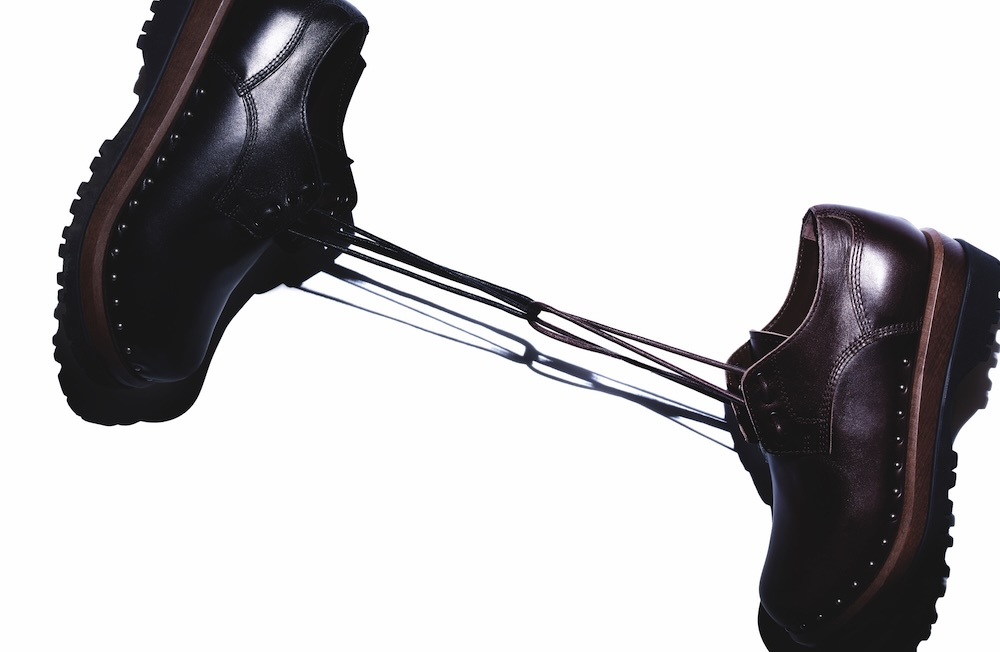
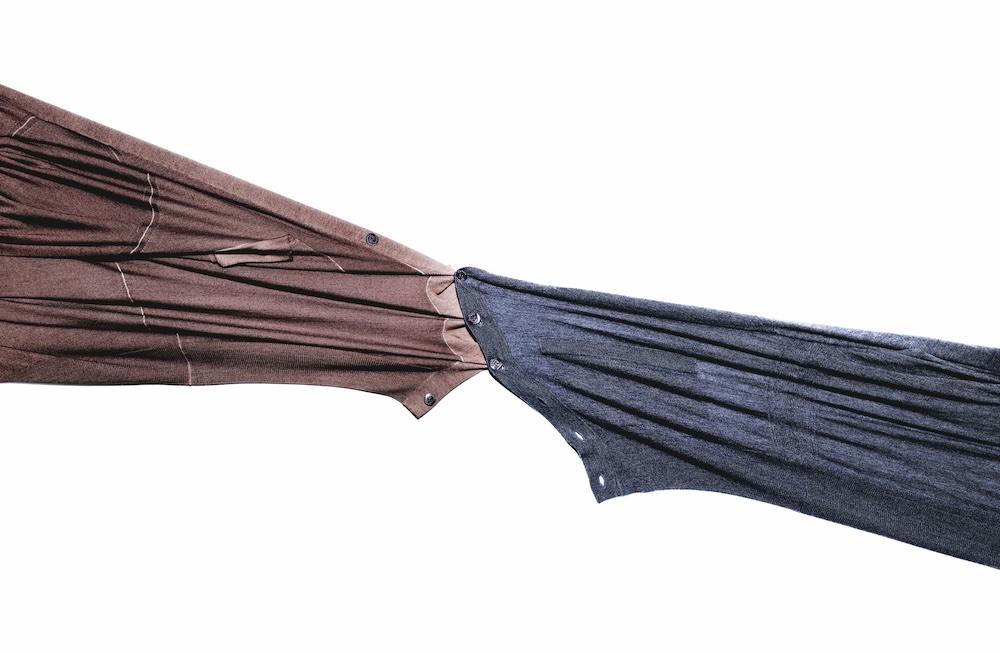
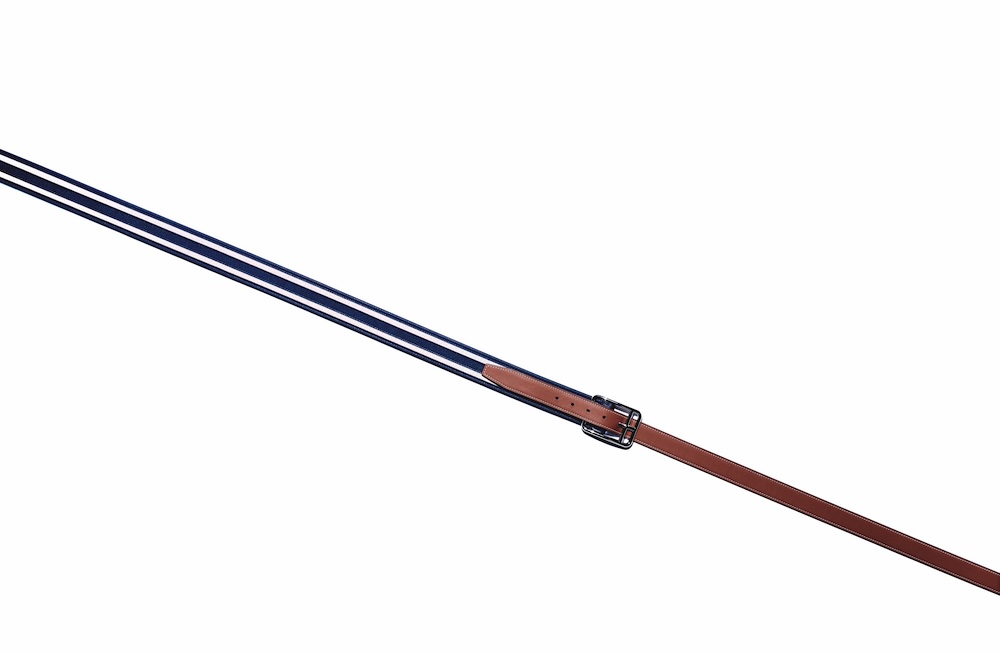
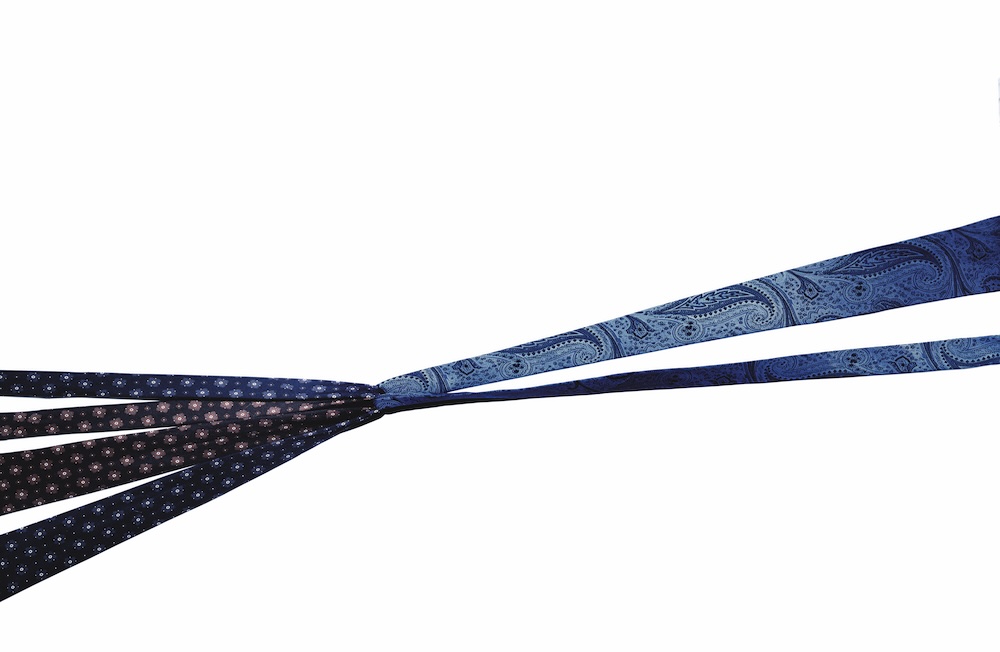
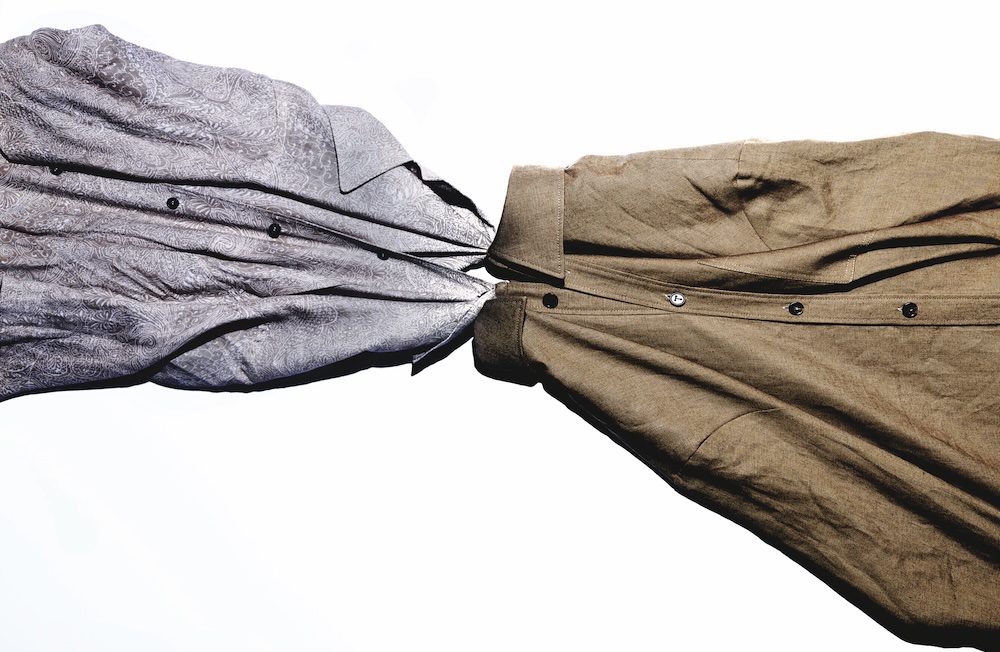
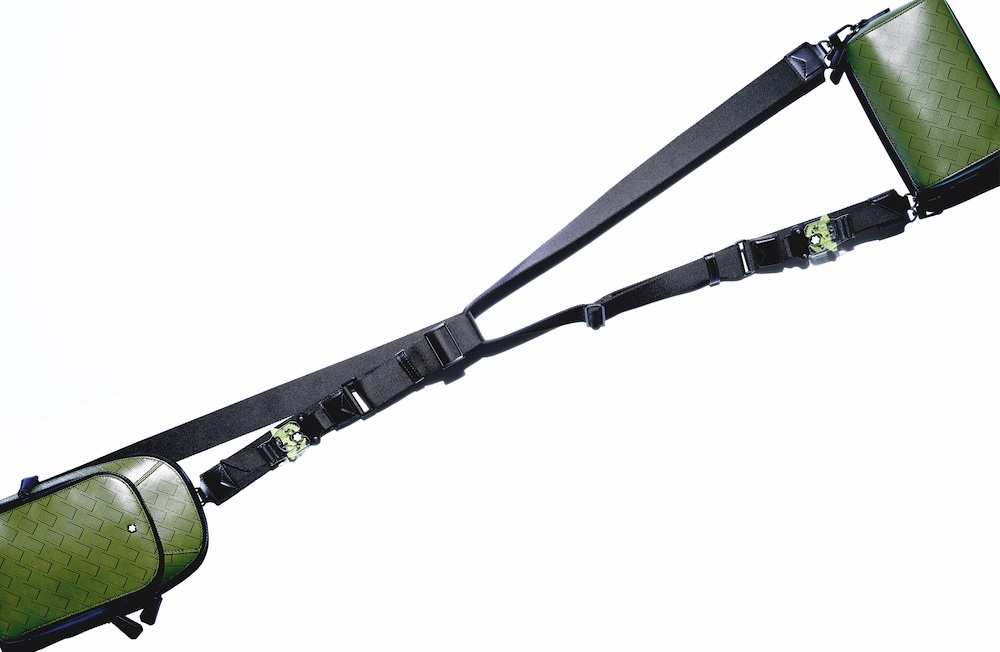
Inherited Tension

Photography Guido Mocafico

Dior
Canali, Dunhill
Hermés
Dunhill
Rag & Bone
Canali, Tods
Montblanc

Photography Guido Mocafico

This article is taken from Port issue 36. To continue reading, buy the issue or subscribe head here

Pictures from a Punk

DB Burkeman speaks to Port about rediscovering his lost archive, turning it into a book, and capturing icons like the Sex Pistols and Iggy Pop

CRASH BANG: Pictures from a Punk, Photography by DB Burkeman

Many may know DB Burkeman as an early pioneer of electronic music. The British DJ, who went by the moniker DJ DB, moved from London to New York in the late-80s, co-founded Breakbeat Science, the first record store in the US to specialise in drum and bass, and was credited for introducing the genre to America. Fewer, however, may be aware of his work in photography. 

Since stepping away from DJing in 2010, Burkeman has ventured into the art and publishing worlds, authoring books that explore the intersections of popular and counterculture. He launched his own publishing company, Blurring Books, with an aim to ‘disrupt’ traditional publishing practices through releases such as a peel-out art sticker book, which brought museum artworks from the likes of Andy Warhol, John Baldessari and Linder Sterling into the public domain via laptops, skateboards and phones. 

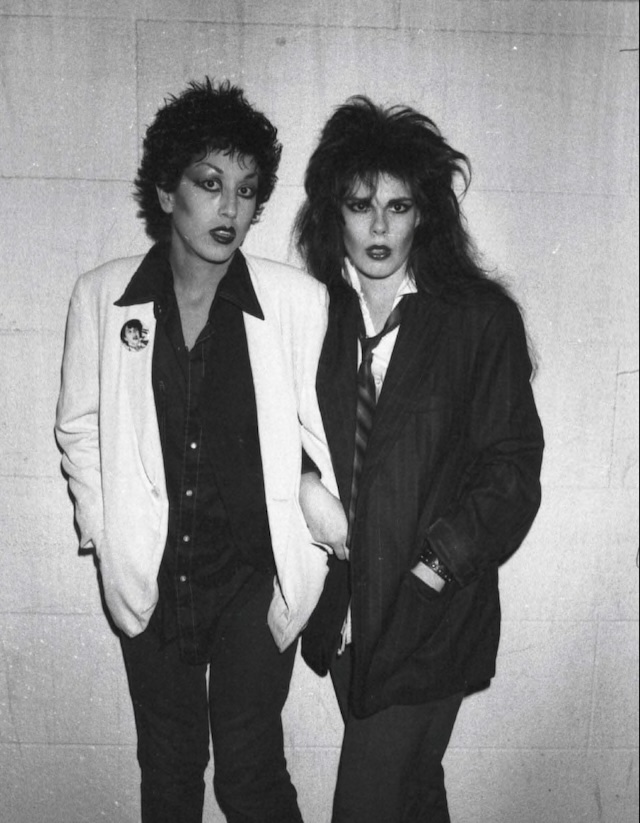
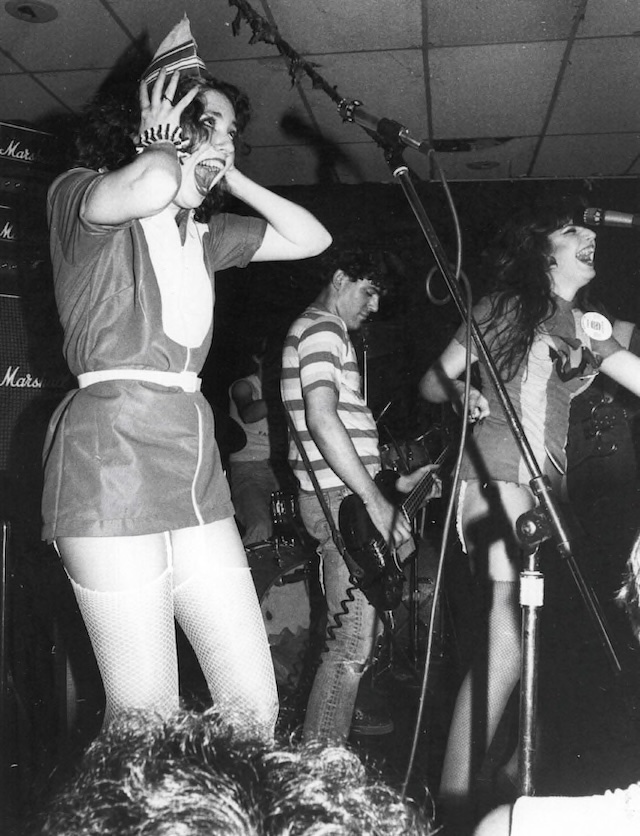
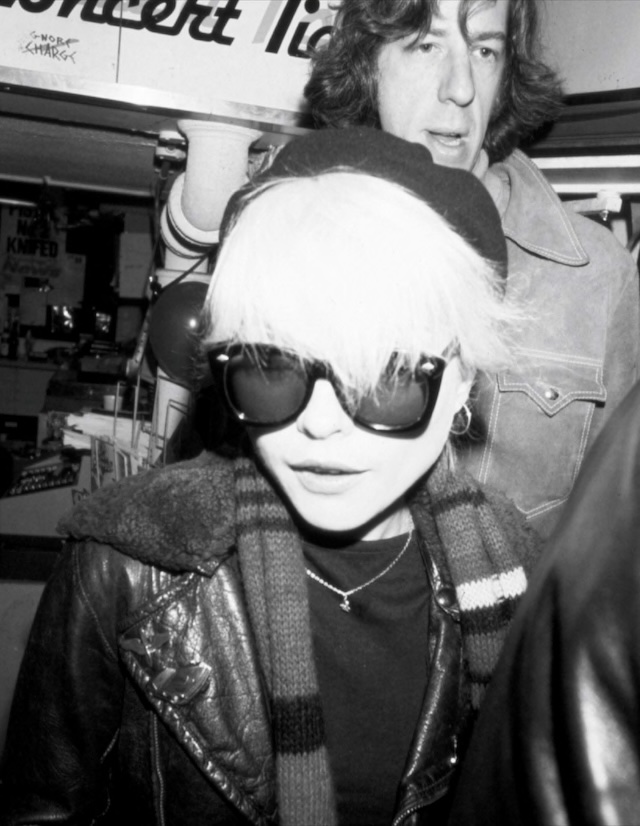
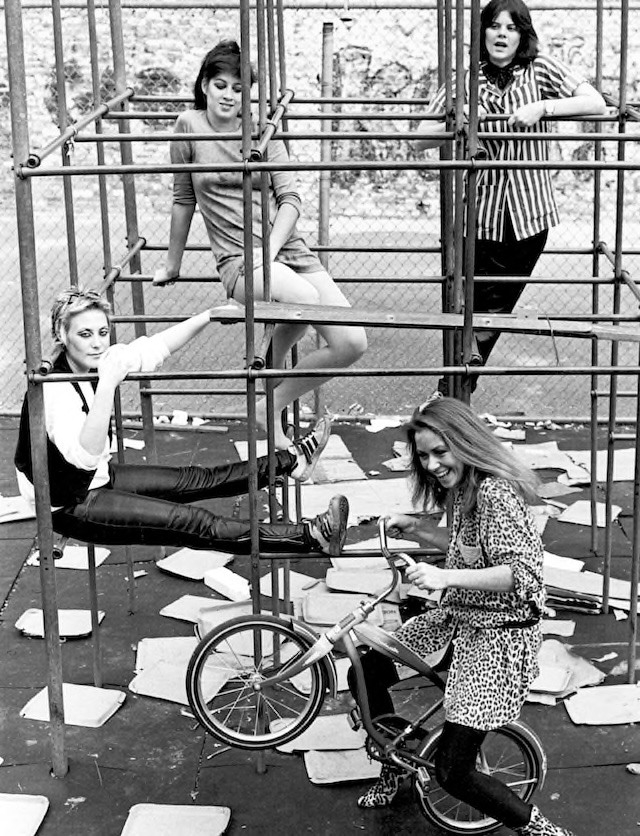
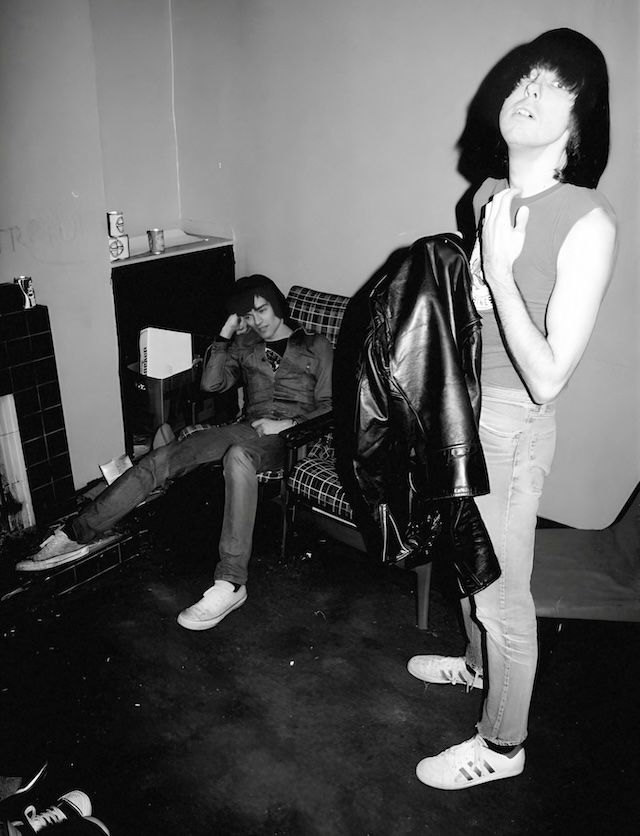
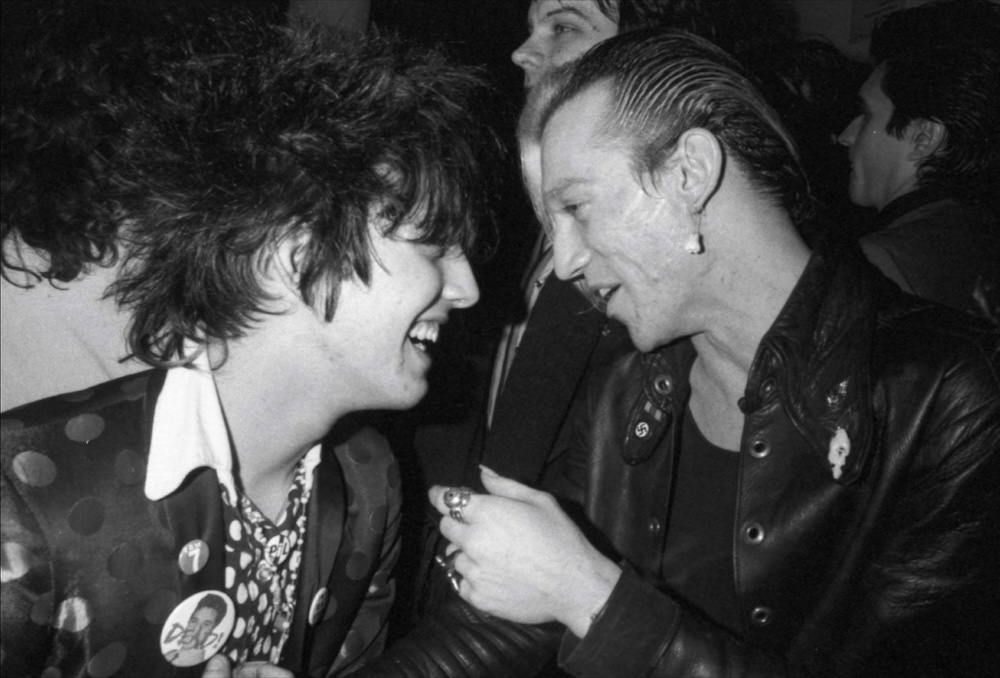
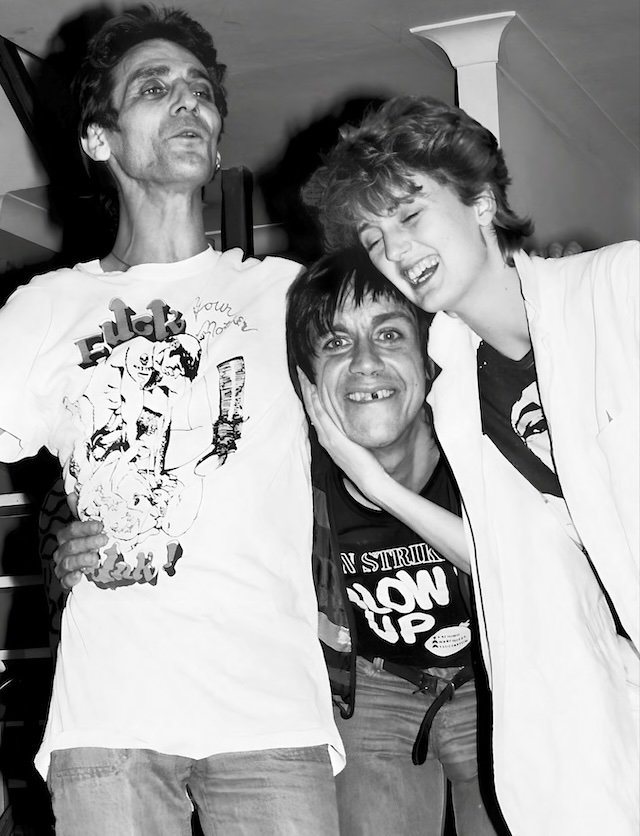
His latest book, CRASH BANG: Pictures from a Punk, is a collection of 125 photographs that document the heyday of punk. Shot by Burkeman between 1976 and 1982 across London, New York and Los Angeles, the publication offers a behind-the-scenes glimpse into the lives and gigs of The Camps, Sex Pistols, Ramones, Debbie Harry, Iggy Pop, Siouxsie and the Banshees and more, who are snapped candidly backstage and in dressing rooms. “First off, I want to be clear,” asserts Burkeman, “I’m not fronting as being a photographer! I was a high school dropout who failed the one O-level exam I took (photography) but had ridiculous and grandiose ideas about being the next David Bailey or Helmut Newton.”

These photos – charmingly unsharpened and grainy in their appearance due to the film expiring – were left to gather dust for 40 years before being rediscovered. Below, Port chats to Burkeman about uncovering the lost archive, the musicians he met, and the moments that defined this iconic epoch.

Your new book compiles a collection of photos that were ‘forgotten’ for 40 years. Can you tell us about the moment of rediscovering them and what inspired you to turn them into a book?

Well, here’s how this all came about. When my mum died about eight years ago, my sister needed me to come home to clean out my old bedroom. Bedside drawer, I found a bag of about 20 undeveloped rolls of 35mm black and white film. I brought them back to New York to the best lab in the city, and asked them to develop them. 

They asked how old they were and when I said 40 years; they said chances are there would be nothing on them. I asked them to develop them anyway, and about half of them were completely blank. 

But then I saw the contact sheet for a Ramones show at the Rainbow, from Christmas Day 1977, which became their iconic live album It’s Alive. Then I saw the sheet for The Cramps at Mudd Club, a show that I’d completely forgotten I was even at. I couldn’t believe it – it was a very exciting moment!

For a while, I was thinking I wanted to make a zine of these photos (very punk etc.). But my friend Erik Foss told me I was a fucking idiot, and that the photos were important and deserved a real book. I had recently met Sammie Purulak, a young and very talented designer, who saw the photos and said, “Let me design the book!”.

Siouxsie and the Banshees

The images are shot between 1976-1982 in London, New York and LA – otherwise known as the ‘heyday of punk rock and new wave’. What can you tell us about this period? 

People will argue about when and where punk rock originated, but it caught fire in 1976. That’s when I started taking photographs because I left school and wanted to be a photographer. 

These bands and this scene were the most exciting thing to be a part of. Part of it was simply a backlash towards the pompous, progressive music scene of the early 1970’s, when you could never get close to those musicians. Punk gave young people the confidence to try doing stuff themselves. I believe rave culture came out of that same DIY ethos, in the UK anyway.
Debbie Harry

Can you tell us about some of the musicians you’ve captured and your relationship with them?

For most of the bands in the book, I did not have any relationship with them, other than going to see them at gigs. But there are two or three that I was friends with for various reasons, the first being a band called The Tourists.

They lived in a squat above a record store called Spanish Moon in Crouch End, North London. As a 15-year-old, I had worked at Camden Lock Market selling records for Paul Jacobs, who went on to open Spanish Moon. The Tourists featured Annie Lennox and Dave Stewart before they formed Eurythmics. The band used me as their photographer and I had my first (and only) photo printed in NME because of them.

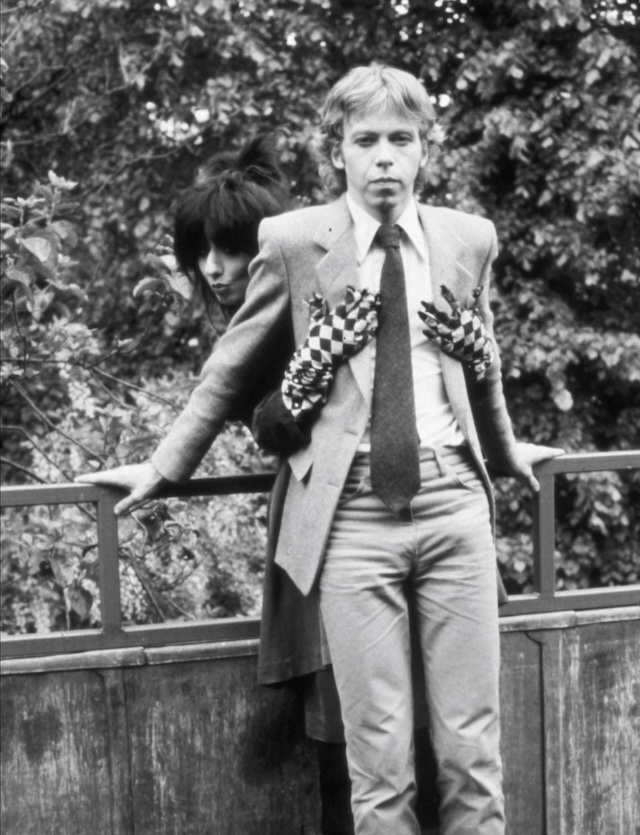
I was also friends with Patti Palladin. When she teamed up with David Cunningham of the experimental pop group, The Flying Lizards, Patti asked if I would do a proper photo session for their label Virgin Records. Those pictures are possibly the best and most professional photos I ever took.

What was your photography approach like – were you on the ground and getting involved, or were you more fly on the wall?

Mostly a fly on the wall for sure. I was painfully shy and socially very awkward.

You’ve mentioned that it was your drug use that allowed you into these intimate spaces with the bands, like dressing rooms etc. How does it feel looking back on this body of work, especially now that you’re clean? Would you have been granted such access if it wasn’t for the drugs?

Looking back at this period of my life is strange, and a little hard to describe emotionally. In fact, it’s almost emotionless. When I think about how crazy things got and how close to death I was, more than once, it’s similar to watching a film about someone else, not me. 

I do believe that being in the mix of other very druggy people and bands did give me access to some places I would probably not have been invited to if I’d not been a fucked-up druggy myself. I consider myself very lucky to have gotten out of addiction. I have a bit of a dark sense of humour and was thinking of calling the book, Lots of Dead Friends. Not a very commercial title 😉

Ramones

Can you pick out a favourite image and explain why it’s a favourite?

That’s like asking, “Who’s your favourite child?”! There are a few shots I really love. 

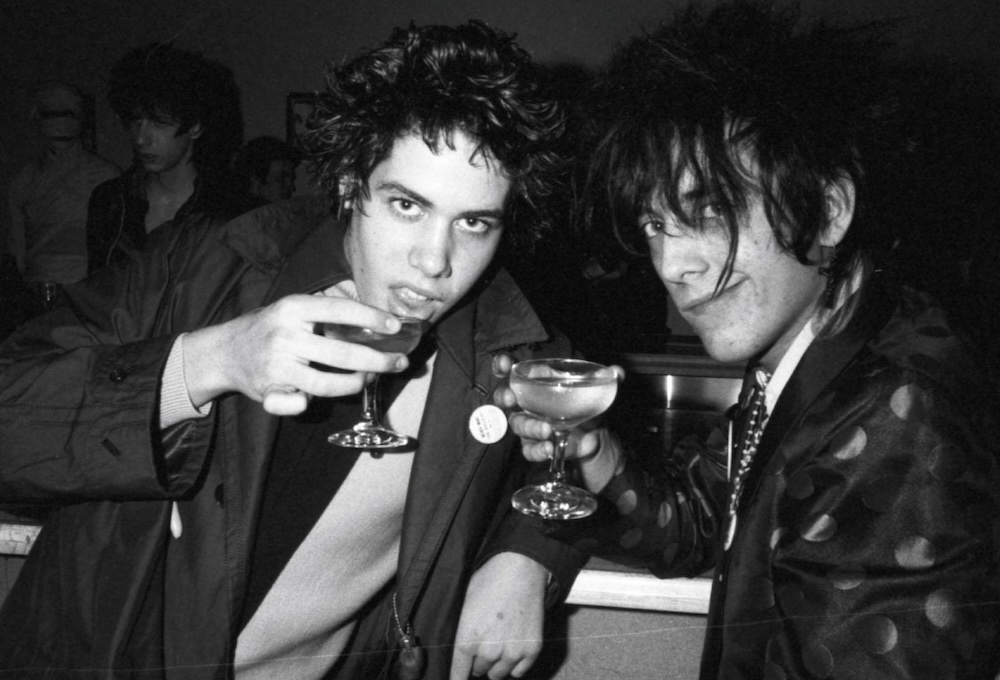
The image we used on the cover was shot at my first girlfriend Kate’s 16th birthday party. These two kids, Danny and Nick just showed up and gate-crashed. They were the first two kids we’d met with ‘the haircut’. I’m told that one of them is still alive. I hope he sees the book.

For one photograph, Patti Palladin and I stayed up all night and she parked her car outside the gates of Buckingham Palace at 5am. I don’t think you could even get that close nowadays, you’d probably be shot if you did.

I love the couple of photos of Magenta Devine (RIP) and Tony James, dressed to the nines. The photograph shows the two super stylish guys strolling Portobello Road like it was a catwalk.

There is also a photograph of my then-girlfriend Sara, whose headshot was taken while we were living at the Chelsea Hotel in NY in 1979. People would mistake her for Poison Ivy from The Cramps. 

Of course, the fact that I saw the Pistols and managed to capture those images is pretty cool. There are so many photos I could talk about … 

Boy George

The book certainly acts as a time capsule into this era. How do you hope your audience responds to this body of work? 

I just hope people like it. I’m not one for preaching or messages, but if like me, you found the lure of drugs irresistible and then couldn’t stop, just know it is possible to have a fulfilling life without them.

CRASH BANG: Pictures from a Punk is available to pre-order here

Iggy Pop
Flying Lizards

The Sufi Architect

Suleika Mueller on photographing Nevine Nasser, the beauty of Sufi practices, plus the power of art and architecture

When photographer Suleika Mueller met London-based architect and practicing Sufi Muslim Nevine Nasser for the first time, she was utterly inspired by her work. Born and raised a Sufi Muslim herself, Suleika had often struggled to connect her medium with her spiritual practices. Nevine defies the stereotypes of Muslim Women and integrates her spirituality with creativity, most notably in the form of portraits offering a different perspective of Islam to what’s portrayed in Western media.  Suleika looks up to Nevine entirely, so much so that her work has inspired her “most personal” project yet, The Sufi Architect. Below, I talk to Suleika to understand more about the motives behind the series, the beauty of Sufi practices and the power of creativity. 

What excites you about the medium?

My work is extremely intimate and personal, I use photography to explore

subjects linked to my upbringing, identity, emotions and experiences. It’s a great tool to understand myself, the world and the people around me a little bit better and delve into subjects that I’m curious about. I think my spiritual, cross-cultural upbringing has shaped my artistic vision into a unique blend of Eastern and Western cultural values, traditions and references. My hybrid identity, the feeling of being in the in-between, though isolating as it might feel sometimes, actually has allowed me to understand and empathise with different kinds of people and point of views so I feel quite grateful to have been brought up in such an unusual way. I want to champion people, subjects and communities I truly care about, especially because I never saw any relatable representation of the Muslim community growing up.

What inspired you to start working on this project, why tell this story?

This project is one of the most personal ones to date, just because it is so closely linked to my background and highlights things I deeply care about. Growing up Sufi in the West meant that nobody around me knew anything about my practices and community. My aim has always been to spread more knowledge and highlight the practices, traditions and people I grew up with, challenging Western media’s harmful stereotypes by portraying

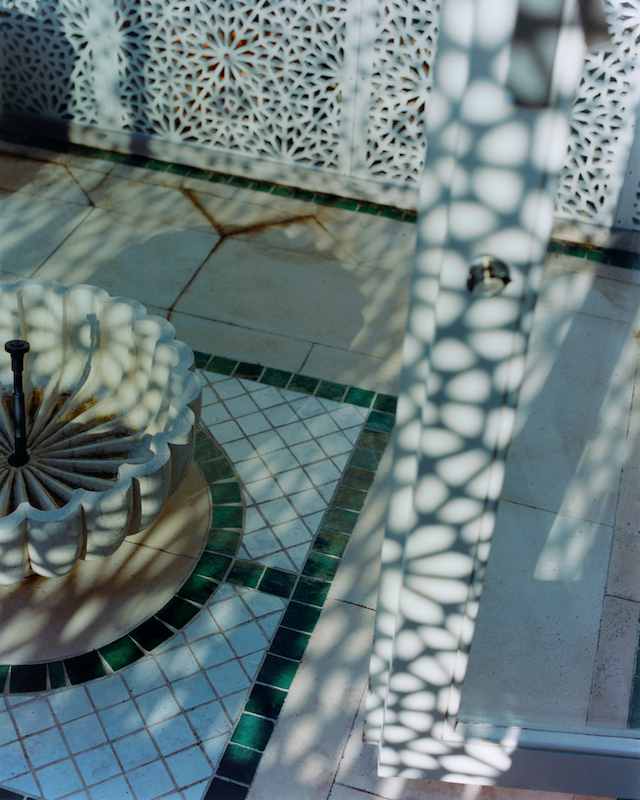
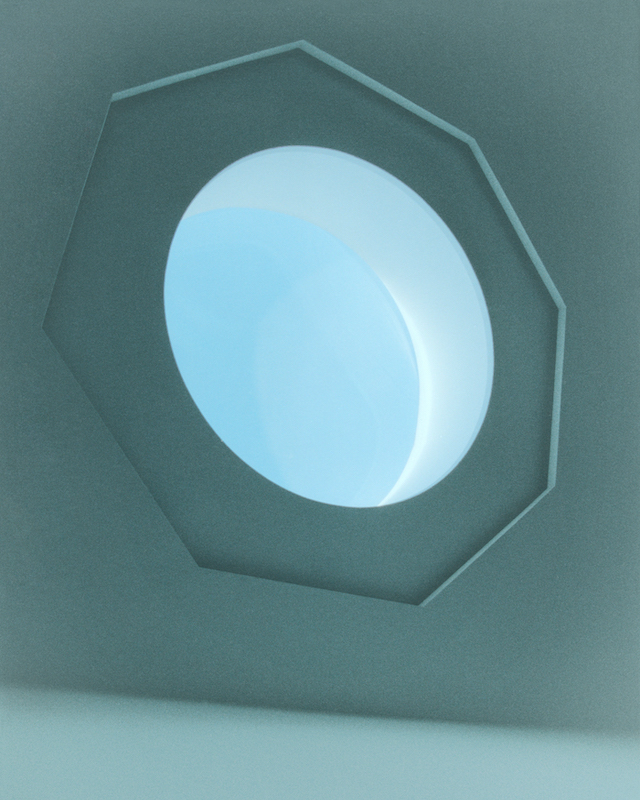
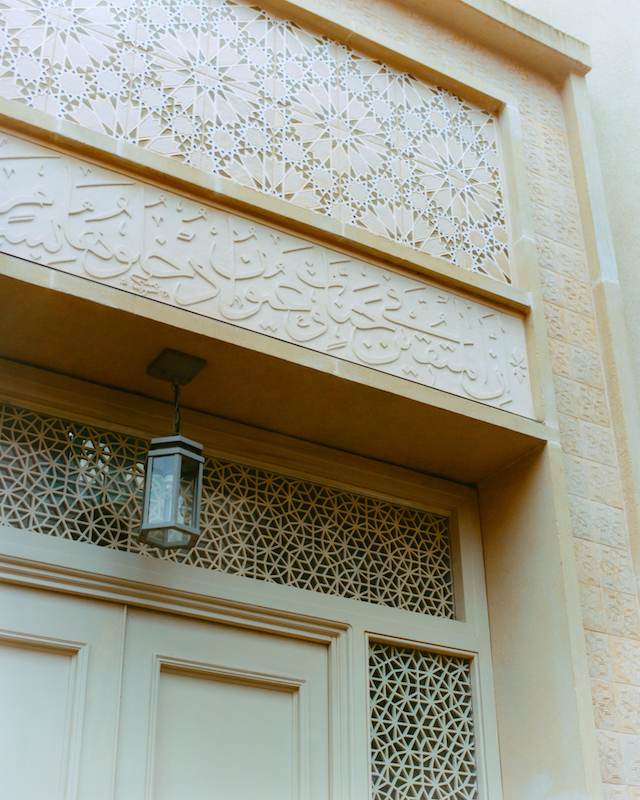
the Muslim community in a much more authentic and nuanced way. I was extremely inspired and touched by Nevine’s beautiful work and the space she designed and was even more so struck by how empowered and committed she is as a person. During her doctoral studies, she developed a methodology for designing transformative contemporary sacred spaces through creating the School of Sufi Teaching, a Sufi community centre in Bethnal Green where members of the Naqshbandī-Mujaddidī Sufi order regularly meet to pray, meditate and practice together. Nevine reclaimed the transformative power of sacred geometry, calligraphy, symbolism and understandings of light in the Quran to underpin and inspire the design of the space in order to support practitioners to turn towards the inner self, preparing them for meditation. This series is as much a celebration of Nevine as a person, as it emphasises and explores the beauty and transformative power of sacred Islamic art and architecture as well as Sufi practices and traditions. I believe it is truly important to tell this particular story as it gives insight into a widely unknown aspect of Islam, whilst at the same time exploring one woman’s intimate spiritual practice.

Traditionally, the majority of religious and spiritual figures are male, and architecture is still a very male dominated industry, so I really love how Nevine breaks all those stereotypes, setting an example of an empowered yet religious woman.

What was the creative process like, did you spend much time with Nevine? Where did you shoot etc.?

Nevine and I met at the community centre and she showed me around the space as we got to know each other better. We hadn’t met before so we talked about loads of different things whilst shooting. It turned out that Nevine and I share a lot of common interests and I could’ve stayed there forever just talking about our experiences, aims, practices and inspirations. I felt an instant connection to her because both our creative practices have very similar aims and goals, Nevine explores and pursues those through architecture whilst I use photography as a medium. I had prepared a few shot ideas in advance and Nevine had many ideas of her own so we just experimented and tried out different things throughout the day. A lot of the shots just emerged from her telling me where and how she usually practices within the space. Portraying Nevine’s intimate rituals felt a bit

like coming home, it brought me back in touch with the sacred traditions

of my upbringing. I’ve always wanted to show how meaningful and peaceful Sufi practices are and I guess this project is a first step in that direction. It was probably one of the most wholesome and effortless shoots I’ve done to this date. Everything seemed to just fall into place and the serenity of the space really infused the whole experience with peace and calm.

Can you pick out a couple of favourite images and talk me through them?

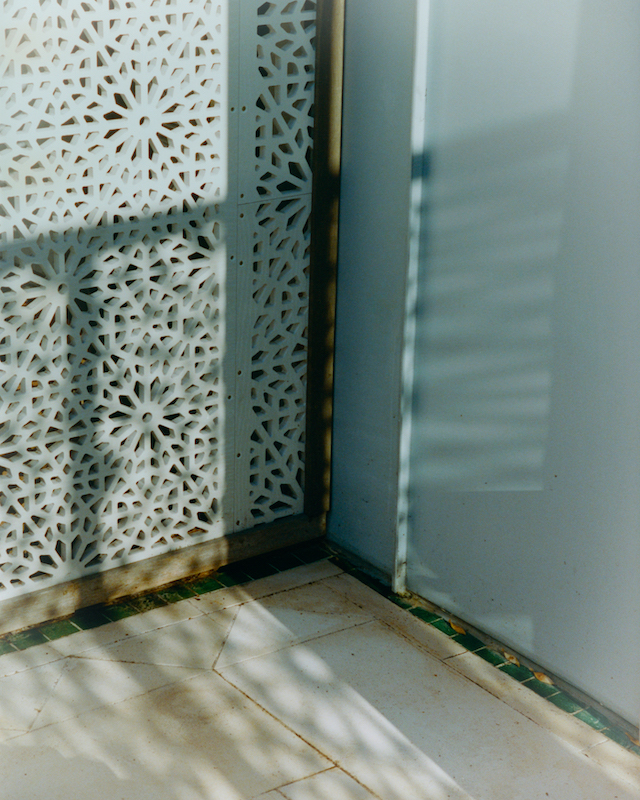
In Islamic culture, sacred geometry is believed to be the bridge to the spiritual realm, the instrument to purify the mind and the soul. Many spiritual and miraculous concepts are represented in the geometrical patterns, oftentimes acting as windows into the infinite, reminding of the greatness of Allah.

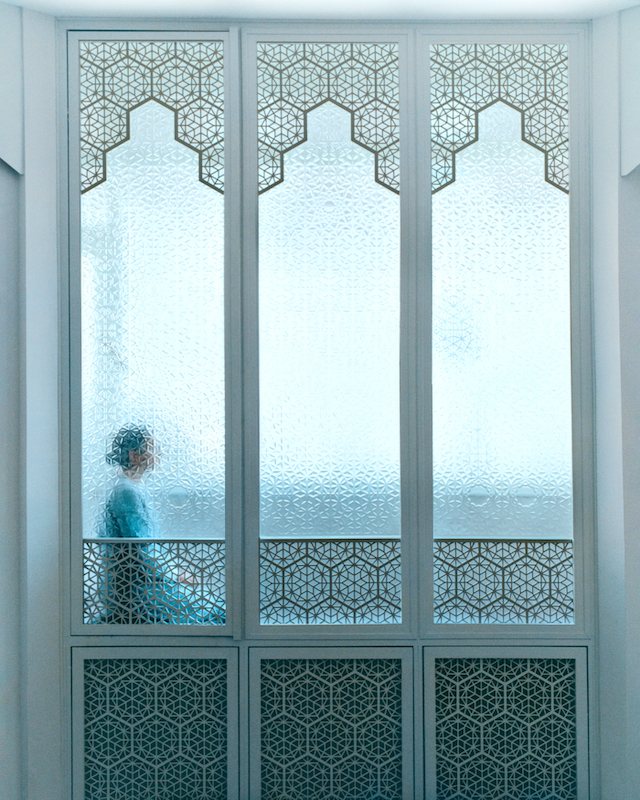
Nevine in meditation. Sufi practitioners regularly observe Murāqabah (arabic, translated ”to observe”). Through Murāqabah a person observes their spiritual heart and gains insight into the its relation with its creator, developing a personal relationship with Allah through self-knowledge and inquiry.

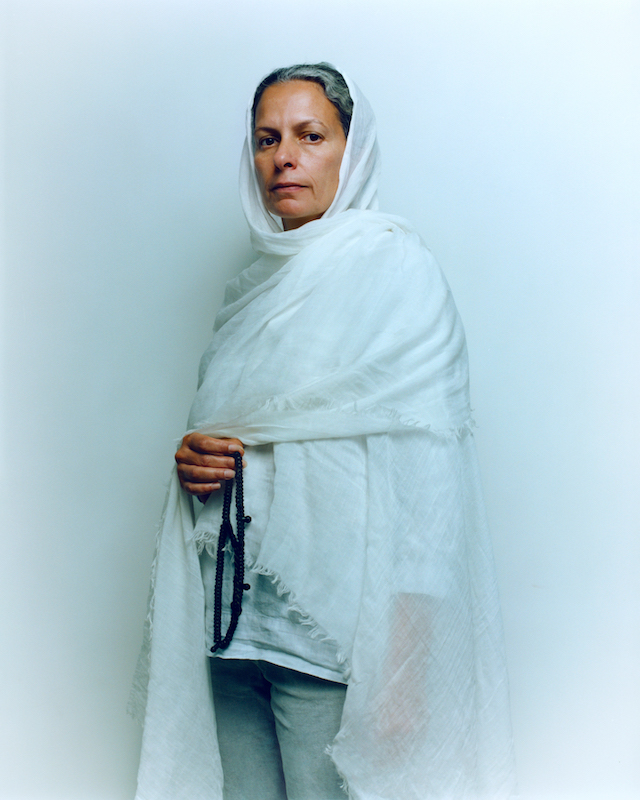
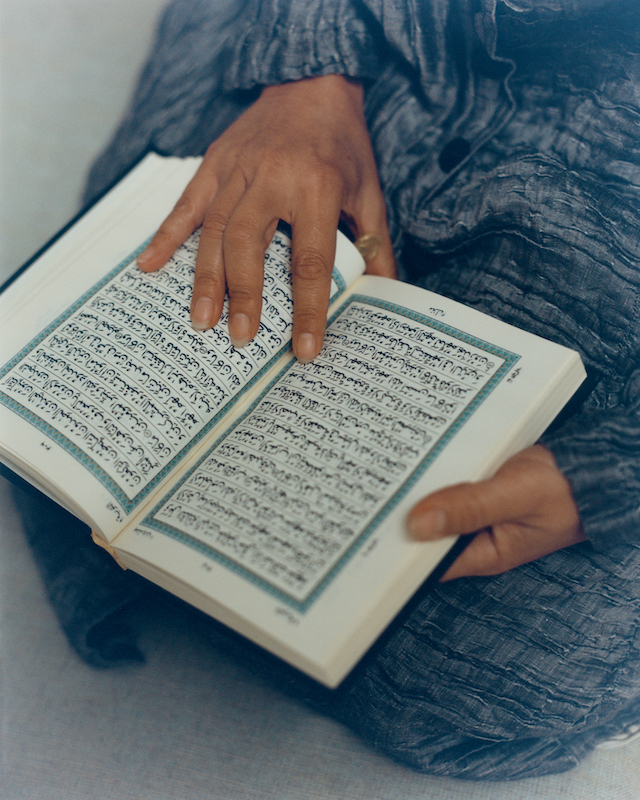
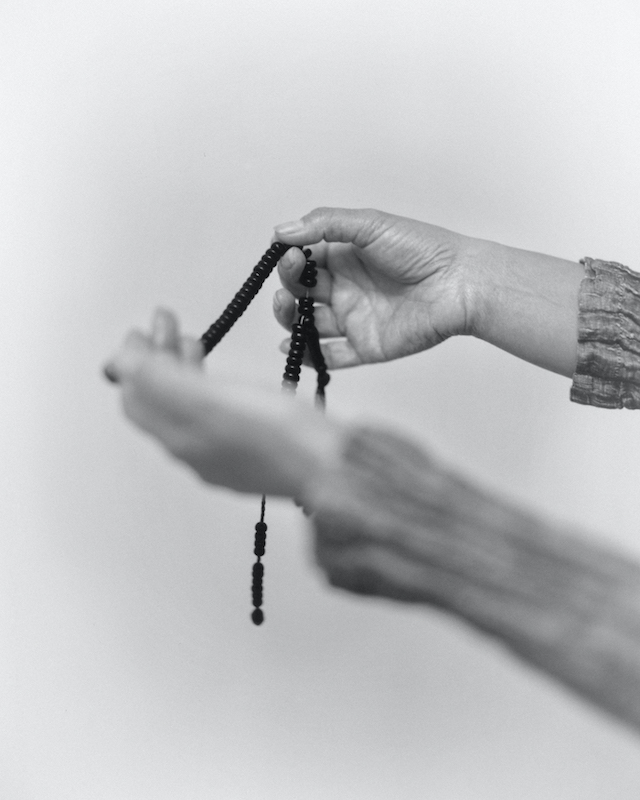
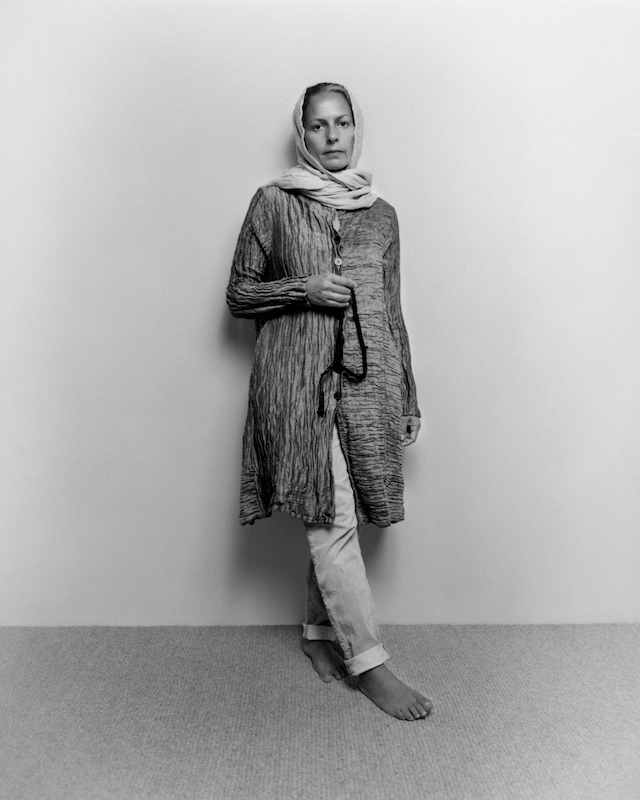
Tasbih is a form of Dhikr (arabic, translated “remembrance”) in which specific phrases or prayers are repeatedly chanted in order to remember God. The phrases are repeated 99 times, using the beads of the Subha (Muslim prayer beads) to keep track of counting.

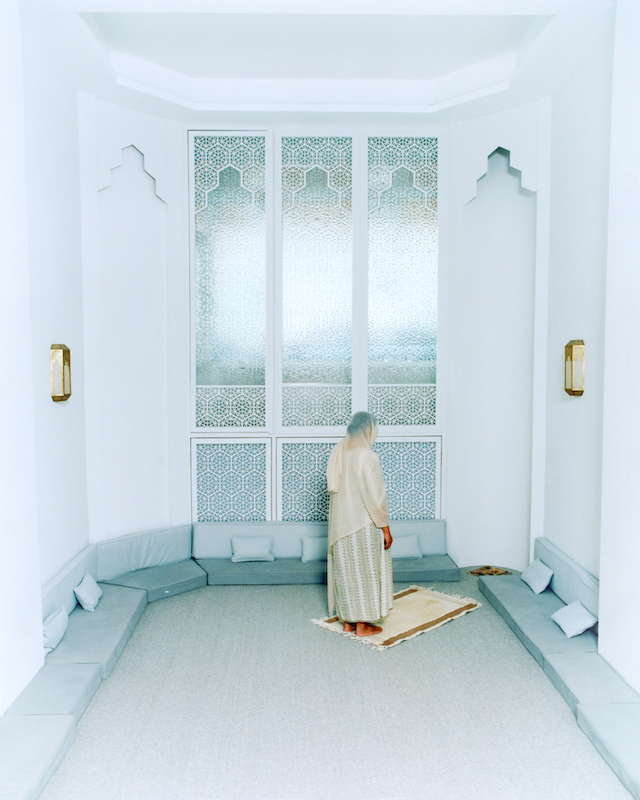
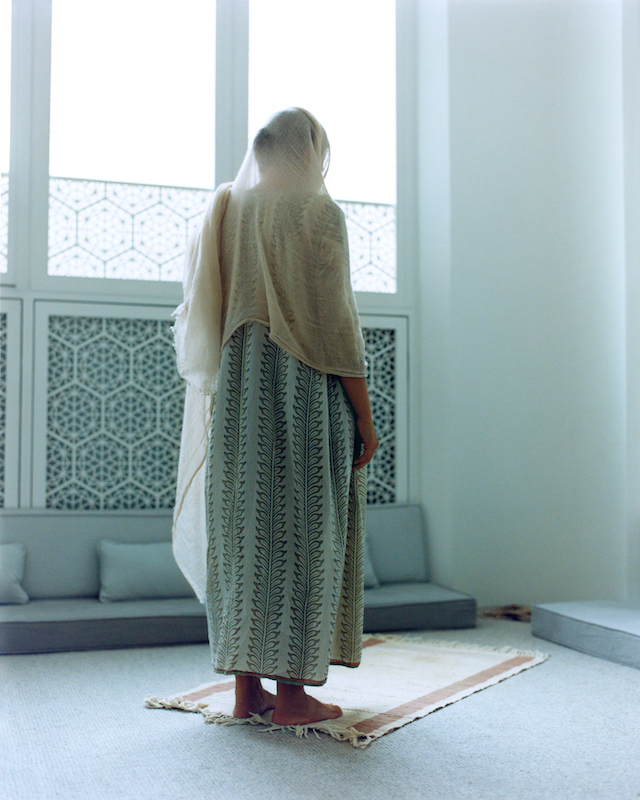
Nevine praying Zuhr, one of the five daily Islamic prayers, facing the Qibla, the direction of the Kaaba in Mecca.


How do you hope your audience will respond to this project?

I really hope this project gives insight into a community and practice that is usually quite mystical and secretive. My own Sufi order is a very close-knit community but at the same time, it’s quite isolated. I always thought that it was such a shame to keep the culture, community and practices so hidden from mainstream society. I would really love for the series to open the doors a little bit, allowing a glimpse of the beauty, depth and serenity of Sufi traditions and Islamic art. I also hope Nevine’s sincerity, passion and dedication in creating a space that supports spiritual development comes across in the imagery. She is a truly inspiring and empowered woman who’s story deserves to be told.

What’s next for you?

I feel like this project really opened my eyes and made me realise how passionate I am about the subjects it touches upon. I’ve decided to make this an ongoing personal project of mine, exploring women and non-binary people who use their creative practices as an extension of their spiritual ones. I’ve already shot another series with someone from a completely different background, using a completely different art form to connect to their spirituality and I’m very excited for that one to come out later this year. If anyone reading this is interested in participating I’d love for them to reach out to me!

Stay In Between

Leafy Yeh on how photography can be used to understand identity, culture and place 

American Home

Photography has many purposes. For Leafy Yeh, they make use of the camera as a means of exploring their identity. Born in China and currently based in LA, Leafy studied Media at The State University of New York and pursued roles as a designer and freelance photographer while working on their own art practice (not to mention the fact that they’ve recently joined Activision as a game capture artist). At the very beginning, Leafy centred their image-making on the more conceptual. Further down the line, however, and as they started to “grow”, Leafy began to steer more towards documentary, transfixed by its ability to “slow down and observe life more closely”. 

Applying this to practice, Leafy’s ongoing series Stay In Between encompasses their ethos as a photographer – and ultimately the reasons why they take pictures. It’s a long-term project that explores their traditional Chinese and Chinese American identity, having spent a decade in the US and constantly feeling adrift between these two cultures. Toeing the line between familiarity and disconnect, Leafy responds to feelings of unsettlement by taking pictures, using their lens to produce almost surrealist photography that channels their interests in heritage, place and the environment. Below, I chat to the photographer to find out more about the series. 

Chinese Takeout

What inspired you to start working on this project, what stories are you hoping to share?

This project comes from my experience as an immigrant. I live and work in the United States but China will always be my home. When I first came to America for college, I allowed myself to be very westernised so I could blend in. I started to loose a big part of myself and this has brought me a lot of pain. As I grow, I am embracing a unique space – where I am in between traditional Chinese culture and Chinese-American culture. My photos reflect the complexity of this journey through abstract forms in natural and urban settings. 

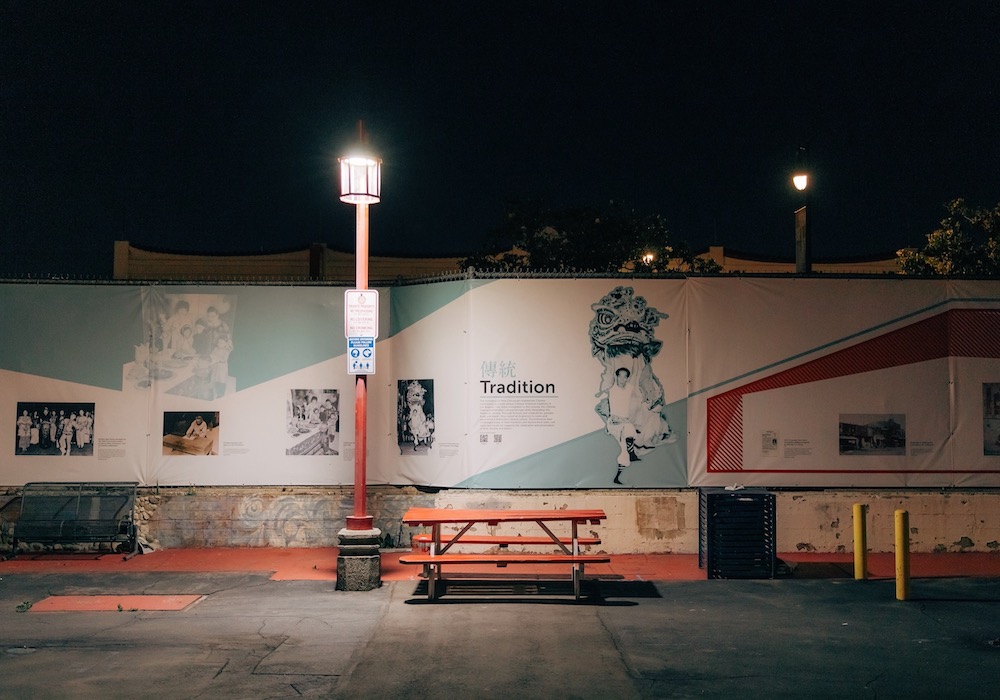
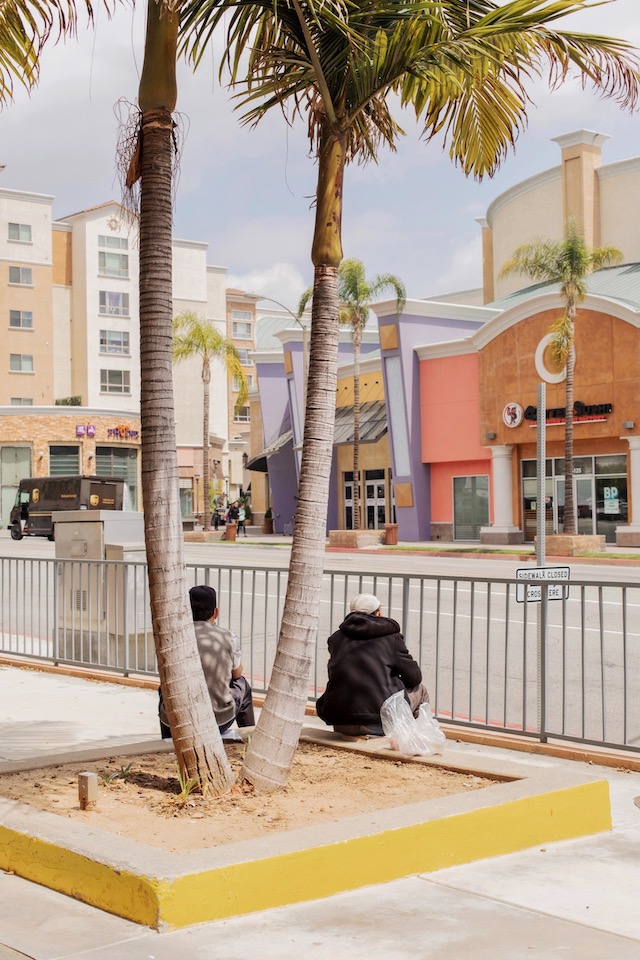
Having not been back to China for three years due to Covid-19, I’ve spent a lot of time at San Gabriel Valley and Chinatown to feel the familiarity again. Documenting these places evokes a lot of memories of my childhood, from ordinary objects to the architecture and language; they are reminiscent of China in the 80s. Based on my memories, I photograph this liminal space to imply concepts of continuity, isolation, transition and the overlapping of two cultures. This project is a way for me to navigate through them in search of a reconciliation of my inner juxtaposition: a home and a trip into normality. 

Courtyard

Can you share a few key moments from the series and explain their significance?

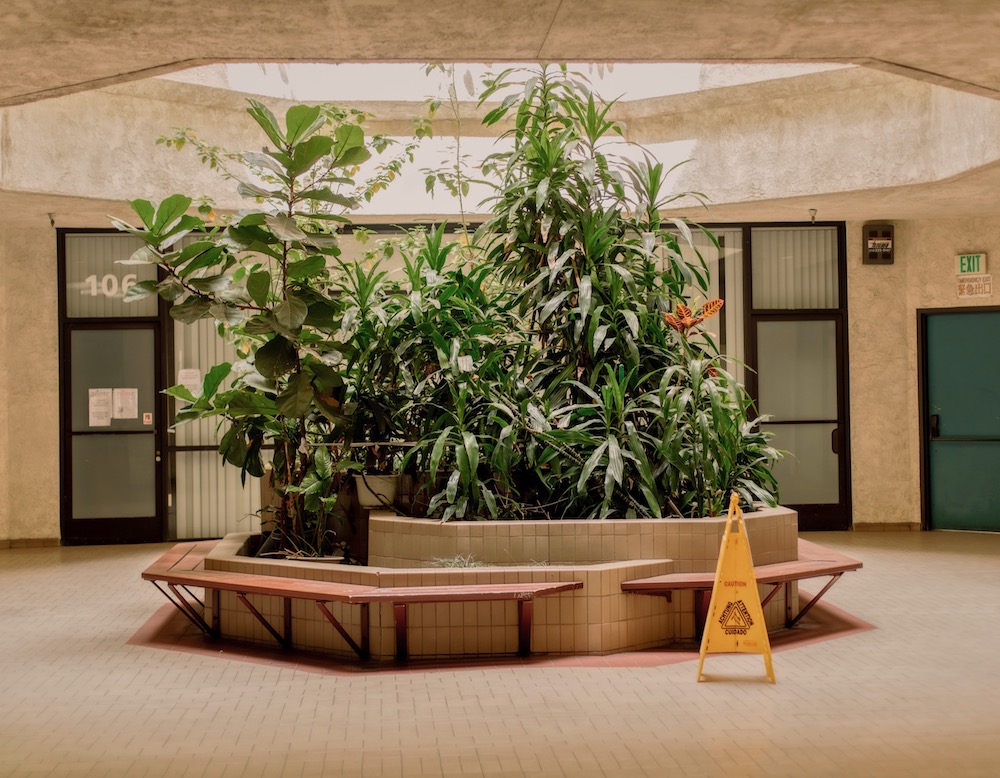
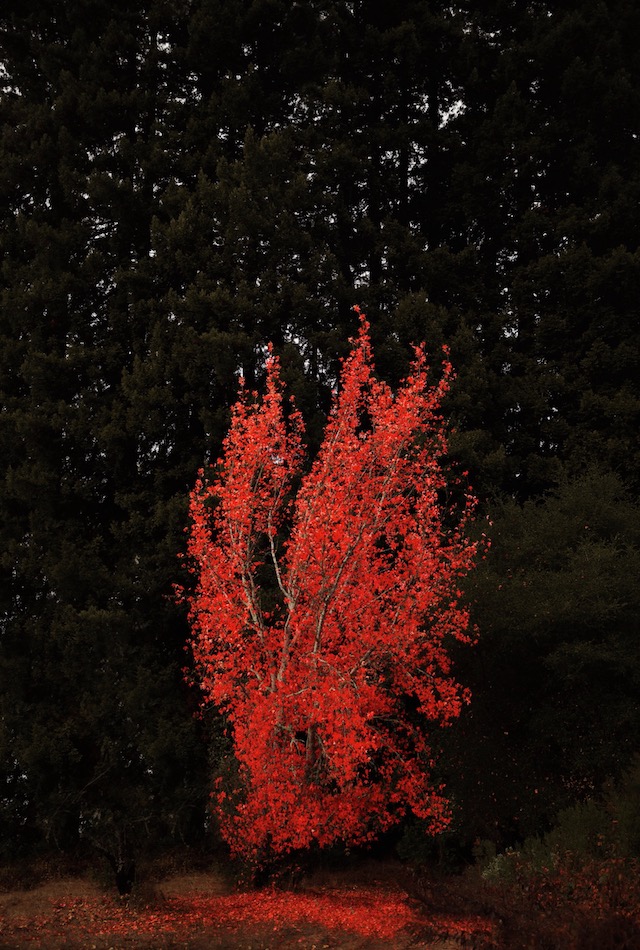
My favourite combinations are the bright red tree in the forest and the centre planter inside an office building in Chinatown, occupied by Chinese businesses. They’re the opposite of each other. One is so alive and outside, while one is trying to breath through the open air from inside. I love the connection and contrast between the two. 

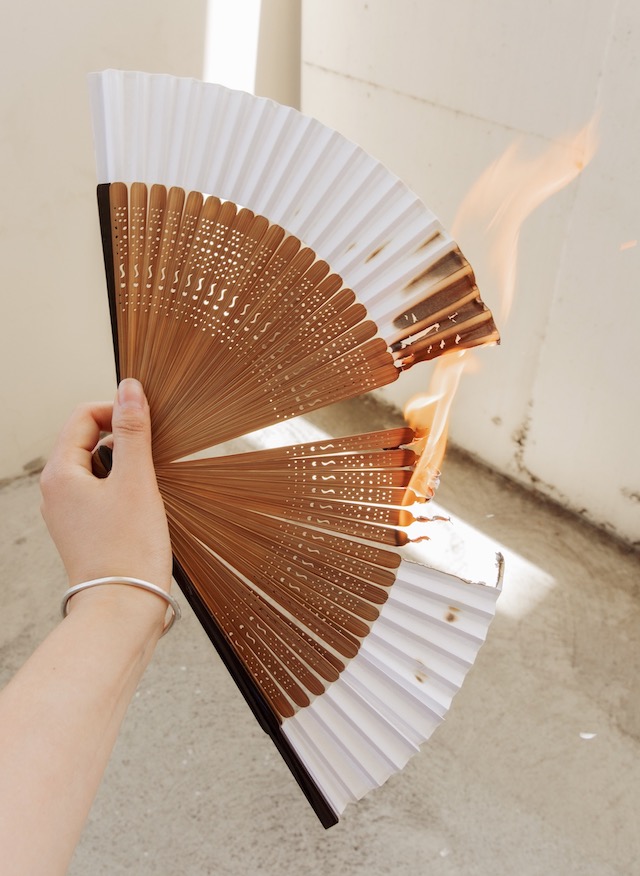
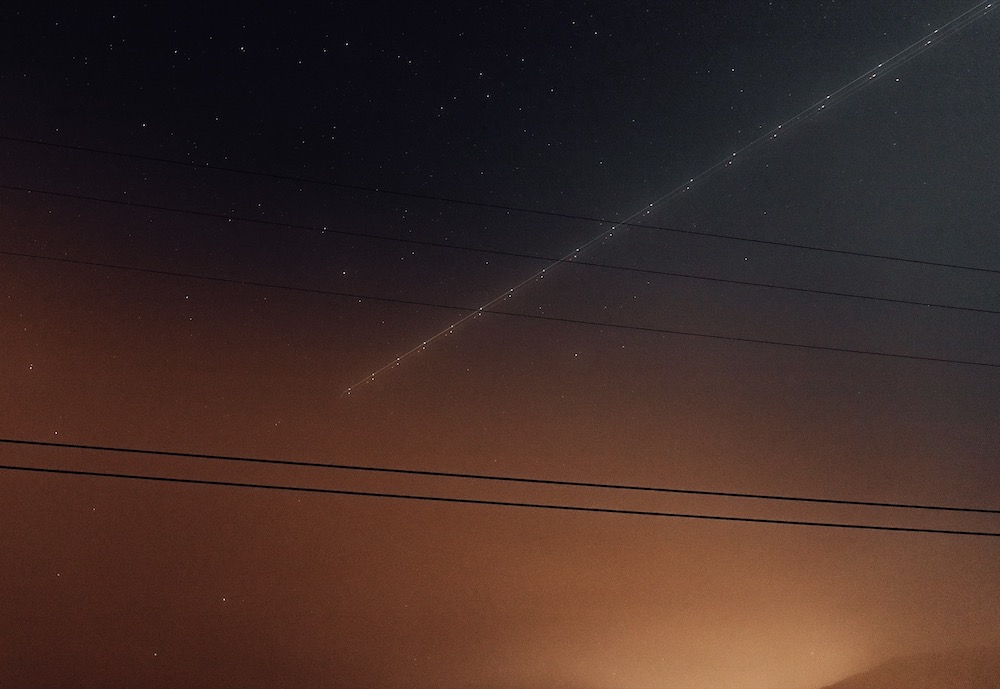
Another two photos I really like are the long exposure of an airplane flying through electrical lines and the fan on fire. They share a sense of surreal-ness in reality. I photographed the fan when it was just lit so the original form is still showing. As the fan is burning away, the fire is opening up a gap. It’s reminiscent of the light beam slicing through the electrical lines and the sky over time. Both of the photos have a feeling of division – the power to break through space. 

Fan on Fire

How important is the environment and sustainability to your practice, is it something that you consider while making imagery? 

I try to keep a minimal impact on the environment when I am going into the nature. If I create something, I make sure it’s not harmful and very easy to remove. As I photograph more landscapes, the smaller I feel and the clearer I see the space inside. Environment and sustainability are more metaphorical elements in my practice – about finding balance in internal and external worlds. 

I think a good balance is finding a flow that overlaps the two worlds; I keep these themes in mind when I work on projects. But this could be a roadblock if I am overthinking. For a while, I didn’t know how to move forward, and I learned to let go and photograph with instinct. The action of photographing brings me inspiration later on when I see the connection to other photos in the series. I think if you are overthinking about the meanings, the photos lack flow. Overtime, as I go deeper into the project, some meanings change or I encounter other perspectives to talk about it differently. This is what I am still learning from this project. 

Cultural Publicity

What message do you hope to evoke from the work?

Most of my projects focus on looking inwards and finding a sense of home from within. The narrative of this project is a process of accepting and finding beauty where I am. I hope this project can speak to others that are like me – feeling in between things. When you can find a place inside, you can reflect that onto the outer world. There will be people telling you that you can only be one thing, but that’s very limiting. I hope you can find that space for you. 

What’s in the pipeline for you?

I am working on a story about a Shanghai hair salon located in a strip mall in San Gabriel. Strip malls are quite unique to American urban planning in my opinion, so it’s interesting to see how the Chinese community adapts the look of the architecture and turn that into a mixed style. I want to use this hair salon as a centre to document the people and surroundings as they look like they are stuck in time from when they immigrated. 

Lunch Break

Overtime

Self-Portrait

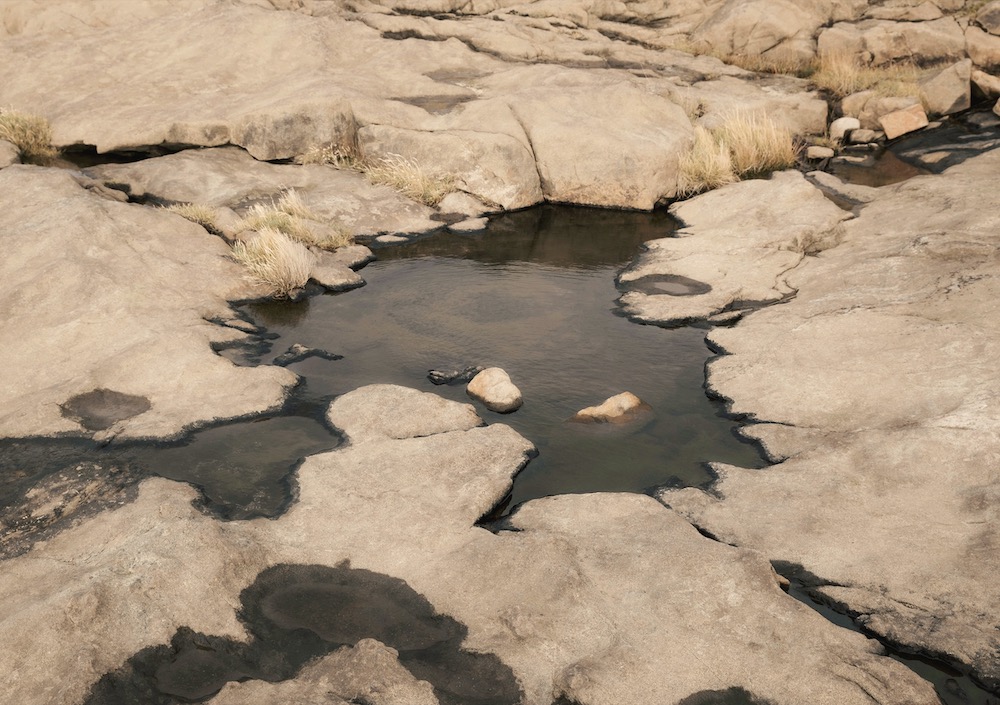
Water Pond

Nigel Shafran: The Well

In a new book published by Loose Joints, the British photographer turns a critical and humanistic lens onto the fashion industry 

© Nigel Shafran 2022 courtesy Loose Joints

“This isn’t a book of best pictures, it’s more of a tight edit than that. It’s a book about the ideas that always end up somewhere in my work, I guess… Windows, shopping, making decisions and consuming…” So goes the opening phrase of Nigel Shafran’s new book The Well, penned by the British photographer himself. 

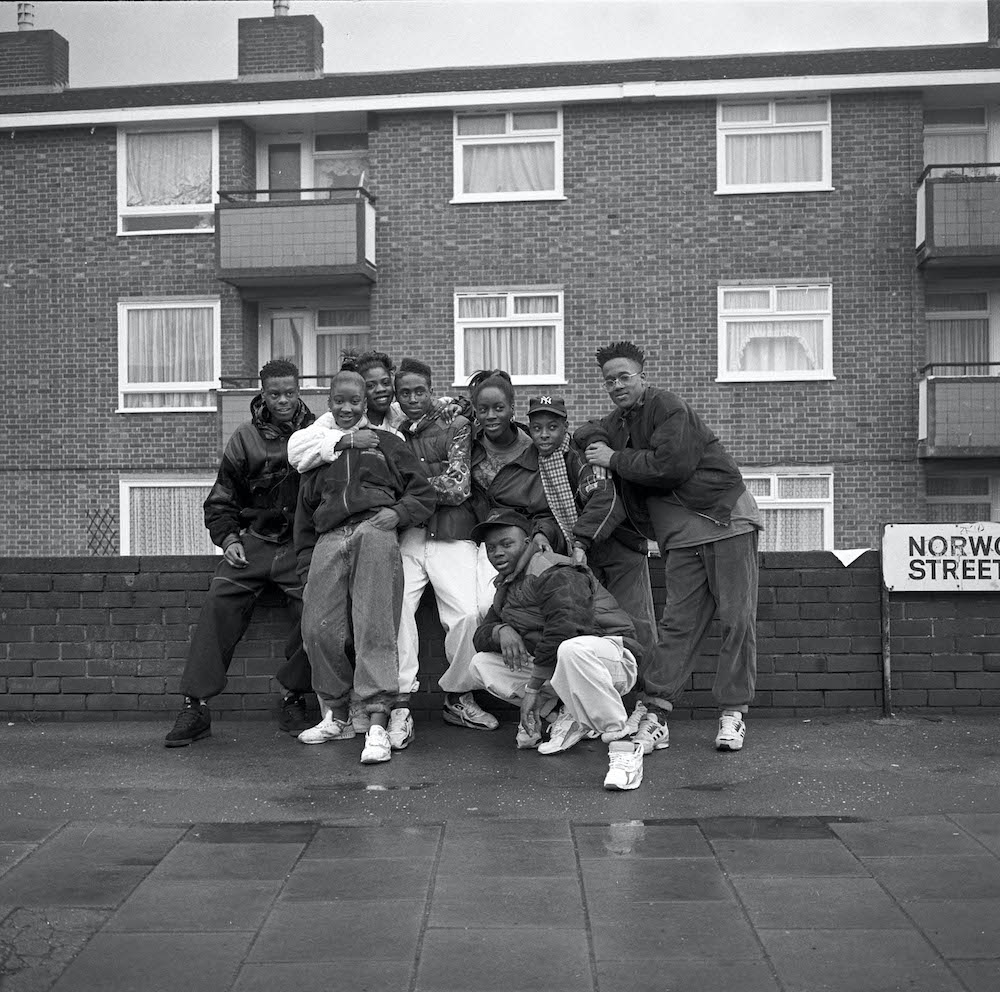
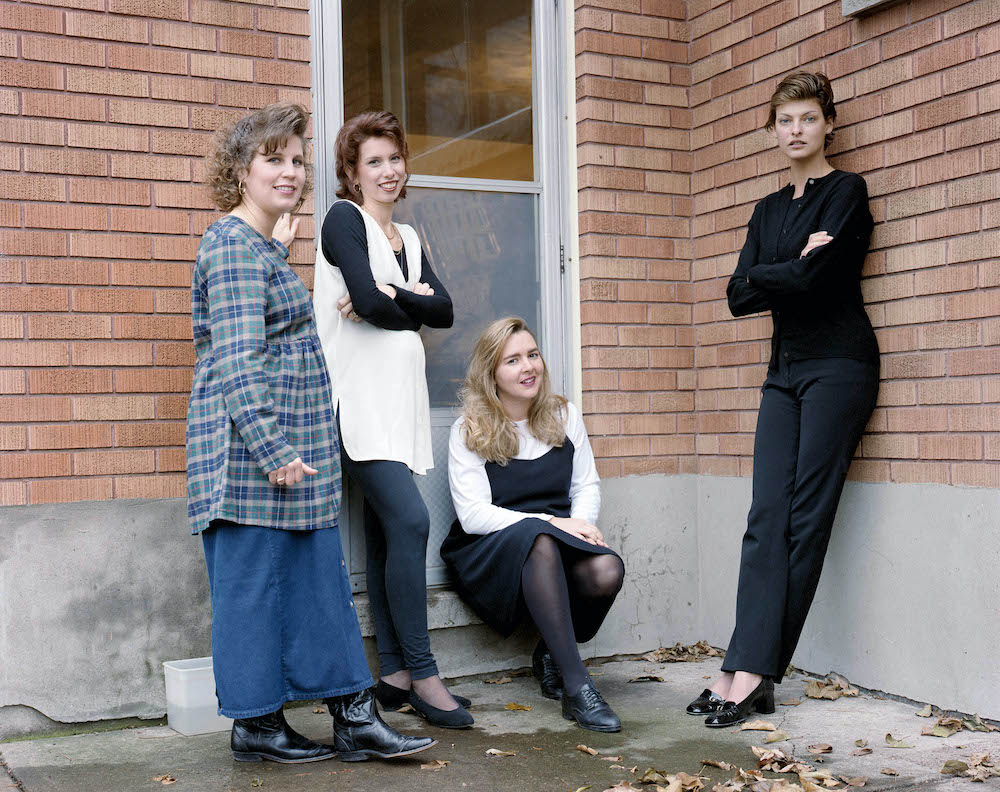
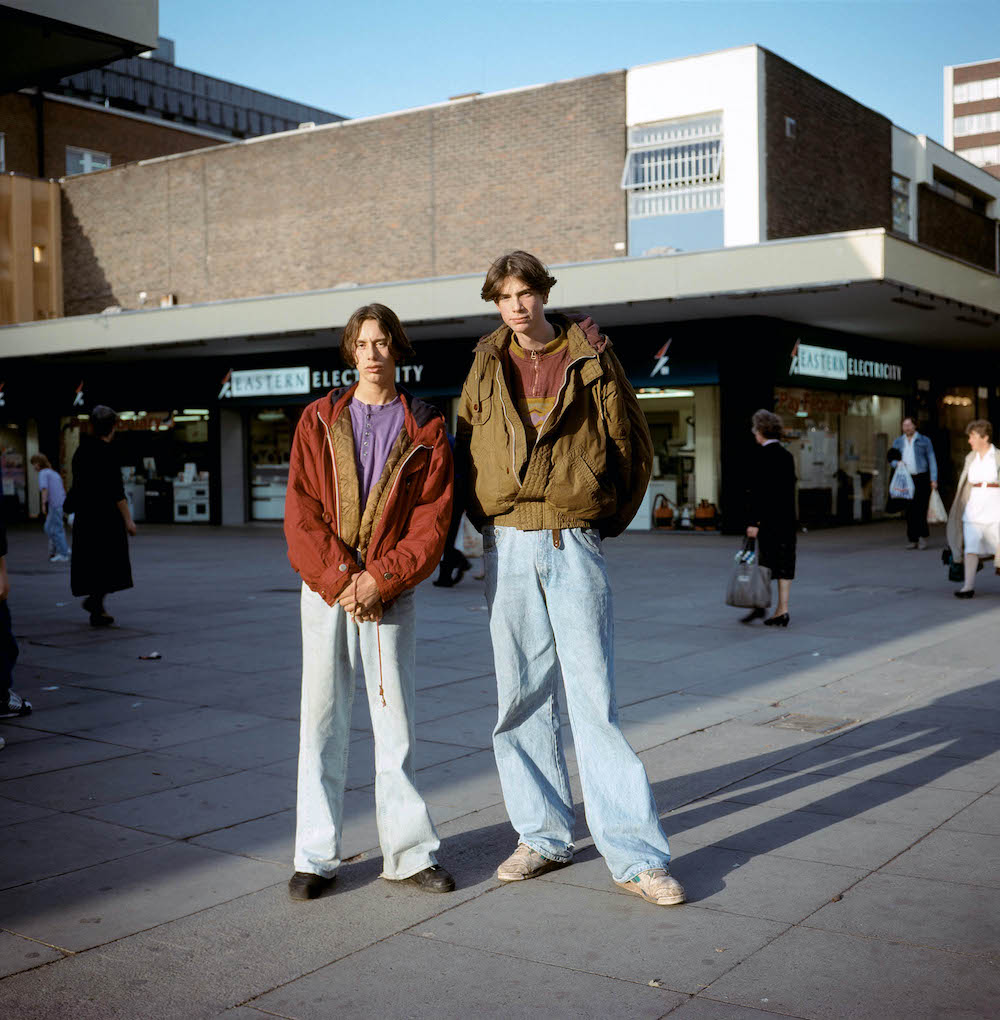
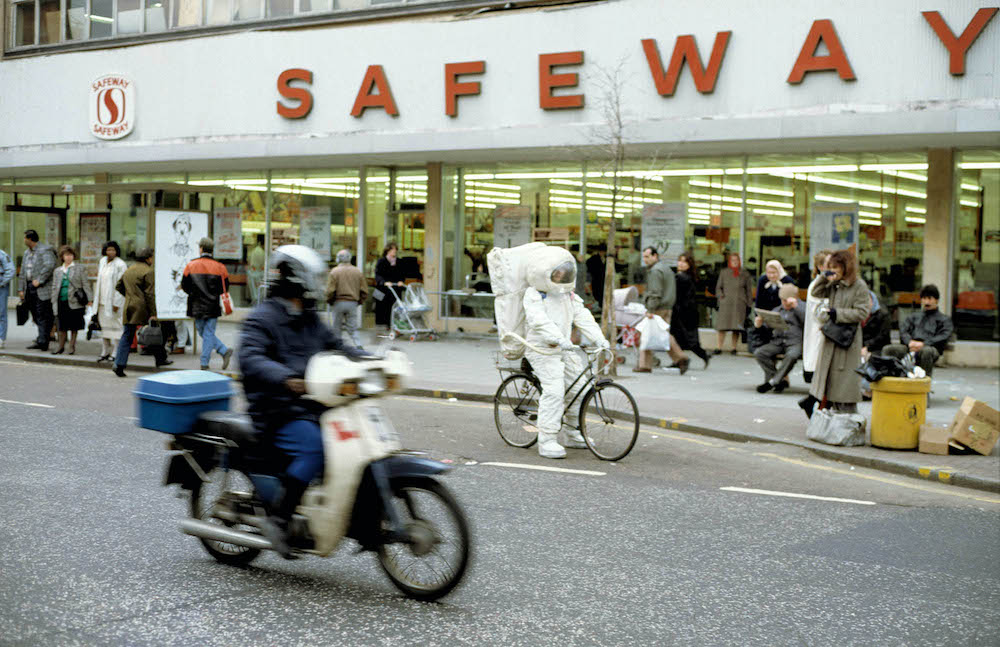
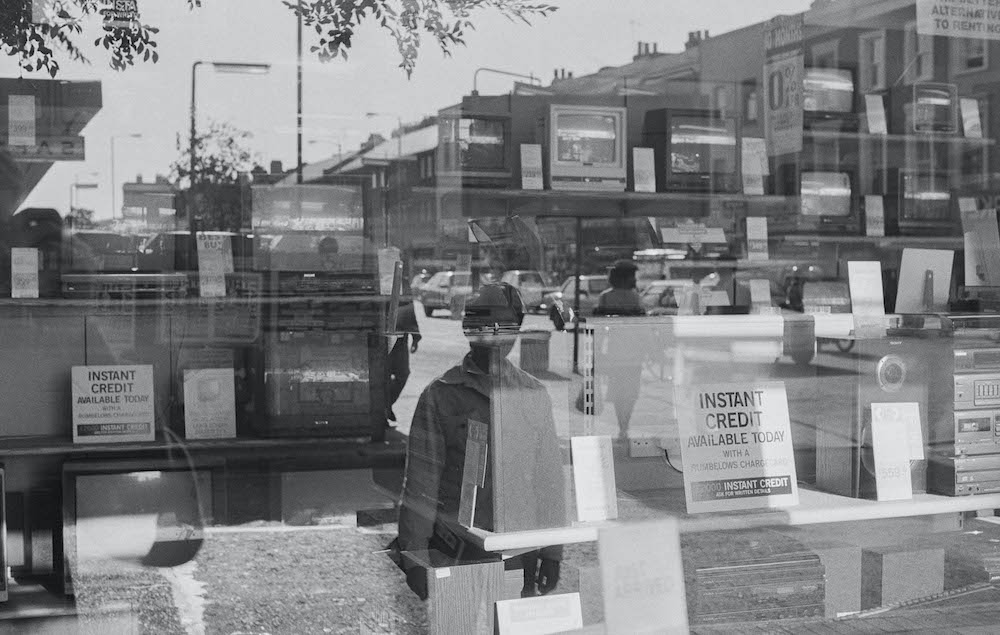
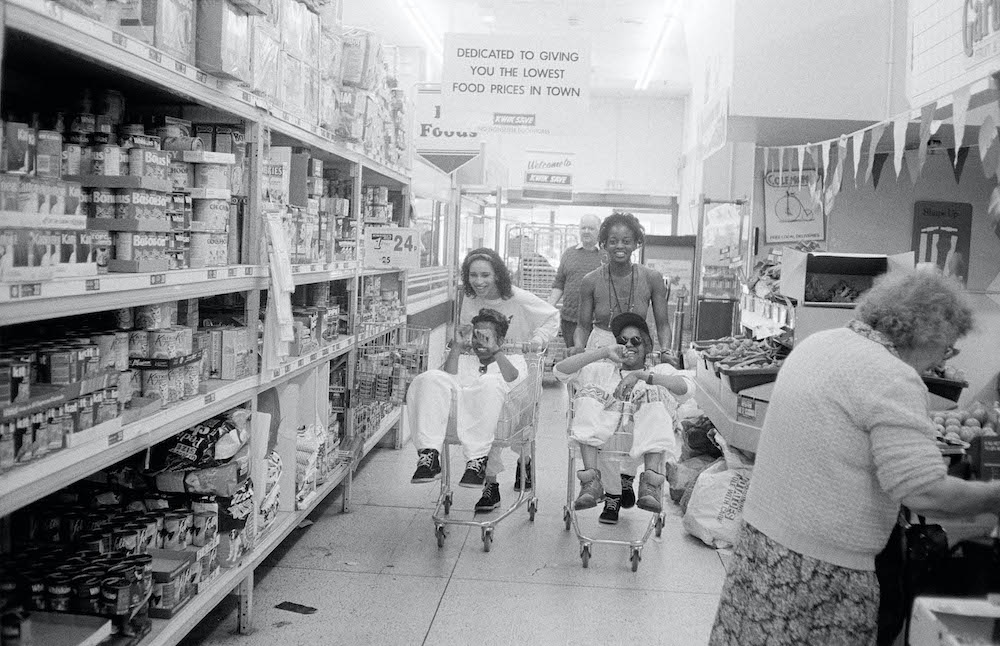
Recently published by Loose Joints, Nigel’s latest endeavour is a 376-page critique into the fashion industry. A steer away from the usual glitz and glamour, the pages are filled with impromptu photographs from a plethora of past commissions – the type that avoids studios or the cold poses and laser stares. Instead, his imagery offers up a well-rounded insight into his subjects, who are often caught mid-grin, having fun with their mates or dressed in an astronaut suit. Think lavished granny carrying her shopping trolly, a model trying not to be a model as she goofily places a globe on her head, and a black and white shot of some kids posing in baggy clothes, similar to garms we see on TikTok today.

© Nigel Shafran 2022 courtesy Loose Joints

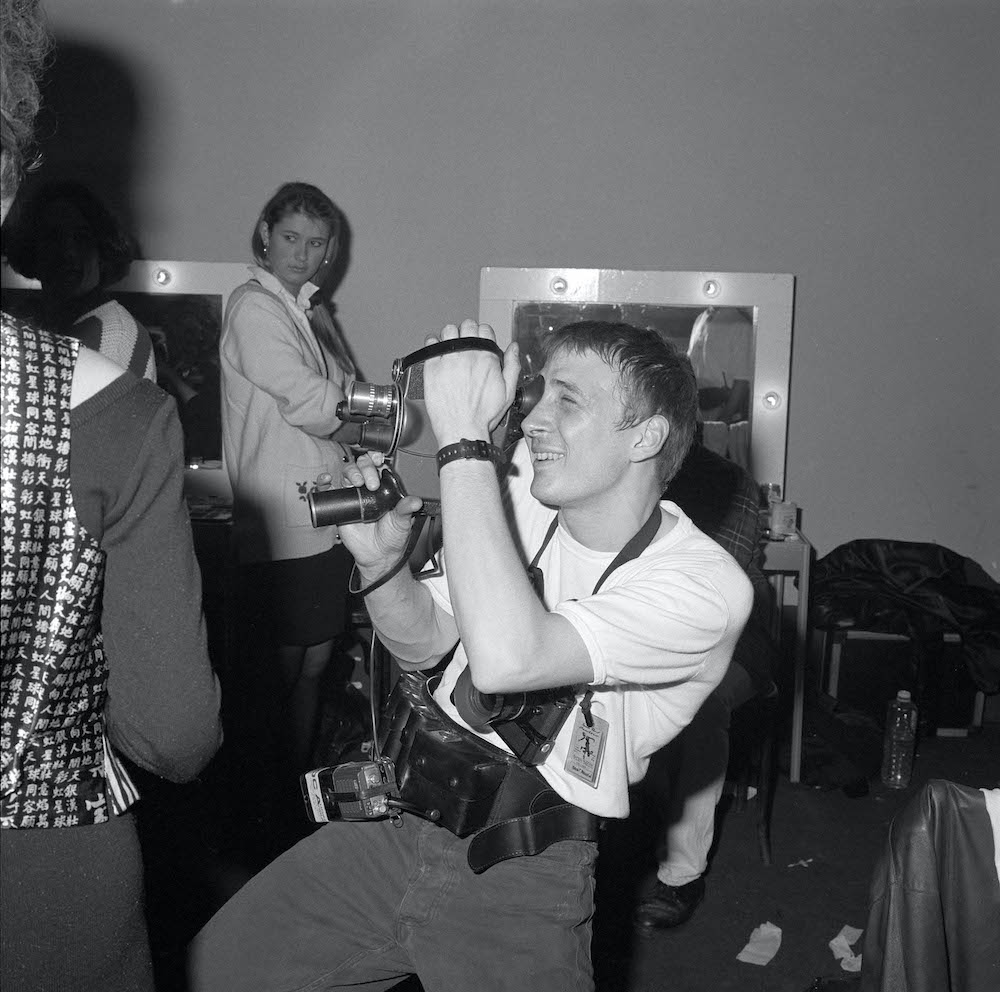
Nigel’s career started in his younger years, where he’d trudge around his local village taking pictures of all sorts of people and places. His first gig was as a photographer’s assistant in London, before he moved to New York City in 1984 to assist in studios and on the streets, namely for commercial fashion photographers. After being deported in 1986 for working illegally, he returned to London and started photographing for magazines like The Face and i-D, utilising a set of 10 Pola Pan black and white 35mm slides, plus a viewer. “I was such a pain in the arse,” says Nigel in the book, often spending ages finding the right light for people to view his slides. 

With a background predominantly in commercial fashion photography, The Well is a juxtaposing albeit welcomed foray into the more idiosyncratic parts of his image-making – the weird, simple and spontaneous. The title – The Well – refers to publishing jargon meaning the central spread of work of the issue, the place in which photographers and writers alike strive to have their work featured. It’s the creme de la creme of the magazine and usually where the most topical and high quality features can be found. So where does Nigel’s work sit amongst it all? 

“These weren’t usual fashion shoots that are often done in a day. You’d go out, come back to show me a picture, and then go back out to take another one. Then you’d take another two or three, and we’d get rid of the first two, over and over again,” writes Phil in the book, in reference to Lost in Space, published in The Face, Seven Sisters Road (1989).

© Nigel Shafran 2022 courtesy Loose Joints

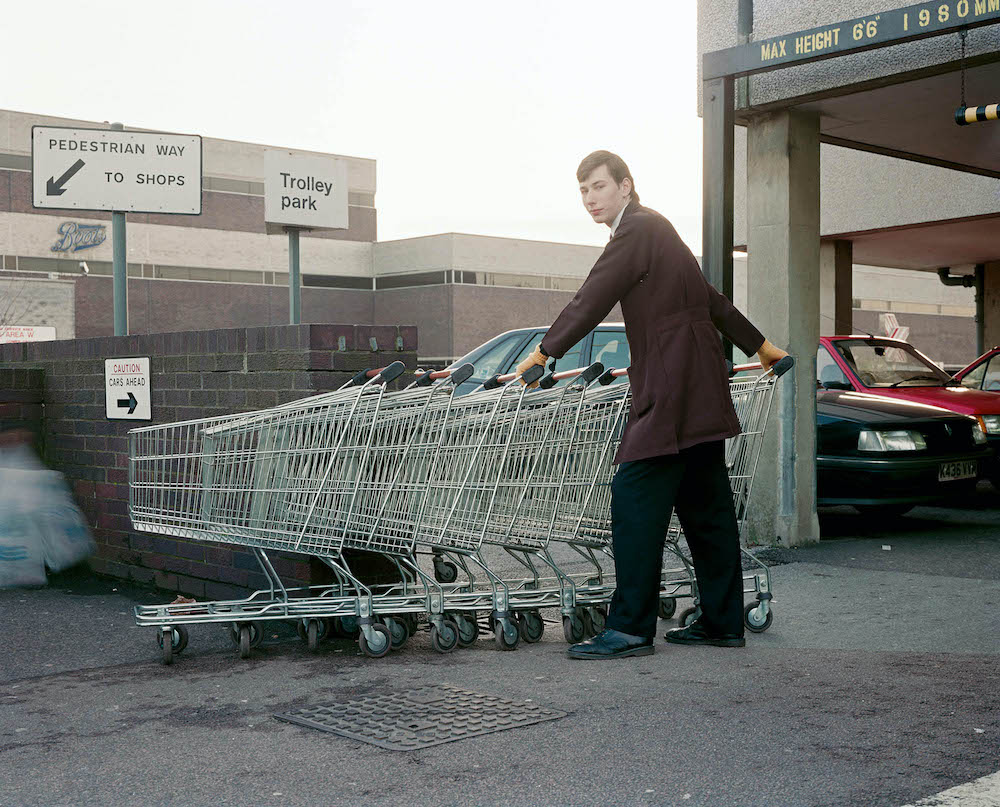
Nigel’s photography is undeniably anti-fashion, which is interesting coming from a photographer who’s carved a career working predominantly in this corner of the industry. Yet his gentle and humanistic eye is what makes his work so captivating. His subjects pose sometimes humorously in carefully curated garments; they smile, jolt and jive in front of the lens without a care in the world. Let’s not forget the fashions either; the more every-day clothing that you’d see on a passer by during your stroll to the off-license. His work signals much about his subjects’ personality, as it does his own. He’s not pretentious, nor is he one to fit into the norm. He wants you to know this. 

“I grew up around the world of fashion, it’s a bit like family,” says Nigel in reference to Fashion Circus, shot for a Jean Paul Gautier show in Paris, and published in i-D, 1990. “Still I always considered myself an outsider, but I’m probably more of an insider, really.”

The Well by Nigel Shafran is published by Loose Joints.

© Nigel Shafran 2022 courtesy Loose Joints

© Nigel Shafran 2022 courtesy Loose Joints

© Nigel Shafran 2022 courtesy Loose Joints

© Nigel Shafran 2022 courtesy Loose Joints

© Nigel Shafran 2022 courtesy Loose Joints

© Nigel Shafran 2022 courtesy Loose Joints

© Nigel Shafran 2022 courtesy Loose Joints

© Nigel Shafran 2022 courtesy Loose Joints


Constructed Landscapes

Dafna Talmor’s spellbinding landscape series encourages a more active way of looking from the viewer

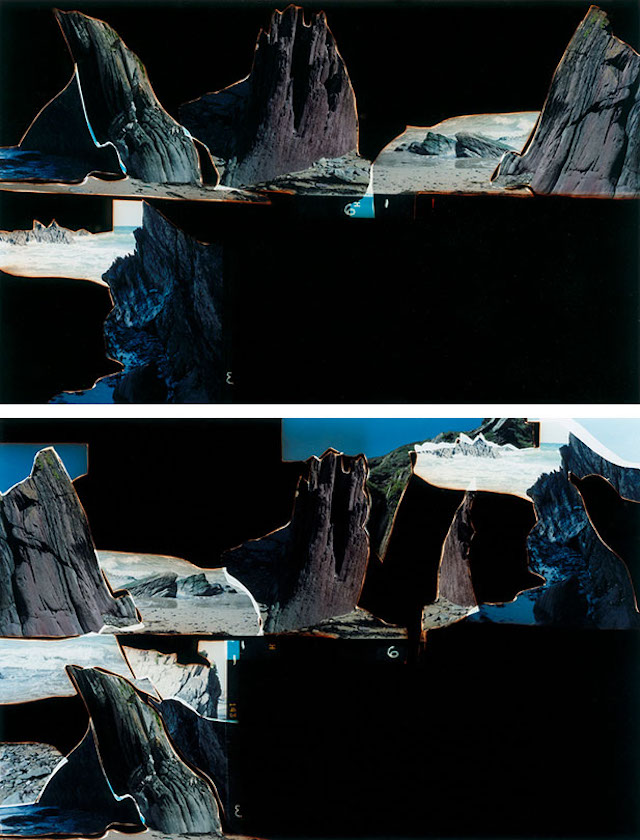
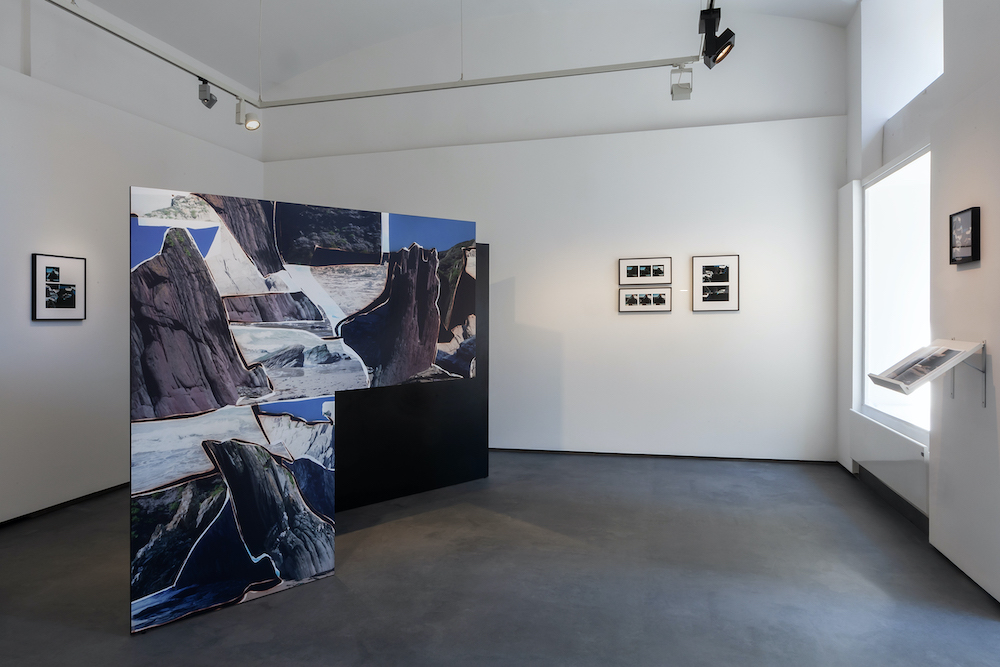
You can immediately tell that this collection of imagery isn’t a literal depiction of a place. But how they’re crafted – so spellbindingly weird and off-kilter – might remain a mystery. These are the works found in Dafna Talmor’s Constructed Landscapes, an ongoing project conceived through a unique process of slicing and splicing. The work is housed over three sub-series and developed over 10 years, the result of which is a collection of remodelled environments shot over various locations in Venezuela, Israel, the US and UK. What’s interesting, though, is its merging familiarity and the unknown; maybe you’ll recognise a tree or lake, before it slowly it morphs into an experimental yet staged recreation.

Dafna is an artist and lecturer based in London whose work spans photography, video, education, fine arts, curation and collaborations. Her works have been exhibited wildly, and her pictures have been included in private collections internationally as well as public, including Deutsche Bank, Hiscox. Through her practice, she tosses all preconceptions of the photographic medium in the fire and asks us all to question the role and methods behind taking and constructing an image. Constructed Landscapes does just that as it features transformed colour negatives, alluding a version of utopia – somewhere far away from a concrete reality. 

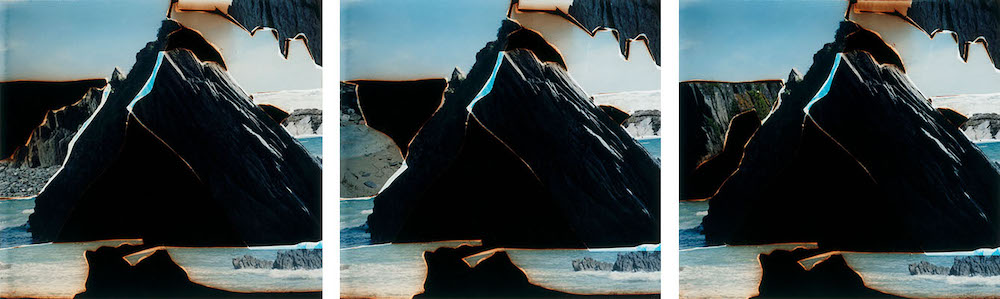
In terms of the process, Dafna condenses multiple frames and collages the negatives. It’s a technique that enables her to re-centre the focus point of the photograph, placing more emphasis on the technique of layering and assembling, rather than an obvious subject matter. By doing so, elements from differing frames crossover and interact with one another, causing fragments to collide and, in essence, create a new version of itself. In somewhat of a succinct summary of her alluring methodology, this is how her hypnagogic photographs are formed. 

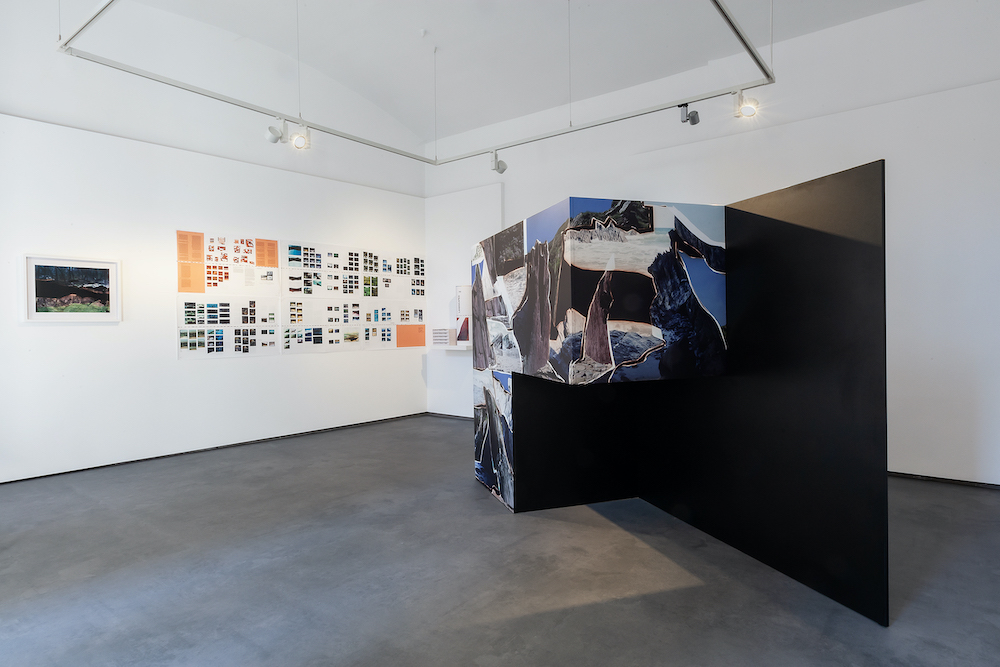
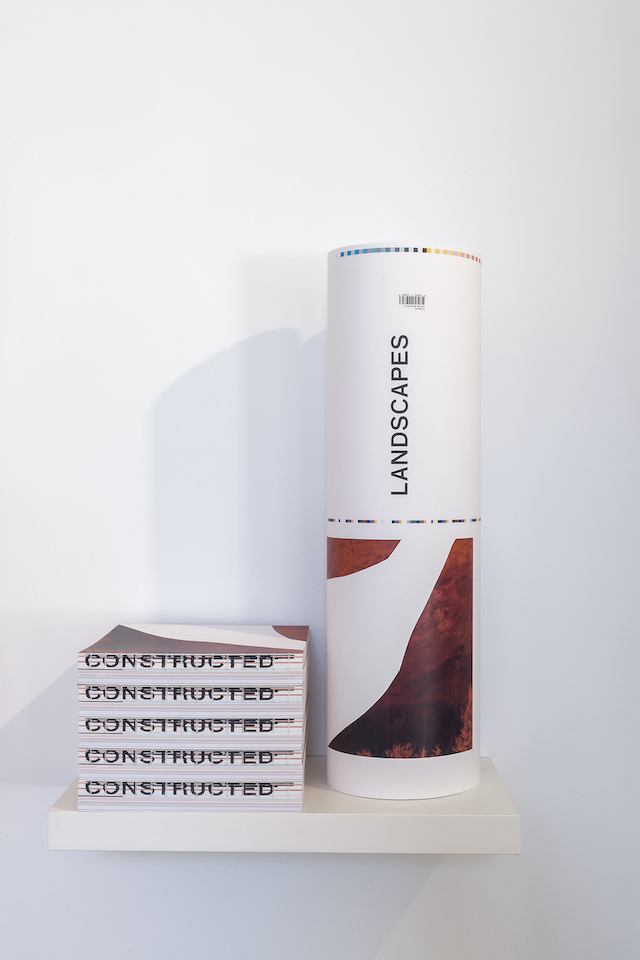
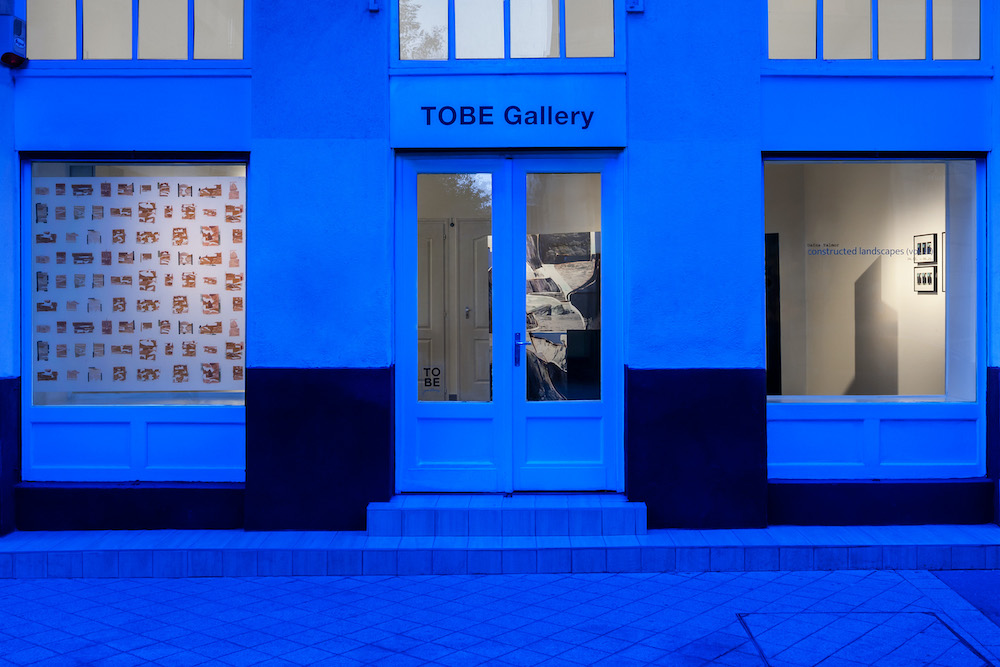
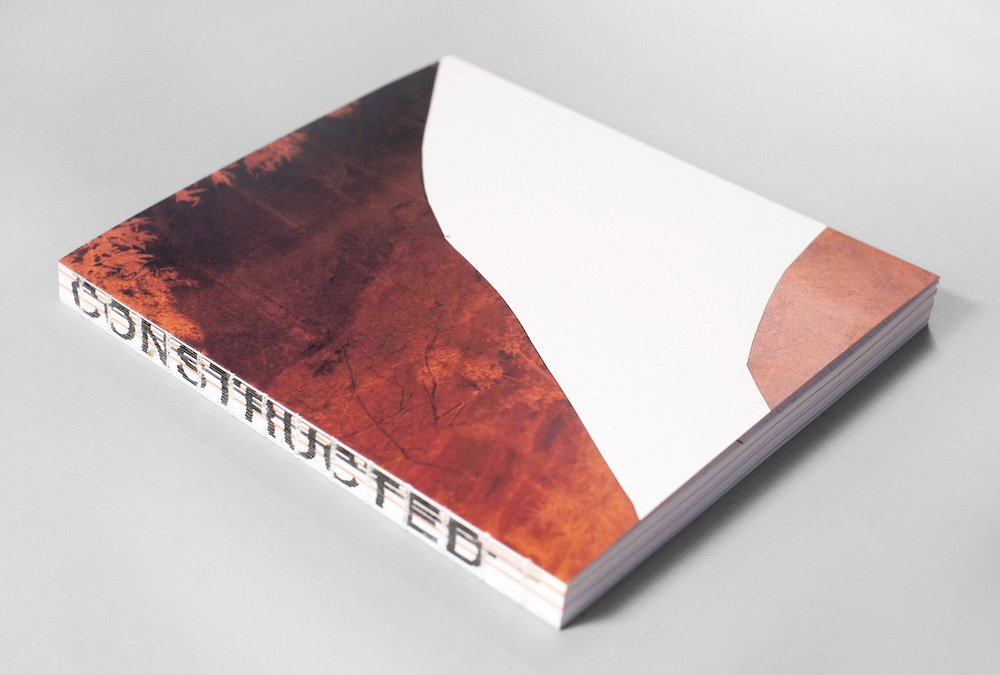
However, Dafna’s work goes far deeper than the intriguing process. In fact, the series references moments of photography history, such as pictorials processes, modernist experiments and film. Wonderfully allegorical, this opens up a dialogue about the role and study of manipulation, pointing the viewer at the crossroad of the analogue and digital divide. Yet aside from the questions that will arise, the work is simultaneously a beautiful merging of fact and fiction where burnt out hillsides, rusty toned bushes and treetops are combined. It’s a vision; one that transcends the 2D image into site specific vinyl wallpapers, spaces, photograms and publications. Not to mention the numerous exhibitions, including a recently closed show at Tobe Gallery in Budapest, accompanied by a book. 

Speaking of the works involved in this show, Dafna writes in the release: “Site-specific interventions have consisted of several iterations of a flatbed scan of a clear acrylic board – used to cut my negatives and protect my light box since the inception of the project – as source material. Over time, I became interested in the object beyond its practical function and the way in which the residue and traces of the incisions allude to the manual process in an abstract yet indexical way. Like a photographic plate, the embedded marks represent the manual labour and passing of time, acting as a pseudo document that continually evolves with each new incision.”

“Besides a series of spatial interventions, the cutting board has been used to produce several editions of direct colour contact prints to date,” she adds. “Alluding further to its subtle transformative nature, one could say the colour photograms bear a more analogous relationship via the preservation and reproduction of the one-to-one scale of the incisions. When printed, the orange reddish hues are in dialogue with the red flares – consequently transposed and scaled up from the cuts on the negatives – in the main exhibition prints.”

“Through the various components of the project, an intrinsic element of the work is embedded, suggested and explored within the photographic frame in a myriad of ways; diverse forms of reproduction, representation and notions of scale that get played out aim to defy a fixed point of view, in terms of how images of – and actual – landscapes, are experienced and mediated. Inviting the viewer to move in and out of the frame, aims to encourage a more active way of looking and perpetuate a heightened awareness of one’s position as a viewer.”

Overture

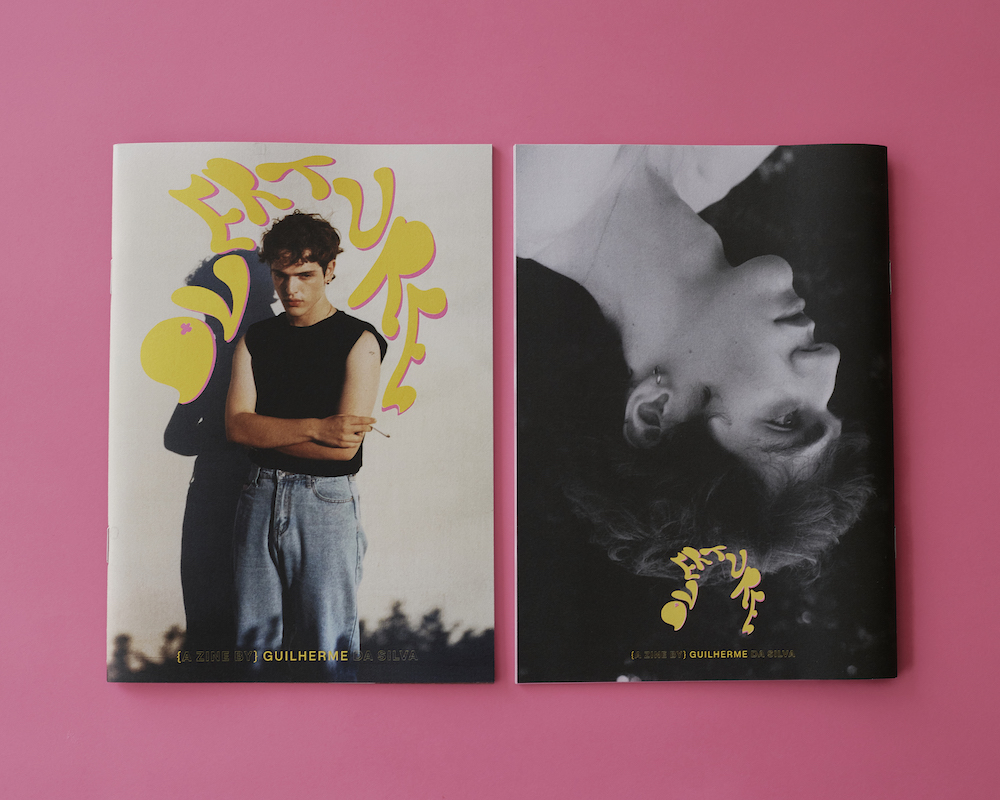
Guilherme da Silva’s new zine provides a vision of utopia and safe space for the LGBTQ community  

In 2019, when Guilherme da Silva took a picture of his friend in Venice, he knew instantaneously that he needed to build a wider series. Perhaps it was the aftermath of being broken up with by his boyfriend – enduring a somewhat sensitive outlook on the world – or maybe it was more of an inherent drive hidden deep inside, that only needed a little nudge (or picture) to be let out. Either way, it was this very moment that sparked the idea to produce what would later become Overture, a zine which encapsulates Guilherme’s deep truths both as an individual and as a photographer: to support and provide a safe space for the LGBTQ community.

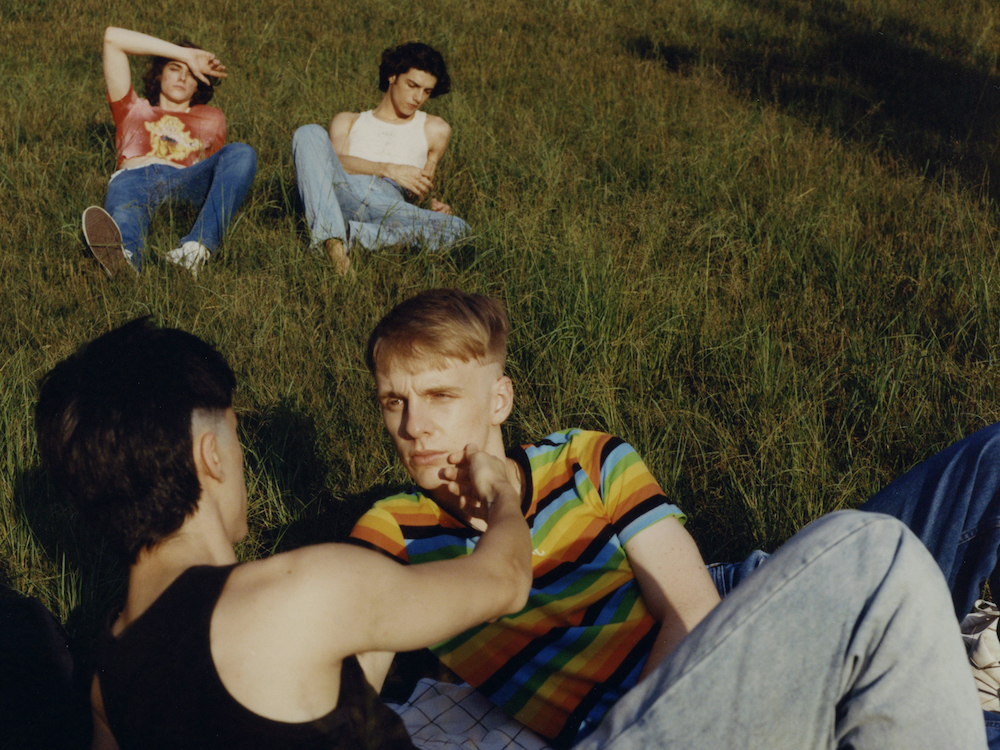
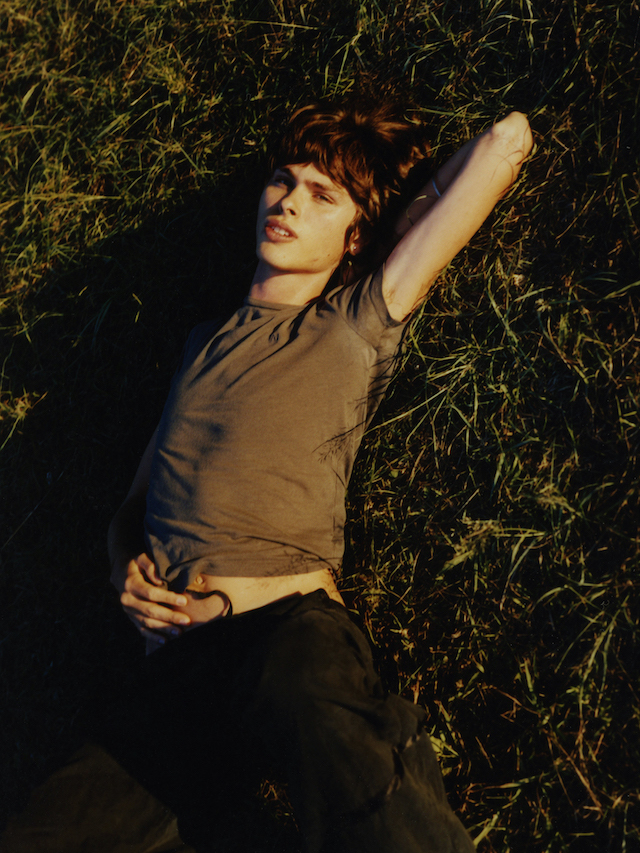
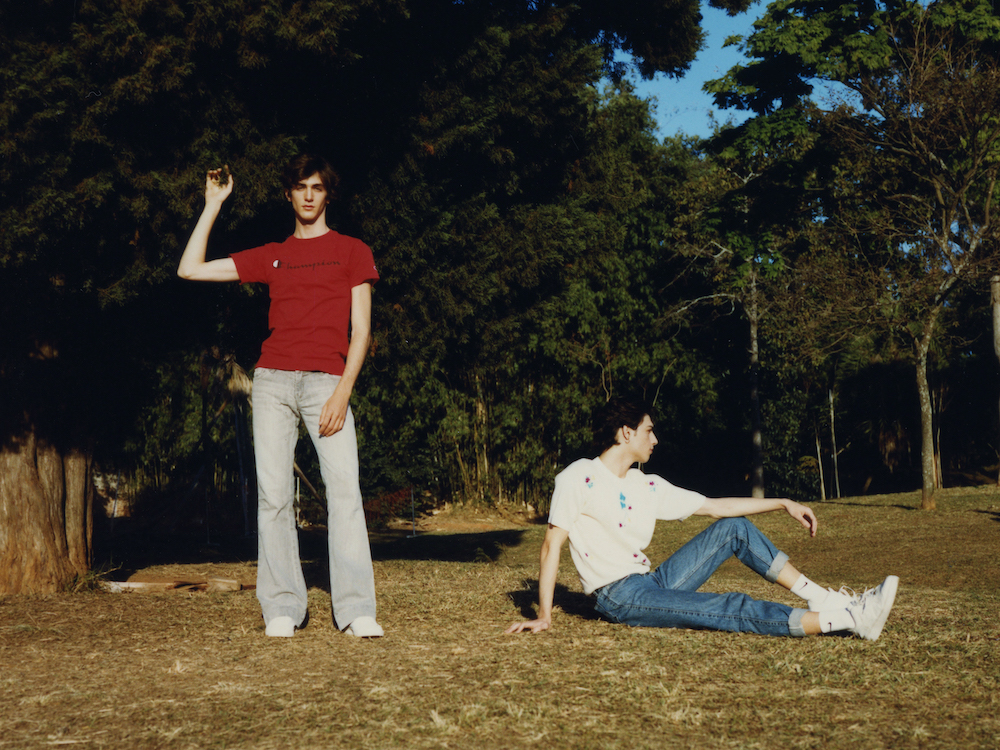
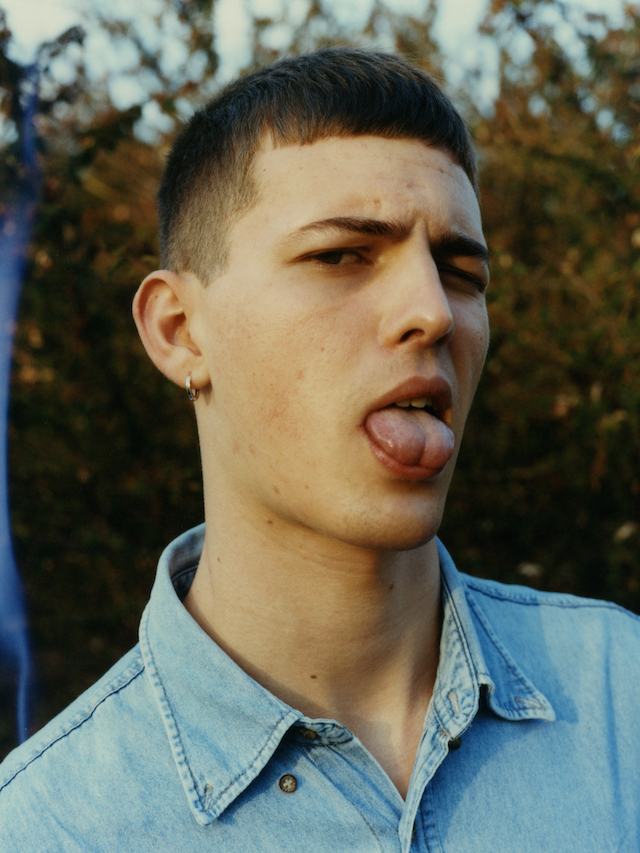
Nodding to the concept of Arcadia – a vision of utopia – and inspired by the work of Thomas Eakins, Guilherme has collated an intimate documentation of queerness in Brazil. As a country that’s less than accepting of the LGBTQ community, Guilherme turned towards photography as a way of understanding his own identity and experiences; he urges those who see themselves in his pictures, and those observing this works, to do the same. It’s not been an easy ride for the photographer, having experienced LGBTQ-phobic attitudes in the industry which sparked a bout of depression. But having self-published his own zine, Guilherme is taking matters into his own hands and hopes to continue building on this empowering body of work. In fact, it’s in the zine’s name Overture, which alludes to the opening of an opera. This edition is an introduction to a longer body of work in the future. I chat to Guilherme to find out more below. 

Dries at the park, 2021

What’s your ethos as a photographer, and what stories excite you?

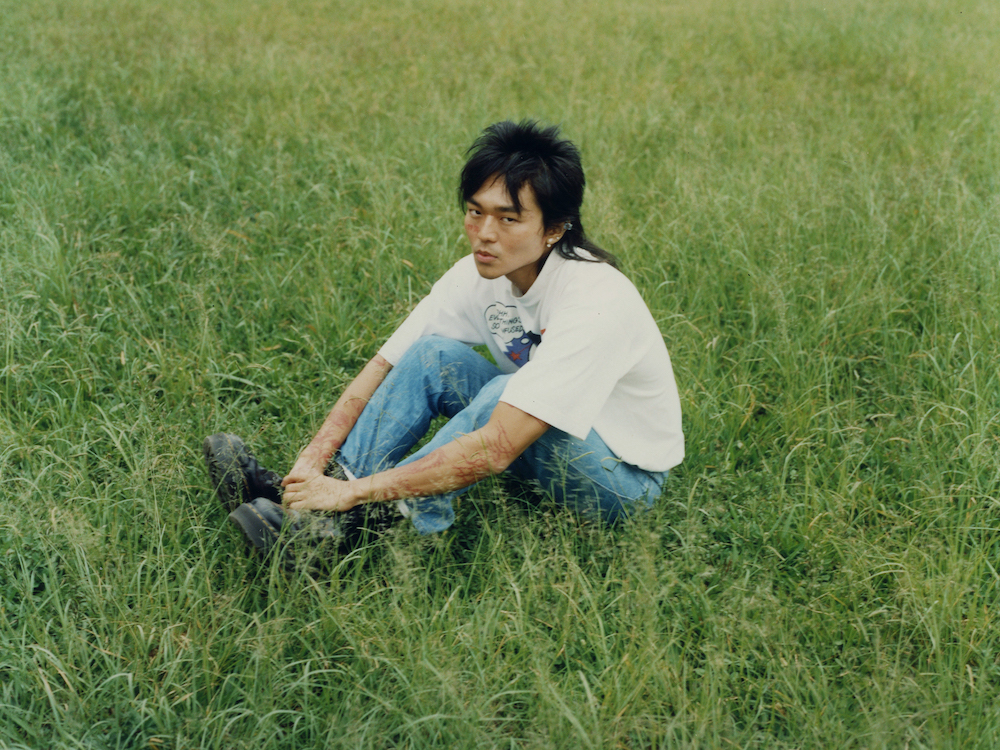
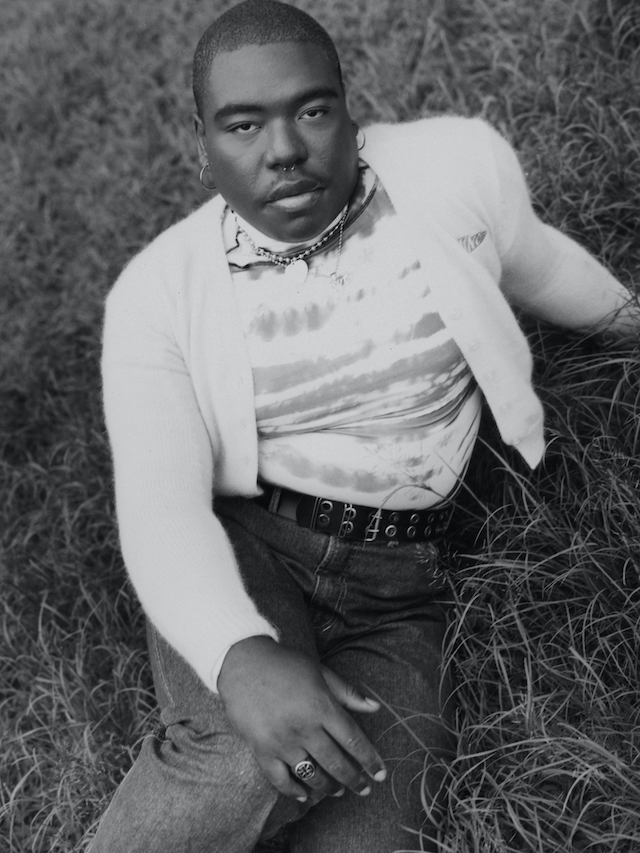
I think it’s diversity to say the least. When it comes to my work, everything is so deep inside me that sometimes I can’t explain in words. But what has been driving me to create since the beginning is the people that I’ve met throughout the years; the connection I created with them. Part of what I’ve been doing lately in my work (and what I did with the zine) is creating this sort of tribe of young people who live in this utopian land away from the corruptions of society. And this is not just in the pictures; we ended up creating a community where everyone supports each other. What excites me about being a photographer is what comes after the photography.

Ayrton and Matheus at the park, 2021

What inspired you to make this zine?

Well, when I’m not doing my personal projects, I work as a very commercial fashion photographer in Brazil. What inspired me to start the zine was the frustration I had with people who wanted to shape the way I was supposed to be photographing – not just the technique, but also who I was photographing. I heard so many LGBTQ-phobic speeches during meetings and work that sometimes I felt like I was not welcomed, that I was there just to press a button. I ended up with anxiety and depression and, to pull me out of that dark place, I knew I had to find a place to be safe. During the process, the pandemic hit and I had to postpone the beginning of the project. The situation in Brazil has been awful because of the government and I knew this was another reason why I should start this project. The zine is about this group of queer people that I wanted to portray in this place that nobody knows where it is but everyone wants to go there. It’s Arcadia, it’s a scape. 

Heart-shaped tongue, 2021

Who are we meeting in the zine, where are we visiting, what stories are we hearing?

All of my personal work feels like a self-portrait to me, so the zine is pretty much about the feeling I was talking about in the answer above. We are meeting this group of queer people who lives in this utopian land, like the concept of Arcadia. I was very inspired by the ‘Arcadian’ paintings of Thomas Eakins, the political view behind the work of Justine Kurland in her book Girl Pictures, and also the works of Nan Goldin and David Armstrong. 

Tell me more about the people you’re photographing in your zine, and how you strive to represent them? 

I think everything happens so effortlessly. Most of them I meet online first and then we meet to take the pictures, most of the time with their own clothes, sometimes I use some of mine. It’s so simple and beautiful.

What does photography mean to you, what’s its purpose?

Photography for me is my joy, it’s what allows me to understand more about the world and more about who I am. It’s what makes me feel sane.

Kenzo at the park, 2022

What can your audience learn from this zine?

They can learn how important it is to create communities when you are LGBTQ+, where you can meet people and talk about your experiences. It’s important to have this safe place where there’s no judgement and you learn more about who you are. We spend so much of our lives trying to hide ourselves when we were kids that when we are adults we have to discover our true selves. Being inserted into a community that protects you can help a lot.

What’s next for you?

The title of zine means this one is just the first, I’m already working on my next publication and I definitely want to work more collectively with stylists, make-up artists and creative directors who are open to accept my view. 

Leo at the park, 2021

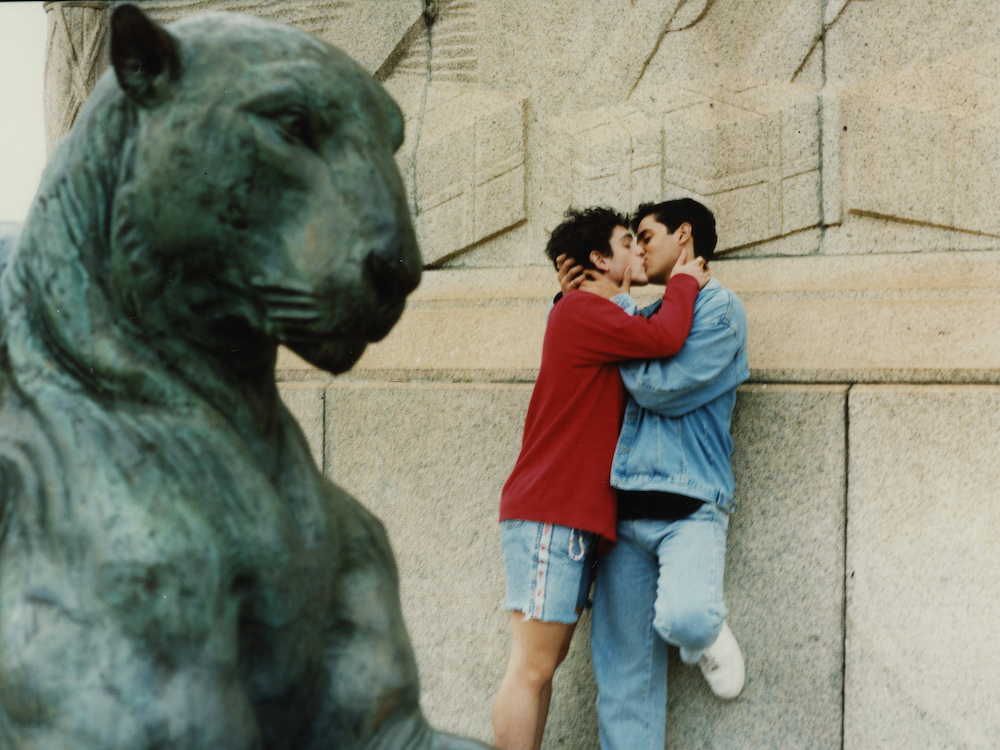
Lucas and Leo kissing at the monument, 2021

Pedro at the park, 2022