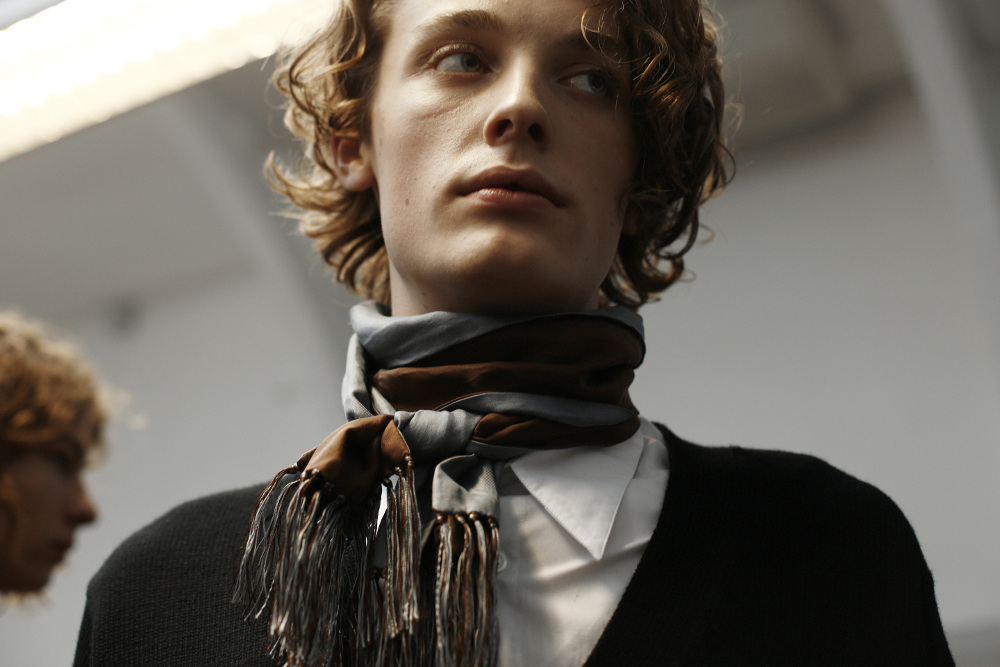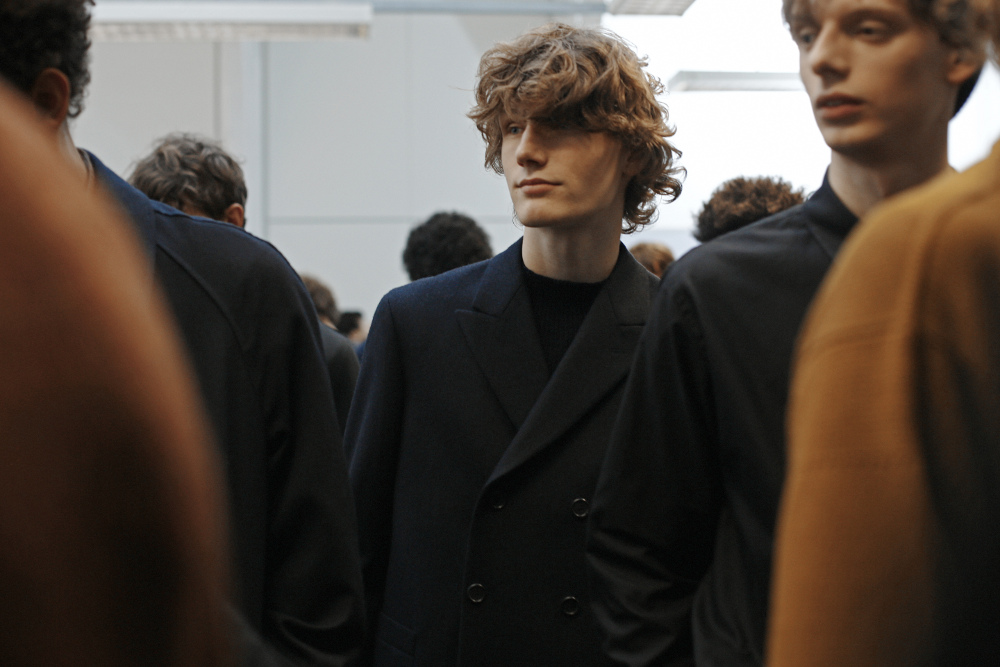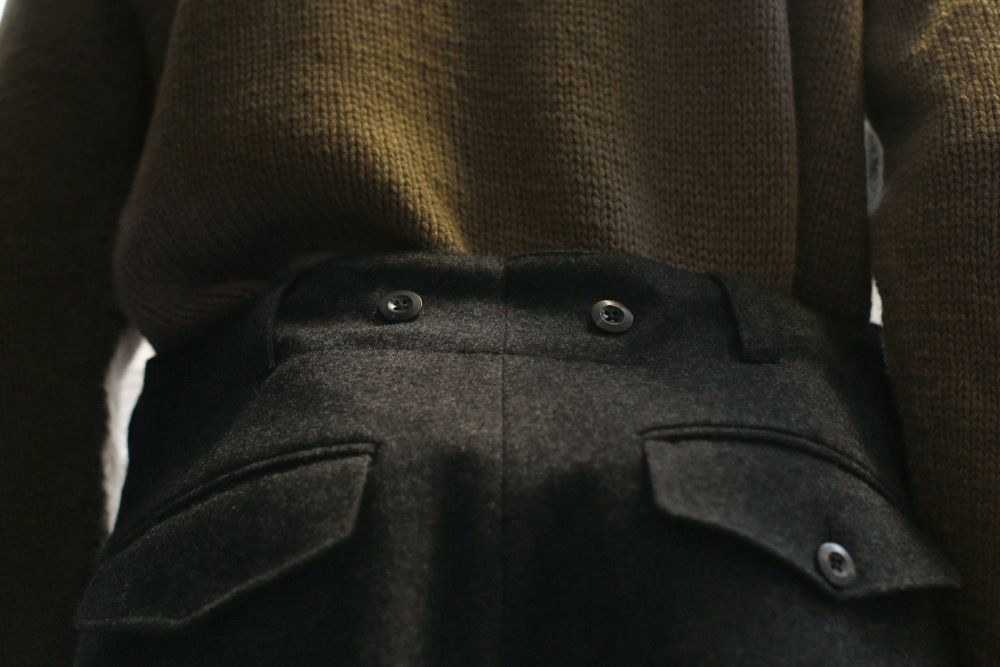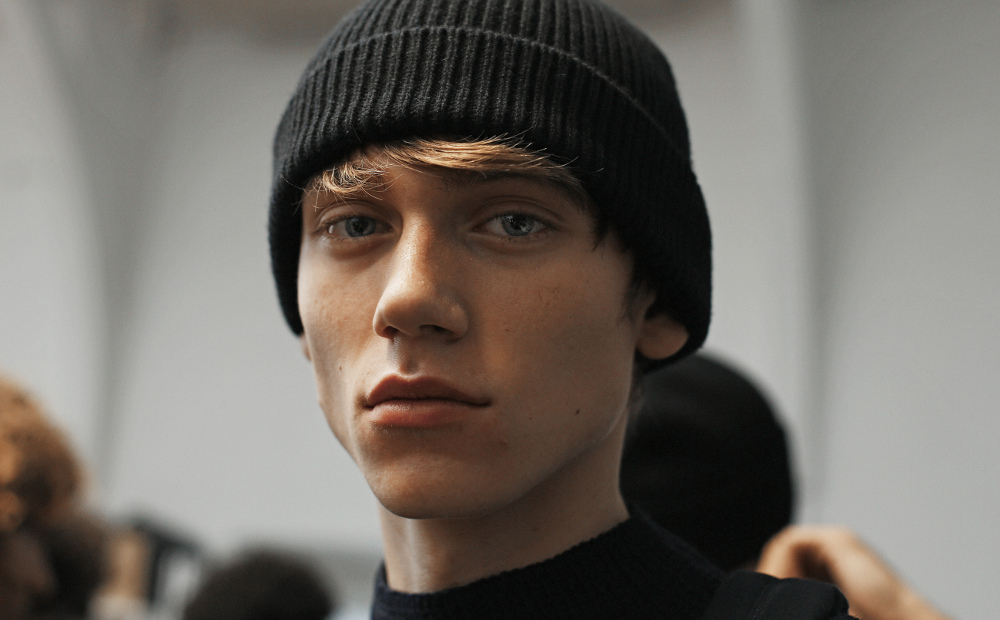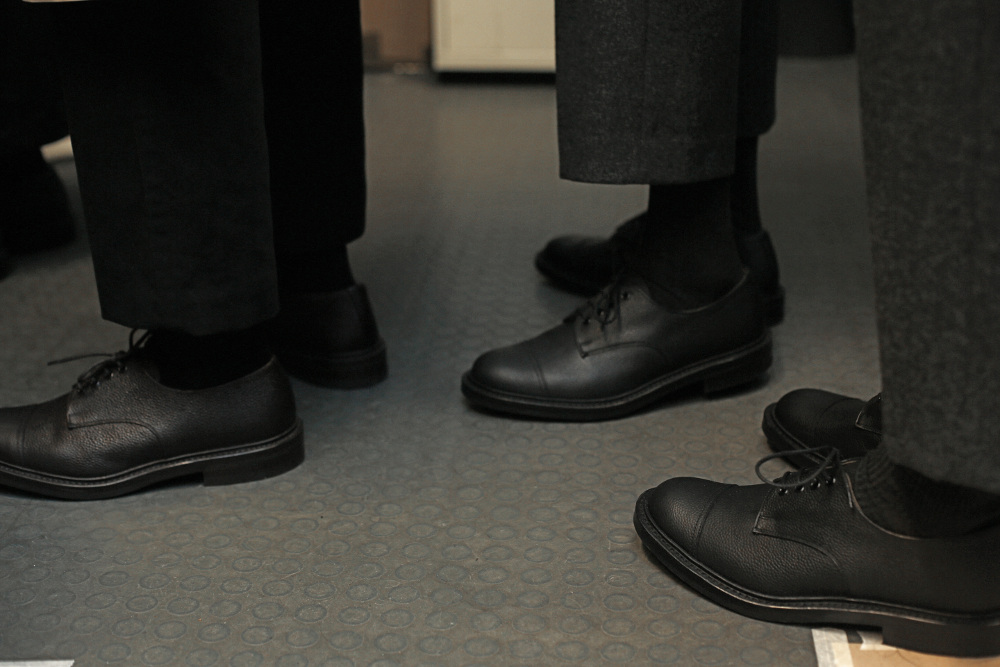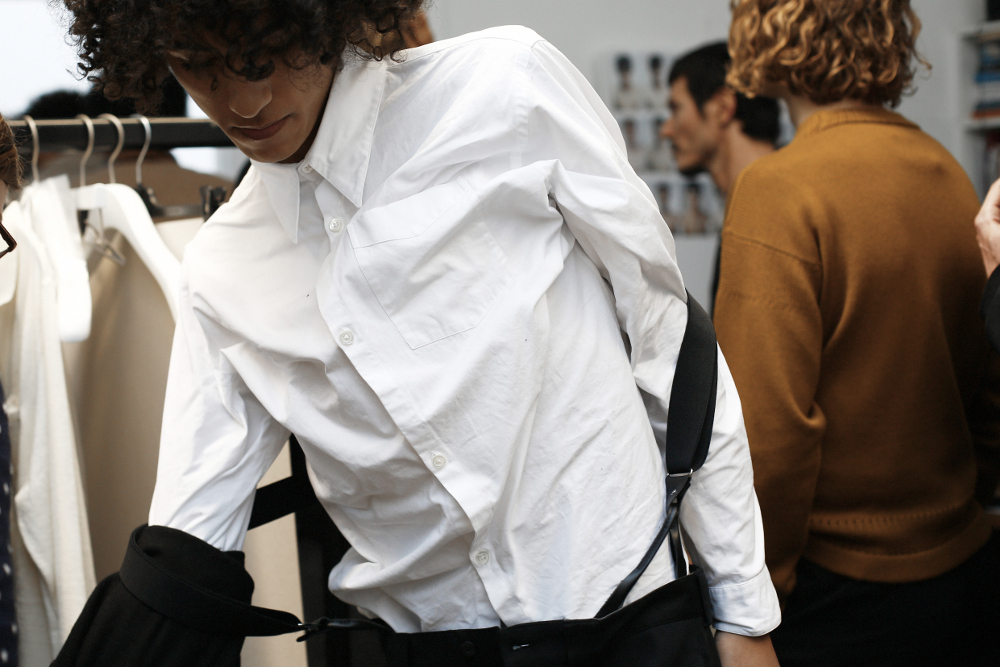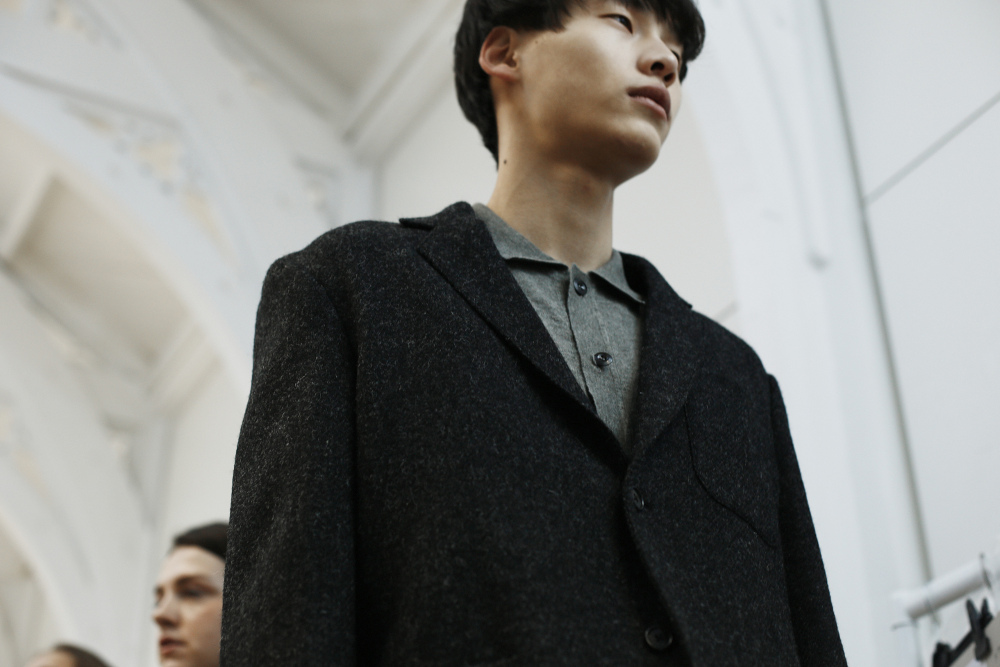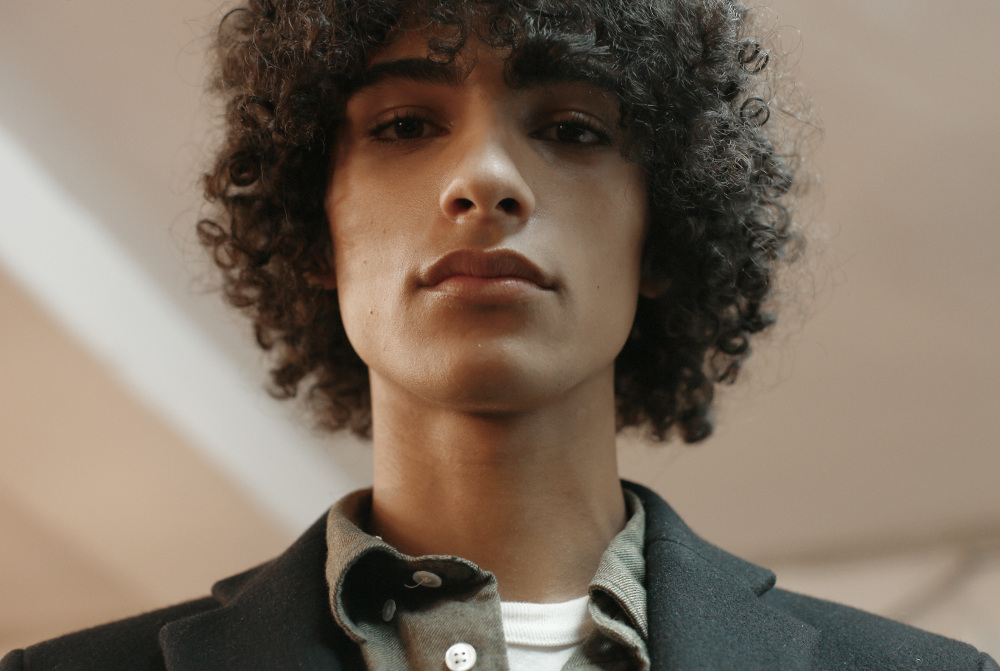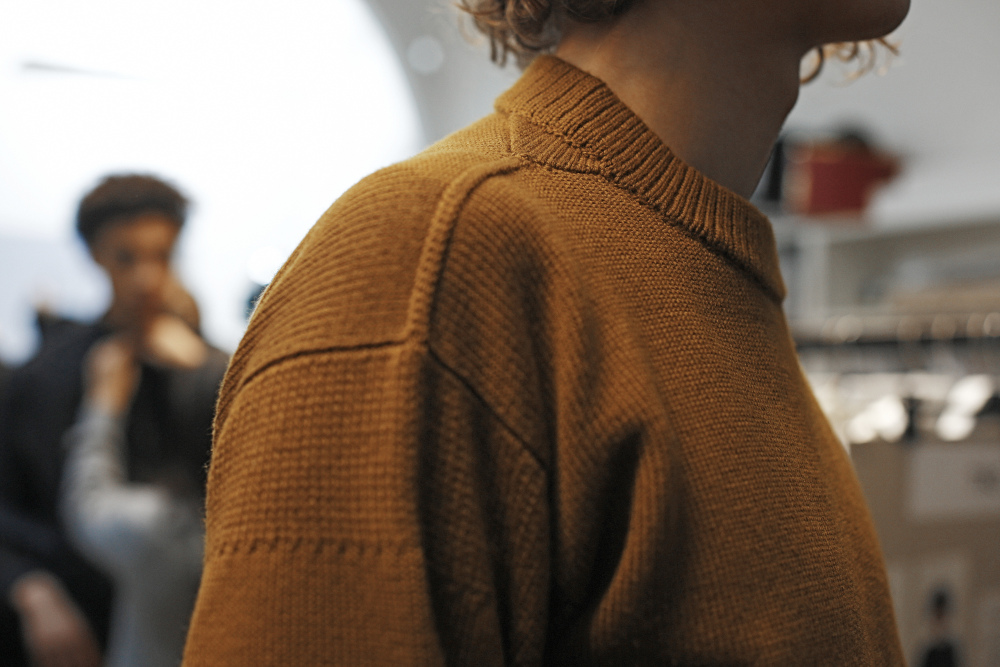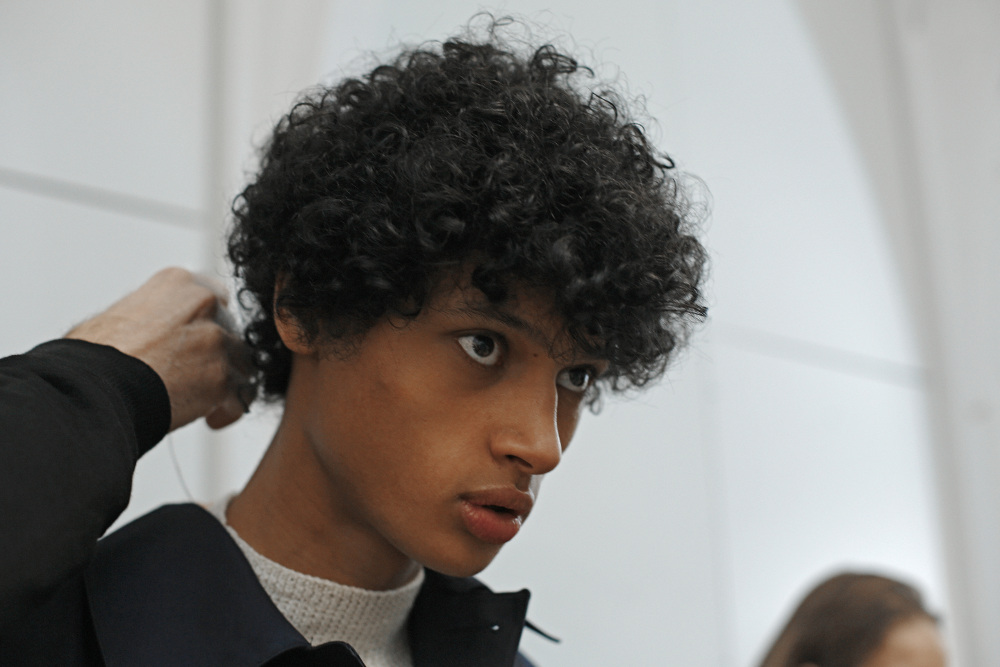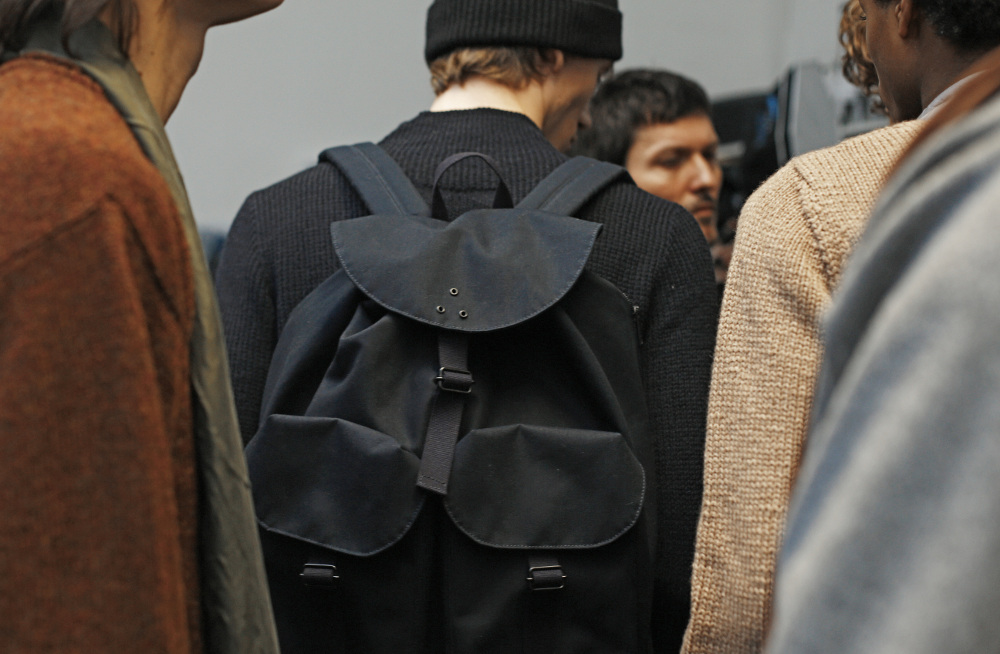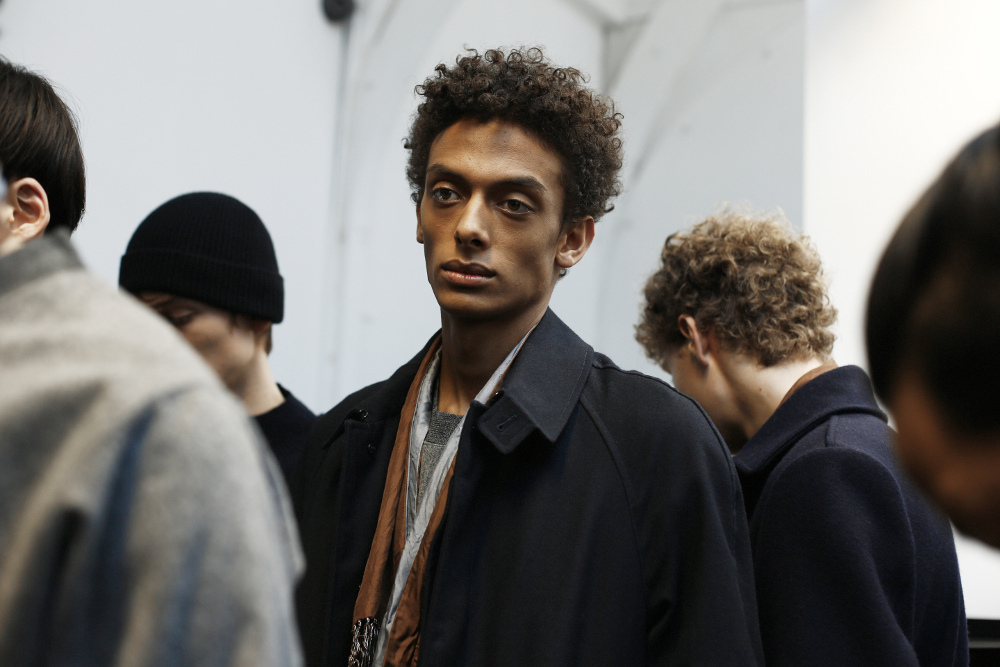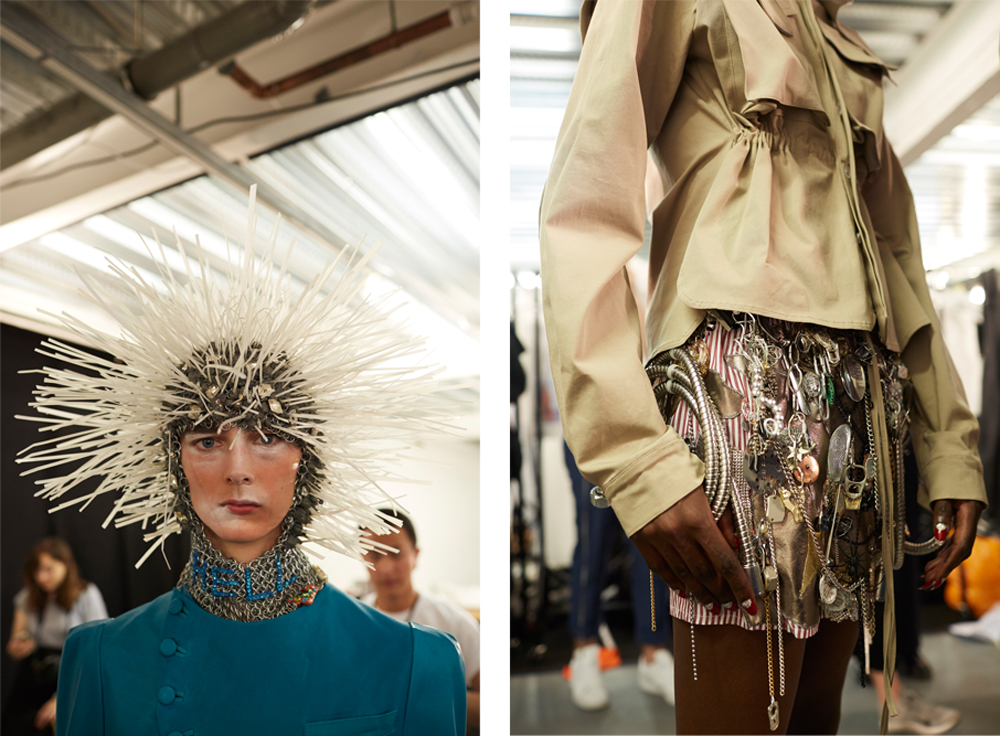


Sophie Green goes backstage at the MAN SS17 show at LCM to discover the intricate cosmos of newcomer designers Fengchen Wang and Charles Jeffrey Loverboy.


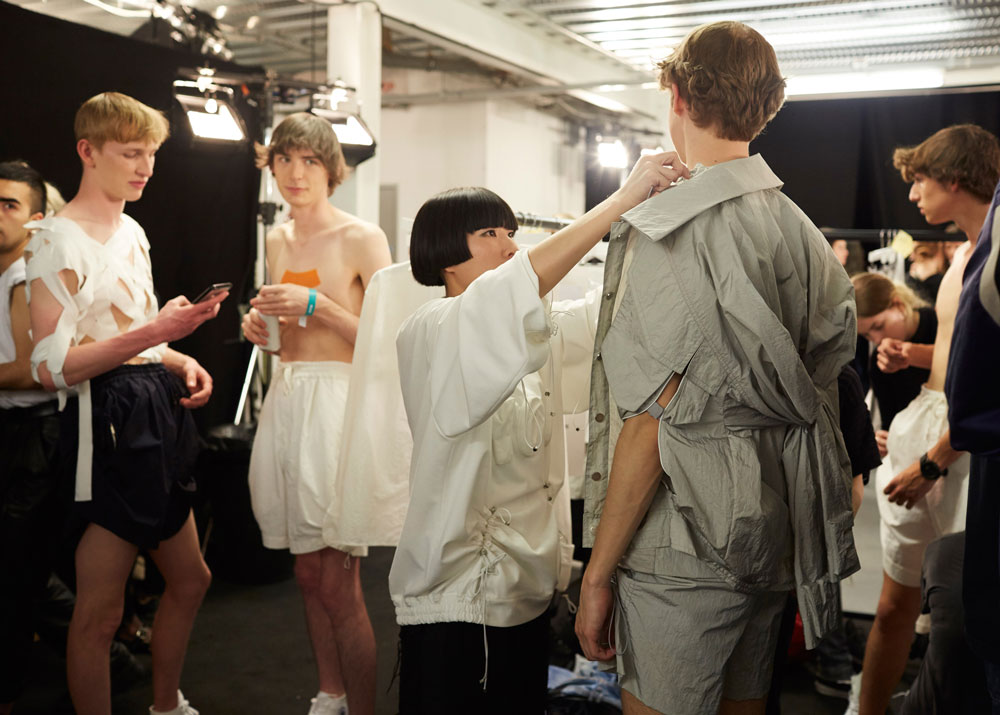
 Sophie Green goes backstage at the MAN SS17 show at LCM to discover the intricate cosmos of newcomer designers Fengchen Wang and Charles Jeffrey Loverboy.
Photography by Sophie Green
Subscribe to Port Magazine annually and receive each issue to your door.
Get PORT in printSubscribe to Port Magazine annually and receive each issue to your door.
Get PORT in print
Sophie Green goes backstage at the MAN SS17 show at LCM to discover the intricate cosmos of newcomer designers Fengchen Wang and Charles Jeffrey Loverboy.
Photography by Sophie Green
Nigel Cabourn, the connoisseur of outerwear, exploration and vintage, tells us how New Zealand explorer Sir Edmund Hillary continues to inspire his work
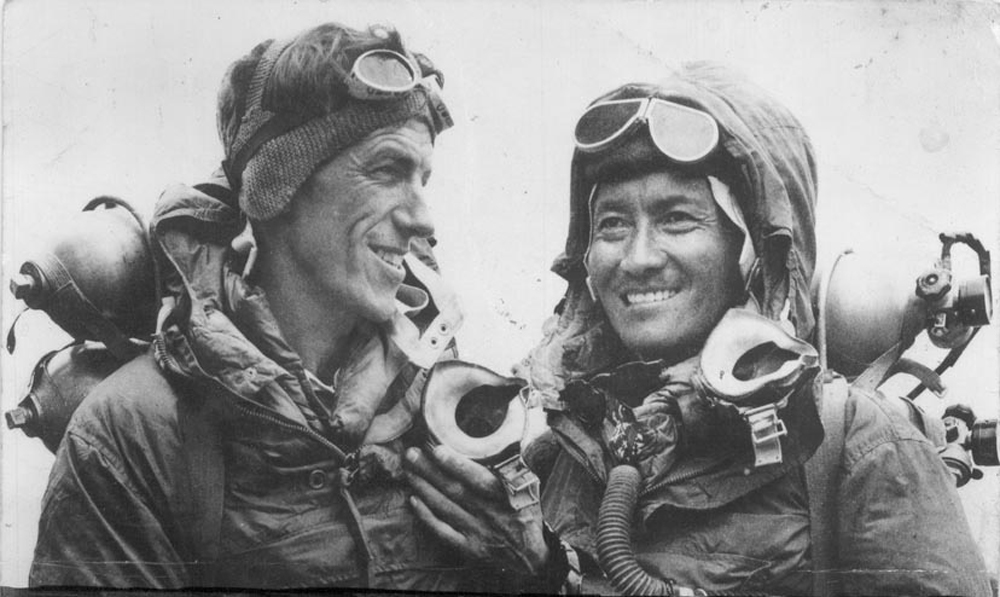
In the lead up to his SS17 presentation at London Collections Men, British designer Nigel Cabourn explains why, Sir Edmund Hillary, the first non-Nepalese climber to summit Mount Everest, is a continuing source of inspiration.
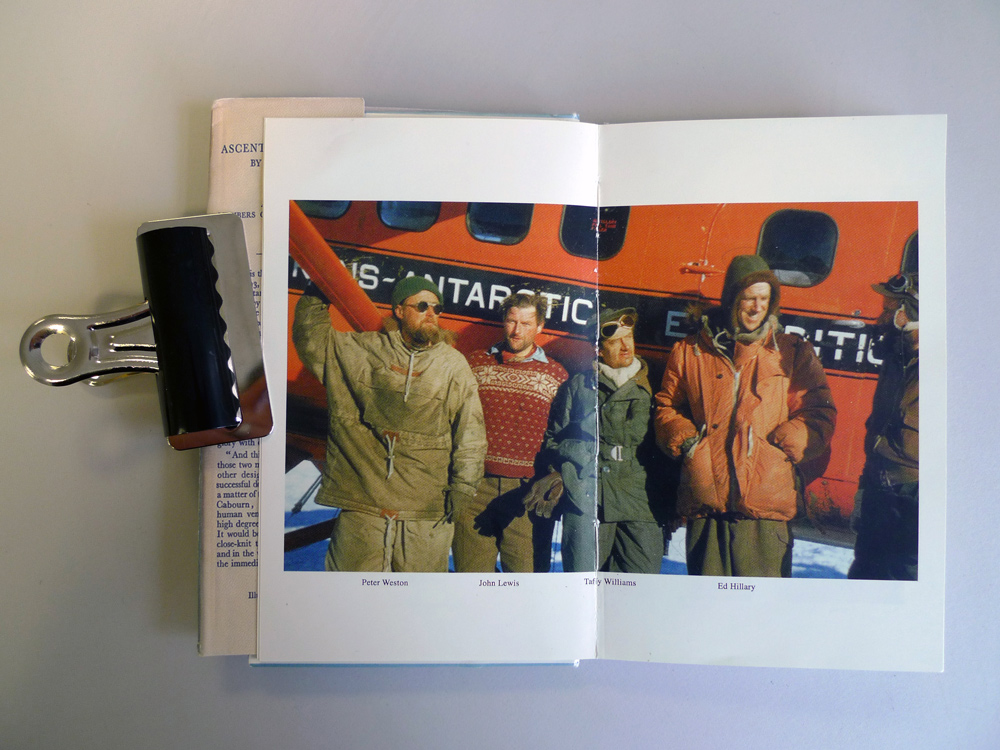
“Everything I design comes from either a moment in history, an inspirational person or a vintage garment. I have so many heroes from the past 100 years of history, so to pick just one is a tough ask for me. But if I have to single out one then it has to be Sir Edmund Hillary.
“The 1950s is probably my favourite period for inspiration, which I’ve used a lot in my designs particularly in the past 15 years. Top of the tree in this period for me is Hillary – he was an amazing mountaineer, explorer and philanthropist.
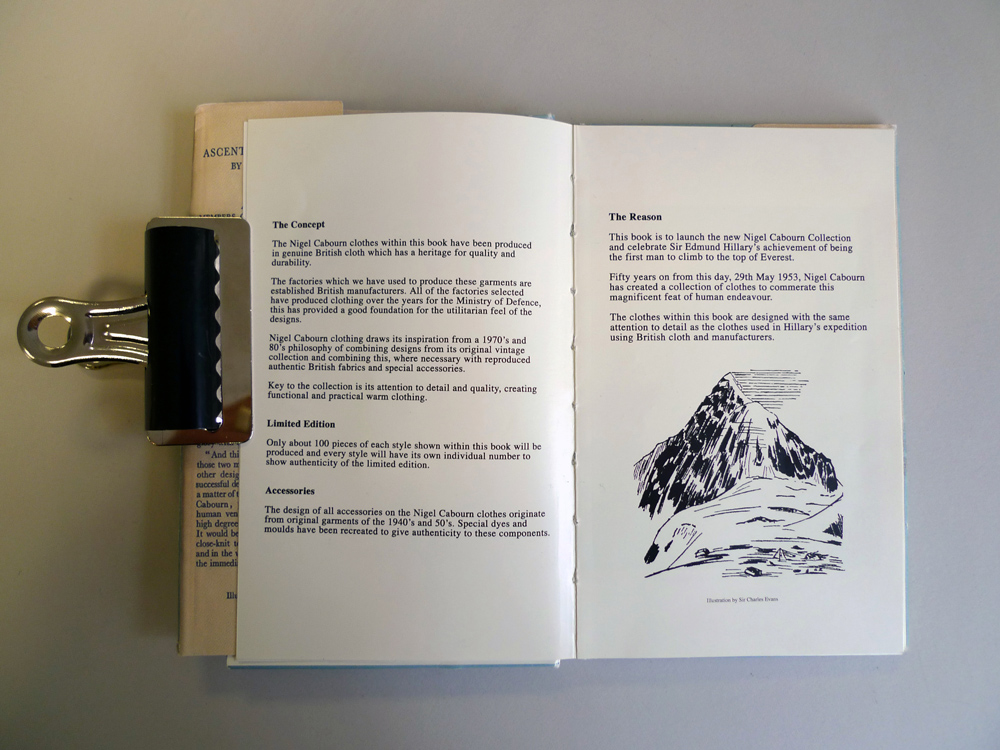
“Two of his best-known feats at this time have inspired collections by me. His ascent of Everest in 1953 and becoming the first man to do so alongside Sherpa Tenzing Norgay inspired my 2003 ‘Ascent of Cabourn’ collection.
“This then gave birth to some of my now classic pieces – the Everest Parka and Mallory and Cameraman jackets; and his participation in the Commonwealth Trans-Antarctic Expedition when he reached the South Pole overland in 1958 in a Ferguson tractor, inspired my recent AW15 collection.”
As Turnbull & Asser celebrates 130 years of British excellence, we gain an insight into the brand and its new book with menswear writer James Sherwood
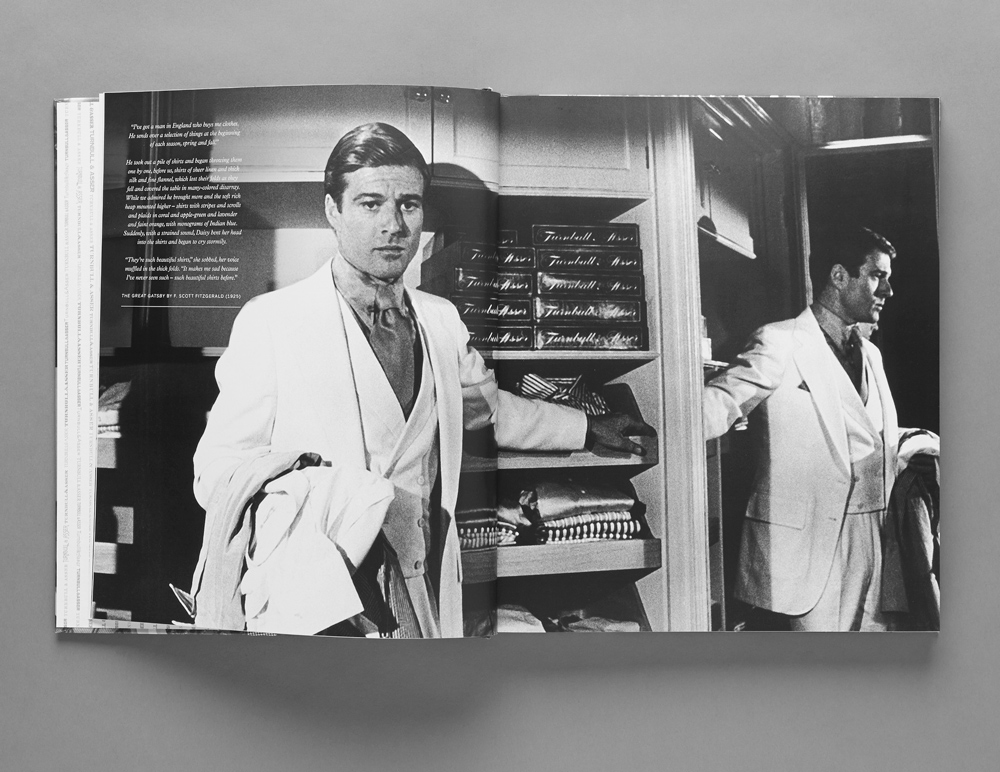
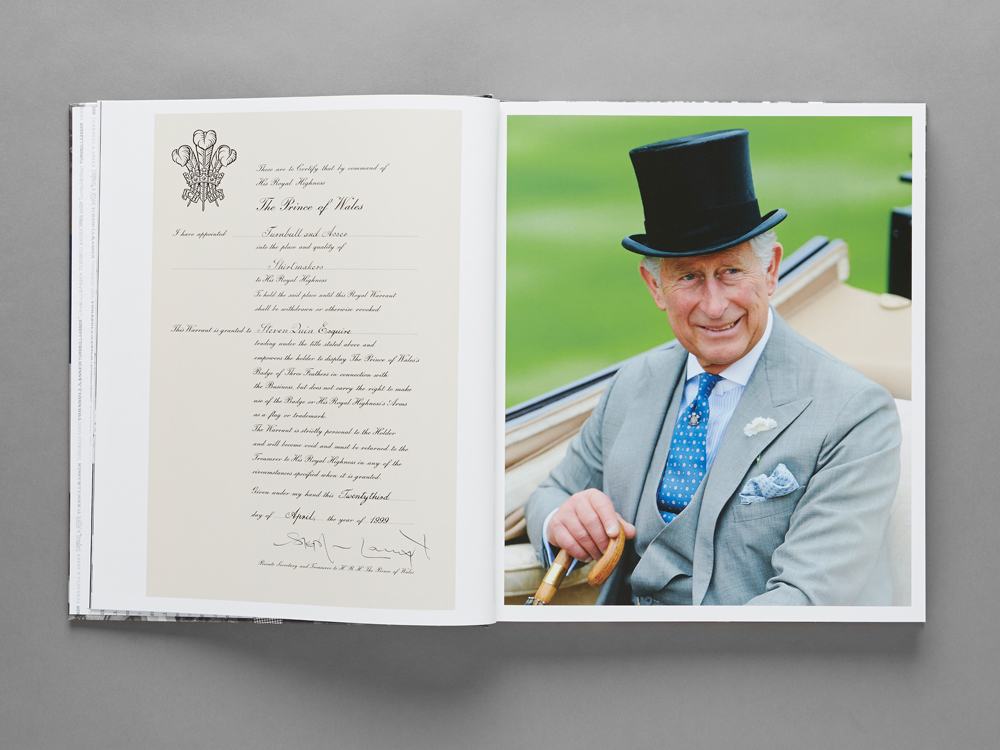
Since Reginald Turnbull and Ernest Asser founded the quintessentially English brand Turnbull & Asser (originally named John Arthur Turnbull in 1885) they have gone on to establish themselves as a hallmark of excellence in British tailoring, underlined by their Royal Warrant, issued by Prince Charles in 1980.
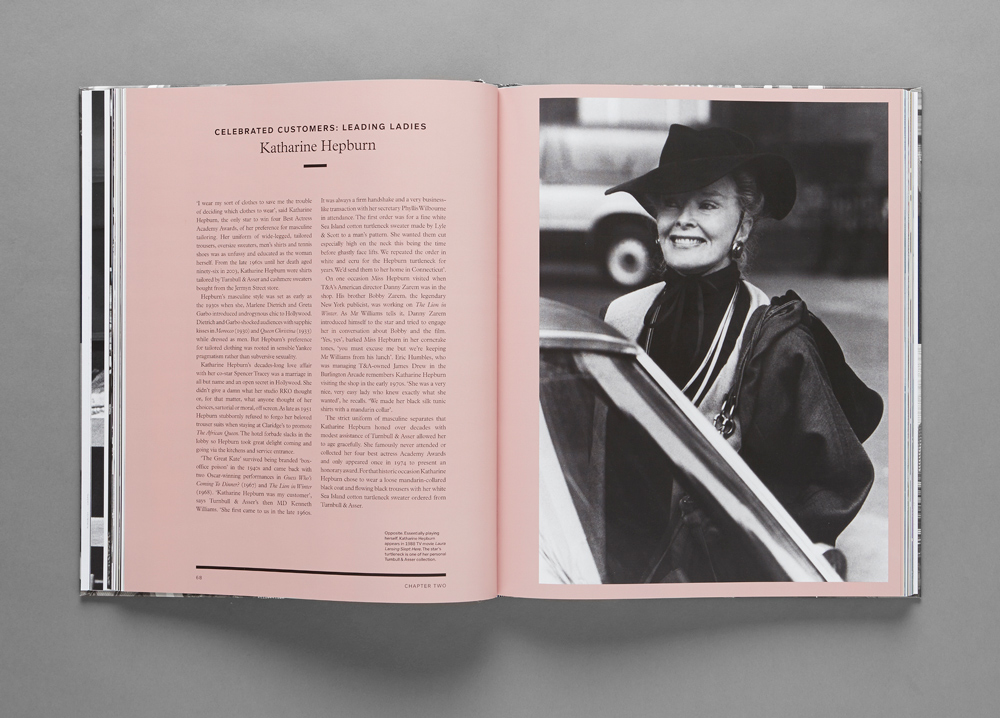
To highlight its achievement and heritage, the brand has collaborated with renowned fashion writer James Sherwood to publish a book, commemorating its impressive history, called Turnbull & Asser: Made In England, 130 Years. Here, Dean Gomilsek-Cole, the brand’s creative director, answers few questions on the brand, its heritage and dressing royalty.
How would you describe the importance of Turnbull & Asser within men’s tailoring over the last 130 years?
Our customers have included world leaders, sportsmen, actors and artists, so, to some degree, I feel Turnbull & Asser has resonated with many elements of British life. We are perhaps best known for our impact on the James Bond franchise, having dressed Sean Connery for the first film Dr. No back in 1962, as well as providing designs for both Pierce Brosnan and Daniel Craig in their turns as 007. We also created Sir Winston Churchill’s siren suit, which has since become an archetypal garment from the World War II era.
In your opinion, how does ‘Made In England’ indicate a sign of quality and craftsmanship?
I think there is a certain reputation associated with products that are made in England, because of the high standards we demand in the industry. Everything is much closer to home; manufacturers can get in direct contact with designers to keep the communication clear and the quality consistent. Many of the craftsmen and women in our factory have worked with us for generations – we also have long-term relationships with our mills and printers, meaning all the work is personal.
Secondly we have a very strong sense of pride at Turnbull & Asser. As an English company we see every shirt as an ambassador for both the brand and the country, so they must all be perfect.
What’s Turnbull & Asser’s bestseller?
What else but the classic white shirt, of course? It is the most essential item in a gentleman’s wardrobe because it is truly timeless and versatile; it can be dressed up or down and it never goes out of style.
It’s been noted that you were Sir Winston Churchill’s favourite brand. Why do you think that is?
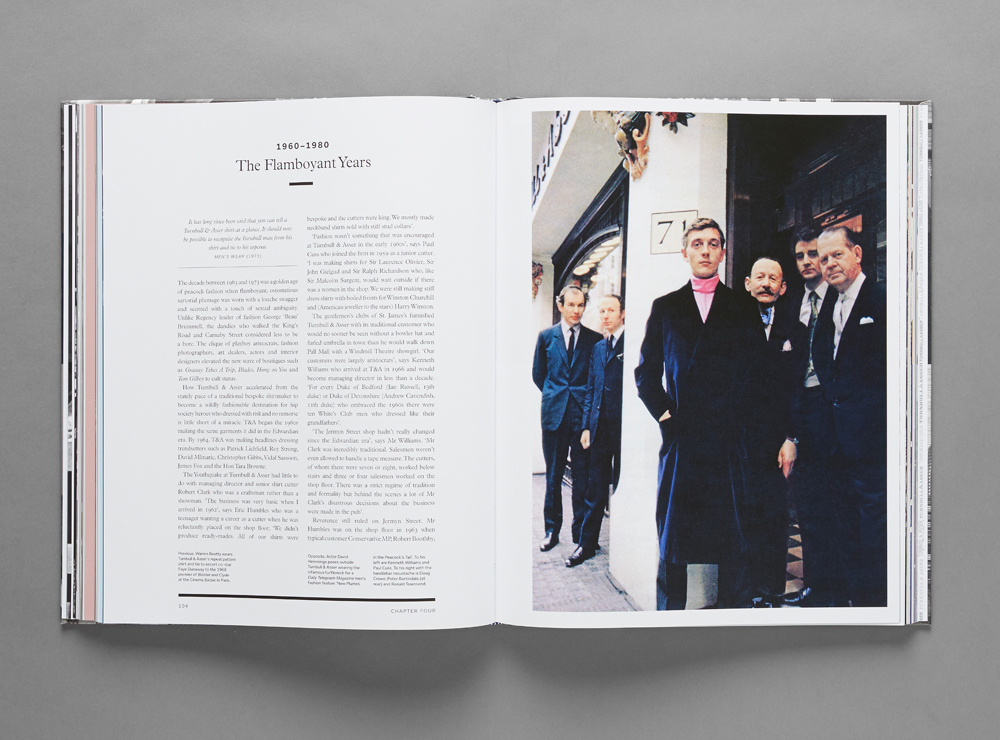
As prime minister, it was only natural that Sir Winston would wear the most premium brands, and during his heyday we had long been known as the best shirtmaker in the world. As a busy man, it probably helped that our stores were near to Westminster, Buckingham Palace, and the Churchill War Rooms too.
Why do you think that Turnbull & Asser has appealed to a variety of famous and important people such as politicians, actors, musicians and royals?
Turnbull & Asser has a reputation for discretion, which is an essential quality when dressing well-known faces. We can also turn things around pretty quickly – whether it is making a bespoke shirt from scratch, or just altering a hem or sleeve length if a noble name needs a design last minute.
We also believe there is no request too bizarre to help with: if we can do it, then we will do it. That kind of cooperation and creativity is helpful to people who are known for their outlandish style or innovative ideas.
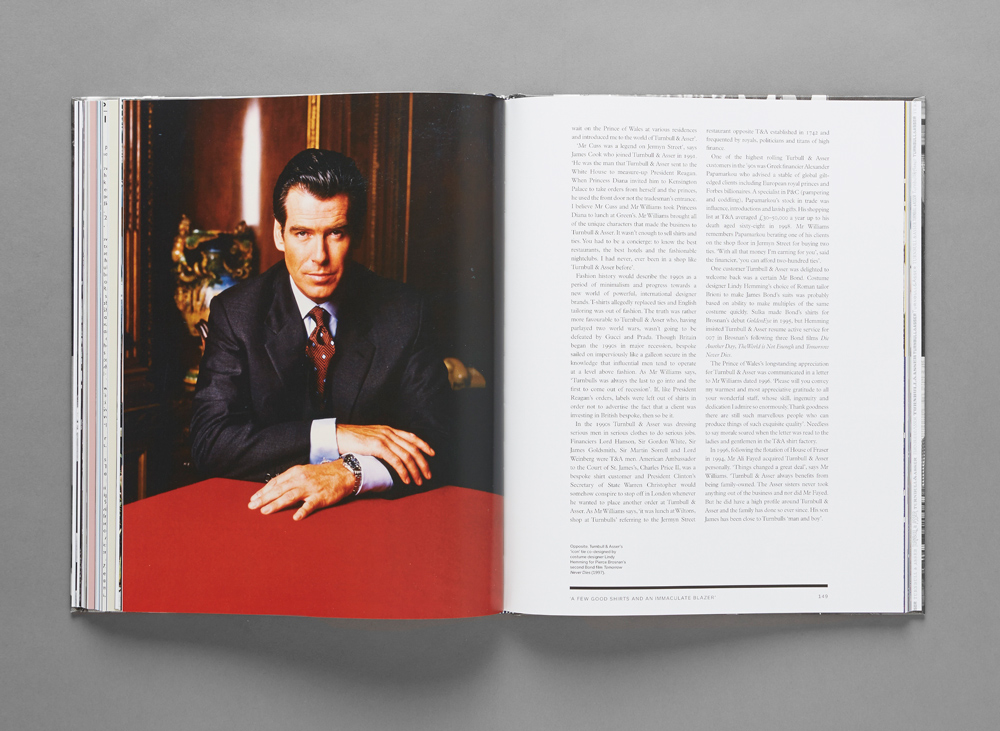
What does having a Royal Warrant say about Turnbull & Asser?
It means that our shirts are literally fit for a prince! A Royal Warrant is an endorsement from the most respected family in the country and truly underlines the high level of quality of our products. Ultimately, it is an honour that any company would aspire to and we’ve been lucky enough to hold it since 1980.
What brought about the collaboration with James Sherwood?
The initial idea for a book came about because a lot of people had told us that we should do something to commemorate our 130-year anniversary. The last few years have seen the company grow and develop a lot – I like to call it evolution rather than revolution – so it seemed like a good point to observe our past and to celebrate our future.
We have known James Sherwood for a while, he has written about Savile Row a number of times and also acted as a royal correspondent, so he knew a lot about both style and discretion. With both a sharp wit and a sense of eccentricity, James is a living embodiment of the Turnbull & Asser aesthetic. Only someone like that would be able to get the essence of the brand across in the written format.
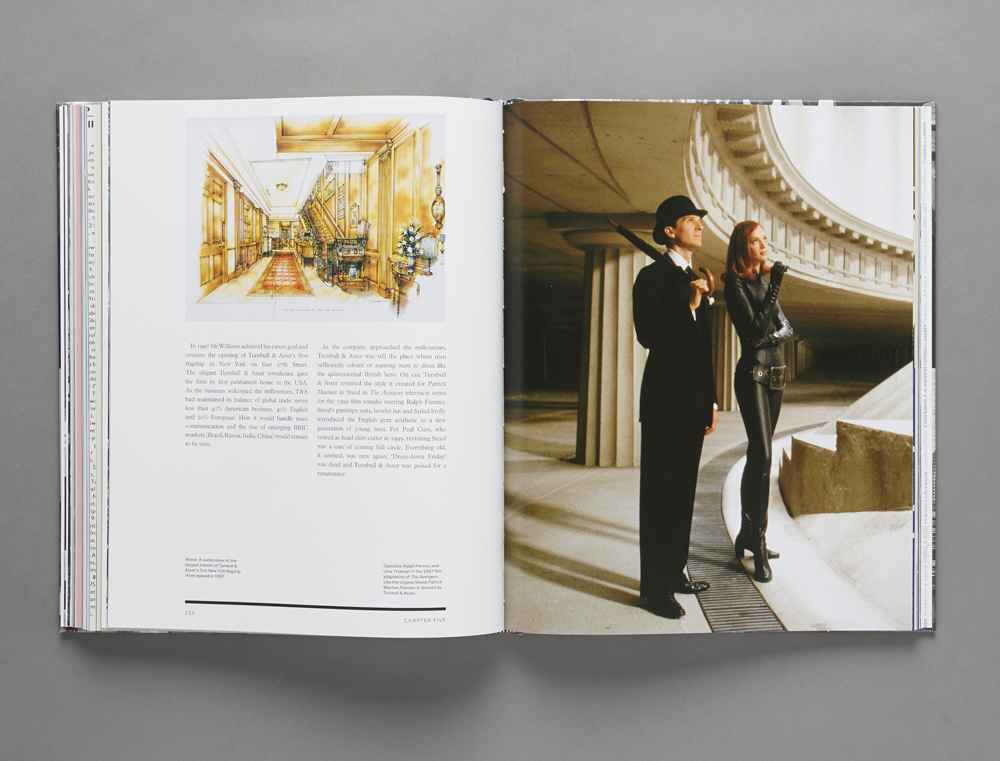
What does the future hold for Turnbull & Asser? How do you intend on staying relevant?
Staying relevant is not something we worry about. We believe that if you’re an iconic brand with timeless product then you will always be relevant. We don’t follow trends, but we do believe in innovation. For the future, we will build on what we have already done by trying new fabrics, contemporary fits, and modern techniques.
Turnbull & Asser: Made In England, 130 Years is available at its London and New York stores, and available to buy online at turnbullandasser.co.uk in June
To celebrate the launch of their new LunarEpic Flyknit trainer, PORT teams up with Nike to present a new short film inspired by the motivation and dedication of the lead coach of the Nike+ Run Club in London and founder of TrackMafia, Cory Wharton-Malcolm
Running is the simplest and yet, perhaps, the most difficult form of exercise. When it’s just you on the road, alone, how far, how long and how hard you run depends entirely on yourself and your ability to push, to keep going, to keep mind over body, and keep running.
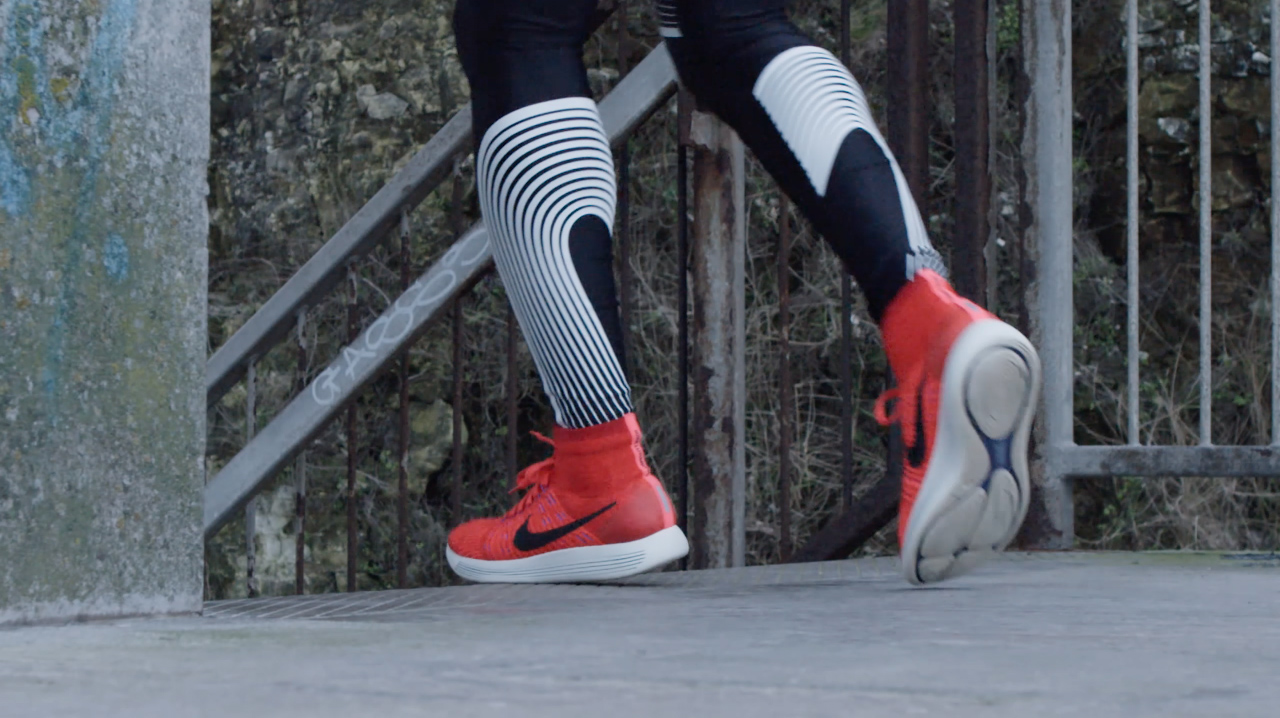
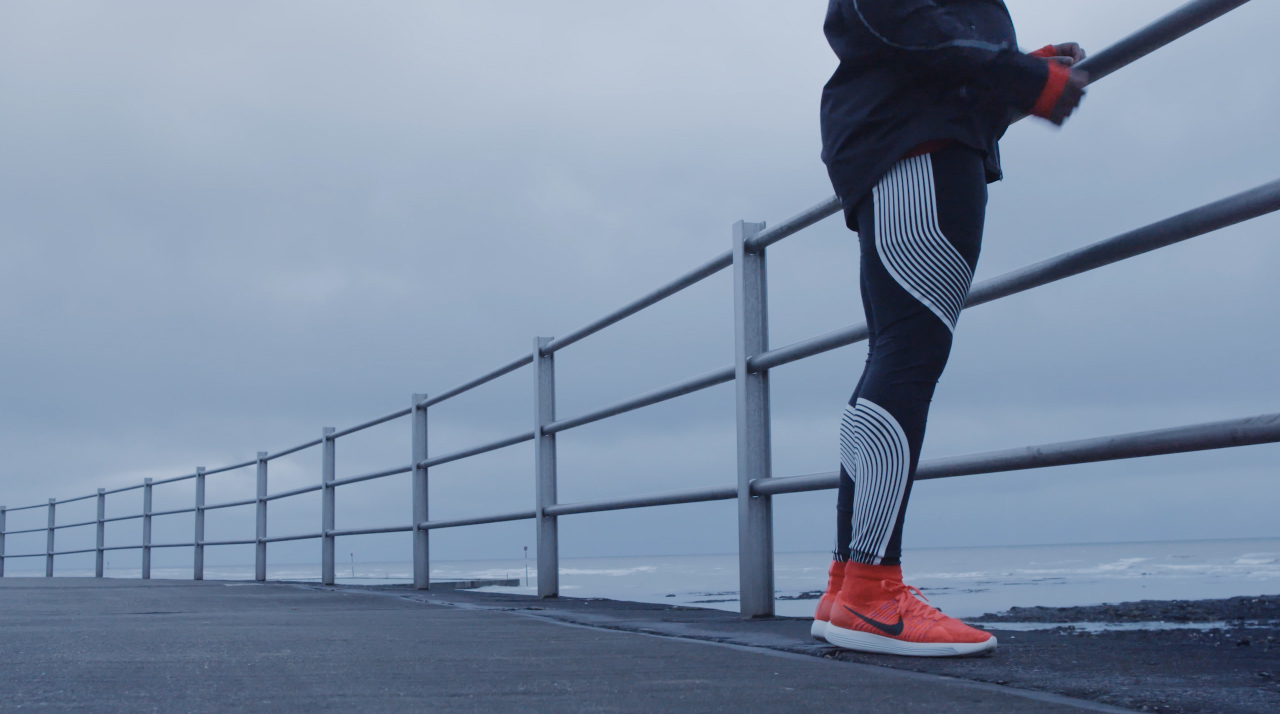
It’s this moment of motivation, of pushing oneself, that provided the inspiration for Nike’s innovative new running shoe, the LunarEpic Flyknit. Borrowing the ankle collar from the Mercurial football boot, already championed by the likes of Cristiano Ronadlo and Zlatan Ibrahimovic, and integrating their light and strong flyknit technology, at once flexible and supportive, the LunarEpic is designed to make running feel as natural and effortless as possible – all to help the wearer feel they can push themselves further, to keep running.
For Cory Wharton-Malcolm, who started running ten years ago and is now lead coach of the Nike+ Run Club in London, it was this self-motivation that led him to work his way up to running his first marathon. Now with over ten marathons and 25 half marathons to his name, he shares his techniques and what keeps him running in this short film, directed by David Ryle.
Below, Wharton-Malcolm spoke to PORT about why he started running, his work encouraging more people to run and whether he will ever stop running.
Why did you start running?
I went to see a friend run the London Marathon in 2006. I was inspired and wanted to run it the following year but, at the time, I didn’t run, was overweight and incredibly unfit. Slowly but surely, though, I ran further and further, lamppost by lamppost, road by road, and then finally block by block. Eventually I managed a 5k, then 10k, then a half and finally my first marathon, a year later.
What motivates you when you run?
The people around me, my city, being a better version of myself and, weirdly, that feeling I get when I’m running on the edge yet I’m in control of my body and know exactly what it’s doing.
I keep running because if I stopped I’d miss that feeling I get when I move. I’d miss my lifestyle, my friends, my travels and, most importantly, I’d miss the sound of my breathing being completely in tune with everything else.
Can you talk a little about TrackMafia and your involvement with it?
I founded TrackMafia with two friends. Our aim is to revolutionise the way that track is viewed by ordinary people. Based at Paddington Recreation Ground, we meet every Thursday to offer knowledgable advice on running technique, strength, conditioning, nutrition, apparel, races, footwear and facilities.
With our experienced coaches we aim to change the mindset of those that believe that track is a place where only elite athletes run when, in fact, the track is perfect place for runners of all abilities to build both their confidence and consistency.
Can you ever see a time when you would stop running?
Realistically, no. I see people still running marathons in their 80s and 90s. Why would I be any different?
Cory Wharton-Malcolm is a lead coach with the Nike+ Run Club, editor of the running magazine The Black Print and runs bespoke fitness sessions
Director David Ryle
Art Direction and Production StudioMM
Director of Photography Jorge Luis Dieguez
DIT James Goldsmith
Sound Recordist Lewis McCarthy
Stylist Laurie Lederman
Colourist Jack McGinity
Editor Ben Boullier
Original Music Jean-Gabriel Becker
Designer Andrew Bunney discusses the influence of subcultures, creating with longevity in mind, and collaborating with Britain’s oldest motorcycle clothing company
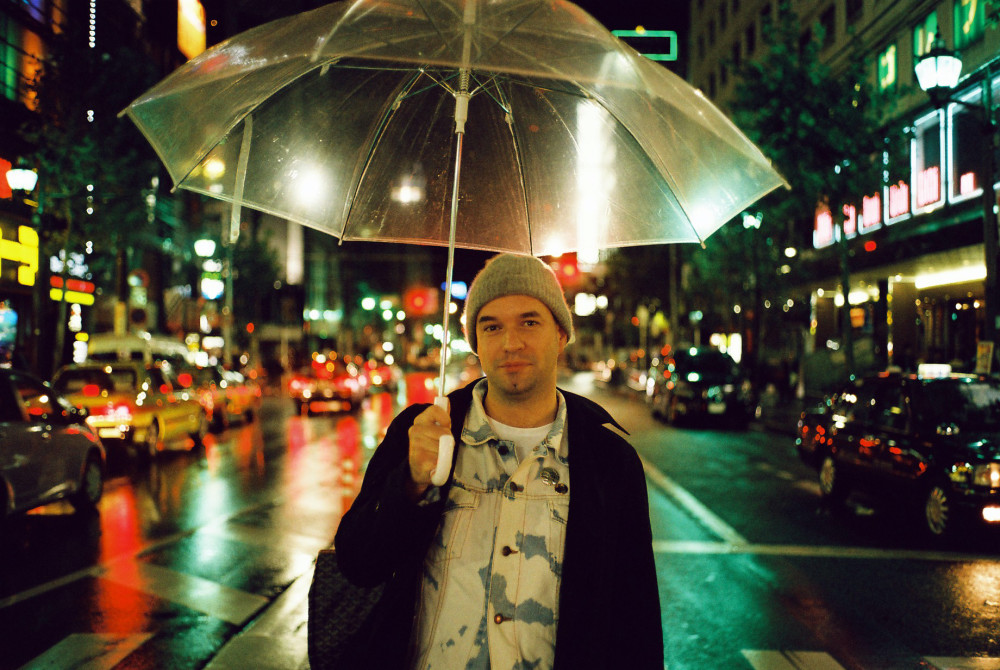
Andrew Bunney has a simple aim. To create beautiful objects that will stand the test of time. Launched in 2009, the Bunney label subscribes to a slow-fashion ethos with just a handful of solid silver pieces released across the course of a year. Utilising a small group of UK-based workshops, a decision based on “common sense rather than some sort of crusade to resurrect British industry,” the hope is that, if you invest in one of his hallmarked treasures, you will do just that: treasure them.
Thanks in no small part to their hard-to-find status and ‘luxury’ price tag, Bunney’s trademark studs and pin badges have reached almost cult level. As with all Andrew’s projects, from the London Underground themed Roundel clothing to graphics-driven British Remains T-shirts, Bunney is a clever blend of tradition and youth. Sub-cultures of all descriptions are a long-standing fascination for the maker, and his jewellery line combines the best of formal British craftsmanship with a punk-inspired DIY spirit.
An open-minded approach has resulted in some interesting collaborations, from old school Mayfair chemist D.R. Harris to Peanuts and Disney. Andrew’s latest joint venture provides both canvas and adornment, creating a limited edition ‘Lightning’ biker jacket with famed London motorcycle outfitters, Lewis Leathers.
How did you first get involved with Lewis Leathers?
I did an exhibition at Dover Street Market London in 2012 showing a series of images from photographer Derek Ridgers. Some of the kids in the photos taken in the 70s and 80s were wearing even earlier Lewis Leathers jackets. I spoke to Derek Harris who runs Lewis and we thought it would be nice to recreate an early jacket to display.
We’ve subsequently worked on a few different projects, this latest jacket has a lot of authentic vintage details. The studs have been placed sympathetically to the era but remade in solid silver, all hallmarked and riveted. We’ve also used a lucky rabbit’s foot in various precious metals; a classic Rockers motif. I’m told it always has to be the back left paw if it’s to bring good luck.
What in particular drew you to Lewis Leathers?
What I look for in partners is authenticity and Lewis is the most authentic company in that world, the oldest motorcycle clothing company in Britain. Their history is incredible, right back to the days when they made flying jackets.
Sub-cultures and symbols seem to be a reoccurring theme in your work, why is that?
Living in the UK you grow up with all this iconography and I guess it’s nice to revisit that with different eyes when you get older. With the Rocker era in particular, that age of customisation, there’s just something really fascinating about post-war England and the new era of the teenager.

DIY decoration was huge part of that look, right?
Yes. What I find fascinating is this idea of Rockers placing studs on their clothes to make them seem aggressive and macho, but what they’re essentially doing is trying to create some sort of beauty. I keep coming back to this image of a biker carefully and precisely lining up studs in their bedroom. With Bunney I always wanted people to wear the pieces their own way. It’s exciting to see how people choose to place them.
What was your initial aim with Bunney?
I wanted to make things as special as possible. It’s about creating less but creating to last. Jewellery is unique because it’s imbued with personal meaning, we’re attached to a piece because of who gave it to us or how we found it.
Is your approach to jewellery design different to clothing design?
Generally there’s a shelf life with clothing. If it’s too old it becomes either too damaged or too precious to actually wear. Jewellery isn’t like that so when I design it’s with that longevity in mind, that’s why I only use precious metals – the idea being that the object will have both a personal and physical value. I’d say, in general, the themes across all my projects are the same but with Bunney it’s more about a search for beauty.
How does old and new play out in your work?
I’m not interested in remaking old things. My interest is in the balance between analogue and digital. There’s only so much you can do by hand and there’s only so much you can do on a computer. However, there’s a sweet spot where the two converge, so you can make something as accurate as possible but with the charm and warmth of handmade.
Do you make many custom pieces?
Yes, I get asked to make wedding rings, engraved badges and cardholders, but my real ambition is to make sports trophies. I just need an event.
What next for Bunney?
We recently worked with Vespa to create the most special scooter possible using solid silver parts. To accompany the bike I’ve produced a fishtail parka using the best technical fabrics available from China’s famous KTC factory. The scooter is still very much part of the British consciousness and I’ve always been interested in Mods in the original sense of the word. I’m interested in the idea of the Modernist – the person who’s always on the hunt for an imported culture, for something new. I believe that spirit exists across generations.
As the Paris Fashion Week draws to a close, PORT’s fashion features editor, David Hellqvist reflects on the AW16 collections unveiled this month, as documented by illustrator Billy Clark
The beginning of LCM feels like ages ago, but it’s only been 18 days. The fashion circuit does that you, it sucks you in and completely owns you for a few weeks twice a year. Though exhausting at times, it’s a great feeling. You get to experience the purest form of fashion, a show where the designer controls every aspect of the presentation: music, venue, invitation, mood and, of course, the clothes.
Naturally, with so many shows spread over four cities (if you count the Pitti Uomo trade show in Florence), it’s impossible to find just one or two themes – we’ve never been too interested in identifying trends anyway. But you can, however, detect general feelings, and there was definitely a sense of fragile retro vibes, defined by Michele Alessandro’s Gucci look. He built on his 70s cut and colours, but added a new layer of wonderful weirdness.
That could be felt in London as well, most notably with the rise of Grace Wales Bonner. Other London highlights included the developed Craig Green look. He mastered the tricky concept of building on an existing aesthetic while also experimenting with new influences.
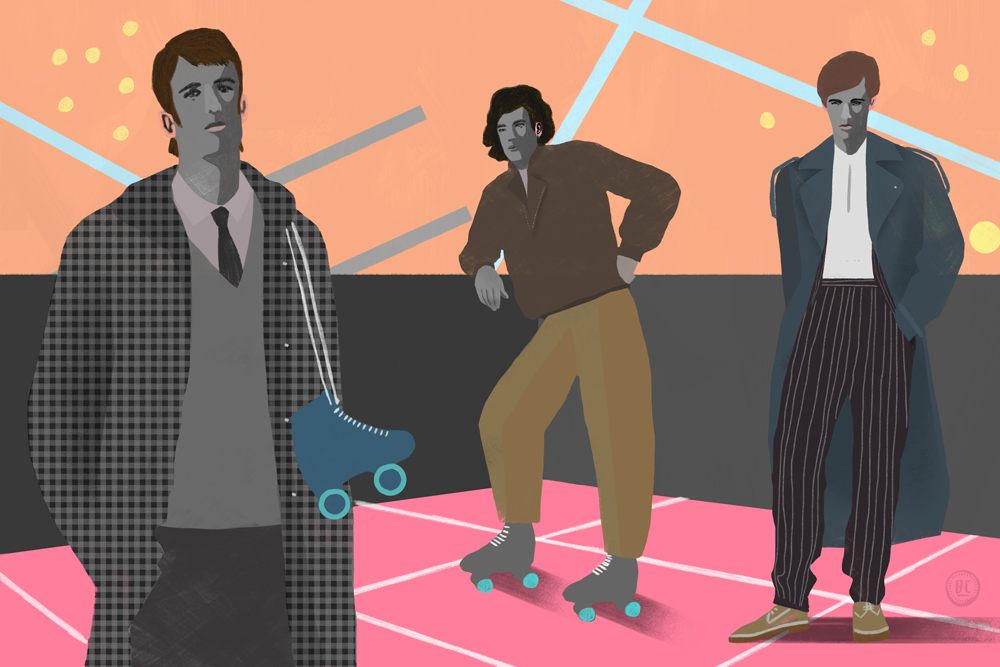
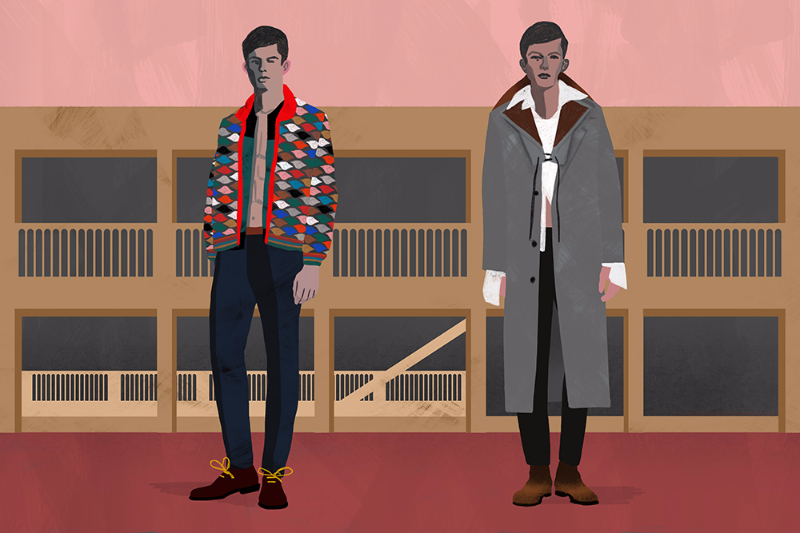
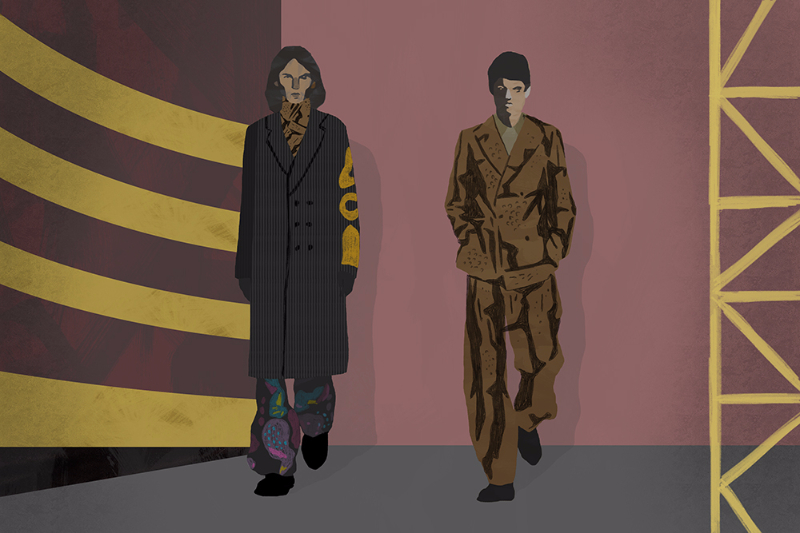
Like these brilliant doodles by illustrator Billy Clark show, other notable LCM highlights included E Tautz 50s tailoring via the 1980s and Alexander McQueen’s army-inspired suits with butterfly prints. John Ray and Dunhill perfected an old British classic, the blazer, and Margaret Howell continued offer a zen space amid the show chaos with her clean and serene garments. Meanwhile, brands like Nasir Mazhar and Cottweiler represented London’s underground scene with a sub-cultural aesthetic.
Milan is a great mixture of grand teatros – a la the Armani show – and small trattorias for us to enjoy simple pasta dishes and huge veal escalopes. Prada is a constant highlight, but Gucci was also a headliner. Classic Italian brands like Tod’s are slotted in among newly revamped brands, like Pal Zileri. It’s interesting to see the city rejuvenate itself and breathe in much needed fresh air. One great example of that was the Fendi show – great lineage and traditions mixed with a modern and contemporary way of thinking.
Paris is the unofficial highlight though. We come here to bask in the beauty of the city of lights, and to enjoy fashion from the likes of Raf Simons, Valentino and Givenchy. Kim Jones at Louis Vuitton continued to add edge to the iconic luggage brand, while Kris Van Assche kept Dior Homme’s slim signature tailoring. Kolor added a Japanese touch with its innovative fabrications and Korean label Wooyoungmi impressed with clear cuts and interesting colour panels. Yohji Yamamoto and Adidas went back to basics with a monochrome Y-3 collection, while newcomers including OAMC and Off-White added a much needed ‘street’ slant to the traditional fashion in Paris. The week ended brilliantly with Paul Smith encouraging a singalong to David Bowie’s ‘Oh You Pretty Things’. It was a beautiful end to a great season. Bring on winter 2016!
Illustration Billy Clark
The Italian designer continued his monochrome quest but added graphic sportswear details for a modern and elegant look
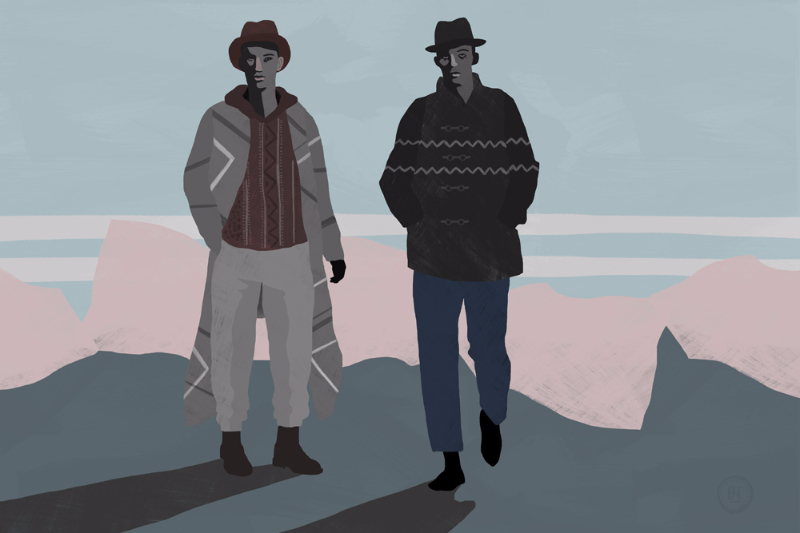
Illustration Billy Clark
Simple yet effective, the British guardian of minimalism continued her sartorial quest with a predominantly dark and plain collection defined by her traditional loose and comfortable silhouette and a few statement knitwear pieces
Photography Agnes Lloyd-Platt
Footwear designer Nic Galway and PORT’s fashion features editor David Hellqvist discuss the latest Adidas trainer and how the brand looked to the past to create the future
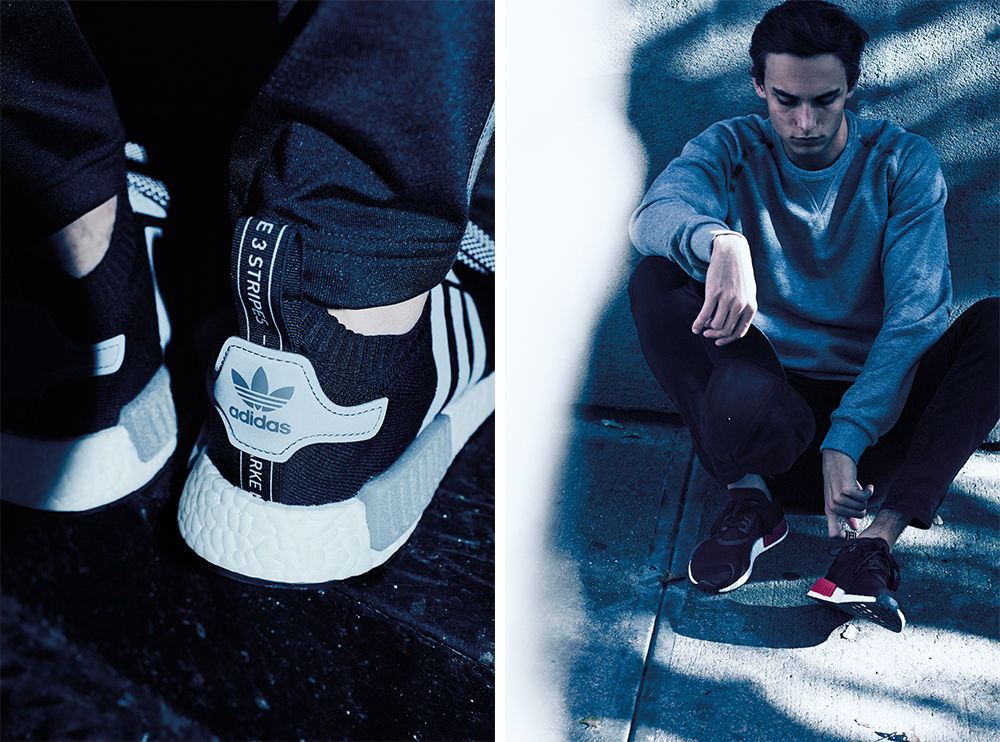
‘Heritage’ and ‘technology’ are equal buzzwords in 2015 – these days you need to attach at least one of them to your product to achieve blog coverage and sales. Adidas, the German sportswear company founded in 1949 by Adi Dassler in Herzogenaurach, is fortunate enough to be able to draw from both, putting them in a unique position in the ever-evolving and product-focused category of high-end fashion sportswear. It’s a relatively new form of consumerism and one that only has been around for about 15 years. Adidas and Japanese fashion designer Yohji Yamamoto pioneered it when they formed Y-3 in 2002.
Nic Galway, an Adidas designer since 1999, has played a vital part in developing Y-3, as well other high-tech Adidas products and countless high profile catwalk collaborations with the likes of Rick Owens and Raf Simons.
“When I joined Adidas we only made sport products, and fashion houses only made fashion product,” Galway says. “The birth of Y-3 was the moment in which it all started to change and I think some of the old establishments fell away and those who couldn’t adapt within those environments made way for a new generation. That happened in my industry and in the fashion industry, and we were part of that.”
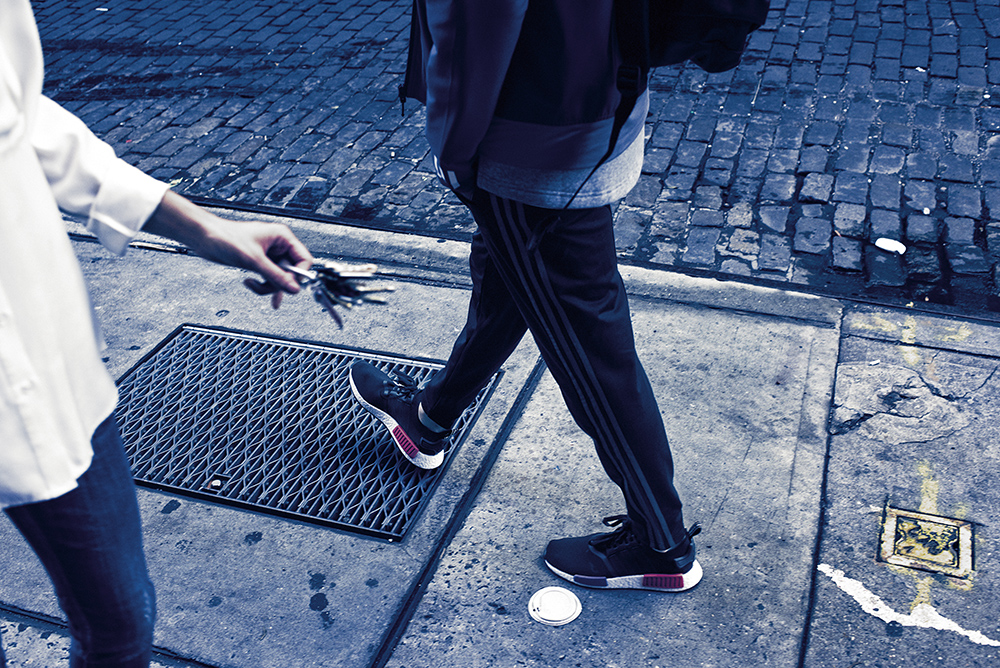
Galway is being modest. Adidas wasn’t just “part of it”, it’s a leading player in the field of fashionable sportswear – or sporty fashion, depending on whom you ask. Technology plays a big part here, as you can imagine. But whereas other brands will have to make due with some taped seams and Gore-Tex patches, Adidas is able to develop performance-enhancing and innovative footwear and apparel.
But it’s not alone in doing this of course: other brands have similar capacities, but few are as prolific as Adidas. There’s a constant stream of collabs, new capsule collections, sub-brands and new trainer styles developed in the secret labs of Herzo, and then pumped out to the awaiting market. How much of this do we really need? Well, far from all of it, but Adidas is just the enabler. It produces the trainers; it’s up to us to put them to use. The new Adidas NMD trainer, the reason I’m in New York talking to Nic Galway, is a point in case.

The NMD is not a running shoe, neither is it a retro trainer in the style of Converse Chuck Taylor (Read PORT’s story on the new Chuck Taylor All Star II) or another global Adidas success, the Stan Smith. It’s something in between. It’s a comfortable and versatile hi-tech trainer for everyday wear.
“I wanted the NMD to be a shoe that you want in your life. The Stan Smith, for example, has a level of innovation which is from a generation or two back. I wear them because I love them,” Galway explains. “But, I see the opportunity I get when I look out our archive. Those products were never meant to stand still. Everything in that archive was driven for wanting to improve, to make things better.”
This is where the heritage comes into play. Normally brands look to one style and merely update it, as with the recent Adidas Tubular series. In order to create the NMD, Galway picked out three trainers – the Micro Pacer, Rising Star, and Boston Super styles – from the mid 80s and mixed up the design and technology from all three.
“This is taken from a generation of trainers,” he tells me. “I really like the mid-80s, it was a time when technology was changing – not just in the shoe industry but in the world. Apple Macs were coming into our homes and someone in Germany said ‘let’s make a shoe with a computer on it’! That must have been a very bold decision because not many people had computers. It was so ahead of its time as we are only just seeing wearable technology coming through now.”
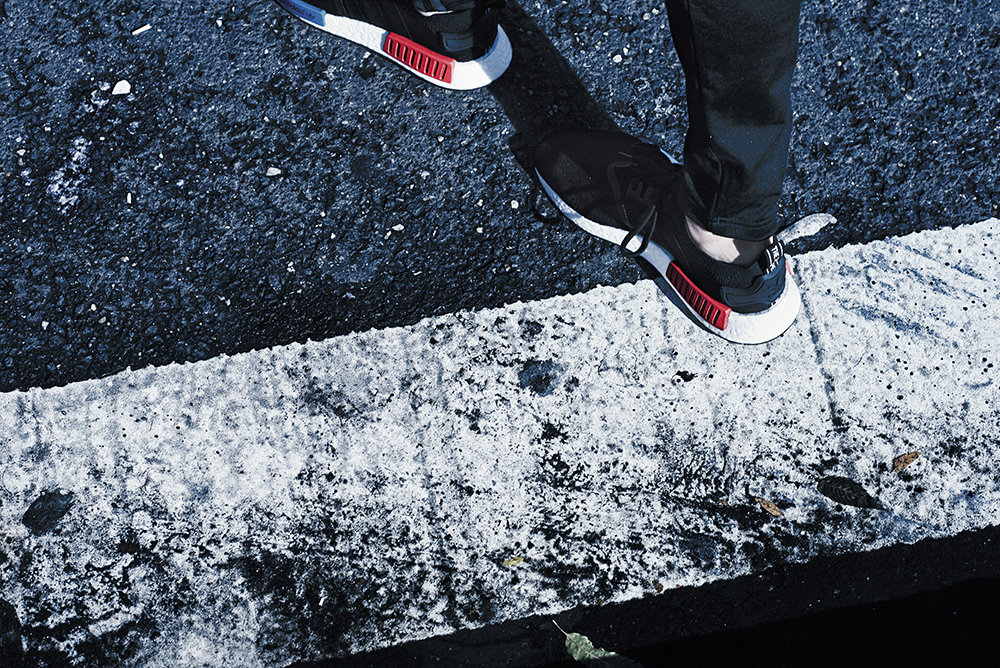
The last piece of the puzzle is the technology behind the NMD. The physical makeup of the line is very minimal: dissect it and you’re left with only a handful of parts. The upper is made of the sock-like Primeknit and the tooling consists of Adidas’ simple yet effective Boost sole unit. These are standard Adidas technologies by now, defining – either separately or together – most of the Adidas footwear output in 2015. For Galway they are signatures, though he calls them “collective memories”.
“If I think of a brand that I love, and one that has a rich history, and I ask myself ‘what is it about this brand that sticks in my mind?’… For me, that is the collective memory,” Galway explains. “If I think of a BMW, there are certain elements that I associate with their cars. I believe that Adidas has that certain design knowledge that people can picture. They might not be able to draw you how the shoe looked, but they will know what it looked like and they could probably explain that.”
In today’s saturated sportswear market, the unique selling point is key. There are simply too many brands out there producing middle-of-the-road product that will have no impact on our lives. In order for us, as customers, to believe in a product, the brand needs to be able to explain the reason for me wanting and, more importantly, needing the shoe, jumper, trouser or jacket.
Does the NMD do that? Do I really need another pair of trainers? Only you can answer that question: the ‘need vs. greed’ ratio is a very personal equation. Suffice to say, the NMD trainer stands the test, at least in terms of how we began this conversation. Heritage and technology are fused beautifully into a new version of an old product… or products in this case. It has the capacity to work with you everyday and to enable you to go the places you want.
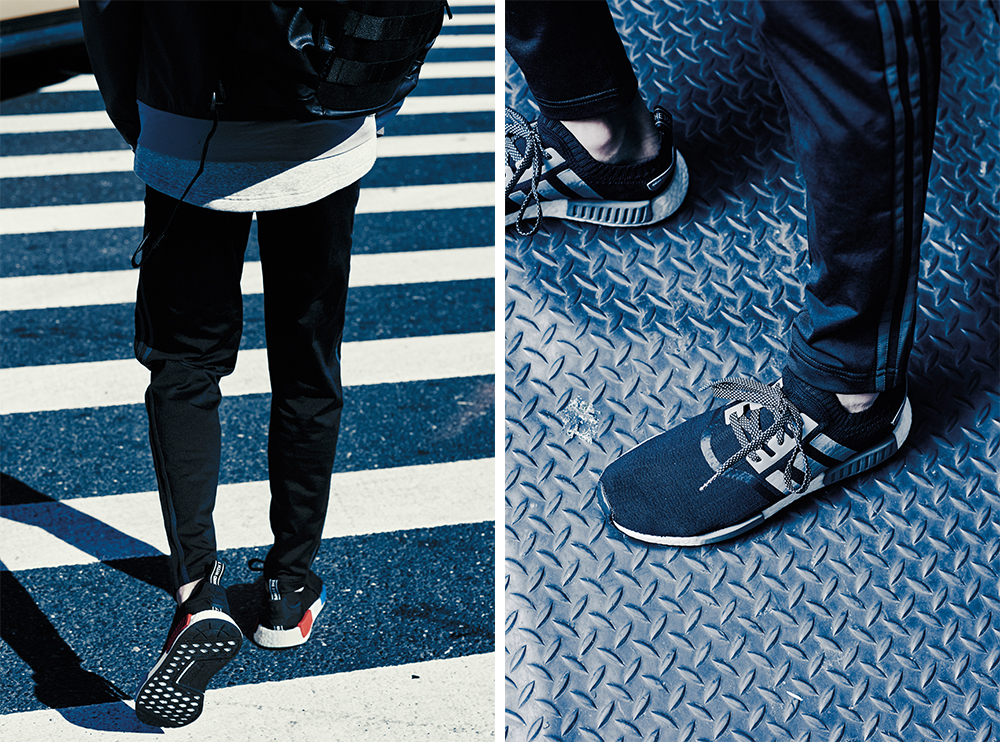
The NMD was intended to be built for everyday life, ready to tackle whatever situation you find yourself in. And For Galway, the purpose of the trainer is most tested when travelling. “I don’t want to have to carry one shoe that’s comfy and one that’s stylish…I want to combine that,” he says. “I want to sit on the plane and have a notebook because I don’t want to have to wait for something to start up or be told to turn it off. We’re talking about objects of meaning.”
As Brioni celebrates its 70th anniversary and 40 years at Harrods, PORT chats to creative director, Brendan Mullane, about the brand’s sartorial heritage, the Su Misura service and the role the suit plays in the 21st century
Established in Rome in 1945, the history of the menswear brand, Brioni, stands as a symbol of Italy’s post-war rebirth. Extricating itself from the shadow of conflict and two decades of fascism, the country surged into the second half of the 20th century. Brioni successfully channelled the optimism of a fresh start after Mussolini and the luxury of the pre-war jet-set who frequented the Adriatic islands that gave the brand its name.
Within a few years, the sharp Italian tailoring and innovative approach – it held the first ever male catwalk in 1952 – established Brioni as a favourite of European aristocracy, Hollywood stars and world leaders alike. Now celebrating 70 years of business, Brioni continues to appeal to the famous and influential; Morgan Freeman, Barack Obama and, between 1995 and 2006, James Bond, have all been seen sporting Brioni suits.
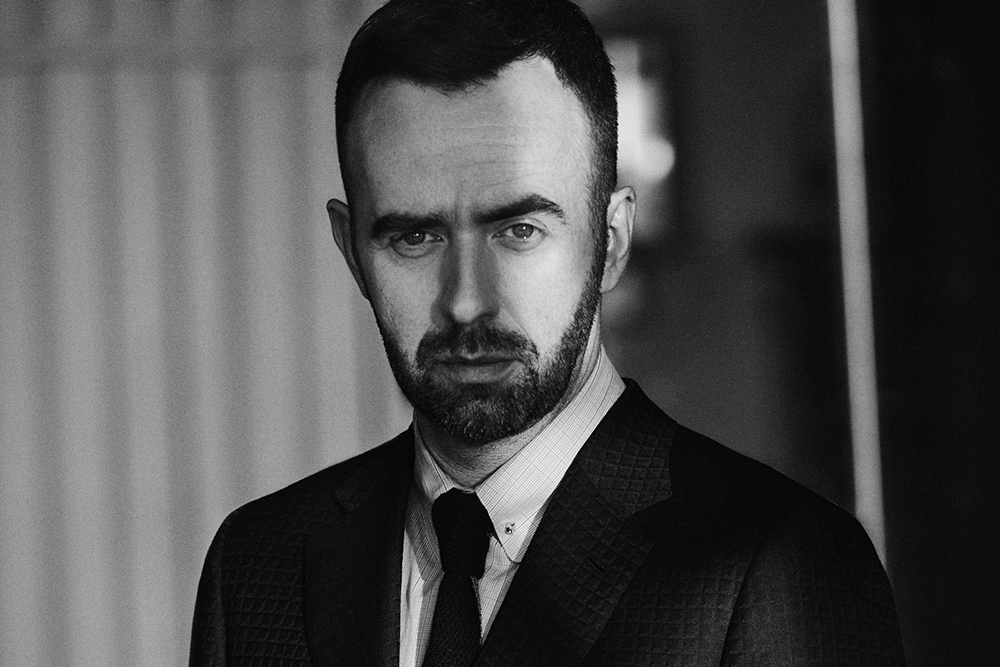
“It’s the special way a Brioni suit feels that makes it so different,” says Brioni’s creative director, Brendan Mullane, when I ask why the brand has earned so many high profile clients. “It’s the fabrics we use and our ability to manipulate them to create something that is constructed but not constrictive, and then it’s the organic way the suit is built which means it gets better and better as it molds to your body,” he tells me.
“But the greatest thing is the experience of going to a tailor, laying your defects bare and having them completely transformed and hidden under a second skin that acts almost as a second layer,” Mullane adds. “This is what sets a Brioni suit apart and makes it very desirable to a real connoisseur.”
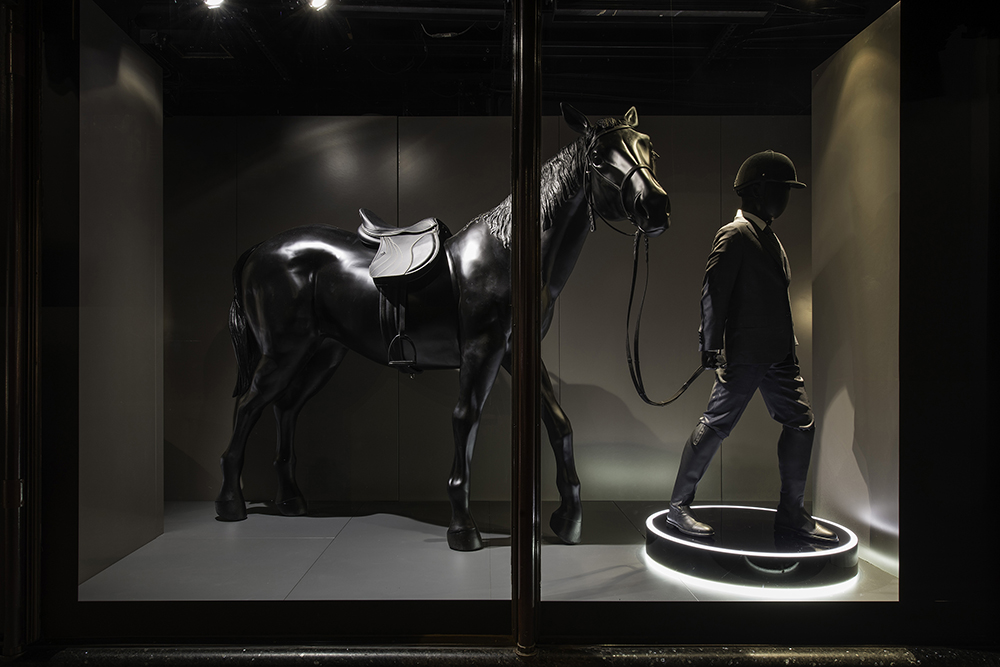
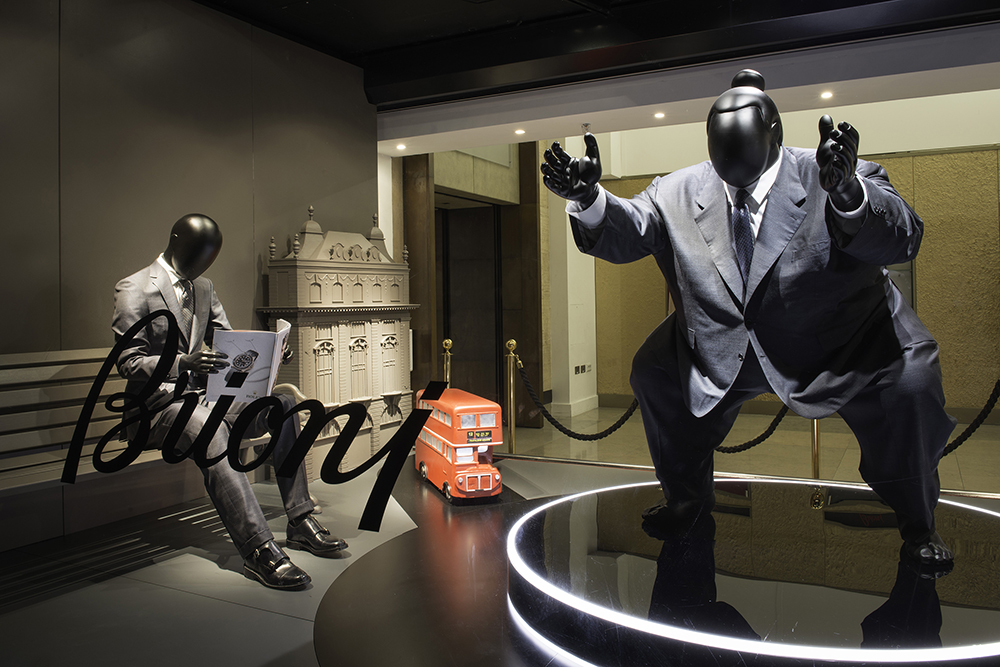
The personalised, Su Misura (meaning ‘made-to-order’ in Italian) service is really what defines Brioni. This autumn, Harrods in London is celebrating 40 years hosting Brioni tailors with a series of window displays that demonstrate how the brand’s tailoring service can accommodate people of all sizes – from sumo wrestlers to jockeys. It shows how in a commercialised, mass-produced market, there is still the potential to offer a bespoke product with traditional craftsmanship.
“The handcrafted way of working and the handmade element, within this tailoring language, is the foundation of everything we do inside Brioni,” Mullane explains.
One of the crucial innovations of the Su Misura service, and what tries to set Brioni apart from other tailors, is that, rather than being fabricated on site, the suits are produced at a factory in Penne, mid-southern Italy. Built in 1959 in the birthtown of the brand’s founding tailor, Nazareno Fonticoli, the factory now employs 400 master tailors in a well-trained and well-oiled production line. In a form of luxury Fordism, each worker is dedicated to a single process, with 80 workers responsible for the pressing alone, ensuring that these artisanal processes can be produced on a large scale.
Despite the scale of this tailoring process, Brioni insists there is no loss in quality or attention to detail. Each suit takes between 18 and 22 hours to put together, involves 220 individual steps and contains between 7000 and 9000 stitches. The bespoke element is also important when considering where the suit is destined, as each sewing phase is followed by an ironing and resting phase dictated by the fabrics used and the garment’s geographic and climatic destination.
Brioni’s intimate understanding of how to treat fabric is central to its approach to tailoring. Seventy per cent of the materials used in Brioni suits are exclusive to the brand, and selected from Italian, Japanese and English mills by a dedicated fabric design team. “The need for exclusiveness is of the upmost important to Brioni,” Mullane tells me. “It is the best way to strengthen our identity and drives our creative process. The fact we work in an artisanal way allows us to understand artisans and work well with them.”
It’s no secret that the role the suit plays in society has changed since 1945. I asked Mullane how a tailoring brand that helped define the dolce vita in mid-century Italy could remain relevant now and in the future. “A suit is always going to be relevant – it’s powerful, it doesn’t only give you confidence but it changes the way people see you,” he replies.
“The mix of the brand’s tradition, the constant innovation and research into sartorial mastery, means Brioni can meet the demands of the 21st century.”