Wasted but Wanted

Designer Max Lamb and Potato Head turn the detritus of luxury tourism in Bali into furniture and objects of function and beauty

Photography Adrian Morris

When Indonesian property developer Ronald Akili opened his first restaurant in Jakarta in 2009, he called it Potato Head. It was his way of differentiating it from the run-of-the-mill stylish eating in the city. For the initiated, the essential innocence of a Hasbro plastic toy from the 1950s would serve as a paradoxical signal of sophistication. Potato Head turned out to be the beginning of a hospitality brand that spread from Jakarta to become a resort in Seminyak on the island of Bali, and more recently a bar and restaurant complex in Singapore. Given Rem Koolhaas’ fondness for iconoclastic paradox, the founder of the Rotterdam-based architectural studio OMA was not an entirely surprising choice when Akili commissioned him to design the Potato Head hotel, which opened in Bali in 2020.

The Potato Head brand is based on a string of strikingly utopian promises. In the missionary prose of 21st-century marketing, it is based on “a zero-waste ecosystem where good times are reimagined as a catalyst for change – cultivating culture, restoring the Earth and nurturing community. Here, every element has purpose. Food and wellbeing nourish. Music connects. Art inspires. Circular design enables a regenerative way of life.” 

Photography Adrian Morris

We have become so inured to relentless greenwashing that it is hard not to be sceptical. But Potato Head is certainly in it for the long term. Since 2018 it has been working with Max Lamb, the London-based maker and designer, trying to find ways to reduce the negative impact of luxury tourism on the environment and on traditional communities. While OMA were working on the hotel, Lamb made the first of several visits to explore ways in which Potato Head could create a range of products and furniture to equip the building when it was ready. “At first I thought that I would design items, and source remote production. But when I went to see the site, I understood that there is a large craft capability on Bali. Building relationships with what is available was the way to go.” The island’s network of craft workshops might not be able to make a blow-moulded plastic chair or pay for aluminium extruding tools, but they do have the ability to work with a wide range of materials to produce distinctive products. Lamb produced an intriguing range of designs, but once all the bedrooms of the hotel had been furnished, it was clear that it could not be the end of the story. “Everything was high-level quality, and quite desirable. People stole things, which suggested that it was suitable for a homeware collection.”

The Wasted collection is a much larger project than the original range for the guest bedrooms. It was designed to harvest all the various waste streams from the hotel’s activities, and to use the detritus as a raw material that Balinese craftsmen can turn into homeware products designed by Lamb, for sale at the hotel and beyond.

Photography Putu Eka Permata

Every year Potato Head, along with all the other luxury hotels in Bali, produces an apparently unstoppable flow of waste, from uneaten food to broken bottles, from single use plastic to cutlery and crockery. Both Akili and Lamb were acutely aware of the need to make something of this. “Bali is tourism-focused, the generation of waste is an island-wide issue,” says Lamb. “Potato Head is trying to capture waste. It has a sustainability director, and has worked with an outside agency that analysed all the waste streams: going through the statistics, seeing what was accumulating, and to understand what we could do with all of it.” Wasted products are based on eight distinct material families. One uses high-density polyethylene plastics; others are based on cooking oil residues, salvaged ceramics, broken glass, worn-out bed linen, composite waste materials such as polystyrene, and even oyster shells. “Most of the glassblowers source waste from construction sites and broken windows. Potato Head sends them their broken drinks bottles,” says Lamb.

“Bali is not really industrial, it is characterised by small village-based craftsmen; there are weavers, as well as a cluster of glass makers and blowers. They are all families, all multigenerational. It is large volume, but quite artisanal.”

Photography Adrian Morris

Lamb saw his role as devising a range of products using the available materials that would make the most of the capabilities of Bali’s artisans. “My own experience as a maker with my own workshop was helpful. I wasn’t just a designer doing a design on paper, it was a collaboration with each individual maker, so that I could give them what they needed to be able to make pieces. On paper it’s easy to model but making in volume for retail can be very difficult. Each object is singular, they are all quite simple. It’s not high design, it’s not elaborate: it’s functional and humble. The detailing is intentionally minimal, it has been a process of collaboration respecting what they can make well, what they can make consistently. I am singular in my focus on materials. So, every piece is all made in a single workshop.”

The first Wasted collection includes marbled plastic chairs, hand-shaped ceramics and lounge seating. At the time of writing, Potato Head is now waiting to see the results of its launch in the summer of 2025. It’s also working with seven other hotels and restaurants on Bali to process their waste. For Lamb the key to the project is to be agile. “To achieve an equilibrium we must be nimble in our designs and production, we have to follow the waste stream. It is a finite and moving target. If product demand exceeds waste stream, we can’t just buy virgin materials.”

This article is taken from Port issue 37. To continue reading, buy the issue or subscribe here

Photography Anselm Ebulue
Photography Adrian Morris
Photography Putu Eka Permata
Photography Adrian Morris
Photography Putu Eka Permata

Questions of Taste: Chef Wayan

At Kaum in Bali’s Desa Potato Head, Wayan Kresna Yasa brings ancestral recipes from over 600 Indonesian islands to the table – and shares one with us. Here, the celebrated chef talks tradition, technique and how a spicy pomelo salad can carry the soul of a celebration

On a humid afternoon in Bali, I take a seat at a long central table, stretched beneath warm timber, natural light, and some very welcomed air conditioning. Sunlight filters through a geometric grid of tall glass windows, catching on the fronds of potted palms and broad-leafed plants that skirt the room, reminding myself and other visitors of the tropical landscape beyond the glass. Plates pass by with colourful salads dusted in herbs, rice layered with aromatic spice pastes, and soup finished with coconut cream and Moringa leaves. The scent of turmeric and galangal hits my nose, while wood smoke drifting from the kitchen sets me wondering what’s on the grill. 

This is Kaum – its name meaning “clan” or “tribe” in Indonesian – set within Desa Potato Head’s beachfront complex in Seminyak. The restaurant is rooted in Indonesian food and flavour, with a menu drawing on generational recipes from over 600 islands, brought to life using techniques like bamboo grilling, fermentation, slow cooking, pit roasting and hand grinding. At the heart of Kaum is Chef Wayan Kresna Yasa, who was born in a fishing village on Nusa Penida, the small island off Bali’s south-east coast. His early life was shaped by the immediacy of what was caught, picked or grown that day. Meat was a rare treat, reserved for ceremonies, while seafood and vegetables formed the base of everyday meals. At 28, he took a leap across oceans to train in the US, working in Michelin-starred kitchens like Acadia in Chicago and Blue Hill Stone Barns in New York. There, he developed a precision that would later graft onto the abundance of Indonesian food.

Now back in Bali, Wayan brings that experience to Kaum, marrying fine-dining discipline with the richness of Indonesia’s regional cuisines. He does this by honouring the country’s complex geography through the menu, which spans the creamy, spice-laden dishes of Sumatra, with its Indian and Arabic inflections, to the tangy, sambal-bright flavours of Bali and the simpler, sea-forward cooking of the eastern islands. Roughly half the menu is Balinese, while the rest draws from other islands, stitched together through his knowledge of spice, smoke and texture. Many of the dishes he recreates at Kaum trace back to offerings made during religious ceremonies, including meals that, until now, tourists would never have the chance to taste unless invited into someone’s home. 

As well as a recipe on how to make Kaum’s Rujak Pomelo – a refreshing and zingy Indonesian fruit salad – what follows is a conversation with Chef Wayan, drawn from a long afternoon at Kaum and a discussion around the delectable dishes on the table, traditional Balinese flavour, his time abroad and the joy of turning a ceremony into a meal. 

Photography by Ola O. Smit

The freshness of Moringa

“On the table, you’re eating Moringa soup with coconut cream. The combination of the cream and fresh Moringa makes it like a superfood. Not many chefs put this on the menu – mostly they dry it into a powder. For me, the fresh one is better; you can see it, taste it and it’s different.”

Blending techniques from the US with Indonesian flavours

“What I brought back from my time in the US was mostly cooking technique. Indonesian food is usually deep-fried, grilled or steamed, but here I also play with a wood-fired grill. It’s about texture. For example, you can’t really cook fish until it’s chewy and well done. All the flavours are still original from Indonesia, especially Bali. Around 45–50% of the menu is Balinese, and the rest comes from Sumatra, Java, Sumba, Maluku and the Sulawesi Sea.”
Understanding Balinese spice

“Balinese food is rich in spice. For example, the pork dish uses a lot of root spices such as galangal, ginger and turmeric. All the heat comes from the spices, not chilli. Normally it would be very intense, but I make it medium. If you want something lighter, there’s the salad which is more spicy, tangy and fresh.

Ceremonial ingredients and palm sugar

“We have a type of snack that normally uses shrimp paste, but here it’s fresh. The sugar is special, made just by us chefs with no artificial ingredients. It comes from the palm tree. The sap is taken and fermented for 24 hours and we call it tua. You can drink it, or cook it down, reduce and caramelise it until it becomes solid with a caramel texture. We use it in cocktails and for cooking. It’s completely pure.”
The geography of Indonesia

“Rendang, the beef dish, is from Sumatra. The Moringa soup is from Central Java or Bali – but this one, because of the bold use of coconut flesh, I’d say is more Central Java. The fish soup is from West Nusa Tenggara to Sulawesi. The further east you go, the simpler the food – just celebrating the product. The further west, the more complex, using more spice and cream, influenced by India and the Middle East. Central Java is sweeter. In Bali, you have fresh sambal, spicy like sambal matah, and fruit salsa with grilled fish – that’s more eastern.”

Cooking with inspiration from the road

“This rice is usually used for offerings during ceremonies, served with condiments like crab, fish, tofu, fried peanuts and coconut. I take inspiration from that rice and think about how to serve it with meat or fish. I add dishes either because I like them, or because I’ve seen them while travelling around Indonesia and they’ve caught my eye. I change the menu regularly, not because I have to, but because I want to introduce dishes from other islands.”

From everyday to ceremonial feasts

Growing up, I only ate chicken once every six months, at a ceremony. We’d save money for celebrations. Day to day, we ate a lot of vegetables, and we were almost vegetarian, though we didn’t call it that. Everything we needed was grown behind our house. I was born and raised on the beach, so I ate seafood every day and didn’t even know what bad seafood tasted like.”

Cooking in bamboo

“Only one region in Bali, Tabanan, cooks with bamboo – it’s called timbungan. We season and marinate the protein, put it inside bamboo, and stand it upright to cook over a fire for two to three hours, depending on the protein. Next week we’re doing a Saturday barbecue focused on cooking in bamboo.”

Launching the menu

“Next week I’ll launch the new Balinese Journey Menu, which will be a taste of Bali. The inspiration is a particular ceremonial dish that’s only made after preparing offerings. Once the offering is complete, everyone sits down together to celebrate. This happens at weddings, temple ceremonies, children’s birthdays, or a baby’s six-month celebration. There are seven dishes, usually served on the floor rather than a table. Pork and chicken are the main proteins for celebration in Bali.”

Kaum’s Rujak Pomelo by Chef Wayan

Serves 6

“This is a really fast and simple rujak. The Pomelo is cool and fresh and pops nicely against the sweet, hot, tangy sauce. I haven’t included terasi, but you could throw in a teaspoon for a more pungent dressing. This recipe calls for two chillies, which depending on the power of your peppers, provides a nice consistent burn. For milder results, just use one. The finer the jicama is sliced, the better. You might want to use a mandolin.”

175g palm sugar, very finely shaved
40 g tamarind paste/ Tamarind water
2 birds-eye chillies, crushed 6
2 tsp sea salt 6 tsp
100 ml water 300
20gr lime juice
600gr red pomelo pulp
200gr shredded green papaya/ Jicama
100gr cherry tomato
60gr red radish thinly sliced
60gr peanut (fried or roasted)

“Combine the shaved palm sugar, chillies, tamarind, and salt in a mixing bowl. Squeeze them together using your fingers until they form a rough paste. You’ll need to give the chillies a little extra attention to make sure they break down completely. Remember not to touch your eyes. Then, add the water bit-by-bit and keep massaging the ingredients together until all the sugar chunks and tamarind have dissolved and a watery sauce has formed. Add the Pomelo, green shredded papaya, tomato cherry, fresh mint, additional baby romaine if needed, mixing it and tossing it through the sauce lightly, being sure not to squeeze or crush it too much. Make sure all the ingredients are nicely dressed and serve top with fried peanut or cashew.”

Mario Tsai Studio

The Hangzhou-based research studio on conscious craft, manual processes and why most sustainable design is “pseudo and gimmicky”

Origin Collection by Xu Xiaodong

2019 was an especially prominent year for Mario Tsai, a furniture designer born in Hubei and currently based in the western suburbs of Hangzhou, China. It was the year that he and his design team of four held their first solo exhibition in Milan Design Week, presenting his “masterpiece” Mazha Lighting System that caught the eye of international media and brands. This led to two solo exhibitions the following year called Poetic Light, and in 2021, he set up his brand Mario Tsai. Under guise of this new title, Mario Tsai now sells lighting and installations designed and developed by the design team of Mario Tsai Studio. 

But it’s not just the tight-knit team and eye for structure, composition and materiality that paved the way for such large success in his business. Mario Tsai is a keen advocate for sustainability – and not the green-washing kind that’s only surface deep. “I believe that sustainability should no longer be just a concept or a gimmick in our work life,” he tells me, “I personally want it to be in my works as a guideline and a responsibility that binds me.” For Mario, sustainable design must be timeless, and designers – himself included – have a responsibility in thinking about the life cycle of a product. “But also if it can be easily recycled or repaired at the end of its life cycle,” he continues. “Whether the production process, packaging and exhibition presentation related to the work can be sustainable should be our concern as designers.”

Origin Collection by Mario Tsai

Sustainability therefore guides all that Mario Tsai Studio puts its mind towards, whether it’s a product, installation, strategy or exhibition. To achieve as such, the studio is driven by research, innovative thinking and, of course, eco-design processes, which resultantly forms a poetic depiction of what a  product should ultimately be, do and look like. “Personally,” adds Mario, “I prefer projects that can fully present the ins and outs and clear logic, and can deeply explore the essence. I hope the projects we are pushing can bring new thinking, design methods or social responsibility guidance to the public. Often such projects require a lot of effort, but the income will be relatively small.” On the business side of things, the studio prefers companies that share the same ethos, goals and ideals, “whether they are well-known, big or small”.

When beginning any given project, the team will first begin by using the “brain”.  Second of all, they will decipher the best techniques and technologies needed for the project – those that are more “advanced and difficult”. This means it will modernise the product they’re designing, and equally it will “build up technical and production barriers,” explains Mario. Before diving in with the pieces, though, the team will set up production, a mass production method and cost consideration. “We only use computers and simple models to test the new designs in the studio,” he says. “After many years of development, and also thanks to a strong supply chain in China, our studio was able to find suppliers for the production of any material and technology.”

Mazha Lighting System by Xu Xiaodong

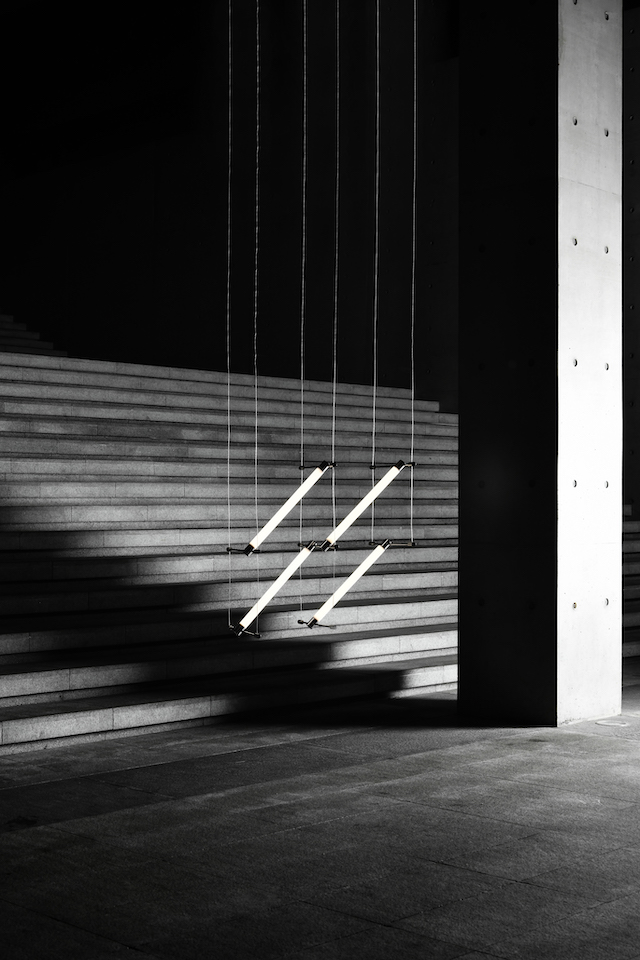
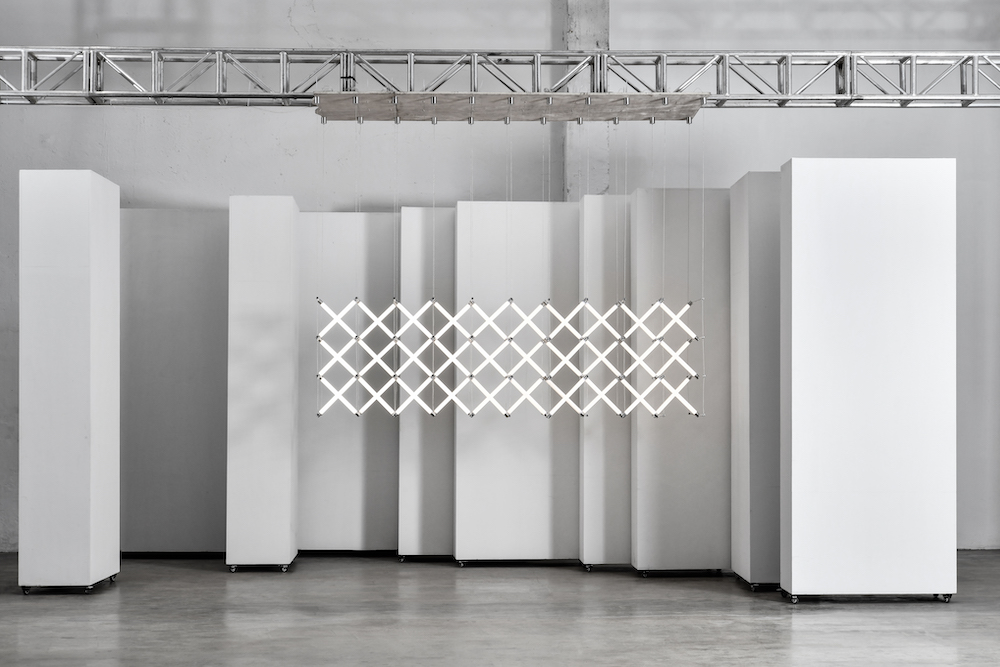
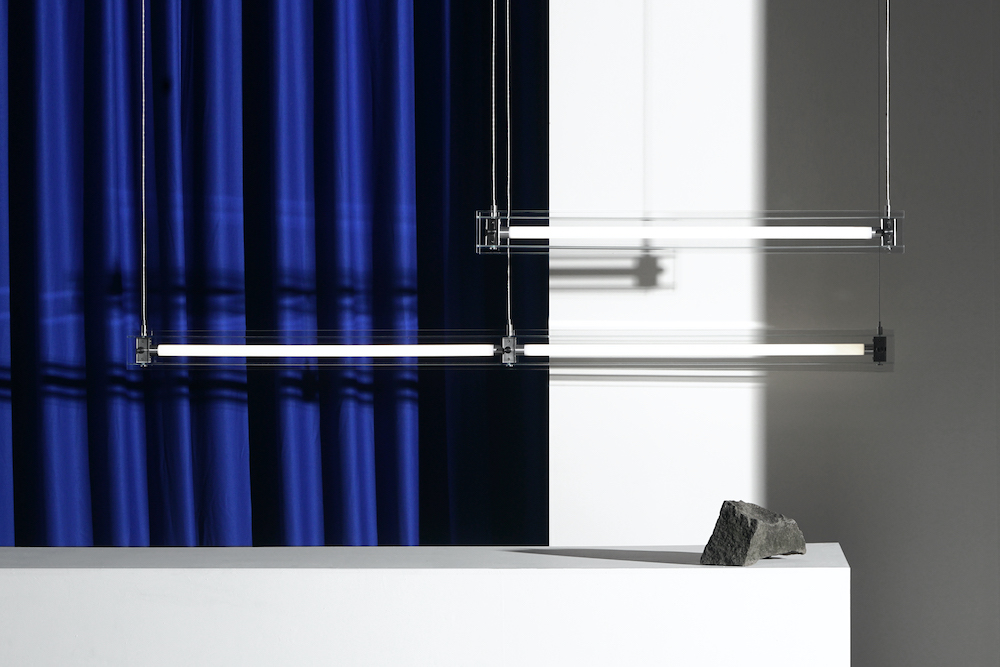
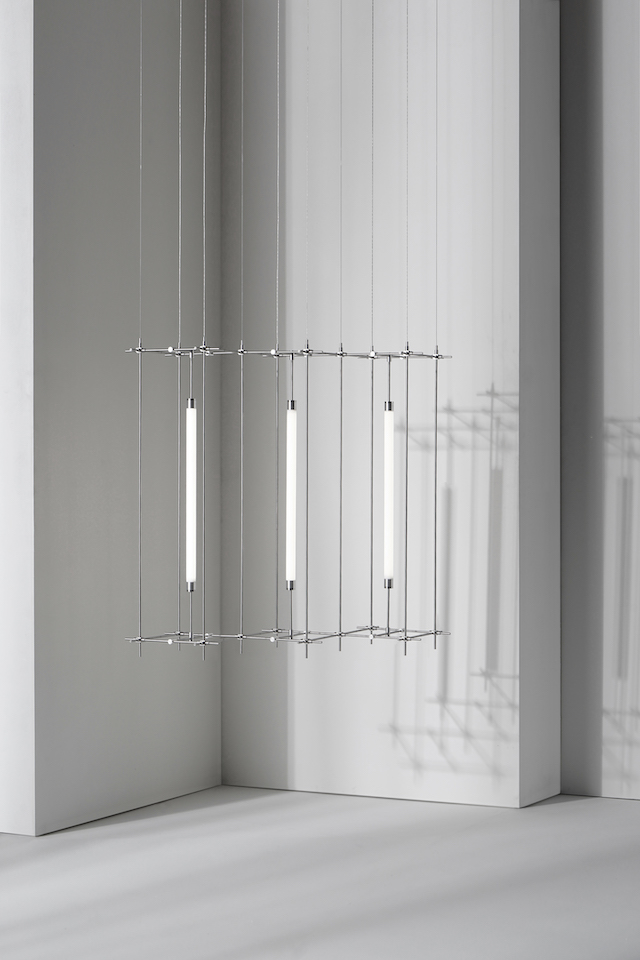
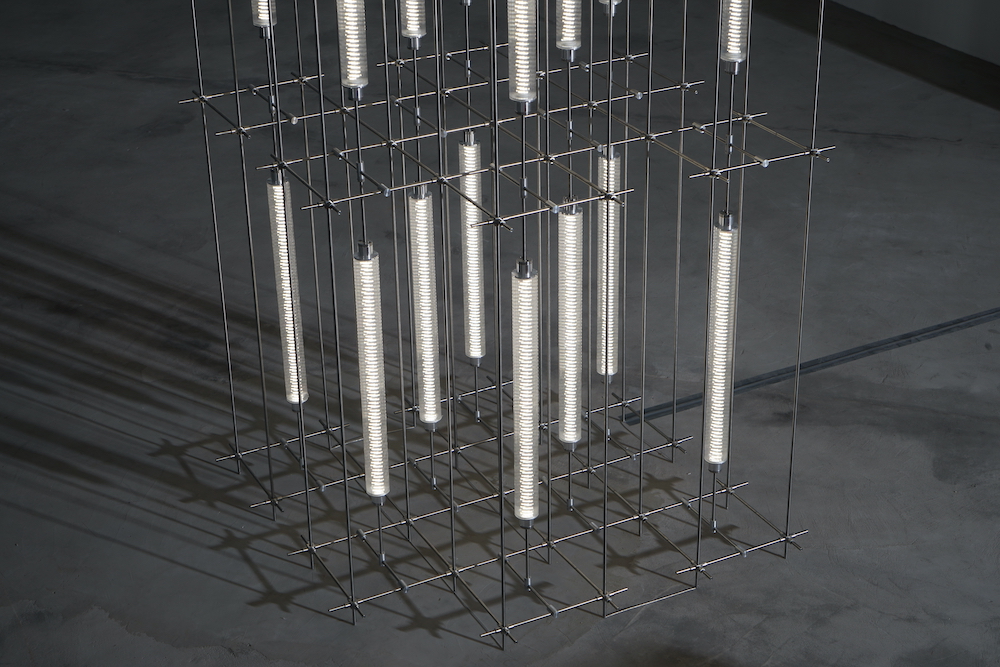
Because of the studio’s detailed and research-guided approach, this means the team are able to test their hands at a plethora of different pieces; the portfolio is diverse as anything. One example can be seen in its Mazha Lighting System, in what Mario deems as the “most representative work” of the studio’s. Designing for eternity, the system has been made to last. “Low voltages can be transmitted electrically through the structure of the lamp, allowing the lamp to be free of wires and to build diverse and endlessly changing systems as a free unit,” explains Mario. The first iteration of the modular lighting system was inspired by traditional Chinese seating apparatus, composed to give a “more diverse expression” and renew its circularity; it’s how the Mazha Lighting System was borne. 

Each generation thereon consists of tube lights, a metal pole or metal connector, plus the wire ends. “Without the slightest intention to hide the structure, each component is extremely delicate and independent,” says Mario. “When a part of the product is faulty and needs to be replaced, only the point of filature news to be replaced, not the whole lighting.”

Mazha Lighting System by Xu Xiaodong

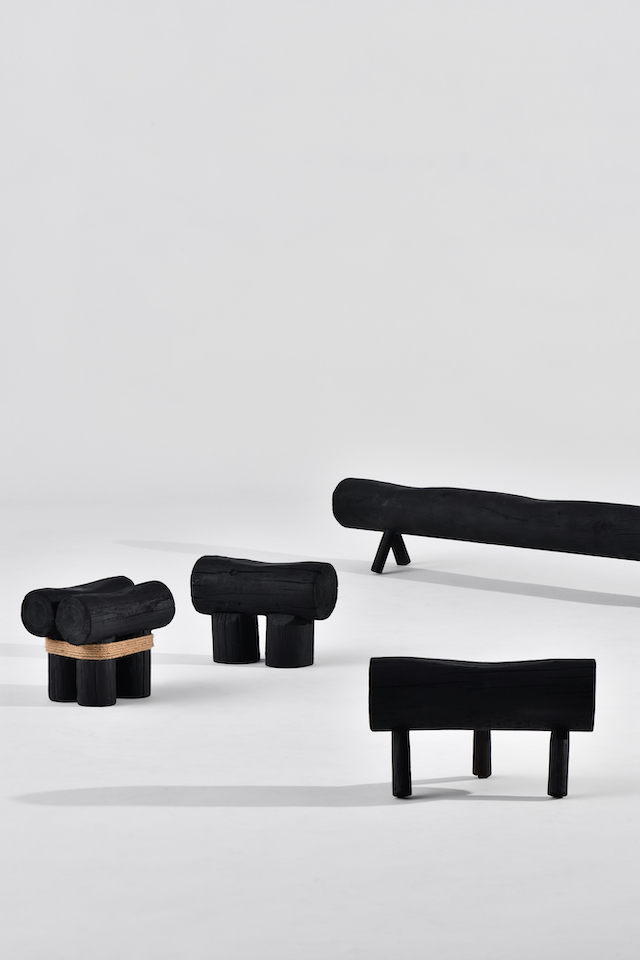
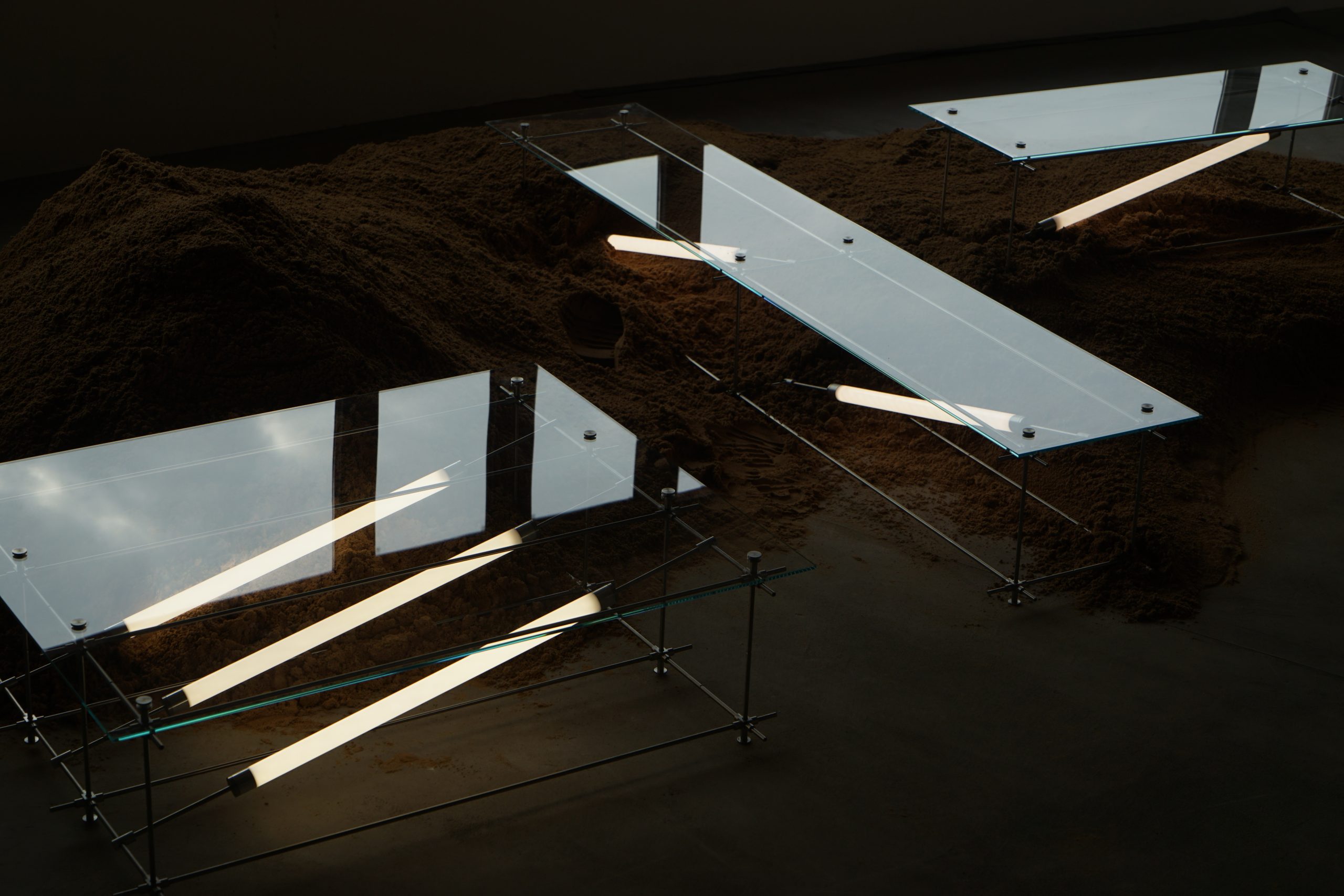
Origin Collection is a comparatively different project yet one that succinctly aligns with the Mario Tsai ethos entirely. A design performance piece, Origin Collection reflects on the idea of using modern technology and tools to make life and work more convenient. But on the other side, according to Mario, “they also gradually hinder our human instincts and sensitivities”. In response,  Mario hired a carpenter from the Hangzhou countryside to structure the furniture through manually processes like log-cutting and fire burning – the antitheses to digital methodologies and one that equated to a refreshing design experiment to inspire people to rethink their footsteps. “All the processes used to complete The Origin are based on instinctive human wisdom. The process of creating tools to carry out the project, using native materials and existing conditions, was also the best way of expressing the idea of locality in contemporary design.”

Clearly, Mario Tsai and the team go beyond the expected when diving into a project, be it a more critical or conceptual piece or one that’s more functional. Shying away from the wishy washy displays of ‘sustainable’ design, Mario Tsai Studio strives to be honest, functional and long-lasting. Speaking of whether the design industry is currently doing enough in terms of combatting climate change, Mario says: “I think it’s far from enough. A lot of sustainable design is pseudo and gimmicky, and many people use the concept of sustainable design with the ultimate goal of business and personal fame. I hope that sustainability can be incorporated as a norm in the way people live and work.”

Mazha Lighting System by Mario Tsai

Mazha Lighting System by Mario Tsai

Mazha Lighting System by Mario Tsai

Mazha Lighting System by Mario Tsai

Mazha Lighting System by Mario Tsai

Origin Collection by Mario Tsai

Rafael Kouto

The designer and label founder uses upcycling as a sustainable alternative to the current fashion system

What will the future hold for sustainable fashion? With Glasgow’s COP26 prompting goals and recommendations for a more environmentally conscious world, now has never been more crucial to reassess our relationship with the planet – and our clothing. When it comes to the fashion industry, there’s much to be learnt and adopted in order to reduce the impact it has on the environment. This includes net-zero emissions by 2050 latest, to waste elimination and erasing the global supply chains – not to mention increasing education of how to better address the climate emergency through manufacturing and more conscious and sustainable business models.

The anticipation for change is heartfelt across the globe, but now, perhaps it’s time to shine light on the industry folk who are already doing their bit. Like Rafael Kouto, a fashion designer who launched his own avant-garde fashion label with the environment in mind. Conceived with upcycling at its core, the label of the same name aims to tackle textile waste, dead stock and other materials in the creative and production lifecycle. “The goal since the beginning has been about cultivating an uncompromised approach to sustainability as it exclusively uses the technique of pre and post-consumer upcycling to create new clothes and accessories,” he tells me.

Rafael grew up on the Italian side of Switzerland in Ticino to a Togolese father and Swiss mother. He studied fashion design at FHNW-HGK in Basel, followed by an MA in fashion matters from the Sandberg Institut in Amsterdam. From working at Alexander McQueen to Maison Martin Margiela, Carven and Ethical Fashion Initiative, he garnered the necessary experience to excel in his profession. Equally, these past roles enlightened an alternative fashion system and proved that a more sustainable and viable option was possible; this is the moment he decided to focus his practice on upcycling and sustainable strategies, “with a particular focus on open source and craftsmanship,” he says. 

In 2017, Rafael therefore decided to launch is own fashion brand, which has now gone on to win numerous awards such as the Swiss Design Awards in the Fashion & Textile category for both 2018 and 2019 (he was also the finalist in 2020), plus the Gerbert Ambiente Design Preis 2020 and 2021. To date, he’s also been published in the pages of magazines such as Vogue, Harper’s Bazaar and Dazed. He also applies his knowledge and know-how to a series of upcycling workshops in collaboration with various institutions, alongside teaching as an associate professor in Fashion Design at the IUAV in Venice. 

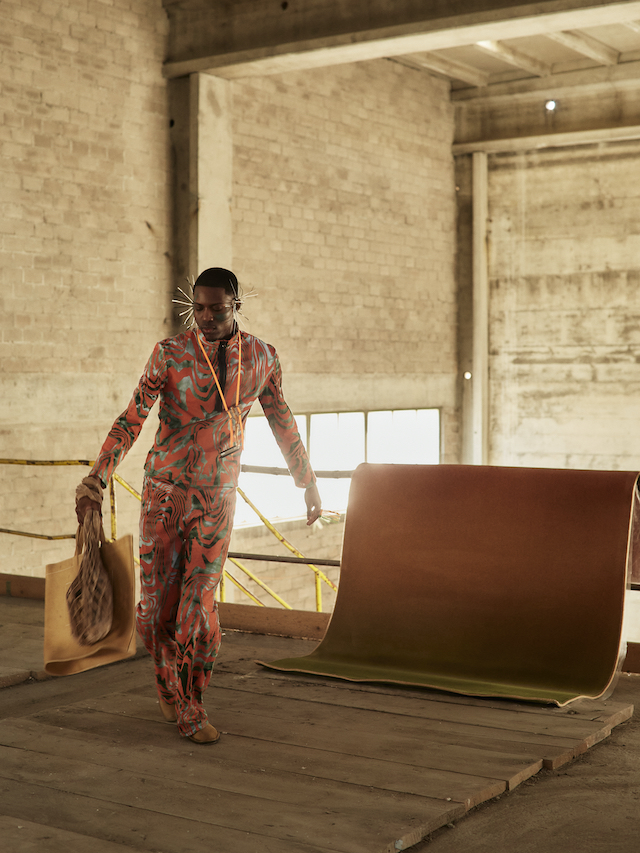
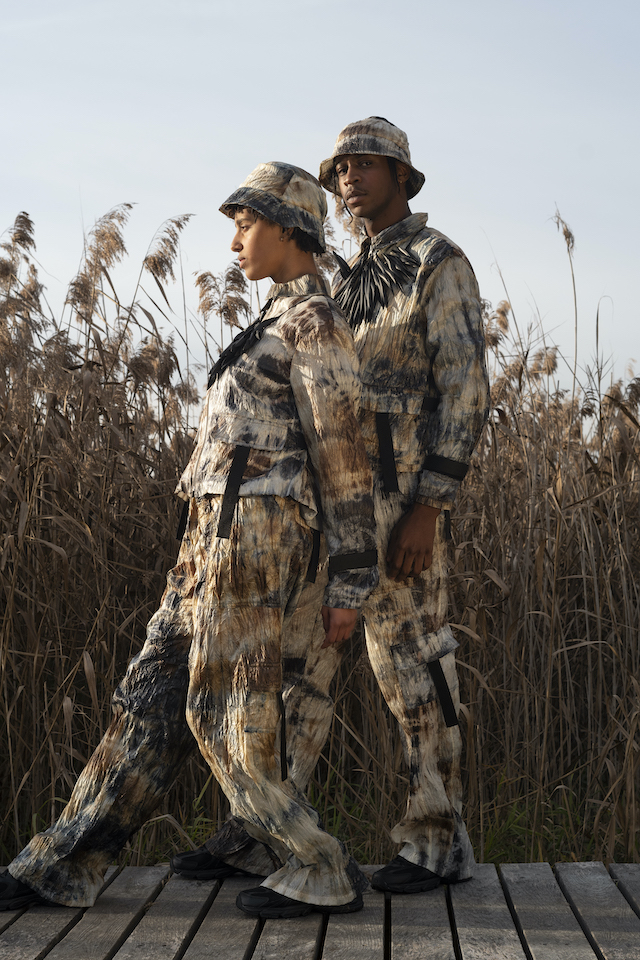
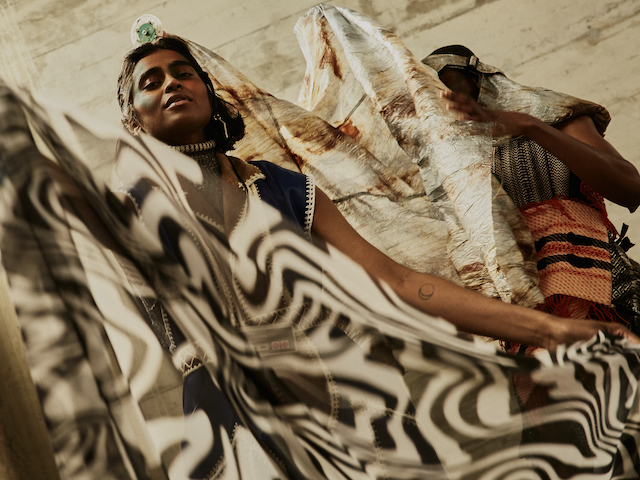
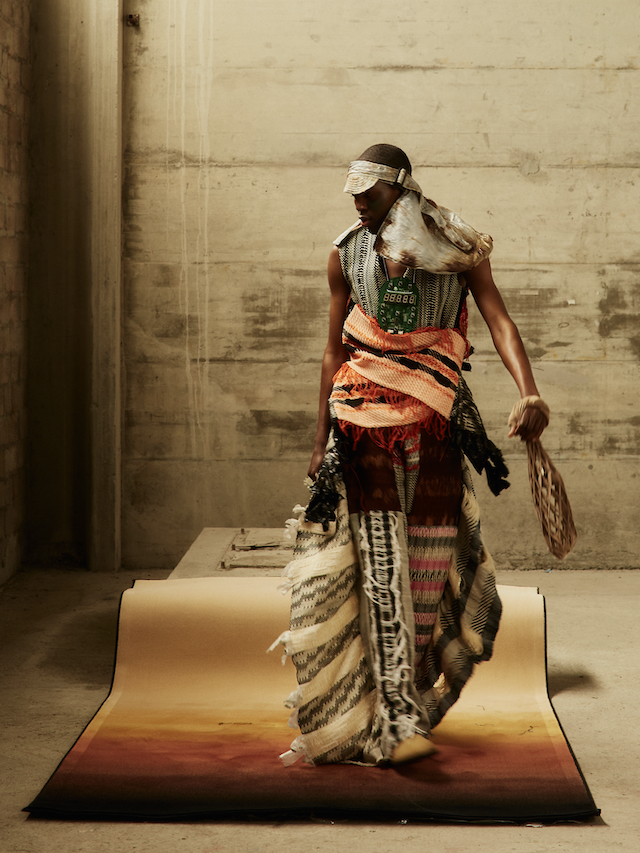
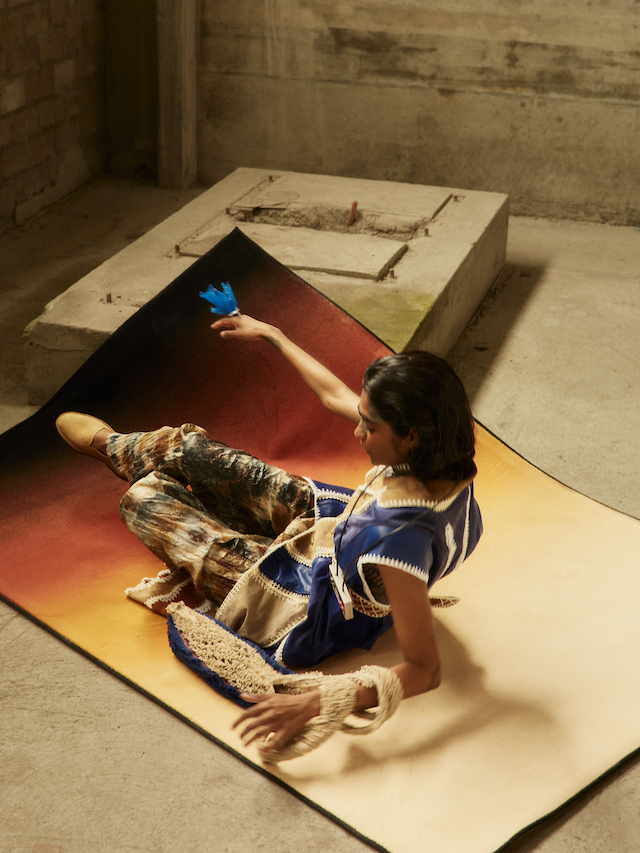
Throughout all of Rafael Kouto’s output, garments are construed with utmost credibility to materiality, source and process. Amassing in timeless collections abound with pattern and colour, everything is created in Switzerland through the upcycling of existing dead stock garments or fabrics, “with different traditional couture techniques as crochet, screen printing and knitting,” he says. The result of which is a consciously designed label replete with bespoke clothings for the wearer, bound in a post-modern blend of tie-dye, 70s swirls and traditional African prints. “The collections have a hybrid aesthetic between African and the West, therefore I envision the Afro descendants community embodying those values and all the loves of the aesthetic of course.”

Rafael’s approach to fashion design and manufacturing is commendable. The industry – and our planet – is so awash with garments that they’re bursting at the seams of landfills and our wardrobes. There’s simply too much in the world and, along with more sustainable business practices, our consumer habits need to adapt. “With the brand, we are contributing on a small scale, but I think that the most important part is about proving that a sustainable alternative to the current system is possible and to engage the users through upcycling workshops and other activities into the creative and production process,” explains Rafael.

So what does Rafael aspire for the future? “My hope is that fashion will head into a more sustainable, local, social, ethical and community direction,” he says. “I think that idea of expanding as the biggest fashion houses and bands will be replaced by small scale and niche businesses. In this case, I think the mind set of the industry still needs to change and not be based on a constant need to consume compulsively. But, it’s something that has to change also from the brands’ perspective.”