PORT speaks to Katie Chung ahead of her SS17 show in Paris, who reveals what Virgina Woolf’s novel inspired her work
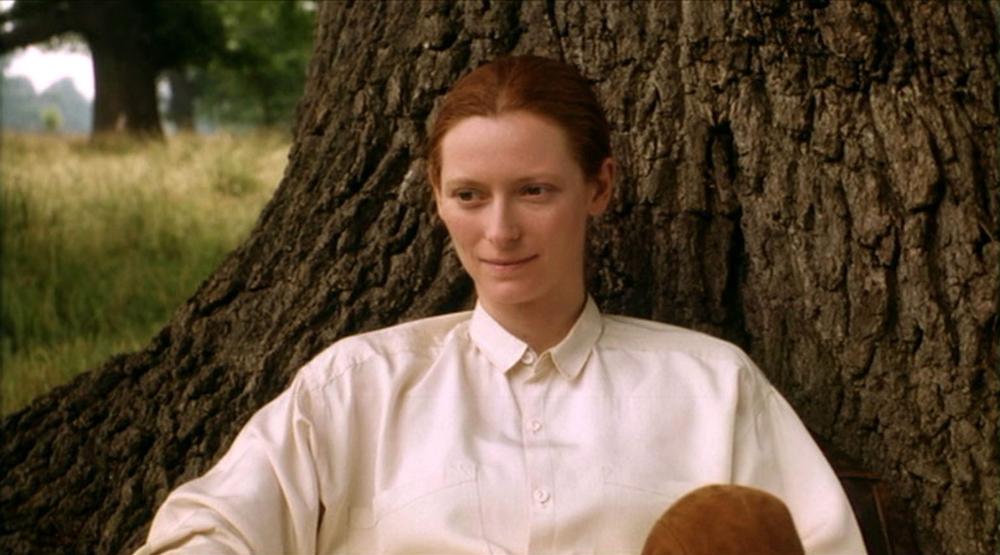
Still from ‘Orlando’, by Sally Potter (2010)
“I discovered Orlando: A Biography, by Virginia Woolf, as a teenager. The idea of gender being insignificant really captured me… Woolf was inspired by her close friend and sometime lover Vita Sackville-West. It didn’t matter to her if Vita was female or male; she was captivated by her intelligence and her presence, and she became a somewhat perfect being in her eyes.
“The beauty of the filmography of Sally Potter’s film adaptation touched me as much as the story itself, and Tilda Swinton is breathtaking in her effortless transformation between a male and female Orlando. As a creative I like to explore this blurred line between masculine & feminine, luxe & functional, graphic & romantic.”
Ahead of his Paris Fashion Week show, French designer Alexandre Mattuissi explains why ballet has shaped him as a creative
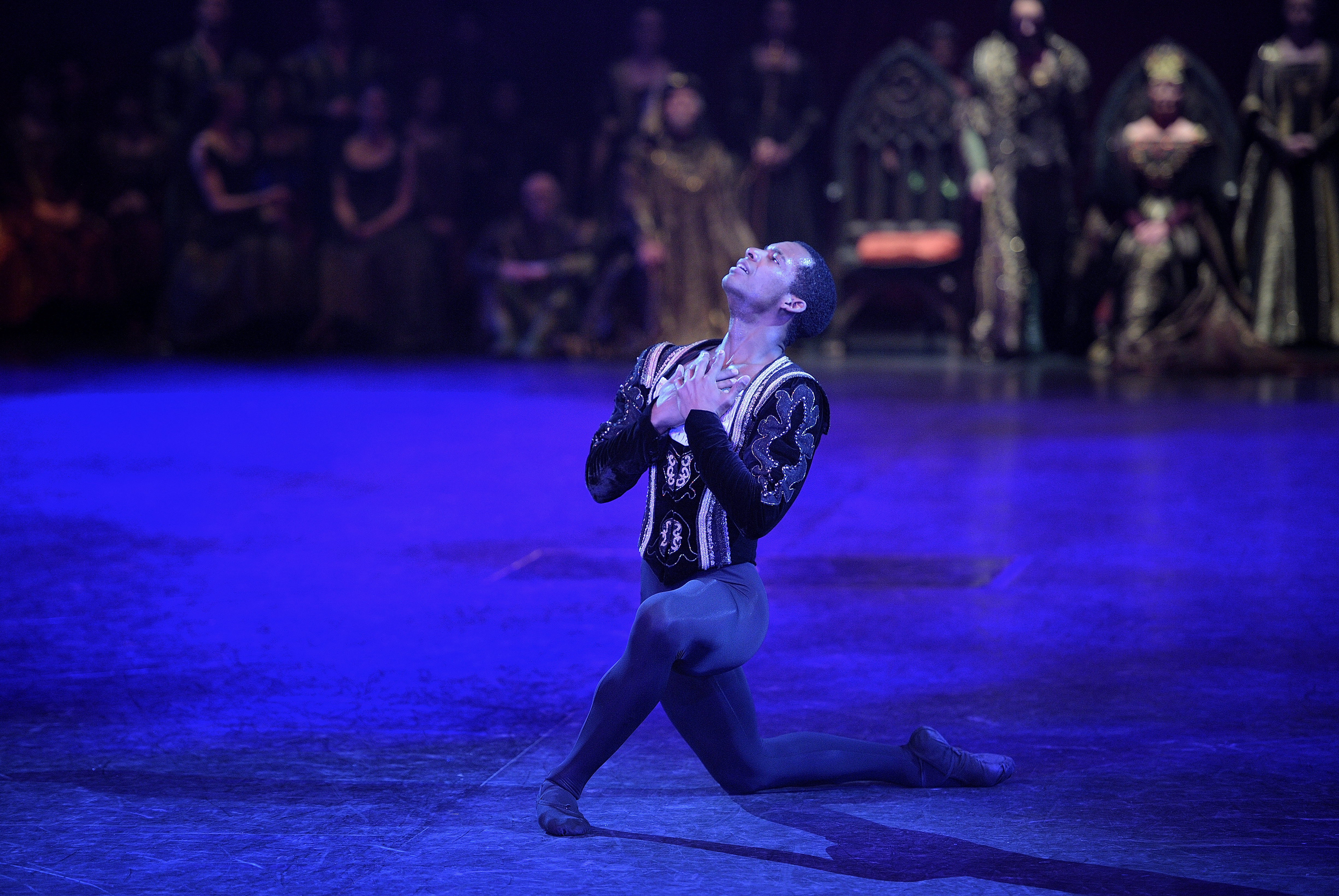
Osiel Gouneo in English National Ballet’s Swan Lake in-the-round. Credit Laurent Liotardo
“From the ages of four to 14, I used to be a classic ballet dancer: a Billy Elliot if you like. I discovered it when I was watching TV with my mother; I looked at the screen and saw Swan Lake. I said to my mother that I wanted to do this and she told me to ask my father. I said to him that night, ‘Dad I want to dance’. And he said okay.
“My parents really believed in me and they really believed in my passion, so I did that for 10 years. It really helped me to build my passion around art, music and choreography. But what I loved the most about dance was the theatrical and performance side. I love the idea that for a show you work on it for six months and then we do it for one night only. You have the audience, the make-up, the music, the costumes… you have everything. I stopped dance when I was 14 as I realised that my passion was fashion. It was the best field in which I could feel the same kind of feelings.
“When you discover fashion you start to think about art, because inspiration is the base. You have to be precise about the things you believe in and the things you love. I have a special approach with art in general; I’d say I am very curious. As a dancer, you become a performer. It’s a sport, it’s a technique and it’s a gesture: the way you breathe; the way you stand; and the way you put your arm. It really relates to the music and the choreography. It’s really about how you control your own body. From a technical point of view, it’s really interesting as you become an athlete you have to take care of yourself. As a kid it’s special because you become very mature and sensitive about the world you’re surrounded by.
“When I started to do fashion I really related to the body in the same way because clothing is really about a shoulder, a line, a length… So I really had the chance to understand the body before studying. Dance has really helped me as a designer, but it’s only with hindsight that I have realised that.
“It’s hard for me to say I’m an artist because I make clothes and it’s commercial. It’s about business, but the process is creative. Everything I do is about studying a feeling and an inspiration. For my latest collection, my inspiration is the people of Paris in the 1970s and what that guy is wearing. I want to make it effortless, cool and chic, as I am more inspired by people than art.”
PORT speaks to Japanese designer Hiromichi Ochiai, creative director of FACETASM, who explains why he nominates film director Gus Van Sant as his genius
‘Elephant’, Gus Van Sant (2003)
“Gus Van Sant is one of my favourite movie directors and I have always been inspired by him. My favourite movie is Elephant , which he directed in 2003 (and won the Palme d’Or for at Cannes the same year). I watch it every season before I start to design the collection.
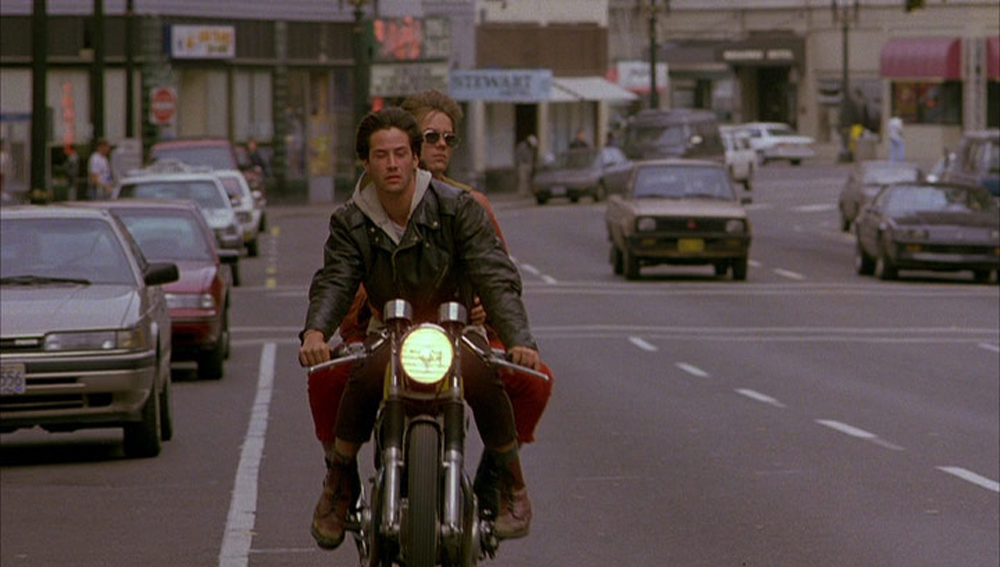
‘My Own Private Idaho’, Gus Van Sant (1991)
“Emotions including loneliness are shown throughout the movie, but there remains a little hope. I always think how I can express this mood with FACETASM. The styling of the characters in Van Sant’s films are always really impressive. But in terms of fashion, I was most impressed by the movie My Own Private Idaho, which he directed in 1991.”
PORT speaks to the creative duo behind Italian label Sunnei to learn about the inspiration behind their SS17 collection
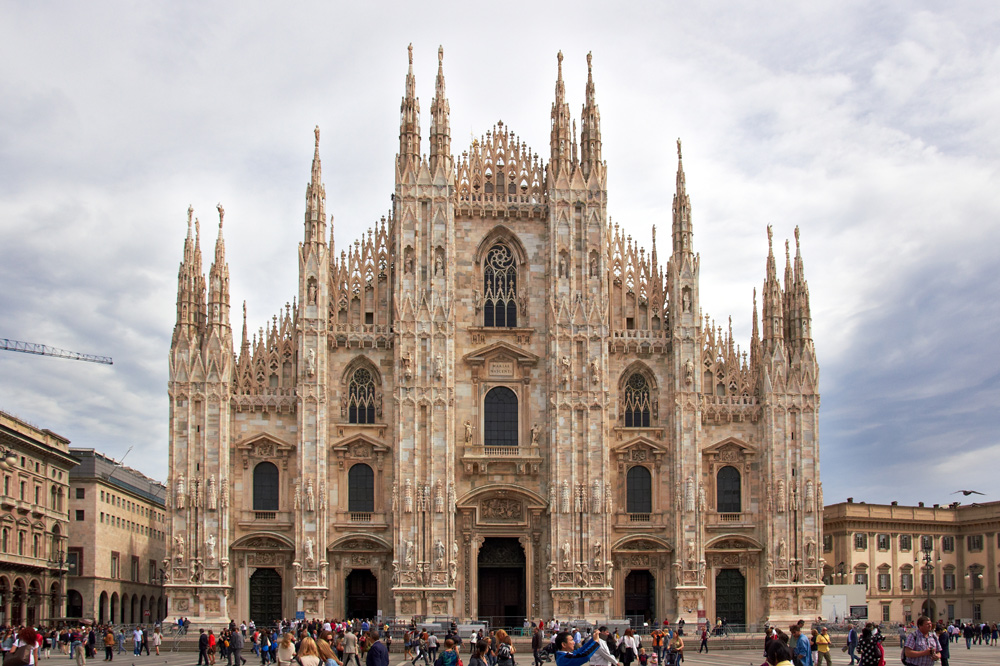
“Lately we have been extremely inspired by tourism in Italy. Living in Milan, we are constantly subjected to hordes of tourists flooding the streets of the city centre in order to take pictures of the amazing architecture and decorative elements that sit around the main square. We often take a walk in Corso Vittorio Emanuele, which is the Main Street of Milan, where all the high street shops can be found, because we are obsessed by the crazy amount of different nationality people flagging their selfie stick frantically in the air in order to capture the moment in front of the Duomo.”
“It’s a really funny and weird scene. It’s like a really amazing photoshoot is going on at all hours. There are even some guys offering to take your picture and print it on the spot. That’s next level in our eyes. Nobody cares about their surroundings during the time their picture is being taken, and that is just magical to us.”
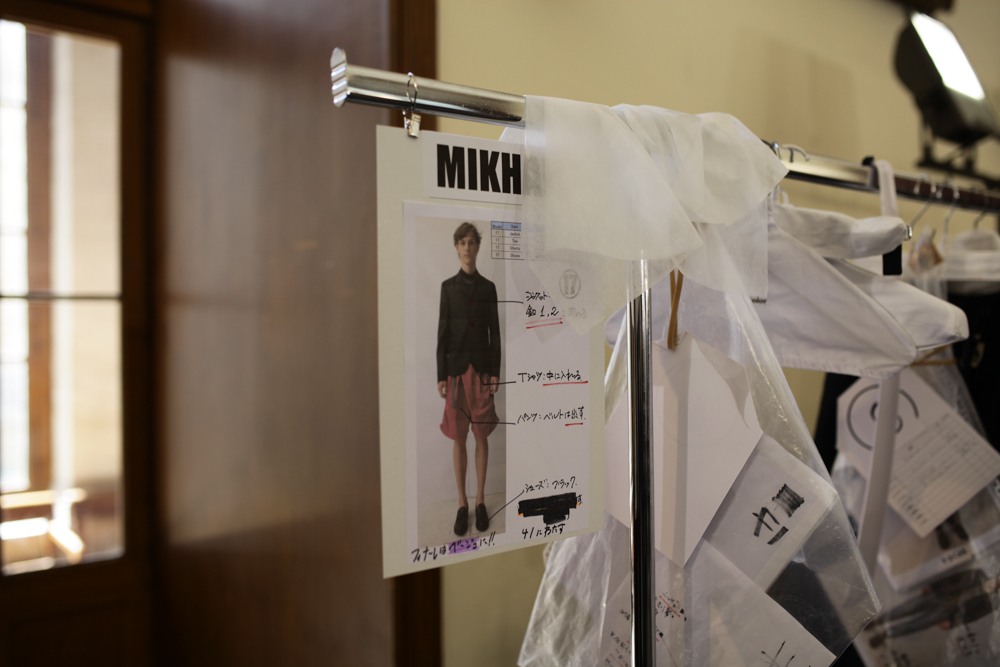
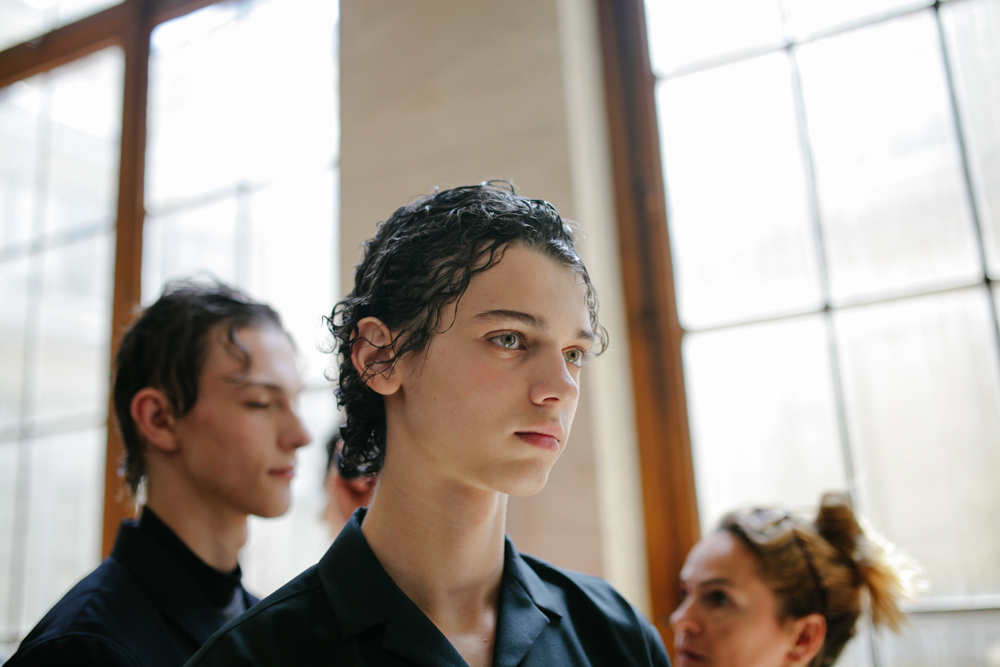
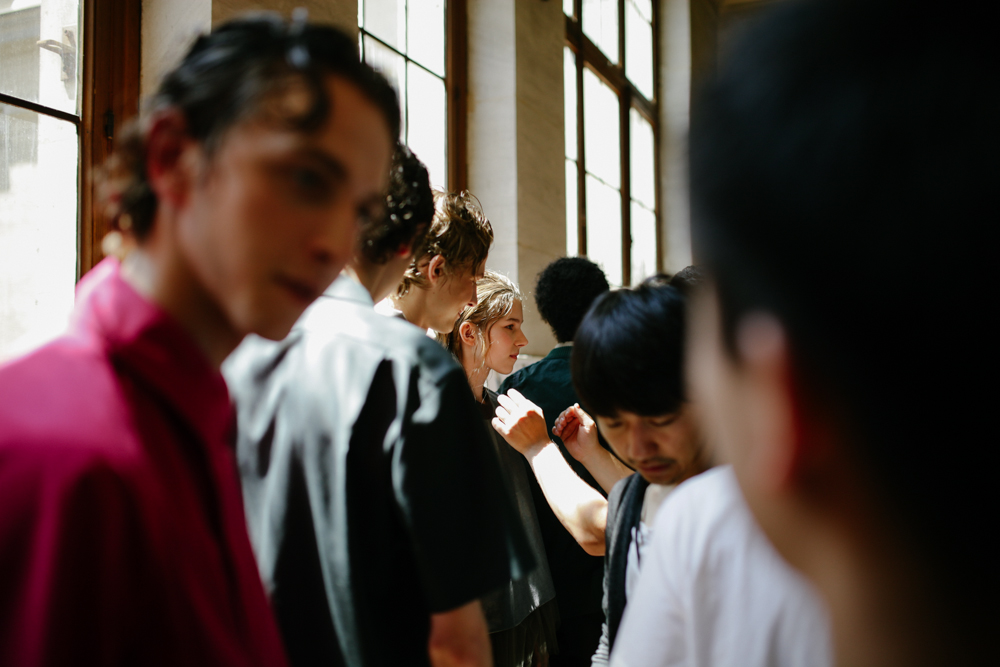
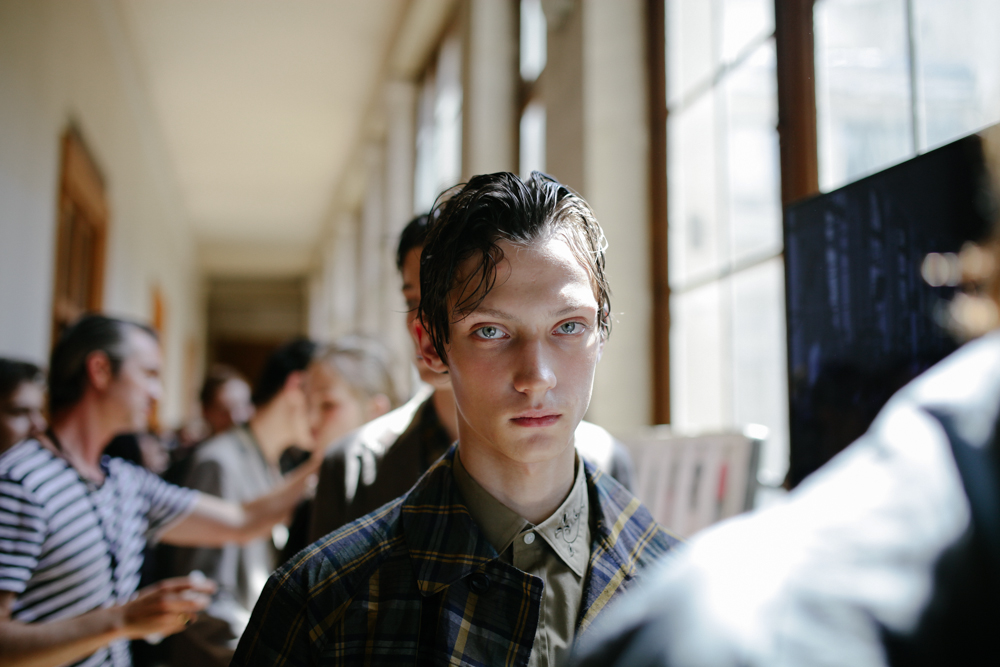
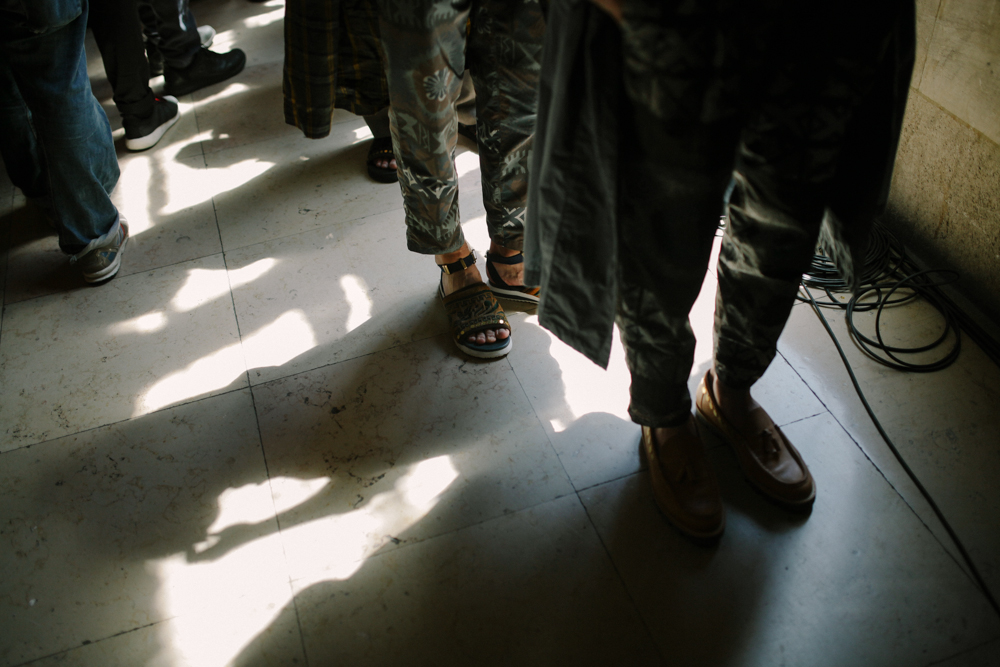
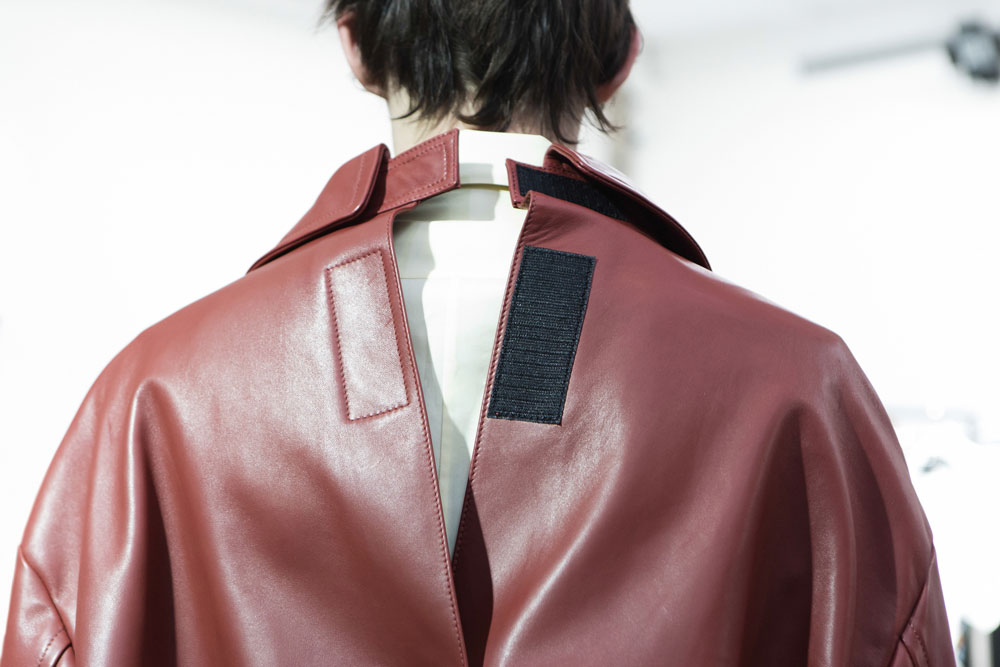
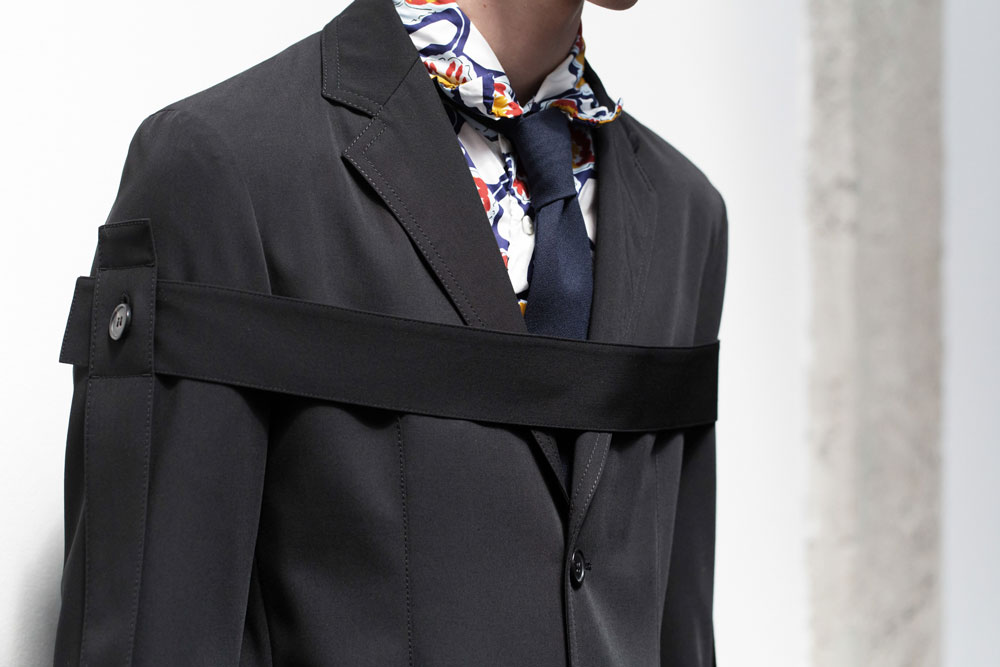
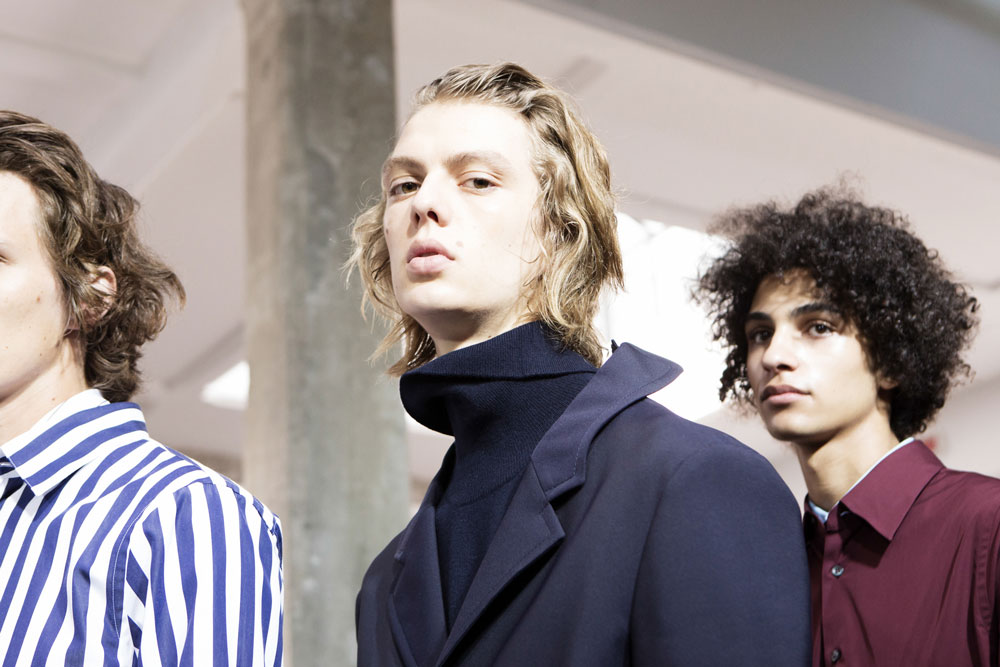
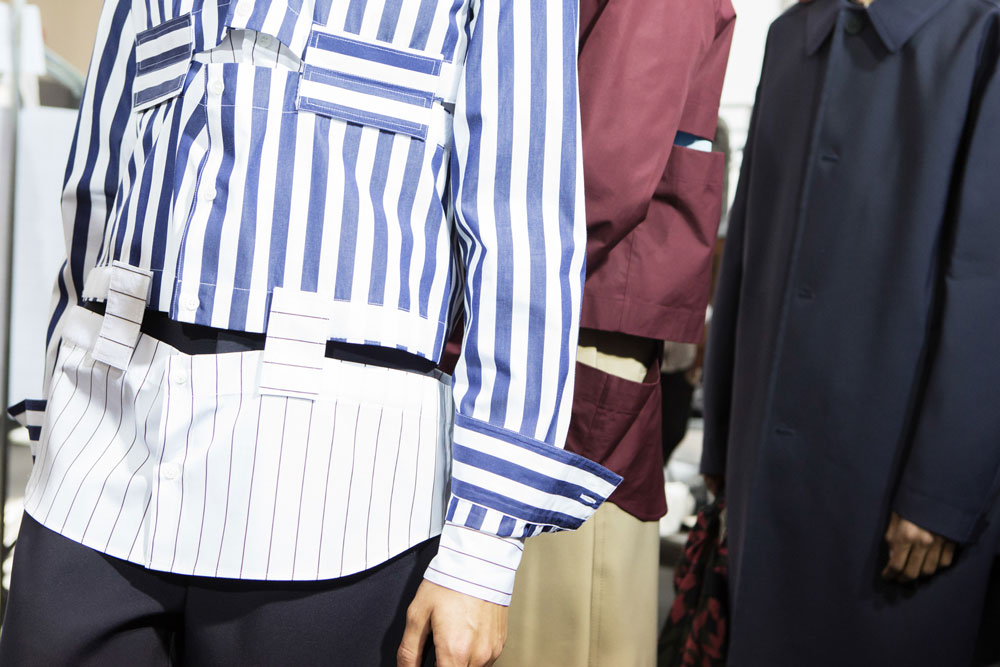
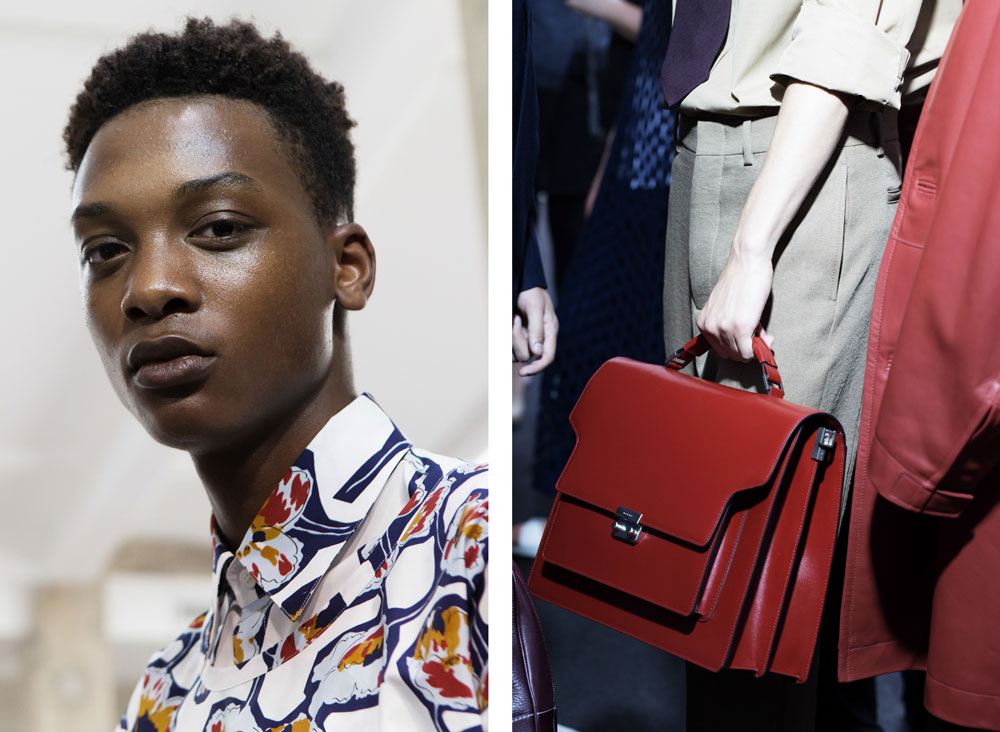
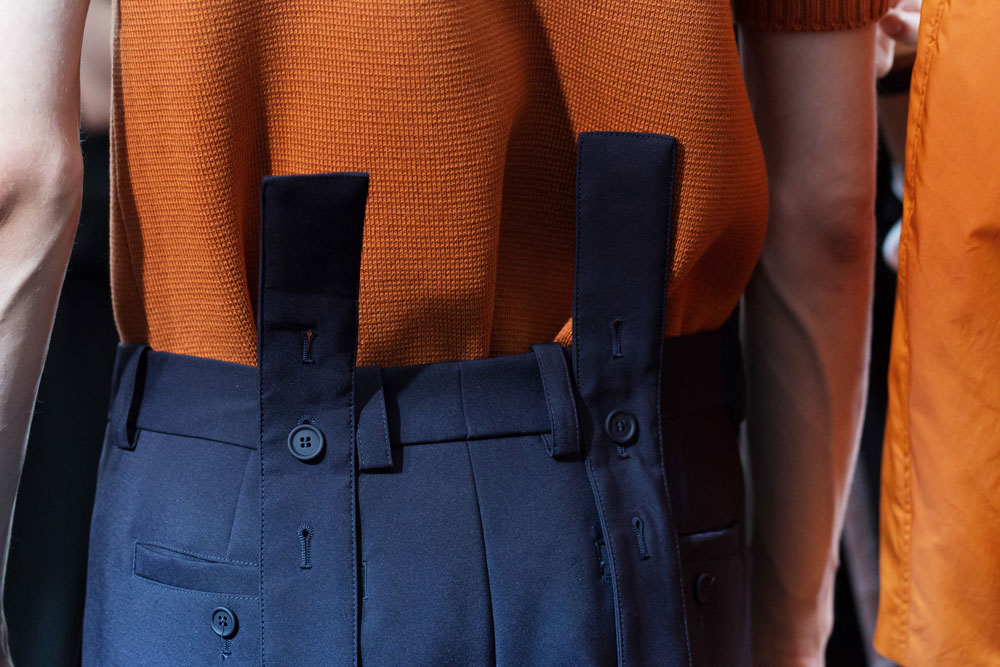
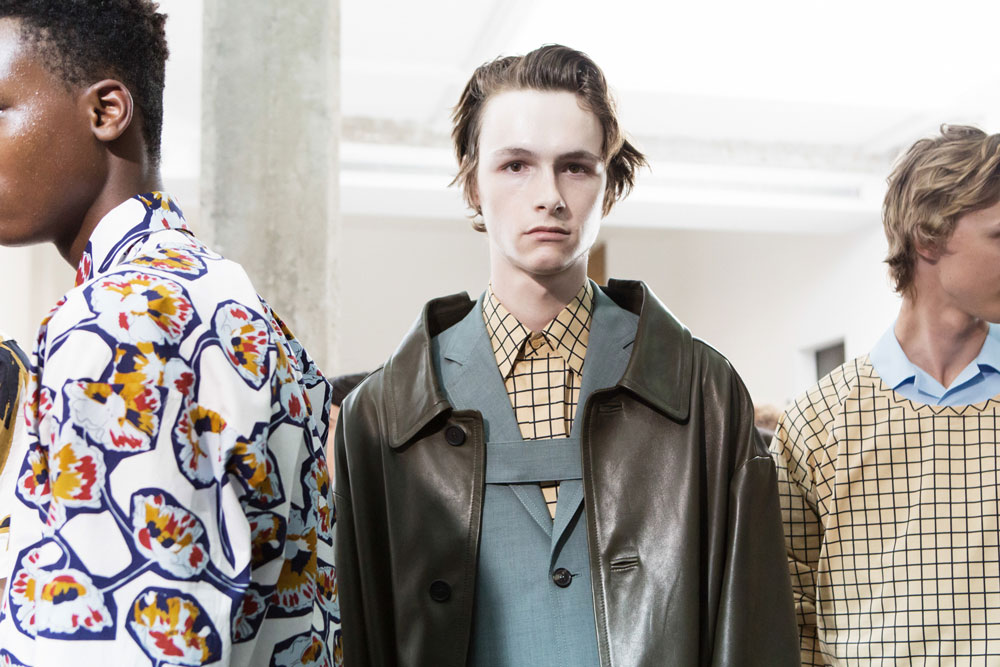
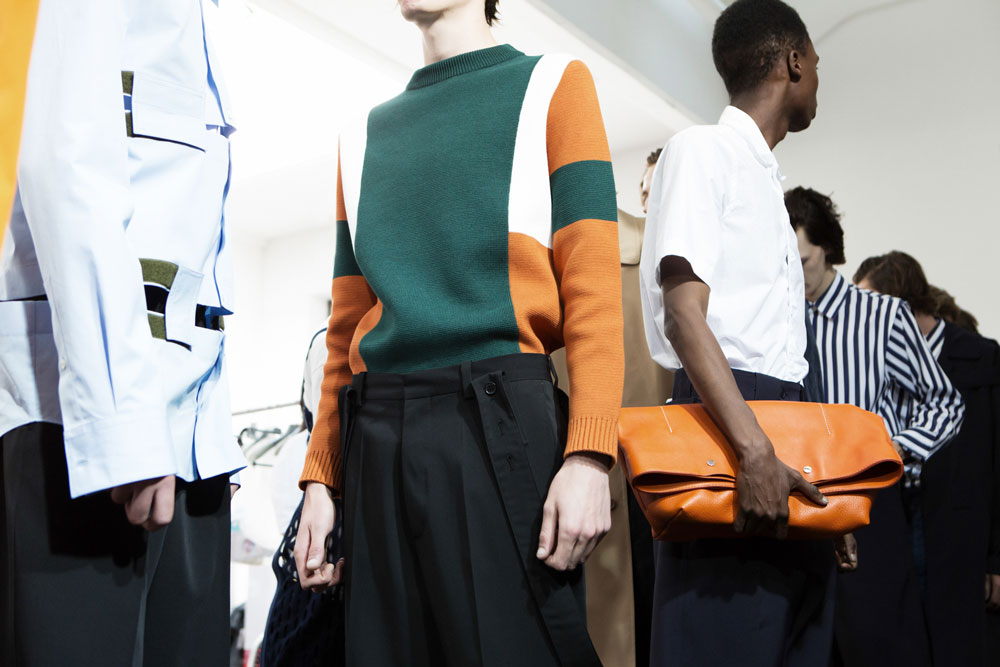
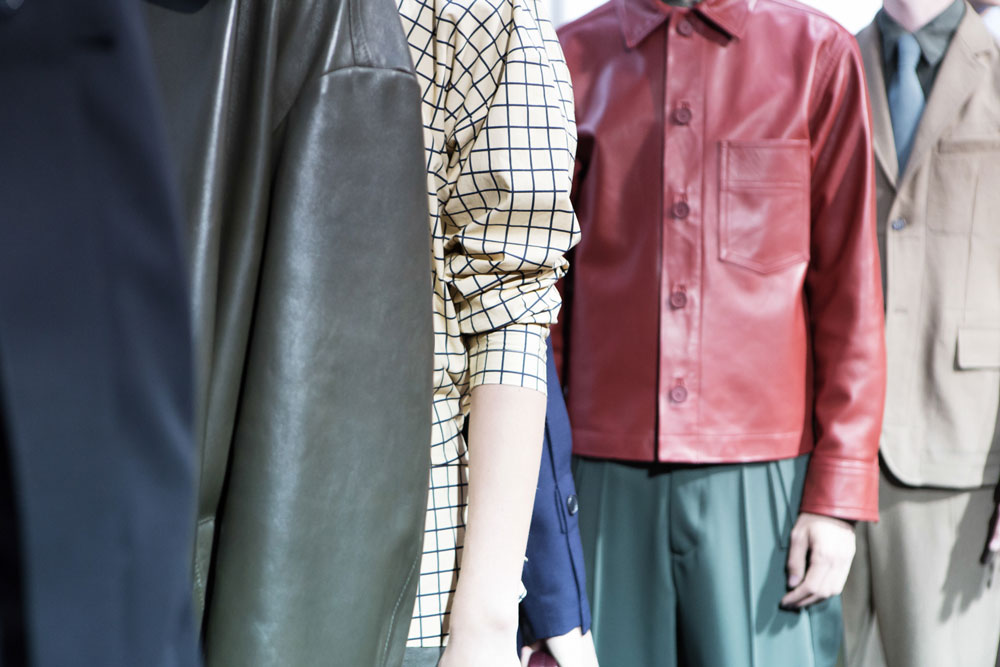
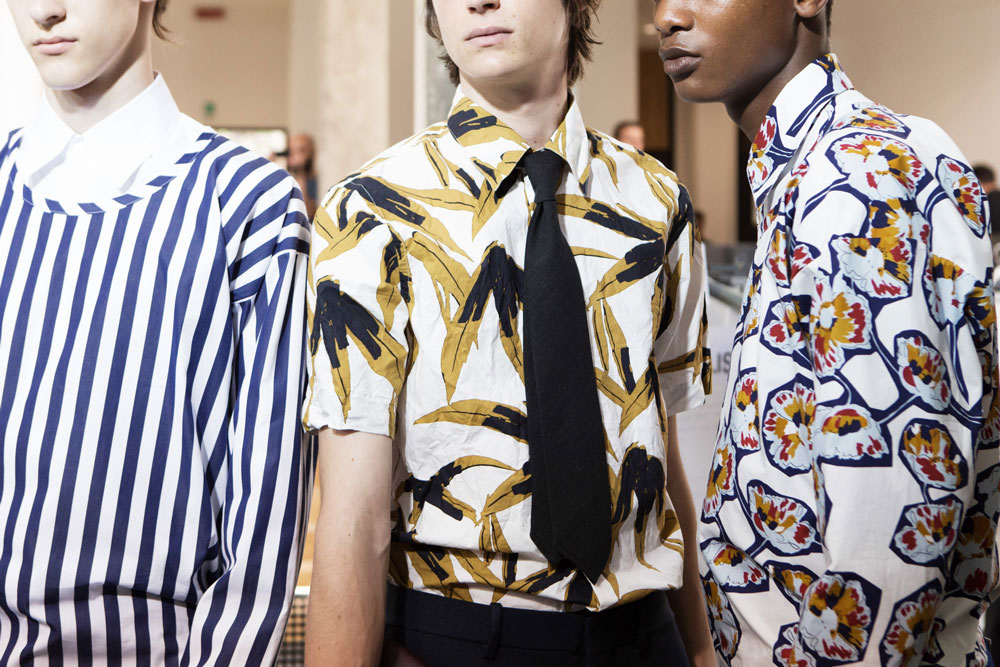
Claudia Zalla goes backstage at the Marni SS17 show and captures details from the utilitarian yet elegant collection of Velcro fastenings and illustrative prints
PORT meets Angela Missoni to discuss the inspiration behind Missoni’s SS17 collection
Courtesy of Angela Missoni
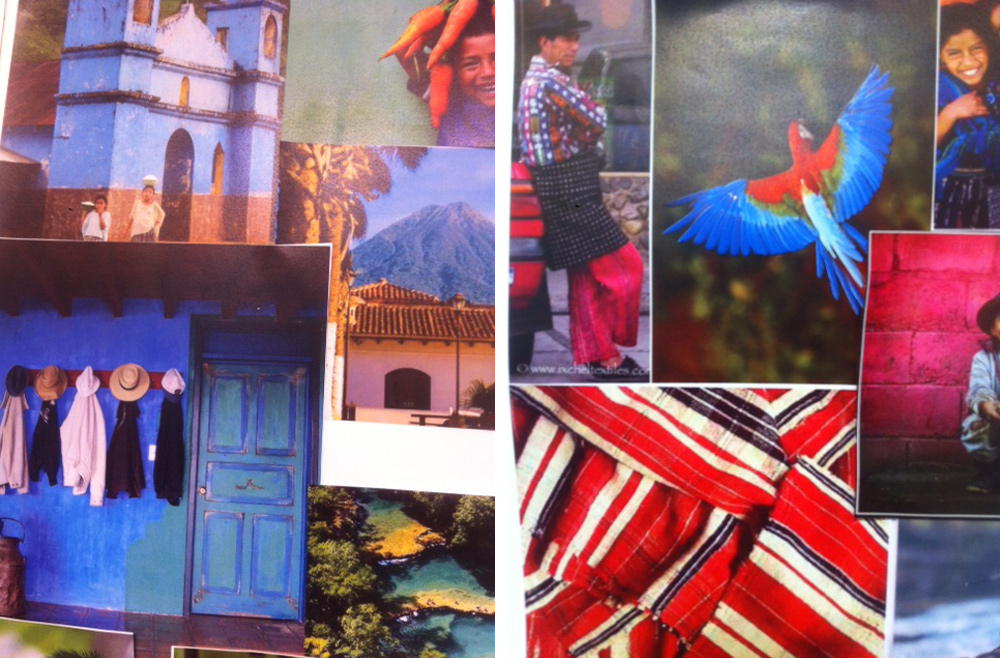
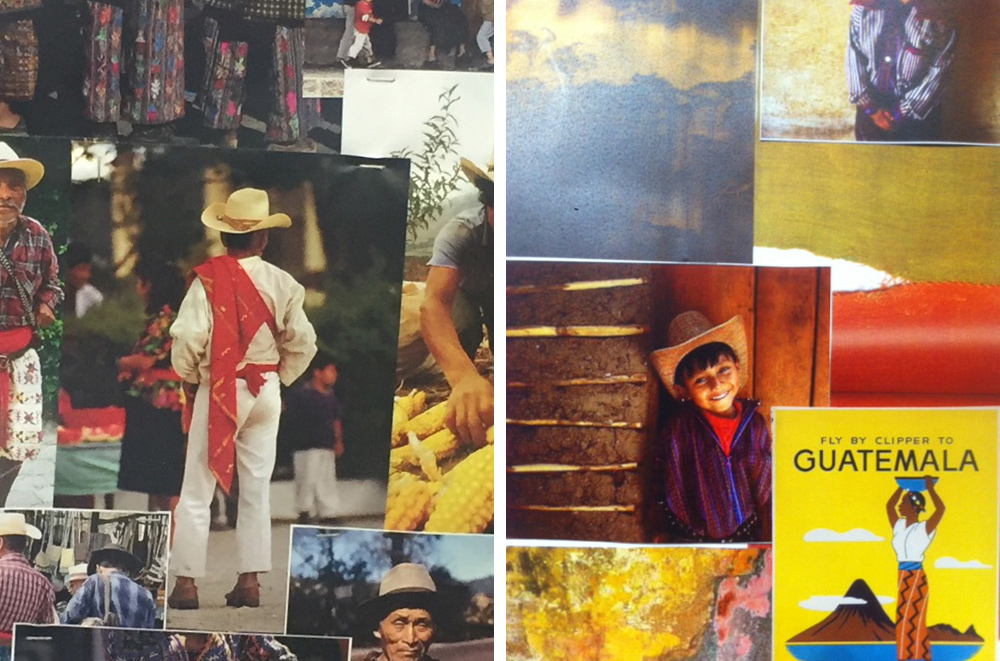
“Missoni Men’s SS17 collection is the narrative link between ancient Mayan civilizations and present-day Guatemala, which is still deeply rooted in tradition. Drawing inspiration from the radiant and sacred quetzal bird, this collection takes flight, taking elements from Guatemala’s diverse and vibrant landscapes, the potent hues of their indigenous wildlife and their renowned hand-woven fabrics, dramatic and explosive colours, iconic and graphic patterns, visual and tactile textures and stunning metallic hand embroideries.
Courtesy of Angela Missoni
“Missoni’s artisanal and innovative spirit is in ascent as this season’s impressive knitwear reveals its own mythic tales with a gentle, Missoni nod to the colorful Guatemalan vaquero.”
American pop culture and post-war Switzerland form the basis of Mihara Yasuhrio’s debut London collection
Image courtesy of Mihara Yasuhiro
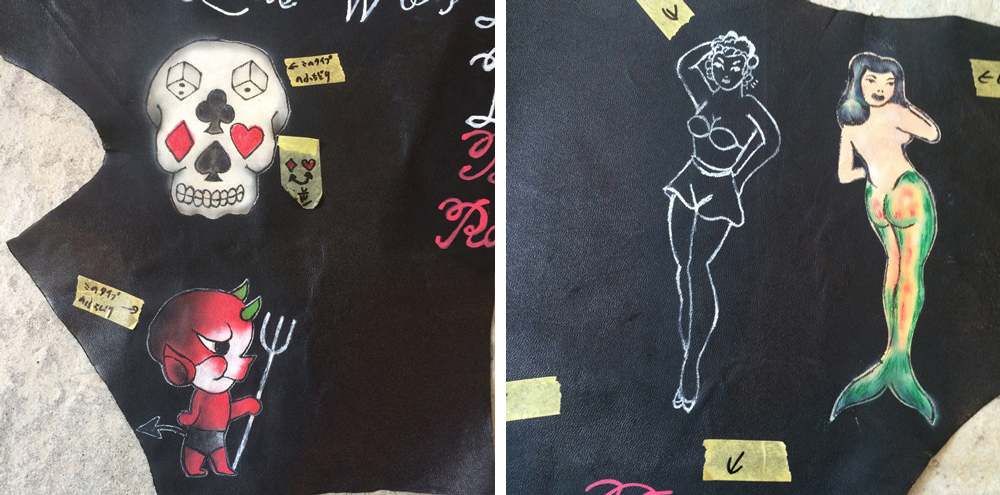
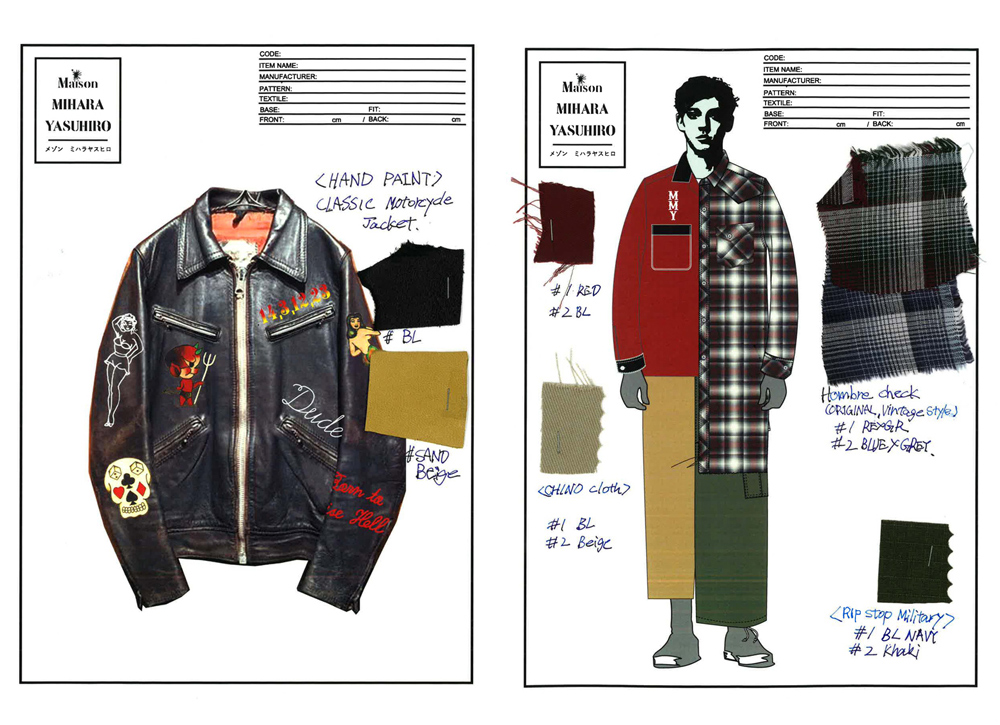
Ahead of his debut at London Collections Men, PORT caught up with the Tokyo-born designer, Mihara Yasuhiro, to learn more about his label Maison MIHARA YASUHRIO. Named ‘No Club Lone Wolf’, Yasuhiro’s collection sought its inspiration through Americana pop culture and the youth of post-war Switzerland.
“My inspiration is from a photo album called Rebel Youth, by Karlheinz Weinberger,” Yasuhiro explains. “The album is about a Swiss youth culture from late 50s and 60s and their hobbies.” .
Image courtesy of Mihara Yasuhiro
Weinberger, an amateur photographer, managed to capture a scene that has rarely been documented. He candidly shot working-class teenagers in a post-war Switzerland, who adorned themselves in personalised, studded motorcycle jackets – a nod to the the Hells Angels – and denim, whilst accessorising with eccentric, industrial-like chains, pins and oversized belt buckles.
“When I was a child, I used to have an interest in youth cultures like this,” Yasuhrio adds. “They influence my design aesthetic a lot.”
Ahead of E.Tautz’s LCM presentation, Patrick Grant of E.Tautz explains how he found inspiration in photographs of lower league European football from the mid-90s
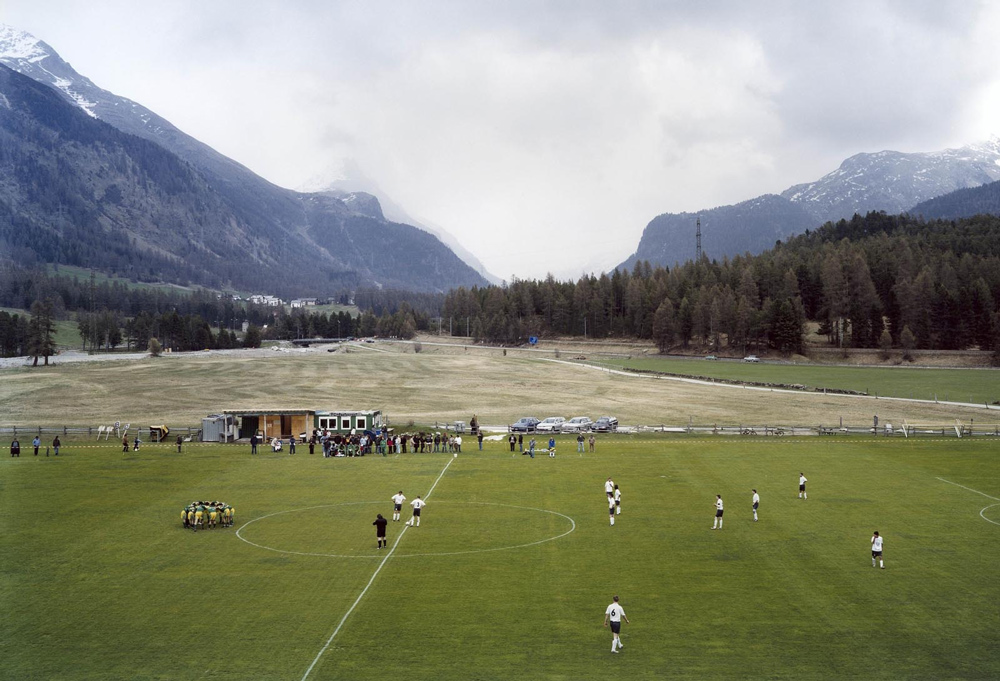
Calerina, Switzerland by Hans van der Meer
“At the start of the 1995 football season, Hans van der Meer, a Dutch photographer, began a project which would then run for 10 years. Whilst travelling around Europe, he photographed lower league football matches: the players, the spectators, the playing fields, the landscapes, and townscapes in which they sat.
“Van der Meer painted a compelling picture of the lower league’s extraordinary diversity and its anomalies, but also the striking similarities that exist between these men of Europe as they play out their sporting fantasies. It’s epic, tragic, and often faintly comic. A cheek by jowl with everyday life. His images tell the story of a sporting struggle. Accidental spectators watching bemusedly from doorways, car tires for benches, priest’s vestments, livestock grazing, washing, waving on washing lines like so many scarves on terraces.
“We’ve always enjoyed and been enjoyed by sports clothes. It harks back to the brand’s heritage. We like the shapes and the motifs, the stripes, hoops and chevrons. But we also like the oddness of the everyday, which van der Meers’ work captured.”