Aitor Throup: Raw Denim Research

G-Star’s executive creative director, Aitor Throup, reveals the philosophy behind his AW17 collection and his experimental fashion lab in Amsterdam

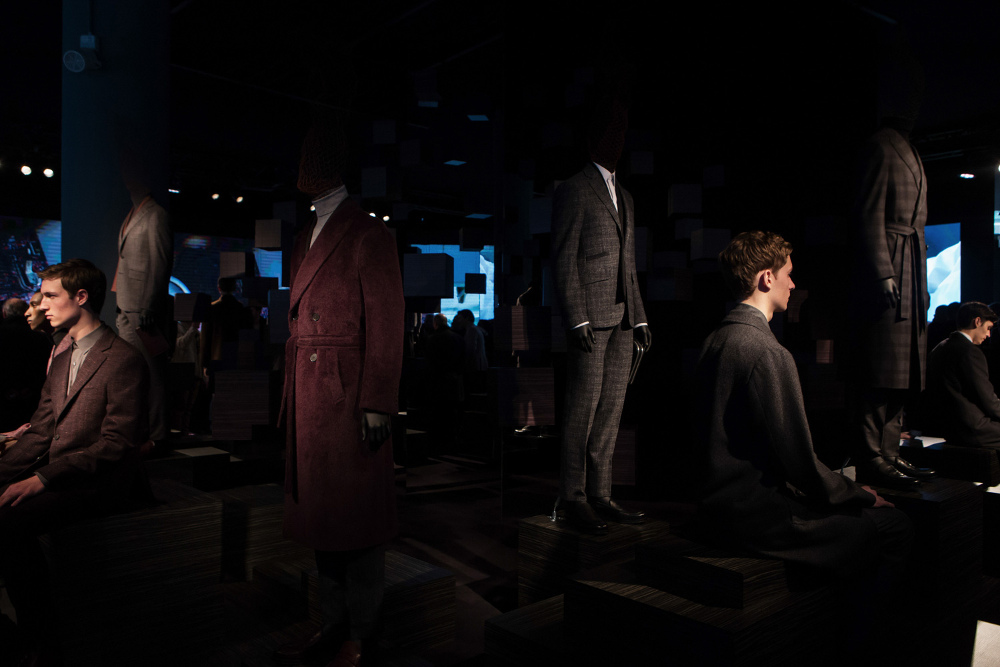
It might sound like an odd fit, a concept-driven artist from Burnley, England, working for one of the more mainstream denim brands around today. But that might just be why Aitor Throup’s appointment as G-Star’s executive creative director makes sense. They both need each other and couldn’t have accomplished the AW17 collection displayed last week at Palais de Tokyo without the partnership; Throup may have wanted the commercial ability to speak to the masses, while G-Star might have hoped to reach a new audience at Paris Fashion Week.

It’s a fine line and it could easily have gone horribly wrong, but as we saw when Throup teased the partnership with a small capsule collection in June last year, it has enough of his design DNA to keep it ‘on brand’ while also sticking to G-Star’s raw denim legacy. In his new role, Throup has moved to Amsterdam to fully focus on the Raw Research laboratory, which is dedicated to his experimental approach to denim. After his Paris AW17 menswear show, we sat down to discuss his new role, doing things ‘his way’, and how he’s injecting ‘controlled risk’ into the design process.
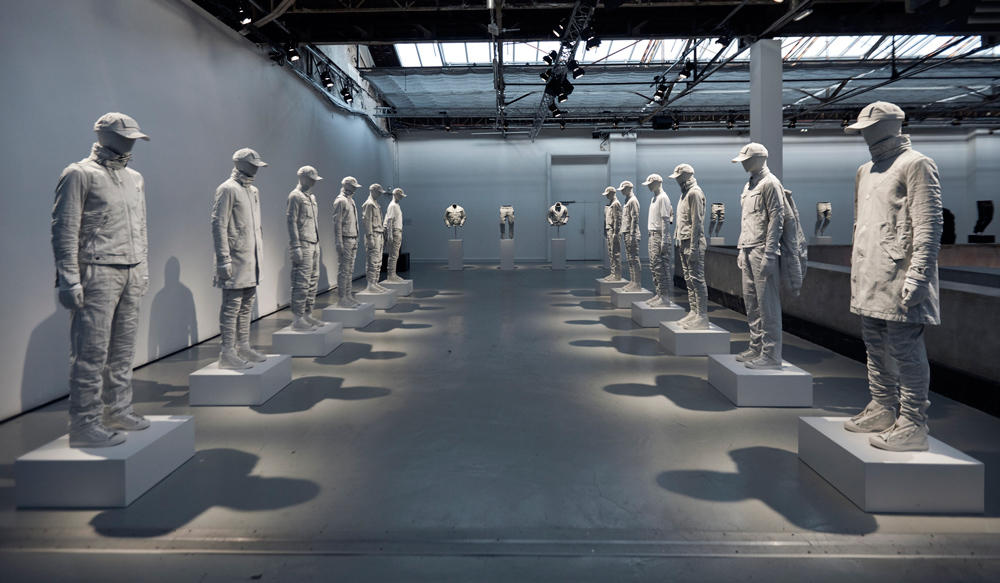
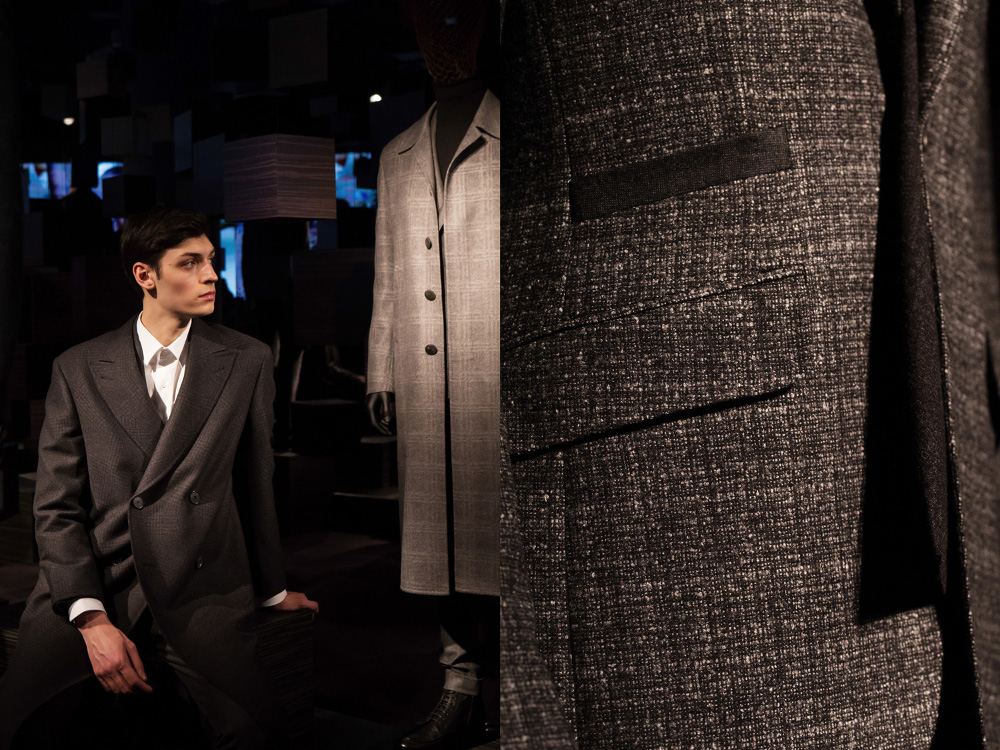
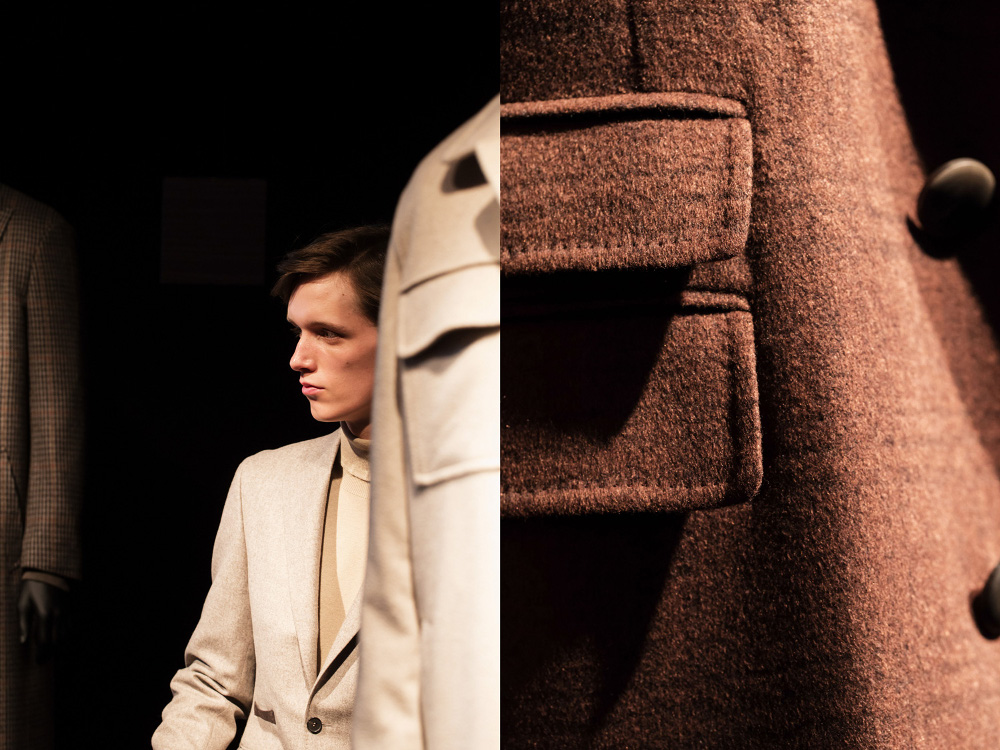
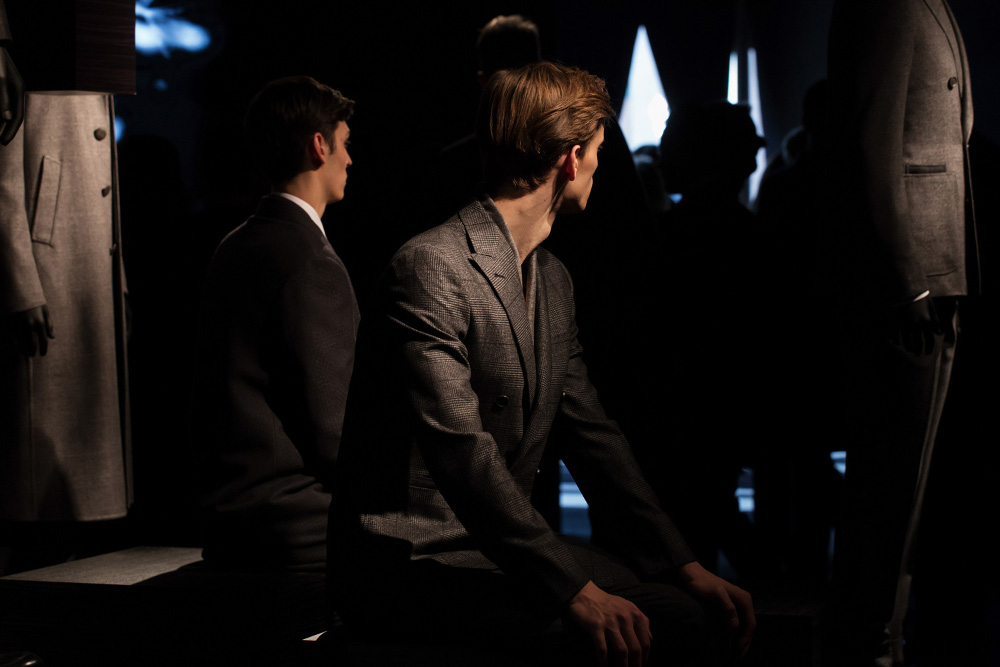
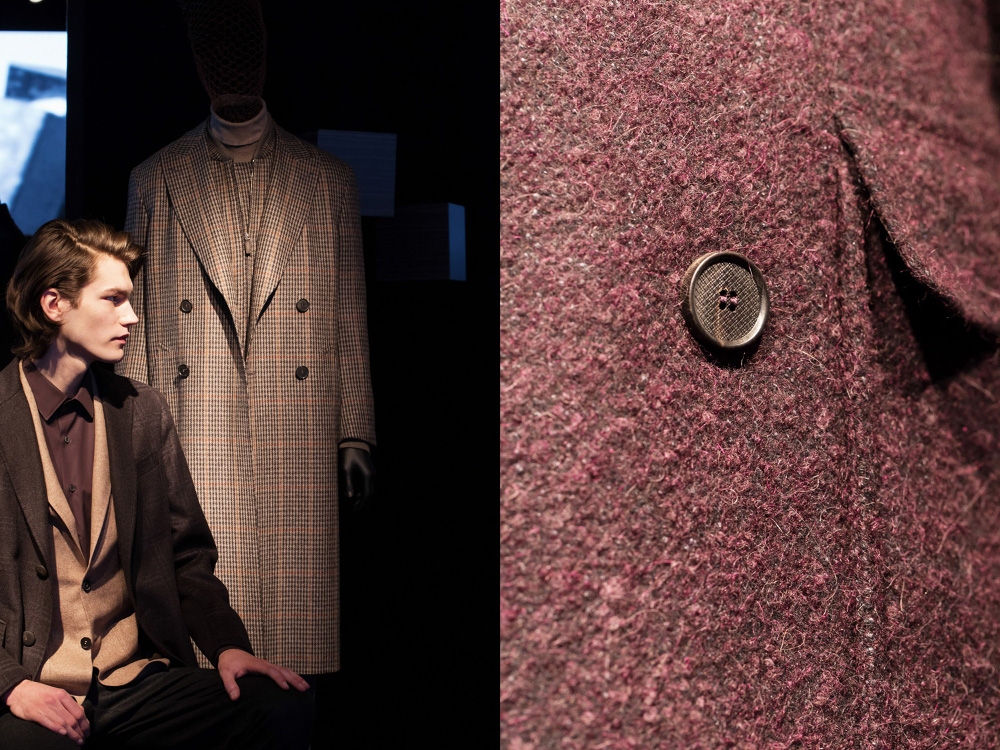
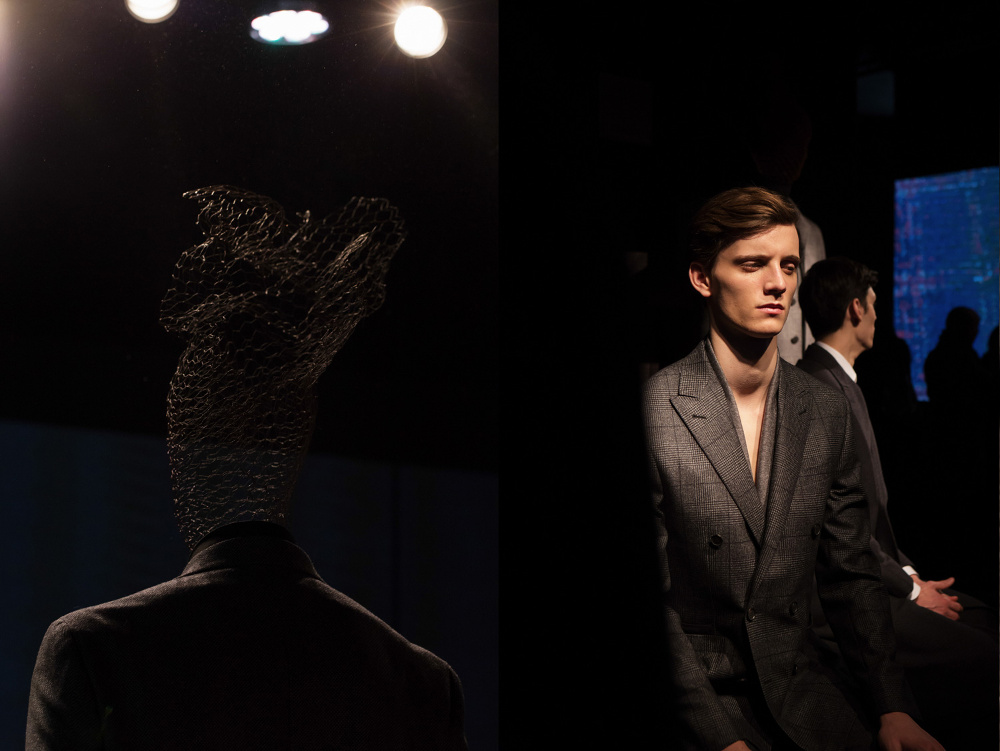
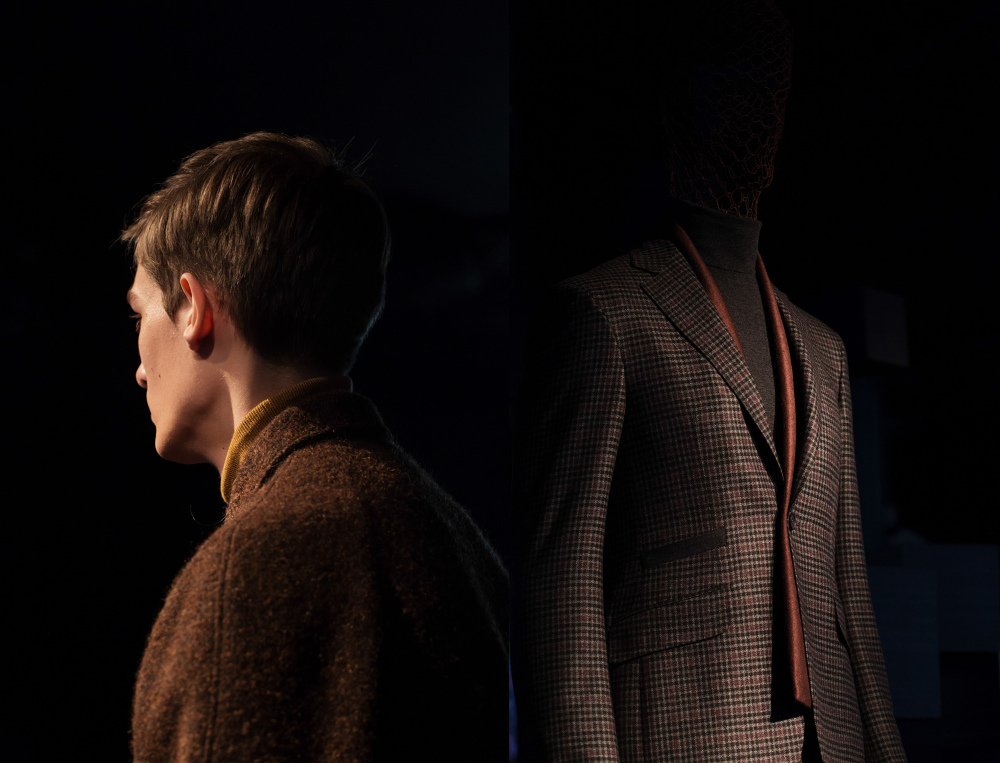
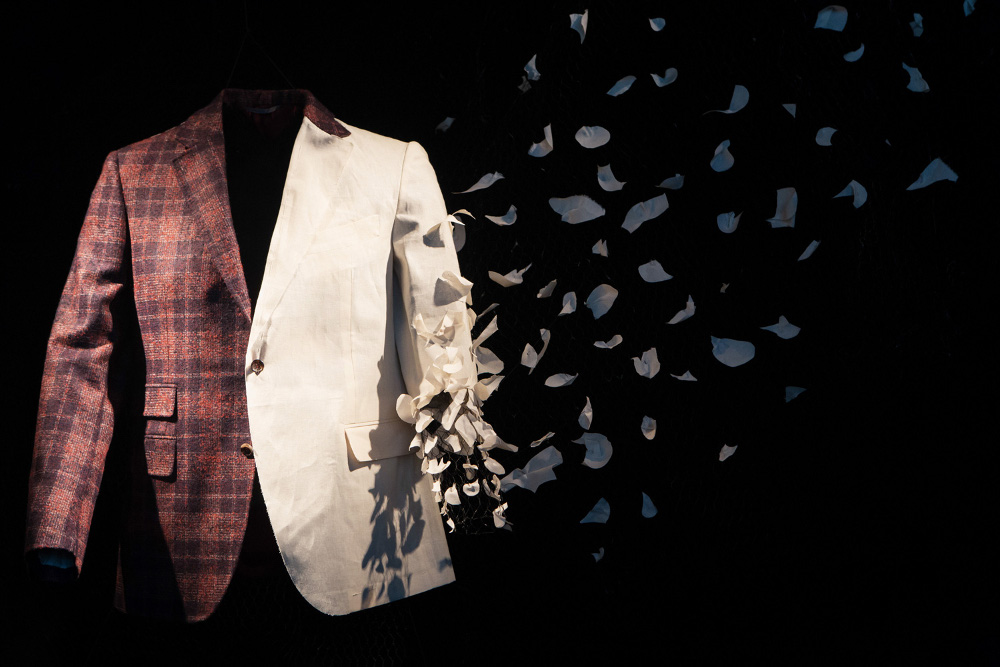
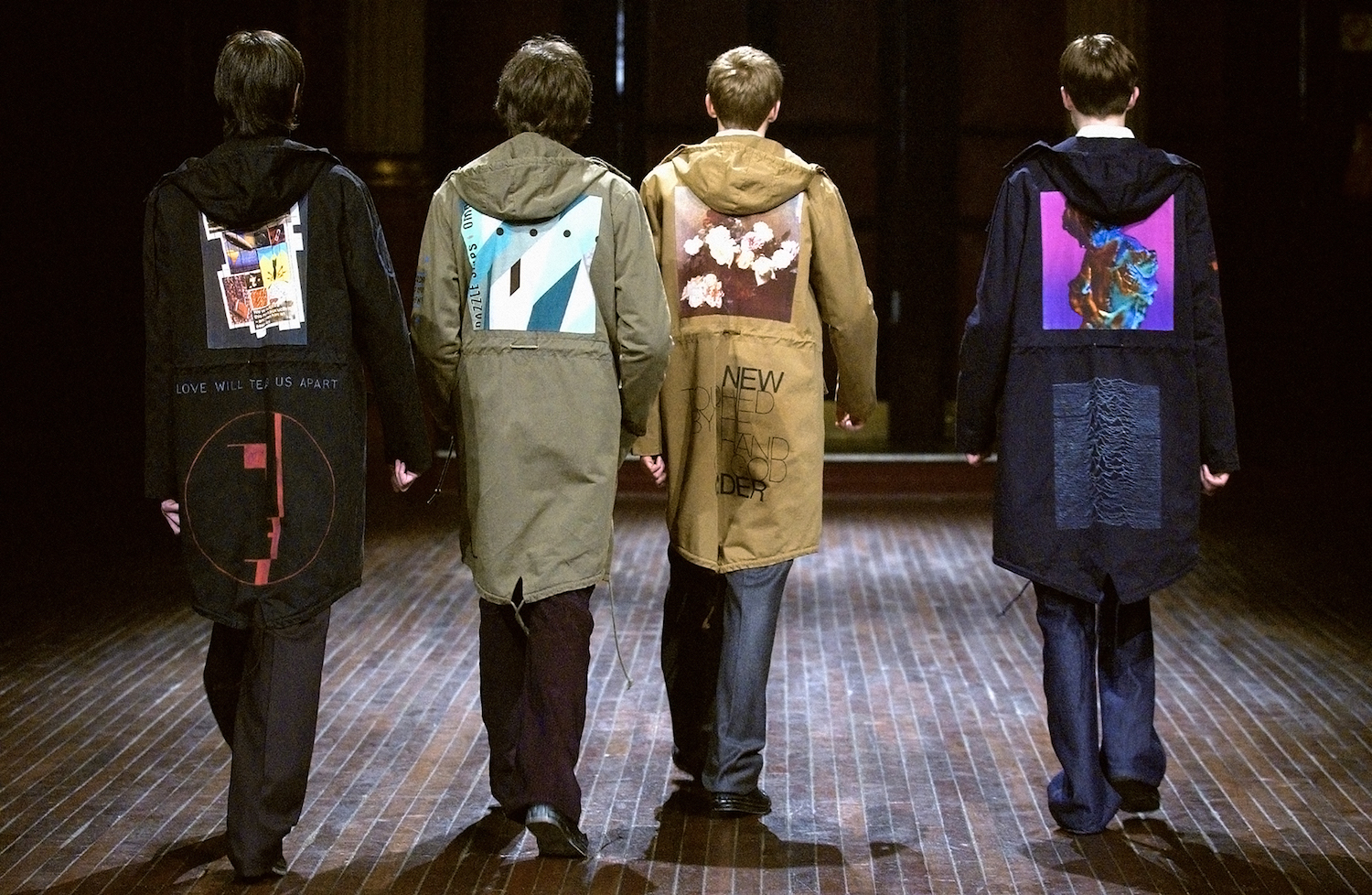
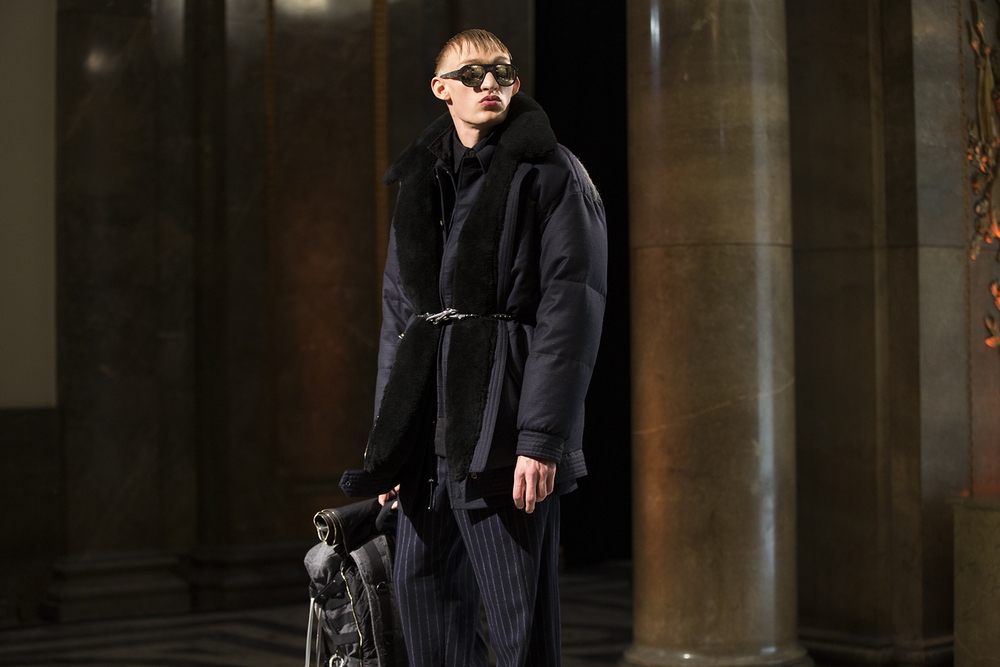
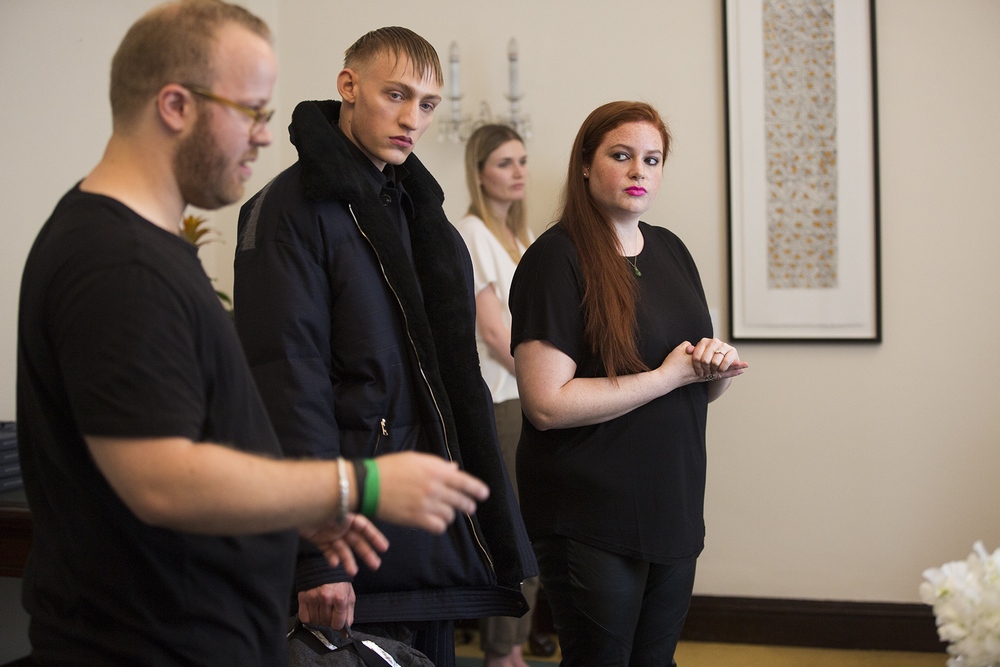
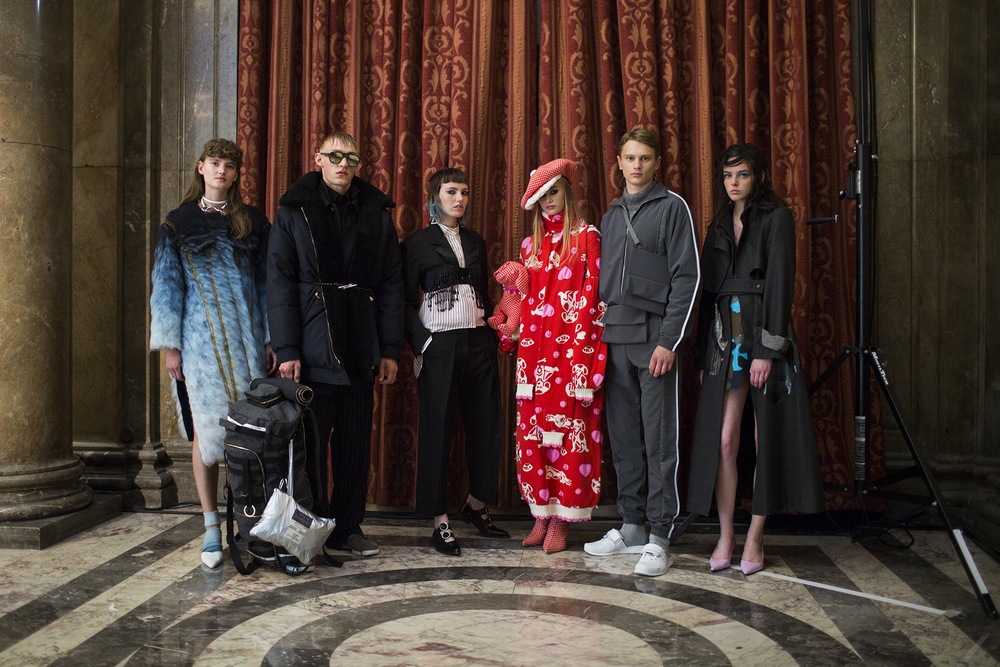
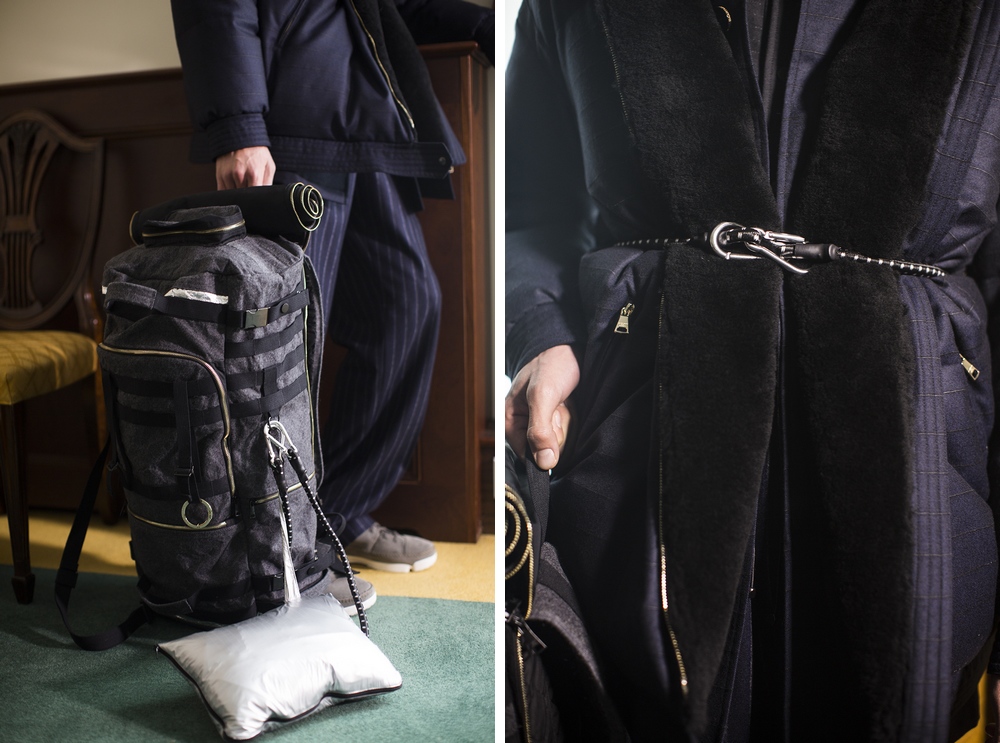
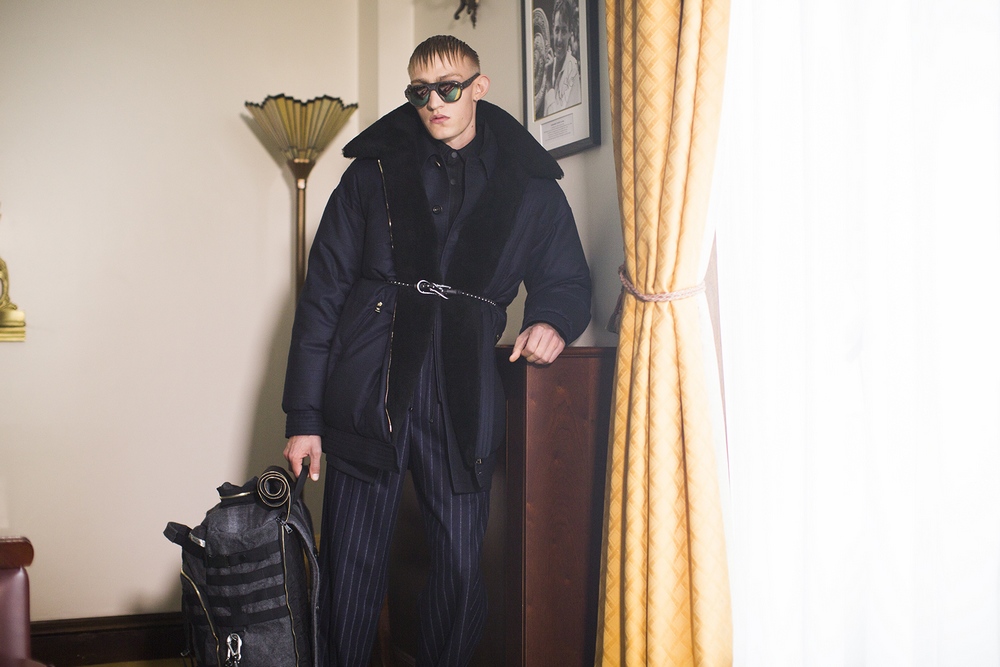
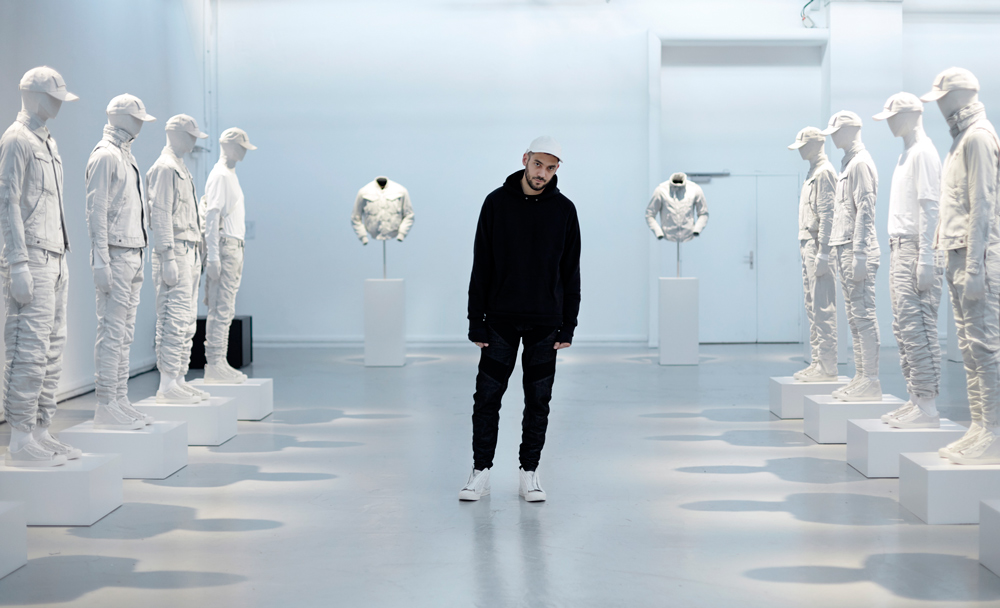
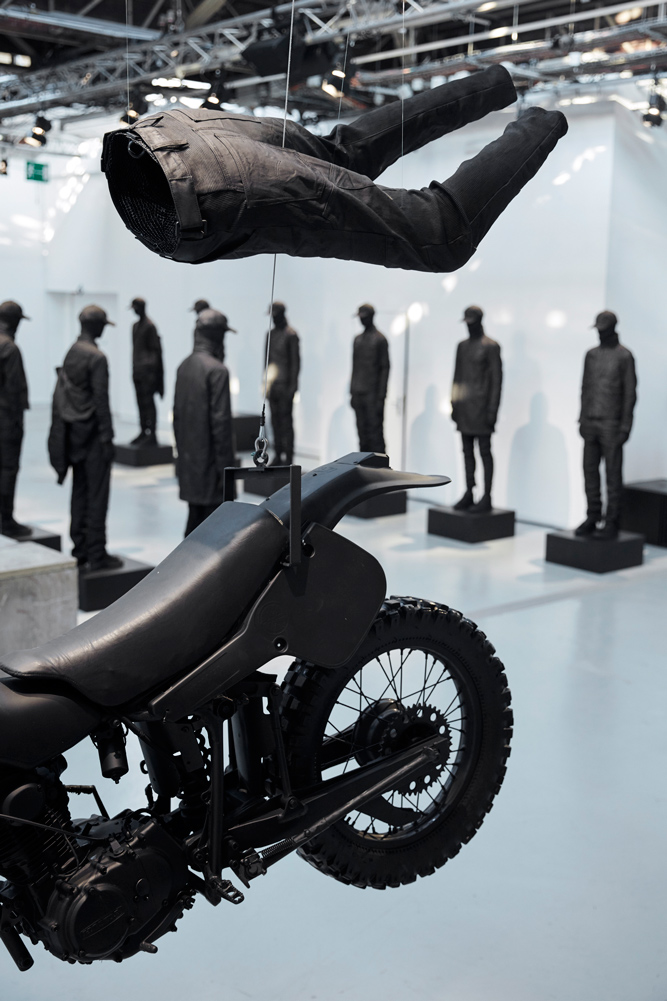
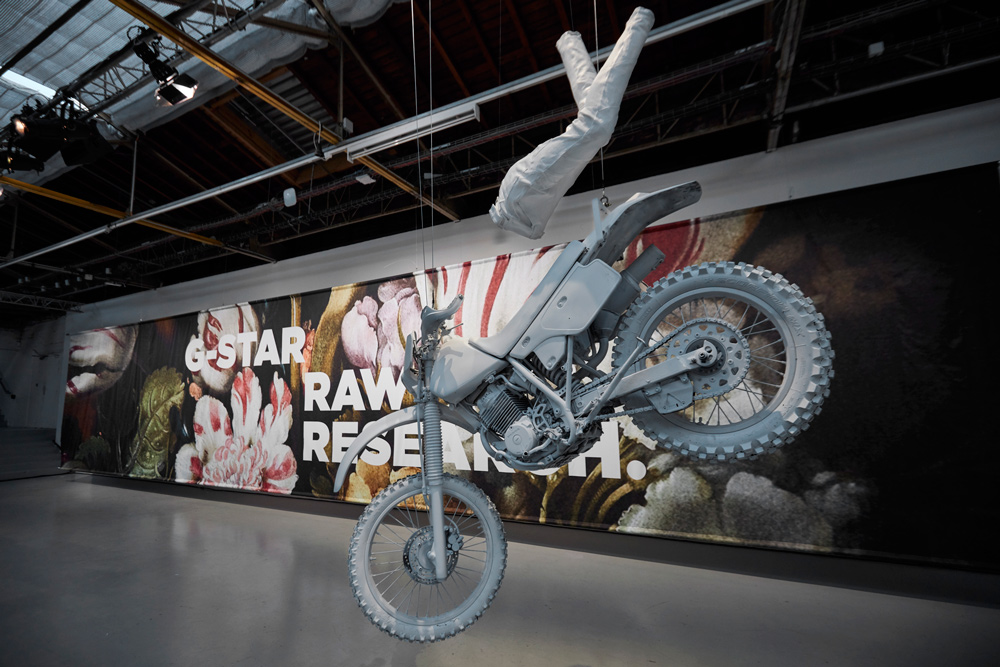
G-Star Raw Research II presentation. Shown at Palais de Tokyo during Paris Fashion Week AW17

You are now officially based in G-Star’s Amsterdam offices, what are they like?

Yeah, the office is beautifully designed and based on an airplane hangar where they design and build the airplanes from scratch. It’s all glassed. And also the floor’s offset, so that if you’re on one floor you can see through to the next one, and the next one…

Apart from the Raw Research laboratory you set up a while back, are you also working on G-Star’s mainline?

Absolutely, yeah. We have a huge commercial responsibility as a team. And I think that’s why it’s important to remind ourselves to take risks, to keep pushing out designs that aren’t dictated by the market. Completely new things that didn’t exist before, that we don’t know whether the consumer needs or wants until we make them.

It doesn’t sound like something brands like G-Star usually agree to. How did you persuade them?

They’ve always liked to push boundaries, It works if you have a controlled risk.

How do you control the risk? 

Through scale. That’s why we set up the lab so that a predetermined percentage of the collection is not commercially dictated. The brand was convinced that they would benefit overall by having a small percentage of the collection be completely autonomous. It’s a great opportunity to gauge future commercial successes.
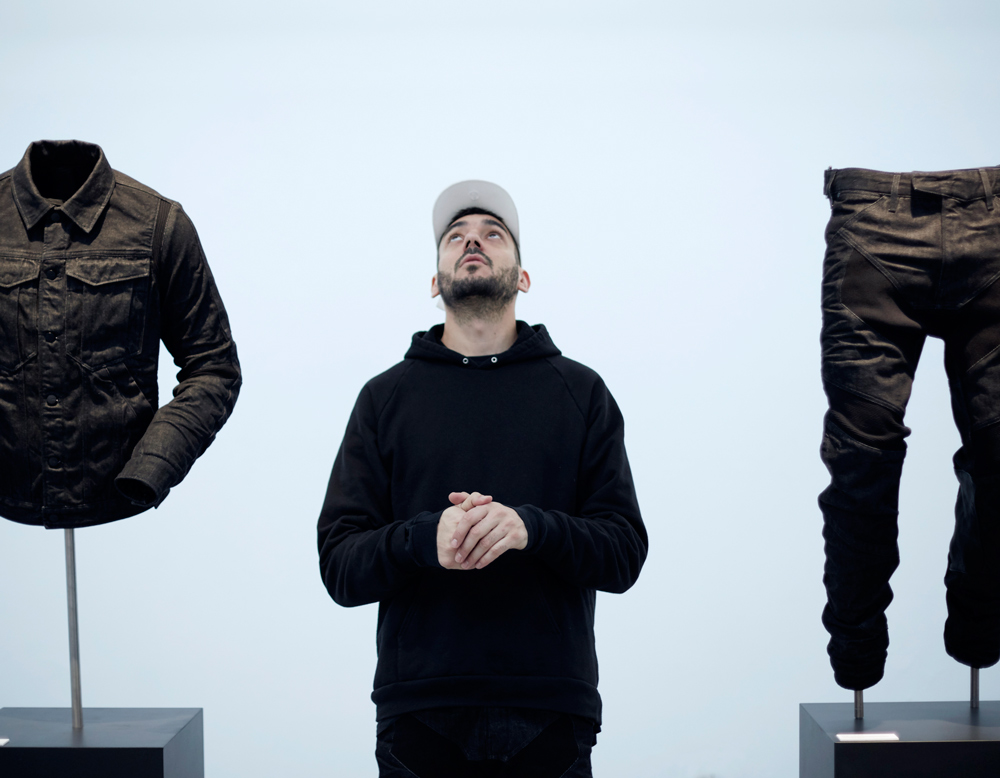
Aitor Throup
Aitor Throup

When did G-Star emerge on the denim scene?

G-Star became big because of challenging the conventions of denim. They launched the Elwood style in 1996, which, at the time, was a revolutionary idea for denim. They clashed 2D workwear construction details with a 3D biker-inspired knee-panel. Two completely different references in one pair of jeans!

How did the Elwood jean fare in the beginning?

You know, it was a weird jean and I think it was challenging for people to get their head around them at the beginning. But G-Star persisted, and after about a year or so, it became a huge thing in the denim world, and lots of brands started referencing it and copying it, which shifted the idea what was possible and acceptable for jeans to look like. I’m inspired by that, and I’m trying to capture that defining aspect of them as a brand.

We want to continue to challenge notion of what jeans look like, which in turn allows us to challenge what every other type of G-Star product look like. Otherwise you’re just making stuff. It’s healthy because it’s risk-taking; we want to understand the commercial value of risk-taking. Our first research project was never supposed to turn into a capsule collection, we just set up a lab to progress the brand.

You mean the pieces you showed in June 2016?

Yes, we didn’t design it as ‘season one’… We only decided that we needed a focused, mini-team with relative autonomy that I could direct, to explore more…to take risks. 

When did it go from just general research to an actual collection?

We created these prototypes to present back to the G-Star board, and for them to pick which ones would go into the general collection. But, as soon as we showed them, everyone had the same reaction: ‘Wow, this is amazing, let’s put it out as a capsule’. But it’s going into the main line as well.

We’ve been able to test the success of it as a capsule collection. It went to the right stores, like Dover Street Market. It sold really well and it’s been well-received and understood by people, by journalist and by buyers. But we’re also able to assess the success of the general collection version of season one. Jeans from season one went in and sold amazingly well, globally, even though it was the most expensive jean in the whole collection.
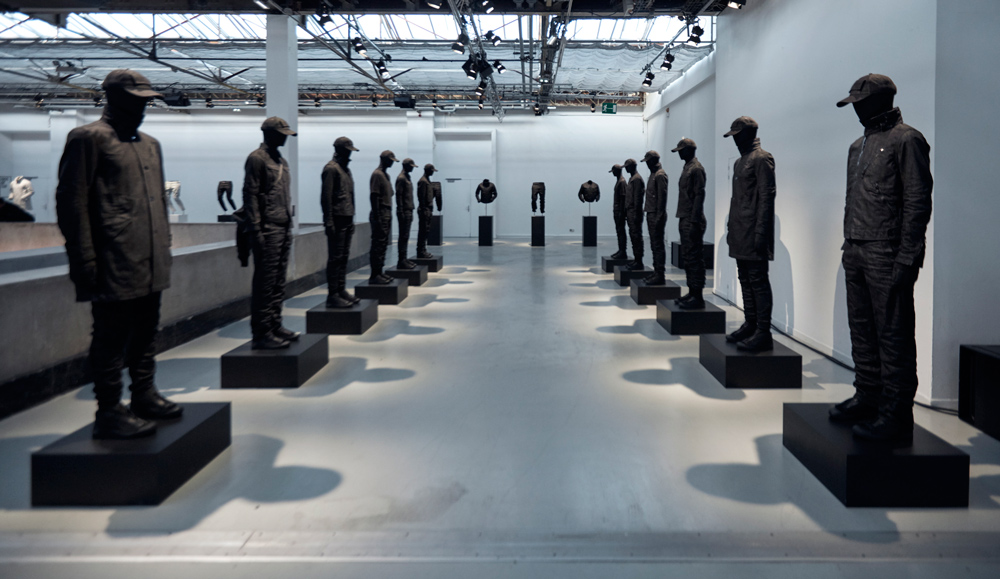
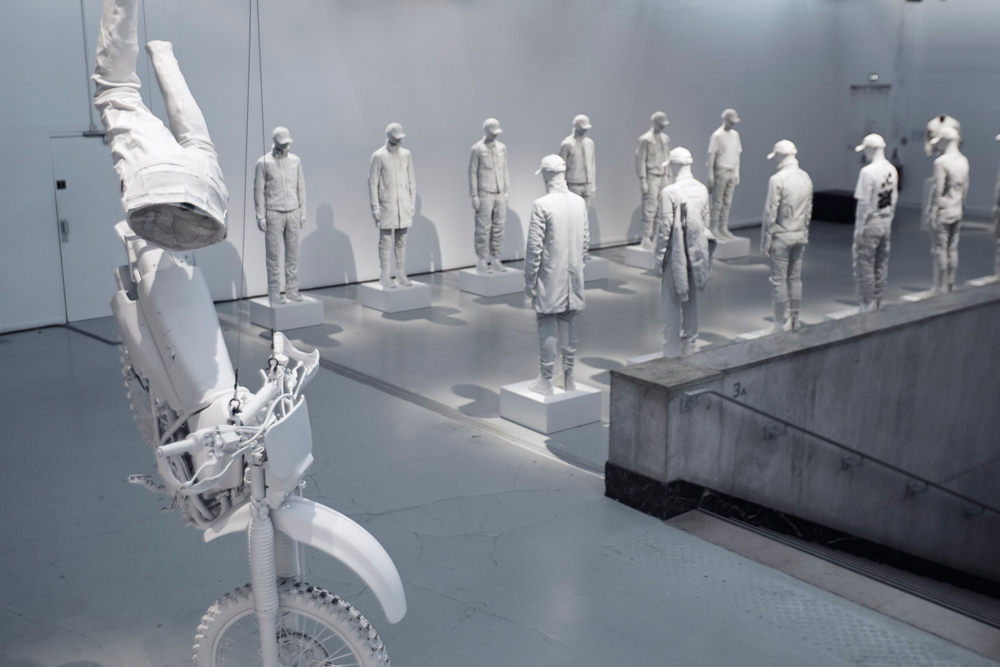
G-Star Raw Research II presentation. Shown at Palais de Tokyo during Paris Fashion Week AW17

That’s the true meaning of a laboratory, right?

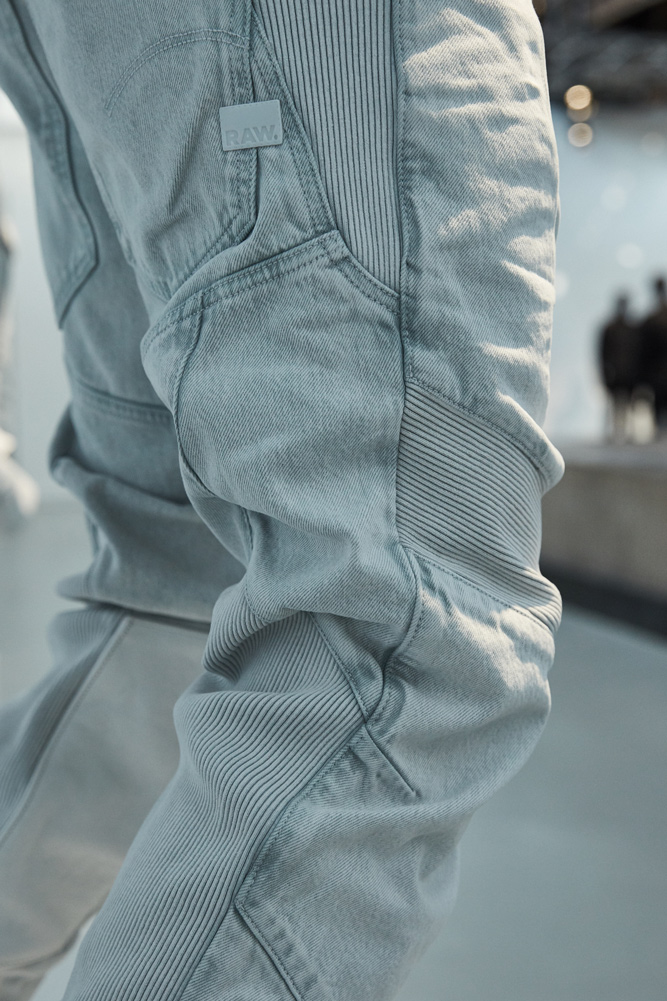
Exactly. On one side, we’re expressing the needs of the body in different environments and in different functions, so we have these Motac-X jeans that have engineered rib panels that allow very rigid denim to articulate the movements of the body. It’s a completely new solution to the problem of rigid raw denim.

Rather than just making a stretch version of the denim we engineered articulations into the product. It’s a study of body motion, but with direct reference from the motor cross world. I think it’s a connection between the worlds of art and design. I’m personally really interested in symbolism and you can use symbolism to say something through your artwork. 

How does the motor cross culture fit in?

For us, motor cross really represents adolescence. It represents that beautiful moment, that period in your life when you’re transitioning from childhood to adulthood. It’s the feeling of freedom, but yet a sense of responsibility. And it turned into a mantra for the brand: as an adult and developed brand, we need to go back to our childhood adolescence.

It’s like a band that wants to go back to when they made their first album… That’s the ultimate challenge isn’t it, to get that magic back. And this is what justifies the lab… that freedom of expression.

What about your background as an exclusive and avant-garde designer – do you feel you need G-Star as much as they need you?

That’s exactly how it is because, at the end of the day my stuff is incredibly exclusive, as you say, as a symptom of me choosing to do things the my way. 

I think we have a responsibility to continue to work in that place where we can just spend two weeks making one jacket. I believe in investing in newness, so that those things can inform some things in the future that can change and shift how clothes are made or worn. 
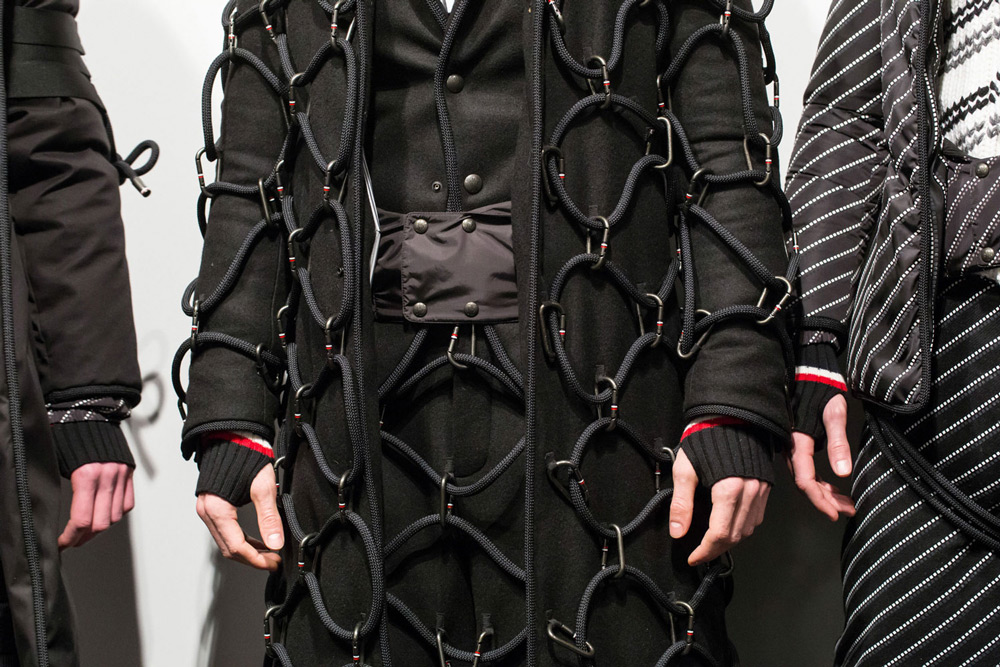
Moncler Gamme Bleu AW17: Photo Essay


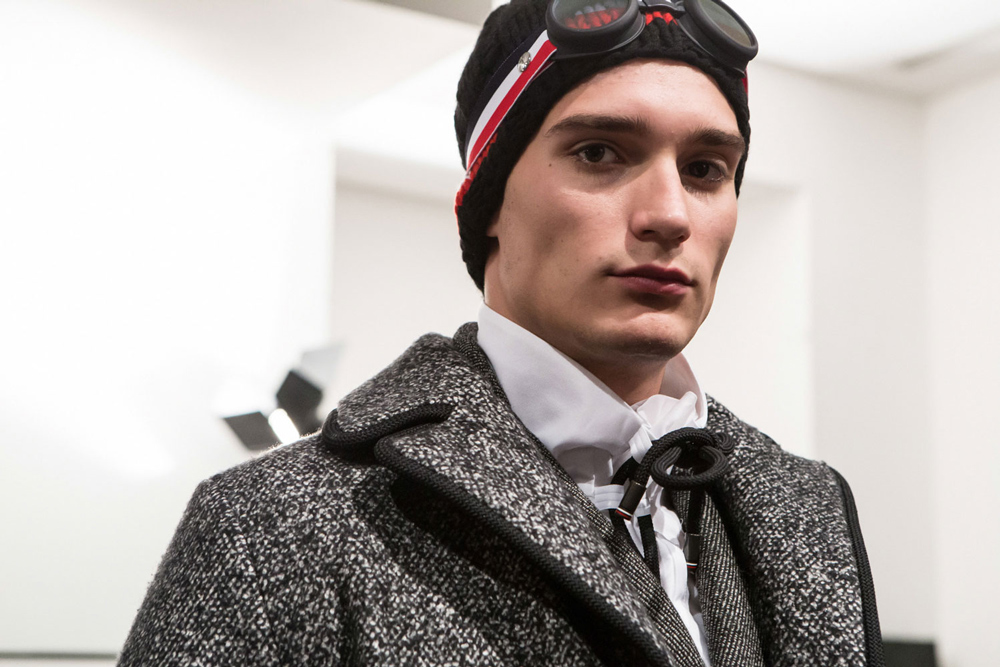
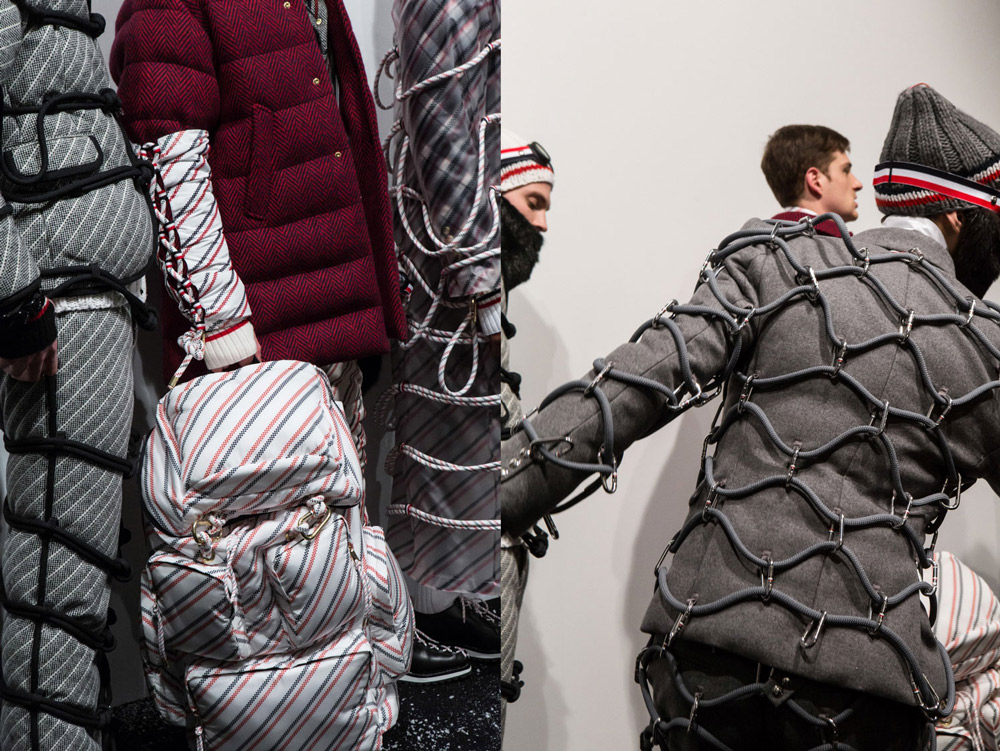
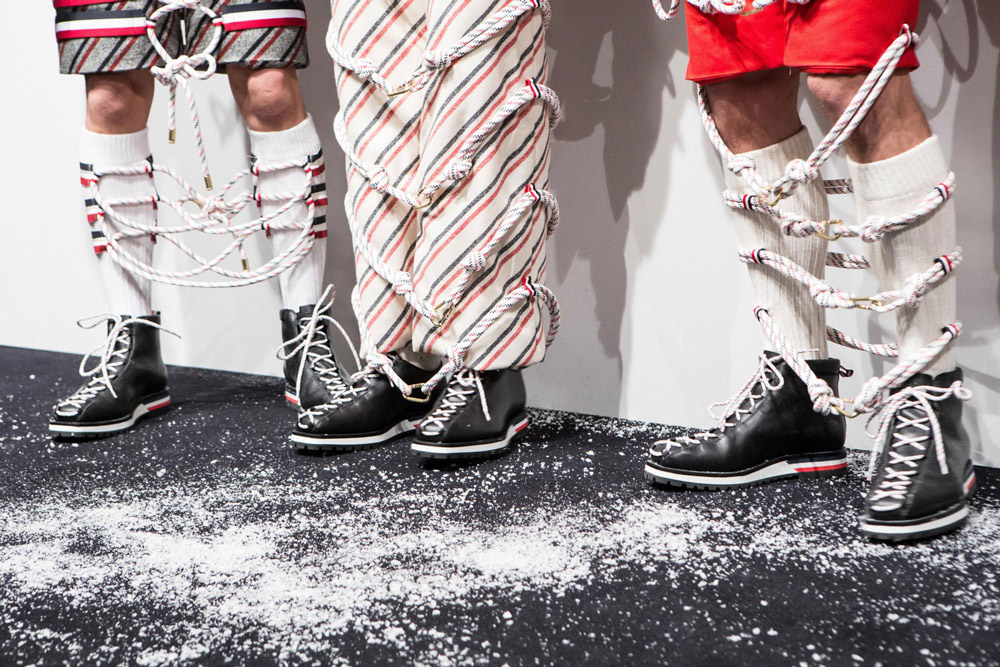
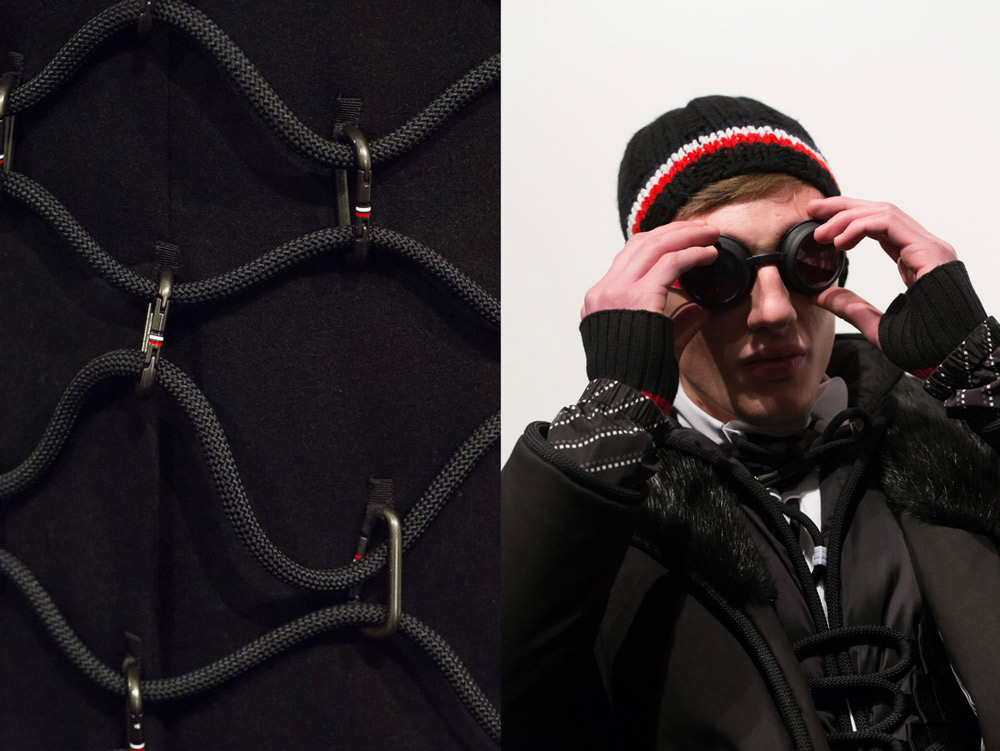
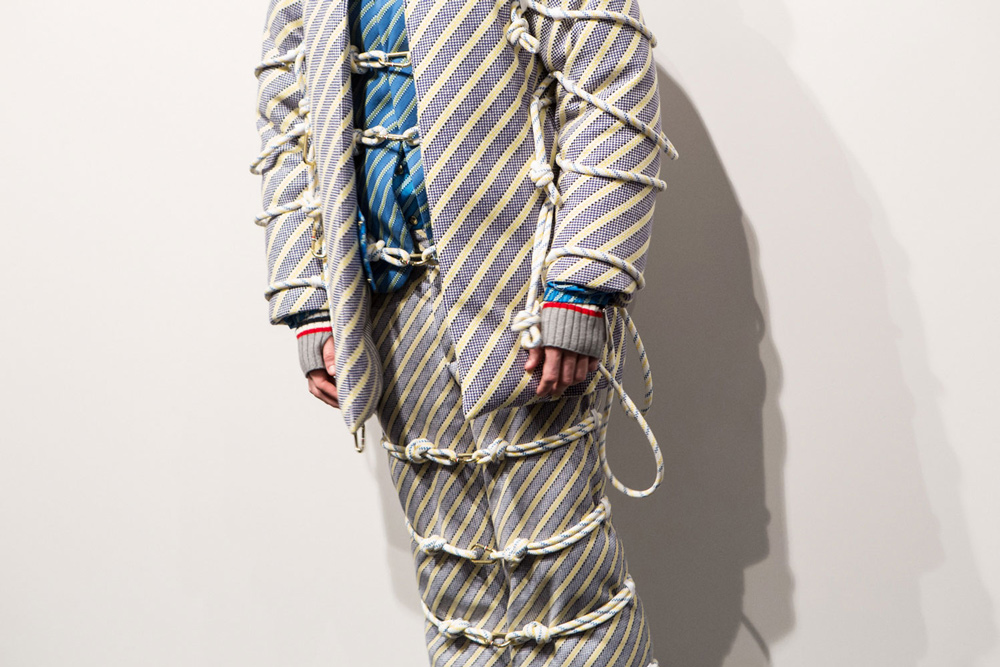
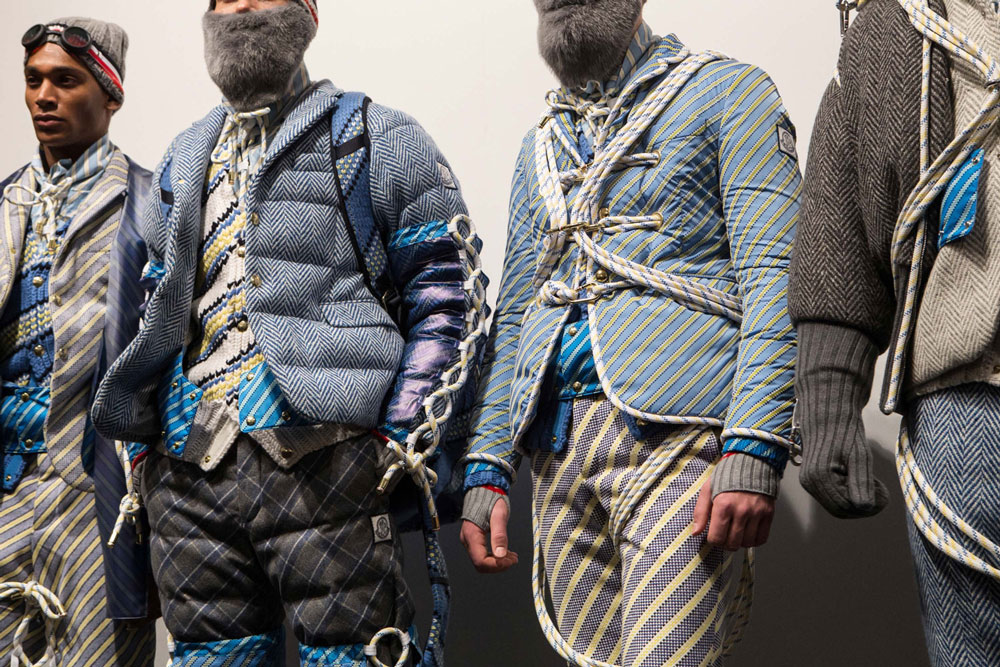
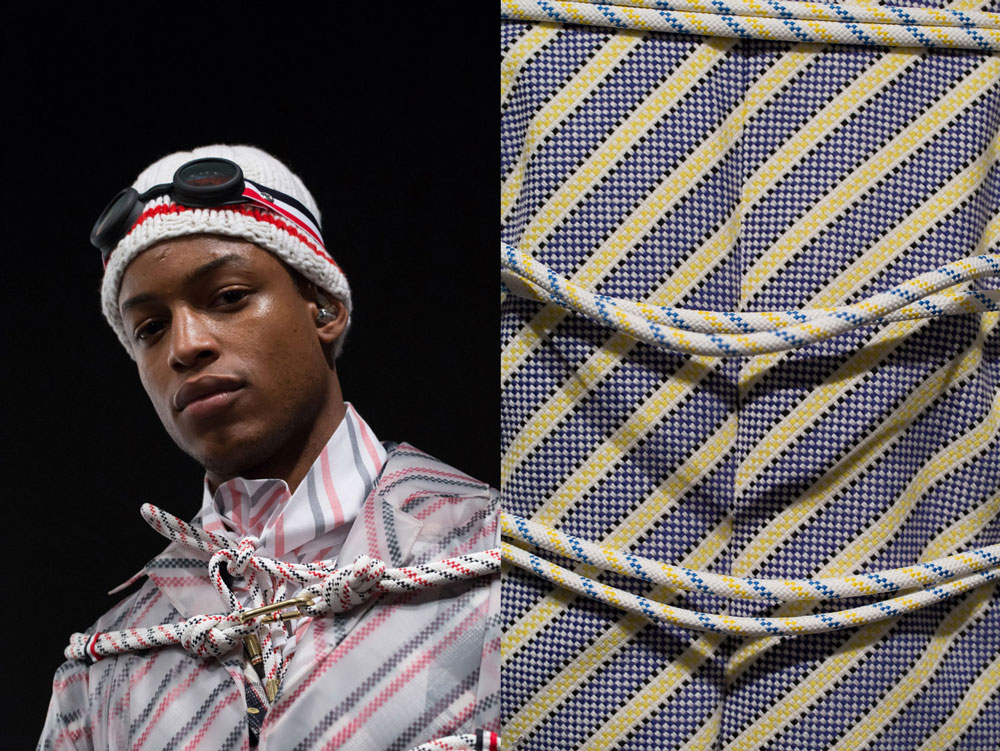
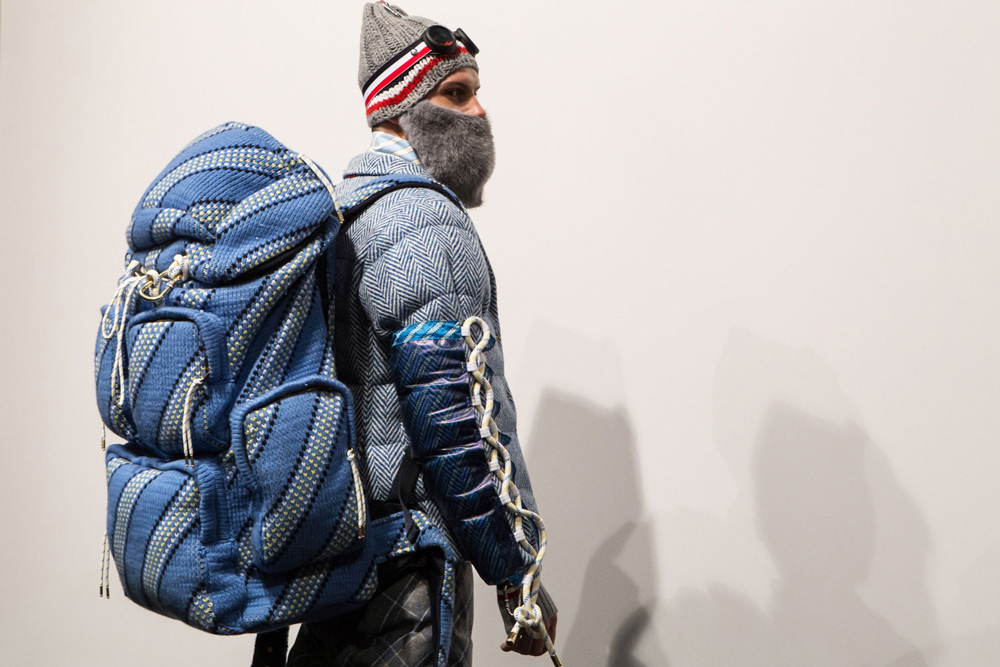
Harnessed to one another, models at the Moncler Gamme Bleu AW17 show shuffled along in padded herringbone jackets and oversized knit backpacks with details of reconstructed mountaineering gear giving the collection an essence of bondage

Photography Claudia Zalla

Canali AW17: In Pictures

Celebrating ‘Made in Italy’ craftsmanship, Canali presented its AW17 collection Milan Fashion Week Men’s, which focussed on oversized outerwear inspired by the ’60s, comfortable tailoring and elegant cashmere

Photography Claudia Zalla

North: Identity, Photography, Fashion


A new exhibition at Liverpool’s Open Eye Gallery pays homage to the bold and influential style made famous in the north of England

The unmistakable culture of northern England takes centre stage at Liverpool’s Open Eye Gallery as it celebrates its 40th birthday by showcasing the region’s contribution to contemporary fashion.
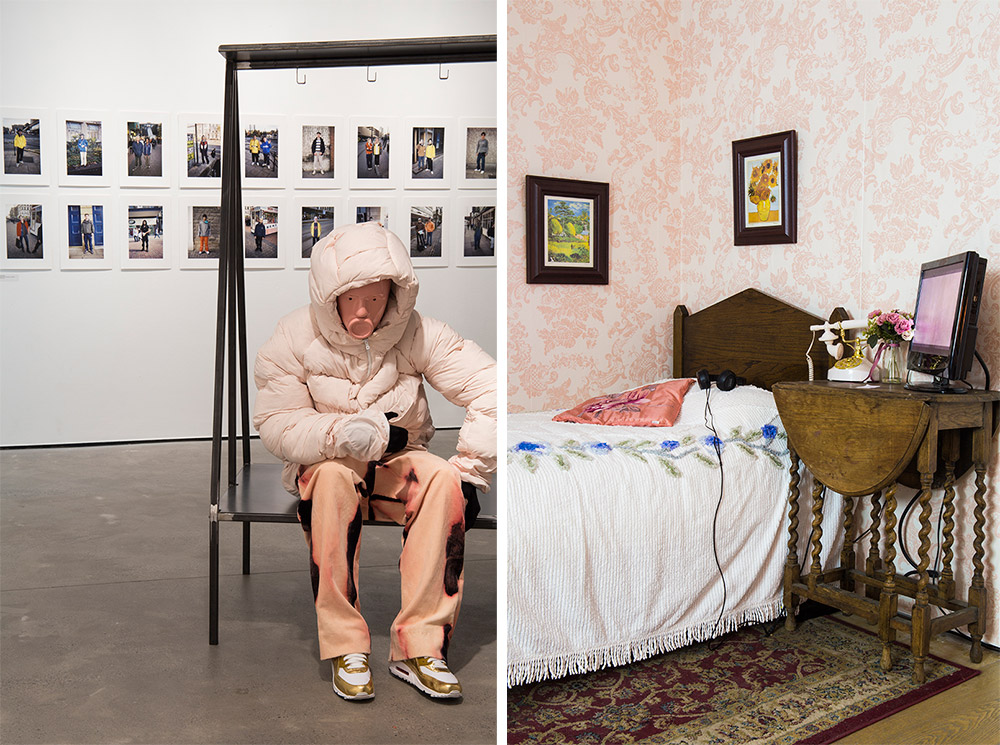
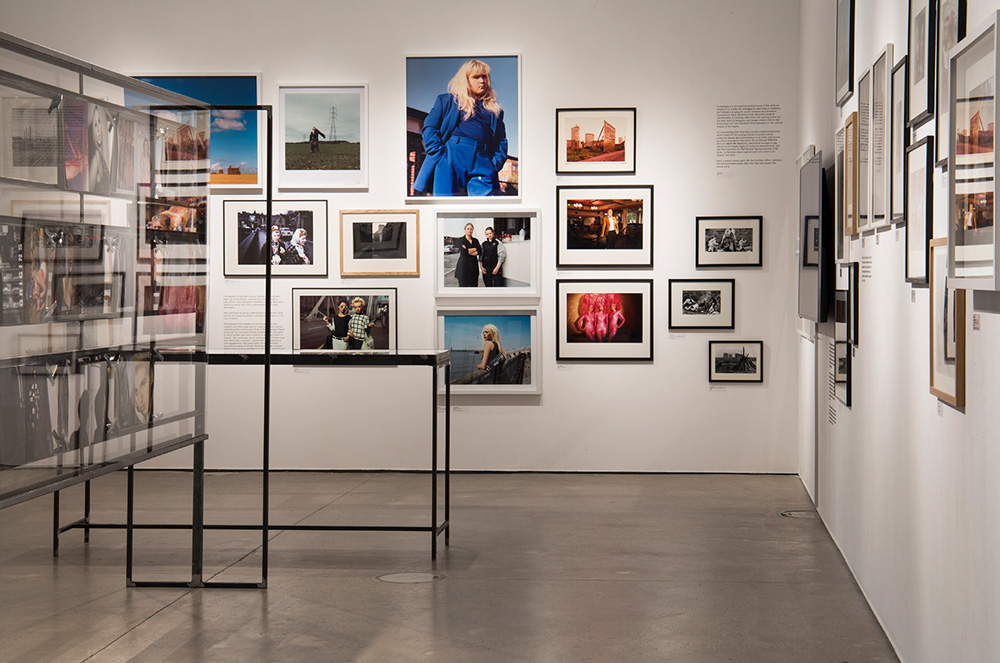
Co-curated by editor-at-large of SHOWstudio, Lou Stoppard, and Manchester-based academic Adam Murray, North: Identity, Photography, Fashion sees nostalgic imagery by Alasdair McLellan and Nick Knight juxtaposed against garments created by Raf Simons, Gareth Pugh and Christopher Shannon.
North: Identity, Photography, Fashion at Open Eye gallery, Liverpool

Luxury fashion brands sit neatly alongside looks by Paul Smith and footwear by Adidas, all evoking the styles championed by the frontmen of influential Northern bands including Oasis, Happy Mondays and Stone Roses. 

North: Identity, Photography, Fashion attempts to uncover the meaning and influence of a style that was often brash and apologetic, but unforgettable.

‘North’ runs from 5 Jan – 19 March 2017 at Open Eye Gallery Liverpool 

Photography (of exhibition) Adam Murray

Eugenio Canali: Sprezzatura

Elisabetta Canali speaks with her father Eugenio, about taking the reigns on the iconic family business

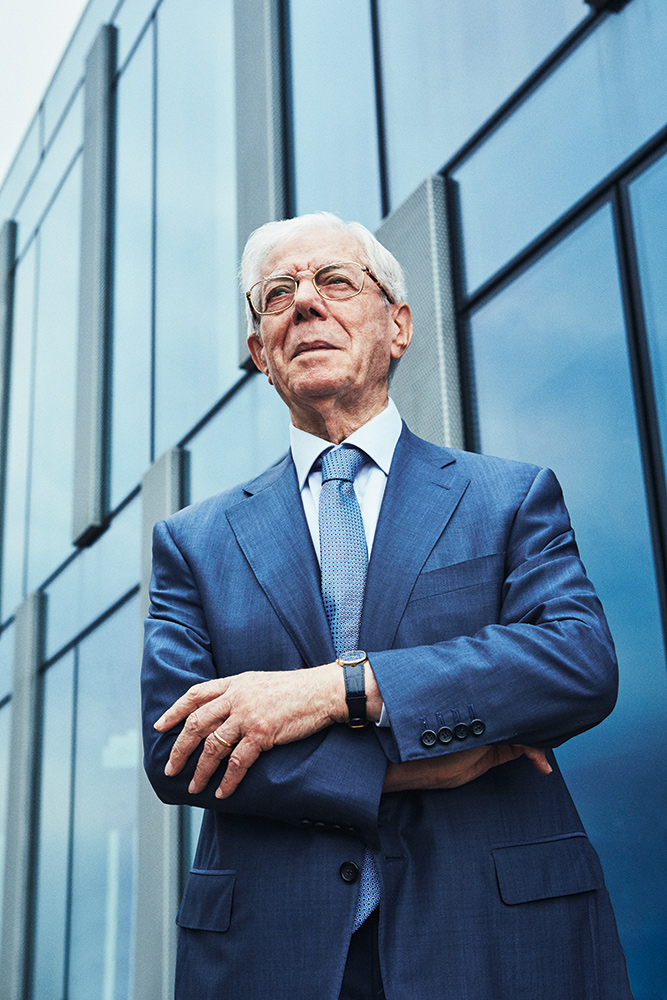
Eugenio Canali, President and C.E.O of Canali

Classic tailoring brands, like Canali, have spent decades refining the Italian knack for looking dressed up and casual at the same time. The secret, we’re told, is in the fabrics. The spirit of sprezzatura, the Italian word for effortless cool, comes alive when the finest possible cloth is used for suits, shirts and trousers. To help explain Canali’s charm and never-ending allure, we asked Elisabetta Canali to sit down with her father, Eugenio Canali, to discuss the pros and cons of taking over the family business, and what challenges lie ahead for a modern tailoring house based on tradition and craftsmanship.

Elisabetta: What would you say defines Canali in 2016? 

Eugenio: Canali today is very different from the company my father and uncle founded 80 years ago. We are much larger, more diverse and more international, but I’m certain that they would still recognise the same company. 

There is a series of values that they placed at the heart of their company, which remain at the core of Canali today and continue to guide us in moving forward. They are: quality, excellence, craftsmanship and the ‘Made in Italy’ ethos, with a constant attention to the needs and changes in the market and in our customers. 

What has changed since Giacomo and Giovanni started Canali in 1934? 

The decades that have passed have seen the arrival of new generations with new ideas, new energy and new visions for the future of the company, but through all this we maintain the same approach. Obviously, the means we have at our disposal have changed with the arrival of new technology, exclusive new blends and fabrics, new markets and new customers, but our feet remain proudly planted in our heritage. 

In what ways do men dress differently now compared to then? 

There is a new sort of dress code these days, focused more on freedom and spontaneity. There is more room for a personal point of view too. I think men expect more from their clothing – it has to be elegant, comfortable and fit in with today’s lifestyle. That’s why we developed the Travel collection of garments and accessories using new blends and special treatments to give fibres and cloth a resistance to creasing and crumpling, while making sure our clients look impeccable at any time of the day – even after a long-haul flight! 

How does Canali continue to honour the traditions and heritage of Giacomo and Giovanni? 

By taking their ideas and developing them, and pushing ourselves with the same spirit of adventure and desire to grow as they did. 

What is the next frontier of fashion and what are the challenges facing Canali in 2016? 

Like any moment in time, the current situation is not without its complexities and difficulties, but these challenges need to be looked upon as opportunities, offering new stimuli for change and spurring on creativity and performance. We are always looking for innovative new ways of showing our clients our product – helping them to understand and appreciate it fully. 

What’s more interesting to you: style or fashion? 

The two are strictly linked. We aim to create fashion with style, with attention to detail, quality, functionality and form. 

What do you think gives Canali the strength to pull through? 

A genuine passion for what we do, and a profound sense of shared satisfaction when we understand that we are doing the very best we can. 

How has the aesthetic and business model changed over the last season or so? 

Every season we change, offering new shapes and fabrics and new colour palettes, but we’re always faithful to our brand’s identity and our image. 

Intro David Hellqvist
Interview Elisabetta Canali 
Photography Stefan Giftthaler

This article is taken from PORT issue 19, out now.

Hermés: Time is a Luxury

After nearly 30 years as artistic director of Hermès’ menswear line, Véronique Nichanian picks three of her favourite pieces from the past collections, discusses the timeless allure of the French brand and sets out what luxury means to her in 2016

Véronique Nichanian, Hermes menswear creative director
Véronique Nichanian, Hermes menswear creative director – Photography, Emanuele Fontanesi
Sitting in a quiet courtyard in the midst of Paris’ 5th arrondissement, with just a few hours to spare before her catwalk show, Hermès Men’s creative director Véronique Nichanian is calm. She seems relaxed, even though, I’m sure, putting on one of the headline shows during Paris fashion week must be extremely stressful, even maddening, at times. But her inner calm stems from confidence in her own skills, her team’s experience, the quality of the clothes and the never-fading allure of the Hermès brand. 

For nearly 30 years, Nichanian has been in charge of the French luxury brand’s men’s offering. She started it, famously, by pitching the idea in 1988 to Jean-Louis Dumas, the former chairman and artistic director of Hermès, over a rooftop coffee and croissants. Since then, Hermès has been a staple on the Parisian shop floors, and a favourite among editors finishing off another packed show day with the brand’s signature, understated luxury. 

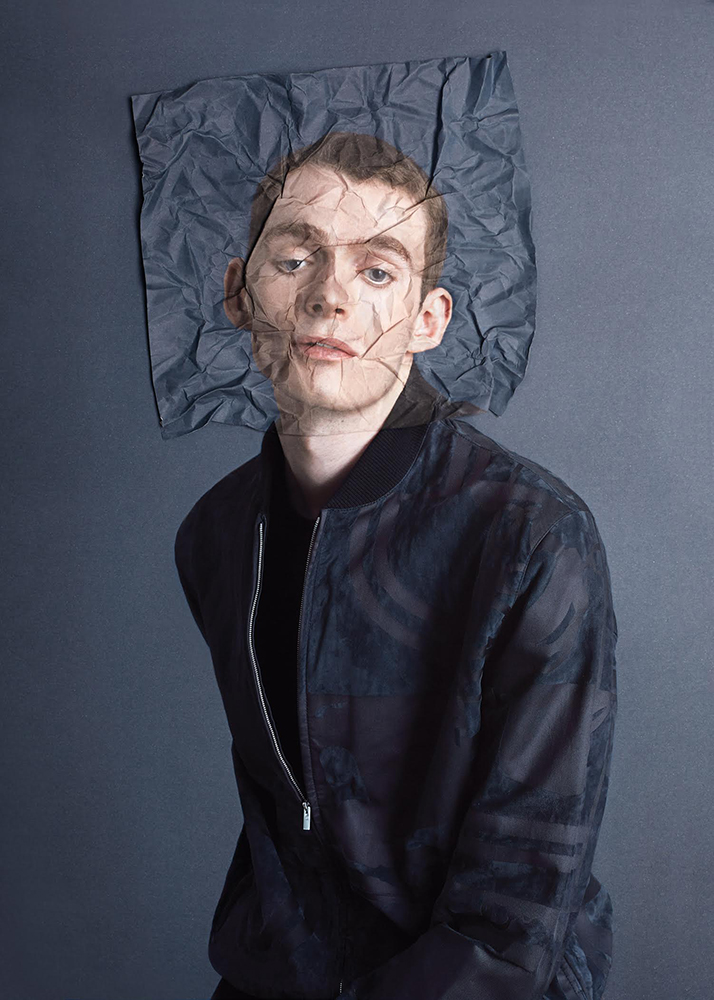
Killian wears blouson with ribbed metis goatskin and silk twill with en désordre print HERMÈS Spring Summer 2016
Killian wears blouson with ribbing metis goatskin and silk twill with En disorder print – HERMÈS Spring Summer 2016
Hermès isn’t really a fashion brand – few people go to Nichanian for a trend-led aesthetic. Instead, Hermès oozes the complete opposite: a timeless purity, which defines the brand’s clothes, advertising and overall image. Sitting casually cross-legged on a bench, protecting her eyes from the strong June sun with a pair of Ray-Ban sunglasses, Nichanian offers her own explanation: “As a brand, Hermès is defined by almost 180 years of integrity, quality, sensuality, creativity and pleasure. It’s also about fantasy.” She’s right: there’s an undeniable level of fantasy attached to the brand that Thierry Hermès founded in 1837. 

Today, there are only a small handful of fashion brands that are perceived as pure luxury and Hermès is arguably the one with the lowest public profile, making it slightly obscure and secretive, which only adds to its appeal. 

Luxury is the key word and the driving force in this industry, and Nichanian has her own take on what the word means in 2016. 

“Today everybody is very rushed, you have to do everything as fast as possible, but I say, ‘OK, let’s slow down’, and that to me is luxury,” she explains. “That is true luxury today, to slow down. Perhaps it should be called ‘slow happiness’?” 

It seems that too much lavishness in fashion doesn’t appeal to her either: “We live in a time of superlatives. Just be simple and honest, and do things beautifully with your hands, your head and your heart – that’s the meaning of contemporary craftsmanship,” she says. “In the end it becomes a beautiful object or piece of clothing, which will bring people happiness and connect to their emotions.” 

According to Nichanian, Hermès has to be a positive force, bringing strength and happiness to fashion; all garments need to have a message and that’s why they’re part of a collection.

“I don’t consider myself an artist, but in a way there’s something artistic about bringing lightness to the people and making them happy; it’s very important to me,” she says. “I don’t want to do a show where the clothes are like the end of the world. Let’s talk about how life is beautiful instead, even if I have in mind that the world is facing unsettled and complex political and economic contexts.” 

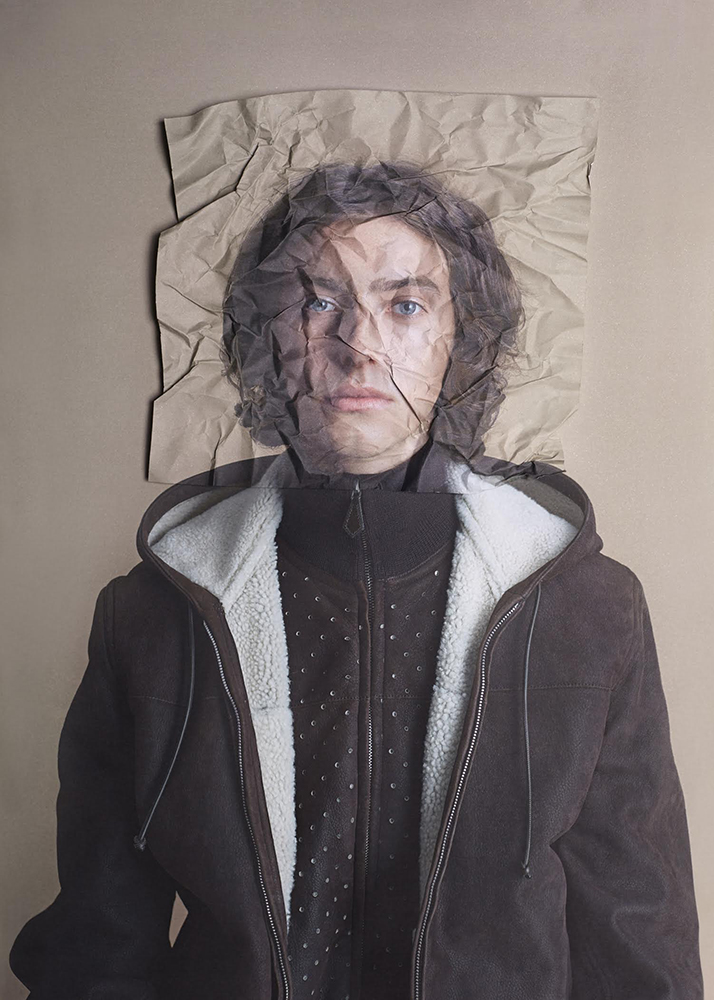
Chester wears hooded blouson in baby lamb HERMÈS Autumn Winter 2007
Chester wears hooded blouson in baby lamb – HERMÈS Autumn Winter 2007
Largely known for its leather goods and accessories, Hermès quickly built its reputation and business on producing quality. Whatever they put out, clothes or bags, there’s a consistent sense of perfection. 

“At Hermès, the house will always keep in mind the excellence of what we are doing. It takes time, and time is on our side, as the Rolling Stones say. When you take your time in a relationship, that’s when you’re happy,” Nichanian tells me, before pointing out that beauty comes at a price. “Yes, it’s a costly product, but it’s a fantastic and demanding product with honesty behind that.” 

There are valid questions to ask, though, about the role of luxury in modern culture, and how the industry can stay relevant. Nichanian knows that stagnation is not an option: she has to look forward in order to keep Hermès contemporary.

“We play with new fabrics, using technical materials and mix them with leathers and other natural fabrics,” she says. “We fuse tradition with technology, and the products we make express that.” 

Throughout our conversation, Nichanian keeps coming back to one word: lightness. “Yes, I define my collections in terms of lightness. But in two senses: lightness in the construction and lightness in the way I conceptualise them,” she says. “If you ask me to define what modernity is today, it’s just that: lightness. I remember my father’s clothes were always very heavy and today it’s important, as you want to travel light, to have clothes that follow you in life.” 

There are only a handful of women designing menswear on Nichanian’s level. But for the Parisian designer, it seems to have been the natural path to take, as she feels at one with the pragmatic approach some men take to clothes. 

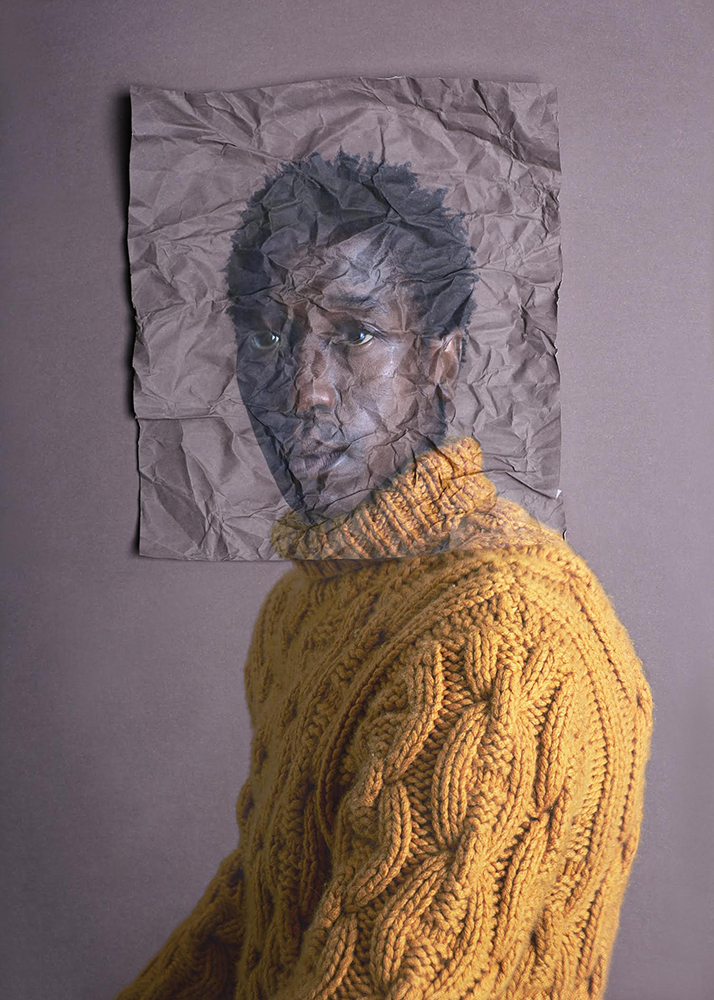
Tom wears turtleneck pullover in cashmere with knitted chaîne d'ancre pattern HERMÈS Autumn Winter 2011
Tom wears turtleneck pullover in cashmere with knitted chaîne d’ancre pattern – HERMÈS Autumn Winter 2011
“I feel very comfortable with all the millimetres, tiny details and choosing the fabrics,” Nichanian explains. “I’d say it’s a little bit like architecture in a way, a mix of product design, style and fashion.” 

“For six months, my team and I work deeply on all the visible and invisible details, shapes and proportions,” she adds. “For me, fashion is the effect of the silhouette on the runway.”

Nichanian kicks off her meticulous design process with the fabrics and, as part of her fabric research she spends two months each season developing new materials.

“Looking at the materials before starting with a garment is very exciting because everything is possible at that time, you can do anything you want,” she explains. “I’m always working on something different. For me it’s important, but I’m sure it’s the same for all designers if they want to lead and not follow. I’m always interested in the next step.” 

All those years ago, Véronique Nichanian was given carte blanche to develop Hermès menswear as she wished and this has been her way forward ever since: mixing tradition with technology. The result is what might be considered contemporary luxury, and Nichanian puts its success down to the freedom she enjoys.  

“What I love about Hermès is that we are part of a family in a way,” she says. “It gives me freedom and I can do exactly what I want. That freedom is huge and it’s my engine.”

This article is taken from PORT issue 19, out now.

Photography & Artwork Alma Haser
Styling  Alex Petsetakis
Grooming  Ditte Lund Lassen using Fresh, NARS cosmetics, Bumble and Bumble
Photographic Assistance Caitlin Chescoe
Talent Killian Butler, Tom Pande and Chester at Tomorrow is Another Day.

Richard Haines: Larger Than Life

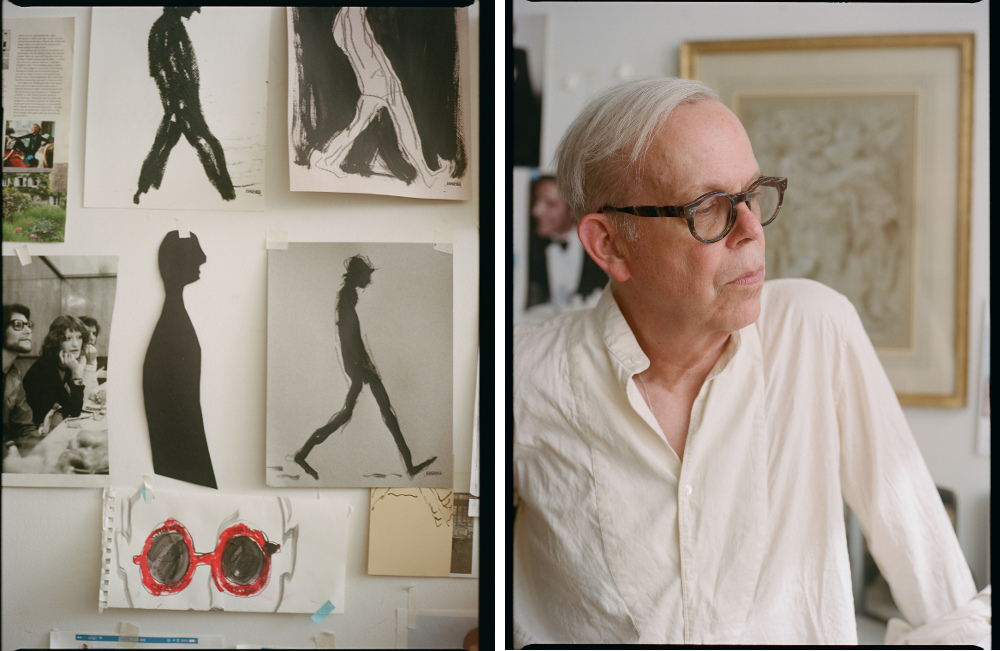
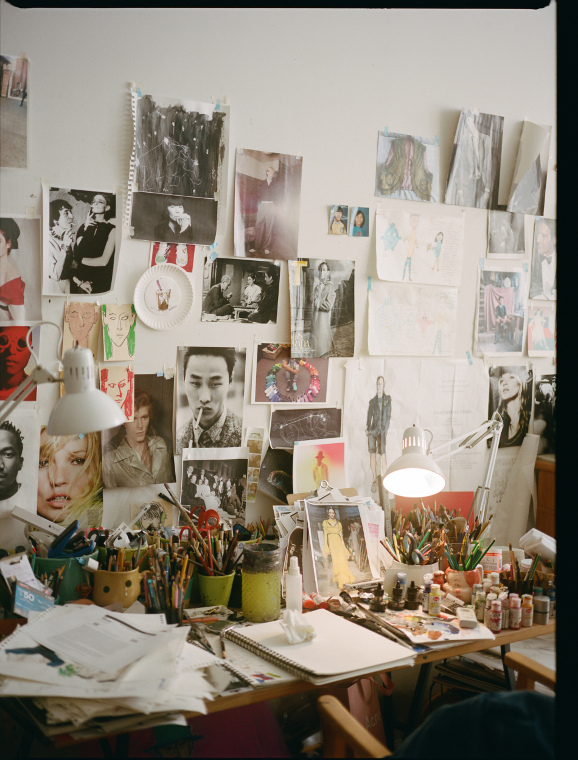
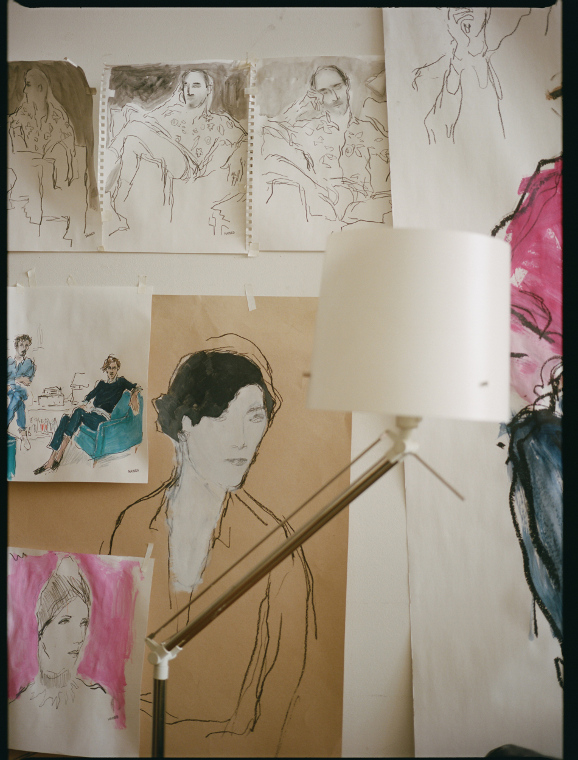
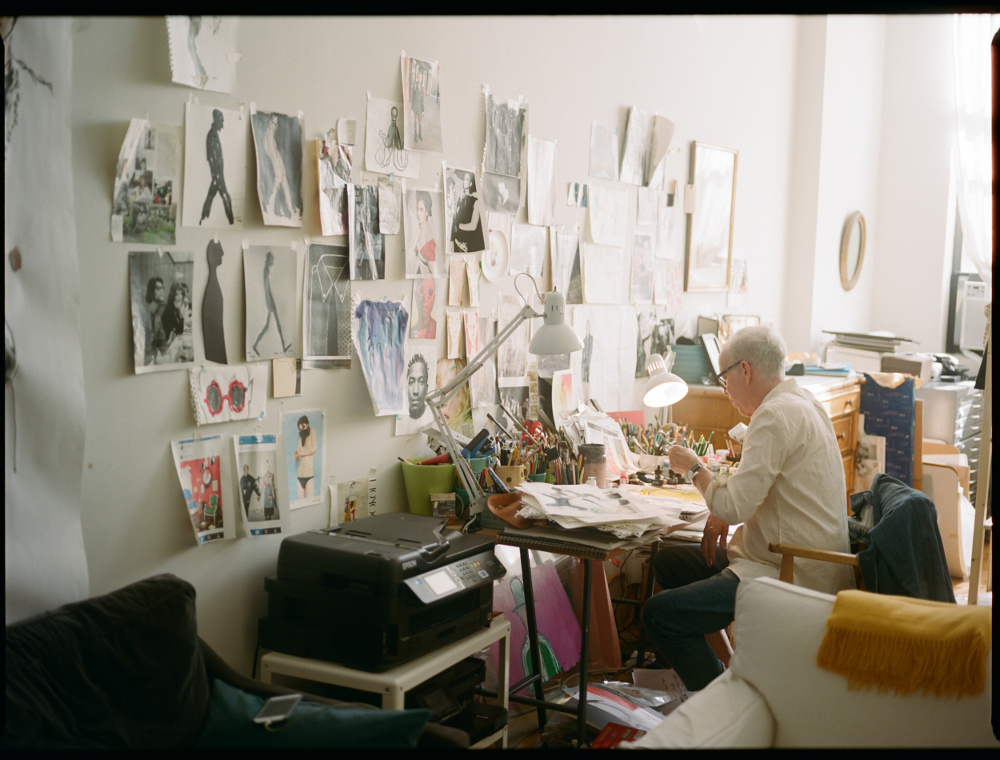
Artist and illustrator Richard Haines discusses art’s importance in Trump’s America, how Dries Van Noten has inspired him and why you should create for yourself

Richard Haines is living life his way. After the end of a career in fashion design, a divorce and a coming-out, Haines found himself starting anew as an illustrator living in Brooklyn’s then yet-to-be trendy Bushwick neighbourhood.

After posting sketches of the intriguing people he saw around him on his blog ‘What I Saw Today’, he caught the attention of some of fashion’s key players and the rest is history. But it doesn’t quite end there. As a man rediscovered, Haines has once again rewritten his story, by establishing himself as an artist in his own right. Here, we talk to him during his new exhibition in New York.

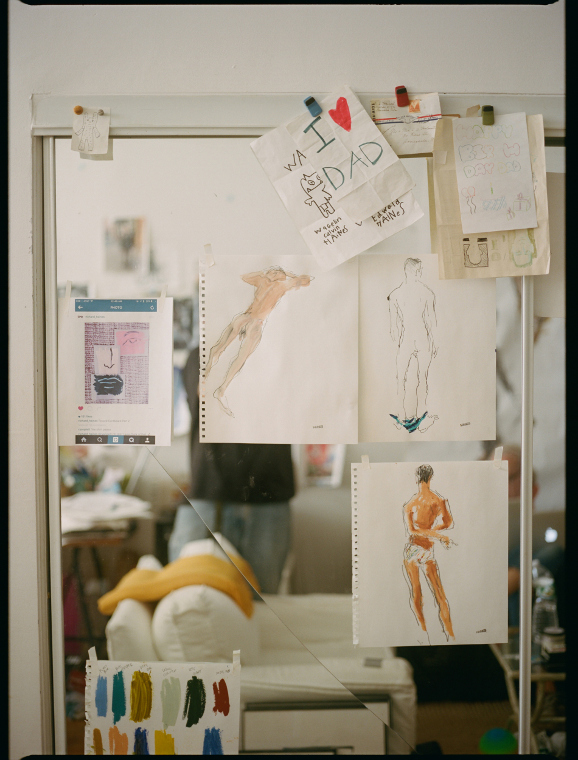
photo-sep-26-1-20-59-am-1

The rise of editorial photography in the ’70s meant that you instead pursued a career as a designer instead of as an illustrator, do you look back on this time as a detour of-sorts, or as an experience that has bolstered your artistic ability?

I’d say it was a detour and something that bolstered my knowledge. I think because I worked as a designer for so many years I have a complete understanding of clothing and the process that goes into making them. When I draw I know exactly where the pocket goes or where the lapel falls because I spent so many years working with pattern makers, being in fittings, and drawing ‘flats’—technical garment drawings.

I think that experience just informs the work I do. Because of that background, I’m super aware of the manufacturing process, which I think has also helped in my collaborations with companies such as Prada, Dries Van Noten, and Orlebar Brown.

Your new exhibition ‘Larger Than Life’ centres around the Bushwick drag scene. What is your connection to the area, and why has the process of documenting the area and its people been so captivating for you?

I moved to Bushwick about eight years ago (after 30 years in Manhattan) as a kind of refuge from the economic crisis and a divorce. It was also the start of my life as an artist, and I feel like I landed in the perfect place. There’s a rule of thumb in NYC that where there is space and cheap rent there will be artists… and ideas—and that’s Bushwick.

There are people here who are being brave — pushing boundaries of art, beauty, gender and sex. Bushwick is fearless, I love witnessing it!

What does this exhibit say about where you are in your life right now?

Exhibits are great ways to evaluate progress, and I ask myself ‘Where am I this time versus last?’ I’m just starting to get some distance and perspective. I was so happy with the first show, it consisted only of drawings on paper. This time round I felt like I needed to ‘push it’, so I began painting on canvas and also installed two large drawings. Painting is a real challenge. There were so many time when I said to myself, ‘Why the fuck did I take this on? Everyone likes the drawings, why fuck up the momentum?’, but I’m so happy I did.

There are surprises in the show and ultimately that’s what a show is for — to push, risk and then present. I feel like all art is a diary of sorts, at least it is for me. It’s a journal of my thoughts on gender, beauty, sexuality, fashion and more.

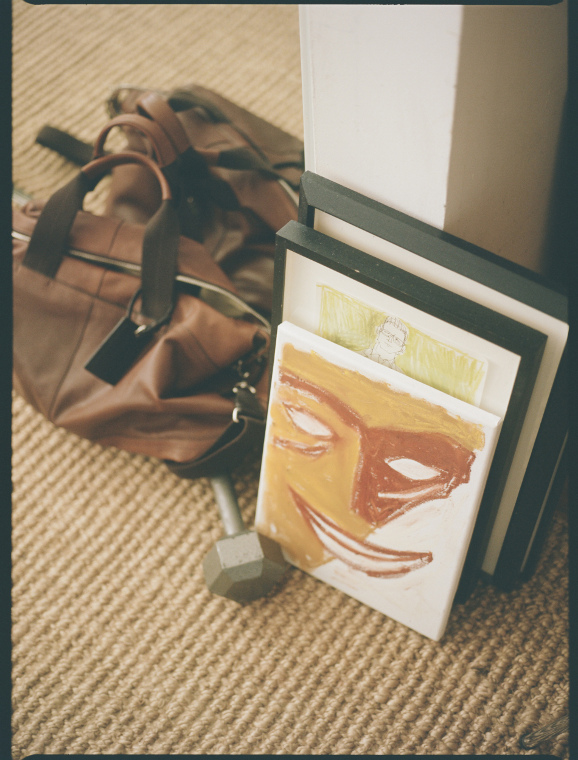
photo-sep-26-1-20-56-am-2

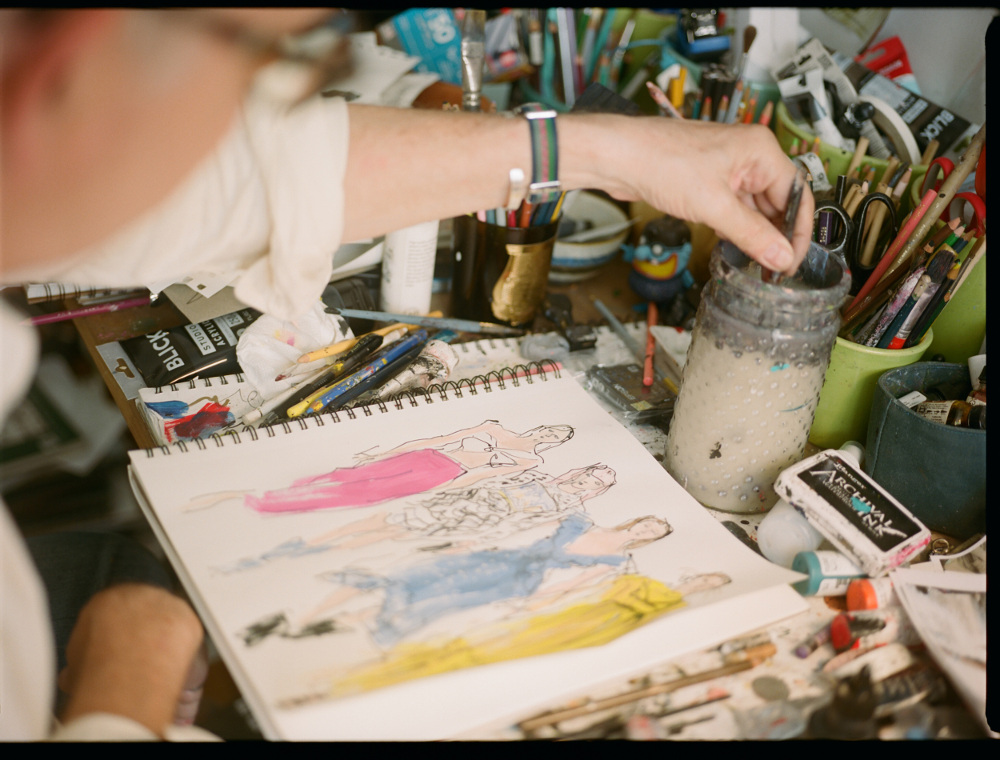
You are well known for the immediacy of your charcoal and watercolour responses, but your new work focusses on your use of acrylic. What has drawn you to the medium?

I haven’t used watercolours in a long time – they remind me of being a kid, when all I could get were the ones that come as little compressed cakes. The colour was never vibrant enough and dried so quickly. Watercolours are also hard to work with…once they’re on the paper, that’s it!

I’ve been using acrylic paints for most of this ‘new’ career as an artist. You can push them around the page, layer them and there’s still room to rework. The colours are also much more vibrant. So it’s a win-win for me!

What do you look for in a subject when you’re out exploring the streets of New York?

I’m reading about the Flaneur — the observer, the urban walker and how it relates to what I do. I’m much more interested in a person who carries himself a certain way, who puts themselves together in an interesting or unusual manner. People think I’m attracted to ‘fashion’ but that’s not the case. It’s more about attitude, swagger, grace and self-possession.

photo-sep-26-1-20-56-am-1

What’s the most unusual or memorable situation in which you’ve met an inspirational subject?

There are so many! I love to go to clubs, after-hour clubs, bars, etc, and kind of disappear and observe. I’ve met amazing people that way, but conversely I also see incredible people on Instagram, or meet friends through networks — there are people everywhere who are compelling and pushing the envelope.

How do you feel illustration affects the senses of viewers who are now so used to seeing photographic representations in the media?

I always think illustration is a ‘palate cleanser’ to photography. And I think that explains the recent resurgence of interest. There’s so much photography, so many images now; drawing lets the eye relax and engage in a different way. It brings the viewer into the piece differently.

I find people crave the human touch – the smudges and drops of paint that are human and say ‘I was here’. When I draw, I edit as I go along, removing and eliminating parts of the drawing. It’s a way of bringing the viewer into the piece and lets them interact in a different way. Photography has its own magic, but this to me is unique to drawing.

What role do you think art plays in our culture today?

In the context of what just happened in this country with the election of Trump, art has a new purpose and urgency. I’ve felt a shift in what I’m posting on Instagram — images and words that are healing and uniting. They’re healing not just for me but hopefully for the viewer too.

I think art is crucial in telling storytelling, uniting, provoking and expressing. I have a 19-year-old daughter who’s studying photography and I told her the best thing she can do now is make art — good thoughtful art to heal and unite. Art that says ‘Yes’ and art that says ‘NO!’

You started your blog ‘What I Saw Today’ back in 2008, and it has since caught the eye of some of fashion’s most influential personalities. How has social media been instrumental to your later success?

Social media basically changed my life. When I started my blog I was an unemployed fashion designer who couldn’t get a job – there were no jobs to be had. The idea of posting my own drawings in an unedited way — sharing my vision with like-minded people – was, and still is, incredibly powerful. I’m grateful for the technology that made this possible, and for the amazing people I’ve come in contact with because of it.

rhaines

How has your style evolved through your life, and how have you refined it?

When I first moved to NYC many years ago, my style wasn’t great. I have drawn my entire life but by the time I moved here it was just very tight and not interesting. Then, over time, it improved because I just didn’t care what people thought of it. I drew only for myself and it got much more emotional and free.

It was a great lesson in learning to not seek approval from others, and to be real and authentic. I think that’s what people respond to: realness.

Which designers are striking a chord with you right now?

I have always had an enormous amount of respect for Dries Van Noten. There is so much integrity and beauty in his clothes and of course it was thrilling collaborating with him. I feel the same way about Prada; Mrs. Prada designs to her own instinct, and takes an idea and executes it beautifully. I also think Comme des Garçons is wonderful for many reasons — I love CDG’s vision of execution and distribution as well as Rei Kawakubo’s ideas.

Because my focus is menswear those names come to mind first, but Raf Simons shows are great, as are those by AMI and Officine Generale. They all have different points of view but are all 100 per cent behind their design and know who they are designing for.

What does the near-future hold for you?

The older I get, the more I realise that we have very little control over much. That said, of course I plan on continuing to draw, explore painting and have more gallery shows that give more context to my work. I also want to see my daughter graduate from college, spend more time in Paris and get exciting commissioned work.

In early 2017, I am spending a week at the Courtauld Institute of Art in London, talking about art and drawing. I’m super excited about that, and look forward to the experience of interacting on that level in London. Oh, and I of course hope that I can get through the next four years of a Trump administration without losing my mind…

‘Larger than Life’ runs until 22 Dec at Daniel Cooney Fine Art, New York

Photography Jerry Buttles

Lou Dalton & Jaeger: Raiding the Archive

Designer Lou Dalton and head of menswear at Jaeger, James Jee, discuss their AW16 menswear collaboration and share an exclusive video

Collaborations between respected designers and high street retailers are often shrouded in hype, but don’t always match up to expectations. Often though, it’s the more understated partnerships that are worth a closer examination, and a great example of this comes from high street label Jaeger.

For its AW16 collection, the UK brand has teamed up with one of Britain’s top designers, Lou Dalton, and let her raid its archive for inspiration to develop a new sports-inspired, casual menswear line. Since 2005, Dalton has forged a reputation for excellence that has led to collaborations with Liberty, Dover Street Market, and Opening Ceremony. Here, we chat to Dalton and Jee about being inspired by Ernest Shackleton, reviving Jaeger’s heritage, and creating a line for the ‘real guy’.

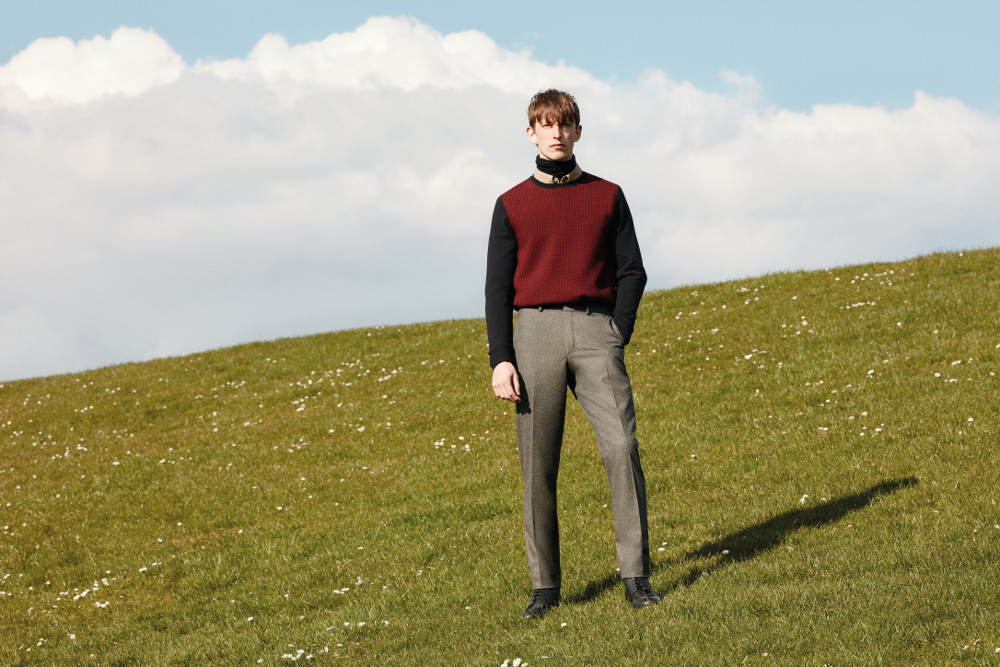
Merino houndstooth sweater and flannel trouser, Lou Dalton for Jaeger
Merino houndstooth sweater and flannel trouser. Lou Dalton for Jaeger

Why did Jaeger choose to work with Lou Dalton on the collection?

James Jee: We wanted to launch a new direction with an exciting collaboration to signify our move into a more diverse casual range, and Lou Dalton is one of the best British menswear designers.

How does the Lou Dalton label relate to the work of Jaeger?

Lou Dalton: Jaeger is thoughtful, considered and well put together, as is Lou Dalton… 

JJ: Lou was a natural link with Jaeger as we have a strong reputation for outerwear – as does Lou – and therefore it made a perfect partnership and a great opportunity for her to delve into our archives and interpret Jaeger’s heritage in a modern way.

Twill shirt, sports blousan and flannel trouser, Lou Dalton for Jaeger
Twill shirt, sports blousan and flannel trouser. Lou Dalton for Jaeger

What was the working relationship like between the two brands?

JJ: [It was] incredibly natural as we shared common values when developing a collection. A shared love and buzz for quality and innovative fabrics – Lou named it, we’re ‘fabric geeks’. When building the collection together there was a real energy and excitement in the room, for example when finding the perfect cotton gabardine or textured nylon weave.

I think the thing that makes the partnership so strong between the two brands is the desire to design and develop a collection that was for the “real” guy. Garments that not only look great, but fabrics that feel great and also make sure they are comfortable and wearable with the right level of uniqueness. Not fashion for the sake of fashion; we wanted these garments to have elements of functionality to really offer the customer more than they expect.

Twill shirt, double pocket blousan and cargo trouser. Lou Dalton for Jaeger

To what extent does this collection reflect both brands’ pursuit of innovation?

JJ: The fabrications selected have been developed with yarns and finishes with technical and functional properties, such as showerproof finishes and natural stretch weaves.

We then took it one step further, and engineered the garment to the form of the body so it is incredibly comfortable, whether it be riding to work or commuting to work. For example, the sleeves in our cycling blouson have darts at key points on the sleeve to create a curve to fit the natural curve of the arm.

Twill shirt, textured check blousan and navy check trousers. Lou Dalton for Jaeger

How did you gain inspiration for the collection? What parts of Jaeger’s archive can be found in the collection?

JJ: A pure example of this is in the hacking pocket of our blouson, which we have in a showerproof camel compact cotton and woven POW nylon. Lou found these when looking through our archive and linked it with her signature large pockets used on jackets an outerwear.

LD: Jaeger has a vast archive, of which I was allowed full access to. Working through the incredible product produced by Jaeger for Sir Ernest Shackleton was terribly inspiring. It was designed to last and to serve a purpose. That’s something I wanted to try and achieve with the collaboration: for each piece to have a sense of longevity. 

Interview Jack Morrison

Baartmans and Siegel: Woolmark Prize

Nominees for the British Isles Regional Woolmark Prize, Baartmans and Siegel, talk to PORT about the privilege of being included in the prestigious competition

Baartmans and Siegel’s first interaction was when Amber Siegel fell off of her bike in front of the Viktor & Rolf atelier she and Wouter Baartmans were working at. Since then, the two have managed to create a dynamic label, combining traditional craftsmanship and forward thinking. Although the Dutch-British duo found working at a big company such as Viktor & Rolf rewarding, the two wanted to build a brand that would design collections true to their “intrinsic natural handwriting,” Siegel explains.

The pair’s work has landed them a nomination in the Woolmark Prize (British Isles Regional Award for menswear) – a notoriously competitive and prestigious award won by the likes of Karl Lagerfeld and Yves Saint Laurent back when they were just starting out. The competition, first held in 1953, challenges designers to work with Merino wool, and celebrates those outstanding creatives from around the world who are able to showcase the beauty and versatility of the beautiful and natural Australian fibre.

Here, Siegel discusses the award, working with wool, and why her and Baartmans are self-proclaimed “modern-traditionalists”.

a-Woolmark-KD0C2951s

How did your partnership and brand come about?

We started creating projects outside the Viktor & Rolf atelier and found that we liked shaping our own environment. Working together always felt uncomplicated and enjoyable, rather than actually consciously work.

Can you tell us about your involvement in the Woolmark Prize and the collection you designed for it?

We were nominated for the British Isles Menswear category and approved by the Woolmark team, which was a great privilege, as it has such an interesting global incentive and legacy.

We based our collection on explorative and social documentary photographers, such as Mary Ellen Mark, and their gritty visual offering of youth. The central theme of the collection is ‘Streets of the Lost’ (named after the photographic essays Mary Ellen Mark created for LIFE magazine in 1983). It’s a portrait of masculine utility in progress.

Woolmark-KD0C3641s

How would you describe the collection?

‘Nomadic collective excess’. We approached each piece with a grounded and rooted sense of traditional utility, and added to it flourishes of collective innovation, excess performance and heightened expectation of non-conventional sport-luxe embellishment. Expect the unexpected and indulge in that which is familiar.

Layers and versatility were central to the silhouette, theme and aesthetic of the collection.

How did you incorporate wool into the collection?

We used wool in unique visible, and also complexly intertwined, offerings. Working with some of the traditional Italian mills that we have always collaborated with, we created, developed and sourced, Merino wool based on performance and protection. The car coats all have a pack-away feature where they are reversible and can also be packed down in to a bag, within the structure of the garment itself.

The accessories were also highlighted to compliment the garments. The oversized traveller bag we carefully crafted in bonded wool and aluminium and its foldaway nature and multi-functionality is a protective survival tool, with the added feature of memory-retention fibres to support the desired contours of the body.

a-Woolmark-KD0C2794s+a-Woolmark-KD0C2781s

Could you pick a favourite piece from the collection?

One of our favourite items is the result of a collaboration with FanOptics that incorporates solidwood: a unique, composite material, and a new way of working with wool. It creates a fantastic tactile texture and  truly aesthetically stimulating.

What is it about wool that interests you? Is wool a material you usually work with, or was this a new experience for you?

Since starting Baartmans and Siegel, we have always used wool and other noble fibres. While embracing some of the fundamental aspects of British menswear, it was always inevitable that we would include wool in the DNA of our aesthetic.

Where do you source your fabrics from?

Most of our garment sampling, development and production is based in Italy, which has an engrained love affair with wool. One of our favourite memories from when we started our label was walking out of the car in Como, Italy, to go visit our factory, and a herd of 200 local sheep and one small Shetland pony walking down the street, fully trapping and surrounding us. It was a fantastic start to a holistic and fully explorative approach to sourcing our fabrics, and since then we have included the use of special and rare breed wool.

a-Woolmark-KD0C2792s

What are the advantages of working with a fabric such as wool?

There are so many amazing technical innovations that allow wool to be a durable and flexible base fibre, which is renewable, biodegradable and also extremely aesthetically dynamic. It feels extremely rewarding to be a contemporary designer, but to still be able to embrace a textile that Britons were working with since the Bronze Age, and to make it feel continuously relevant.

Why do you call yourselves “modern-traditionalists”?

It’s the idea of traditional values, but with a contemporary outlook to how we build collections and garments that have daily relevance. A skeleton of excellence with a rebellious flesh; a homage to the process behind the offering.

a-Woolmark-KD0C2982s

How will you build on your experience and involvement with the Woolmark Prize?

We will always include wool and pure fabrics in our collections every season, in addition to novelty performance fabrication. Textile selection at the beginning of each season is such an exciting part of the design and garment development!

What projects can we expect from you in the future?

We have been working on some very exciting projects to launch in winter: epic outerwear galore for both men and women. We have also collaborated on a special capsule menswear collection for a pillar of British retail, including our favourite piece: a beautifully slick bomber jacket, which is soon to be available. A dramatic and unique menswear offering will soon be unveiled. It’ll be a union of our vision and work, combined with one of the most creative popular culture icons and artists of the moment. We can’t wait to share this.

woolmarkprize.com

Photography: GarconJon

Photo Essay: Aitor Throup SS17

Conceptual design maverick Aitor Throup returns to London Collections Men puppeteering a three-part performance, narrating the last 15 years of his ‘creative ego’ for Spring/Summer/Autumn/Winter

 Photography Sophie Green