Katharine Hamnett x YMC: Save the Future

Politically diverse designer Katharine Hamnett tells PORT how her latest collaboration with YMC attempts to uphold an ethical integrity
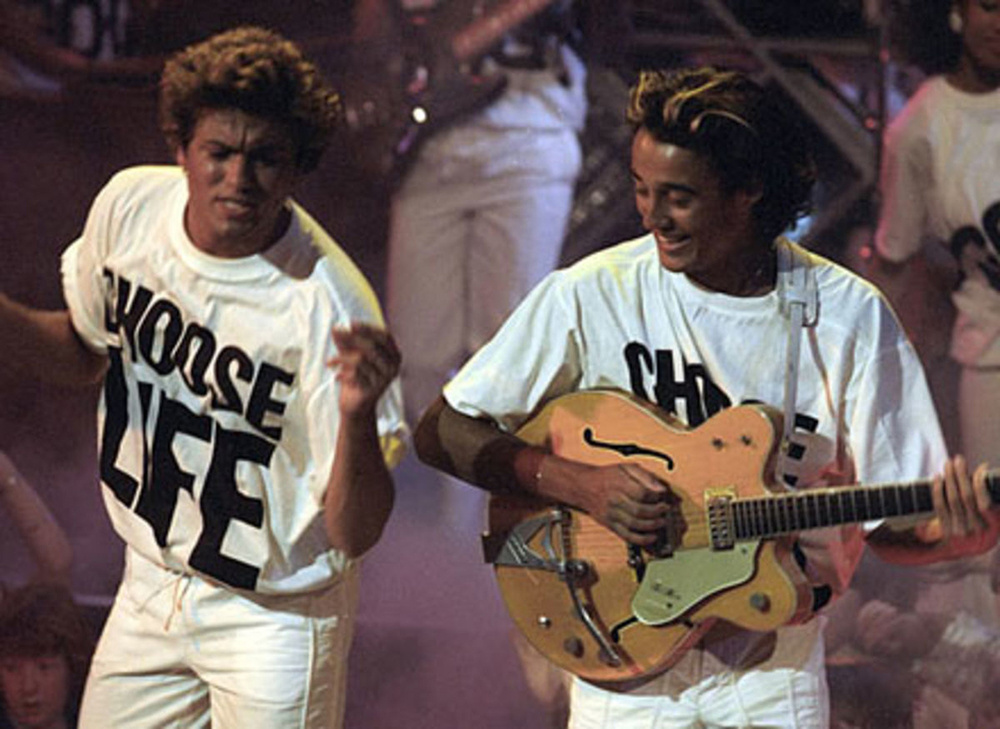
Wham! wearing 'Choose Life' t-shirts designed by Hamnett
Wham! wearing ‘Choose Life’ t-shirts designed by Hamnett

Katharine Hamnett CBE is more than just a fashion designer. A political and social activist, she is famed for using fashion to highlight important causes – specifically in her iconic, unisex slogan T-shirts.

For SS16, Hamnett has collaborated with British label You Must Create (YMC) on a capsule collection which includes three slogan T-shirts, plus pieces from Hamnett’s archive. Spanning more than 30 years, these archive pieces have been reworked into modern day staples for men and women.

Hamnett’s love affair with fashion began when she studied at Central Saint Martins in the late ’70s. Since then she’s been the flag bearer for politically engaged fashion, releasing her first line of T-shirts in 1983. Sported by pop band Wham! and attracting considerable media attention around Europe, Hamnett’s T-shirts were established as a pop-culture tool capable of conveying powerful and poignant messages.

“The ‘STOP AND THINK’ slogan is a reissue of a T-shirt that’s been doing the rounds since Bush declared the ‘WAR ON TERROR’,” says Hamnett. To say that she is politically, socially, economically and globally aware would be an understatement; there aren’t many like her in the fashion industry today who use their skills to actively encourage and make change. 
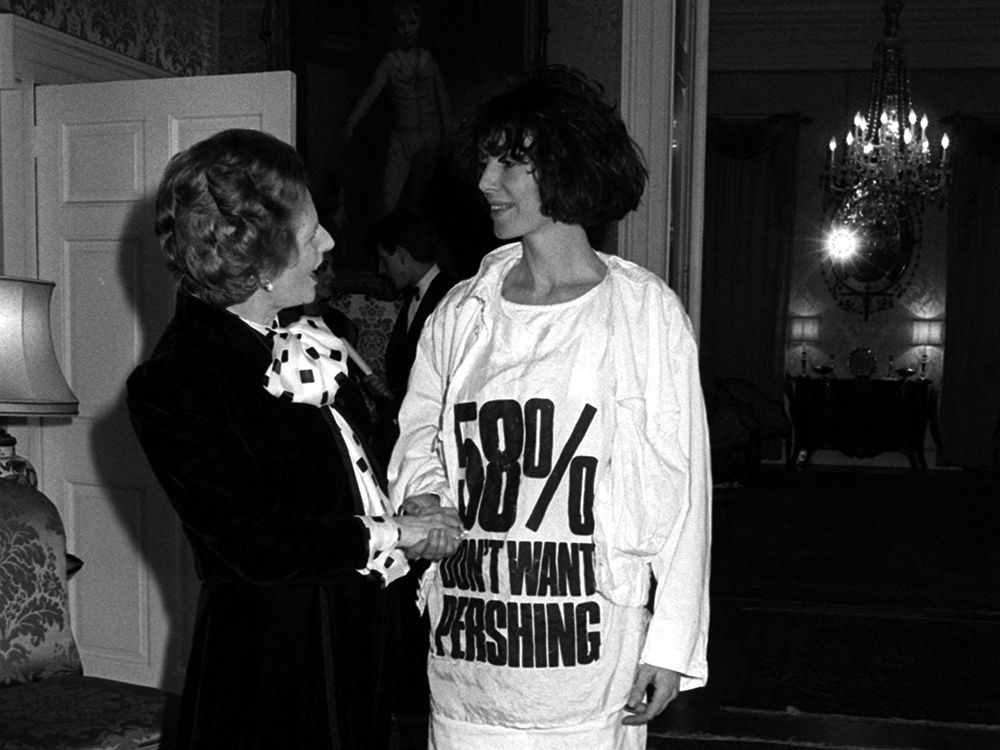
Katharine Hamnett meets Margaret Thatcher

The Kent-born designer gained considerable media attention in 1984 when she smuggled one of her slogan T-shirts into Downing Street. During the visit, she shook hands with the ‘Iron Lady’, Margaret Thatcher, while wearing one of her signature T-shirts emblazoned with ‘58% DON’T WANT PERSHING’ – a direct challenge to Thatcher’s decision to allow US Pershing cruise missiles to be stationed in Britain. When asked what she would wear if she met the UK’s current prime minister, David Cameron, Hamnett opts for ‘NHS NOT TRIDENT’. 

“The government is actually afraid of slogan T-shirts and you are not allowed to wear one in the House of Commons. Political T-shirts even have their own law – Section 13 of Terrorism Act 2000,” says Hamnett.

Her interests stretch beyond the typical confines of politics, however, and into the realms of ethical production. As a consequence of globalisation, she suggests, there have been thousands of preventable deaths, many of which have resulted from large corporations and clothing labels seeking out cheap labour to maximise profits.

“The brands have to be more responsible with how they work,” Hamnett says, explaining how these deaths could have been avoided. “They need health and safety checks in all of the factories where their goods are being made, and if they see anything wrong, demand immediate improvements.”

For example, a commercial building containing stores, banks and factory floors collapsed in Bangladesh in 2013, claiming 1,130 lives. Thought to be the deadliest accidental structural failure in modern history, the tragedy was put down to ‘poor management’ and negligence by the owners who were imprisoned as a result.

Katharine Hamnett x YMC collaboration

By contrast, Hamnett’s YMC T-shirts are produced with ethics at their core. Made from sustainable and organic cotton, they feature environmentally friendly ink and reworked pieces are crafted from sustainable silks and cottons.

“Clothing is usually the 3rd or 4th largest industry in any industrialised economy,” she tells me. “China should never have been allowed into the World Trade Organisation without addressing its artificially deflated currency and human rights issues,” she says, fervently.

Another important and often overlooked factor in clothing, she suggests, is the production of the raw materials. According to Hamnett, cotton farming accounts for 25 per cent of the world’s pesticides usage and contributes to 10,000 deaths per year and a million hospitalisations. Hamnett encourages those concerned by the effect of pesticide use to write to their favourite brands and ask for organic cotton to be used. “This information just needs to get out there,” she says. “Big brands and retailers should be doing more.”

Bunney for Lewis Leathers

Designer Andrew Bunney discusses the influence of subcultures, creating with longevity in mind, and collaborating with Britain’s oldest motorcycle clothing company

BUNNEY SHIN OKISHIMA

Andrew Bunney has a simple aim. To create beautiful objects that will stand the test of time. Launched in 2009, the Bunney label subscribes to a slow-fashion ethos with just a handful of solid silver pieces released across the course of a year. Utilising a small group of UK-based workshops, a decision based on “common sense rather than some sort of crusade to resurrect British industry,” the hope is that, if you invest in one of his hallmarked treasures, you will do just that: treasure them.

Thanks in no small part to their hard-to-find status and ‘luxury’ price tag, Bunney’s trademark studs and pin badges have reached almost cult level. As with all Andrew’s projects, from the London Underground themed Roundel clothing to graphics-driven British Remains T-shirts, Bunney is a clever blend of tradition and youth. Sub-cultures of all descriptions are a long-standing fascination for the maker, and his jewellery line combines the best of formal British craftsmanship with a punk-inspired DIY spirit.

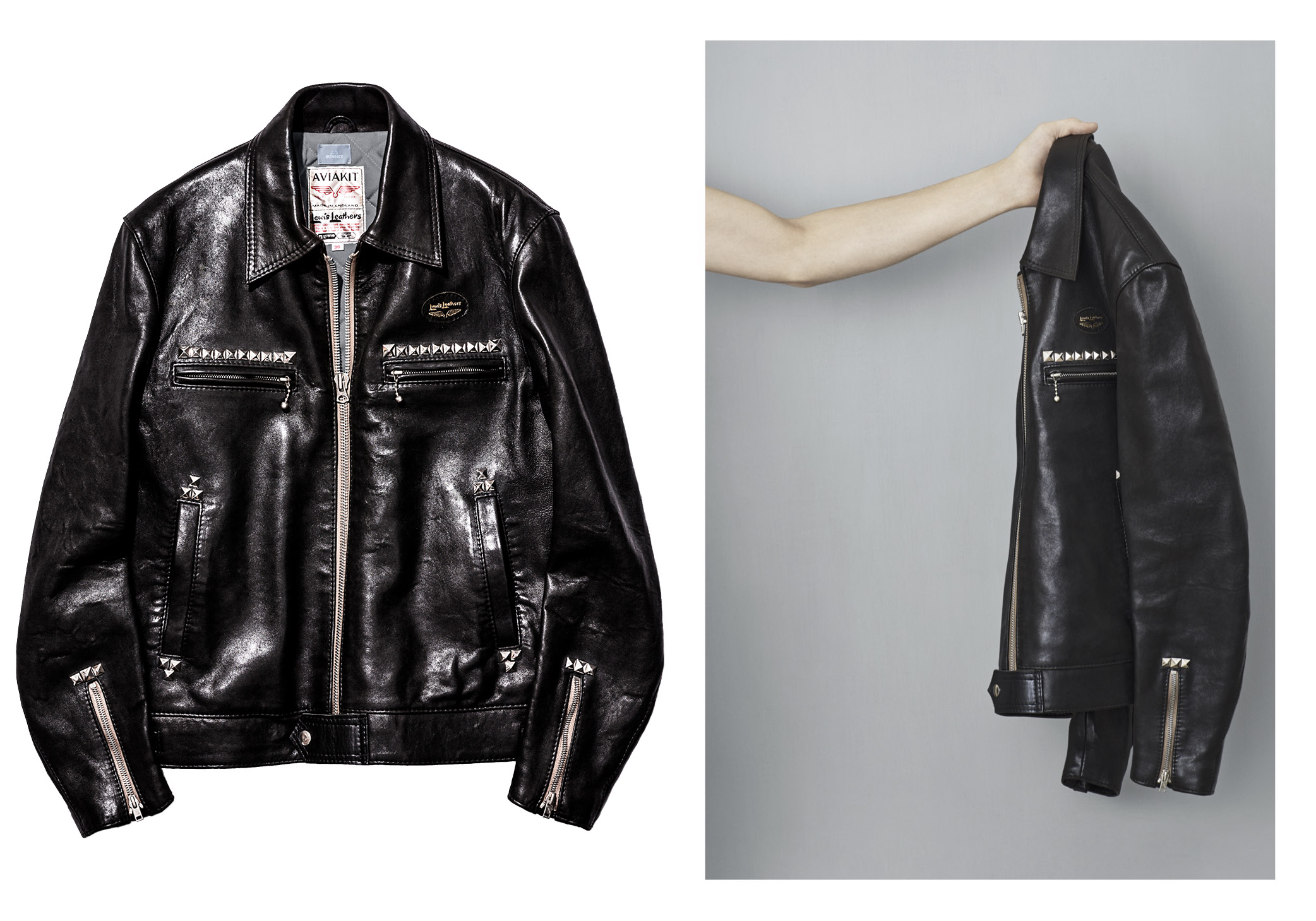
An open-minded approach has resulted in some interesting collaborations, from old school Mayfair chemist D.R. Harris to Peanuts and Disney. Andrew’s latest joint venture provides both canvas and adornment, creating a limited edition ‘Lightning’ biker jacket with famed London motorcycle outfitters, Lewis Leathers.

How did you first get involved with Lewis Leathers?

I did an exhibition at Dover Street Market London in 2012 showing a series of images from photographer Derek Ridgers. Some of the kids in the photos taken in the 70s and 80s were wearing even earlier Lewis Leathers jackets. I spoke to Derek Harris who runs Lewis and we thought it would be nice to recreate an early jacket to display.

We’ve subsequently worked on a few different projects, this latest jacket has a lot of authentic vintage details. The studs have been placed sympathetically to the era but remade in solid silver, all hallmarked and riveted. We’ve also used a lucky rabbit’s foot in various precious metals; a classic Rockers motif. I’m told it always has to be the back left paw if it’s to bring good luck.

What in particular drew you to Lewis Leathers?

What I look for in partners is authenticity and Lewis is the most authentic company in that world, the oldest motorcycle clothing company in Britain. Their history is incredible, right back to the days when they made flying jackets.

Sub-cultures and symbols seem to be a reoccurring theme in your work, why is that?

Living in the UK you grow up with all this iconography and I guess it’s nice to revisit that with different eyes when you get older. With the Rocker era in particular, that age of customisation, there’s just something really fascinating about post-war England and the new era of the teenager.

composite 1

DIY decoration was huge part of that look, right?

Yes. What I find fascinating is this idea of Rockers placing studs on their clothes to make them seem aggressive and macho, but what they’re essentially doing is trying to create some sort of beauty. I keep coming back to this image of a biker carefully and precisely lining up studs in their bedroom. With Bunney I always wanted people to wear the pieces their own way. It’s exciting to see how people choose to place them.

What was your initial aim with Bunney?

I wanted to make things as special as possible. It’s about creating less but creating to last. Jewellery is unique because it’s imbued with personal meaning, we’re attached to a piece because of who gave it to us or how we found it.

Is your approach to jewellery design different to clothing design?

Generally there’s a shelf life with clothing. If it’s too old it becomes either too damaged or too precious to actually wear. Jewellery isn’t like that so when I design it’s with that longevity in mind, that’s why I only use precious metals – the idea being that the object will have both a personal and physical value. I’d say, in general, the themes across all my projects are the same but with Bunney it’s more about a search for beauty.

How does old and new play out in your work?

I’m not interested in remaking old things. My interest is in the balance between analogue and digital. There’s only so much you can do by hand and there’s only so much you can do on a computer. However, there’s a sweet spot where the two converge, so you can make something as accurate as possible but with the charm and warmth of handmade.

Do you make many custom pieces?

Yes, I get asked to make wedding rings, engraved badges and cardholders, but my real ambition is to make sports trophies. I just need an event.

What next for Bunney?

We recently worked with Vespa to create the most special scooter possible using solid silver parts. To accompany the bike I’ve produced a fishtail parka using the best technical fabrics available from China’s famous KTC factory. The scooter is still very much part of the British consciousness and I’ve always been interested in Mods in the original sense of the word. I’m interested in the idea of the Modernist – the person who’s always on the hunt for an imported culture, for something new. I believe that spirit exists across generations.

bunney.co.uk

The New Persol Generation

As eyewear brand Persol launches its new collection, PORT presents the UK premiere of a short film featuring emerging actor Scott Eastwood

Novelty is key in fashion and stagnation is its biggest enemy. New people, products and collections are constantly introduced and it’s that energy and attitude that rule the shelves. If you can link this innovation to a classic product or iconic person, while presenting a newness that people recognise, then you might just be on to a winner.

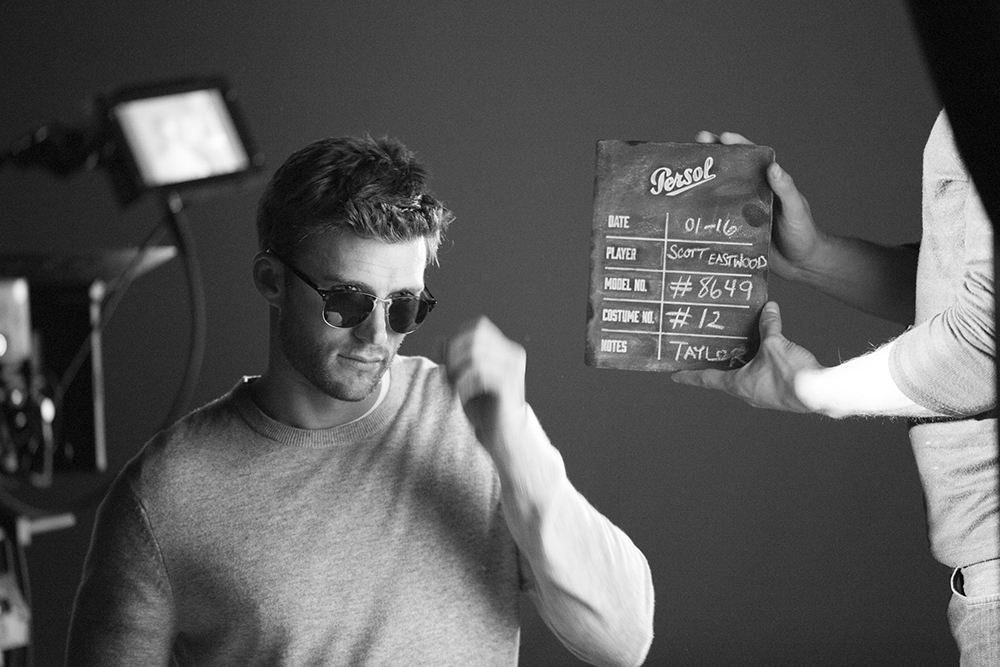
So it goes for sunglasses as for actors, and that’s why Scott Eastwood – son of Clint – is the new face of Italian sunglass experts Persol.

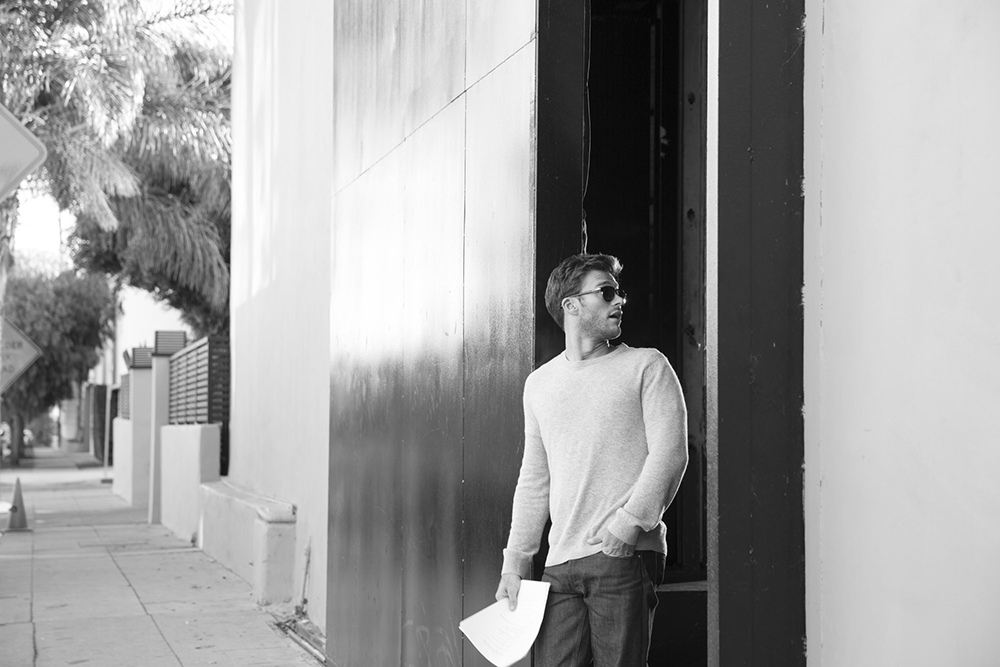
Scott Eastwood, behind the scenes of the Persol film

Synonymous with Italian style, the famous ‘sprezzatura’ – meaning a studied nonchalance – the campaign serves to emphasise Persol’s longstanding relationship with cinema. Steve McQueen’s appearance in 1968’s The Thomas Crown Affairbeing a prime example of this, where the iconic American actor sported a pair of yellow framed, blue-lensed 714s.

Persol_Scott Eastwood_Behind the Scene Pictures (20)

Directed by Andrew Dominik, the short film highlights Persol’s interest in the next generation of rising stars, like Scott, who have become the brand’s new icons (Clint’s youngest son is set to star in the upcoming ‘Snowden’ biopic and the superhero action/thriller Suicide Squad).

Persol.com

The Nudie Jeans Guide to Gothenburg

Maria Erixon, founder of the Swedish denim brand Nudie Jeans, lists her top five places to eat, drink and relax

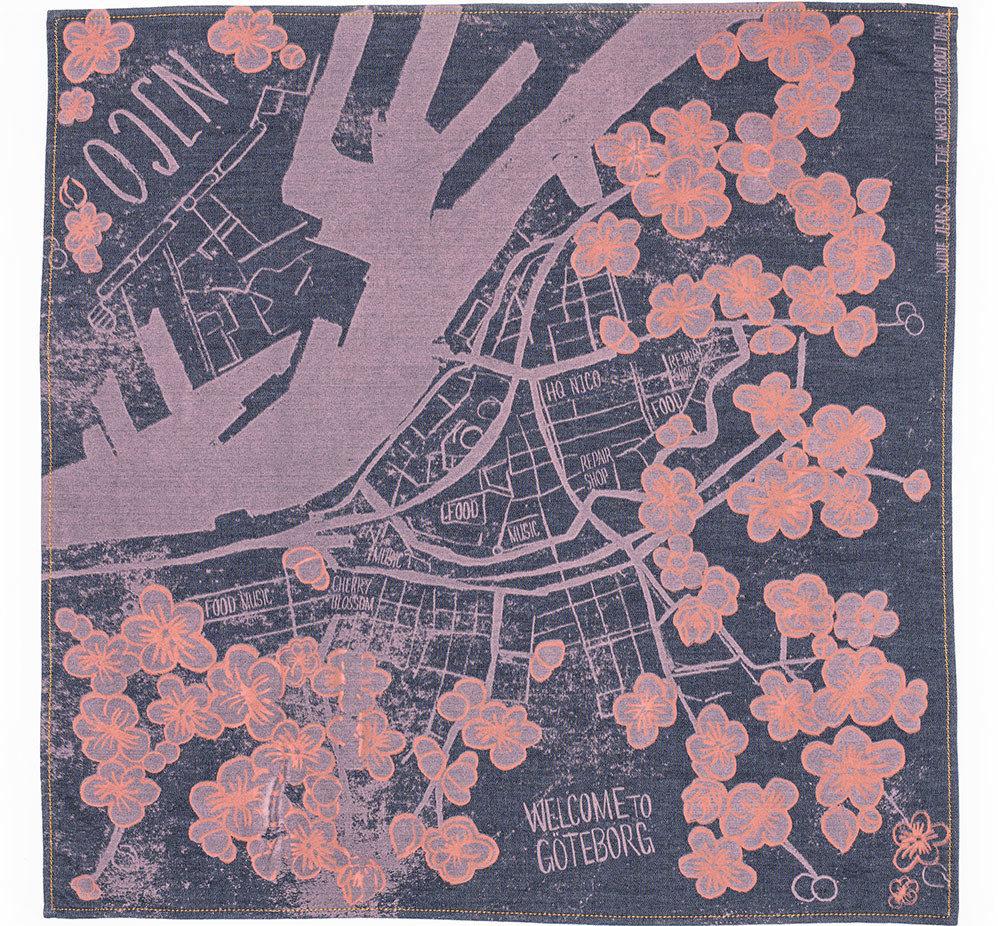
long john sakura selvage scarf (1)
A custom-printed map of Gothenburg features inside every pair of Long John Sakura Japanese Selvage jeans

Gothenburg-based Nudie Jeans has combined its geographical roots with an interest in premium Japanese denim to create a new, limited edition denim line: the Long John Sakura Japanese Selvage jean.

Limited to 1,000 pieces, the jean launched in conjunction with the first day of spring 2016 (1 March) – a time of the year when Japanese Cherry Blossom, known in Japan as the Sakura tree, flowers spectacularly.

Here, Maria Erixon, founder and creative director of Nudie Jeans, shares some of her favourite spots in the Swedish city.

Bord 27 Bord 27 is a small family owned restaurant working with local and organic produce. They offer a really nice selection of Swedish dishes but also bring in some influences from abroad. Bord 27, Haga kyrkogata 14, 411 23, Gothenburg

Röda Sten Konsthall Röda Sten is situated underneath the Älvsborgs bridge – the best location possible. It sits in the middle of the harbour and offers contemporary art and culture from all over the world. Röda Sten 1, 414 51 Gothenburg

Folk If I want to go somewhere that has nice vibes and is a great place to hang out with your friends, I go to Folk. It’s a theatre that also has bar and a vegetarian kitchen. They’ve got a great range of biodynamic and organic wines, as well as delicious food. Folk, Olof Palmes plats, 413 04, Gothenburg

Lester Lester was actually founded same year as Nudie. The shop is still owned by two nice brothers and they sell a good range of good quality shoes, carefully selected by them. All their shoes are a great fit with our jeans. Lester, Vallgatan 14, 411 16, Gothenburg

Slottsskogen There is this big green space right in the city centre of Gothenburg called Slottsskogen. People meet there to do everything from exercise to barbecue. This is where the Way Out West festival is hosted every year and it transforms the whole park into a big party. Slottsskogspromenaden, 414 76, Gothenburg.

END. clothing is the UK stockist of Long John Sakura Japanese Selvage jean.

Supernova: The Birth of Ally Capellino Clothing

Accessories designer and Ally Capellino founder Alison Lloyd returns to her roots and adds unisex clothing to her acclaimed accessories brand

ally cappelino feature
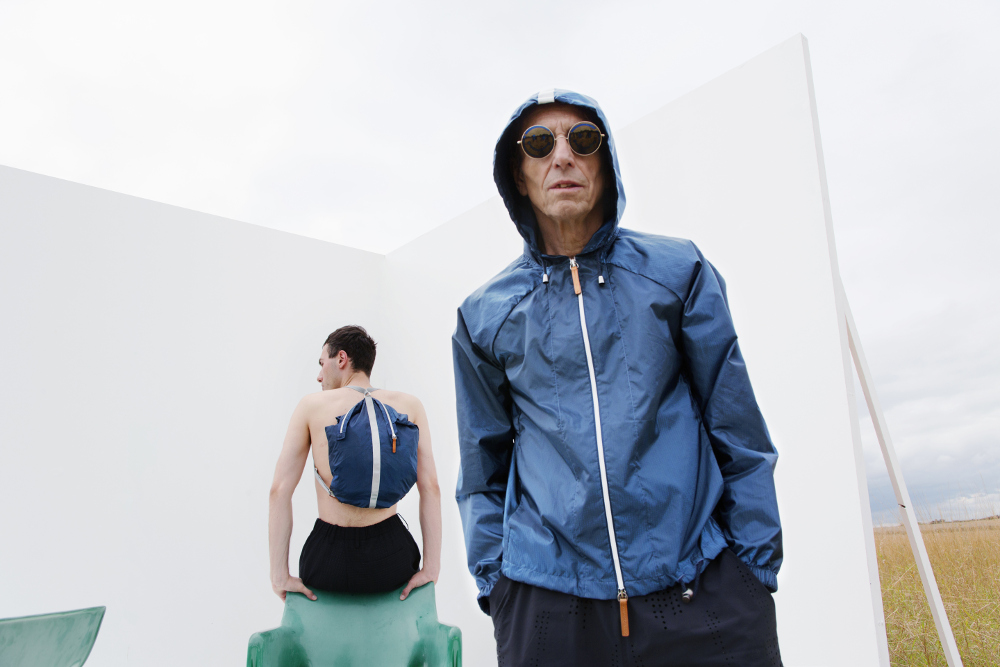
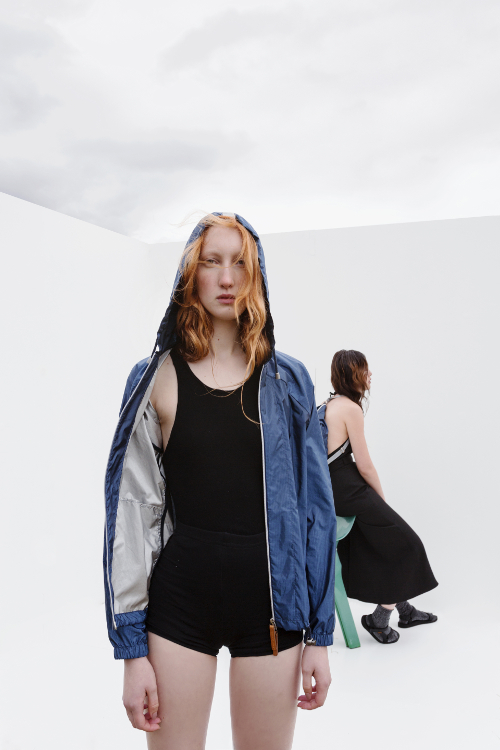
Ally Capellino Supernova, Photography by Agnes Lloyd-Platt, Styling by Alex Petsetakis

Since the turn of the millennium, Alison Lloyd’s accessories label Ally Capellino has consistently created product that’s focused on style as opposed to fashion. Her line is contemporary and attempts to cater for all types of bags that men and women could possibly need on a daily basis – from rucksacks and travel bags, to satchels and coin purses.

With a background in womenswear design, Lloyd was looking for a way back into clothes. The answer came through cycling: a method of transport that runs in unison with Ally Capellino, the brand, and Alison Lloyd, the person. In celebration of the pushbike, Ally Capellino has created ‘Supernova’ – a capsule collection heralding Lloyd’s return as a clothing designer.

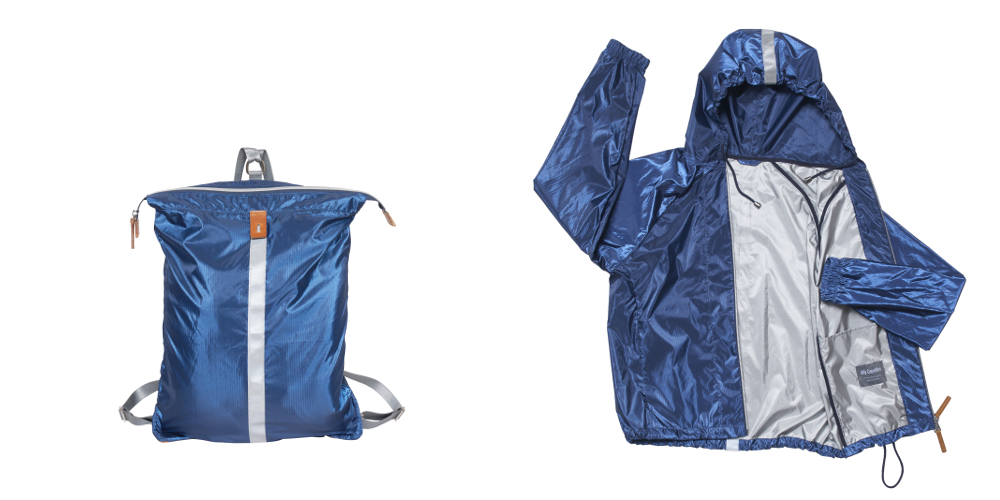
Made from ultra-light technical fabrics, the waterproof jackets and bags are targeted for the commuter, or really anyone with a sense of style and appreciation for well-made products. Here, we speak to Lloyd about the return to clothing design, working with technical materials and channelling her inner tomboy.

ally cappellino product shots
Ally Capellino Backpack and Jacket

How did you first move from designing womenswear to making bags and accessories for men and women?

My partner and I split up and with it went the business. When I started again I fell into accessories, as they were a bit easier to manage on a smaller scale. They didn’t have to fit different sizes either, and I really enjoyed the challenge of starting a new business.

I applied a clothing approach to the bags at first, but the soft feel was quite different. I didn’t know anything about leather, so I had to learn that on the job.

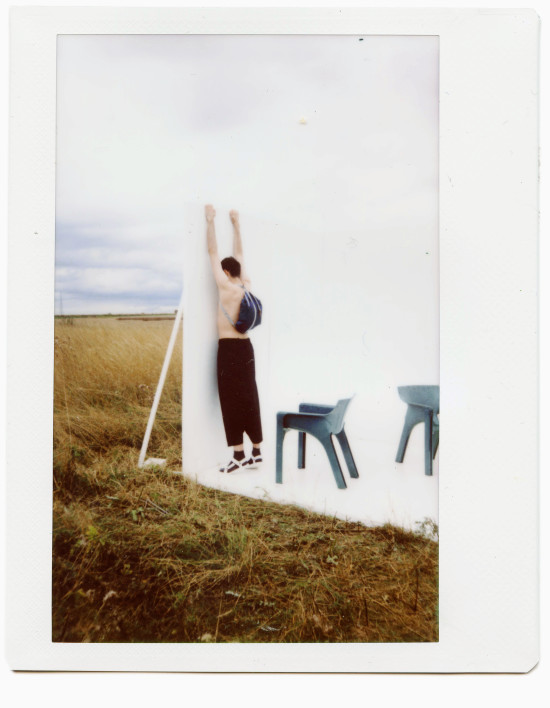
Ally Capellino Supernova, Photography by Agnes Lloyd-Platt, Styling by Alex Petsetakis

Which part of designing Ally Capellino products do you enjoy most?

I love the research and finding the materials and leathers that work off each other. In clothing I love the tailoring and pattern cutting. Finally, I really enjoy the teamwork involved in any presentation, be it a fashion show or a shoot.

Ally Capellino Supernova, Photography by Agnes Lloyd-Platt, Styling by Alex Petsetakis

We know you’re a fan of cycling, but what drove you to design a whole collection dedicated to it?

We’ve been working on functional clothing and tech bags for a while now. Plus cycling is really popular in the company and with our customers, so some slightly glamorous and whimsical pieces were a joy to add to the Ally Capellino family.

The ‘Supernova’ collection incorporates technical fabrics, reflective materials and aluminium film. What was it like working with fabrics that you usually don’t handle?

I’ve always responded to materials and when I originally did clothing there were always technical and contrasting materials. I am quite a magpie I guess and this stuff was irresistible. I wouldn’t say they were that unusual for me; I’ve always liked a sporty edge as well as the influences of uniforms.

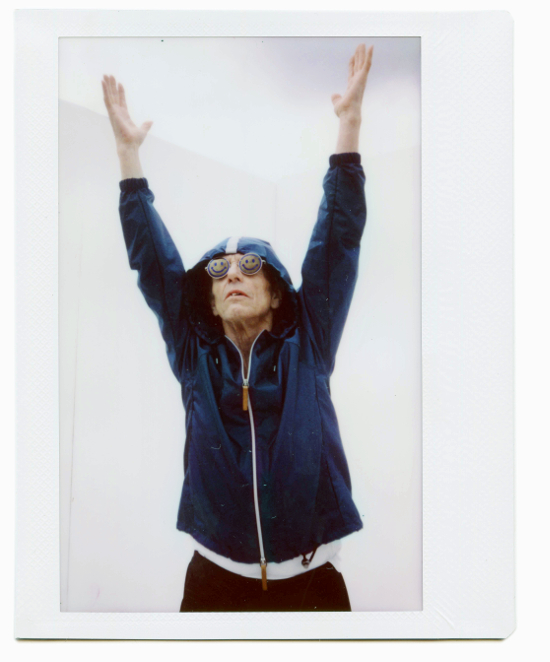
ally cap polaroid arms up
Ally Capellino Supernova, Photography by Agnes Lloyd-Platt, Styling by Alex Petsetakis

Can we expect more ‘technical’ and unisex Ally Capellino products in future?

Oh yes, if we can use technologically advanced fabrics then that’s great. It’s nice to get some very modern looking materials mixed up with the more triad stuff as well. I don’t see a problem with unisex in this area – our womens’ looks are best when approached in a somewhat tomboy way anyway. But there are differences in size, so it does need individual attention.

Ally Capellino is a British designer of accessories and bags for men and women

Filson: Made In America, For The World

Filson’s president, Gray Madden, discusses the US brand’s 120-year history and explains why he’s more focused on style than fashion trends

DSC_5354

There are not many brands over 100 years old that have kept true to their identity and heritage, while maintaining and extending a loyal customer fanbase. Seattle-based label Filson, however, is one such brand, and in 2017 it will celebrate its 120th year in business.

“We have this heritage and history built around a sense of adventure and outdoor spirit that really carries all the way through to today,” says Gray Madden, the president of Filson. “We still have consumers who are loggers, miners and timber men, but obviously now we are more of a fashionable brand, so it all goes back to that idea of outdoor history.”
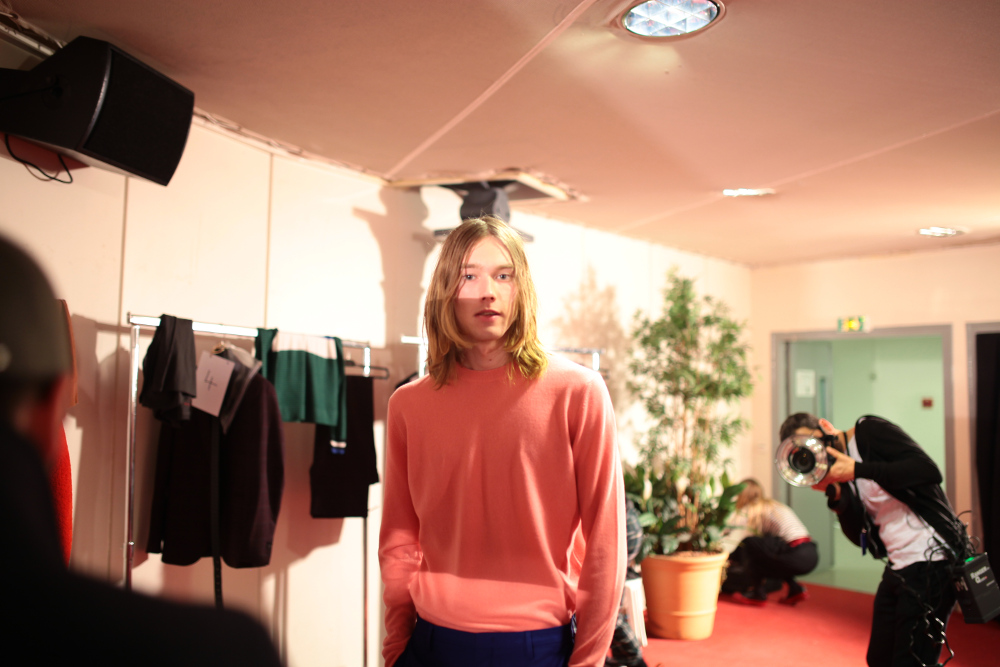
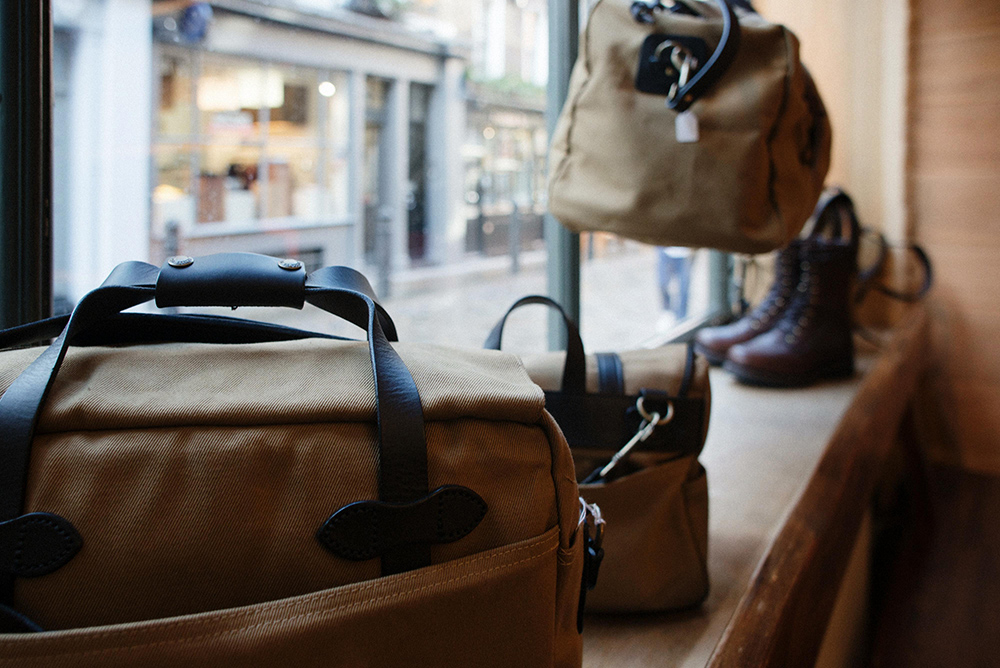
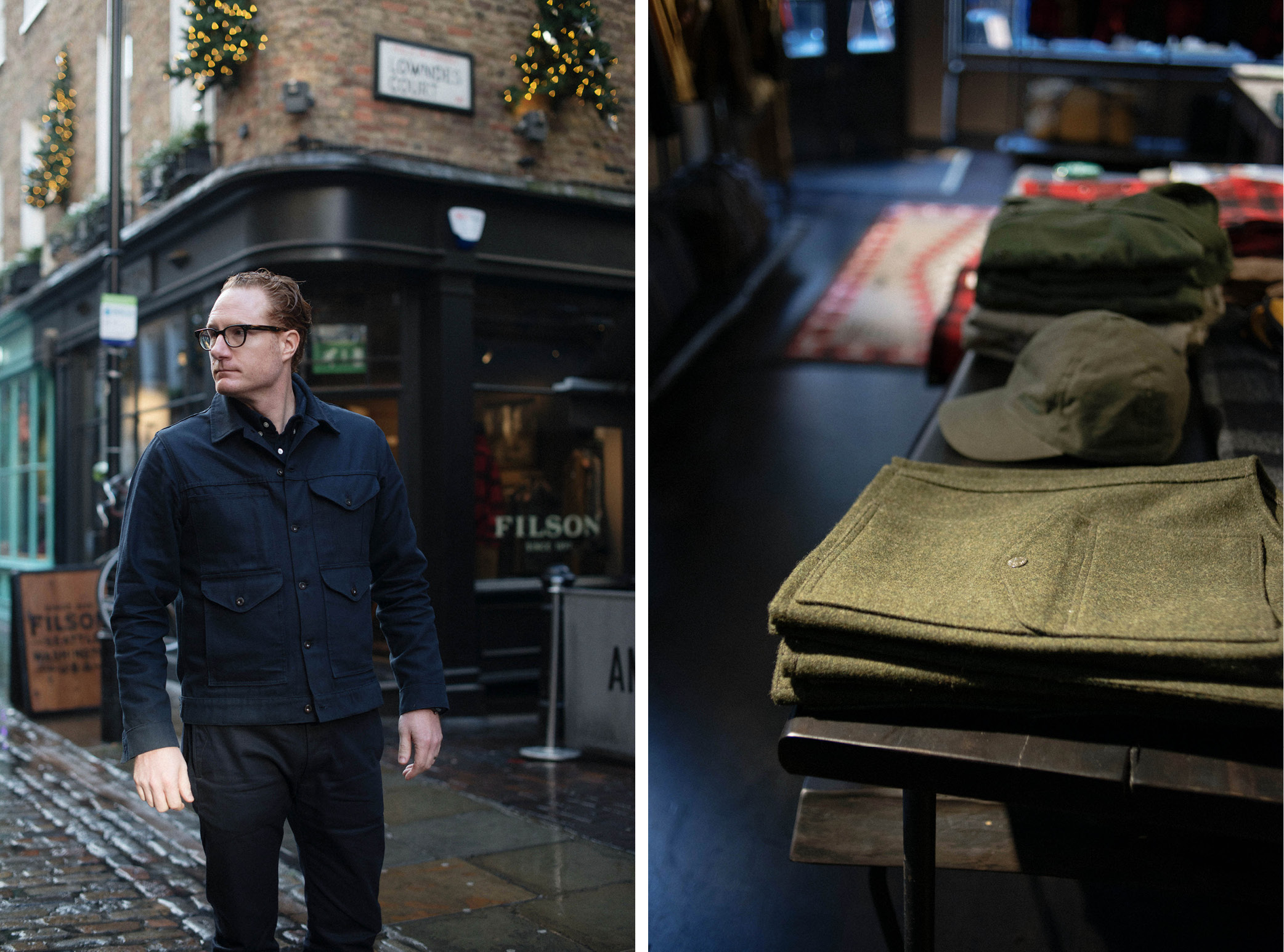
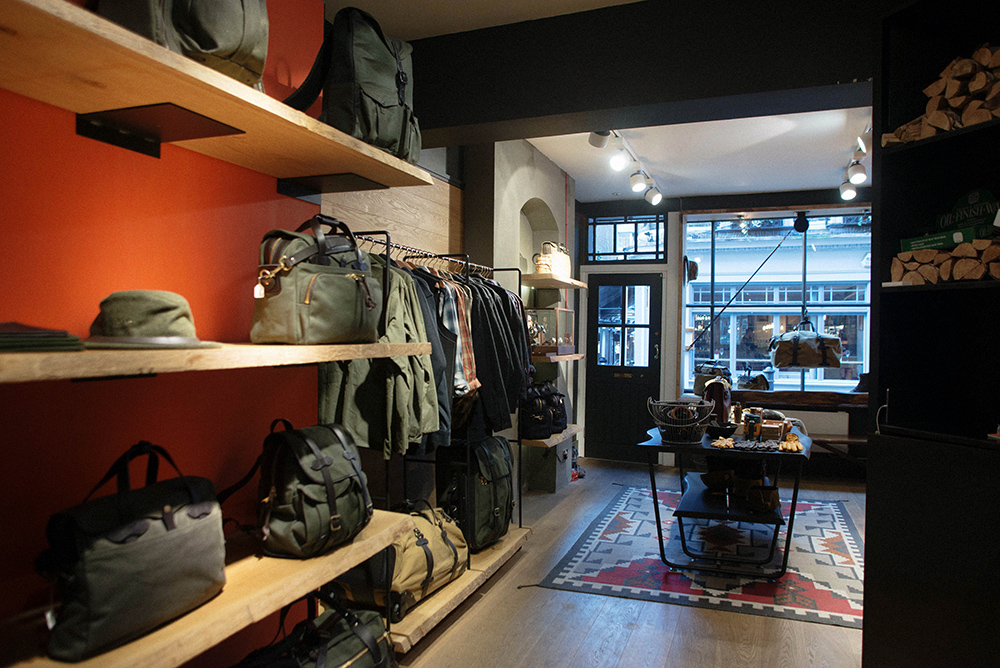
Left: Gray Madden, president of Filson, outside the London store in Newburgh Street – Right: Inside the store

It could be said that the last five years have been the most exciting in Filson’s history. The brand has made serious headway in establishing itself on a global scale, propelling itself to the forefront of American ‘heritage’ brands that focus on quality and craftsmanship, and doggedly refuse to chase trends.

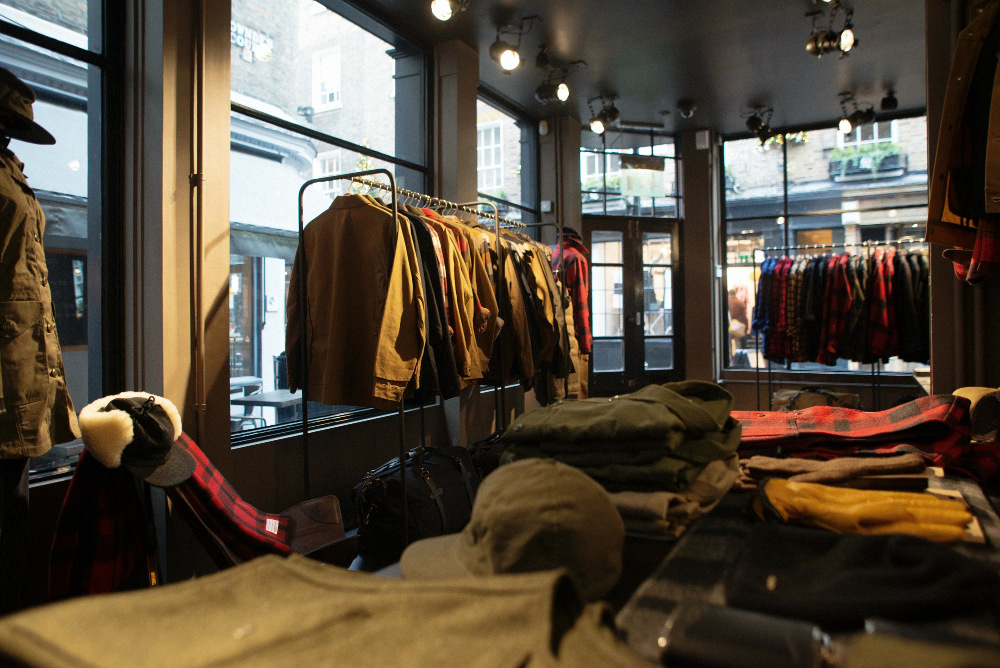
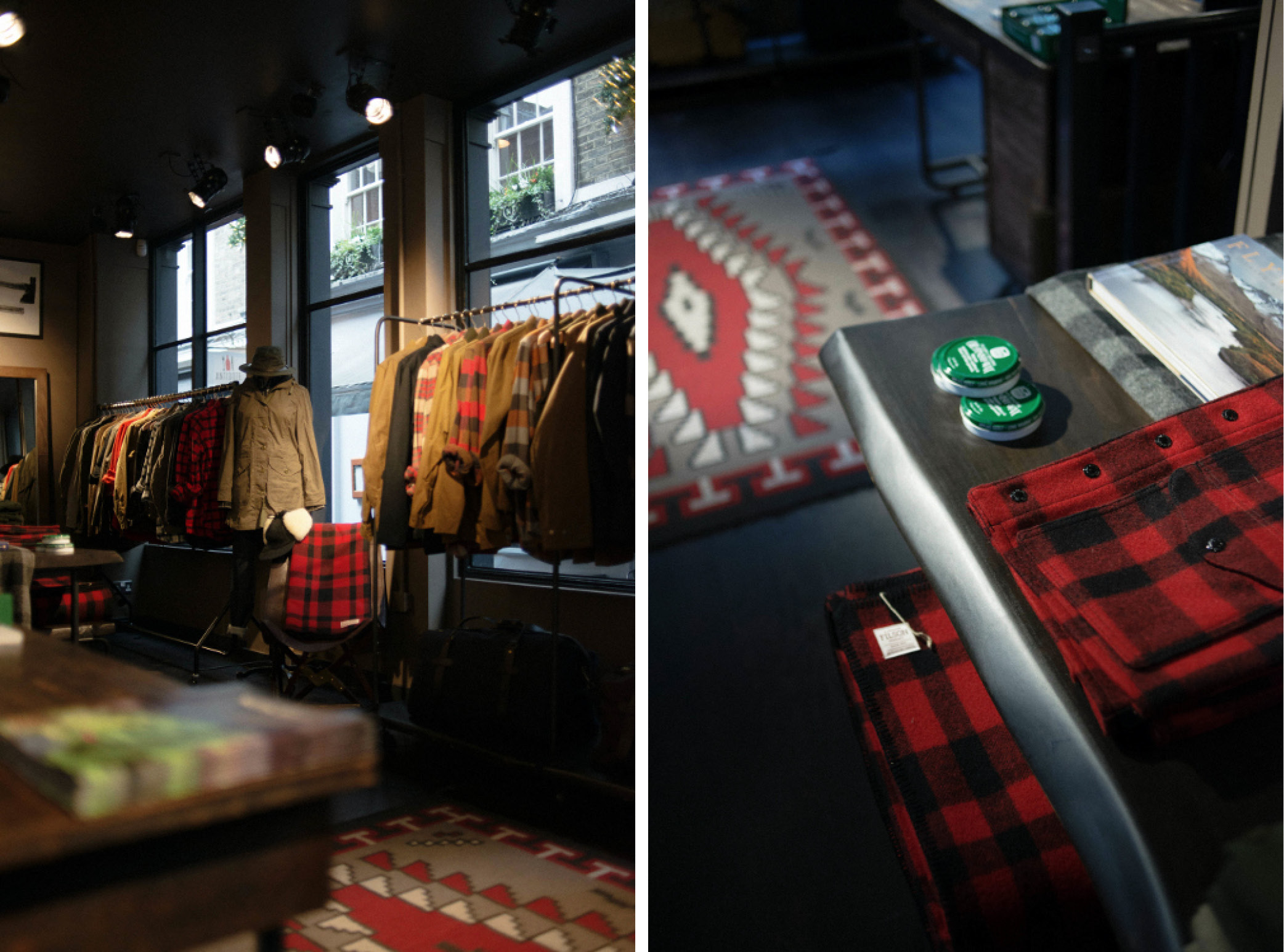
Filson’s newest London store opened in late 2015 on Newburgh Street, Soho – a stone’s throw away from its first site in the capital, which opened in 2013. Having the two shops opposite each other seems like a unusual strategy and one that not many brands have tried before. But it would seem enthusiasm for the location, rather than economics or commercial thinking, drove the move.

Filson 2

“Filson loves this area. We love this street and there are a lot of other great, like-minded brands around us that our customers really identify with,” Madden explains. One of the brands Madden is referring to, Shinola, became a sister company with Filson when it was acquired by Bedrock Manufacturing Co. in 2012. It signalled the start of an aggressive but measured push of Filson’s ambitions: European expansion while upholding the brand’s ideals.
Being over 100 years old, Madden views Filson as an ageing house that needed attention. “You can either start with a clean slate and build it from the ground up, or you buy an old home with great bones, great architecture… but maybe there’s some bad wiring or the plumbing needs work,” he says. “Filson has been asleep for the majority of its life, with no investment of money, time or energy, until now – it’s been a sort of restoration project.”

Composite 2

When discussing how vital it is for Filson to stick to its design heritage, Madden brings up the ‘Short Cruiser’ jacket that he is wearing, originally produced over a century ago. Filson has stuck to the principles embodied by this jacket and went on to both innovate and improve its templates with better fabrics and materials. Following the appointment of creative director Alex Carleton, this has become a growing area for Filson over the past 18 months.

“Alex is a really interesting guy in that he has a great history with both Ralph Lauren and his own brand… He’s from the design industry but doesn’t think ‘fashionable’,” Madden says. “One of the things that Alex and his team are helping with is the fact that we have been an apparel brand and now a bag brand for 25 years. The apparel that we make is mostly coats, so it’s easy to see that there are places in which we can add to the assortment, with woven shirts, knitwear, T-shirts, sweatshirts and more trousers and pants.”

DSC_5364

Filson already has a strong and loyal customer following, partly due to the fact that all its products are 100 per cent guaranteed for life. By simply expanding its offering of apparel, the label is seeing that it doesn’t need to go out and chase what’s in vogue. Instead, Madden suggests, Filson can just make more product for those who are already fans of the brand.

“In recent years there has been a surge in the popularity of Americana workwear brands in Europe, particularly in the UK,” he says. “Trends come and go, but what Filson isn’t going to do is ‘chase the trend’.”

Photography Sam Travis

Cone Mills: The Fabric Of Levi’s


PORT meets Levi’s Vintage Clothing head designer, Paul O’Neil to learn about the Cone Mills workers that have supplied denim to Levi’s for the last 100 years

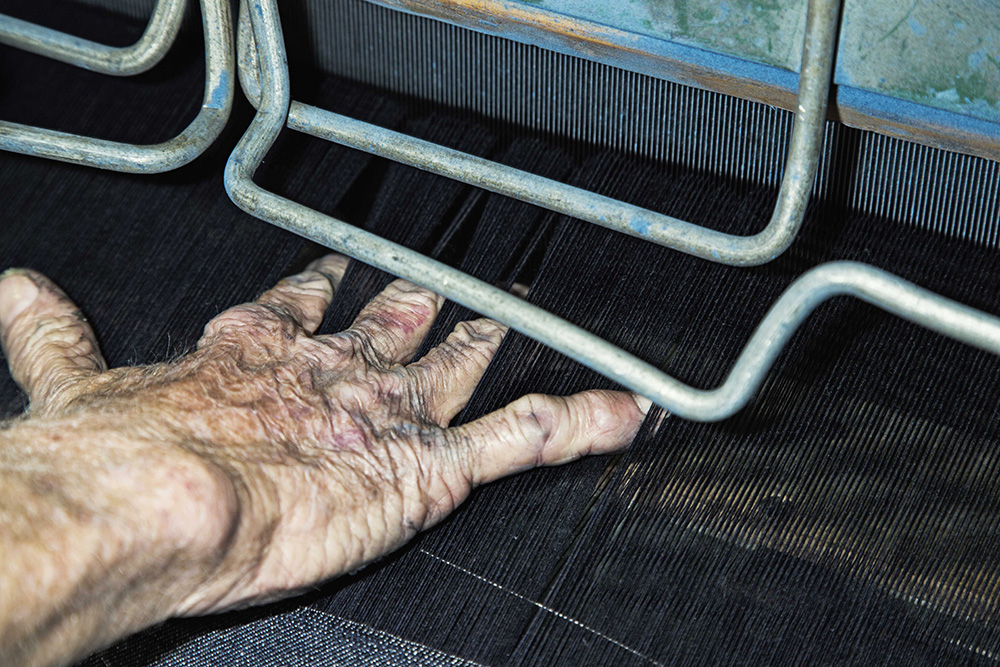
As is so often the case with machinery, it’s the smaller cogs of the wheel that are vital to its smooth running and overall operation. This could not be a more apt description when considering the workers of Cone Mills textile manufacturer who have been producing denim for Levi Strauss & Co. for the last 100 years.

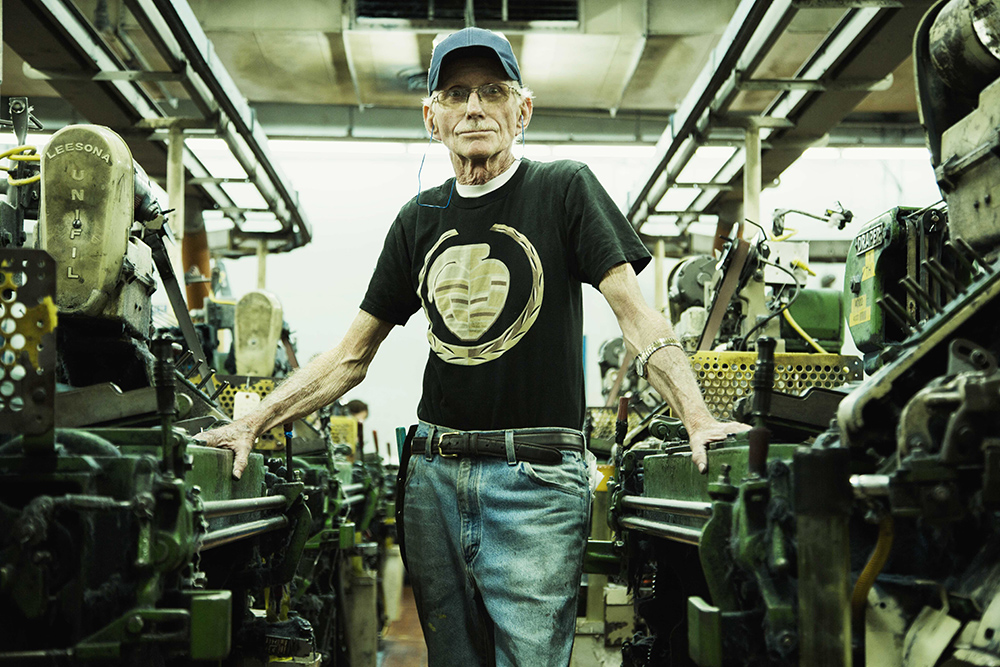
While Levi’s needs no introduction, you are unlikely to have heard of Cone Mills. Headquartered in Greensboro, North Carolina, USA, its White Oak plant is a place that inspires loyalty among the area’s inhabitants, given that some of the workers have spent their entire adult lives there, such as Elbert Frank Williams who is now in his 61st year of employment.

PORT caught up with Levi’s Vintage Clothing head designer, Paul O’Neil, to find out how important the workers of Cone Mills are to the brand and Levi’s’ rich denim history.

X3 Technician Mike Roberson is responsible for maintaining the American Draper X3 shuttle looms at White Oak Mill, Greensboro

How would you describe the work culture at Cone Mills’ White Oak factory and how does it manage to retain staff for decades upon decades?

Levi’s invented blue jeans and we have maintained our position as the global jeanswear leader throughout our history. As you can imagine, there is a huge amount of pride that comes with making a pair of Levi’s jeans, and especially our Levi’s Vintage Clothing (LVC) line, which contains historically accurate reproductions of Levi’s products. On top of this, Levi Strauss & Co. weaves sustainability – both environmental and social – into everything we do, from implementing the industry’s first Terms of Engagement for our suppliers in 1991, to introducing a new programme that looks beyond the factory walls to improve the lives of the workers who make our products.

When was the last time you visited the Cone Denim Mills archives?

I visited the archives a couple of weeks ago to take some construction information from a garment we are reproducing. We are very privileged to have so much history as a company and the fact that we collect and preserve it is amazing. I love spending time in the archives, especially with some of the older pieces.

Through this new approach to supply chain engagement, Levi Strauss & Co. is partnering with our suppliers and local organisations to implement worker programs focussed on financial empowerment, health and family well-being, and equality and acceptance.

In the last 100 years how important has Cone Mills been to Levi’s, the 501 jean and denim as a whole?

The relationship between Levi’s and Cone is very important. You cant make a pair of jeans without the cloth and Cone make the best cloth – it would be like having bread without butter. The shrink-to-fit denim that Cone makes exclusively for Levi’s is the cornerstone of the 501 and helps make it a unique product.

Our partnership over the last 100 years has gone from strength to strength… going to visit the White Oak plant in North Carolina is a very humbling experience, as you can see all the hard work and traditional methods still used to create the beautiful fabrics we use today in LVC.

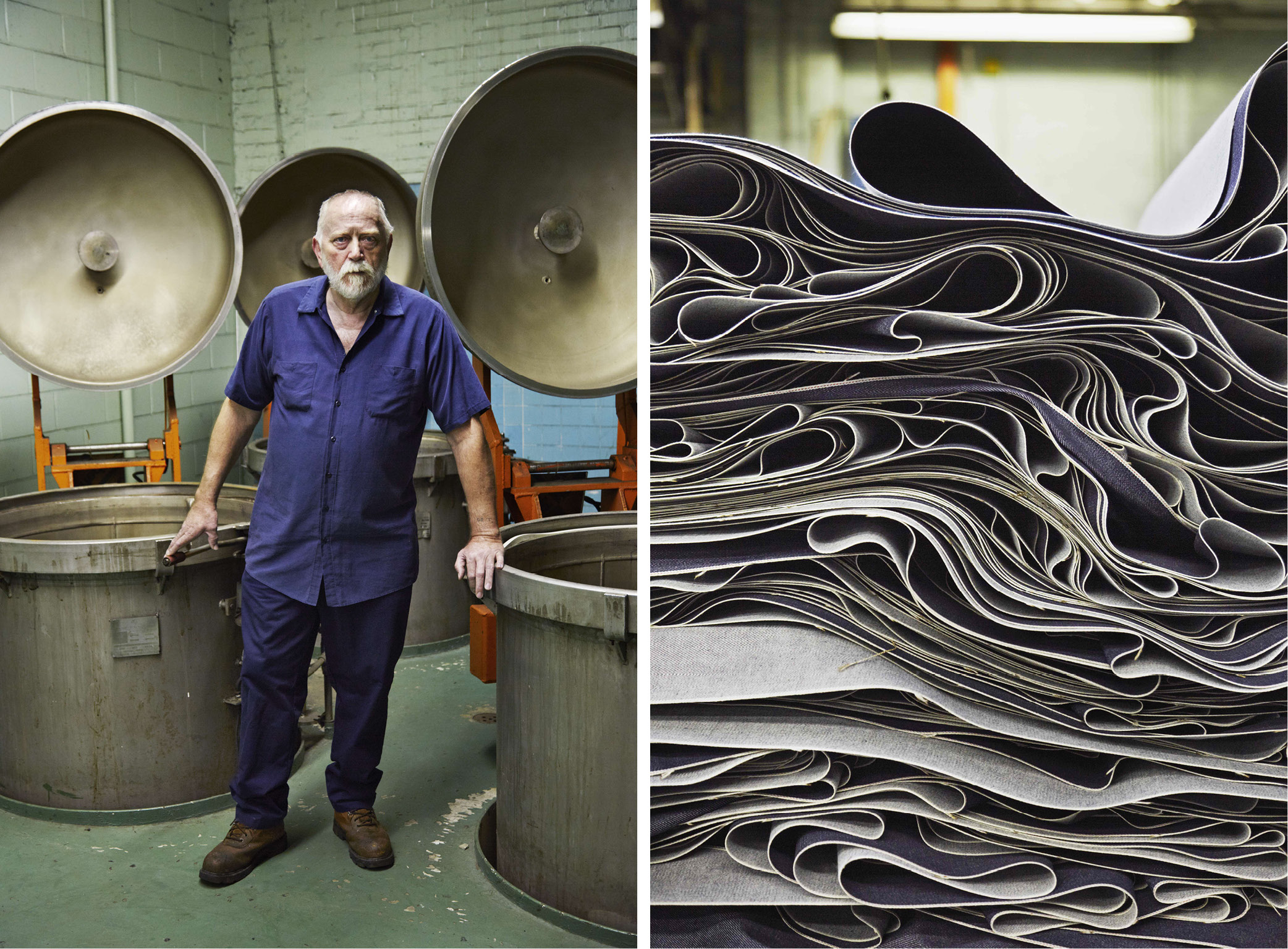
Left: Wayne Turner, dyeing overhauler, monitors dye vats where selvage yarns are dyed – Right: waves of narrow selvage denim fall gracefully as it moves through the finishing process at White Oak

How intrinsic is Levi’s workforce in upholding the values of Levis Vintage Clothing?

From design and product development to sales and marketing, our LVC team lives and breathes the longstanding heritage and values of the LVC line and what it represents. We also have longstanding relationships with suppliers all around the world who uphold not only our high standards for quality craftsmanship, but also our strict workplace code of conduct. For us, the how is as important as what we make.

What is it about LVC that you admire so much?

I love the authenticity and the storytelling side of LVC. I’m a huge fan of American popular culture, so for me this is my dream job to choose events and periods from American history, build collections around them and recreate the look and feel of the times through our lookbooks.

What is the most significant change in LVC in the last 20 years?

The biggest change over the last 19 years has been LVC becoming a full collection – it started in 1996 reproducing a few pieces from archive and gradually started to grow. Now we have a full collection with over 100 products in the line. As time goes by, the factories we work with grow with us and understand our fabrics very well, which shows in our denim washes.

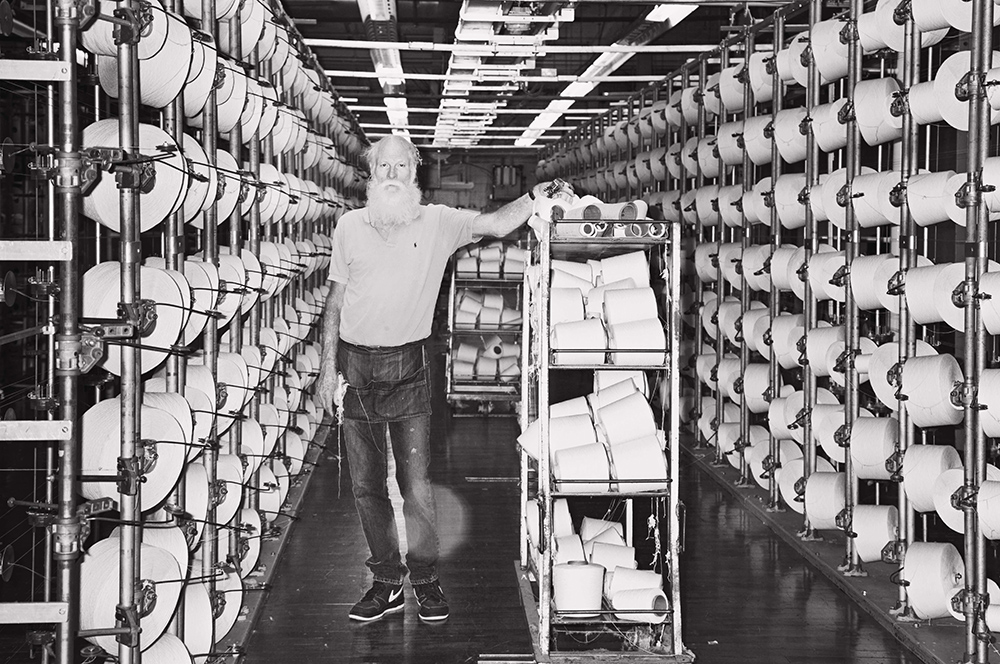
George Westmoreland, known as “Red”, loads yarn packages in the creel of a modern day warper at White Oak Mill, Greensboro

Will the workers at Cone Mills continue to have a key role in Levi’s production in the future?

Absolutely. By 2020, our goal is for 80% of LS&Co. products to be made at factories that are implementing worker well-being programmes, reaching more than 140,000 apparel workers.

Why do you think consumers continue to demand vintage denim clothing?

We love vintage denim as it has a life of its own and it ages with us. It gets more beautiful with age and each pair of jeans tells a different story. There is definitely something about vintage denim that appeals to our romantic side.

The AW16 Review


As the Paris Fashion Week draws to a close, PORT’s fashion features editor, David Hellqvist reflects on the AW16 collections unveiled this month, as documented by illustrator Billy Clark

The beginning of LCM feels like ages ago, but it’s only been 18 days. The fashion circuit does that you, it sucks you in and completely owns you for a few weeks twice a year. Though exhausting at times, it’s a great feeling. You get to experience the purest form of fashion, a show where the designer controls every aspect of the presentation: music, venue, invitation, mood and, of course, the clothes.

Naturally, with so many shows spread over four cities (if you count the Pitti Uomo trade show in Florence), it’s impossible to find just one or two themes – we’ve never been too interested in identifying trends anyway. But you can, however, detect general feelings, and there was definitely a sense of fragile retro vibes, defined by Michele Alessandro’s Gucci look. He built on his 70s cut and colours, but added a new layer of wonderful weirdness.

That could be felt in London as well, most notably with the rise of Grace Wales Bonner. Other London highlights included the developed Craig Green look. He mastered the tricky concept of building on an existing aesthetic while also experimenting with new influences.

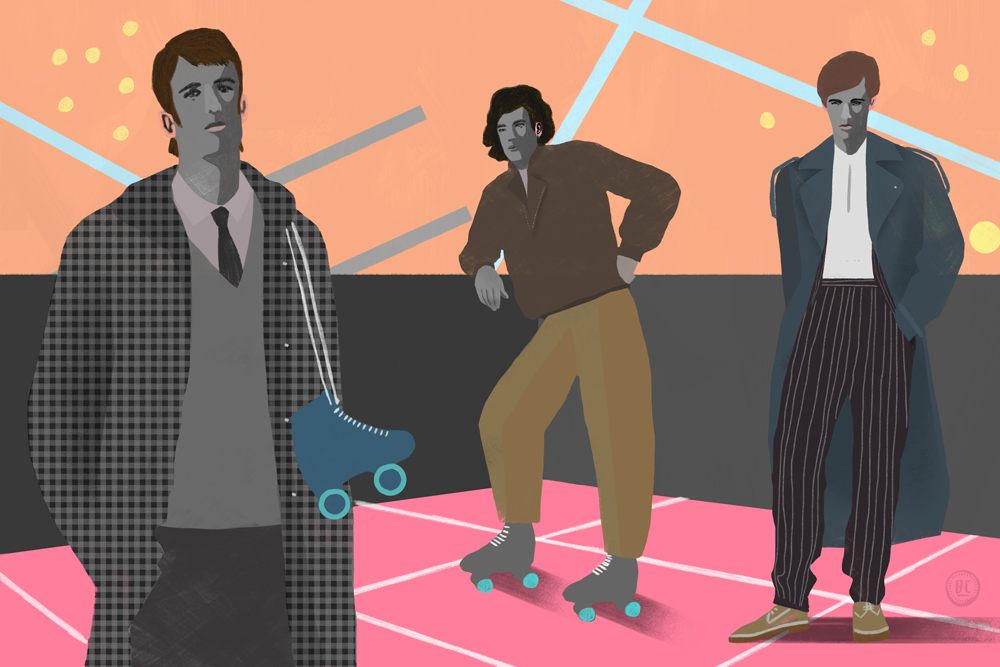
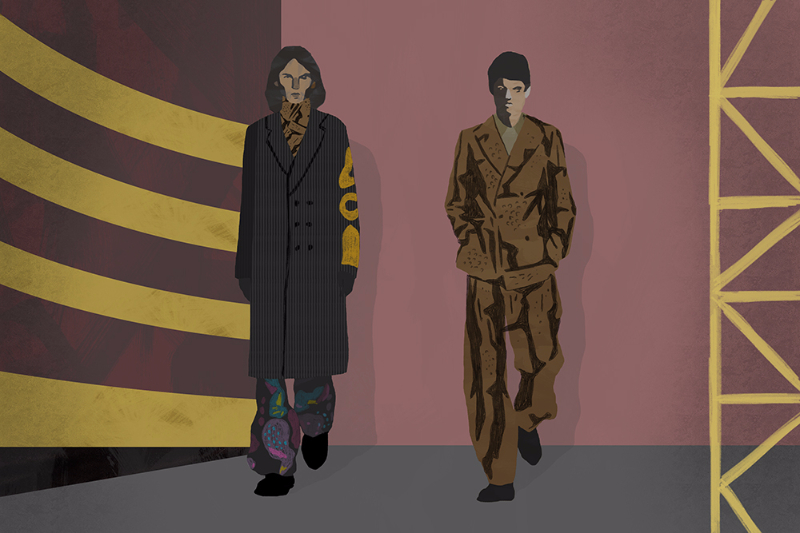
Like these brilliant doodles by illustrator Billy Clark show, other notable LCM highlights included E Tautz 50s tailoring via the 1980s and Alexander McQueen’s army-inspired suits with butterfly prints. John Ray and Dunhill perfected an old British classic, the blazer, and Margaret Howell continued offer a zen space amid the show chaos with her clean and serene garments. Meanwhile, brands like Nasir Mazhar and Cottweiler represented London’s underground scene with a sub-cultural aesthetic.

Milan is a great mixture of grand teatros – a la the Armani show – and small trattorias for us to enjoy simple pasta dishes and huge veal escalopes. Prada is a constant highlight, but Gucci was also a headliner. Classic Italian brands like Tod’s are slotted in among newly revamped brands, like Pal Zileri. It’s interesting to see the city rejuvenate itself and breathe in much needed fresh air. One great example of that was the Fendi show – great lineage and traditions mixed with a modern and contemporary way of thinking.

Paris is the unofficial highlight though. We come here to bask in the beauty of the city of lights, and to enjoy fashion from the likes of Raf Simons, Valentino and Givenchy. Kim Jones at Louis Vuitton continued to add edge to the iconic luggage brand, while Kris Van Assche kept Dior Homme’s slim signature tailoring. Kolor added a Japanese touch with its innovative fabrications and Korean label Wooyoungmi impressed with clear cuts and interesting colour panels. Yohji Yamamoto and Adidas went back to basics with a monochrome Y-3 collection, while newcomers including OAMC and Off-White added a much needed ‘street’ slant to the traditional fashion in Paris. The week ended brilliantly with Paul Smith encouraging a singalong to David Bowie’s ‘Oh You Pretty Things’. It was a beautiful end to a great season. Bring on winter 2016!

Illustration Billy Clark

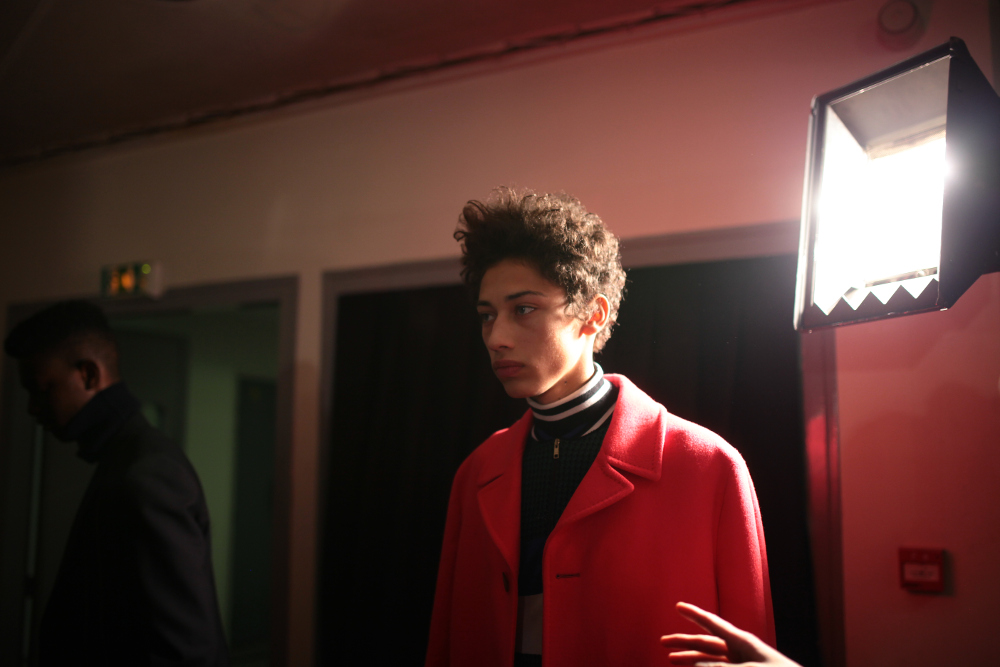
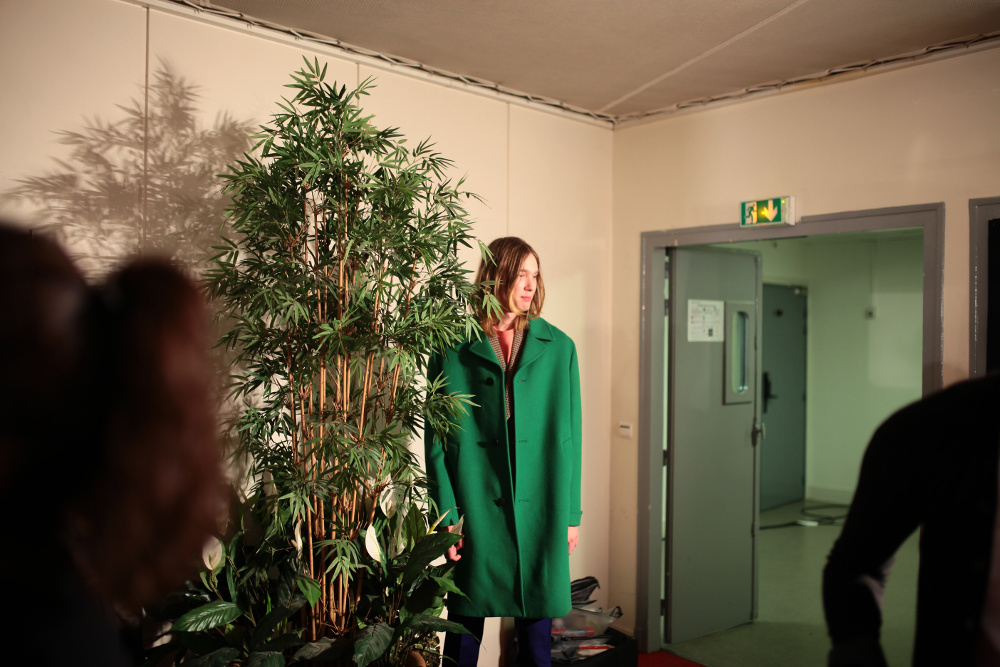
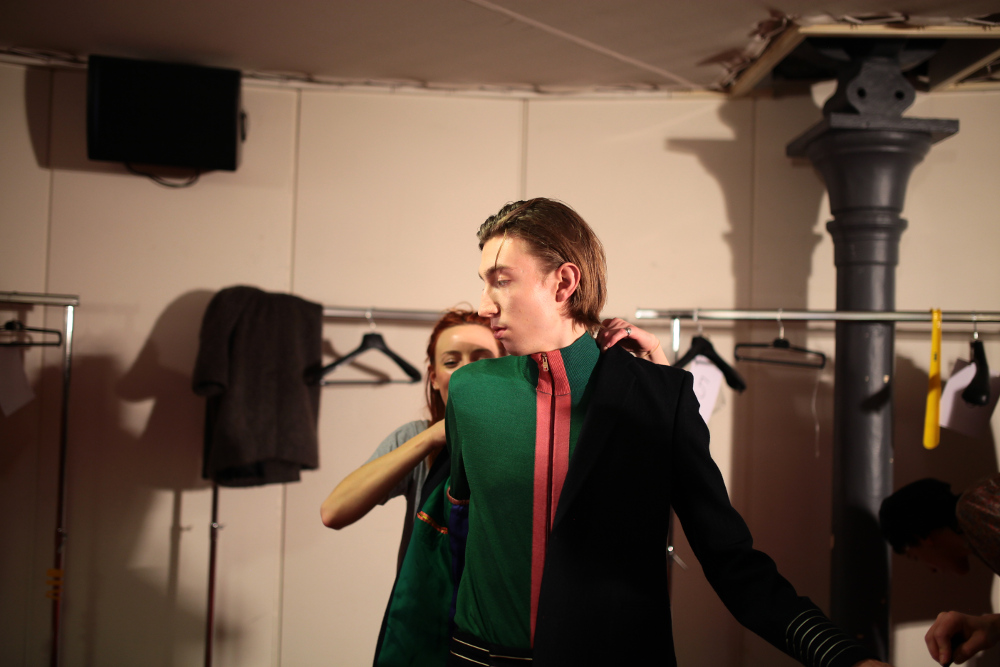
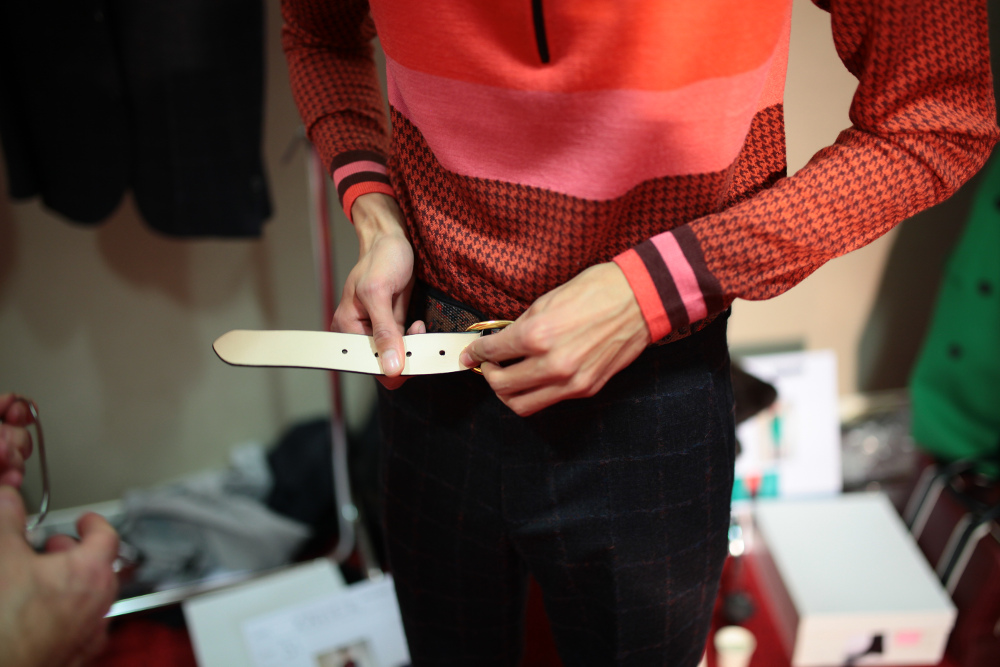
Paul Smith AW16 Photo Essay

Sir Paul Smith brought joy to the last day of Paris men’s fashion week with loud music and colourful suits

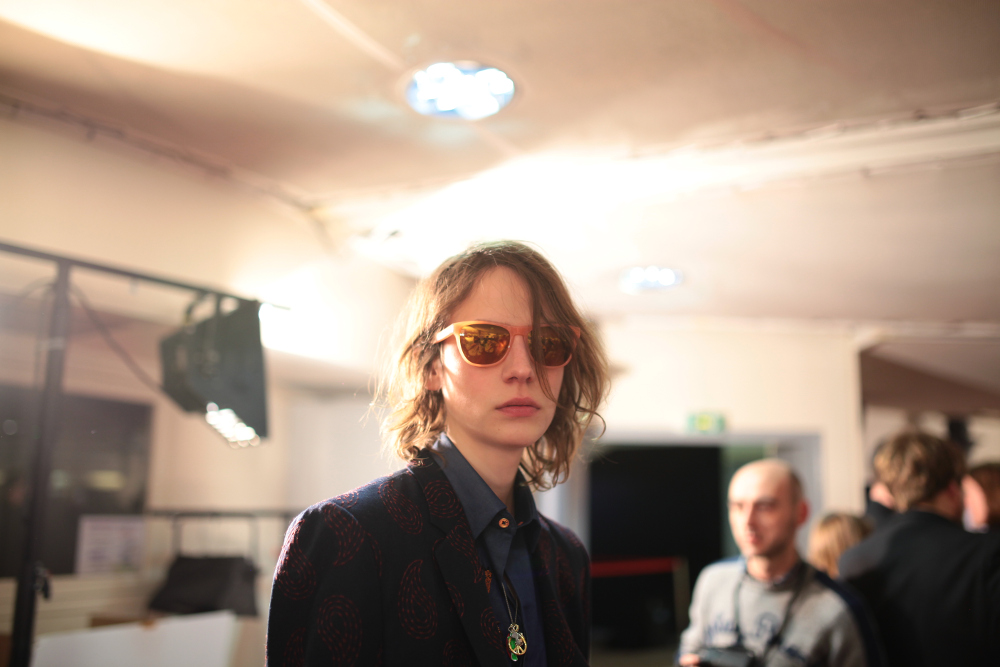
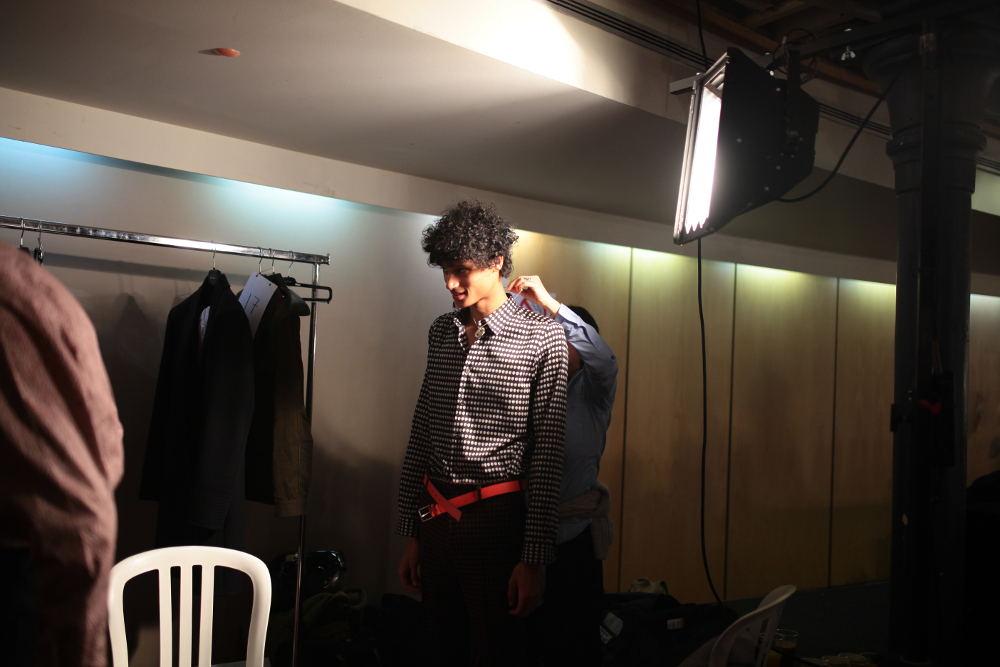
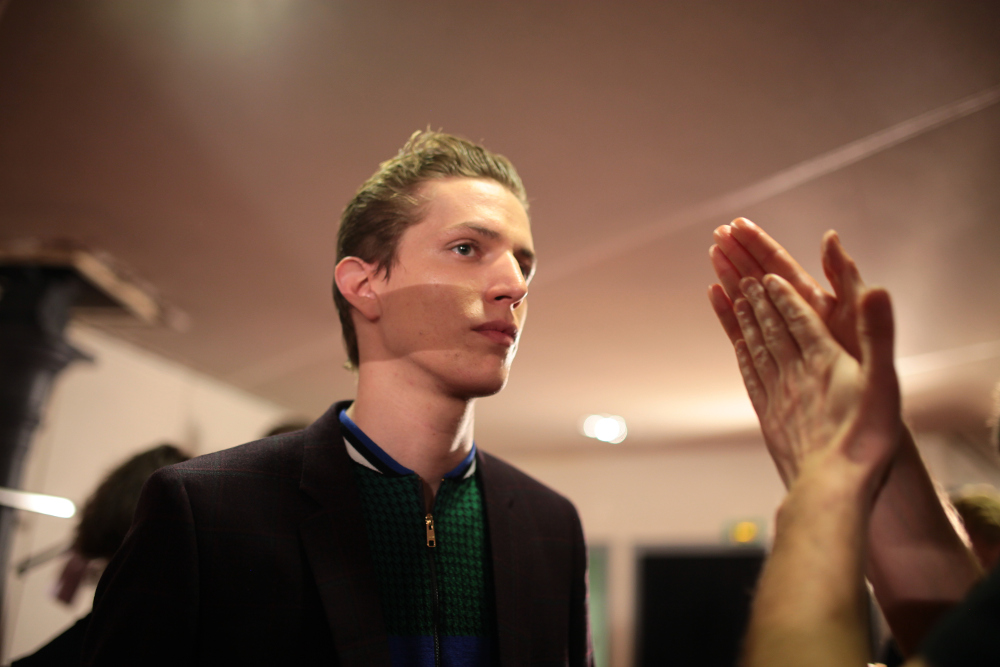
Though there were a few more shows after Paul Smith on the final day of Paris men’s fashion week, this was the last one of the season for PORT’s fashion team. And what a way to finish the AW16 collections. The British designer has a way with words but, more than anything, he has a way with people – and his clothes show that.

As per usual, it was an eclectic mix of modern tailoring and everyday staples, often in loud colours and odd combinations. You can tell this is a man less bothered about convention and more about enjoying life. The music helped too: a potpourri of classic hits that finished with a David Bowie tribute… and a dancing Sir Paul!

Photography Karl Hab

Daily Doodle: Dior Homme AW16

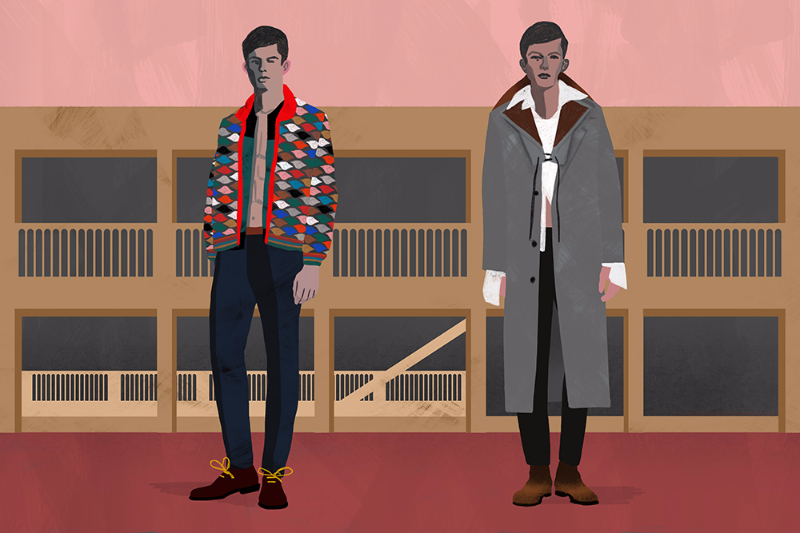
Kris Van Assche presented his sharp and modern tailoring against a backdrop of skate ramps dressed in red neon strips
image


Illustration Billy Clark