Images from Italy

Henerico Rossi captures the sun-drenched faces and places of his home country

2020 was the year of alterations, with many fleeing the cities in search for space, greenery and calm. Henerico Rossi was one of those, having abandoned his post in London (he’s lived abroad for 13 years) to return back to Italy. “Since then, it has been like looking at my home country for the first time,” he tells me. “What a stunning place on earth.”

Sometimes a little space for reflection is all you need to view the world with a different lens. This is exactly the case for Henerico, a photographer who’s released an ongoing series named Images from Italy, a tranquil and sun-drench project documenting the faces and places of those living across Sicily, Puglia, Tuscany, Emilia Romagna, Liguria and Friuli. After returning to the country, it was like a flash back in time as he began mingling with the local kids that “would spend their days at the beach until the sun sets,” just like he did. The project is still in the works and, enlivened by his new found inspiration, what keeps him going is “the idea of creating a body of work that can be timeless.”


There’s something so effortlessly nostalgic about Images from Italy, which, by the way, is an apt title for such a series. Doing what it says on the tin, so to speak, Henerico has angled his camera at the daily lives, moments and meetings of the local people around him. The style of which is saturated, rich and sensory; even the occasional monochrome piece evokes a feeling of warmth, as if we too are bathing under the rays of the Italian sun. It’s a skill that not all can achieve, but Henerico does it with ease. “Inspiration comes from everywhere,” he adds, “you just need to look at it. I love digging into my roots as much as I love exploring local communities. The energy of a place can also play an important role in my images. But these are all foreplay of a picture – what ultimately strikes is the emotions that are embedded with it.”

While out shooting, Henerico finds himself drawn towards people with a narrative. Rather than pinpointing an aesthetic or photographing someone for the way they look, he instead prefers to “speak the truth” and portray the encounters he has with his subjects – either friends, creatives he admires or those he meets on the off-chance during one of his trips. “I tend to prefer people who have a story to tell rather than people based on the way they look,” he explains. By working this way, Henerico strives to combat the often surface-deep aesthetic that’s typically displayed in fashion photography. “I am all about images that are able to transcend the mere aesthetic.”

There are a handful of tactics that Henerico adopts in order to achieve such emotive and honest imagery. The first is talking to people, approaching each subject with an open mind. There’s a black and white portrait that defines this , where a man gazes almost sternly into the lens with the hard working lines of his face exaggerated by the beaming sun. The photo was inspired by Henerico’s family roots after he travelled to Mount Etna in Sicily while working on a cover story for Primary Paper. “While driving around, I stumbled onto a cave where the stonecutters were carving the lava stone from the nearby volcano. I asked them if I could take their photograph; they replied to me and they kept doing their thing. I though of waiting and carried on by asking them questions about their craft. The conversation went on. We spoke about how it feels to be a creative soul and how every day isn’t the same. After that moment I knew it was time for me to get my camera out.”

The series presents the intuitive and quick thinking mindset of the photographer, who’s able to capture fleeting moments on the go – like two local boxers who were taking a break from set and sharing a plate of paste together. He also knows when to take a step back from the work and reassess which, at the beginning of his career, was a vital move in determining his future process, “I felt that all my photos looked pretty much the same as if there was no room for inventiveness,” he shares. “I thought that if I wanted to take a great portrait, I had to get close enough to my subject. Later on, I realised that only 50 per cent is true.” After learning this, Henerico snapped a vibrant coastal image of beach-goers joyfully soaking up the rays and salty water – which is perhaps pinnacle to the way in which he views the world and his practice. “The moment I was able to step away while still maintaining a good connection is when I understood something greater was possible,” he concludes. “So although some could say this is a landscape photography kind of picture, for me it is as simple as a portrait taken from afar; a portrait of a place.”

The Day After Tomorrow

Eric Asamoah intimately documents the journeys of young men transitioning into adulthood 

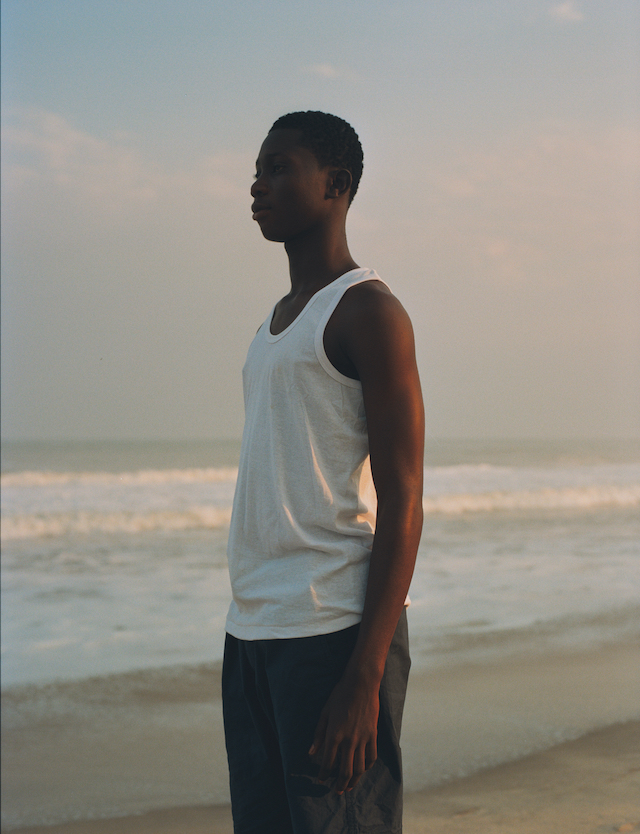
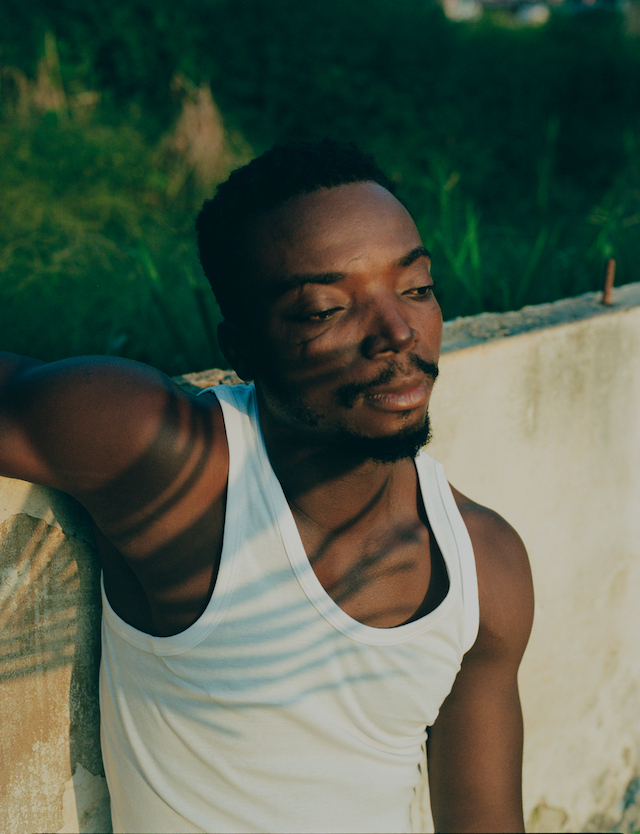
It’s hard to predict what will happen in the next hour, let alone the next day or two. But the ability to find peace in the unpredictable – to be comfortable with the unknown – is something of an achievement in life. This is a concept that Ghanaian and Austria-based photographer Eric Asamoah explores through his practice and debut monograph, aptly titled The Day After Tomorrow and published by Verlag für moderne Kunst (VfmK). An aesthetically luminous and intimate depiction of growth, the book centres itself on the journeys of young men as they transition from boyhood into adulthood. 

“As my surroundings and I evolve and get older, I often think about the concept of time and what it does to us, how the past is still present today and will also have an influence on tomorrow,” Eric tells me. “Starting a new journey can be exciting, but stepping up to something you don’t know, and leaving the past behind can be frightening for some people – young men and women who are in the coming-of-age journey are included. Once you understand the journey, you begin to operate differently as a person and start to question your surroundings, past beliefs, dreams and yourself. You begin to seek the truth, be vulnerable and honest about yourself and slowly find your true colours. This is a beautiful and complex process to appreciate and to enjoy it will not always be rosy and peachy, but at the end of the day, you’ll find peace during the process – if not today, if not tomorrow, then eventually the day after tomorrow.” This is precisely how his monograph came to fruition; he strives to tell the stories and thoughts of his peers, conceived through relatable imagery and a universally felt tale of growing up.

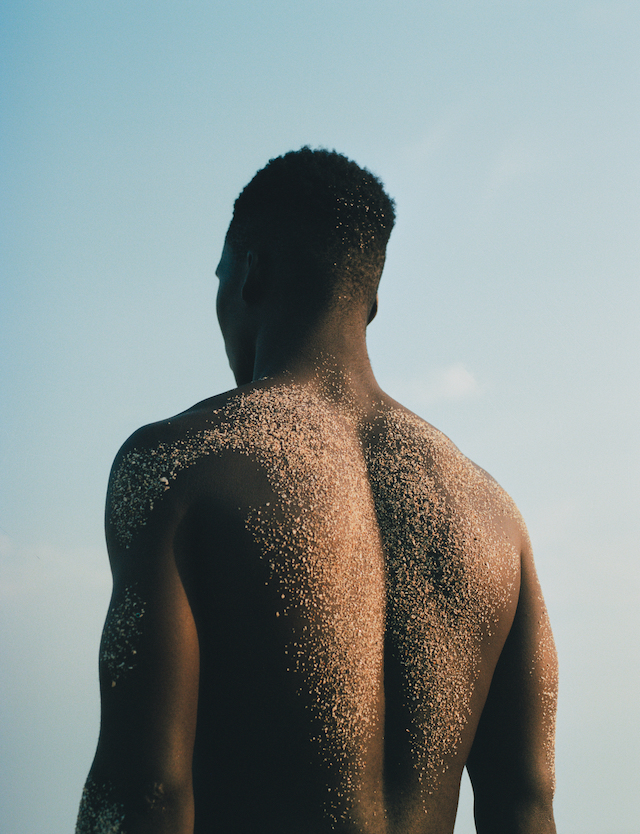
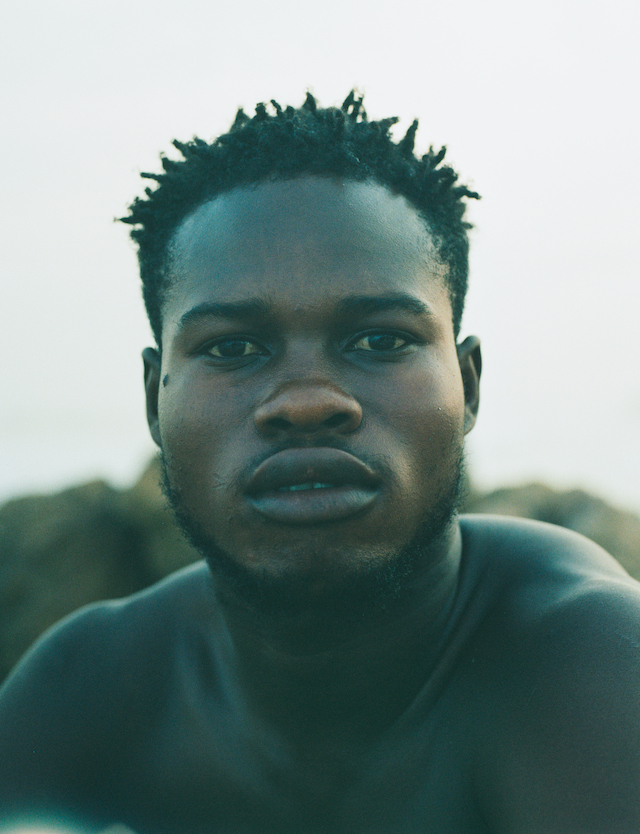
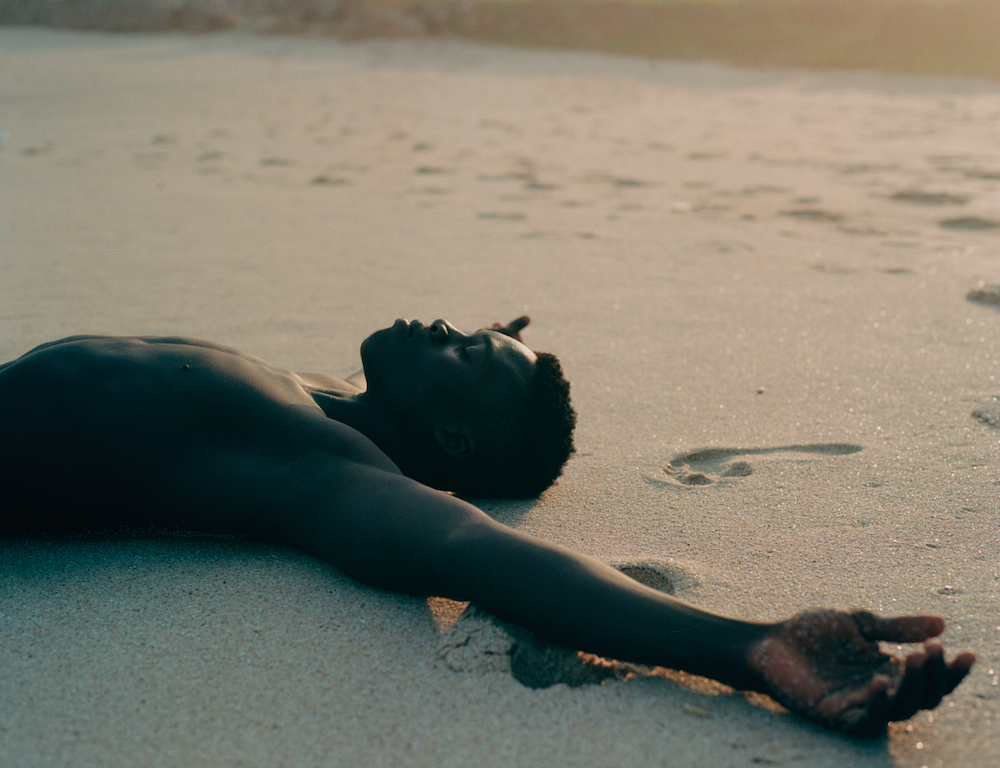
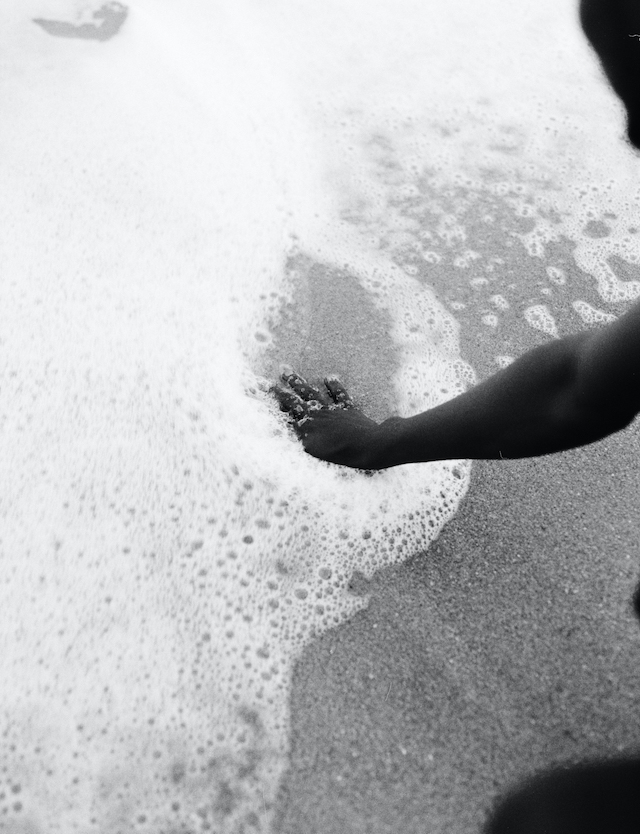
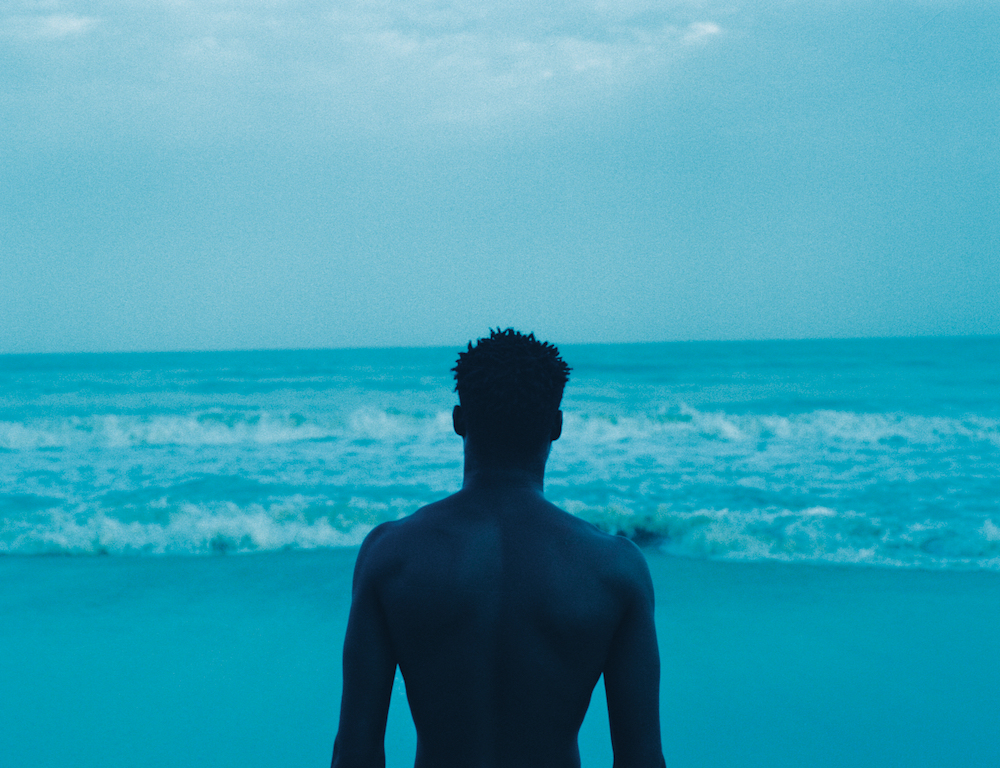
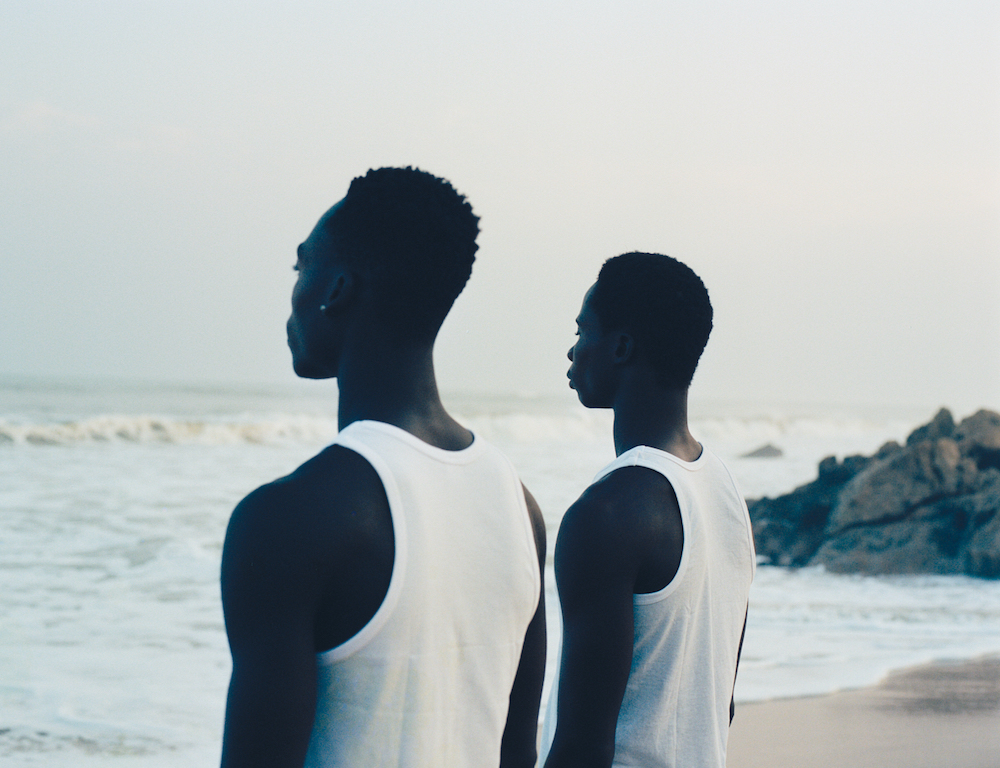
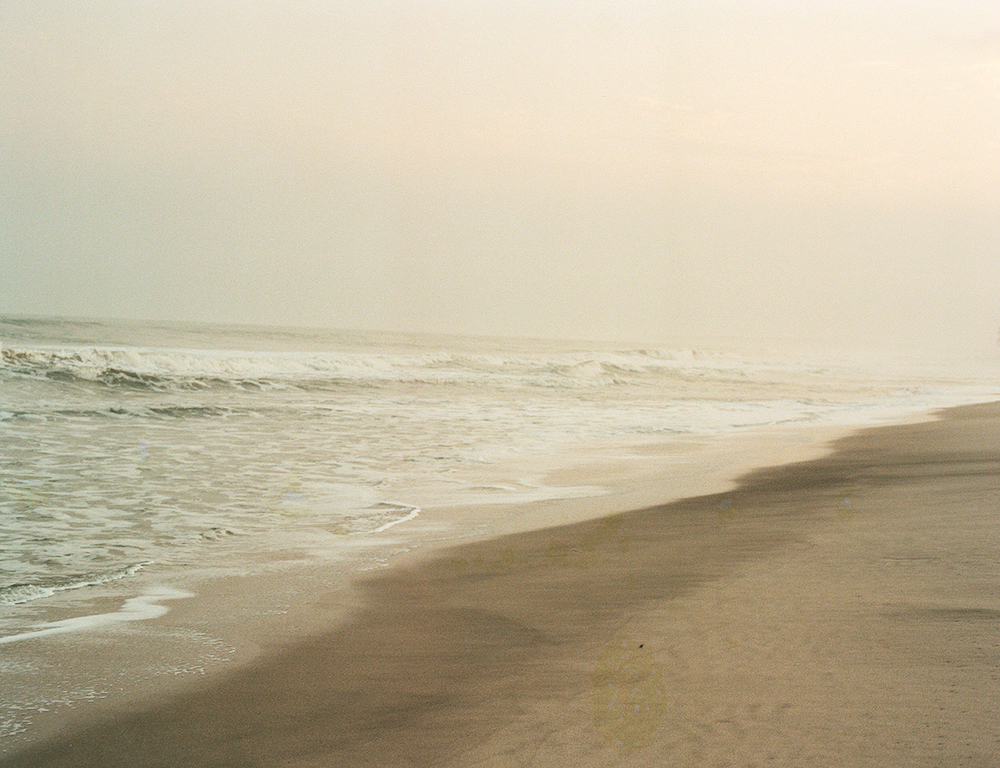
The pictures found in The Day After Tomorrow are poised and quiet. But despite this softly composed demeanour on the outside, there’s comparatively much to be learnt and felt in the imagery. In a photo titled Ocean’s breath – an early one from the series – Eric captures his subject after they’d discussed the strength of the waves that day. Personifying the ocean to be an element of force and change, the subject laughed and said: “The ocean is taking deep breaths, I can feel it!”. The ocean and its expanding and remedial qualities feature heavily throughout the series. In Open World, for instance, Eric expresses his own fascination for the water. “I can watch the sea for hours and be amazed by its gentle yet powerful nature. Looking into the horizon, I wonder how wide the sea is; ‘what’s on the other side’ I ask myself, similar to when I question the future.”
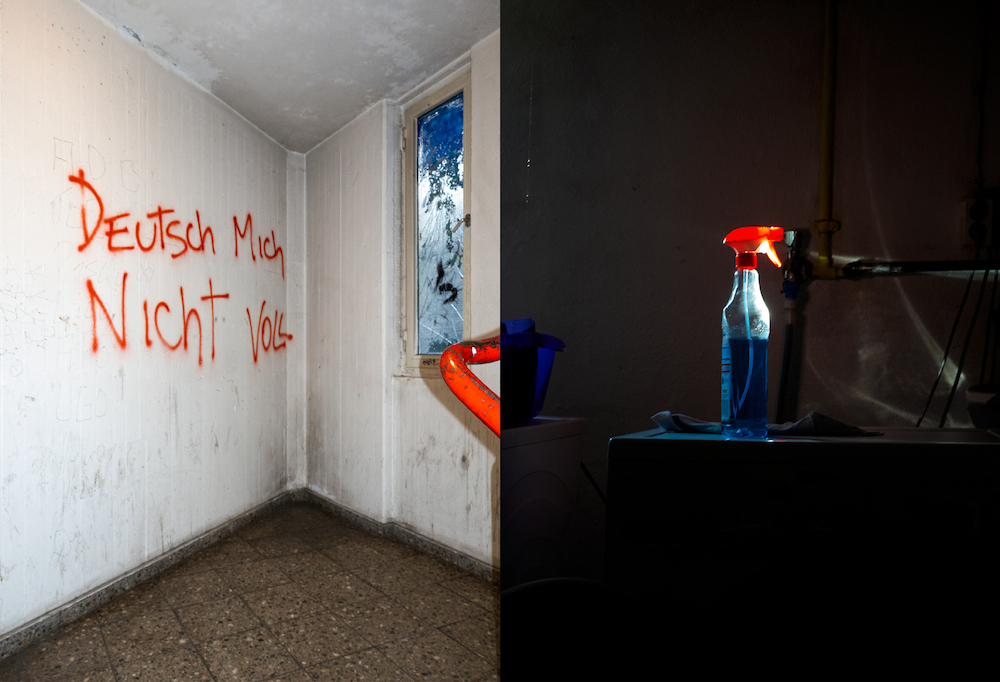
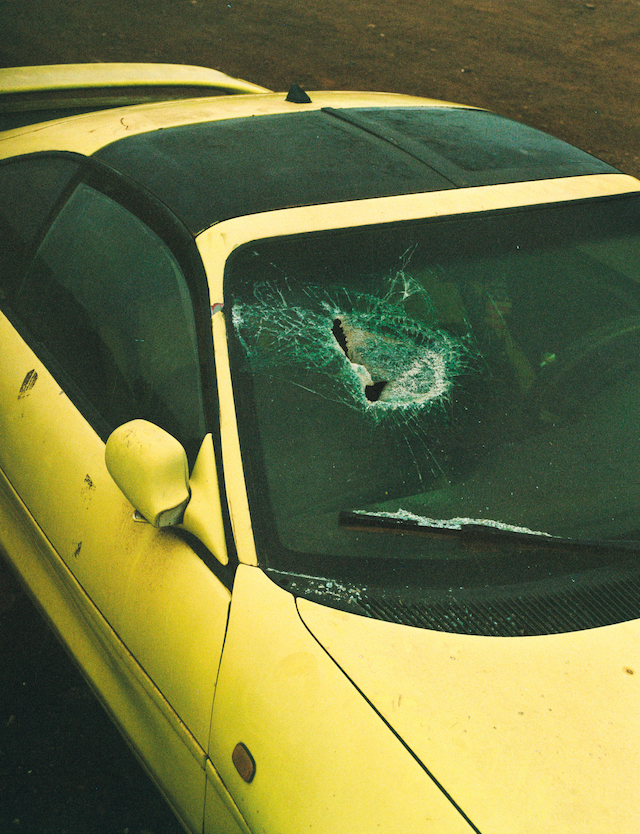
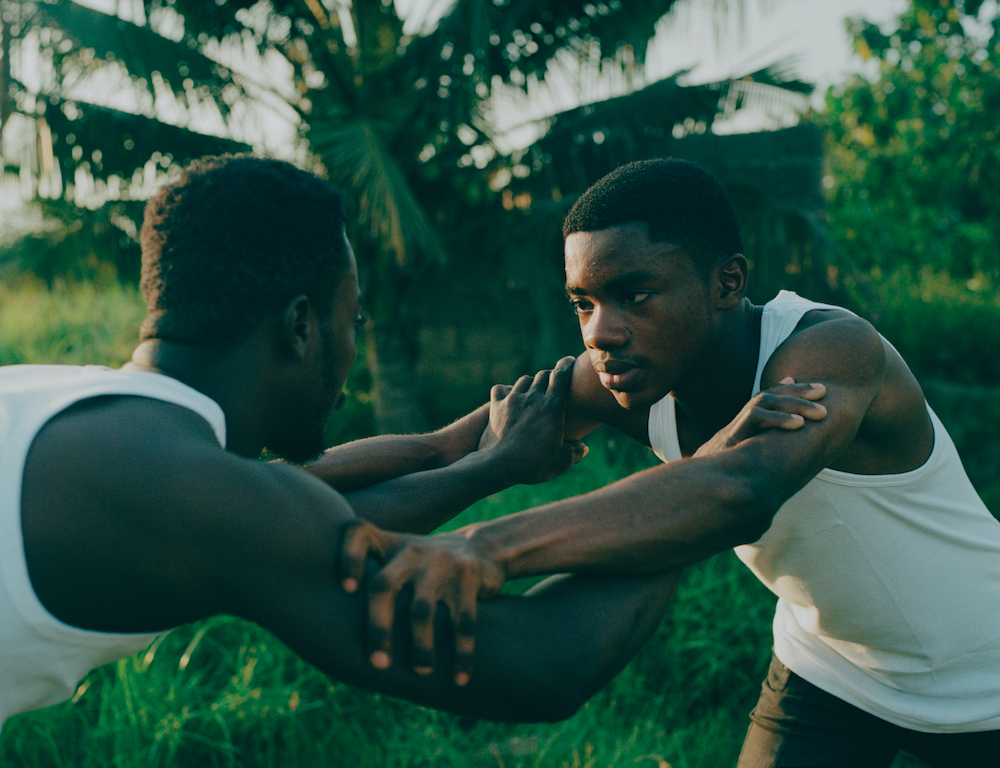
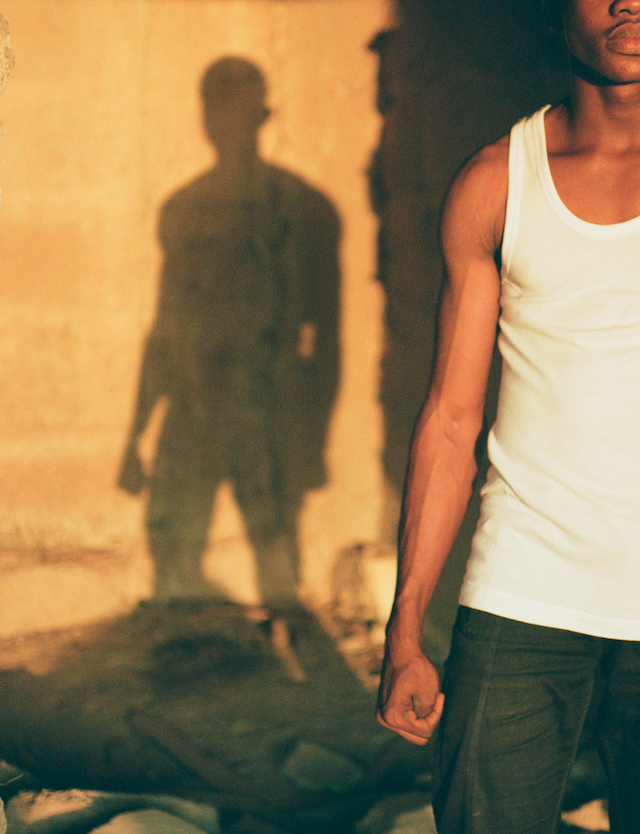
In another image named Tough boy, Eric looks inwards as he reflects on his own upbringing. “Back then as a kid, my brother was the only person I ever challenged or competed with,” he recalls. “He was older, bigger and stronger than me, but apart from being respectfully humbled each time, it taught me the value of being consistent in standing up for yourself, especially in tough situations.” Another, titled Yellow sports car, reflects on a memorable moment of Eric’s while he was driving around Kumasi and passing a car next to KFC. He dreamed about a yellow spots car a night beforehand, so he had the urge to pull over. “The vehicle reminds me of unfulfilled desires that are no longer in your interest, something that was valuable before but has since lost its value due to the passage of time.” This raises many questions about the attachment we hold to objects and the memories exuded from them; over time, we begin to realise the worth of the things around us and wash away those that no longer serve a purpose. It’s a cleansing process. 
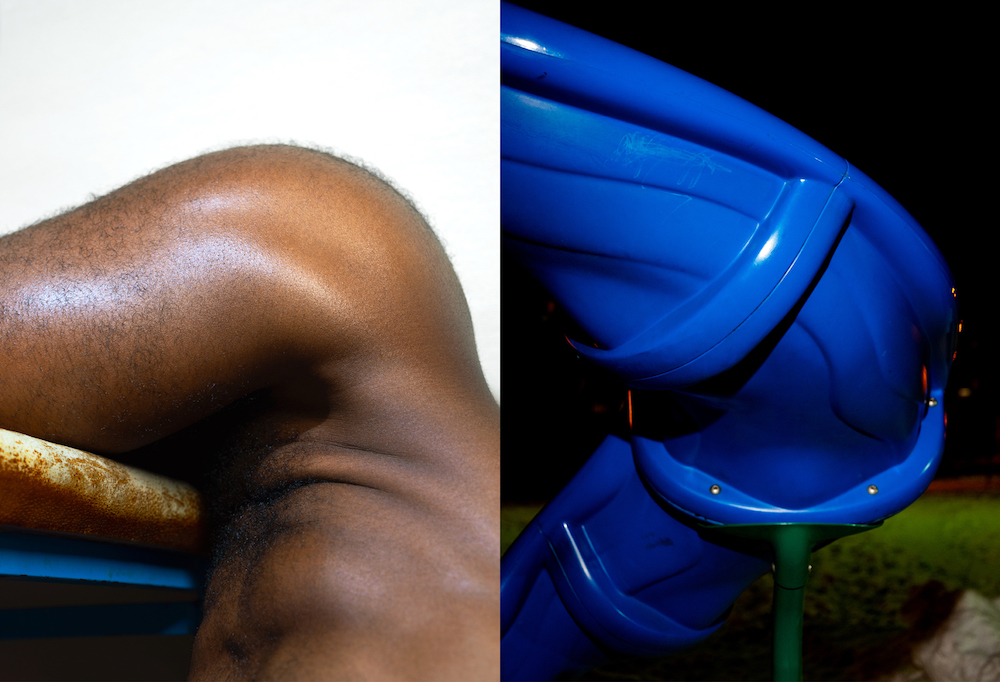
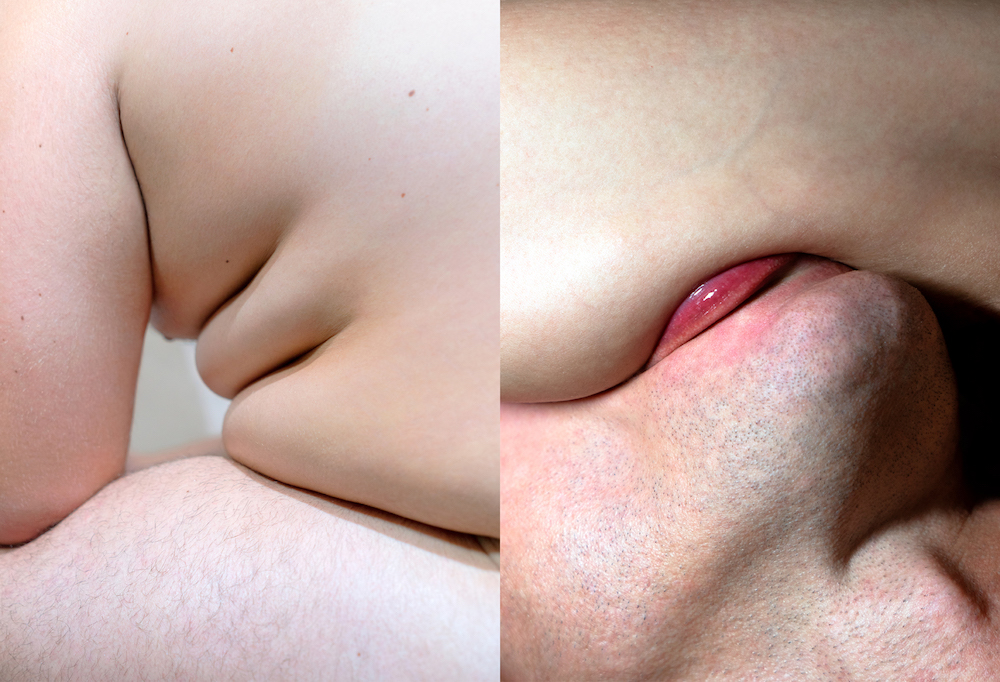
Yellow sports car, 2021

Photography also serves a different kind of objective. It allows us to document, assess and learn from the past, making way for new beginnings and codes of thought – both for the image-maker and the viewer. In Layover, this becomes evident as Eric reveals the picture’s remedial qualities. “Every time I look at this photo, I remember the energy in the air which was serene, carefree and soothing. Be still for a few seconds, let go of all you know and be grateful for the current moment, which will lead you to understand that you can be anywhere in the world, but the only place you can find true contentment is within.”

Eric presents his subjects as anonymous beings, choosing to keep them unnamed throughout the series. By doing so, the pictures become a “utopian ambiance” – a moment of catharsis for Eric. “All the young Black men in the images were a reflection of myself, the inner self that seeks truth and contentment,” he shares. “I hope that individuals from all walks of life an also see a bit of themselves and reflect on their own truth, contentment and journey in life.”
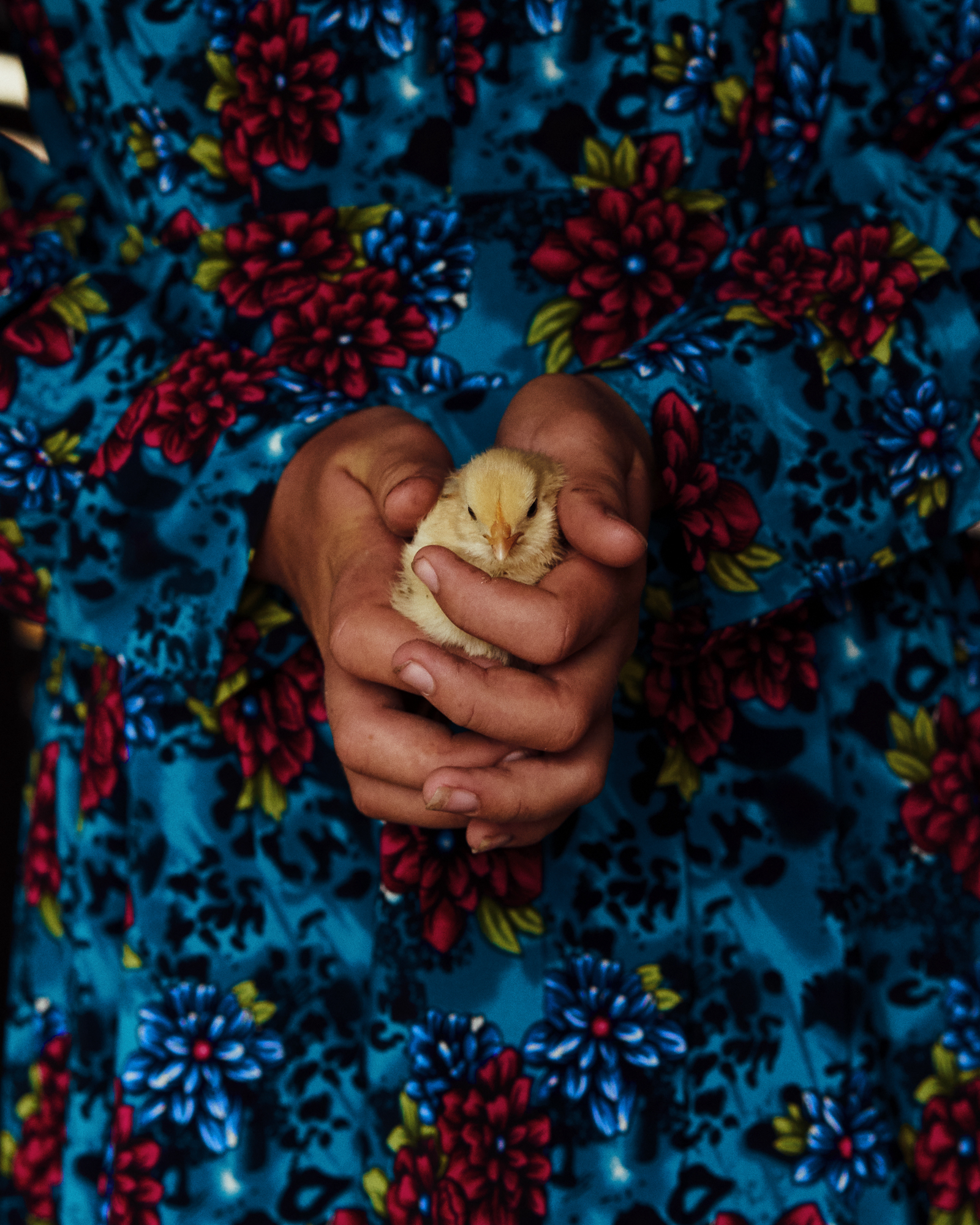
Layover, 2021

Ocean’s breath, 2021

Open world, 2021

Tough boy, 2021


At The Night Garden

Published by Stanley/Barker, Paul Guilmoth’s new photo book is a loving and nostalgic ode to the garden

© Paul Guilmoth

When you imagine the luscious grounds of a garden, a handful of nostalgic emblems may rise to the surface: first the feeling of freedom, prancing through the long grass in the warm and sunny spells of summer – care-free and revelling in the goods that nature has provided. The second, a sense of safety, evoked by the familiar four walls of fencing or shrubbery. The garden, in this sense, is a sacred place and will remain to be one that’s loaded with memory – personal history – for those who enter. But how many have visited the leafy grounds at night, indulging in the moonlit shadows of the fauna as the spider webs thread from branch to branch?

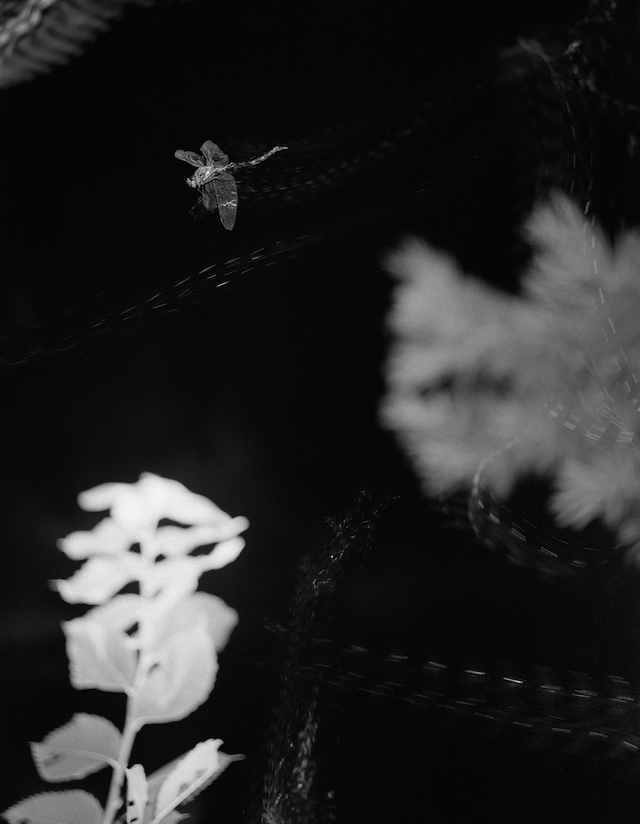
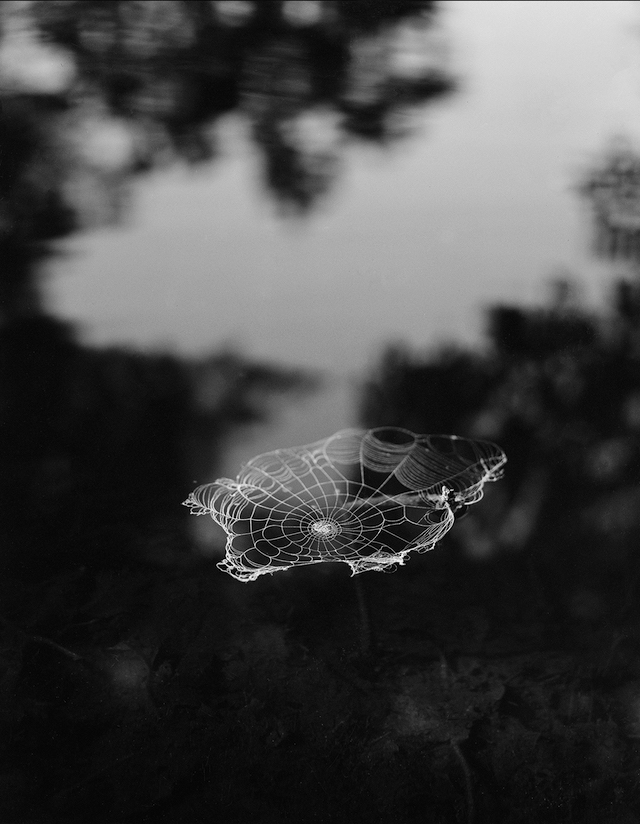
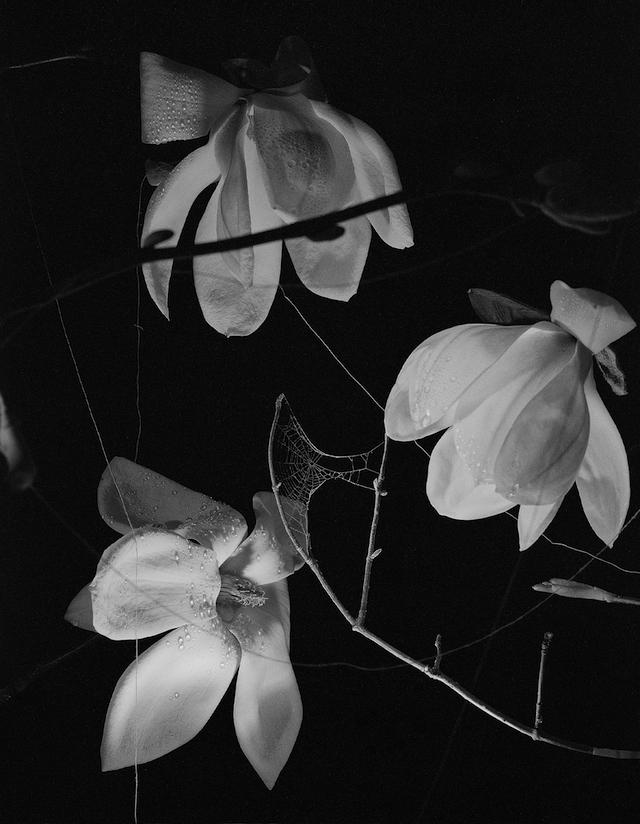
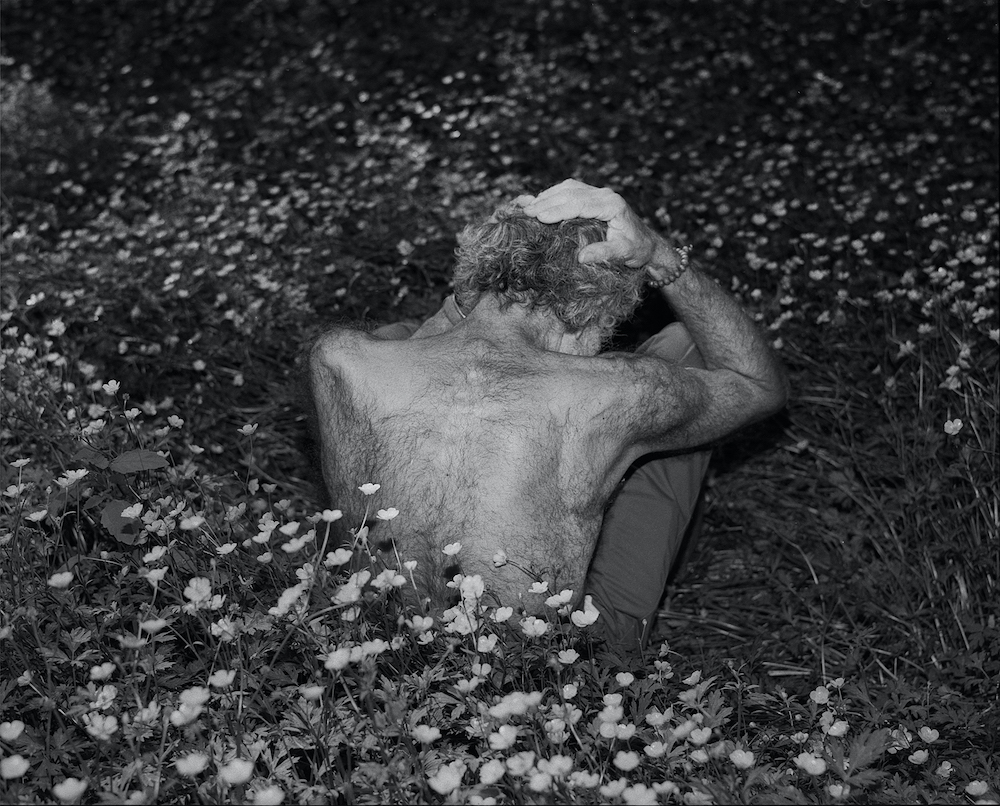
Paul Guilmoth, a photographer based in New England, does just that in a new book aptly named At The Night Garden, which is now published by Stanley/Barker. Conceived through a stark yet weirdly calming monochrome lens, we see myriad of emblematic features prevail – the silky web taking on a sculptural form, the flash-lit structures of the leafs and bushes, and the glowing faces of their subjects only visible through the silver torch of the sky. But along with the magical, there’s also a sense of eeriness and longing that protrudes from the work. We observe the somewhat blank expressions of the people he photographs – their family and loved ones – as they stand hauntingly, sometimes posing and other times candidly raising an arm or glance, or cradling their head on a bed of florals. Their postures, along with the carefully chosen landscape of garden beds and trees, are more than aesthetic compositions: they’re telling us a story, Paul’s own personal story.

© Paul Guilmoth

Not only is it an elegy to a queer world and identity, At The Night Garden is also lovingly dedicated to Trula Drinkard-Goolsby, who died on July 17 2021 after one last day spent laying in the field – the setting at which Paul decided to centre this photographic study. “The week before Trula died,” says Paul, “she began spending entire days reclined in her field. Her body would be so still we’d come up closer to be sure she hadn’t left us. A slight movement of her head chasing a loose swallow, or a finger grazing a plucked blade of grass was enough. Tuesday night she had come into the kitchen after a particularly long 12 hours in her field. Her hair disheveled like a bird nest. She looked at a rhubarb stalk on the table and said to us ‘all this time I’ve never seen the flowers growing, but they’re taller every morning.’”

© Paul Guilmoth

For Trula, as perceived through this visual narrative, the garden is the safe space at which she spent her very last moments. It’s symbolic in a multitude of ways, nodding to the cycle of life and biorhythm of the natural world; commencing with energetic shots of place and people, the book’s sequence then concludes with an illuminated cave-like door that alludes to a passage. Once a human dies, do they then reincarnate into the lands, the trees and grasses, in which they passed? It’s humbling to think of it in that way, imagining the environment as a place that houses the memories of our loved ones. 

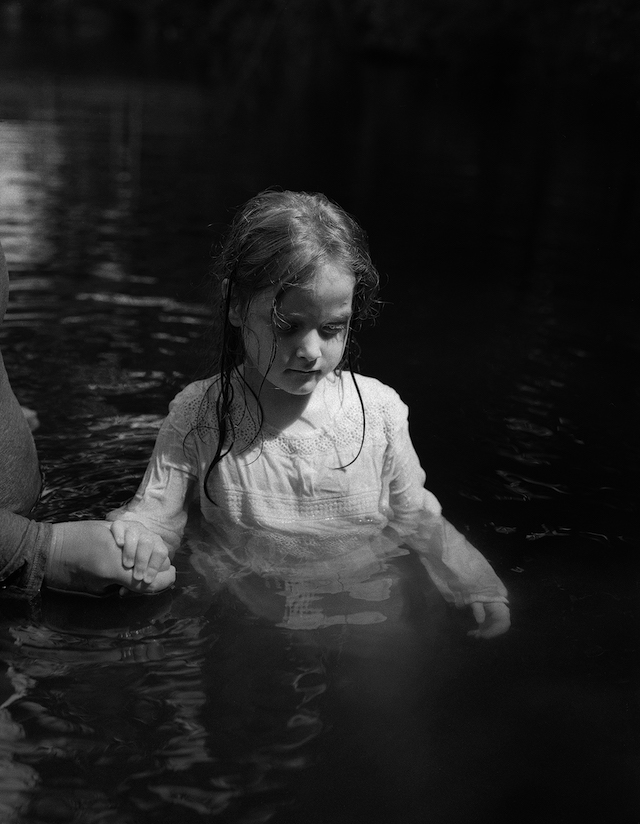
Paul’s At The Night Garden beholds many spiritual and religious references, from baptisms to funerals, to birth, folklore and the fragility of life. Multilayered and allegorical, it shows the non-permanence of everything around us, plus the uniquely human desire to preserve the things that we hold dearly – the garden, here, serving as the archive. So to make sense of the work in all but a sentence or two would be a tricky one, because most – if not all – will relate to the pictures in some form of another, giving the photographs new meaning with each and every viewing. It’s like a dreamworld, a place of past and present in which Paul records their memories of Trula. It’s a story that never ends so long as Paul, and we, will remember.

Paul’s At The Night Garden is available at Stanley/Barker

© Paul Guilmoth

© Paul Guilmoth

© Paul Guilmoth

© Paul Guilmoth

© Paul Guilmoth

© Paul Guilmoth

© Paul Guilmoth

Aiko

Florian Hetz’s diaristic photo book looks at memory, loss and the “circle of life”

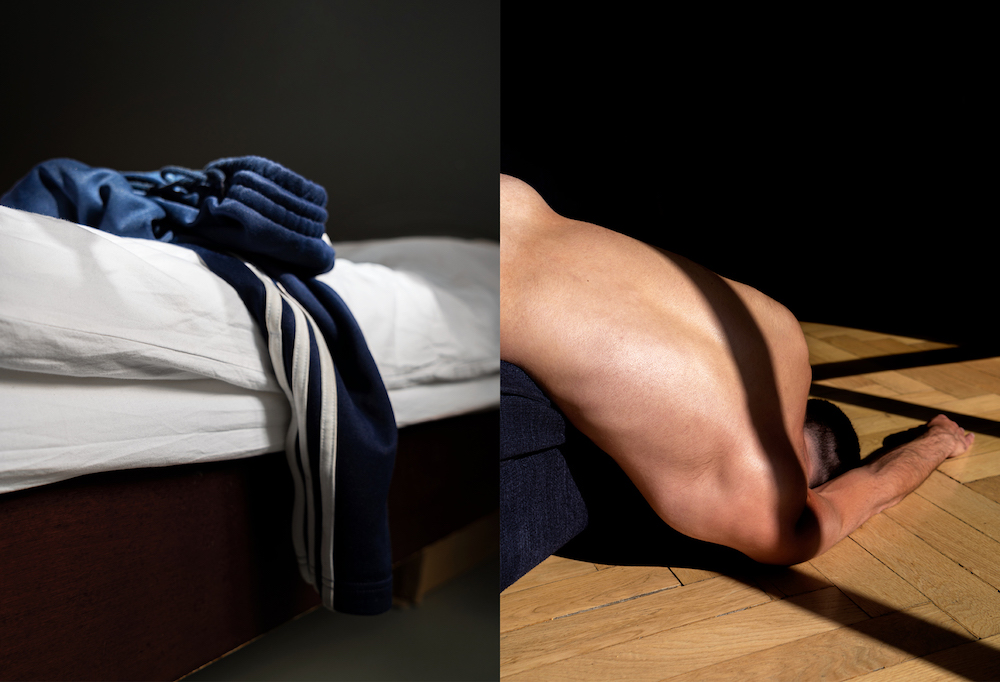
Art has long been practiced for its remedial qualities. When Berlin-based Florian Hetz – a former costume designer for dance and opera – discovered he had severe encephalitis, his life was “put on hold” as his memory started to deteriorate. “In order to fight the memory loss,” he tells me, “I started to take diary photos.” Florian had never dreamt of becoming a photographer, but as time went on and he continued to capture moments from daily life, he started to look at the world a little differently – and with a more photographic viewpoint. 
“The brain inflammation made me quit my career and forced me to take care of myself,” he continues. “For years, I paid my rent by working during the weekends in a famous Berlin club as a bar manager. Ironically, I never cared for techno and night life, which made me really good at my job.” At the end of 2015, Florian purchased his first camera from a friend and that’s when his photographic pursuits started to take the lead, resulting in his first set of exhibitions held the year proceeding. Soon after he was approached by a publishing house to release his debut book The Matter of Absence; the same year he left his job at Berghain and went-full time in photography.
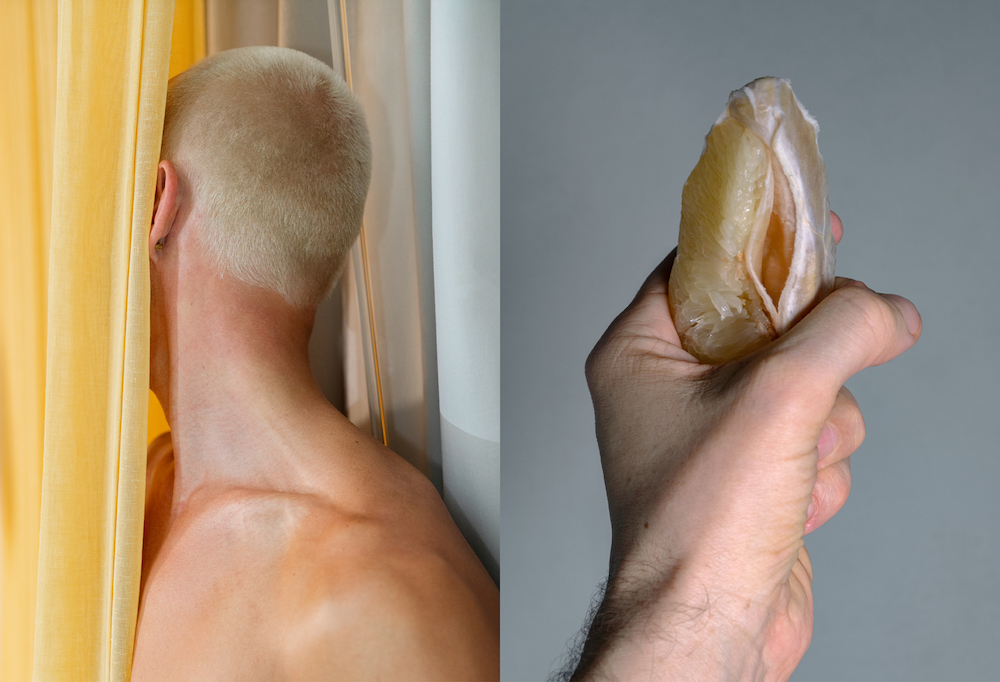
Four years down the line and Florian was handed yet another set of challenges. Coupled with the fallout from the pandemic – which he partially enjoyed as an introvert – his exhibitions were cancelled and, sadly, his father died of cancer. “Very early into the year, it was clear that 2020 wasn’t going to be a normal year, so I went back to taking diary photos again. I never wrote a diary, but the photos work for me in the same way. They immediately bring me back to a particular moment in time.” The outcome of which is his latest photo book entitled Aiko, which initially took off as a means of dealing with the passing of his father. “We had a tough relationship when I grew up,” adds Florian, “but over the last 10 years, we developed a really good one that was based on mutual respect.” It’s important to note that this book, however, is far from a discussion of death, and instead navigates the theme of cyclicality – “the circle of life” – through images taken during a tremulous year. Documented in characteristic diaristic manner of the artist, the work is segmented into seasons; it begins in winter and ends in autumn.

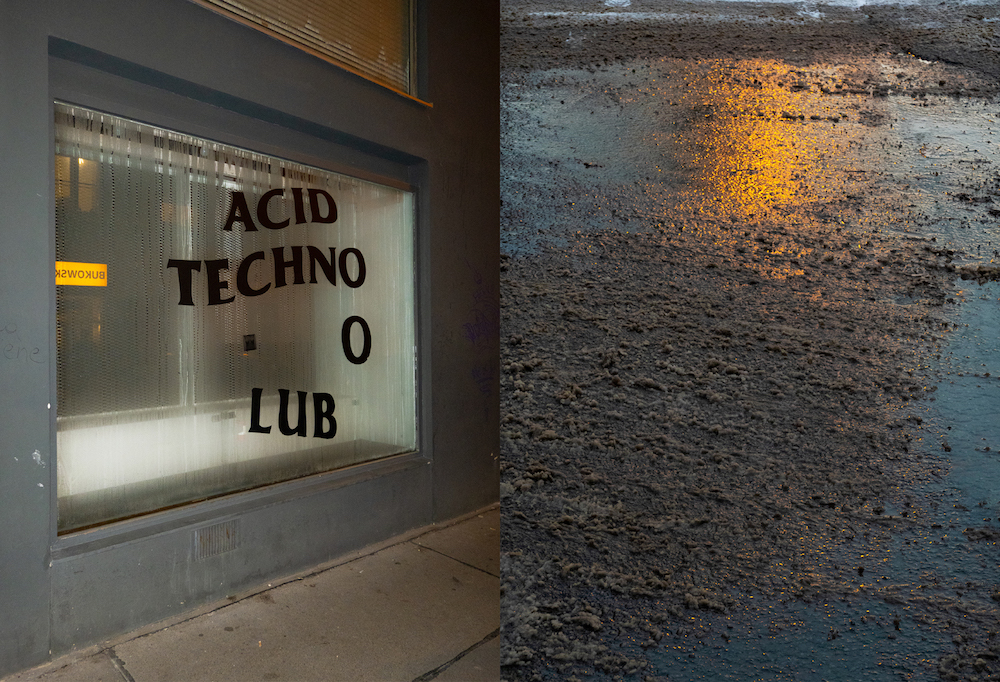
Aiko pays tribute to the little things that we tend to overlook: light reflections on a rainy street, or the first ray of sun after a long winter, or the texture of a plant,” he says. Daily observations of Berlin take a dominant stance throughout this tome, which are coupled with pictures from his trips to Montreal, Vienna, Oslo and Bavaria – 70% of the work is conceived in diary form. Then, sometimes, Florian would meet a stranger and capture them in an intimately soft and relaxed setting, fuelled by a meeting beforehand in order to make them feel comfortable. “During the shoot I basically observe the sitter,” he adds, “I don’t want them to pose and, ideally, I want them to forget all their selfie faces and Instagram poses. I’m quite clear with my directions, but generally I prefer less to more.”

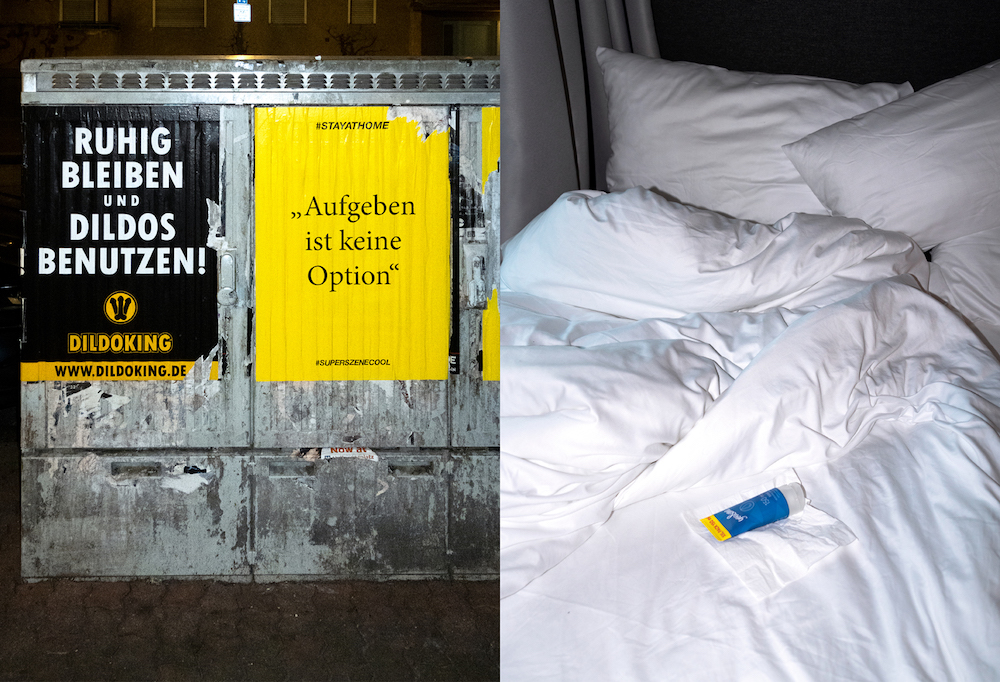
Throughout this publication, Florian shows us – the audience – how photography can be utilised as an archival tool. Somewhat like a souvenir, photography has the power to preserve. Within Aiko, there are countless memories and histories to be unearthed; like a double page spread where, on the left, there’s a pill box and on the right, a photo of a piece of old, sprouting red cabbage on a window sill. “Both photos stand for life and resilience,” he explains. “The medication is a one-week ration of HIV medication and the meds enable people today to live with the virus and have a totally normal life. Through the medication, the viral load won’t be detectable, which means you won’t be able to transmit the virus.” Another picture which Florian is particularly fond of is the image of his father, taken with his reflection in the mirror. “This is the last photo I took of my dad. It’s a very intimate moment, where my mum is changing his pyjamas. Next to that is a photo of my dad and me, when I was two years old. I placed the photo on the bed of my dad after he had passed.”

Aiko is perhaps Florian’s most personal project to date. From the quiet moments to the more posed, the work – staged yet equally candid – provides an insight into his life, revealing his inner self as a person and a photographer. “For many people that know my work, it will be a bit of a surprise,” he states, having mostly published studio works before now. “I hope they will see that these photos are part of my professional identity, as well as my identity as a very private person, and see it as an invitation into my life and the way that I look at things.”

All photography courtesy of the artist 

Aiko by Florian Hetz is published by Paper Affairs Publishers

I AM NOT INVisible

Thilde Jensen documents homelessness in America through her powerful four-year project, currently on show at Martin Parr Foundation

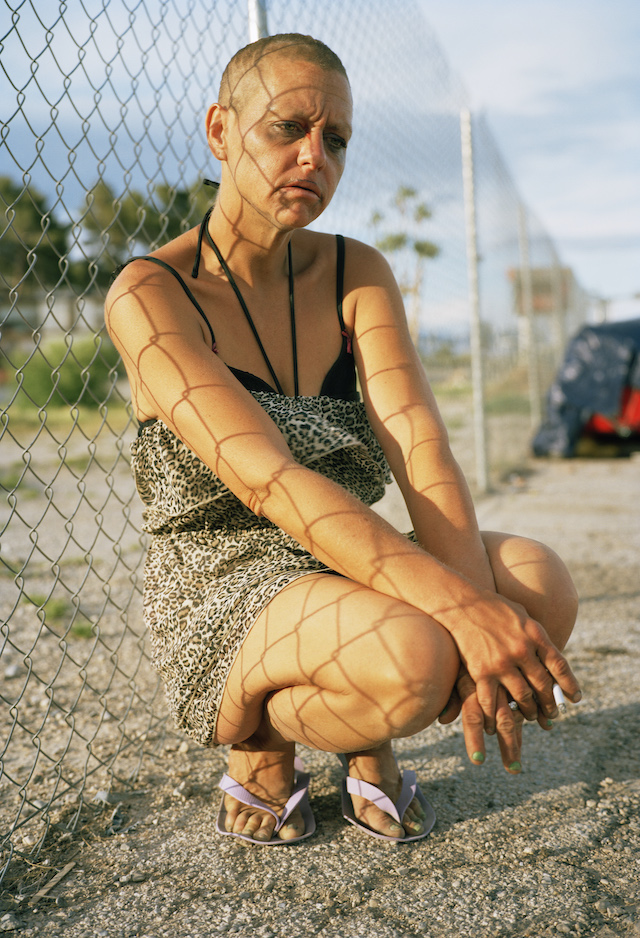
Laura feeling down. Las Vegas, Nevada 2017 © Thilde Jensen

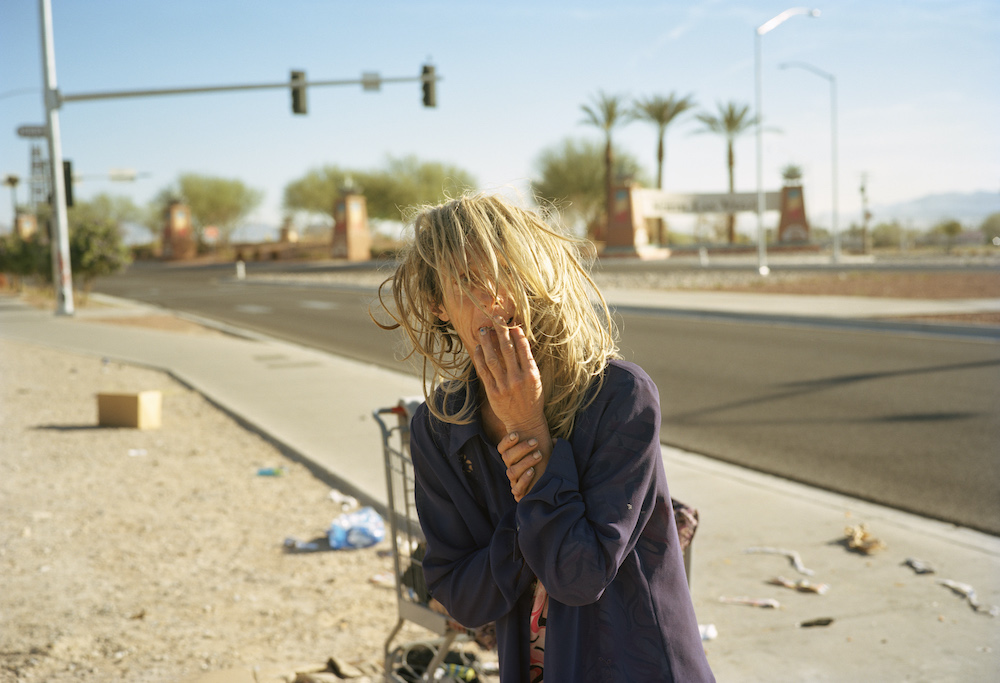
In the spring of 2016, Danish photographer Thilde Jensen met Reine and Lost, two homeless men who lived under a highway in Syracuse, New York. Their openness and enjoyment for being photographed inspired Thilde to start work on her long-term project documenting homelessness in America – which is something that she holds personally having “survived living outside in a tent in the woods” due to a serious illness. Now part of an exhibition named I AM NOT INVisible held at the Martin Parr Foundation from 16 September to 19 December this year, the work journeys from Gallup to New Mexico, Las Vegas to New Orleans. Below, I chat to Thilde about her reasons for starting the project, the demise of her own American dream and what it’s really like to be homeless in the country. 

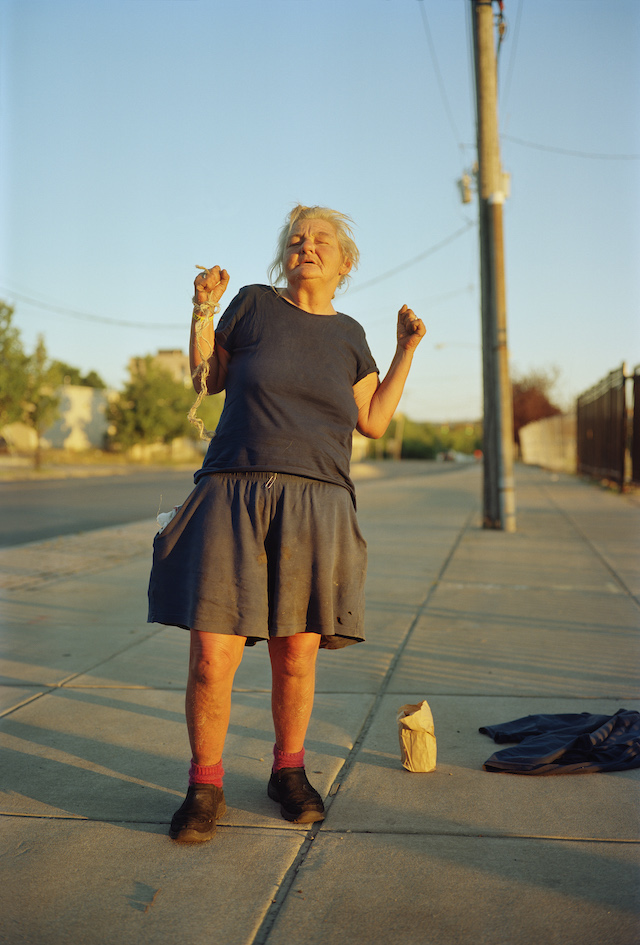
Bobby dragging his blanket to untangle the energy fields. Homeless for 13 years. Las Vegas, Nevada 2016 © Thilde Jensen

Can you tell me about yourself and how you came into photography?

I grew up in Denmark and my first love was with theatre and film, which led me to photography and photo books. I realised that a series of still images could convey a narrative and allowed for a much more personal artistic process, compared to the big productions involved in both theatre and film. Back in 1997 when I was a young photo student, I decided to move to New York City. Soon I fell in love, got married and ended up working and learning from some of the best in art and documentary photography. 

Unfortunately, my American dream quickly came crashing down when I found myself severely sick from an unknown affliction. Everything fell apart – my marriage and my career – as my immune system was crashing. My body was suddenly not able to deal with the vast chemical overload of our modern world. I had to leave my home in the city that I loved, as it had become a toxic war zone for me. Over the first few years, I survived living outside in a tent in the woods or simply sleeping under open sky, while wearing a respirator whenever I was going into public areas. This, at a time before masks were commonplace facial coverings, made me feel like a freak and I lived a life of deep isolation. I was lucky to have support and not end up in endless homelessness as others who were less fortunate. 

This painful and nightmarish experience became the subject of my first photo book The Canaries about Environmental Illness, published in 2013. While working on this project, and after seven years of struggling with hypersensitivity, I was lucky to recover enough to slowly start photographing on the street again. A few years later and I was fortunate to receive a Guggenheim Fellowship to travel across the country photographing in different homeless communities. The end result being the photo book I AM NOT INVisible, published in late 2019. 

Faye Dunaway. Syracuse, New York 2015 © Thilde Jensen

What first inspired you to start documenting homelessness in America?

My own experience of being forced to live outside and knowing that, even though I had worked hard and made a decent living, there was no American safety net to catch me when I got sick. 

What stories are you hoping to share throughout I AM NOT INVisible? 

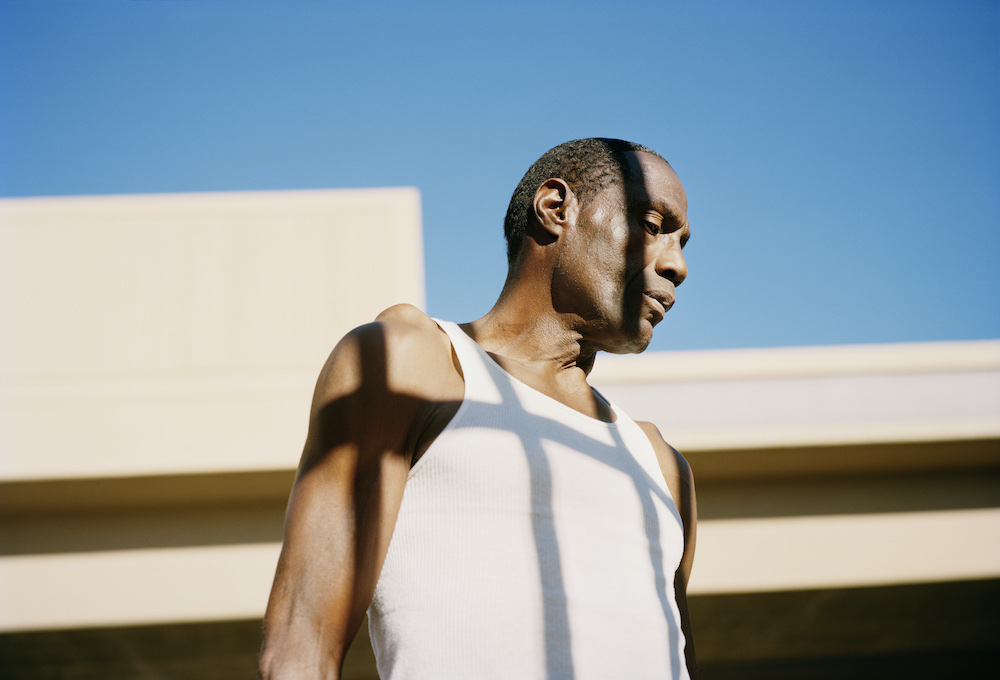
While photographing homelessness in America, I met so many wonderful people, many of them with life stories so full of trauma and neglect it was hard to believe they had made it this far. Being a photographer, my talent is to make the people I spend time with feel seen – to make them visible. I think the worst thing we can do to each other is to look the other way and thereby make the people pushed out invisible, non-existent. I also think it is important that we dare to look at reality, as complex as it may be, up close and in an unfiltered way. With my camera, I was hoping to be an honest mirror to the often brutal reality I was encountering on the street. I wasn’t so much looking to tell anyone’s individual story, but more so trying to create a tapestry of voices and experiences from the homeless streets of America. 

Drake, ‘I spent time inside, so much human potential rotting away behind bars’. Las Vegas, Nevada 2017 © Thilde Jensen

You first met Reine and Lost at the beginning of the project, and they were very open to sharing their lives. What did you learn about them both, and how did you want to portray them in your imagery?

I met Reine and Lost in the early Spring 2016 in Syracuse, New York, after they had survived yet another brutally cold winter huddled together on a concrete ledge right under the highway. Reine and Lost were close to me in age and were both struggling with alcohol addiction. They seemed to enjoy my company, and after spending time with them I was soon welcomed with my camera in most of the homeless community in Syracuse. Of course some people didn’t want to be photographed and I’m always very respectful around asking for permission. I learned early on that, for me, picture making is a collaborative process. If a person is unwilling it never makes for good pictures – it feels totally wrong to take pictures without permission. I’m a lousy street photographer in that way but my interest is in creating trust and an emotional connection. I feel my images more than I see them, I guess. Unfortunately Lost died some months after I started the project, which is often the sad outcome of long-term homelessness. Lost had been living most of his adult life on the street. 

Cindy with her wig. Las Vegas, Nevada 2016 © Thilde Jensen

Can you share any anecdotes from working on the series? 

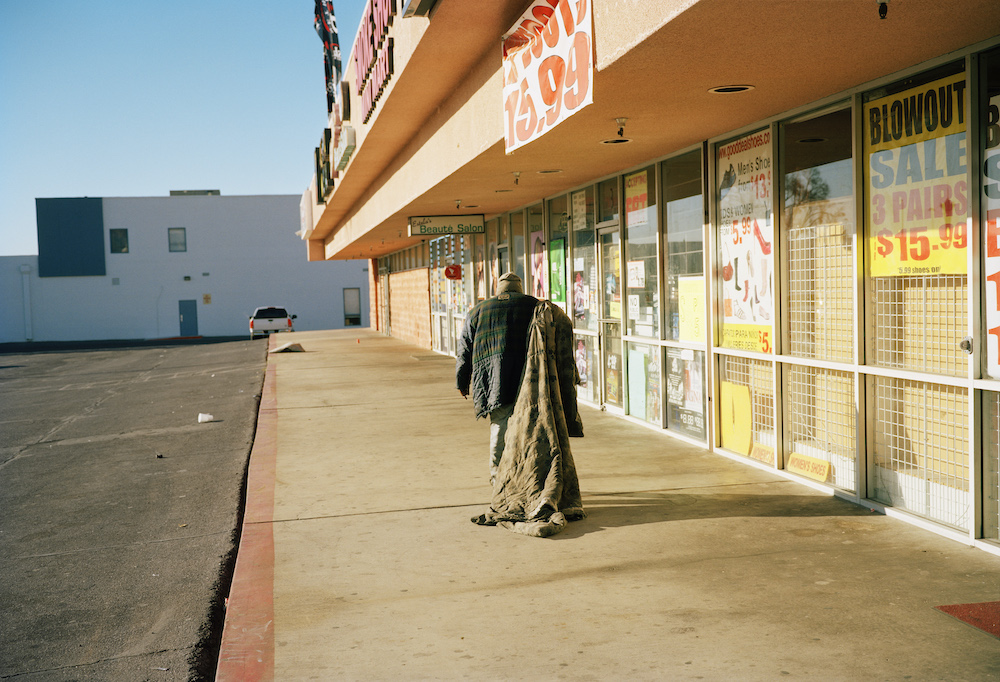
A lot of the images are from Las Vegas, where I had never visited before. I drove across the country and found the homeless community in north Las Vegas to be heartbreakingly enormous. This is not the Vegas you see if you go as a tourist. At first, it was much too overwhelming to see so many people living on the street and it took some time to make enough connections there to feel safe to walk around with my camera. 

One morning, as I’m talking to people and taking photographs, Cindy, a woman my own age, asked me if she could pay me to photograph her. I of course refused any payment but gladly turned my camera to her, and that was the beginning of an intense connection which evolved over the following two years while photographing in Las Vegas. Her unique experience of reality was addictive, her mind would run wild and, on a good day, she was the funniest person to be with until suddenly the darkness and the voices overtook her. One of the last times I saw her she told me I better go now because she was afraid I would otherwise dissolve into the wall. I miss her; she was quite special. People on the street told me that she had arrived there some years back as she just got out of jail due to some petty theft charges. She had looked beautiful and was totally sane, but soon she had been taken advantage of. “This is what the street will do to you”, they said. 

I met many people who not too long ago had driven past the homeless, going to work, never thinking this could be them and here they were. Loosing their identity, their self worth, unsheltered, vulnerable to sexual assault and violence. Sleepless nights with drugs and alcohol to dull the pain, slowly the thin veil that separates you from madness starts slipping, as your reality no longer makes sense or becomes too painful to inhabit. 

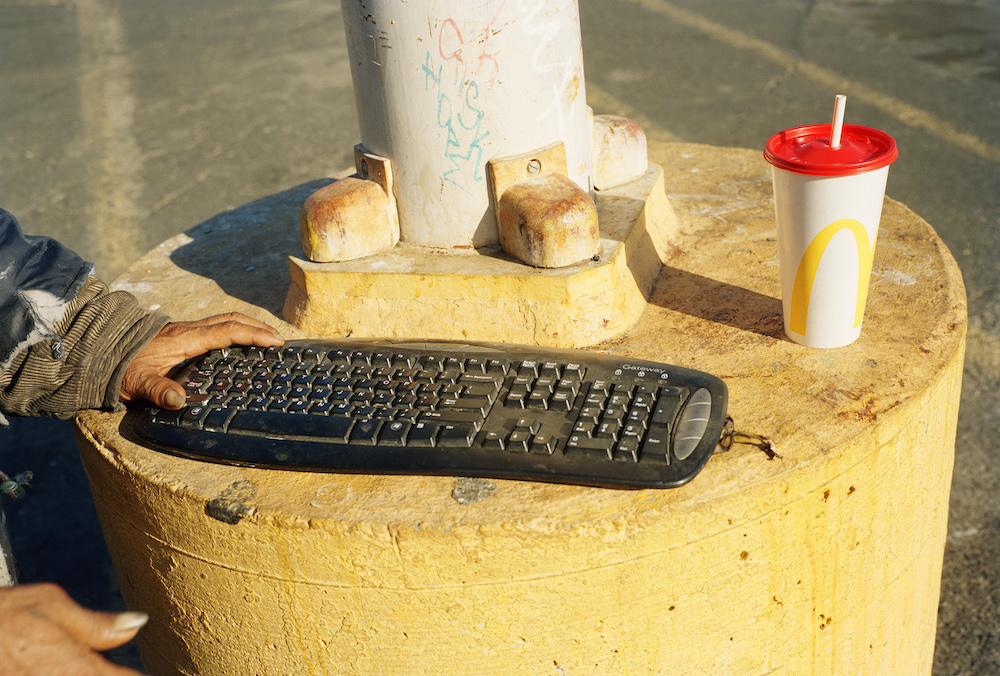
Bobby’s keyboard. Las Vegas, Nevada 2016 © Thilde Jensen

How do you hope your audience will respond to the work? 

As an artist and documentary photographer, I think the end goal is to always create dialogue. If the viewer feels touched, like I have been, by the people in the pictures or even provoked or unsettled, then I’m happy. I also hope that people can see themselves in these pictures and maybe realise that we need to take better care of each other. The truth is that we all have the same need for love, food and shelter and would likely all benefit from a society that is more supportive and loving. 

Will you continue working on this topic?

I had just started photographing for my next photo project Tomorrow, which is about the future – but then Covid-19 hit so it’s been on pause. Instead, I have been taking a deep-dive into the natural world under the premise of recreating paradise in a sustainable manner; trying to create a model for how we can live in balance with nature. To do this, I have undertaken a scientific journey looking at and understanding the microbiological magic right under our feet that makes up the fertility and health of anything living on this planet. Though after spending many months looking at the alien lifeforms that inhabit our soils, I feel eager to get back to photographing people again. I’m trying to figure out what kind of future we can dream up together. 

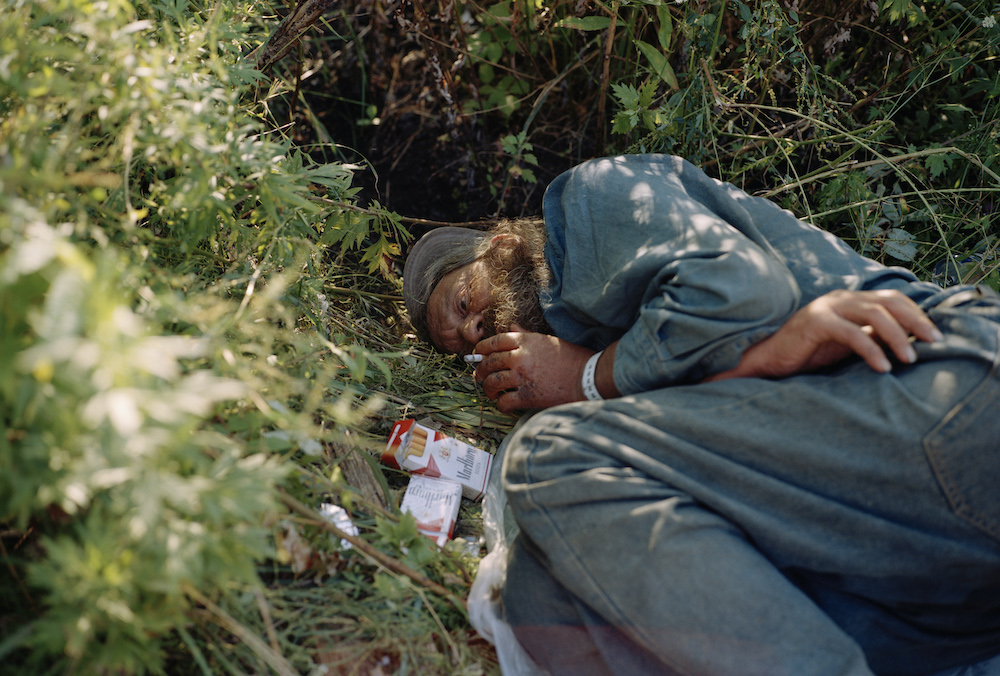
Eric in the bushes. Syracuse, New York 2014 © Thilde Jensen
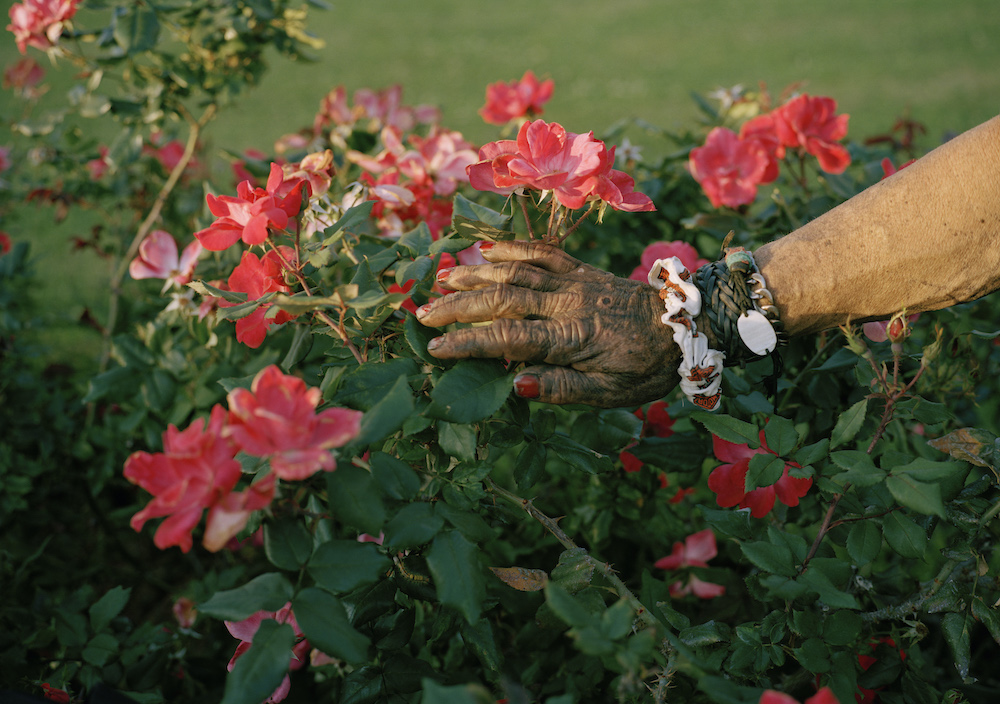
Mike’s black hand in roses. New Orleans, Louisiana 2018 © Thilde Jensen
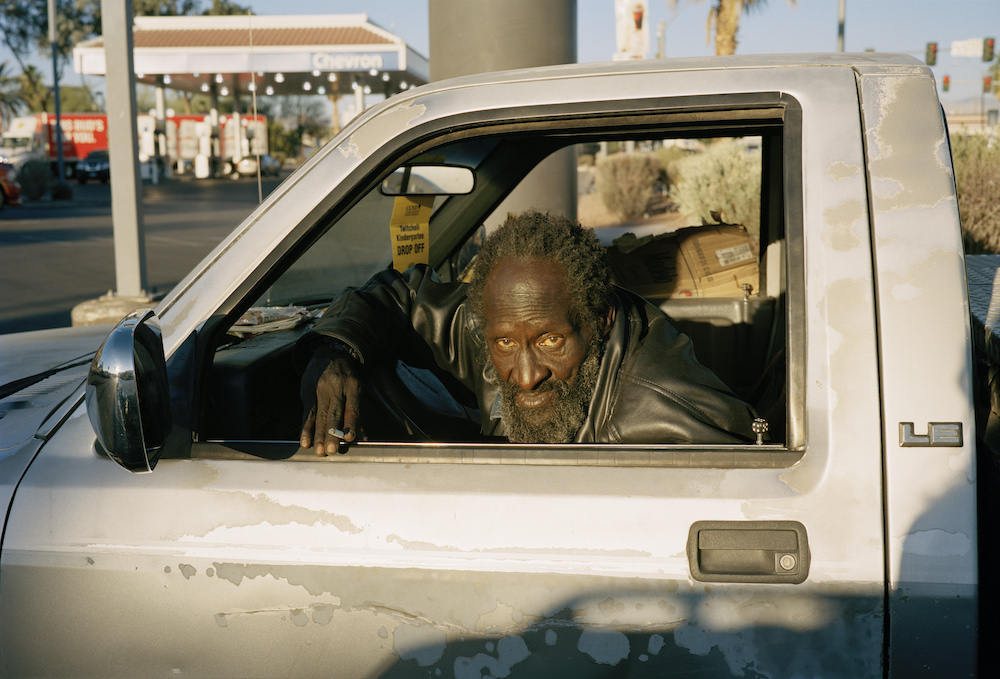
Moody in the broken down truck where he sleeps. Las Vegas, Nevada 2017 © Thilde Jensen


I AM NOT INVisible by Thilde Jensen is on show at the Martin Parr Foundation from 16 SEPT – 19 DEC 2021, and is part of Bristol Photo Festival


A portrait of The Bahamas

Melissa Alcena’s intimate photography reveals honest snapshots of Bahamian locals

Transmutation © Melissa Alcena

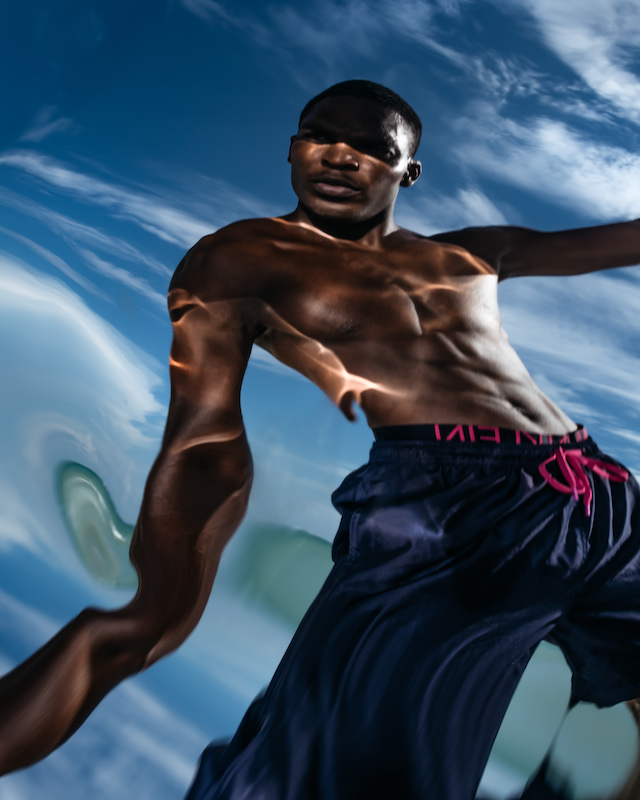
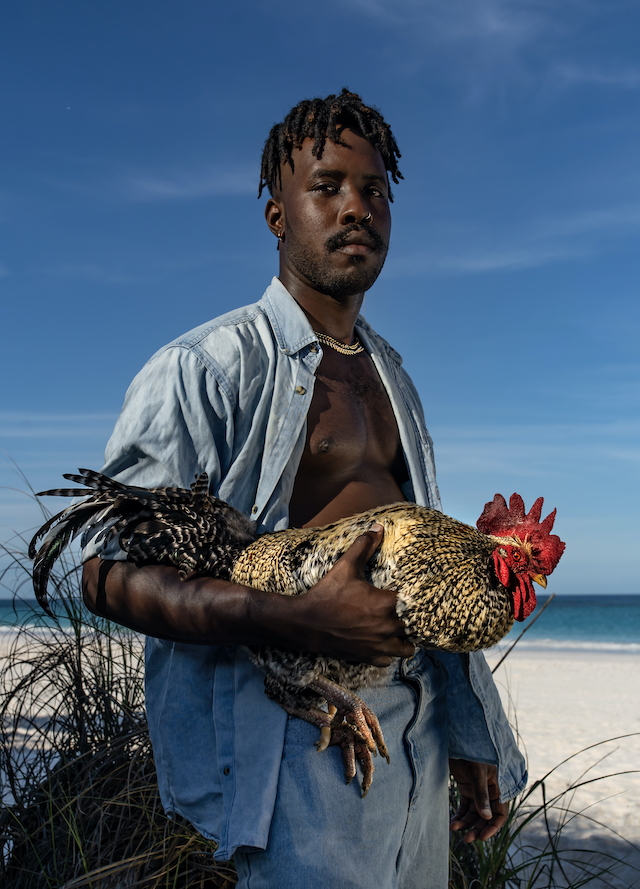
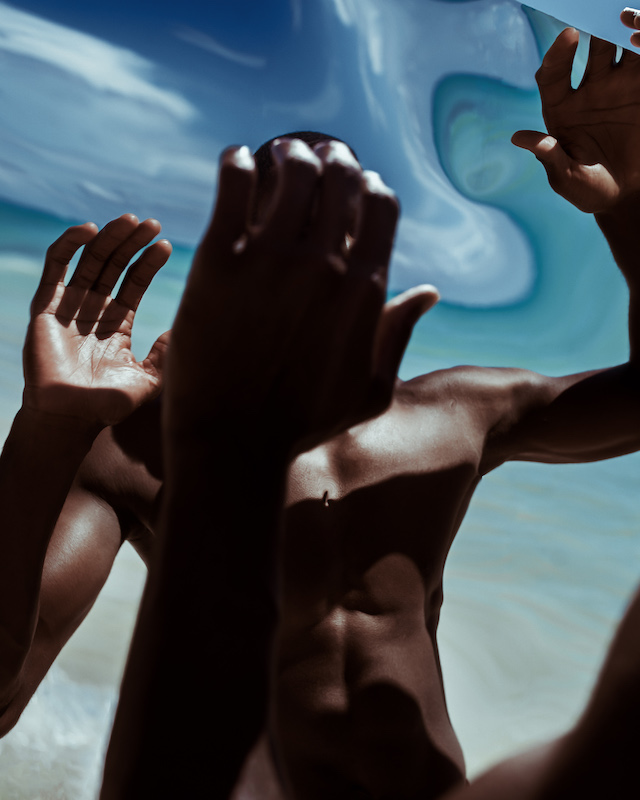
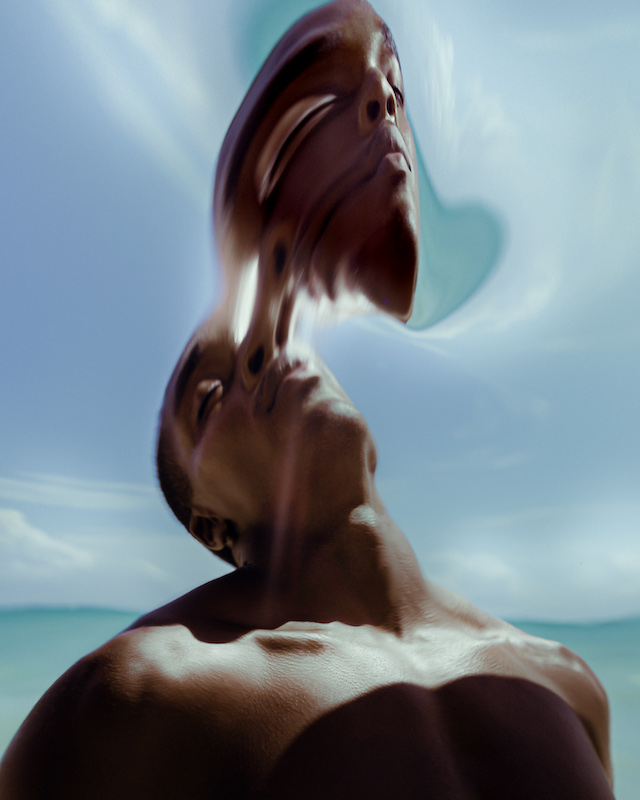
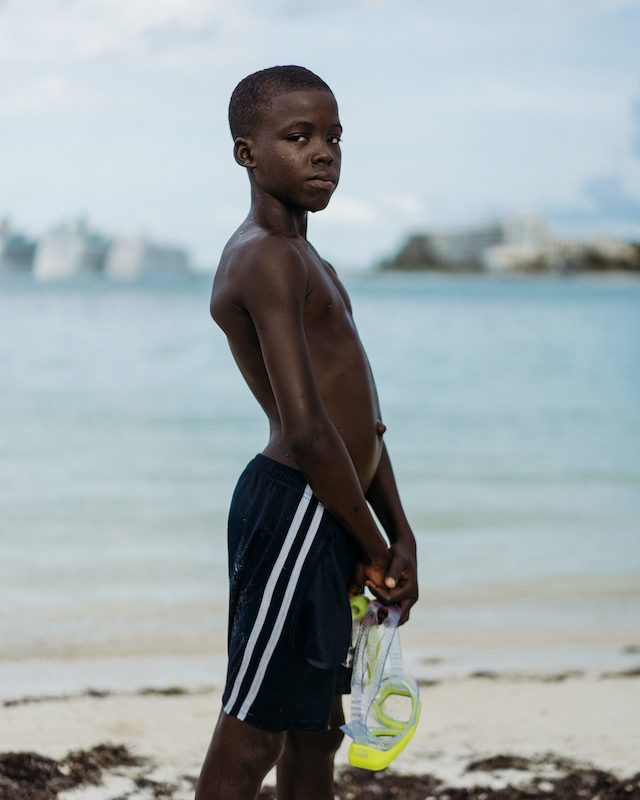
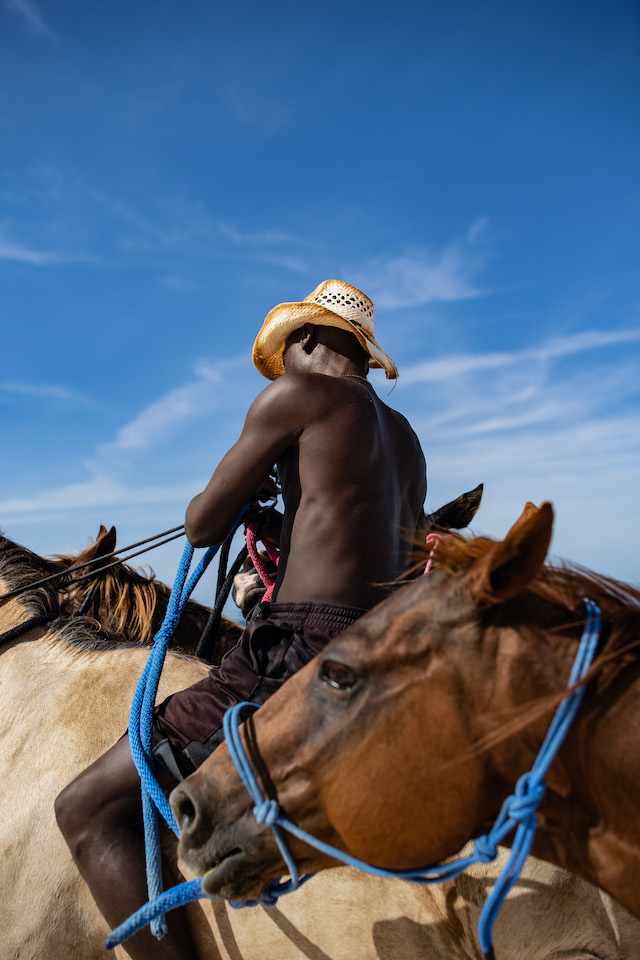
Melissa Alcena’s photography is so intimate – so telling and revealing – that you instantly feel connected to her subjects. Capturing Bahamian locals in documentary portraiture style, Melissa makes sure to spend quality time with those that she lenses; she wants to show them to the world in the most authentic and respectful way possible. From joyful dispositions of boys running and jumping into turquoise water, to imagery of her friends distorted by the ocean’s waves, Melissa wants to amplify her subjects and the stories they want to share. All of which is done through a signature warping style and an almost addictive colour palette and tone. Below, Melissa shares the details behind her practice and the importance of connecting with her subjects. 

Let’s begin by hearing about yourself. 

I was born and raised in Nassau, Bahamas and I currently live here. I’ve always been drawn to photography — I’d look through my father’s hoard of photo books on Africa for hours on end when I was younger. But it wasn’t until I started feeling really unfulfilled and empty at my job at a tech company, that I realised I needed to make a change and fast. I ended up attending and graduating from Sheridan college in 2012 in Canada and starting taking photos in 2016. It was in response to my visa expiring and having to move back home; I was depressed and my camera became the vehicle for which I reexamined my country and my place in it. Since then, my career has been steadily growing and I like it that way, because I’m playing the long game. 

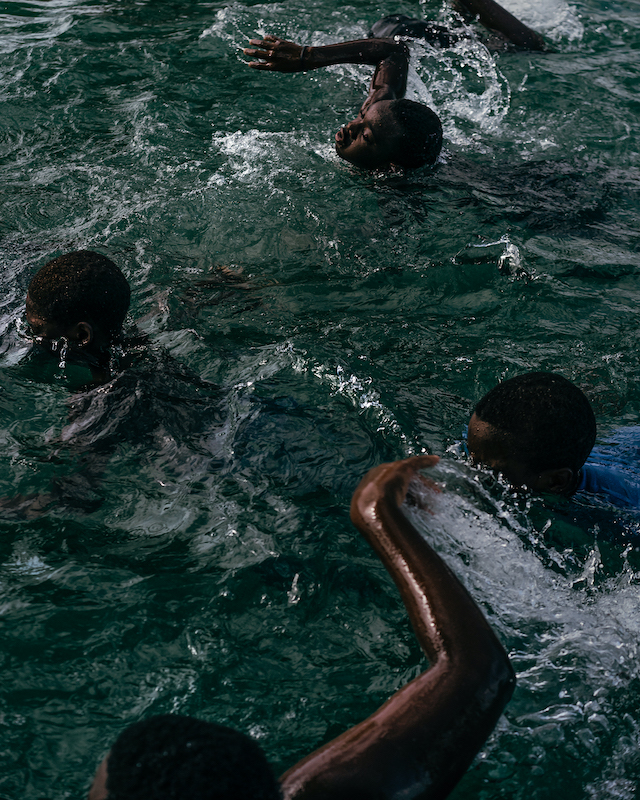
Arawak Cay Boys © Melissa Alcena

You’ve developed this warping and hyperrealist quality throughout your photography. What’s influenced you to work this way?

That set of photos was something I’ve wanted to do for a while, but I knew I needed a certain material to help bring that vision to light and it took a while for me to find it. I spend a lot of time in the summer here on the beach, and watching people in the water has always inspired me to find a way to recreate what I’ve seen without having access to an underwater camera housing. The main visual reference that sticks out in my mind is me being on a boat on a clear day when the turquoise water is almost like glass, and the refractions of light on sand below get wavy with each gentle movement of the waves— one of my friends jumps into the water and swims past me on the boat, and as I look down they look distorted and beautiful.

Dorlan © Melissa Alcena

How do you go about creating one of your photographs?

When I’m doing documentary-style portraiture, my main method is to give a bit of myself when I want to capture another. I’ve talked about the psychology involved in taking a portrait before, because I think it’s very important to connect with who you’re photographing and to make them feel comfortable. Most of the time, I’m trying to tell the story of the individual and I want to amplify them, so I can’t do that from a place that is impersonal and void of connection and emotion. I’m usually photographing Bahamians who are not used to being in front of a camera, so I try my best to tell them a bit about myself, make them laugh and share other photos I’ve taken. I make the effort to get to know them as best as I can within the time that I have to take their photo. 

Can you talk me through a recent favourite shoot of yours?

The most recent favourite shoot of mine took place in early September on a Saturday while driving around with a friend; it was pure happenstance. We took a turn up towards a beach and saw this massive group of boys running and jumping off a wall into the water below. They were so happy and their joy was so pure it was contagious. I asked if I could take their photos and they invited us to another spot close by, where they’d be spending the rest of their day together. Everyone seemed to be out that day and there were good vibes all around. I just followed, watched and snapped what I considered to be a quintessentially Bahamian scene.

Transmutation © Melissa Alcena

How do you hope your audience will respond to your work?

I’m more worried about how the person I photograph perceive the image I take of them, than the audience who views it. I just want to do right by the people I take images of and I hope that whoever sees them, feels a bit of the connection I made with the people in my images. I hope that leads to some sort of empathy or respect.

What’s next for you, any upcoming plans or projects?

I’m currently working on a body of work on Bahamians that I hope to show at my solo show next November at Tern Gallery, here in Nassau. 

Transmutation © Melissa Alcena
Drexel © Melissa Alcena
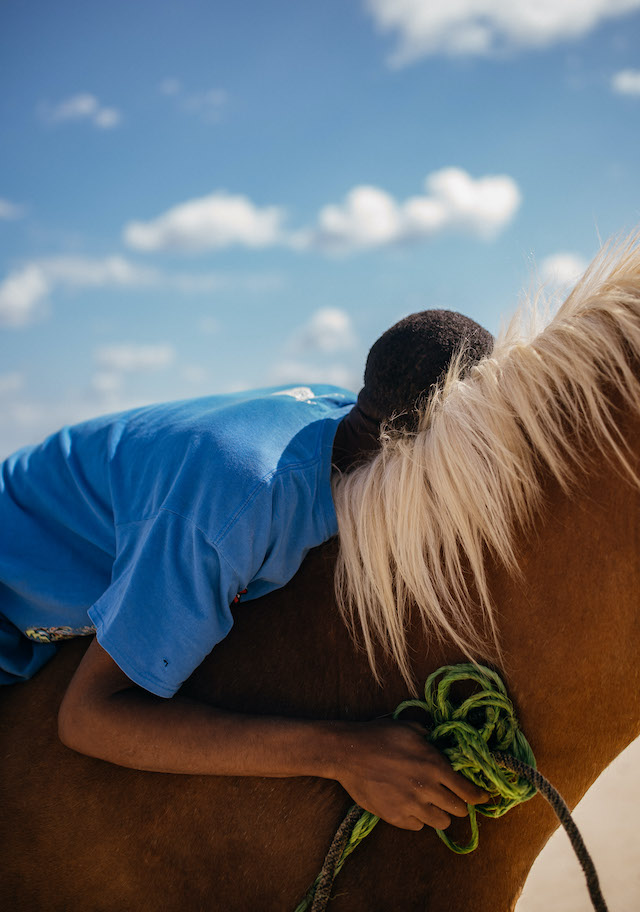
Marty Horseback © Melissa Alcena
PJ Easter Monday © Melissa Alcena

Photography courtesy of the artist.

Godlis Miami

David Godlis’ new book captures a community of Jewish retirees on the balmy coastline of Miami Beach in the 70s

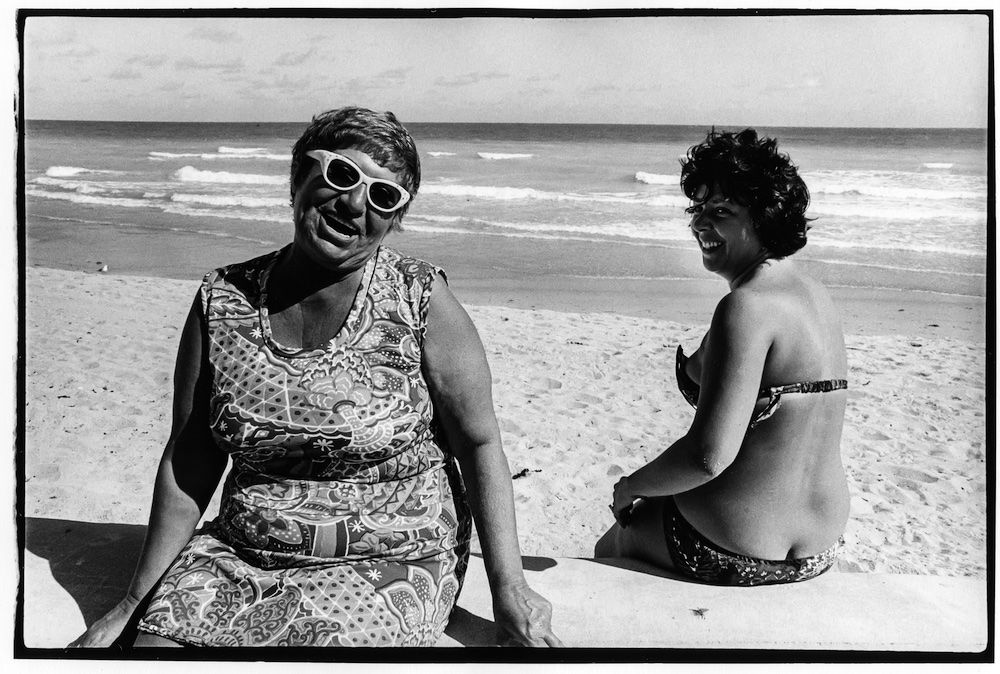
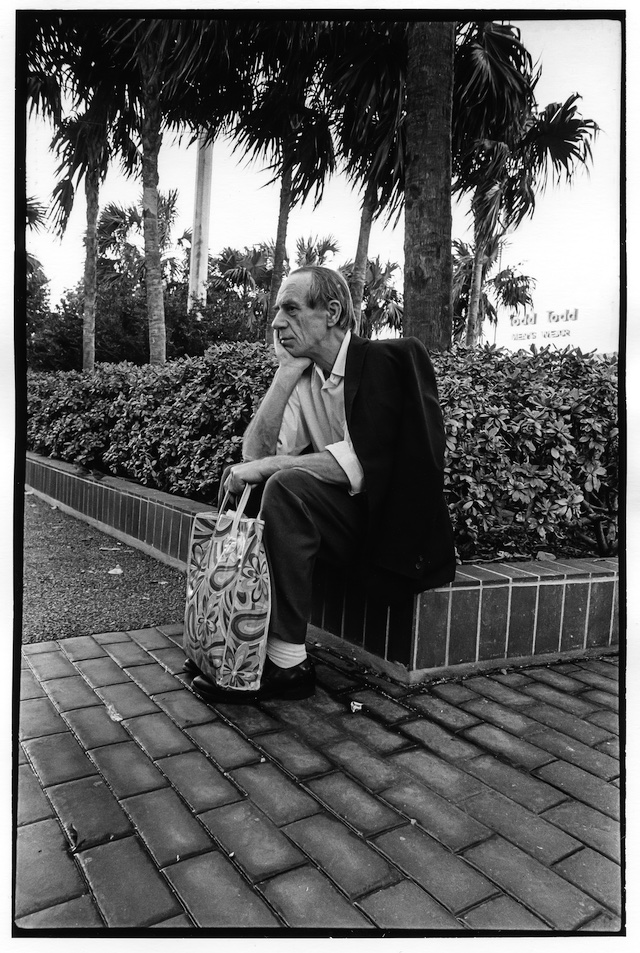
Sitting on the Coral Wall, Ocean Drive © GODLIS

Miami’s South Beach has continued to be an enduring subject throughout the history of modern photography. Its sandy coast and the people that inhabit its shores, beds and promenades have captured the attention of many image-makers over the years, especially that of its declining elderly Jewish community. A prominent example is Andy Sweet, an American photographer known for his documentary work and momentous Shtetl in the Sun: Andy Sweet’s South Beach 1977-1980. And now, David Godlis – a street photographer based in New York – has released his very own book on the subject, titled Godlis Miami and published by Reel Art Press. He, like Sweet, has captured a community of Jewish elders from the 70s, those of whom are bathing and basking in the heat of the famed coastline as they enjoy the late years of retirement.

Aged 22 at the time, David set out from Massachusetts to Miami Beach with the intention of visiting his grandma who lived near Ocean Drive. During the 10 days spent there, he had a profound realisation; in January 1974, he learnt how to take good pictures. “Not other people’s – mind,” he writes in the book’s introduction. 60 rolls of film later and he unearthed not only a collection of fascinating, humorous and touching photographs, but also a new way of documenting life around him. Two years later, for instance, he’d go on to capture punks for his series at the venue CBGB, documenting a piece of history as he’d capture, without a flash, the crowds swarming to see the likes of The Ramones, Blondie, Patti Smith and Talking Heads in the bustling New York music scene. The capital has long been a consistent subject of David, but here, we’re seeing a new turn for the photographer; a documentation of the magical – almost fictional – scenes of Miami Beach.

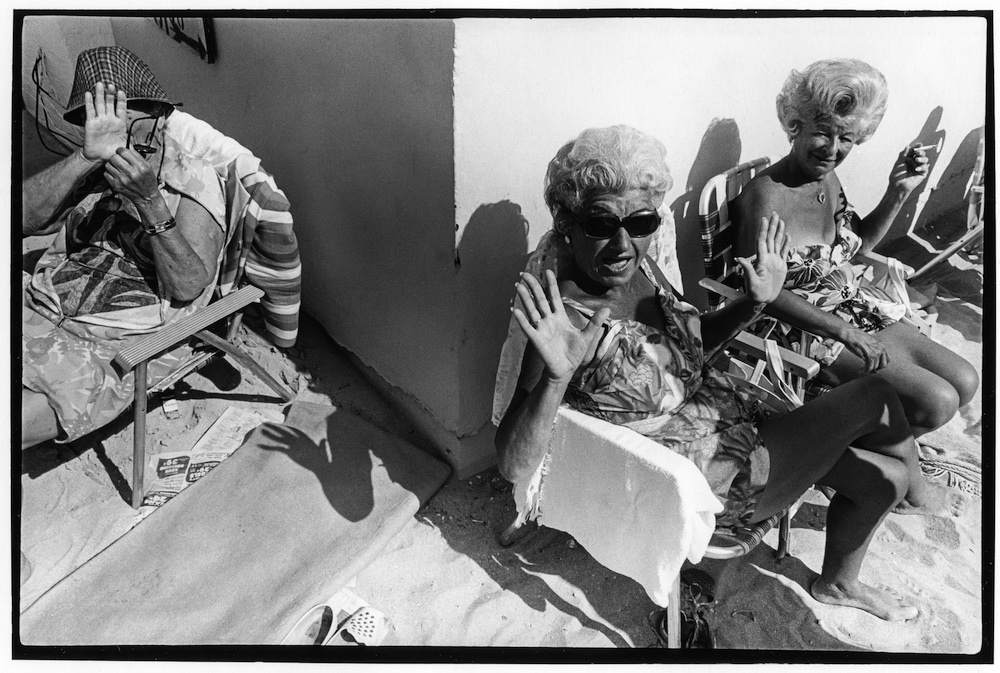
Ladies in the Sun, Lummus Park © GODLIS

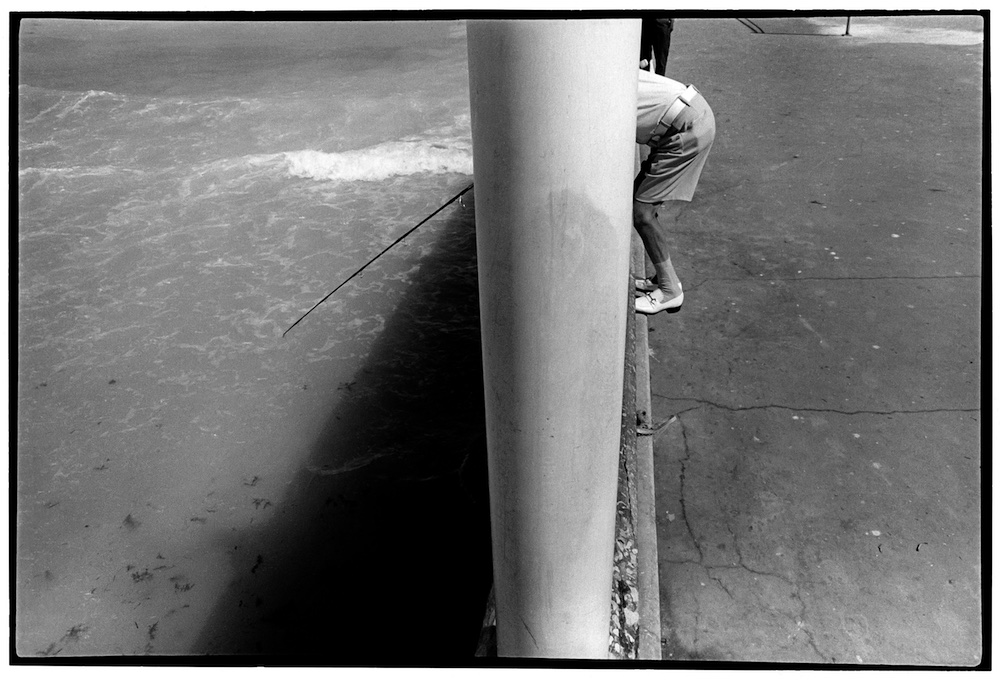
A decade prior and David made his first visit the to beach. He’d take the train with his mum, and later planes and jets; he’d go fishing with his grandfather while his grandmother entertained herself in the background. It was more than exciting for David at the time, who goes on to describe his past memory of Miami Beach as being likened to a “Jewish Disneyland”. He writes on the matter: “When I returned to Miami Beach in 1974 with a camera, all these memories of Florida came flowing back to me. As I tripped the shutter over and over, taking pictures on those beaches I had walked upon as a little kid, everything clicked. Pun intended.”

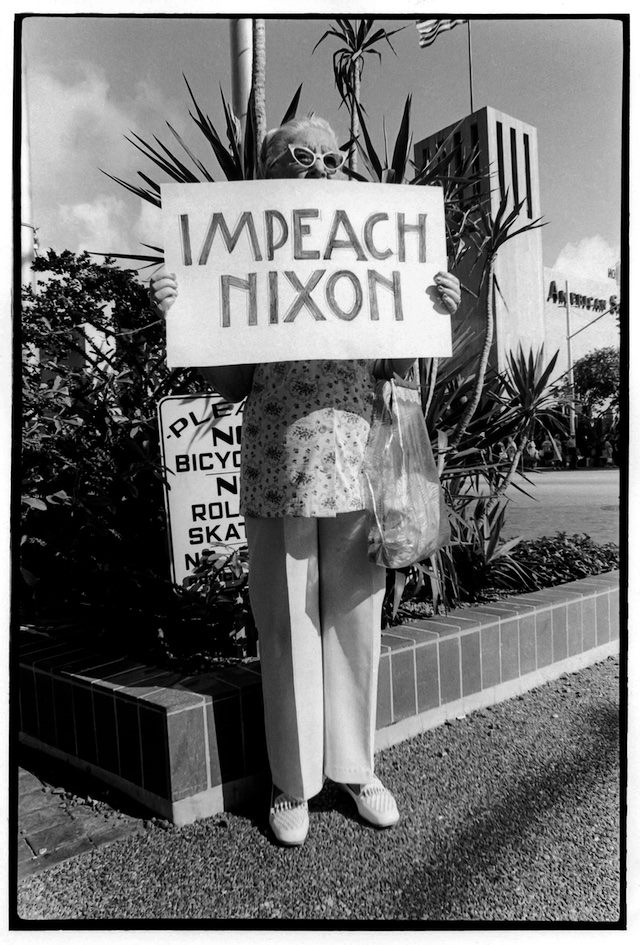
Impeach Nixon Protester, Lincoln Road Mall © GODLIS

The book begins with a gold-tinted vision of what appears to be David as a young boy, proudly holding a fish in his hand. A page flicks by and the work turns monochrome, revealing four years’ worth of imagery and the candid, almost intrepid, moments of his characters. Throughout, you’ll find men cooling down in the shallows; ladies resting on benches; palm trees adorning the pavements; dog walkers; Bingo players; tanners; strollers; sleepers; and theatre-goers. Everyone here in David’s matte and contrasted world are revelling in a restful point in their lives, where leisure matters more than most other things. It was a thronging community at its peak, and little did David know that, the next time he’d visit, it would all disappear.

“In 1985, 10 years after I shot these photographs, I returned to Miami Beach with my wife, Eileen,” writes David’s introduction of this pivotal moment. “I took her down to Ocean Drive to show her where they were taken and was astonished to find that most everyone was gone. I don’t think even in my early 30s I understood how fast time flies. Of course, many of the retired people I shot pictures of were dead 10 years later. But also many of them had been driven out by the Mariel boatlift of 1980. You can see what became of Ocean Drive in the bathroom shootout scene with Al Pacino in Brian DePalma’s Scarface. So Eileen and I stayed a little further up Collins Avenue the year. And I had to be very careful taking photographs on Ocean Drive that my camera wasn’t stolen.”

On Lincoln Road Mall © GODLIS

In the 70s, around 80% of the population on Miami Beach was Jewish, peaking in the 80s to around 230,000 inhabitants. Miami at the time also saw the influx of Caribbean and Cuban immigrants, the latter were emigrating to the US from Mariel Harbour which resulted in much of the Jewish community moving north. The community declined and many of the older generations had passed. So when David revisited the beach and expected to see the once-thriving community he laid eyes on years before, he was surprised by the emptiness and speed in which the community had vanished. 

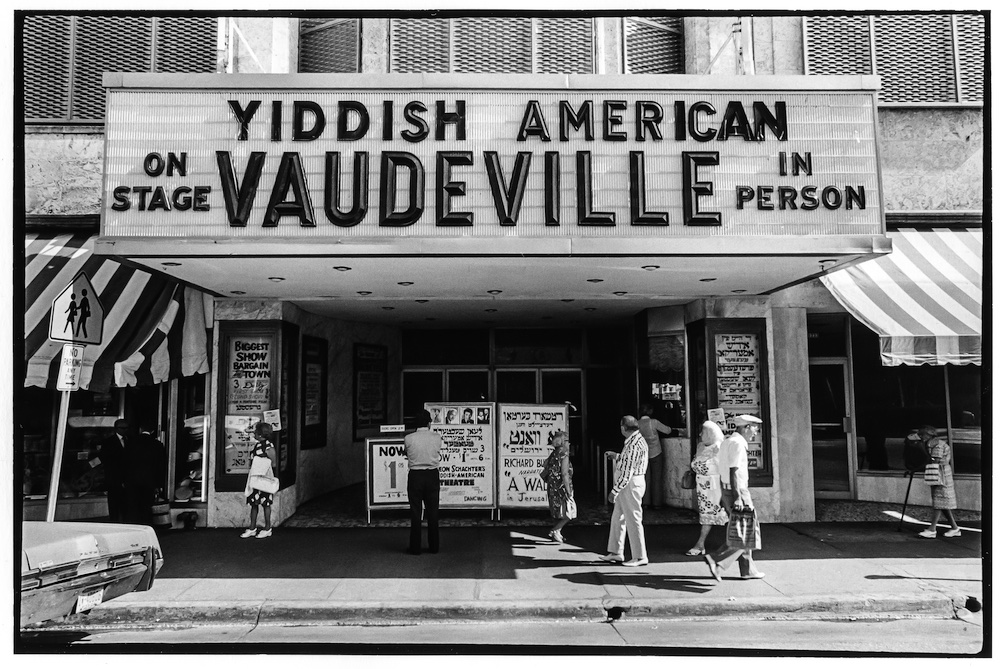
Much has changed since then, and David is a witness to this transformation – Godlis Miami is respectively a documentation of these shifts. He’s seen the disappearances of spots such as Wolfie Cohen’s Rascal House, a Jewish delicatessen founded by Wilfred “Wolfie” Cohen who also launched three of South Florida’s most famous eateries. Meanwhile he saw how The Yiddish American Vaudeville and Hoffman’s Cafeteria became nightclubs. “But not all is lost.” he continues to state in the book. “In 2017, when I last returned to Miami Beach, I stayed in the little Century Hotel, looking pretty close to how it looked in 1974 when I first came upon it. I walked around to see where most of these pictures had been taken. To dream the dream I had photographed 40 years earlier. And I could still see it all. Even my cover girl in her cool Oliver Goldsmith sunglasses. The ocean and palm trees have a way of making those dreams come true. If only for a 1/125th of a second.”

Godlis Miami is published by Reel Art Press. RRP £29.95 / $39.99 / €33.12

Collins Avenue Corner View © GODLIS
Fishing Pier, Lower Ocean Drive © GODLIS
Insulin Lady, Collins Avenue © GODLIS
Ordering at Wolfie’s, Collins Avenue © GODLIS
Sitting In the Ocean, Ocean Drive © GODLIS
Yiddish Theater, Washington Avenue © GODLIS

Finding Common Ground

Kemka Ajoku’s new series captures migration and settlement of Black people in the UK after the Windrush era

The After Party

A photographer of fashion and portraiture, Kemka Ajoku – who’s born and raised in London – strives to rewrite the stories of Black British culture. Done so through a mix of personal projects and commissions, Kemka has documented all sorts of meaningful tales from the locals of Lagos, busy in the tasks of their everyday jobs, and the beauty of brotherhood in the post-adolescent stage of life. Each picture he takes reverberates with purpose and passion; he’s a storyteller of truth, and someone who employs visual art as a tool for spreading his messages.

Over the last year, which has been a difficult one for many, if not all, Kemka has managed to find a sense of fulfilment. Not only did he graduate at the end of 2020 form a degree in Mechanical Engineering, he also arrived back home and broke away from the educational system for the first time in his life. “I felt free to creatively understand more about who I am,” he tells me, “looking back at my lineage as a guide to learning more about myself, having never given myself the space or time to truly be introspective.”

Gestural Greetings

A period of self-awareness and contemplation, Kemka’s ventures out into the ‘real world’ arose alongside the arrival of the pandemic. Coupled with the increase in racist hate crimes and injustice the globe, he began to question his role as a photographer, “a Black British photographer for that matter.” A sense of responsibility emerged: “a need to document the life of my people both in Nigeria and the diaspora,” he says. “To me, this was more important than taking a pretty photo. And so, a paradigm shift took place within me, a shift which led to me working with more intentionality, giving more meaning to the work with the hopes of lasting the test of time.”

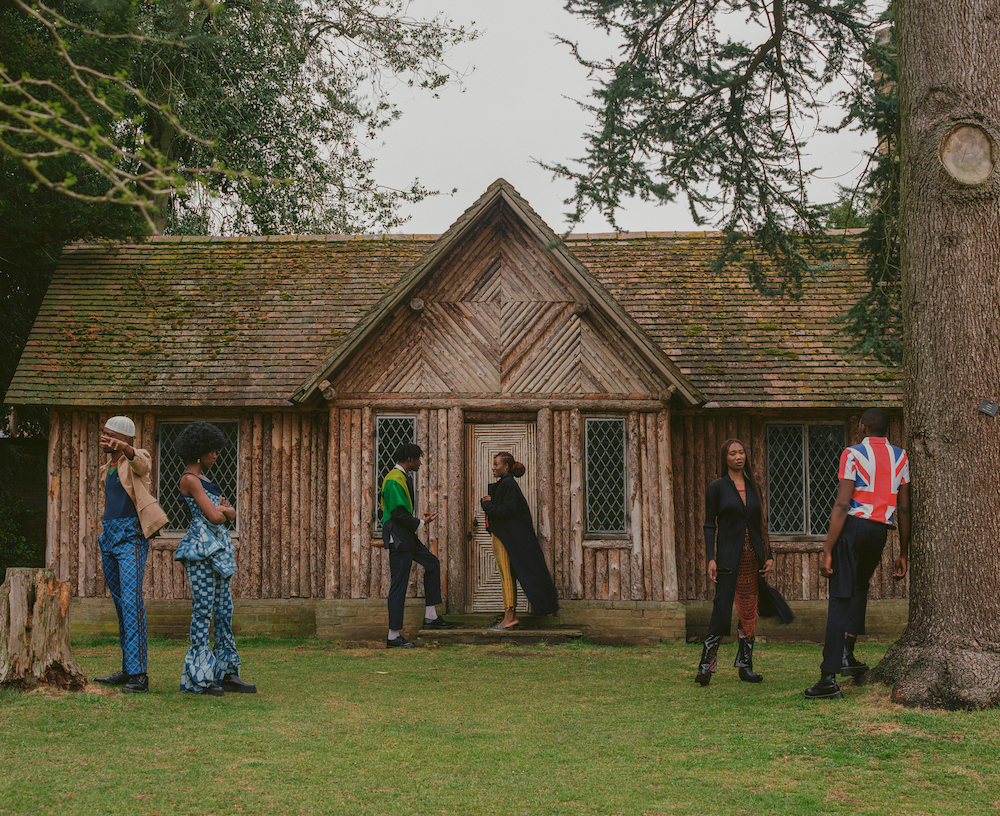
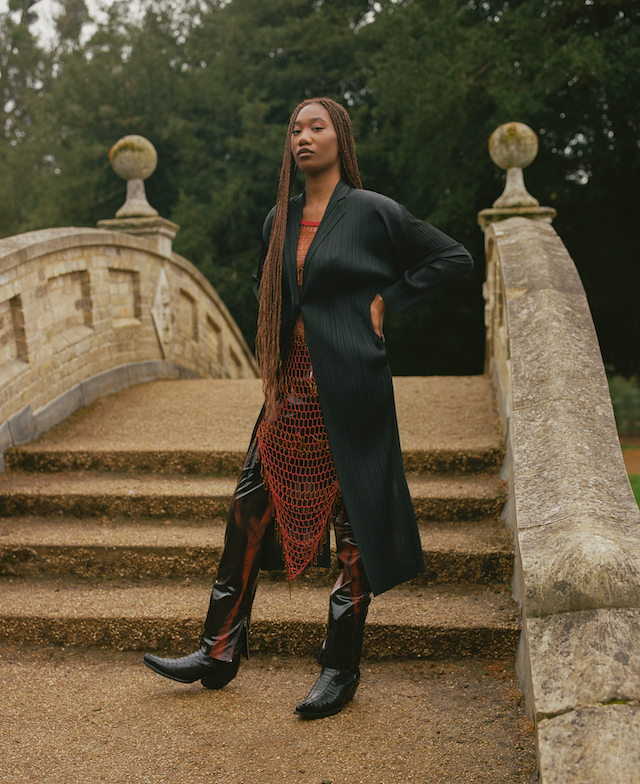
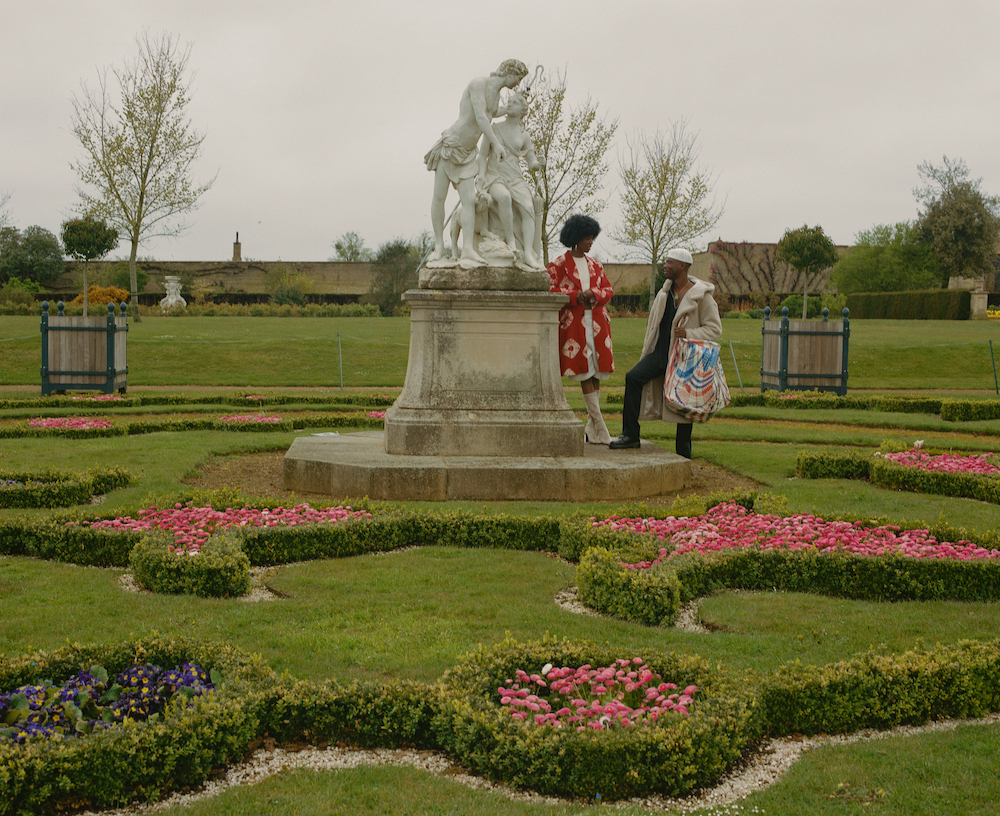
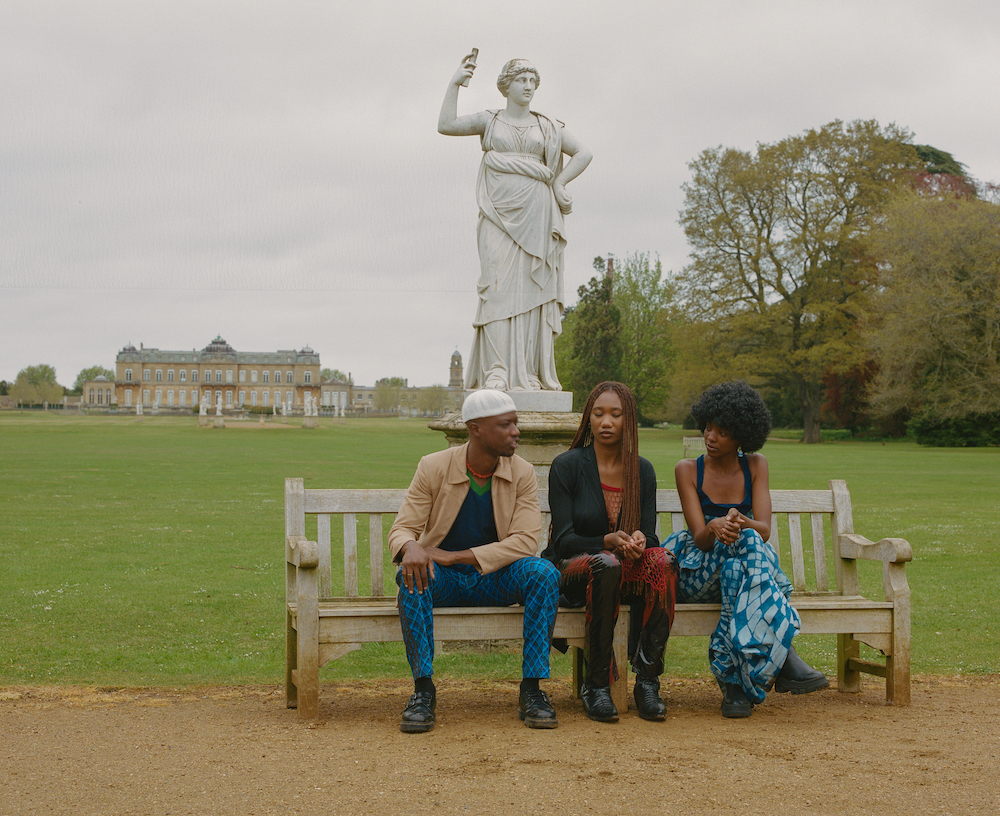
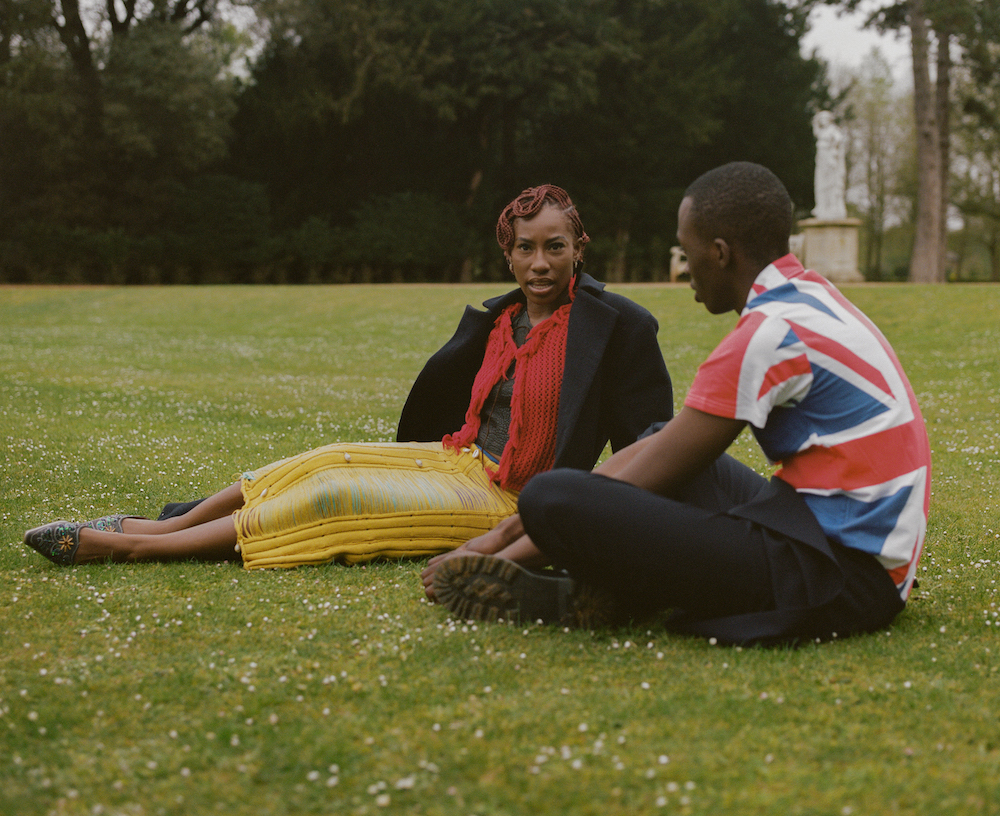
This matured sensibility has manifested into his latest photo series, titled Finding Common Ground. Months in the making, the body of work is currently exhibiting at Wrest Park as part of the England’s New Lenses project with Photoworks, in partnership with English Heritage’s Shout Out Loud programme. In comparison to his previous series – although motivated in their own right – Kemka has never worked with such drive and ethos. “I sat down and really articulated what I wanted to achieve before picking up my camera.” A lengthy bout of research and exploration later, he came to learn more about the migration and settlement of Black people in the UK after the Windrush era, “a story that me, my parents, and their parents are part of.”

Tami’s Portrait

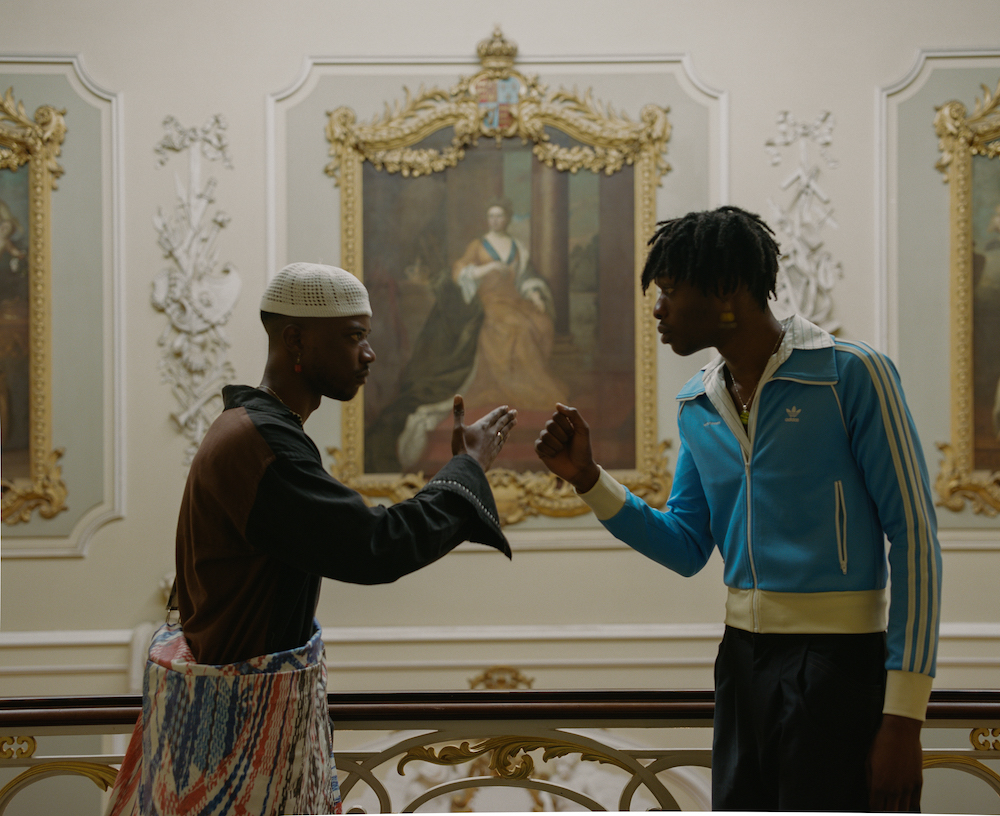
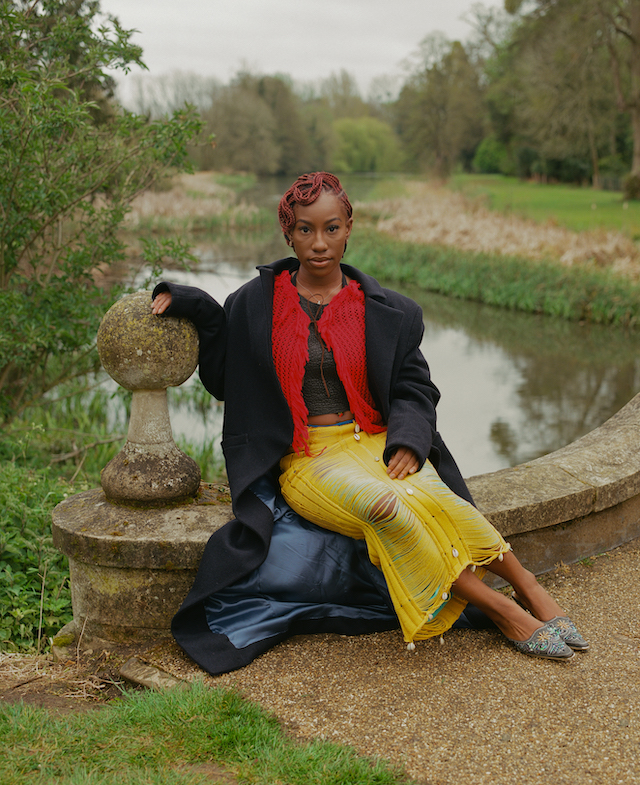
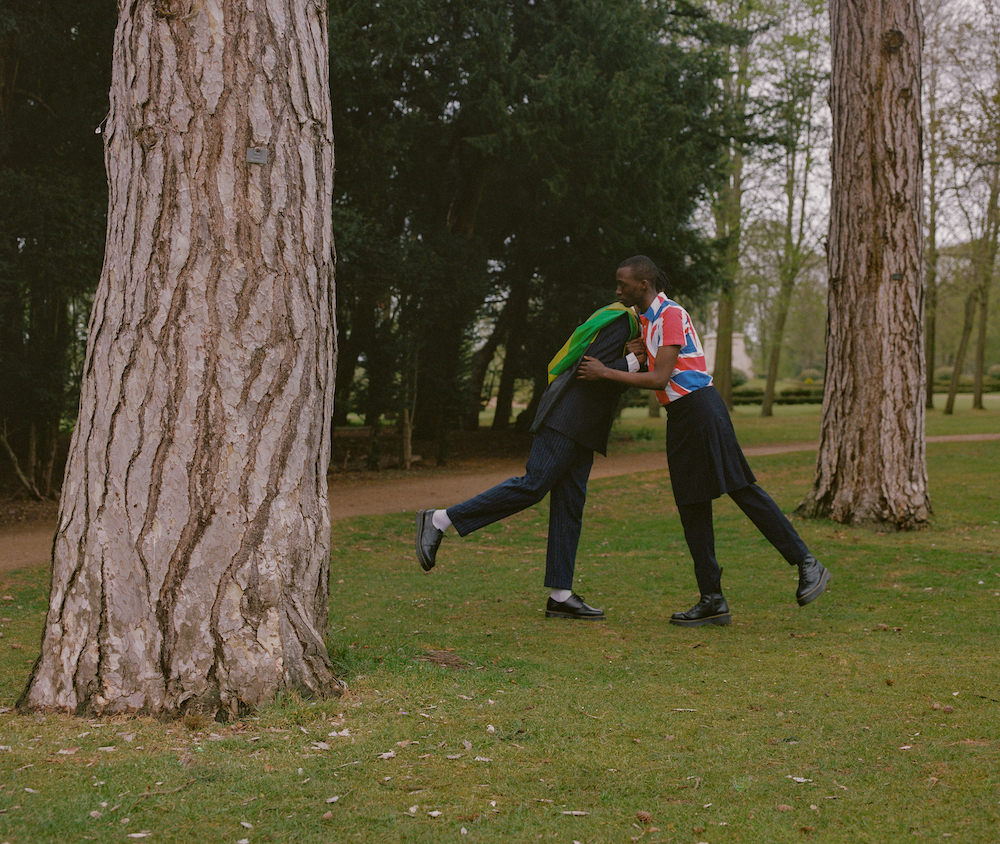
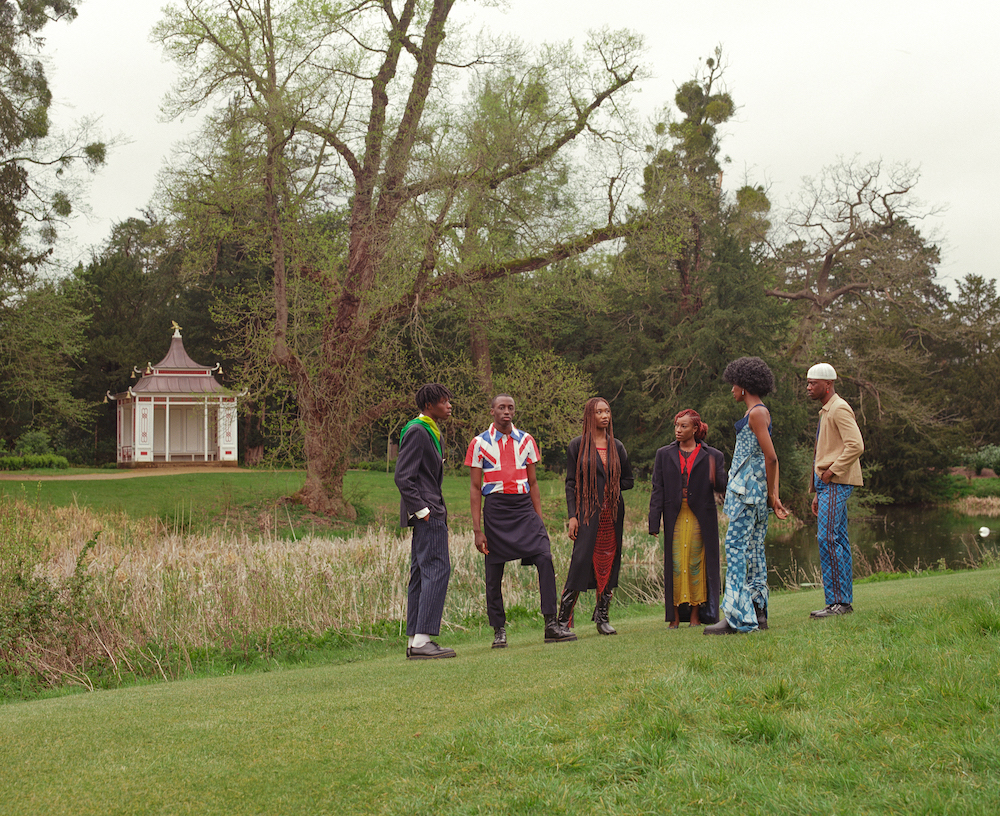
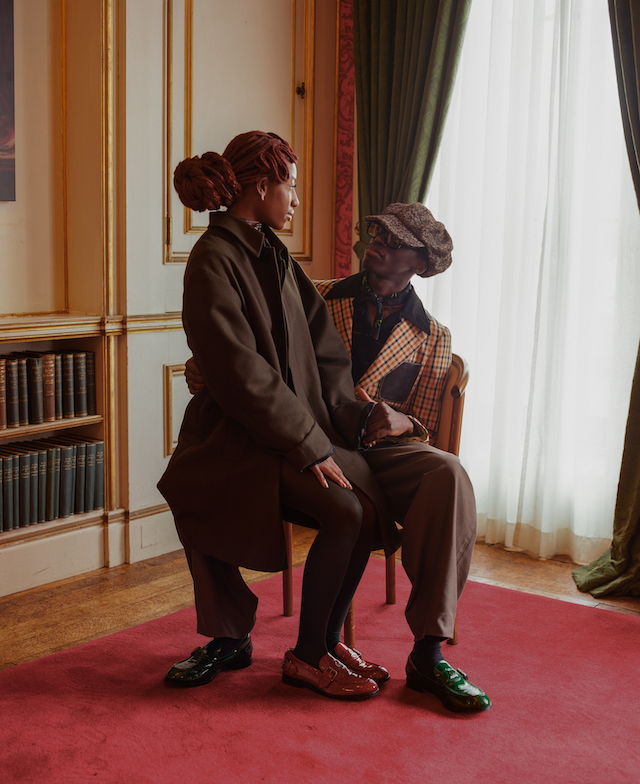
The photos involved are therefore contemplative, powerful and historical. Shot in Wrest Park, Bedfordshire, the location protrudes with British heritage as it’s built atop the style of an 18th Century French Chateau. He cast a selection of his friends to sit for him, each representing a specific demographic within the Black British community. Referred to as “characters”, Kemka explains how each of his models’ personas have been developed from “watching British Blaxploitation films from the 70s and 80s; films such as Black Joy, Babylon Burning an Illusion and Pressure to name a few.” To accentuate this, Kemka worked with stylists Daniel Obaweya, Charles Ndoimu and Lingani Noah who assisted with adorning the models in Black British clothing lines from both young and more established labels. 

Western Union

“The styling for this project was broken into two parts, highlighting two generations of Black British citizens,” adds Kemka, “from the tailored style of the late 40s and early 50s, to the more relaxed and youthful looks of the 70s and 80s. Fashion is an important part of British culture, used in a way to express identity with the community one associates themselves with. Many fashion nuances migrated from foreign land have interwoven with British styling over recent years, and this integration of style was a focal point in styling the models.”

Observing the completed works and you’ll notice how the poses or gestures appear to have been caught in a freeze frame – recording not only that moment in time, but also an experience and learning exuded from the photographer who’s captured them. “The intention with this work is to artistically depict an important era in Black British history (not in a common documentary photography fashion) that will have longevity long after I’m around,” he concludes. “Thinking back to my intentions as a photographer, one thing I revert to is the legacy my work will have for other Black British creatives, looking for a reference upon which to build their creative career upon.”

One View of the Temple
Kozy’s Portrait
Couple in Wrest garden
The Consultation
Wrest River
The Essence of Chi
Lover’s Rock

Credits:

Photographer: Kemka Ajoku

Assistant Photographer: Anu Akande

Talent: Kozy, Ore Ajala, Amidu Kebbie, Chieloka Uzokwe, Tami Bolu, Feranmi Eso

Hair: Shamara Roper

Styling Team: Daniel Obaweya, Charles Ndiomu, Lingani Noah

Special Thanks: Mahtab Hussain, Ingrid Pollard

And special thanks to Photoworks and English Heritage for giving me the opportunity to create this body of work through their ‘England’s New Lenses’ project

Minceirs by Joseph-Philippe Bevillard

Revealing an honest and raw side to the Irish Traveller community, the photographer shares the details behind his powerful series

Charlotte, Tipperary, Ireland 2019

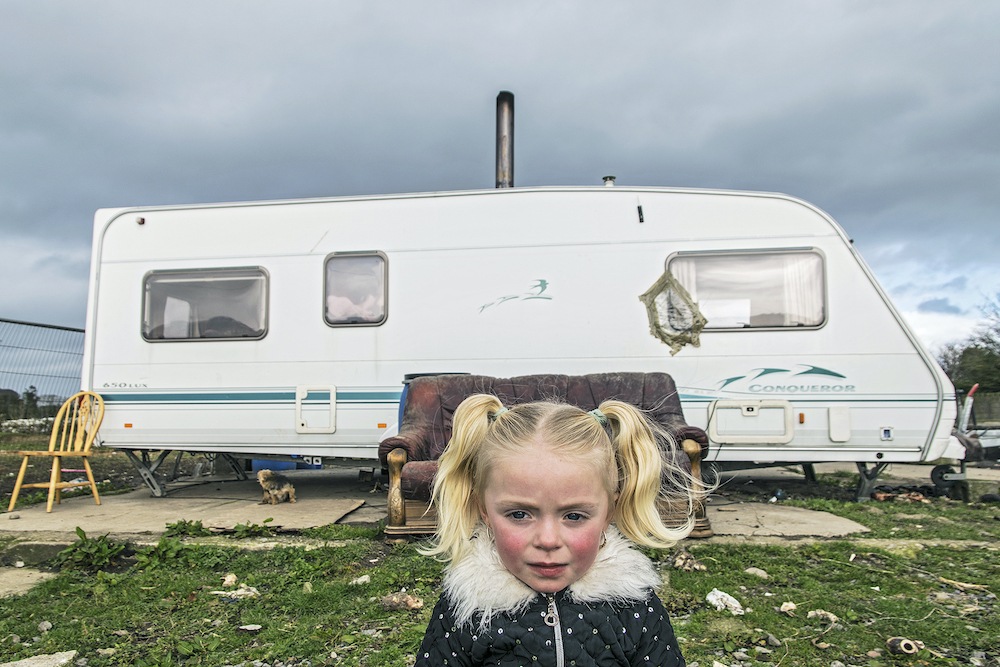
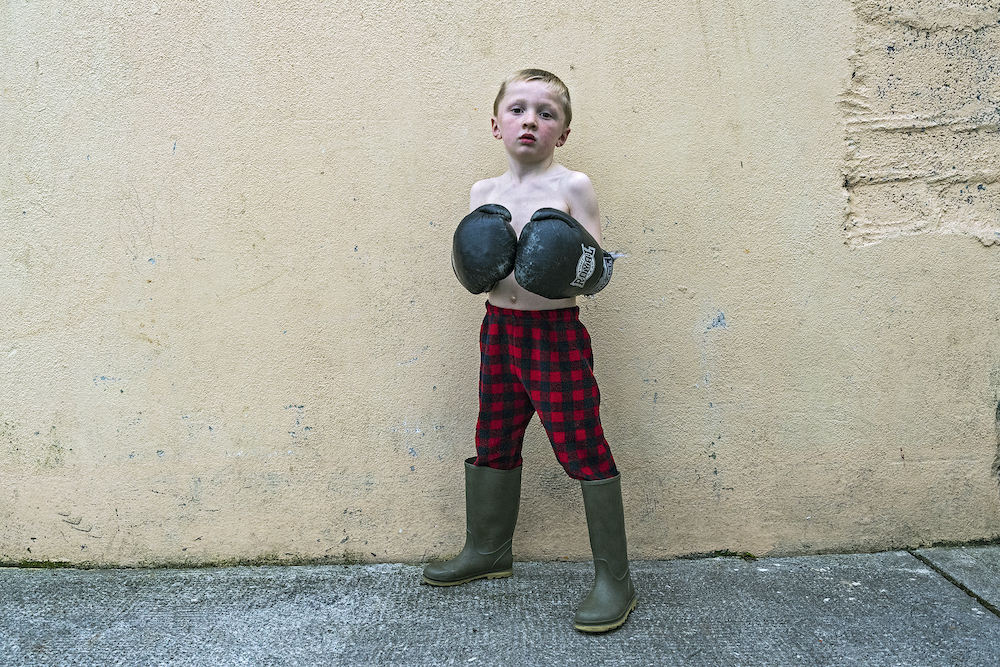
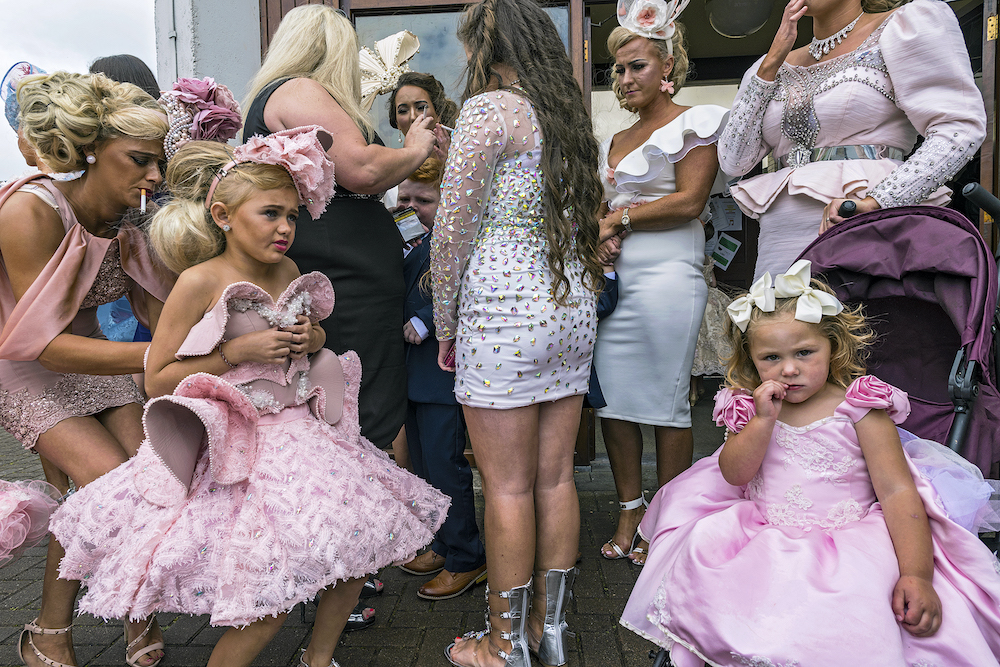
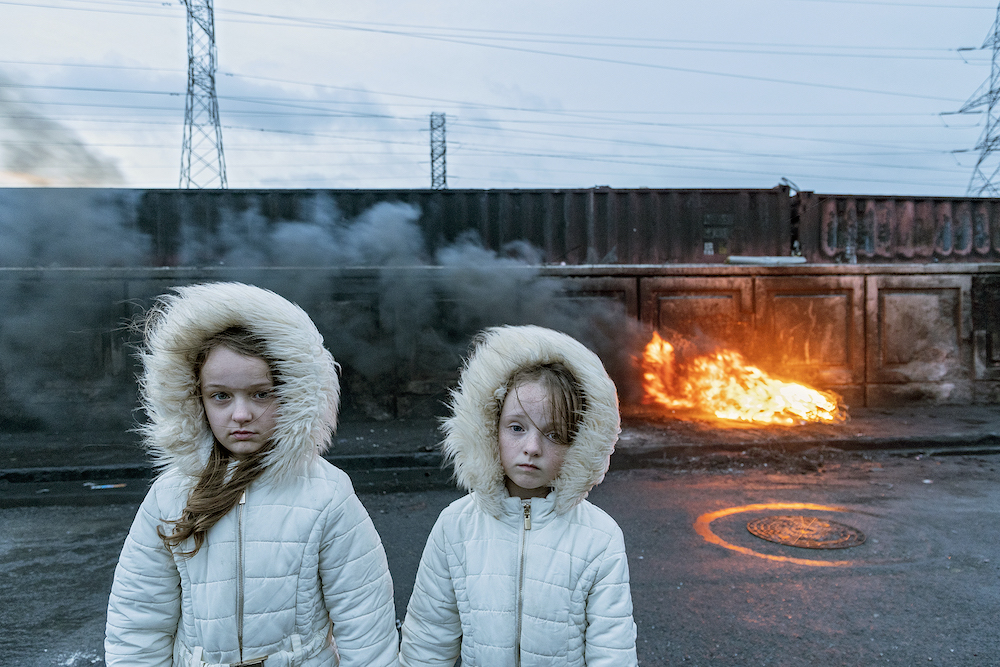
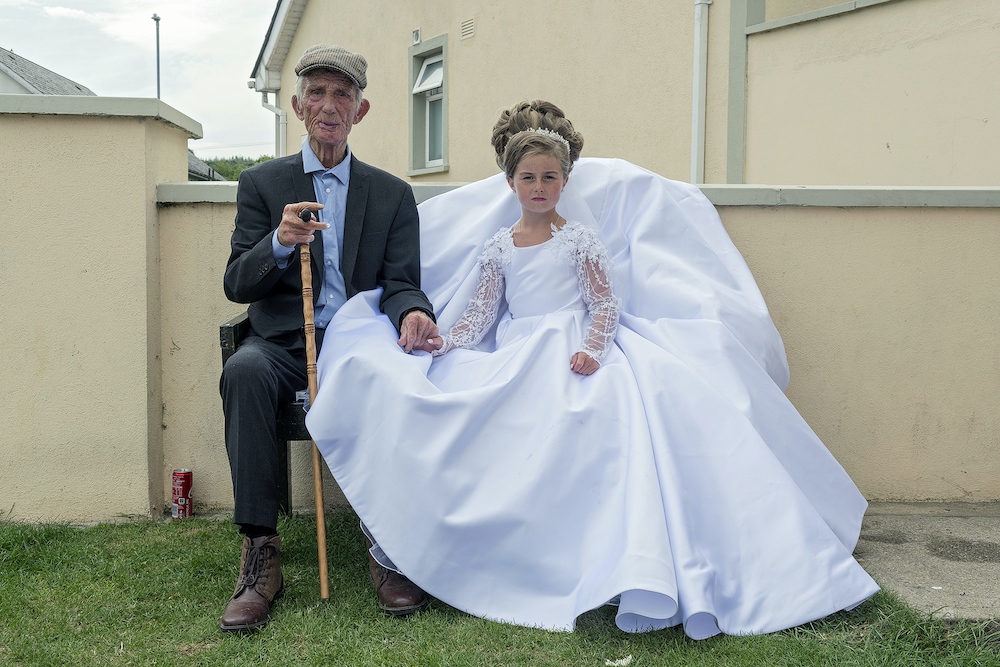
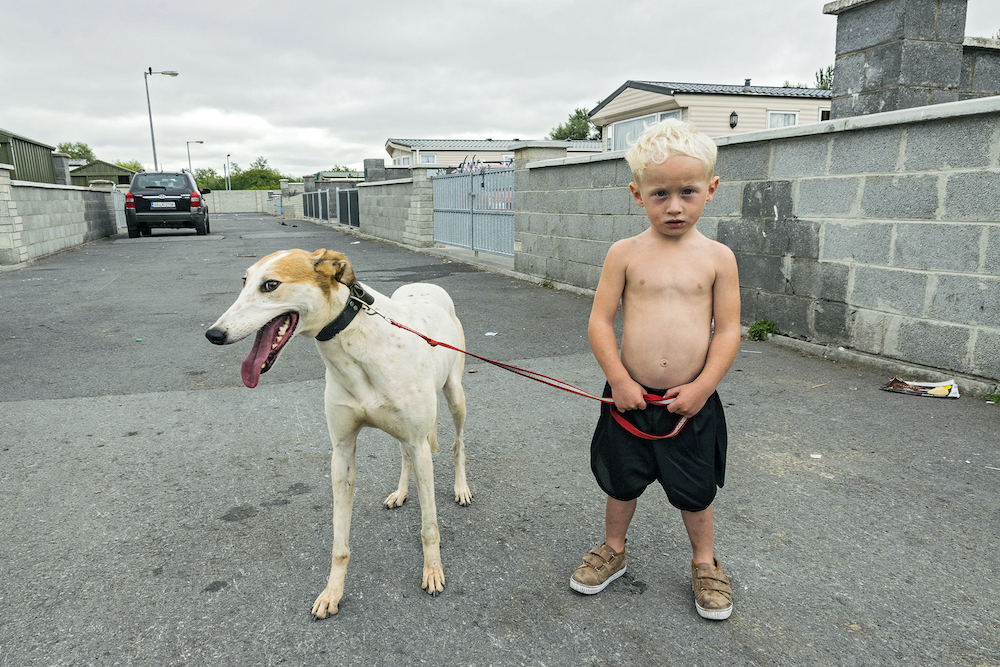
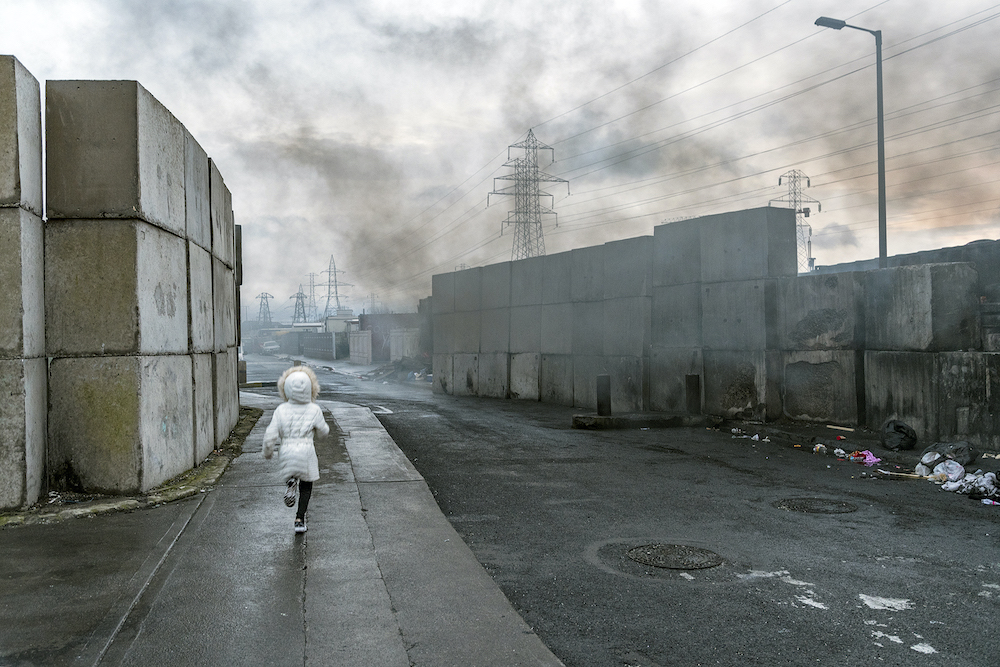
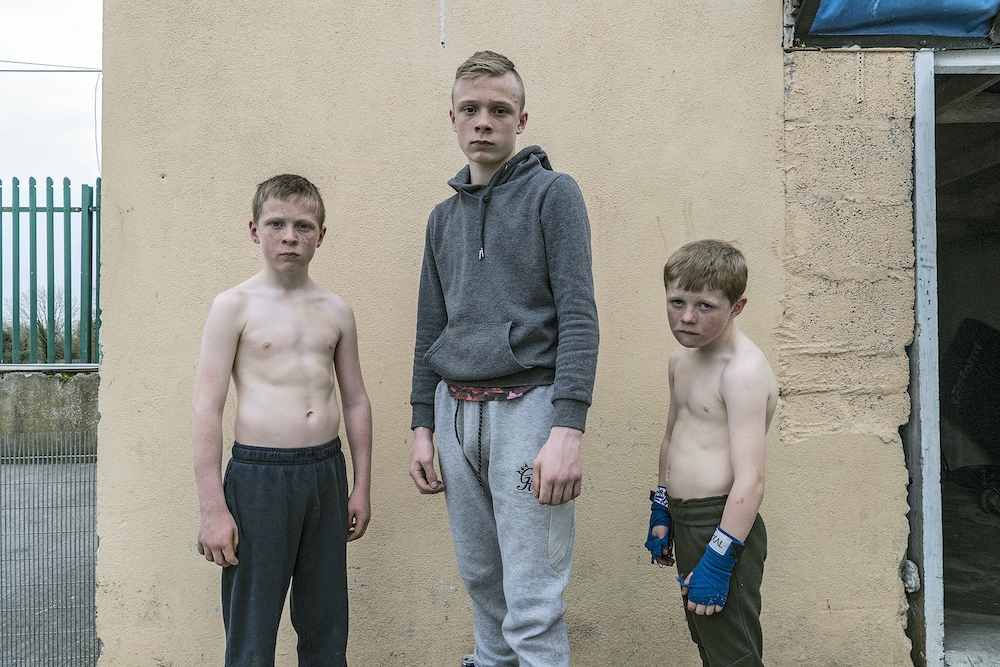
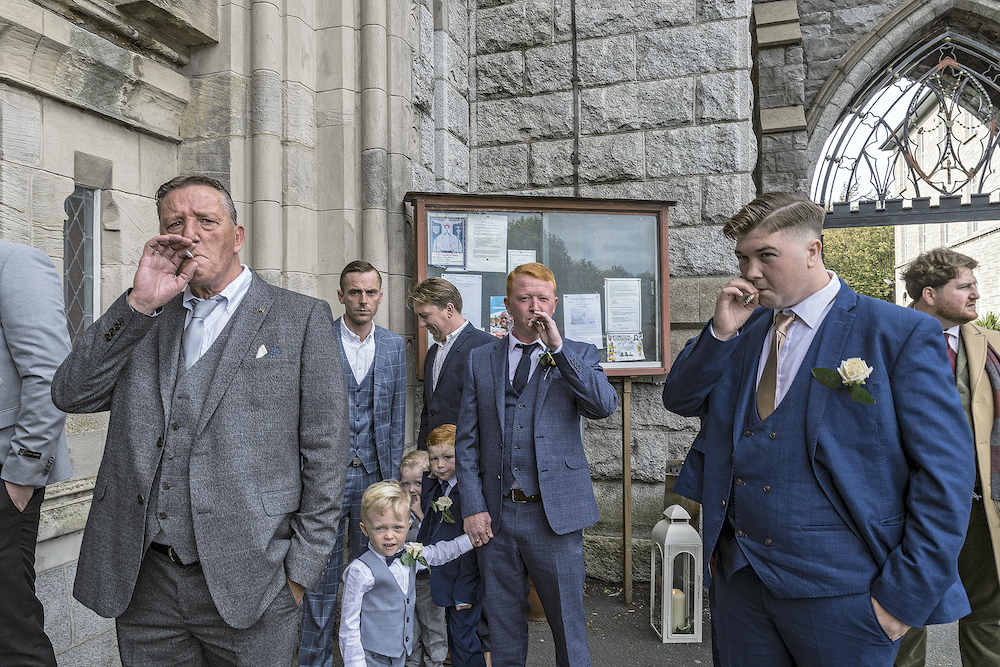
A fire burns behind two girls as they pose for the camera, cosied up in matching puffer jackets  with an unmissable fur trim. The sky is grey, bleak almost, and you can see the signs of industrialisation poking out in the background. Another image portrays a young bride sitting with her great grandfather, just moments after the event. Her hair is big, her dress is as white as starlight. A further picture sees a young boy in boxing gloves, gesturally strong as he dons a look of pyjama bottoms and wellies.

These are some of the scenes depicted in Joseph-Philippe Bevillard’s Minceirs, a powerful series that lenses the lives of the Traveller community in Ireland. Born in Boston, USA before moving to Ireland in 2000, he started work on the project after hosting a workshop that focused on Travellers – Russell Joslin from Skeleton Key Press in Oslo, Norway, then contacted him about the work and they spent nine months sifting through 750 images, selecting the 90 best. “We wanted to show the readers the hidden world of the Travellers in Ireland,” he tells me, who are a community continuously ostracised by society and people across the globe. He went on to meet 200 families in total and, proving the falsity of many claims and assumptions about the community, learned that they are “very humble” people who mostly wanted to keep living traditionally in an increasingly modernised world. “I wanted to capture their way of life before it disappeared; Irish government are trying to force them to live with settled people and lose their identity and lifestyle.”

The resulting imagery is chaotic just as much as it endearing, like a window has been edged open to reveal a lifestyle in all its raw and undulated honesty. Joseph-Philippe shows the human side of the community, which is a skill that’s been refined since he lost his hearing at the age of three. It was around then that he first started drawing and painting, and thus began what would become a lifetime filled with art and storytelling. Below, I chat to Joseph-Philippe to hear more the project.

Paddy, Galway, Ireland 2019

What can we learn about this community, and how did you want to portray them within your imagery?

I hope my images give a glimpse into the lifestyle of the travelling community; I show their hardships, culture and how important family is to them. I try to portray it honestly, where some Travellers live in extreme poverty, while others have made a better lifestyle and love to celebrate life and all occasions. 

What was the process like while photographing this project?

I am very lucky to live in an area where it’s not far from many Traveller campsites, where some are my favourite places and are easily a day trip by car. Sometimes, if it’s over a two hours’ drive, I’m heading to a late-night event like a wedding, or when I have a workshop or a private tour, I would be on the road for one or two weeks. So that is when I would stay in a hotel or B&B.

After Church Wedding, Wexford, Ireland 2019

What was the relationship like with your subjects, did you spend much time getting to know them?

It was difficult at first since being deaf in both ears; communicating with them was awkward but once I started taking pictures and showing them the photographs, they trusted me and brought me to meet other members and clans. Photographs are so important to them. Their photographs from the past are often damaged or missing from moving place-to-place and living in damp and cramped caravans. They said I am always welcome and greeted me with tea and food, and even offered me a bed to sleep. Most importantly, they know I don’t work for the media or the government as they feared they will portray them as bad people.

What’s your main goal with Minceirs, are you hoping to change the negative stereotypes associated with Irish Travellers?

I wanted to show that the Travellers are not bad people. Since they are made up of one percent of the Irish population, they are often demonised by society, and Travellers are often helpless and voiceless. Like any society in the world, when one person commits a crime, they are painted with one brush. For the past 12 years, I have visited their campsites unexpectedly and I have not witnessed any illegal activities. Boys and men were always working with the horses, the women clean their homes, looking after the babies and the children were always playing outside.

Kathleen and Bridget, Dublin, Ireland 2020

What’s next for you, any upcoming projects?

I am continuing to document the Travellers for the rest of my life. Currently and for the upcoming future, I am working on several themes related to the travelling communities. For the past year I have been focusing heavily on the fashion side of the travelling communities, as I find them very elaborate and colourful. Some of the girls have hair almost reaching their feet and start wearing makeup, high-heeled shoes and pierced earrings as young as three to mimic their mothers and older siblings. 

My other themes are focusing on specific families or a campsite. I wanted to capture the transition of the children’s future and what became of them once they leave school at around 15 years of age. Most boys end up working with their father, looking after the animals and working with scrap metal and wood. The girls help their mother, looking after the younger siblings, the disabled and the elderly. Most are married from the age of 16 to 18 and tend to have many children. They are a very tight knitted community and are always looking after each other. This is because it is difficult for a Traveller to gain employment due to discrimination. 

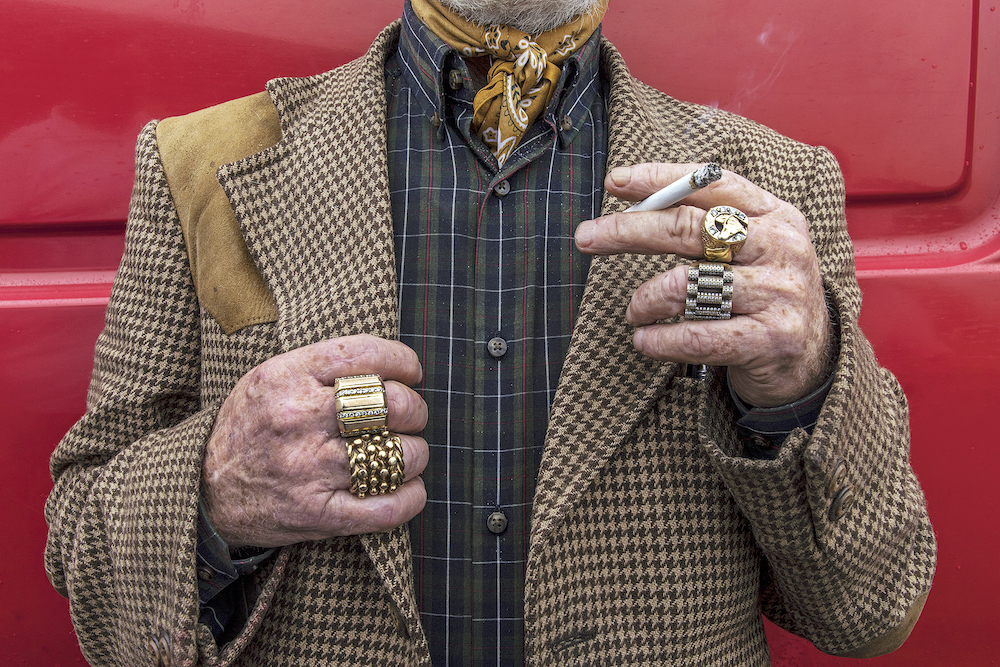
Gold Rings, Galway, Ireland 2019
Murt and his Great Granddaughter Betty on Her First Holy Communion, Wexford, Ireland 2021
William and His Lurcher, Limerick, Ireland 2018
Running Child, Dublin, Ireland 2020
Donoghue Brothers, Galway, Ireland 2019
Connors Men, Dublin, Ireland 2019

Joseph-Philippe’s Minceirs is available from Setanta Books

Jake Michaels: C. 1950

The LA-based photographer talks us through his captivating series documenting the Mennonites of Belize

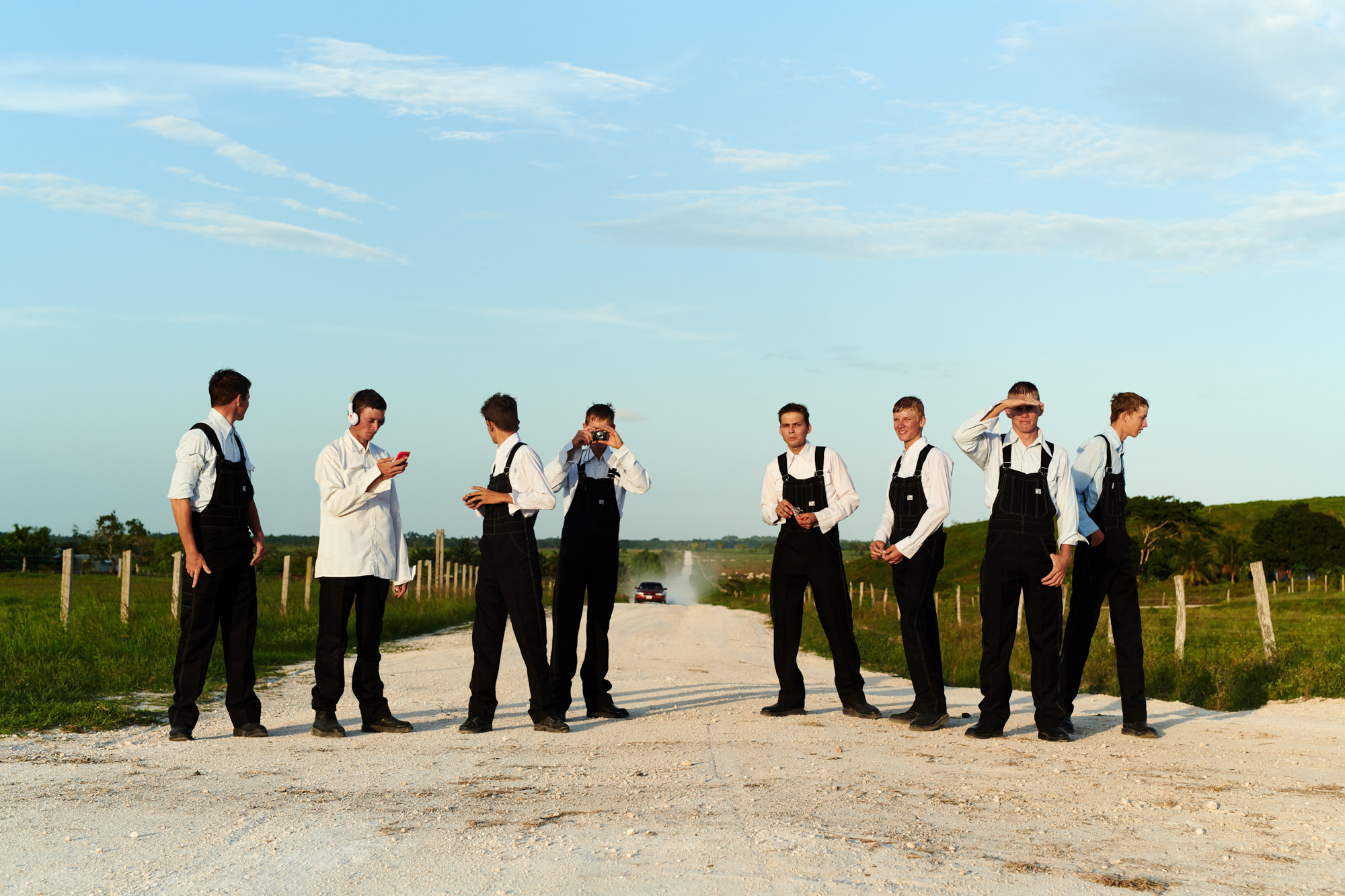
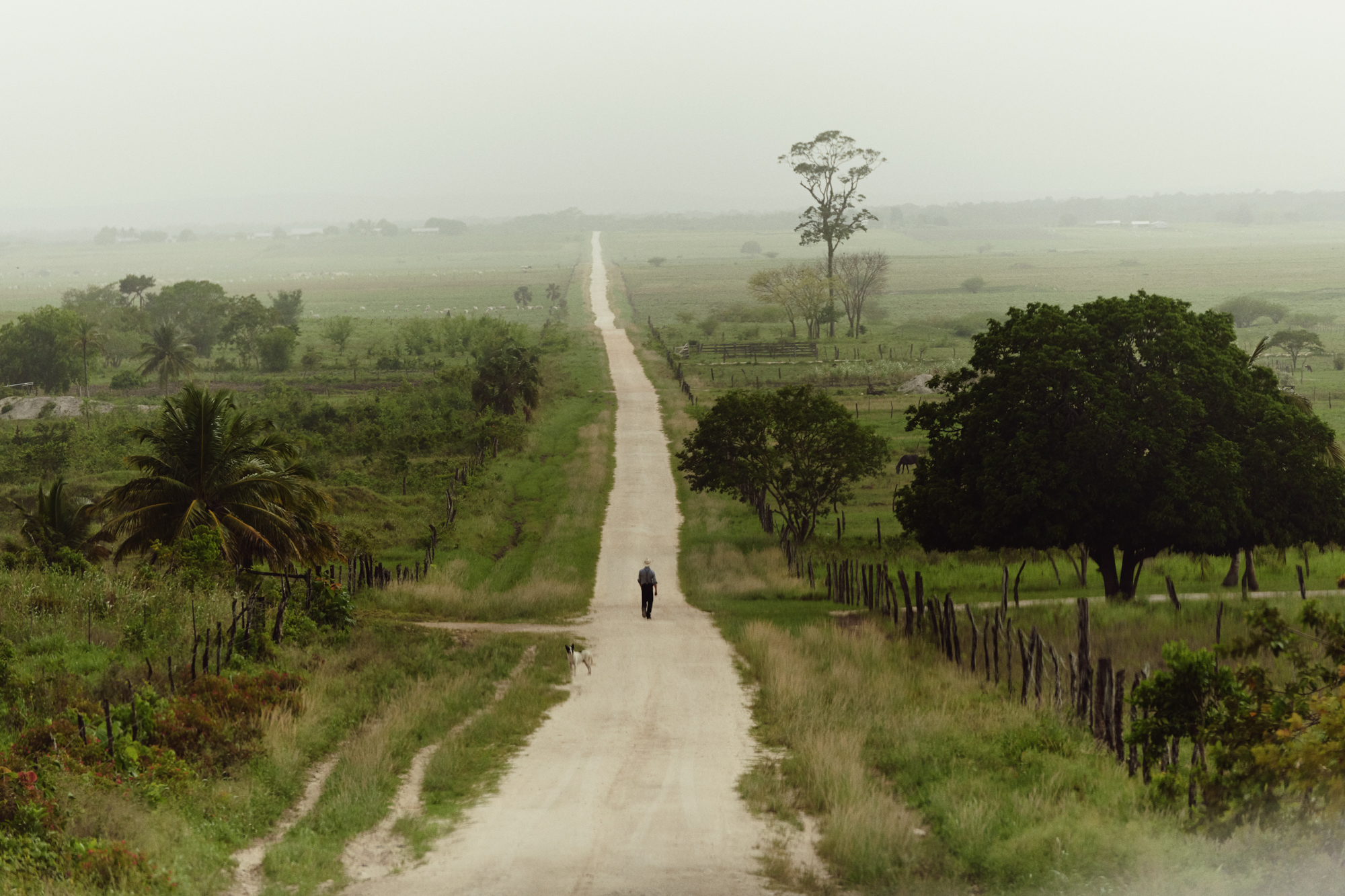
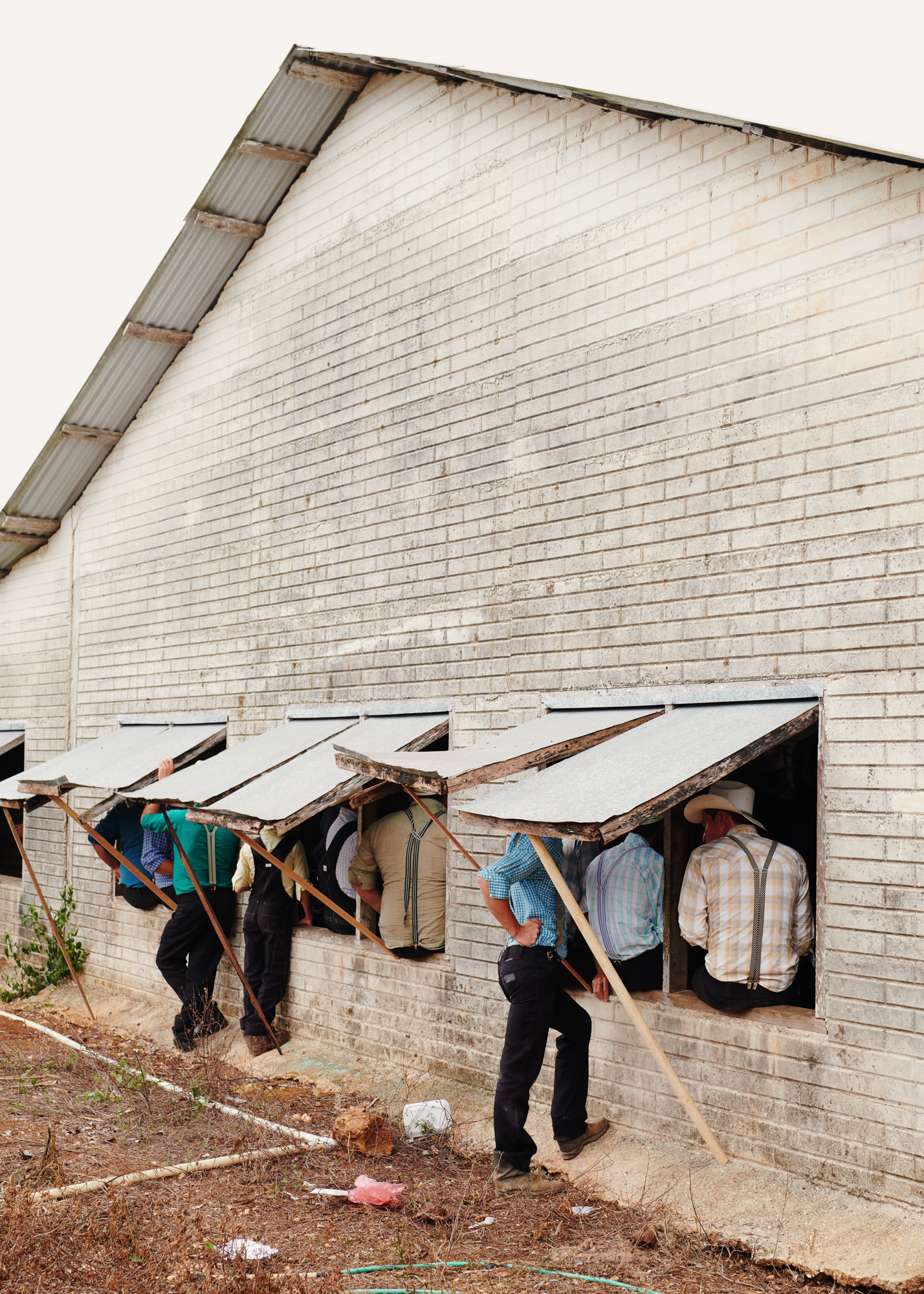
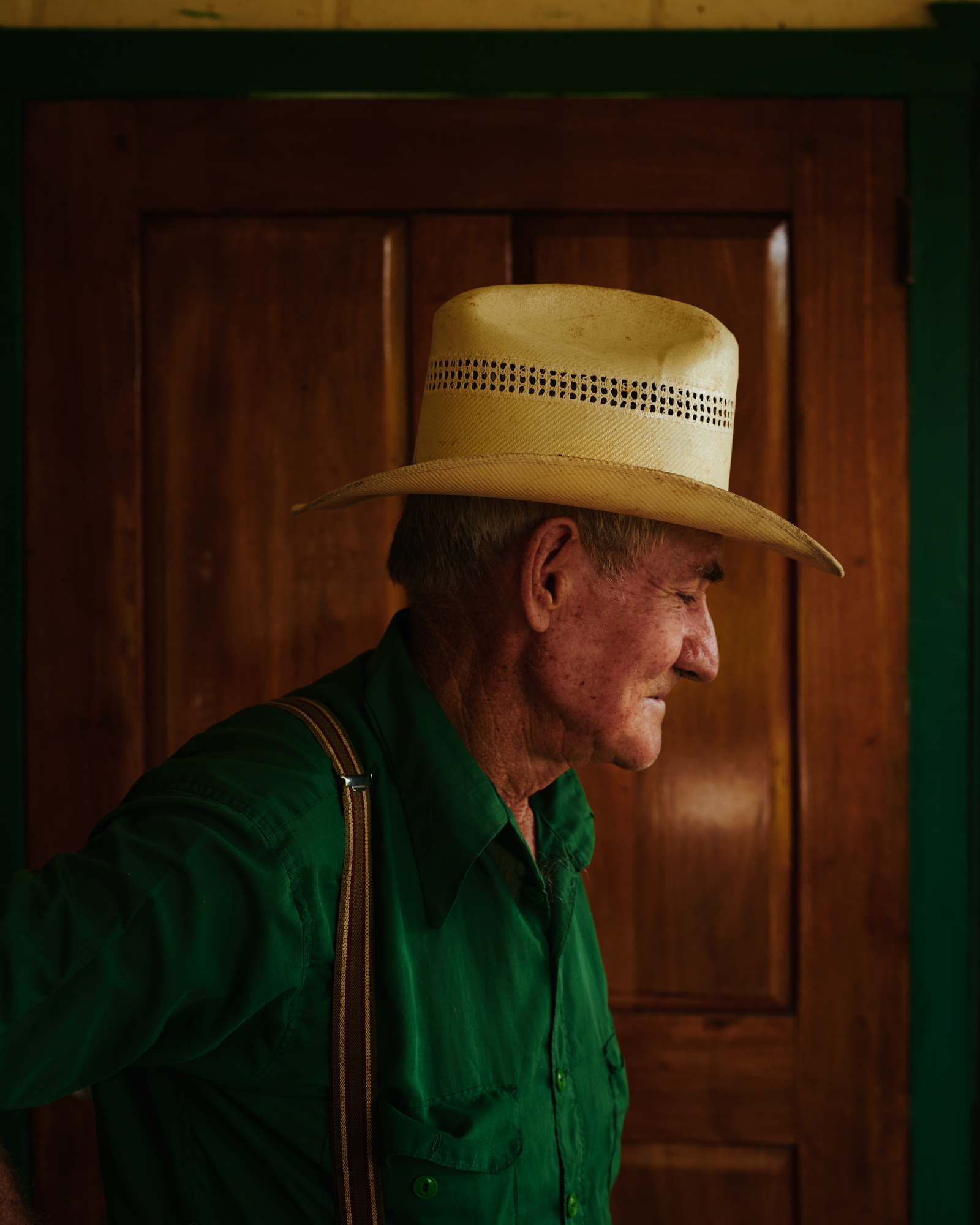
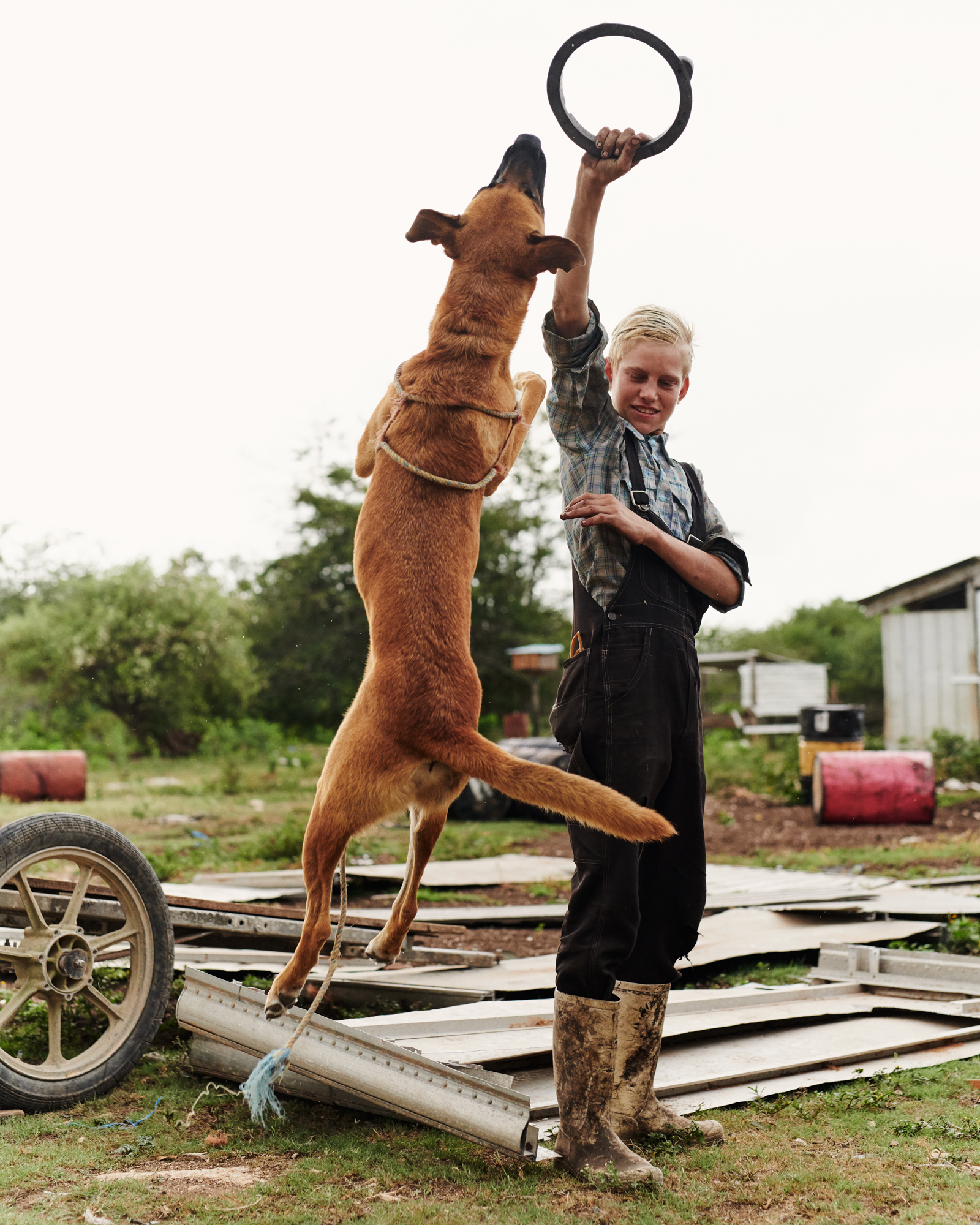
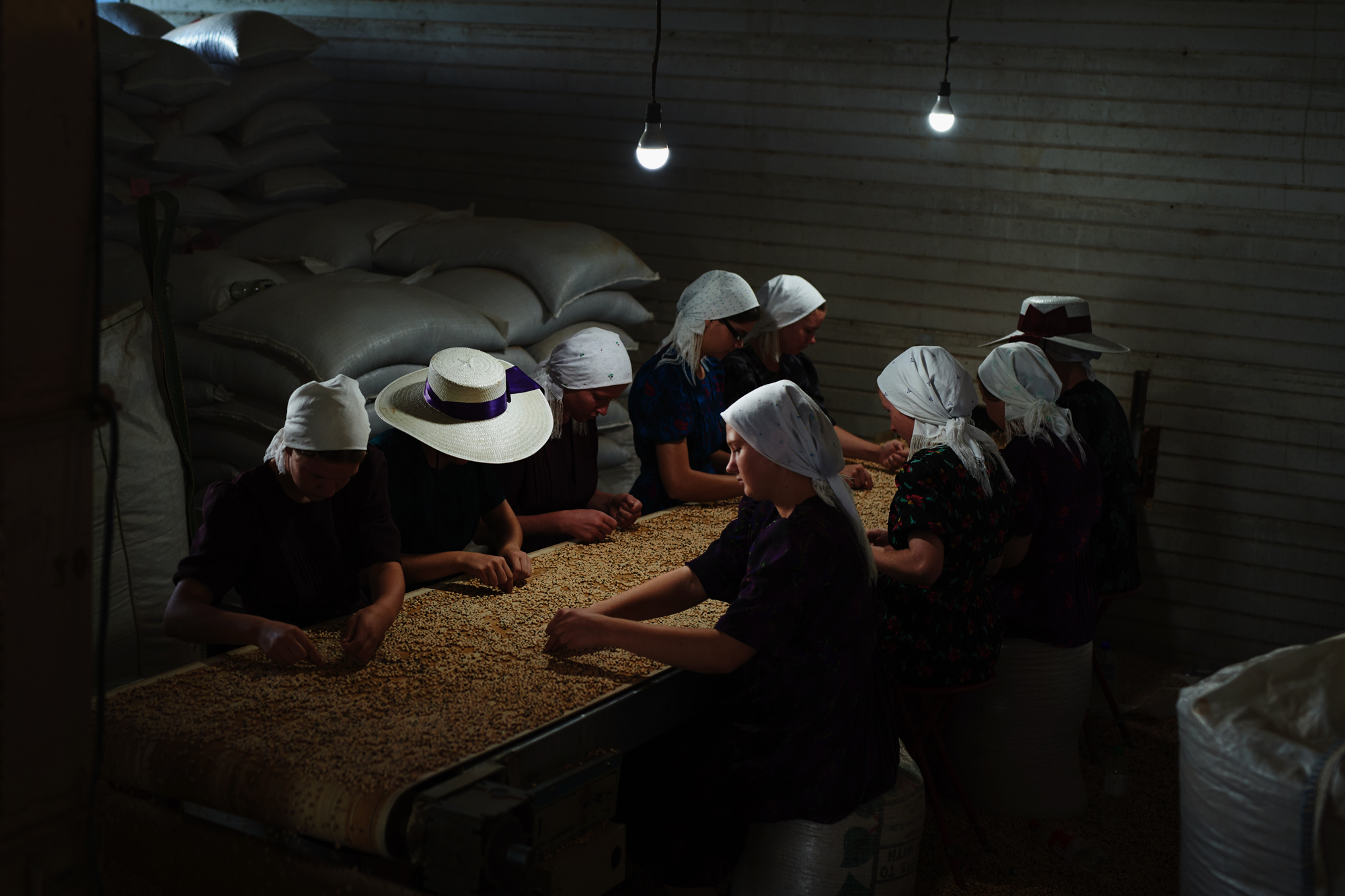
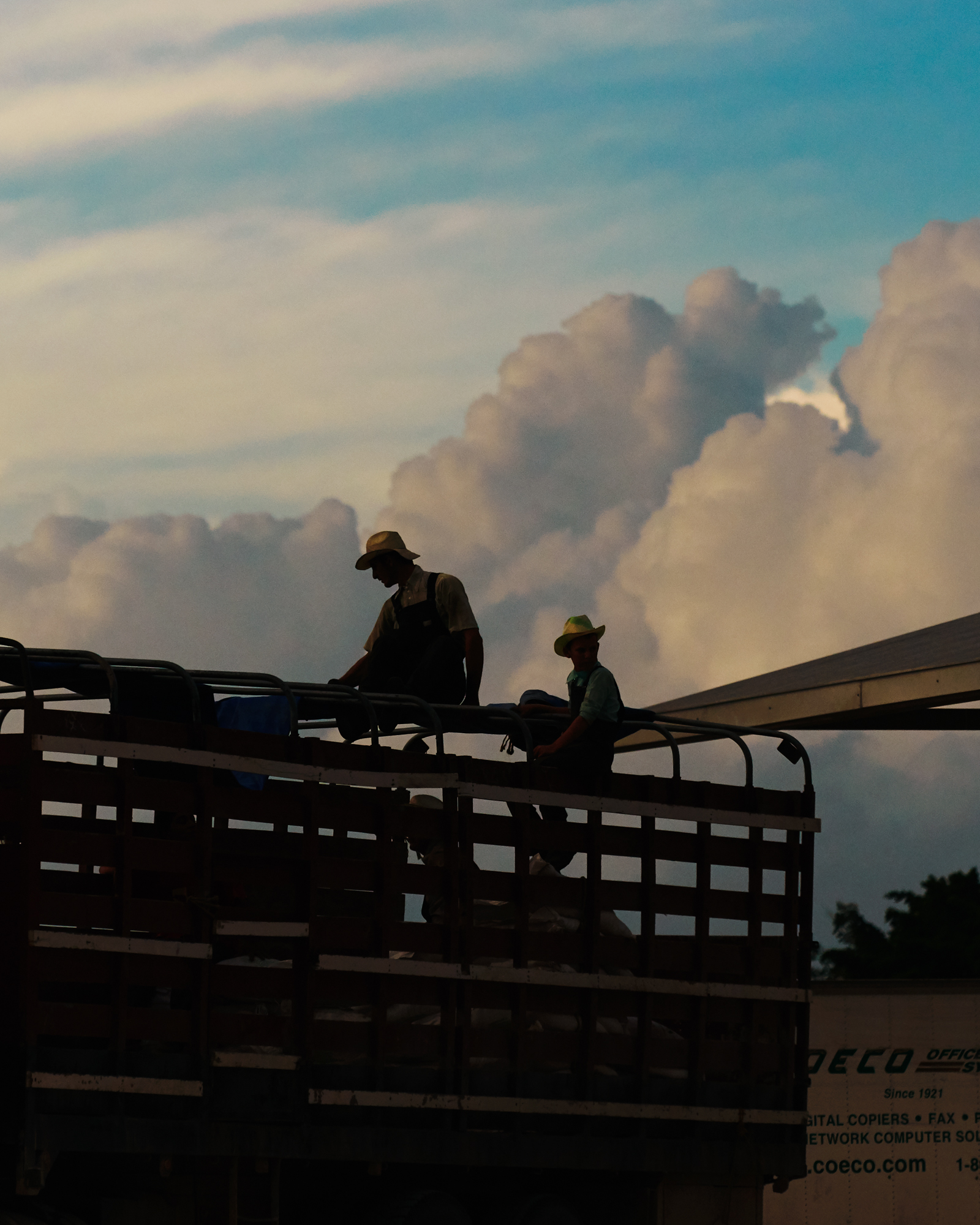
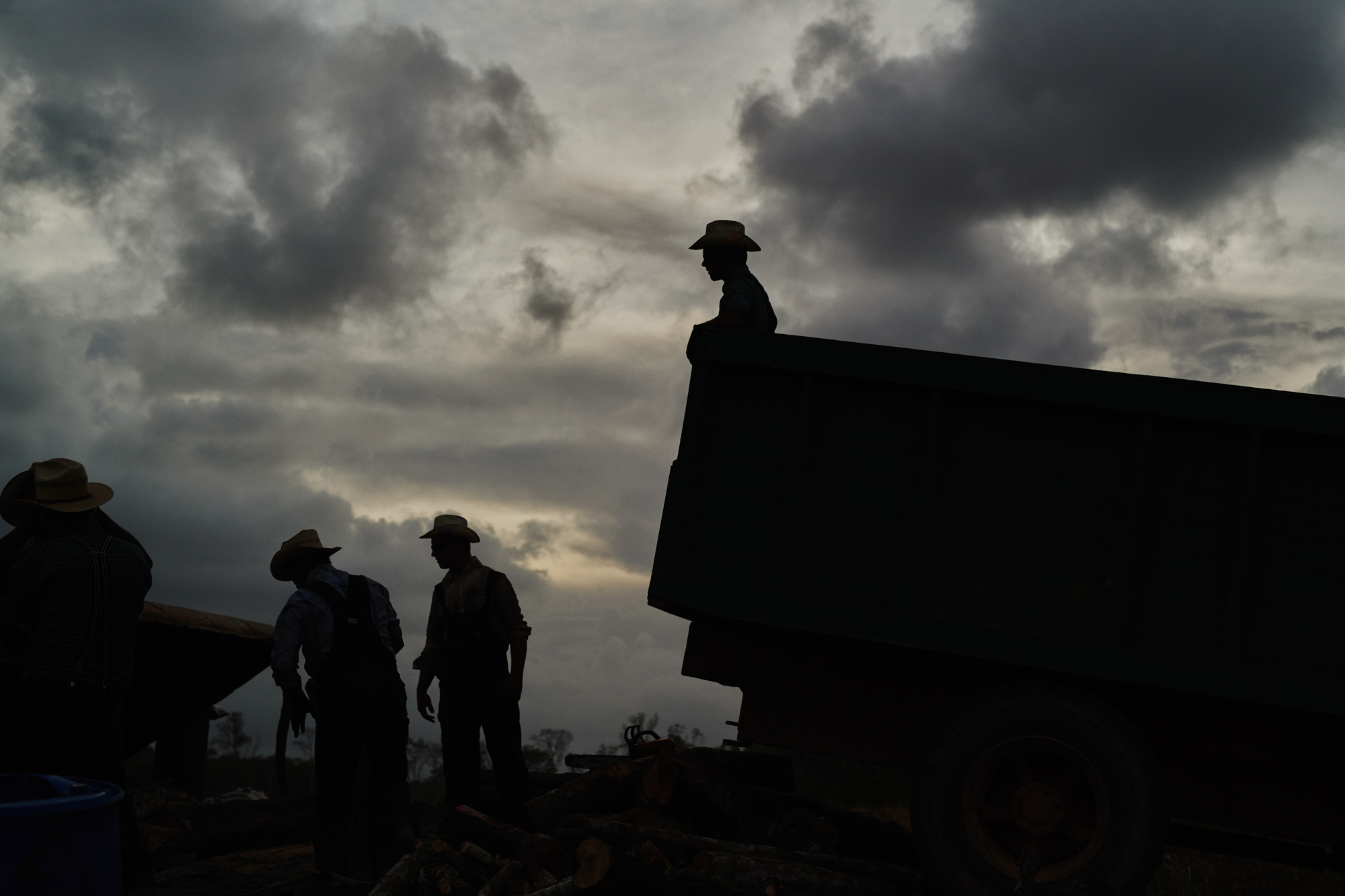
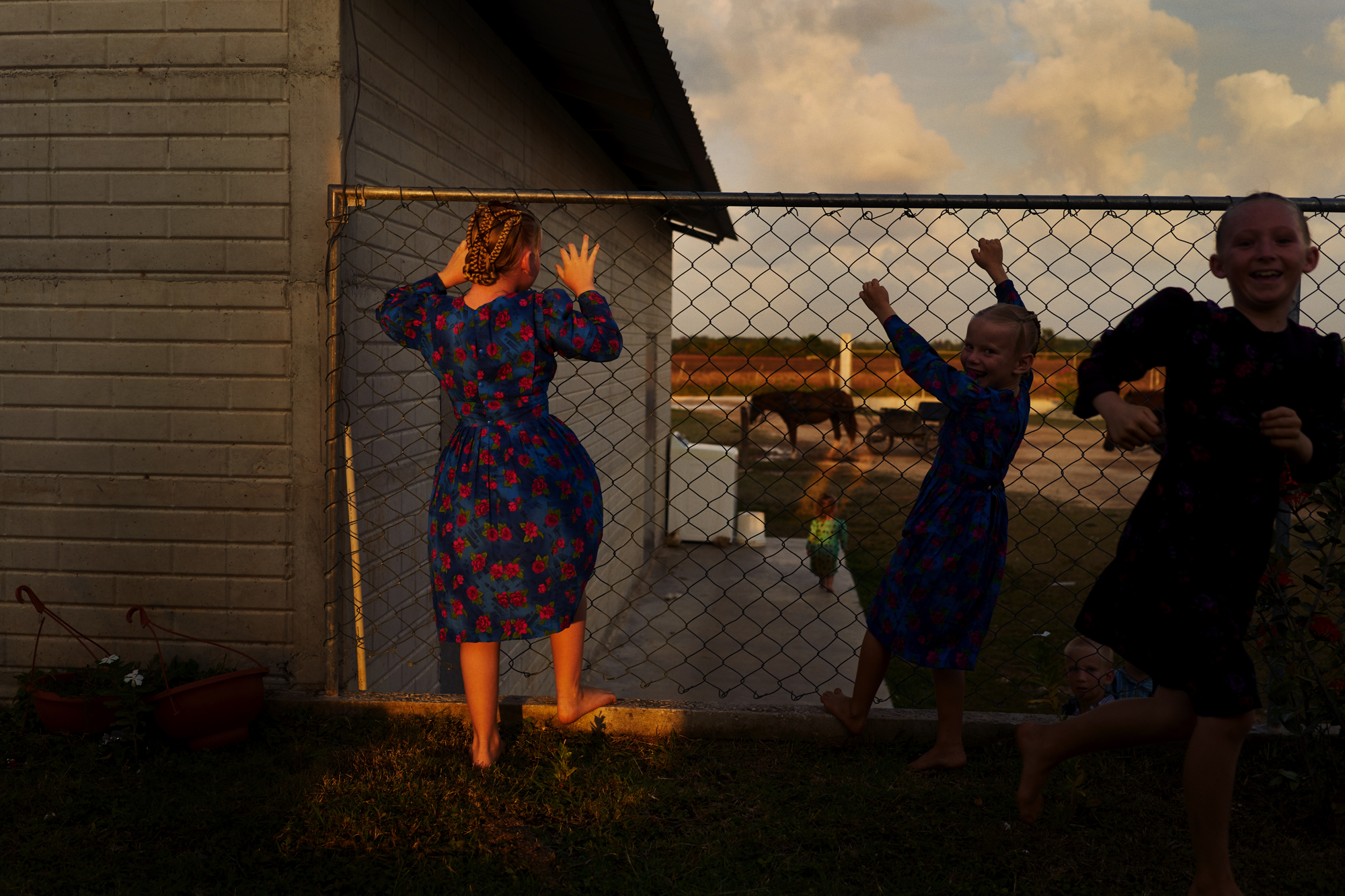
In the late 1950s, when the first Mennonites arrived in the Caribbean country of Belize, they did so with one main intention: to live without influence from the outside world. They moved to be undisturbed, continuing customs in farming and agriculture – growing crops like potatoes, corn, tomatoes, watermelons, papaya and more. Some have also said that, in recent years, the German Mennonites in Belize produce over 85% of poultry and dairy products in the country. They are also known for their skills in carpentry, traditional clothing and language; a vast majority speak Plautdietsch, while some speak Pennsylvania German, English and Belzean Spanish.

Jake Michaels, a photographer based in Los Angeles, first came to learn of the Mennonites of Belize as he was working on a series for The New York Times, looking at the culture of dress worldwide. “I had a few images of Mennonites from northern Mexico saved in my reference folder,” he tells me. This sparked a few conversations with other photographers around the topic, and before long he was introduced to the community. In 2018, C. 1950 was borne – a documentary project that turns an honest and respectful lens onto its people and age-old traditions amidst an increasingly modernising world. Here, I chat to Jake learn more about the series, now published by Setanta Books.

What did you learn about the Mennonites of Belize; did you know much about this community beforehand? 

I had some knowledge beforehand of the Mennonite culture as I did not want to arrive and assume anything about them. I focused on the Mennonites because I found their traditional dress and culture captivating in the juxtaposition of a jungle setting.  

What was the process like while photographing this project, where did you visit and stay? 

Although my time was brief, it was very impactful on my work and my process going forward. I slept in a hotel about an hour away from the villages because that was the closest lodging to the community. I found that removing myself from the surroundings allowed my mind to reflect on the day and make better images the next. 

After gaining access to the community’s families, was it hard to gain trust, or were they open to being photographed?

I had conversations with each family and the pastor from the villages. I feel the people’s engagement was just as meaningful as the photos themselves. Everyone I encountered was very hospitable and open to the project.

Did you spend much time getting to know your subjects, or were you more of an observer?

Every family was a different experience. Some I played games with, looked over books with, or just shared a meal. Photographing a community like this, it is essential to share as much as they give.  

Can you share any stories from working on the project?

One of the most impactful parts of the project was my ability to be present and not looking towards the next shot, engaging in the present instead. With the pace of my normal day-to-day, it was essential for the work to be present.

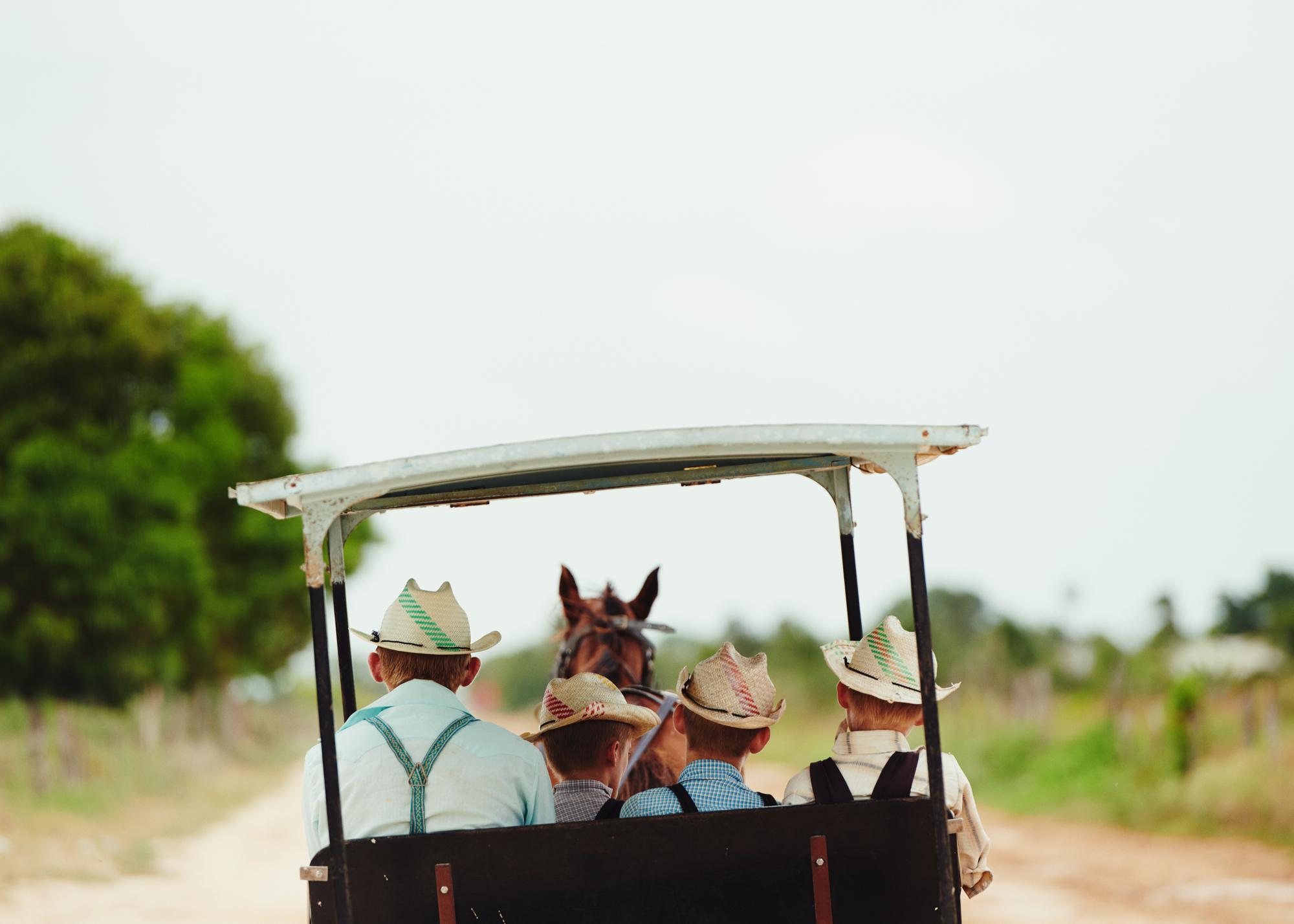
One of the experiences that stood out in my mind, was when one of the families I had a Saturday night meal with gave me their horse and buggy to try out. Without any guidance or hesitation, they said, ‘here you go’, and handed me the reigns. The horse knew what to do, so that took the pressure away. The experience of driving the horse through the dirt road gave me a brief glimpse of their point of view, and gave me a better sense of the visual landscape. 

What’s your main goal with c.1950?

My main goal was to create a body of work that reflected what I had seen in the project, and document the Mennonite people and their culture as we all become more of a global society. 

Photography courtesy of Jake Michaels