Transbrasil

Rafael Medina documents queer trans life in Rio through his intimate photography 
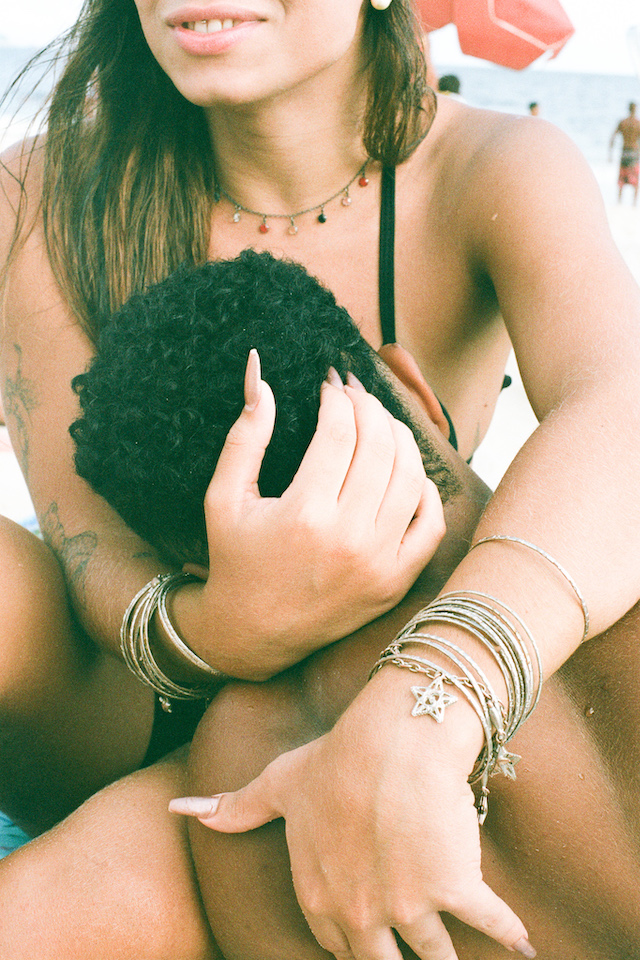
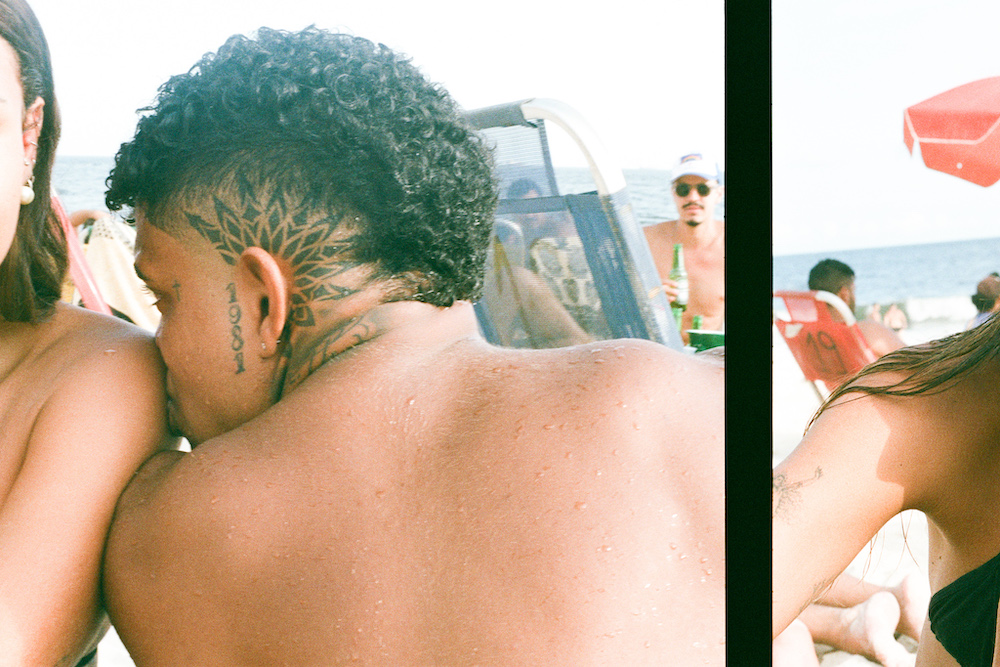
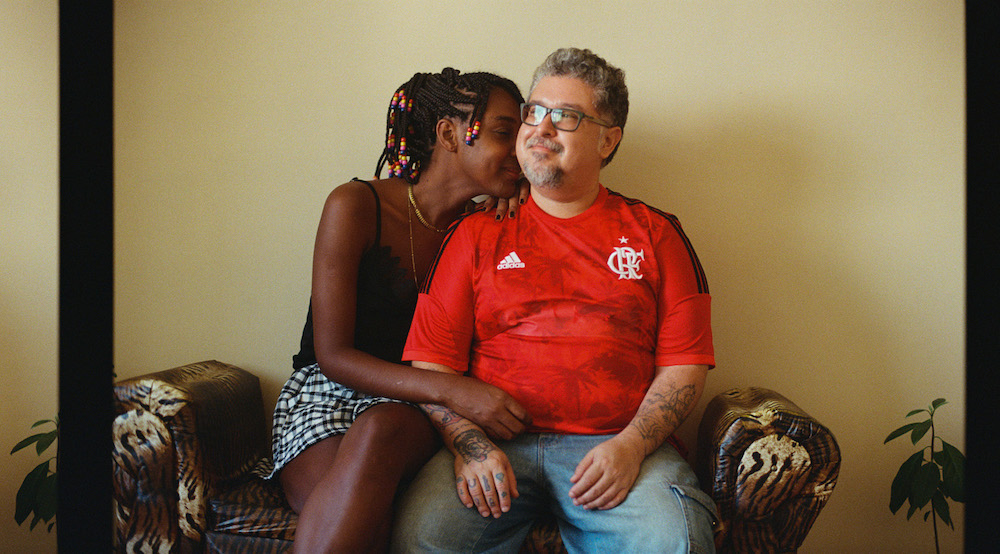
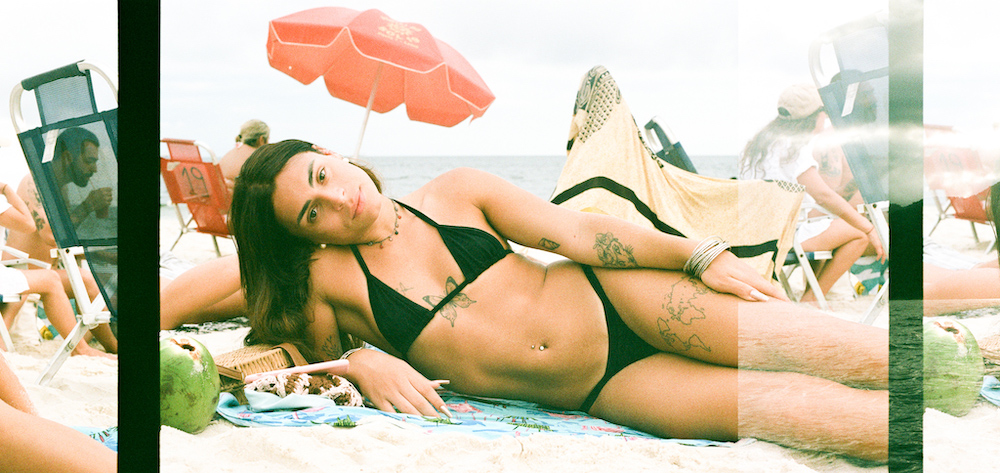
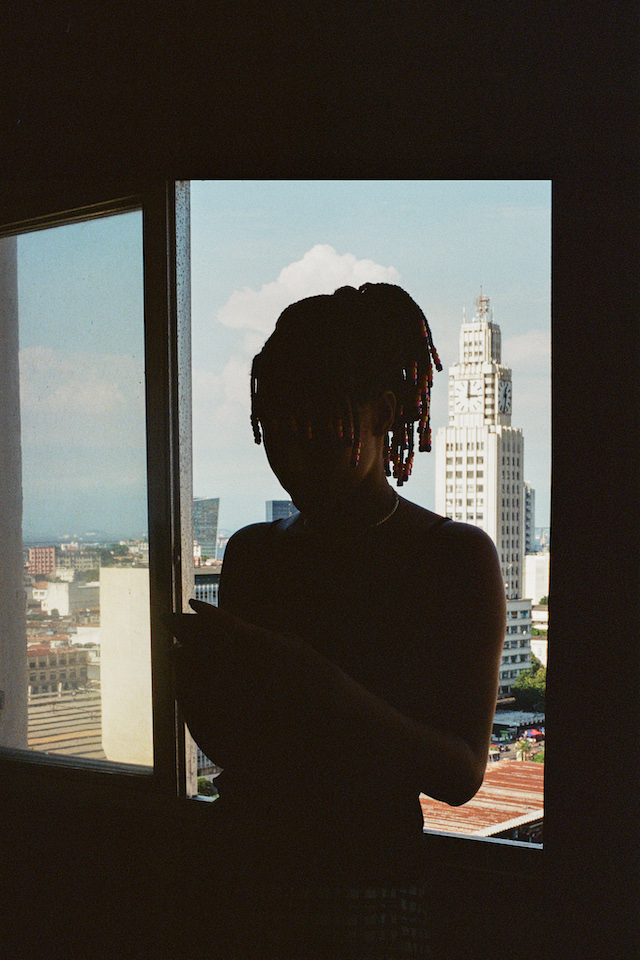
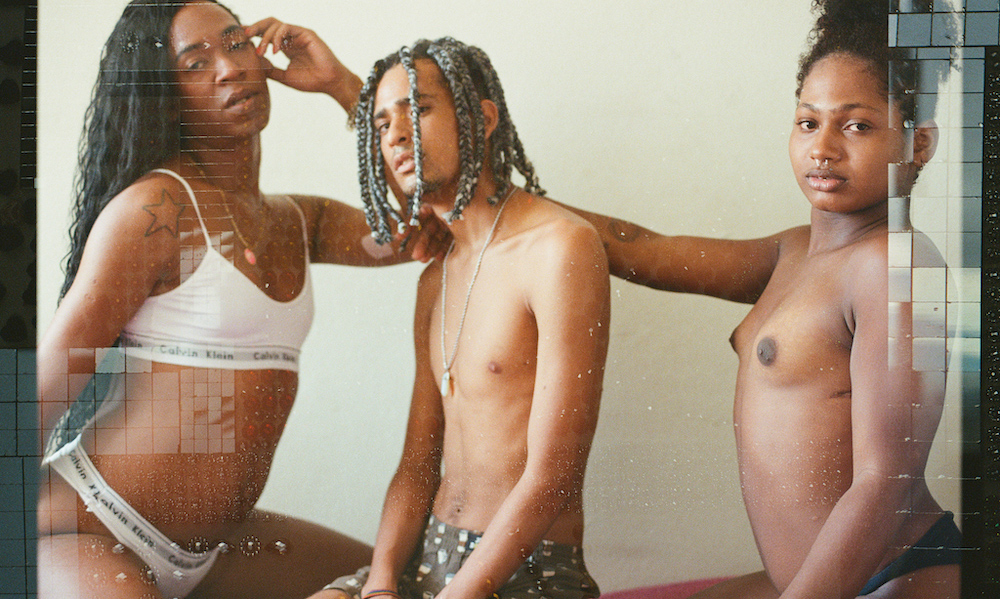
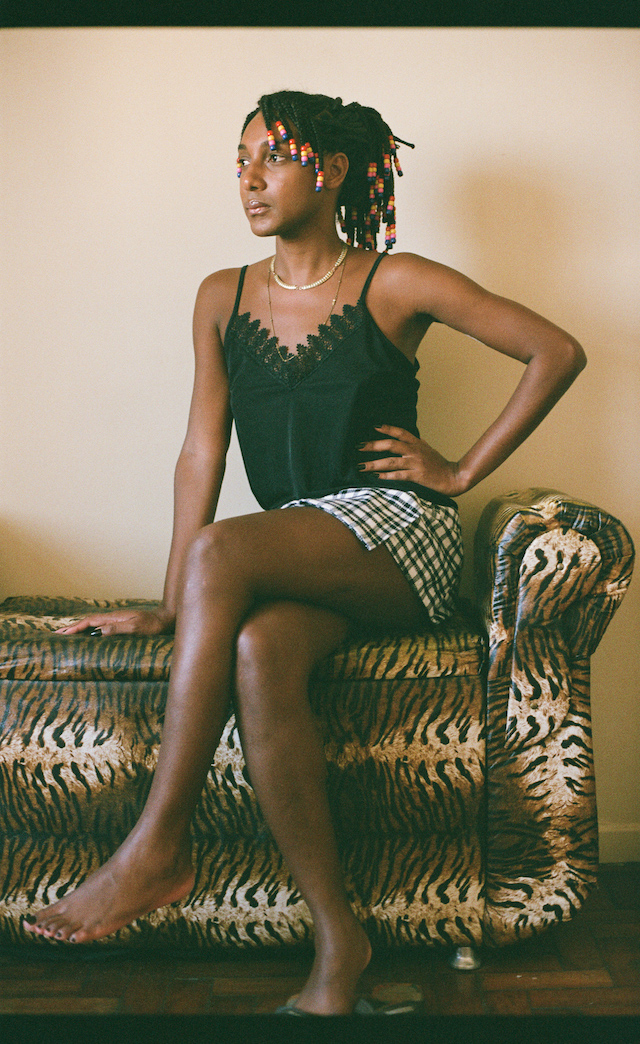
After four years away from his hometown of Rio de Janeiro, Rafael Medina finally returned from Berlin in November last year. Upon doing so, he noticed how many of those in his friendship circle have started to open up about being transgender. As such, Rafael decided to embark on a photographic project documenting his five close friends – Naomi, Ellie, Caterina, Galba and Williane – as they go about their daily life in the city. Far from your typical foray into life as a queer trans woman living in Rio de Janeiro, the series, entitled Transbrasil, is intimate and nostalgic; it’s a touching window into the relationship, closeness and acceptance between friends. A time capsule of sorts, the project also takes a vital stance against homophobia, censorship and violence that’s continues to be inflicted on the trans community today.

There’s much to be unearthed throughout Rafael’s empowering imagery, and the work has been exhibited as part of an exhibition programme run by queerANarchive, which recently closed Club Kocka Gallery in Split, Croatia. His other works, in equal measure, have had similar impact; Skin Deep, for example, is a visual record of sexuality and the body of gay men above the age of 60. And back in Brazil, he was also the founder and creative director of the online magazine and sex party FLSH. Here, Rafael talks me through his reasons for starting work on Transbrasil and what his hopes are for the future.
What first drew you towards photography?

I’ve been interested in photography since the beginning of the 2000s. It was a naive start. At that time, the first digital cameras were released and I bought a simple Kodak. I ended up getting obsessed with it, as I used to bring the camera every time I went clubbing. I had just come out of the closet. It was the beginning of my young adult gay life. I was fascinated by the characters and the aesthetic I saw in the clubs. I guess that’s when I started to get interested in photography. 

What inspires you?

What inspires me… I think I get inspired whenever I have a problem. Something that personally bothers me or somehow calls my attention. An issue I want to understand or to dig deeper into. It can be a feeling or some idea that I want to share visually through photography.
When and why did you start work on this project, what stories are you hoping to share?

Transbrasil started with my will to portray the actual state of things in the Rio de Janeiro’s queer life through my personal relationships. Last November, I had the chance to visit my country for the first time after four years since I’ve been away. During those four years, something came to my attention. There was an expressive amount of people, from my circle of friends and acquaintances, who used to present themselves as cis men and, now, are opening up about their transgenderness. So I thought it would be an interesting approach and a good way to define a new moment in the queer life in town, if I photographed some of those people.

Can you tell me more about your subjects – your friends – and what they’re like? Why did you decide to photograph them, and how did you want to portray them?

Well… what should I say? My friends are amazing! Catarina, Ellie, Galba, Naomi and Williane all have bold personalities and I admire them for that. But it’s also interesting that each one of them has a unique path on how they come to perform their gender.

The choice of portraying my own personal circle of affections, instead of already known characters, has to do with the visual point of view I want to offer as a photographer. I understand that I have a privileged and intimate point of view over my friends, that I will hardly ever have with people I’m not close with. It’s about this feeling of being comfortable around them. In my work in general I’m interested in showing this inside subjective point of view of situations.
The style of the series gives off a textural and almost archaic feel to the imagery. What are your reasons for shooting this way? Tell me more about your aesthetic decisions.

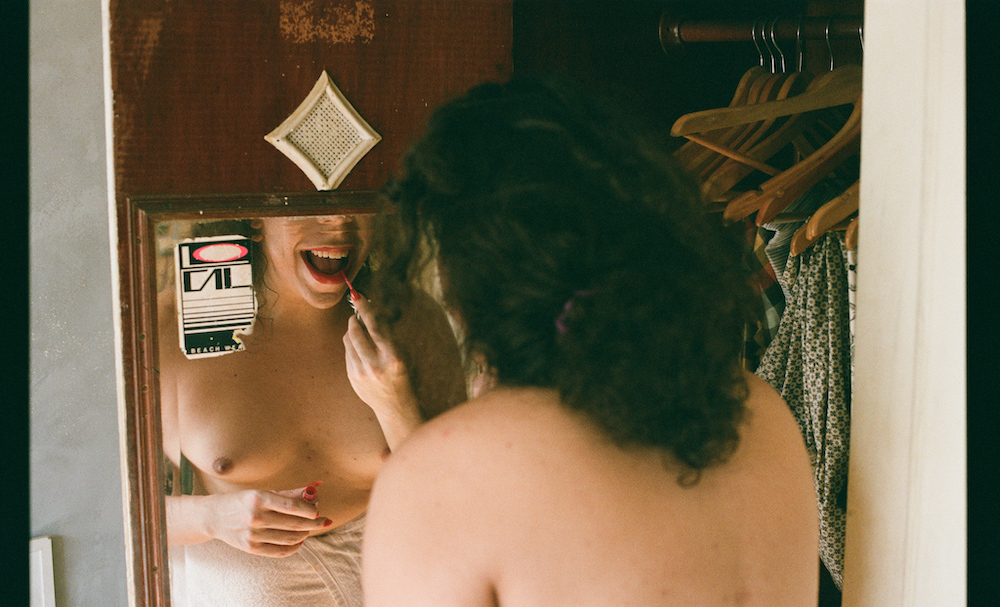
Style-wise, I’ve been working with analogue photography since 2016. I’m interested in the materiality of the final result and how the grain plays a role in the image. And also the experimental possibilities that analogue can give me. Lately, I’ve been experimenting with multiple exposures; I’m interested in how an image can contain several layers of time, and also how to give space for unexpected new images to appear within those layers.

This series represents a very emotional moment for me. Coming back to Brazil brought back a lot of memories from the past, not only from my relationship with those five friends, but also my general past life- m y childhood and young memories. I wanted to imprint that general nostalgic feeling I had, of memories related to affections. Therefore, during the exhibition, I had part of the photos shown on two vintage photo albums, in order to connect with the viewer’s own nostalgia and affections. 
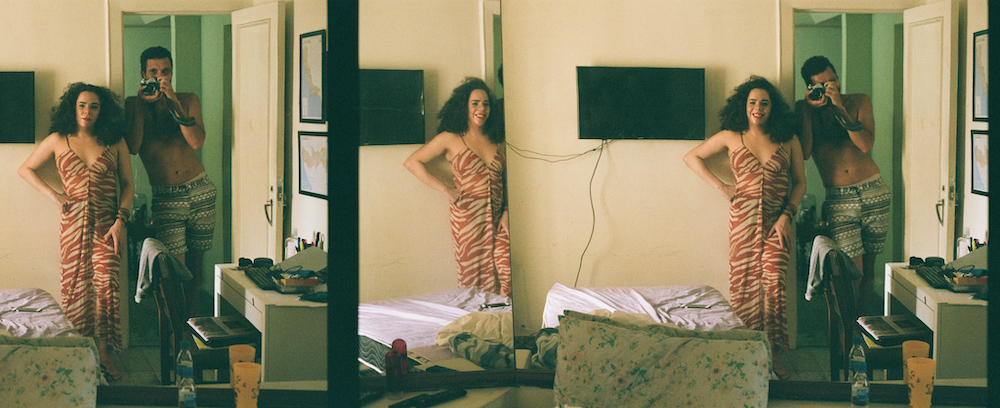
Are you hopeful about the representation and acceptance of trans people, particularly in Brazil? And in what ways can art and photography help?

As we Brazilians used to say, “Brazil is not for beginners”. That joke is, indeed, grounded in some truth. You have to understand that Brazil is a place full of contradictions. We have an extremely violent history. We were the last country in the world to end with slavery. We are still the country with the highest rates of trans people killed every year in the world. There is a big unhealed wound in our society towards Black people. So, of course, trans Black women are a group that is very fragile in this system. Especially now with a president and his supporters who are openly transphobic, homophobic and racist, who only does not do anything to support minorities, but do an active effort to attack the few progresses we have achieved over the past decade. 

Nevertheless, I felt that the Black and queer community are more organised than ever before, and they end up managing to set the discussion on society. There is definitely more visibility towards those subjects. Nowadays, you can see in a women’s TV show a Black trans artist, like Linn da Quebrada, or a performance of a drag singer, like Gloria Groove, on a Sunday variety TV show. But, the everyday reality of queer, and specially trans people in the Brazil, is still very tough. It’s harder for them to find jobs, to have opportunities and to be respected in society’s everyday life.
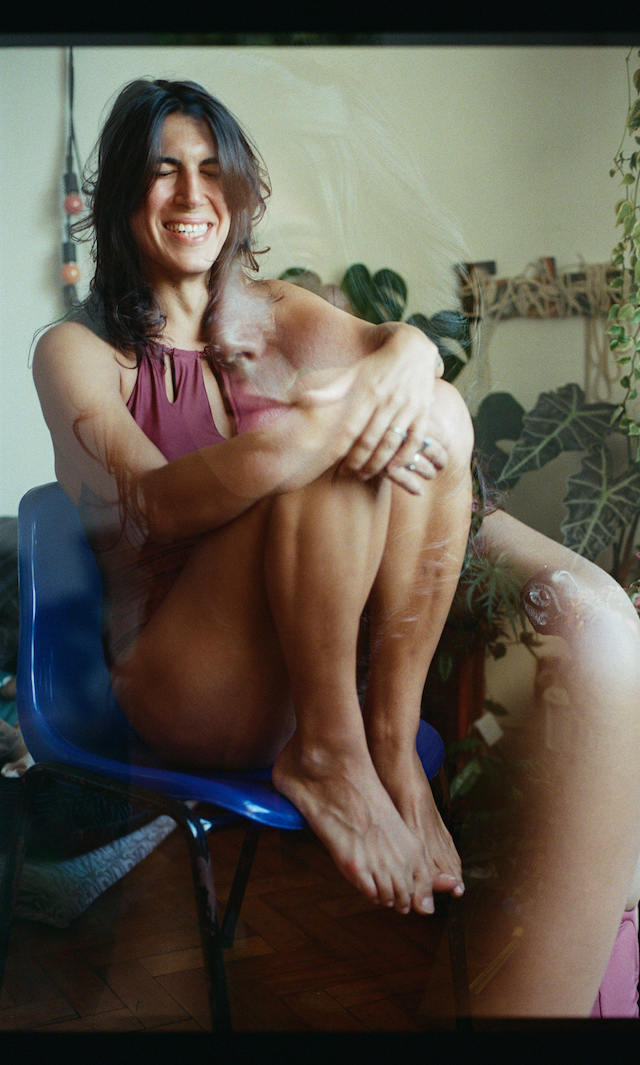
How do you hope your audience will respond to your work?

Well, there is no other way to answer this question as I hope they respond very well! But seriously, I know that I’m not changing the world with one photography series and I also understand that in this specific matter of transgender issues, it’s our fellow trans people who have to take the lead on the discussion and how they want to be perceived. I just wish that the audience will understand we should not only have representation of trans and queer people but also that they are able to be part of the everyday life and that includes having more opportunities. How many of us cis people have close friends that are trans? How many of us have trans people as work colleagues? We, as allies, should be thinking about it! 

What’s next for you?

I just had a solo show with Transbrasil in Split last August. That was an invitation by the Queer Anarchive, a Croatian LGBTQIA+ institution. My plan now is to bring the exhibition to other places. I want to show it here in Berlin and also in other cities in Europe. And hopefully, if I’m lucky enough, I will also manage to bring it to Brazil.

I’m also planning to edit a photo book about my experience visiting my country. Transbrasil will be a chapter of what is going to be a bigger project centred on this feeling of ‘vertigo’.  
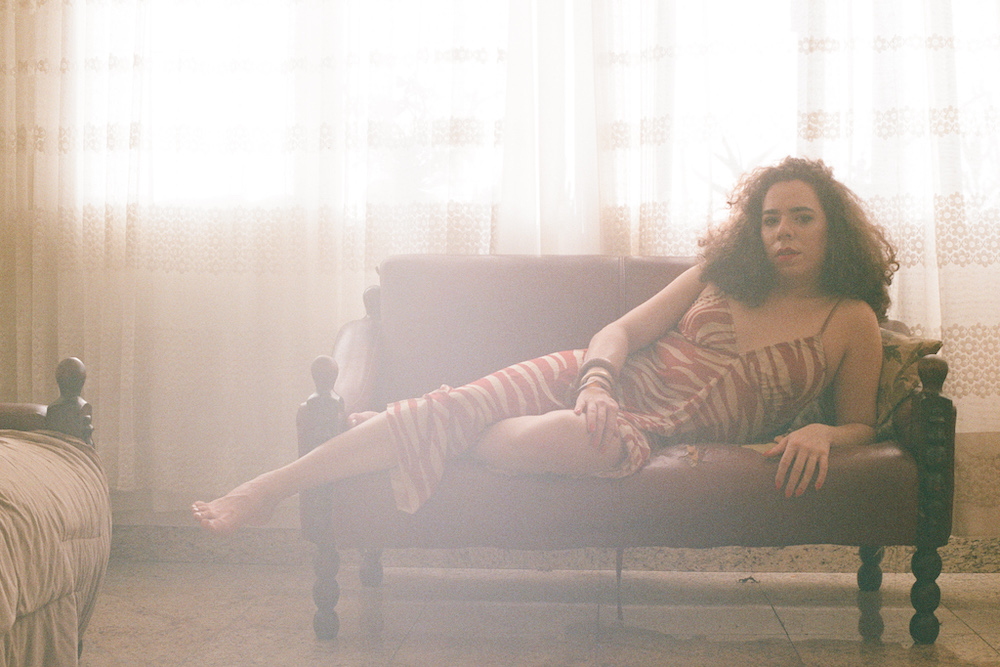
All photography courtesy of Rafael Medina
The Endless Sleepover

Allegra Oxborough’s 10-episode web-series affixes a gaze onto the challenges of parenthood over the pandemic

So much as modern societal expectations are concerned, reaching your mid-30s usually means it’s time to start having children. Allegra Oxborough, an artist and filmmaker based in Brooklyn, is currently at this benchmark, where most of her friends are becoming parents. “I know that some people continue to make art after they have children,” she tells me, “but there are so many more time constraints and financial responsibilities – I’ve always been scared of what that would mean for me as a woman, creative freelancer and artist.”

Having grown up predominantly in the mid-west, Allegra has now been rooted in New York City for the last eight years, building on an artistic practice that navigates through research, documentary and narrative. She’s created numerous shorts, experimental films and music videos, all of which are crafted in docu-narrative style – a marriage of documentary and fiction, coupled with a respectful dive into the world of someone else through means of a lens and storyboard. So when Allegra arrived at the age of 30-something, she started to question her options as an artist, woman and person veering onto later-adulthood; someone who might soon be a mother, or might not. 

Let’s just say that many of life’s questions were beginning to brew. “I figured I’d need to get health insurance or an office job, and that I would have to somehow cultivate extreme confidence in my practice and in myself if I wanted to keep making art, or else feel very selfish. I also feared that I might just stop caring about making art if I had a kid. At the same time, I don’t want to regret not becoming a parent.”

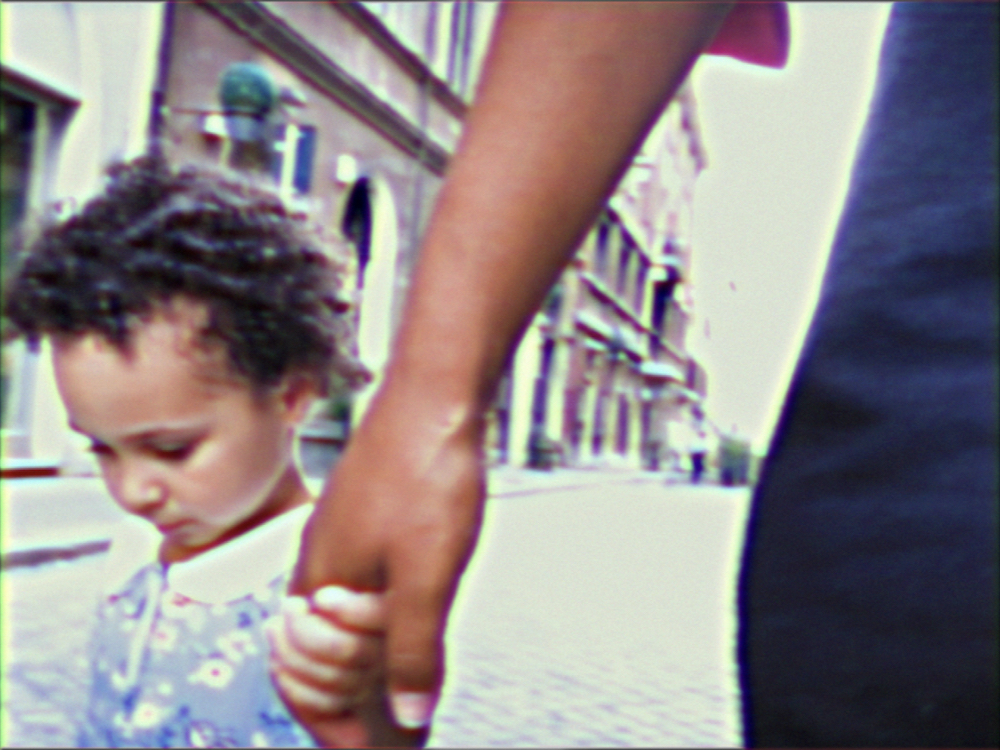
These inquisitions formed the basis of her latest release, a 10-episode series titled The Endless Sleepover that affixes a necessary gaze onto the struggles and challenges of parenthood. After previously writing the story of a long-distance breakup (aptly titled Distance), with a real-life long-distanced couple cast as the characters, the idea for a second project was sparked after the couple announced they were expecting their first child. “I started to write something we could make together,” she recalls. “I wanted to know how they, and other people, made decisions around art and kids, and interviewed many other artists and parents.” With a solid plan in mind, she was ready to shoot. However, like many events and projects, the series was put on hold due to the pandemic, but Allegra was able to recalibrate and remotely produce a self-shot web-series instead. And that’s where The Endless Sleepover was borne – a purposefully lo-fi and story-centred series addressing themes such as unaffordable IVF, Black maternal mortality and abortion.

Once the production was in swing, Allegra reached out to (mostly) cinematographers and filmmakers, making sure they were comfortable with setting up their own shot and footage. This was aided by the fact that several of the collaborators are close friends of hers, while others had been introduced in her creative communities. All in all, she interviewed around 20 potential collaborators before landing on the final 10. “Each episode is the result of an extremely close collaboration, coming out of several interviews, and lots of re-working ideas to accommodate needs,” she explains. “I am beyond grateful for the level of vulnerability and honesty each collaborator shared.”

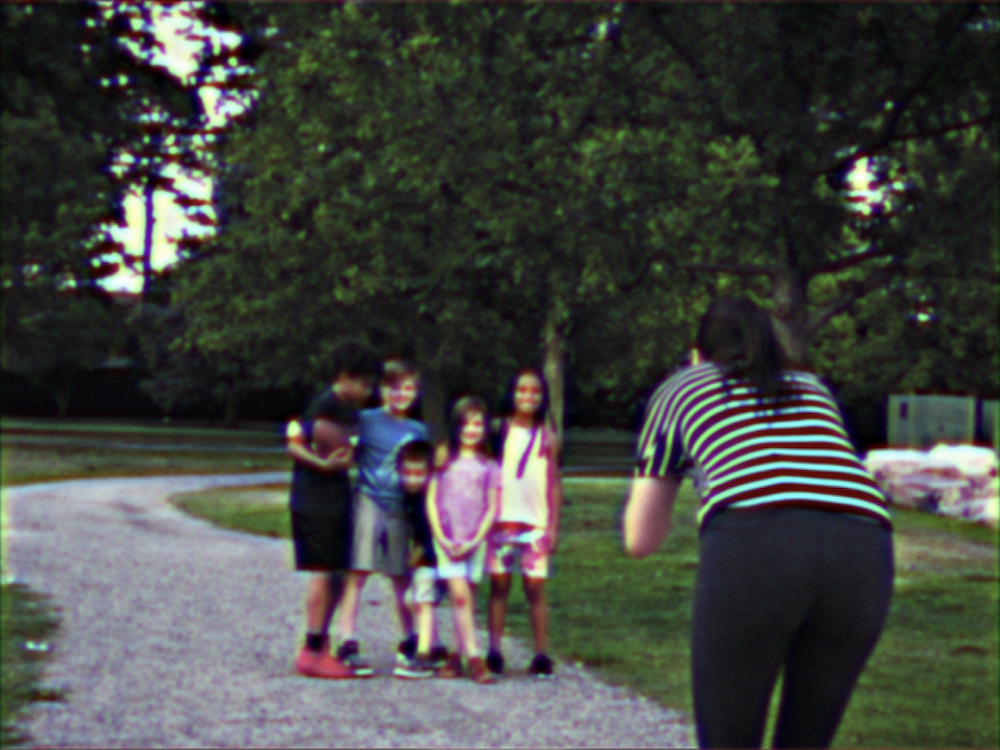
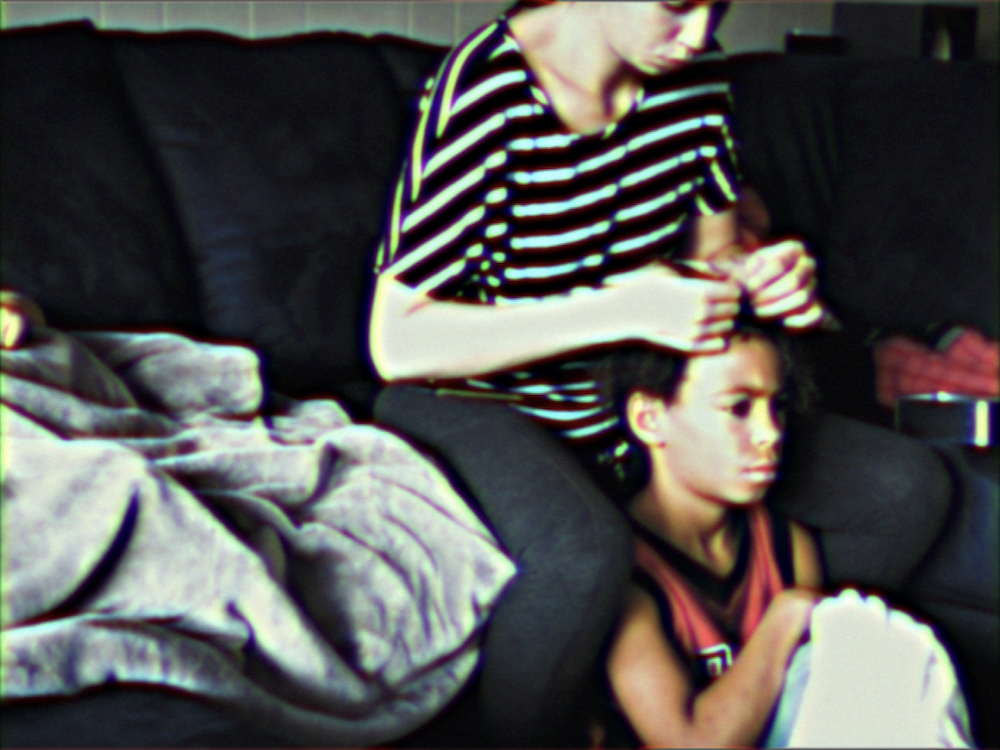
Allegra also knew that the collaborator’s footage would vary, which only generated yet another challenge. To combat this, she decided to opt for a grainy, low-fi aesthetic – the type that sings with nostalgia – to give a heavy-handed treatment and thus a sense of coherency to the contributions. This, plus the fact that Allegra is “very influenced by radical children’s programming from the 70s and 80s” gives the immensely personal stories in The Endless Sleepover a touch of beauty and flavour, packed nicely into a time capsule of parenthood over what’s been a ubiquitously difficult time.

There are many powerful and winding stories to be heard in The Endless Sleepover because, over the course of making it, her contributors had undergone a few changes themselves – be it break-ups, moving house and cites, having children or becoming pregnant, leading communities in activism or prepping for exhibitions. One of Allegra’s particular highlights is within Episode 6, where she’d just wrapped the pre-production for most of the episodes and she’d gotten in touch with Chiara, whom she’d met in an online storytelling workshop offered through the collective Herban Cura last autumn. “I knew she was involved in film, and I reached out to see if she had any interest in the project. Though we hadn’t ever spoken one-on-one before that, it was quickly obvious how deeply and personally she related to the exploration of artisthood and parenthood. She was brave and unguarded, and trusted me with her story; I think it turned out beautifully.”

It’s unclear as to whether or not Allegra would have been able to share such intimate stories if it weren’t for her outlook on creativity. She respects the process, and wholeheartedly wants to voice the lives and narratives of her collaborators – like the feeling of shame or conflict that comes with making art, for example, or not having enough time, taking up too much space or feeling worthless. These are all emotions that Allegra has felt personally, and The Endless Sleepover is a synergetic offshoot of this as it twists and highlights the often hazy, narrow, white and heteronormative depiction of parenthood. “I think it takes a lot of effort to persist,” she adds. “Often the persistence requires creative non-conformity, piecing together an alternative life model – a path that doesn’t lead to a 401k salary, health benefits, and a dual-income nuclear family home.”

“Adding kids into this alternative model – in a country where there is no universal childcare or healthcare, or paid family leave mandates – this just amplifies the precariousness. And deciding to not have kids also feels incredibly fraught. Having kids, at any and all costs, is expected and celebrated. But those who do not have kids are asked to explain themselves.”

“If people watch the Endless Sleepover and find themselves relating to the stories they hear I hope it will make them feel less alone, and more likely to speak about their own experience. Maybe it will start conversations that lead to people feeling more supported, connected and confident.”

The full web-series can be viewed here, and the final episode will go live on 4 July 2021.

Rhyging Sun

Jazz Grant’s collage animation addresses themes of identity, displacement and escape

Rhyging Sun, Film Still © Jazz Grant (2020). Courtesy of the artist

In 1973, Jamaican filmmaker Perry Henzell produced his cult hit, The Harder They Come. Starring singer Jimmy Cliff, who plays the protagonist named Ivanhoe Martin, the film follows a country man as he leaves his rural home for Kingston in a quest to become famous. Things don’t go as planned, and he ends up battling against all-things music industry, police corruption, religion and drug dealers. The film also rose to acclaim for its reggae soundtrack, with some stating that it “brought reggae to the world” – featuring the likes of Toots and the Maytals, Desmond Dekker and, naturally, some songs by Jimmy Cliff.

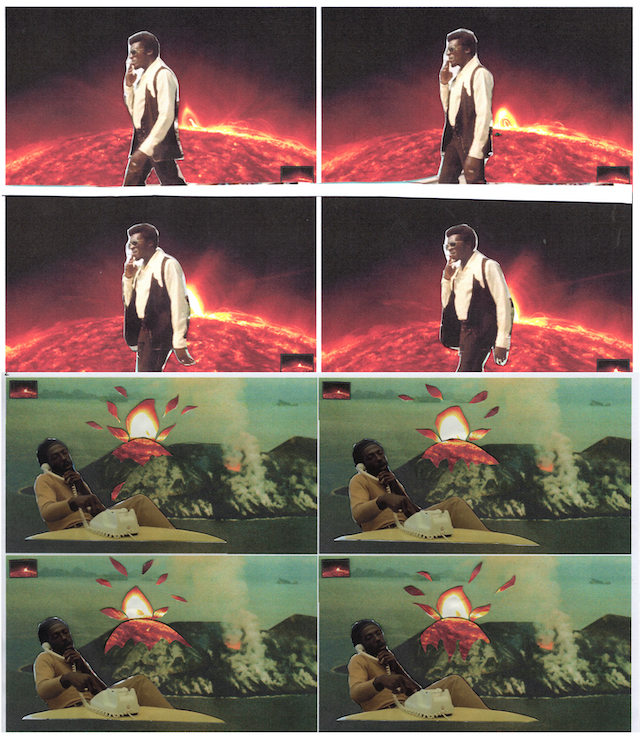
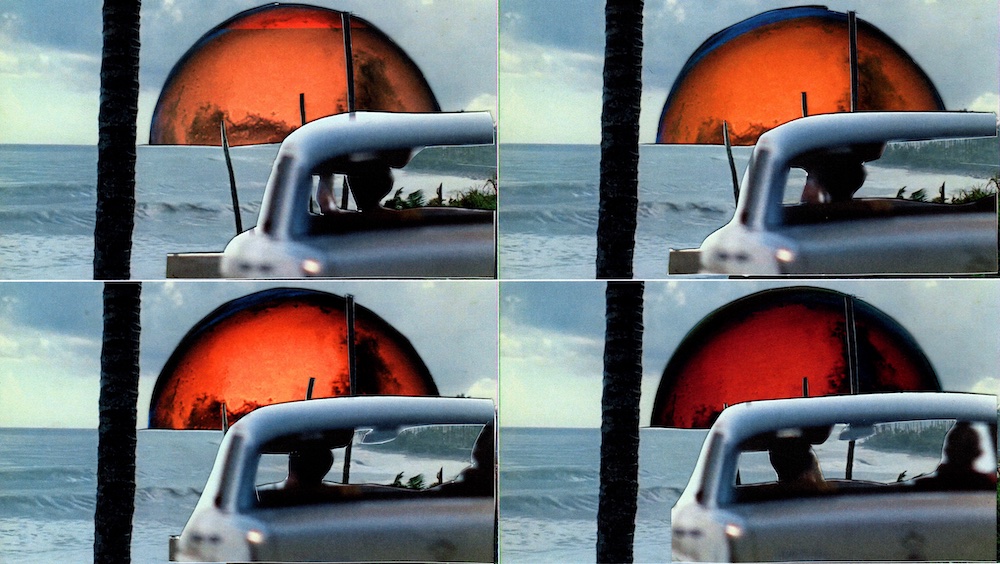
It’s this very film that informed the latest accomplishment of London-born artist Jazz Grant. Known for her cut-and-paste works and animations, she was recently commissioned by print publication and platform Boy.Brother.Friend to work on an animated film, titled Rhyging Sun – a name taken from ‘Rhyging’, a variant of ‘raging’ in Jamaican Patois. Riddled in signature collage style, the work is composed from imagery sourced from Henzell’s The Harder They Come, ignited by Jazz’s flare for hand-cut processes, research and the arduous (and most enjoyable) method of stop-motion animation. “It was an immensely difficult task,” she says of the film’s initiation, “but I saw it as an opportunity to create something really ambitious.”

Rhyging Sun © Jazz Grant (2020). Courtesy of the artist

The Harder They Come is a film that Jazz has always thought of fondly. “It’s one of the most iconic films and had such a big impact on me when I first watched it,” she says. “It still does.” In this regard, the film manifests as a window into a place that leaves her feeling both connected and disconnected – especially from having to explain her Jamaican roots to others, even if she feels physically distanced from the country. But not too long ago, Jazz found herself at a literary festival in Jamaica and ended up meeting Justine Henzell, the director’s daughter, before asking permission to incorporate the film’s clips into a collaged animation. “She was enthusiastic about it, which came as a really incredible surprise to me. Actually, it was one of the most exciting moments in my life when she said yes. I’ll always treasure that.”

With the project underway, Jazz continued to watch the film “over and over” to seek out the most prominent visuals. It was an interesting take no less, having to observe the film she knew so well with a different angle – or, as she puts it, “with the eye of viewing a still, found image”. Downloading the selected moments as frames per second, she then went on to lay each of these snippets out on A3 paper as if they were a contact sheet or film reel. This was shortly followed by the printing and collage process, where each individual frame was artfully composed with intricate, detailed composure. She then scanned the sheets into her laptop and layered each of them in Photoshop as a stop-motion animation, using Premier Pro as her tool for piecing all the bits together. Dan Hylton-Nuamah was onboarded to work on the score for the film. 

Sun Kissed Sweethearts, Rhyging Sun © Jazz Grant (2020). Courtesy of the artist

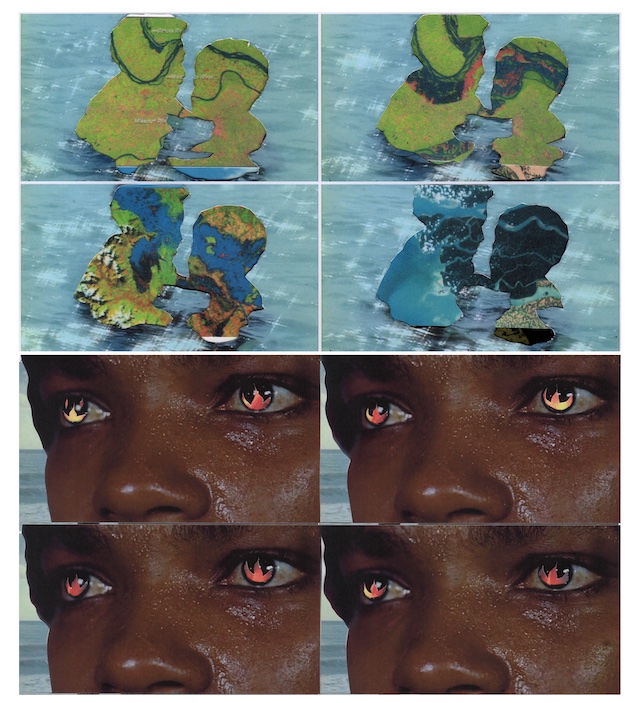
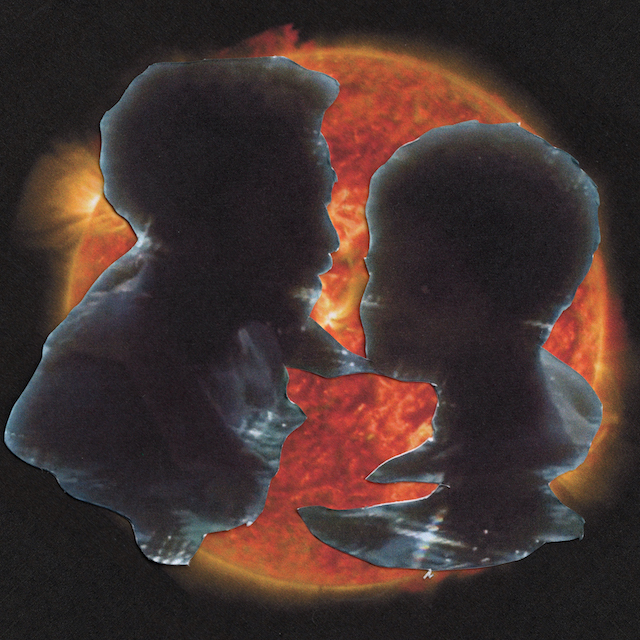
The final composition sees the merging of many cinematic moments, each framing the journey of a meteor as it gradually edges close to earth. Signalling the demise of the world, Jazz pinpoints Sun Kissed Sweethearts as one of the key moments from her animation. It’s a piece that references the original film’s protagonist, Ivan (or Jimmy Cliff) and Elsa (Janet Bartley), as they embrace in the water “rebelliously, against the preacher’s wishes – who’s also her guardian.” She adds: “The scene is cut between the both of them singing at church, with them naked in the water. It’s such a visually beautiful and cheeky moment in the film. The water and the lovers are almost indistinguishable; the quality is loose and dreamy. It can feel wrong to mess with an original image, but I cut them out, placed them on top of a rotating sun. Something in the liquid-like quality of the NASA image allowed for a similar texture to the original, yet a completely different feeling occurs. It’s really simple and often the best collages are. It just resonates.”

Sunset Car, Rhyging Sun © Jazz Grant (2020). Courtesy of the artist

The art of collage is a widely used technique, chosen mostly for its ease of telling stories and ability to blend different – sometimes opposing – ideas into one unified approach. For Jazz, it’s a way of making sense of her identity, as well as addressing a reoccurring dream she’s been having: one that centres on the end of the world. “There is lava crawling down my street, the same height as the buildings that surround it. Or, the water levels are rising and increasingly large waves are crashing through the house, and I’m always relatively subdued in them. I’m trying to escape but there’s also a feeling that there is no escape, so I simultaneously marvel at the beauty in the impending doom caused by extreme natural disaster.” 

Perhaps this is why Rhyging Sun has such a wildly illusory manner out it. Because, after all, it’s reflective of a dream. But more importantly, Jazz’s animation has been created as a means of understanding more about herself – which is just what Ivan set out to do in Henzell’s The Harder They Come.

You can watch Jazz’s Rhyging Sun below.


Eye to Eye: Portraits of Lesbians

JEB (Joan E. Biren) on her revolutionary body of work “by a lesbian, of lesbians”

Pagan and Kady. Monticello, New York. 1978 © JEB (Joan. E. Biren) from Eye to Eye Portraits of Lesbians published by Anthology Editions

Launch yourself back to a time in the 1970s. During this period, the LGBTQ+ rights movement was on the rise – spearheaded by the Stonewall riots in New York City. A series of demonstrations by members of the LGBTQ+ community, these riots were prompted by a police raid in 1969 at the Stonewall Inn, located in Greenwich Village, Manhattan. The police became violent, and protestors fought back. This was deemed as one of the most important events in the lead up to the gay liberation movement and the fight for LGBTQ+ rights in the United States. And in the western world, for that matter. 

As such, the 70s saw an increase in freedom and visibility for those previously marginalised, hidden and shunned from society. It’s a decade that saw mass change, with a few key dates detailing as such; this includes the first Gay Liberation Day March held in New York City, followed by the first LGBTQ+ Pride Parade in Los Angeles; in 1971, the homosexual rights organisation Society Five was initiated from Melbourne Australia, meanwhile homosexuality was decriminalised in Austria, Costa Rica and Finland. 1972 saw Sweden become the first country in the world to allow transgender people to legally change their sex, providing free hormone therapy in response; Hawaii legalised homosexuality this year and in 1975, so did South Australia and California. In 1978, a protest commemorating the StoneWall Riots led to many arrests, which sparked more protests the following year known as the Sydney Gay Mardi Gras, and later the Sydney Gay and Lesbian Mardi Gras. This was also the first time that the rainbow flag was used as a symbol for the community. 

Darquita and Denyeta. Alexandria, Virginia. 1979 © JEB (Joan. E. Biren) from Eye to Eye Portraits of Lesbians published by Anthology Editions

A rich and complex history, Joan E. Biren, an American photographer and filmmaker known as JEB, has long sought to unearth and combat the years of discrimination found amongst these communities. She’s spent her entire career documenting the lives of lesbians, marking herself as a radical feminist and change maker for the many, and thus inciting her values through groundbreaking photography and work as a member of The Furies Collective, a short-lived yet impactful lesbian commune. 

In 1979, JEB self-published her first book, Eye to Eye: Portraits of Lesbians. No better word than revolutionary can be uttered when describing the influence of this work, wherein the photographer captured intimate portraits of lesbians from all walks of life – those in their daily environment, working their day jobs, kissing or embracing their lover. In doing so, JEB visited communities across the US throughout the ten years it took to complete this remarkable project, attending pride marches, music festivals and women’s conferences and photographing along the way. A signifier of queer visual history, even to this day, Eye to Eye: Portraits of Lesbians continues to have lasting impact. 40 years later, and the publication is now reissued by publisher Anthology Editions, featuring contributions from Lola Flash and Lori Lindsey, plus essays from Tee Corinne, Joan Nestle and Judith Schwartz.

Priscilla and Regina. Brooklyn, New York. 1979 © JEB (Joan. E. Biren) from Eye to Eye Portraits of Lesbians published by Anthology Editions

“This book was made for lesbians,” JEB explains of the work. “It was revolutionary because it was the very first book of photographs by a lesbian, of lesbians with their names and showing their faces, with the word ‘lesbian’ on the cover, in the US and probably the world.” The book was received with gratitude and excitement, with the first print run of 3,000 books selling out in five months. The second run sold out just as fast, and the book was deemed as the LGBTQ+ bookstore bestseller list. It was the only known book of this ilk, featuring personal stories and a detailed text by historian Joan Nestle. The pictures were also paired amongst writings from acclaimed authors, Audre Lorde and Adrienne Rich.

It’s an understatement to say the JEB’s work spurred on cultural, political and societal change. Not only in the moment of publishing, but also in the years that would proceed its initial launch. The thing is, despite the healthy progression in terms of LGTBQ+ representation, there still remains an underlying (or perhaps obvious) tone of vigilance amongst the community; there’s still much progress to be made, and the white male figure still dominates mainstream media. “That must change to include all BIPOC people, it must include trans and non-binary people, fat people, poor people, disabled people, old people, immigrants,” says JEB. “We need representation that is a true refection of all the people in our society, knowing that the LGBTQ+ community includes people from every demographic. And it’s not just about representation. It is about fighting for social justice. We must change the racist, sexist, capitalist systems that profit from excluding so many people from equal representation and from equal freedoms.”

Gloria and Charmaine. Baltimore, Maryland. 1979 © JEB (Joan. E. Biren) from Eye to Eye Portraits of Lesbians published by Anthology Editions

After the initial launch in the late 70s, JEB received letters from women across the world who shared their deeply personal stories of how the work had impacted their lives. To see a lesbian in the media, in printed form and in art, was an experience like no other; to see lesbians documented in such a compelling and compassionate manner thus ignited the reasoning to feel less displaced. It affirmed the existence of lesbians and propelled their lives into the mainstream through political movements. So now, a few decades onwards, it’s plain to see how JEB’s body of work has helped to construct a better world – “a way of seeing themselves differently, imagining their lives could be better.” 

“If you can’t visualise something better you are not going to fight for change. If you can see a lesbian mother, if you see a Black lesbian, if you see a lesbian auto mechanic and you never even imagined such a thing; that photograph can give you the courage to dare to become that,” she remarks of the work’s eternal impact. “Seeing something previously unimagined can move us to desire it for ourselves so much that we are moved to action. Adrienne Rich called revolutionary poems ‘a wick of desire’. I want my images to act as ‘wicks of desire’ to make the idea of change irresistible.”

Eye to Eye: Portraits of Lesbians by JEB (Joan E. Biren) is published by Anthology Editions

Jane. Willits, California. 1977 © JEB (Joan. E. Biren) from Eye to Eye Portraits of Lesbians published by Anthology Editions
JEB. Dyke, Virginia. 1975 Self portrait from Eye to Eye Portraits of Lesbians published by Anthology Editions
Lori and Valerie. Washington, DC. 1978 © JEB (Joan. E. Biren) from Eye to Eye Portraits of Lesbians published by Anthology Editions
Mabel. New York City. 1978 © JEB (Joan. E. Biren) from Eye to Eye Portraits of Lesbians published by Anthology Editions