Sxwrker

Erika Long discusses her serene and tonal photo book lensing the celebratory side of sex work
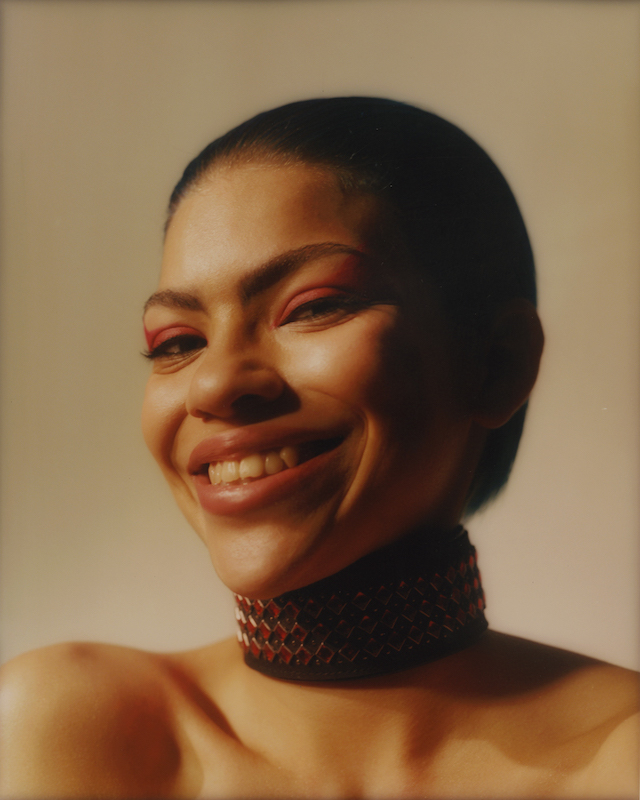
The world of sex work has been under a scrupulous lens for some time now, forming the subject matter of many practicing artists and photographers today. This includes Erika Long, a photographer originally from Athens and currently based in New York, who has recently launched a book that jolts all preconceived ideas of the adult industry – that which is often portrayed in the media. Titled Sxwrker and published by Catalogue Library, the visual tome is just as much a serene and warming depiction of the photographic medium as it is a powerfully enriching narrative: it’s a celebration.

“Sex work is an incredibly important part of making society continue to operate on a functional level,” Erika tells me of the reasoning behind the project. “We live in a culture where kinks and fetishes are unable to be explored openly by a lot of people, whether it’s due to religion, stigmatisation or what have you, and people’s needs don’t just magically disappear. Sex work is the world’s oldest profession for a reason – they’re like underground therapists, yet we ostracise them and imprison them for it.”
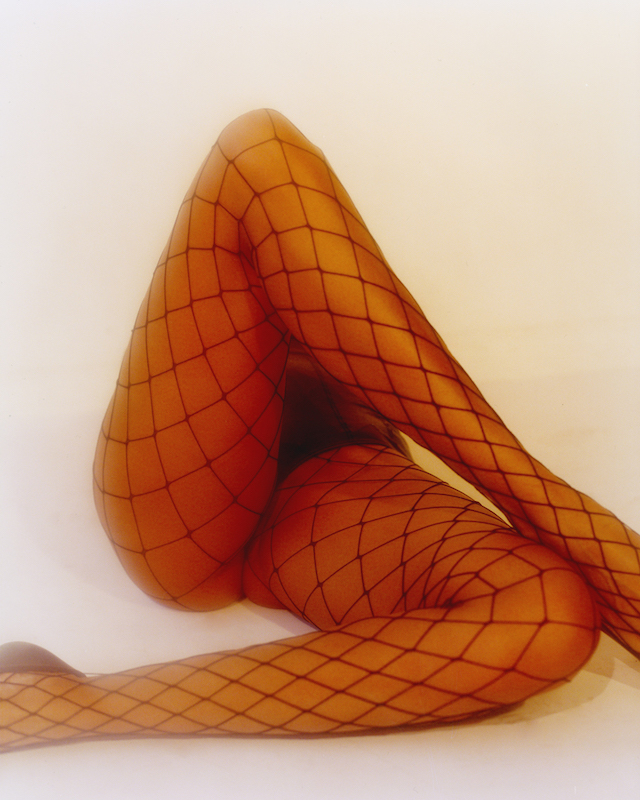
Throughout the pages of Sxwrker, Erika employs a half-candid, half-staged style of photography, zooming in on the twists and curves of her subjects’ bodies which, in turn, reveals an abstracted view of reality. The postures are arched, boot-sucking and confident, but the symbolism goes far deeper than a tonal and somewhat sexy aesthetic; Erika’s pictures have a purpose and, through her intimate image-making, she unravels (almost effortlessly) the personal narratives of her subjects. “Their stories are their own and not mine to share,” she notes, “but what I wanted to accomplish was just to open a dialogue and do what I can to get people with critical opinions on sex work to lighten up.”

In one image, a mask shields the face of one of her subjects, posing topless in front of the camera with a soft yet stark backdrop framing the silhouette; in another, a leg crosses over the other in diamond fishnet tights, positioned sculpturally with the rest of the body hidden from view. Besides the more shapely and abstract, there are also a selection of traditional portraits – like the hazy and sepia-infused shot of someone smiling directly into the lens. It shows a different side to the performative nature of the industry. 

“I’m so sick of seeing sex workers being photographed in a dim lit corner of some motel at a highway rest stop,” she continues to explain. “I’m not saying that’s not a reality for some sex workers, but it’s not the reality of all sex workers. All the sex workers I’ve met are proud of their work and love what they do, and I wanted that to come across in the images.” While working on the project, Erika admits that it’s the most fun she’s ever had while working on set, and this inadvertently shines through the work. “Everyone in the book, down to the forward, is a sex worker in some way. Some are active, some are former – some are dominatrixes, some are strippers and some are escorts. Some are friends! I have a few fiends who are sex workers and when I mentioned wanting to start this project they were integral in making it happen.”

Now that Sxwrker has been released into the world, Erika hopes that this will trigger something in an audience that she wouldn’t usually reach – like someone’s aunty, second cousin or colleague. Striving to change the way that sex work is viewed in society, and the world, Sxwrker is part of a necessary conversation and one firmly roots itself in the art-cum-activist photography canon.

Photography courtesy of Erika Long

ONYX

Shot inside Houston’s famed strip club, Adrienne Raquel’s latest series thrashes the stigma associated with sex work

Kam & Kali, 2020 © Adrienne Raquel. Fotografiska Exhibition 2021

Sex workers have long been stigmatised for their jobs, often criticised and unable to access support, protection and proper working conditions. And with its criminalisation, this makes it difficult for sex workers to report rights violations, especially by the police. But in the last couple of years, and even the past few months, there’s been an increase in dialogue surrounding rights and acceptance – vocalised across the board in creative and non-creative industries alike.

For one, we’ve seen FKA Twigs open up about her past work in a gentleman’s club, which led her to launch a fundraiser for organisations to provide direct financial support for sex workers during the pandemic (which raised £26,707). A couple of years back, the singer also released her infamous music video Cellophane – showing off her beguiling and impressive pole moves to the sound of a slow-paced ballad. Lil Nas X followed in a similar fashion this year, with his video for Montero (Call Me By Your Name) depicting the rapper sliding down a pole to hell before giving the devil a lap dance.

It’s not just the music industry that seems to be having a revival of sorts, either, as these themes are also on the rise within the realms of art and photography. And this is exactly what we’re witnessing in ONYX, a new body of work from New York-based photographer and director Adrienne Raquel, presented as part of her debut solo show at Fotografiska New York. Featuring a dim and racy documentation of the famed Onyx strip club in Houston, Texas, it’s not your typical ensemble of Photoshopped posters and $5 Long Island deals; instead the photographer offers up a refreshing, raunchy and incredibly detailed foray into the lives of the women working in this field.

Where Dreams Lie, 2020 © Adrienne Raquel. Fotografiska Exhibition 2021
Cash Out, 2020 © Adrienne Raquel. Fotografiska Exhibition 2021

ONYX is a steer away from Adrienne’s usually sharp and staged commercial photography, previously snapping tonally rich portraiture of icons such as Travis Scott, Lizzo and Selena Gomez. She’s built an incredible repertoire of commissions for the likes of CR Fashion Book, Cultured Magazine, Elle, GQ, Harper’s Bazaar, Interview Magazine, Playboy, T Magazine, V Magazine and Vanity Fair, and she’s also had work included in Mickalene Thomas’ Better Nights exhibition at Miami’s Bass Museum and The New Black Vanguard, curated by Antwaun Sargent and presented by the Aperture Foundation. 

For this latest offering, ONYX shows a sweat-dripping compilation of real women performing in the famed strip club, shot candidly and with a much needed emphasis placed on her subjects – both on and off the stage. In signature Adrienne fashion, the series gives a firm nod to the aesthetics of fantasy and nostalgia, achieved through less-than-subtle hints to the styles of the late 1990s and early 2000s. Cinematically lit, she photographs the dancers in conflicting (yet utterly complimentary) manners, where at times the women will be posing or dancing, with nothing but the crimson light of the stage illuminating the backdrop and their toned, bodily postures. Other pictures zoom into the finer details, like the cash thrown onto the floor, the painted nails of the dancers, the glistening jewellery, sparkling shoes and tattoos.

So as the pandemic continues to highlight the issues and struggles faced within the sex working industry, clearly it’s never been a better time to speak out and dismantle the negative connotations of this line of work. In ONYX, the strength and beauty of these women are brought to the fore, and Adrienne’s photography is part of the wider movement that’s continuing to celebrate female sexuality.

ONYX is currently on view at Fotografiska New York and will be running until September 2021

The Last Dance Pt. 1, 2020 © Adrienne Raquel. Fotografiska Exhibition 2021
Coming Down, 2020 © Adrienne Raquel. Fotografiska Exhibition 2021
Morena, 2020 © Adrienne Raquel. Fotografiska Exhibition 2021
Rain Dance, 2020 © Adrienne Raquel. Fotografiska Exhibition 2021
Vixxen, 2020 © Adrienne Raquel. Fotografiska Exhibition 2021