Common Place

In his ongoing series, Scott Rossi highlights the importance of public space for building community
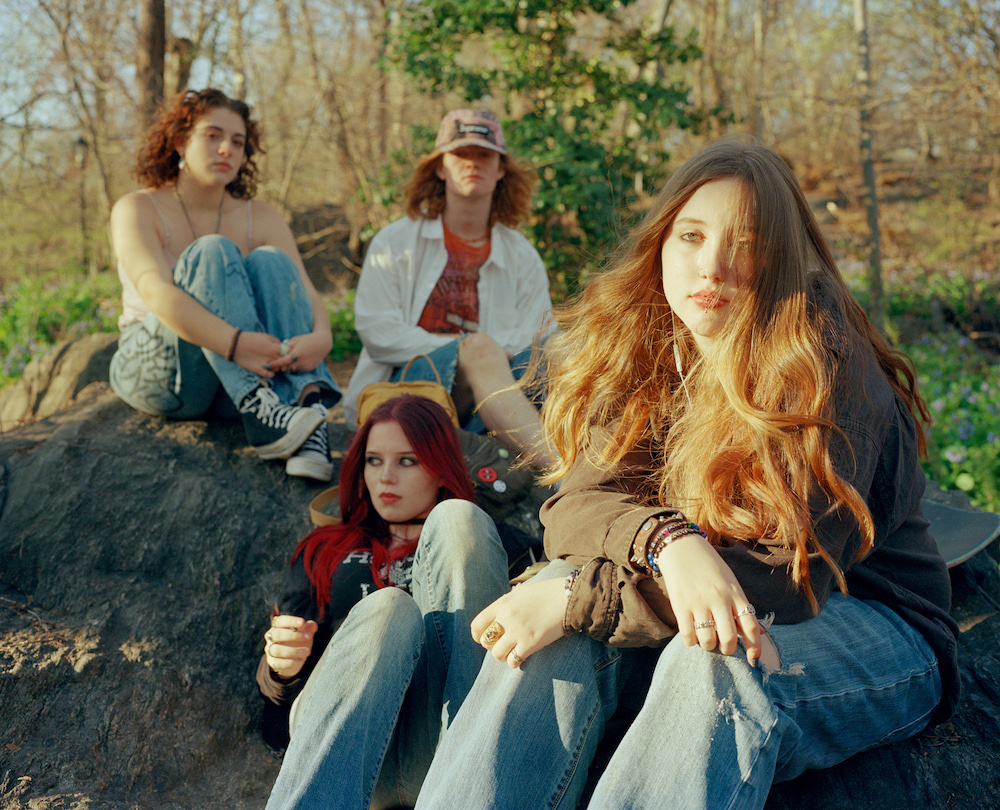
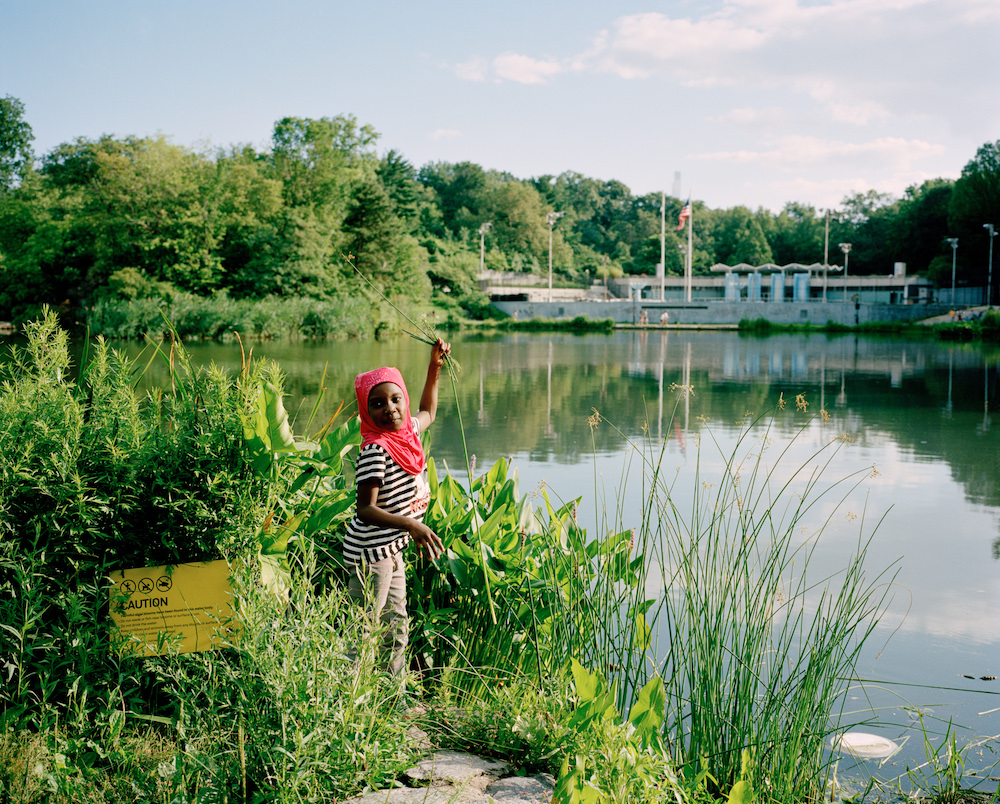
Lily, Reef, Kane, and Luci, Central Park, New York, USA 2022

Capturing the world around you is one thing, yet doing so in a way that’s not only mesmerising and memorable but also rich in context and history is another. Scott Rossi, a Canadian photographer based in New York, does this utterly well in his photography work. With an ability to lens the moments of daily life around him, Scott draws from the quieter parts – those that are smaller and often missed to the untrained eye – to build stories about the people of the world. In this regard, subcultures and public spaces are the two key pillars to his practice, which have naturally informed his latest series, Common Place. A project that commenced during the pandemic while out and about on his daily walks, Scott set out to photograph the local community in Central Park and their relationship to the natural world. Below, Scott tells me more about the series and the importance of public space – a relationship that will continue in the future.
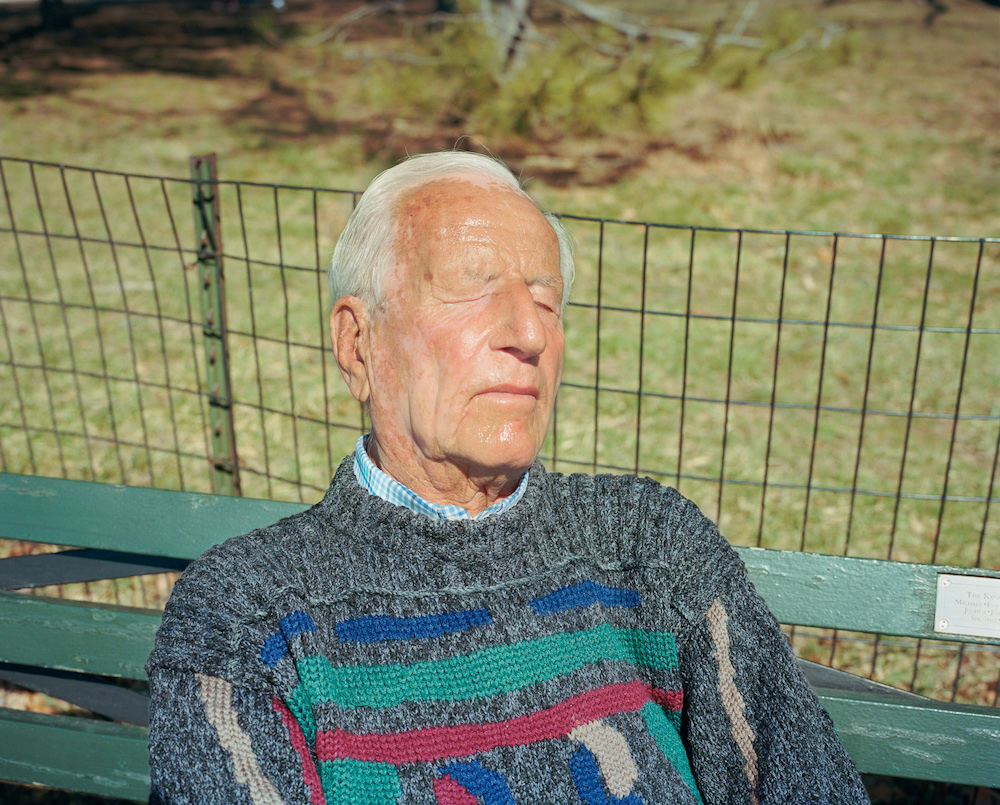
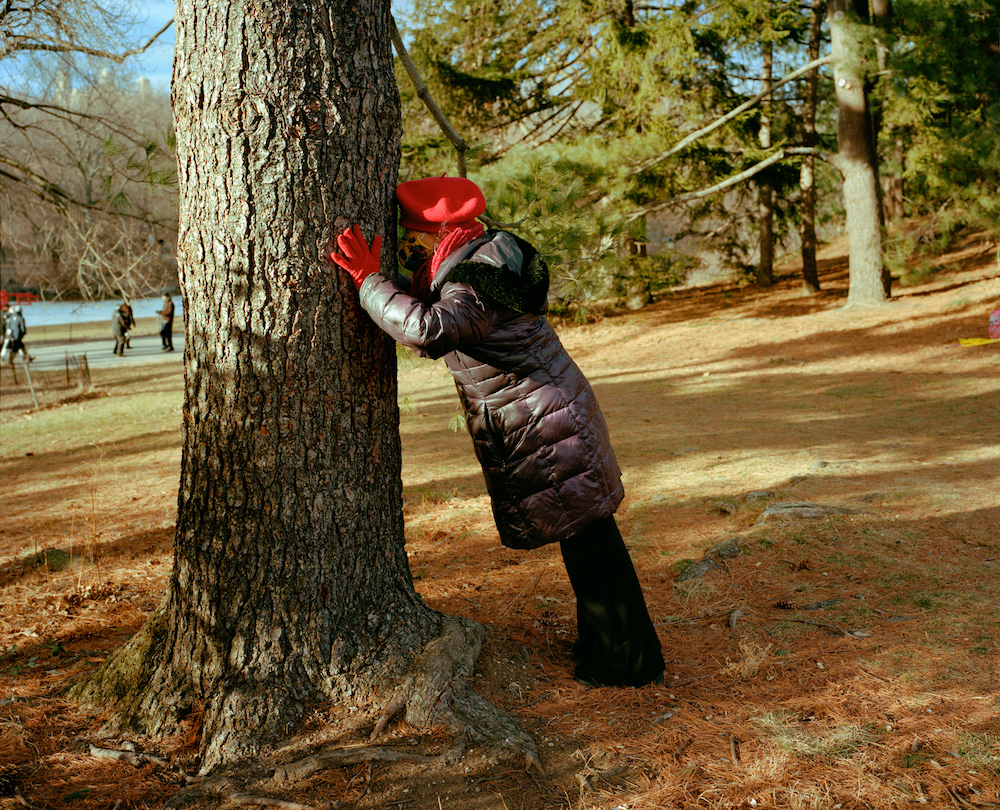
Untitled, Central Park, New York, USA, 2021

What’s your journey into photography like?

I grew up in the suburbs of Vancouver, B.C. When I was five years old, my father arrived home one evening with a go-kart. I spent the next 13 years racing go-karts around the world, from British Columbia to the streets of Monte Carlo. 

Photography was not always on the cards for me. After my dreams of becoming a professional race-car driver were over, I studied Psychology at university. I only began taking photographs in my final year by chance. In that elective photography course, my professor introduced me to the work of Garry Winogrand and Joel Meyerowitz, which derailed my plans. I couldn’t shake photography away. It gave me a new purpose. I spent the next two years primarily photographing my surroundings without much intent or reasoning behind my actions. I simply wanted to capture beautiful, fleeting moments. 

In 2018, I started making long-form projects. In them, I discovered the power of visual storytelling. I began to value not just the results, but the process of engaging with my subjects, establishing an intent to the work that previously lacked. In the first two projects I worked on, Burned Out (2018-19) and Jazz House (2018-20), I documented coming-of-age stories. Whereas Common Place (2021), which I began shortly after moving to New York City, explores the history of Central Park and the relationship between New Yorkers and the public space in the context of a global pandemic. 
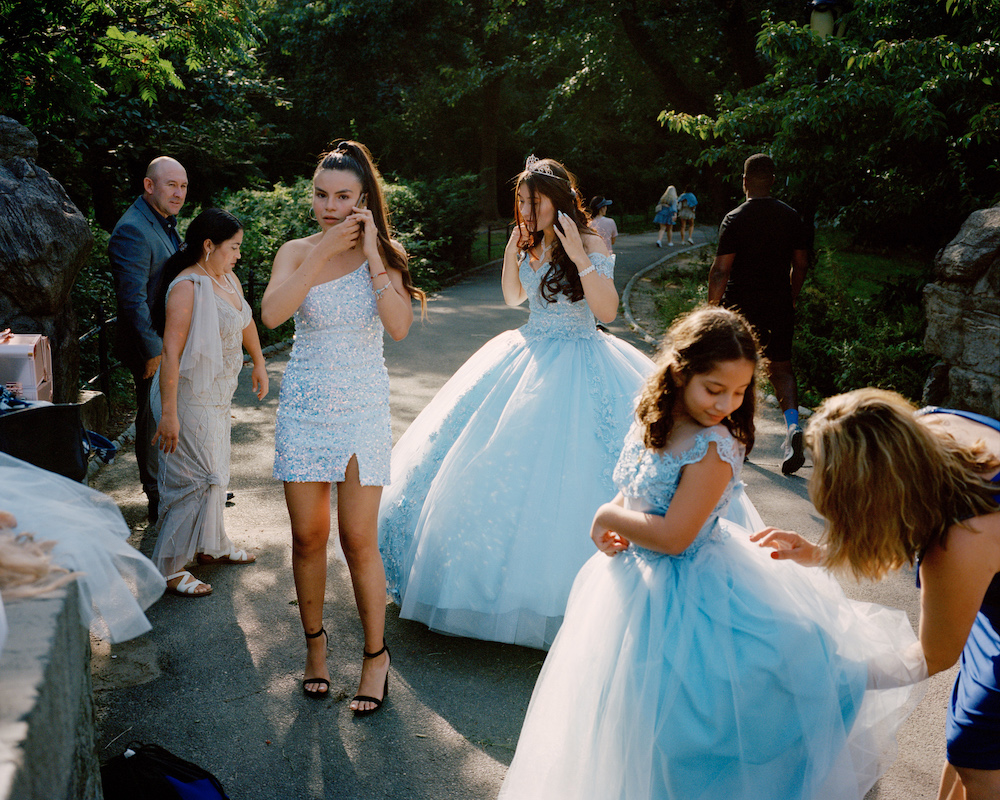
Quinceañera, Central Park, New York, 2021.

What inspired you to start working on Common Place, what stories are you hoping to share?

In Vancouver I was surrounded by nature. After I arrived in New York City, in the height of the pandemic in 2020, I began to miss nature and felt lost and uninspired, so I started going on long walks through Central Park. I began photographing during those walks with a point-and-shoot camera. I was studying at ICP at the time, and I thought this point-and-shoot idea would be a good side project to my thesis, which was still undecided. Eventually, I realised the side project was worthy of the main thesis idea. I bought a new pair of shoes, switched to a medium format camera, and began photographing Central Park every day. I hoped to share the stories of the people I met there through photographs. 

The work highlights the importance of public spaces, especially in a city like New York, for the overall wellbeing of its people. This city and Central Park, have a complicated but also rich history. Today, despite its history, I think the Park is seen as a sanctuary and a place to be yourself and I hope that comes through in my photos.  
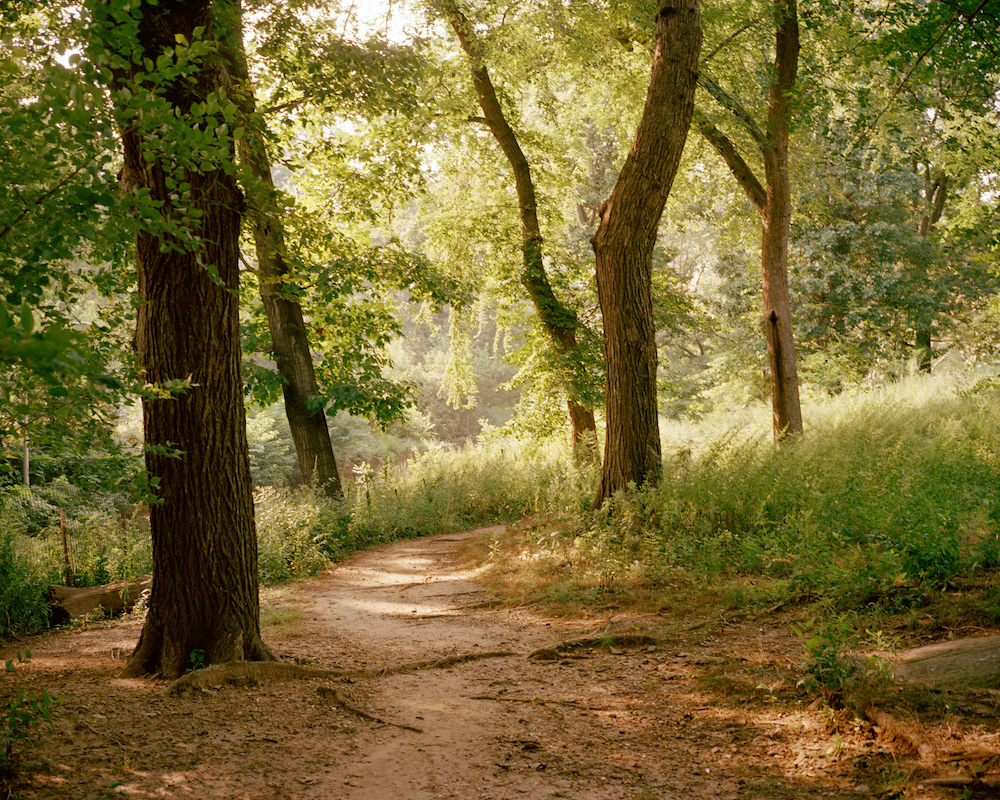
South of Sheep Meadow, Central Park, New York, 2021.

Who are your subjects? Did you spend much time getting to know them?

I meet all my subjects while wandering around the park and typically photograph them as they were. It is that level of comfort and intimacy that piques my interest in the first place. Most of my subjects happened to be New Yorkers, with a few exceptions. 

How long I spent with them really depended on the person. With some people we would spend hours talking, while others gave me only five minutes. Regardless of how long, I was always transparent about what I was doing.
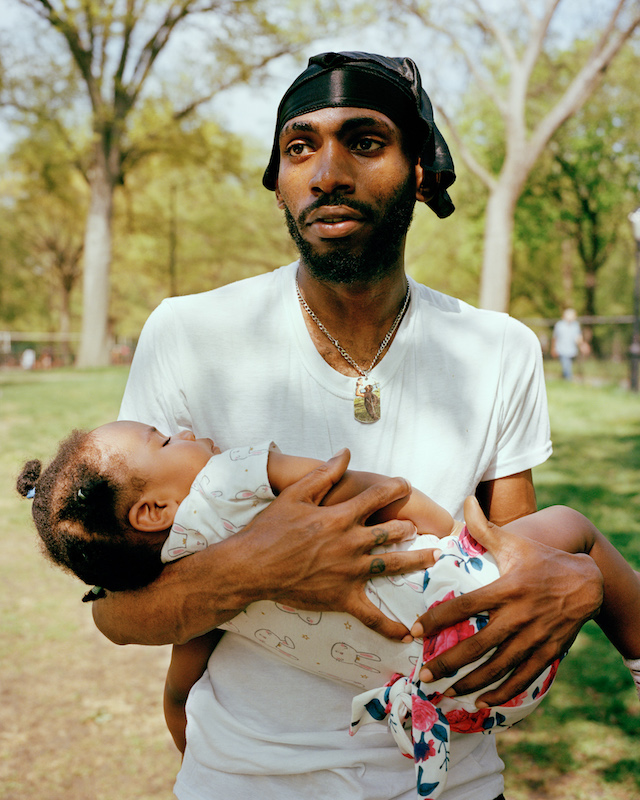
Aaron and Eralissa, Central Park, New York, 2021.

Can you share any personal favourites from the series?

Aaron holding his baby daughter Eralissa has always been a favorite. There is subtext in this image, but for me, the cutest part is thim holding his daughter on his dog tag necklace. Once I noticed that, my heart melted. 

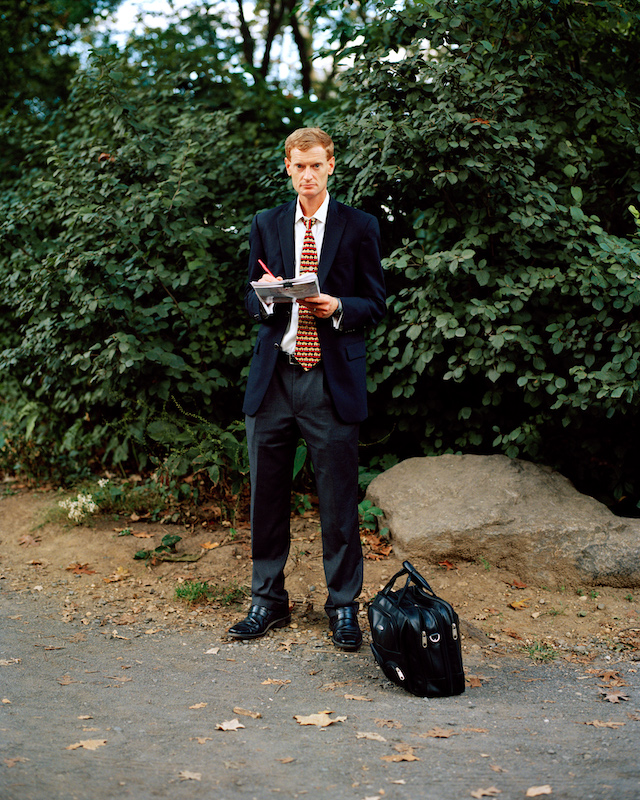
Then of course, Dave. He is a Latin professor and track and field coach at an Upper East Side high school. I think it’s his oversized tie and baggy suit that made it all come together so well, along with the fact that he is marking student’s papers while they run laps around the reservoir. 

A third favourite of mine is the trees with afternoon light passing through. This is exactly how I feel about Central Park. It has been my home away from home. I feel a warmth when I am there and am constantly “invited” down new pathways. This picture, with the pathway leading us into it, invites the viewer. 
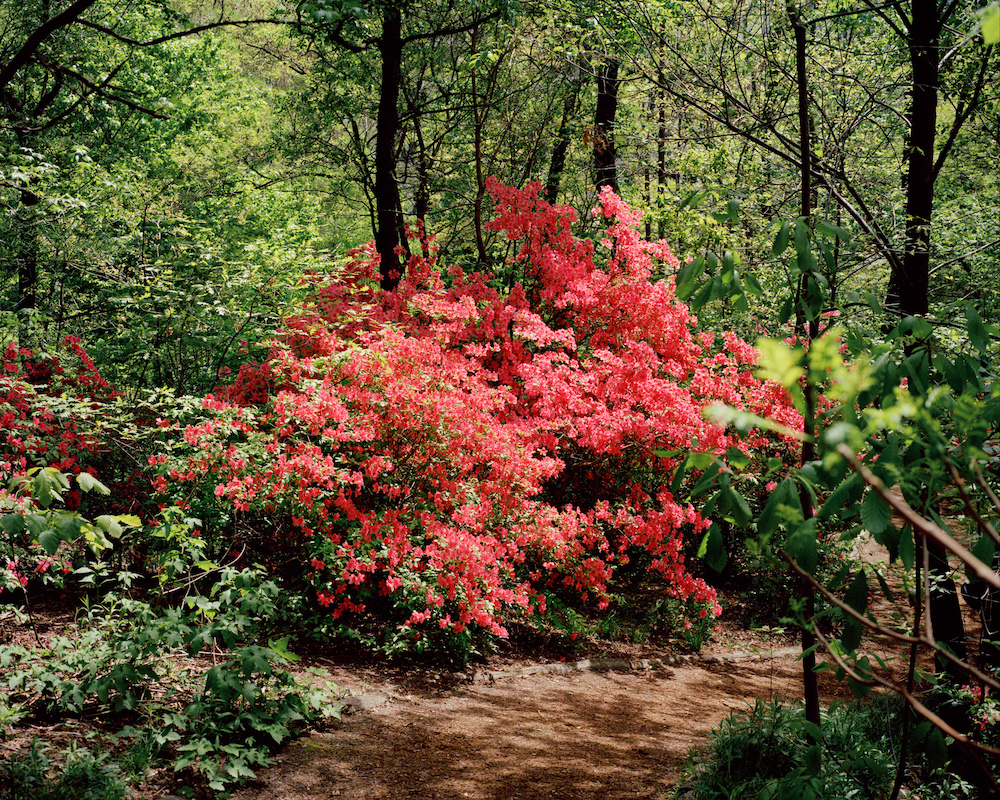
Spring Bloom, Central Park, New York, 2021.

How do you hope your audience will respond to this project?

I hope people feel something when they look at the images. Whether they feel love, hope, or sadness, it doesn’t really matter. I just hope people feel something. As with all photography, for me, an emotional response is the most important.
Untitled, Central Park, New York, USA, 2021

Dave, Central Park, New York, USA, 2021

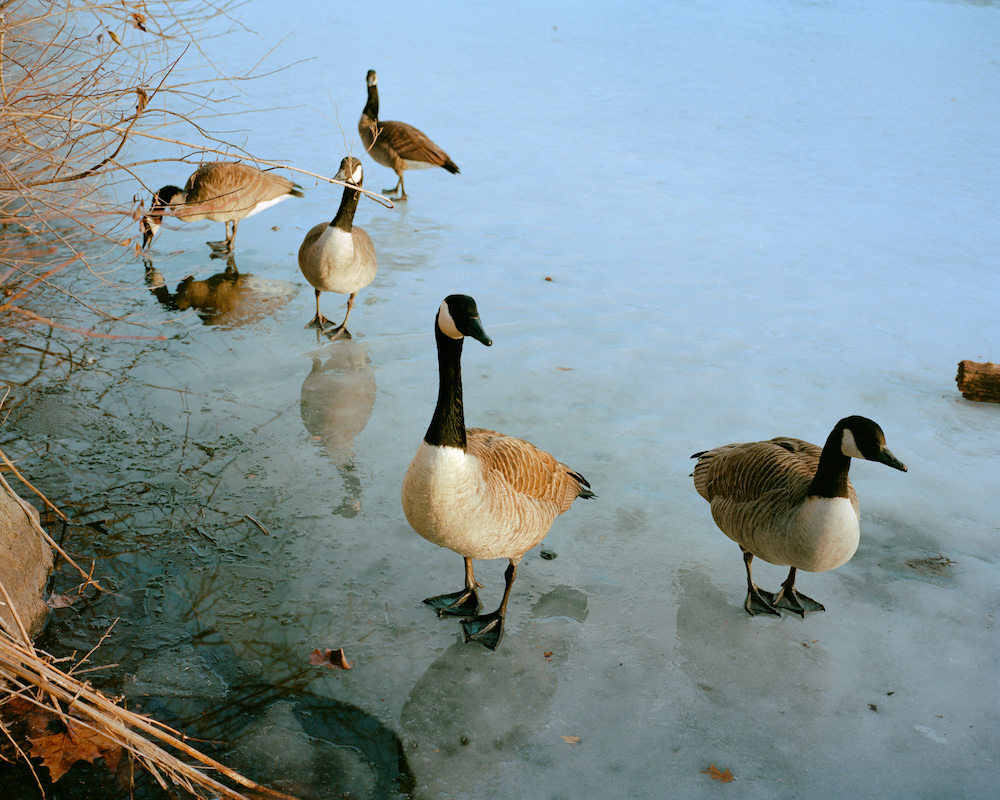
Geese, Central Park, New York, 2021.

Untitled, Central Park, New York, USA, 2021

A Certain Movement

Soft and meditative, Sam Laughlin captures the ebb and flow of the natural world

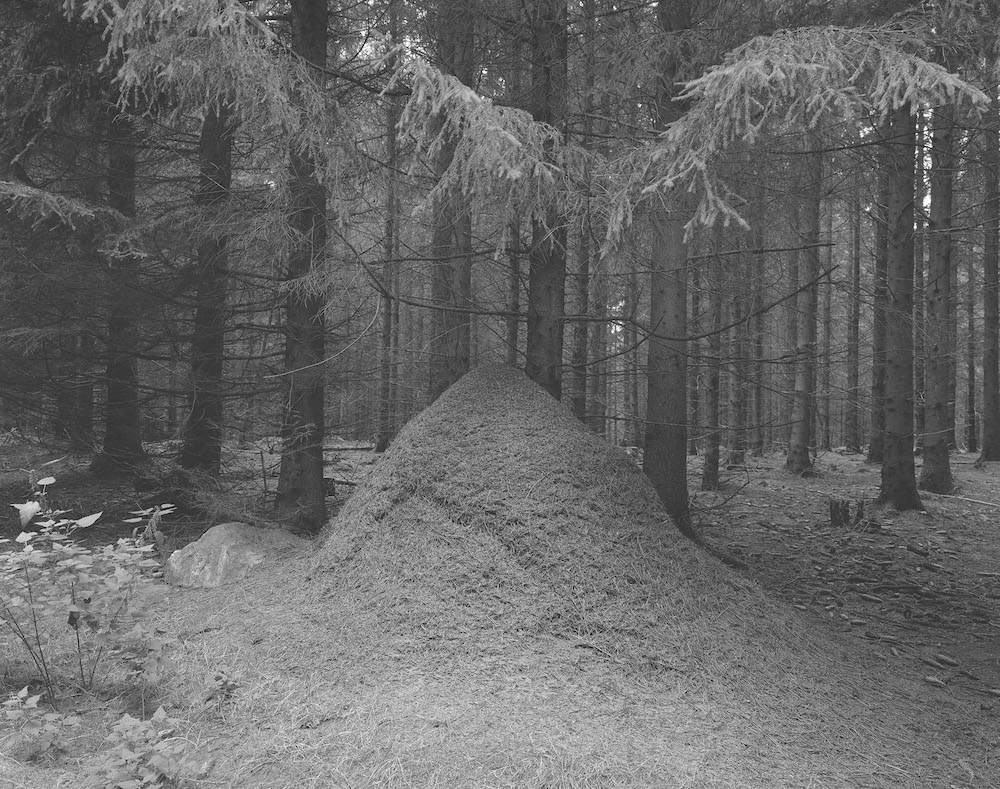
Wood Ants (Formica rufa), 2017 ©Sam Laughlin

It’s not uncommon to hear of an artist’s key influence as being that of a parent or familial figure. Growing up, Sam Laughlin’s father, a zoologist, would hand over an abundance of field guides for him to look at – Sam would sink into the contents, memorise the illustrations, and identify the different species of insects in the process. His dad would also joyfully spout out many interesting facts about the natural world which, inevitably, had a large impact on Sam – later inspiring him to study documentary photography at university. What’s somewhat surprising, though, is that although nature has been a primary pillar for Sam, it wasn’t until 2014 that he started working creatively in this field. “I found my way back to that childhood fascination through books and walking,” he tells me, “and my work quickly followed suit. Now, I can’t imagine my life without walking and birdwatching.”

Alongside various photography commissions, Sam pays extra attention to his personal work – the side of his practice that enables him to explore his deep-rooted interests in nature. He also cites The Jerwood/Photoworks awards as being hugely catalytic for his photography, which is how he debuted his most recent accomplishment: a project named A Certain Movement. Lensing topics of the environment and how animals interact with the space, the work is a quiet, meditative depiction of the world, albeit a curious contemplation of the cyclical nature of earth and its inhabitants – the type of relationship that’s in a constant rhythm, flow and movement. Currently on show at Serchia Gallery in Bristol, I chat to Sam about the project, what his personal relationship is like with the environment, and why it’s such nature has become such an enduring muse.

Adders basking (Vipera berus), 2017 ©Sam Laughlin

How would you describe your own personal relationship with the environment?

My personal relationship with the environment is probably a blend of love, fascination and obsession. Some of the experiences I’ve been lucky enough to have border on the ‘religious’, like listening to a dozen nightingales singing in the dead of night last week, or standing in a vortex of 5,000 terns forced into flight by a peregrine falcon. These are just some of the ‘happenings’ in nature that go beyond words and enter the realm of the profound. The world is – for now and despite us – still full of such happenings and most go unseen. I think essentially I walk around in awe half the time, simply because I always try to be receptive to what’s happening around me day-to-day, particularly in relation to birds. Incredible things happen all the time which it seems most people miss entirely.

Nature is an enduring subject for me because my fascination only deepens the more I discover and experience it. But the word ‘subject’ is slightly problematic for me; I take great pains not to turn nature into a ‘subject’, but rather try to let things speak for themselves through my pictures. 

I continue to focus on it out of love, but also concern, at the rate of disappearance and decline – the ‘thinning out’. 

Deer browse-line (various species), 2017 ©Sam Laughlin

And similarly, tell me more about the relationship between animals and the environment. Can you describe the synergy and how they affect and shape each other?

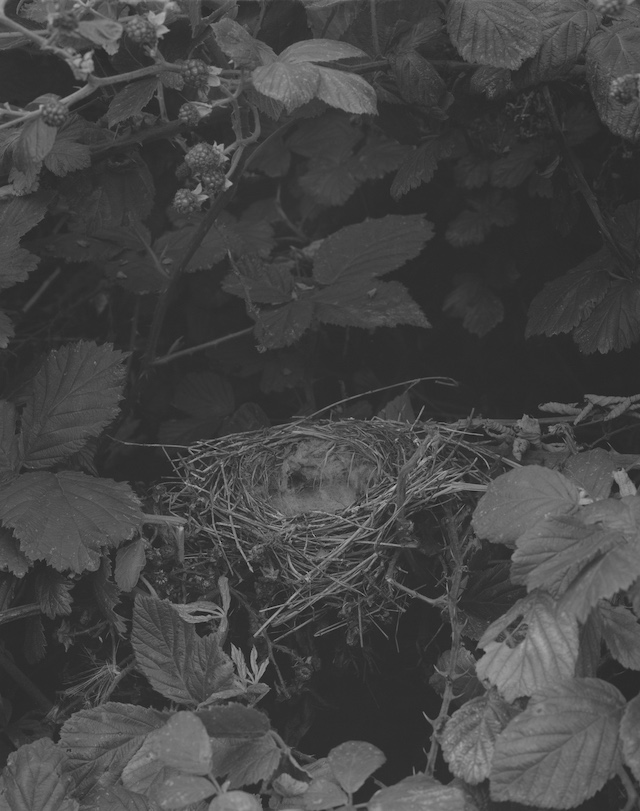
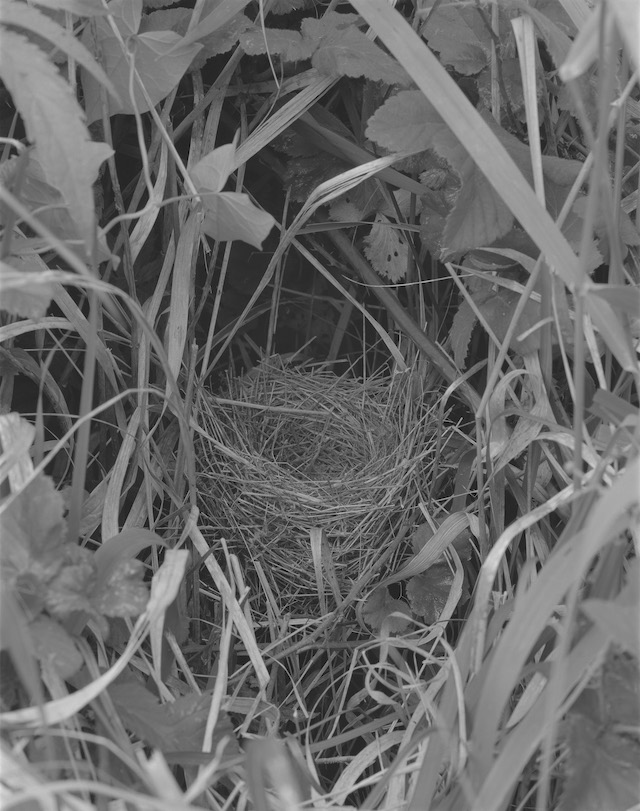
The myriad relationships between animals and their environments can be almost overwhelmingly complex. In simple terms though, as I see it, other animals are ‘at home’ in the world in a way which we humans no longer are. We radically alter the surface of the earth to suit our needs, taking far more than we need. But most animals live in such a delicate balance with their environments that they are inseparable from them–  they live within and are part of their surroundings, usually altering them only in subtle ways that are actually a natural extension of the places themselves. Birds nests are one perfect example of this: materials gathered from the immediate area are made into a structure that supports life there. A manifestation of the bird’s way of living, its behaviour and a material expression of the locale and of the bird’s relationship with it. Then, when you’re talking about migratory birds, the nest is also an expression of those annual cycles of movement, and by extension the tilt of the earth on its axis and the seasonality this causes.

A snail could be seen as an expression of a set of relationships, and so could the song thrush which feeds upon the snail by first breaking its shell on a rock, which it uses as an ‘anvil’. The snail is, in a sense, made of plants, just as the song thrush is made of snails, but that rock is part of the equation too. It’s all inseparable and this is what interests me. So I try to make pictures where interconnections express themselves, often manifested through the movements of animals and the traces these movements leave behind. 

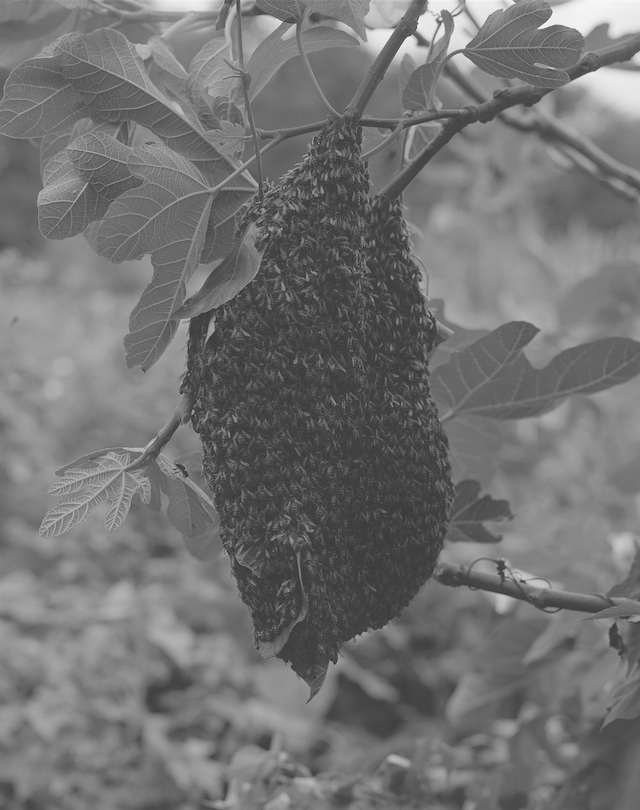
Honeybee swarm (Apis mellifera), 2017 ©Sam Laughlin

Can you give some examples from A Certain Movement, are there any favourite pictures that you could tell me more about?

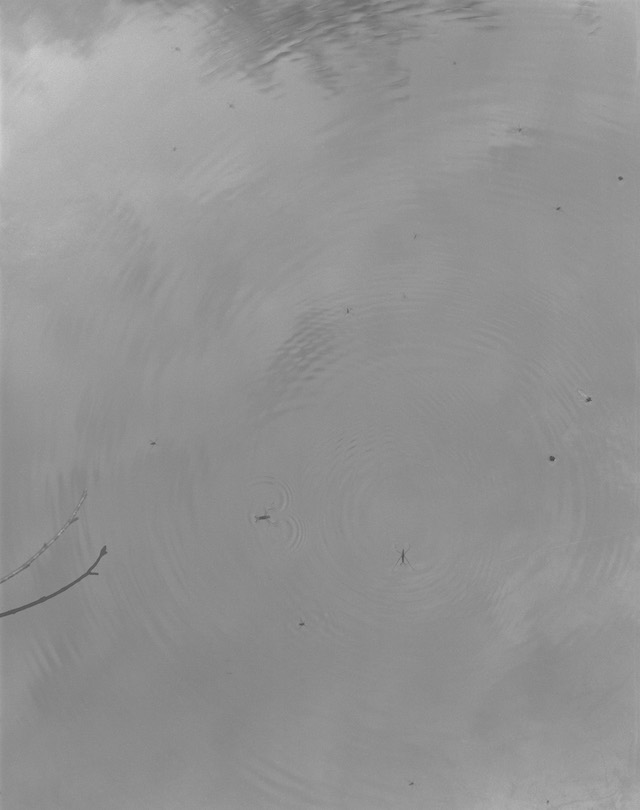
Water Striders (Gerridae) is a favourite picture of mine, chosen for its subtlety and for certain elements of the composition, but mostly for what it symbolises. Water Striders (also known as Pond Skaters) live much of their lives on the water. Their lives are defined by surface tension, which prevents them from sinking. If one looks closely at the picture you can see the ‘meniscus’ around each of their legs. Their movements cause ripples in the water; each one represents a movement and moment in time, with a significance that is briefly visible before it dissipates, rippling out, as I feel all things do. The title of my new exhibition comes from a text written by Adam Nicolson to accompany the project, in which he references this picture and all that it symbolises about the quiet events unfolding through time – Ripples in the Surface of Things.

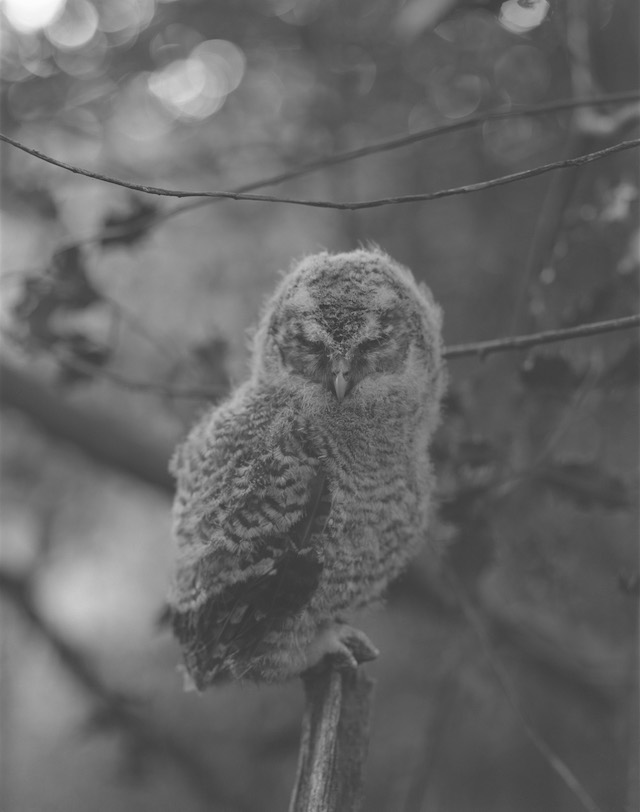
Then there is a picture which is more ‘obvious’: Tawny Owlet Branching (Strix aluco). I love this picture because it results from one of the purest and most beautiful experiences I’ve ever had. After hearing some unusual bird calls emanating from a thicket, I ventured inside and found two fledgling tawny owls (owlets) perching on branches. A phase of their lives known quite poetically as ‘branching’, where after leaving the nest they wait on nearby perches to be fed by the adult. One of the owls was in a good position for a picture, but I had to edge very close to it. I work mainly with large format film and therefore don’t use ‘zoom’ lenses. In those moments as I made the photograph, the owlet was no more than two or three feet away from me, but remained completely still. Time stretched out, and although I didn’t linger so as not to disturb the birds, it felt like an eternity as I stood face to face with it.

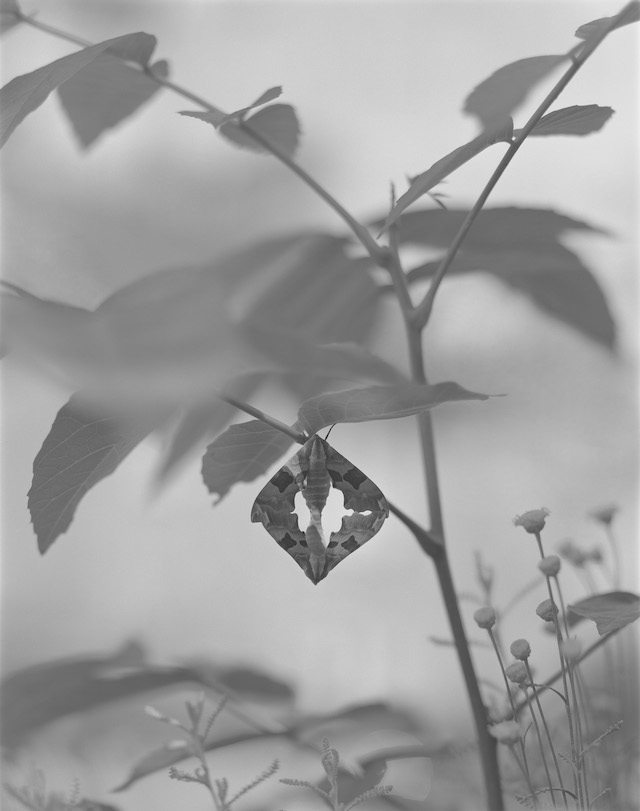
Lime Hawk-moths Mating (Mimas tiliae), 2021 ©Sam Laughlin

What’s the purpose of the project, what can the audience learn?

I hope that my audience will feel the same sense of quiet awe that I do. There’s a kind of reverence in the way I approach my work, which stems from the way I feel about the natural world, and I want the viewer to feel that; not a ‘quick fix’ of the spectacular, but a slow-burning sense of wonder. My work has been called melancholy, but I simply don’t see that. That’s the nice thing about art though; people can get different things from it.

I don’t really want to reduce my pictures to ‘illustrations’ with captions that say ‘here is X doing Y and they do this because… ’, but I do want people to understand better the beautiful intricacies of the lives that are lived all around us, that go on regardless (or despite of) our human activities or our awareness. I think if people understand more, and are more aware, then they might cherish these small things as I do, and hopefully try to do a little more to stem the tide of losses.

A Certain Movement is on show at Serchia Gallery until 17 July. All photography courtesy of Sam Laughlin

Linnet (Linaria cannabina), 2018 ©Sam Laughlin

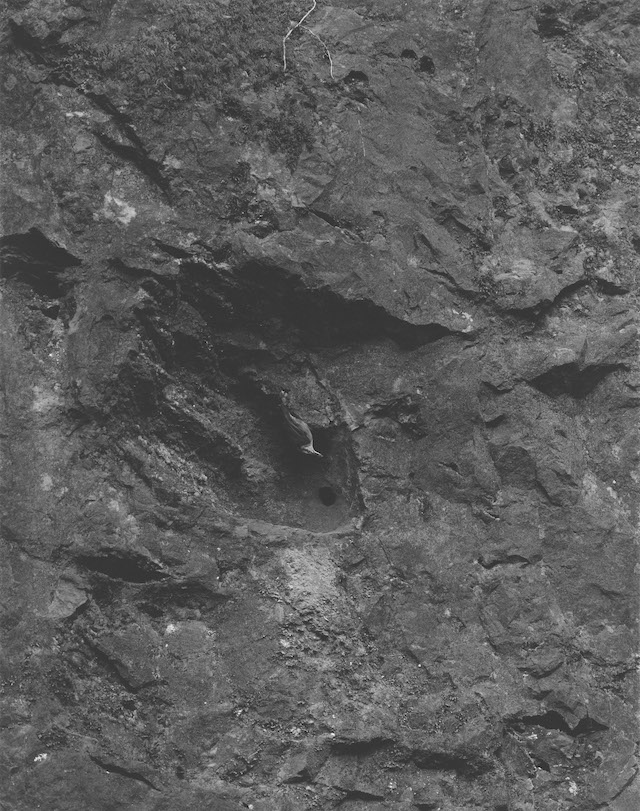
Nuthatch at nest (Sitta europaea), 2020 ©Sam Laughlin

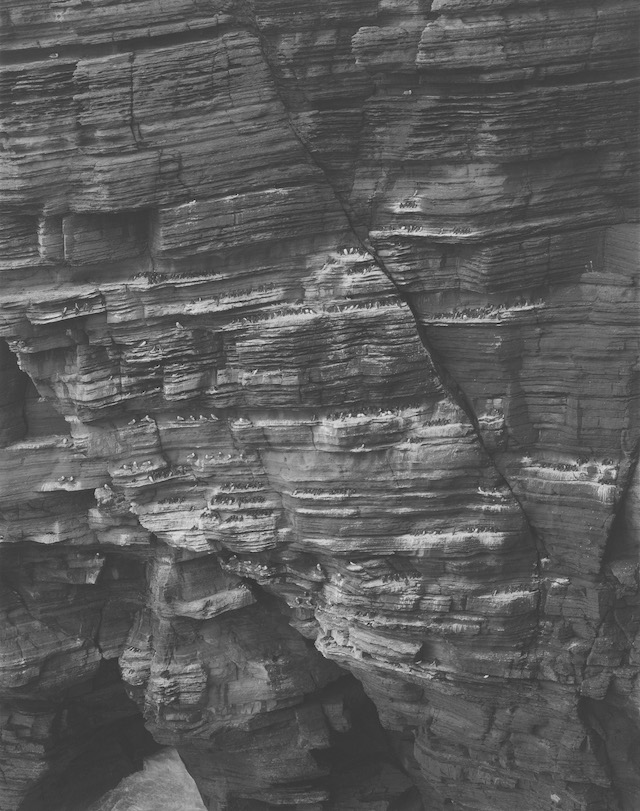
Seabird Colony #2 (four species), 2017 ©Sam Laughlin

Tawny Owlet Branching (Strix aluco), 2018 ©Sam Laughlin

Water Striders (Gerridae), 2019 ©Sam Laughlin

Whitethroat (Sylvia communis), 2021 ©Sam Laughlin

The Golden City

Mimi Plumb’s new book documents a world grappling with climate change, war and poverty

©Mimi Plumb The Golden City

There are countless reasons why someone might refer to San Francisco as The Golden city – the consuming, orange sunsets; the constant rolling fog that heats up the air between the buildings; or its involvement in the California Gold Rush. But even before it was nicknamed The Golden City, San Francisco wasn’t even called San Fransisco. It was only in 1847 that it was given its title, just a year before the Gold Rush which sparked a surge in the population. Then, in 1906, California experienced what’s deemed the worst earthquake of all time, shaking miles upon miles with impact reaching the Bay area. In fact, it’s noted that some remember it as the fire that ripped through the city, giving it a misleading title of San Fransisco Earthquake. San Francisco has an interesting past – its history still looms and is felt in the hills, landscapes and even the people.

©Mimi Plumb The Golden City

Mimi Plumb, is an American photographer currently based in Berkley, California, beholds distinctive memories of the area of San Fransisco. So much so that she’s now compiled these past thoughts and snapshots into a book, aptly named The Golden City and published by Stanley / Barker. Mimi grew up on the edges of the city, where the rents were cheap and humdrum of city life was more diluted and dispersed. “San Francisco, known as The Golden City, truly is a golden city,” Mimi tells me. “But, as with most cities, it has an underbelly, which is where I lived and what I photographed in the 1980s.” The city during this time was rife in radical activism, with inhabitants taking to the streets in opposition of gentrification and the policies coming from the White House. It was a tumultuous time for politics and society, which caused sharp contrasts to those living in a gentrified, inner-city world and those on the fringe. Protests and anarchism subsequently forged and the arrival of a more underground, DIY culture, music and art stared to grow. But it wasn’t without its downside. 

“I was an art student working at a minimum wage job,” explains Mimi of the time. “I lived on the edge of the city where the rents were cheap. I photographed the environment around me, often taking daily walks in my neighbourhood of Bernal Heights; Dog Patch, along the bay; and the Mission District.” In one part of the neighbourhood named Warm Water Cove, located on the bay, Mimi observed captured a pile of tires and abandoned cars. In another spot, she climbed the chimney of a power station that was positioned above the 25th Street Pier – she’d sit and watch the planes swooshing above. Mimi is an observer and this becomes explicitly clear in her photography, that which steers from bleak landscape shots to the more intimate, candid portrait. All of which is shot in signature black and white and features a distinctive luminous tone – an ominous hue that probably couldn’t be captured anywhere else apart from The Golden City. “I actually began this project in the early 1980s using colour film,” says Mimi, “but the blue skies didn’t convey the edgy content of the work.”

©Mimi Plumb The Golden City

To accurately (and artfully) tell her stories, Mimi has divided the book into sequences. The first half features notes from The Golden City itself, “predominantly of landscapes in and around the city,” she says. The work in this part is particularly distinguished as she documents the link between “wealth and power to climate change and poverty” – that which is pictured through angular cliff edges framing the city, almost like a colony of concrete ants in the distance; or busy streets peppered with suited city dwellers juxtaposed with the stark, deteriorating landscapes. Then, you reach the middle point: “The breaking heart and the two spreads that follow represent the heart of the book for me,” she adds. “The second half of the book, mostly portraits of both friends and strangers, reflects the psychological angst that I felt in myself and my community, both then and still now. One of the last pictures in the book – the girl in the polka dot dress hiding her head – is a stand-in for me not knowing what to do about it all. And my cat, Pearl, waiting and crouching is a portrait of me, as the world grapples with climate change, war and poverty.”

What’s most interesting, however, is that although the work in The Golden City was shot between 1984 and 2000, the topics, themes and issues explored are especially relevant today. The world over continues to tackle the warming climate, the dangerous policies imposed by the government and increasing poverty, not least in San Francisco. Mimi’s work, then, reminds us of the cyclical nature of things – that life and history tends to repeat itself. She concludes: “I see this book as a testament to the time and place that we are all experiencing.”

Mimi Plumb’s The Golden City is published by Stanley/Barker

©Mimi Plumb The Golden City

©Mimi Plumb The Golden City

©Mimi Plumb The Golden City

©Mimi Plumb The Golden City

©Mimi Plumb The Golden City

©Mimi Plumb The Golden City

©Mimi Plumb The Golden City

©Mimi Plumb The Golden City

©Mimi Plumb The Golden City

Nearer To Me

Hélène Tchen utilises the power of photography to become “closer” to her identity

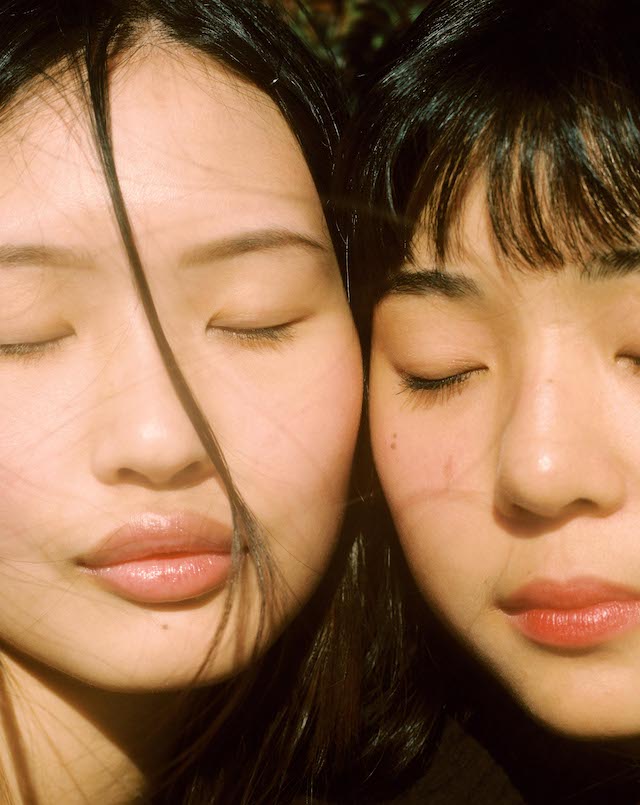
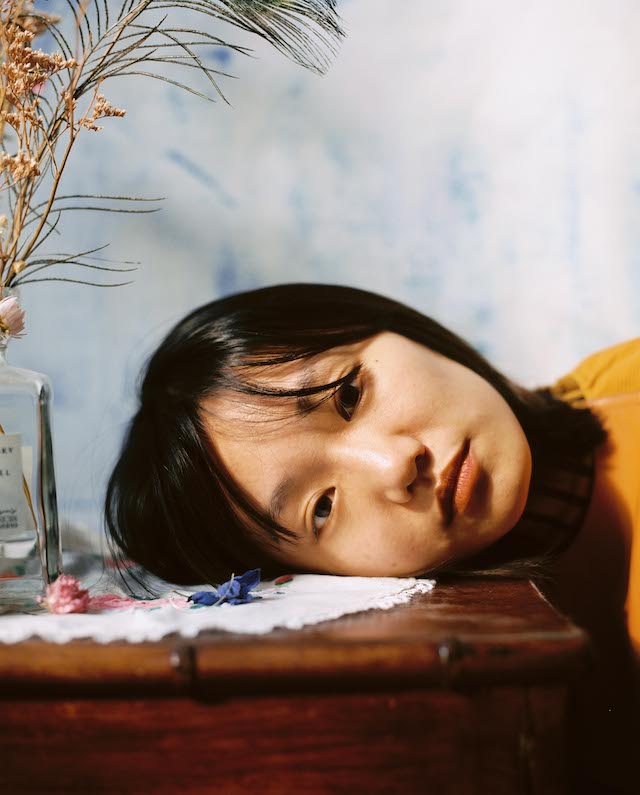
Jeanne and Valentine

“I realised that the people I shot had a huge impact on how it would make me feel,” explains Hélène Tchen, a photographer based in Paris. Born and raised in the French capital city to a Colombian mother and American-Chinese father, her identity as a woman of colour, she says, was therefore “quite complicated”. Having lacked in visibility and representation, this is where the arts come into play – a remedial outlet that allows creatives and subjects to form alliances and, in this case, to share personal experiences and perspectives on the world.

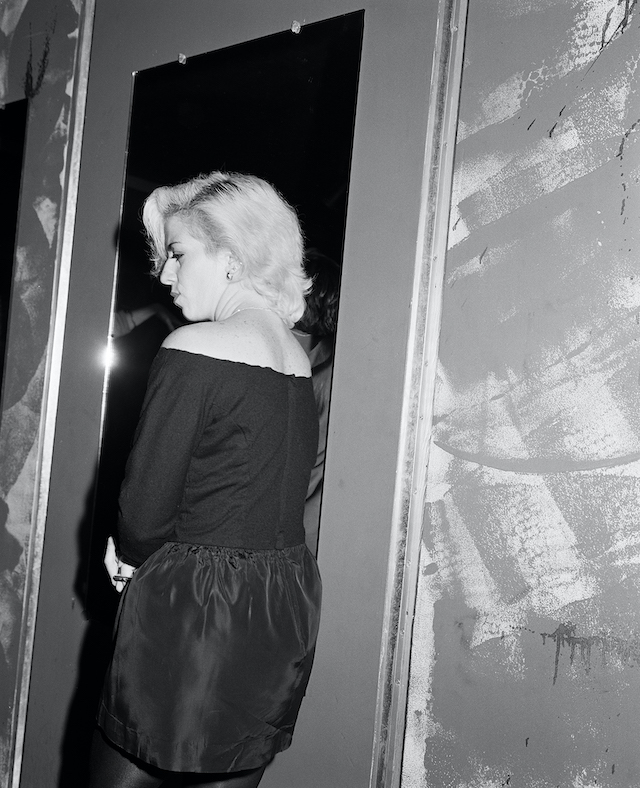
First off, Hélène decided to study cinema with the intentions of becoming a director of photography. Experimenting with analogue image-making on the side, a fascination with the medium grew. It wasn’t long until Hélène had taken up the practice professionally and started carving out her own personal projects, portraits and fashion stories – all of which expel a soft and tonal quality that signifies an intimate connection forged between two people. It allows her to address topics of identity and coming of age, protruded through a dynamism and relatability that not all can achieve through the snap of a shutter. It’s unsurprising to hear that she pulls influences from Wong Kar Wai, Leslie Zheng, Petra Collins and Nadine Ijewere, but equally, she’s identified her own language. “Shooting and creating with people that were like me – not having any visibility and presentation and either being a BIPOC or LQBTQIA+ person – is what inspired me and gave me a sense of my own aesthetic and how I wanted it,” she explains. 

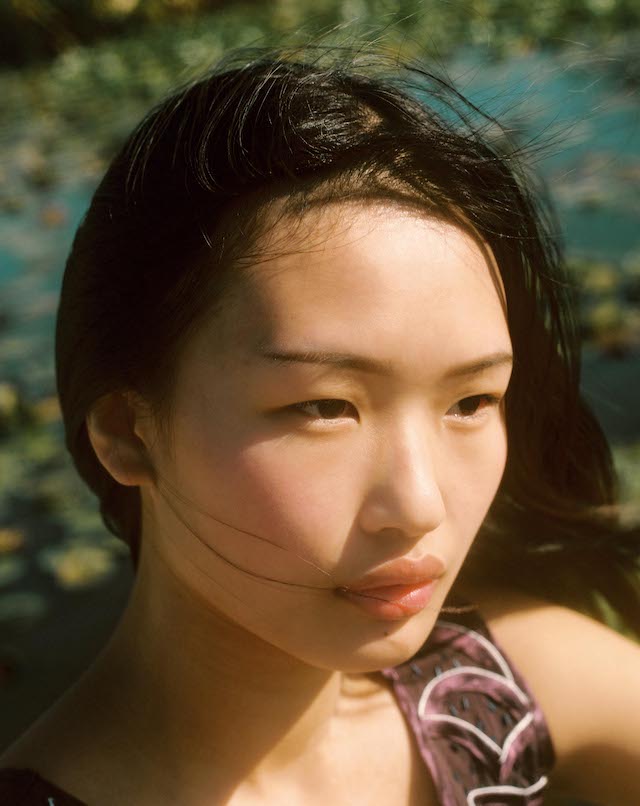
Ruiye

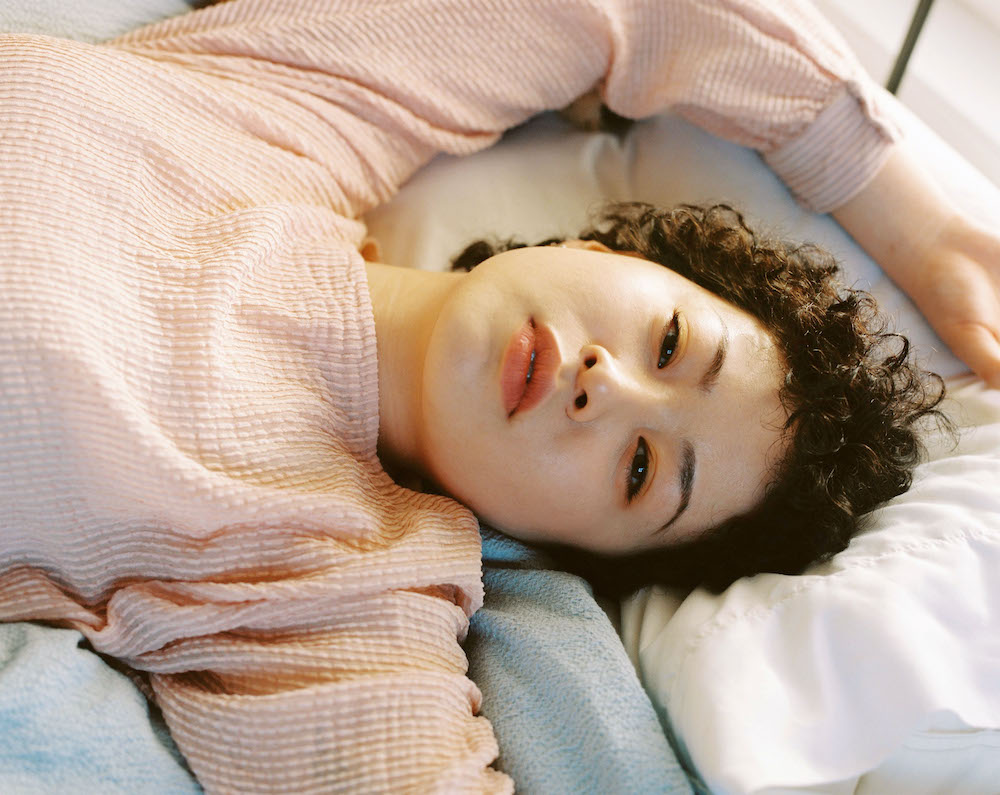
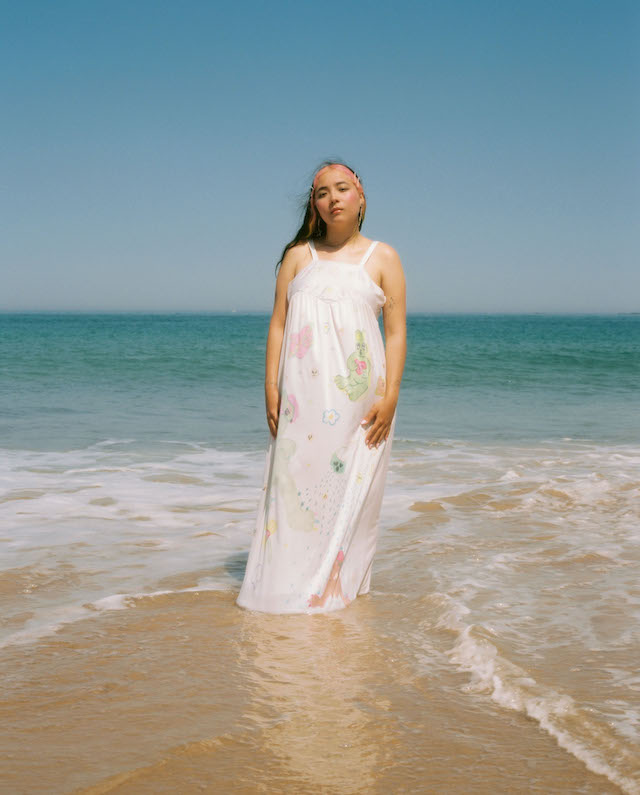
One of Hélène’s recent and most prominent projects is entitled Nearer To Me, a series that she launched as a way of becoming closer to her heritage. “I grew up with an ‘identity complex’,” she adds, “where I never felt French, Colombian or Chinese enough as I knew nothing about this culture and don’t speak the language. I looked Chinese most of all. The racism towards Asian minorities impacted me negatively during my young years and this project is a way for me to reappropriate my Chinese identity how I needed to.” She began the work in Toronto as she visited her sister, a place in which has one of the largest settlements of Chinese immigrants. A call out was made via Instagram and through her sister’s friends, in which Hélène would ask if they could make “simple” portraits together. “It was the first time in my life I would walk in the streets and feel at peace.”

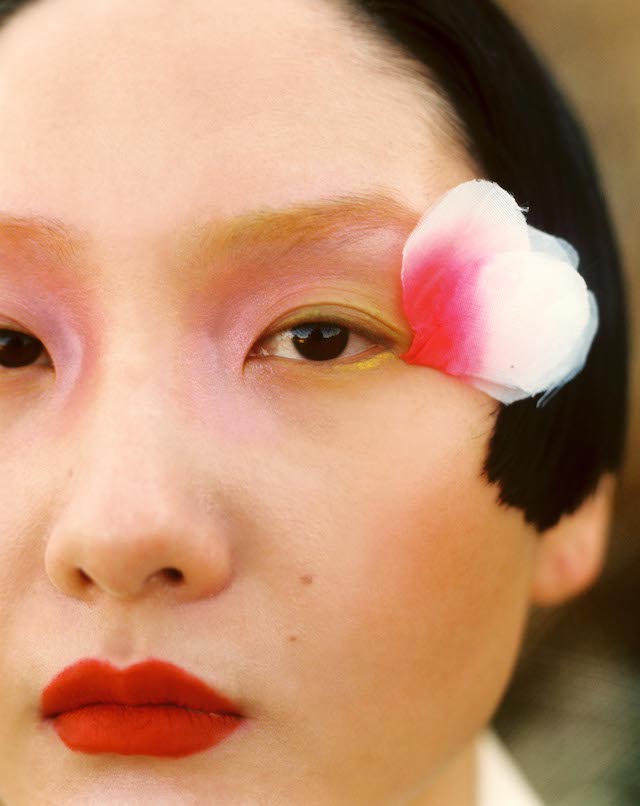
Nearer To Me evolved as she travelled back to Paris and began photographing Chinese women – those who are immigrants or are the child of an immigrant. “This was a way for me to be closer to my lost culture and learn more about it by myself.” Even the name, Nearer To Me, evokes a sense of yearning for understanding; to know oneself and be close to one’s roots. And the pictures resemble just that, as they show how a person’s identity isn’t always linear nor seeped in one definition, place or history. “Belonging to the country you were born or your own origins is something very personal that can be made in many ways,” says Hélène.
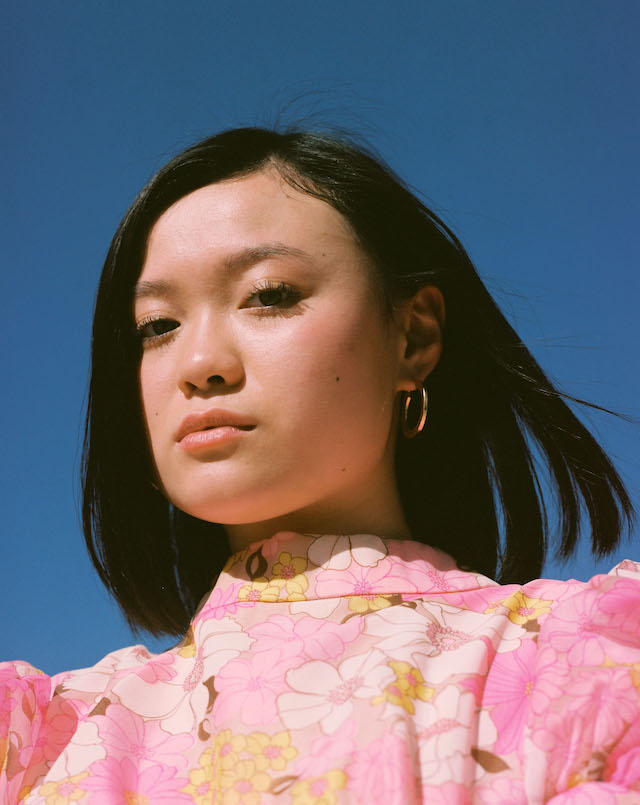
Jeanne

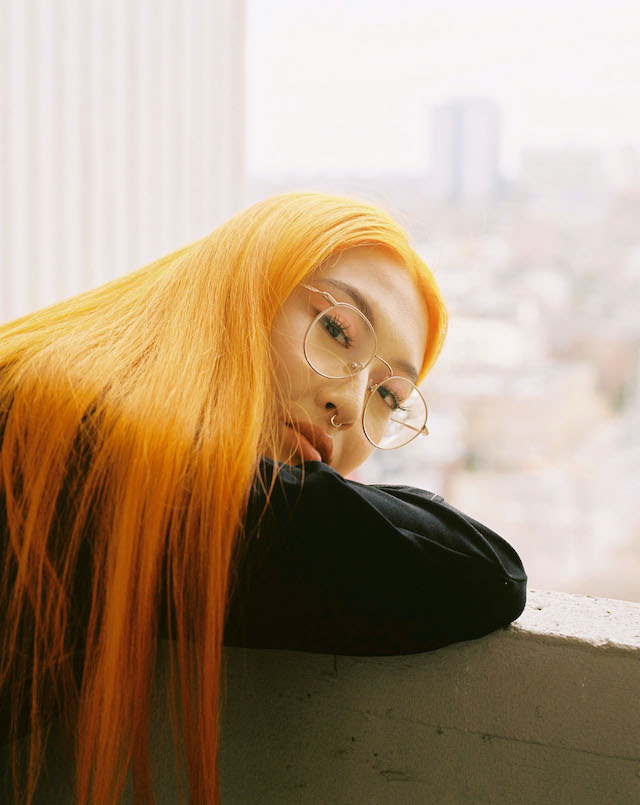
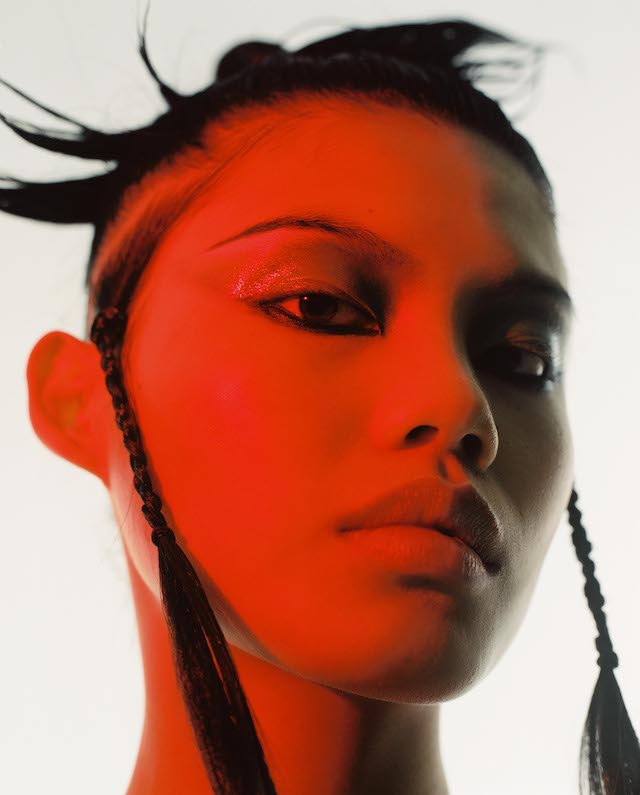
The photographer has captured many women over time, from the people she’d met online to those she knows more closely. This includes a woman named Christine, based in Toronto, whose portrait depicts her quietly leaning on a balcony, hair as fiery as the sun. Then there’s Xiaoyi, a young Chinese women she’d photographed previously for a fashion series, who later featured again in the project. Her portrait is drenched in a saturated shade of red, perceived in a tonal and cinematic style that’s influenced by the Chinese poem Magnolias Ballad, the same reference that inspired by the Disney film Mulan. She also regularly lenses her twin sister, Laure-Anne, the closest person to her and subject she perceives as being the “most special” throughout. 

“I hope my audience will receive this project with kindness and a different eye on the questions of race and social status in our societies,” shares Hélène. “The most important thing I wanted to convey in this artwork is the importance of identity, that it’s never too late to explore who you are of question yourself. And to not forget to be more kind towards ourselves and other people, nobody has the exact same experience in life and there is nothing we cannot do to grow in a better way.”

All photography courtesy of the artist

Christine

Xiaoyi Magnolias Ballad

Laure-Anne in Erquy

Iris

Yahui

Estelle

Fei

Chuo

Leah


Sem Langendijk: Haven

In an exclusive chat with the photographer, Sem reveals the details behind his new book documenting the effects of gentrification across post-industrial cities of the Western world

Look around at your local dwelling and you’ll likely notice change of some sorts. And not just the seasonal kind – the blossoming trees or sprouting bulbs, for example – but more in the way of concrete; the gentrification of our cities. Whether it’s the increasing density of luxury flats, the growing peaks of the buildings or the demolition of community-led spaces, our environments are becoming dispersed, pushing those unable to afford its increasing prices out onto the edges. We’re in the height of long-term displacement and our cities are becoming sterile.

This is the crux of Sem Langendijk’s new book Haven. An in-depth study into the displacement of urban citizens, the project is shot in an atypical documentary style and told through the distinctive lens of the photographer. Having grown up in the “hinterland” of Amsterdam, he witnessed first-hand the effects of gentrification over the years, inspiring him to start researching the disused docklands in his home country, as well as the harbours of New York and London. This was between 2015 and 2020, during which he published a three-part, site-specific series named The Docklands Project, telling “stories about those specific communities and district”the backbone to this latest accomplishment, Haven.

An unavoidably autobiographical book, Haven is a coming-of-age tale that sees the narrator, Sem, navigate adulthood amongst the growth of the world around him. It feels personal just as much as it does activist, achieved through a mix of intimate portraits and stark (although oddly warming) imagery of the urban landscape. Yet surprisingly, less so is it about the places specifically, and more is it an open-ended project structured around the lives of the people, published for infinite interpretations. We see subjects building their own structures on the waters edge, posing in front of the lens with might and force; empty buildings and forgotten facades left to decay; the children growing up here. Each element throughout Haven has its own chronicle, its own history.

What we do know, though, is that what Sem has experienced is something of a universal one. We’ve all witnessed the mass evolution of the modern world and the effects it’s had on the civilians. But some might just not be aware of it yet. And through Haven, these matters are revealed and confronted head on. Below, in an exclusive chat with Sem, he shares the details about the project, what displacement means to him and what he hopes to achieve from the work.

What does displacement mean to you and how have you addressed this within Haven?

As fringes of the city are redeveloped into waterfront districts, which are to attract high incomes and offer luxurious housing, the displacement that occurs here is that of the communities that had previously been cast to these abandoned areas, where no one else wanted to live. Often these communities are referred to as city nomads, people who only temporarily live somewhere. But the fact was, these people ended up staying in these fringes for decades due to the postponement of redevelopment. It’s enough time to build a home, have a family and get grounded there. One of the environments I photographed for the project is very similar to where I lived as a child. In the book, this is where portraits are dominant. In the later stages of the book, the portraits are less frequent and become more anonymous. The people are replaced by the urban fabric of a modern city; glass, concrete, hard shadows. I wanted to gradually change the atmosphere of the book, and through doing so, address the issue of communities being forced out of the city. 
You’ve also described the book as being autobiographical, how so? In what way have you tied this in with your own personal experiences?

In the edit for Haven, I decided to build a narrative around a boy who grows up simultaneously with the city’s transformation. Gentrification is a general phenomenon occurring in a lot of Western, former industrial cities. My motivation to make this work was very personal, and the voice I wanted to use was my own, the subjective one. Who am I to make this project and what is my relation to it? 

As someone who has lived through 30 years of city renewal, it is an autobiographical story. The opening image of the book is a portrait of Tommy; when I made this photo it felt as if I was looking at myself, 25 years back in time. The edit jumps to different environments, from an industrial ship wharf turned into an experimental living site, to the areas where we encounter metal and wood workers, garage shops and other businesses that relate to the harbour. It comes to an end in a financial district, which is a completely different world from where it started. These all share the history that they were once the docklands where ships were built, and relate to the different stages of gentrification. 

Can you give some more detail about the places you visited?

I picked the places I photographed and researched specifically. I wanted to trace back the timeline of the change I witnessed, and compare how former ship wharf areas were used. 

The Docklands Project is divided into three different series. The first is dedicated to a community that had lived on an abandoned ship wharf for over twenty years; I lived in an abandoned rail station next to the Central Station in Amsterdam, which was a similar place. I had stayed with this community over winter in a caravan, two years prior to starting this project (2013). From 2017 to 2019 I visited the community frequently, up to the point when they had to vacate the land, after legal procedures were lost. 

For the second chapter, I looked for a ship wharf in Red Hook, a former Dutch settlement, and found a lot of resemblance with the area I lived in during my teenage years. The second series deals with its contrasts in architecture and the increase of wealth to the area. The public space is changing, I encountered a more privatised use of the space around houses. In some cases, the architecture almost seems to turn its back on the street, with blind walls which make it less inviting for visitors to enter the area. The urban landscape is becoming more structured and planned, with less options for the citizens to shape and alter their environment. The final chapter looks at the Docklands of London, a city which early on invested into these areas and saw a potential. Now a new financial district, these docklands are private lands, managed by corporate companies from overseas. Instead of police, private security patrols the streets. In some areas you’re asked for ID and proof of address. It is almost dystopian to me, but it is the direction that regeneration has resulted to that’s steered by capitalistic ideals. In Haven, the work is brought together and mixed, to create the idea of one city that transforms over time. 
Who did you meet while photographing? Tell me more about your subjects.

I’ve photographed a number of people who I thought were inspiring, often young adults who were still discovering their place in the city, attracted to the buzz, whether it were artists, musicians or high school kids that were having a lunch break. I’m photographing strangers, people whom I’ve never met before, but I am intrigued by people who, sometimes distinctively, express they’re out of the norm. Whether it’s as small as an earring or tattoos, or more expressive hairstyles, I tend to turn my camera to people who show some type of resistance. At least, that’s my interpretation of it, what I project on them. 

The work deals with freedom and the freedom to be different – to be present in the city’s demography. One effect of gentrification in an increasingly more homogeneous demography of the citizens, and more segregation. The people I photographed for Haven are part of marginalised communities. By making a book about place, but including the portraits as a significant element of the work, I mean to amplify their existence and presence, and importance within the city. I believe diversity and inclusivity are essential for the city’s dynamic. If we lose these elements, we might create cities that lose their importance in our society. It is here that innovative (new) ideas are born, often by looking at something from a different perspective, fuelled by the input of the unexpected.

What are the main causes of displacement and what can be done to preserve our environments? 

I think that is difficult to answer. The systems that are resulting into displacement are not so easy to separate into main causes, besides maybe rising rent. Something I’ve experienced is the dispersing of communities and the vast demolition of old parts of the city. When a large part of a community is replaced by different people, the social infrastructure is disrupted. Your neighbour moves, but if all your neighbours move, why would you stay? 
Next to the people, the urban fabric is something we relate to, as anchors and reference points. In many cases, large parts of the industrial buildings were demolished, to make way for apartment blocks, with different materials. I feel like the aim should be for a more diverse type of urban fabric in regenerated areas. Leave some of the old, both physical as socially – not everyone needs the same luxury. Keep these affordable, so people can stay. Integrate the new into the old. In a way, would it not be beautiful if everything that is present in Haven, can co-exist in the same time, the same area? Cross-pollination is key for the city’s progressive nature. I think this can be increased, or at least preserved within cities, by being more aware of the potential of some old areas. 

What are they key takeaways from Haven, what can the audience learn?

The intention of the book is to leave things open for the viewer to interpret. The second chapter is more informative: a short history of harbour areas after the 1980’s, with additional perspectives from sociologists who studied our cities in length. But there is a focus in the book on people that shape their own environment, that re-invent space for new, needed purposes. In today’s cities we face scarcity of affordable housing, while office buildings sit empty. There is a need for experimental solutions. Certain communities and their way of life can be valuable to how we think about city renewal. 

All photography courtesy of Sem Langendijk. Haven is available to pre-order here.

Road to Nowhere

Robin Graubard’s debut book is a stark documentation of Eastern Europe following the dissolution of the USSR

© Robin Graubard 2022 courtesy Loose Joints

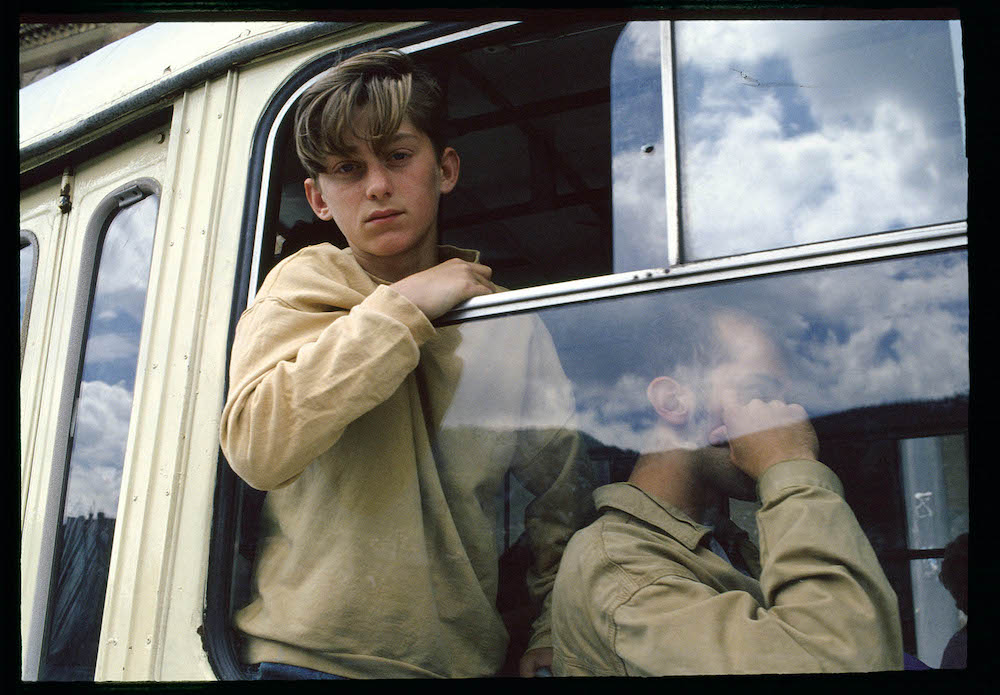
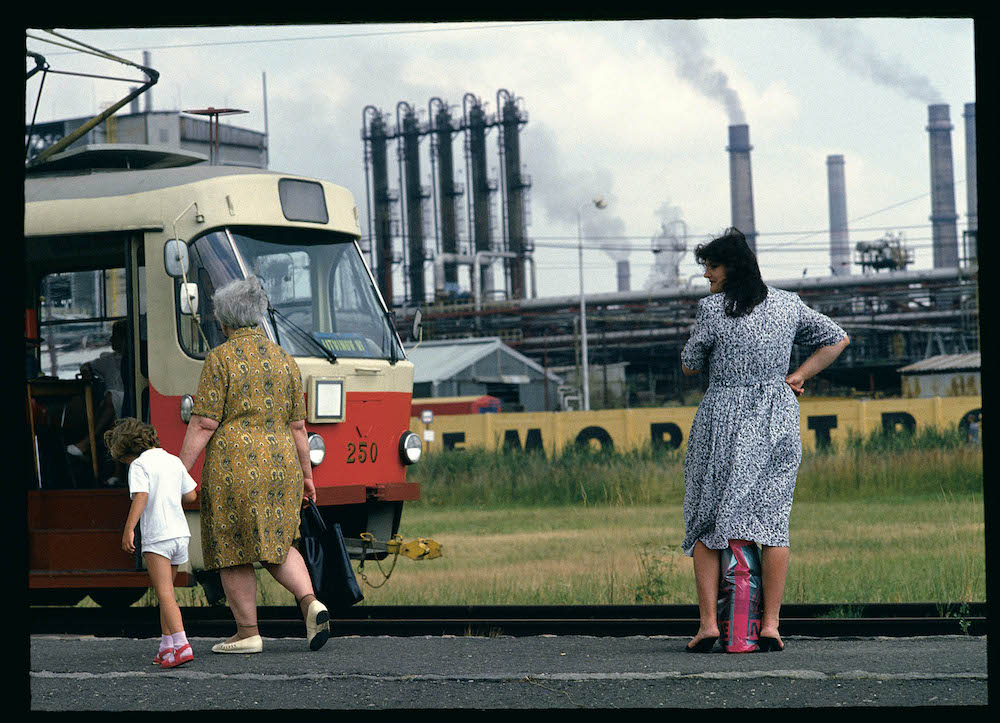
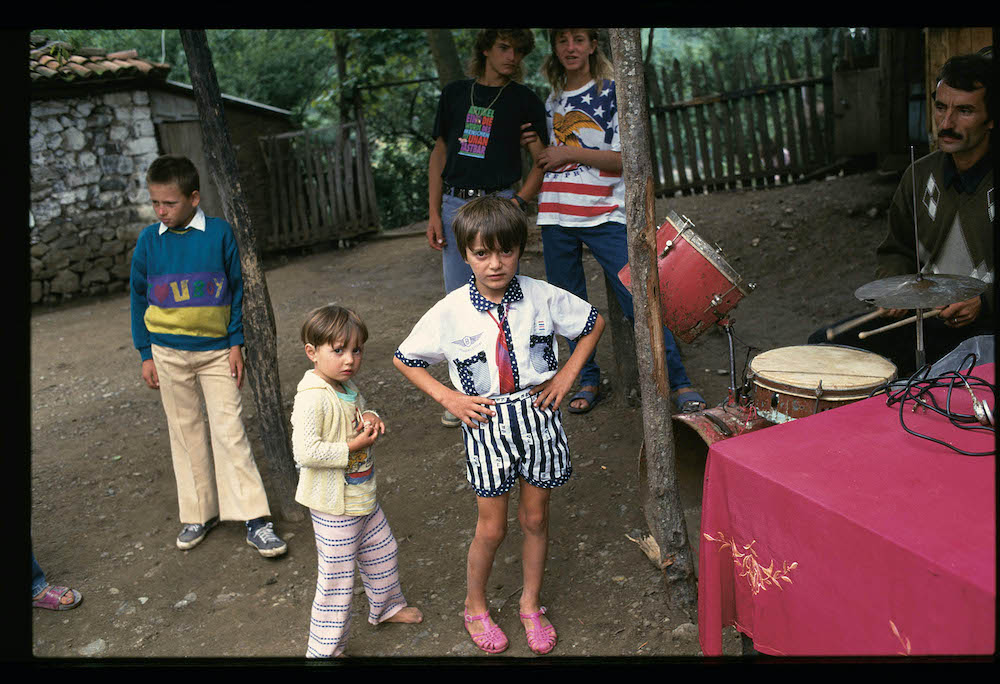
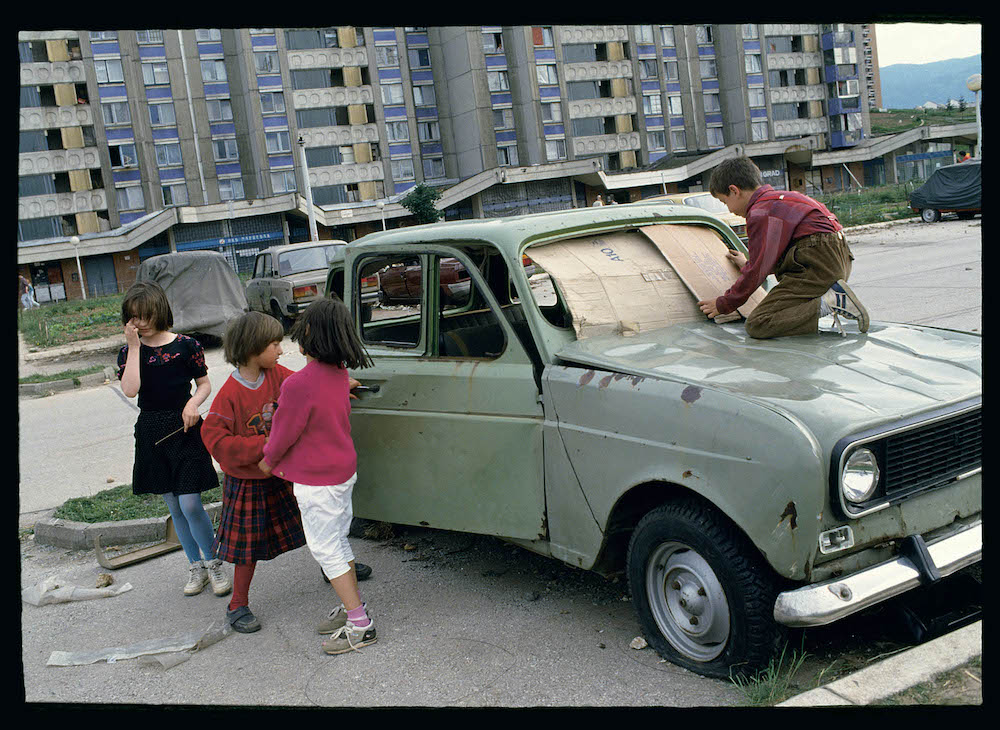
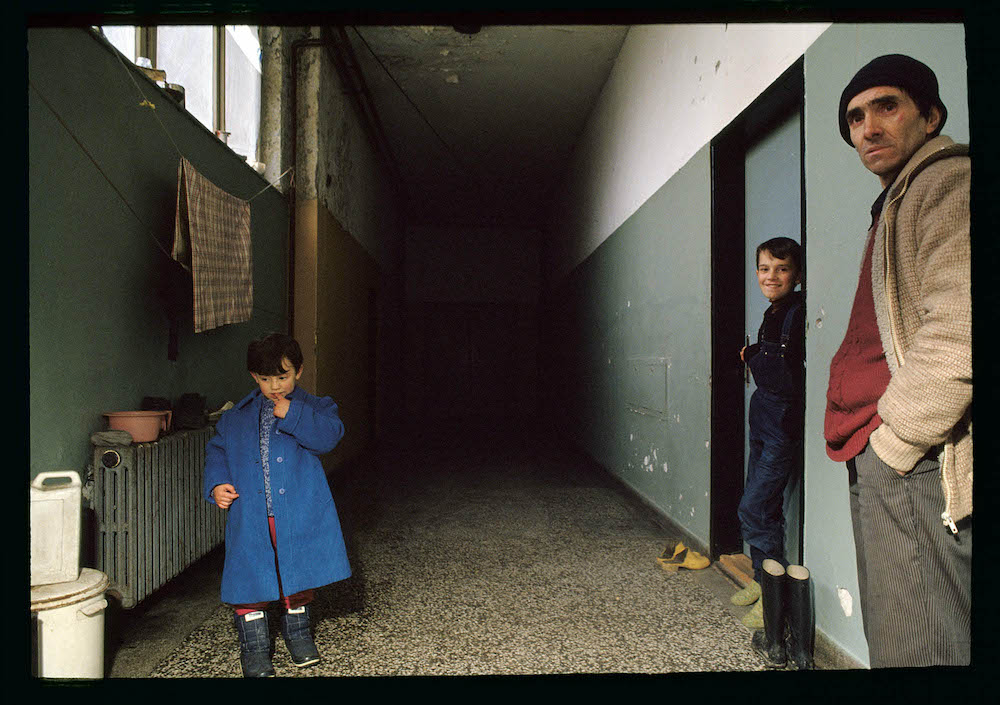
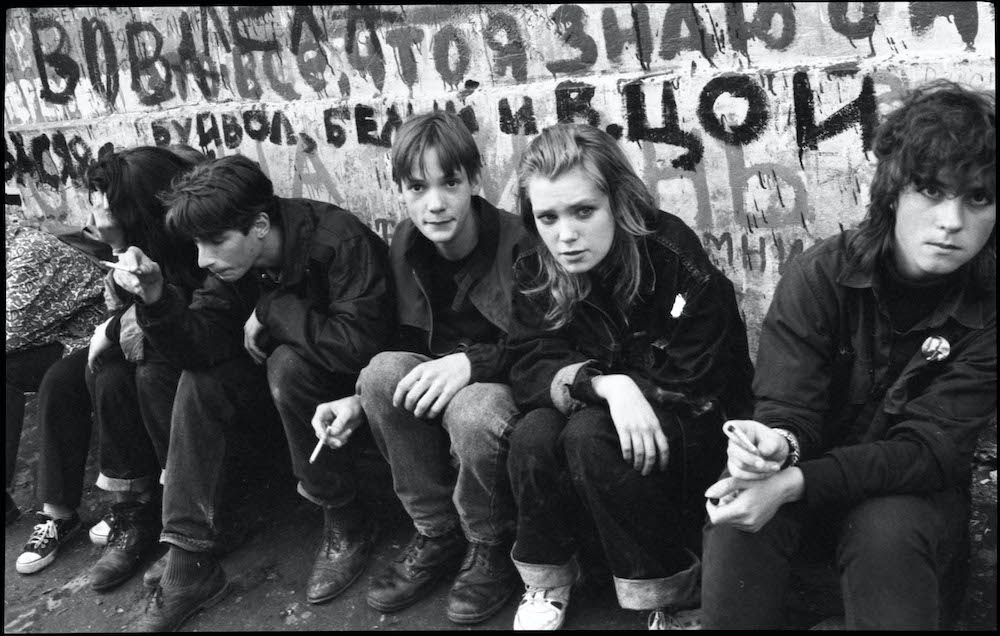
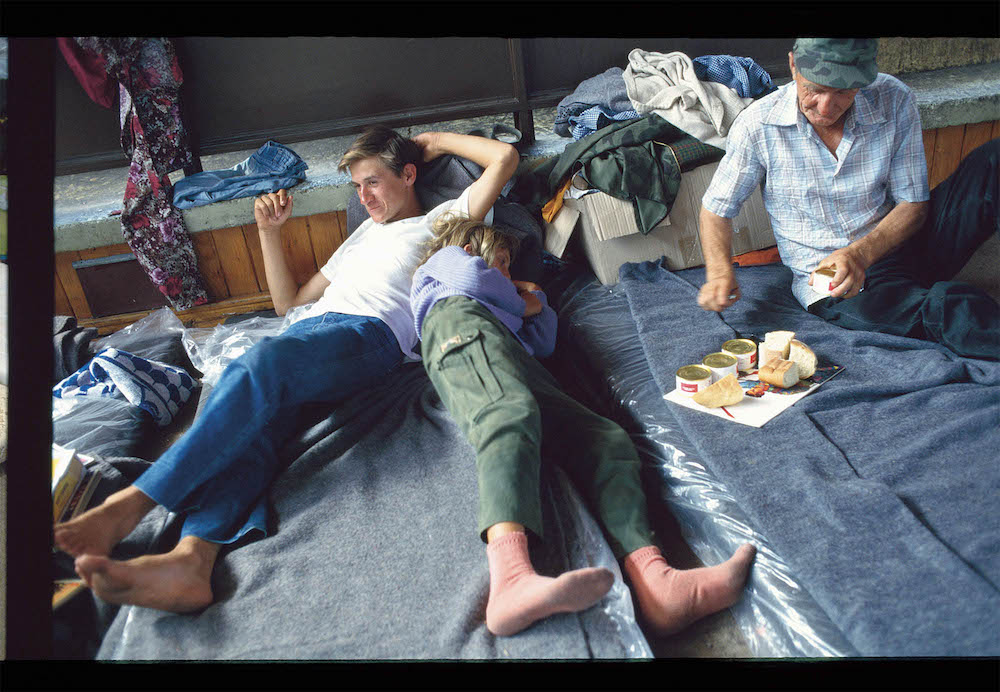
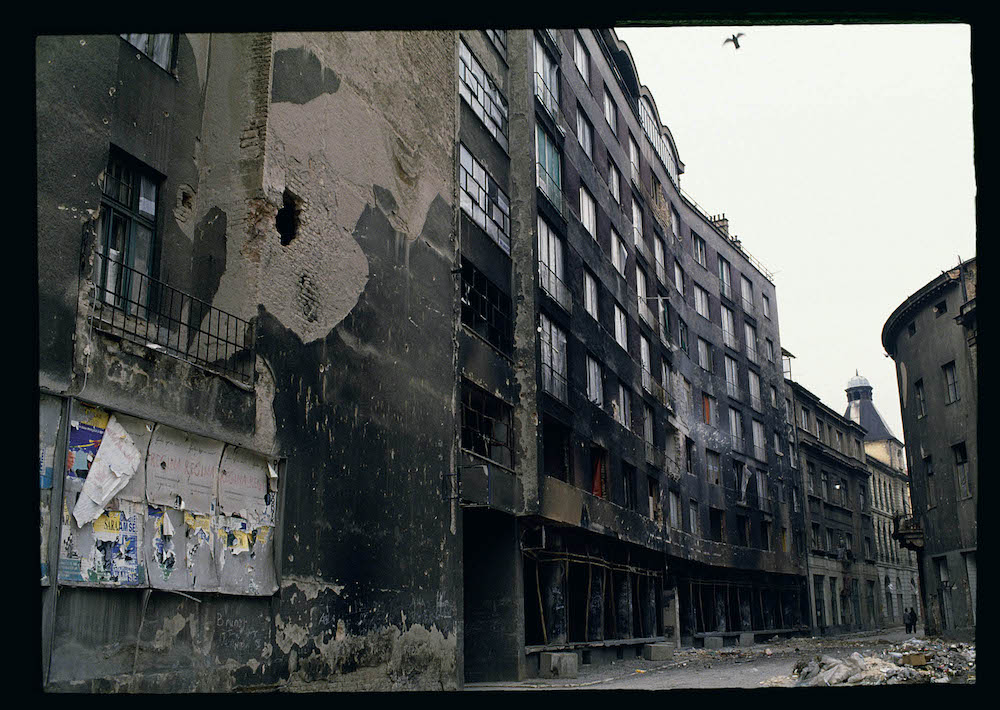
Besides the long, paisley dresses and other vintage fashions, there really isn’t much dissimilarity between today and the events documented in Robin Graubard’s Road to Nowhere. The first major book of the photographer published by Loose Joints, Road to Nowhere is a stark documentation of Eastern Europe during the 90s following the dissolution of the USSR, conceived through a diaristic manner in which Robin bore witness to the Yugoslav War, Bosnian genocide and Kosovan uprising. She journeyed to Russia, Czechoslovakia, Bulgaria, Serbia, Bosnia and others, lensing and telling stories of hardship, suffering, war and hunger. And what with Russian invasion of Ukraine and ongoing conflict in Afghanistan, these pictures show that history does indeed tend to repeat itself.

© Robin Graubard 2022 courtesy Loose Joints

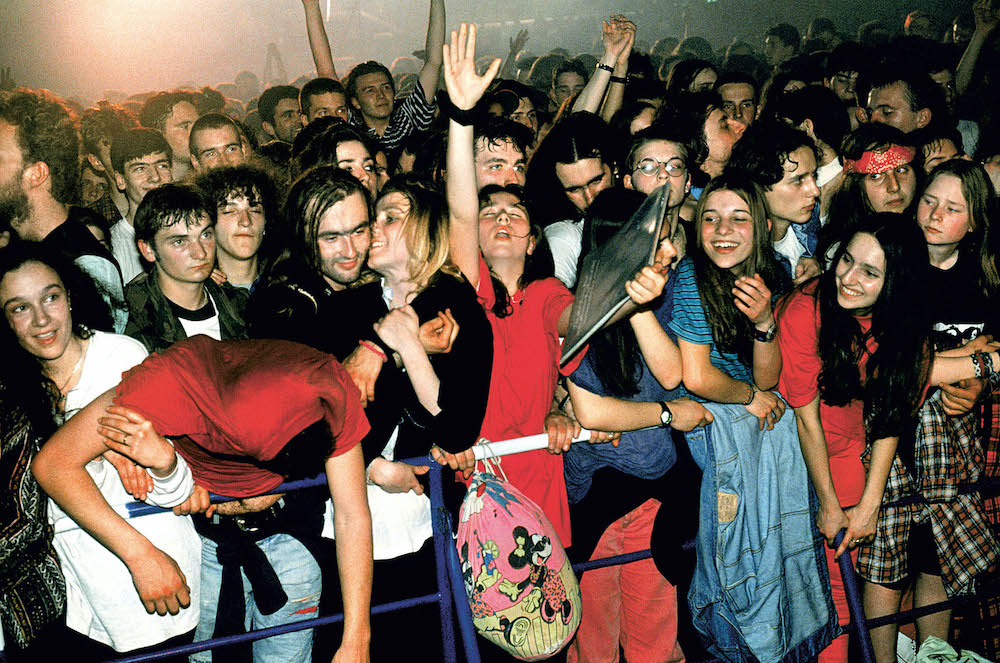
Road to Nowhere features primarily unseen imagery shot over the 90s, yet the visuals themselves appear timeless – they could have been taken yesterday, just a few years back or even decades. She worked solo and sought out stories that were close to her heart, revealing the difficulty of these lived experiences and powerfully juxtaposing them with the emerging subcultures of post-Soviet life, such as those seeking joy and normalcy amongst it all. Chores, games or dancing at a concerts are therefore comparatively sequenced alongside the deteriorated urban landscapes and buildings impacted by shelling. It’s a devastating depiction of conflict, but equally one of resilience. 

© Robin Graubard 2022 courtesy Loose Joints

With a career spanning 40 years, Robin’s work is often seen merging the autobiographical, editorial and documentary. She came of age in the counterculture and punk scenes of the 60s and 70s in New York, set against the urban backdrop of revolt and rebellion. She worked as a photographer at a newspaper; there was a strike and it was shut down. Consequently she bought a flight to Prague and met a group of women outside a UN building, who were discussing how no one was covering the war in Sarajevo. Receiving the press credentials from Newsweek, she set up base in Prague and stayed for three years.

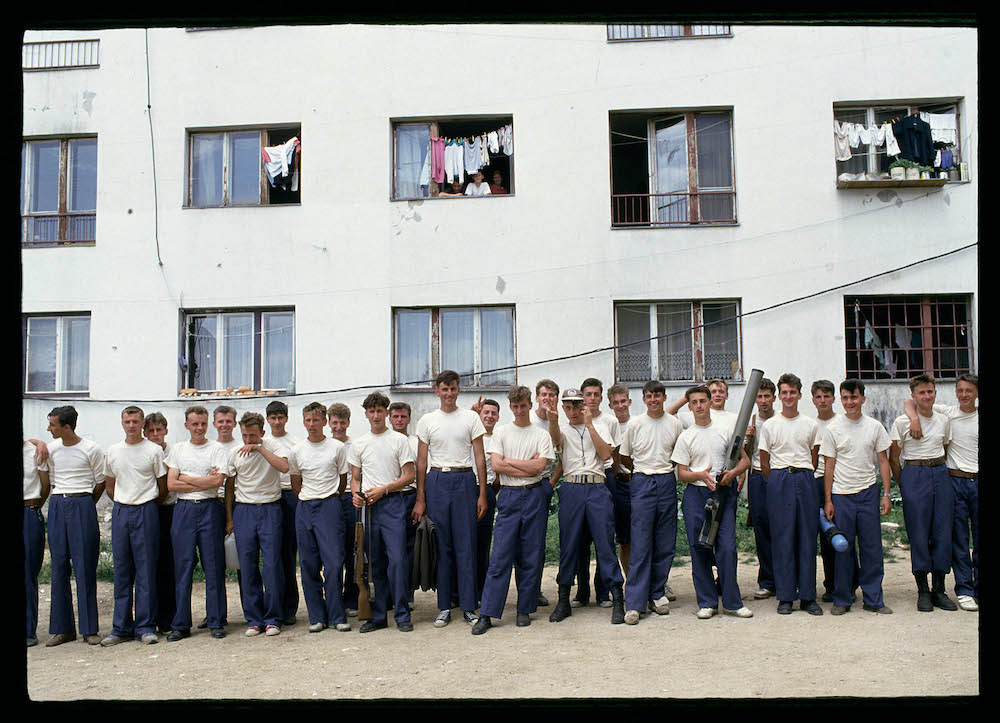
“I photographed the war in Yugoslavia, oil smuggling in Rumania, runaways and orphans living in train station tunnels in Bucharest, and a school for girls in Prague,” she writes in the book. Proceeding to travel alone throughout the Balkans, she’d met families, lovers, translators, bus drivers and soldiers. In Belgrade during 1995, for instance, she spoke with a group of soldiers, some “dogs of war” who were the “most elite Serb and Russian mercenary soldiers on the front line”, she writes. “They seemed young and bedraggled.” She spent time photographing them and they were posing with peace signs. “Most of the soldiers in the picture died during the war.”

Robin was often on the front line and at the heart of conflict. Not only did she experience heavy shelling at night in her apartment while in Sarajevo, she also had a near miss when a bullet shot past her head during check in. “The man at the front desk seemed to be in some sort of trance and just ignored it,” she pens. On one occasion, she was walking to the hospital in Sarajevo through what was sniper alley, accompanied by a translator who’d been shot four or five times. Usually walking around on foot through Sarajevo, Robin recalls, “Somehow, I made it out”.

An impactful debut from the photographer, Road to Nowhere sees 130 photos compiled over 228 pages. The book is published by Loose Joints.

© Robin Graubard 2022 courtesy Loose Joints

© Robin Graubard 2022 courtesy Loose Joints

© Robin Graubard 2022 courtesy Loose Joints

© Robin Graubard 2022 courtesy Loose Joints

© Robin Graubard 2022 courtesy Loose Joints

© Robin Graubard 2022 courtesy Loose Joints

© Robin Graubard 2022 courtesy Loose Joints

Images from Italy

Henerico Rossi captures the sun-drenched faces and places of his home country

2020 was the year of alterations, with many fleeing the cities in search for space, greenery and calm. Henerico Rossi was one of those, having abandoned his post in London (he’s lived abroad for 13 years) to return back to Italy. “Since then, it has been like looking at my home country for the first time,” he tells me. “What a stunning place on earth.”

Sometimes a little space for reflection is all you need to view the world with a different lens. This is exactly the case for Henerico, a photographer who’s released an ongoing series named Images from Italy, a tranquil and sun-drench project documenting the faces and places of those living across Sicily, Puglia, Tuscany, Emilia Romagna, Liguria and Friuli. After returning to the country, it was like a flash back in time as he began mingling with the local kids that “would spend their days at the beach until the sun sets,” just like he did. The project is still in the works and, enlivened by his new found inspiration, what keeps him going is “the idea of creating a body of work that can be timeless.”


There’s something so effortlessly nostalgic about Images from Italy, which, by the way, is an apt title for such a series. Doing what it says on the tin, so to speak, Henerico has angled his camera at the daily lives, moments and meetings of the local people around him. The style of which is saturated, rich and sensory; even the occasional monochrome piece evokes a feeling of warmth, as if we too are bathing under the rays of the Italian sun. It’s a skill that not all can achieve, but Henerico does it with ease. “Inspiration comes from everywhere,” he adds, “you just need to look at it. I love digging into my roots as much as I love exploring local communities. The energy of a place can also play an important role in my images. But these are all foreplay of a picture – what ultimately strikes is the emotions that are embedded with it.”

While out shooting, Henerico finds himself drawn towards people with a narrative. Rather than pinpointing an aesthetic or photographing someone for the way they look, he instead prefers to “speak the truth” and portray the encounters he has with his subjects – either friends, creatives he admires or those he meets on the off-chance during one of his trips. “I tend to prefer people who have a story to tell rather than people based on the way they look,” he explains. By working this way, Henerico strives to combat the often surface-deep aesthetic that’s typically displayed in fashion photography. “I am all about images that are able to transcend the mere aesthetic.”

There are a handful of tactics that Henerico adopts in order to achieve such emotive and honest imagery. The first is talking to people, approaching each subject with an open mind. There’s a black and white portrait that defines this , where a man gazes almost sternly into the lens with the hard working lines of his face exaggerated by the beaming sun. The photo was inspired by Henerico’s family roots after he travelled to Mount Etna in Sicily while working on a cover story for Primary Paper. “While driving around, I stumbled onto a cave where the stonecutters were carving the lava stone from the nearby volcano. I asked them if I could take their photograph; they replied to me and they kept doing their thing. I though of waiting and carried on by asking them questions about their craft. The conversation went on. We spoke about how it feels to be a creative soul and how every day isn’t the same. After that moment I knew it was time for me to get my camera out.”

The series presents the intuitive and quick thinking mindset of the photographer, who’s able to capture fleeting moments on the go – like two local boxers who were taking a break from set and sharing a plate of paste together. He also knows when to take a step back from the work and reassess which, at the beginning of his career, was a vital move in determining his future process, “I felt that all my photos looked pretty much the same as if there was no room for inventiveness,” he shares. “I thought that if I wanted to take a great portrait, I had to get close enough to my subject. Later on, I realised that only 50 per cent is true.” After learning this, Henerico snapped a vibrant coastal image of beach-goers joyfully soaking up the rays and salty water – which is perhaps pinnacle to the way in which he views the world and his practice. “The moment I was able to step away while still maintaining a good connection is when I understood something greater was possible,” he concludes. “So although some could say this is a landscape photography kind of picture, for me it is as simple as a portrait taken from afar; a portrait of a place.”

The Last Survivor is the First Subject

12 years in the making, Nick Haymes’ new book is a nostalgic trip through the lives of American teenagers

Think back to your school years and a few pivotal memories will likely rise to the surface – the friendships, the mistakes and the lessons learnt. Nick Haymes was always fond of people and, in school, you would have found him bouncing between the cliques – people liked him. He had low-grade Williams syndrome and he enjoyed his younger days, especially his art teacher and, of course, girls. For six years, he would “obsessively” walk to school with one girl in particular. However, their relationship remained platonic and Nick’s confidence crumbled, resulting in him using drugs and dropping out of school. Three years later he found out he was adopted.

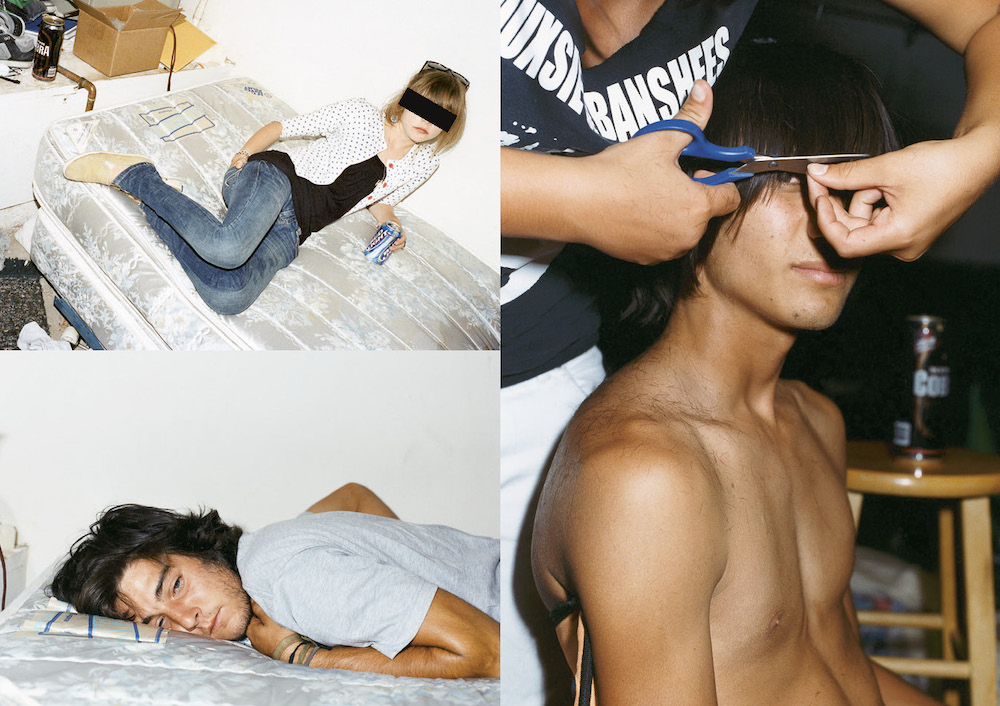
After rehab and a period of paranoid psychosis, Nick felt drained and riddled with a new-found shyness – the complete antithesis to his previously extroverted self. Luckily, he picked up a camera as a way of dealing with his own personal trauma. The camera was a catalytic tool that allowed him to engage with people from a distance; he could once again be near people, and he spent four consecutive summers travelling and sofa surfing with a new circle of friends – the “lost boys” – in California. 

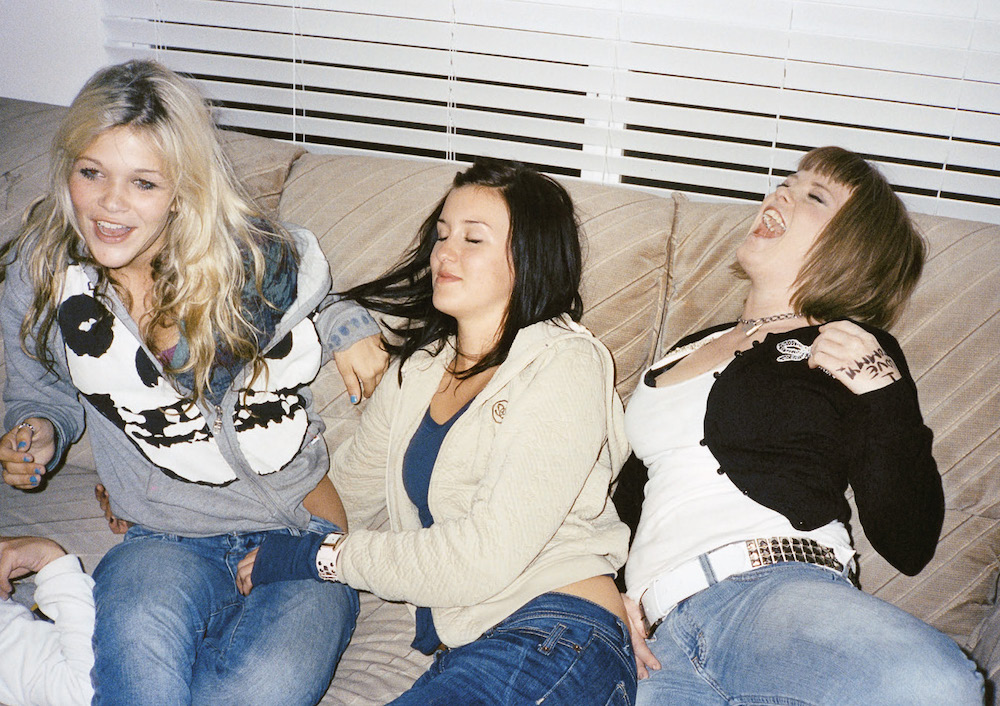
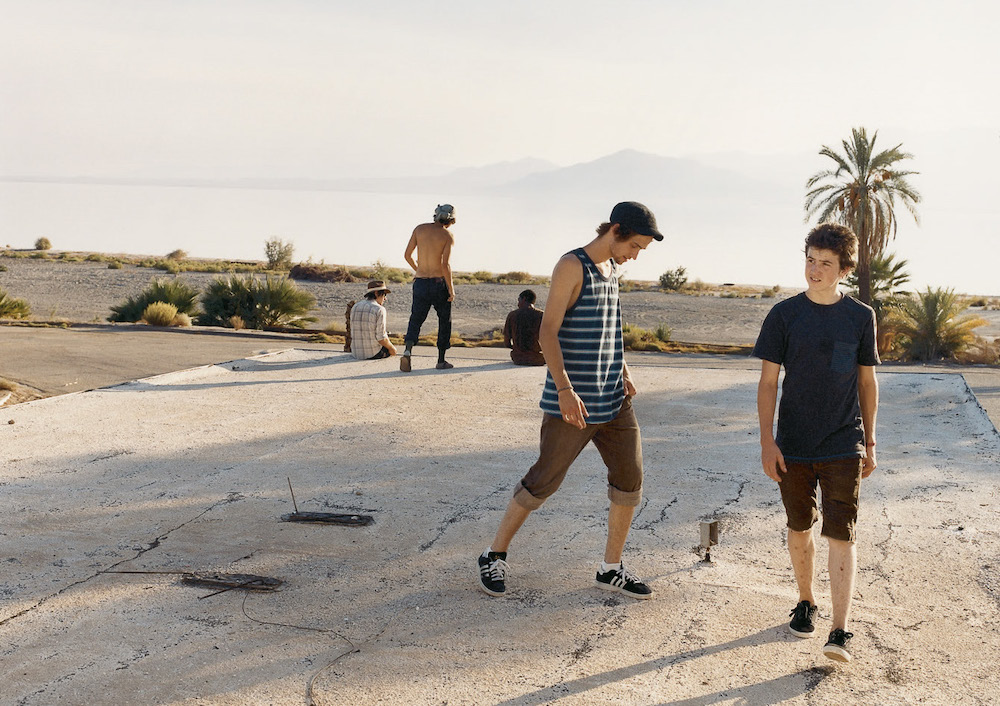
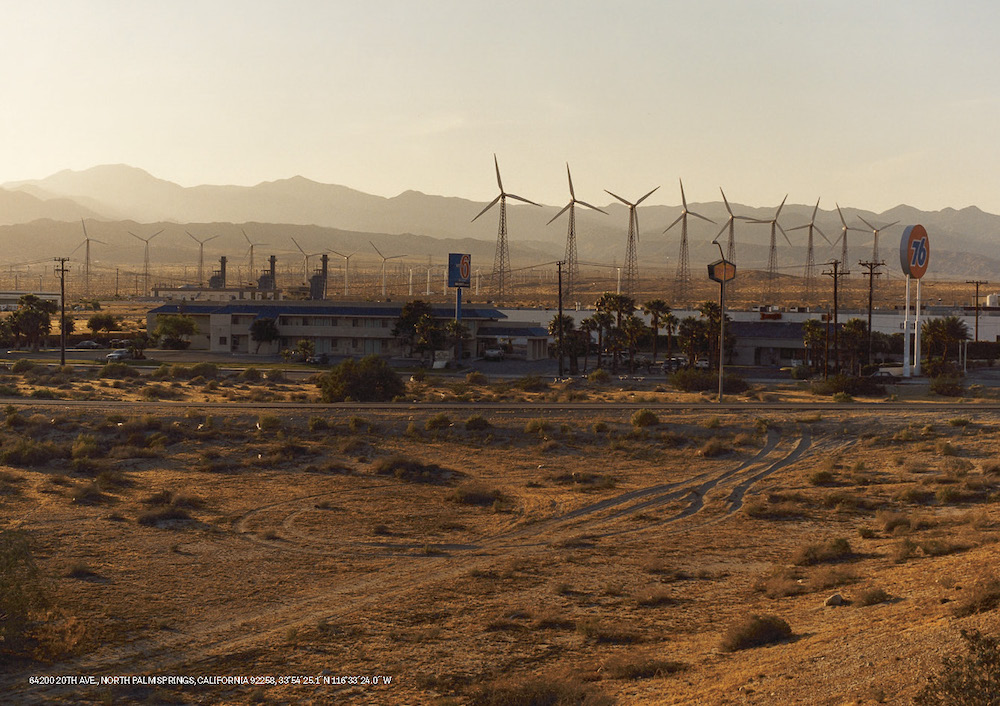
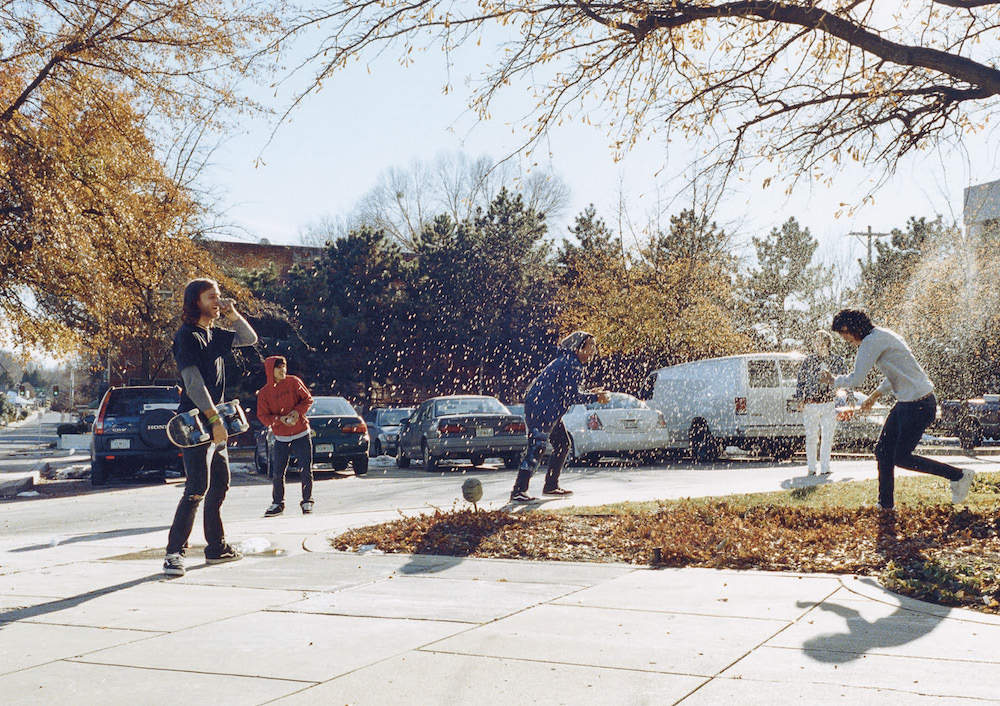
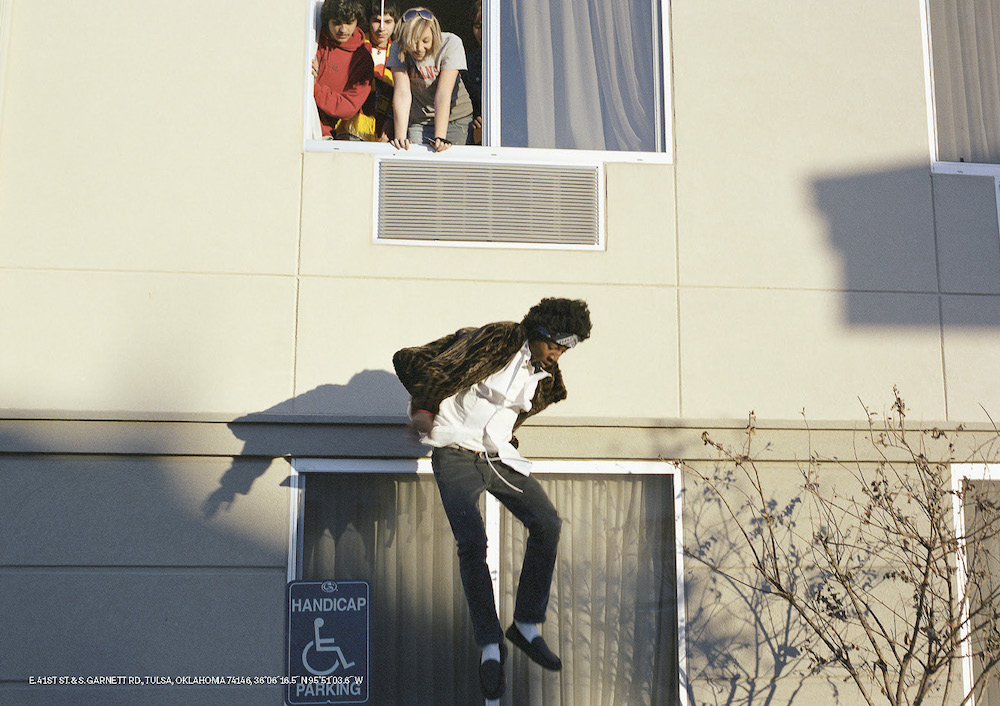
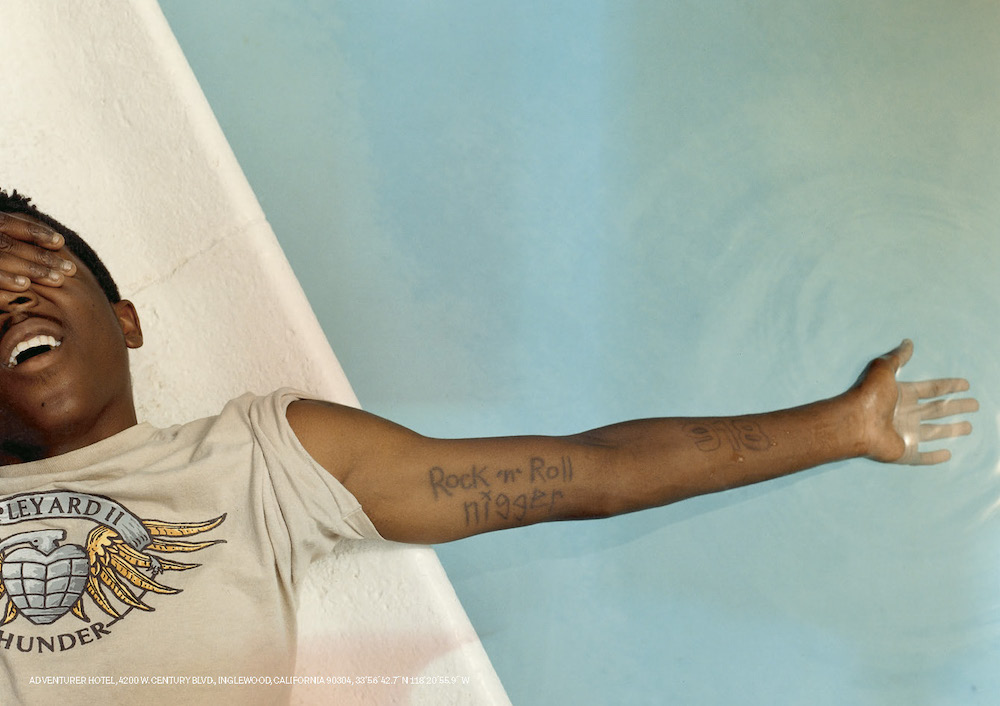
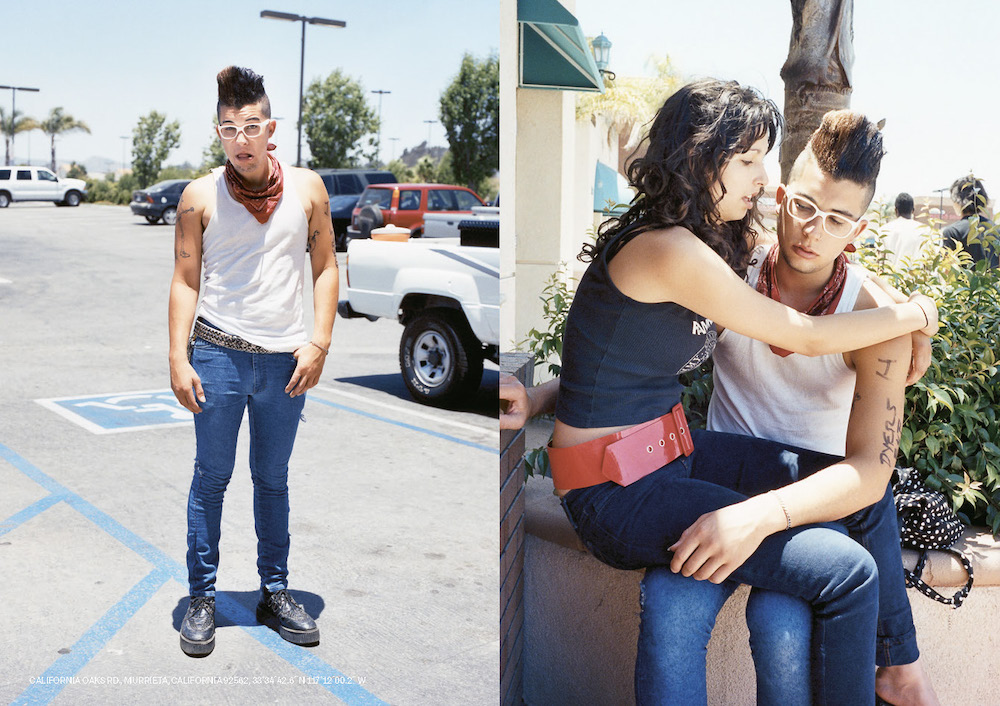
After 12 years, these experiences have now been collated into a book entitled The Last Survivor, published by Kodoji Press. Just as the name suggests, the imagery and texts allude to a period of struggle and growth. It’s shot in typical documentary style, sending the viewer on a nostalgic trip through Southern California and Tulsa as it follows a community of young friends; they navigate adolescence, connections, bonds and tragedies, like the death of their friend, Fern. It’s a tale about others, but equally of a teenager growing up through hardship. Because, if it weren’t for Nick finding his voice with the camera, who knows where this story might have ended up. Nick tells me more about the project below. 

Your new book is an extremely reflective project, how does it feel looking back and thinking about your past? Is it a cathartic experience?

The book is both – it’s a celebration of a fleeting moment and reverie, and also the more sobering aspect surrounding death at such a young age. I deliberately held back on making this book until I could view it all as impartially as I possibly could, but overall I reflect on it in a positive light as many of the boys, now grown, I’m still very close to.

Can you tell me more about the moment you became interested in photography? What was the first picture you took; how did your camera specifically help you overcome your shyness? 

I always wanted to do anything else in the arts except photography. My grandfather was a keen amateur photographer, so he was responsible for turning me onto photography. At a very young age, he gave me an old vintage Russian Zorki rangefinder camera and then later on a Zenit E. The earliest images I remember taking were from those around the age of nine or 10. It wasn’t until I was a few years older that I became aware of photography as an access and entry point to places and people that I would otherwise never meet or speak to. I found it a great enabler and still do. 

Talk me through the work involved in the project – what does it tell us about this group of friends? 

I was a very young parent at the time with two sons. I never grew up in the United States as a youth but now I find myself living here indefinitely and raising a family. I wished to try to understand my surroundings through the eyes of youth, to comprehend what it meant to be young and American  – a way of building a future relationship with my own children. It actually took a few trips before I was fully accepted by everyone. One of my closest friends now is one of the boys who was the most apprehensive of me at the time. 

What I did find was a very close knit community of boys, who felt that they had been somewhat let down either from schooling or the cliques that they clearly felt were not for them. Skating was a single unifying force that created a really strong bond with all of the boys I photographed during that time period. No one was judged by their social economic background or race. It was a very diverse group.

How do you hope your audience will respond to the work? 

Its pretty uncomplicated; it’s about time, youth, existence and death. I have a fear of time, there’s so little of it and its so easily wasted.

What’s next for you? 

I’m currently in the darkroom printing for the next book project. It’s a series that I have worked pretty solidly on for the past 12 years. All going well that should be finalised as a book for 2023-ish. I’m also shooting for projects that are still in the early stages of development. It’s often a lot to ask of someone to let me photograph them over such a long period of time.  

Photography courtesy of Nick Haymes

Look at me like you love me

Their most personal project to date, Jess T. Dugan’s new book lenses topics of identity, desire and connection

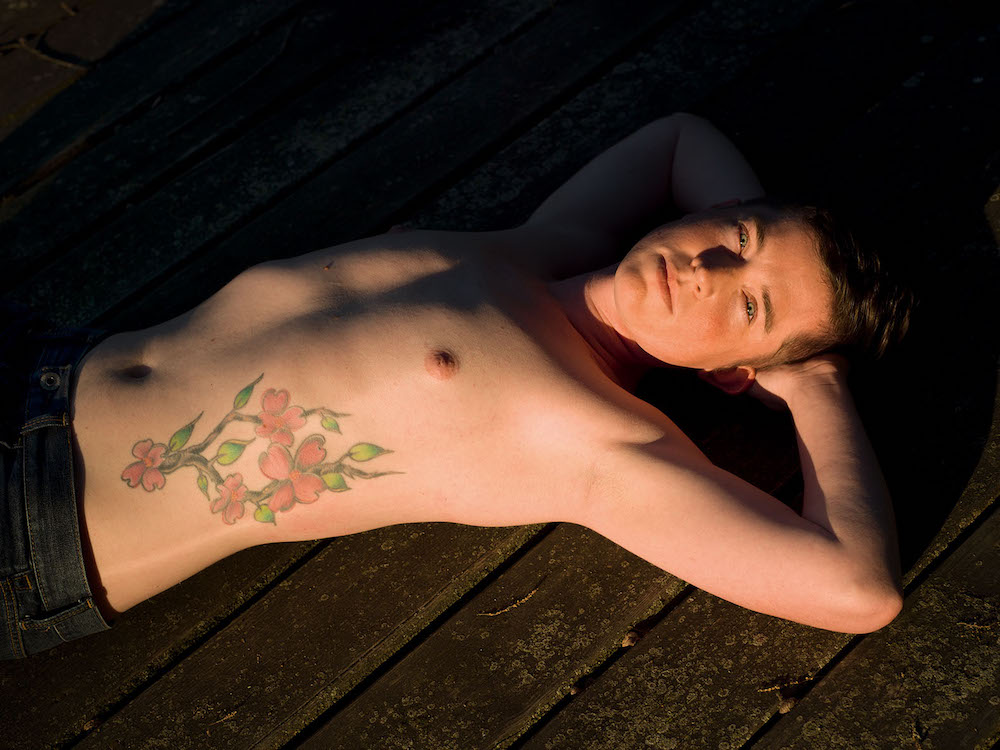
Jess T. Dugan, ‘Collin at sunset, 2020’, from Look at me like you love me (MACK, 2022). Courtesy of the artist and MACK.

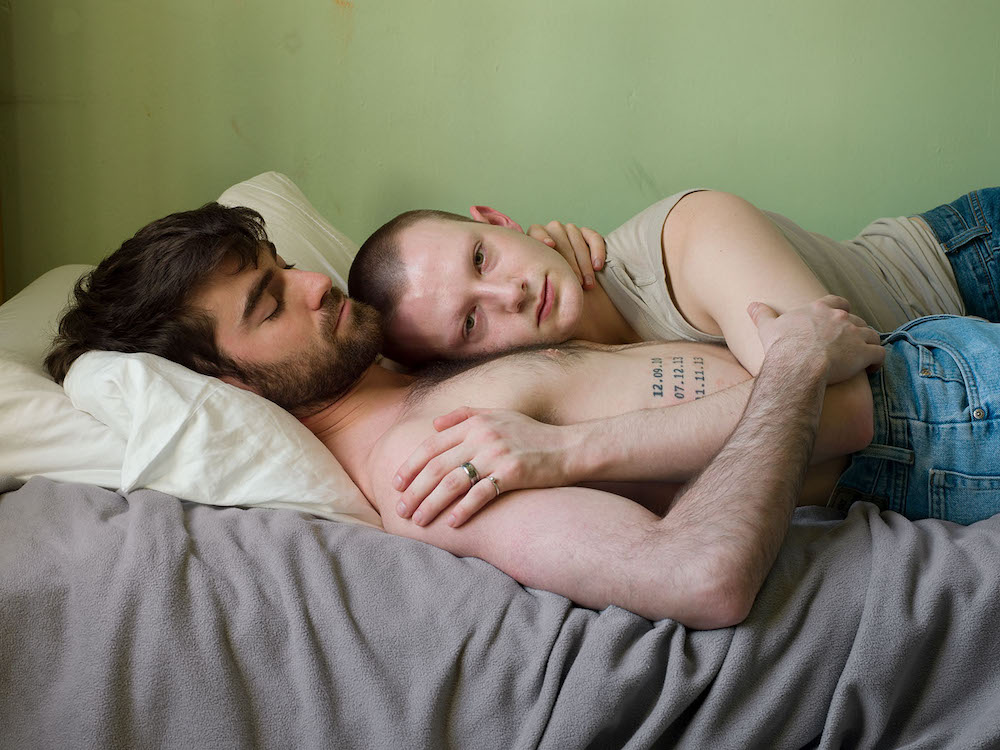
Jess T. Dugan’s new book is their most personal yet. Entitled Look at me like you love me and published by Mack, this new body of work is part of an ongoing, long-term portraiture project that sees the photographer explore themes such as identity, gender and sexuality. An enduring and empowering subject, Jess has carved a career making intimate pictures of topics that they hold closely; they draw from their own experience as a queer, non-binary person and therefore strive to understand and connect with others through their work. Jess has resultantly been exhibited widely across 40 museums in the US, and their previous monographs include To Survive on This Shore: Photographs and Interviews with Transgender and Gender Nonconforming Older Adults, and Every Breath We Drew.

In this new publication, Jess has combed 60 shots of friends, loved ones and self-portraits with their own written texts. “It’s representative of what I’m thinking about right now,” they tell me. Having worked on the project throughout 2021 – a difficult year to say the least – Jess has succeeded in making the “strongest and most of-the-moment book” they could. It’s a record of their own life – stories about themselves and the things that they have experienced. Below, Jess discusses this impactful collection, what desire means to them and the importance of being seen. 

Jess T. Dugan, ‘Shira and Sarah, 2020’, from Look at me like you love me (MACK, 2022). Courtesy of the artist and MACK.

This book is what you refer to as a “deeper exploration” of your work. What does this mean exactly?

I think a lot of it is where I am in my life: I’m 35, I have a child and I’m thinking about things differently than when I was in my 20s. I’m grappling with some larger questions about living a meaningful life, how to live authentically, how to relate to other people and these questions of desire. I think the book centres around the power of seeing someone and also letting yourself be seen, and how that act of being seen can validate your own internal identity.

There’s definitely a theme of desire throughout the book, and that appears in the photographs as well as the texts. I think about desire in a more expansive way – the desire for someone, the desire to be close to someone, the desire to be in relationship with other people, the desire to be part of a community, the desire to see yourself reflected in someone else, and that complicated interaction that happens between photographer and subject. Both the portraits and the texts are highly personal. 

Jess T. Dugan, ‘Oskar and Zach (bed), 2020’, from Look at me like you love me (MACK, 2022). Courtesy of the artist and MACK.

I’d love to hear more about your subjects – your friends and your loved ones. 

This body of work as a whole are people that I know really well. Some of them I met because I was interested in them; it allows us to begin a relationship both as a photographer and subject, and also as friends. Sometimes the act of photographing someone allows them to become a friend, and that’s something that I value about what I do. For me, photographing is the way that I connect with other people on a meaningful level. It’s hard for me to separate my work from my personal life, and this book is perhaps the most obvious example of that – how it’s folded together. 

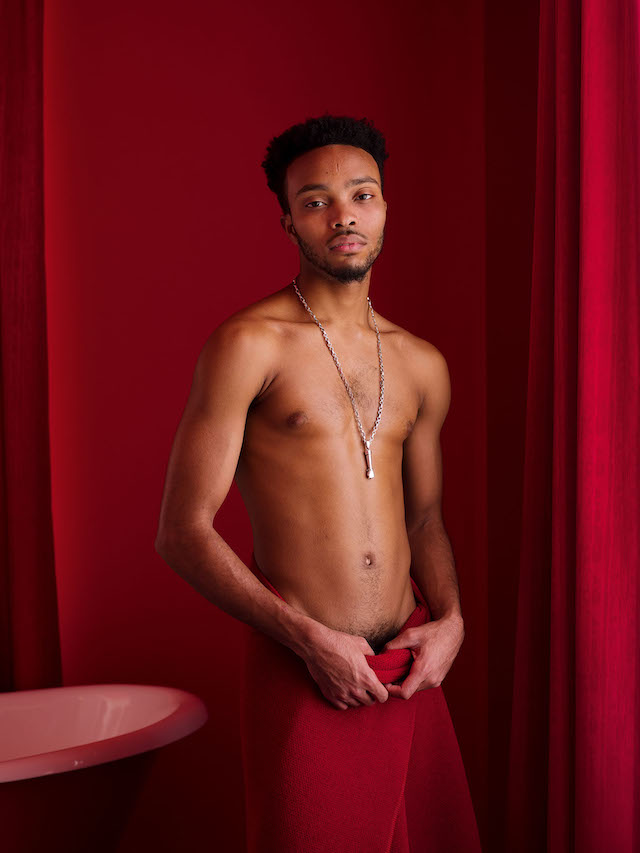
There are some people in the book who I have known and photographed many times over a period of years. There’s someone named Collin, who appears quite regularly in the book, and he and I met in 2017. He’s also a photographer, and I was visiting a class that he was in and just immediately felt drawn to him – I asked if he would let me photograph him. We started this relationship where we worked together many times over a period of several years. Each photoshoot, we were able to go to an even deeper level, emotionally and psychologically.

Jess T. Dugan, ‘Collin (red room), 2020’, from Look at me like you love me (MACK, 2022). Courtesy of the artist and MACK.

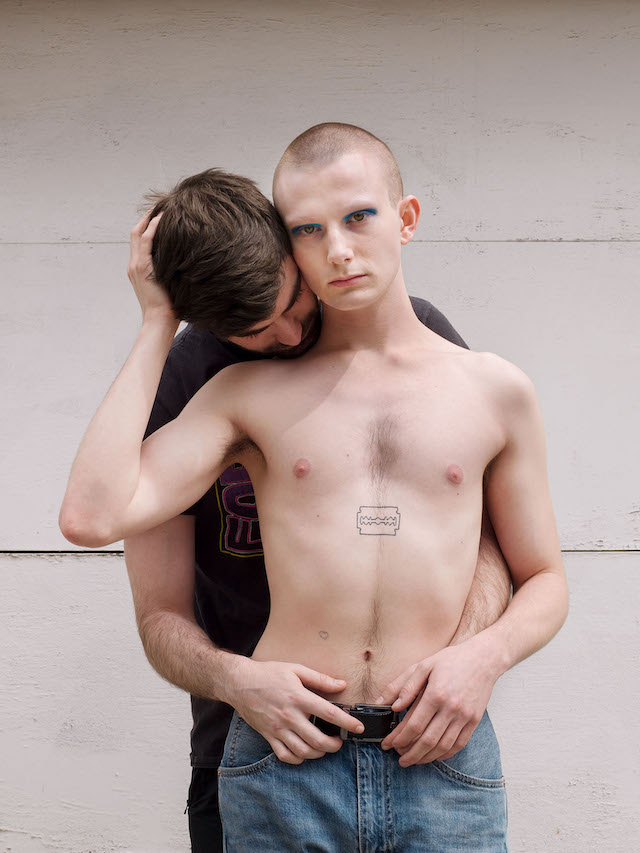
There’s another person named Oskar, who I photographed several times over a period of many years. Oskar and someone else named Zach are the two on the cover of the book. I was interested in his particular identity and gender presentation. One thing I have been very interested in for a long time is a more gentle and nuanced and complex version of masculinity, so I’m often seeking people out who exist in that space. I’m also aware that it’s a space that I myself exist in, and I’ve had to very actively define my own gender, my own masculinity; it’s something that I view as a more gentle version of masculinity than the one in the mainstream culture. I’m often seeking that in other people as well; I’m interested in how we can mirror each other.

The book also includes several images of my partner, Vanessa, and there are five self-portraits in the book. Other people are friends who, in some cases, I’ve known for a really long time. In others, they’re newer friends. A lot of the people in the book – not all of them – are part of my community here in St. Louis, where I live. They’re close friends, people that I spend time with. They’re people that I’ve photographed over a period of several years and gotten to know on a deeper level, both as friends and as as subjects.

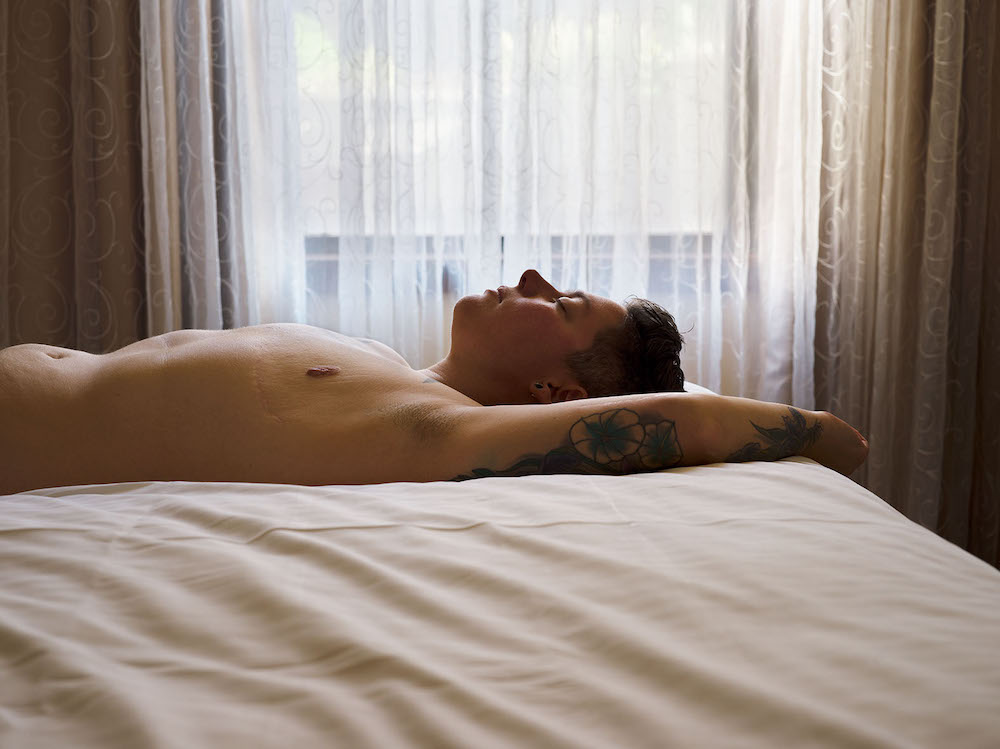
Jess T. Dugan, ‘Self-portrait (hotel), 2021’, from Look at me like you love me (MACK, 2022). Courtesy of the artist and MACK.

Your work appears like a form of catharsis, does this book feel like an emotional release for you?

I do think so. I have definitely always used my work to understand myself and make sense of my life and the world around me. That has been true since the very beginning. I made a video piece in 2017 about my estranged relationship with my father and, at that time, I think that was the most cathartic piece I had made and it was also really personal. It was also the first time that I had a text overlay with images. So in a way, I feel like that piece is in dialogue with this book.

The photographs are mostly from the past three or four years, and the texts were all written in 2021, between March and September. I think it feels very much of this moment. I do think the pandemic changed me as both a person and an artist, and made me think more urgently – or I should say even more urgently – about the importance of connection to other people and the need to live authentically and in a way that’s present and alive. I assume this happened for a lot of people, but those things were amplified for me. I think the texts are also coming out of this place where the urgency of relationships and the urgency of living authentically feels at the forefront of my mind, and that certainly influenced this book.

Look at me like you love me (2022) by Jess T. Dugan published by MACK

Jess T. Dugan, ‘Zach and Oskar, 2019’ from Look at me like you love me (MACK, 2022). Courtesy of the artist and MACK.

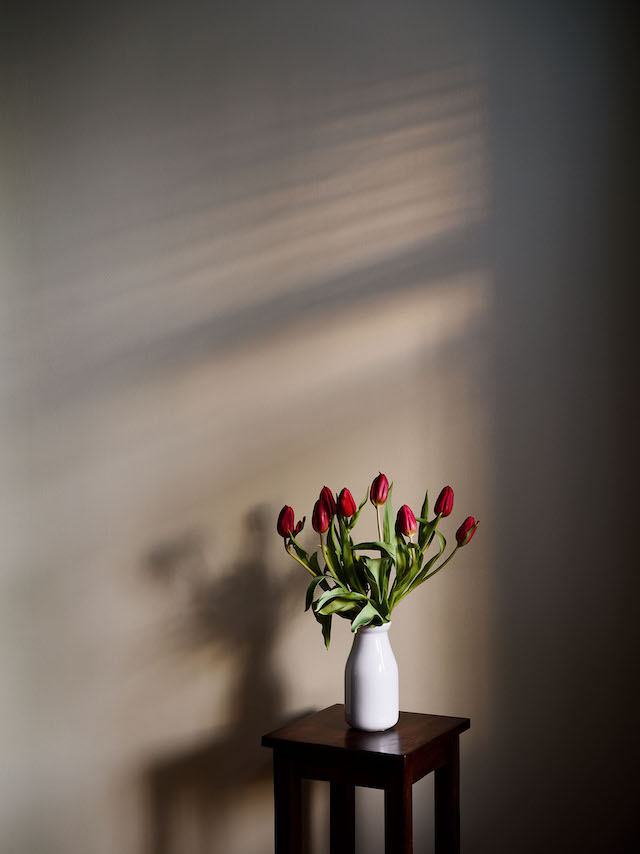
Jess T. Dugan, ‘Red tulips, 2020’, from Look at me like you love me (MACK, 2022). Courtesy of the artist and MACK.

Jess T. Dugan, ‘Alix at sunset, 2017’, from Look at me like you love me (MACK, 2022). Courtesy of the artist and MACK.

Vincent Ferrane

The photographer’s new book redefines notions of time, place and intimacy

Vincent Ferrane describes the relationship he has with his wife, Armelle, as being similar to a film script, “that we had just co-written”. An apt interpretation, Vincent has lived with Armelle for the past 15 years; they have children together and she has long been his muse photographically. This harmonious partnership has been published in previous works like Milky Way, a series documenting his wife and child during breastfeeding. And now, Vincent’s lens has landed once again on his favourite subject matter, this time in a book titled Inner, published by Art Paper Editions.

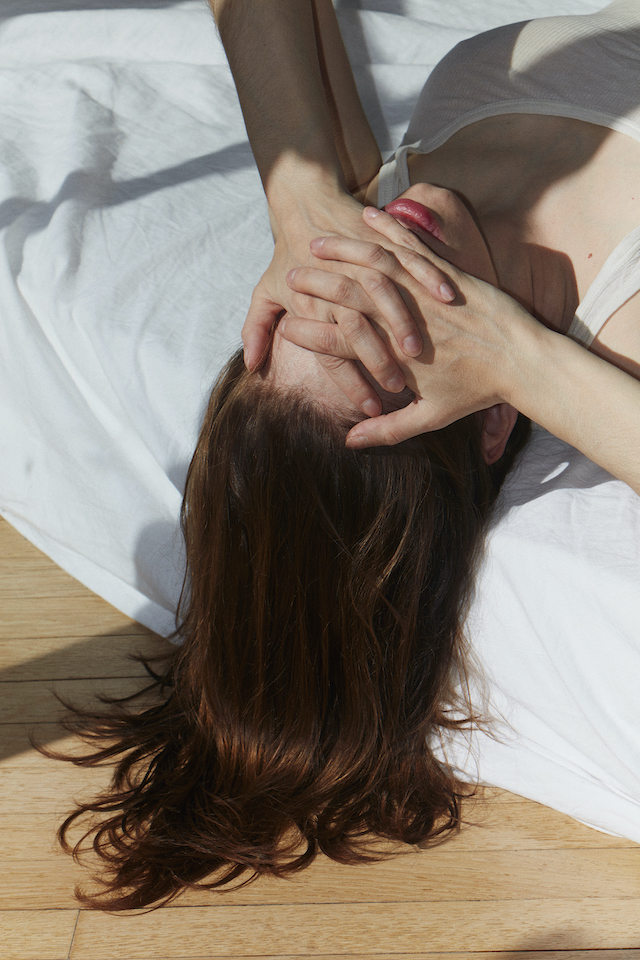
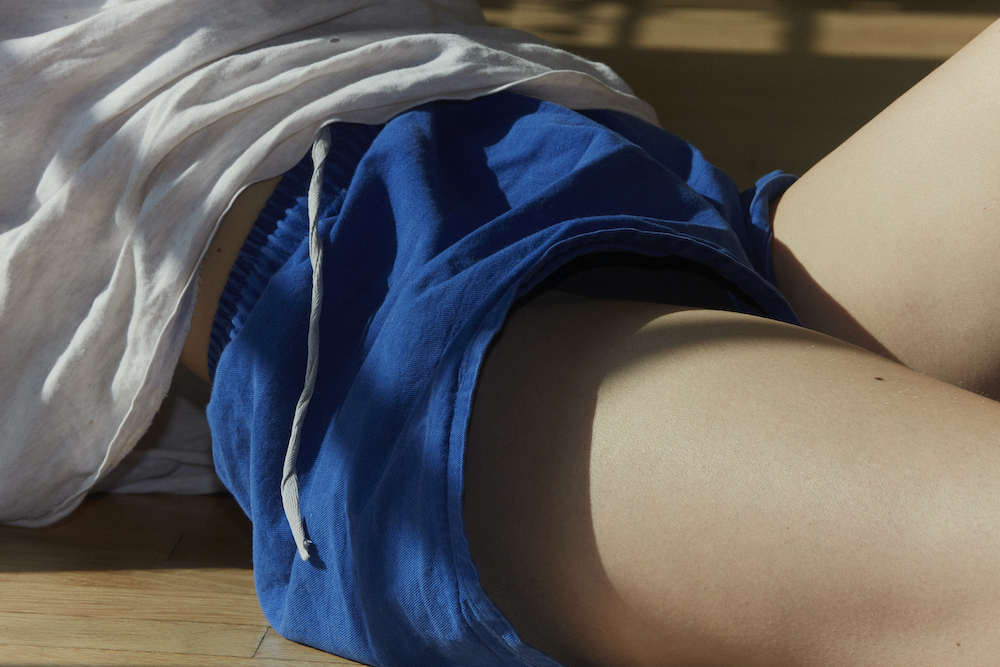
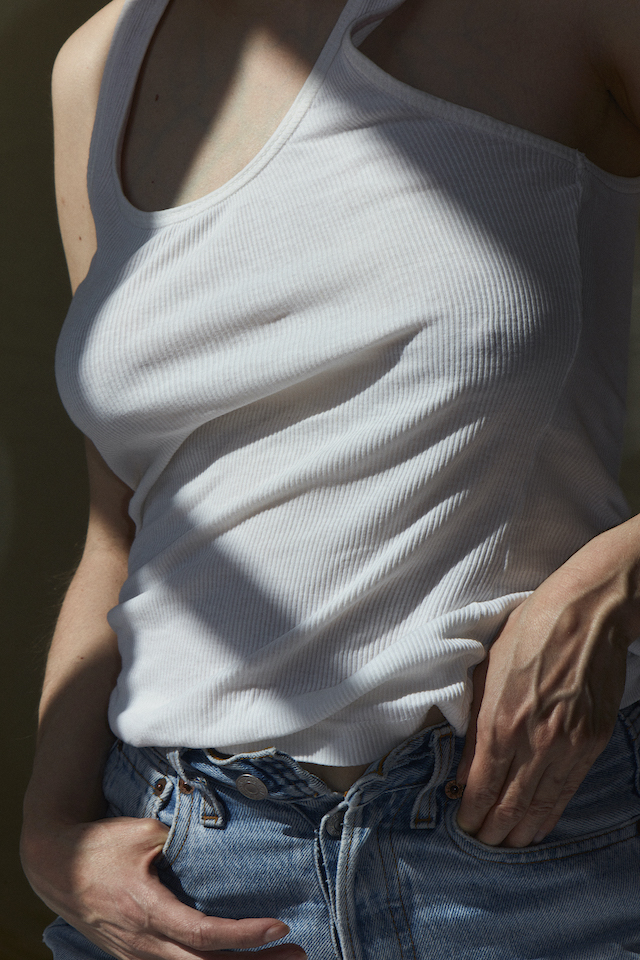
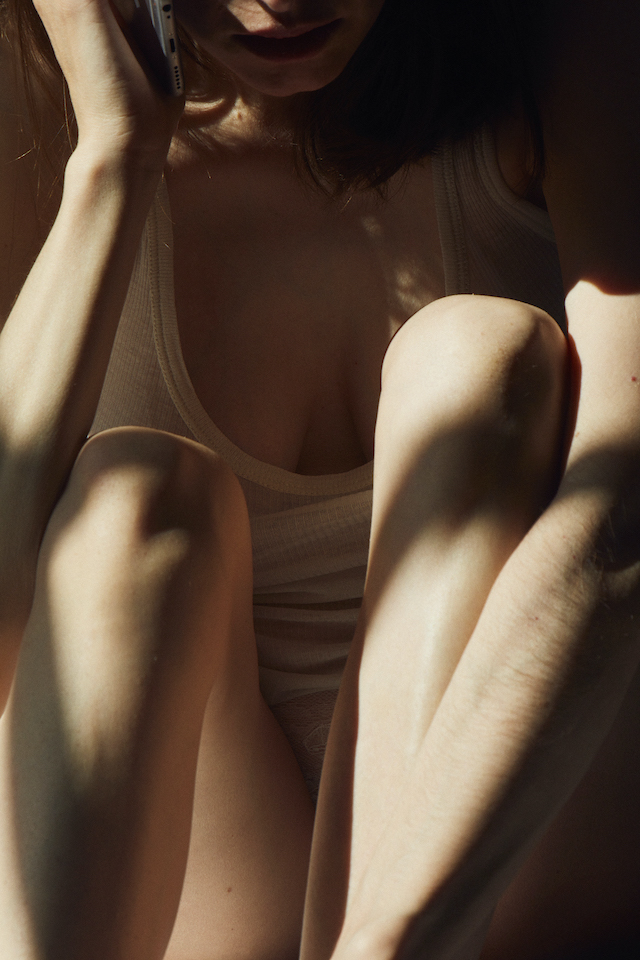
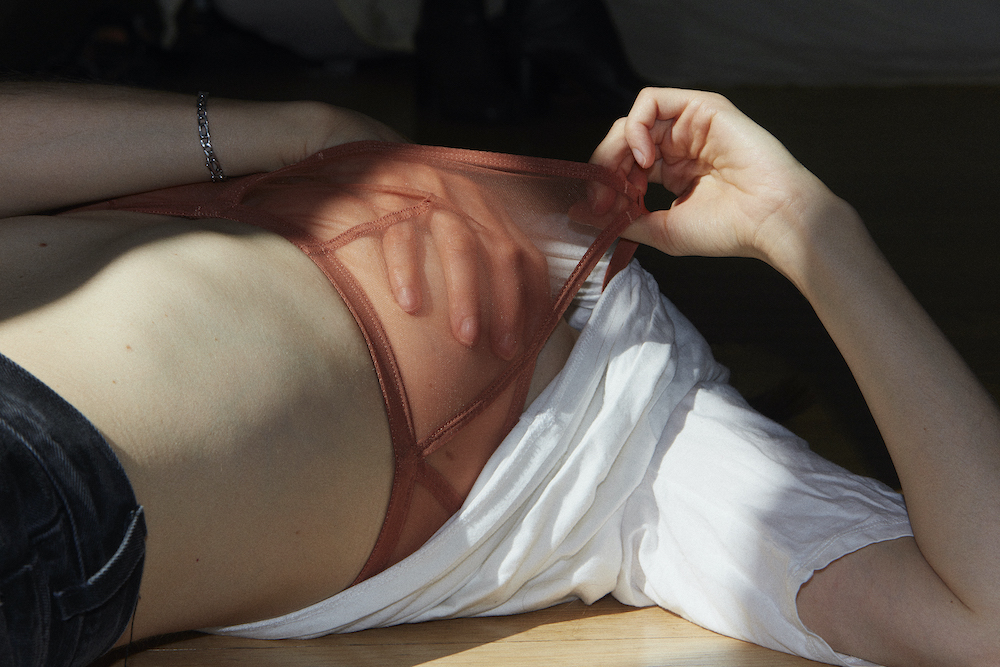
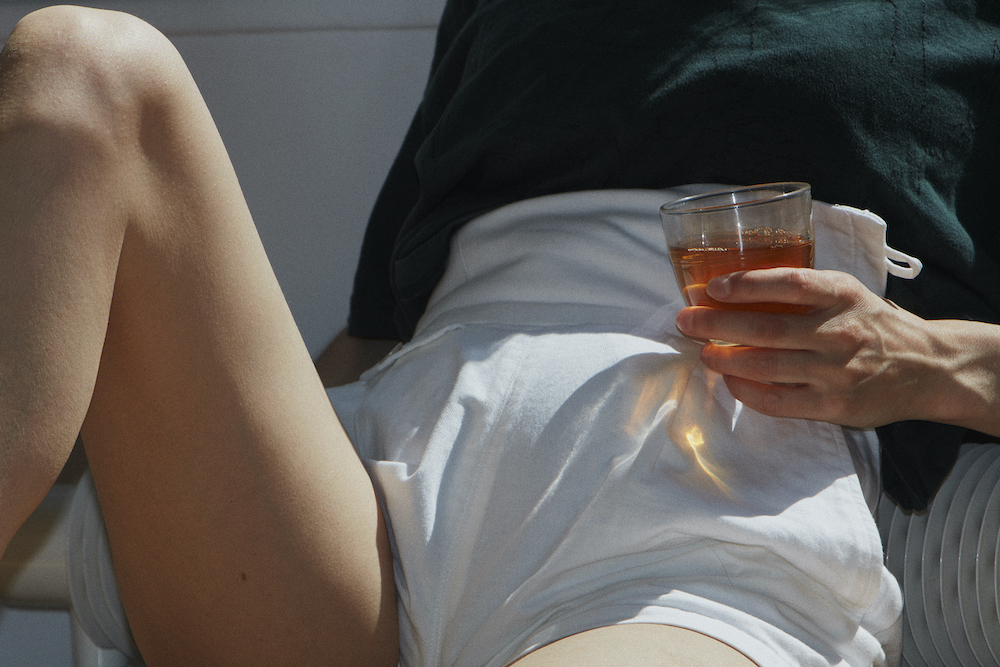
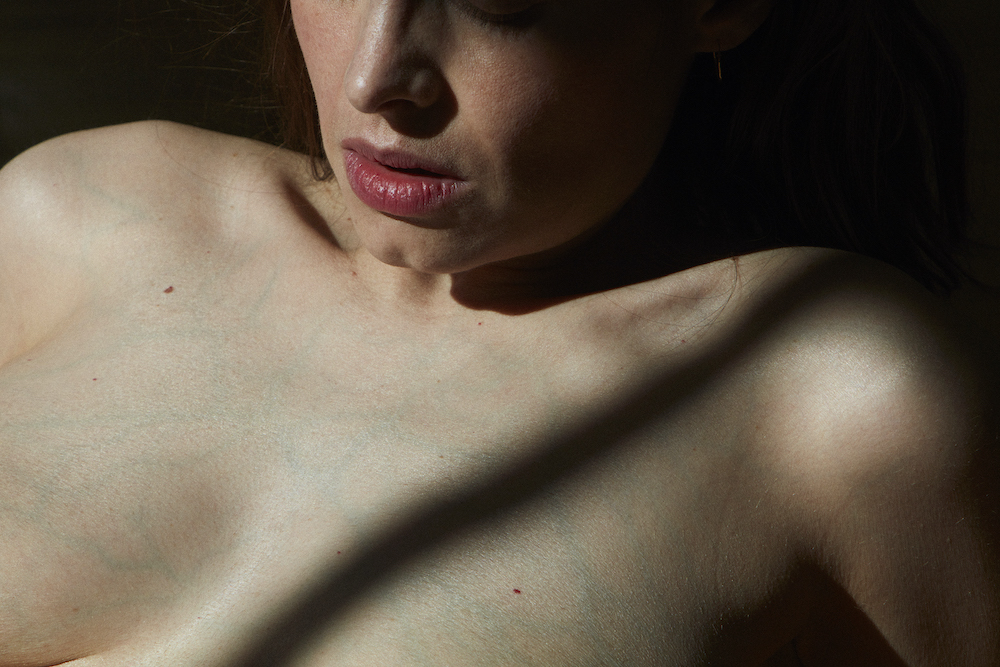
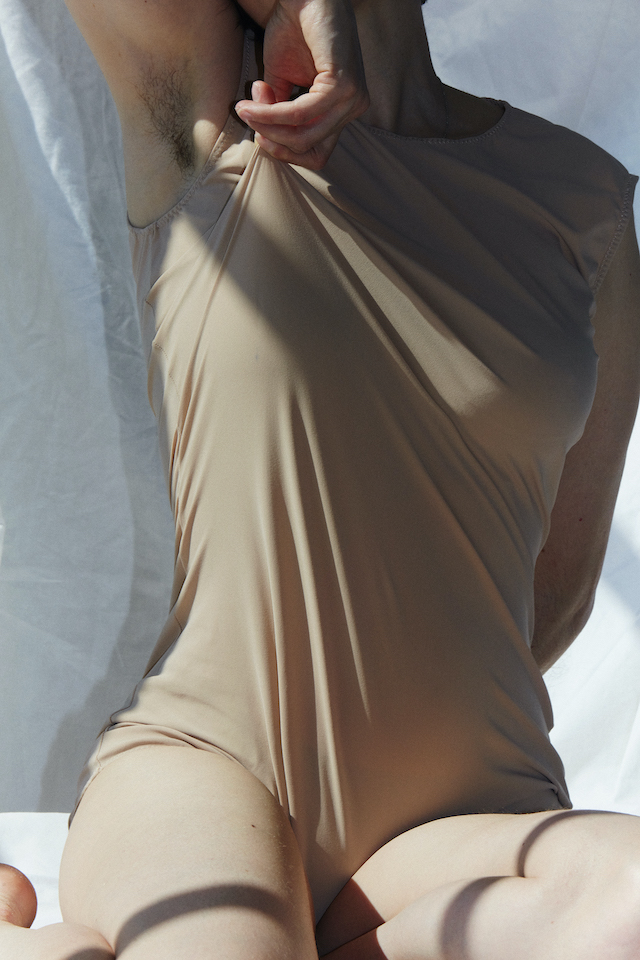
To summarise, the work travels through a lockdown spent in Paris. It’s shot solely in their living room – “and it’s not a very big room space,” he says – as the photographer strives and succeeds in documenting his own representation intimacy. By definition, intimacy refers to the closeness and familiarity with another being. In Vincent’s work, he looks at the link between two bodies: “first that of a close relationship, of a space that we share with someone,” he says. “And then this intimate space, this space to oneself, this interior in which one can immerse oneself.” The resulting pictures show a parallel between photographer and subject, man and wife, as they navigate through shared territory together: the living room.

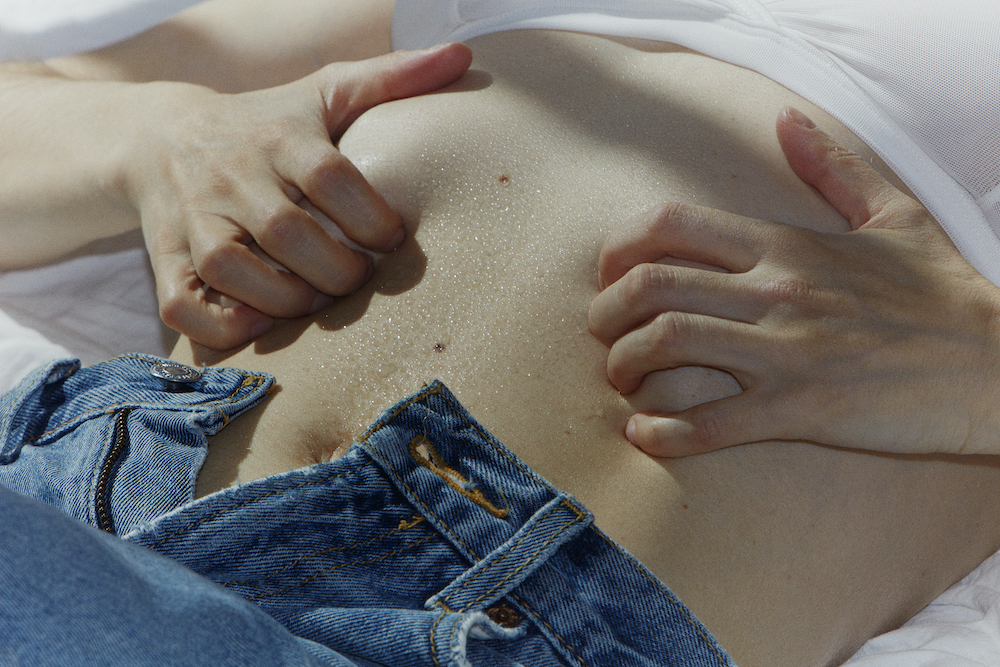
This particular room is a space for daily ritual, where moments of idleness, calm and being can be indulged through the simple acts of laying on sofa or armchair. “But it is very much a mental space to which we try to have access here,” he continues, “an interiority which is also looked at and shared.” To portray the quietness of days spent over lockdown together, Vincent avoided the cliches (think masks, window gazing and doorsteps) and instead zoomed in on the finer details. Hands gripping the stomach; fingers in pockets; a body cradled in the fetal position and the subtle arch of a back; every element has been carefully formulated and elevated through the a mix of artificial and natural lighting choices. “This gives both a notion of realism and creates a more painterly touch by opening up the shadows, by energising the colour palette of the skins, the drapes of the fabrics… We are moving away from a naturalistic image.” Vincent’s Inner is much more considered than candid. Everything seems purposeful, recognisable and familiar: “An everyday pose”.

Vincent’s wider photography practice takes a similar contemplative stance as it looks at the smaller details of those around him. From breastfeeding with his family and the process of female artists creating in their studio, to the beauty standards of the fashion industry and the routine of trans and non-binary people before leaving their homes; Vincent provides a portal into the lives of others. “I guess I’m delving into the everyday and the intimate, questioning why some things are hidden and how they could be shown. I’m assuming a position at the articulation between a documentary, vernacular image and an author photograph that offers a renewed look at representations that we thought were obvious or trivial.”

In the context of Inner, Vincent twists the viewers’ perception of space and time by dissecting physical bodies and the movements that occupy it. Time is suspended here. The hours are merged and the light has been manipulated – an intentional move that gives an eternal quality to the imagery, despite being made at a crucial and pivotal point in in their lives. “So many human activities have been blocked, links broken, physical and social distancing imposed,” says Vincent. “I hope that one can be sensitive to these images which do not call for sovereign or cathartic values, but rather sweet and delicate things to experience, to contemplate one’s love as something exceptional, fragile and everyday.”