Graeme Gaughan enlisted Buffalo stylist Barry Kamen for his Kogi-inspired collection, paying tribute to the South American tribe’s lifestyle and aesthetic

Illustration Clara Lacy
Subscribe to Port Magazine annually and receive each issue to your door.
Get PORT in printSubscribe to Port Magazine annually and receive each issue to your door.
Get PORT in printGraeme Gaughan enlisted Buffalo stylist Barry Kamen for his Kogi-inspired collection, paying tribute to the South American tribe’s lifestyle and aesthetic
Illustration Clara Lacy
The British men’s designer looked towards barefoot anthropologist Tom Harrison and his travels in Borneo for spring-summer inspiration

Illustration Clara Lacy
Belstaff showed utilitarian and sand-coloured clothes at their Old Billingsgate Market presentation, inspired by WWII Desert Rats and UK explorers including Lawrence of Arabia

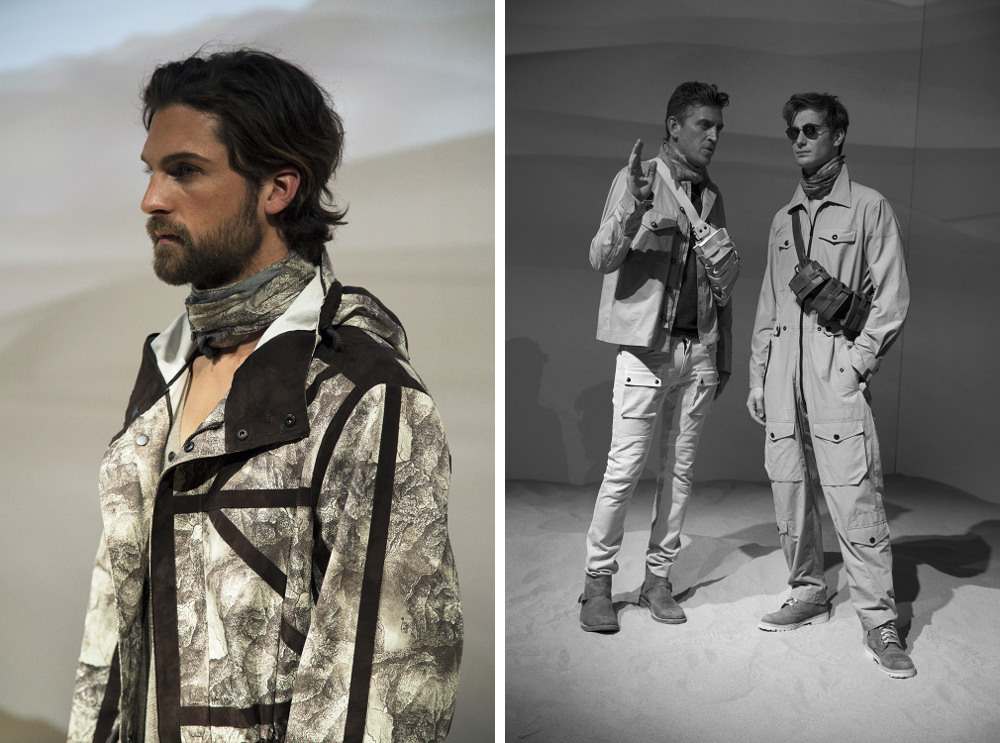
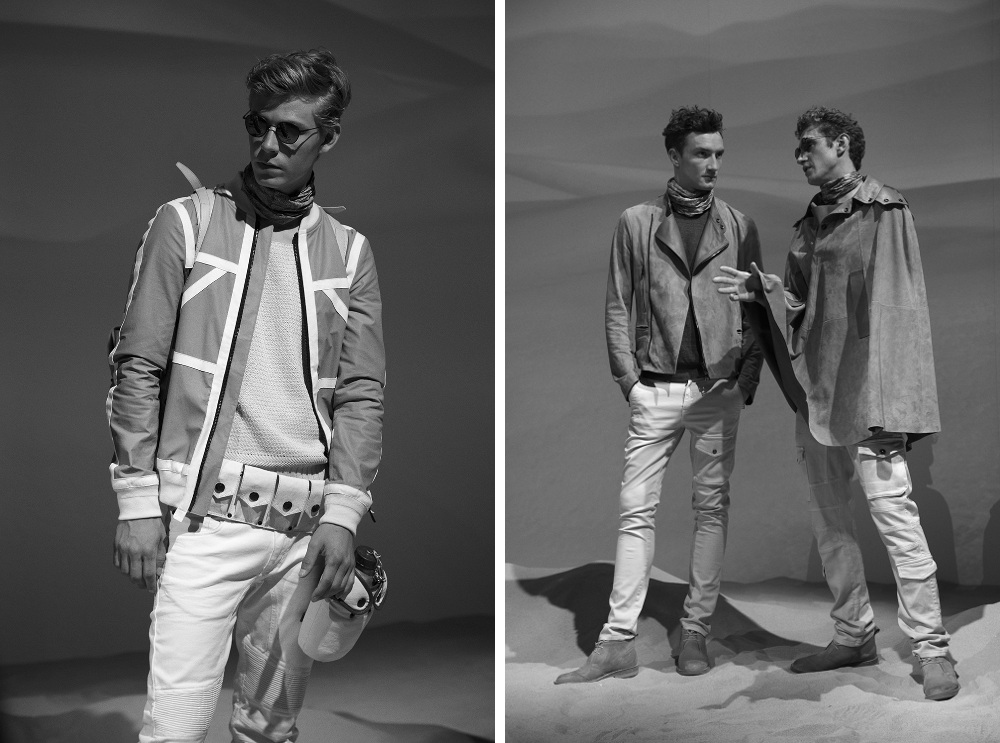
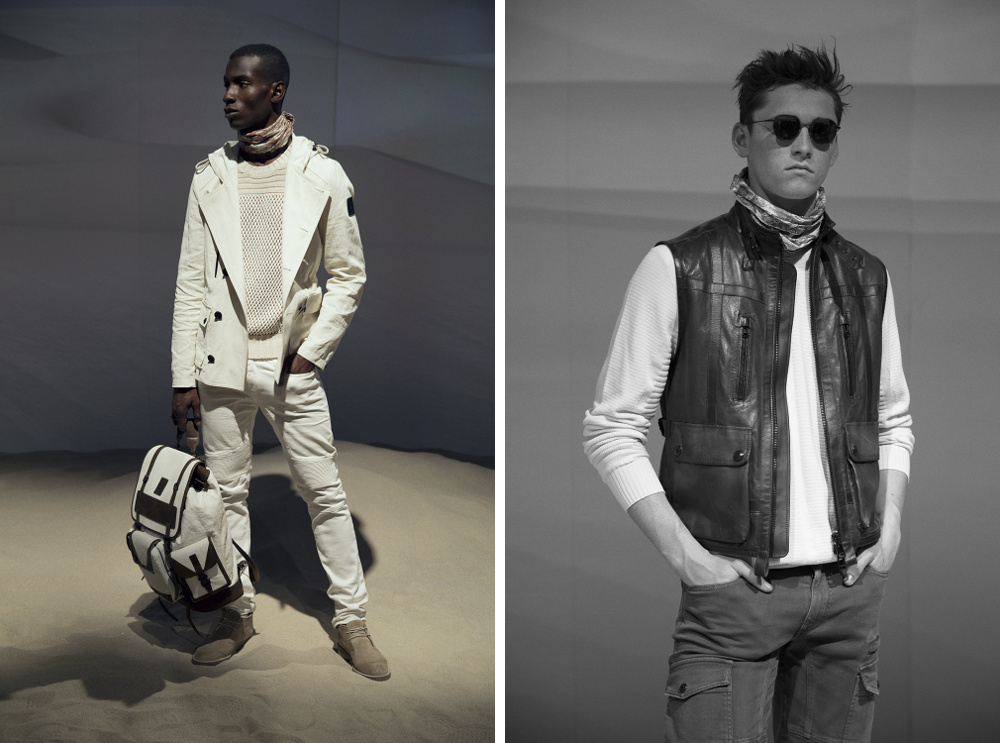
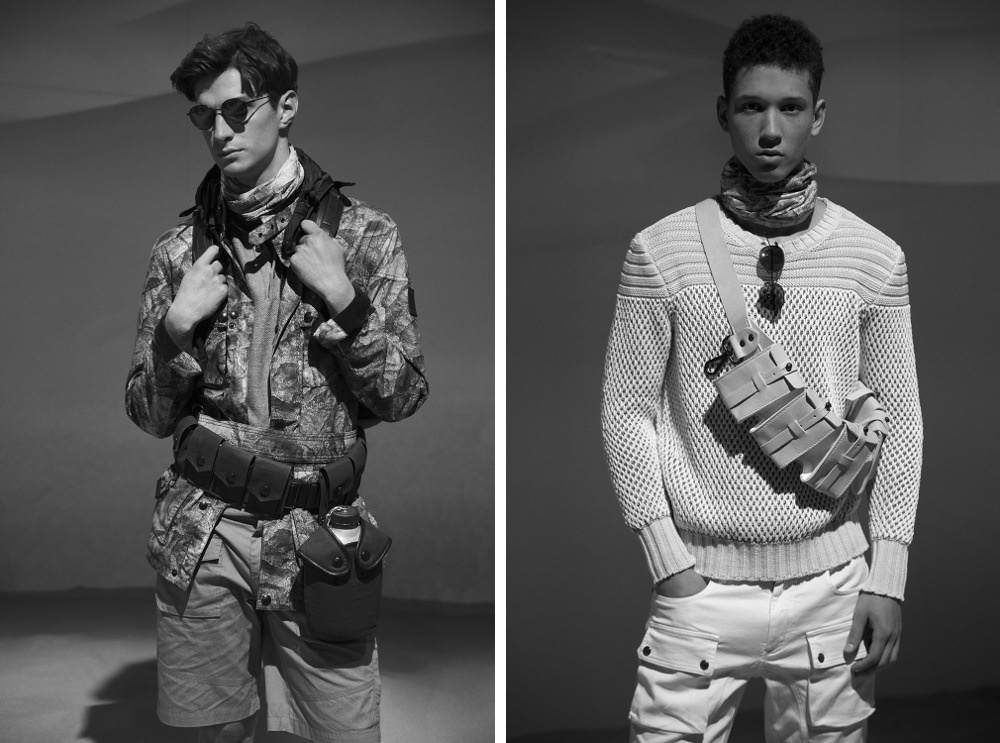
Photography José Cuevas
José Cuevas shot these exclusive backstage images from the avant-garde designer’s latest menswear show
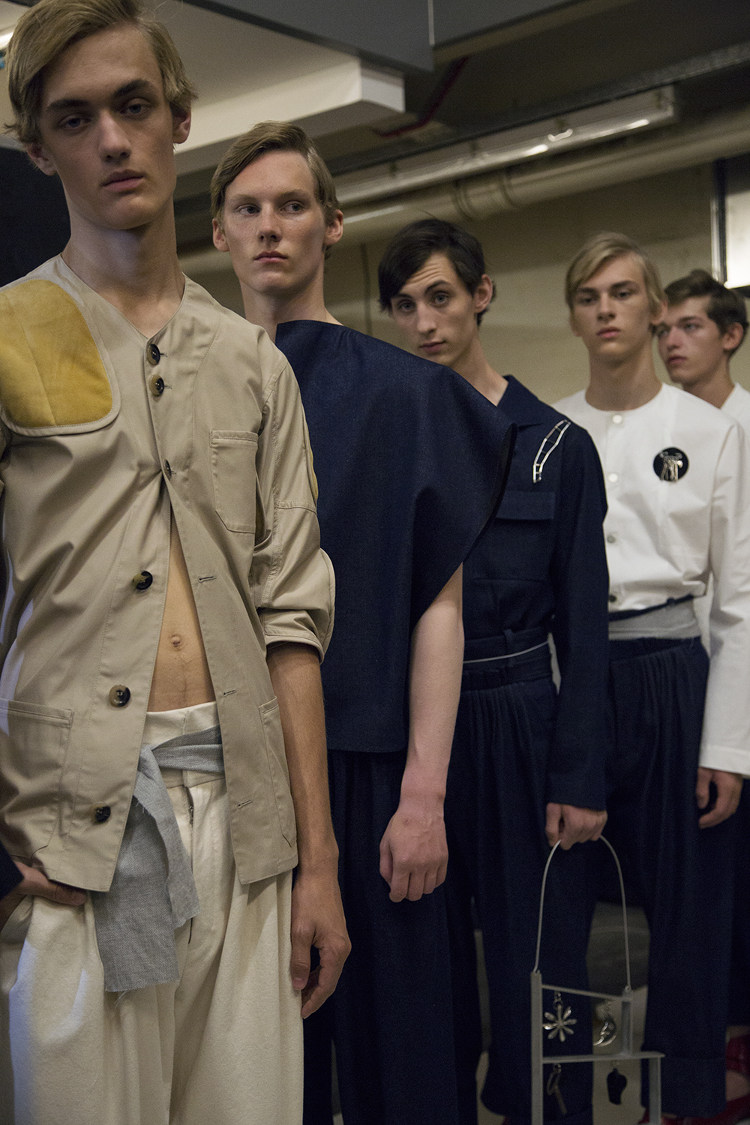


Photography José Cuevas
British menswear designer Lou Dalton explains the utilitarian inspiration behind her oversized pockets ahead of her LCM catwalk show

Retail is in the detail, or so the old saying goes. The same can be said for fashion in general, and nowhere is that as true as in menswear. While womenswear has always been focused on silhouettes and shapes, men’s fashion has tended to look at colours, materials and details… Not such a bad trade-off when you think about it.
Take Lou Dalton for example. The British designer has carved out a niche for her intricate menswear, full of subcultural references and nods towards military uniforms. And what defines army uniforms? Utilitarian and functional details.
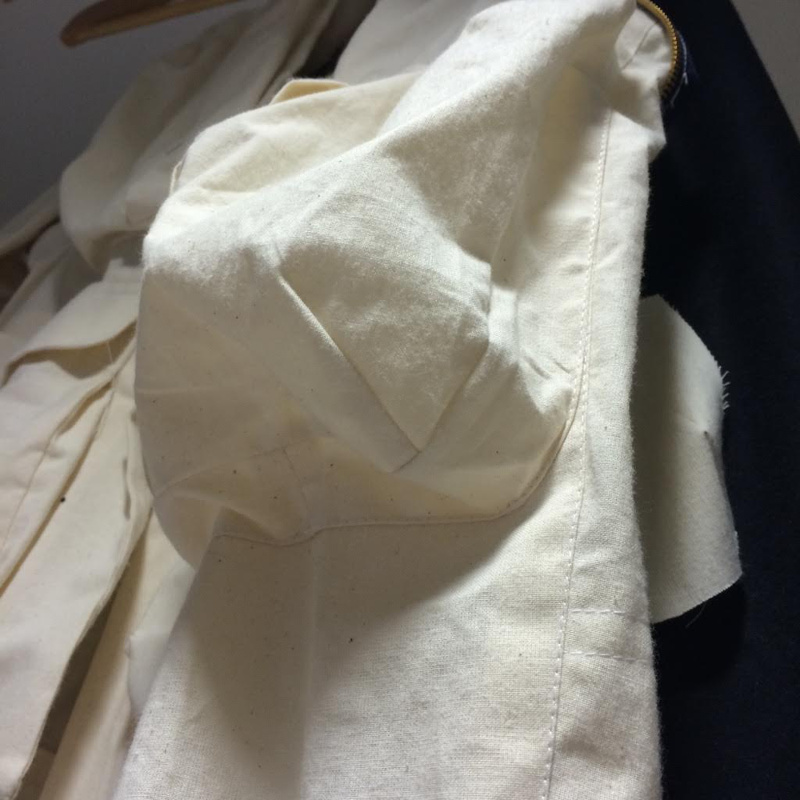
For SS16, this been realised in these oversized pockets. Seen here in the early stages of design in a toile fabric, these balloon pockets show Dalton’s determination to make big changes by exaggerating the small details that we take for granted.
“One of the main elements I’ve focused on in terms of details is the pocketing. Most of the pocket are oversized,” Dalton explains. “The points of reference go from poacher’s pockets through to classic bellows pockets, exaggerated in form to veer away from the traditional, utilitarian look towards something more sports luxe.”
David Hellqvist and Oi Polloi co-founder Steve Sanderson discuss what brands define the legendary Manchester store and its new branch in Soho

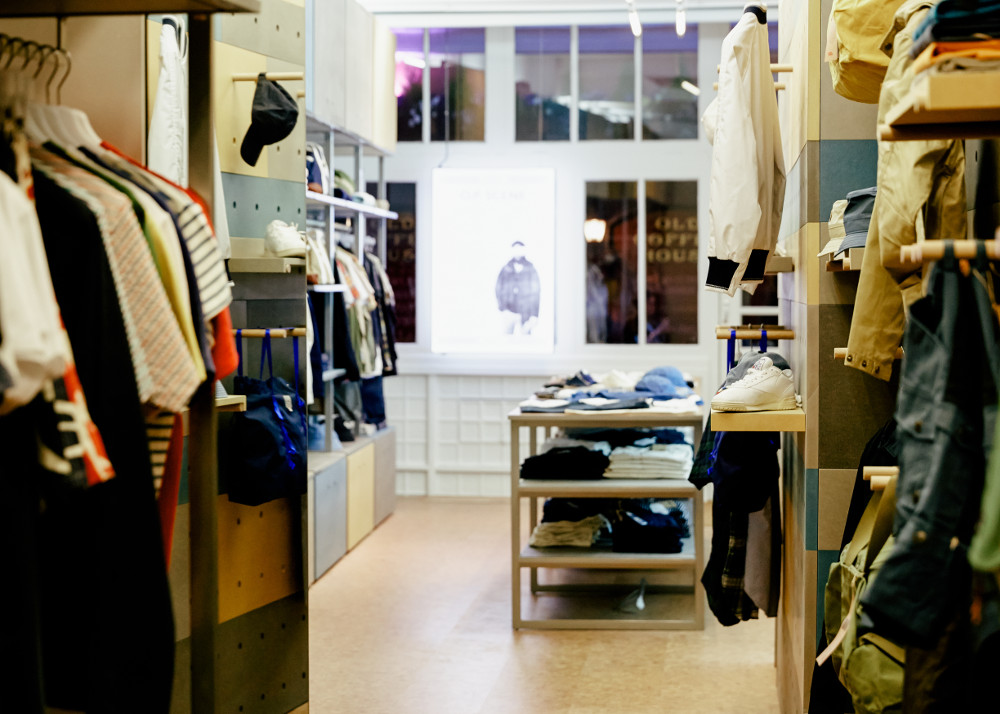
Fourteen years after opening independent menswear boutique Oi Polloi in Manchester, co-founders Nigel Lawson and Steve Sanderson have finally made the move to the capital. There are plenty of multi-brand stores in London, but none with the same unique mix of brands. Add to that the soft-spoken characters of their founders and the laid back attitude of Soho and you have a surefire retail success lined up.
Manchester is famous for its football clubs and musicians – Oasis, Morrissey, The Smiths, New Order, Joy Division, etc. – and these two scenes have heavily influenced the fashion that comes out of the city. However, it’s unfair to say Oi Polloi is just for music fans and football heads. Their curated staples (Oi Polloi is defined by basics as opposed to ‘statement pieces’) can form the foundation for a healthy wardrobe that’s one part quality and one part style with a dash of attitude from the likes of Patagonia, OrSlow, Our Legacy, Engineered Garments and Filson. We spoke to Sanderson about his favourite brands, the store’s ethos and making their mark on Soho.

What defines Oi Polloi?
Steve Sanderson: It’s not what we do sell, it’s what we don’t sell that defines Oi Polloi – the way we edit collections, dig for buried treasures and sometimes find things that are hidden in plain site… That’s what I think makes us different.
What are the brands that truly sum up the store?
It’s a bit like asking someone about their favourite book or album, these things change over time and you tend to come back to the same ones time and time again. Right now, what sums up Oi Polloi for me are the following brands: Engineered Garments, OrSlow, Levi’s Vintage Clothing, Tender, Anonymous Ism, Novesta, Birkenstock, Sassafras, Anatomic, Arpenteur, Beams Plus, Converse, Spring Court, Golden Bear, Garrett Light, Nanamica, Sanders… tell me when to stop!
“We bring some of our past into everything we do, it’s what you do with it that counts”
In what way is Oi Polloi still ‘Mancunian’?
I’m going to quote Rakim from back in the day: “It’s not where you’re from, it’s where you’re at.” More than that, it’s about where you’re going. We bring some of our past into everything we do, it’s what you do with it that counts.

Does music inspire the fashion or vice versa?
Music inspires fashion… Musicians, artists and other creative people are often the instigators of what fashion is. Fashion, to me, is more about following – not leading. I always err on the side of sub and counter-culture movements, that’s my bag, and it’s Oi Polloi’s bag. Always has been, always will be.
Why is now a good moment to open up in London?
It felt like the right time. London has been the aim for a while, we’ve been looking at Soho for about three years. We’re pretty patient, so when the unit at 1 Marshall Street came up, we had a look and knew straight away that it was perfect for us. It’s discreet and tucked away up a side road, not too dissimilar to our first store on Tib Street in Manchester. We’re now a little older and hopefully a little wiser, and this is the next chapter of our journey. There’s no point in going on about what you’ve done and where you’ve been, it’s all about moving forward and seeing where it leads.

A lot of the brands you sell have their own Soho stores – how do you hope to fit in?
Part of the reason for us being there is that we’ll be among friends. Stores like Our Legacy, YMC, Universal Works, etc., we know them well, so why wouldn’t we want to be in this mix? There’s no multi-brand independent men’s clothing store in Soho, it’s time to shake it up. We’re a good fit and have plenty great stuff to offer all the discerning gents in the area…
David Hellqvist speaks to Graeme Fidler, the founder and creative director behind new British menswear brand Several
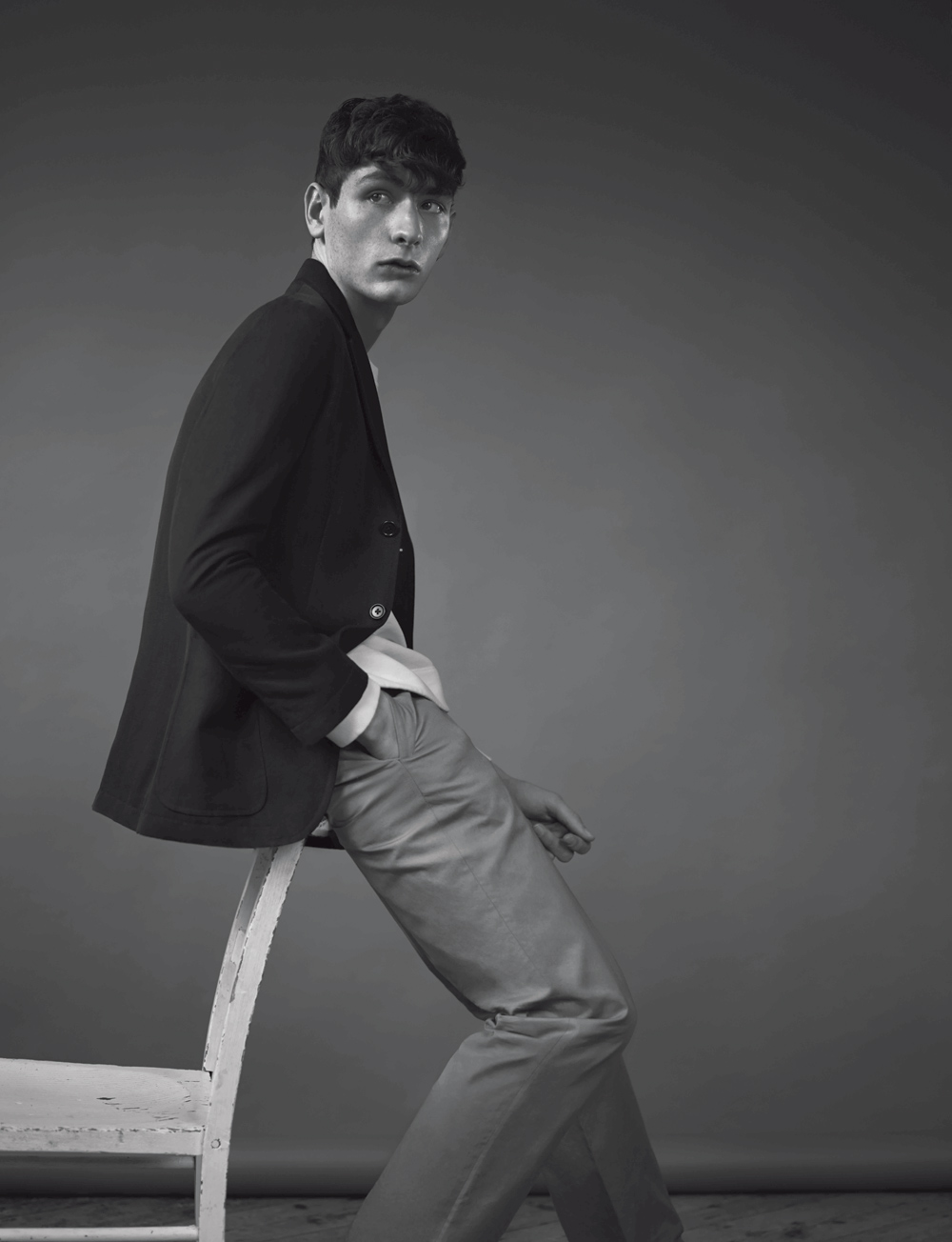
British subcultures have long been globally notorious for their style influence, so new brand Several is aware the expectations are high. Not only are there lots of well-dressed youth movements to draw inspiration from, but also with a CV like creative director Graeme Fidler’s, people are already predicting big things.
As a former designer at Aquascutum and Bally, Fidler knows clothes need to possess more than just attitude and energy. “In my opinion, quality and craftsmanship prevail. Hopefully men will discover that the short, utilitarian silhouette we offer is a clean, modern yet long-lasting look,” Fidler says. “The fabrics are honest, robust and quietly luxurious. If a detail doesn’t have a function it shouldn’t be there.”
The brand, based in East London, prefers a simple and basic approach, at least for now. “I want Several to grow organically and develop an identity that will fit naturally within the fashion system,” Fidler adds. “People have became bored of fast fashion and branded luxury. The cornerstones of Several are modernity, details and soul.”
Taken from Port issue 16 – out now
David Hellqvist on the new collaboration between a classic British outdoor brand and its modern Japanese counterpart
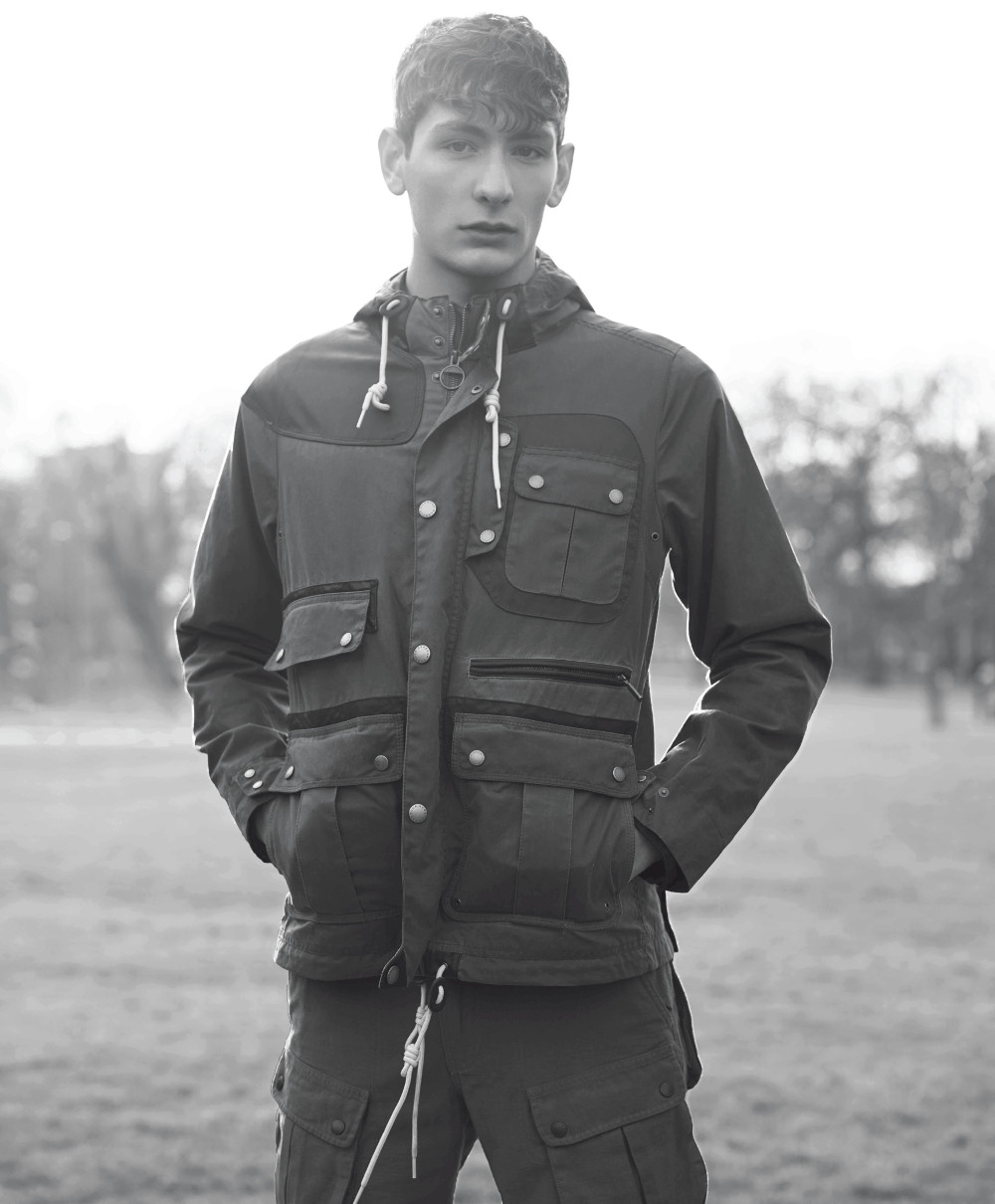
Mixing aesthetics from polar opposite cultures doesn’t always work, but it makes the odd fruitful collaboration stand out even more. Japanese designer Yosuke Aizawa and his ultramodern White Mountaineering brand have teamed up with British heritage staple Barbour, to successfully bring together their two sartorial ideas. Aizawa merged Barbour’s classic oil-coated fabrics and traditional shapes with his own hi-tech approach to intricate details, to ensure the collection really is the best of both worlds.
“I wanted to introduce a new point of view on Barbour,” Aizawa explains. “In Tokyo, you’ll see the people wearing Barbour with raw denim Levi’s jeans and Alden shoes, and I wanted to update that combination. Actually, you can keep the Levi’s and Aldens, but wear them with a Barbour x White Mountaineering jacket – and all of a sudden it’s a completely new look.”
This article appears in Port issue 16, out now
British designer Patrick Grant talks to David Hellqvist about his fascination with Peter Lane’s photographs of English seaside resorts in the 1970s
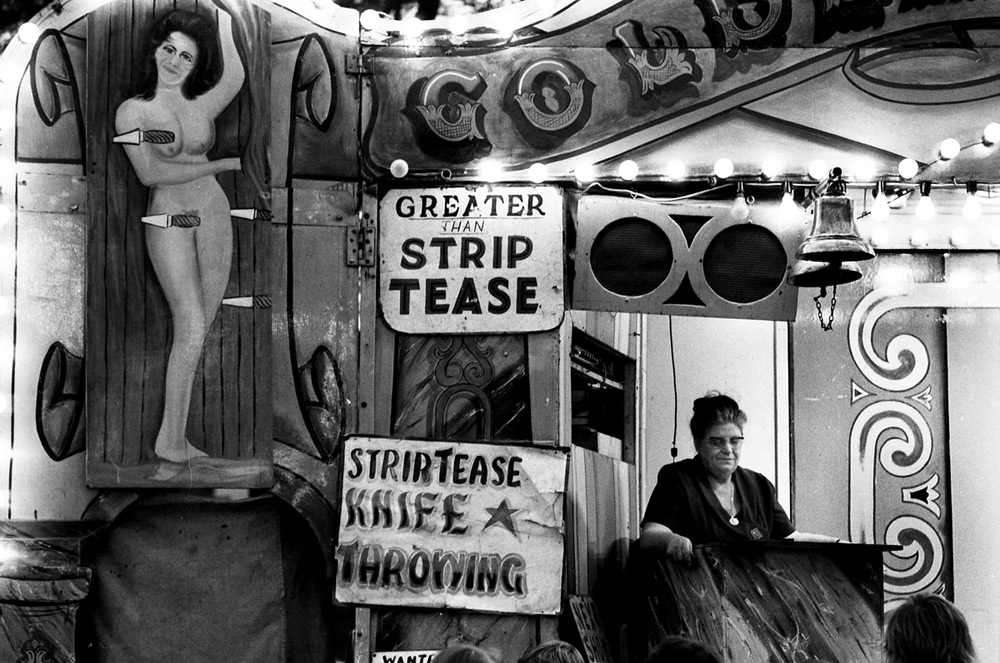
Patrick Grant is something of a Savile Row stalwart, both in terms of his Mayfair-based bespoke tailoring house, Norton & Sons, and his own personal style, which is a very ‘dandy’ take on the traditional English gentleman. To ensure that his eclectic style is available to more than just businessmen, Grant cleverly acquired E Tautz: a ready-to-wear brand catering for casual and formal needs.
While Grant and his brands have a contemporary, 21st-century feel, there’s something a bit ‘vintage’ about his lifestyle. His influences can often be traced back to a bygone era, to a time and place where people acted differently but also dressed accordingly.
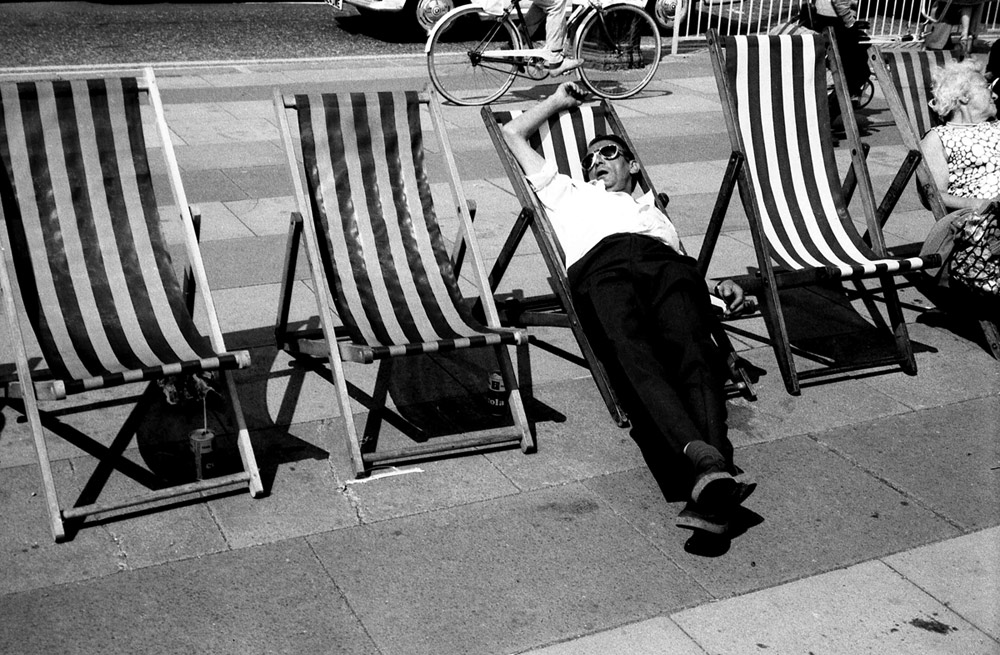
After last year’sOriginal Man book, his latest foray into publishing makes complete sense. Having discovered Peter Lane’s images of English seaside towns by chance, taken between 1960 and 1980, Grant decided to use them as loose inspiration for the current SS15 collection and published them too.
Palace of Fun is a beautiful collection of previously unpublished images from a time when seaside towns like Brighton, Morecambe and Blackpool were full of joyous holidaying families. This book is a good reminder of these halcyon days and the people that made them.
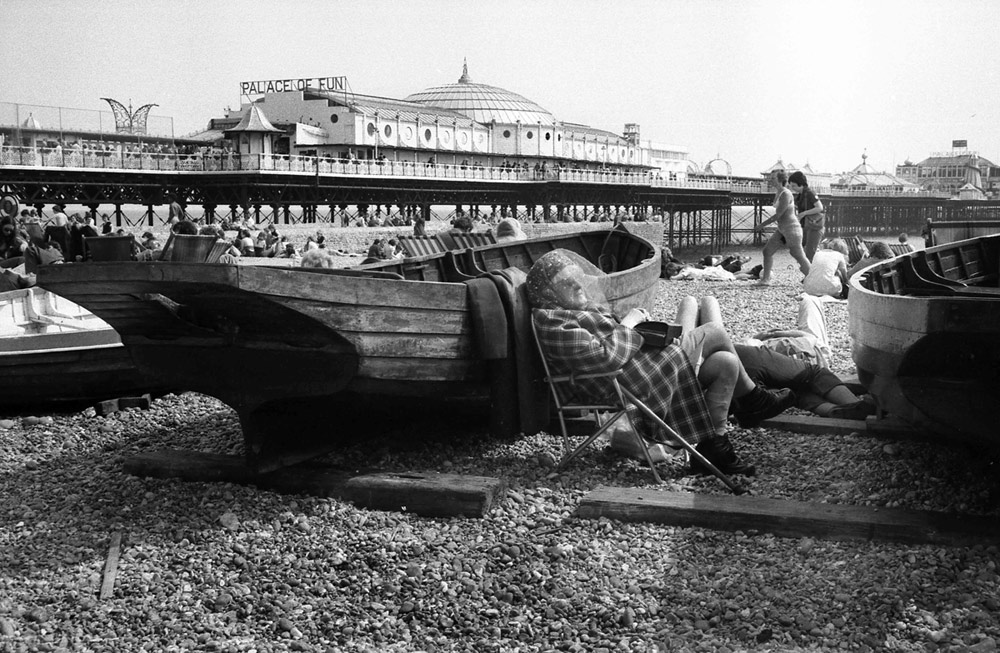
How and where did you come across Peter Lane’s photography?
I came across Peter’s photographs buried deep within a website devoted to the Morecambe Grammar School while researching the SS15 collection. A note beneath gave a short biography and an email address, which I contacted. I went to Peter’s home and he showed me his stash of albums over a nice cup of tea.
What was your initial reaction to the images?
Peter has a wonderful eye for the surreal, the funny and the melancholic. Working in fashion we’re always looking for a story and Peter’s photos tell great stories of their own. These are the tales of Brits living a different, more carefree life, if only just a for a few days of the year.
Did you grow up on the seaside?
I could see the sea from the hills above my house in Edinburgh, but that was the coastline and not seaside. Seaside to me requires a promenade and probably some flashing lights and a waltzer.
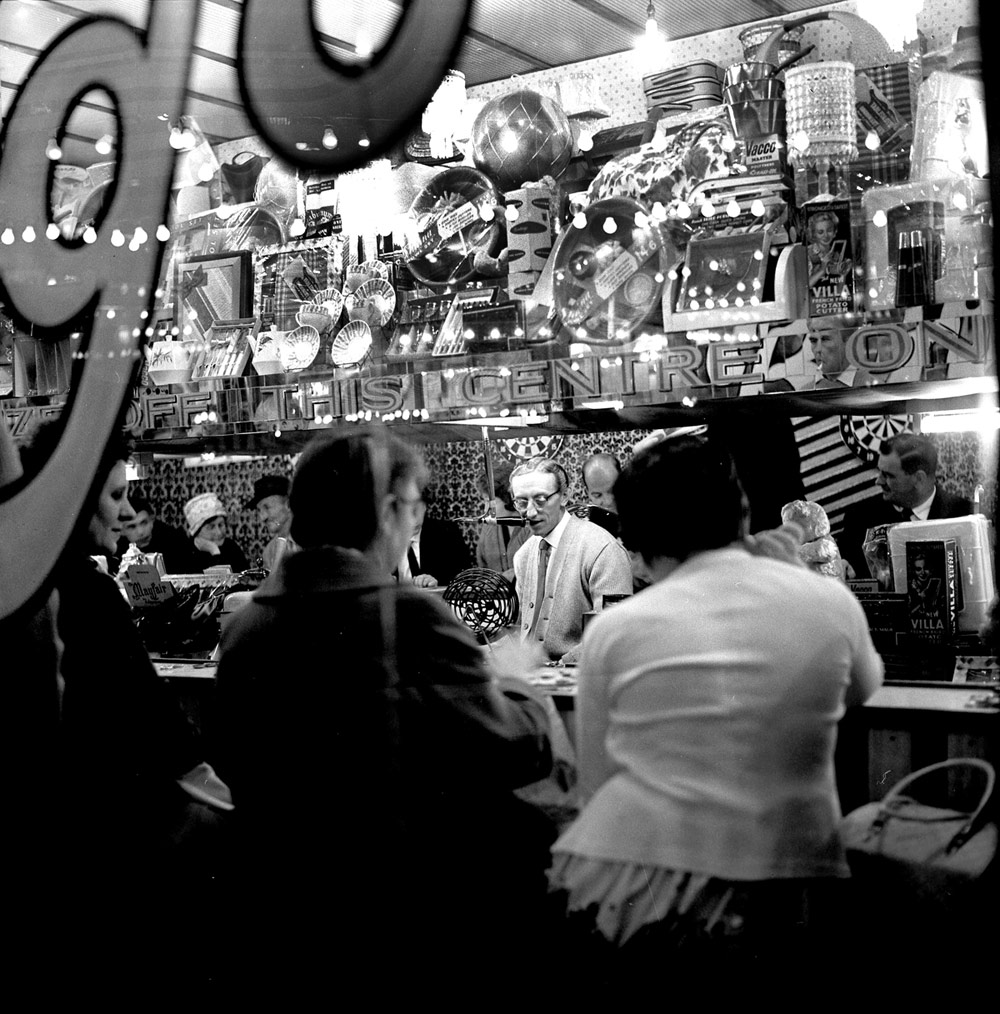
What do you think is the attraction of living on the coast?
There is nothing quite like the seaside, that’s what makes it so alluring. People feel free to be a different version of themselves; they physically and mentally unbutton themselves. Maybe it’s the feeling of being at the very edge of the island, maybe it’s just the music and the flashing lights. It’s hypnotic.
Did you take any inspiration from the images that later influenced a collection?
The feeling of freeness and abandon. The clothes they wore back then had a louche looseness to them, an attitude that was more carefree and away from the usual strictness of English tailoring. There were also quite literal references – the stripes on the side of an ice-cream shed, or a deckchair, or the paint on a theatre.
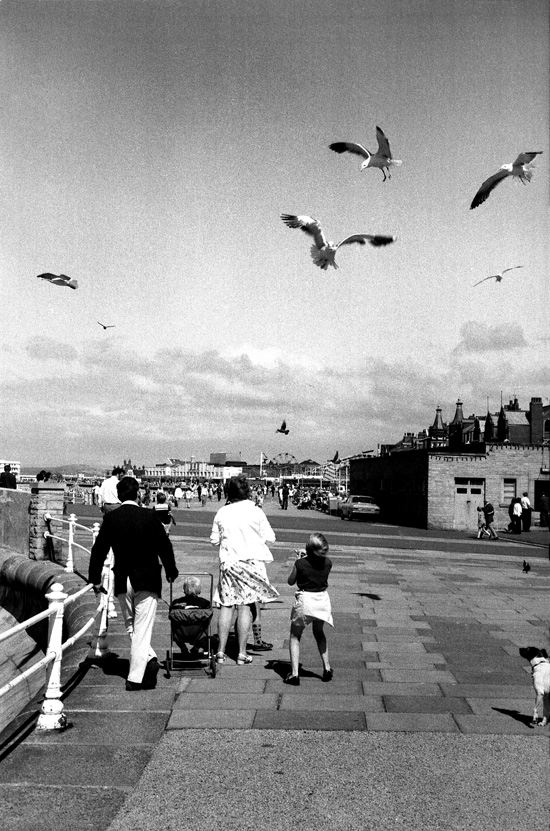
What does the British seaside represent to you?
There’s something wonderfully freeing about being close to the sea. It draws you in, it liberates the mind and seaside towns are all about abandoning your normal mores. The seaside is a great release. We go there to feel different about ourselves.
What’s the attraction from a fashion design perspective ?
It’s an incredibly rich vein of inspiration, both the physical – the light, the colours, the rolled up trousers legs – and the metaphysical – the sense of abandon, the lightness of being.
As Port premieres exclusive images from Harry Stedman’s SS15 lookbook, David Hellqvist and designer Amy Greenland trace the life of the Liverpudlian man that inspired the brand
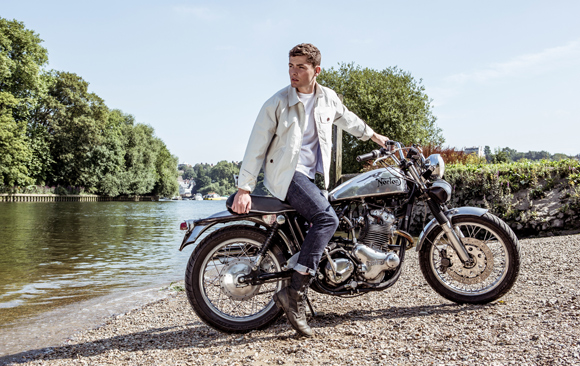
In menswear, as in life, it’s crucial to balance the influence of ‘heart versus brain’. As a menswear designer, both have to be respected. If not, you’ll end up with a pitch-perfect craftsmanship that’s amazing in quality but lacking in soul and honesty.
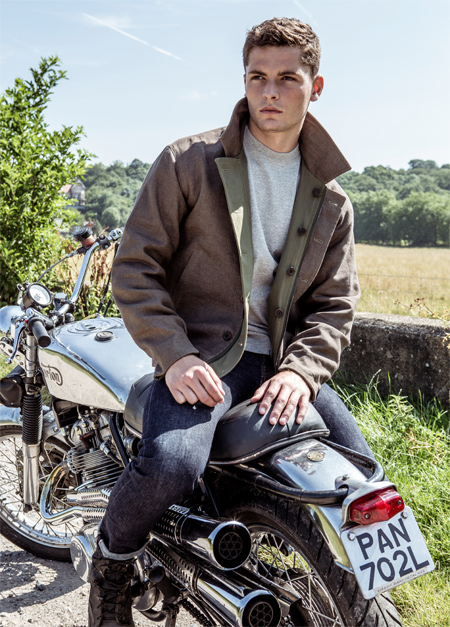
Harry Stedman, a British men’s brand based in east London, has found the perfect balance. The brand was founded in 2011 by Stedman’s son and grandson, Phil and Rick, and is inspired by his sailing adventures in 1950s as well as a five-year-stint in Africa. As such, the brand is a “love letter to Harry and his utilitarianism, adventure and eye for style.”
As a sailor in the Merchant Navy, Stedman needed a sturdy and functional wardrobe. This kind of ‘workwear’ is essentially a uniform for the working classes, that is built to last. Today, the Harry Stedman brand looks to mix the sartorial qualities of that era with the life and memories of this particular man. Thanks to the rigorous quality control employed by designer Amy Greenland the clothes are durable and full of ‘heart’, as each collection tells a different chapter from Harry Stedman’s eventful life.
Stedman’s life as a globetrotter allows Greenland to take inspiration from all over the world, but it’s the beating heart of Liverpool’s music and fashion scenes in the 50s, mixed with the preppy and classic varsity culture of the US east coast, that continues to inform the brand. As Harry Stedman prepares to launch its Spring Summer 2015 collection, we spoke to Greenland about the label’s DNA and what key pieces to look out for.
What can you tell us about Harry Stedman?
Harry is an ordinary man who has led an extraordinary life. He is an archetypal scouser full of determination, passion, grit and quick wit. We look back on his adventures, his working life, the everyday clothes – which he would regularly alter and modify – and his Sunday best. Absorbing everything about his past, how he lived and how he worked informs our creation of garments for the Harry Stedman men of today.
How would you define his style?
Clothes had to have a purpose in Harry’s life as they were his tools for survival. He was obsessed with the small details of menswear: the softness of a natural shouldered jacket, the roll of a Brooks Brothers collar… People used to stop him on the streets in Liverpool over that one. However, Harry was no Madison Avenue advertising executive; he worked in hard physical conditions. His suits were smart but he was always more comfortable in his a white t-shirt, leather jacket and chinos – a mix of American workwear picked up from New York dockers and cool casuals that formed his weekend wardrobe when off duty in North Africa.
“Harry is an ordinary man who has led an extraordinary life. He is an archetypal scouser full of determination, passion, grit and quick wit”
There is an equal focus on clothes and culture from the USA and Britain in your SS15 collection. What elements have you taken from each country?
During his time as a sailor Harry soaked up local culture wherever he travelled, particularly from New York. During the 50s and 60s, New York broke new ground in every walk of life – especially in clothing, most of which hadn’t been seen in Liverpool before. The city exposed Harry to sartorial discoveries such as workwear, fine Brooks Brothers shirting and the American collegiate Ivy League aesthetic. Our varsity jacket, 50s button-down shirts, 16.5oz White Oak Cone Mills denim jeans and solid classic cotton t-shirts reflect these styles, all of which are made in the USA.
To pay homage to Harry’s roots we also look at UK trends from the same era, mainly around solid workwear worn by Liverpool’s dockworkers who would switch to smarter clobber at the weekend known as ‘your Sunday best’. The three-button 50s workman jacket, peacoat and gansey knit all illustrate our British inspiration. They’re made in the UK using British fabrics, celebrating the craftsmanship and quality of manufacturing over here.
There’s a slight nostalgic, 50s feel to the collection. Would you still describe it as a modern brand?
Yes, it’s a modern brand. We respectfully look to the past to inform our designs, with a particular – but not exclusive – focus on the 1950s and 60s. There were some really strong menswear looks that were born in the 50s and they’ve stood the test of time. We’ve analysed these styles, allowing them to shape the bedrock of the Harry Stedman brand you see today. Blending old with new, with the inclusion of contemporary fabrics and clever design helps to achieve a modern style that resonates with today’s discerning gent.
“Clothes had to have a purpose in Harry’s life as they were his tools for survival”
What was the idea behind SS15 and what was the main inspiration?
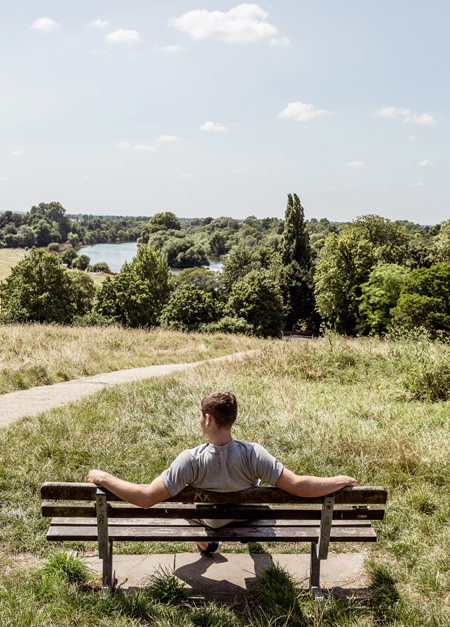
For each collection we design we try and move one chapter on in terms of Harry’s story, as each season Harry grows a little older… For SS15, we focused the collection around Harry returning home to sunshine and good times after another one of his long trips out at sea. The mood of the season is more laid back and chilled than AW14, allowing us to explore Harry’s more playful side. It provides a nod to the off-duty Harry – smart and easy garments perfect for the changeable spring/summer months, with an emphasis on quality not quantity.
What are the key pieces from SS15?
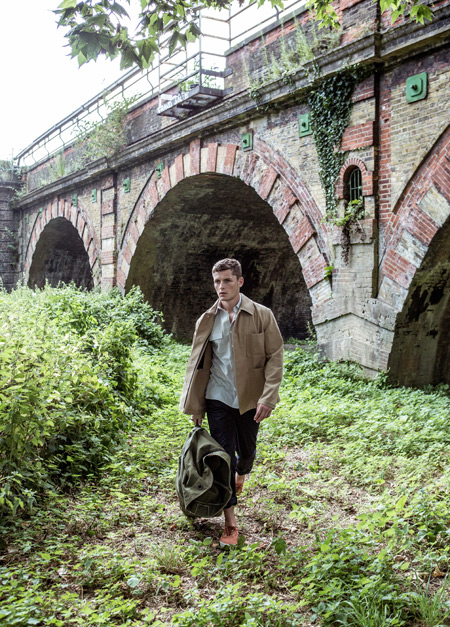
The Drizzler jacket remains a key piece, available in lighter weight cloths that stand against the ever-changing British weather. We have also introduced a new ‘Made in the UK’ striped classic t-shirt, adding a strong monochrome look amongst lighter textures and colour palettes in the range. The more casual navy zip slicker and sand coloured workwear jacket bolster the collection and insert the stylish yet utilitarian elements that are a constant thread throughout all our collections.
Any new styles, shapes or fabrics this season?
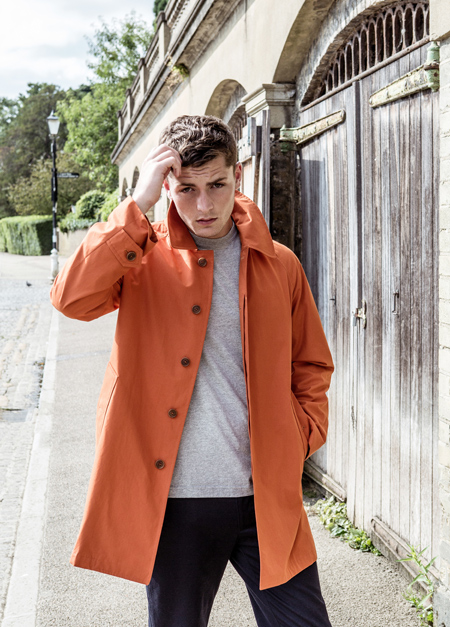
The orange mac is a completely new style this season. The shape reflects the A-line style of the 50s and 60s with functional details like the hidden trouser entrance pocket. The outer material is a Ventile cotton fabric that gives fantastic protection against wind and showers while remaining lightweight. Soft terry toweling features on our raglan beach t-shirts and lighter shirting has also been introduced. The three-button 50s workman jacket with a relaxed shoulder is the latest addition to the collection in a linen/wool twill, and features barre striped lining with horn buttons.
More info on the SS15 collection is available here