Wasted but Wanted

Designer Max Lamb and Potato Head turn the detritus of luxury tourism in Bali into furniture and objects of function and beauty

Photography Adrian Morris

When Indonesian property developer Ronald Akili opened his first restaurant in Jakarta in 2009, he called it Potato Head. It was his way of differentiating it from the run-of-the-mill stylish eating in the city. For the initiated, the essential innocence of a Hasbro plastic toy from the 1950s would serve as a paradoxical signal of sophistication. Potato Head turned out to be the beginning of a hospitality brand that spread from Jakarta to become a resort in Seminyak on the island of Bali, and more recently a bar and restaurant complex in Singapore. Given Rem Koolhaas’ fondness for iconoclastic paradox, the founder of the Rotterdam-based architectural studio OMA was not an entirely surprising choice when Akili commissioned him to design the Potato Head hotel, which opened in Bali in 2020.

The Potato Head brand is based on a string of strikingly utopian promises. In the missionary prose of 21st-century marketing, it is based on “a zero-waste ecosystem where good times are reimagined as a catalyst for change – cultivating culture, restoring the Earth and nurturing community. Here, every element has purpose. Food and wellbeing nourish. Music connects. Art inspires. Circular design enables a regenerative way of life.” 

Photography Adrian Morris

We have become so inured to relentless greenwashing that it is hard not to be sceptical. But Potato Head is certainly in it for the long term. Since 2018 it has been working with Max Lamb, the London-based maker and designer, trying to find ways to reduce the negative impact of luxury tourism on the environment and on traditional communities. While OMA were working on the hotel, Lamb made the first of several visits to explore ways in which Potato Head could create a range of products and furniture to equip the building when it was ready. “At first I thought that I would design items, and source remote production. But when I went to see the site, I understood that there is a large craft capability on Bali. Building relationships with what is available was the way to go.” The island’s network of craft workshops might not be able to make a blow-moulded plastic chair or pay for aluminium extruding tools, but they do have the ability to work with a wide range of materials to produce distinctive products. Lamb produced an intriguing range of designs, but once all the bedrooms of the hotel had been furnished, it was clear that it could not be the end of the story. “Everything was high-level quality, and quite desirable. People stole things, which suggested that it was suitable for a homeware collection.”

The Wasted collection is a much larger project than the original range for the guest bedrooms. It was designed to harvest all the various waste streams from the hotel’s activities, and to use the detritus as a raw material that Balinese craftsmen can turn into homeware products designed by Lamb, for sale at the hotel and beyond.

Photography Putu Eka Permata

Every year Potato Head, along with all the other luxury hotels in Bali, produces an apparently unstoppable flow of waste, from uneaten food to broken bottles, from single use plastic to cutlery and crockery. Both Akili and Lamb were acutely aware of the need to make something of this. “Bali is tourism-focused, the generation of waste is an island-wide issue,” says Lamb. “Potato Head is trying to capture waste. It has a sustainability director, and has worked with an outside agency that analysed all the waste streams: going through the statistics, seeing what was accumulating, and to understand what we could do with all of it.” Wasted products are based on eight distinct material families. One uses high-density polyethylene plastics; others are based on cooking oil residues, salvaged ceramics, broken glass, worn-out bed linen, composite waste materials such as polystyrene, and even oyster shells. “Most of the glassblowers source waste from construction sites and broken windows. Potato Head sends them their broken drinks bottles,” says Lamb.

“Bali is not really industrial, it is characterised by small village-based craftsmen; there are weavers, as well as a cluster of glass makers and blowers. They are all families, all multigenerational. It is large volume, but quite artisanal.”

Photography Adrian Morris

Lamb saw his role as devising a range of products using the available materials that would make the most of the capabilities of Bali’s artisans. “My own experience as a maker with my own workshop was helpful. I wasn’t just a designer doing a design on paper, it was a collaboration with each individual maker, so that I could give them what they needed to be able to make pieces. On paper it’s easy to model but making in volume for retail can be very difficult. Each object is singular, they are all quite simple. It’s not high design, it’s not elaborate: it’s functional and humble. The detailing is intentionally minimal, it has been a process of collaboration respecting what they can make well, what they can make consistently. I am singular in my focus on materials. So, every piece is all made in a single workshop.”

The first Wasted collection includes marbled plastic chairs, hand-shaped ceramics and lounge seating. At the time of writing, Potato Head is now waiting to see the results of its launch in the summer of 2025. It’s also working with seven other hotels and restaurants on Bali to process their waste. For Lamb the key to the project is to be agile. “To achieve an equilibrium we must be nimble in our designs and production, we have to follow the waste stream. It is a finite and moving target. If product demand exceeds waste stream, we can’t just buy virgin materials.”

This article is taken from Port issue 37. To continue reading, buy the issue or subscribe here

Photography Anselm Ebulue
Photography Adrian Morris
Photography Putu Eka Permata
Photography Adrian Morris
Photography Putu Eka Permata

The Future of Fabric

Danish trailblazer Kvadrat is turning end-of-life textiles into furniture with the help of Max Lamb and upcycling initiative Really

Benches by Max Lamb, images courtesy of Angela Moore

“Some of the very first designers for Kvadrat were artists and architects,” says Njusja de Gier, head of branding at Denmark’s leading textile manufacturer. “That has always been a huge part of our identity.” Creative partnerships have driven the company’s reputation for innovative design since it was founded 1968 and, through collaborations with figures such as Raf Simons, Peter Saville and Olafur Eliasson, Kvadrat has advanced textiles beyond the modish world of product design and into the realm of experience. “We want to inspire people and show that you can do more with textiles than just upholster a sofa or a chair,” she says. “We’re trying to push the boundaries.”

Despite Kvadrat’s roots in the Scandinavian design tradition, one reason for the revolving roster of collaborators is to forge an international outlook. In-house engineers regularly team up with designers who have a technical understanding of yarns and weaving, such as Asa Pärson, or designers who work conceptually, such as Patricia Urquiola. These partnerships ensure that Kvadrat remains relevant, furnishing architectural landmarks such as MoMA, Guggenheim Bilbao and the Oslo Opera House, while also remaining popular in private homes, hospitals, airports and public transport.

After launching its fourth collection of soft furnishings with Raf Simons at the Academy of Design in New York in March, Kvadrat has now teamed up with ‘upcycling’ initiative Really, and designers Max Lamb and Christien Meindertsma to present a collection of furniture made entirely from end-of-life wool and cotton. The launch exhibition at Salone del Mobile will detail the making of the solid textile board using cut-offs from the fashion and design industries, as well as unwanted household textiles. 

“Upcycling is necessary,” says Njusja. “We saw this as the next step in Kvadrat’s sustainability strategy. Naturally, we have a lot of cut-offs, and this is a way to do something beautiful with them.” The solid textile boards come in four colours – blue, white, slate and brown – based on their textile source, and can be used in many of the same ways as solid wood. 

“We approached Max because of his material research. He’s already experimented with engineered marble so we knew he would take an interesting approach,” Njusja explains. “He has designed 12 benches for us in such a way that we can recycle each piece and make new textile boards with it. It’s completely closed-loop.” 

Max Lamb and Christien Meindertsma’s designs, along with their research and prototypes, will be on display from 5 April at Salone del Mobile 2017


PORT’s top 10: London Design Festival

PORT’s design editor, Alyn Griffiths, picks his top 10 from the 400 events and exhibitions than ran across the capital during London Design Festival 2015.

© Ed Reeve
© Ed Reeve

Curiosity Cloud by mischer’traxler at the Victoria & Albert Museum

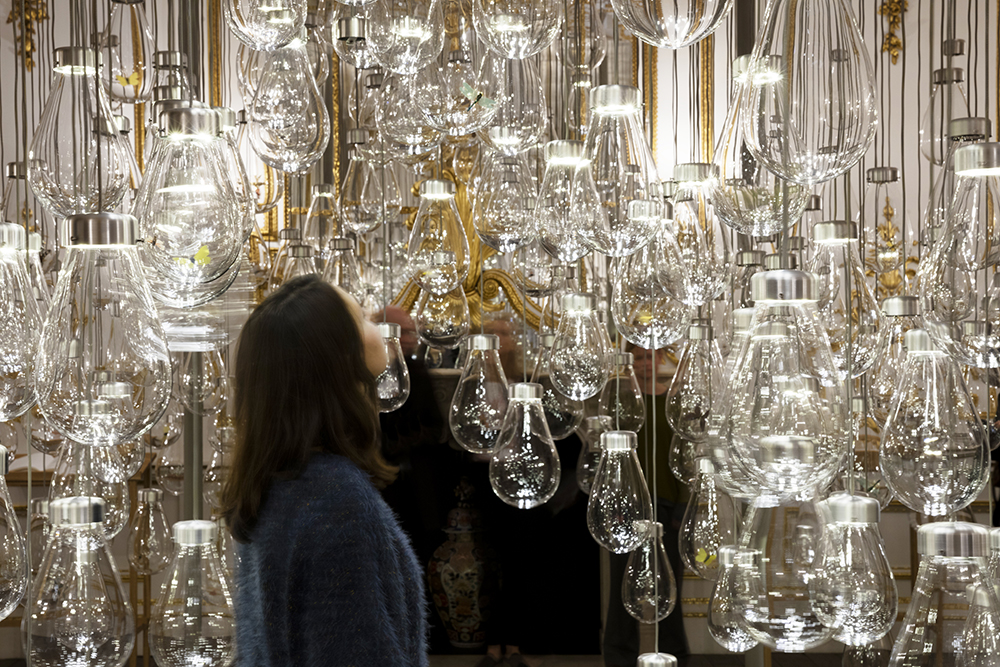
A highlight of this year’s strong programme at the Victoria & Albert Musuem was the Curiosity Cloud installation created by Austrian duo mischer’traxler for champagne house Perrier-Jouët. Two hundred and fifty mouth-blown glass globes were suspended in the museum’s Norfolk House Music Room, with each one containing a hand-made insect. Sensors that identified the presence of visitors in the room triggered a mechanism within the globes that caused the insects to flutter around and collide with the glass, creating a cacophony of noise and motion.

© Ed Reeve
© Ed Reeve

The Cloakroom by Studio Toogood at the Victoria & Albert Museum

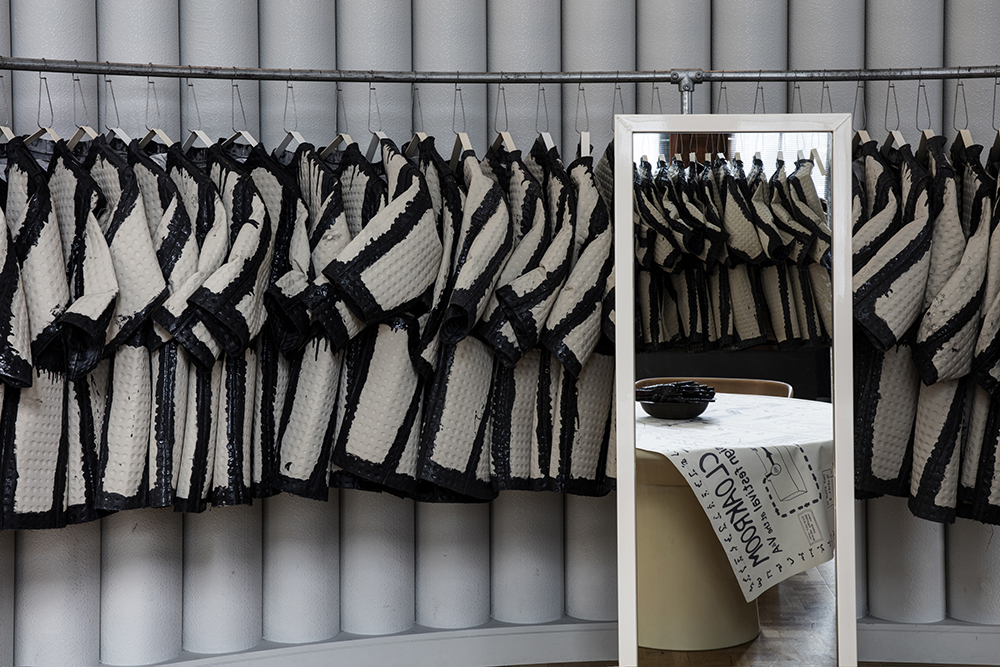
Elsewhere in the V&A, Faye and Erica Toogood produced a participatory installation that encouraged visitors to don a utilitarian-looking garment made from Kvadrat’s Highfield fabric, which incorporated a sewn-in map of the museum. The map led them on a trail to discover sculptural representations of coats that responded to their setting in various galleries. Fusing Studio Toogood’s core competences of fashion and design, the project highlighted craft skills by reinterpreting the coat motif in materials including wood, marble, fibreglass and metal.

© Marius W Hansen
© Marius W Hansen

Ready Made Go at Ace Hotel London Shoreditch

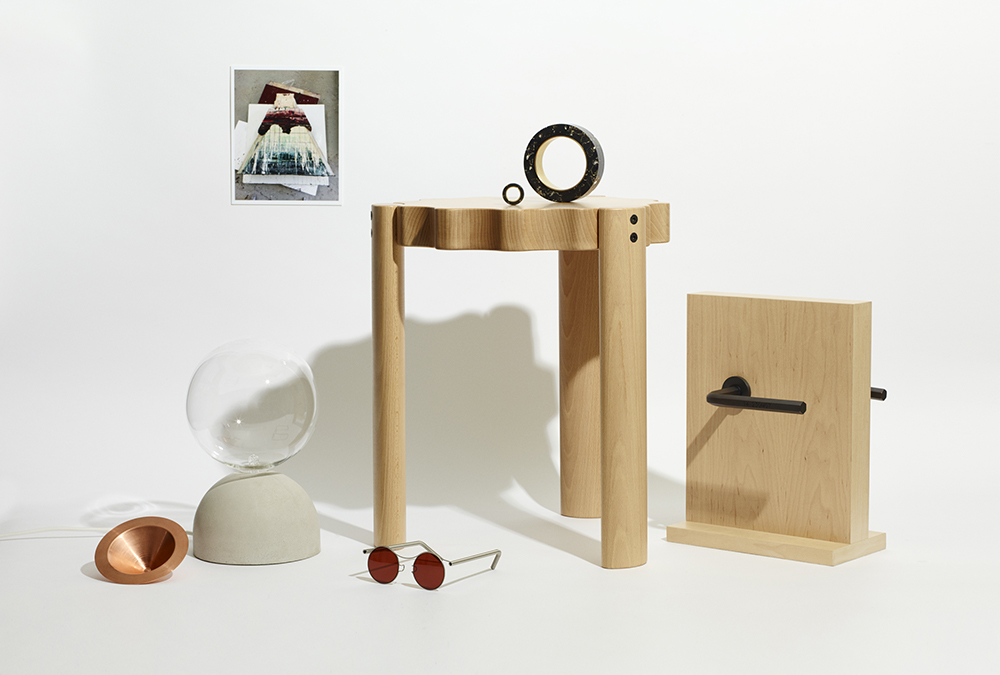
In east London, the Ace Hotel is establishing itself as one of the festival’s key venues – for both exhibitions and late-night entertainment – and this year it presented the results of a project that invited local designers to produce items for permanent use in its communal spaces. Organised by Laura Houseley of Modern Design Review magazine, the outcomes of Ready Made Go included a door handle, a stool, ashtrays, lights and decorative objects that, unlike much of the more speculative design on display during the festival, will remain in use long after the event has ended.

04 Brandub_Designed and made by Tom de Paor_Bandub 03_www.makersandbrothers.com

The Souvenir Project at the Rochelle School

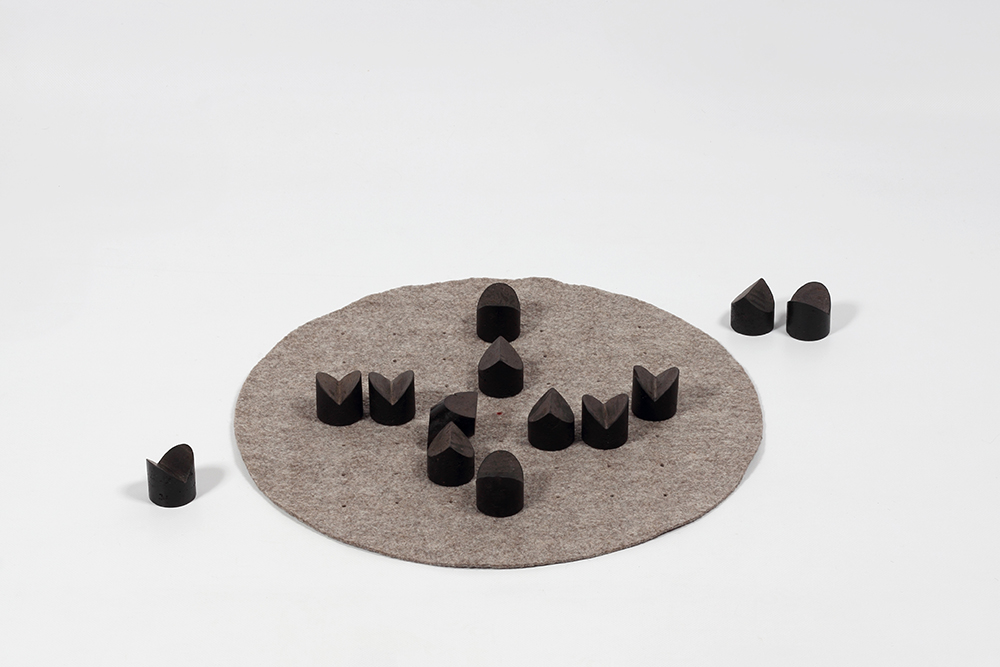
Nine objects designed to challenge perceived notions of Ireland were displayed at The Souvenir Project, an exhibition curated by Jonathan Legge of online retailer Makers & Brothers. The esoteric products were intended as alternatives to more conventional souvenirs and included a towel printed with a graphic pattern based on dry stone walls, a solid bronze paperweight shaped like a potato and a board game with pieces made from compressed peat sitting on a felt mat. According to the organisers, “each souvenir embodies cultural and material characteristics unique to Ireland and of each of their designers and makers.”

Rochester sofa by Michael Anastassiades for SCP

Sofa in Sight at SCP

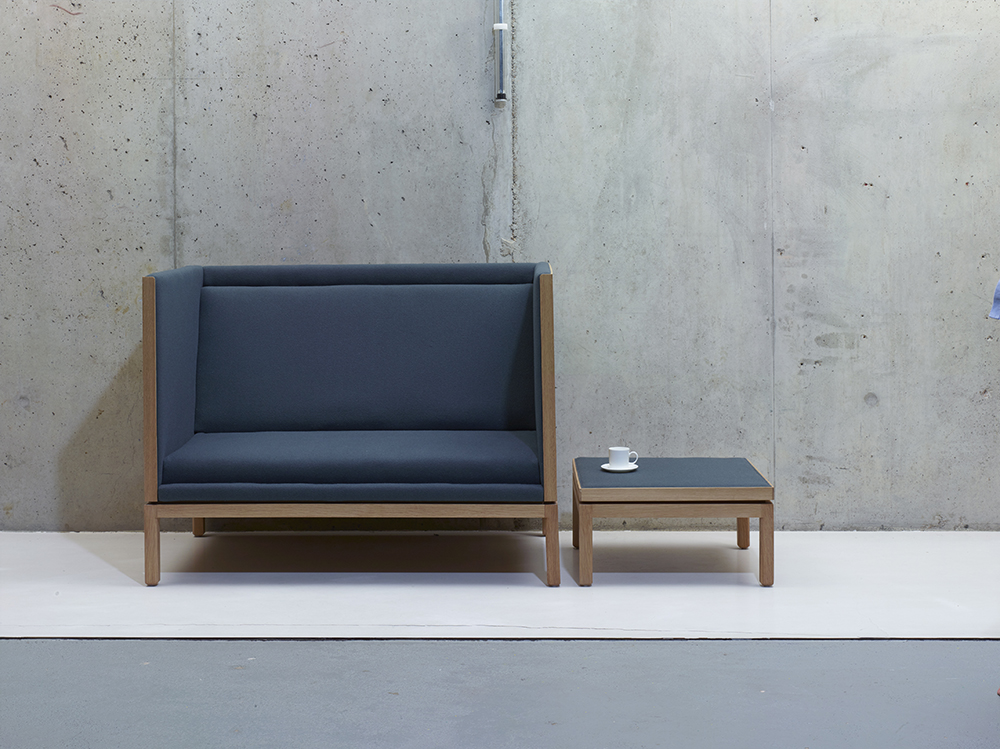
Shoreditch design store store SCP celebrated its 30th anniversary by launching a collection of six sofas designed to utilise the expertise of staff at its upholstery factory in Norfolk. Among them was a boxy timber-framed design suited to commercial projects by first-time SCP collaborator, Michael Anastassiades, and a comfortable hammock-inspired sofa by Lucy Kurrein, featuring a canvas sling supporting its plump cushions.

Factory candle by Benchmark and 1882Ltd

Benchmark and 1882 at The Future Laboratory

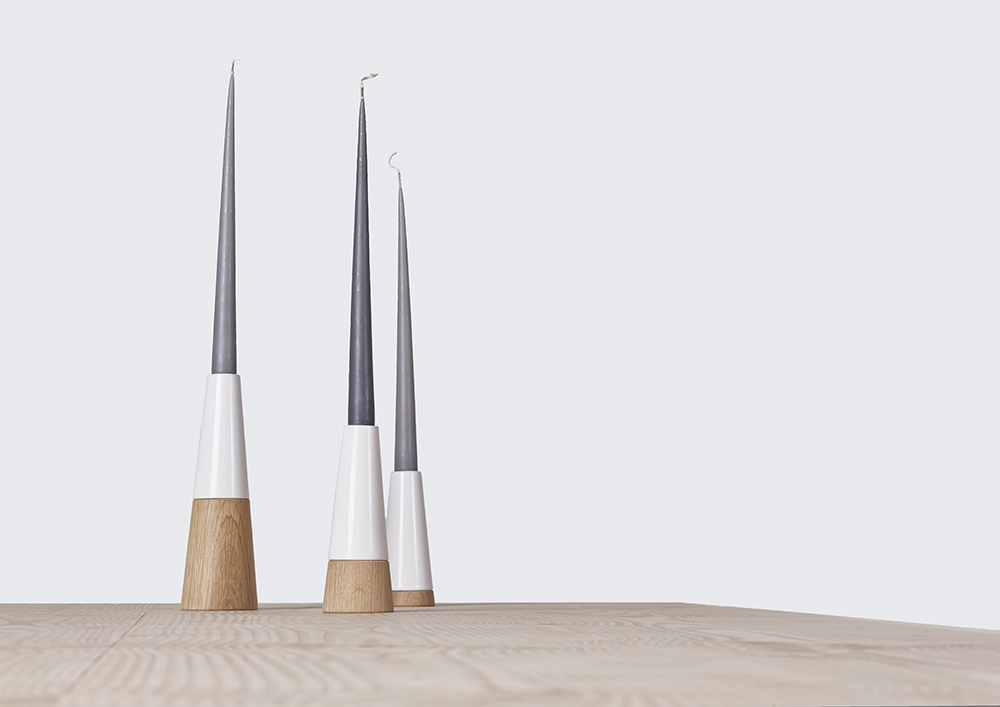
At The Future Laboratory in Spitalfields, furniture brand Benchmark and ceramics manufacturer 1882 collaborated on a candlestick that is part wood, part porcelain. The products were being produced in a makeshift workshop, with visitors invited to get involved in the making process. Benchmark also presented a range of simple furniture with concealed storage by British designer Max Lamb. The Planks collection uses boards of different sizes to create functional furniture that reduces waste.

Matter_Living in a Material World exhibition at One Good Deed Today

Matter at One Good Deed Today

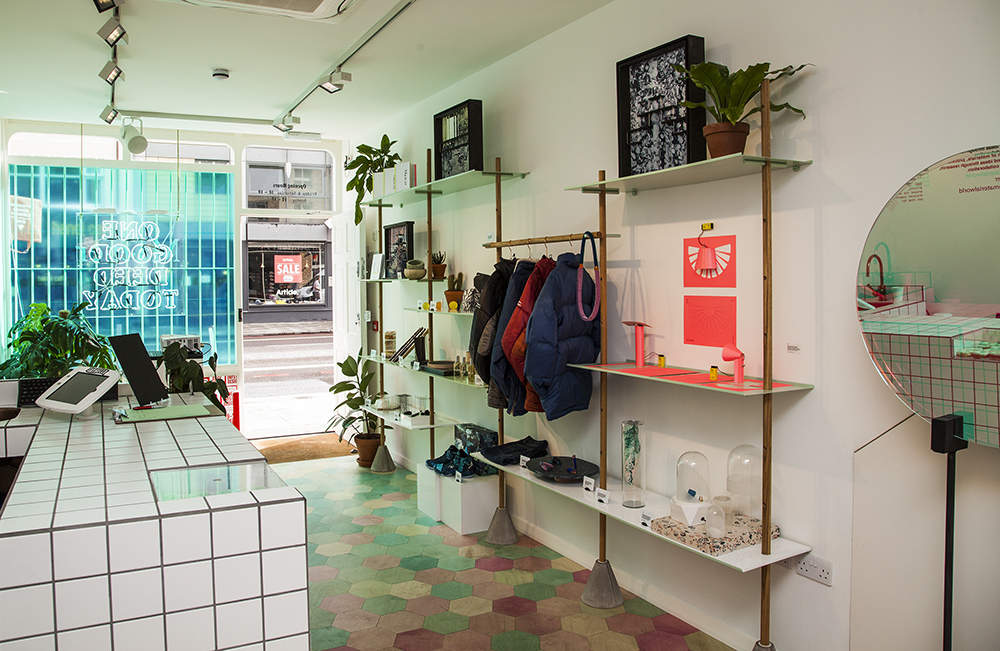
Artist and designer Seetal Solanki launched her new materials research consultancy Matter at a shop in Shoreditch with a group show that demonstrated different approaches to exploring materials through design. The exhibition included Amy Radcliffe’s “scent camera”, which captures the scent of an object so it can be distilled and translated into a perfume, and edible materials by Miriam Ribul that can be cooked in an everyday kitchen. “It’s about challenging the perception of materials,” said Solanki, who hopes to help people from different industries understand how they can use and adapt materials in new and innovative ways.

AA Desk by Spant Studio for Woud

Woud at Designjunction

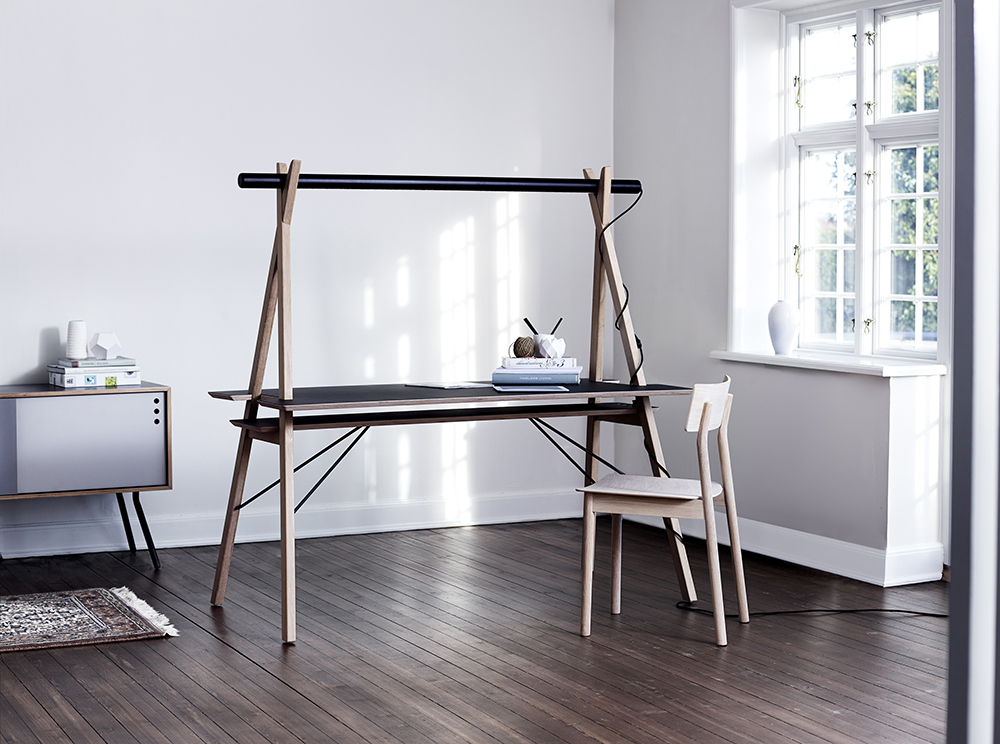
The Designjunction trade fair relocated this year to the former home of Central Saint Martins art school. Within its maze-like corridors and rooms I came across Danish brand Woud, which launched earlier this year and was showing pieces from its debut collection. The company focuses predominantly on working with emerging designers to develop products with a Nordic sensibility. That means pared-back, elegant forms combined with refined materials and characterful details.

© Ed Reeve
© Ed Reeve

The Gem Room by Studio Appétit and Laufen

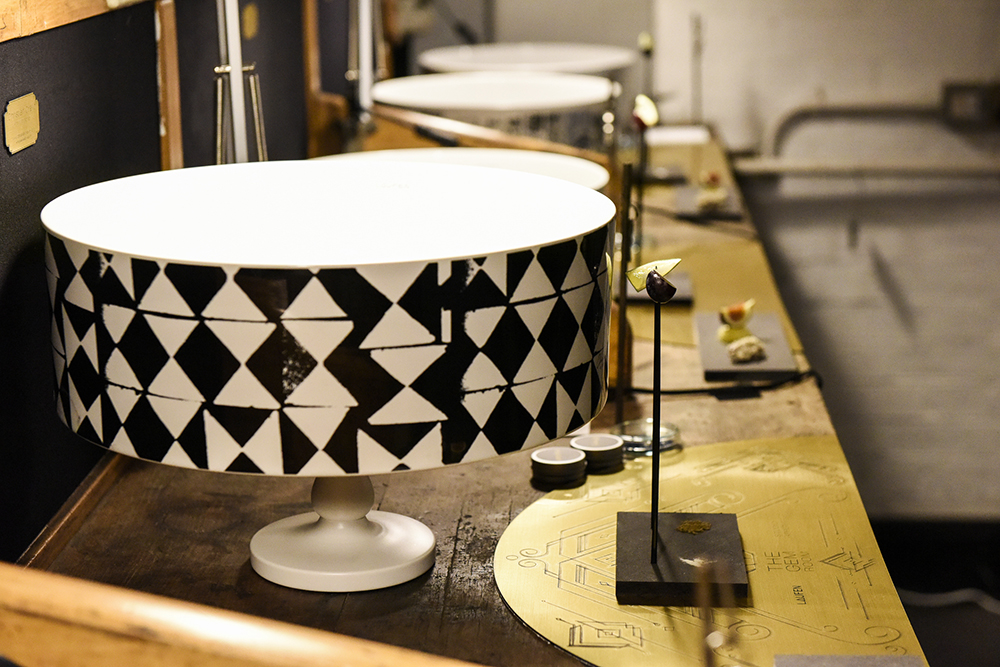
Also at Designjunction, Ido Garini of Studio Appétit created an experiential eating event for Swiss bathroom brand Laufen that challenged ideas about the value of various foods. Situated in the school’s old jewellery workshop, The Gem Room took inspiration from Laufen’s SaphirKeramik material, which contains a mineral also found in sapphires to enhance its hardness. Among the unusual foodstuffs devoured by the guests were highly concentrated cheese and oysters in a powdered form, crystals made from pure sugar and a chocolate bar with no nutritional value spray painted in gold.

© Chris Tang
© Chris Tang

2°C: Communicating Climate Change at The Aram Gallery

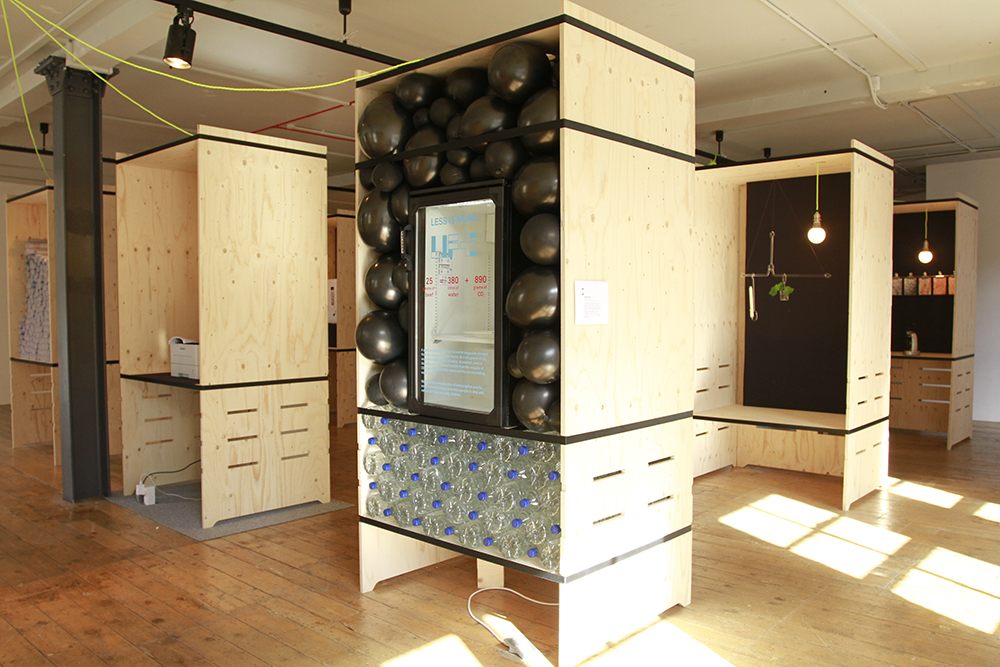
One of the more thought-provoking events during the festival was an exhibition at The Aram Gallery that explored the possible implications of climate change. Organised by design publication Disegno and curated by The Aram Gallery’s Riya Patel, the exhibition included contributions from 10 designers and studios who were each given an identical booth in which to communicate issues associated with this pertinent global issue. Local firm PearsonLloyd used balloons and bottled water to represent the 890 grams of CO2 emitted and 380 litres of water used to produce a small morsel of beef.