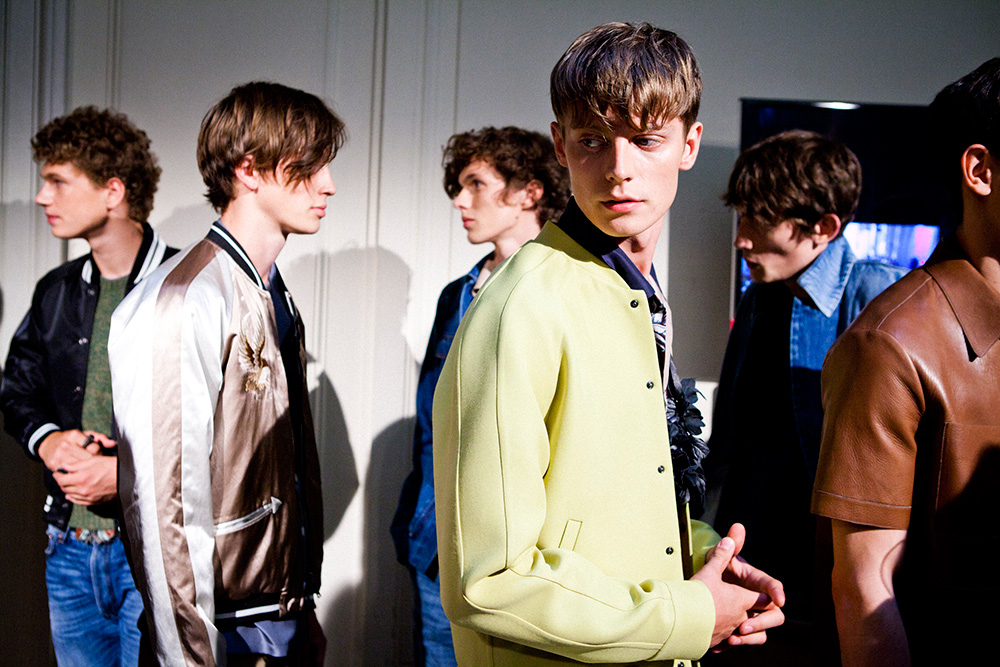
In Conversation: Paul Weller and John Varvatos

PORT sits down with the Modfather and American menswear designer John Varvatos to discuss the enduring relationship between music and style

Paul Weller
Paul Weller

One is an award-winning musician with his own clothing line, the other invented boxer briefs and runs his own music label. You’d be hard pressed to find a duo more qualified to discuss the symbiotic relationship between music and style than Paul Weller and John Varvatos.

As with the mods, the youth subculture that Weller helped to revive with The Jam and later with The Style Council, music and style are often inseparable. This ethos is something Varvatos’ store in London’s West End aims to reflect in its design and atmosphere. A veritable temple to rock music, the Conduit Street shop has its own record shop, concert area and the largest collection of Fender guitars in Europe. And, for the next two weeks John Varvatos London will host a capsule collection from Weller’s menswear line, Real Stars are Rare.

Here, PORT meets Weller and Varvatos, who reflect on their past collaborations, how music and style have influenced them and the role fashion plays in contemporary pop music.
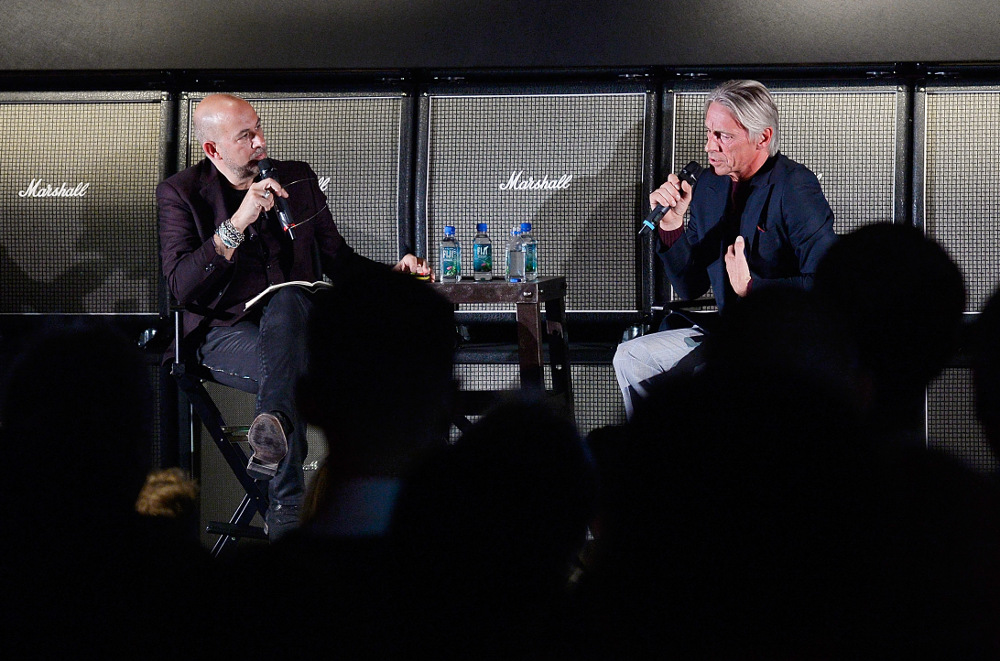
 John Varvatos (left) in conversation with Paul Weller (right) at Varvatos' London store. The pair discussed topics including rock and roll to style. September 17, 2015
Paul Weller (right) in conversation with John Varvatos (left) at his London store. The pair discussed topics including rock and roll to style. September 17, 2015

PORT: How did you first meet one another?

Paul Weller: John asked me to do a campaign for him, a few years ago. I was going to be in New York around the same time anyway, and I had bought some of John’s stuff before in the States. It was John who suggested getting Miles (Kane, of The Last Shadow Puppets) to do the campaign with me and it was a really fun day.

John Varvatos: Then he ended up playing at our Bowery store, which is the old CBGB club. It was 35 years to the week that The Jam first came to States and played at CBGB. I remember when you came off the stage you said ‘I think it’s our best gig in our last hundred’. You were really psyched to do it.

PORT: Were you always aware of Paul’s music, John?

JV: Yeah, I was a big Jam fan and I had followed The Style Council plus all his solo stuff. I even collected all the Japanese singles… I also followed Paul’s style, because I think he’s the most stylish guy in the last 35 years of British music. He has been consistently cool but was never ‘of the moment’. He always had his own look.

PORT: How do you understand the relationship between music and style?

PW: I’m a musician and a songwriter, so obviously that comes first. But I’m a product of my time… I can’t separate music and clothes, it’s the same thing to me. I don’t think the connection is a strong as it was 20 to 25 years ago, but for me it will always be intertwined.

JV: I think they are (connected), I just think that in the periods of time that we’re talking about it became a big part of being sucked into the music. If you go to a show now and the band are just standing there with plaid shirts and shorts, it isn’t the same as a band like The Faces that were really putting on a show. I think they’re very interconnected, fashion and music, I just don’t think it has the same level of importance to pop culture as it once had.

PORT: Does it seem too artificial now?

PW: From the post-war generation up to the 80s, the main looks all came from the street. It was only in the 80s that it became design and brand-led. The early punk look became this ridiculous punk look, but the early days wasn’t like that. It was just loads of kids making their own clothes… it wasn’t one look.

PORT: Why is mod culture so enduring?

JV: It’s hard to say when you talk about mod fashion, or even just the green parka – why that’s cool and remains cool. But there’s definitely a functionality to mod fashion, and it’s a mix of so many elements.

PW: I think it endures because it has the capability to adapt and to move on, but it remains essentially the same thing. Mod clothes are also just very classic looking. They’ll always look good at any time, any decade.

PORT: If you could go back to the 60s and the first wave of the mods, what would you do?

PW: Well I might go back for a night and see Stevie Wonder play in some little club in London, get some pills and come home. I like the time we live in. Apart from all the great things we talk about in the 60s – the music and the fashion – life in this country was not fun if you were poor and working class. It was probably a great time to be around if you were young, had money and no responsibilities, but not everyone was swinging.

PORT: What’s next for your menswear label, Real Stars are Rare?

PW: We’ve got another collection coming out in October. I’m not trying to be competitive, I’m just happy doing just the very short runs so I don’t have any pretence of being a designer or in competition with any other bands. (Points to John Varvatos, laughing). He’s got nothing to worry about!

Paul Weller’s pop-up store runs until Sep 24, 12-13 Conduit Street, London with a selection from Weller’s Real Stars are Rare clothing brand, copies of his new book, Into Tomorrow, and a deluxe vinyl edition of his latest album, Saturns Pattern.
The Drake’s Drape

Michael Hill, managing & creative director of British clothing and accessories brand Drake’s, talks to David Hellqvist about classic design language, the new AW15 season, and how Jason Jules became the face of the collection

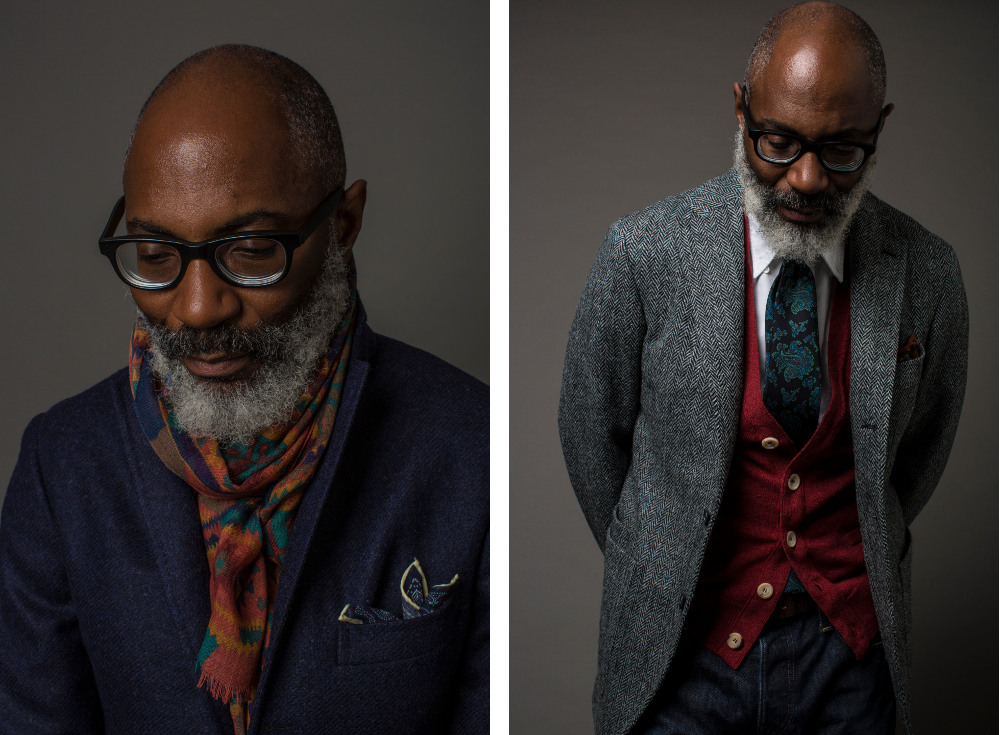
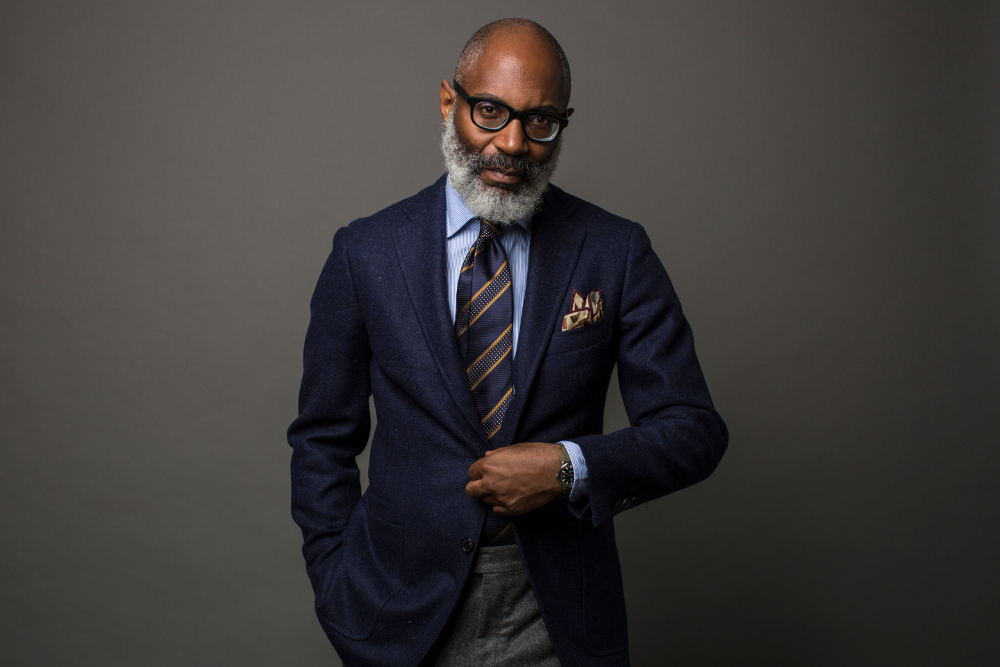
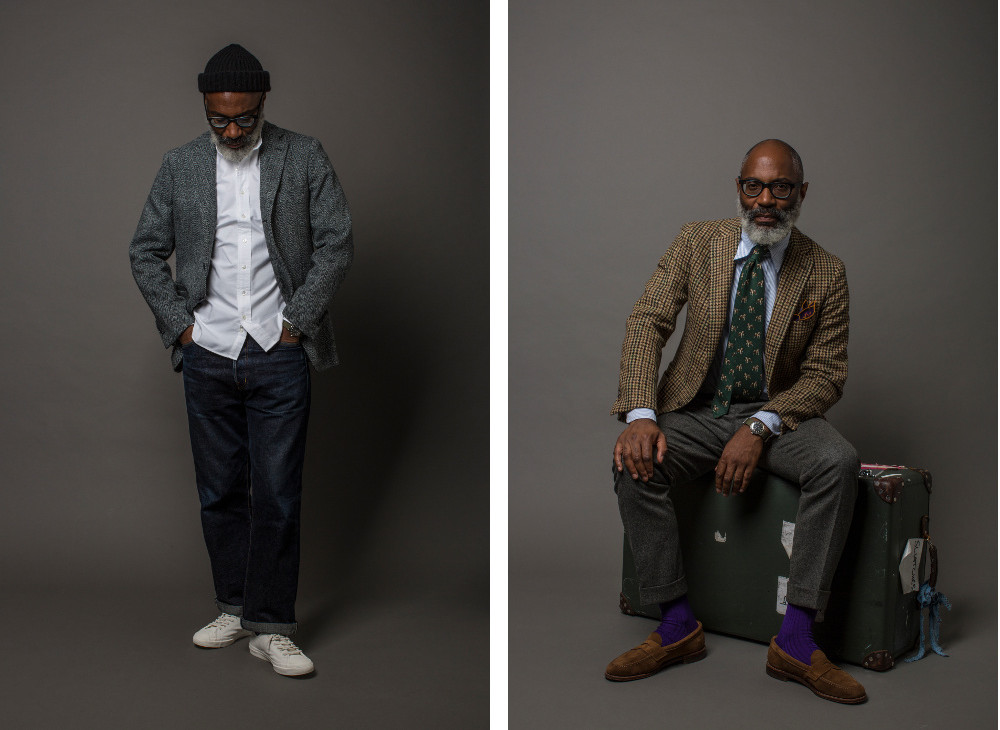
Jason Jules for Drake's
Jason Jules for Drake’s

Jason Jules looks like someone who’s had his entire wardrobe styled, rather than just posing for a lookbook. The writer is the face of Drake’s this autumn-winter season, adding his own personal and suave style to the collection (not that Drake’s really needed help – Jules’ involvement is more of a bonus, if anything).

The brand, founded in 1977 by Michael Drake, has long been a style stalwart, specialising in a quintessentially British aesthetic. Traditionally focused on ties and scarves, Drake’s has increased its apparel appeal of late. Add to that illustrious collaborations, such as the Alden footwear capsule collection, and you’ll see that­ the label is progressing towards a total ‘lifestyle brand’ status ­under the stewardship of its current managing & creative director, Michael Hill.

Drake’s shirts, jackets and ties hint towards a style of ‘yesteryear’ through its well­-made clothes with authentic heritage and stylish cuts. A new shirt line for AW15 speaks to this notion of traditional formality, but also to a modern sense of casualwear. With its quirky Mayfair store, Drake’s is the archetypal British men’s brand, catering for specific individuals needing a quality wardrobe. Here, Port‘s fashion features editor, David Hellqvist, chats to Hill about the new collection.

What makes Drake’s special?

The combination of our particular aesthetic underpinned by our uncompromising commitment to our own English production – there will always be a need for manufacturing here.

How is the Drake’s manufacturing process different?

We concentrate on the way we make something. In doing this, we don’t compromise on our raw materials or the manufacturing process itself. It’s always been a question of ‘how we can make our product better’, not ‘how we can make it cheaper’.

Where do you choose to manufacture Drake’s products and why?

We manufacture our ties in London. The company established itself in east London in the 1970s. We wanted to manufacture our own ties in order to produce the very best possible, but the only way to do this was to do it from where we were based and thus be completely hands-­on with the whole process. Our craftspeople are our business and this is why we remain together in east London today.

What about the shirts?

We make our shirts in Chard, Somerset, the traditional heartland of English shirt­making. We used to use an Italian manufacturer but, as with our ties, we had to make it ourselves and invest in shirt manufacturing in England, for the longterm, if we wanted to produce exactly what we wanted. Happily, it’s been an extremely rewarding adventure and we’re very proud to now be making our own shirts. For us it’s not just a question of designing and selling something; fundamentally it’s about making it.

The shirts are new, can you describe the styles?

We’ve distilled it down to two core models: the perfect spread collar, nothing too exaggerated, made with soft brushed linings in fine shirtings that break down the formality of the classic dress shirt; and the perfect button down, a shirt with the ruggedness and causal sensibility of the great American button­down but with the more refined element of the Italian button­down… Consequently, it’s a shirt that works extremely well both with and without a tie. We offer a regular and a slim fit too.

What inspired the AW15 season?

The quest to allow authentic cloth to be represented in a fresh and relevant way for today. As ever, it’s the great weavers, printers and craftspeople we work with who make this possible.

How would you describe the Drake’s style and aesthetic?

Classic English discernment updated and somewhat softened for today’s modern gentleman. It’s sartorial, yet it’s comfortable, not overly prescriptive, and always firmly rooted in the finest materials and authentic processes.

Who is Jason Jules and why did you choose to work with him for AW15?

There’s a mutual interest and appreciation in each other’s work. And working together was very easy. It wasn’t a case of having to style Jason; he’s a Drake’s guy who has a great feel for the product and enjoys wearing it. He has a genuine appreciation for cloth and manufacturing, not to mention a great sense of style.

ImagesCourtesy of Drake’s

Love Me Tender

William Kroll tells Port about his British denim brand Tender and how he’s bringing vintage inspiration and workwear aspiration to those who value craft

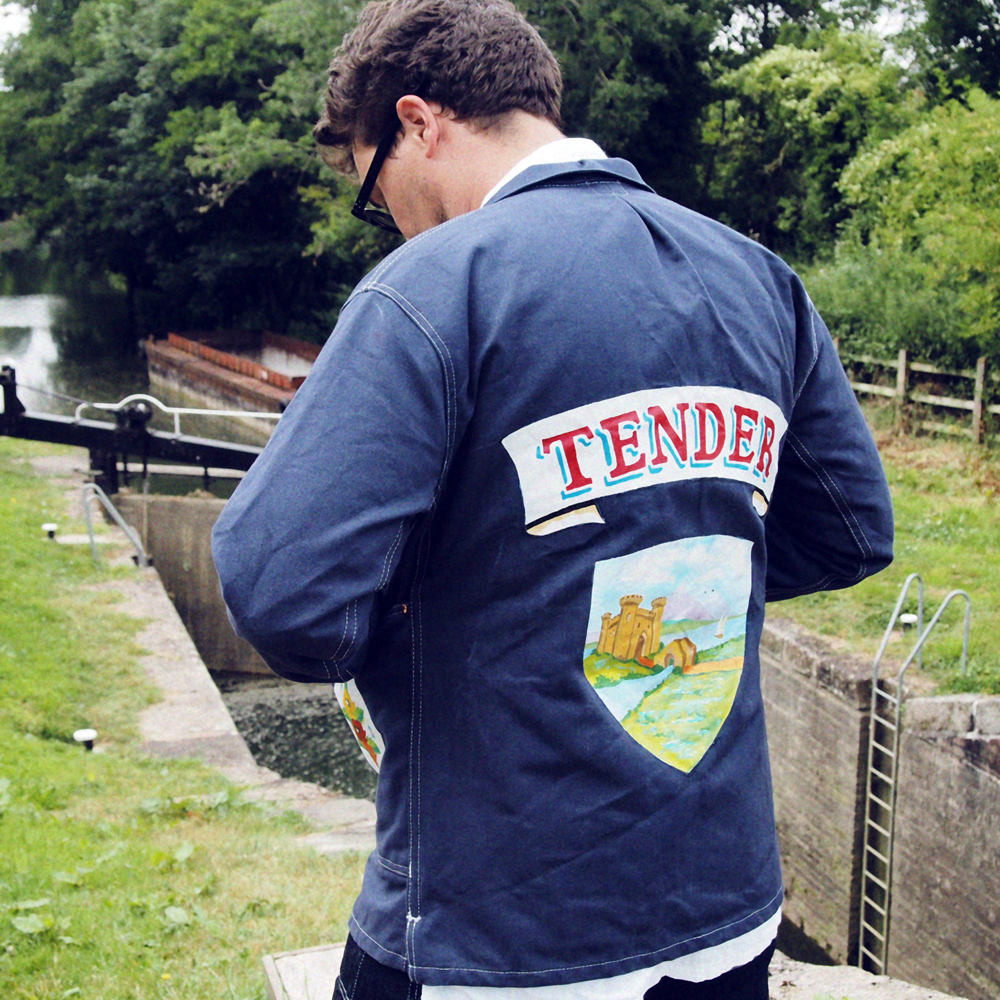
William Kroll, Tender founder

After studying tailoring on Savile Row and several years at a Japanese denim company, William Kroll began looking into British traditions in workwear, tailoring and manufacturing. Kroll found himself drawn to the age of steam engines, an inspiration that informs both the design and the name of Tender (the tender of a steam train holds its fuel and water) – the clothing brand he has run since 2010.

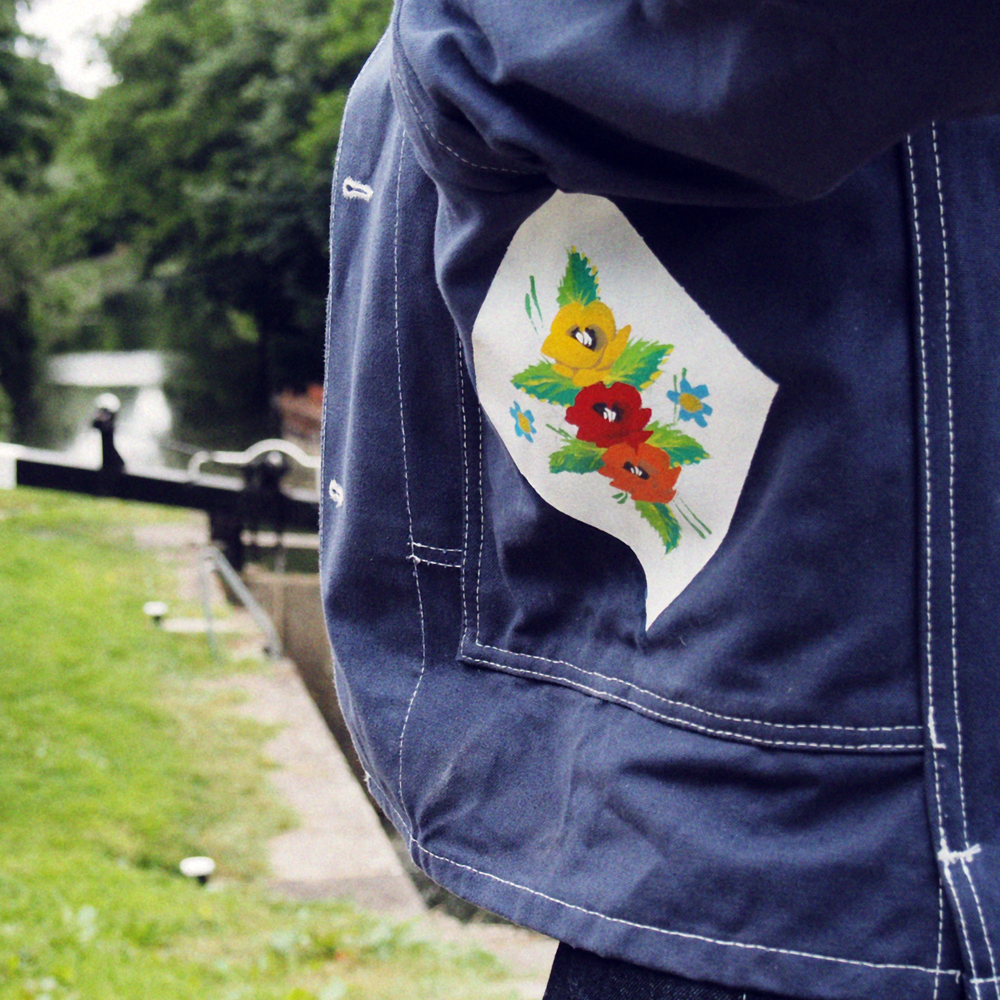
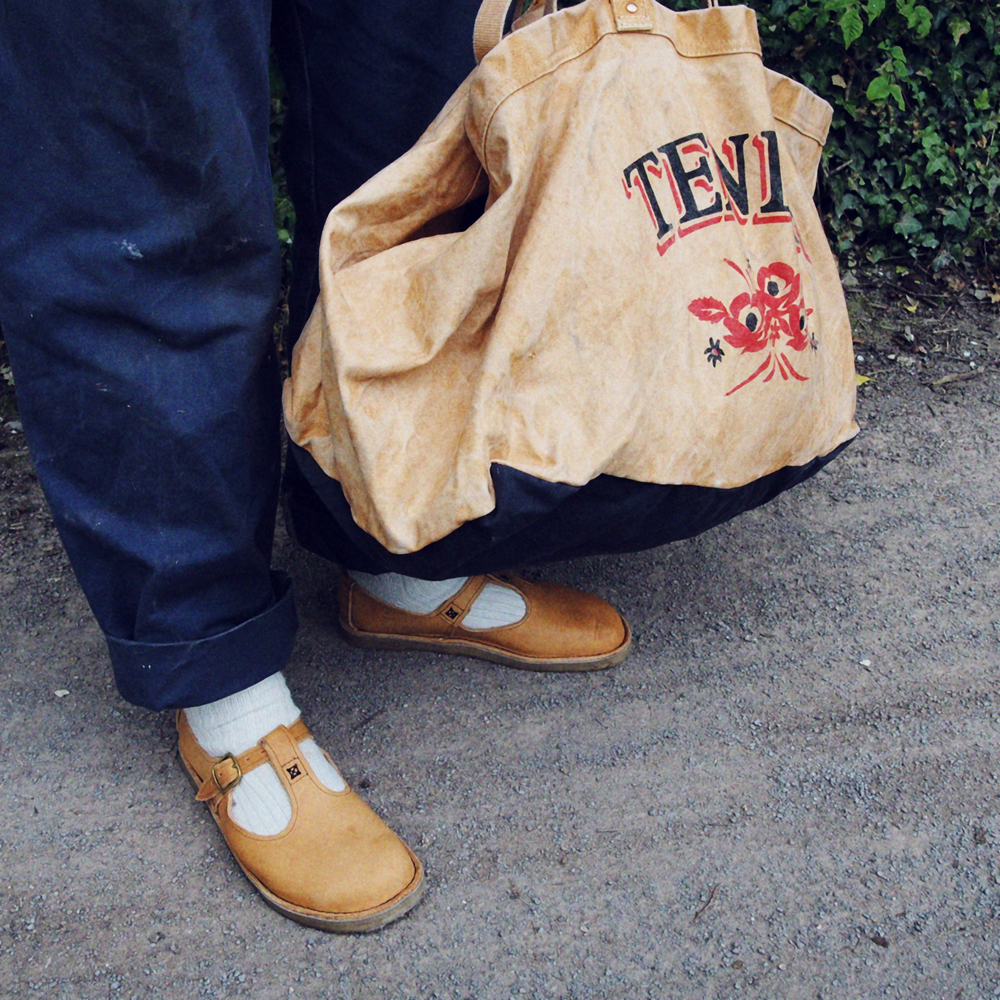
Beyond steam trains, tenderness also encapsulates Kroll’s approach to design. Each garment is individually constructed by artisans using traditional techniques for hand-dying and production. The resulting pieces are unique and bear marks of what Kroll describes as a ‘perfect imperfection’. Each item is characterised by the individual craftsman’s actions in production, a traditionally British approach to the Japanese concept of wabi-sabi (the beauty of imperfection). Here, Chris Chasseaud speaks with Kroll about his inspirations, design process and the slow-fashion movement.

How did your interest in vintage clothing play a part in your decision to set up Tender?

I wouldn’t consider myself a hardcore vintage guy and I’m certainly not the most knowledgeable, but I’ve actually learned a lot about vintage clothes since I started Tender. For me, vintage starts in the early 20th century and mostly relates to casual, sports, or workwear. I come from a tailoring background so have looked a lot at 18th and 19th-century techniques. I studied with a Savile Row tailor and cutter during college, and seeing things made in a way that related exactly to historical garments felt really exciting.

Did you always plan to extend your collection beyond clothing to include products?

The growth of Tender has been very organic from the beginning and continues to be so. I didn’t have a long-term plan… I still don’t. The things that I’ve produced aside from clothing since the first season have just been a reflection of what seemed interesting at the time or a reflection of the people whom I’ve met along the way. Things like ceramics, brass, and glass were originally going to be on a different, special products website, but the mainline stockists were interested in them too, so they’re now a permanent part of the collection.

How much satisfaction do you take from the idea that your garments and products will be used by people for many years to come?

It’s lovely to know that people really form relationships with the products I make. One of the nicest things is when I see photos of worn and used items, or when I get garments back for repairs a couple of years down the line. I’m fixing up some broken seams on a couple of pairs of jeans at the moment that were sent back by a very good customer and old friend of the brand. They’re from the second and third seasons, back in 2011, and he’s been wearing them continuously since then.They’re beautifully faded and worn… they feel so personal and different in character from when they first went out.

Would you consider yourself to be part of the ‘slow-fashion’ movement, rejecting mass production and choosing to make your products by hand?

I’d rather not consider myself to be part of any movement. I try to approach what I do on its own terms. I don’t necessarily have a problem with mass production, but as a small brand I’m in a stronger position to do something interesting on a small level than I would be if I was trying to compete with bigger companies.

I think it’s all about controlling your process. If you’re a huge company and can scale production in your own factories to make exactly what you want, to the right quality, while maintaining respect for the people producing the garments, then that’s similar to what I’m doing with a tiny production made by a handful of individuals. The problems with mass production exist when you’re dealing without accountability or through faceless sourcing offices where you can’t trace or understand what’s being made in your name.

You have a lot of stockists in Japan – why do you think your products have so much appeal there?

I’m really lucky to have some great relationships with fantastic shops in Japan who have supported my brand from the beginning. There’s an infrastructure of small shops and their customers are all over Japan, which really responds to the kind of products I like to make. It’s not just a Japanese thing though; I work with really great shops all over the world, all doing things independently and in a really interesting way.

Converse Chuck Taylor All Star Rebooted

Port’s fashion features editor David Hellqvist takes a look at the updated version of Converse’s classic shoe, the Chuck Taylor All Star II

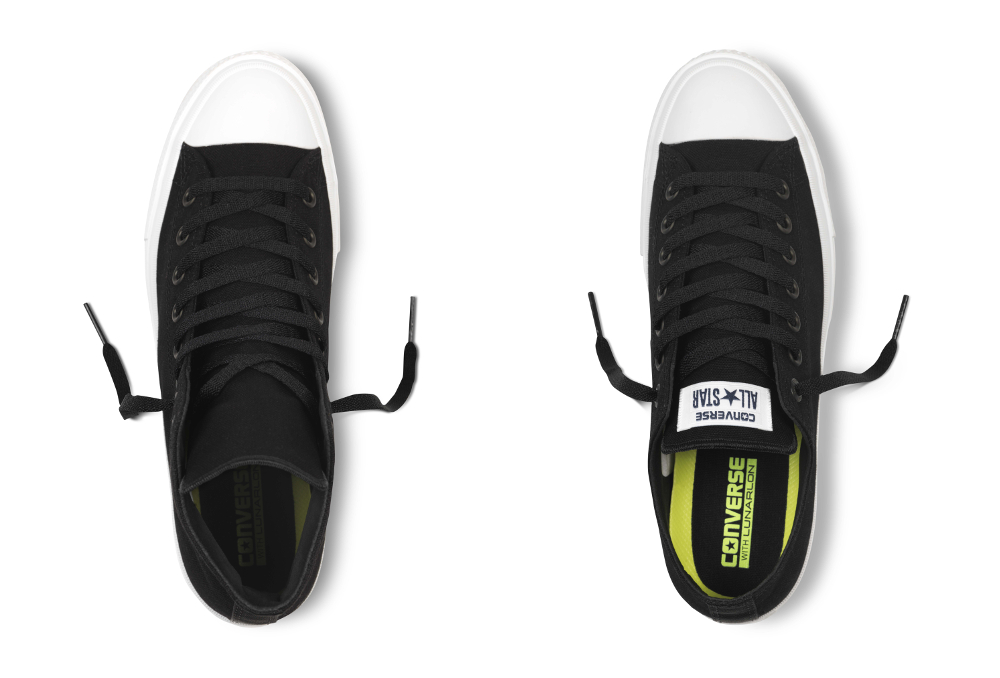
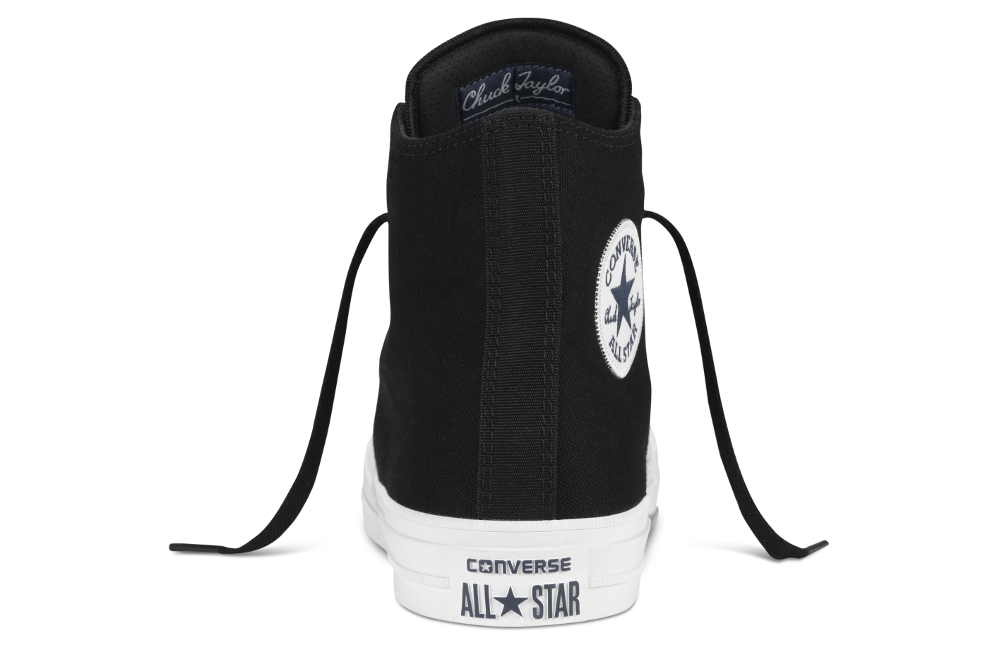
Converse Chuck Taylor All Star II

Never change a winning formula they say, but no one has ever mentioned anything about updating it.

Classics are often considered to be ‘timeless’, mostly for design reasons, but their iconic status has less to do with functionality. The Converse Chuck Taylor is a case in point. The canvas high top might not look like a basketball shoe, but that’s how it initially achieved its mainstream success. Today, it’s less a sportswear basic and more of an everyday staple. It can be worn in just about any life situation, even events of a formal nature if donned with confidence and gravitas. As with so many garments, its limitations and possibilities are defined only by the imagination of the person wearing them.

Famous as a trainer with a cult following, fuelled by its music connotations, the Chuck Taylor represents energy and attitude, but there’s no doubt it’s often labelled as ‘old school’ too. There are some distinctively lo-fi qualities about the sneaker, which has always been a good thing. Again, why change what works? However, Converse decided that it was time to bring part of the iconic shoe up to speed, and this comes in the form of the Converse Chuck Taylor All Star II.

“The Chuck Taylor All Star is one of the most legendary and iconic sneakers of all time,” said Jim Calhoun, president and CEO of Converse. “The launch of Chuck II is a groundbreaking moment for Converse as we continue to move the brand forward through creativity and innovation, ushering in not just a new sneaker, but a completely new way of thinking.”

While keeping its signature outside detailing – most notably, the recognisable rubber toe cap, white foxing detail and statement ‘All Star’ patch – it’s the inside that’s been kitted out with state-of-the-art technology. Through its connections with Nike – its owners and a brand known for a hi-tech approach to athletic footwear – Converse has got hold of the sports giant’s coveted Lunarlon technology. According to Converse, the mark II Converse Chuck Taylor delivers “360-degree comfort with a Nike Lunarlon sock liner, foam-padded collar and a non-slip padded tongue for a refined and cushioned fit” and is “enhanced by a perforated micro-suede liner to deliver comfort and breathability during extended periods of wear.”

Lunarlon soles are used in the updated version of the Chuck Taylor All Star

“We listened and took it to heart that people love their Chucks and want sneakers that are built to enable them to do more,” explained Richard Copcutt, vice president and general manager of Converse All Star. “The Chuck II is the full expression of this consumer obsession, staying true to the DNA of the original.”

There’s a fine line between improving a technique and destroying an image, the trick is to innovate while respecting the heritage. The Converse Chuck Taylor All Star II seems to tick those boxes. Its iconic design remains, and anyone wearing them on the street can hold onto the old-school credentials that the boot brings with it. But, and this is arguably the point of the new launch, the Converse Chuck Taylor II trainer is now in line with 21st century technology making it an even better wardrobe staple for everyday life, and is charged with the same energy and attitude that made the original edition a timeless classic.

More info over at the Converse website. The Converse Chuck Taylor All Star II can be found at Schuh

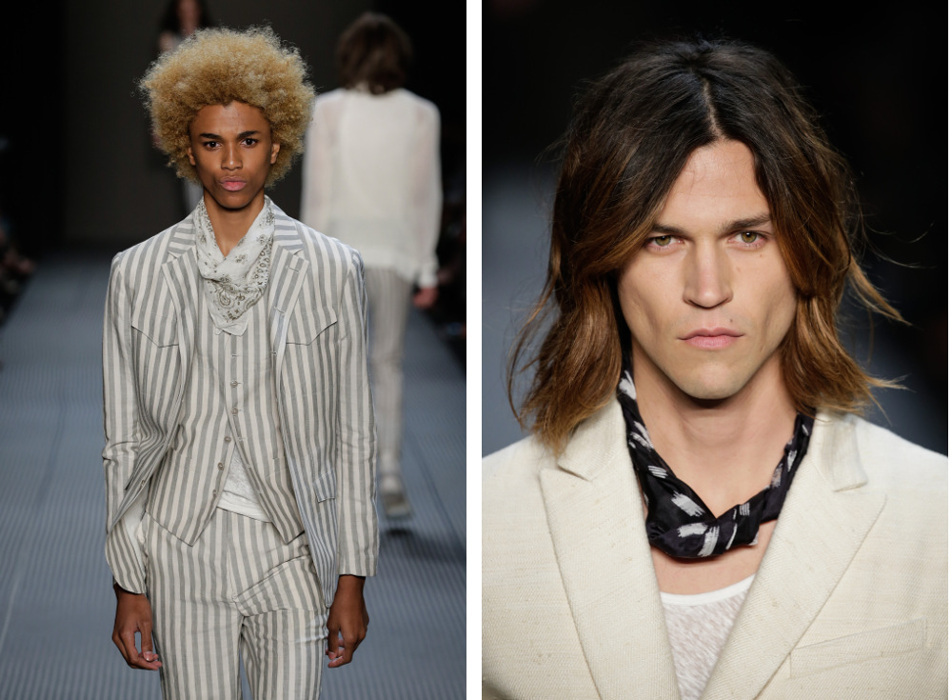
Manifesto: John Varvatos SS16

On the back of his latest collection, US designer John Varvatos explains his decision to move the catwalk show from Milan to New York

Varvatos 5

For me, the decision to move our fashion show back to New York wasn’t an immediate one. I’ve been showing at Milan for nearly eight years now and we’ve got a great relationship with city. But I’m an American designer; we’re an American brand and New York City is my home, so we thought it was the right moment to come back.

Varvatos 4

From a business standpoint, it wasn’t an easy decision to make. I opened a store in my hometown of Detroit in the spring and we received such an overwhelmingly positive response that it really made me think about moving the fashion show back home for the inaugural New York Fashion Week: Men’s.

Varvatos 2

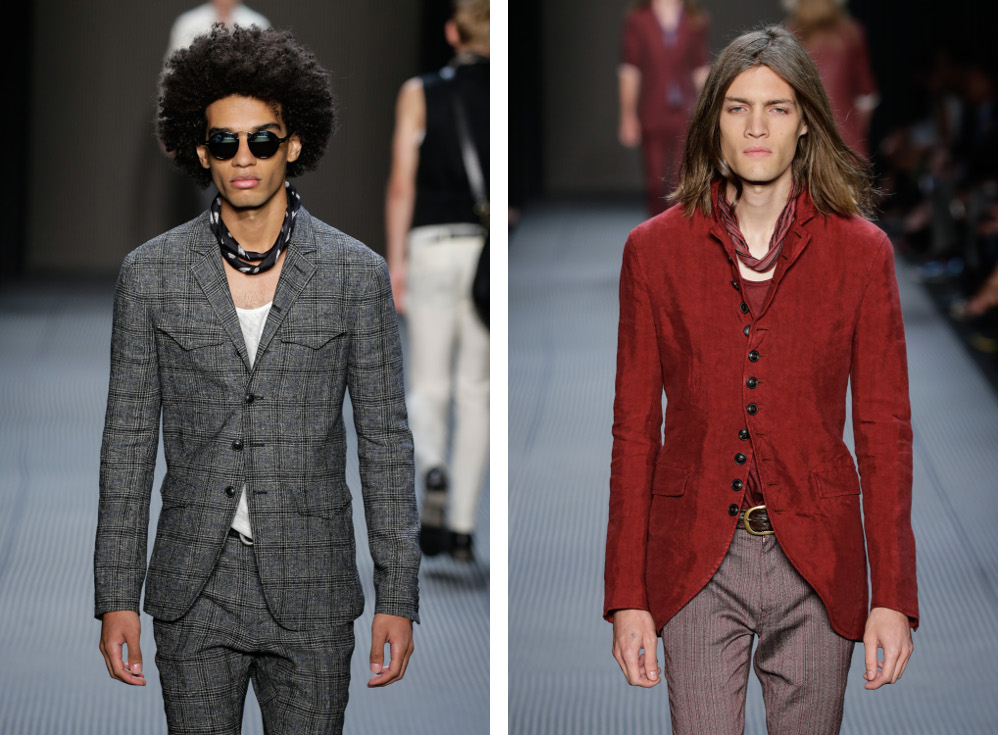
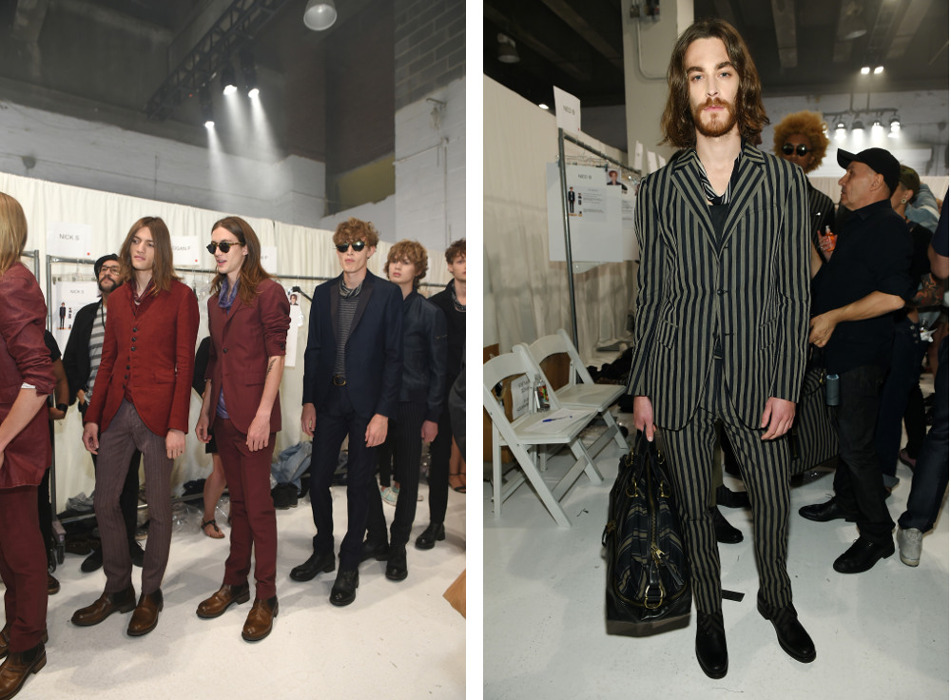
This collection draws on the early 1970s bohemian SoCal music scene. It was a time when there was an influx of British rock stars such as Fleetwood Mac, Jimmy Page and Keith Richards, who brought their iconic flamboyance and dandy-informed style to Southern California.

Varvatos 6

This distinct meshing of lifestyles created something entirely new, the results of which could be felt as deeply as the saturated melodies of the greatest albums released at this time. It is this vintage aesthetic that we have sprinkled over the edges of our classic John Varvatos DNA for the season. While we’ve kept the clothing timeless and without a rigid theme, I’m pleased that the end result has got that vivid charisma of early 70s rock’n’roll.

Spotlight: Dior Homme SS16

Kris Van Assche developed an exclusive camouflage pattern for his latest show at Paris Fashion Week

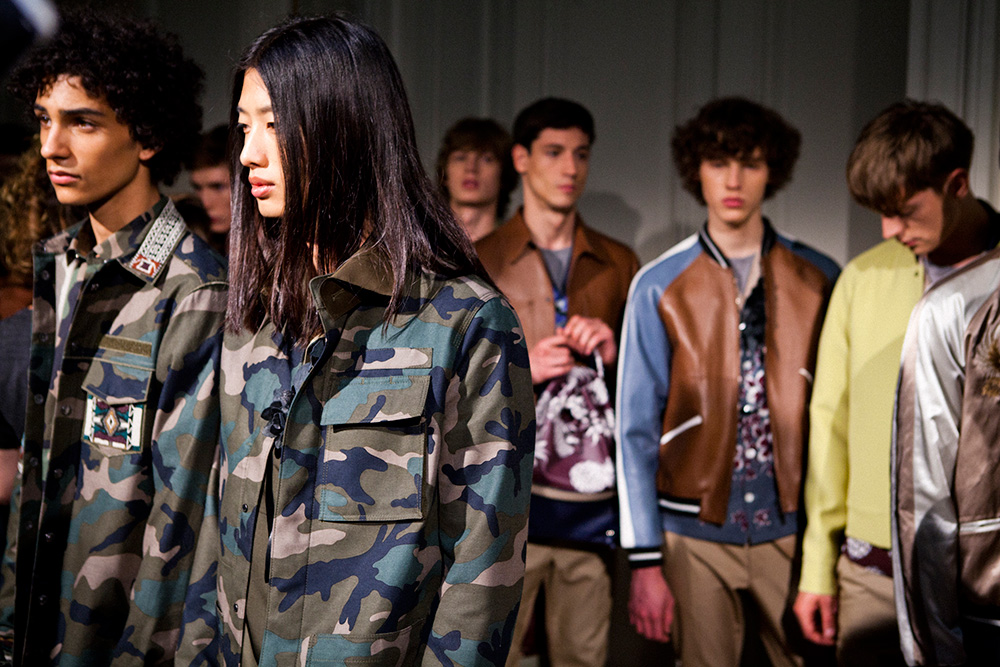
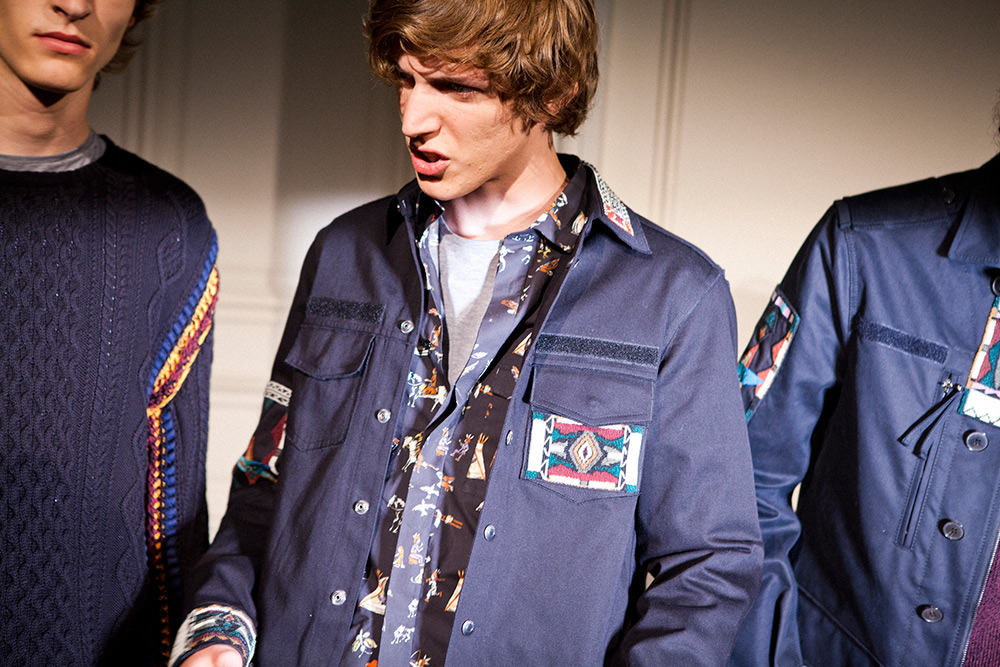
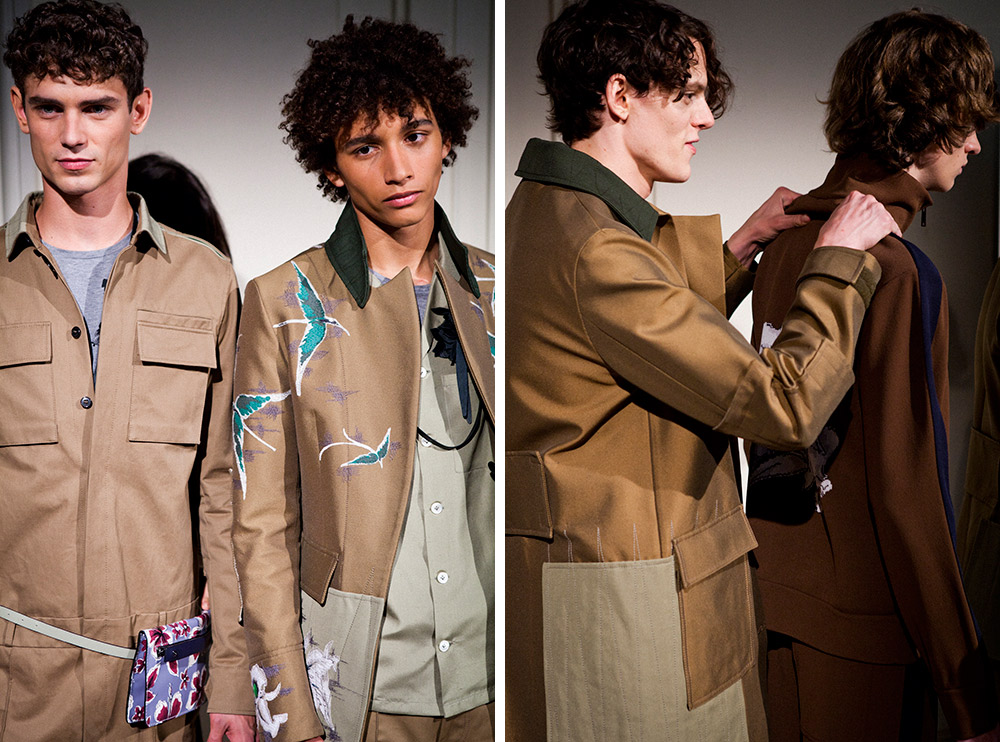
For me, camouflage is on a parallel with denim. It has had that same movement, the same kind of migration, from military wear and work wear to becoming street wear and then comfortably part of high fashion. In Kris Van Assche’s Dior Homme SS16 collection, it is really quite far from any ‘GI Joe’ connotations.  Instead, it is seen as part of masculine decoration rather than a disguise… at times, it is even embroidered with sky-blue roses! It appears in the form of ‘a memory’ inside military coats and becomes embedded in Argyll patterned knits, and it also becomes part of the idea of a new ‘haute bourgeoisie’ in the collection.

Photography Sophie Carre