Can you see me now?

Brunel Johnson’s four-part series provides a necessary platform for Black and minority ethnic groups
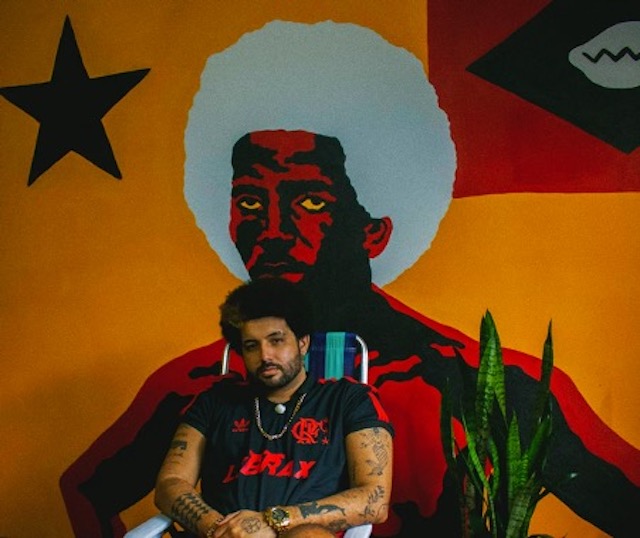
Many of Brunel Johnson’s ideas tend to formulate in the shower – it’s where he devises some of his best work. In the past, there’s been Dream, a project documenting the Pembury Estate in Hackney, photographing and videoing young women playing estate football. There’s also the countless sports, commercial, lifestyle and documentary photography projects, that each depict his notably candid style of image-making and, more importantly, his view of the world. It’s my Hair is another fine example, an ongoing project that aims to show the time, effort and skill that goes into maintaining Afro hair. 

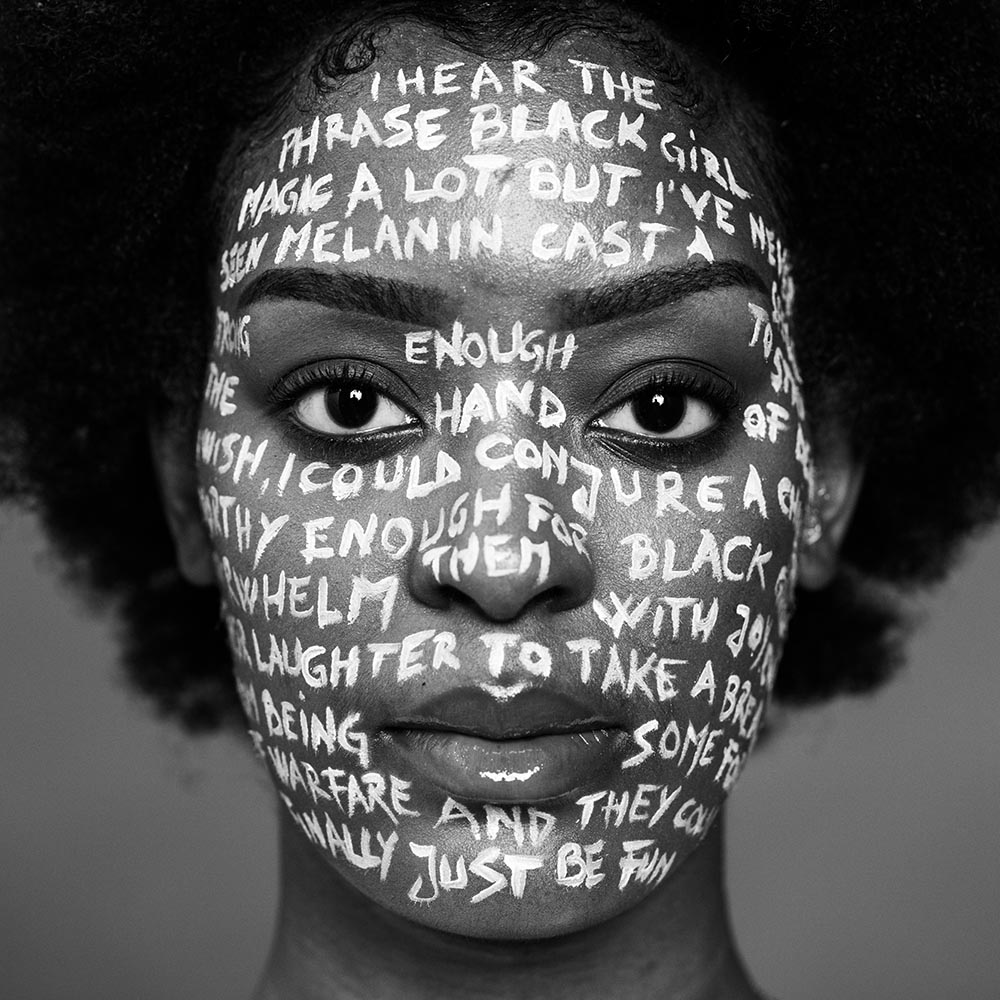
Whether it’s a still or moving image, Brunel’s shower-formed concoctions are deeply powerful just as much as they are empathetic. And Brunel’s most recent endeavour is a fine paragon of his goals as a self-taught, documentary photographer-turned-filmmaker. Titled Can you see me now?, the project is a four-part series produced and directed by Brunel himself, that aims to provide a space for Black and minority ethnic groups to tell their stories. For him, creativity is an apt tool for telling these narratives and to ultimately steer change. So by working with a solid team – including Milo Van Giap as the DOP, plus charities Rise.365 and Re:Sole and United Borders – Brunel has cast an array of real-life people with lived experiences to share, heightened by his artful use of mixed-media and 1:1 format. The result of which is a compilation of four films, Young Black Man, The Beauty Of The Hijab, Black Girl Magic and CHiNK. Below, I chat to Brunel to hear more about his impactful series.
 

First, tell me about your ethos as a photographer.

I strive to capture the mundane moments of daily life in an authentic and raw way. If I’m working on a project, I’ll always try to draw out the moments that tell the story I want the audience to see best. My goal as a photographer is to change the narrative that surrounds Black and minority ethic communities. I want to change how we’re shown in the media and how our stories are told. So I strive to bring out the stories that I believe the world needs to hear and see without tainting it from a biased gaze. 

When did the idea arise for Can you see me now? Why tell this story?

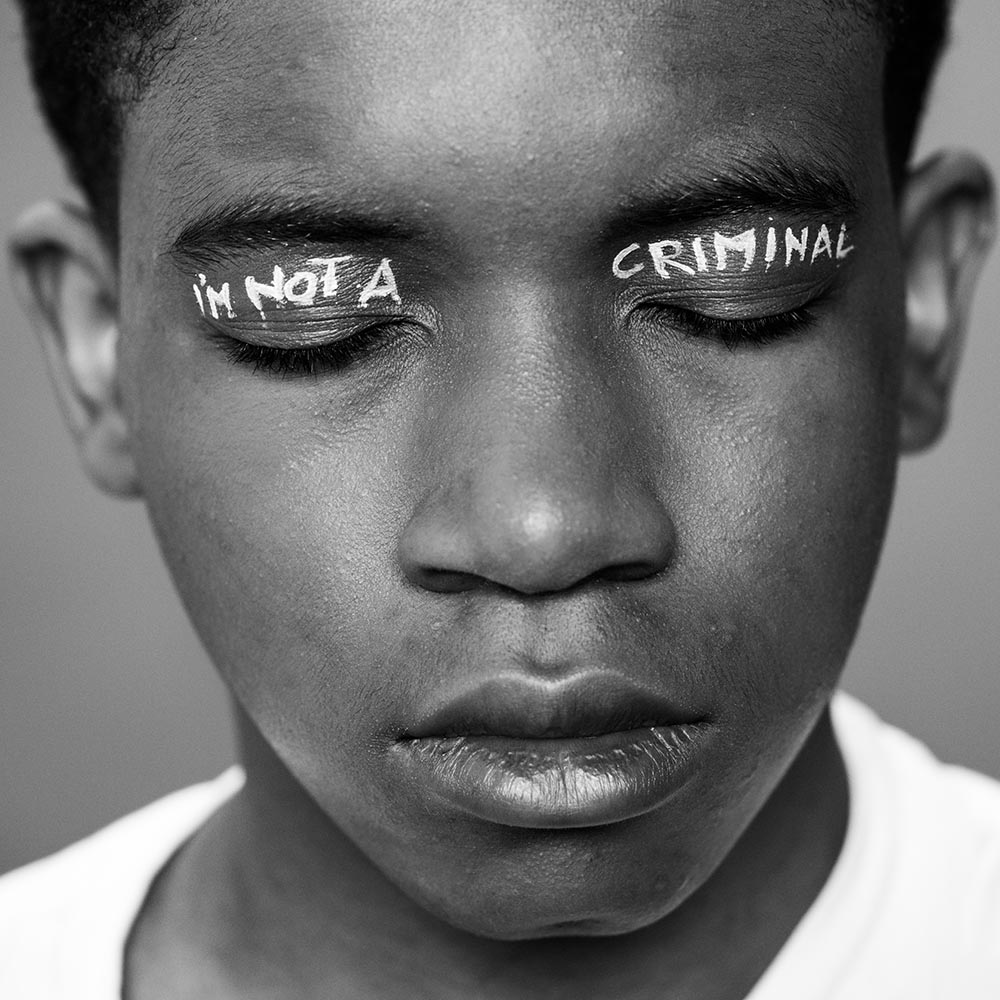
It actually came about while I was in the shower (a lot of my ideas happen there). Being a Black creative in this industry can be frustrating, as not only do you have to deal with basic day-to-day struggles of life, you also have to deal with the stereotypes, your work being deemed irrelevant, being labelled unprofessional for stating your mind and making a stand for what you believe in, being randomly stopped and searched because of a vague police description as you walk out your front door. 

All these things and many more make you realise that you’re in a constant upward struggle to achieve a basic human right – to just live. And this can really take a toll on you mentally. Simply screaming, complaining and protesting gets you easily labelled and tossed aside. So how do you tell your pain, struggles and experiences while making those who wouldn’t normally listen, listen? It has to be done creatively. In my opinion, anyway. I believe these stories are important and need to be told, especially with how the world is right now. The mic isn’t being given to those who are truly affected and that needs to change. How will people understand what is happening in these communities if it’s always the white gaze of the media telling us what they think we feel? 
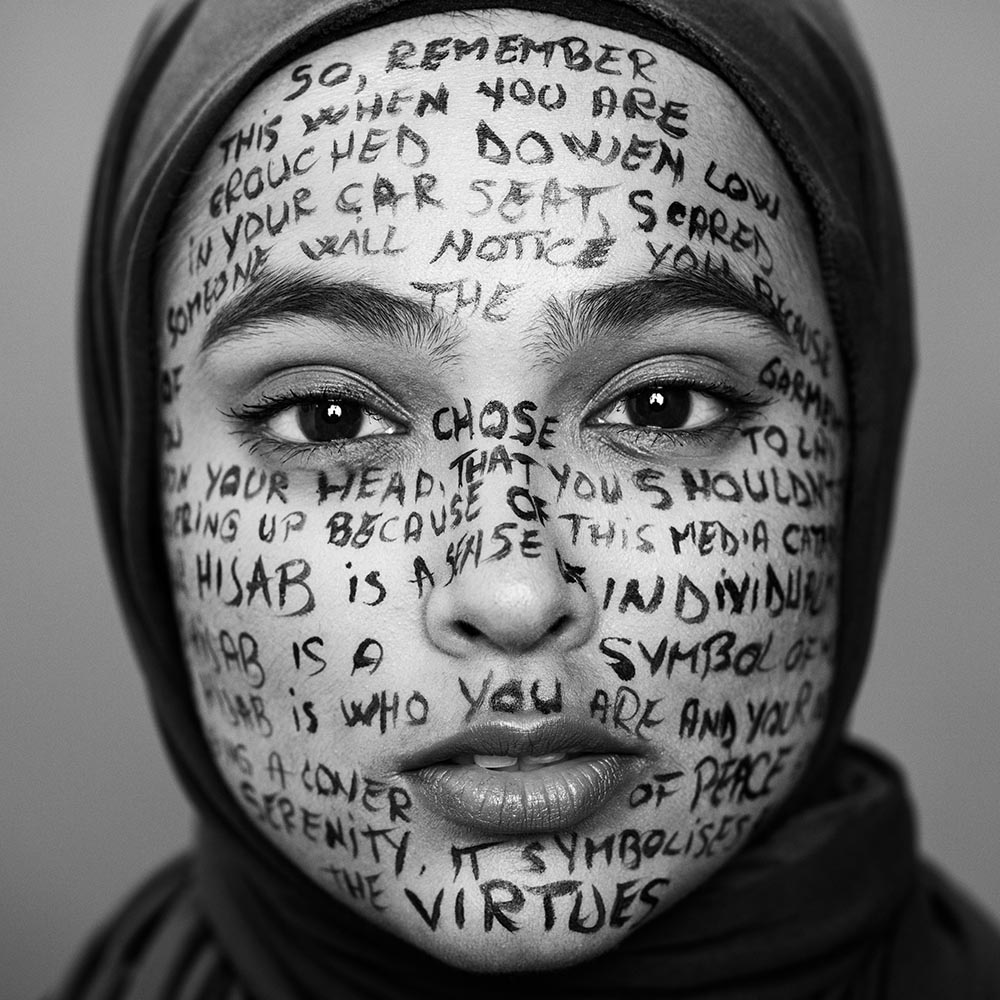
What are your reasons for incorporating mixed-media, and what does this add to the narrative?

While planning this project, I wanted the message to be delivered in a way that hits the viewer from multiple angles. I’ve seen this format done many times before, but I wanted to do it differently. Sometimes the visuals are dope but the poem is a bit meh, other times it’s the visuals that are meh but the poem is dope; I wanted to create something that was both visually and audibly dope yet still digestible. 

As a documentary photographer, I know the face and eyes tell a story and are probably the most captivating part of the human body. I saw the face as a blank canvas that I could use to tell the story with words, and would visually have the viewer spending more time staring at the photo. I didn’t want the viewer to come up with their own interruptions. The monochrome palette and 1:1 format were important for me. I acknowledged that, for some reason, whenever we talk about race, despite its complexities, it always somehow boils down to Black and White, so why not have visuals like that too. The 1:1 format was to create a box, symbolising the stereotypical box many of us have had to live our lives in, but now we were taking control of this box and using it to our benefit, to tell our stories. I made the subjects stare directly into the lens to prevent the viewer from looking elsewhere. The subject is in front of them and there’s no escape; it’s time to listen, read and see what they have to say. 

How did you land on the subject matter, and what do these topics mean to you? 

I decided that I wanted each piece to be direct and unapologetic of how these communities really feel. For the young Black man part of the series, I drew upon my personal experiences and had a friend who is a poet write it out as a spoken word. With the other parts of the series, I spent time speaking to people from those communities to educate me on their experiences, their feelings and what they’d like to say if given the platform to. 

I really enjoyed this process because, for example, with Black Girl Magic I was going down the lines of Maya Angelou and the strong Black woman narrative. However, after speaking with Black women, many said that the era of the strong Black woman had passed and that they wanted the world to know that they experience other feelings too; that they cried, laughed, felt anxious, scared, fatigue and more. So making this a reality was incredible. It was the same situation with CHiNK and The Beauty of The Hijab. One thing I made sure of was that each poem was written by someone from their respective community. This is why I decided to call the series Can You See Me Now? I do what I do so I can learn more about humanity. Each topic for me is an opportunity to learn, to find common ground and build bridges. 

What’s the main message with this powerful series, what can the audience learn? 

Can you see me now? Am I visible now? Can you feel and understand my pain, struggles and experiences? It’s to be visible. I hope the audience can relate to the series and feel a sense of relief that maybe how they’ve felt is finally being put across, and those who haven’t experienced the things said in the series become more understanding and accepting to the fact that they do exist and are happening. 

Film credits:

Producer, Script Writer, Director: @bruneljohnson
DP: @milovangiap
Sound & photographer: @bruneljohnson
AC: @notsergioh
Lighting: @flapjacksss & @milovangiap
Makeup: @ioanasimon_mua @madalina_petreanu
Editor: @jfroudy
Sound Engineer: @flynnwallen
Retouch: @alberto__maro @isahakeemphotography
Runner: @soyd1416

Models: @lenaelghamry @sadiqa.e @_shazfit @alex_fergz @da_bf9 @mrbonsu @proscoviauk @doggsza @jaychelle.1 @youngshahid @belliebooze @_purnimaraicreates @w.cui Gladys & Sandro.

Poems by: Yumna Hussen, @ashleybelalchin @thejasminesims @belliebooze

Brunel Johnson is represented by Studio PI, an award-winning agency with a diverse roster of talent from the most under-represented sections of society


Have You Ever Seen a River Stop?

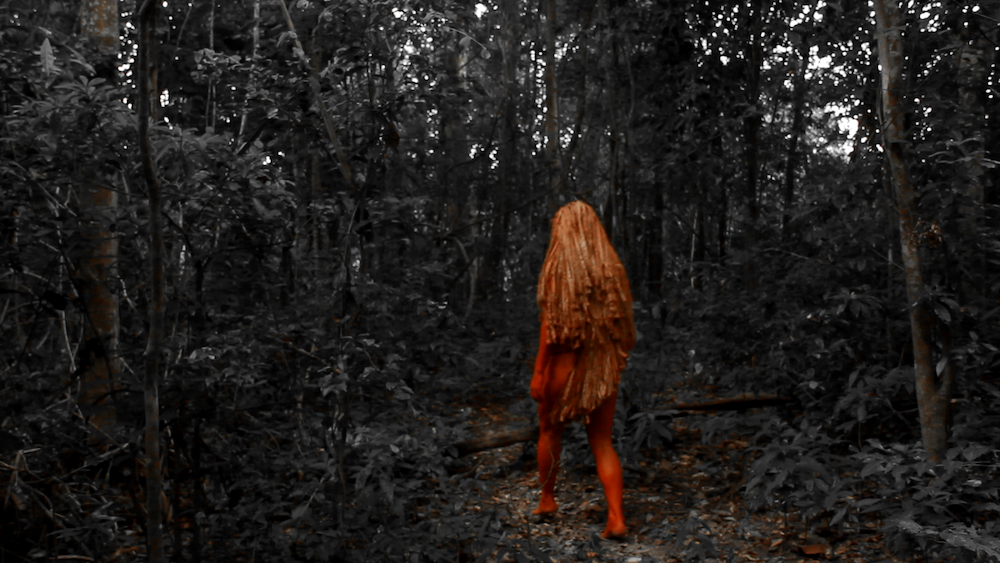
Amazonian fires, dams and the occupation of indigenous land; Barbican Centre’s new series of films looks at climate justice in Brazil

The river is rich in symbolism. It denotes nature, just as much as it suffuses the landscape with moisture, hydrating the soil to bring growth, food, air and life. But in equal parts, the river represents the manmade, and the lengths in which humankind will drain the organic resource to manipulate, guide and provide water to its growing population. And in the case of the climate emergency, the river is perceived as a goldmine. Many are without adequate water supplies and the world is becoming ever-more thirsty. Wild fires are increasing, droughts are more frequent and the reliance on our rivers is becoming imperious. 

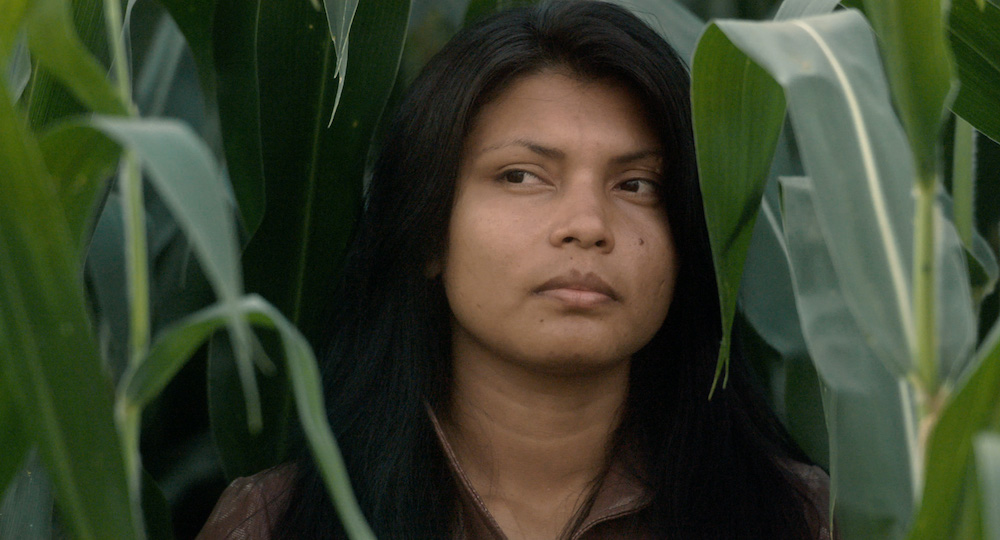
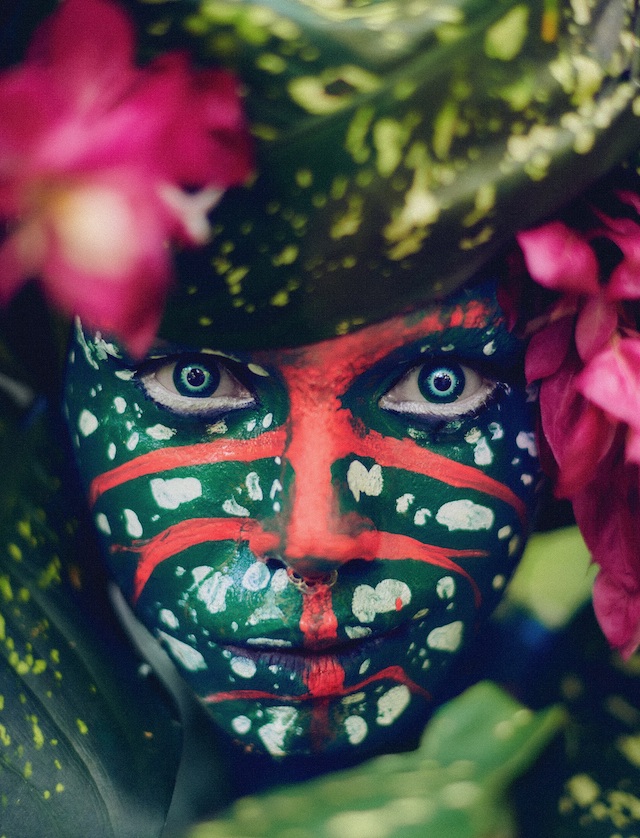
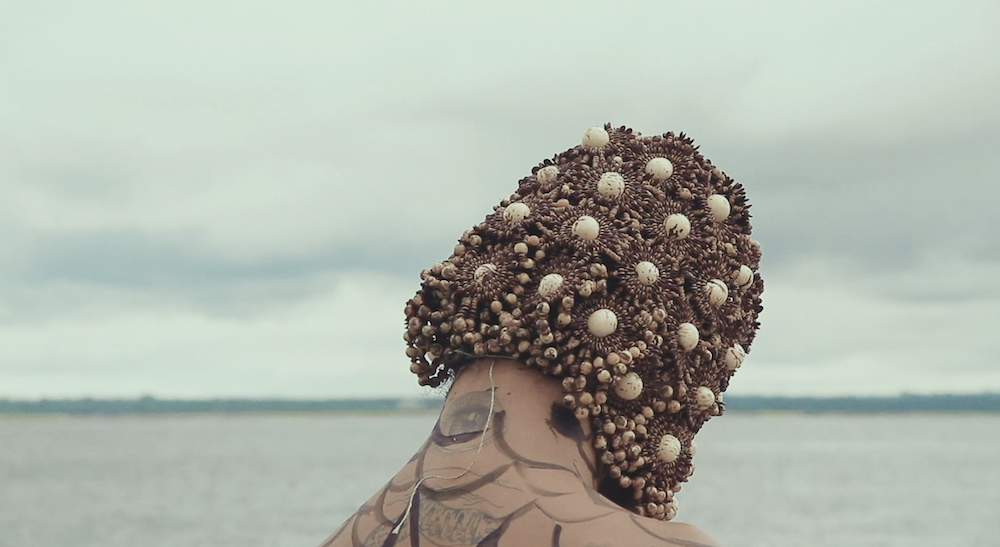
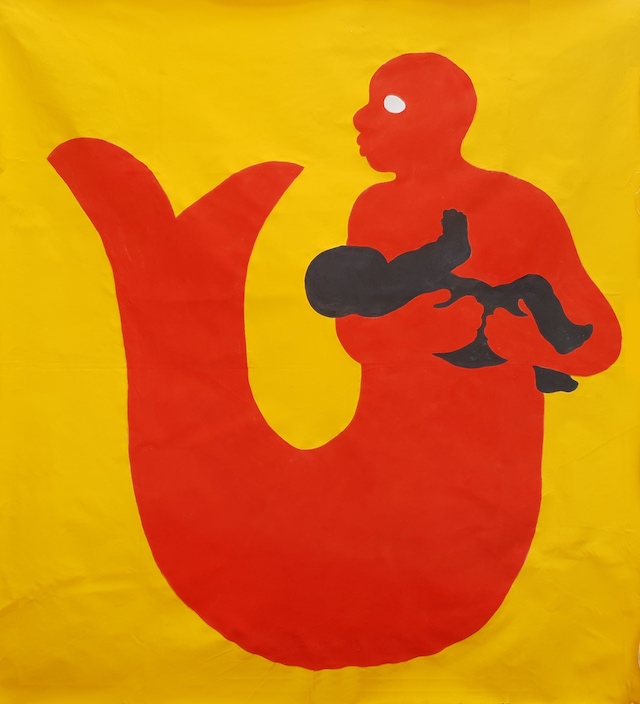
This is a global situation, but one that’s particularly prevalent in Brazil – a topic that’s explored in a new series of short films hosted by London’s Barbican Centre, titled Have You Ever Seen a River Stop? Brought in conjunction with an exhibition, Claudia Andujar: The Yanomami Struggle – a show dedicated to the work, photography and activism of the Brazilian artist who defended the territory of the Yanomami, one of Brazil’s largest indigenous peoples, from illegal gold mining – the film series considers the problems of Brazil’s attempt to modernise, and the impact this has had on its civilians. Think dams, highway constructs, infrastructures and more, all of which are perceived through the lens of contemporary art and in films titled YWY, a androide by Pedro Neves Marques; A Gente Rio , Carolina Caycedo; Equilíbrio and Yawar by Olinda Muniz Wenderley.

“It is not difficult to imagine why Brazil comes to mind when we discuss climate justice,” explains Francesca Cavallo, researcher, writer, curator, and organiser behind the event. “The fires in the Amazon region, the recent disputes around the occupation of indigenous land, the enormous economic interest that international banks and corporations have in the country, and Bolosnaro’s handling of it all are among the most shocking examples of how climate change is not a thing of the future, but something we should deal with now.”

Indeed provoking change, the event shifts its focus onto those who are directly affected by climate change in Brazil; it’s a welcomed turn, “especially if we think that what we mostly hear from public figures are top-down, techno-modernist solutions,” adds Francesca. “These approaches do not consider that it’s the affected people, indigenous or not, that should decide how change should happen.”

Additionally, those behind Have You Ever Seen a River Stop? wanted to examine how these topics of environmental disasters in Brazil could be brought outside the usual spheres of protest, and instead mobilise the power of art and cultural institutions to reach a wider audience, including those “that are not those already ‘converted’.” This is achieved through working with London’s Barbican, and it gives what Francesca describes as “another important layer” – brought into light through discussions contextualised in Claudia Aundujar’s work and exhibition. “Indigenous people are taking ownership of media tools and of the narratives that, for too long, white people have been telling about them.” says Francesca. “These voices are important if we want to re-asses how we can live tougher on a planet that is warming up.”

Beforehand, as phrased by Francesca, people used to talk of “natural disasters”, yet in the case of the Anthropocene – a unit of geological time used to describe the recent period in Earth’s history wherein humans started to have significant impact – these disasters are never just “natural”. They’re man-made and they’re devastating. As such, the films address the “factual, political, the imaginative and the spiritual”, showcasing different moods and sentiments, rather than the typical documentary manner of things.

Carolina Cyacedo’s film A Gente Rio, for example, indirectly discusses a one of the worst environmental disasters in Brazil caused by the mining industry, whilst showing how livelihoods depend on the river. “The collapse in 2015 of the Samarco dam destroyed and polluted the Rio Doce’s region with poisonous minerals,” says Francesca. “For the post-show discussion, and thanks to Carolina’s fascination (who also renounced her screening fee in favour of the organisation), we were able to invite MUB, the Movement of People affected by Dams, to talk both about their issues and the collaboration with Carolina. In this case, it was terrific to ask the activists themselves what they got from this collaboration. Sometimes people pretend a bit too much from artists that engage with these issues; artists are always prone to criticism for exploiting other people’s tragedies.”

Other works analyse the more science fiction, like Pedo Neves Marques YWY a androide, as the film navigates a plantation of transgenic crops and an Android, played by indigenous activist Zahy Guajajara, talks to the plants about seed sterility and reproductive rights. “The long close-ups on Zahy’s face, the proximity they create between the viewer and the android make a supposed fiction all too familiar if one thinks of how transgenic seeds have been imposed by international corporations, such as Monsanto, across South America and the world,” Francesca explains. While Kaapora and Equilibrio, two interconnected films by Olina Muniz Wanderley, are seen as a reckoning of the filmmaker’s identity as an indigenous woman, “as she becomes inhabited or possessed by this spirit that protects the forest, Kaapora, and how this encounter informs her life and work at the farm.”

The river, then, not only serves as a metaphor throughout this series of events but also across the wider spectrum of things; it’s the veins that run through the earth, keeping it fertile and, more importantly, alive. Yet within Have You Ever Seen a River Stop? these issues of climate justice are raised as if they were poetry, shying away from the political or factual point of view and instead offering up the world on a cinematic platter. “Moreover, these films show for me the interdependence of issues of inequality, race, exploitation, representation and environmental degradation,” concludes Francesca. “One cannot even conceive of climate change without thinking of climate justice, nor can one neglect how spirituality and the imagination can give strength to accept or challenge the current situation. More than anything, all these films are, for me, profoundly poetical.”

Have You Ever Seen a River Stop? is available to watch online until Monday 19 July 2021 

Eye to Eye: Portraits of Lesbians

JEB (Joan E. Biren) on her revolutionary body of work “by a lesbian, of lesbians”

Pagan and Kady. Monticello, New York. 1978 © JEB (Joan. E. Biren) from Eye to Eye Portraits of Lesbians published by Anthology Editions

Launch yourself back to a time in the 1970s. During this period, the LGBTQ+ rights movement was on the rise – spearheaded by the Stonewall riots in New York City. A series of demonstrations by members of the LGBTQ+ community, these riots were prompted by a police raid in 1969 at the Stonewall Inn, located in Greenwich Village, Manhattan. The police became violent, and protestors fought back. This was deemed as one of the most important events in the lead up to the gay liberation movement and the fight for LGBTQ+ rights in the United States. And in the western world, for that matter. 

As such, the 70s saw an increase in freedom and visibility for those previously marginalised, hidden and shunned from society. It’s a decade that saw mass change, with a few key dates detailing as such; this includes the first Gay Liberation Day March held in New York City, followed by the first LGBTQ+ Pride Parade in Los Angeles; in 1971, the homosexual rights organisation Society Five was initiated from Melbourne Australia, meanwhile homosexuality was decriminalised in Austria, Costa Rica and Finland. 1972 saw Sweden become the first country in the world to allow transgender people to legally change their sex, providing free hormone therapy in response; Hawaii legalised homosexuality this year and in 1975, so did South Australia and California. In 1978, a protest commemorating the StoneWall Riots led to many arrests, which sparked more protests the following year known as the Sydney Gay Mardi Gras, and later the Sydney Gay and Lesbian Mardi Gras. This was also the first time that the rainbow flag was used as a symbol for the community. 

Darquita and Denyeta. Alexandria, Virginia. 1979 © JEB (Joan. E. Biren) from Eye to Eye Portraits of Lesbians published by Anthology Editions

A rich and complex history, Joan E. Biren, an American photographer and filmmaker known as JEB, has long sought to unearth and combat the years of discrimination found amongst these communities. She’s spent her entire career documenting the lives of lesbians, marking herself as a radical feminist and change maker for the many, and thus inciting her values through groundbreaking photography and work as a member of The Furies Collective, a short-lived yet impactful lesbian commune. 

In 1979, JEB self-published her first book, Eye to Eye: Portraits of Lesbians. No better word than revolutionary can be uttered when describing the influence of this work, wherein the photographer captured intimate portraits of lesbians from all walks of life – those in their daily environment, working their day jobs, kissing or embracing their lover. In doing so, JEB visited communities across the US throughout the ten years it took to complete this remarkable project, attending pride marches, music festivals and women’s conferences and photographing along the way. A signifier of queer visual history, even to this day, Eye to Eye: Portraits of Lesbians continues to have lasting impact. 40 years later, and the publication is now reissued by publisher Anthology Editions, featuring contributions from Lola Flash and Lori Lindsey, plus essays from Tee Corinne, Joan Nestle and Judith Schwartz.

Priscilla and Regina. Brooklyn, New York. 1979 © JEB (Joan. E. Biren) from Eye to Eye Portraits of Lesbians published by Anthology Editions

“This book was made for lesbians,” JEB explains of the work. “It was revolutionary because it was the very first book of photographs by a lesbian, of lesbians with their names and showing their faces, with the word ‘lesbian’ on the cover, in the US and probably the world.” The book was received with gratitude and excitement, with the first print run of 3,000 books selling out in five months. The second run sold out just as fast, and the book was deemed as the LGBTQ+ bookstore bestseller list. It was the only known book of this ilk, featuring personal stories and a detailed text by historian Joan Nestle. The pictures were also paired amongst writings from acclaimed authors, Audre Lorde and Adrienne Rich.

It’s an understatement to say the JEB’s work spurred on cultural, political and societal change. Not only in the moment of publishing, but also in the years that would proceed its initial launch. The thing is, despite the healthy progression in terms of LGTBQ+ representation, there still remains an underlying (or perhaps obvious) tone of vigilance amongst the community; there’s still much progress to be made, and the white male figure still dominates mainstream media. “That must change to include all BIPOC people, it must include trans and non-binary people, fat people, poor people, disabled people, old people, immigrants,” says JEB. “We need representation that is a true refection of all the people in our society, knowing that the LGBTQ+ community includes people from every demographic. And it’s not just about representation. It is about fighting for social justice. We must change the racist, sexist, capitalist systems that profit from excluding so many people from equal representation and from equal freedoms.”

Gloria and Charmaine. Baltimore, Maryland. 1979 © JEB (Joan. E. Biren) from Eye to Eye Portraits of Lesbians published by Anthology Editions

After the initial launch in the late 70s, JEB received letters from women across the world who shared their deeply personal stories of how the work had impacted their lives. To see a lesbian in the media, in printed form and in art, was an experience like no other; to see lesbians documented in such a compelling and compassionate manner thus ignited the reasoning to feel less displaced. It affirmed the existence of lesbians and propelled their lives into the mainstream through political movements. So now, a few decades onwards, it’s plain to see how JEB’s body of work has helped to construct a better world – “a way of seeing themselves differently, imagining their lives could be better.” 

“If you can’t visualise something better you are not going to fight for change. If you can see a lesbian mother, if you see a Black lesbian, if you see a lesbian auto mechanic and you never even imagined such a thing; that photograph can give you the courage to dare to become that,” she remarks of the work’s eternal impact. “Seeing something previously unimagined can move us to desire it for ourselves so much that we are moved to action. Adrienne Rich called revolutionary poems ‘a wick of desire’. I want my images to act as ‘wicks of desire’ to make the idea of change irresistible.”

Eye to Eye: Portraits of Lesbians by JEB (Joan E. Biren) is published by Anthology Editions

Jane. Willits, California. 1977 © JEB (Joan. E. Biren) from Eye to Eye Portraits of Lesbians published by Anthology Editions
JEB. Dyke, Virginia. 1975 Self portrait from Eye to Eye Portraits of Lesbians published by Anthology Editions
Lori and Valerie. Washington, DC. 1978 © JEB (Joan. E. Biren) from Eye to Eye Portraits of Lesbians published by Anthology Editions
Mabel. New York City. 1978 © JEB (Joan. E. Biren) from Eye to Eye Portraits of Lesbians published by Anthology Editions