The Sufi Architect

Suleika Mueller on photographing Nevine Nasser, the beauty of Sufi practices, plus the power of art and architecture
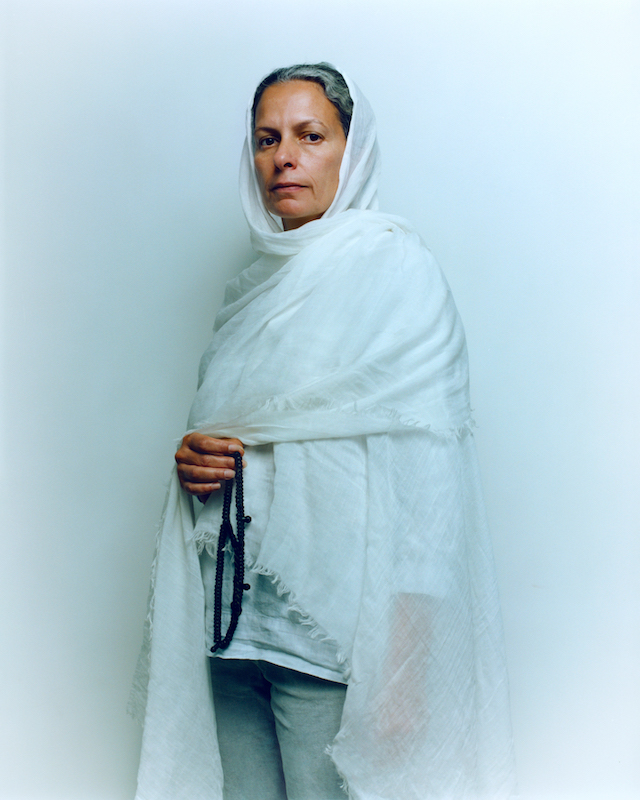
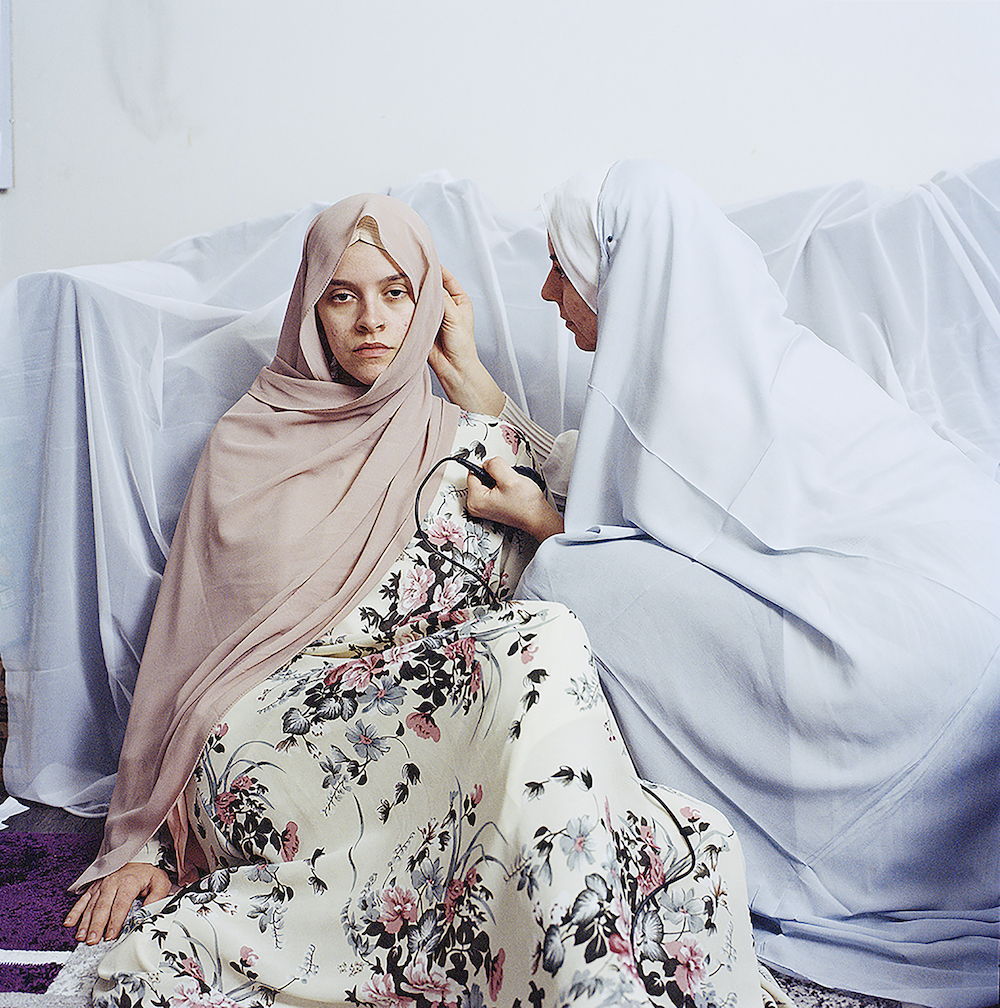
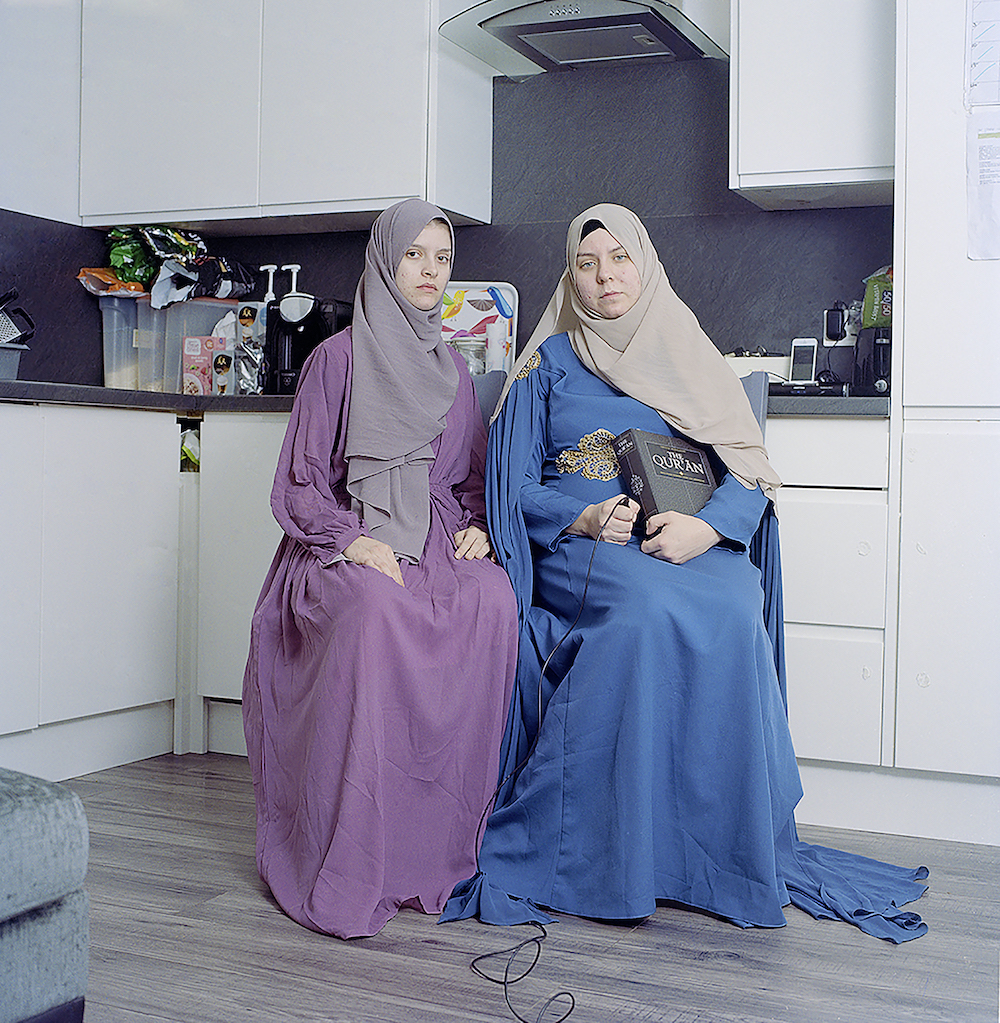
When photographer Suleika Mueller met London-based architect and practicing Sufi Muslim Nevine Nasser for the first time, she was utterly inspired by her work. Born and raised a Sufi Muslim herself, Suleika had often struggled to connect her medium with her spiritual practices. Nevine defies the stereotypes of Muslim Women and integrates her spirituality with creativity, most notably in the form of portraits offering a different perspective of Islam to what’s portrayed in Western media.  Suleika looks up to Nevine entirely, so much so that her work has inspired her “most personal” project yet, The Sufi Architect. Below, I talk to Suleika to understand more about the motives behind the series, the beauty of Sufi practices and the power of creativity. 
What excites you about the medium?

My work is extremely intimate and personal, I use photography to explore

subjects linked to my upbringing, identity, emotions and experiences. It’s a great tool to understand myself, the world and the people around me a little bit better and delve into subjects that I’m curious about. I think my spiritual, cross-cultural upbringing has shaped my artistic vision into a unique blend of Eastern and Western cultural values, traditions and references. My hybrid identity, the feeling of being in the in-between, though isolating as it might feel sometimes, actually has allowed me to understand and empathise with different kinds of people and point of views so I feel quite grateful to have been brought up in such an unusual way. I want to champion people, subjects and communities I truly care about, especially because I never saw any relatable representation of the Muslim community growing up.
What inspired you to start working on this project, why tell this story?

This project is one of the most personal ones to date, just because it is so closely linked to my background and highlights things I deeply care about. Growing up Sufi in the West meant that nobody around me knew anything about my practices and community. My aim has always been to spread more knowledge and highlight the practices, traditions and people I grew up with, challenging Western media’s harmful stereotypes by portraying

the Muslim community in a much more authentic and nuanced way. I was extremely inspired and touched by Nevine’s beautiful work and the space she designed and was even more so struck by how empowered and committed she is as a person. During her doctoral studies, she developed a methodology for designing transformative contemporary sacred spaces through creating the School of Sufi Teaching, a Sufi community centre in Bethnal Green where members of the Naqshbandī-Mujaddidī Sufi order regularly meet to pray, meditate and practice together. Nevine reclaimed the transformative power of sacred geometry, calligraphy, symbolism and understandings of light in the Quran to underpin and inspire the design of the space in order to support practitioners to turn towards the inner self, preparing them for meditation. This series is as much a celebration of Nevine as a person, as it emphasises and explores the beauty and transformative power of sacred Islamic art and architecture as well as Sufi practices and traditions. I believe it is truly important to tell this particular story as it gives insight into a widely unknown aspect of Islam, whilst at the same time exploring one woman’s intimate spiritual practice.

Traditionally, the majority of religious and spiritual figures are male, and architecture is still a very male dominated industry, so I really love how Nevine breaks all those stereotypes, setting an example of an empowered yet religious woman.
What was the creative process like, did you spend much time with Nevine? Where did you shoot etc.?

Nevine and I met at the community centre and she showed me around the space as we got to know each other better. We hadn’t met before so we talked about loads of different things whilst shooting. It turned out that Nevine and I share a lot of common interests and I could’ve stayed there forever just talking about our experiences, aims, practices and inspirations. I felt an instant connection to her because both our creative practices have very similar aims and goals, Nevine explores and pursues those through architecture whilst I use photography as a medium. I had prepared a few shot ideas in advance and Nevine had many ideas of her own so we just experimented and tried out different things throughout the day. A lot of the shots just emerged from her telling me where and how she usually practices within the space. Portraying Nevine’s intimate rituals felt a bit

like coming home, it brought me back in touch with the sacred traditions

of my upbringing. I’ve always wanted to show how meaningful and peaceful Sufi practices are and I guess this project is a first step in that direction. It was probably one of the most wholesome and effortless shoots I’ve done to this date. Everything seemed to just fall into place and the serenity of the space really infused the whole experience with peace and calm.
Can you pick out a couple of favourite images and talk me through them?

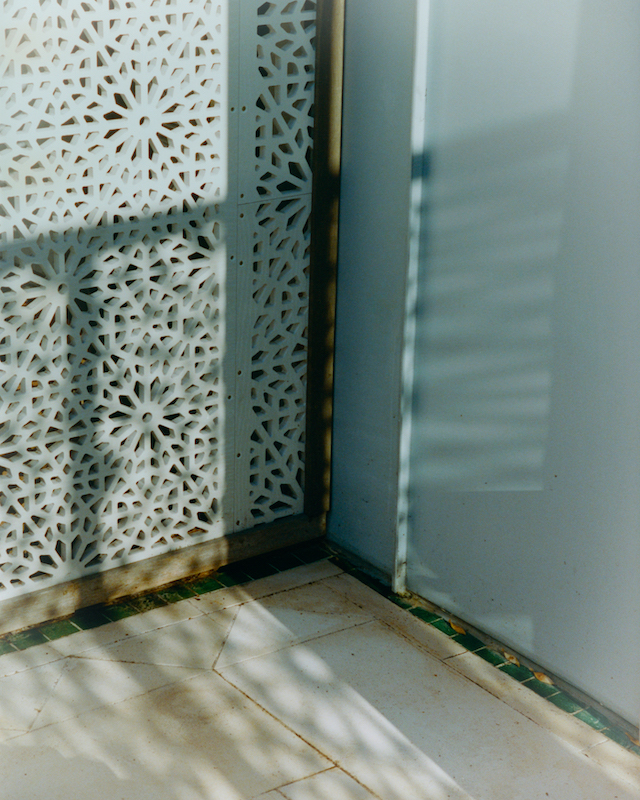
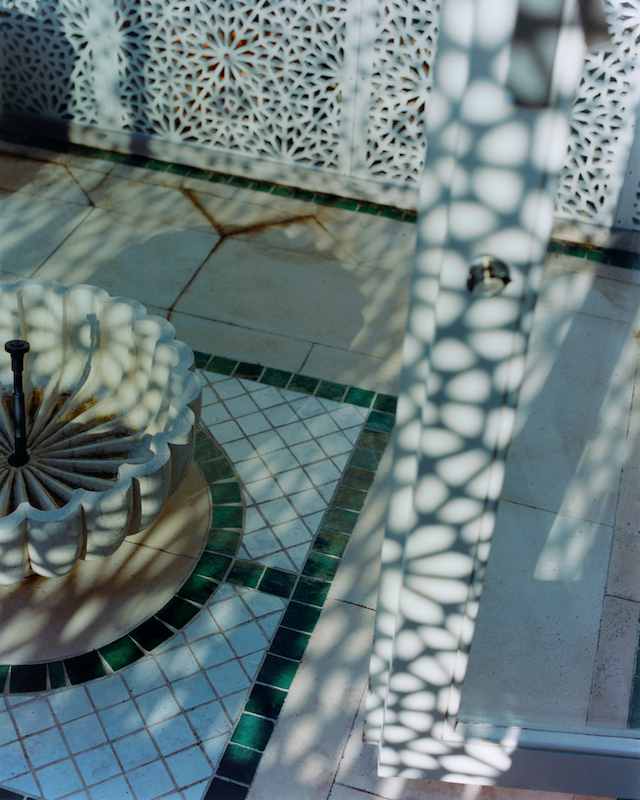
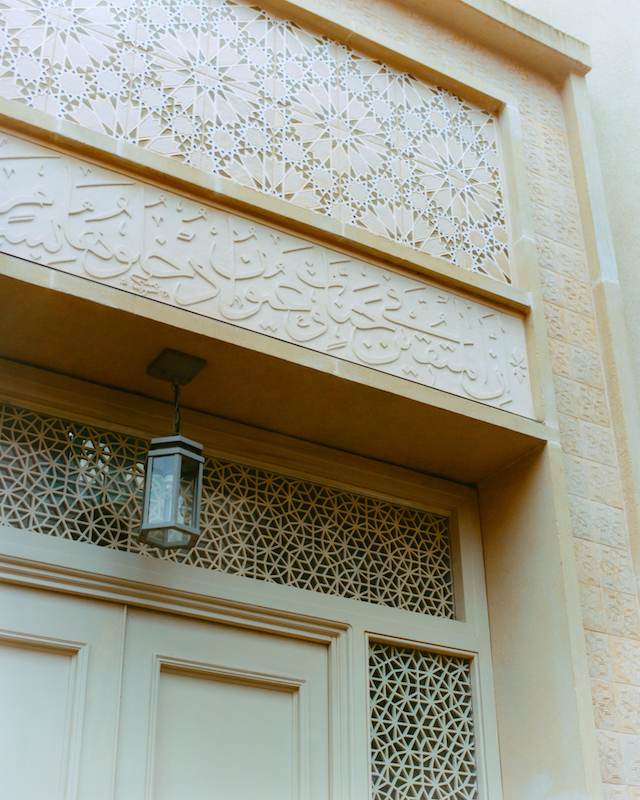
In Islamic culture, sacred geometry is believed to be the bridge to the spiritual realm, the instrument to purify the mind and the soul. Many spiritual and miraculous concepts are represented in the geometrical patterns, oftentimes acting as windows into the infinite, reminding of the greatness of Allah.

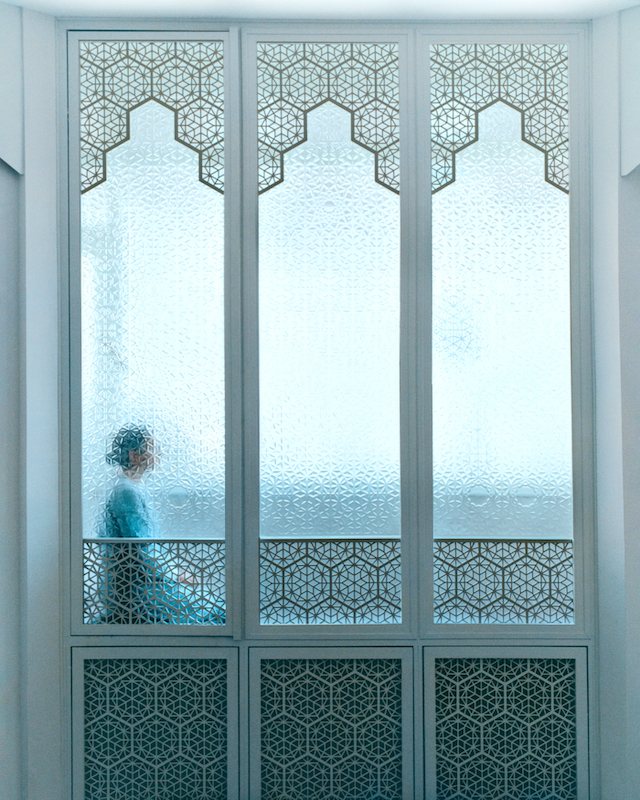
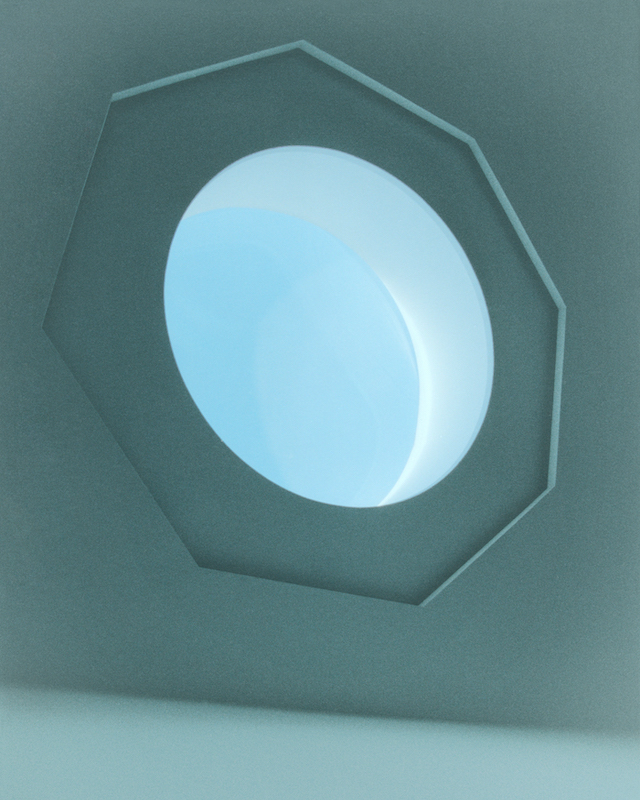
Nevine in meditation. Sufi practitioners regularly observe Murāqabah (arabic, translated ”to observe”). Through Murāqabah a person observes their spiritual heart and gains insight into the its relation with its creator, developing a personal relationship with Allah through self-knowledge and inquiry.

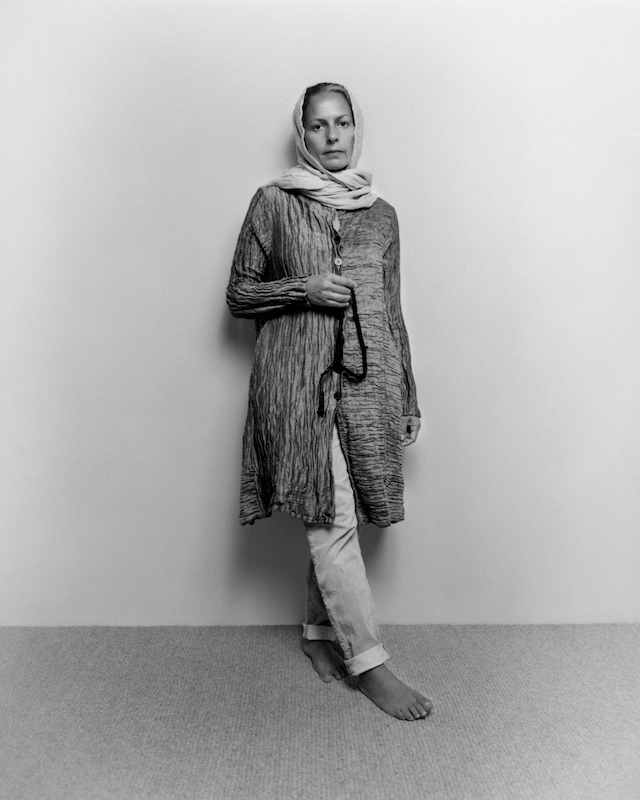
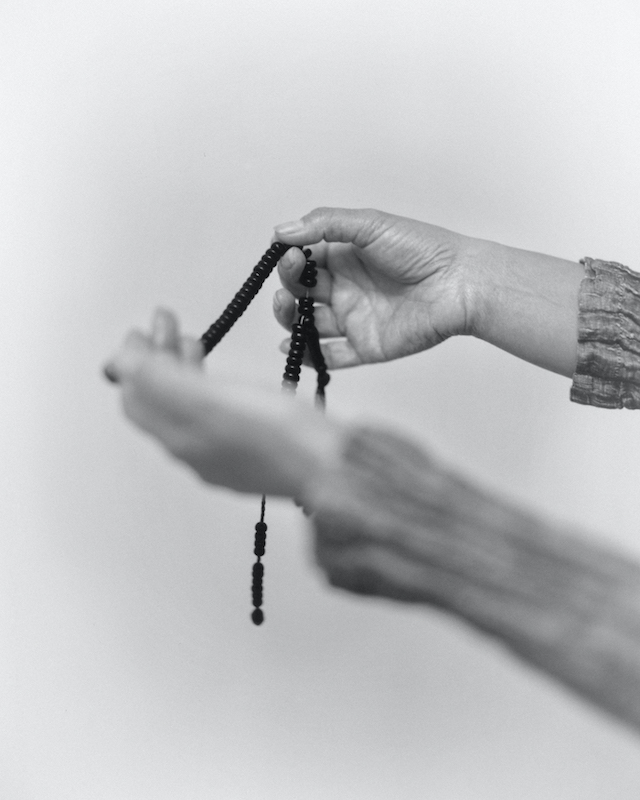
Tasbih is a form of Dhikr (arabic, translated “remembrance”) in which specific phrases or prayers are repeatedly chanted in order to remember God. The phrases are repeated 99 times, using the beads of the Subha (Muslim prayer beads) to keep track of counting.

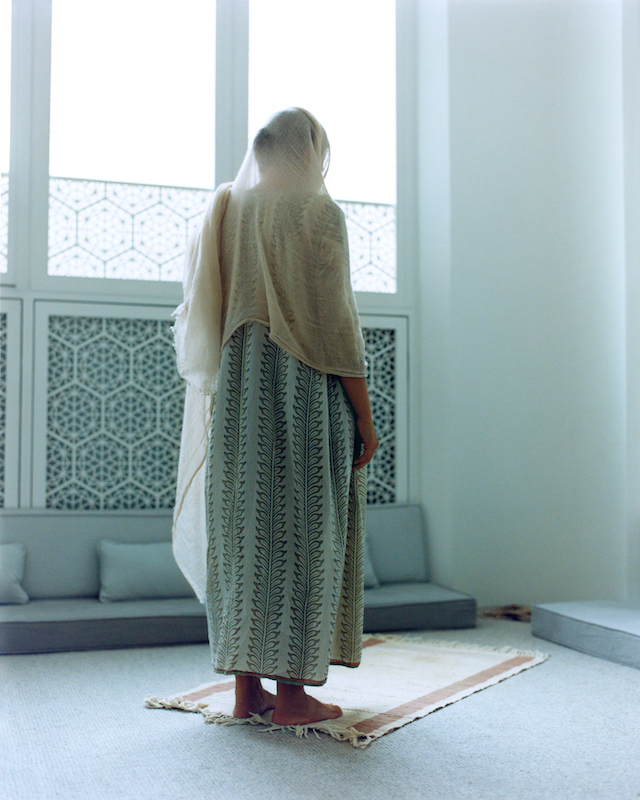
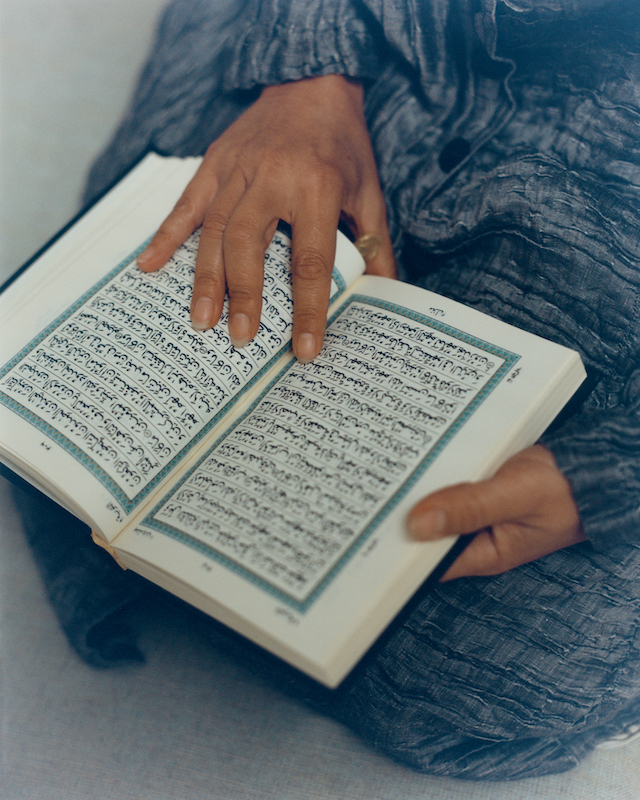
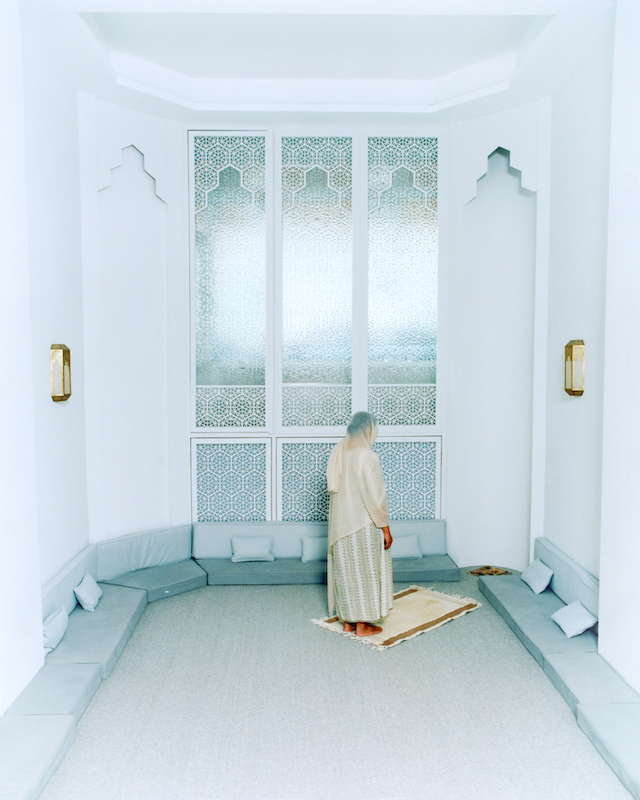
Nevine praying Zuhr, one of the five daily Islamic prayers, facing the Qibla, the direction of the Kaaba in Mecca.
 

How do you hope your audience will respond to this project?

I really hope this project gives insight into a community and practice that is usually quite mystical and secretive. My own Sufi order is a very close-knit community but at the same time, it’s quite isolated. I always thought that it was such a shame to keep the culture, community and practices so hidden from mainstream society. I would really love for the series to open the doors a little bit, allowing a glimpse of the beauty, depth and serenity of Sufi traditions and Islamic art. I also hope Nevine’s sincerity, passion and dedication in creating a space that supports spiritual development comes across in the imagery. She is a truly inspiring and empowered woman who’s story deserves to be told.

What’s next for you?

I feel like this project really opened my eyes and made me realise how passionate I am about the subjects it touches upon. I’ve decided to make this an ongoing personal project of mine, exploring women and non-binary people who use their creative practices as an extension of their spiritual ones. I’ve already shot another series with someone from a completely different background, using a completely different art form to connect to their spirituality and I’m very excited for that one to come out later this year. If anyone reading this is interested in participating I’d love for them to reach out to me!
My Hijab Has a Voice

Jodie Bateman’s empowering series raises awareness of the difficulties Muslims face in the West

Jodie Bateman, a photographer who grew up in Earlsfield, London, converted to Islam in December 2017. During this period of her life, Jodie began questioning the stereotypes often pinned with being Muslim and living in Western society. Deciding to record these experiences with her lens, Jodie commenced work on My Hijab Has a Voice: Revisited – an authentic and autobiographical series that both challenges and empowers her subjects. Within the project, she takes predominantly self-portraiture with the odd portrait tossed in for good measure, placing herself and younger sister in the frame as they replicate historical paintings, those that often objectify women. The work is captivating, poised and provoking for the ways in which it demands attention from the viewer; she hopes to share a new perspective, to realign the stigma and to raise awareness of the difficulties Muslims face in the West. Below, I chat to Jodie about her journey into photography, her experiences with converting to Islam and what she strives to achieve through her imagery.

First, it would be great to hear about your journey into photography, what inspired you to pick up a camera?

I first fell in love with photography when I discovered my mum’s boxes of photographs as a little girl. She used to have loads of photographs printed from the little disposal cameras; she always had so many of them and I was always mesmerised by the photograph as a document or object. I remember holding it, looking into its information and then, when I got my first camera phone as a young girl – I think I was around 13 – I started shooting made up shoots with my sisters. That’s how it started. I knew from then on that I loved photography and taking pictures, so I decided to study it at college and so on.

What stories are you hoping to share in your work?

So far, it’s been a personal story about my journey and experiences, especially around the hijab and converting to Islam. Through my work, I’m trying to put a different narrative out there. I hope to take this further in the future and share other Muslim women’s experiences with the hijab too; I just want people to see it from our actual point of view and direct from our voices.

Can you tell me more about your personal experience with converting to Islam, and how this impacted your photography?

It changed my whole style. I found myself, and I realised the stories I wanted to tell and the issues I felt were important to me had changed. It’s had a huge impact on how I feel and how I am able to use photography. It’s such a powerful tool to be able to tell stories and raise awareness of issues, and being able to have your own unique voice with it.  

What’s it like photographing your family, are they happy to be involved? How do you want to represent them in your imagery?

It’s easy because I am so comfortable around them, so I can really just be myself and be free in directing my project how I want to. I’ve never actually gone out of my comfort zone and not shot my family, but they are happy; they’re used to it and they like to take part and support my work In any way.

I guess it depends but, for my project, my little sister is like my muse. I have also done documentary photography with my family, representing them as they are at home as well as our relationships and bonds with each other.

Can you pick out a couple of favourite shots and talk me through them? 

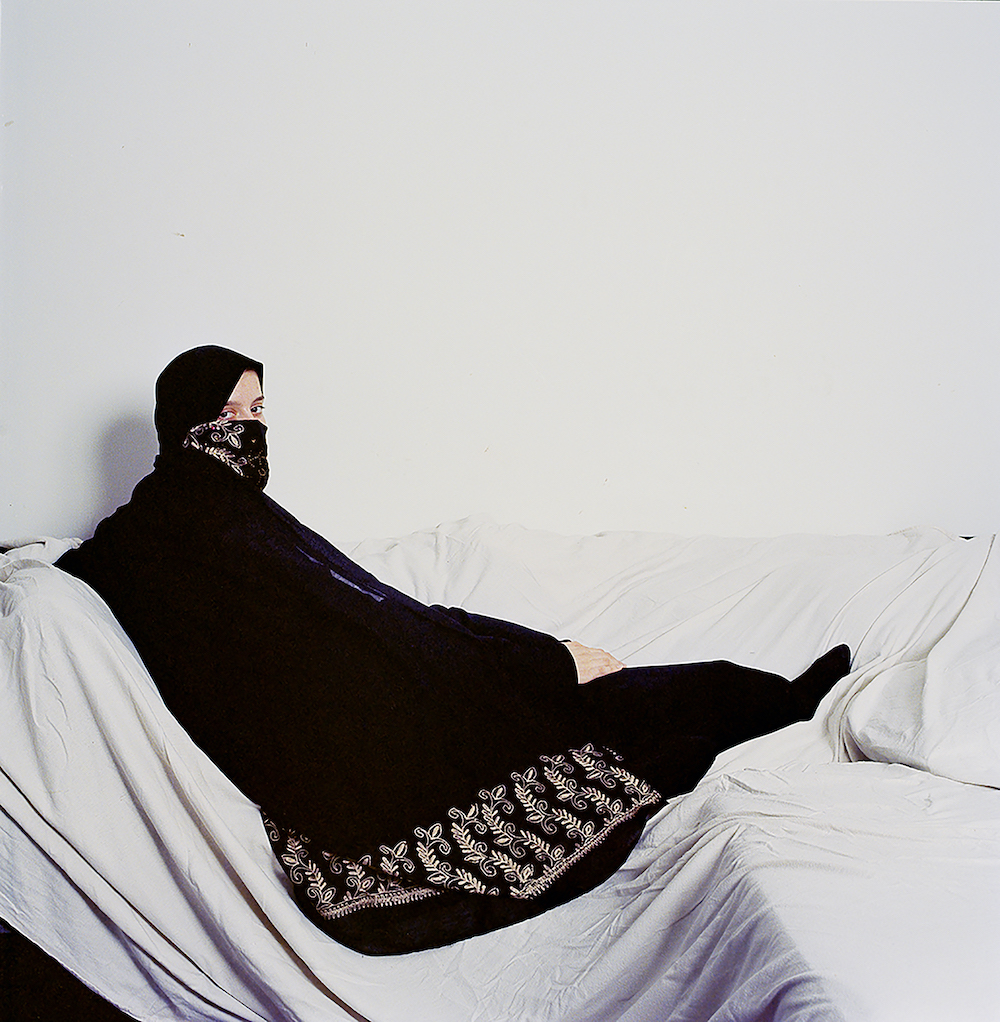
This image is my favourite image from my recent project My Hijab Has A Voice: Revisited. It’s inspired by the painting La Grande Odalisque; it was known for being unnatural in how the nude woman is painted, and in my image she is posed in a similar manner but fully veiled. It may seem unnatural, as paintings and the objectification of women started as being fully nude only for the purpose of pleasing the male viewer – so it’s about reclaiming our bodies. Being fully veiled mimics these types of paintings whilst also showing the beauty in being veiled; our bodies concealed from eyes seeing us in this objectified way.

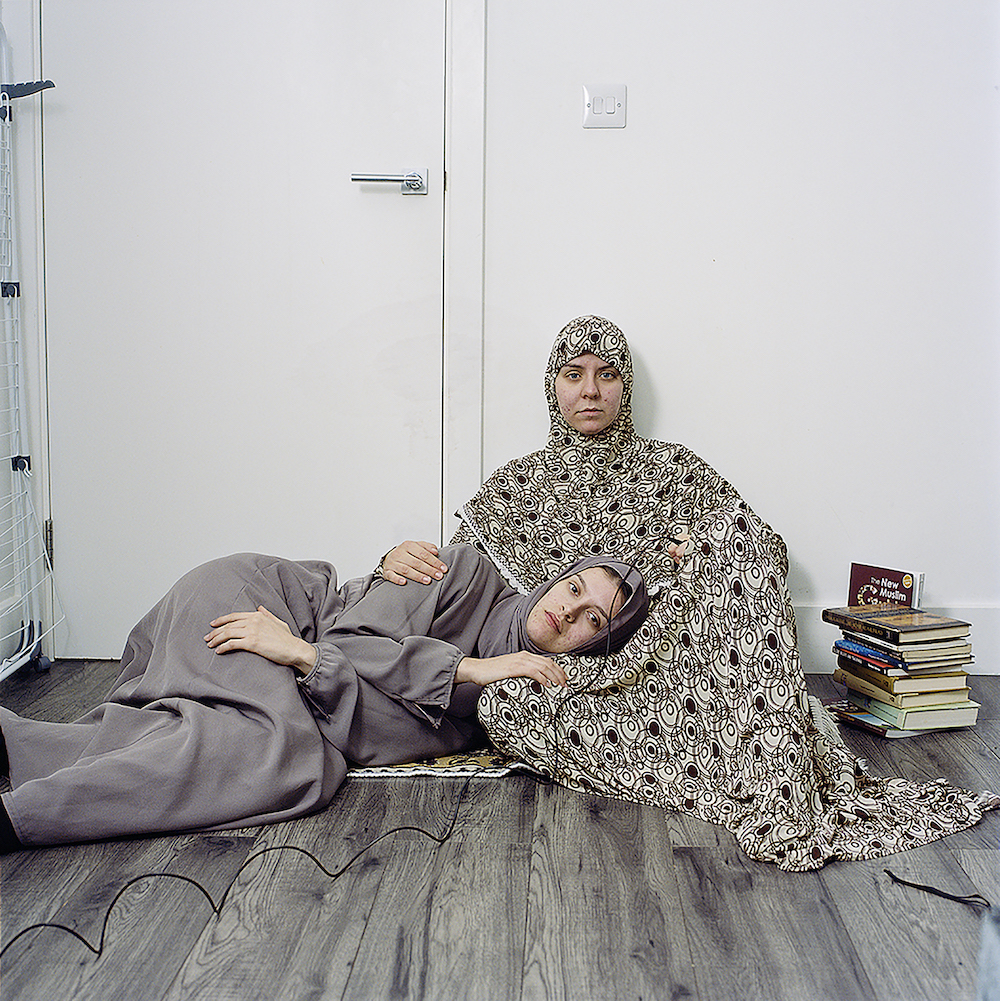
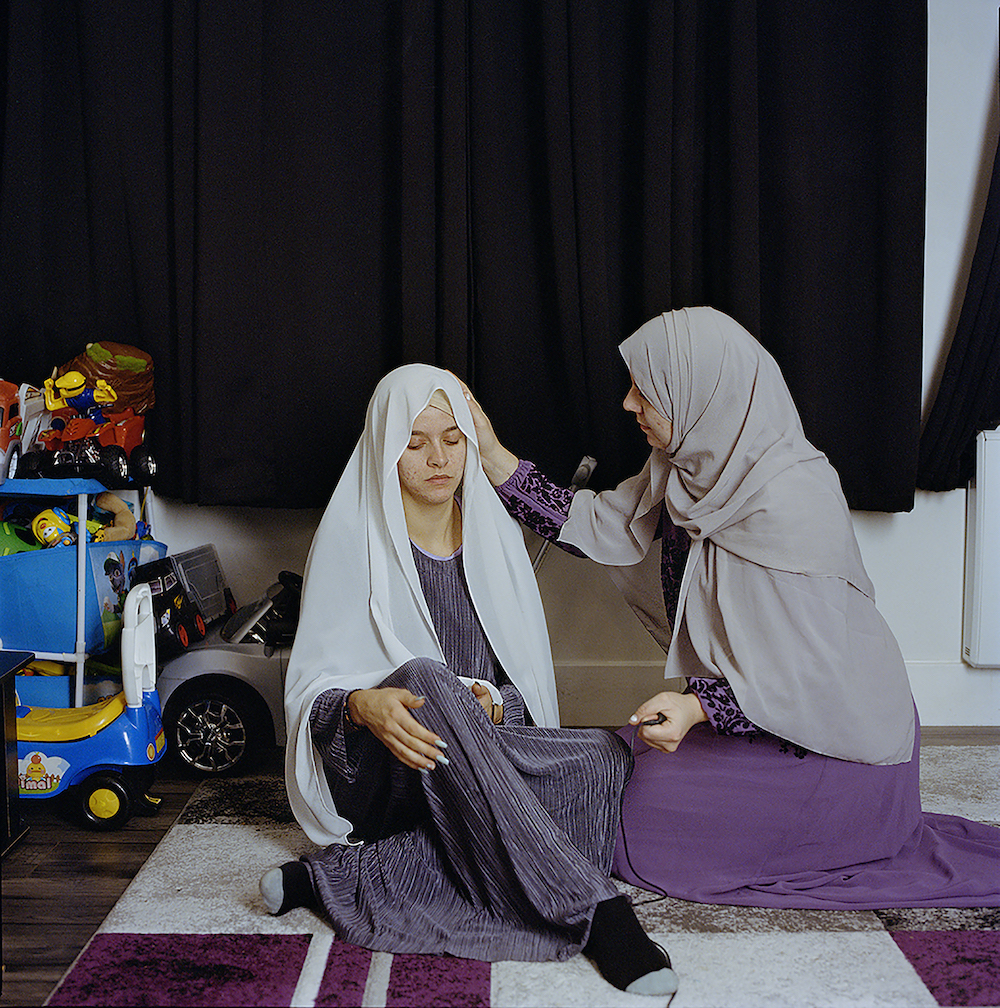
In this second image from my project My Hijab Has A Voice: Revisited, myself and my sister are fully covered. She is laying on my lap and we are connecting; it’s not sexual, it’s supportive and there are books which convey the message that, as a woman, I am educated. I always get asked if I converted for a man or if I was brainwashed, as if a women cant make an educated decision to be a certain way. it also mimics paintings, as usually they leave bits of information around like mirrors and brushes to convey this vain message that women are in competition and compete against each other.

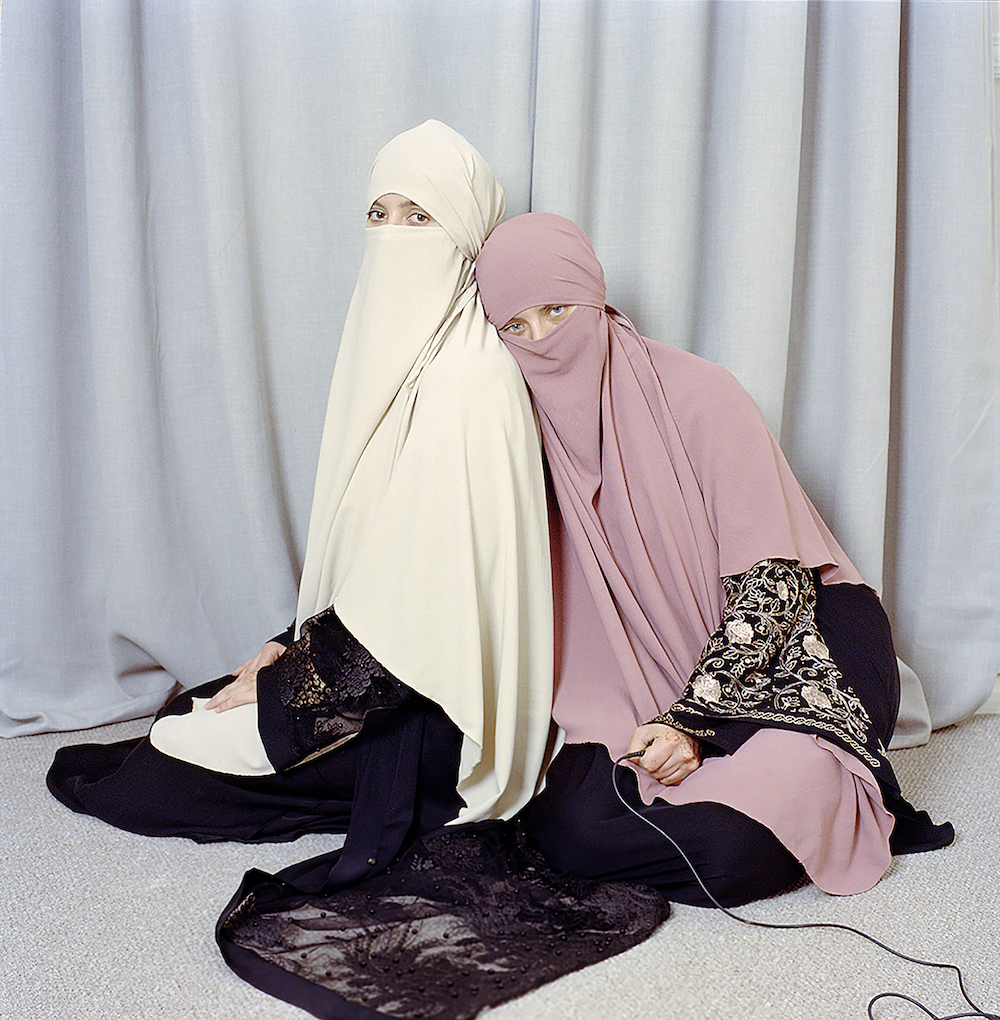
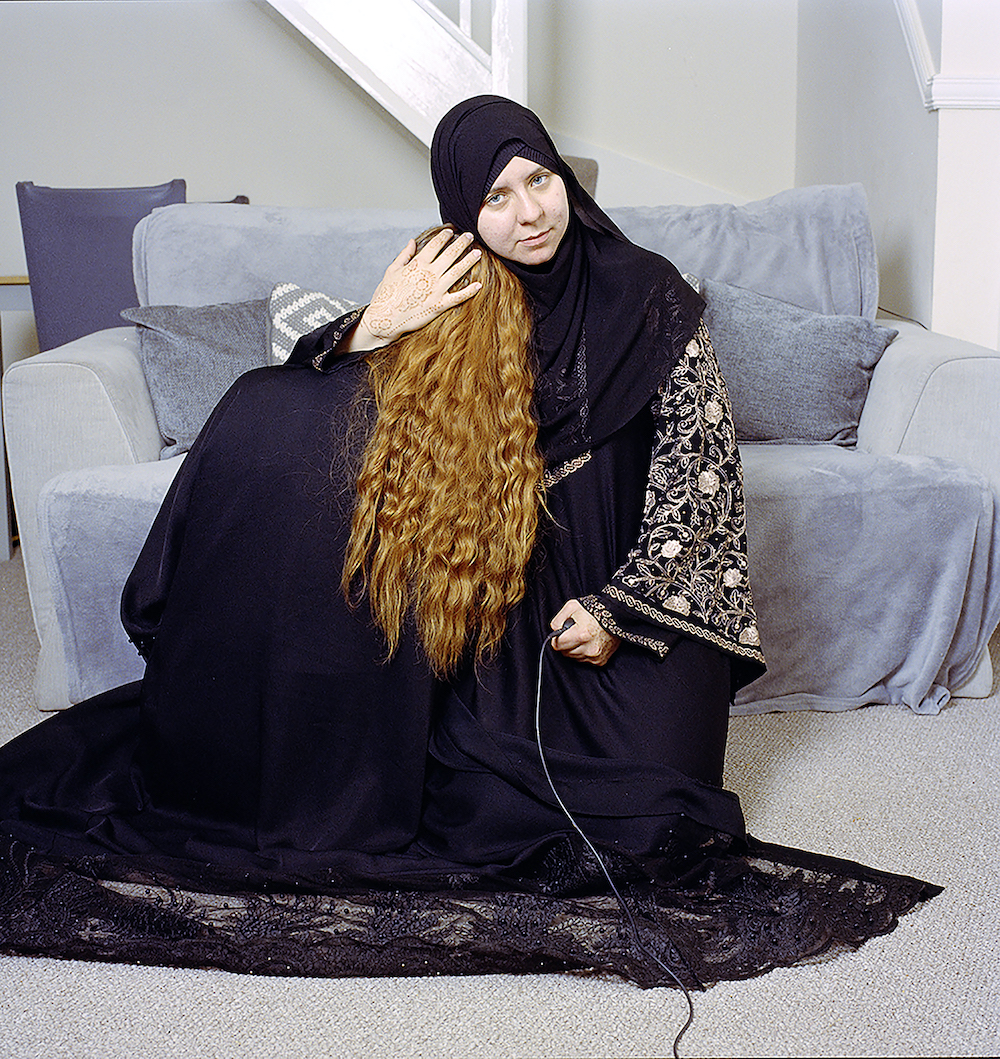
The last image is another favourite of mine again from my project My Hijab Has A Voice: Revisited. I am holding her head, her hair is out and we are both covered wearing black. This image concept is based around the idea that all women suffer from being told what to wear; whether we are being forced to cover or being forced to uncover, we are constantly being managed by men. This image is like a symbol of support from women to women, no matter what race or religion or how we dress. We should stick by each other and not against each other.

What are the key takeaways for your audience?

I hope it’s a positive reaction and that they are interested in listening. My message is that, as a woman, I can be educated enough to make my own decisions. I don’t need to be influenced by a man, that Islam is not what the media portrays and if people take time to listen to Muslim women especially, they can learn a lot and see a more meaningful side to our stories.


Mabel, Betty & Bette

Yelena Yemchuk’s mixed-media project delves into the identities of three make-believe characters

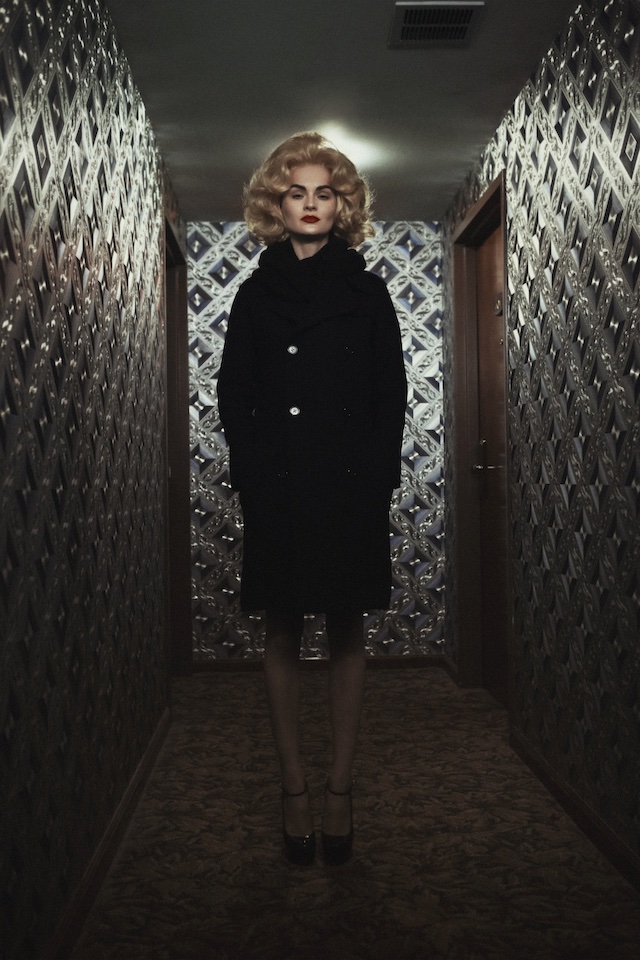
In a time not too long ago, Yelena Yemchuk had found herself at a flee market, marvelling at a collaged photograph she picked up of two girls sitting on a sofa. Their heads had been replaced by starlets from the 1950s, think Elizabeth Taylor, Grace Kelly and Marilyn Monroe; the famed and beautiful symbols of golden era Hollywood. It was in this very moment that Yelena, a visual artist from Ukraine who immigrated to the US at the age of 11, started to think deeply about the context of identity. “Who are we? And how much of it is based on the society that we live in, and how thin is the line between dream and reality?”

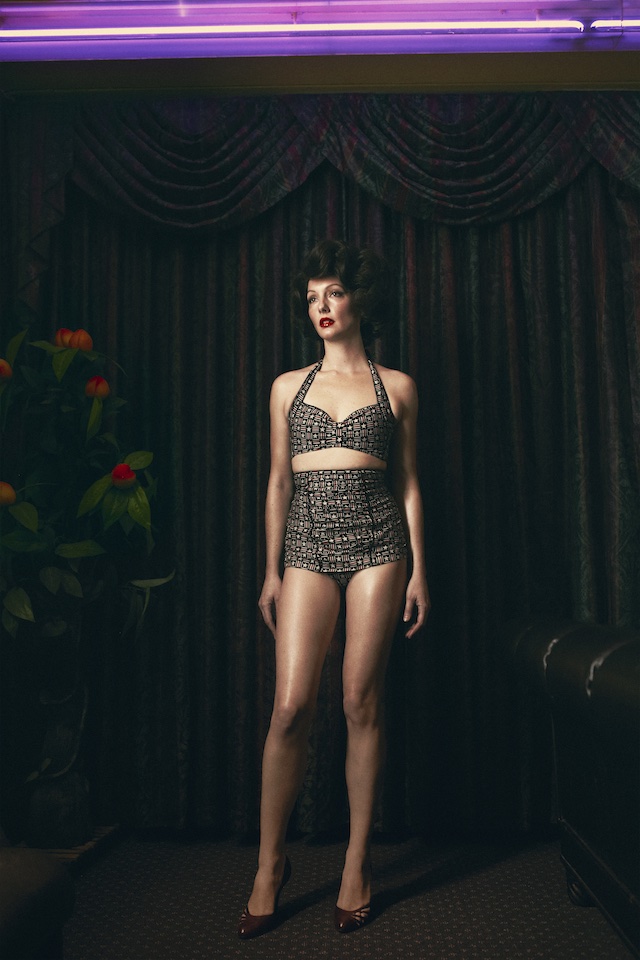
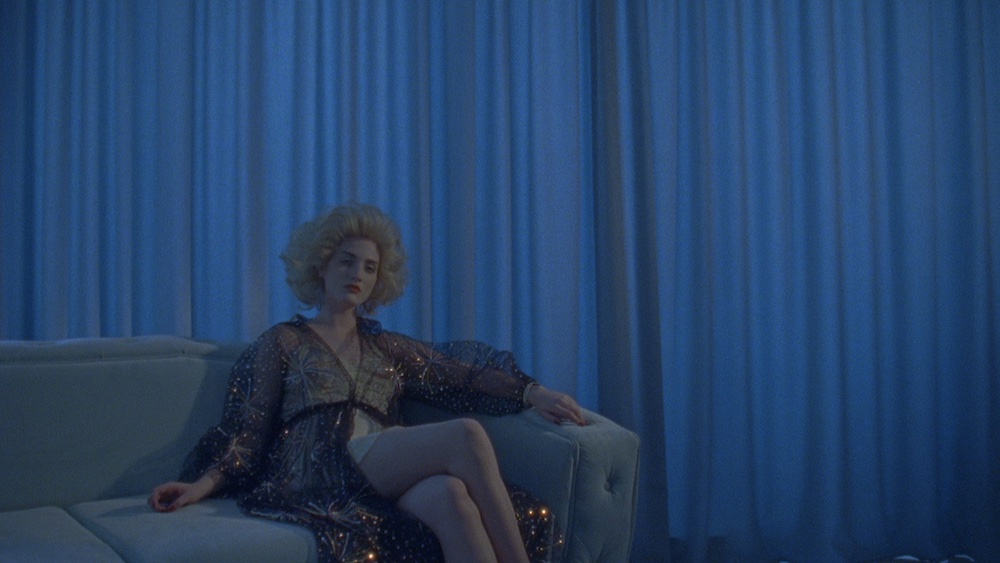
To answer these questions, Yelena began working on Mabel, Betty & Bette, a mixed media project that delves into the lives and identities of three make-believe characters. Played by a cast of models dubbed after popular names in America during the 1950s, the subjects – who are adorned in wigs and garb from this era – are composed from Yelena’s childhood memories of these “otherworldly women” she saw in postcards while living in the Soviet Union. It’s a marriage of fiction and hyperreality, and a commentary on what defines us beings in a certain time or place. Below, I chat to Yelena to hear more about the project.

What inspired you to start Mabel, Betty & Bette; why tell this story?

Mabel, Betty & Bette began quite by chance. I wanted to start a new project that was more fictional and had a narrative. I’ve always been fascinated by the mystery of time – the meeting of the dream world and reality – as well as disguise, a different appearance in order to conceal one’s identity or become someone else. I wanted to capture the psychology or the dream states of a person who is at loss with their identity. I wasn’t sure how to go about starting this adventure and, by chance, I found a photograph at a flee market; it was a collage where two girls were sitting on a couch and their heads had been replaced by 1950’s starlets.

It set off a bunch of ideas about identity, about the complexity of self and the projections of self and society. I wanted to explore this vulnerability and this confused state of identity: who are we and who do we try to imitate in our daily life? Who are idols and why have we chosen these particular stereotypes? I started to question the loss of self and what being vulnerable means. Thats how it began. 

Who are Mabel, Betty and Bette, what do they represent?

I created three fictional characters. I looked up popular names from the Americana era of the 50s. I wanted to create these characters from my memory as a child, of these otherworldly women that I saw in postcards as a kid in the Soviet Union – those Western ideals mixed in with the Italian and French actresses like Sophia Lauren, Brigit Bardot and Elizabeth Taylor. It was this mix of fantasy as well as a certain kind of sadness and strength that I remembered as a kid in their faces, so different than the images of the ideal Soviet women.

Also, my immigration to the United States at such a fragile age of 11 played a big part in the project. When one is changing so quickly as a pre-teen, and then to all of a sudden be in a completely different world in every way, I think that has triggered a lot of these questions at an early age. And once I started making art, those questions became part of my work. Who are we? And how much of it is based in the society that we live in, and how thin is the line between dream and reality?

You’ve cast over 50 women for this project, where did you find them and who did you want to photograph specifically?

Each photograph portrays one of the three fictional women – Mabel, Betty, or Bette – as conveyed by a cast member in one of three corresponding wigs, playing out three different storylines written by me. I casted mostly recognisable fashion models (which was also the first time I worked with models for a personal project). Rarely seen as themselves, these women are a template upon which ideas are formed. Their inclusion in this project was a knowing gesture towards the continued malleable nature of female identity in the 21st century. 

I contacted a lot of models that I have worked with though various projects, but the process had to be changed when the shoot was taking place. Destabilising their own working process to intentionally disrupt them from their known actions and poses, I worked quickly (no more then 20 minutes per shoot, sometimes only five minutes) and in scenarios that were often unknown to the model. For the moving image part of the project, the short film that was shot in Odessa, Ukraine, and I worked with one women, an artist Anna Domashyna, who played all three characters  


Can you talk me through a couple of favourite images from the project?

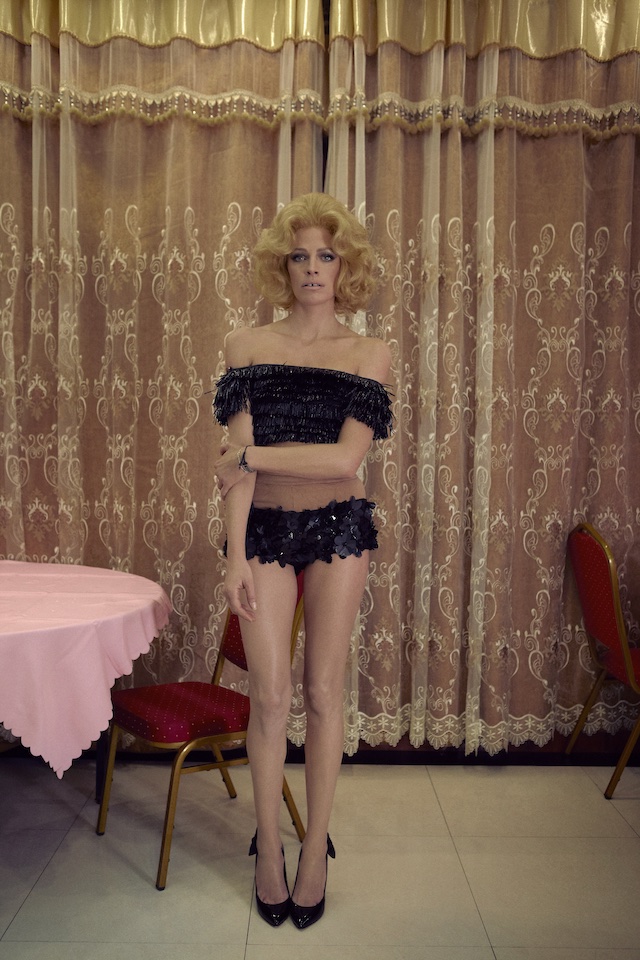
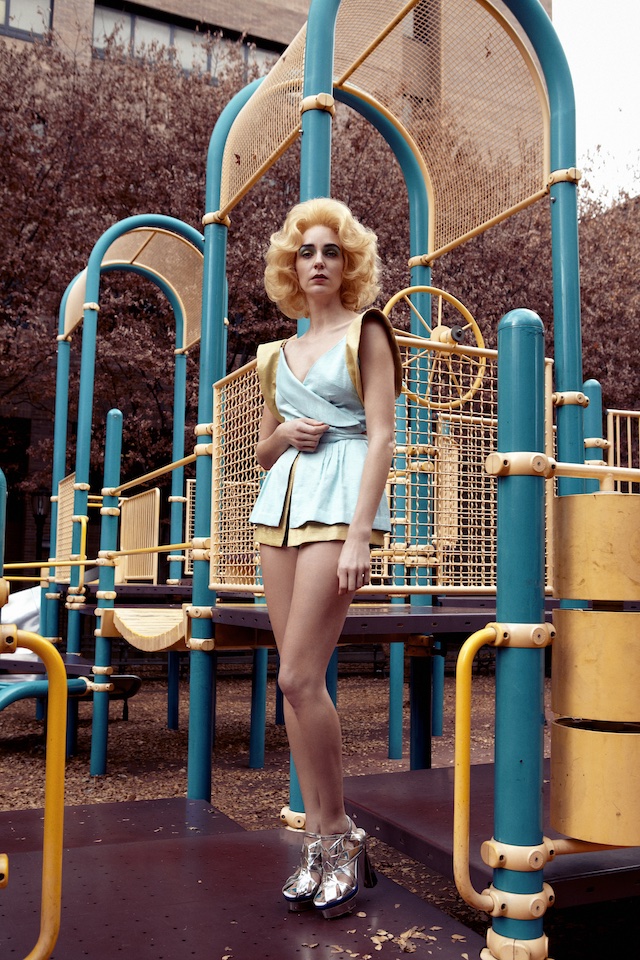
I am going to pick three different medias: a photograph, a collage and a film still, since all three makeup the project. This image of Hannelore was taken in a playground around the corner from my house, and Hannelore is someone I’ve worked with a lot and I’ve always admired her as a person, and as a model. She was one of the first women I asked to be in the project. I knew she would trust me to put her in this strange disguise and understand this feeling that I was trying to portray for each of the women: this moment of change, crisis or loss of self; this intersection between dreaming and waking, and the alarm and confusion that accompanies the void.

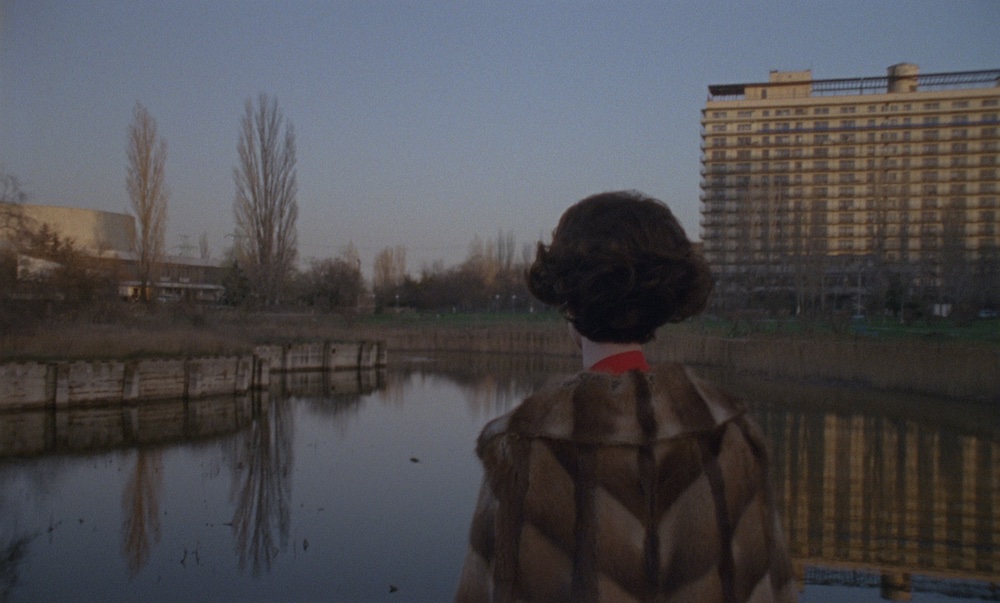
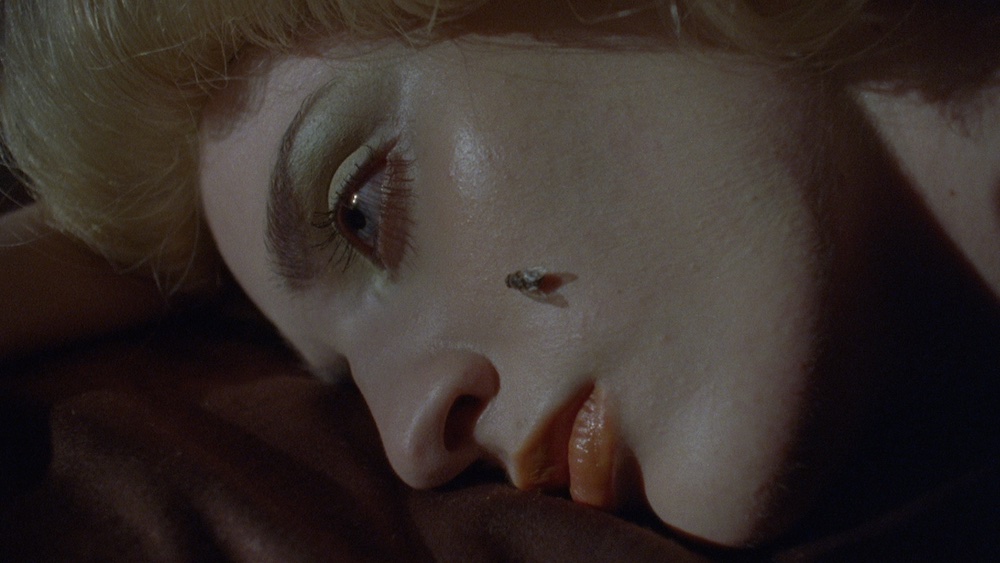
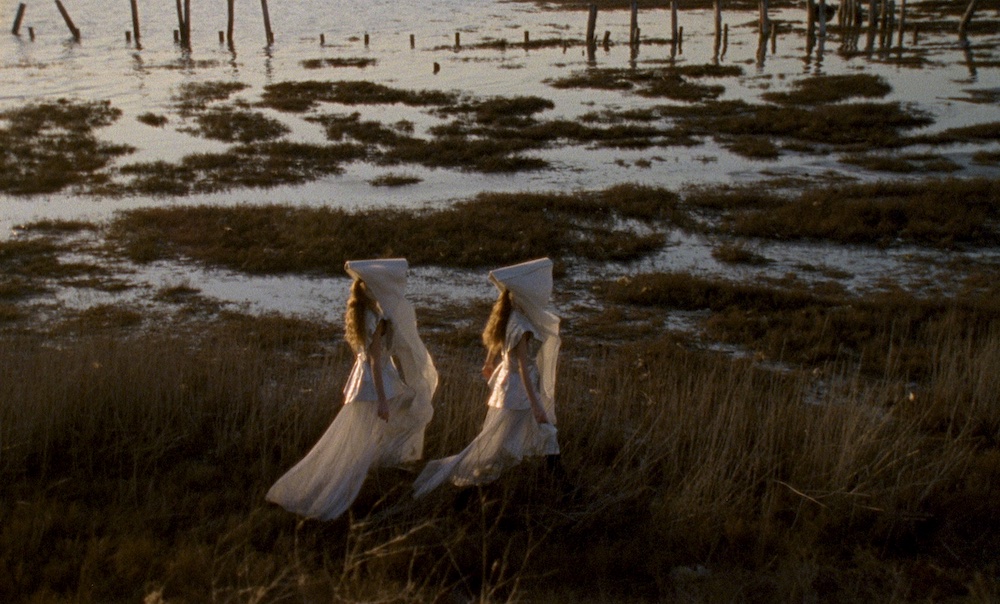
The film for the project was shot in Odessa, Ukraine. I met Anna while photographing her for a book that I am doing on Odessa, and I was immediately blown away by her. It was like she embodied all the three women in one – her being so otherworldly in every way. I asked her if I could take her picture for the project and showed her some images I already took. She looked at them and said ‘yes I get it, I am the girl’, and I said ‘yes you are!’ Six months later and I was back in Odessa to make the film with her. This is a still from the film I love, you can’t see her face but you can feel the story unfolding from her gaze in what she is seeing. There is a sense of mystery and nostalgia.

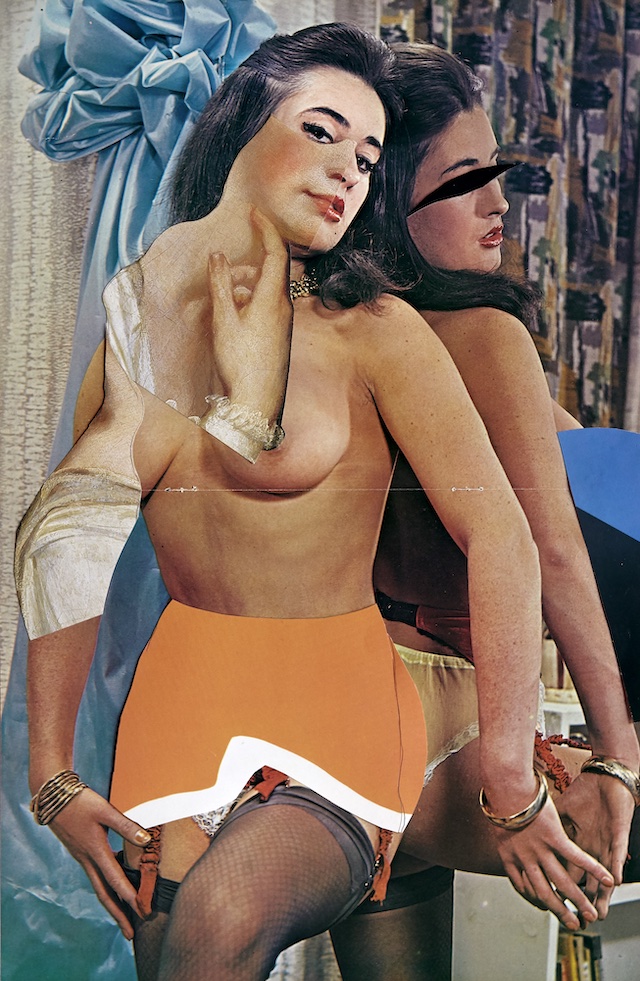
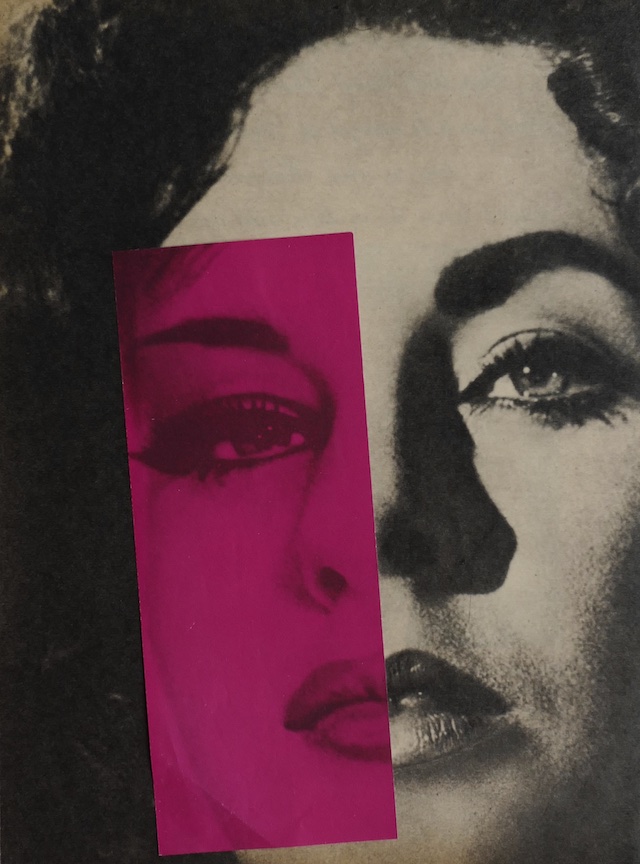
The collages came as the last part of the project. Bauhaus, surrealism and Dada deeply influenced me as an artist, and those were my original inspirations when I started making art. In my working process, chance encounters and subconscious influence are always present – while details from my dreams as well as a large cultural anthology of images come into my practice. Working from my archive of old media as well as new materials, I found Soviet Life as well as Hollywood Factory magazine. These collages came to life by splicing Brigit Bardot in half, and I placed her with an image of Elizabeth Taylor. The two women appear as one and as a collage from the cover of Mabel, Betty & Bette. Symbolically their shared features speak to a form of representation that I am interested in analysing.

Sovereign

Lensing women over the age of 45, Jocelyn Lee’s new book ignites a much-needed paradigm shift

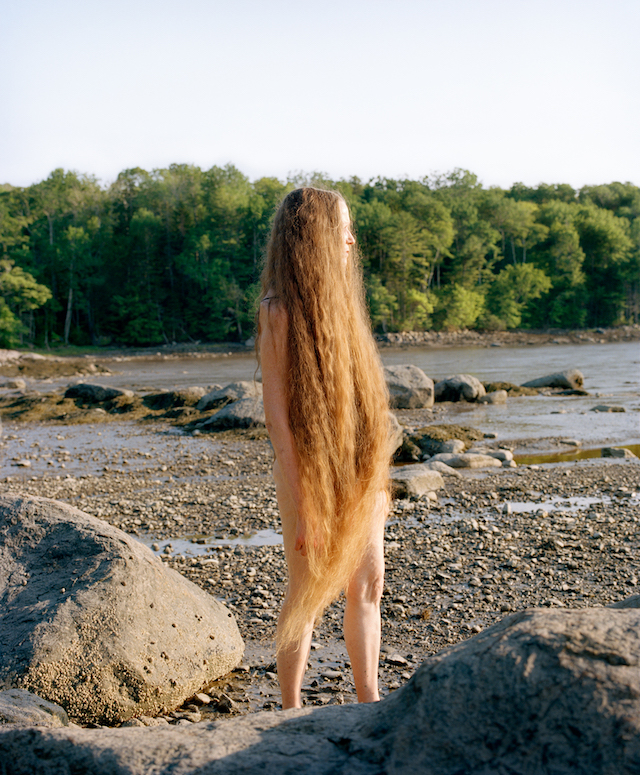
Lisa in St. George, 2019

There can be many an impetus behind a photographer’s love of the medium, whether that’s the immediacy to document one’s surroundings or to tell stories with all but a single shot or sequence. For Jocelyn Lee, a Naples-born and New York-raised photographer, it was the profound contradiction of the medium that enticed her the most. “Photography is a very special medium because it lives in this surreal area between the real and the imagined, touching both the objective and subjective worlds simultaneously,” she explains, affirming an interest Roland Barthes and his theory on photography as being “a new form of hallucination”. In this sense, an image treads the line between falsity and truth. It’s a double-ended sword, where what can be used to document real-life events (like crime scenes or wars) can also be used to tell narratives from the mythical.

Jocelyn recently turned 50 and is happily remarried for the second time; a milestone that ignited a fascination with society’s troubling depiction of women of a certain age. The older woman is often stereotyped as being both “asexual and unattractive”, she says, which is a representation that couldn’t be far from the truth. “So, I began to focus my attention primarily on older women over 45, in order to create celebratory, empowered, sensual and sexy images of them.” This inquest has now been formed into mammoth new publication titled Sovereign, a compilation of photographs generated over 35 years published by Minor Matters.

“I wanted this work to be an assertive counterpoint to the cultural notion that women of a certain age are either invisible or disembodied,” she adds. “This perspective is both inaccurate and cruel, especially given people are living longer and longer. I married my second husband at 53 and I fully intend to have 35 more sexy years with him, at least.”

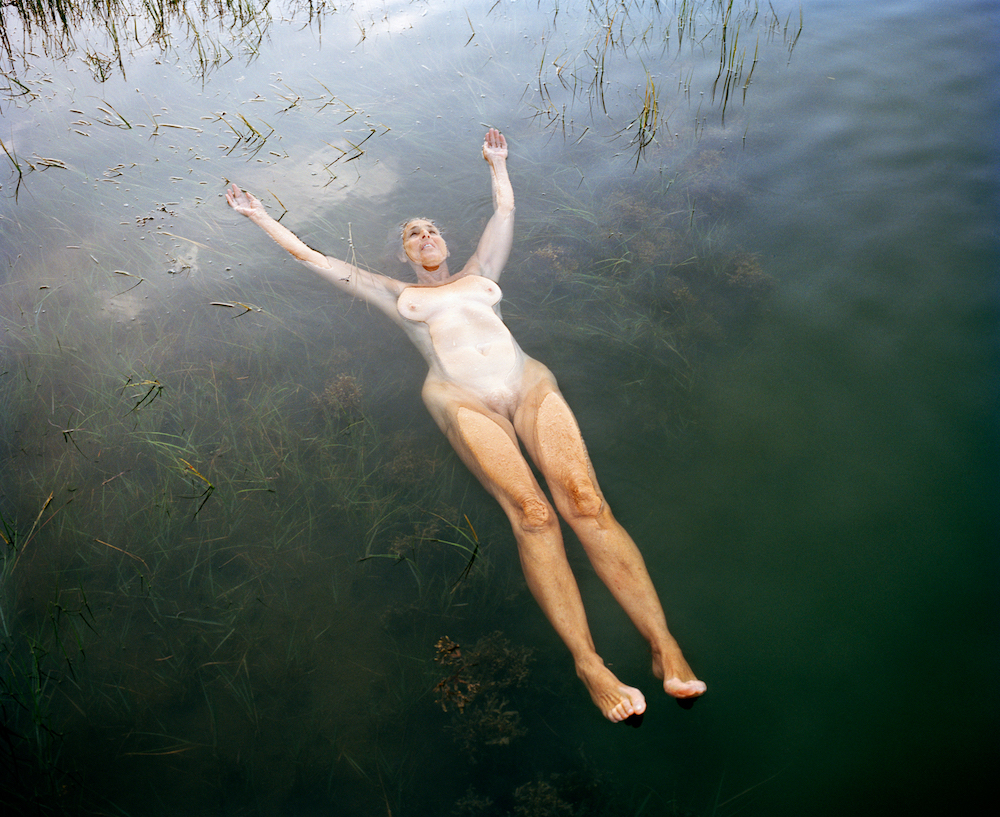
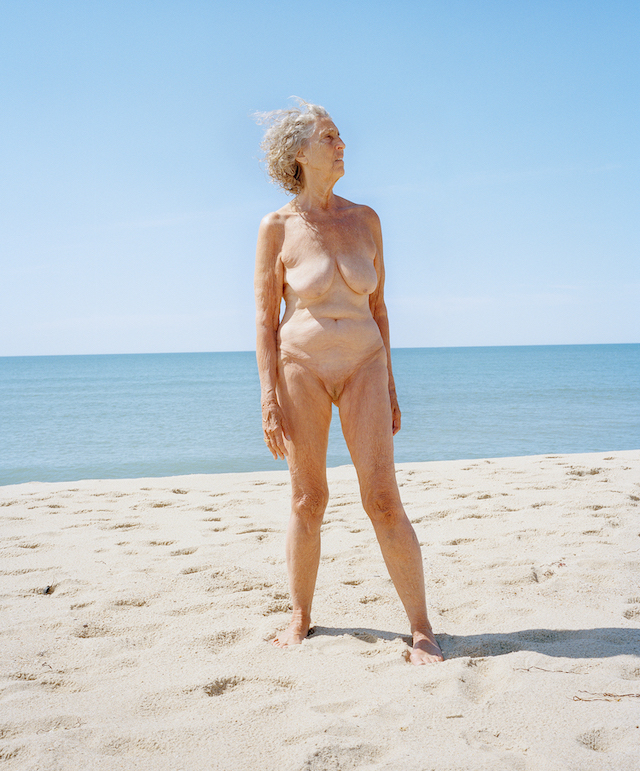
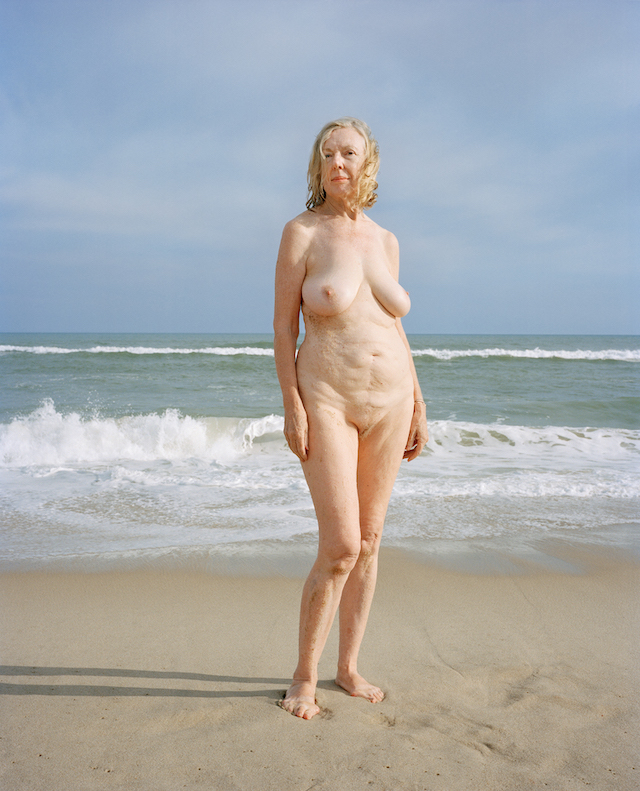
Nancy at Quitsa Pond, 2016

It’s an interesting and worrying notion that as soon as woman reaches a certain age she becomes undesirable, thrown away and forgotten in time’s cruel invention of ageing. And sadly, this notion has been set in society for years, where those who’ve reached maturity are disregarded and replaced by a younger counterpart – take the media and modelling as examples. Jocelyn, a woman who’s reached this ‘certain age’, explains how there’s some positive attributes to be reaffirmed with the concept. “Getting older has allowed my subject matter to broaden and deepen. I don’t think I could have made Sovereign when I was in my 30s. I feel very connected to the women in the book and see myself in them, or try to. I am certainly very inspired by them, given most of the women in Sovereign are 10-21 years older than I am. They are bravely pointing the way.”

In the wider spectrum of photography, Jocelyn uses her camera as a tool to slow down the world in order to better understand her curiosities. In her eyes, it’s a portal that allows greater inspection and intimacy between herself and a subject. For instance, she once shot a body of work in motel rooms around the country, asking strangers to meet and have their either fully nude or semi-naked portrait taken. “I emphasised that it was not about a sexual encounter and that I simply wanted to make an honest portrait of them,” she says. “Most of those people were men, and that was an incredibly interesting project that I may return to. The question of why? Why do you want your portrait taken by a stranger?”

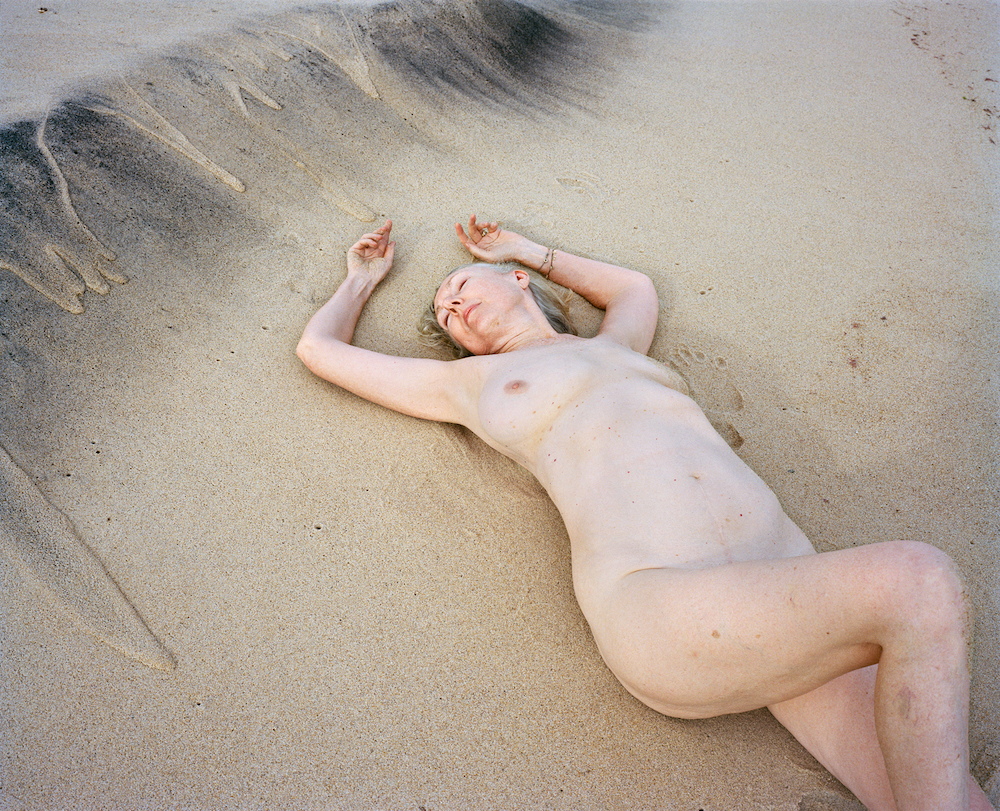
Quansoo, 2015

Jocelyn has always created work of this kind; the more contemplative, daring and exposed. For the last 35 years, even, her process has remained largely the same – using medium format film cameras to capture nakedness and often photographing women. Sovereign is simply an extension of that, and all of the work proceeding it, where one day she’d “woken up” and realised the immense study she had filed away in her archives. “I have pictures of dear friends pregnant in the 80’s, and then images of them now with the 35-year old child that was in utero at the time of the first picture. It’s quite a study of people over time.”

Only now is she uncovering these pictures from the past, filling out an arc of a life and in turn building decades’ worth of narratives. It really is an immense project, with some subjects photographed during the 80s and 90s – portraits taken at public beaches, ponds or lakes. “While we try to have as much privacy as possible, we can’t always be sure who might come along,” she says, “so the women that pose for me are generally pretty adventurous and open.” One of these women is an 80-year-old writer who’s more than comfortable with being naked. This woman requested to shoot at the public beach, for it was closer to their cars and she didn’t want to endure the longer walk to the one designated for nudists. “We were very close the road and it was definitely not very private. During the shoot, a man and woman emerged from the dunes with their dog and said, ‘Nancy, you’re naked!’ To which she said, ‘Yes I am!’”

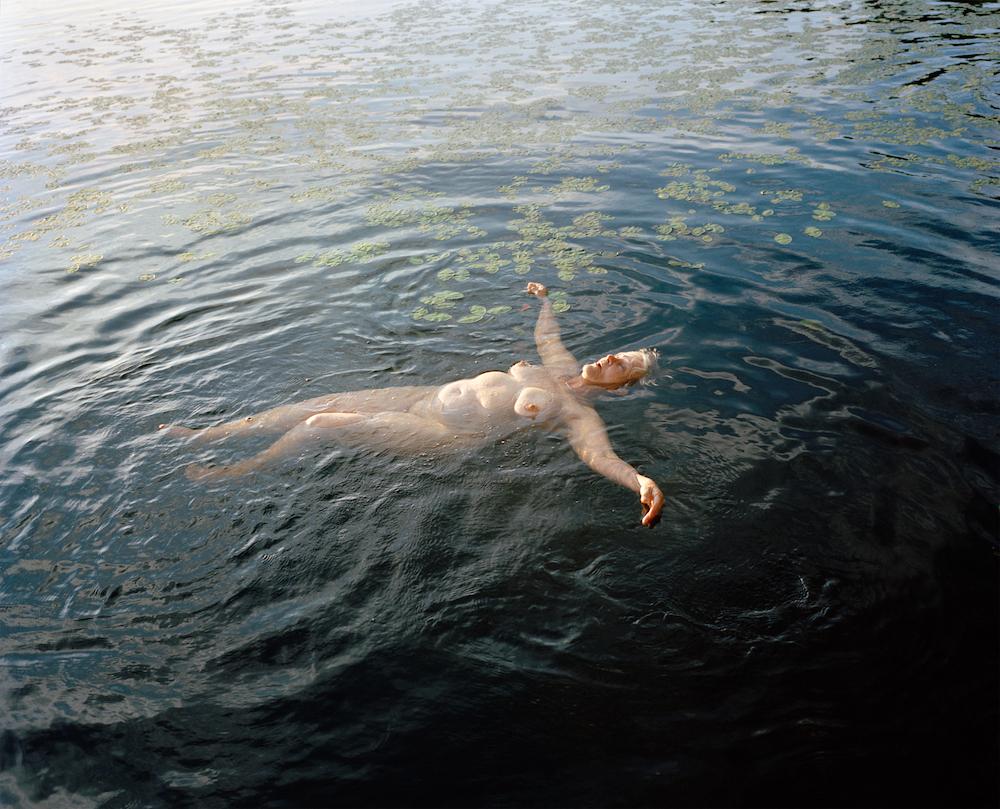
Anna Swimming at Ironbound Pond, 2019

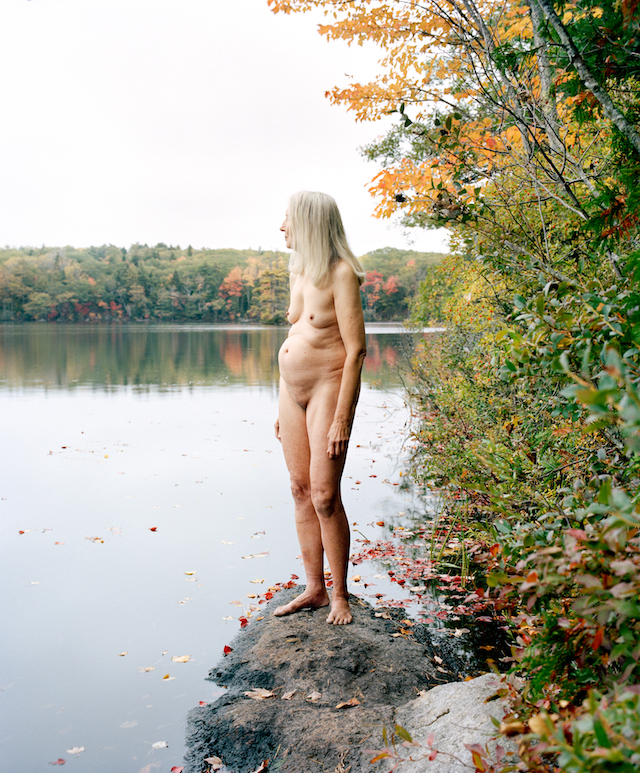
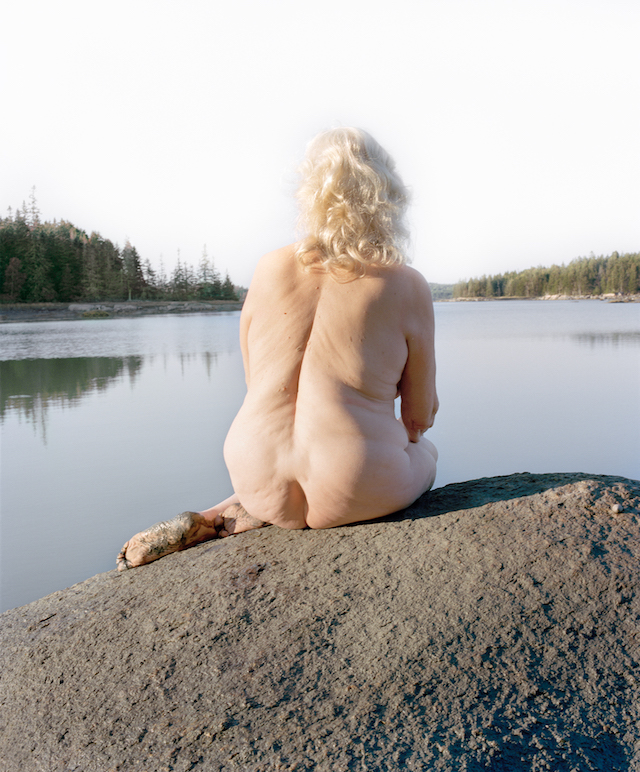
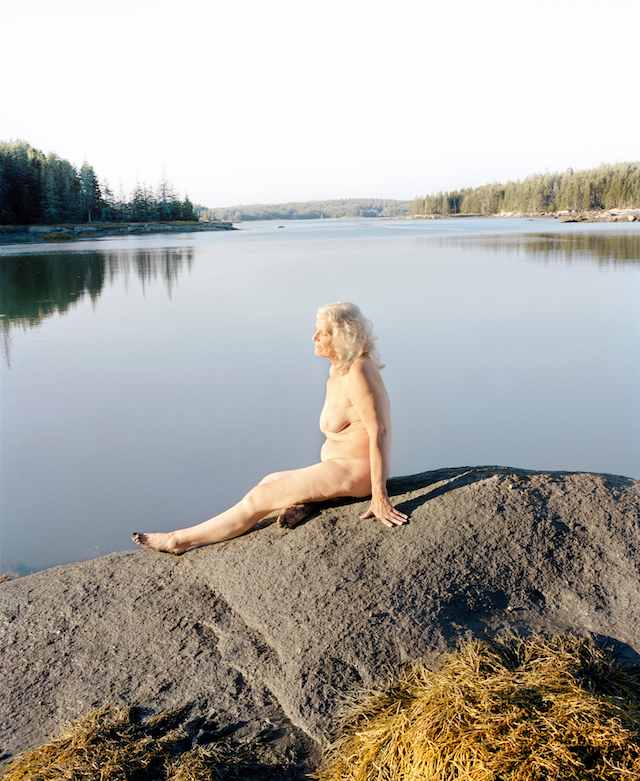
Who would’ve known an 80-year-old woman to bare such confidence? Well those who think otherwise are perhaps victims of the media’s stereotyping, that which places emphasis on the older woman as being frail, unadventurous and wrongly undesirable. Jocelyn’s pictures depict the older generation of women as being carefree and utterly admirable; like Lisa, who’s hair runs right down to her ankles. She’s a professional flautist, actor and mayor in a small town in Maine. Or there’s Susan, who posed for Jocelyn on a large rock on Deer Isle with the sunlight illuminating her body with drama and power. 

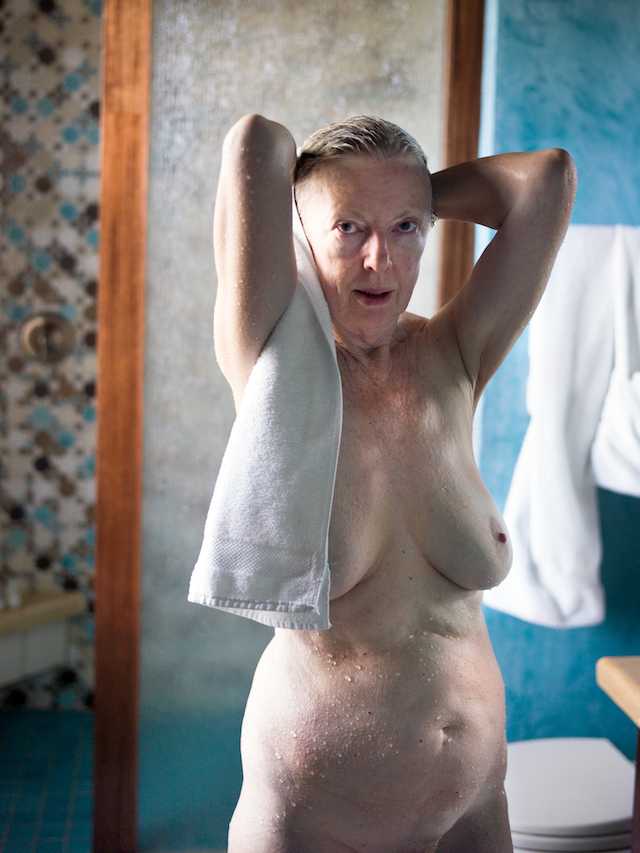
“I think this kind of imagery matters more now than ever,” she says on a thoughtful note about the book’s impact. “In a world that is saturated with Instagram filters and other youth-obsessed industries, I am trying to highlight the natural beauty of women of all ages and body types. No body is deserving of invisibility and Sovereign is asking for a long overdue paradigm shift. I want to celebrate women of all ages and body types living expansive, empowered and sensual lives.”

Arifa, 2019
Susan’s Back, 2017
Nancy 2019
Marfa Hotel, 2014
Late September, 2017
Jane and Crashing Wave, 2015
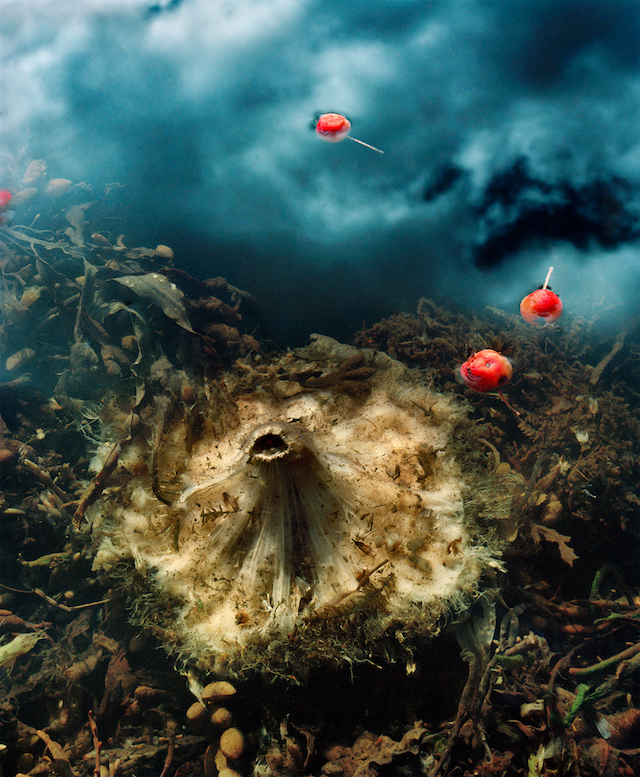
Dark Matter #6, 2016
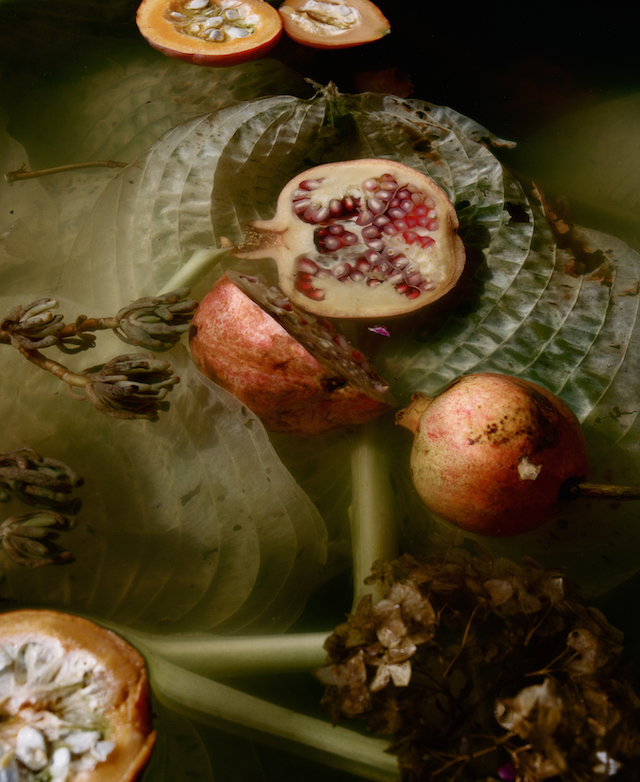
Dark Matter #2, 2016