Rewriting the Canon

Art history has long celebrated male artists while overlooking women’s contributions. The Guggenheim Bilbao’s exhibition of Hilma af Klint’s revolutionary work is a crucial step in rebalancing the narrative

Photograph of the Swedish artist Hilma af Klint (1862–1944) at her studio on Hamngatan in Stockholm. Courtesy The Hilma af Klint Foundation ©The Hilma af Klint Foundation, Bilbao 2024

In 1971, Linda Nochlin asked: “Why have there been no great women artists?” Nochlin argued that greatness has long been seen as the domain of so-called ‘geniuses’ – almost always white, male and privileged – while women were held back by structural barriers. Denied formal training and entry into male-dominated guilds, women artists were excluded from art’s major institutions and, consequently, from history itself. While the question itself is flawed, it remains strikingly relevant today, with institutions beginning to confront these historical exclusions.

Over centuries, patriarchal norms confined women to domestic roles, limiting their ability to pursue art professionally. Even when women were able to study art, they were often restricted to subjects deemed appropriate for their gender, such as portraiture or still life, rather than grand historical or monumental works. Art academies, galleries and museums – spaces where an artist’s career could flourish – were also controlled by men. Women’s work was rarely exhibited, and they were excluded from major competitions and commissions. Additionally, art criticism and scholarship were, and in many ways still are, dominated by men. These gatekeepers shaped art history by documenting and celebrating the work of male artists, while ignoring or downplaying the contributions of women. 

Even when women did achieve some level of recognition during their lifetimes, their work was often neglected in archives and historical accounts. Artemisia Gentileschi was an acclaimed Baroque painter whose powerful work reflected a distinctly female perspective. Yet, her contributions were largely forgotten for centuries. And Judith Leyster, a Dutch Golden Age painter, was also overshadowed by her male contemporaries.

Hilma af Klint. The Parsifal Series, Group III, No. 121, 1916 Watercolor and graphite on paper. 25 x 27 cm. Courtesy The Hilma af Klint Foundation, Stockholm, HaK 327 ©The Hilma af Klint Foundation, Bilbao 2024

The rediscovery of women artists began in the late 20th century, with scholars and curators working to reclaim the lost legacies of these women. The feminist art movement of the 1960s and 70s was also crucial in highlighting the achievements of artists like Lee Krasner, who was often overshadowed by her husband, Jackson Pollock, despite her significant contributions to Abstract Expressionism. And one of the most significant rediscoveries is Hilma af Klint. Her abstract works, created years before those of Kandinsky and Mondrian, were dismissed during her lifetime due to a combination of societal norms and her own secrecy about her art. af Klint was deeply influenced by spiritualism, and she believed her work was meant for future generations, instructing that much of it remain unseen for 20 years after her death. By the time her paintings were revealed, the narrative of modern abstraction had already been written, and male artists were credited as its pioneers.

Hilma af Klint, Primordial Chaos, The WU/Rose Series, Group I, No. 15, 1906-07 Oil on canvas. 52 x 37 cm. Courtesy The Hilma af Klint Foundation, Stockholm, HaK 15 ©The Hilma af Klint Foundation, Bilbao 2024

Despite her groundbreaking work, the patriarchal structures of the art world kept her contributions in the shadows. It wasn’t until much later, with the growing influence of feminist art historians, that af Klint’s work began to receive recognition. Her major retrospective at New York’s Guggenheim Museum in 2018, Hilma af Klint: Paintings for the Future, was a landmark in rewriting art history to include her contributions. And today, af Klint’s work continues to gain traction, with exhibitions around the world showcasing her as a pivotal figure in the development of abstract art. The most recent exhibition at the Guggenheim Bilbao, curated by Lucía Agirre and Tracey Bashkoff, presents her as a pioneer who predated many male modernists, evidenced through the most comprehensive study of af Klint’s oeuvre to date. As the museum’s director Juan Ignacio Vidarte said at the show’s press conference, the show is a “recovery” of the artist, and an effort in “placing her where she should be: as a trailblazer of modern extraction”.

Hilma af Klint, Buddha’s Standpoint in Worldly Life, Series II, No. 3a, 1920 Oil and graphite on canvas, 37 x 28 cm. Courtesy The Hilma af Klint Foundation, Stockholm, HaK 471 ©The Hilma af Klint Foundation, Bilbao 2024

The show is also revealing new insights through previously unseen letters, journals and drawings, which help decode the complex symbolism in her work. Much was influenced by her background in mathematics, cartography and her deep spiritual beliefs. “af Klint also left behind hundreds of notebooks in which she meticulously documented her work,” said Agirre. “These notebooks are like dictionaries, helping us decode the meaning behind her symbols and letters. With a background in mathematics and cartography, her works can be seen as elaborate maps of spiritual journeys. There is still much to uncover and understand about af Klint’s work, making it continually fresh and groundbreaking even after all these years.”

One such discovery is the story of how af Klint met with Rudolf Steiner in 1908, the leader of the Theosophical Society in Germany, who af Klint thought of as the most prominent spiritual leaders of the time. He was lecturing in Stockholm and af Klint invited him to see her paintings, hoping for some positive feedback. Only he didn’t understand her work, advising that ‘no one must see this for 50 years’. It’s been recorded that this is what caused af Klint to pause her practice until she returned in 1915. However, according to the new letters on display in Guggenheim Bilbao, this meeting happened two years later than previously mentioned. She in fact stopped working before then, making this point in history obsolete. “There were many reasons for this break, including the dissolution of her group The Five, her mother going blind, and moving house. While Steiner’s visit might have affected her, it wasn’t the direct cause of her pause,” said Agirre.

Hilma af Klint, Retablo, Retablos, Grupo X, No. 1, 1915 Oil and metal leaf on canvas, 237.5 x 179.5 cm. Courtesy The Hilma af Klint Foundation, Stockholm, HaK 187 ©The Hilma af Klint Foundation, Bilbao 2024

There are many more notable discoveries to be found throughout this exhibition. As you enter, you’re immediately met with her early automatic drawings which she made with The Five. This group of women were from spiritualist and suffragist circles – Anna Cassel, Cornelia Cederberg, Sigrid Hedman and Mathilda Nilsson – they’d practise weekly séances and would work collaboratively – “which gave women a greater voice,” said Agirre. “While some automatic drawings were done in collaboration, with other women present during séances, af Klint herself held the pencil in most cases. We believe the works are primarily hers, but collaboration certainly played a role in the process. If this were a male artist, we might not even be asking these questions.”

Next, viewers will observe the Paintings for the Temple series, which began in 1917 (or potentially later) and comprises a total of 193 paintings, drawings and sub-series informed by her relationship to the spiritual world (more on this series can be found here). Deeply influenced by Theosophy (she was a member of the Swedish Lodge of the Theosophical Society), af Klint believed that her works were guided by higher forces and that her role as an artist was to translate these spiritual messages into visual form, asserting unity, wholeness or holiness as the end goal – a search for a divine singularity that was lost when the world was created. 

The Ten Largest. Installation Images © Guggenheim Bilbao

The exhibition then opens into a spacious part of the gallery showcasing her monumental sub-series, The Ten Largest, which is part of Paintings for the Temple. Here, 10 large-scale pieces that are more than 3-metres tall are lined up in a purposefully ordered fashion, exploring the stages of life through her symbolic use of colour coding. On the left, the series begins in shades of blue to represent childhood, before becoming more vivid and colourful in youth and adulthood, then finishing in washed-out shades of beige – the end of life. The swirling forms and floral motifs suggest growth and transformation, while the more rigid, abstract squares portray a sense of ageing and conclusivity. af Klint’s use of gendered symbolism becomes especially striking in this body of work, in which blue is used to represent femininity and yellow for masculinity. She’d also blend these colours to create green, a symbol of unity – a nod to her beliefs in Theosophy. 

The SwanInstallation Images © Guggenheim Bilbao

In another room, her The Swan series, which is also part of her Paintings for the Temple, af Klint presents a series of dualities – light and dark, masculine and feminine, body and spirit – through the symbol of the swan. Swans are used here to represent the process of uniting opposites, and the series progresses from more representational depictions of swans to increasingly abstract, geometric forms. In the end, they become one. Inequality obliterated.

Through colour and form. af Klint critiqued the societal limitations placed on women in the early 20th century and envisioned a world where these divisions could be eclipsed. She was utterly aware that her abstract, spiritually infused paintings were ahead of their time, both in the way of innovation and in their underlying messages about gender and connectivity. But are they ready now? We can still look to the question of “Why have there been no great women artists?” with great frustration, but there are certainly steps being made. By acknowledging these contributions to the canon, and by correcting the exclusion of women like af Klint, we can begin to provide a more inclusive account of art history. And as more women’s voices are included in the narrative, our understanding of art itself becomes richer, more diverse – and more truthful.

The Guggenheim Museum Bilbao’s Hilma af Klint exhibition is running until February 2, 2025

Hilma af Klint, The Atom Series, No. 8, 1917 Watercolor, graphite, and metallic paint on paper, 27 x 25 cm. Courtesy The Hilma af Klint Foundation, Stockholm, HaK 360 ©The Hilma af Klint Foundation, Bilbao 2024
Hilma af Klint, The Seven-Pointed Star, The WUS/Seven-Pointed Star Series, Group V, No. 2, 1908. Tempera, gouache, and graphite on paper, mounted on canvas, 75.5 x 62 cm. Courtesy The Hilma af Klint Foundation, Stockholm, HaK 49 ©The Hilma af Klint Foundation, Bilbao 2024
Hilma af Klint, The Dove, The SUW/UW Series, Group IX/UW, No. 1, 1915 Oil on canvas, 151 x 114.5 cm. Courtesy The Hilma af Klint Foundation, Stockholm, HaK 173 ©The Hilma af Klint Foundation, Bilbao 2024
Hilma af Klint, The Evolution, The WUS/Seven-Pointed Star Series, Group VI, No. 16, 1908 Oil on canvas, 102 x 133 cm. Courtesy The Hilma af Klint Foundation, Stockholm, HaK 84 ©The Hilma af Klint Foundation, Bilbao 2024
Hilma af Klint, The Swan, The SUW/UW Series, Group IX/SUW, No. 13, 1915 Oil on canvas, 148.5 x 151 cm. Courtesy The Hilma af Klint Foundation, Stockholm, HaK 161 ©The Hilma af Klint Foundation, Bilbao 2024
Hilma af Klint, The Large Figure Paintings, The WU/Rose Series, Group III, No. 6, 1907 Oil on canvas, 162.5 x 139.5 cm. Courtesy The Hilma af Klint Foundation, Stockholm, HaK43 ©The Hilma af Klint Foundation, Bilbao 2024
Hilma af Klint, Untitled, The Five, 1908. Dry pastel and graphite on paper, 53.2 x 63.4 cm. Courtesy The Hilma af Klint Foundation, Stockholm, HaK 1252 ©The Hilma af Klint Foundation, Bilbao 2024

E/MOTION. Fashion in Transition

What role does fashion play in society? A new exhibition at Antwerp’s ModeMuseum explores

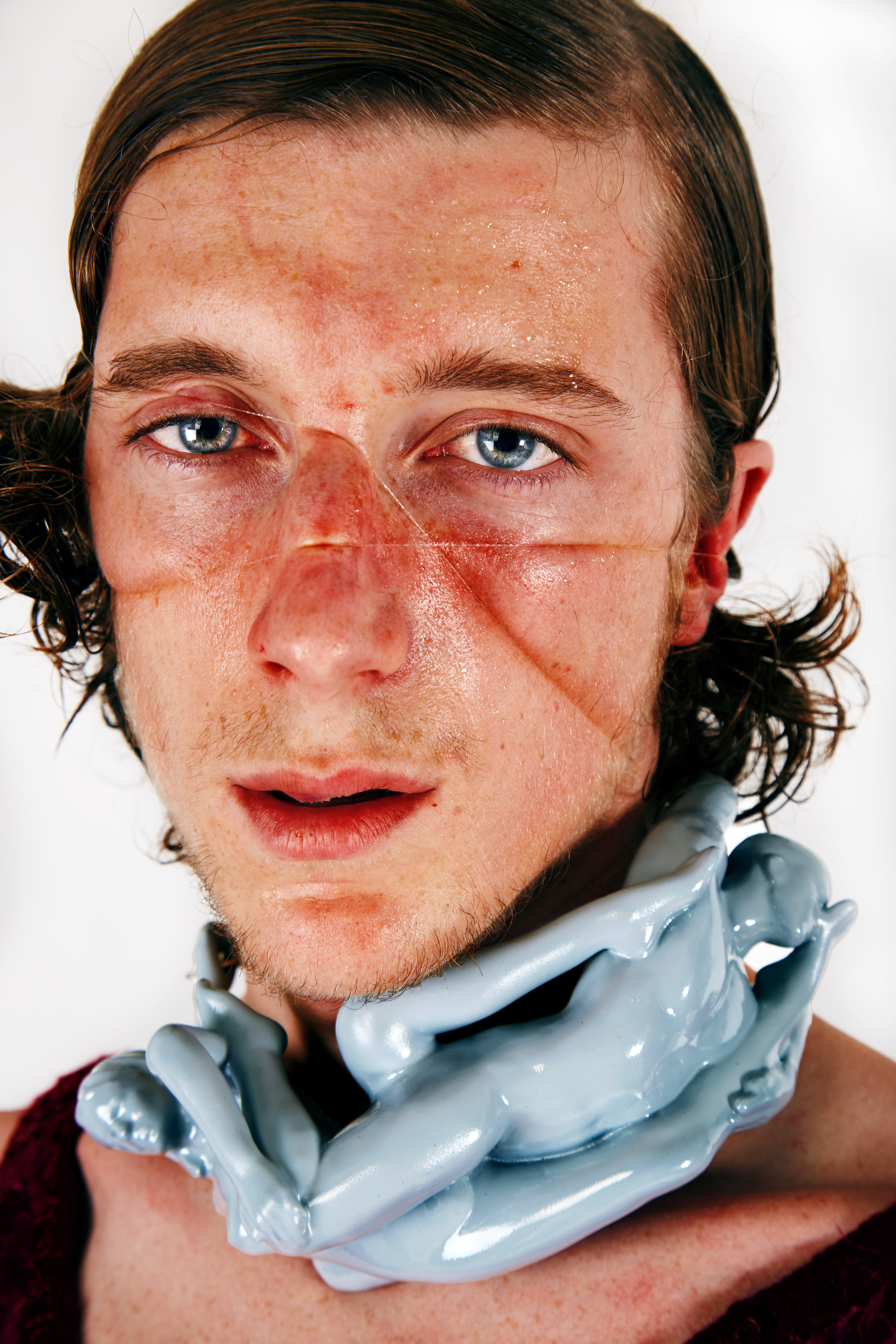
Cover image by David Sims, The Face, January 1998, © David Sims / Art Partner, model: Bridget Hall, makeup: Linda Cantello

Fashion is a mirror of society, often reflecting the shifts in attitudes, ideas, tastes and preferences that evolve throughout the years; it’s a Zeitgeist. An early example harks back to the hemline, with skirt lengths shortening along with the fight for women’s rights and equality. While in more recent times, the influx of globalisation and the internet – and thus the immediacy of information and access to goods – has also altered our perceptions and ideals of identity, meaning that, on the one hand, fashion choices have become more liberal, conscious and sustainable, while the other is quite the opposite (taking fast fashion into account). Then there’s health crises, a pandemic, economic inequality and social movements like Black Lives Matter and #MeToo signalling to a change in a global society. But what is fashion’s role amongst it all, and where does it sit in the recent world?

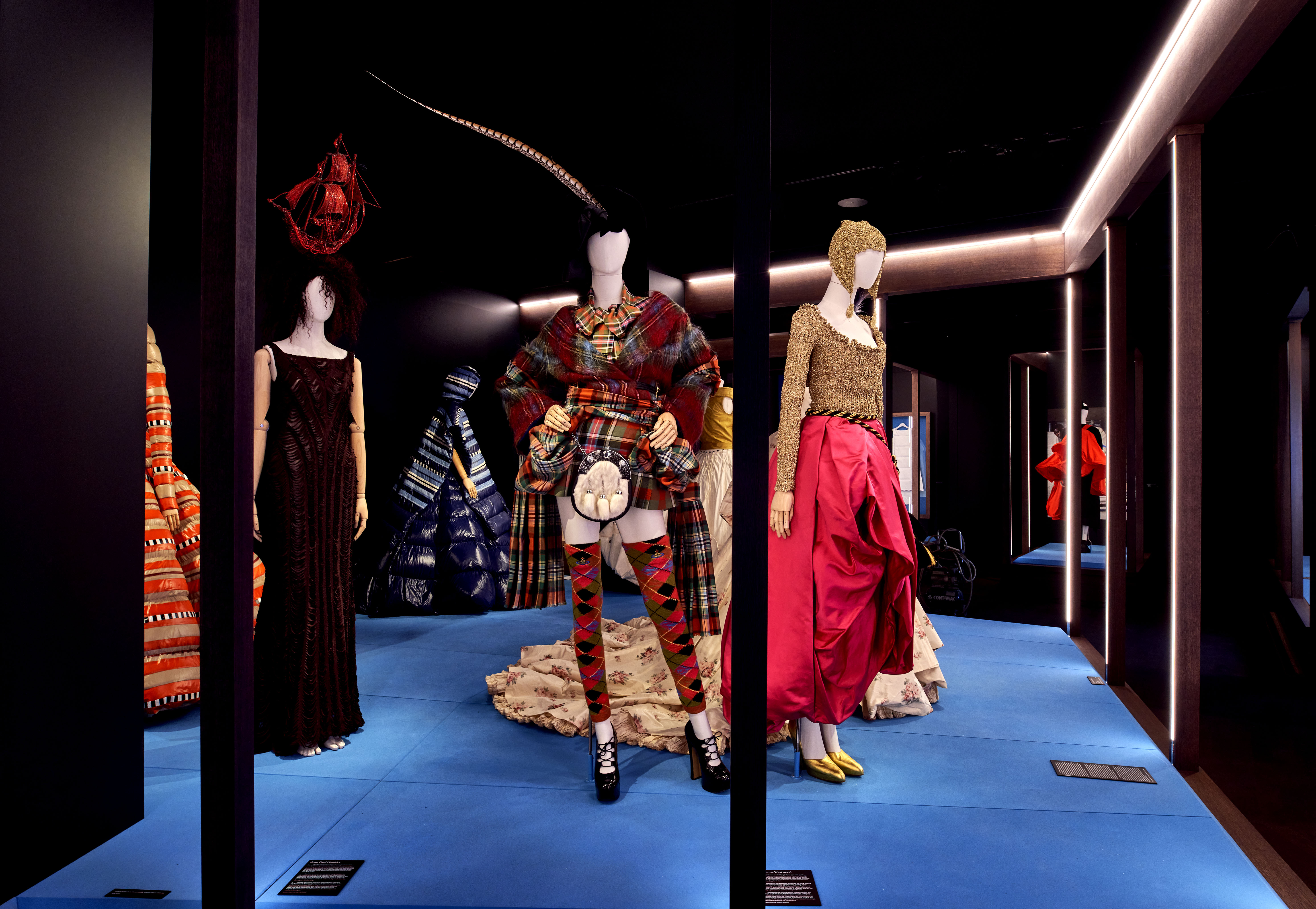
Posing this very question is a new exhibition titled E/MOTION. Fashion in Transition. Presented as part of the reopening of ModeMuseum (MoMu) in Antwerp – which opened its doors on 4 September – the exhibition is curated by Elisa De Wyngaert and features works from Helmut Lang, Walter Van Bierendonck, Alexander McQueen, Martin Margiela, Hussein Chalayan, John Galliano, Raf Simons, Versace and more. A time capsule of sorts, E/MOTION. Fashion in Transition, looks at how fashion has “served as a visual signifier of contemporary instabilities, concerns and emotions since the 1990s,” explains Kaat Debo, MoMu’s director and chief curator. Below, I chat to Kaat about the role of fashion and how it can evoke real change.

‘Boxing Gisele’ editorial, Big Magazine, 1999, © Photo: Vincent Peters

What does emotion mean in the context of this exhibition and in the wider sense of fashion?

The choice for the title E/MOTION was motivated by a need for genuine emotion. Over the past 18 months, we’ve all had to work, live and create from home and a large part of our lives took place online. Also, designers have been forced to work digitally because of the pandemic. We wanted to research whether there’s place for genuine emotion in a digital world. We felt the need for real human interaction and the wish to integrate a live aspect in the exhibition, which is difficult within the static context of a (fashion) exhibition. We invited director, performer and countertenor Benjamin Abel Meirhaeghe, in collaboration with the opera house in Antwerp (Opera/Ballet Vlaanderen) and the exhibition designers (Jan Versweyveld & HuismanVanmerode) to create a live performance for the exhibition. A challenging but also very exciting experiment. 

In order to reflect on the future of fashion, as well as on the recent past, we conducted numerous interviews with fashion students and established designers during the pandemic. The designers gave their personal views on a wide range of subjects: what impact does the digital (r)evolution have on their creativity? Are fashion shows important? Can fashion evoke genuine emotions? What is the importance of craftsmanship, local production and sustainability? And what do you hope for the future? Fragments of these interviews formed the basis for this performance, that will be the closing installation in the exhibition. The performance will be brought 20 times during the entire exhibition period (September – January).

Untitled # 359, 2000. © Photo: Cindy Sherman Courtesy the artist and Hauser & Wirth

Fashion has long mirrored certain shifts in society. Can you tell me a bit more about this, and how fashion responds to particular events?

Over the last three decades, we have borne witness to unprecedented globalisation, which has had its impact on the creation, production, dissemination, communication and consumption of fashion. More than ever before, it has pushed fashion into the barriers of its own complex system and made it a stage for international political crises, from the Gulf War in the 1990s to terrorist attacks at the start of the new millennium, as well as for financial crises and recessions, the ecological crisis, and such health crises as the AIDS or the current Covid-19 pandemic. Fashion always reflects the prevailing zeitgeist, from social and economic inequality to global social movements, including Black Lives Matter and #MeToo. How have these evolutions impacted the way we see and perceive emotion, success, beauty, creativity, authorship and collaboration? And how has the role of the fashion designer changed in all this upheaval? Some examples…

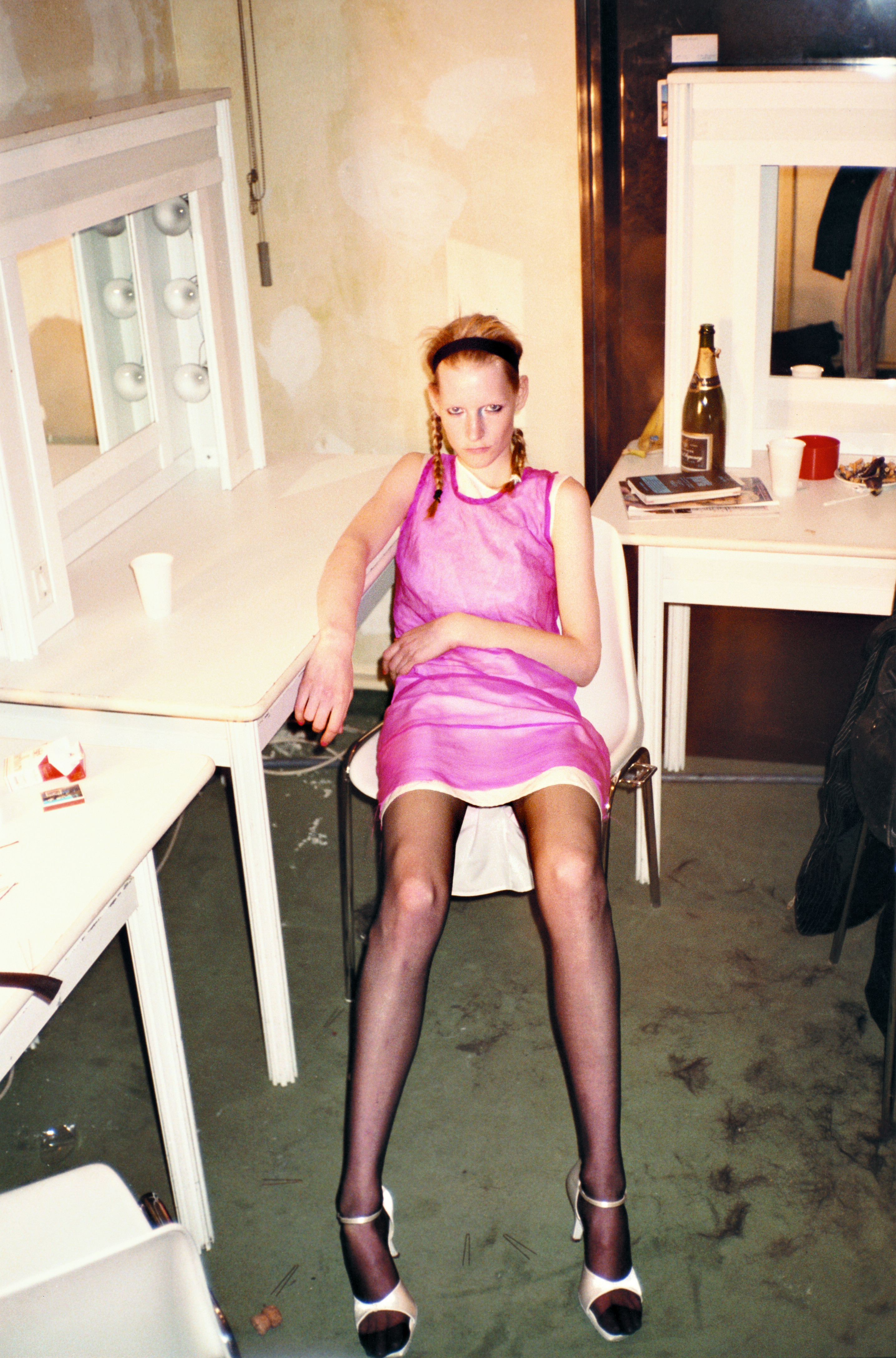
Kristen Owen, Helmut Lang backstage series, Spring Summer 1994, Paris, 1993, © Photo: Juergen Teller, All rights reserved

90s recession: Against a backdrop of recession, a deflated job market and pessimism about the future among the younger generation in the 1990s, the Heroin Chic look became popular in fashion imagery. Fragile-looking models with messy make-up and drugged expressions appeared not only in photography, but also in fashion shows. The emergence of the look was linked to the Junk Culture of contemporary movies about addiction, such as Trainspotting (1996). The embrace of heroin and unhealthy body images in fashion drew vitriol. After the turn of the millennium, the Heroin Chic look was replaced by a tanned, toned and – in contrast to its predecessor – ‘healthy’ looking body.

Health crises: Our fear of death and disease during the past three decades has been further fuelled by various epidemics and pandemics, including HIV, swine flu and Covid-19. These health crises also affected the fashion industry. In the early 1990s, Benetton, the Italian fashion brand, ran controversial advertising campaigns referring to the AIDS crisis; while Martin Margiela created t-shirts for charity to encourage open conversations about AIDS; and Walter Van Beirendonck included rubber pieces as protective shields and printed messages about safe sex in his activist collections. During the Covid-19 pandemic, the face mask has emerged as a symbol of the crisis.

Joan Didion, Celine Campaign, Spring-Summer 2015, New York 2014, © Photo: Juergen Teller, All rights reserved

Terrorist attacks: The euphoria of entering the new millennium ended abruptly in September 2001. The repercussions of the terrorist attacks in the USA were complex, violent and disruptive, changing the course of world politics. The attacks occurred on the fourth day of New York Fashion Week, making fashion journalists the first to report them. Though incomparable to the tragic loss of life, the financial impact of 9/11 forced many independent designers to file for bankruptcy or to look for outside investment. Another challenge occurred when, against the sudden trauma of 9/11, some of the Spring-Summer 2002 collections were reinterpreted by the press and buyers as inappropriate and insensitive. Some fashion photographers faced the same issues when a few editorials had to be cut at the last minute. In these, models were depicted falling from buildings or looked like survivors covered in dirt; they suddenly seemed too close to reality.

Military references in fashion were often in direct response to pervasive images in the news about war and terror. In the last two decades, a series of terrorist attacks in European cities led to increased military presence. The surreal experience of encountering soldiers in camouflage uniforms – previously out of context in cities – heightened a sense of unease and fear. Directly or indirectly, these ongoing emotions of anxiety and terror prompted fashion designers to investigate the dichotomies between feeling protected and feeling threatened, between soldiers and female warriors.

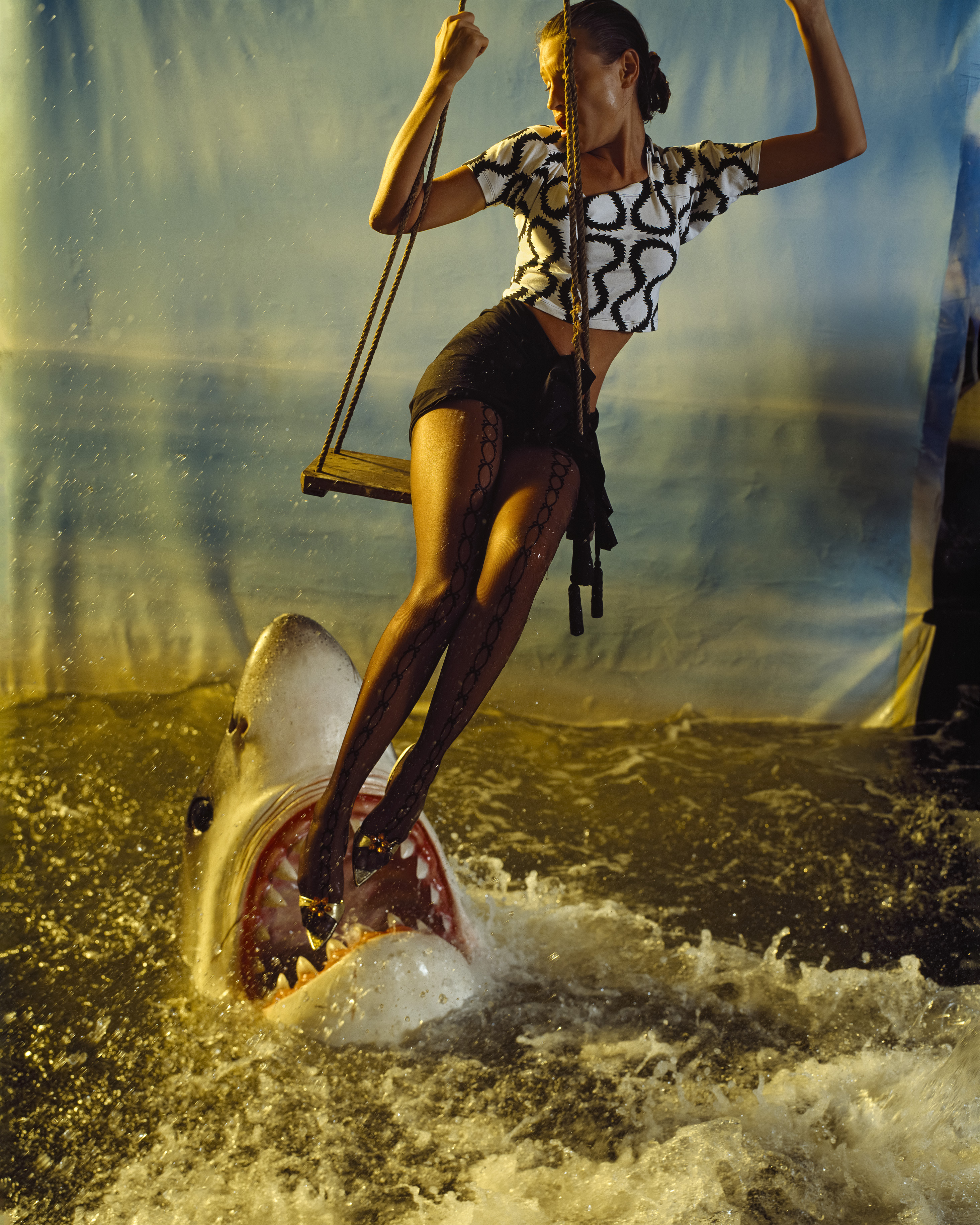
Vivienne Westwood campaign image, Spring-Summer 1999, © Photo: Gian Paolo Barbieri

Can you give an example of what’s involved in the exhibition and how this relates to the theme?

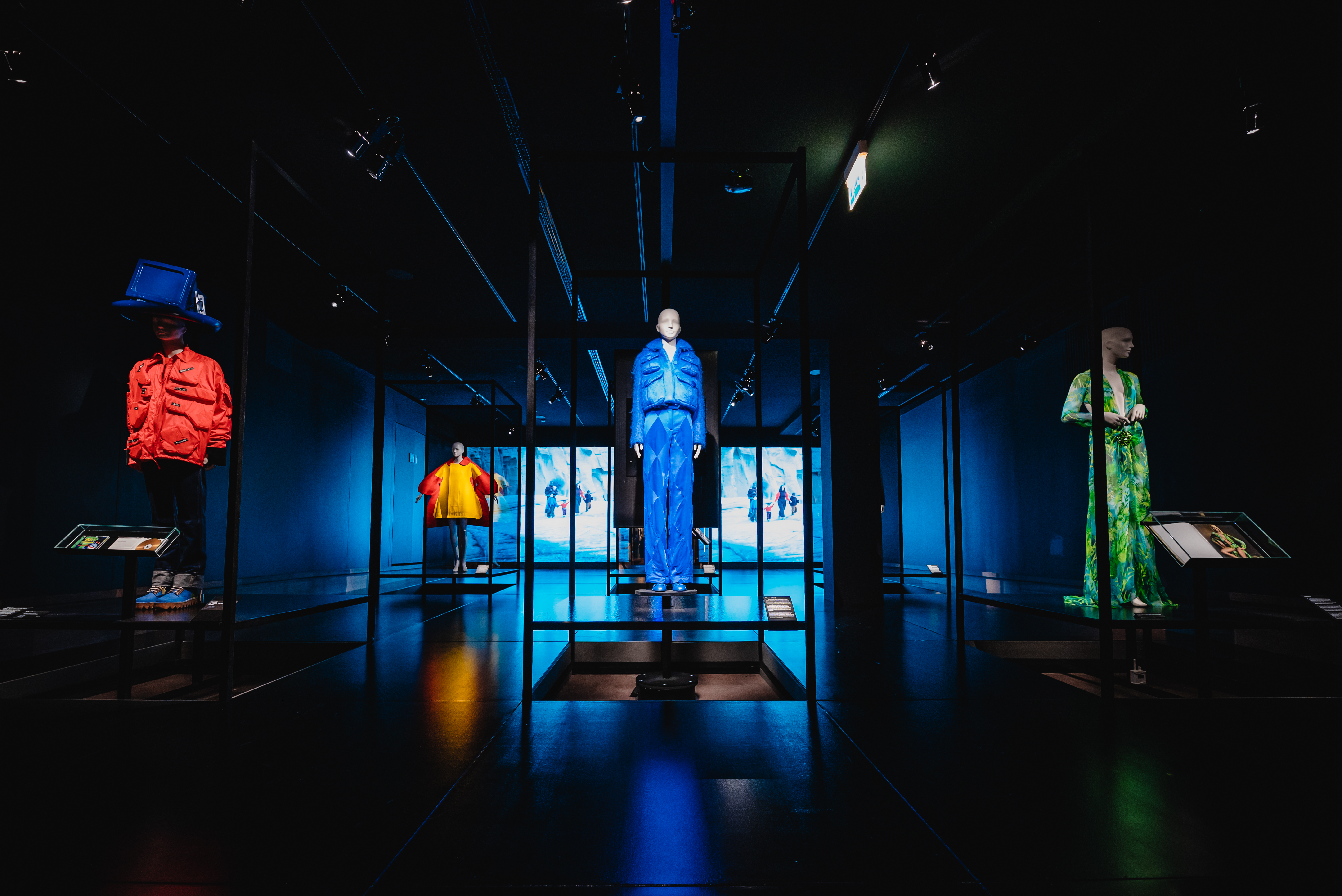
One of the exhibition themes is dedicated to the digital evolution and the internet. In this theme, we present a chiffon Versace dress, that was worn by Jennifer Lopez in 2000 during the Grammy Awards. People all around the world Googled her photo. This sudden peak in the search for a specific image was the reason Google Images was invented. The look became a metaphor of the ever more powerful symbiosis between fashion and celebrity culture. Twenty years later, Jennifer Lopez appeared on the Versace runway in this very dress.

What can the audience learn from this exhibition? 

I hope the exhibition will inspire and move our visitors, as well as provoke conversation about fashion culture and its impact on society.

E/MOTION. Fashion in Transition is on show at MoMu from 4 September 2021 – 23 January 2022

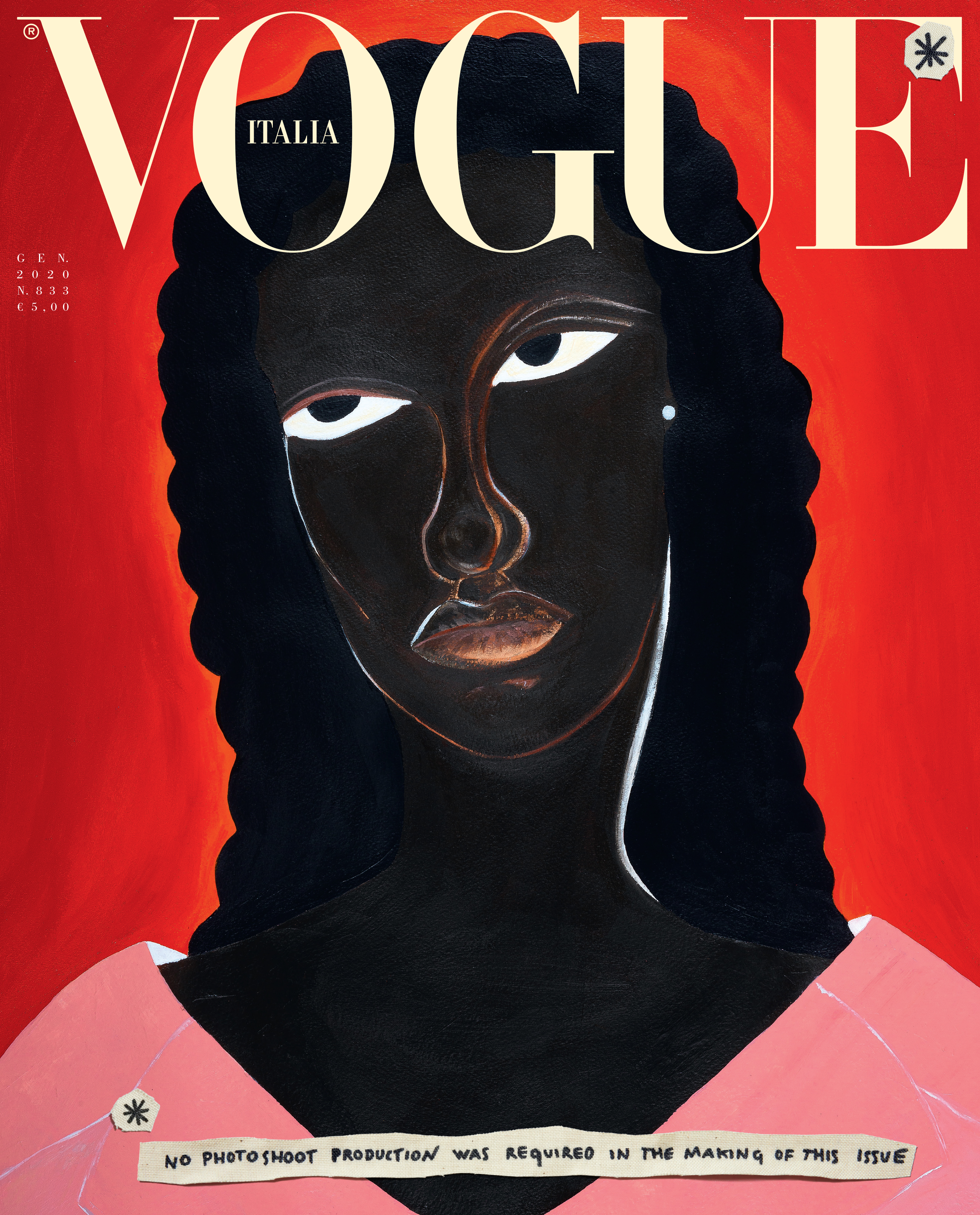
Delphine Desane, cover image for Vogue Italia, January 2020, Model: Assa Baradji, © Photo: Laurence Prat. Condé Nast Italia
Exactitudes, 104 Commandos, Rotterdam/Paris, 2008, © Photo: Ellie Uyttenbroek
Y/Project by Glenn Martens, Autumn-Winter 2019-20, Model: Leopold van der Noot d’Aasche, (c) Photo: Noel Quintela
Walter Van Beirendonck, æstheticterrorists® collection, Spring-Summer 2002, © Photo: Ronald Stoops
Untitled # 588, 2016/2018. © Photo: Cindy Sherman Courtesy the artist and Hauser & Wirth
Copyright: MoMu Antwerp, Photo by Stany Dederen
Copyright: MoMu Antwerp, Photo by Matthias De Boeck

A Museum of Light in Nantes

A total transformation of the Musee d’arts de Nantes carried out by London-based architecture practice Stanton Williams has reimagined the museum as a modern shrine to natural light

In recent years, scores of museums and galleries have sought to rebrand themselves with bold extensions and redesigns. While the objective is often the same, approaches and execution tend to vary almost as much as the results and their reception; by turns controversial or celebrated, triumphant or tragic.

For architects, the task of bridging past and present is marked by competing concerns, and there is a case to be made for architectural intervention with a studied sense of place. Even where contrast appears single-minded, it is underpinned by the need to conserve and modernise at the same time. In the case of the Musee d’arts de Nantes (formerly the Musee des Beaux-Arts de Nantes), British architecture practice Stanton Williams has engaged the opposing forces of continuity and transformation in thoughtful dialogue throughout the museum’s all-encompassing overhaul. Here, sensitivity is tantamount to success. 

Since winning the commission in 2009, Stanton Williams has spent the last six years on the project, drawing on founding director Paul Williams’ background in exhibition design and architectural planning for museums and galleries. The practice’s vision for the museum extends far beyond the usual scope and encompasses a full-scale interior renovation of the original Palais des Beaux-Arts, a new extension for contemporary art, a new graphic arts centre, a sculpture court, and a new link to the 17th century oratory chapel, where a video triptych by American artist Bill Viola is on permanent display. Uniquely, the architects have also collaborated with London-based design studio Cartlidge Levene to redesign the museum’s visual identity – including exhibition design, interior design and signage – in order to create a seamless experience. 

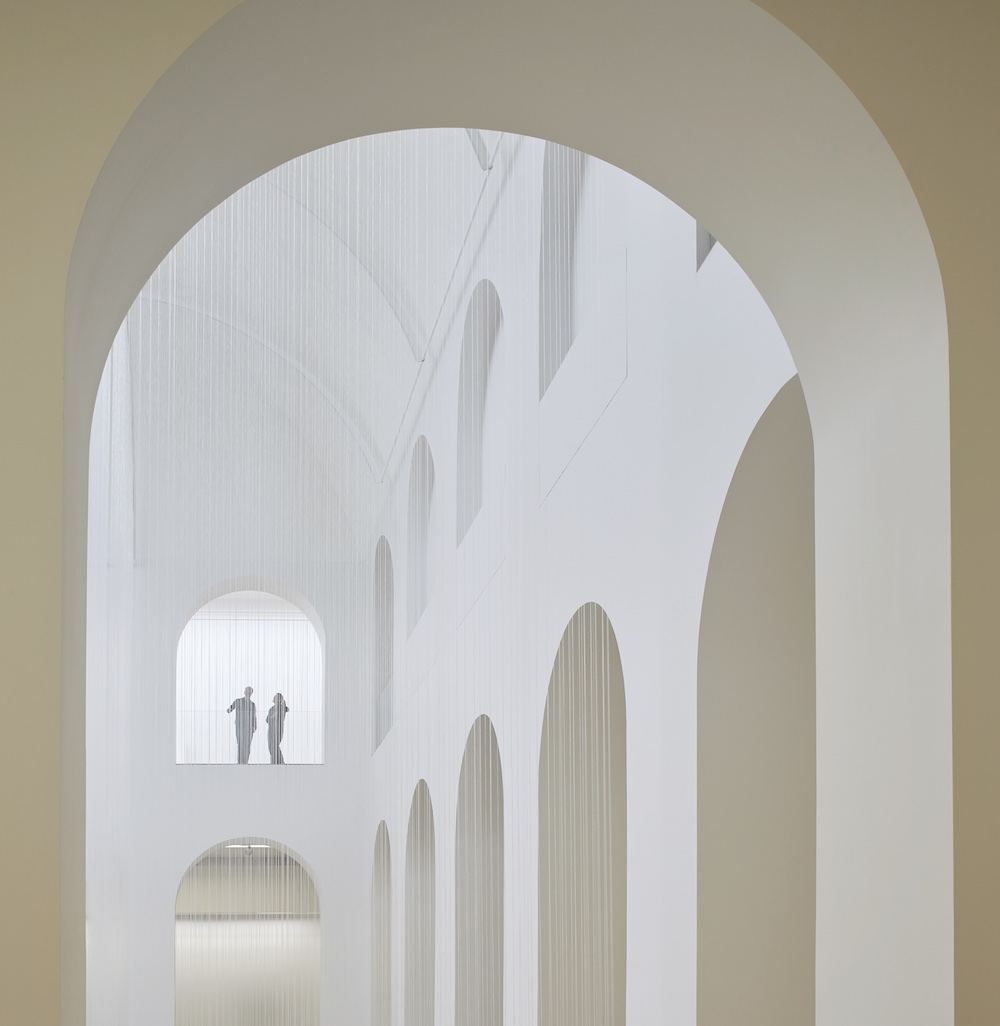
Internal view of Palais with installation by Susanna Fritscher © Hufton + Crow

While excavating the Palais, digging six metres down into the ground to create new spaces beneath the Beaux-Arts building, they uncovered the hand-laid stonework making up its foundations. “This is the beauty of unpicking things,” says Williams. Archways of exposed stone have been incorporated into the minimal appearance of the lower-ground floor, understatedly bringing old and new into balance and reflecting a subtle attention to detail apparent throughout the whole project. 

Patrick Richard, the lead architect on the redesign and director at Stanton Williams, explains that the marble, brass and wood used throughout also aim to heighten the senses. “Every time people engage physically with the building – benches, doors, walls – all of these materials create something very sensual.”

The renovated Palais des Beaux-Arts and its extensions make the gentle Atlantic light – which floods in through the pitched skylights and illuminates the abundance of alabaster – strangely physical. The shaft of an old service elevator inside the Palais has been remade in translucent glass, tunnelling diffuse light down from roof to the basement, while existing skylights have been fitted with layers of glass, stretched fabric and adjustable blinds as part of a complex system that helps optimise natural light.

This continues in the new contemporary art extension, the Cube, where one facade is clad with ultra thin sheets of Portuguese marble, hung between two pieces of glass. During the day, light from outside filters through, and at night, glows from within, throwing veins of marble into relief. At only 7mm, it is so thin that shadows can be seen on the other side. Richard refers to it as a contemporary fresco of sorts. 

“The Palais was very introverted in some ways but in the upper galleries, the sky and the light gives you a sense that you are part of a city as well,” he says, returning to the original building designed by local architect Clément-Marie Josso and planned around a central courtyard. “The clouds pass, the light changes. The space is open and you are part of something else.” This thinking, which puts the play of light at the heart of the Musee d’arts de Nantes, informed each step of Stanton Williams’ soft-footed approach. “This is a museum of light.”

As it reopens to the public under a new name, the Musee d’arts de Nantes takes its place as the sixth largest fine arts institution in France. The museum has been a beacon of Nantes’ cultural standing since it opened in 1900. Now, its collection of over 12,000 works spanning 13th century to contemporary has a home truly fit to rival anything in the French capital.

The Musee d’arts de Nantes is now open to the public