Behind the powerful photography project challenging stereotypes about the world’s second largest continent
It was back in 1985 when the MJ-led supergroup, USA for Africa, released their charity single, ‘We Are The World’ – a song that raised in excess of $63 million and a shining, totemic example of mid-80s cheese. But with lyrics such as: “send them your heart so they’ll know that someone cares / And their lives will be stronger and free”, the song is equally symbolic of something far more insidious and hard to define.
“I remember seeing commercials as a kid on the television and seeing a kid with flies all over his face, with a voice saying ‘For 50 cents a day…’,” explains Austin Merrill, co-founder of the Everyday Africa photography project. ‘We’re not trying to say that people don’t need help—people need help everywhere, in London and New York they need help too—but we’re saying that there’s a lot more to it than that. News informs these cliches, but so do movies, music videos and commercials, and have done for a long time.”
Everyday Africa was created in 2012 by writer Austin Merrill and photojournalist Peter DiCampo, who shared a growing annoyance with the Western stereotype of the continent as a place rife with poverty, disease and war, and not much else. Now, the project is being published in book form by Kehrer Verlag: Everyday Africa: 30 Photographers Re-Picturing a Continent.
Afro on purple. Silhouette of my daughter. Accra, Ghana. @africashowboy
“It started as a reporting assignment,” Merrill says. “Peter DiCampo and I were in the Western Ivory Coast to report on the ways that the country was moving on from a decade of civil war, but we realised that we were reporting on much of the same things that you always hear about from that part of the world. It was frustrating for us because we’d both lived in that part of the continent for several years, and felt that there was more going on than just crisis. So we began using our cellphones to take photographs of everyday life, as a way of telling that side of the story.”
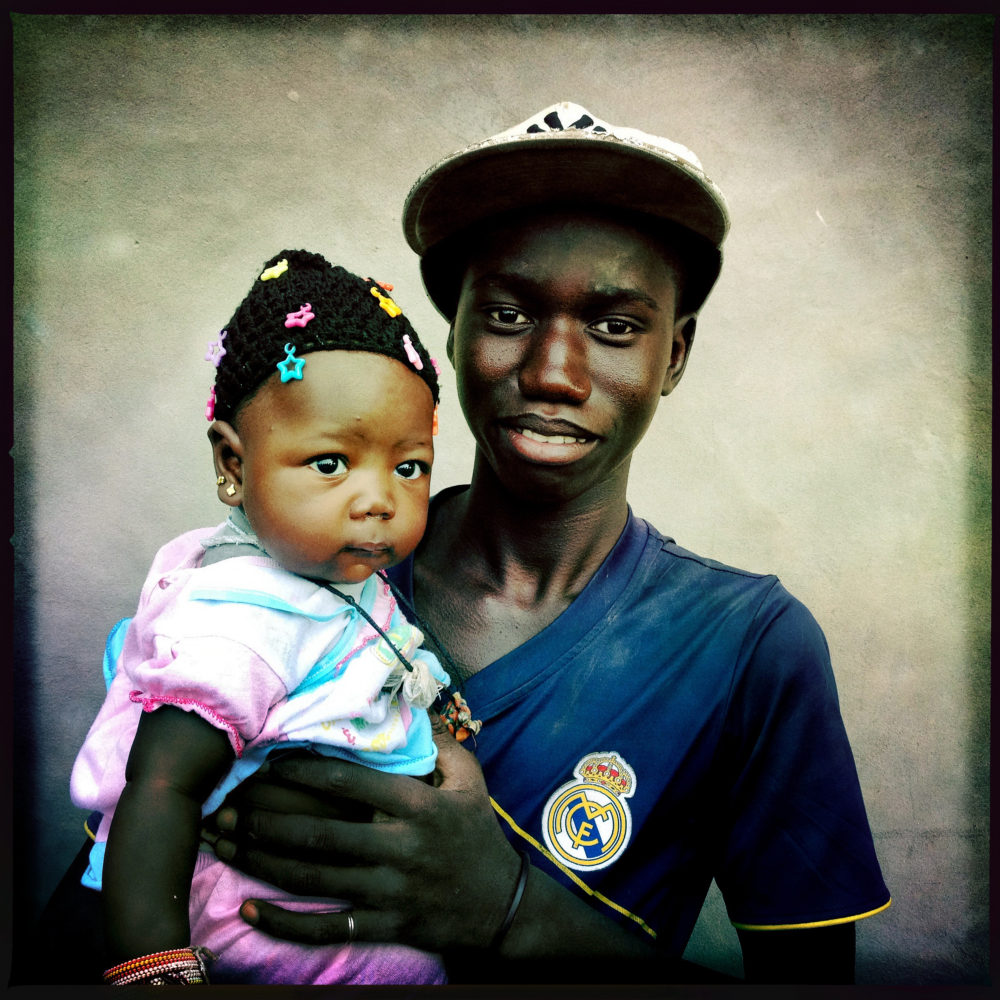
She’s my girl, he said proudly. Dembara, Senegal. @hollypickettpix
Operating primarily through Instagram, the project aims to shine a light on the day-to-day reality of the 1.2 billion people that live there, while underscoring their diversity and individualism.
One of the most exciting things about the project is that, through social media, it is able to connect with people of all age groups. “We have to understand each other a little better,” notes Merrill. “I think it’s possible by reaching out to kids and getting them to see these countries as places that are not exotic, but where people live normal lives.”
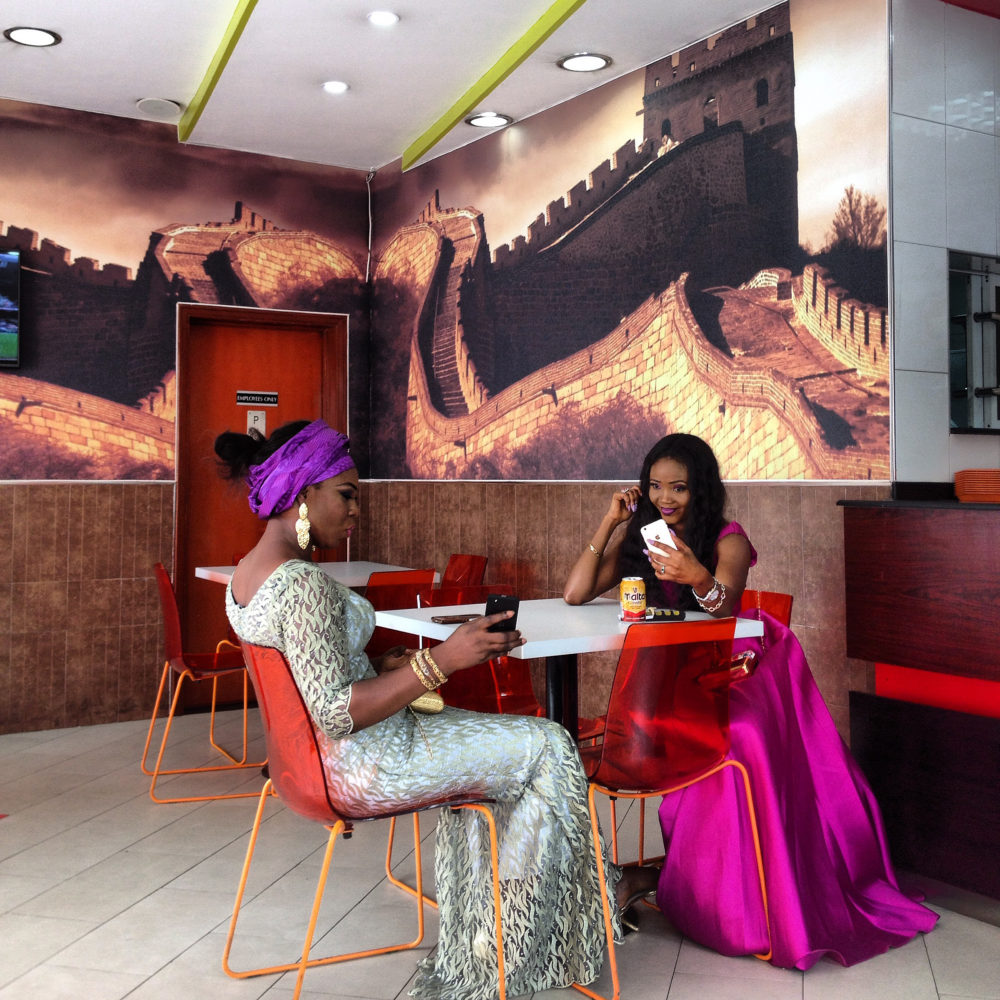
Two women and their cell phones in Lagos, Nigeria. @andrewesiebo
The photographs featured in Everyday Africa are taken by a community of thirty photographers from around the continent. Some of the pictures feature scenes of disease and destitution, but, crucially, they sit next to pictures of ordinary life. “If you grow up with a more realistic perception of what people and cultures are like, then you might have a better way of thinking about the world, a better way of thinking about how countries should interact, how people should interact,” he continues. “There are a lot of ways that this could ripple outwards.”
Everyday Africa: 30 Photographers Re-Picturing a Continent is published by Kehrer Verlag
PORT contributors Will Self, Janine di Giovanni and Hanif Kureishi put forward their reasons to remain in the EU
Will Self
The Brexiters have shown their true colours with their dog-summoning campaigning – it’s whistled-up our old racist friend, the British bulldog. Just look at the rump of their support: valetudinarians in support stockings who’ll be hobbling on their Zimmer frames to the polling booth in order ruin their grandchildren’s future. I’m not claiming that everything in the European garden is lovely – or even that it can be made to bloom, but we live in a febrile and fissiparous world, and institutions which have a proven record of maintaining stability should be cleaved to like never before. There’s all of that – and there’s also the unutterable beauty of French women, and the fabulousness of European culture. You’d swap that to be shafted by Ronald McDonald? Salopes! While your leaders are true rois des cons…
Janine di Giovanni
In terms of international security, alliances are important. We might scoff at NATO and find it a relic of the Cold War, but in times of military urgency – such as Russia’s creeping westward expansionism onto Ukraine and eyeing the Baltic states with glee – they are necessary mechanisms for peacekeeping. I am French, British and American by nationality, and each one of my passports is an integral part of my identity, so I do understand the argument of the Leavers, but I strongly disagree with it. I think that remaining in the EU is essential for Britain, for trade, diplomacy and the economy, but also for moral responsibility. Britain was an important part of the Allies in World War II, and frankly, with the rise of ISIS and global terrorism, as well as pressing issues like climate change and epidemics, we are in dark times. We need each other, and each part of the EU is an interlocking part of the puzzle of globalisation. Yes, the Brussels bureaucrats are often lazy, inefficient and ridiculous, but the concept of the EU –like the concept of UN or the League of Nations – is about strategic alliances and partnership. Standing alone, in days like these when terror attacks and wars are literally borderless, is desperately unwise. I vote to Remain, of course.
Hanif Kureishi
My neighbourhood in West London, which I rarely leave, but, which could be considered a microcosm of the city, buzzes with the hybrid energy of Italians, French people and Arabs, as well as Africans of all kinds. We live together fruitfully and creatively, and rarely want to kill one another because of religious or racial differences. We have created one of the richest, most tolerant and culturally mature societies on earth. The wealth and success of Britain has always been based on exploitation: on Empire, immigration and the other. Now, unfortunately, the very people who made London the wonder it is are despised. And the so-called ‘migrant’ is being used as a spectre, threat and excuse. We are facing a crisis in Europe, which concerns not only the possibility of more neo-liberal destructiveness and greed, but also a backlash, which has caused a new and dangerous Right to re-emerge. These opportunists, hucksters and snake oil salesmen – from Le Pen, to Hofer and Boris Johnson – with their simplistic, opportunistic solutions, are dangerous precisely because they utilise the energy of the many disillusioned and disappointed. This threat should remind us that we must reaffirm and fight for the humanity of the European Project, which, at its centre and despite its failings, concerns egalitarianism, feminism, sexual freedom, and particularly a tolerant and non-racist multi-cultural future.
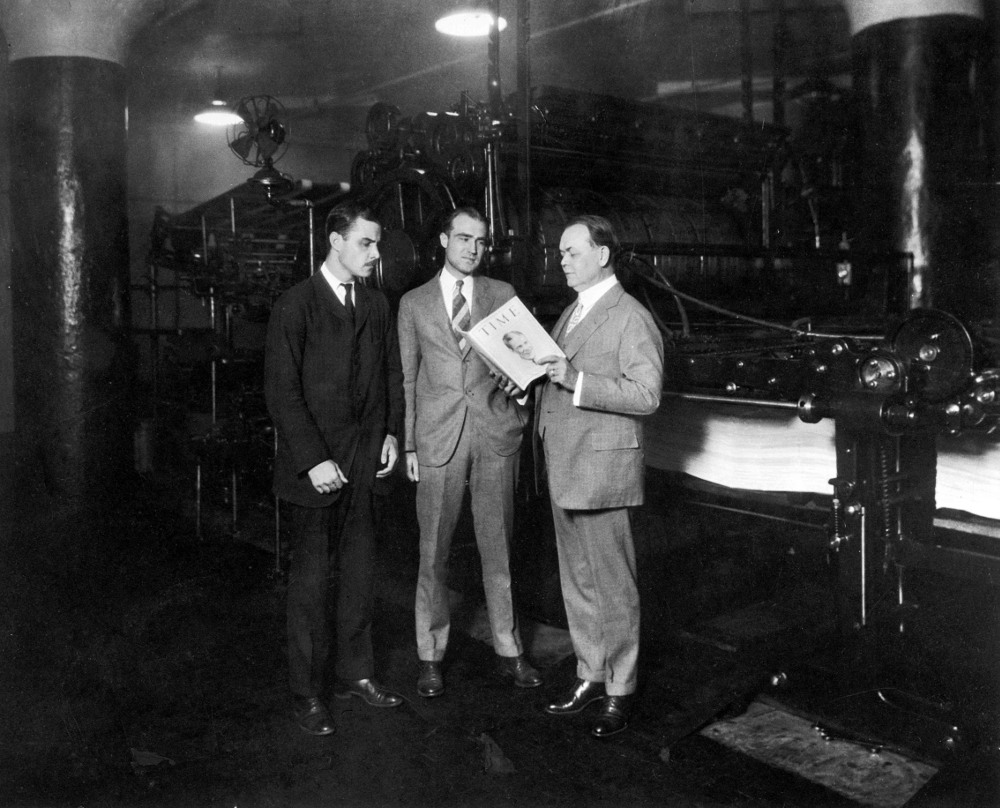
Port’s European editor Donald Morrison on the history of Time – the magazine that he called home for over a decade American co-founders of Time magazine Briton Hadden (1898 – 1929) (left) and Henry Luce (1898 – 1967) (centre) stand with politician and Cleveland city manager William R. Hopkins (1869 – 1961) who reads an article from an issue of Time magazine, Cleveland, Ohio, August 31, 1925. The magazine, dated from that day, features golfer Robert Tyre Jones Jr. on the cover. (Photo by Time & Life Pictures/Getty Images)
Was the 60s magazine world really a golden age of three-Martini lunches, outrageous expense accounts and office sex? Basically, yes. At the same time, it was also a place where quality journalism thrived. An ex-Time editor laments the lost days
It was the best of Time, it was the worst of Time. It was the summer of 1967 and my first day of work at what was then the world’s most influential magazine. I strode into the Time & Life building in midtown Manhattan and, demonstrating the reporting skills that would soon make my reputation, promptly got lost. A parvenu from the provinces, I had never seen a building so vast, so elegant, so quietly intimidating: 48 stories of granite and glass, 32 stainless-steel-clad elevators, swarms of snug-shouldered men and pencil-skirted women. A scene straight out of television’s ad-biz nostalgia series Mad Men – much of which is filmed on the 37th floor today. After two wrong elevators and three incorrect floors, I located the editorial department. It was 8:15 am. I prayed that my 15 minutes of tardiness would pass unnoticed.
They did. For another two hours. Until a just-arriving receptionist informed me that, at Time, nobody got to the office much before 10:30 and then didn’t do any real work until late afternoon, when the bosses staggered back from their three-Martini lunches. Welcome to the golden age of magazines.
Over several decades in the Time empire, I savoured the first Martini of print’s golden lunch hour as well as its last. I travelled the world at the magazine’s expense, dined with princes and policemen, interviewed presidents and something else beginning with P that I can’t remember (Time’s energetic writing style favored alliteration, among other quirks). It was a wonderful life, financially secure and intellectually challenging, and I was especially pleased to work for the most politically powerful, most professionally polished player in print publishing (sorry, it’s a hard habit to break). Newsmakers hastened to return my calls when they learnt I was from Time. Nabobs lobbied to get their face on the magazine’s red-bordered cover.
From 1923, when Yale classmates Henry Luce and Briton Hadden, both 24, launched Time as an innovative news digest for “the busy man”, the company grew to embrace dozens of now-famous titles (Life, Fortune, Sports Illustrated), a book division, and film and broadcasting operations, all under the Time Inc umbrella. Time-Life buildings dotted the globe – the one in London’s New Bond Street still bears the name, under different ownership – and Time Inc bureau chiefs outranked US ambassadors in the pecking orders of many foreign capitals. Haddon died young, but under Luce the company exercised an outsize influence on 20th century America. His magazines could launch or sink careers in politics, business and entertainment. They could start wars (or at least sustain them, in the notorious case of Vietnam) and shape the global conversation. Luce’s widely read 1941 essay ‘The American Century’, a term he borrowed from HG Wells, defined the country’s exalted self-image and set the course of its interventionist foreign policy for decades.
If you’ve been reading the business pages lately, you may have gathered that Time’s time has passed. The newsweekly and its siblings, which include the 100 or so magazines of Britain’s IPC, are losing readers and advertisers to the internet. At Time itself, worldwide circulation has dropped from more than 6,000,000 when I was there to less than 4,000,000 today. The parent company, now called Time-Warner, is essentially in the television and movie business. The publishing division, still known as Time Inc, accounts for only 12 percent of overall revenues, and profits are declining.
Of course, nearly all magazines are limping these days. Newsweek, for decades Time’s chief rival, closed its print edition in December. But when the malaise hits Time Inc, the world’s largest magazine publisher, it is big news. Time-Warner recently announced that it is getting rid of all its magazines by spinning them off to shareholders as a stand-alone operation. The new company is expected to be saddled with a share of Time-Warner’s prodigious debt. (By contrast, Rupert Murdoch is spinning off his print holdings debt-free.)
Prospects for survival are thus highly uncertain. Luce, who died in 1967, would have wept. As I do today, especially for a digital generation that will never know the glory that was Time. Glued to their social-networked devices, they will remain clueless about the excitement, the romance, and the glamour of a glossy-paged industry that once held millions in thrall – a near-mythical realm where style and quality mattered. Luce and his successors did not invent magazines, but they knew how to do them right. And they treated the help like family.
A few days after my arrival, I was invited to join the Time softball team in the New York publishing league for a decisive after-work game. Opponent: Newsweek. I had just arrived at the Central Park playing field when, in the distance, I saw an enormous black limousine bounding over the lawn, pursued by angry mounted policemen. A Time secretary emerged from the limo with a lavish spread of shrimp, salmon and chilled white wine, along with supporting napery, cutlery and glassware (no Styrofoam, she had instructed the caterer), as well as a silver tea service. The police and their horses were stunned, as were the poor Newsweek players, who had only a few cans of beer to sustain them. We won the game. The limo driver received a summons, which the magazine paid along with the catering bill.
Keeping the talent well fed was a Time tradition. On closing nights, as we scrambled to put the magazine to bed, there was an evening-long buffet on the main editorial floor. And a feast it was: jumbo shrimp (the writers loved that oxymoron), Caesar salad, roast beef carved to order, cheese and dessert. A drinks cart, laden with wine and spirits of all colours, would rattle up and down the corridors. This bounty, I was told, had been introduced to deter us from repairing to the neighborhood’s many watering holes, from which some employees would return drunk or not at all.
Drink was an occupational hazard at Time. I developed stomach trouble until I began boycotting the drinks cart. Colleagues lapsed into alcoholism – some never to return, others rescued by the company’s generous healthcare plan, which covered rehabilitation. I helped coax two friends into rehab; both returned a few months later, sober and sheepish, and went on to successful careers. Eventually, the magazine sobered up. The week I became a senior editor, I learnt that my duties included presiding over a locked drinks cabinet, prudently doling out spirits to my small staff. We were entitled to one bottle a week. I felt as if I were an officer in the British Navy, dispensing rations of rum.
The other office hazard was sex. Time for many years maintained a curious gender apartheid: men got to be writers, while women were fact-checkers (or researchers, as they were officially called). The magazine paired a writer with a researcher on every story, and the two would work closely throughout the week. Inevitably, affairs blossomed and marriages wilted. One morning, after a particularly difficult close, I arrived to find a telegram addressed to the staff, signed jointly by a writer and a researcher I had last seen arguing over their story on Richard Nixon. The telegram announced that, sometime in the wee hours, they had slipped out of the building, hopped on a plane to Florida and got married. The researcher, as was the custom, resigned from her job; the writer stayed.
Time’s generosity with expense accounts was legendary, though it took me months to work up the nerve to take a source to lunch. I favoured cheap restaurants and, when travelling, flew economy even though first-class was permitted. Eventually, a kind superior told me I was giving the magazine a bad name. In his graceful 1997 autobiography, One Man’s America, my longtime boss Henry Anatole Grunwald recalled: “In one case the question arose whether the cost of moving the mistress and the horse of one reassigned correspondent could be charged to the office. Granted. Another reporter put on his expense account the single and unelaborated statement ‘trip down the Nile, $25,000.’ Granted, but correspondent subsequently fired. Items like ‘orchids and caviar for Maria Callas, as well as paté for her poodle’ raised no accountant’s eyebrow.”
Nor were brows lifted when Time Inc executives commandeered the company’s many jets and helicopters – and not always to cover stories. Inspecting a new Time Inc subsidiary, an editor was suddenly called back to Manhattan, only an hour’s drive away. “Get me a helicopter,” he barked at the closest secretary. My ex-colleague Christopher Byron, in his aptly titled 1986 memoir The Fanciest Dive, recounted the secretary’s reaction: “I didn’t know what he was talking about. I thought maybe it was some new Galleria delicacy, some triple-scoop dessert with a propeller on it.”
Still, we earned our perks. I was in the office until dawn at least once a week for several decades. Mercifully, limos were available after 8 pm to carry home the weary, even to distant weekend homes. We labored under a system guaranteed to cause heart attacks, which felled a shocking number of my colleagues. Luce and Hadden, perhaps influenced by the time-and-motion studies of Frederick Winslow Taylor, had divided the journalistic process into its constituent parts. Correspondents around the world would send in raw dispatches, which, along with library information dug up by researchers, were woven into a coherent story by writers in New York. The result was then heavily mauled by senior editors, most of them promoted writers, to comply with the magazine’s rhetorical style and their own inner demons. Correspondents had to wait until the magazine was published to see what happened to their reporting, which was sometimes distorted beyond recognition. Time allowed no bylines, so none of us could claim any real credit for our work.
It was a classic case of Marxist alienation, the separation of a worker from his product. We seethed with alienation, salved partly by a sense of solidarity in our shared abuse – and by the idea that our output was actually pretty good: well written, thoroughly researched, never dull. For me it was a subsidised education: I learned more about structure, narrative and concision in my first months on the job than I ever could have in a graduate writing programme. My colleagues and I may have been slaving in a gilded cage, but we were proud of our eggs.
Well into my years at Time and things began to change. Bylines were introduced. Women became writers and even senior editors. Correspondents in the field got to see stories before publication so they could demand changes. Writers were encouraged to express themselves. A better Time indeed, but trouble was coming. Luce fell into a swoon, the garden died; God took the internet out of His side. The web and its associated disruptions posed a challenge that Time has never quite risen to. The magazine remains lively, but print revenues are dwindling far faster than digital revenues can compensate for. When I left my final post in London a decade ago, I said goodbye to a Time team of 32 professionals; now there are barely enough to fill a black cab. News bureaux from Paris to Los Angeles have been closed. Benefits and frills have been squeezed. No more first-class travel. Gone are the limos after eight.
My dear old Time & Life building may be gone soon, too. The company is said to be studying a move to cheaper quarters, and chiselling that storied name off the façade. I sometimes pass the building on my visits to New York, reminded of all those rosy-fingered dawns I staggered out into after a long night of doing decent work.
That is the wondrous thing about print. Unlike the internet – with its slapdash blogs and evanescent tweets, formats that soon make words obsolete – print is physical. It endures. As a result, writing for the printed page seems to elicit greater care than it does for the glowing screen. And so, long after I have vanished, many of the hundreds of pieces I crafted in the House of Luce may still be read, on glossy paper. To me, that is the best of Time.
Over a long career at Time, Donald wrote for every one of its departments, and edited its Asian edition out of Hong Kong and its Europe edition out of London
Our first biannual edition is out now, featuring Josh Brolin, Withnail and I director Bruce Robinson and a skyscrapers special
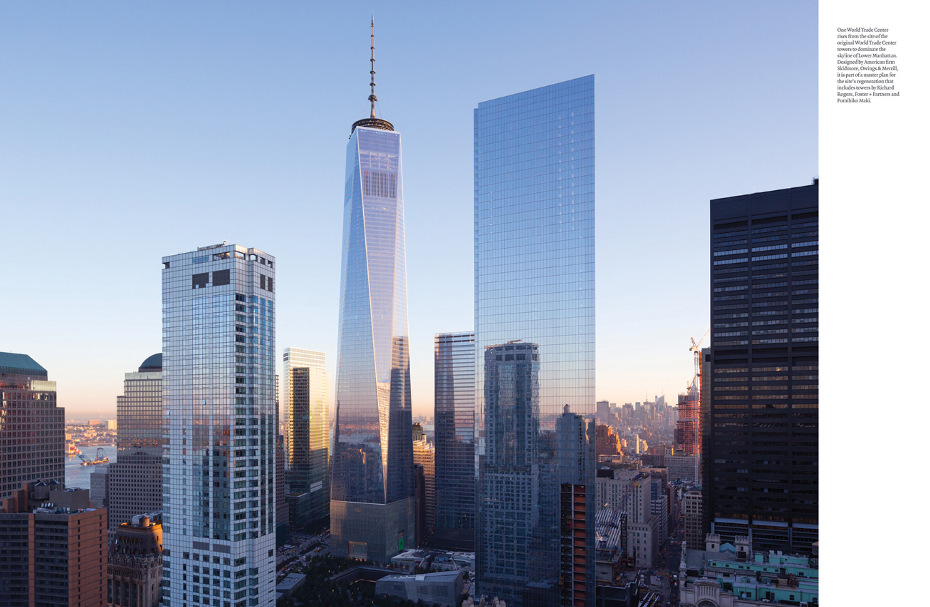
One World Trade Center shot by Dean Kaufman – taken from the skyscrapers feature in issue 16
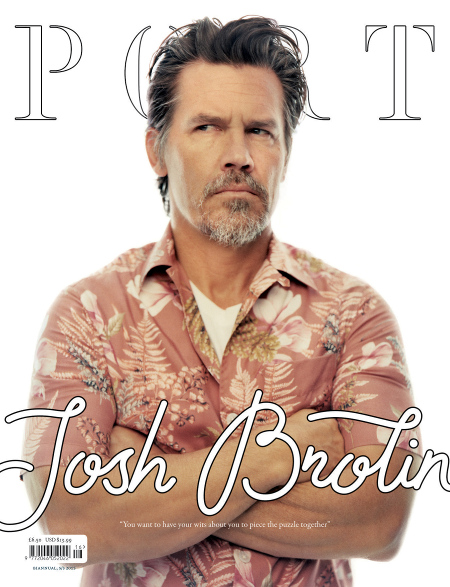
The 16th issue of Port is our biggest yet and marks our transformation into a fully fledged biannual magazine. We’ve opted for a larger, weightier format, moved to a thicker and higher quality paper stock and expanded to 242 pages.Our newest cover features Josh Brolin of Inherent Vice and No Country for Old Men, who chats to Los Angeles film writer John Horn about working with the Coen brothers, mountain climbing, and mastering the art of bakery.
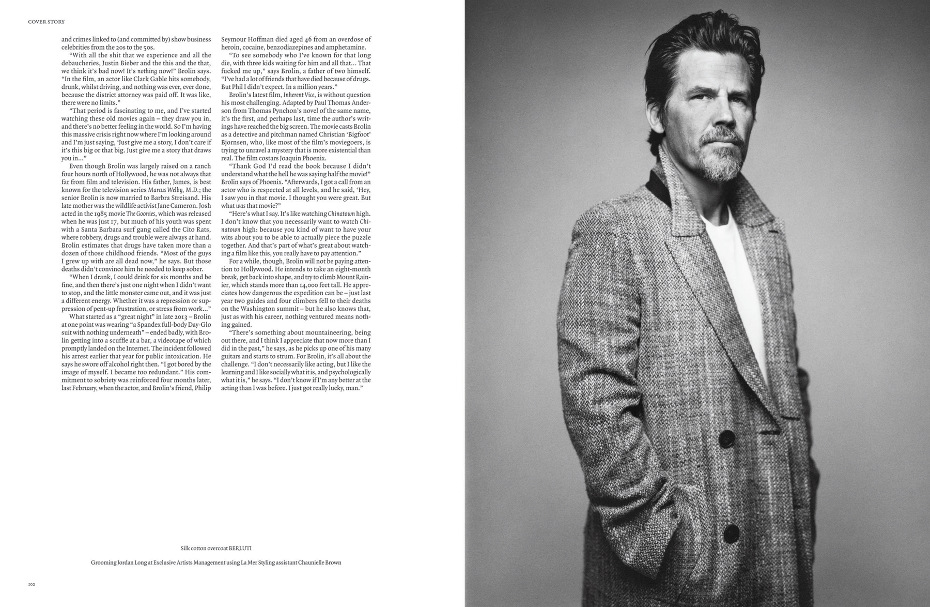
Josh Brolin appears in our latest issue and speaks to LA film writer John Horn
An increased number of pages means that we’ve been able to dedicate more coverage to this season’s menswear collections – as selected by Port‘s fashion director David St. John-James – by labels including Cerutti 1881, Margaret Howell, Dunhill and Stone Island.Longtime readers will be happy to see we’ve continued to develop our regular sections, including The Porter, Commentary and Fiction. For the design enthusiasts there is article on Italian furniture by Molteni&C, an interview with David Rockwell and a still life feature shot by Joakim Blockstrom.
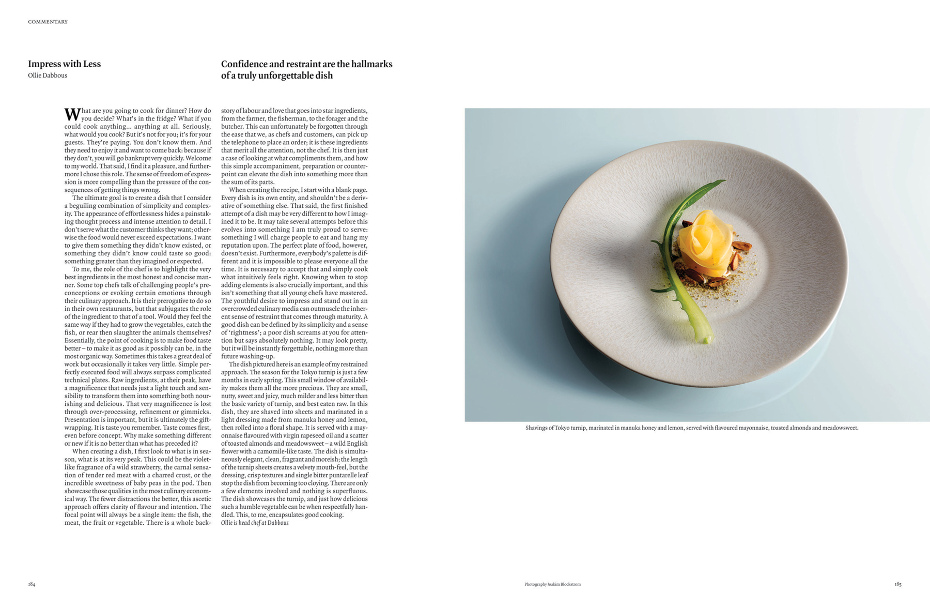
Commentary piece written by top chef Ollie Dabbous
Elsewhere in the issue, we travel to New York, Sydney and Washington D.C to chart the latest innovations in skyscraper construction as part of an architecture special, which sees Alyn Griffiths speak to Wired magazine’s editor-in-chief, Scott Dadich, as Condé Nast moves to its new home at One World Trade Center.Port‘s new deputy editor and online editor Ray Murphy meets ‘body architect’ Lucy McRae, who discusses how she blurs the lines between art and science; Cambridge anatomist and writer David Bainbridge considers the biological history of female curves; and the author and director of Withnail and I, Bruce Robinson, tells us what he loves and loathes.
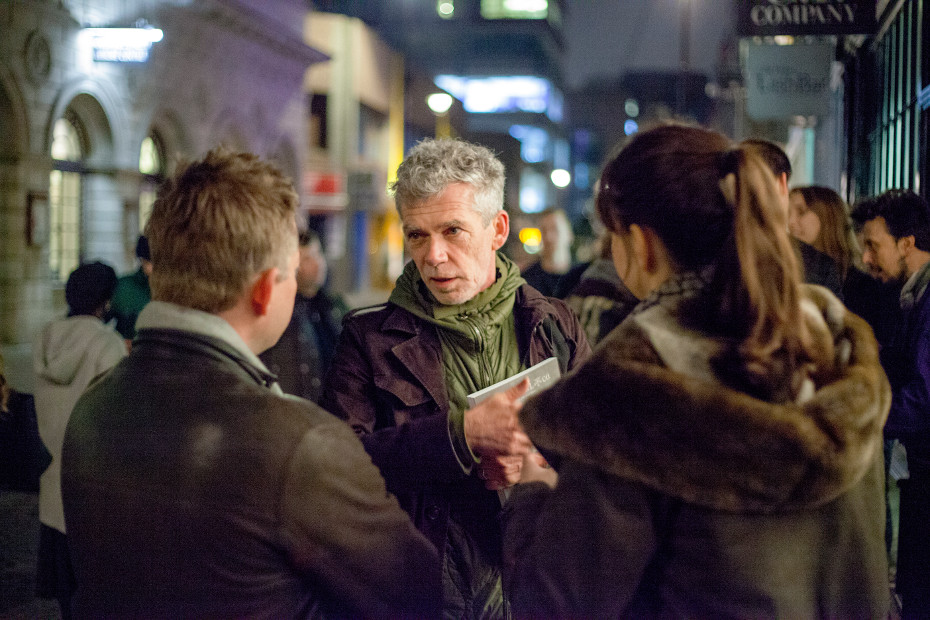
C.P. Company’s creative director, Paul Harvey, with Port’s editor-in-chief, Dan Crowe, at the issue 16 launch party, which was held at C.P. Company’s Marshall Street store in March
We’ve welcomed a number of new team members, created an all-new website, which will launch later this week, and we’ll be investing more time into making beautiful and original short films for our readers to enjoy.
It’s going to be a great year, thanks for being part of it.
People of Print founder Marcroy Eccleston Smith talks to Conor Mahon about the pertinence of the physical magazine
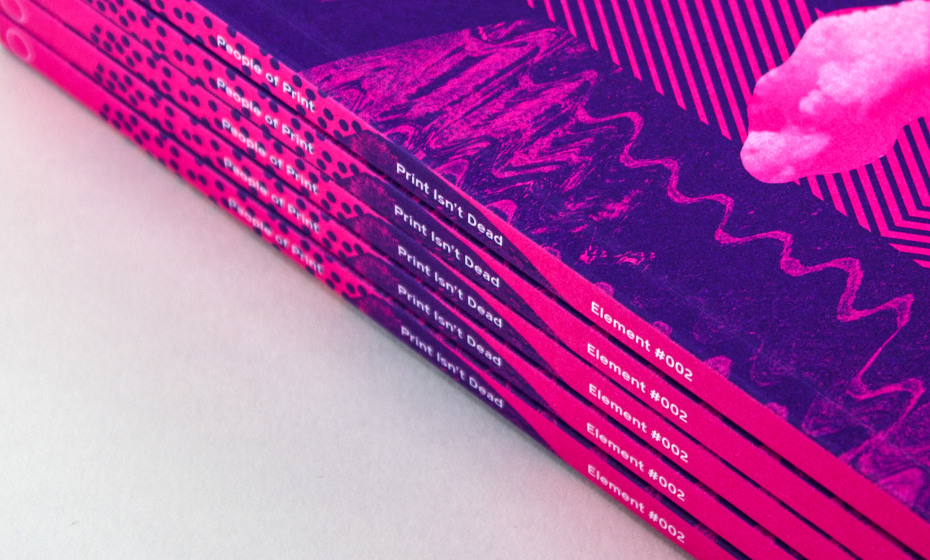
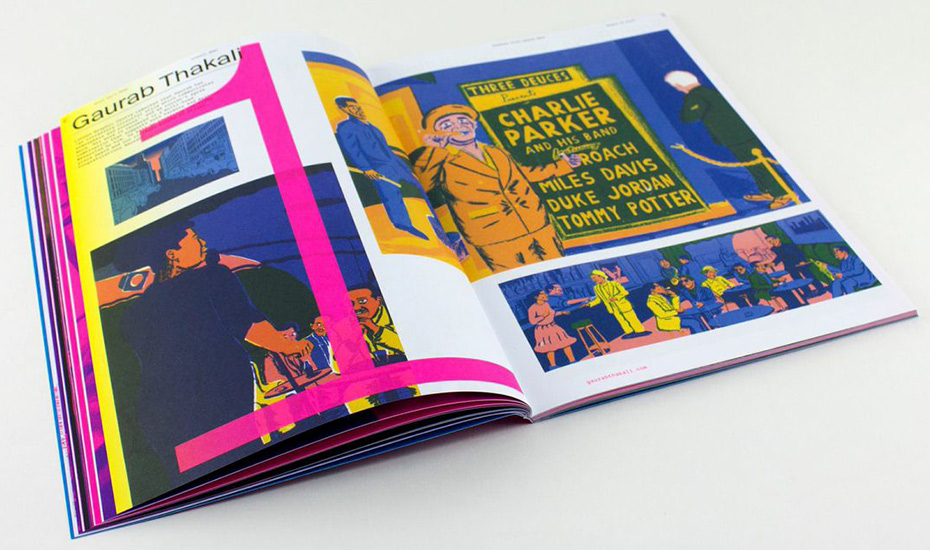
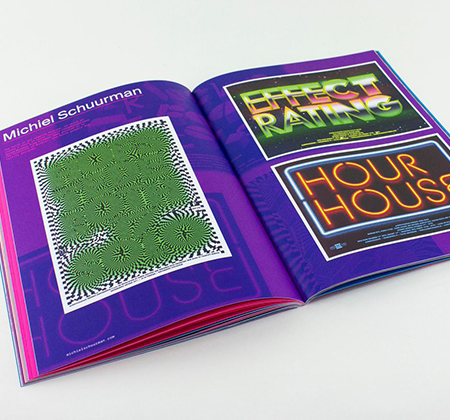
The advent of e-publishing has been described by some as print’s swan song, while others say it’s too early for a post-mortem. Over the summer of 2014, People of Print‘s founder and director, Marcroy Eccleston Smith, crowdfunded and launched Print Isn’t Dead – a quarterly magazine intended to highlight print’s relevance. As the second issue of Print Isn’t Dead hit the shelves, we spoke with Marcroy to see how the publication has developed since its launch issue.
Why do you think print is still an important medium?
Print is always going to be relevant because it’s a strong, tangible medium that works hand-in-hand with today’s digital technology and internet environment – like brother and sister. You can achieve spectacular results that you can only get through print; there are so many options to choose from in terms of substrates and surfaces, that it becomes its own subject of study and expertise.
What did you set out to do with Print Isn’t Dead?
Our goal is to showcase the utility and scope of print through the content and form of our magazine. We originally looked into developing a book by ourselves, but it was just incredibly expensive. We approached a publisher and the book got the go-ahead, but we began to find there were limitations to book publishing so we looked for other ways to release material.
How did you go about funding the second issue?
We decided to crowdfund it. Our motivation for using Kickstarter was so we could pay it forward; we also needed to secure the funds to pay for the printing and materials such as high quality paper.
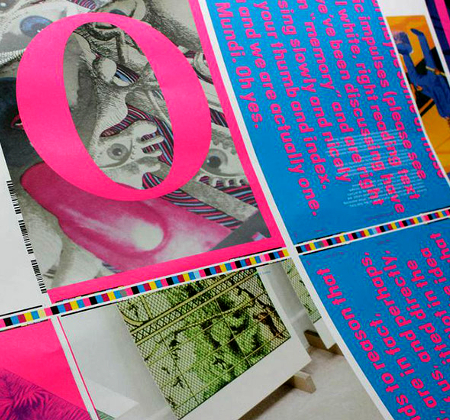
The initial urge when funding goes well is to go for a larger print run, because then there’s more to sell, but we opted for more pages instead to free up the design. We also added two Pantone spot colours and commissioned a screen printed cover for this edition with the extra funds.
What does the future have in store for Print Isn’t Dead?
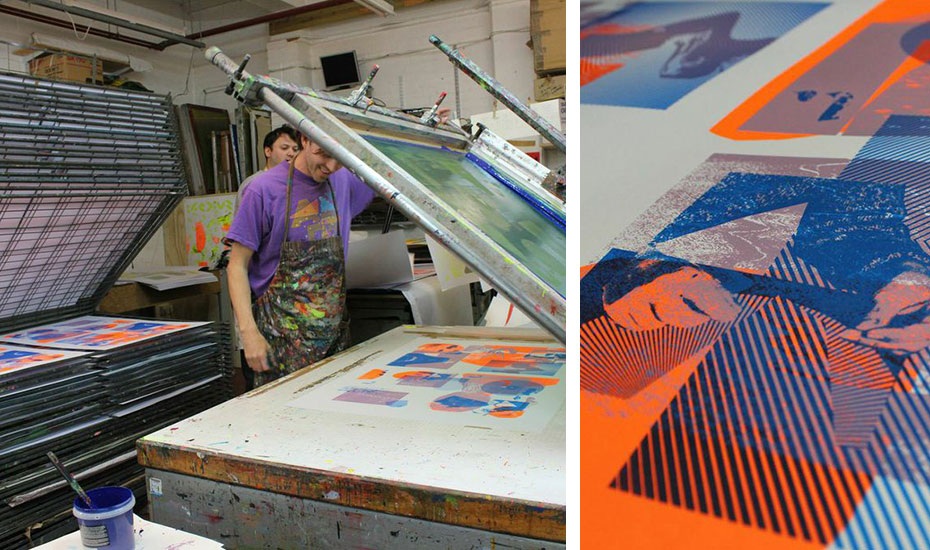
The processes behind this magazine – the screen-printed cover, having it delivered and bound, using fluorescent ink, etc. – are layered in much the same way as an actual screen print. In the future, we’ll need a proper publishing model, which we hope to achieve by edition #3.
We’ve gained an audience through quality and for issue three we hope to build on that via HP indigo printing. This digital method would allow us to offer a print-to-order service; people could potentially customise their own front cover with 140 characters, making each magazine unique. Future editions will morph with each iteration having different papers, ink set-ups and stretch goals to continue to demonstrate the versatility of print.