Photography Andréa Gori, styling Georgia Thompson


Photography Andréa Gori
Styling Georgia Thompson
This article is taken from Port issue 36. To continue reading, buy the issue or subscribe head here
Subscribe to Port Magazine annually and receive each issue to your door.
Get PORT in printSubscribe to Port Magazine annually and receive each issue to your door.
Get PORT in printPhotography Andréa Gori, styling Georgia Thompson
Photography Andréa Gori
Styling Georgia Thompson
This article is taken from Port issue 36. To continue reading, buy the issue or subscribe head here
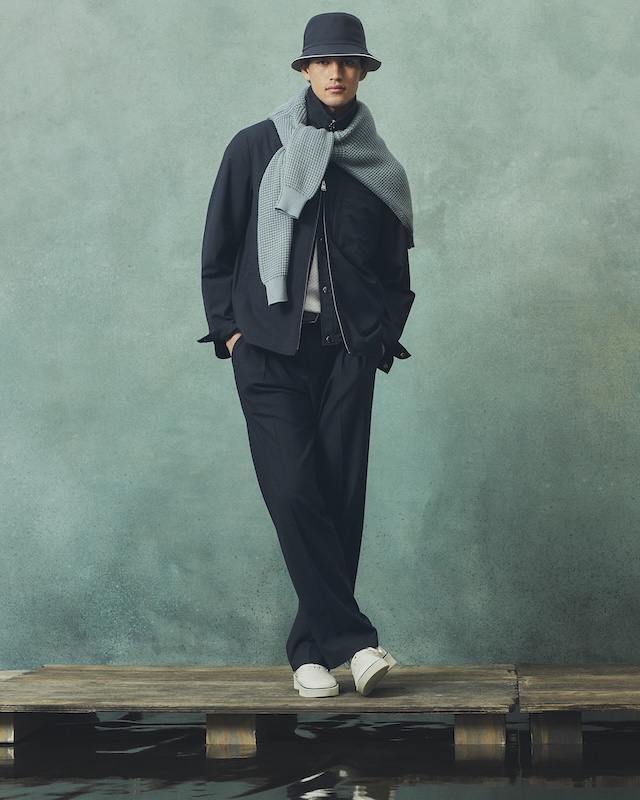
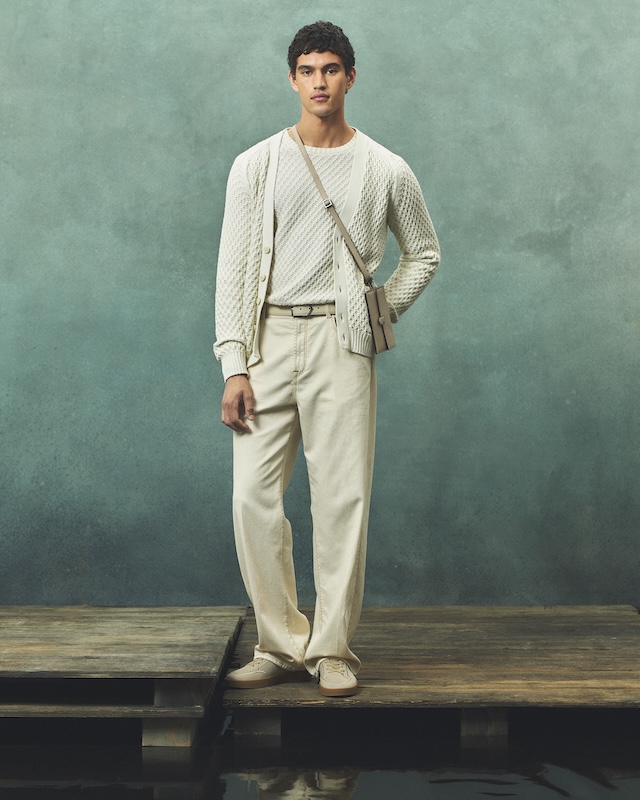
For decades, craftsmanship in fashion meant hands, thread and repetition. Today, it also means code. In this interview, CEO Stefano Canali unpacks the future of tailoring, and how the SS25 collection is at one with digital processes
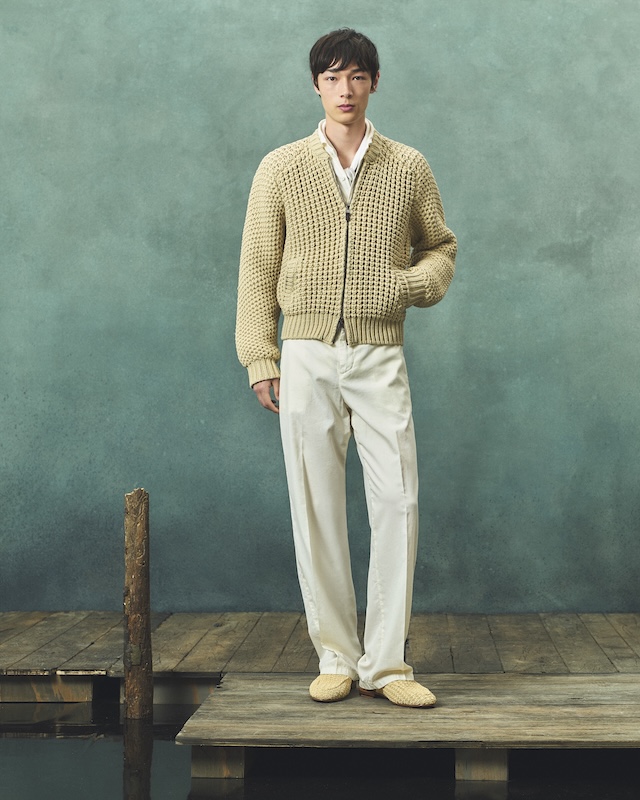
When you think of fashion or, more specifically, the craft behind it, you’ll likely think of a sewing needle and thread – the act of looping through the hole and running the stitch through the fabric. For centuries, this was the foundation of garment making. Slow, tactile and manual. Techniques like hand-tailoring, embroidery, pleating and draping were passed down through ateliers and guilds, rooted in regional tradition and a clear understanding of form. Then as fashion industrialised, the tools changed. Mass production, global supply chains and read-to-wear sped things up and, in doing so, opened a door to new methods of craft built around software, not just a pair of scissors.
3D knitting is one such example. First developed in the 1990s by Japanese firm Shima Seiki and German manufacturer Stoll, the process uses digital programming to produce garments in one piece – no cutting, sewing or producing waste. It gained traction in sportswear, but its breakthrough moment came in 2012 with Nike’s Flyknit trainer, which showcased a seamless upper that reduced material waste by approximately 60%. Since then, designers from Issey Miyake to Stella McCartney have explored this process, using code to manipulate yarns and build sculptural garments. For an industry under pressure to rethink waste, 3D knitting is a more viable alternative that offers fewer offcuts, less energy and garments that are even more precise.
Canali is now applying this approach to its own world of tailoring. Founded in 1934, the Milanese house has built its legacy on soft construction and quiet detailing. With its SS25 collection, Canali is heading on a new path that uses 3D knitting – or what the house is coining as 3D Knit – to engineer garments that echo suiting in their structure, but feel featherlight. Working with long-standing Italian mills, Canali has developed honeycomb bombers, ribbed jackets and woven-effect polos, all of which carry the language of tailoring that’s recast through fibre and code. Below, Stefano Canali, president and CEO, explains how this technique is shaping the next chapter for the house.
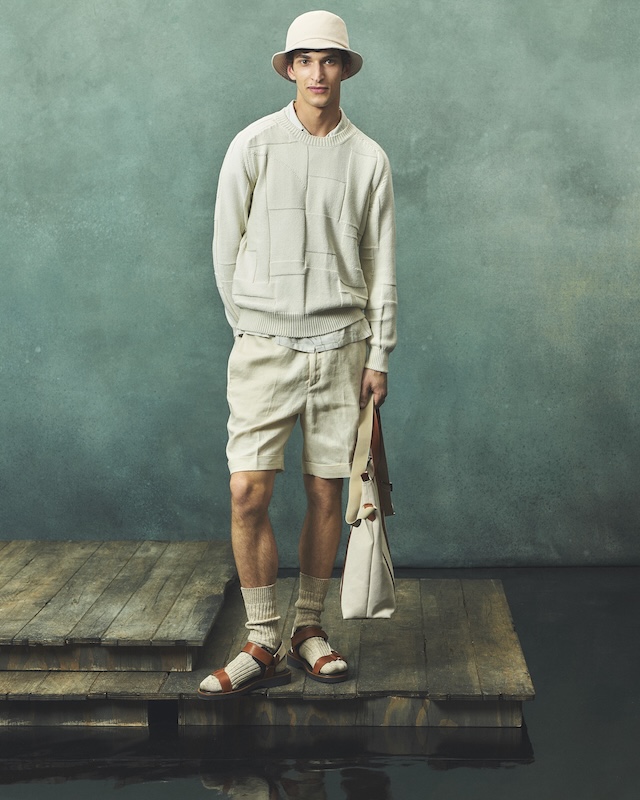
Can you explain what 3D Knit is, and how it differs from traditional knitwear techniques?
This season, what we call 3D Knit is more than a name – it’s a declaration of intent. It signals a new generation of knitwear: deeply textured, sculptural and versatile by design. Unlike traditional flat knits, these garments are constructed to hold form and structure, integrating volume, relief and pattern directly into the creation process.
What inspired Canali to explore this method, and why now?
We began this journey in SS24 with the clear goal of transforming knitwear into a house signature. The inspiration came from our desire to evolve the codes of classic menswear by applying research, technique and contemporary relevance to what was once considered casual or informal.
The world has changed and so have the expectations of modern men. They seek softness, functionality, and refinement without compromise. For us, this was the natural moment to reinterpret something traditional with a fresh, elevated lens.
What does introducing this new knitwear language add to Canali’s atelier and its legacy of craft?
It adds depth to our craftsmanship – literally and metaphorically. This evolution of knitwear challenges our atelier to translate sartorial rigour into new materials and processes. And in doing so, it reaffirms what Canali has always stood for: innovation without disruption.
We treat knitwear as a true sartorial medium – capable of elegance, innovation and sophistication. It’s where heritage and technology meet to create something distinctly Canali: garments that are engineered with precision yet feel entirely effortless. We’re not replacing tailoring – we’re expanding it. This is craftsmanship 2.0: where the precision of digital programming meets the emotion of hand-finishing.
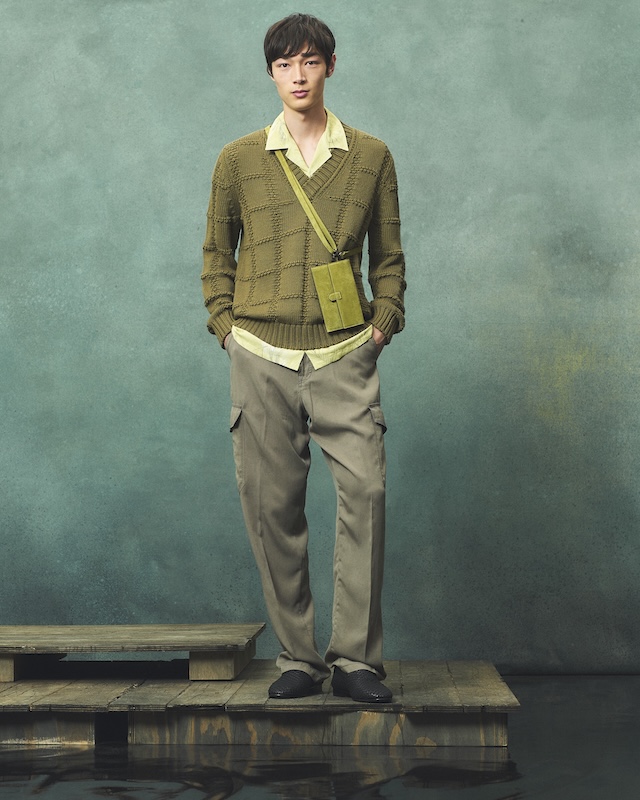
Could you describe the process behind creating one of these garments – from idea to final piece?
It starts with the design team envisioning the graphic or structural effect they want to achieve, be it a honeycomb, a sculpted rib or a woven-like texture. This vision is then translated into dialogue with our trusted Italian knitwear mills we’ve partnered with for over 15 years. Together, we begin the “stitch trial” phase, where different yarns, gauges and knitting programs are tested to bring the idea to life. This experimental stage is crucial.
Through it, we refine not just the visual texture, but also the weight, hand feel and performance of the garment. We often use custom yarns. It’s a process that reflects our broader philosophy – where heritage techniques are not replaced by technology but reimagined through it. And it’s this creative alchemy that makes each knitwear piece unmistakably Canali.
Are there any tools, technologies or skills unique to this technique that your team had to master?
Yes, and mastering them has been part of a multi-season journey. Our artisans, long accustomed to traditional techniques, embraced a new way of working – learning to interpret digital patterns, program complex structures and manipulate yarns with millimetric precision. This required new technology, certainly, but also a mindset shift: to see knitwear not as simple or soft, but as sculptural, architectural – even tailored. That perspective is what makes the difference.
Can you give an example of a specific SS25 piece where this new approach to knitwear truly transformed the result?
Absolutely. The standout this season is our tricot bomber jacket crafted in a refined honeycomb structure – a piece that captures the full spirit of this knitwear evolution. What makes it truly special is the extremely sophisticated handmade allure I was describing, in very contemporary shape. It’s a revival of craft through technology, without losing its artisanal soul. The yarn is equally special: a cotton-encased polyamide filament, known as “filato ingabbiato”, that provides structure and volume without heaviness. This dual composition means that while the outer feel is natural and breathable, the internal core gives it shape and resilience.
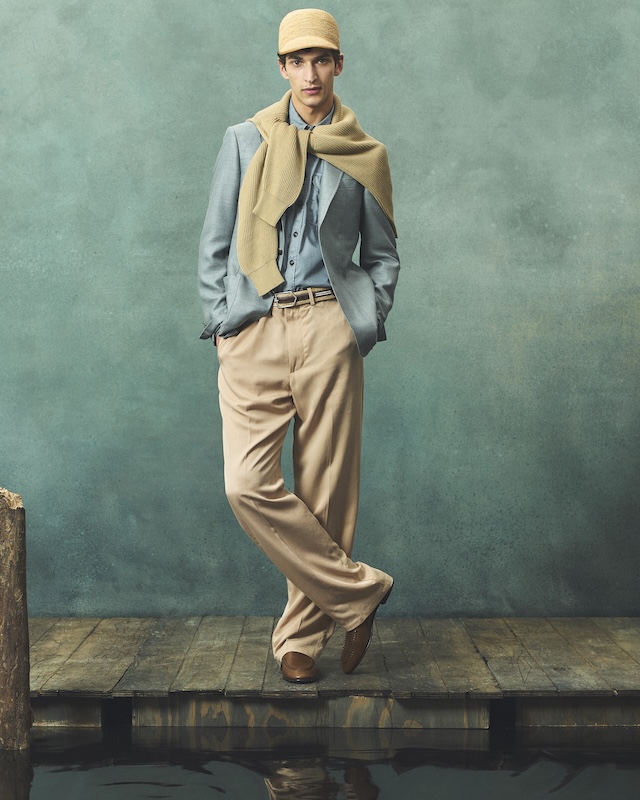
How do you see this direction shaping the future of Canali’s design language?
This is just the beginning. Knitwear is no longer a complementary element, but a foundational pillar of our collections. It allows us to explore new silhouettes, offer greater versatility, and speak to a broader spectrum of lifestyles. As we continue to innovate, you’ll see this language evolve further – into outerwear, layering pieces and more. But always with our signature: precision, elegance and discretion. This is not a seasonal experiment. It’s a long-term vision for how men will dress.
Finally, what broader role do innovations like this play in the evolution of luxury menswear today?
In a world where luxury must be both meaningful and modern, innovation plays a crucial role. Today’s clients expect more: more comfort, more consciousness, more individuality. And knitwear – when done with thought and expertise – can answer all three. With seamless construction, reduced waste and localised production, our approach reflects not just aesthetic refinement but ethical responsibility. This is not about novelty. It’s about evolving with integrity.
From clubland to the art world, Leigh Bowery shaped culture in ways that are still felt today. As Tate Modern stages a retrospective, his longtime friend and muse, Sue Tilley, recalls their nights out, the making of an icon and the quieter moments beyond the theatrics

“I get myself in a muddle saying things I shouldn’t,” is among the first utterances out of artist and model Sue Tilley’s mouth. Of course, oversharing only gets you in trouble if the stories you’ve got to spill are good – and that’s certainly the case in this instance. She might now live by the seaside, but she’s a London legend. A staple of the capital’s avant-garde nightlife scene, her social circle has included notables like Stephen Jones, Boy George, Princess Julia and, of course, the late Australian multimedia artist Leigh Bowery, who I’m here to talk about today. Fittingly, for two club kids, they met on a night out at the LGBTQ+ venue Heaven, shortly after Tilley moved to London from St Albans. “I met this lovely boy with a very cheeky face and not normal clothes, but same as everyone else’s, you know,” she recalls. “I mean, he wasn’t Leigh Bowery as such, he was just a boy on the scene. We made friends straight away.”
Despite having a day job – the dancer Michael Clark, with whom she lived with in a house share, “thought I was a bit boring because I worked in the Jobcentre” – Tilley spent many evenings immersed in London’s clubs as both a punter and front-desk cashier. It was in these hedonistic, experimental environments where Bowery’s creative spirit was able to flourish. While he would go on to co-found the infamous club night Taboo, he first attracted attention for his outrageous fashion sense. “When Leigh and I would go out, at first he was just one of the crowd. Then he started inventing looks,” Tilley explains. “He put his first look on Trojan because he was too nervous to wear it. When he saw the attention Trojan got, that was it, he was wearing it. Then his whole life changed.”

From there, Bowery gained the confidence to embody a larger-than-life persona that would launch him from the “boy on the scene” whom Tilley first met, to nightlife phenomenon and later art world darling. His multifaceted career would see him stage surreal art performances, craft colourful, kitsch costumes that scrambled the boundaries of gender and personhood, showcase his work as far afield as New York, and perform as part of the art-pop band Minty. Tilley sees Bowery’s rebellious spirit living on in the zeitgeist – particularly in today’s shape-shifting queer culture. “I see his influence in the fashion shows, I see it everywhere. Most of the people in the music charts are non-binary, lesbian, gay… people underestimate Leigh’s position in popular culture. He made dressing weird and being gay more acceptable.”
Now, Bowery’s energetic work is the subject of a major Tate Modern retrospective, a chance to bring together the ephemera of his career. Tilley features in the shadows – through letters, a painting she did of Bowery, holiday snaps and postcards. But her influence can be felt in other ways. Tilley recalls having gone with him to meet the musician Boy George for the first time, helping her artist friend to soothe his nerves as he met 80s music royalty. She also shares that Bowery’s iconic ink drip look was informed by her own practical nature. “You know, I helped him make . He was just using ink. I said, ‘I watch Blue Peter, you should add Copydex, like a rubber solution glue. Then it’ll stay and you can rip it off at the end of the night’.”

Some of Bowery’s best works, in Tilley’s opinion, are his visceral birthing scenarios, which he would perform as part of Minty. In these electric, shocking performances, he would carry his future wife Nicola Bateman (positioned upside down) in a harness attached to his front. Then, in an elaborate sequence, she would slither on stage covered in lube, sausage links and fake blood – as if she was being pushed out of a cervix. During these performances in the 1990s, Bowery was already ill with HIV. Looking back, Tilley is astounded at his physical resilience. “I think about the fact that he was ill at the time and how he had the strength to do it,” she recalls. “She’s only small, but it’s still heavy to have her hanging upside down. It was just an amazing thing they did.” As she notes, the performance has proved to be a rich reference in the world of fashion. “The look was copied by Rick Owens, you can see influence in the fashion shows.”
Despite the power of Bowery’s presence on the club circuit, Tilley points to his stint modelling for Lucian Freud as a major turning point in his career. “Nobody really takes club kids seriously, you have to have something more behind you,” she explains. “Lucian helped make Leigh more accepted in the art world.” It was Bowery who set up a meeting between Tilley and Freud. “Leigh thought I should work for Lucian, to be glamorous,” she laughs. “Leigh was a control freak and Lucian was a control freak. Leigh had to be the bigger control freak so he put the idea of me modelling into Lucian’s head, so that Lucian thought it was his idea.” Despite receiving advice from Bowery on how to navigate her first meeting with the celebrated portraitist, Tilley characteristically did her own thing: “I completely ignored Leigh’s instructions and did what I wanted.” Tilley would go on to become the subject of a series of arresting Freud nudes. Notably, one of the paintings – Benefits Supervisor Sleeping – broke the world record for the highest price paid for a painting by a living artist at the time of its sale in 2008 for $33.6 million.


In 1994, just three years after Tilley began sitting for Freud, Bowery passed away on 31 December, aged 33. Decades later, the memory is still fresh in her mind. “We heard the news in the clubs on New Year’s Eve, such a big, strong person going like that. No one could believe it, because no one knew he was ill – he didn’t want them to,” she recalls. “I can’t believe, in 30 years, how much has changed. Even if he lived about six months longer, he’d probably still be alive now, because they found new HIV treatments.” Following Bowery’s passing, Tilley was approached by The Guardian to write his obituary, an article which would cause editors to take notice of her passion and dedication to her friend’s legacy. Shortly after, she was entrusted to write Leigh Bowery: The Life and Times of an Icon, a 1997 biography of his life which includes interviews with his social and creative circles, all of whom were eager to dedicate his effervescent talent and wit to the page.
The book gathered cult status among Bowery fans, and has been recently reissued by Thames & Hudson. This has offered Tilley a chance to revisit the book, while the Leigh Bowery! retrospective at Tate Modern has reaffirmed her friend’s importance to contemporary art history.
But the Bowery commemorated in books and art galleries is not the only Bowery who Tilley remembers. While he was powerfully, formidably creative, Tilley liked him best as a “daytime friend”. “To be honest, when he was all dressed up, I didn’t really like going out with him, it was so difficult to chat to him,” she says. “I was more of a daytime friend. People think he was really peculiar but he was perfectly normal and he was so funny, hilarious even. If you had troubles and tribulations, he’d help. He’d always be there for you.” The kind-hearted boy who would sometimes get nervous or starstruck, who was generous to a fault, and who would spend hours on the phone with her talking about nothing – that’s the Leigh Bowery which Tilley will know and hold dear forever.

Leigh Bowery! is on view at the Tate Modern until 31 August 2025, find out more here
Leigh Bowery: The life and Times of an icon can be purchased at Thames & Hudson here
This article is taken from Port issue 36. To continue reading, buy the issue or subscribe head here
Photography Guido Mocafico
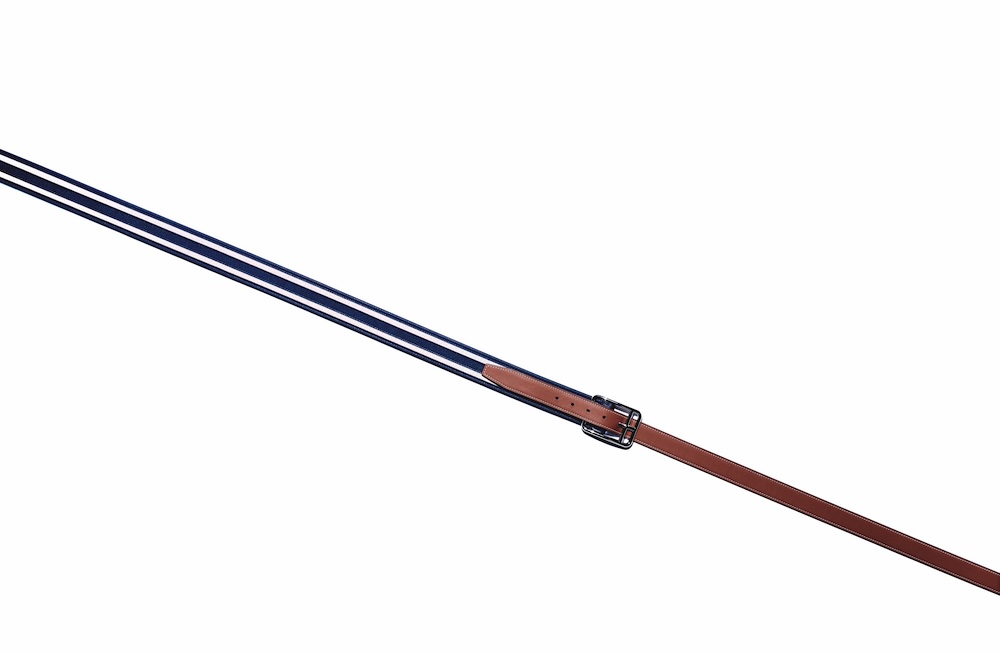
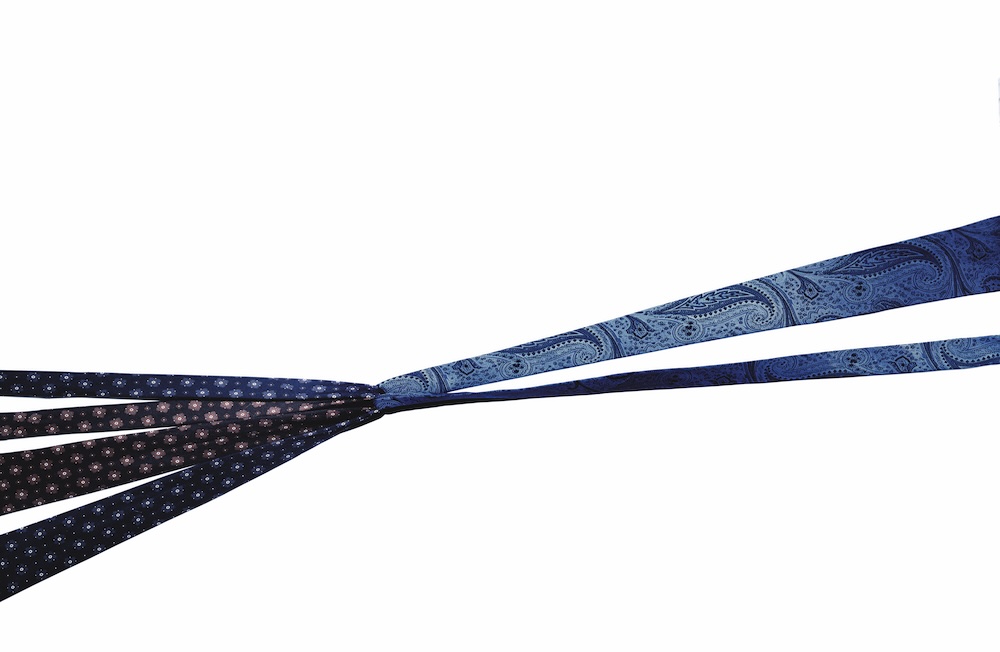

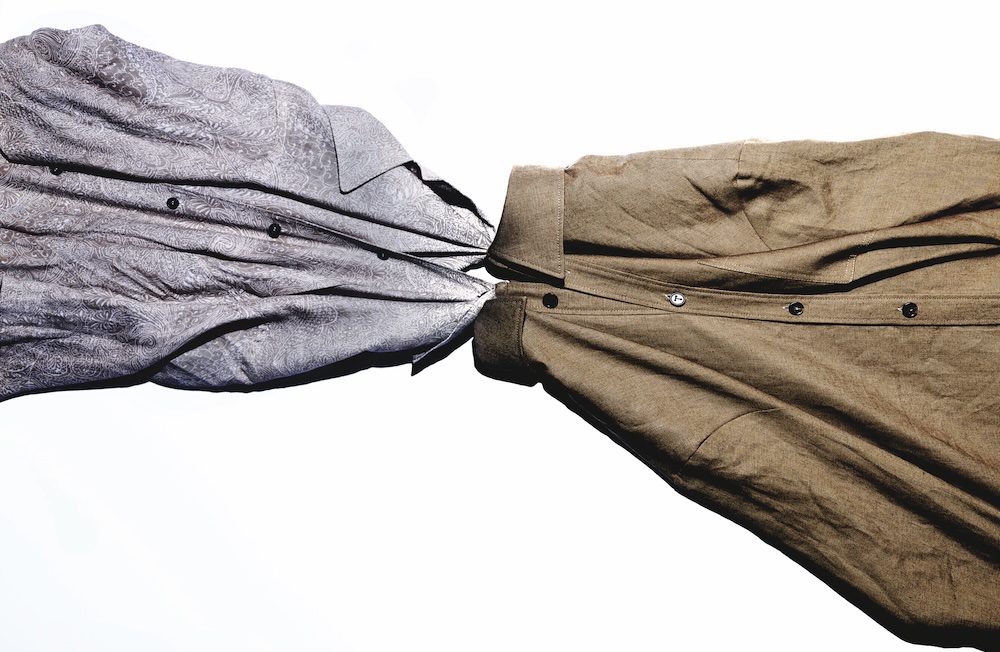
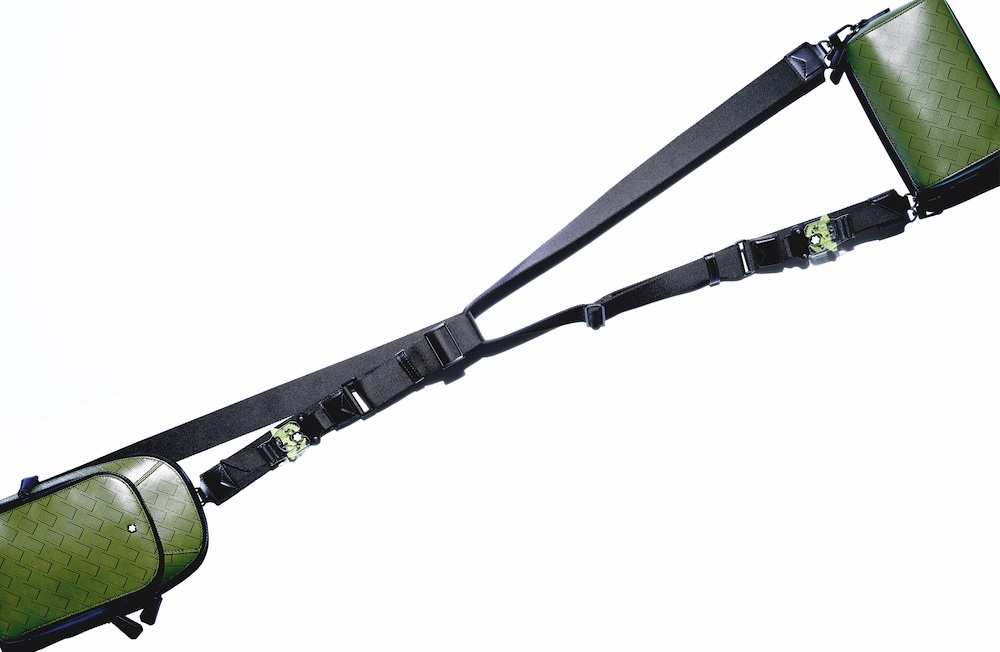
Photography Guido Mocafico
This article is taken from Port issue 36. To continue reading, buy the issue or subscribe head here
At Milan’s Chiostri di San Simpliciano during Salone, Gucci presents seven artist and designer commissions exploring the possibilities of bamboo

Queues of suave, sunglasses-clad people snake down the street. Gucci bags of all shapes and sizes are strapped to arms like prized accessories in a fashion safari. It’s packed, of course – it’s a Gucci event during Salone, and everyone wants a peek (or a selfie, depending on the mood).
Gucci’s Bamboo Encounters, staged within the cloisters of Milan’s Chiostri di San Simpliciano until 13 April, is a sensory shift from the surrounding frenzy. Here, bamboo shoots sprout through gravel beds; strange forms hang from ancient walls; light glows softly against decaying frescoes. It’s part serene sanctuary, part design daydream. Everything on show explores the symbolic and structural significance of bamboo – its legacy rooted in the 1947 Bamboo Bag, and its future imagined through seven very different artistic lenses. Curated by Ippolito Pestellini Laparelli of architecture and research studio 2050+, the exhibition shows the strength of bamboo as a sustainable resource and a medium through which to think about ecology, craft and collective memory.
Bamboo is something of a design shapeshifter. It’s fast-growing, lightweight, surprisingly strong and endlessly versatile. It’s these qualities that have made it a favourite across disciplines, from scaffolding in architecture to slatted chairs in sun-drenched courtyards. In interiors, its warm tones and natural texture lend a calming, almost meditative quality to a space. Think spa energy, but with structural integrity. In fashion, bamboo fibres are spun into fabrics prized for their softness, breathability and gentle touch on the skin. Perfect for the kinds of garments no one sees but everyone appreciates (underwear, socks, T-shirts). Its moisture-wicking, antibacterial properties even make it fit for the gym, if you’re so inclined. And with low water needs and zero pesticides, bamboo ticks all the sustainability boxes, which is even more proof that going green doesn’t have to mean going drab.


Gucci’s pioneering use of bamboo began in 1947 with the creation of the Bamboo Bag. During the post-war period, traditional materials were scarce, prompting Gucci’s artisans to explore alternative resources. They discovered that bamboo could be heated and bent into a durable, curved handle, leading to the birth of said Bamboo Bag. This design addressed both the material shortages and also introduced a distinctive aesthetic that became synonymous with Gucci. Over the years, the Bamboo Bag has been reimagined in various forms, maintaining its status as an emblem of Gucci’s heritage and artistry.
So across the must-see exhibition, bamboo’s versatility is explored at length – at times poetically, elsewhere with precision-engineered resolve. Swedish-Chilean artist Anton Alvarez, known for his eccentric machines that extrude colourful furniture from string and glue, presents a bronze fountain inspired by the watery ecosystems of bamboo forests. The piece carries his signature logic of mechanical improvisation while evoking the meditative rhythms of a garden spring. It’s a play between man-made process and natural flow, and utterly meditative.


Dima Srouji, a Palestinian architect and founder of Hollow Forms Studio, contributes a quietly powerful installation combining found bamboo baskets with hand-blown glass forms made by artisans in the West Bank. Her work often dwells on archaeological traces and material histories – and here, bamboo speaks to fragile geographies and the endurance of craft in politically fractured landscapes.
Dutch collective Kite Club, comprising designers Bertjan Pot, Liesbeth Abbenes and Maurice Scheltens, brings a lighter, wind-borne reading to the material. Their handmade kites float in the wind (on a particularly cloudy and breezy day in Milan, I might add). They’re sleek, aerodynamic and colourful, celebrating bamboo’s historical use in flight, but also its role in play, resistance and communal experience. Meanwhile, Vienna-based designer Laurids Gallée, who often fuses traditional techniques with high-tech materials, presents resin furniture that references the structural elegance of bamboo without mimicking it outright. His pieces, translucent and grid-like, glow faintly under light, hovering between sculpture and utility.


Memphis Group alum Nathalie Du Pasquier, one of Milan’s most quietly radical figures, contributes PASSAVENTO – a layered installation of bamboo and silk panels that filter light like folding screens. Du Pasquier has always worked between disciplines, from painting to textile to industrial design, and this piece is no different: its opaque white translucent, structured and soft. Korean designer Lee Sisan, whose practice spans traditional craft and parametric design, debuts a set of aluminium furniture engraved with bamboo motifs. Her work often nods to the heritage of Korean joinery while also using modern fabrication tools. Here, the cold gleam of metal is warmed by rhythmic, almost calligraphic surface patterns, drawing out a contrast that’s hard to miss.
Finally, design duo The Back Studio – comprising Eugenio Rossi and Yaazd Contractor – offers a neon installation that outlines the silhouette of bamboo stems in acid-bright tubes, suspended like botanical blueprints in space. Known for blending pop culture references with sculptural installations, their work here speaks to the tension between nature and artifice, and how tradition might be lit anew through contemporary eyes.
Together, the seven commissions within Bamboo Encounters form a polyphonic meditation on bamboo as a material and metaphor. It also provokes a splendid dialogue between Gucci’s historical use of bamboo and those working in the contemporary design landscape. So, by inviting artists to reinterpret this material, we see themes of sustainability, innovation and cultural exchange brought to the fore. Not to mention Gucci’s ongoing efforts to explore new creative horizons while, of course, honouring its rich heritage.
So if you haven’t already, best get in line – bamboo’s having a moment, and Gucci’s not about to let it pass quietly.
Bamboo Encounters is running until 13 April. Find out more about the event here.


Feng Chen Wang’s Fall/Winter 2025 collection reimagines the landscapes of Shan Hai Jing through sculptural tailoring, experimental textiles, and a dialogue between the ancient and the avant-garde

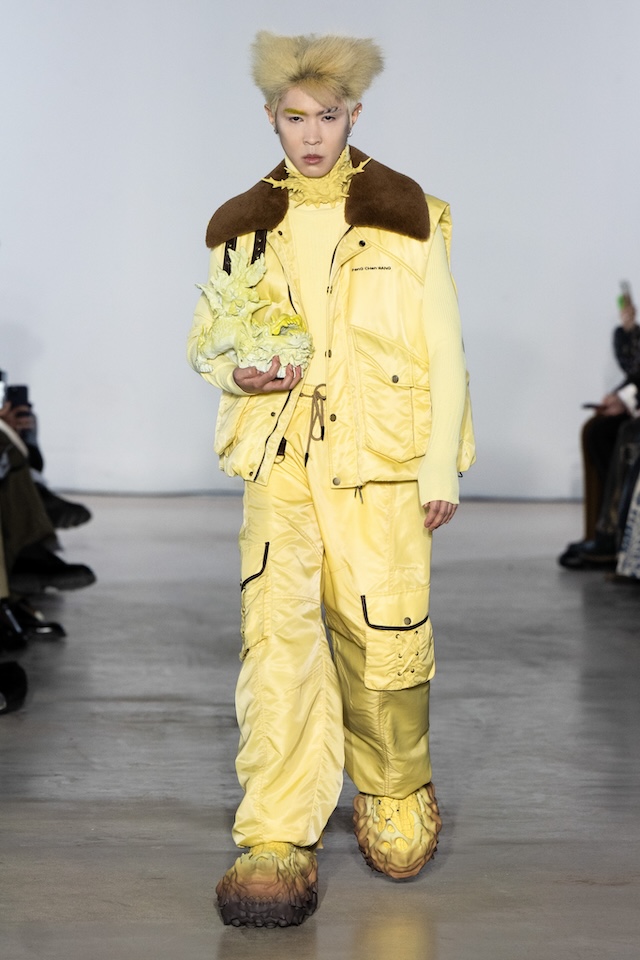
A sculptural jacket in bonded neoprene, its surface alive with intricate prints of mythical creatures. A crackled, high-gloss coat that mirrors the delicate imperfections of handcrafted ceramics. These are just two of the standout pieces in Feng Chen Wang’s Fall/Winter 2025 collection, which draws inspiration from Shan Hai Jing, a 2,500-year-old text filled with fantastical landscapes and folklore.
Wang is a Chinese-born, London-based designer known for her avant-garde approach to menswear, often fusing deconstructed tailoring with experimental fabrication. A graduate of the Royal College of Art, she launched her eponymous brand in 2015 and quickly gained recognition for her conceptual storytelling and technical craftsmanship. Her designs frequently explore themes of heritage and futurism, drawing inspiration from traditional Chinese aesthetics, personal narratives and innovative fabrics. Previous collections include Spring/Summer 2024, where she reinterpreted her childhood memories of her grandmother through the use of an ancient botanical contact printing method; and Spring/Summer 2019, which explored themes of love and connection through draping and graphic representations of the ‘other half’.
For Fall/Winter 2025, Wang has deepened her exploration of mythology and materiality, translating the mythical creatures and landscapes of Shan Hai Jing into bold, sculptural and imperfect forms. From hand-painted fabrics inspired by Chinese ink painting to bonded neoprene that mimics traditional textiles like twill denim and wool, the collection is a fine example of what can happen when you let your imagination run free – and when fabric becomes a painterly canvas. Here, she discusses the inspirations behind the collection, the craftsmanship behind each piece, and how she’s transformed an ancient tradition into something wearable, structural yet otherworldly.
Is fashion always something you’ve always wanted to pursue?
Growing up in China, Fujian, I was fascinated by the way clothes could transform, express individuality and tell stories. However, I was always dabbling in art – from traditional calligraphy to watercolour painting, since I was young. Fashion for me was a canvas where I could present my ideas as a collection. Over the past years, my canvas has expanded across garments, footwear, objects, spaces and even vehicles!
Can you tell me more about your deconstructed aesthetic, and what inspires your work?
The approach of challenging traditional notions of perfection and celebrating the imperfections that arise from my creative process, has always been an integral element to the brand’s design language. This “combination of contradictions” – the process of sewing and unsewing different fabrics and silhouettes, exposing raw edges and hidden seams – always inspires me, and even surprises me at times.
You strive to spotlight Chinese heritage and traditional craft in your designs. Can you explain more about this and how it appears in your work?
I draw inspiration from diverse sources, from my childhood of growing up in Fujian, visiting different cities and provinces in China which taught me about the traditional Chinese crafts, heritage techniques and philosophies as well as my travels across the globe. The human form is also a constant source of inspiration, and I strive to create garments that move and flow with the body.

What’s your creative process like?
My creative process is often intuitive and exploratory. I begin with a memory, a mood or a feeling, and then I start to experiment with different materials, techniques and forms. Then the process of research and exploration leads to further sketching and experimentation. Collaboration has always been integral – from my design team to the local artisans and craftspeople who are part of bringing designs to life.
What themes or ideas define your FW25 collection, and how does it build on past work?
For FW25, I was intrigued by a Chinese classic text titled Shan Hai Jing, or the Classic of Mountain and Seas. It painted vivid pictures of majestic landscapes, mythical creatures and cultural accounts of early China. I took inspiration from the swirl of fantasy and reality, into the colours, fabrics and silhouettes of the collection that is timeless yet reminiscent of the traditional.
Can you pick out a favourite piece from the FW25 collection?
I would have to say look 1 and 6. We experimented with the visual elements of reality and fantasy and introduced a new fabrication in bonded neoprene. That allowed us to make jackets which resemble twill denim, and trousers which imitates traditional wool.
What’s next for you – any upcoming projects or collaborations?
I am currently exploring several exciting projects, with several collaborations we have been working with long-term and new partners due to be launched this year. We’re always exploring initiatives for material sourcing and minimising waste, as well as diversifying experiences with the brand.


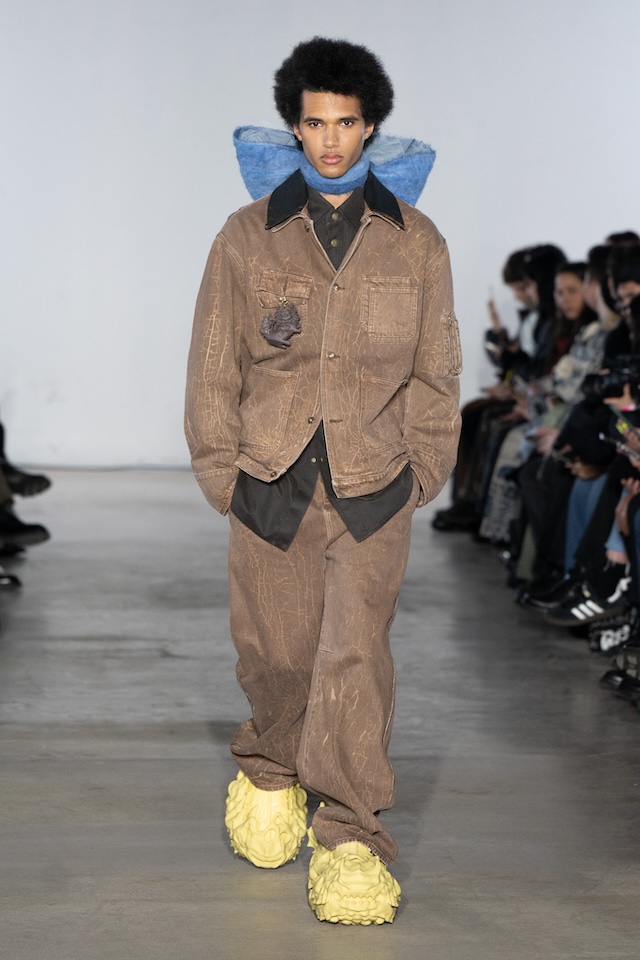


Since launching in 2022, Young Space has cultivated an environment where artists collaborate and thrive. Below, we ask some of its residents to highlight their favourite objects in the space, and the role these items play in their everyday lives

Young’s founding principle – that a good space can facilitate great, surprising creative work – isn’t necessarily new. Its approach, though, might be. Launching in July 2022, the UK indie label Young (formerly known as Young Turks and founded by Caius Pawson) built Young Space as an incubator for creatives, sitting in a former millinery works in east London’s De Beauvoir Town, hemmed in by housing on either side.
When stepping into the late 19th-century structure, which was redesigned by British architect John Pawson, visitors will likely see singer Sampha recording in one of its five studios, or Grace Wales Bonner designing her latest collection in a workspace. But for the most part, it’s “for artists and people who support artists”, as stated on its website, spanning freelance and company-based residents across fashion, music, visual art, furniture, food and publishing.
Practically, freelancers occupy a core and yet precarious position in the creative world, acting as iconoclastic sources for new creative thinking some of the time, or at other times as the glue or the oil in a creative engine. The problem with that duality is that they’re scattered, often isolated, but inextricable from exciting creative work – a freelancer commissioned this story, another freelancer photographed it. Yet another freelancer will have combed through these words before you read them.
It’s not in Young’s mission to set out a goal for itself or its residents – one gets the sense that’s exactly what they’re trying to avoid. If we were to apply one to what’s been built so far, though, it might be to bring freelancers together under one roof with as few prescriptions as to what they do there as possible. On the day I visit, there’s an A&R meeting for the label, a visiting dog, a delicious communal lunch and a reading in the evening. You can do pretty much anything here, Beth Davies, Young Space’s strategist and development consultant, tells me, “as long as you put the tables back”. To dig into some of what happens there, we asked residents to contribute objects as well as explanations around them.

Young is a space built on the energy of creative fluidity, as well as a safe space for all to freely connect and grow creatively; a space for all to feel comfortable from the moment they step in the building. That ethos runs through all parts of the space, including the studios – mine is a sacred room of free flow and spirituality. The palo santo stick is an important part of my studio, as it provides calm and a cleanse of any bad energy that may try to interfere with the core foundation and comfort of being. The scent complements the aura of Young and emits positive vibrations and peace.

Prompts for fantasy, amplifying elements of things we consume every day. They feel familiar but they are something else now. They could transform you if only you could touch them, which is happily encouraged.

We believe that a sense of calm is imperative for the creative process. At Young Space, we begin each of our writing workshops with a meditation. Light a candle, get comfortable and ignite the flow state.

In relation to this space, the microphone is one of the most crucial objects. It’s as important to me as it is to others. It’s where sounds are transmitted to give life to a space called Young.

I love all things fantasy. As adults, we don’t often get to truly remove ourselves from reality and indulge in the freedom of make believe. Dungeons and Dragons allows you to do just that: play. It’s fun to bring this game to the space and play with people you’d normally interact with in a professional context. You see different sides of people.

‘Filter Sweep’ references feedback loops and resonance, mirroring the cross-pollination at Young Space. This piece is the first of a new series of works, and is created using Italian marble and granites from India and Brazil.

Chess is an unfiltered conversation between two people’s minds, it can tell you a lot about a person and about how they think. It’s a fun way for two minds to come together and challenge each other, not unlike that of Young Space. Every day, we meet new people and are challenged by others’ thoughts and ideas. This brings out the best in people – food for thought nourishes the mind.

At its core, the blanket draws from the specific visual memory of a graphic interaction between architectural space and light. Through its function, it transfers feelings of home to Young Space.

Wearing jewellery in the kitchen is somewhat forbidden but holds so much identity for myself and Nancy. Whilst cooking at Young Space, we wear our jewellery as a statement of our individualism. The dining room at Young Space is a minimal communal area and, though we take our jewellery off to cook and mix with our hands, we show it off whilst serving lunch, as an extension of our personalities.
The space is a minimalist haven, a place where conversation, community and calm take precedence over anything else. Sometimes I just want to spray paint over all the walls and let the chaos in. I see the lamps as pieces of physical graffiti.

Dolly’s name kept appearing at Young Space, literally in large type on the leg of her signature baggy shorts. You’d see it worn by radio show guests, by our friends at WORMS publishing and in the kitchen. When we were talking about designers who we should collaborate with, she was first on the list.

Caius Pawson, co-founder and board of trustees chair, Murmur – ClientEarth book
This book was co-written by James Thornton, a poet, Zen Buddhist and tough-as-nails climate lawyer. James founded ClientEarth, and both the organisation and the book have been a point of reference and an inspiration for Murmur.
Photography Dan Tobin Smith
This article is taken from Port Issue 35. To continue reading, buy the issue or subscribe here
Photography Luca Ward, styling Julie Velut


Photography Luca Ward
Styling Julie Velut
Hair Kachi Katsuya
Casting Lauren van Meeuwen
Model Ruby P @ Milk
This article is taken from Port Issue 35. To continue reading, buy the issue or subscribe here
Styling Julie Velut, photography Anaïck Lejart, all clothing and accessories FENDI AW24 men’s collection


Styling Julie Velut
Photography Anaïck Lejart
Production Lambert | Lambert
Groomer Cyril Laine
Models Valentin Aumont @ Selectmodel and Wenn Adenot @ The Claw Models
Producer Margot Canton Lamousse
Casting Marlène Jacquet @ Casting by Rise
This article is taken from Port Issue 35. To continue reading, buy the issue or subscribe here
Photography Ben Beagent, styling Mitchell Belk


Photography Ben Beagent
Grooming Hiroshi Matsushita using hair by Sam McKnight & Weleda Skincare
Casting Nico Carmendaye
Model Fernando Albaladejo @ Hakim Model Management
Production Lock Studios
Studio YoYo Studios
Thanks to Howard Jones
This article is taken from Port Issue 35. To continue reading, buy the issue or subscribe here