The Collaboration: Christopher Raeburn x Clarks AW16

The ‘Remade in England’ designer teams up with the classic British footwear brand on Mongolia-inspired boots
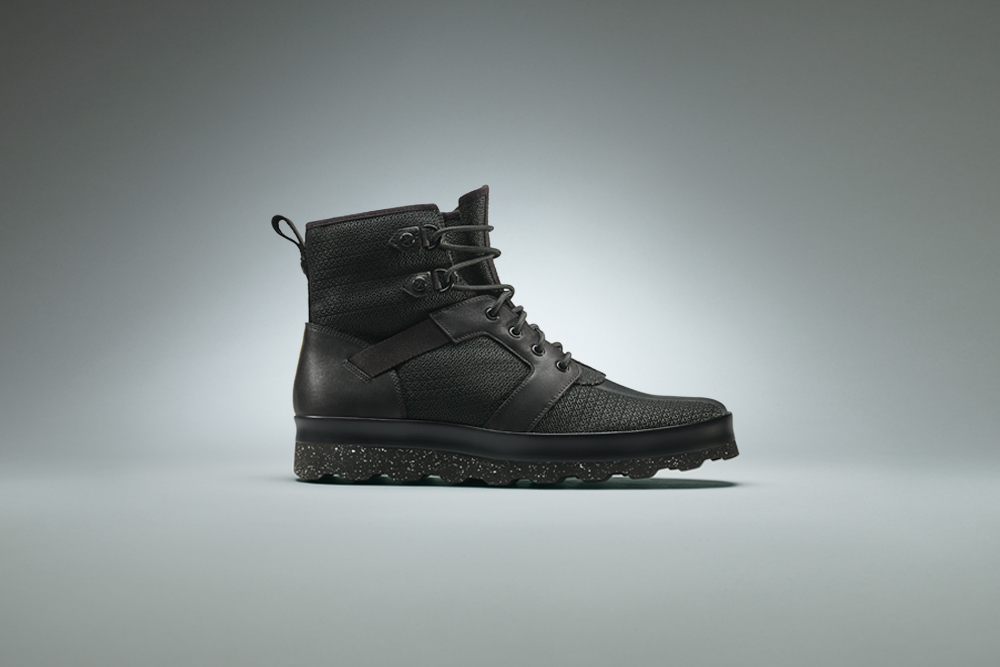
Khulan Snow-Clarks-Chris Raeburn AW16 sELLING bOOK-17-11-1574500

When award-winning menswear designer Christopher Raeburn researched Clarks, his future collaboration partner, he discovered something that made an already promising partnership perfect. It appears that the first pair of Clarks shoes were made from off cuts from sheepskin rugs. This might just be an ethical bonus for you and me but for Raeburn it provided the sartorial synergy between the two brands he needed, for it to be more than just another catwalk collab. Raeburn has, famously, built his brand on the idea of reusing and remaking. Since day one he’s recycled existing fabrics into new garments, often with a strong army uniform connection.

Having premiered the Clarks collaboration back in June 2015, this was a follow up – the difficult ‘second album’ collection. But rather than just tweaking the boots shown for SS16, this season Raeburn looked towards new styles, such as the Trigenic-inspired Scale boot. Using the tough and demanding Mongolian climate as his source of inspiration, Raeburn and Clarks have come up with a capsule collection that will stand the test of time, and is also accomplished enough to take you from the concrete to the tundra.

Trigenic Yori-Clarks-Chris Raeburn AW16 sELLING bOOK-17-11-1574388

What was the inspiration behind these three specific shoes?

The inspiration for the footwear is taken from Mongolia, one of the last truly wild places on earth. The harsh climate and rich culture of craftsmanship was a fitting inspiration for the Clarks x Christopher Raeburn collection.

Together we looked at Mongolian Mukluk boots and traditional Mongol riding boots and developed a number of signature details that work across the collection. Piping, layering, quilting, Mongolian pattern and stitch detailing have all been incorporated into the collection, and I’m super excited by the end result.

Khulan Frost-UPPER-2015-12-21-Clarks-Chris Reaburn Extra76090

Did you base the shoes on pre-existing styles? One of them looks like a Trigenic…

The Trigenic Scale is absolutely at the heart of this collection. With its distinctive Trigenic sole and upper design taking inspiration from Mongolian leather armour, it’s a perfect example of how we’ve worked together on both the design and craftsmanship of the collection.

The Khulan Frost and Khulan Snow both take their inspiration from vintage military Mukluk. Khulan Frost features distinctive strapping detail, while both incorporate a geometric pattern inspired Mongolia. Each style also has a reversible in-sock with one side made from wool – perfect for cold weather. The other side is made from leather, which works for warmer days. Our inspiration came from the functional in-socks found inside military Muckluck boots, which could be removed and dried by the fire.

How does this feel as a continuation of the last collaboration?

This season, the collaboration with Clarks has really developed. What’s been so cool is now that the momentum has been growing in the relationship, we’ve worked with the Clarks designers to make sure of all the footwear complements our ready-to-wear. It’s been really fantastic to see that go down the catwalk, and for everything to be so complete is something I’m very proud of. I’m really pleased with how things are going and the reaction we’ve had!
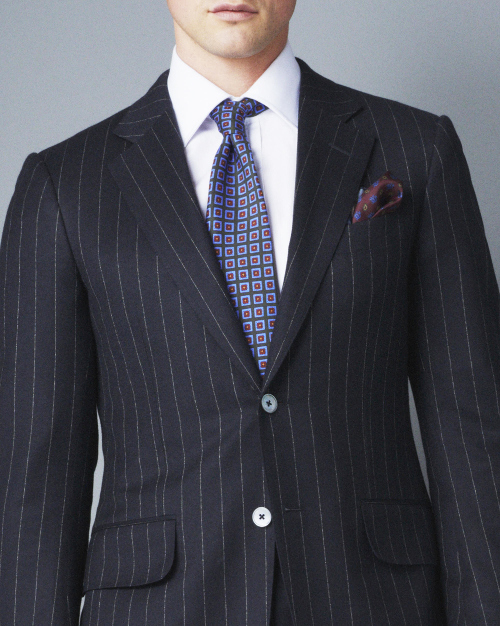
Spotlight: Dunhill AW16

John Ray’s LC:M presentation was all about the airdried double-faced cashmere blazers

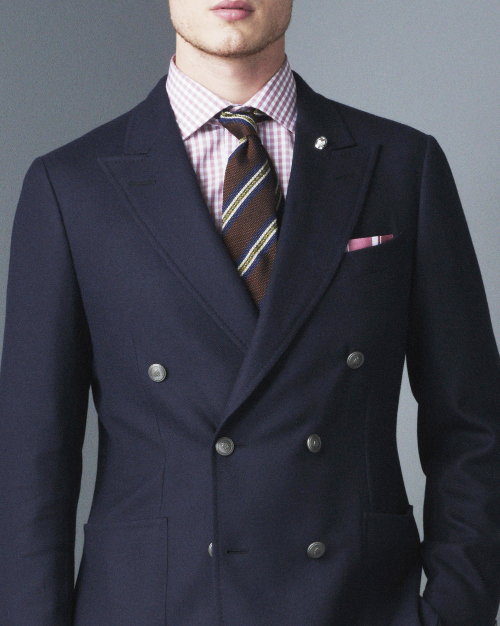
British. Blue. Blazer. Three words that sum up the dunhill AW16 collection, or at least the jackets. When John Ray’s classic Brit brand moved in at The Savile Club over the weekend, dunhill laid out a sartorial spread of velvet, cashmere and merino wool.

Formal evening wear and a sort of dunhill version of ‘sportswear’ (think clothes to drive fast cars in) was all present, but it was the blazers that dominated. It’s not a new dunhill garment, rather a staple that’s been recreated in an array of rich fabrications including the finest airdried double-faced cashmere, doing away with the need for linings. Here, John Ray explains why the blazer is part of the dunhill DNA.

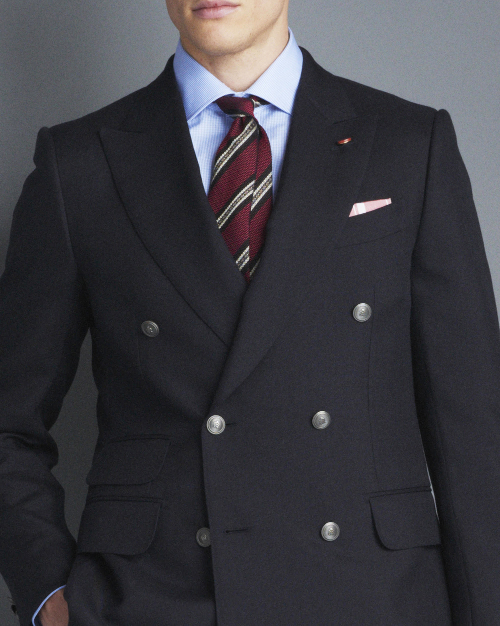
“Anytime you research you see men, beautiful men, elegant men, they always own a blazer. Double breasted, single breasted always in blue, says Ray. “There can be confusion with the definition between blazer and a sports jacket. A blazer is always blue, anything that isn’t then becomes a sports jacket. We love the blue blazer, it’s very British.”

My Inspiration: Grace Wales Bonner AW16

The up-and-coming designer and star of London’s MAN showcase on her fascination with British artist Mark Leckey

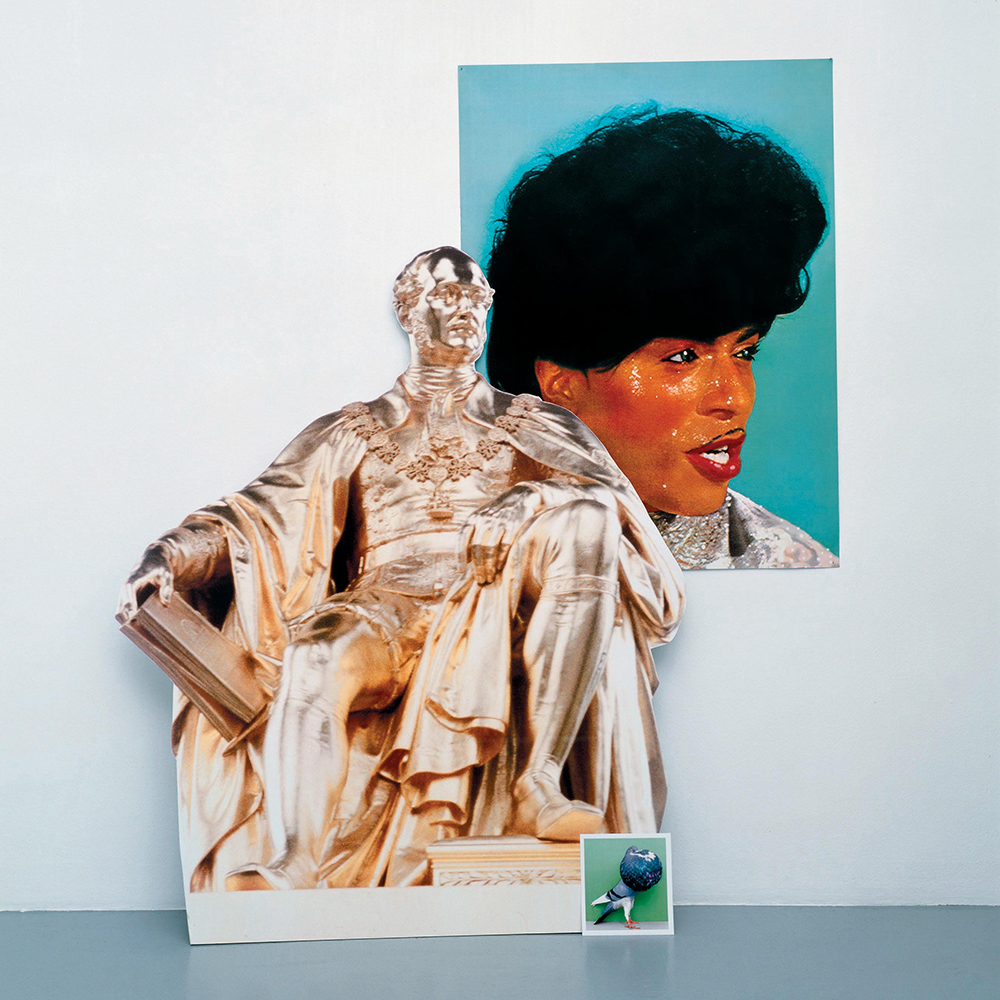
Albert-and-Little-Richard-press-page

Fresh blood is always needed, it’s in the nature of fashion to constantly crave ‘newness’. Each season there’s one or two stand out names that inject such energy. Craig Green did it a few seasons back. This time around it was down to Grace Wales Bonner to do the honour. Her sensitive, 70s-like fashion felt poetic, ranging from double-breasted suits to firetruck red tracksuits. This was one of the LC:M highlights, and here GWB explains some of her inspiration:

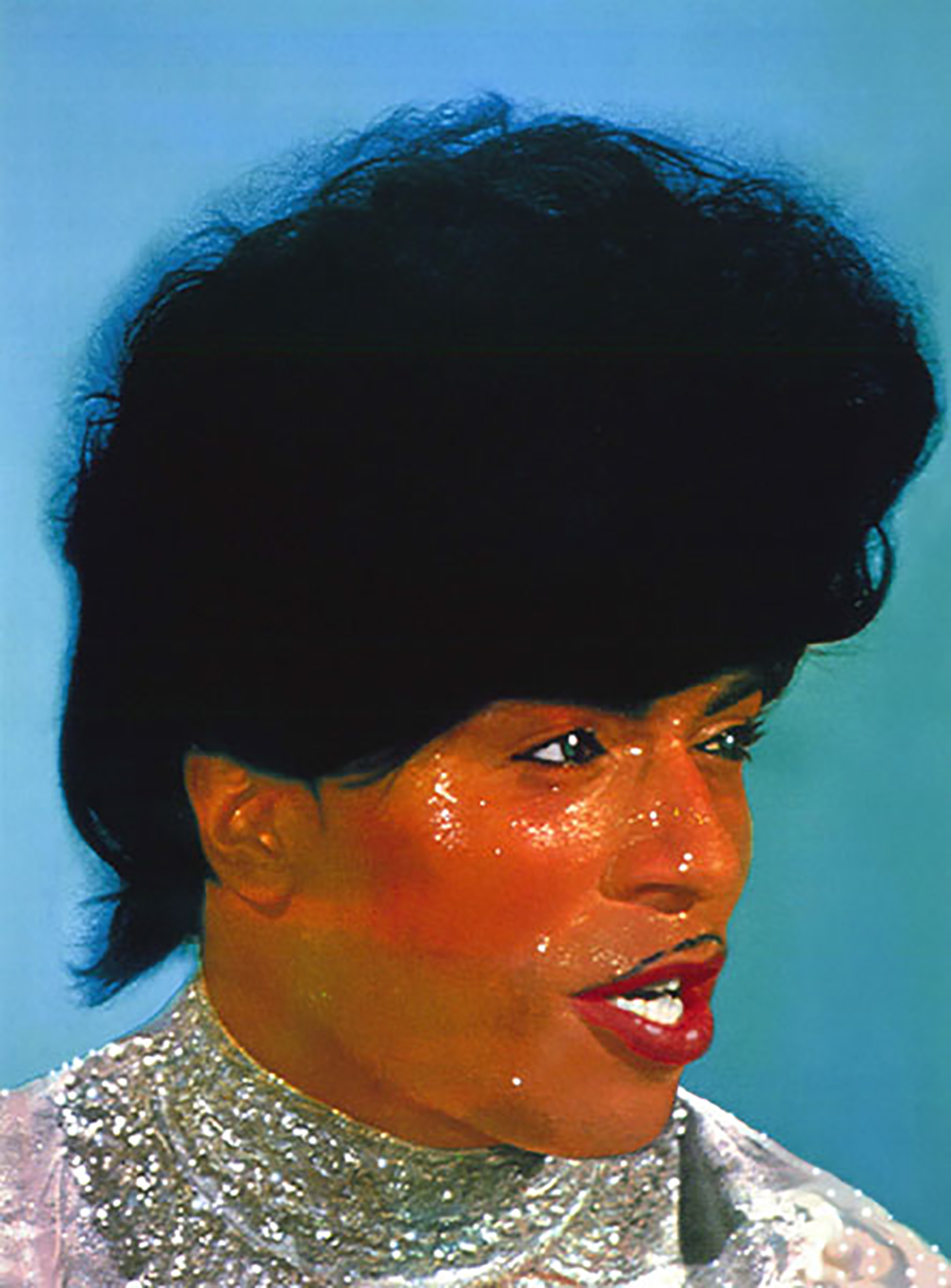
“For me, Mark Leckey’s quote on Little Richard, sets up the idea of appropriating a perception of yourself and transforming it: ‘For me he is a shaman. He takes all the trash, all of the abuse and disrespect he received, and alchemically transforms it into something powerful. He creates a space, and a space gets created around him where he can act or enact this ritual, where he can intoxicate people by his kind of magic.’

ML-037

walesbonner.net

“When working on the AW16 collection, ‘Spirituals’, I was thinking about different notions of black spirituality, how they serve as a form of escapism, how they can help create new identities. Also Afro-futurism, Sun Ra, Miles Davis, Religion and traditional Griot ceremonies influenced these ideas. Mark Leckey’s work was referenced in the hair and make-up concept this season, where the models were painted as if they had just come off stage of a performance, their faces were glittering with sweat which also suggested ethereal qualities.”

Daily Doodle: Alexander McQueen AW16

Sarah Burton sent out army-inspired uniforms and butterfly-printed suits in a majestic LC:M show at the Foreign & Commonwealth Office with a soundtrack of tropical birds chirping

Port_mcqueen4

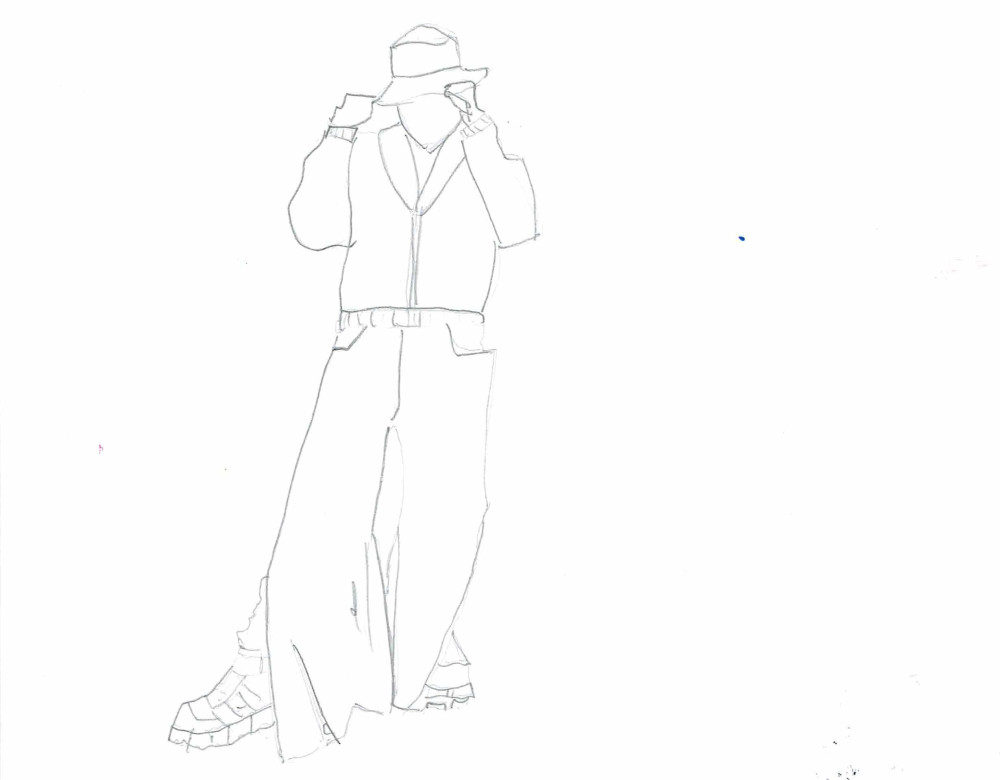
Illustration Billy Clark

Margaret Howell Photo Essay AW16

Simple yet effective, the British guardian of minimalism continued her sartorial quest with a predominantly dark and plain collection defined by her traditional loose and comfortable silhouette and a few statement knitwear pieces

Photography Agnes Lloyd-Platt

Daily Doodle: E Tautz AW16

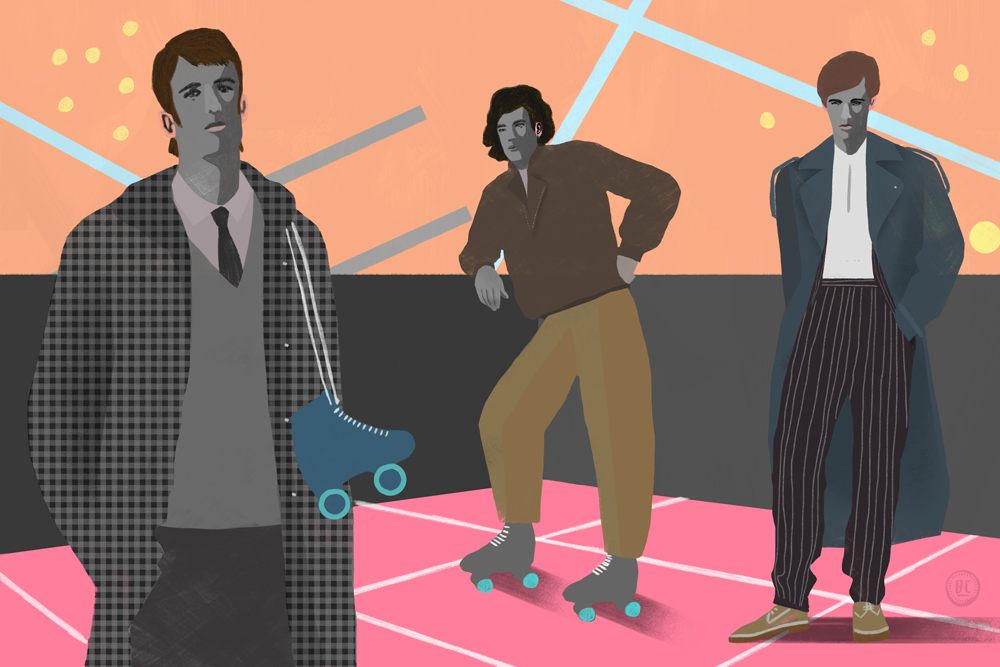
Patrick Grant kept his signature 50s volume but added 80s pop tunes and colours, creating a perfect gang of sartorial roller derby boys

image

Illustration Billy Clark

My Inspiration: Nasir Mazhar AW16

Ahead of his LCM show, British designer Nasir Mazhar discusses the speed of fashion and how the demands can cripple creativity

This collection started off from an extremely frustrated and pressurised place. There is a constant pressure for designers today to produce more clothes, more looks, more sales pieces, get more stockists and more press… it’s really crippling creatively physically and mentally. I started to feel trapped a couple of seasons ago and I think this season I just thought ‘fuck it’.

Last season, the collection went all black with hardly any branding. It was like the beginning of a cleansing period, and we’ve now entered the second season of it; I felt like we needed one more season of cleansing. I wanted to go back to my original ethos for creating – I used to be an artist free to create whatever I wanted, and recently I have just felt like a machine churning out clothes to sell.

I haven’t been thinking about sales pieces and prices and range-planning or anything like that. I stopped looking at the reference boards about three months ago… They became irrelevant. I know what I’m into and what I really want to see people wearing.

I love club wear and tracksuits; I love goths and techno heads. I love fetish wear and weird stuff, so with all of this in mind we started toiling. We’ve always worked in an instinctive way, there isn’t much drawing or designing on paper. We have a technique or reference to shape to start with and then we begin.

I feel inspired by the origins of how I started designing and how my brand was born. I’m inspired by all those small designers and craftspeople making weird stuff in their little workshops that not a lot of people will buy, but it’s interesting, beautifully made, and totally original.

www.nasirmazhar.com

Illustration Nasir Mazhar

Nike & Stone Island: Year of the Windrunner

Joe Serino, vice president of sportswear apparel at Nike, explains why 2016 is the perfect year to launch a specialist Stone Island Windrunner collaboration

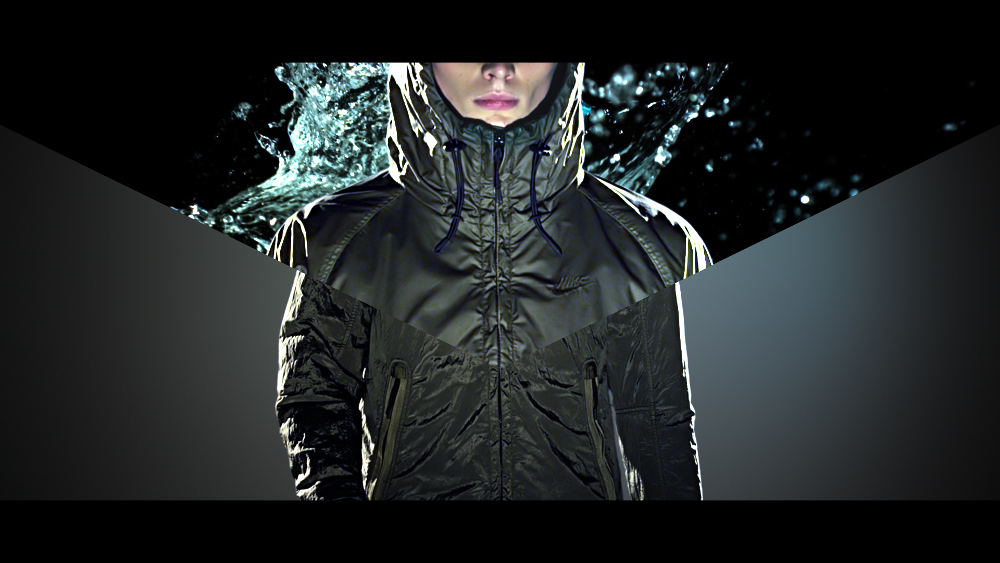
Image courtesy of Nike

It’s not often that you see two technical heavyweights, such as Nike and Stone Island, combining forces. More often than not, it’s a smaller niche brand collaborating with a more well-known brand that is an expert in its field of apparel or footwear. Nike and Stone Island are equally famed for technical and innovative designs, so in the case of the collaborative Windrunner, both brands bring that knowledge and expertise to the table. The result is an even more elevated product: a classic silhouette reconstructed with the highest specifics in modern-day technology. As Joe Serino, vice president of sportswear apparel at Nike, says: “Nike’s culture thrives on collaboration.”

Nike is calling 2016 is the ‘Year of the Windrunner’, marking a celebration of its most revered piece of apparel to date; the Windrunner is a jacket that has felt the touch of gold medals and broken records alike. Since it was first manufactured and designed in the late 1970s, the Windrunner has stood the test of time and has remained largely unchanged until now, with the help of Bologna-based Stone Island. Here, we speak to Serino about the inspiration behind what is, arguably, Nike’s most technologically advanced piece of athletics apparel created to date.

Image courtesy of Nike

What brought about this collaboration?

A successful collaboration should help both parties achieve something they may not have been able to on their own. We partnered with Stone Island for exactly this reason. We saw an opportunity to blend our sport style design with Stone Island’s craft, technical material development and dyeing expertise. The result is a jacket that is instantly recognisable as both Nike and Stone Island — it’s one that we believe will resonate quite well with fans of either brand.

What does the classic Windrunner jacket mean to Nike?

The Nike Windrunner is arguably our most important apparel icon. Of course, it was part of our first apparel line more than two decades ago, so there’s an element of nostalgia there. But perhaps more significant is the fact that the silhouette seems to transcend sport and style trends.

It’s been in the line off and on since its debut in the early 1980s and, in that time, it’s proven to be a worthy canvas for collaboration and material innovation. The latest examples are the Stone Island and sacai interpretations, but the Windrunner has also employed some of our leading material innovations over the years, such as Nike Tech Fleece and Nike Aeroloft. It has also appeared on the medal stand in the last two summer Olympic Games.

What do you admire about Stone Island?

The collaboration has been rather seamless, partly because we share a number of product values with Stone Island. I think the most important ones are our mutual obsession with functionality and delivering consumer benefits. We are both committed to creating apparel that performs at the highest level. Of course, it’s no secret that Stone Island is an industry leader when it comes to creating technical materials and dyeing. The way it achieves such brilliant colours through garment dyeing on its unique fabrics is quite remarkable. So we were eager to tap into that expertise, as the company has 30-plus years of knowhow in this area.

Image courtesy of Nike

Did you think about creating a new silhouette as well reworking the Windrunner?

We are calling 2016 the ‘Year of the Windrunner’ to honour the rich heritage of our apparel icon. We’re also honouring track and field during what will be an important year for the sport, as the first iteration of the Windrunner was created to keep runners protected in wet climates. So currently, our focus is on this silhouette. We’re excited to work with Stone Island and sacai to kick off the celebration, and, while each partnership has resulted in a unique interpretation of the jacket, both have served to advance its legacy.

Nike aims to really push the boundaries of technical sports apparel. How far do you see that going and what can we expect from Nike this year?

I can’t speak to anything specifically that’s coming this year. But I can tell you that we will continue to push the boundaries of what’s possible. We will focus on our most iconic sport style silhouettes and create newer and better versions for today’s demanding consumer.

NikeLab was created for us to add dimension to our brand and we intend on repeatedly pursuing innovation through collaborations and debuting these products in distinct environments.

After all, when we innovate, we don’t think about limits. Nike’s culture thrives on collaboration — not only with external partners such as Stone Island, but also amongst our own community of more than 650 designers.

When you bring great minds together, creativity rules and the possibilities are endless.

The NikeLab x Stone Island Windrunner jacket is available now at select NikeLab retailers and online

10,000 hours: Philip Parker

Illustration Dan Williams

Master tailor Phillip Parker writes for PORT and explains how he perfected his craft

As MD and Head Cutter of the Savile Row house who invented the Tuxedo jacket, put Churchill in chalk stripe, and set the sartorial standard for generations of the rich, the royal, and the respectable, Philip Parker has the weight of tradition on his neatly-padded shoulders. He’s cut Rex Harrison’s cloths for ‘My Fair Lady’ and re-created Emperor Hirohito’s costume for Madame Tussaud’s, and here he explains how he stitched his way to success.

“The first time I picked up a needle and thread, I wasn’t thinking of a career – it was the early 1960s and I was just a teenager messing around, trying to make my jeans fit tighter. But when my father asked me what I intended to do when I left school, I told him I wanted to be a tailor. A week later he’d got me an interview at the Federation of Merchant Tailors on Savile Row. The man I met there was very tall and incredibly elegant, and I was so intimidated I barely spoke, but he mentioned that there was a position going at Sullivan, Woolley & Co on Conduit Street and I was taken on as an apprentice coat maker.

On my first day, I arrived in the workshop, which was like something out of Dickens, and my master asked me if I knew how to sew. I said I did, so he watched me for about ten seconds and just said ‘stop’. Then he showed me how to do it properly – how to hold the cloth, how to position the needle, how to make a stitch – and that was all I did for the rest of the day. There are some tailors who are complete naturals and seem to have the knowledge inside them; and there are others who have to learn it – I was one of those. But right from day one, I never doubted that I was destined to be here.

Normally, the side of the business you go in on is where you stay, but I’d been at Sullivan’s for four years when one of the cutters left and, although I wasn’t thinking much beyond the end of the week, they must have sensed that I’d do alright in the front shop, so they moved me up and started me off as an undercutter. In those days, the senior cutters on Savile Row were absolutely terrifying – they seemed to sit just below God and I’d cross the road if I saw one coming out of his shop. But if you showed dedication, they’d teach you everything, not just about the job, but about life, too.

Over the next five years, I got to know every aspect of the trade, from meeting the customer and taking measurements, to figuration and creating the paper pattern, to chalking the cloth and cutting out by hand so the trimmer can add the linings and buttons. At the beginning, you’re only cutting trousers, as they were deemed easier than the jacket, though my view of that changed over the years: if you get into trouble with trousers it is far more difficult to correct. One of the first suits I cut from start to finish was the one I wore on my wedding day. It was dark blue mohair: the jacket had narrow lapels and side vents, and the trousers were slightly flared leg… well, it was 1970.

By the time Sullivan’s was taken over by Henry Poole & Co in 1981, I’d worked my way up to be head cutter and that’s what I am here today, though the business has evolved a lot in recent years and you never stop learning. With each new suit, you’re working from a blank canvas to create something that fits the customer perfectly. The Savile Row style is very distinctive, but we’re offering a bespoke tailoring to an individual and, as our owner Mr Cundey always says, ‘a customer isn’t a customer until he’s ordered twice’. During my career, I’ve cut thousands of garments, and it doesn’t matter whether it’s livery for court, a tuxedo for Joanna Lumley, a business suit for an ordinary man off the street, the best part of the job is always the same. It’s the moment during the final fitting when everything looks immaculate and I can say to myself: ‘Yes, that’s it: I’ve done my job. Just try picking holes in that.’”

This story was taken from issue 7 of PORT. To subscribe or buy a back issue, click here

Adidas NMD and the future of footwear

Footwear designer Nic Galway and PORT’s fashion features editor David Hellqvist discuss the latest Adidas trainer and how the brand looked to the past to create the future

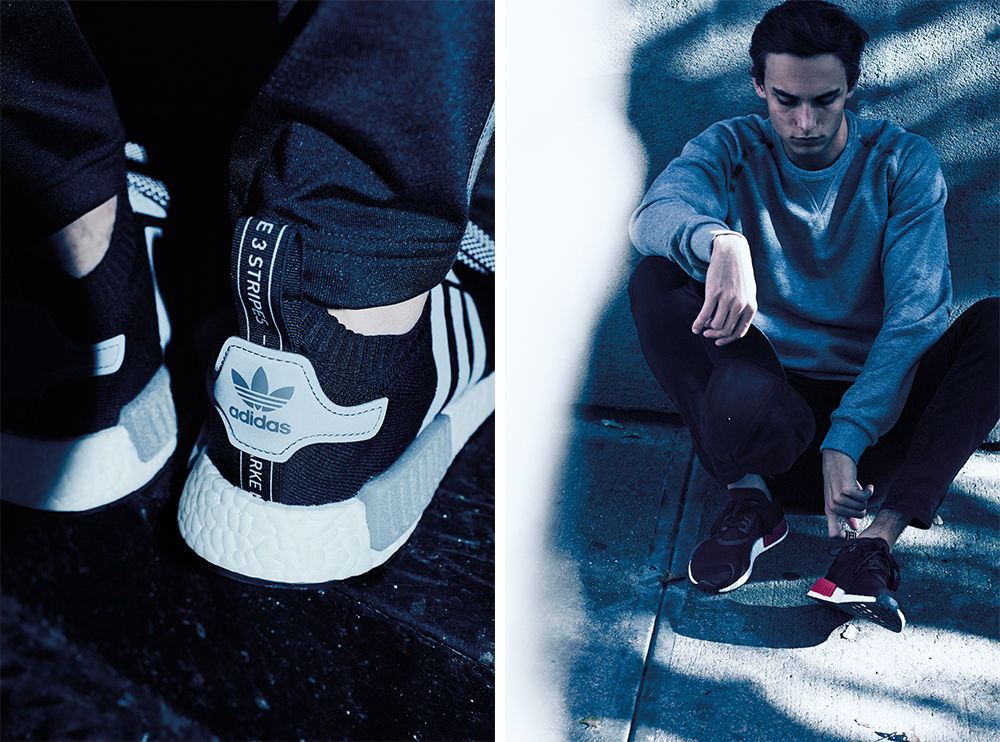
Composite 2

‘Heritage’ and ‘technology’ are equal buzzwords in 2015 – these days you need to attach at least one of them to your product to achieve blog coverage and sales. Adidas, the German sportswear company founded in 1949 by Adi Dassler in Herzogenaurach, is fortunate enough to be able to draw from both, putting them in a unique position in the ever-evolving and product-focused category of high-end fashion sportswear. It’s a relatively new form of consumerism and one that only has been around for about 15 years. Adidas and Japanese fashion designer Yohji Yamamoto pioneered it when they formed Y-3 in 2002.

Nic Galway, an Adidas designer since 1999, has played a vital part in developing Y-3, as well other high-tech Adidas products and countless high profile catwalk collaborations with the likes of Rick Owens and Raf Simons.

“When I joined Adidas we only made sport products, and fashion houses only made fashion product,” Galway says. “The birth of Y-3 was the moment in which it all started to change and I think some of the old establishments fell away and those who couldn’t adapt within those environments made way for a new generation. That happened in my industry and in the fashion industry, and we were part of that.”

20151028_ADIDAS_NMD_LOOK 05_0965_R_300_V1

Galway is being modest. Adidas wasn’t just “part of it”, it’s a leading player in the field of fashionable sportswear – or sporty fashion, depending on whom you ask. Technology plays a big part here, as you can imagine. But whereas other brands will have to make due with some taped seams and Gore-Tex patches, Adidas is able to develop performance-enhancing and innovative footwear and apparel.

But it’s not alone in doing this of course: other brands have similar capacities, but few are as prolific as Adidas. There’s a constant stream of collabs, new capsule collections, sub-brands and new trainer styles developed in the secret labs of Herzo, and then pumped out to the awaiting market. How much of this do we really need? Well, far from all of it, but Adidas is just the enabler. It produces the trainers; it’s up to us to put them to use. The new Adidas NMD trainer, the reason I’m in New York talking to Nic Galway, is a point in case.

20151028_ADIDAS_NMD_LOOK 03_0218_R_300_V2

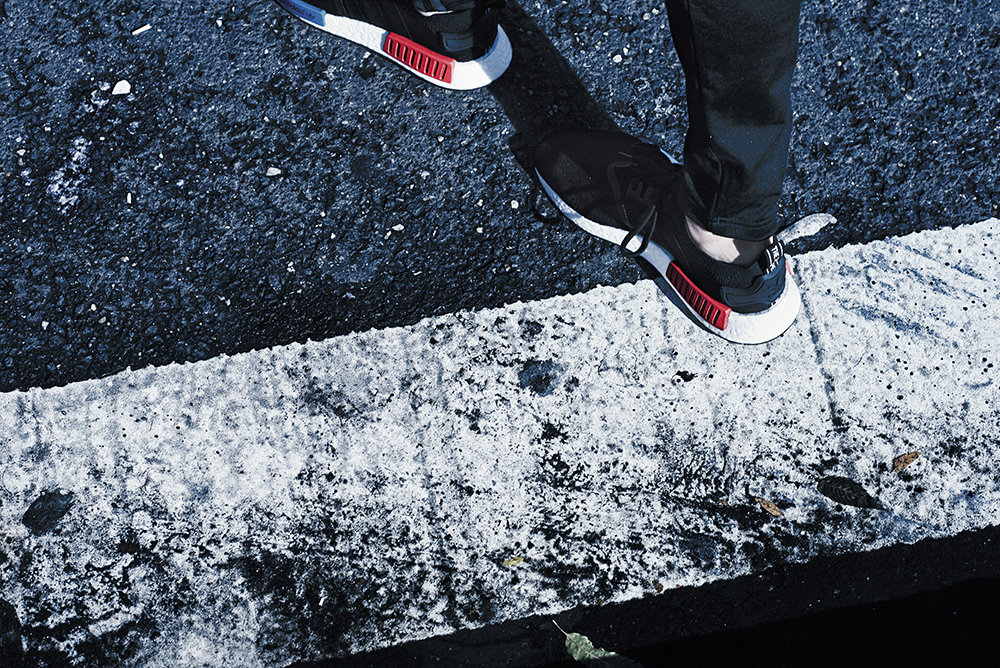
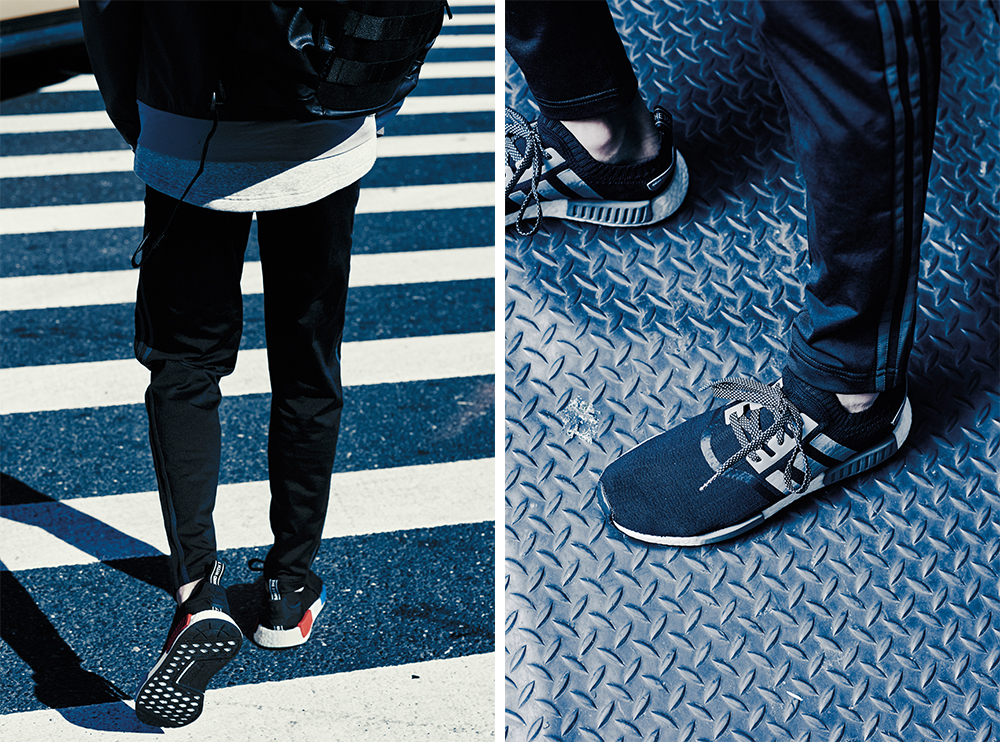
The NMD is not a running shoe, neither is it a retro trainer in the style of Converse Chuck Taylor (Read PORT’s story on the new Chuck Taylor All Star II) or another global Adidas success, the Stan Smith. It’s something in between. It’s a comfortable and versatile hi-tech trainer for everyday wear.

“I wanted the NMD to be a shoe that you want in your life. The Stan Smith, for example, has a level of innovation which is from a generation or two back. I wear them because I love them,” Galway explains. “But, I see the opportunity I get when I look out our archive. Those products were never meant to stand still. Everything in that archive was driven for wanting to improve, to make things better.”

This is where the heritage comes into play. Normally brands look to one style and merely update it, as with the recent Adidas Tubular series. In order to create the NMD, Galway picked out three trainers – the Micro Pacer, Rising Star, and Boston Super styles – from the mid 80s and mixed up the design and technology from all three.

“This is taken from a generation of trainers,” he tells me. “I really like the mid-80s, it was a time when technology was changing – not just in the shoe industry but in the world. Apple Macs were coming into our homes and someone in Germany said ‘let’s make a shoe with a computer on it’! That must have been a very bold decision because not many people had computers. It was so ahead of its time as we are only just seeing wearable technology coming through now.”

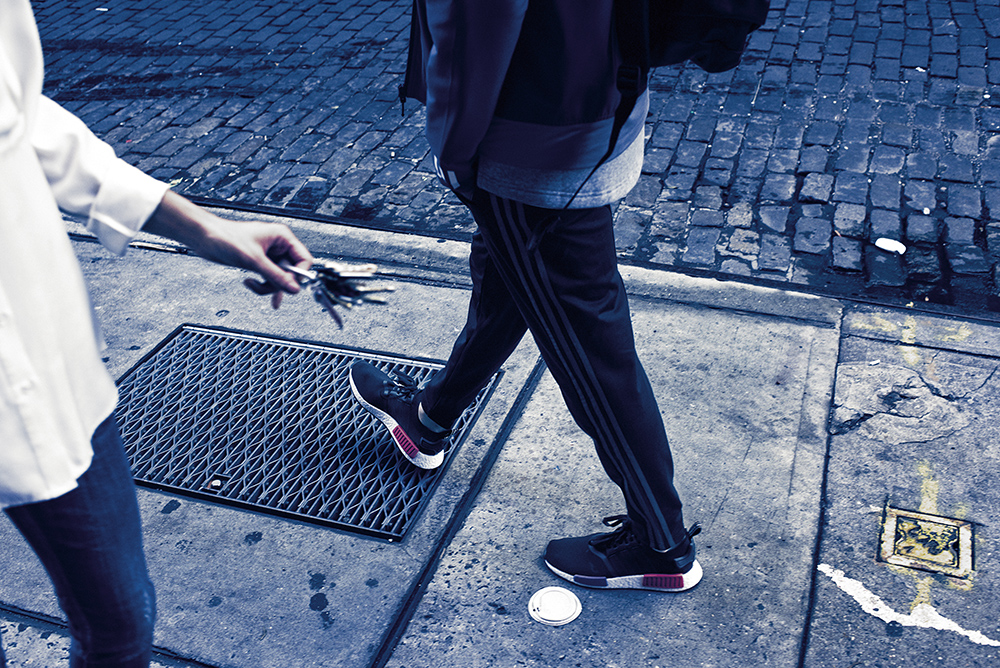
Composite 1

The last piece of the puzzle is the technology behind the NMD. The physical makeup of the line is very minimal: dissect it and you’re left with only a handful of parts. The upper is made of the sock-like Primeknit and the tooling consists of Adidas’ simple yet effective Boost sole unit. These are standard Adidas technologies by now, defining – either separately or together – most of the Adidas footwear output in 2015. For Galway they are signatures, though he calls them “collective memories”.

“If I think of a brand that I love, and one that has a rich history, and I ask myself ‘what is it about this brand that sticks in my mind?’… For me, that is the collective memory,” Galway explains. “If I think of a BMW, there are certain elements that I associate with their cars. I believe that Adidas has that certain design knowledge that people can picture. They might not be able to draw you how the shoe looked, but they will know what it looked like and they could probably explain that.”

20151028_ADIDAS_NMD_LOOK 05_0666_R_300_V3

In today’s saturated sportswear market, the unique selling point is key. There are simply too many brands out there producing middle-of-the-road product that will have no impact on our lives. In order for us, as customers, to believe in a product, the brand needs to be able to explain the reason for me wanting and, more importantly, needing the shoe, jumper, trouser or jacket.

Does the NMD do that? Do I really need another pair of trainers? Only you can answer that question: the ‘need vs. greed’ ratio is a very personal equation. Suffice to say, the NMD trainer stands the test, at least in terms of how we began this conversation. Heritage and technology are fused beautifully into a new version of an old product… or products in this case. It has the capacity to work with you everyday and to enable you to go the places you want.

Composite 3

The NMD was intended to be built for everyday life, ready to tackle whatever situation you find yourself in. And For Galway, the purpose of the trainer is most tested when travelling. “I don’t want to have to carry one shoe that’s comfy and one that’s stylish…I want to combine that,” he says. “I want to sit on the plane and have a notebook because I don’t want to have to wait for something to start up or be told to turn it off. We’re talking about objects of meaning.”