Port Horizons: Savannah

Port Horizons is a new travel series, with each edition focusing on a single location to explore how its architecture, makers and communities shape its cultural identity. For the first edition, we explore how Spanish moss, historic squares and a university called SCAD transformed America’s most beguiling Southern city

All photography Phil Dunlop

When you arrive in Savannah, Georgia, the first thing that slows your step is the Spanish moss, laced like silver tinsel through the branches of ancient oaks. It hangs low enough to brush your shoulder as you pass – and, as the locals warn, it often gets stuck in your hair. By late summer it sways in the humid air, softening the geometry of America’s first planned city. Savannah was laid out in 1733 by British general James Oglethorpe, its grid of 22 squares punctuating the streets with fountains, statues and benches, each framed by a patchwork of Colonial, Federal, Gothic Revival and Victorian buildings. Cast-iron balconies curl with vines, verandas sag in the heat, façades wear their history in layers of paint and weather.

Yet perhaps most noticeable are the large-scale Savannah College of Art and Design signs peppered throughout town. Painted on old brick warehouses, lit in neon above façades and stencilled onto doorways are four letters: SCAD. The Savannah College of Art and Design is everywhere, stitched into the city’s fabric like a watermark.

Founded in 1978, the university was the brainchild of Paula Wallace, president of SCAD, who envisioned a new type of art school – one that bridged creativity and professional practice. At a time when most creative colleges left careers to chance, SCAD was deliberately structured as an “art and design university where students are educated as creative professionals from day one – much like a medical school or law school, so that they might be propelled towards lifelong careers”, says Wallace. From its first cohort of 71 students, the school has grown into a global institution of more than 18,500 across Savannah, Atlanta, Lacoste in Provence and an online campus, offering over 100 degree programmes spanning film, fashion, photography, design, architecture, game development and more. Its “unofficial” motto, says Wallace, became “No starving artists”. Today that ethos manifests in infrastructure like SCADpro – an in-house design studio developing briefs for NASA, Gucci and Google – and resources ranging from a casting office to industry-standard production facilities. “Our philosophy is simple,” adds Wallace. “Reimagine with reverence.”

Wallace grew up in Atlanta, the daughter of May and Paul Poetter, a curriculum designer and a Bureau of Labor Statistics employee. By the age of 12 she was giving piano lessons to neighbourhood children, discovering early both her independence and her love for teaching. While working later as an elementary school teacher in Atlanta Public Schools, she became frustrated by what came next for her pupils: “I recognised a chasmic gap in higher education, which was too heavy on abstraction, too light on application,” she recalls. In the 1970s, art schools didn’t speak about careers. “You were left to fend for yourself. Whatever happened after university, that was a black box,” she says. “Not at SCAD. Every course would be designed to meet a professional need, a client’s need.”

Her parents backed the vision, selling their belongings and retirement savings to purchase SCAD’s first building, a derelict 19th-century armoury on Bull Street that became the university’s first classroom. Wallace describes Savannah at the time as “on her deathbed”, with historic structures crumbling, downtown hollowed out and young people leaving. SCAD has since restored more than 70 historic buildings, from depots and schools to warehouses and churches, giving them new life as classrooms, studios and galleries. Walk down Broughton Street, Savannah’s main commercial artery, and the logo can be seen on buildings such as SCAD Trustees Theater and Jen Library – located a few blocks down from Paris Market: an airy, Parisian-inspired concept store that has become a destination for design-minded visitors. Forsyth Park, over 30 acres of lawn and shaded pathways in the Victorian District, hosts Saturday markets, art festivals, and is an ideal place for student projects to spill out under its oaks. The Starland District, once semi-abandoned, now hums with converted dairies, galleries and cafes, many of them run by graduates.

That initial building – Poetter Hall – became the benchmark of it all, and today it houses SCADstory – an immersive, Disney-esque biography of the institution. “So many SCAD buildings have lived many lives,” Wallace says. “Former churches, schoolhouses, private residences, Savannah’s first hospital, first power station and others all transformed by the university through adaptive rehabilitation and upcycled into new purpose.” Vice president of SCAD Savannah, Darrell Naylor-Johnson, frames it as inseparable from the city’s rebirth: “What were once uninspired or abandoned spaces have been turned into vibrant, living models of design and artistry.”

The SCAD Museum of Art, housed in the 1856 Central of Georgia Railway depot, is a contemporary art museum and teaching space. Its 65,000-square-foot expansion added galleries, conservation labs, event space and a 250-seat theatre. Winter exhibitions include shows by contemporary international artists Rana Begum, Tomokazu Matsuyama, Davina Semo and Michi Meko

The SCAD Museum of Art epitomises this approach. Sitting on the city’s west side, just a short walk from the riverfront’s Plant Riverside District, the museum is housed in the 1856 Central of Georgia Railway Company depot – once worked by enslaved African Americans. In 2011, it was rescued from ruin and reimagined with alumnus and professor Christian Sottile. More than 70,000 original Savannah grey bricks were paired with an 86-foot glass tower, a soaring modern addition nicknamed the ‘Lantern’. SCAD’s choice to preserve and showcase the bricks is a way of acknowledging the past while embedding it into a space of dialogue and creativity. “This National Historic Landmark is the only surviving antebellum railroad complex in the US,” explains chief curator Daniel S Palmer. “The building’s precious salvaged Savannah grey brick and original heart pine timbers give the museum a vital sense of place and root us to the historic site, yet the brilliant adaptive reuse renovation allows for a state-of-the-art display and experience of art.”

Davina Semo’s exhibition A Gathering of Bells at the SCAD Museum of Art

Inside, as many as 20 exhibitions a year bring international artists into conversation with SCAD alumni. In recent months, shows have ranged from a solo show of Rana Begum called Reflection to Davina Semo’s A Gathering of Bells, alumna Summer Wheat’s Fruits of Labor and a group exhibition exploring myths and legends. The museum has just unveiled the world’s first exhibition of garments and other belongings from the late André Leon Talley’s personal collection – a project Talley himself had asked Wallace to oversee.

SCAD’s restoration work extends beyond the museum. The Beach Institute, founded in 1867 as the first school for African Americans in Savannah, was rehabilitated and donated by SCAD to the King-Tisdell Cottage Foundation, a landmark that “thrives as a vital centre for African American arts, culture and history”, says Naylor-Johnson. He adds, “As a Black Southerner, my return to the South – and to Savannah specifically – was influenced by SCAD’s presence. Savannah is a city with a layered and often difficult history, but SCAD has helped reframe that history by restoring neglected spaces, fostering inclusivity, and creating opportunities for global dialogue through art and design. SCAD’s presence demonstrates that the South can be both a guardian of its heritage and a leader in innovation. In doing so, the university has helped position Savannah as a cultural and creative capital, while also challenging historical narratives that excluded voices like mine.”

Spanning over 300,000 square feet, SCAD’s Savannah Film Studios includes the largest university backlot in the U.S., complete with an LED volume and Hollywood-scale sets – giving students a true-to-life film production experience

Savannah’s identity today is inseparable from the university’s cultural footprint. Each autumn, the SCAD Savannah Film Festival draws around 75,000 visitors, regularly attended by Barry Jenkins, Olivia Wilde and Jeremy Irons. Jenkins hired dozens of SCAD students for The Underground Railroad, while Todd Haynes shifted production of May December to Savannah after attending the festival. The city is also home to the Savannah Film Studios, the largest university film studio complex in the country. Spanning 300,000 square feet, it includes an LED volume, a Hollywood-style backlot, and a 17,000-square-foot production design facility. “SCAD has it all. In the School of Film and Acting we have an unwavering commitment to transform every class and student project into a ‘just like Hollywood’ or ‘just like Broadway’ experience,” says Andra Reeve-Rabb, dean of the School of Film and Acting. “At SCAD, students don’t just learn film, they live it.”

The fashion programme is no less visible. Alumnus Christopher John Rogers, winner of the CFDA/Vogue Fashion Fund and an LVMH Prize finalist, cut his teeth here; other graduates have gone on to LVMH and Nike. Former Style.com editor Dirk Standen, now SCAD’s dean for the School of Fashion, puts it bluntly: “We bring Paris and London and New York here.” The university recently launched a tailoring course in partnership with Savile Row stalwart Huntsman, embedding professional expertise directly into the curriculum. John Rogers remains closely engaged with SCAD students, while Flora Medina was hired by i-D’s Steff Yotka straight from campus. “It’s literally hand in hand – not only in terms of placing our students or partnering on conferences, but in embedding professional expertise into our curriculum,” says Standen.

Perhaps the clearest sign of SCAD’s embedded nature within Savannah is the number of graduates who stay and build their futures in the city. Leather goods brand Satchel, founded by Elizabeth Seeger, has become a fixture on Liberty Street. “At SCAD we were encouraged to use any and all resources at our fingertips and to think outside of the box to solve problems. Isn’t that entrepreneurship in a nutshell?” she says. 

In the Starland District – now one of Savannah’s trendiest neighbourhoods – alumni have opened cafes, studios and galleries, helping anchor a creative community. Provisions, a hybrid cafe and pantry founded by graduate Nikki Krecicki, has become a downtown hub. Origin Coffee Roasters, launched by another alum, keeps students and locals alike fuelled. Laney Contemporary, run by a SCAD graduate, has established itself as one of the city’s most forward-thinking galleries. Elsewhere, Asher + Rye merges Scandinavian-inspired interiors with a lifestyle store, while jewellery designer Gillian Trask has built a namesake studio for her sculptural silver pieces.

SCAD also runs Gryphon, a tea room housed in a 1926 pharmacy, where students and alumni – like Aahana Tank, who’s studying themed entertainment design and has worked on two SCADpro projects with Universal – serve grits, quiche and sweet tea beneath stained-glass windows. Next door, shopSCAD acts as a storefront and showcase, selling student and alumni-designed works to visitors from around the world.

For Seeger, the appeal of staying is about more than a business opportunity. “I love that Savannah values quality of life,” she adds. “The city is beautiful, the people are lovely and it’s a laidback lifestyle.”

Tybee Island, about 18 miles east of downtown Savannah, is home to ~3,400 year-round residents, hosts nesting logger- head sea turtles and features one of the oldest operational lighthouses in the U.S

The work of SCAD graduates – whether running cafes, designing jewellery or staging exhibitions – wins awards, pays wages, fills hotel rooms and keeps studios in business. Meanwhile, blockbuster festivals and fashion events translate into production hires, tourist nights and local retail spend. A Tripp Umbach study found SCAD generated $1.3 billion in economic impact for Georgia in the 2023 fiscal year – roughly $1 billion of that attributable to the Savannah area. “Our capital projects employ local construction companies and workers, while our day-to-day operations rely heavily on area vendors, service providers and small businesses,” says Naylor-Johnson. Joe Marinelli, president and CEO of Visit Savannah, agrees: “Without what President Wallace and SCAD have done, it’s hard to imagine the community looking better.”

SCAD shows no sign of slowing down. In the past year alone it has launched new degrees in themed entertainment, cinematography and eyewear design. A Bachelor of Design in applied AI – the first of its kind – is beginning this term, empowering students to “shape intelligent systems with empathy, ethics and artistry”, says Wallace. “We launch new degrees that anticipate market demand – immersive reality, sneaker design, the business of beauty and fragrance.”

SCAD Beach is a 16,000-square- foot sand-filled courtyard built upon the former railway depot footprint. It includes sable palms, ambient lighting, cabanas and a lifeguard stand that doubles as an AV booth

Yet for all the scale, her vision remains intimate. She recalls a graduate who returned from India with his wife. “He described Savannah and SCAD as places ‘you want to fold up and put in your pocket, take with you wherever you go’. Our city and university reside in people’s hearts that way, carried with SCAD friends and alumni throughout their lives and careers.”

Nearly five decades after its founding, SCAD has grown into something larger than itself. Its home in Savannah remains unapologetically Southern – “The residents that live in Savannah are some of the most hospitable and welcoming that you’ll find anywhere in the country,” says Marinelli – but now, it’s layered with a new identity. A city of students, makers and dreamers, where the preservation of the past feeds directly into the future.

Photography Phil Dunlop

This article is taken from Port issue 37. To continue reading, buy the issue or subscribe here

Savannah’s marshes are rich in spartina grass and tidal creeks, hosting migratory birds and aquatic species

Hidden in Transit

Photography Vera van Dam, styling Georgia Thompson 

SAINT LAURENT BY ANTHONY VACCARELLO
LOEWE
DIOR
Top & Skirt LOEWE Belt TOD’S
GUCCI
ISSEY MIYAKE
Top CELINE Bracelet CAMILLE SURAULT
PRADA
LOUIS VUITTON
Sweater CELINE Bag BOTTEGA VENETA
Dress FENDI Shoes SAINT LAURENT BY ANTHONY VACCARELLO

Photography Vera van Dam

Styling Georgia Thompson

Photography assistant Elmer Driessen

Hair and makeup Kathinka Gernant

Model Anneliek c/o Mo at Platform Agency

This article is taken from Port issue 37. To continue reading, buy the issue or subscribe here

Reworking Wardrobe

Photography Gabriele Rosati, styling Alessia Vanini

HERMÈS. Photography Gabriele Rosati, styling Alessia Vanini
Sweater above LOEWE sweater below TOD’S
SAINT LAURENT BY ANTHONY VACCARELLO
DIOR
Clockwise from top: ASPESI, LOUIS VUITTON, MIU MIU, FERRAGAMO, LORO PIANA, ZEGNA, LARDINI, FALKE, SUNSPEL
MONCLER
STONE ISLAND
DUNHILL & CANALI
CANALI
Polo LARDINi Knitwear SETCHU
DOLCE & GABBANA
SCHOLL
From top BRUNELLO CUCINELLI, LEVI’S, ASPESI

Photography Gabriele Rosati

Styling Alessia Vanini

Set Design Alessandro Mensi

Production Olimpia Balli 

Retouching Richard Modena

This article is taken from Port issue 37. To continue reading, buy the issue or subscribe here

Between the Static

Photography Suffo Moncloa, styling Mitchell Belk

GUCCI
Shirt HERMÈS Rollneck HERMÈS Trousers LOUIS VUITTON Belt HERMÈS

Shirt LARDINI Trousers LARDINI Sweater CELINE Tie LARDINI Shoes LORO PIANA
Shirt FENDI Trousers FENDI Boots SAINT LAURENT BY ANTHONY VACCARELLO
Shirt PAUL SMITH Tie PAUL SMITH
Coat DUNHILL Shirt EMPORIO ARMANI
Waistcoat LORO PIANA Trousers LORO PIANA Shoes CANALI
Shirt HERMÈS Rollneck HERMÈS Trousers LOUIS VUITTON Boots HERMÈS Belt HERMÈS

PRADA

Photography Suffo Moncloa

Styling Mitchell Belk

Model Finn @ Rapture

Casting Ikki Casting

Production Myself

This article is taken from Port issue 37. To continue reading, buy the issue or subscribe here


The Art of Duality: Rejina Pyo and Jordan Bourke

In the first film of Port and Sage’s series, The Art of Duality, fashion designer Rejina Pyo and chef Jordan Bourke reveal how their home becomes both studio and kitchen. Across sketching, painting and recipe development, we uncover how they move between moments of intensity and reflection – with coffee as an anchor in their day-to-day. At the centre of these rituals is the Oracle™ Dual Boiler espresso machine by Sage, offering the ease of automation when the pace quickens, and the satisfaction of hands-on craftsmanship when there’s time to linger

Rejina Pyo launched her eponymous label in 2014, shortly after earning an MA at Central Saint Martins. Known for her sculptural yet playful silhouettes, she’s built a reputation for designs that balance bold form with comfort and ease. Her Soho store embodies that same sensibility – with clean lines, natural materials and warm lighting, it acts as both retail space and creative hub, a place where she connects with her team and the people who wear her clothes. Her husband, Jordan Bourke, is a chef, food stylist, author and broadcaster. He’s a recognised authority on Korean cuisine, co-author of Our Korean Kitchen, and has trained both in Ireland and in Korea. 

Their home doubles as both a studio and a kitchen – a creative crucible where garment samples, recipe tests, painting tools and ingredients live side by side. It’s also a place to slow down, to cook, sketch and gather their thoughts between projects. With two children, school drop-offs and a lively household, calm comes only in small pockets before the day intensifies. 

“Some days are filled with work events and deadlines, and then some days are quieter,” Pyo says. Her mornings often begin with journaling through what she calls her “morning pages” – a moment to process what’s “bubbling in her mind” before the day begins. She notes of her business journey, “I say it was very high risk as an independent designer in London, but I just love the connection with people.” Her days in the studio can be full – fittings, store visits, meetings with her team – but she finds calm when she turns to painting in the evening, a slower and more instinctive process. “Painting can be relaxing,” she says, “but it can also be a crazy process – you build this energy, and then you have to let it out.”

For Bourke, the pace of his day is equally dynamic. “If I’m developing recipes for a client or for a book, it’s usually to a deadline […] picking up ingredients, testing, writing. I’ll have quick coffees throughout. It’s just a case of moving as fast as I can,” he says. But when he gets the chance, he seeks to counterbalance that intensity – slowing down to cook for the family, to plate food carefully, or to enjoy the sensory process of grinding beans and brewing coffee by hand. 

In their household, coffee mirrors this duality of efficiency and routine. Bourke adds, “I love having the time to make a more manual coffee. It’s a bit more of a labour of love – such a ritual.” Meanwhile, Pyo begins her day with a cup before stepping into Soho’s bustling streets: “You don’t always know where you can stop for a coffee, so I like to make it at home, then you’re out the door, walking to the station to the store in Soho.” The Sage Oracle™ Dual Boiler sits in the centre of their kitchen, allowing them to switch between auto and manual modes – automatic workflow for when the morning rush demands it, and hands-on espresso crafting for when time slows down. The new Auto Dial-in system monitors each extraction and automatically adjusts the grind size, helping to achieve the perfect cup. “It kind of just brings all of those elements into one … perfect. It just sits beside the oven,” Bourke says.

This film marks the beginning of Port x Sage’s The Art of Duality, exploring the rhythm and balance of modern creative lives. Stay tuned for the next film in the series, featuring chef Thomas Straker, releasing on 23rd October.

Production Studio Union
Exec producer Dan Pickard
Director & DoP Theo Tennant
Lighting & camera assistant Matt Bramston
Hair & makeup / groomer Margherita Lascala
Port producer Jack Stacey
Port editor Ayla Angelos
Production assistant Annabelle Brown
Barista / drinks stylist Luke Lane
Edit Ned Donohoe
Edit David Tse
Colourist Lucrezia Pollice
Dub Tom Guest
EMEA PR & Partnerships manager Kira Schacht
Breville Group General manager, global communications Lucy Martyn
Concept agency John Doe


Sculpting Air

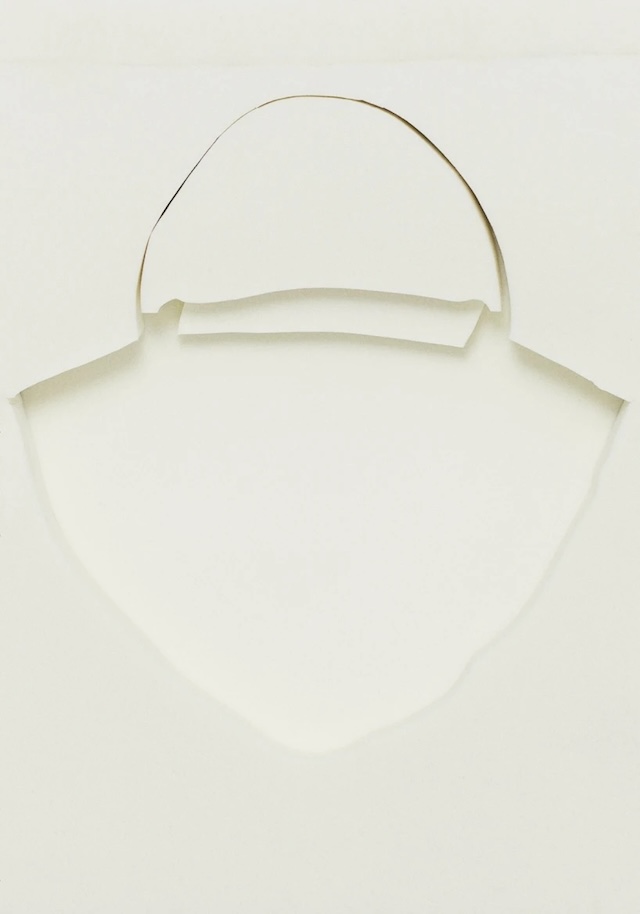
Inspired by côte&ciel designer Emilie Arnault’s sculptural approach, architect and spatial artist Alberto Simoni of asprostudio.eu has created an installation that frames the FW25 collection as weightless, architectural forms

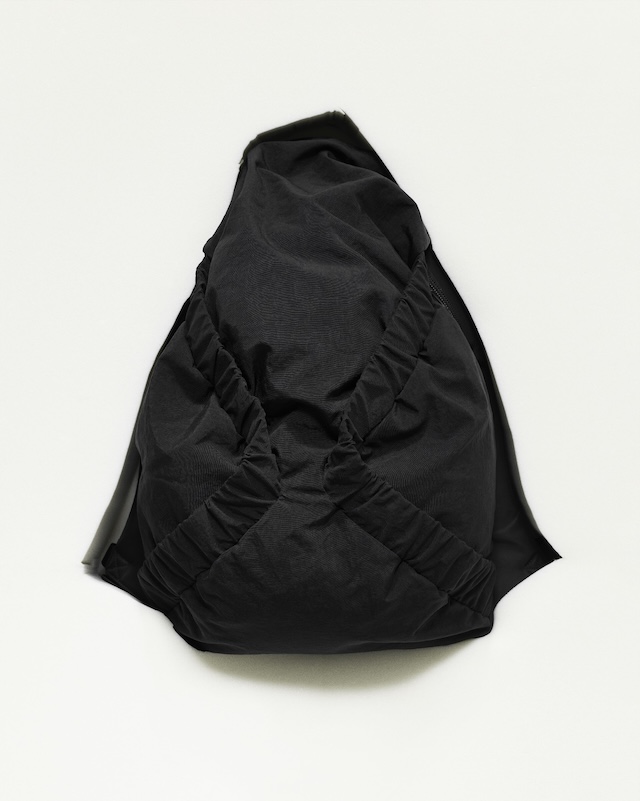
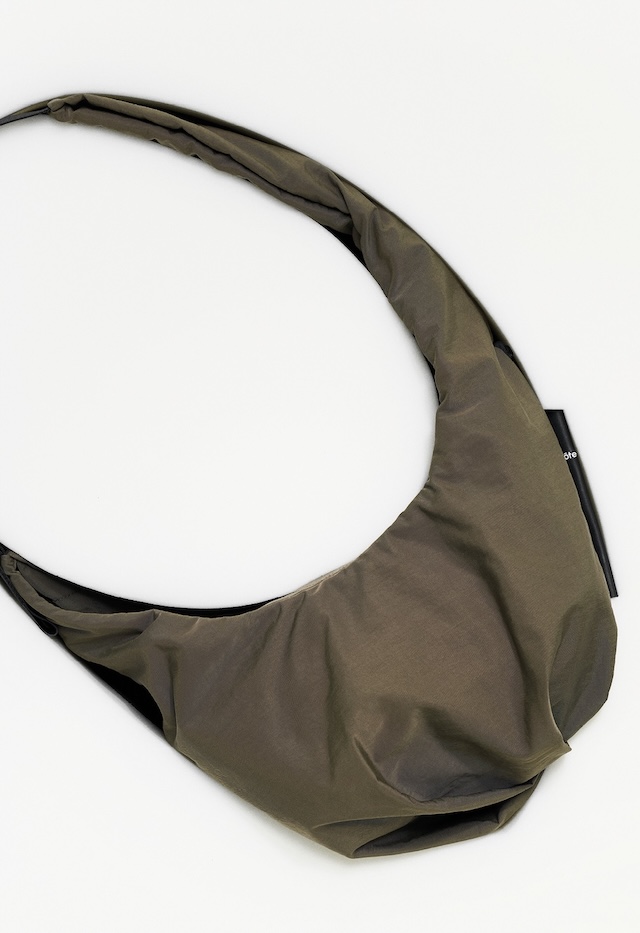
Emilie Arnault, head of design at côte&ciel, names Antoine de Saint Exupéry, the French pilot and author of The Little Prince as the inspiration behind Stratus, the brand’s new collection. “I pictured a puzzle made of sky, clouds, aircraft and parachutes through the eyes of a child.” Some bags fold like origami; others appear deconstructed, stripped to their bare bones. There’s an ethereal sense of weightlessness about them – a balance between volume and form, as if each piece had been caught in mid-air, billowing before flight.

Since its founding in 2008, Arnault has been at côte&ciel from the very beginning, guiding the design of its collections. Over the years, the brand has also embraced the philosophy of “bags to wear, not to carry”, as explained by Arnault. Their bags interact with the wearer, adapting to the body like a garment. “The more abstract the body looks, the deeper you feel the connection, as if the bag was a part of the outfit,” says Arnault. Previous examples include the cocoon-like Isar backpack, the circular Moselle and the hooded Nile.

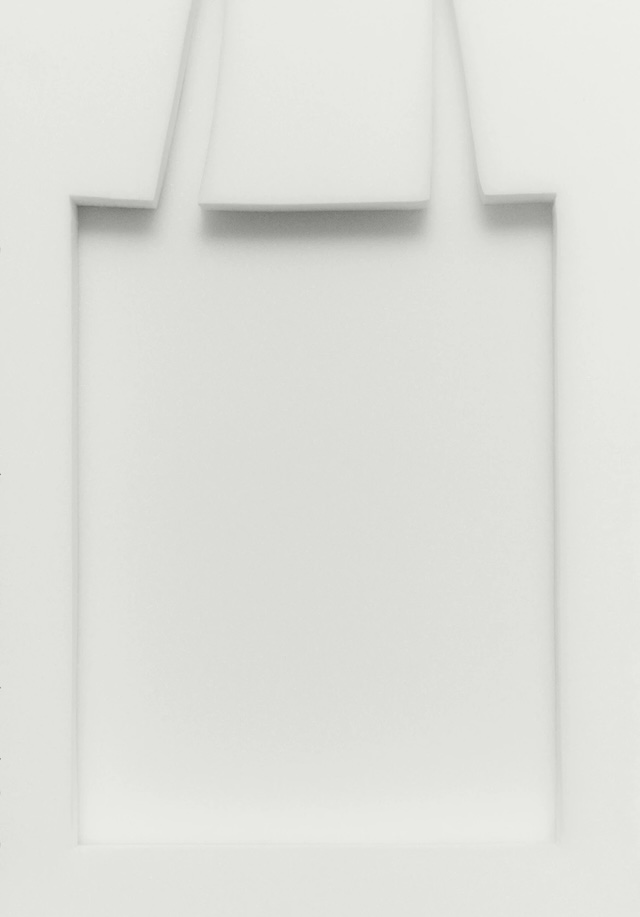
To introduce the Fall/Winter 2025 collection, côte&ciel unveiled Soft Sculptures during the Paris Fashion Week, an installation with Milan-based architect Alberto Simoni of asprostudio.eu. Over 30 foam sculptures were constructed and presented as columns of yielding material supported by wooden frameworks: without the foam, the structures would sway. “The core idea was to bring attention to the design itself,” says Simoni. “côte&ciel bags incorporate many details that emerge naturally from the construction process – details that are deduced rather than deliberately selected or positioned. While the bags appear rigid and structured, they are actually built on a soft framework.” The squishy foam blocks, sculpted to house the negative space of the bags, create an illusion of solidity, mirroring the way that the côte&ciel bags are formed.

“Emilie explained that she approaches bag design from a sculptural perspective, building the volume from two-dimensional textiles and refining it through prototyping. This was a key insight for the project,” Simoni says. Polyurethane, an everyday material, took on a key role. “Inspired by Emilie’s process, I imagined a sculptural approach – tracing the extraction of the bags from a solid block of material and displaying the negative space left behind. The negative space, shaped around the body, defines the bag’s actual volume when it is worn on the body.” Seeing her designs presented as sculptures was a moment of affirmation for Arnault. “When Alberto dared to showcase the bags as if they were sculptures, it worked so well that for a second, my impostor syndrome vanished,” she says. “That’s what happens when you meet someone who sees the world as you do – pure, selfless satisfaction.” Simoni hopes the installation offers the same sense of openness. “The sculptures are intentionally imperfect, the images are intentionally off-centre, things aren’t ‘designed’ specifically for a space. We wanted to create something without too many preconceived barriers or limitations; exactly how Emilie designs her bags.”

This article is taken from Anima Issue 3, to purchase a copy or subscribe head here

Art direction and Sculptures design Alberto Simoni asprostudio.eu

Photography Gabriele Rosati

Video Francesco Saverio Costanzo

Production asprostudio.eu

Brand creative Joe Goodwin

Production assistant Camilla Longhi

Project design assistant Rebecca Biagini

Set design assistant Mari Gianna

Digital operator Gill Lemon

Light assistant Luca Chiapatti

Retouch Mia Gianini

Baba Entrenched

Photography Olgaç Bozalp, styling Mitchell Belk, model Hüseyin Bozalp

Trench Coat TOD’S, Sunglasses DOLCE & GABBANA
Knitwear DIOR
Full look FENDI
Full look DUNHILL

Trench Coat AMI PARIS Shirt GIORGIO ARMANI Trousers GIORGIO ARMANI Shoes TOD’S

Trenchcoat GIORGIO ARMANI Top ZEGNA Trousers ZEGNA Sunglasses GIORGIO ARMANI Shoes TOD’S
Trench Cape DIOR Shirt FENDI
Full look PRADA
Full look TOD’S
Full look CANALI
Full Look HERMÈS
Trenchcoats PAUL SMITH Trousers PAUL SMITH Shoes CANALI
Trenchcoat FERRAGAMO Shirt LOUIS VUITTON Trousers FERRAGAMO Shoes FERRAGAMO
Full look ISSEY MIYAKE

Echoes of Us

Photography Valentin Hennequin, styling Stuart Williamson

Sekou (left) Blazer THE VINTAGE SHOWROOM Shirt L.E.J. Tie CELINE Trousers CRAIG GREEN Socks LONDON SOCK CO Shoes CRAIG GREEN Adria (Right) Blazer FENDI Shirt FENDI Tie FENDI Trousers CRAIG GREEN Socks LONDON SOCK CO Shoes CRAIG GREEN
Polo GUCCI Shorts GUCCI Socks CORGI Shoes AMI PARIS
Adria (left) Knit PRADA Shorts PRADA Belt ALLEVOL FROM CLUTCH CAFE Shoes PRADA Sekou (right) Shirt PRADA Stripe Polo THE VINTAGE SHOWROOM Trousers PRADA Shoes PRADA Socks BRESCIANI
Sekou (left) Jacket LOUIS VUITTON Shirt HERMÈS Trousers WALES BONNER Belt ANDERSON Adria (Right) Blazer LOUIS VUITTON Shirt COMMISSION Trousers COMMISSION Belt BELAFONTE RAGTIME CLOTHING FROM CLUTCH CAFE
Adria (left) SAINT LAURENT BY ANTHONY VACCARELLO Sekou (Right) Hat LORO PIANA Coat LORO PIANA Blazer DUNHILL Shirt LARDINI Tie CELINE Trousers DUNHILL
Full Look BOTTEGA VENETA
Top BALLY Vest BALLY Trousers BALLY Boots BALLY Belt CELINE Glasses BOTTEGA VENETA
Sekou (left) Shirt COMME DES GARÇONS SHIRT Shorts MIU MIU Trousers HERMÈS Adria (Right) Full Look LOEWE
Layered Top CRAIG GREEN Top EMPORIO ARMANI Trousers FERRAGAMO Jacket FERRAGAMO
Adria (left) Blazer CELINE Top DIOR Jeans THE VINTAGE SHOWROOM Sekou (right) Jacket MARTINE ROSE Polo CELINE Shirt CELINE Trousers CELINE
Sekou (left) Outerwear Vest HERMÈS Vest L.E.J. Trousers WALES BONNER Adria (Right) Top DRIES VAN NOTEN
Sekou (left) Blazer LARDINI Shirt LARDINI Trousers LARDINI Shoes JOHN LOBB Adria (Right) Blazer TOD’S Shirt LEMAIRE Trousers LEMAIRE Shoes FERRAGAMO


Photography Valentin Hennequin

Styling Stuart Williamson

Photo assistant Enea Arienti

Fashion assistant Helly Pringle

Models Adria Sane & Sekou Drame

Casting Director Aymeric @ AYM Casting

Grooming William Scott Blair

Production Mika Bardi

This article is taken from Port issue 36. To continue reading, buy the issue or subscribe head here

Threads of Time

Gucci collaborates with nine global artists to reimagine the themes from the brand’s archives – flora, fauna, nautical, equestrian and the GG monogram – through a new silk scarf collection

Gucci printed silk twill carré created in collaboration with Jonny Niesche for the 90 × 90 project. Photography Patricia Schwoerer

There’s a lot of change happening at Gucci right now. As we all know, Demna Gvasalia has taken the helm as the brand’s creative director, thus ushering in an exciting next chapter for the 104-year-old house. In the meantime, a new collection of silk scarves, made in collaboration with artists across the world, riffs on the brand’s history, affirming the timelessness of Gucci and the little details that endure from era to era.

Gucci began developing its silk craftsmanship in the 1950s. By the 1960s, it was collaborating regularly with the illustrator Vittorio Accornero de Testa to create the kind of elegant, iconic scarves that we still recognise today. Drawing on that legacy, this latest project tasks nine artists of different disciplines to reinterpret the house codes and create a fresh, modern take on the silk scarf.

Gucci printed silk twill carré created in collaboration with Currynew for the 90 × 90 project. Photography Patricia Schwoerer

The themes – flora, fauna, nautical and equestrian – are all familiar. The collaborators, however, are new to the Gucci family. Robert Barry, Everett Glenn, Sara Leghissa, Currynew, Jonny Niesche, Gio Pastori, Walter Petrone, Yu Cai and Inji Seo all responded to these concepts and symbols with varying ideas. The result – referred to as the ‘90 × 90’ project, a reference to the measurements of the classic silk twill scarf – is eclectic and diverse, just what we imagine the brand was after.

For Inji Seo, the Seoul-based illustrator – who, in one scarf, imagined a bright pink and neon-green jungle of luscious trees, verdant plants and characterful animals (with a particularly bashful-looking giraffe) – family couldn’t be more at the forefront of her mind. “What made this project even more special is that I found out I was pregnant while working on it,” she says. “Since our baby was born, an entirely new world has opened up for us. Exploring this world has brought me new emotions, new perspectives and a whole new narrative universe to draw from in my work.”

Gucci printed silk twill carré created in collaboration with Inji Seo for the 90 × 90 project. Photography Patricia Schwoerer

Moving to Seoul from Gyeongju, a traditional and nature-rich city in the country’s southeast, Seo dived headfirst into the capital’s world-renowned, fast-moving cultural scene as soon as she arrived. “I encountered a flood of animation, books and visual art all at once,” she says. It quickly began seeping into her illustrations. “It was overwhelming in the best way, and those impressions remain vivid in my memory. I believe they became the foundation of the work I create now.”

“I’ve always been someone who chases after fun, and I see my work as a way to express and share the things I find fun or fascinating,” she continues. “No matter what kind of project I’m working on, I need to include the elements that spark joy for me. And through my work, I hope that others can feel it too.”

Gucci printed silk twill carré created in collaboration with Robert Barry for the 90 × 90 project. Photography Patricia Schwoerer

When it came to collaborating with Gucci for the 90 × 90 project, the brief invited her to freely interpret these themes, offering her a lot of creative freedom. “This was both exciting and a bit daunting at the same time,” she says. “The more I looked into Gucci’s beautiful and intricate patterns, the more I felt a sort of respectful hesitation – like, ‘How could I possibly change something already so perfect?’” She decided to approach it from a lighter, more playful angle, reimagining the brand’s Animalier motifs as scenes from her own animations, “and for the nautical theme, I pictured a magical girl riding a yacht. It was a fun way to blend my imagination with the world of Gucci.”

“I’ve long admired the strength and clarity of Gucci’s visual identity, so when this opportunity came true, I was both thrilled and deeply moved,” she finishes. “Especially the process of connecting my work to Gucci’s traditional archives, it was both delicate and exciting. I felt like I was weaving a little part of myself into their grand, iconic story.”

Gucci printed silk twill carré created in collaboration with Sara Leghissa for the 90 × 90 project. Photography Patricia Schwoerer

Photography Patricia Schwoerer

Set design Marie-Noelle Perriau

This article is taken from Port issue 36. To continue reading, buy the issue or subscribe head here

Keepsake

Photography Matthieu Lavanchy, styling and set design Lune Kuipers

Prada
Loewe
Chanel
Valentino Garavani
Dior
Carven
Loro Piana
Celine
Louis Vuitton

Photography Matthieu Lavanchy

Styling and set design Lune Kuipers

Set design assistant Lara Romeo Estelier

This article is taken from Port issue 36. To continue reading, buy the issue or subscribe head here