In 1966, Robert Rauschenberg and Billy Klüver founded Experiments in Art and Technology. Pairing artists with engineers, EAT produced fog-filled pavilions, laser performances and early uses of fibre optics. Its story reveals how collaboration reshaped art forever
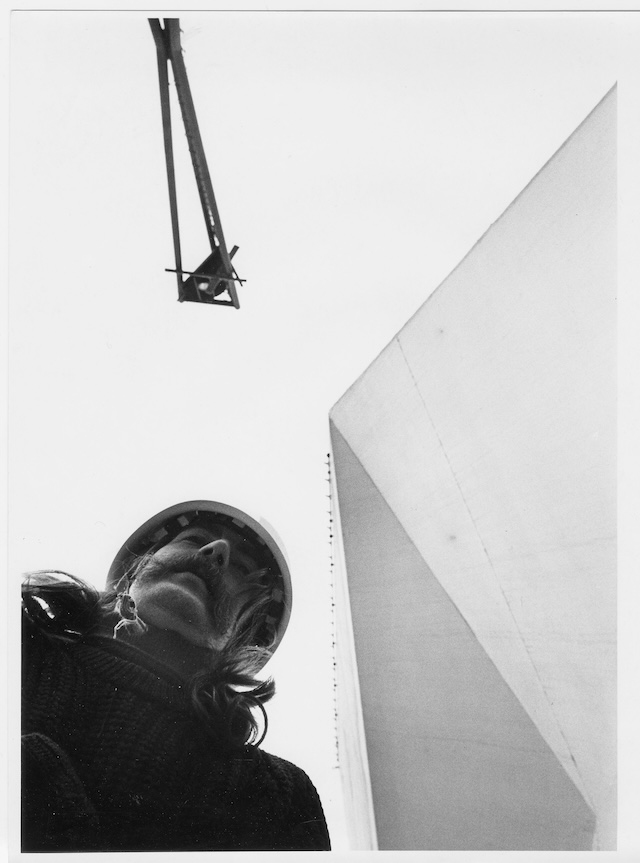
Today the intersection between art and science or technology feels so normal it barely raises an eyeball. We are used to immersive digital installations, LED screens, kinetic robotic sculptures, augmented reality, VR, AI and everything in between. Once upon a time, however, the idea of these kinds of interactions between art and other mediums was unheard of. That was until Experiments in Art and Technology – known as EAT – exploded in the 1960s. It is arguably ground zero of the art we know today. Its legacy cannot be underestimated, and its story is a fascinating and intuitive one.
The instigator for this fascinating crossover was Billy Klüver, who was born in Monaco and brought up in Sweden, where he studied Electrical Engineering in Stockholm. It was at the university film club that he first crossed over into the art world, making friends with artist Öyvind Fahlström and curator Pontus Hultén, who would later become director of the iconic Stockholm museum, Moderna Museet. He worked in Paris for a couple of years, where he was introduced to kinetic artist Jean Tinguely – known for his moving, wiggling sculptures. Klüver went to California in 1954 to complete a PhD at the University of California, Berkeley. When he graduated three years later he went to work in the communication and research department of what was then cutting-edge tech – Bell Telephone Laboratories in New Jersey. When Tinguely came to New York City in 1959, he needed help designing a timing mechanism for a 27 by 23ft sculpture he was creating at MoMA. He wanted the artwork to dismantle itself with the press of a button.
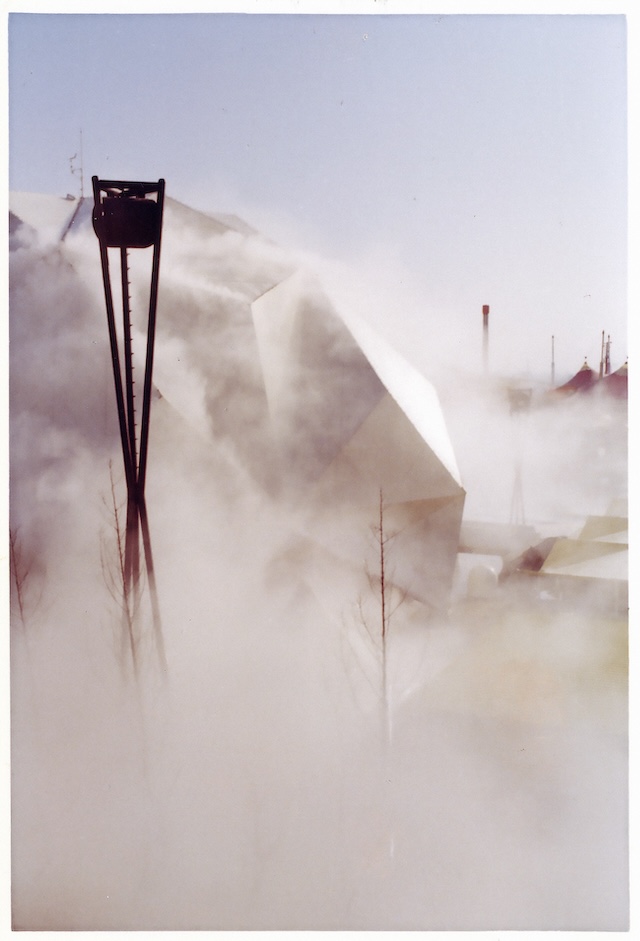
EAT: ‘Pepsi-Cola Pavilion in fog’ for the Expo ’70, 1970. View from the back
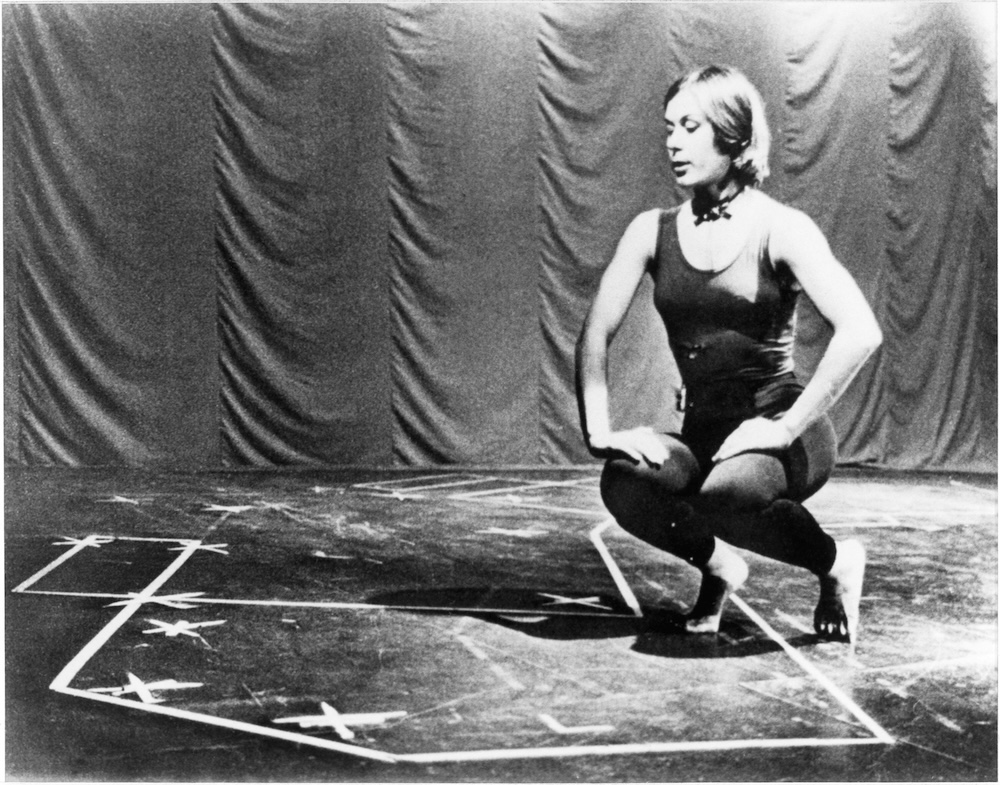
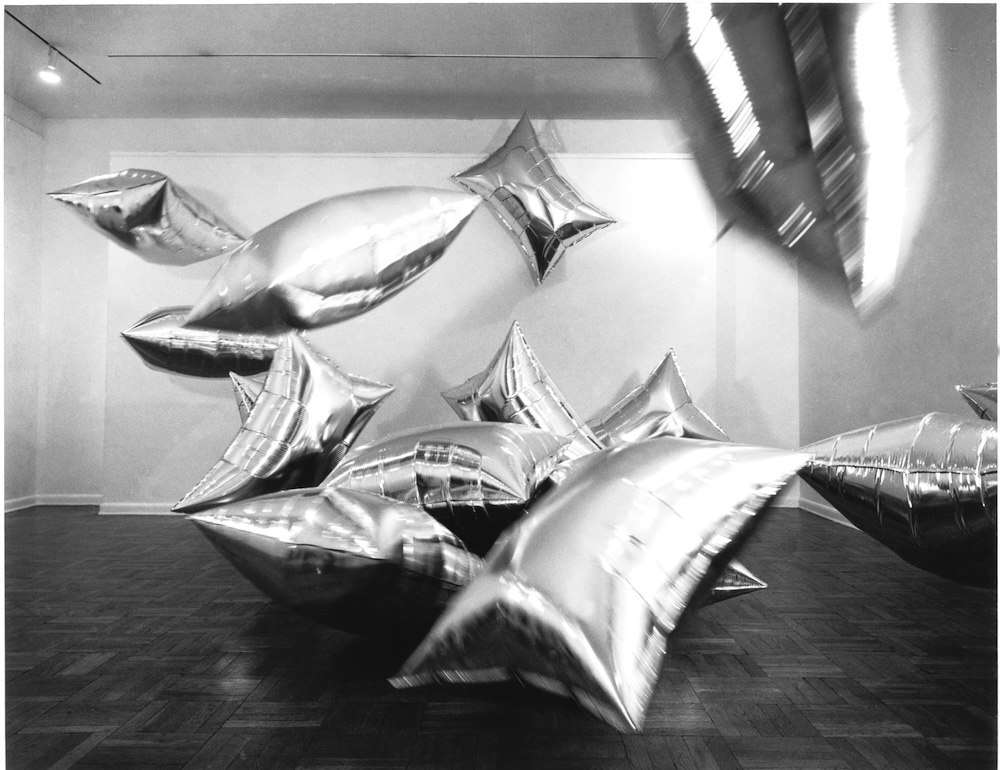
Klüver became the go-to guy when artists wanted to experiment. Things really kicked off when he began to work with Robert Rauschenberg in 1960. The American artist had already started to develop his signature take on pop culture painting, incorporating elements of magazines into otherwise abstract works. He was also simultaneously experimenting with sculpture and wanted to embed wireless radios into a group of works – far before portable electronics were widespread. Klüver integrated battery-powered lights into Jasper Johns’ paintings, and he sourced the metallic material for Andy Warhol’s ‘Silver Clouds’ in 1966. Klüver was an inventor and visionary, unafraid to make what would seem impossible possible. He worked with Yvonne Rainer in 1964 and created a portable microphone to project her breathing mid-performance. The idea of body-object interaction changed performance art completely. Klüver was boundaryless in his desire to enable an artist’s vision. In many ways, the EAT collaborations helped cement the focus on concept over aesthetics.
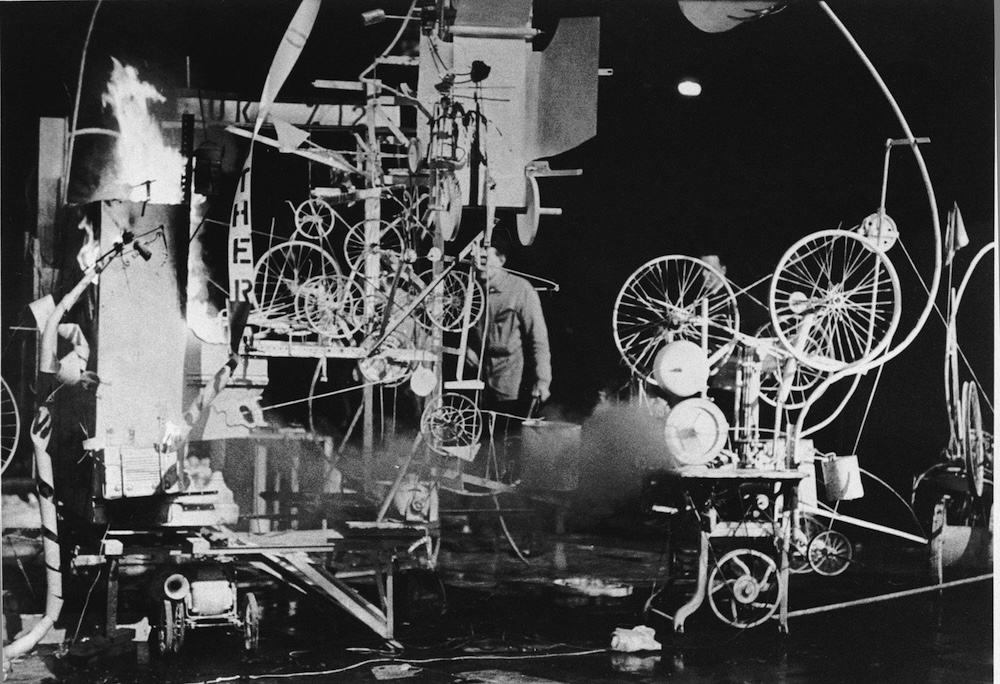
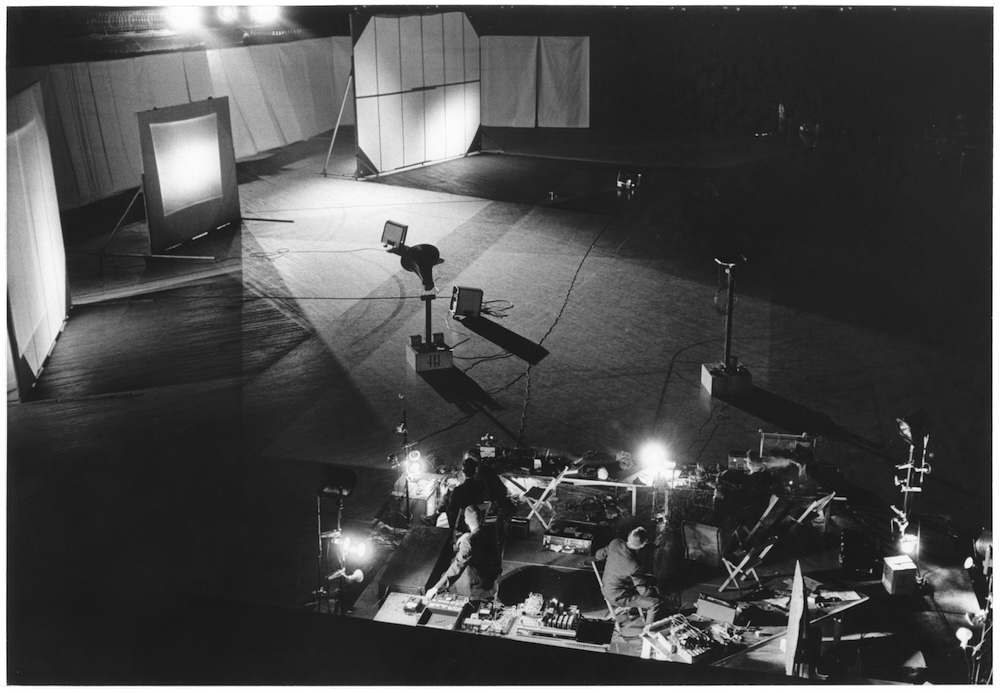
1966 was also the year that Rauschenberg and Klüver founded EAT. Its aim was to create a space of collaboration between art and technology, and its first event was 9 Evenings: Theater & Engineering which featured 10 performance artworks and took place at the 69th Regiment Armory in New York City. The pieces paired 30 engineers from Bell Labs with artists working in dance, sound and theatre. The artists who took part are now viewed as some of the most important of the 20th century. There were sound pieces by John Cage, David Tudor and Rauschenberg; dance works by Yvonne Rainer, Lucinda Childs and Deborah Hay. The pieces included fibre-optic cameras, closed-circuit television, portable radio transmitters and sonar devices. The event had a phenomenal response from the New York City art world. Part of what was so exciting was the idea of repositioning where the conception of the art world was – in some “unknown place somewhere between engineers and themselves”, as Simone Forti stated in Artforum the following year. Buoyed from the events, Rauschenberg and Klüver invited artists to turn up to be introduced to engineers. 300 artists came and there were 75 requests for collaboration. EAT was born.
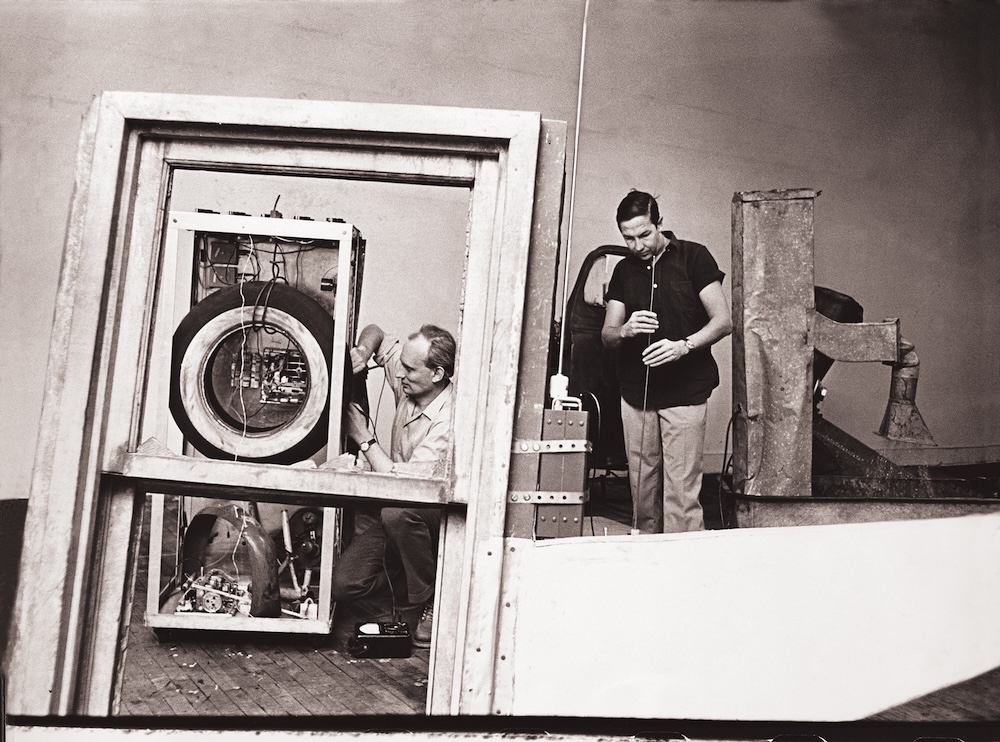
Over the next two decades, EAT grew to include thousands of members. Hundreds of collaborations were created between artists and engineers. The pairing process used edge-notched cards, a little like the computer cards of the era, that would be organised by the engineer’s name with clipped holes for their speciality. A request would be punched in using knitting needles, apt engineers would come out, and the names were shared with an artist. It was a bit like a creative matchmaking service. The project entered the canon. In 1968 they worked with MoMA on an open call competition that was so large it had to be exhibited across multiple institutions – the Brooklyn Museum showed Some More Beginnings and a number of EAT artworks were included in MoMA’s highly influential show, The Machine as Seen at the End of the Mechanical Age.
Julie Martin worked with EAT initially because she was assisting artist Robert Whitman. “I was working for Bob Whitman as a stagehand. Once 9 Evenings started everybody got involved. I remember working with Pontus Hultén on a catalogue and finding photos or editing. After nine evenings, Klüver and Fred Waldhauer asked me to join as editor of the newsletter. Artists, and not that great spellers…” she recalls. “As things developed, I just kept working there.”
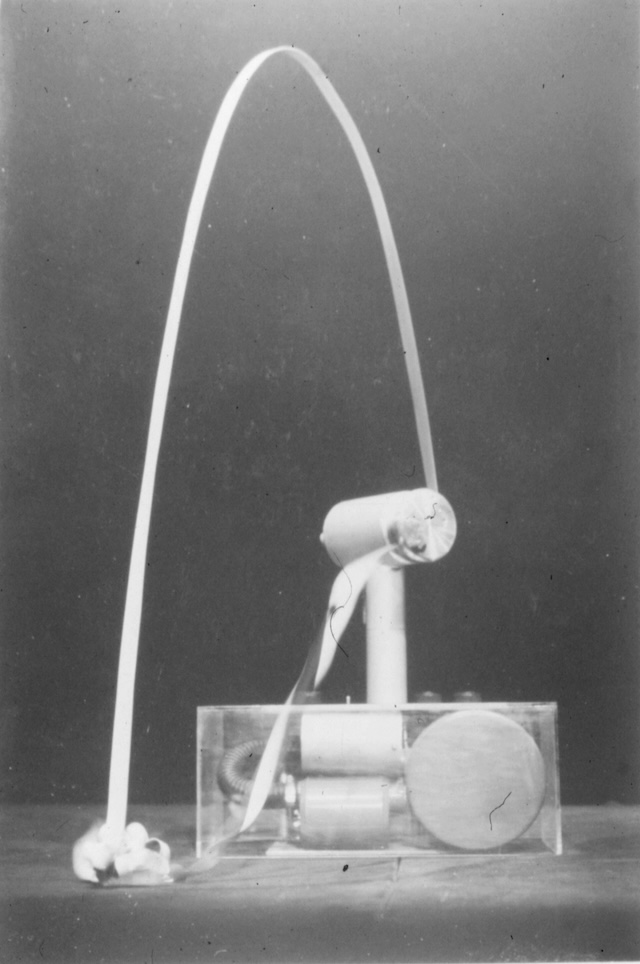
There was something utopian about EAT. It was driven by the idea that creative endeavours were vital to shift the path of machine-led progress. “That artists and engineers could get together and build something for the future – using a new technology to improve people’s lives. Less aesthetics and more active in society and utility.” In that era, there was hope and positivity around the possibilities of technology. There was a hope that working with artists would also influence engineers. “The idea was that the engineer working with the artist would somehow see his or her role differently, and might see other ways that they could use their skills in society,” Martin explains. “Fred Waldhauer is a perfect example. He was working with David Tudor. His mother was becoming deaf. He said he listened to the radio in the car and got the idea of a hearing aid that could be programmed to help people who are losing their hearing. He left Bell Labs and started a company to make the hearing aid. It became the model for things that came later. That’s an example of somebody who really went out into society.”
The pinnacle of EAT would be the Pepsi Pavilion for the Japan World Exposition in Osaka in 1970. It was created by a number of artists, including Robert Breer, Frosty Myers, Robert Whitman and David Tudor. It consisted of a Buckminster Fuller-inspired geodesic dome whose interior was covered in mirrors – a “Bucky solar dome”, as Julie Martin, who worked on the project describes it. “The artists hated it. First, they decided to cover it,” she recalls. The idea was to surround it with fog – but the process didn’t exist yet. At that point the American technique of using carbon dioxide would attract every mosquito in the fair. “When we got to Japan, the group worked with Fujiko Nakaya, who was an artist. She knew Bob Rauschenberg from his trip there. She was working with a kind of desktop fog.” She agreed to create the fog – without having an actual idea of how to do it. She connected with engineer Tom Mee, and the project gave birth to her practice – an ethereal, floating sea of mist made from small droplets of water.

In this mist, Breer developed six-foot-tall moving sculptures. These white, abstract, domed objects moved very slowly around. Myers made a night piece out of four towers projecting columns of light into a linear form around the pavilion. Inside the dome, David Tudor created a laser work that made patterns on the floor and showered people with light. “The dome was actually a 90-foot-diameter dome made out of reflected plastic. Our architect, John Pearce, figured out how to pull a vacuum between the dome and the cage so it was held up by negative pressure. You could see real images around the floor, upside down in space. People could go in and see themselves in space.” Martin recalls. The intention was to have performances programmed through the pavilion but Pepsi pulled out – confused about what they were funding. The project remains one of the most memorable and haunting works of the era. A truly immersive experience.
EAT never kept track of the outcome of the hundreds of introductions and pairings it made over two decades before it gradually disbanded. Its legacy, however, can be seen in many art practices today. What makes EAT so fascinating is how the project broke boundaries. It was the first time where time became a truly present element in art. Object, experience, performance, architecture all blurred. The idea of collaboration, rather than the single ‘artist-genius’, was truly present here. The idea that working together, artists and engineers could reach beyond their fields. That art was not just representation or decoration but something with serious, social purpose. That art could change the world.
Sensing the Future: Experiments in Art and Technology (E.A.T.) is on view at LUMA Arles until January 11, 2026, find out more here
This article is taken from Port issue 37. To continue reading, buy the issue or subscribe here